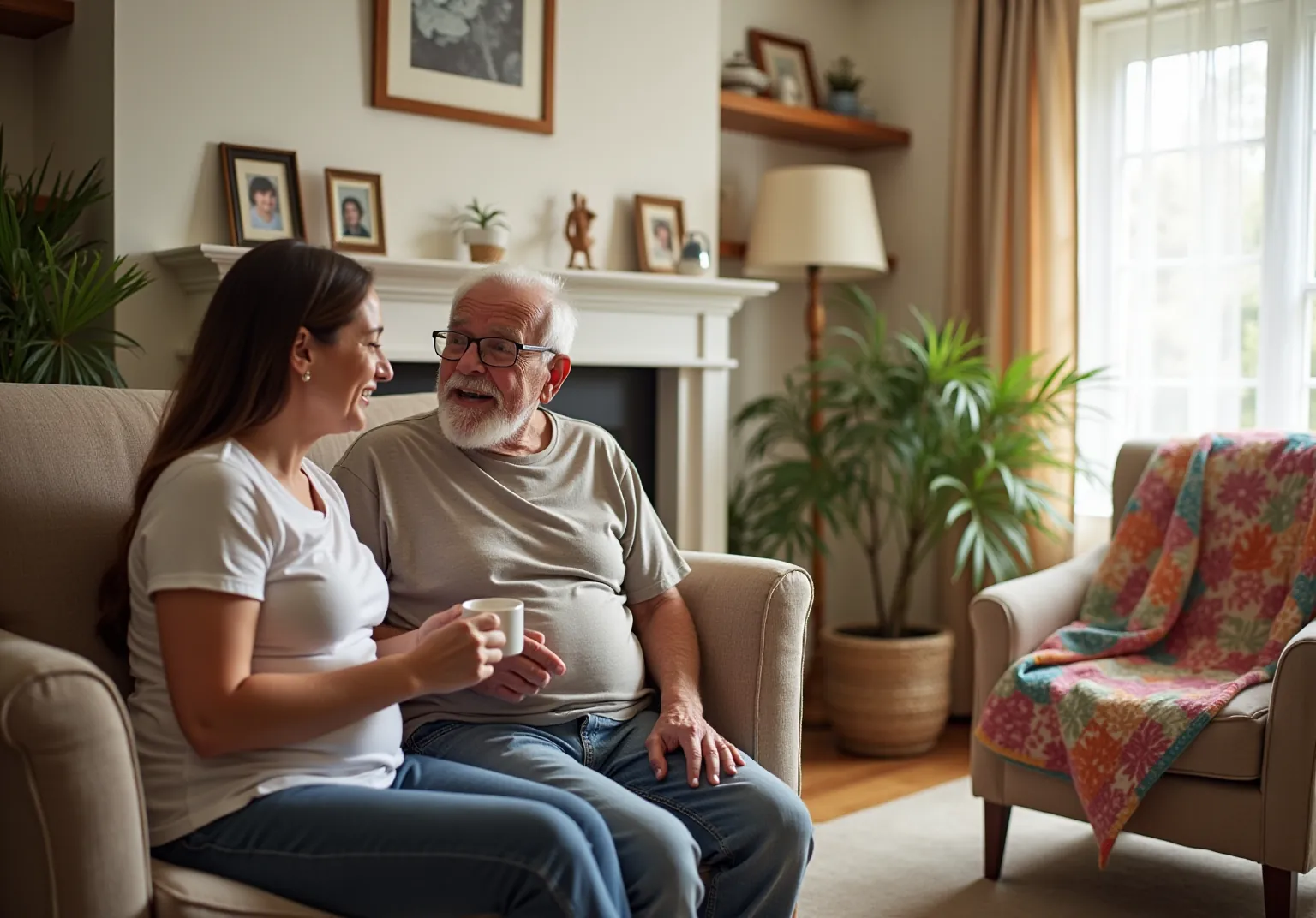
A 24/7 Live-In Caregiver at a Glance
The article highlights the profound benefits of having a 24/7 live-in caregiver for our cherished loved ones. This arrangement not only offers personalized care but also provides emotional support and the assurance of safety. It promotes independence and significantly enhances the quality of life for seniors.
Imagine the comfort of knowing that your loved one is never alone, that they have someone to share their day with, to engage in meaningful conversations that alleviate loneliness. Live-in caregivers respond immediately to emergencies, ensuring that help is always at hand. They offer tailored assistance that meets the unique needs of each individual, ultimately enhancing the well-being of both elderly individuals and their families.
This compassionate care fosters a nurturing environment where seniors can thrive, surrounded by understanding and support. It’s not just about meeting physical needs; it’s about enriching lives, providing companionship, and ensuring that our loved ones feel valued and cared for.
As we consider these benefits, let’s remember the emotional toll that caregiving can take. The stress and burnout that caregivers often face can be overwhelming. However, with the support of a dedicated live-in caregiver, families can find relief and peace of mind, knowing their loved ones are in capable hands.
In conclusion, the presence of a live-in caregiver not only enhances the lives of seniors but also brings comfort and reassurance to families. It’s a choice that embodies love, compassion, and a commitment to quality care.
Understanding A 24/7 Live-In Caregiver
The growing demand for personalized care solutions reflects a significant shift in how families approach the well-being of their elderly loved ones. Many families find themselves overwhelmed, grappling with the emotional challenges of ensuring their loved ones receive the best care possible. A 24/7 live-in caregiver offers a unique blend of companionship, safety, and tailored support that can dramatically enhance the quality of life for seniors. This arrangement not only addresses the physical needs of seniors but also alleviates the emotional burdens faced by families.
What are the true benefits of having a live-in caregiver? Exploring the multifaceted advantages reveals a profound impact on emotional and physical health. Families often experience peace of mind, knowing that their loved ones are cared for with compassion and respect. This reassurance allows families to navigate the complexities of elder care with greater confidence, fostering a nurturing environment for everyone involved.
Happy to Help Caregiving: Personalized 24/7 Live-In Care for Your Loved Ones
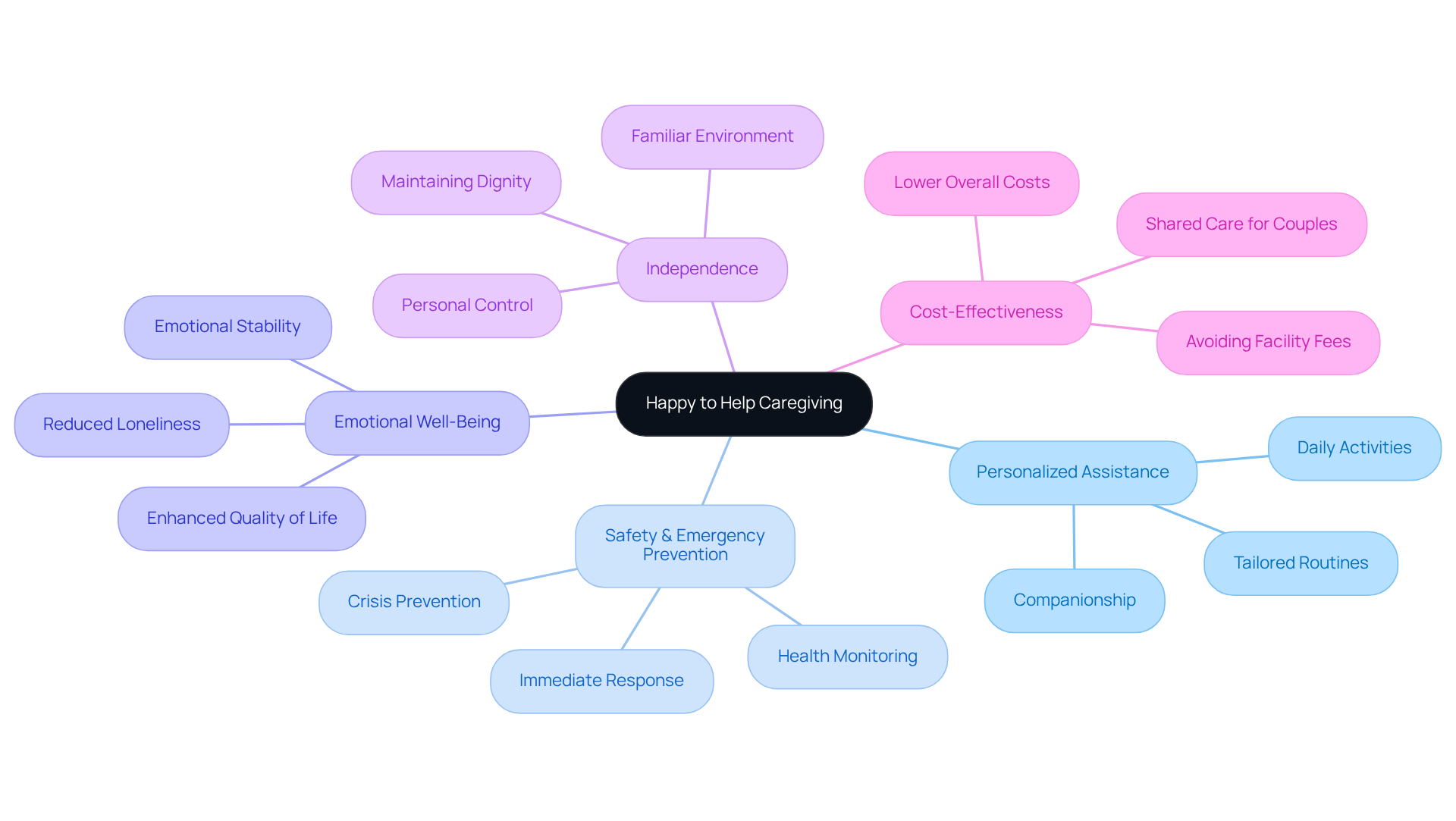
Happy to Help Caregiving excels in providing personalized assistance with a 24/7 live-in caregiver, ensuring that your loved ones receive devoted attention and support in the comfort of their own homes. This service is meticulously tailored to individual needs, allowing clients to maintain their independence while benefiting from compassionate care. Caregivers are trained to engage clients in enjoyable activities, fostering a sense of security and significantly enhancing their overall quality of life.
The advantages of live-in caregiving are profound. With a committed helper living in the home, seniors receive ongoing support that aids in avoiding emergencies by detecting health changes early. This constant presence allows for immediate responses to any issues, ensuring safety and peace of mind for families. Moreover, live-in caregivers assist with daily activities such as meal preparation, bathing, and medication reminders, which are crucial for maintaining routines and promoting well-being.
In 2025, the importance of in-home caregiving has never been clearer. As the population ages, the demand for tailored support that honors the dignity and autonomy of elderly individuals continues to increase. Live-in support not only eases the emotional strain on family members but also offers a cost-efficient option to assisted living facilities, with home healthcare averaging over 30% less than shared nursing home rooms.
Caregivers often express how their role enhances the quality of life for seniors, emphasizing the emotional stability and companionship they provide. As mentioned by Intouch Healthcare Solutions, 'Unlike facilities or rotating shift assistance, a 24/7 live-in caregiver provides dedicated, personalized help.' This collaboration enables households to concentrate on significant relationships instead of the pressure of support duties, ultimately enhancing the lives of both supporters and clients. By choosing live-in care, families can ensure their loved ones enjoy a fulfilling, independent life at home.
Emotional Support: Alleviating Loneliness and Isolation
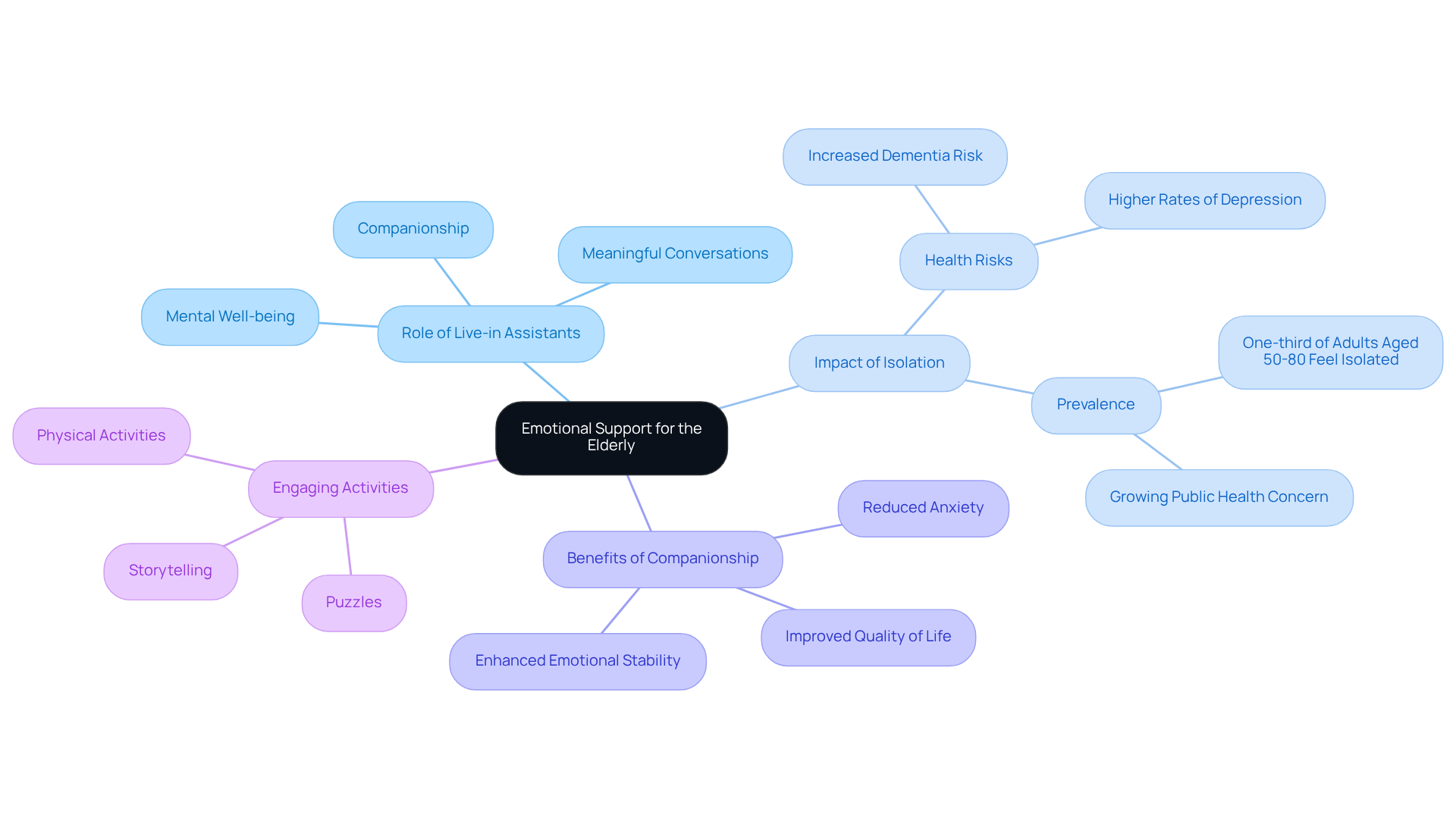
Live-in assistants play a vital role in providing emotional support, helping to alleviate feelings of loneliness and isolation among elderly individuals. Through regular companionship and meaningful conversations, caregivers nurture a sense of value and connection, which is essential for mental well-being. Research shows that consistent social interaction can significantly enhance emotional stability; in fact, one-third of U.S. adults aged 50 to 80 report feelings of isolation.
Social isolation in older adults is particularly concerning, as it is a leading cause of serious health issues, linked to a 50% increased risk of developing dementia. This emotional bond not only boosts mental health but also enriches the overall quality of life for seniors. Studies have demonstrated that companionship care can reduce anxiety and depressive symptoms, making it a crucial component of in-home care.
Engaging activities, such as storytelling and puzzles, provide essential mental stimulation, helping to preserve memory and delay cognitive decline. Daily conversations can significantly mitigate feelings of isolation and depression in the elderly. By prioritizing emotional bonds, caregivers contribute to a healthier, more fulfilling life for their clients, reinforcing the idea that social connections are vital for overall health. As one expert beautifully stated, "daily interaction with a kind, familiar face can brighten an elderly person's day."
In these challenging times, it’s heartening to know that compassionate care can make a profound difference.
Safety Assurance: Immediate Assistance in Emergencies
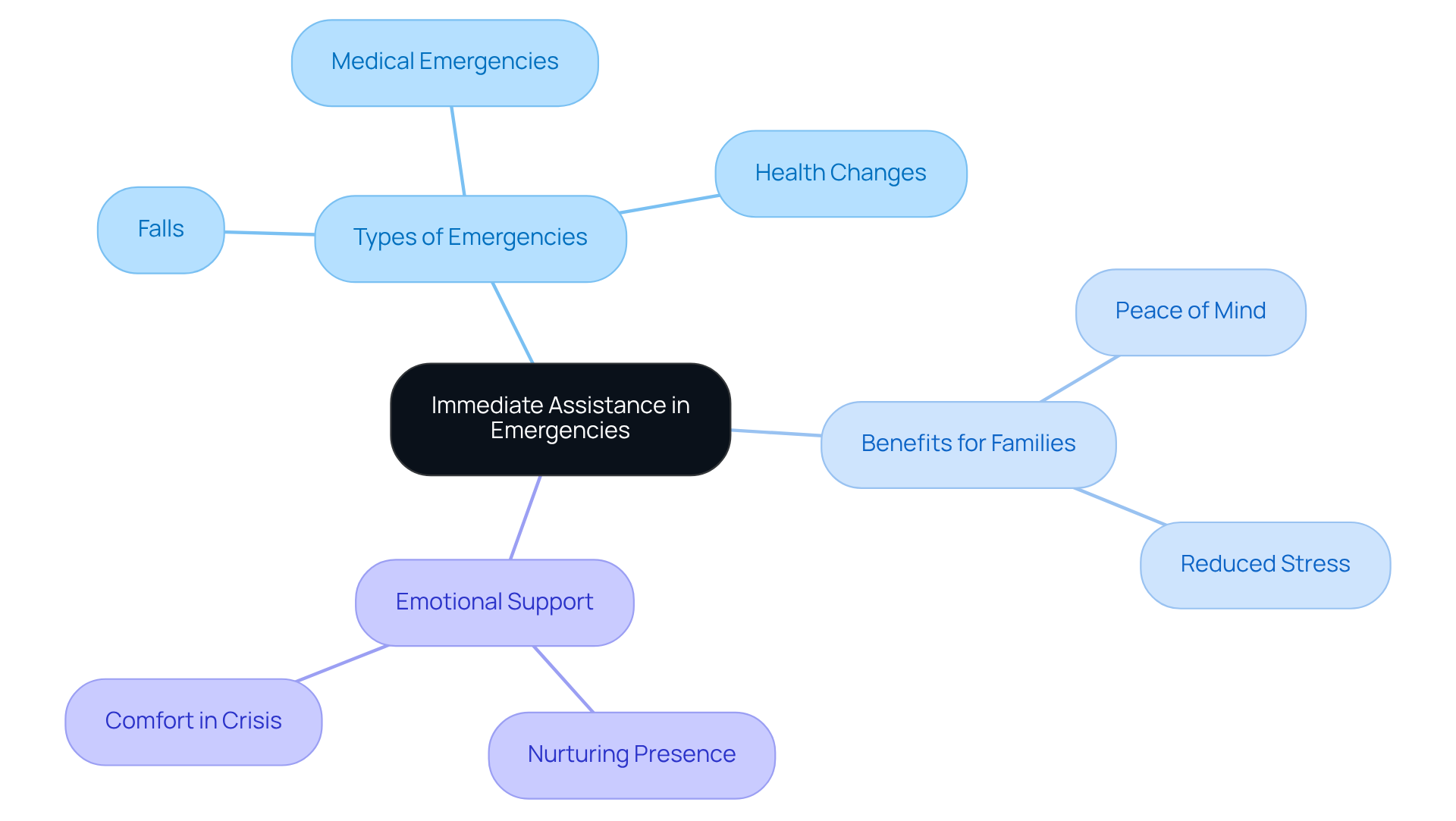
One of the key advantages of having a 24/7 live-in caregiver is the assurance of immediate assistance in emergencies. Caregivers are trained to respond quickly to any situation, whether it’s a fall, medical emergency, or sudden health change. This constant presence not only offers peace of mind for families but also guarantees that elderly individuals receive prompt assistance. In moments of crisis, every second counts, and knowing that help is always nearby can be a tremendous comfort.
Imagine the relief of knowing that someone is there, ready to provide care and support. This nurturing presence can make all the difference, especially during those unexpected moments when health issues arise. Families can rest assured that their loved ones are not alone, and that compassionate care is just a heartbeat away. This assurance can alleviate some of the stress and anxiety that often accompanies caregiving, allowing families to focus on what truly matters—spending quality time together.
Tailored Care Plans: Flexibility to Meet Individual Needs
Live-in support workers create personalized care strategies that cater to the unique needs and desires of each client. This adaptability is crucial, as it allows for adjustments when health conditions evolve or when clients share new requirements. By focusing on individual needs, caregivers can provide the most effective support, ultimately enhancing the quality of life for seniors.
In this journey, caregivers often face emotional challenges. The stress and burnout that can accompany such responsibilities are real and can weigh heavily on the heart. However, the compassionate care provided by live-in support workers offers a solution. They not only address physical needs but also provide emotional support, fostering a nurturing environment where clients feel valued and understood.
As caregivers dedicate themselves to this important work, they often find fulfillment in the connections they build. Each interaction is an opportunity to make a positive impact, bringing comfort and joy to those they serve. This relationship is a two-way street, where caregivers also find support and encouragement from their clients.
In essence, a 24/7 live-in caregiver offers more than just assistance; it is a partnership grounded in empathy and understanding. By prioritizing individual needs, caregivers can help seniors navigate the complexities of life with dignity and grace.
https://iframe.tely.ai/cta/eyJhcnRpY2xlX2lkIjogIjY4ZmFjYzI0YWMxYzUxNDQxYTdhNmZkZCIsICJjb21wYW55X2lkIjogIjY4ZWU1ZGNhNzMxNzYyNTU3ZjNjOTVjMSIsICJpbmRleCI6IDMsICJ0eXBlIjogImFydGljbGUifQ==Cost-Effectiveness: Saving on Long-Term Care Expenses
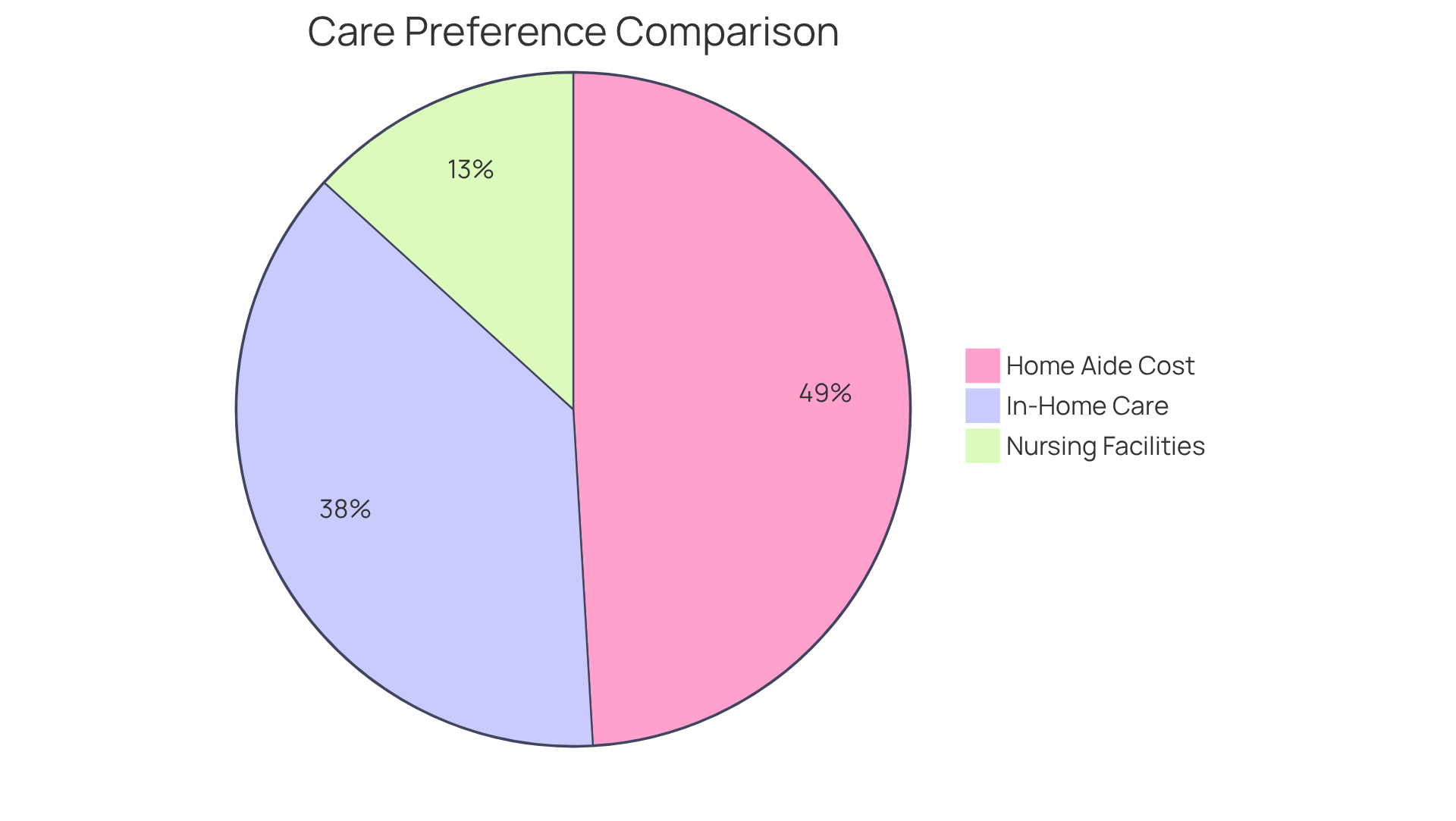
Choosing a 24/7 live-in caregiver can be a financially savvy alternative to traditional nursing homes or assisted living facilities. It allows families to significantly decrease long-term support expenses while ensuring their loved ones receive personalized, one-on-one attention. In fact, in-home assistance is often much less expensive than nursing facilities. The yearly cost for a home health aide providing eight hours of support daily averages around $96,360.
Moreover, families may be able to deduct home assistance costs from their federal income tax if the expenses qualify as medical costs and exceed 7.5% of the filer's adjusted gross income. This can provide additional financial relief during a challenging time. Choosing this approach not only fosters a sense of autonomy for seniors but also minimizes hospital readmissions, which can lead to further costs.
Significantly, 74% of Americans favor receiving long-term support at home instead of in a nursing facility. This statistic emphasizes the emotional and practical advantages of in-home assistance. By opting for a 24/7 live-in caregiver, households can reduce financial pressures while enhancing the quality of life for their loved ones. This makes it an appealing option for many.
Proactive planning in this context can help families navigate the complexities of long-term care expenses. It allows them to focus on what truly matters—the well-being of their loved ones. Remember, you are not alone in this journey; compassionate support is available to help guide you through these decisions.
Companionship: Enhancing Emotional and Mental Well-Being
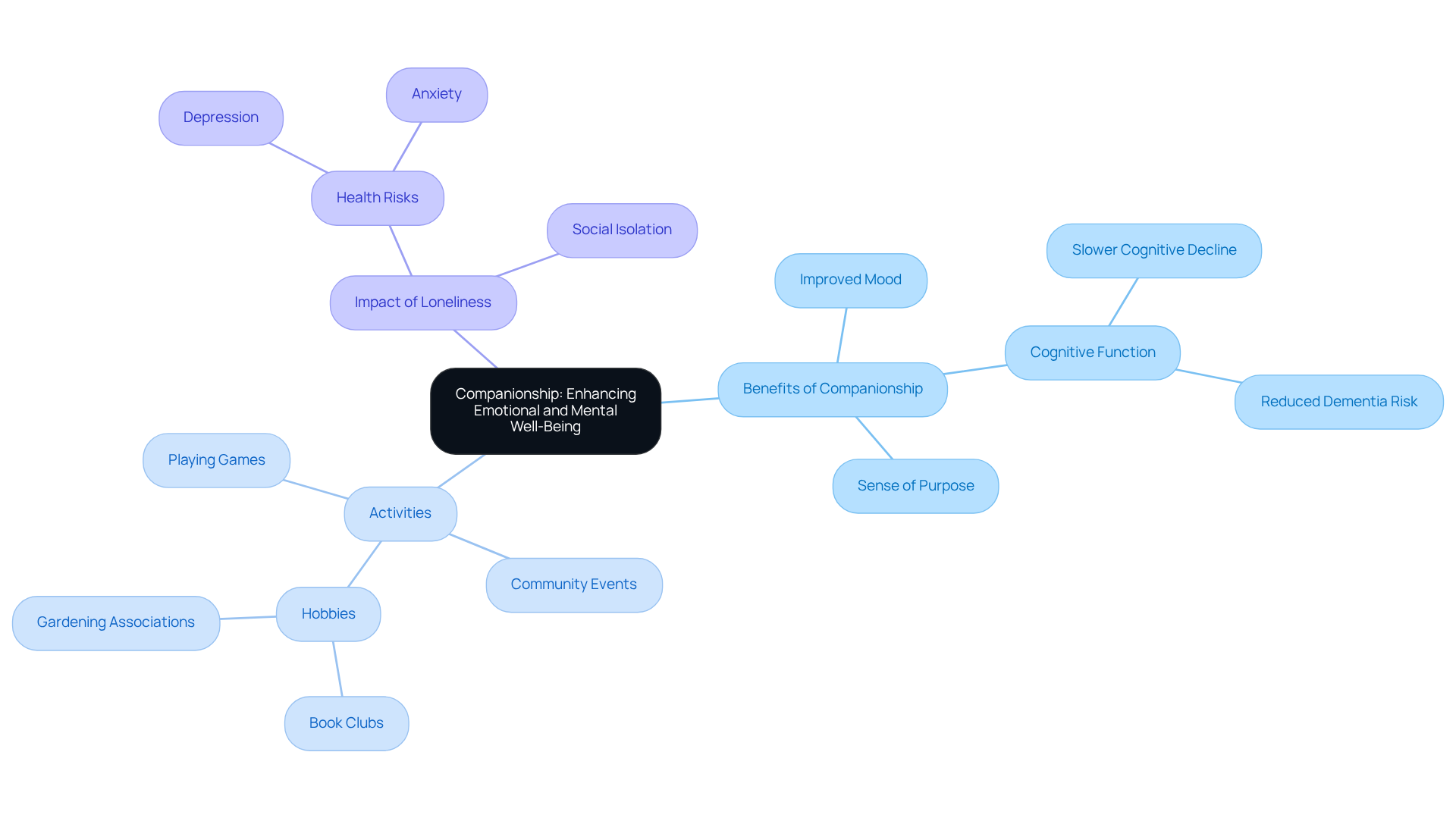
The companionship provided by a 24/7 live-in caregiver is crucial for enhancing the emotional and mental health of elderly individuals. Engaging in activities, sharing stories, and simply being present can significantly uplift an elderly person's mood while alleviating feelings of loneliness and depression. Research indicates that regular social interaction is linked to improved cognitive function. Studies reveal that seniors who maintain active social lives experience slower cognitive decline and a greater sense of purpose. Engaging conversations and light activities stimulate the brain, helping to slow cognitive decline and reduce dementia risk.
Activities such as playing games, attending community events, and participating in hobbies not only stimulate the brain but also foster meaningful connections. Joining local groups like book clubs or gardening associations can lead to lasting friendships. In fact, a 24/7 live-in caregiver providing companionship assistance is recognized as one of the most valuable forms of support for older adults. It promotes self-sufficiency and helps sustain daily routines, ultimately contributing to a higher quality of life.
Loneliness affects more than 1.4 million elderly individuals in the UK, highlighting the urgent need for companionship support to combat social isolation. Emotional assistance from caregivers is vital in preventing depression and anxiety, especially following significant life transitions.
Continuity of Care: Building Trust and Familiarity
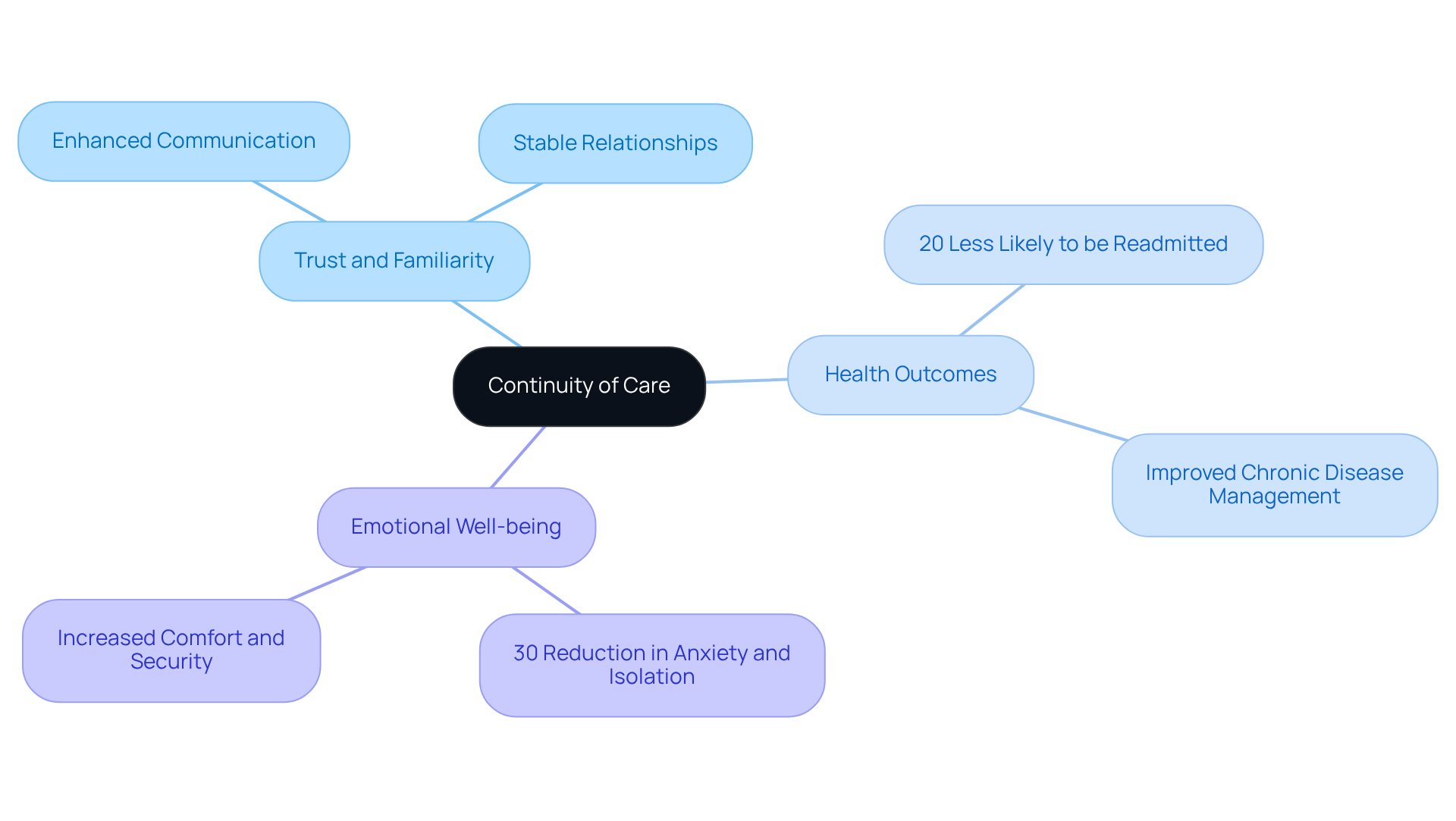
The presence of a 24/7 live-in caregiver significantly enhances continuity of care, which is a crucial factor in fostering trust and familiarity. Seniors experience a greater sense of comfort and security when they are cared for by a consistent 24/7 live-in caregiver. This stable relationship fosters open communication, which allows a 24/7 live-in caregiver to gain deeper insights into their clients' needs and preferences.
Research shows that patients with high continuity of support are 20% less likely to be readmitted to the hospital within 30 days after discharge. This highlights the positive effect of stable provider relationships on health outcomes. Support providers frequently convey that developing trust with clients is essential to their position. As one supporter remarked, "Creating trust enables me to comprehend my clients more effectively and deliver assistance that genuinely fulfills their requirements."
This familiarity not only enhances the quality of care but also boosts the emotional well-being of clients. Studies indicate that consistent relationships with providers can lessen feelings of anxiety and isolation by up to 30%. Ultimately, the connection established through consistent support from a 24/7 live-in caregiver results in improved health outcomes and a more rewarding experience for both clients and those providing care.
Daily Living Assistance: Promoting Independence and Quality of Life
A 24/7 live-in caregiver provides essential daily living assistance, helping elderly individuals with activities such as:
- Bathing
- Dressing
- Meal preparation
- Medication management
This support is vital, as it promotes independence and allows seniors to maintain their routines and dignity.
By facilitating these activities, caregivers enhance the quality of life for their clients. They enable seniors to live comfortably and confidently in their own homes, fostering a sense of security and well-being.
The compassionate care provided by a 24/7 live-in caregiver not only addresses practical needs but also alleviates the emotional burdens faced by families. Knowing that their loved ones are in capable hands brings peace of mind to caregivers, allowing them to focus on their own well-being.
In this nurturing environment, seniors can thrive, enjoying their daily lives with dignity and grace.
https://iframe.tely.ai/cta/eyJhcnRpY2xlX2lkIjogIjY4ZmFjYzI0YWMxYzUxNDQxYTdhNmZkZCIsICJjb21wYW55X2lkIjogIjY4ZWU1ZGNhNzMxNzYyNTU3ZjNjOTVjMSIsICJpbmRleCI6IDcsICJ0eXBlIjogImFydGljbGUifQ==Family Support: Respite Care for Caregiver Relief
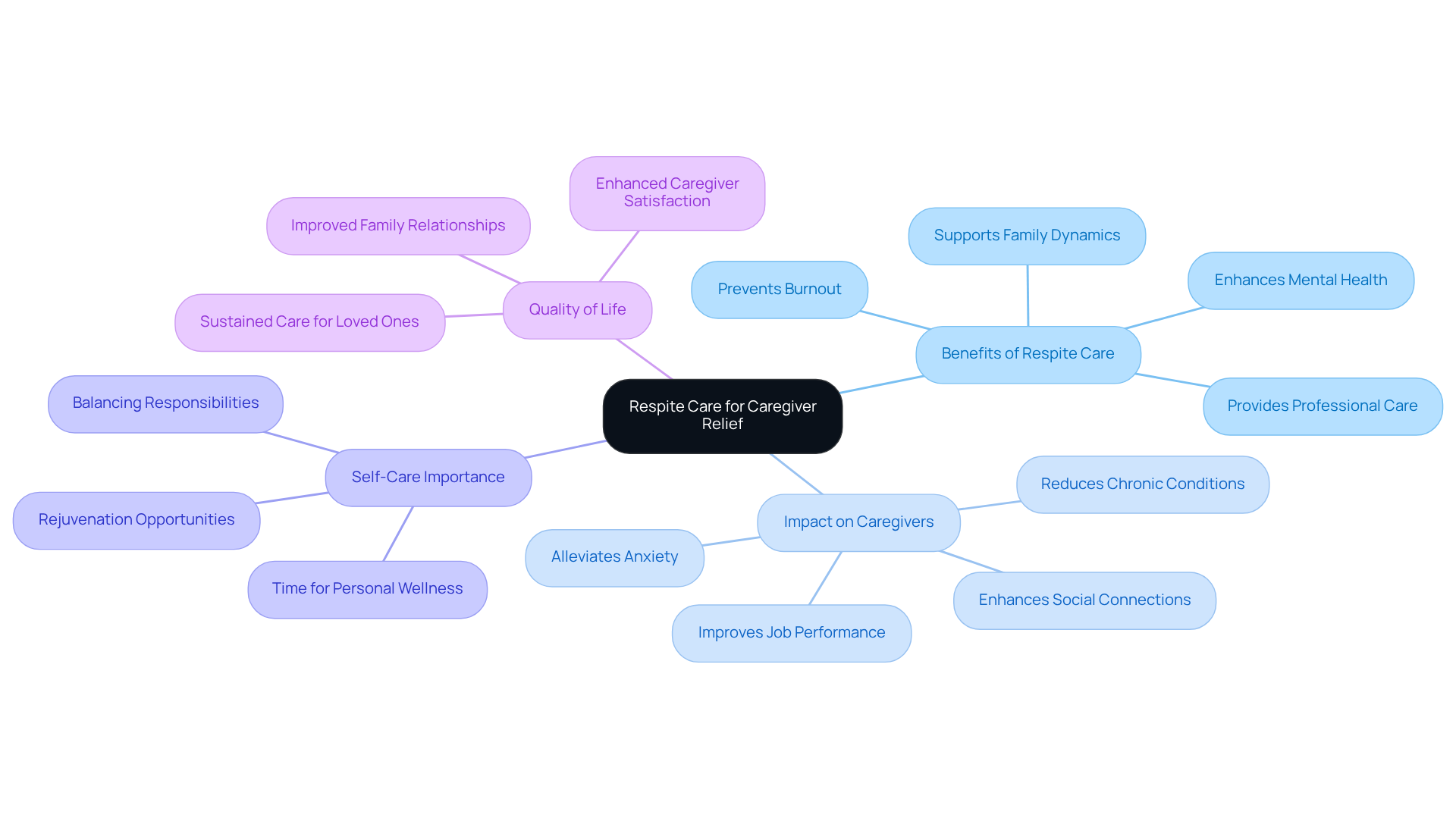
Respite assistance is a vital service that provides temporary relief for caregivers, allowing them to take much-needed breaks and rejuvenate. A 24/7 live-in caregiver can step in to offer support, ensuring that caregivers can focus on their own needs without worrying about their loved ones. This support not only helps prevent burnout—an experience reported by nearly half of caregivers dealing with chronic conditions and anxiety—but also enhances the well-being of both the caregiver and the person receiving care.
Mental health experts emphasize that making time for self-care is crucial for caregivers, as it directly impacts their ability to provide effective support. Respite services play a key role in preventing caregiver exhaustion and promoting both physical and mental health. They create a nurturing environment that allows families to maintain their quality of life while ensuring that their loved ones are cared for in a safe and supportive setting.
By prioritizing respite assistance, caregivers can find the balance they need to recharge, ultimately leading to a more fulfilling caregiving experience. Remember, taking care of yourself is not just beneficial for you; it enriches the lives of those you care for.
Technology Integration: Enhancing Communication and Care Management
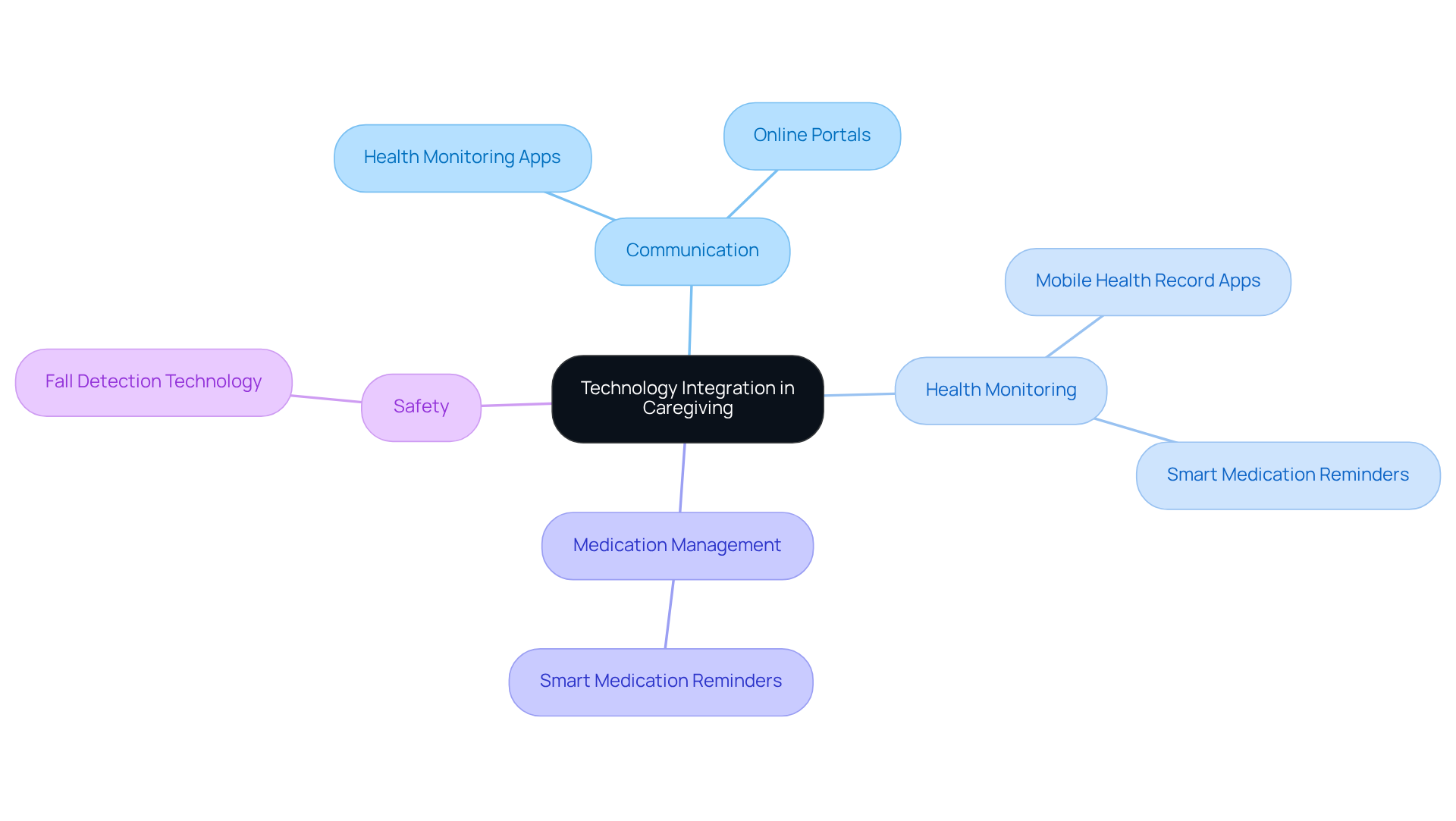
Caring for a loved one can be an emotional journey filled with challenges. The integration of technology in caregiving offers a compassionate solution that significantly enhances communication and care management. Health monitoring applications, medication alerts, and online portals empower caregivers to keep families informed about their loved ones' well-being.
Imagine the relief when caregivers learn that nearly 70% report improved communication with relatives through these tools. This openness fosters trust, ensuring that families remain connected, even from a distance. It transforms the caregiving experience into one that feels more cooperative and efficient.
Moreover, mobile health record apps serve as a centralized hub for seniors to manage their medical information, including tracking appointments and medications. This not only simplifies their lives but also supports coordinated health management. Smart medication reminders are another wonderful innovation, reducing missed doses by up to 50%, which encourages adherence to prescribed routines.
Safety is paramount, especially for older adults living independently. Fall detection technology provides peace of mind by automatically notifying designated contacts in the event of a fall. Families can feel confident in the care their loved ones receive, knowing that technology is actively contributing to their health and safety.
In this way, technology not only supports caregivers but also nurtures the bond between families, allowing them to focus on what truly matters—each other.
Your Path Forward
Choosing a 24/7 live-in caregiver is a profound decision that significantly impacts the lives of elderly individuals and their families. This option not only ensures personalized, compassionate support but also fosters independence and enhances the overall quality of life for seniors. By providing continuous care, live-in caregivers create a nurturing environment where emotional and physical needs are met, allowing loved ones to thrive in the comfort of their own homes.
The article highlights several key benefits of live-in caregiving:
- Enhanced safety through immediate emergency assistance provides peace of mind.
- Emotional support alleviates loneliness, creating a sense of companionship.
- Tailored care plans adapt to individual needs, ensuring that each senior receives the attention they deserve.
- Furthermore, the financial advantages of in-home care present a compelling case for families seeking cost-effective alternatives to traditional nursing facilities.
- The continuity of care established by a dedicated caregiver builds trust and familiarity, which are crucial for emotional well-being and improved health outcomes.
Ultimately, the integration of technology in caregiving enhances communication and care management, ensuring families remain informed and connected. As the demand for personalized care continues to rise, embracing the option of a 24/7 live-in caregiver addresses the practical needs of seniors while enriching their emotional landscape. This approach promotes a fulfilling and dignified life.
Families are encouraged to consider this compassionate approach to caregiving. Recognizing that the well-being of their loved ones is paramount in every decision made can lead to a more nurturing and supportive environment.
https://iframe.tely.ai/cta/eyJhcnRpY2xlX2lkIjogIjY4ZmFjYzI0YWMxYzUxNDQxYTdhNmZkZCIsICJjb21wYW55X2lkIjogIjY4ZWU1ZGNhNzMxNzYyNTU3ZjNjOTVjMSIsICJpbmRleCI6IG51bGwsICJ0eXBlIjogImFydGljbGUifQ==Frequently Asked Questions
What services does Happy to Help Caregiving provide?
Happy to Help Caregiving offers personalized 24/7 live-in care for individuals, ensuring they receive devoted attention and support in the comfort of their own homes.
How does live-in caregiving benefit seniors?
Live-in caregiving provides ongoing support, helps detect health changes early, ensures immediate responses to issues, assists with daily activities like meal preparation and medication reminders, and promotes overall well-being.
Why is in-home caregiving important in 2025?
The importance of in-home caregiving has increased due to an aging population, leading to a higher demand for tailored support that respects the dignity and autonomy of elderly individuals.
How does live-in care compare to assisted living facilities in terms of cost?
Home healthcare through live-in care is typically over 30% less expensive than shared nursing home rooms, making it a cost-efficient option for families.
What role do caregivers play in emotional support for seniors?
Caregivers provide emotional support by alleviating feelings of loneliness and isolation, nurturing a sense of value and connection through companionship and meaningful conversations.
What are the effects of social isolation on older adults?
Social isolation is linked to serious health issues, including a 50% increased risk of developing dementia, making it crucial to have consistent social interaction for mental well-being.
How do caregivers enhance the quality of life for seniors?
Caregivers enhance quality of life by providing companionship, engaging in activities that stimulate the mind, and reducing anxiety and depressive symptoms.
What safety assurances do live-in caregivers provide?
Live-in caregivers ensure immediate assistance in emergencies, are trained to respond quickly to situations like falls or medical emergencies, and offer peace of mind for families knowing help is always nearby.
How can live-in care alleviate stress for families?
Knowing that a caregiver is present to provide care allows families to focus on spending quality time together, alleviating some of the stress and anxiety associated with caregiving responsibilities.