

For families in our service areas
For families in our service areas, this guide explains companion care and how non-medical in-home caregiving can support care planning in East Idaho, Treasure Valley & Magic Valley, Northern Wasatch, North Central West Virginia, and Northeast Ohio.
Companionship Carers at a Glance
Companionship carers play a vital role in enhancing the well-being of seniors. They offer emotional support that helps reduce feelings of loneliness, making a significant difference in their lives. Imagine the comfort of having someone to share a laugh with or to talk to about your day. This kind of connection is essential for older adults living at home.
Personalized companionship not only boosts mental health but also improves overall quality of life. It fosters a sense of belonging and independence, which are crucial for maintaining dignity and joy in daily living. When seniors feel understood and cared for, it can transform their experience of aging.
The emotional and practical support provided by companionship carers is invaluable. They assist with daily activities, ensuring that seniors can continue to enjoy their routines while feeling safe and supported. This nurturing presence can alleviate stress and burnout for families, knowing their loved ones are in caring hands.
In the words of one caregiver, "Seeing the smile on a senior's face when they share a story is what makes my job so rewarding." Such personal stories highlight the compassionate care that companionship services offer, creating deeper emotional connections.
Ultimately, companionship carers are more than just helpers; they are friends who bring warmth and understanding into the lives of seniors. Their presence reassures families that their loved ones are not alone, fostering a comforting environment where seniors can thrive.
Understanding Companionship Carers
Companionship is so much more than just having someone around; it’s a vital lifeline for many seniors who are facing the heavy burdens of isolation and loneliness. With nearly one-third of older adults reporting a lack of consistent companionship, the importance of companionship carers becomes incredibly clear. These dedicated caregivers offer a wealth of benefits, from boosting mental health and emotional well-being to nurturing a sense of independence and belonging.
Yet, amidst these challenges, families often wonder: how can they choose the right support to truly enrich their loved ones' lives? It’s a question that weighs heavily on the hearts of many, and it’s essential to explore the emotional and practical support available. By understanding the compassionate care that these caregivers provide, families can find reassurance and encouragement in their journey to ensure their loved ones are not just cared for, but truly cherished.
Happy to Help Caregiving: Personalized Companionship Care for Seniors
At Happy to Help Caregiving, we truly understand the unique challenges faced by older adults. Our personalized companionship carers are designed to meet their specific needs, ensuring they feel valued and understood. Our caregivers are specially trained to engage clients in meaningful activities, providing essential support that allows seniors to thrive in the comfort of their own homes.
This individualized approach not only fosters a sense of security but also significantly enhances the overall quality of life for seniors. The emotional support we offer through companionship carers is crucial, as it helps alleviate feelings of loneliness and isolation—issues that many older adults face. In fact, studies show that 30% of seniors report lacking consistent companionship, highlighting the importance of addressing this concern with tailored support.
By nurturing these connections, we at Happy to Help Caregiving ensure that older adults receive support from companionship carers, which enhances their well-being and fosters a stronger sense of belonging. This, in turn, enriches their lives in meaningful ways. As one of our clients beautifully put it, "Customized support strategies enhance mental wellness by addressing social support systems, which are essential in fighting feelings of loneliness and isolation among older adults."
Moreover, older adults who utilize home assistance report 25% fewer doctor visits each year, underscoring the positive impact of companionship on health outcomes. We’re here to provide that vital support, helping seniors feel connected and cared for every day.
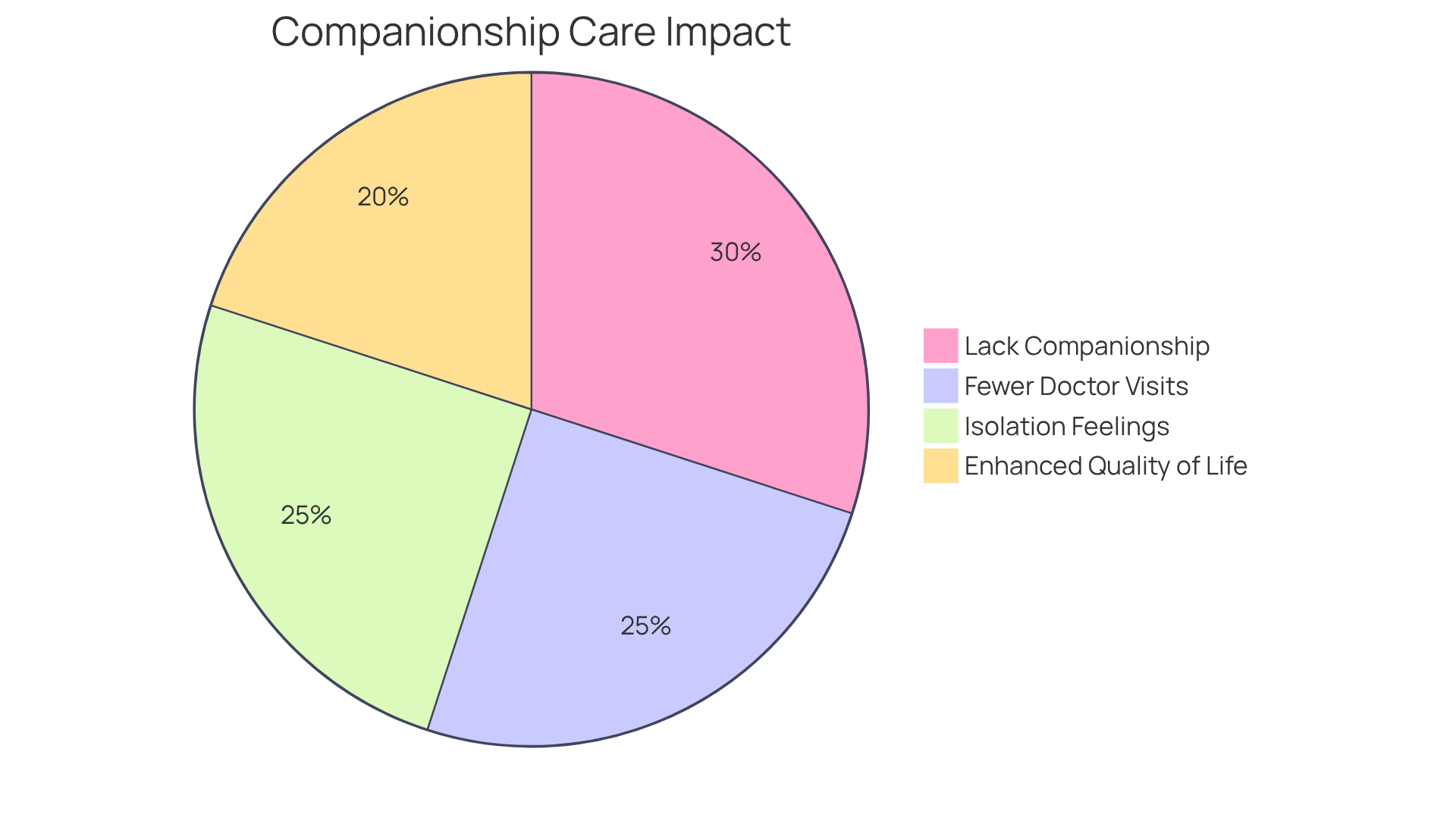
Reduced Loneliness: The Emotional Support of Companion Care
Companionship carers play a vital role in alleviating loneliness among older adults. It offers consistent support and companionship carers that can significantly enhance mental health. Many older adults find that engaging in meaningful interactions with companionship carers helps reduce feelings of depression and anxiety. Loneliness can lead to serious health issues, like heart disease and high blood pressure, underscoring the importance of social connections. These connections foster a sense of belonging and help older adults maintain a positive outlook on life.
When support providers are paired with elderly individuals based on shared interests and hobbies, the assistance becomes even more impactful. Companion assistants not only provide emotional support but also help with daily tasks, turning routines into opportunities for joy and fulfillment. Participating in enjoyable activities and conversations allows older adults to feel valued and connected, which is crucial for their mental well-being.
The presence of companionship carers enriches the lives of elderly individuals, promoting both mental health and overall well-being. As one caregiver shared, "Seeing the smiles on their faces when we engage in their favorite activities is truly rewarding." This highlights the profound impact that compassionate care can have, reminding us that everyone deserves to feel appreciated and connected.
https://iframe.tely.ai/cta/eyJhcnRpY2xlX2lkIjogIjY5MGFhMWRiZmUxZmRjNDVkMThlMjM5NyIsICJjb21wYW55X2lkIjogIjY4ZWU1ZGNhNzMxNzYyNTU3ZjNjOTVjMSIsICJpbmRleCI6IDEsICJ0eXBlIjogImFydGljbGUifQ==Enhanced Quality of Life: Benefits of Companion Care Services
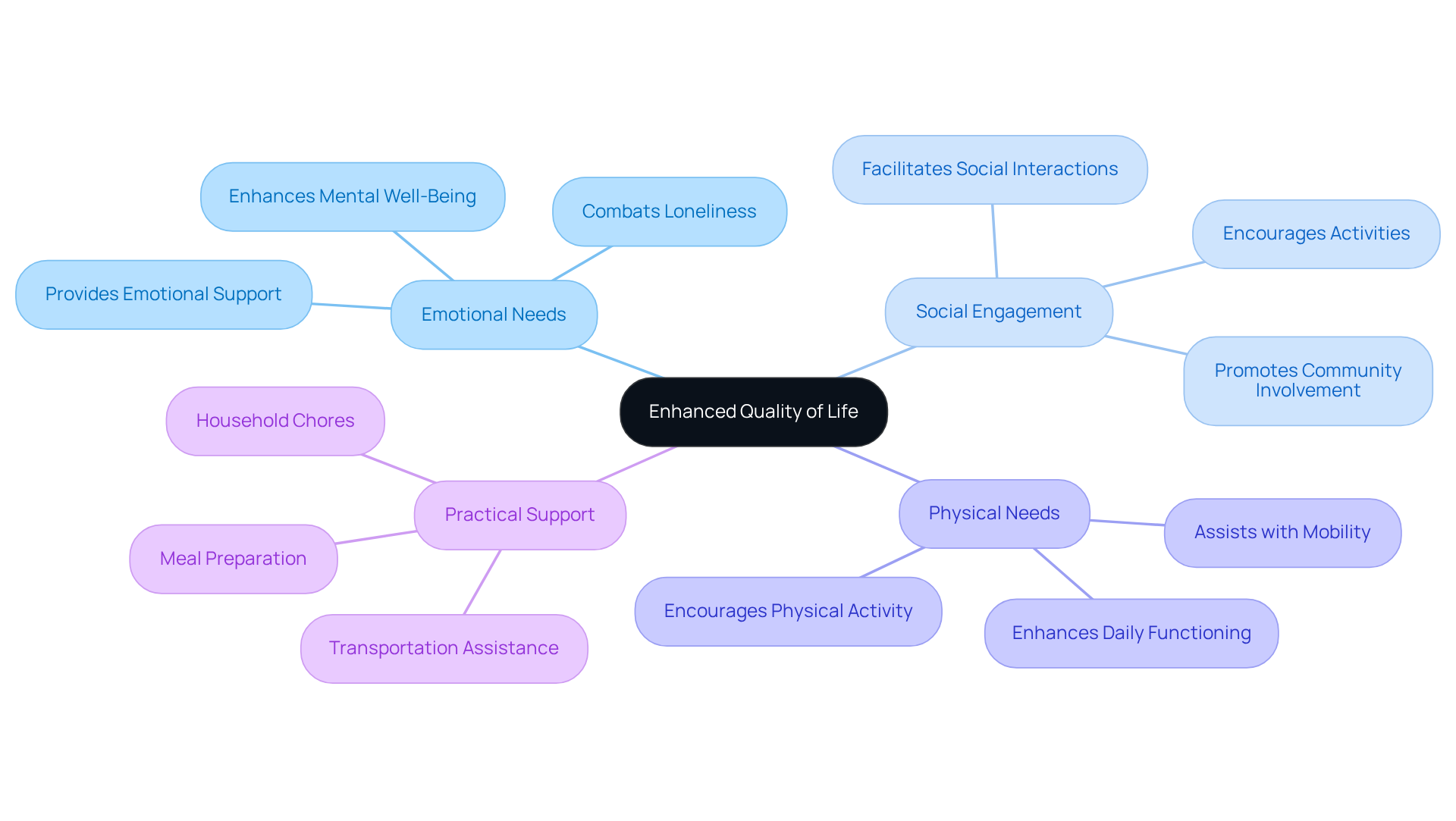
Companionship carers truly enhance the quality of life for older adults by meeting their emotional, social, and physical needs. Caregivers engage clients in activities they love, encourage social interactions, and assist with daily tasks. This thoughtful approach not only boosts mental well-being but also inspires older adults to remain active and connected within their communities.
Consider this: nearly 30% of the elderly population in the U.S. lives alone. This statistic underscores the vital need for companionship carers to combat feelings of loneliness and isolation. Studies reveal that regular social engagement can improve cognitive abilities and emotional health, making it essential for older adults to nurture their relationships.
Companion aides provide practical support too, like transportation and meal preparation. This assistance allows older adults to maintain their independence while enjoying a fulfilling life. By promoting engaging activities, companion support enhances daily functioning and empowers seniors to thrive in their familiar surroundings. Ultimately, companionship carers contribute to a richer and more satisfying life.
Imagine the joy of sharing a laugh over a favorite game or the comfort of having someone to talk to. These moments matter. They remind us that companionship is not just about being together; it’s about creating a life filled with purpose and connection.
Peace of Mind for Families: Trusting Companion Caregivers
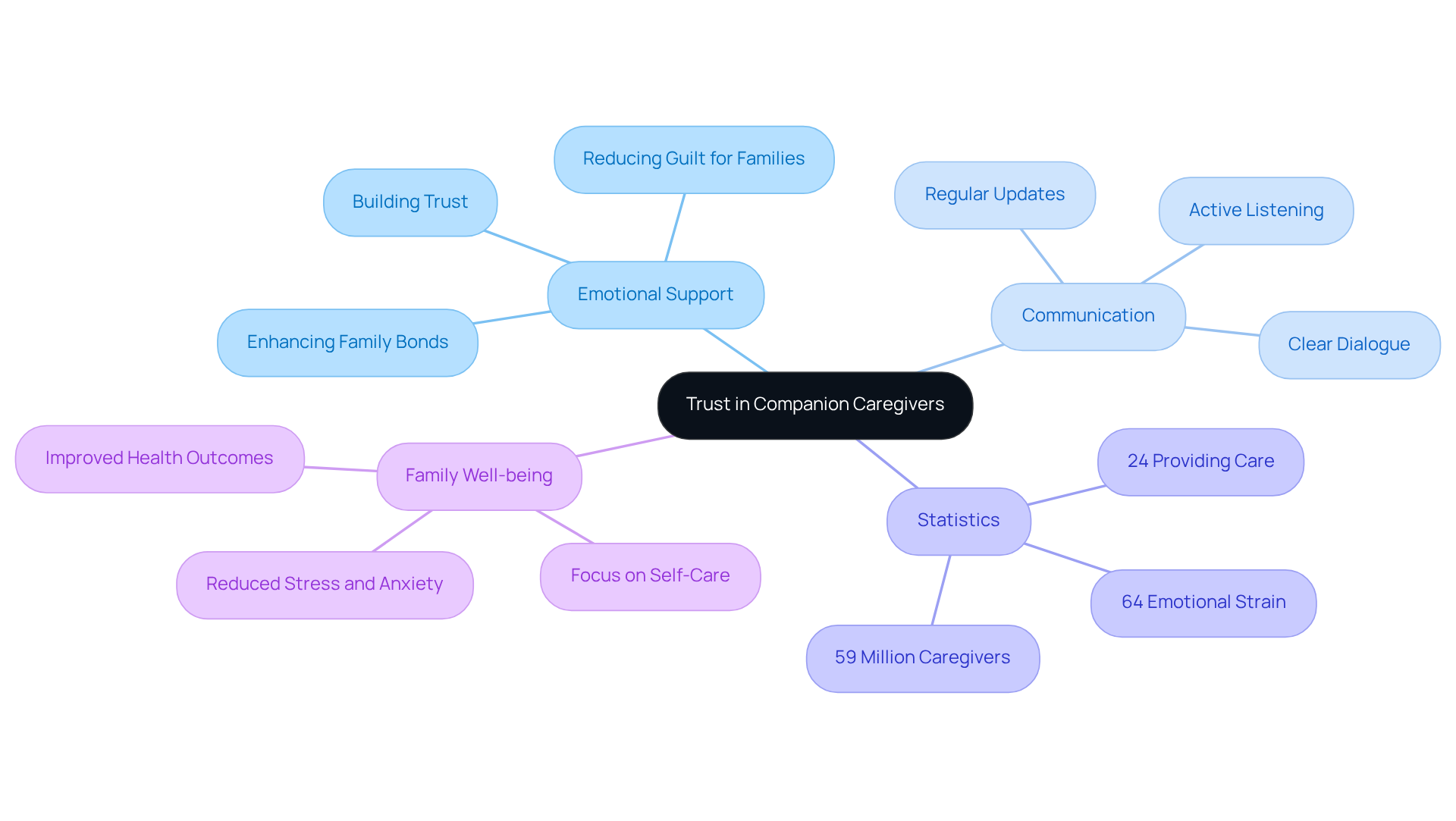
Families often find comfort in knowing their loved ones are supported by trained and compassionate companionship carers. At Happy to Help Caregiving, we prioritize building trust through consistent communication and reliable assistance. Our caregivers provide regular updates on clients' well-being, keeping families informed and engaged in their loved ones' care. This approach not only strengthens family bonds but also fosters a sense of security.
Research shows that effective communication can significantly ease the stress of caregivers, with 64% experiencing high emotional strain. Moreover, the number of individuals providing care in the U.S. has risen to 24% of the adult population, highlighting the importance of caregiving and its associated challenges.
As one family member shared, trusting caregivers allows families to step back without guilt, knowing their loved ones are genuinely cared for. This sense of tranquility is invaluable, especially during tough times, as it enables families to focus on their own well-being while ensuring their loved ones receive the highest quality support.
Customized Care Plans: Tailoring Companion Services to Individual Needs
Tailored support plans are essential for companionship carers to provide effective companionship. We understand that caregivers often face emotional challenges, and that’s why Happy to Help Caregiving collaborates closely with families. Together, we evaluate the unique needs and preferences of each senior, ensuring that support plans are customized just for them.
This personalized approach allows caregivers to offer the right level of support. Whether it’s engaging in hobbies, assisting with daily tasks, or simply providing companionship carers during meals, we’re here to help. Our goal is to alleviate some of the stress and burnout that caregivers may feel, offering a nurturing hand when it’s needed most.
We believe that every moment counts, and our compassionate care fosters deeper connections. By focusing on what truly matters to each individual, we create an environment where seniors can thrive. Remember, you’re not alone in this journey; we’re here to support you every step of the way.
https://iframe.tely.ai/cta/eyJhcnRpY2xlX2lkIjogIjY5MGFhMWRiZmUxZmRjNDVkMThlMjM5NyIsICJjb21wYW55X2lkIjogIjY4ZWU1ZGNhNzMxNzYyNTU3ZjNjOTVjMSIsICJpbmRleCI6IDQsICJ0eXBlIjogImFydGljbGUifQ==Understanding Costs: Financial Aspects of Companion Care
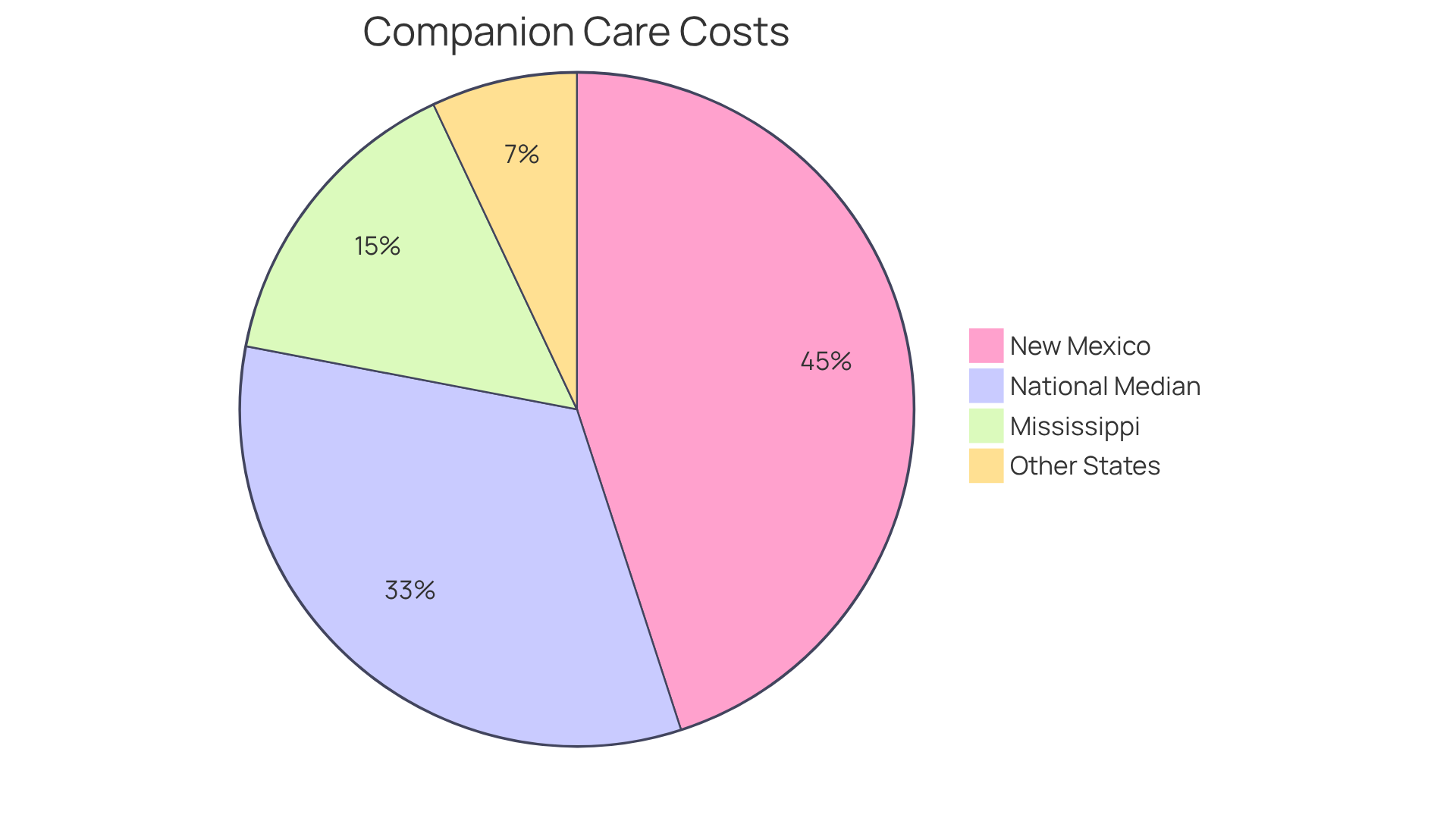
The costs associated with companion assistance can differ significantly based on factors like location, the level of support needed, and the specific services offered. Families often find themselves facing a range of expenses, typically between $20 and $35 per hour for companion support services, with the national median hovering around $33 per hour in 2025. In some regions, such as New Mexico, rates may soar to $45 per hour, while states like Mississippi might provide more affordable options at about $15 per hour.
To help manage these expenses, families are encouraged to explore flexible scheduling or part-time support arrangements, which can ease the financial burden. Additionally, looking into funding options like long-term support insurance, veterans' benefits, or state assistance programs can provide much-needed financial relief. It's essential to keep in mind that many private insurances often do not cover non-medical services, a crucial consideration for families budgeting for companion support.
While the financial commitment for companionship carers is significant, many families find that the emotional and physical benefits far outweigh the costs. For instance, around one-third of older adults experience social isolation, and companion assistance can help alleviate those feelings, enhancing overall quality of life. Moreover, certain elder assistance expenses may even be tax-deductible, offering additional financial support for families. Investing in companionship carers not only promotes the well-being of seniors but also nurtures a sense of security and companionship that is truly invaluable.
Finding Qualified Caregivers: Ensuring Quality in Companion Care
Finding the right support for your loved ones is crucial. We understand the emotional weight that comes with seeking companionship carers. At Happy to Help Caregiving, we prioritize your peace of mind. Our thorough selection process includes:
- Background checks
- Interviews
- Comprehensive training programs
This ensures that our caregivers are not just skilled, but also genuinely compassionate.
Imagine knowing that your family member is in the hands of someone who truly cares. Our companionship carers are dedicated to providing exceptional support and companionship. Families can rest easy, knowing their loved ones are receiving the nurturing care they deserve.
We’re here to help you navigate this journey with confidence. You’re not alone in this; we’re committed to being a source of support for you and your family.
https://iframe.tely.ai/cta/eyJhcnRpY2xlX2lkIjogIjY5MGFhMWRiZmUxZmRjNDVkMThlMjM5NyIsICJjb21wYW55X2lkIjogIjY4ZWU1ZGNhNzMxNzYyNTU3ZjNjOTVjMSIsICJpbmRleCI6IDYsICJ0eXBlIjogImFydGljbGUifQ==Flexible Scheduling: Adapting Companion Care to Fit Lifestyles
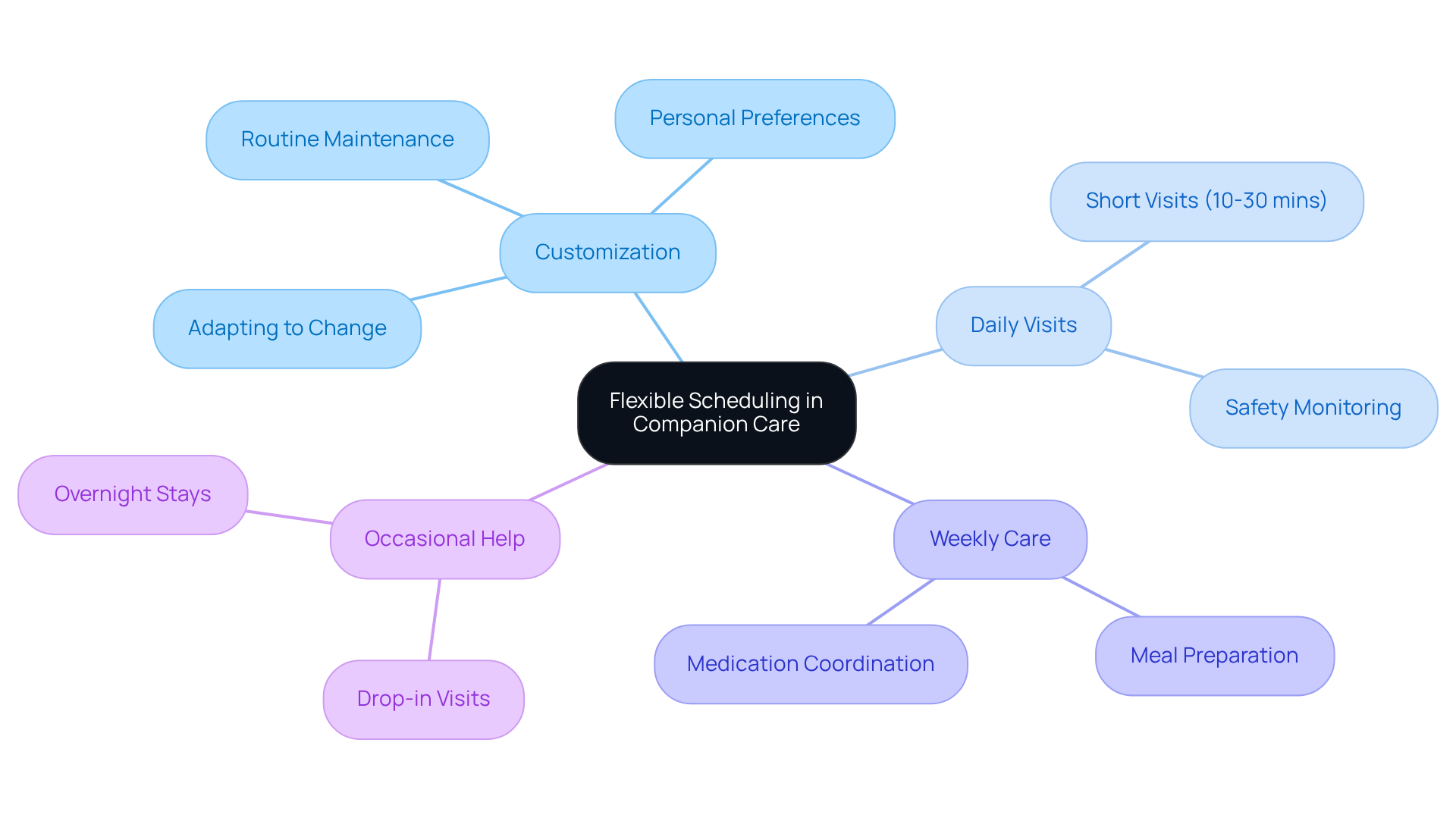
Flexible scheduling is truly at the heart of companionship carers, allowing families to customize support to fit their unique lifestyles. Whether older adults need daily visits, weekly companionship carers, or just occasional help, Happy to Help Caregiving provides options that adapt to personal preferences. This flexibility ensures that elderly individuals receive the right level of support when they need it most, fostering a sense of independence and comfort in their daily lives.
Imagine older adults being able to choose their waking times, meal schedules, and activities. This control helps them maintain their routines and respect their lifelong habits. Families often express gratitude for this flexibility, noting how it reinforces their loved ones' freedom rather than taking it away. As Trent Davis beautifully puts it, "In-home assistance adjusts to each person's preferences and routines," highlighting the importance of personalized support.
Moreover, companionship carers can evolve their in-home assistance alongside each elderly individual, addressing their changing needs over time. This adaptability not only enhances their overall well-being but also significantly improves their quality of life. Staying in familiar surroundings brings psychological benefits too, offering comfort and security that nurture a stronger sense of belonging.
Support During Recovery: The Role of Companion Care in Healing
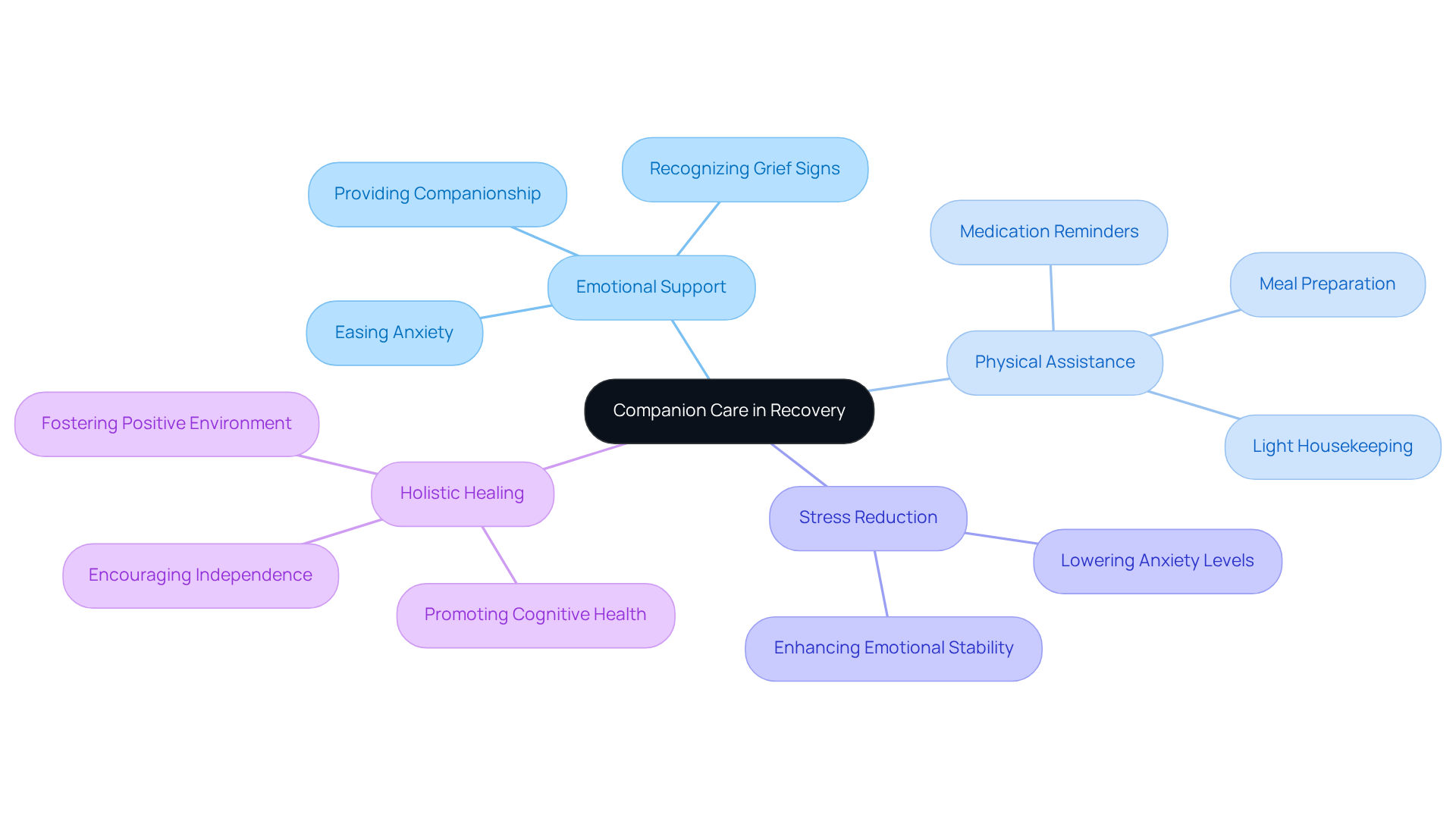
Companionship carers are essential for older adults recovering from illness or surgery. Caregivers offer not just physical assistance but also emotional support, which is vital for healing. They help with medication reminders, meal preparation, and light housekeeping, allowing elderly individuals to focus on their recovery. A compassionate caregiver's presence can ease anxiety and foster a positive healing environment.
Research indicates that older adults with consistent companionship carers often experience lower levels of stress, anxiety, and sadness, significantly enhancing their recovery outcomes. Caregivers are trained to recognize the emotional needs of elderly individuals, providing compassionate support that helps them navigate the challenges of recovery.
As Anslee Wilson, Owner/President of A Helping Hand, beautifully puts it, "Through empathy and presence, healing becomes possible—one day, and one connection, at a time." This holistic approach ensures that older adults feel secure and cared for by companionship carers, ultimately leading to better health and well-being during their recovery journey.
Overall Well-Being: The Comprehensive Benefits of Companion Care
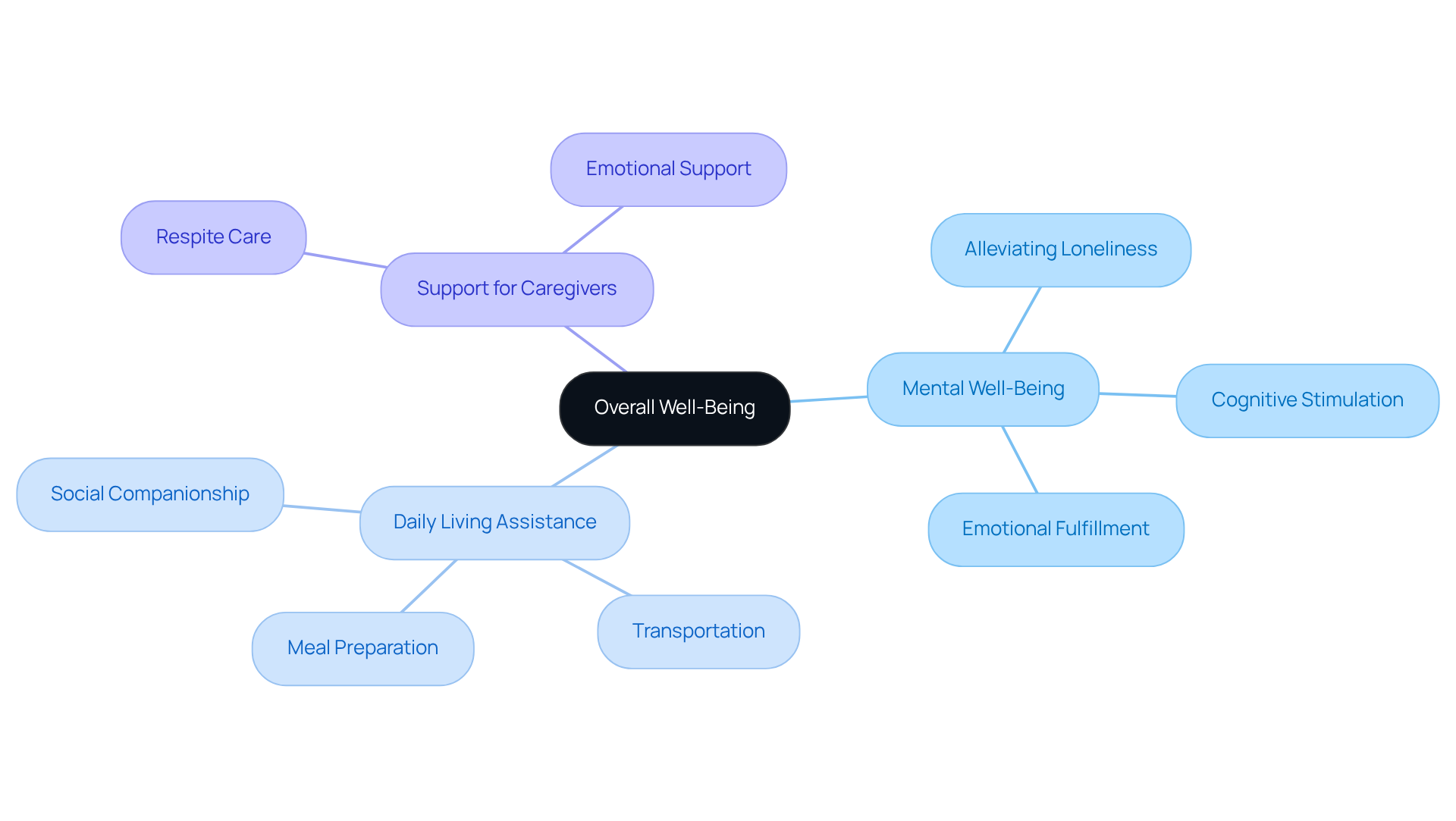
Companion assistance brings a wealth of benefits that significantly enhance the well-being of elderly individuals. It addresses chronic loneliness—a condition affecting one in three seniors, which can diminish life expectancy even more than obesity or smoking. By providing companionship carers, we promote mental well-being and stability. Regular interactions with companion providers not only alleviate feelings of isolation but also foster mental stimulation, crucial for cognitive health. For example, studies reveal that engaging in conversations and shared activities can instill a greater sense of purpose and emotional fulfillment among aging adults.
Moreover, companionship carers assist with daily living tasks, allowing older adults to maintain their independence while receiving the practical support they need. This includes help with:
- Meal preparation
- Transportation to appointments
- Companionship during social events
All contributing to a richer, more fulfilling life. The presence of companionship carers can also be a vital support for family caregivers, who often find it challenging to provide adequate attention due to their own responsibilities.
Research indicates that just a few hours of companionship each week can significantly enhance an elderly person's quality of life, boosting both physical and mental well-being. Geriatric specialists emphasize that the primary advantage of companionship carers lies in their ability to offer regular emotional support, essential for seniors living independently. By nurturing meaningful connections and ensuring personalized assistance, companionship carers play a crucial role in improving the overall quality of life for older adults.
Taking the Next Steps
Companionship carers play a vital role in enhancing the well-being of seniors. They provide not just emotional support but also practical assistance that fosters independence. By addressing the unique needs of older adults, these caregivers help combat loneliness, improve mental health, and create an environment where seniors can truly thrive. Services like Happy to Help Caregiving take a personalized approach, ensuring that each individual feels valued and understood, ultimately enriching their quality of life.
The article highlights several key benefits of companionship care. These include:
- Reduced feelings of isolation
- Improved mental and physical health
- Promotion of meaningful social interactions
With many seniors experiencing loneliness, the importance of companionship becomes clear. Regular engagement with caregivers not only alleviates emotional distress but also encourages active participation in daily life. This leads to better health outcomes and a greater sense of belonging.
In conclusion, investing in companionship care is not just a financial decision; it’s a heartfelt commitment to enhancing the lives of older adults. Families are encouraged to explore these vital services, recognizing their profound impact on emotional and physical well-being. By fostering connections and providing tailored support, companionship carers contribute to a more fulfilling and secure life for seniors. This underscores the significance of compassion and understanding in caregiving.
https://iframe.tely.ai/cta/eyJhcnRpY2xlX2lkIjogIjY5MGFhMWRiZmUxZmRjNDVkMThlMjM5NyIsICJjb21wYW55X2lkIjogIjY4ZWU1ZGNhNzMxNzYyNTU3ZjNjOTVjMSIsICJpbmRleCI6IG51bGwsICJ0eXBlIjogImFydGljbGUifQ==Frequently Asked Questions
What is Happy to Help Caregiving?
Happy to Help Caregiving provides personalized companionship care for seniors, focusing on their unique challenges and needs to enhance their quality of life.
How do companionship carers help seniors?
Companionship carers engage seniors in meaningful activities and provide emotional support, which helps alleviate feelings of loneliness and isolation, ultimately enhancing their overall well-being.
Why is companionship important for older adults?
Companionship is crucial for older adults as it helps reduce feelings of loneliness, which can lead to serious health issues. Studies indicate that 30% of seniors report lacking consistent companionship.
What are the benefits of companionship care?
Companionship care enhances mental health, reduces feelings of depression and anxiety, and promotes a sense of belonging, which is essential for maintaining a positive outlook on life.
How do companionship carers improve the quality of life for seniors?
They meet seniors' emotional, social, and physical needs by encouraging social interactions, assisting with daily tasks, and engaging them in activities they enjoy, leading to a richer and more satisfying life.
What practical support do companionship carers provide?
Companionship carers offer practical support such as transportation, meal preparation, and assistance with daily tasks, helping seniors maintain their independence.
How does companionship affect health outcomes?
Older adults who utilize home assistance report 25% fewer doctor visits each year, indicating that companionship can positively impact health outcomes.
What is the significance of shared interests between carers and seniors?
Pairing support providers with elderly individuals based on shared interests enhances the effectiveness of care, making interactions more meaningful and enjoyable for seniors.