Understanding Your Options
The article highlights ten key benefits of elderly care companionship for family caregivers. It emphasizes the importance of emotional support, which is vital in reducing caregiver burnout and enhancing the overall well-being of seniors. Evidence shows that companionship can alleviate loneliness, promote independence, and foster trust through consistent relationships. Ultimately, this nurturing approach benefits both elderly individuals and their caregivers, creating a more supportive environment for all.
The Importance of Elderly Care Companionship
Companionship care for the elderly transcends mere kindness; it serves as a vital lifeline that profoundly enhances the quality of life for seniors and their caregivers alike. By addressing emotional, physical, and social needs, this support nurtures a sense of belonging and purpose, alleviating the loneliness that often burdens many older adults.
Yet, a pressing question arises: how can family caregivers prioritize their own well-being while ensuring their loved ones receive the compassionate care they deserve?
This article explores the myriad benefits of elderly care companionship, illuminating how it not only uplifts seniors but also offers essential respite for those who care for them.
Happy to Help Caregiving: Personalized Companionship Care for Seniors
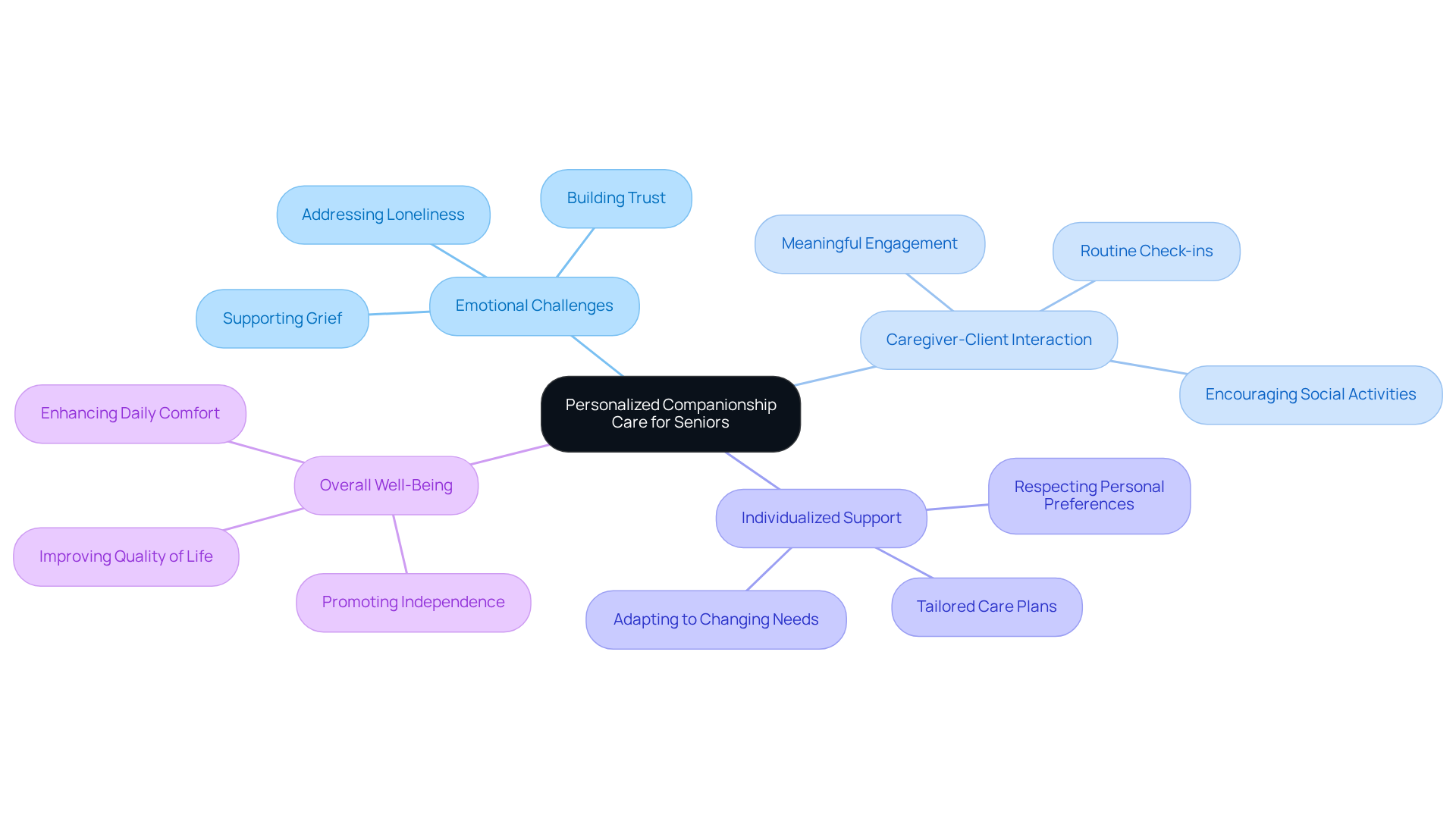
At Happy to Help Caregiving, we understand the unique emotional challenges that elderly individuals face. Our focus is on delivering individualized support for elderly care companionship tailored to their distinct needs. We foster emotional connections, ensuring that our clients feel valued and truly understood.
Our caregivers are not just trained to provide assistance; they engage with clients in meaningful ways. This approach promotes a sense of belonging and security within the comfort of their own homes. By prioritizing personal preferences and routines, we enhance the overall well-being of older adults with elderly care companionship, making their daily lives more comfortable and supported.
We believe that every interaction is an opportunity to make a difference. Our compassionate caregivers are dedicated to creating a nurturing environment where clients can thrive. With Happy to Help Caregiving, you can rest assured that your loved ones are in caring hands, receiving the they deserve.
Emotional Support: Reducing Loneliness and Isolation in Seniors
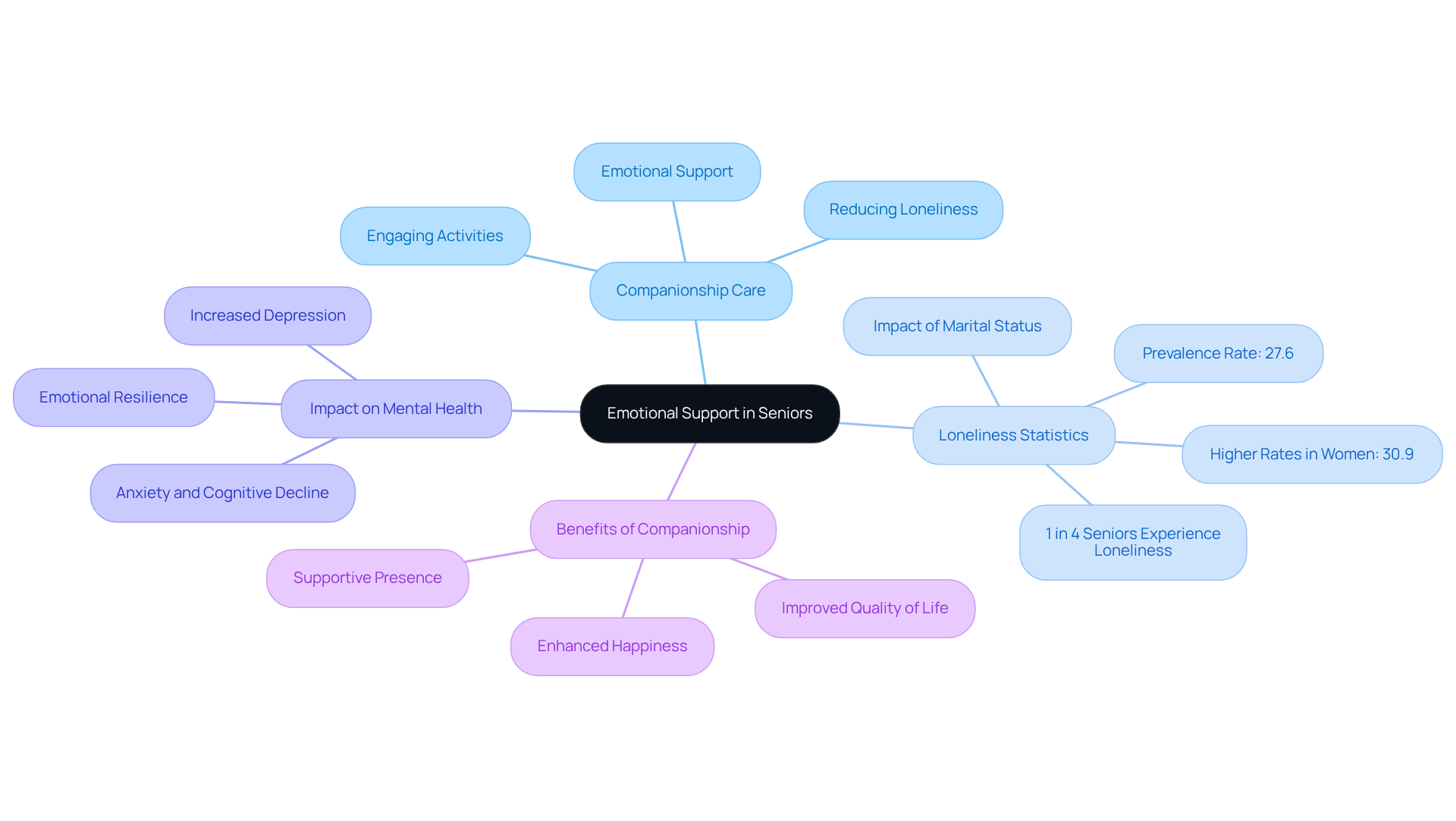
Companionship care, also known as elderly care companionship, is essential in providing emotional support, helping to significantly reduce feelings of loneliness and isolation among older adults. Frequent interactions with support providers offer not just a listening ear, but also a comforting presence that can help alleviate anxiety and depression.
Research shows that older individuals who engage in meaningful conversations and stimulating activities with companions often report greater happiness and a decrease in loneliness. Alarmingly, studies indicate that nearly one in four older adults worldwide experiences loneliness, with a meta-analysis revealing a prevalence rate of 27.6%.
This emotional connection is crucial for maintaining mental health and overall well-being, as loneliness is , including depression and cognitive decline. By prioritizing elderly care companionship, caregivers can create an environment that nurtures emotional resilience and improves the quality of life for older adults.
Daily Living Assistance: Enhancing Quality of Life Through Companionship
Companionship care goes beyond just emotional support; it encompasses vital assistance with daily living activities. This includes:
- Meal preparation
- Medication reminders
- Light housekeeping
Such elderly care companionship is crucial for older adults, allowing them to maintain their independence while ensuring their basic needs are met.
Caregivers play a significant role in helping older adults navigate their daily routines, making life simpler and more enjoyable. By providing this essential support, elderly care companionship services significantly enhance the overall quality of life for older adults, allowing them to thrive in the comfort of their own homes.
Imagine the relief of knowing that someone is there to lend a helping hand, ensuring that every day is a little brighter. This compassionate care not only meets practical needs but also nurtures the spirit, creating a sense of belonging and security. With , older adults can truly flourish, surrounded by the love and support they deserve.
Social Interaction: Boosting Mental Health Through Companionship
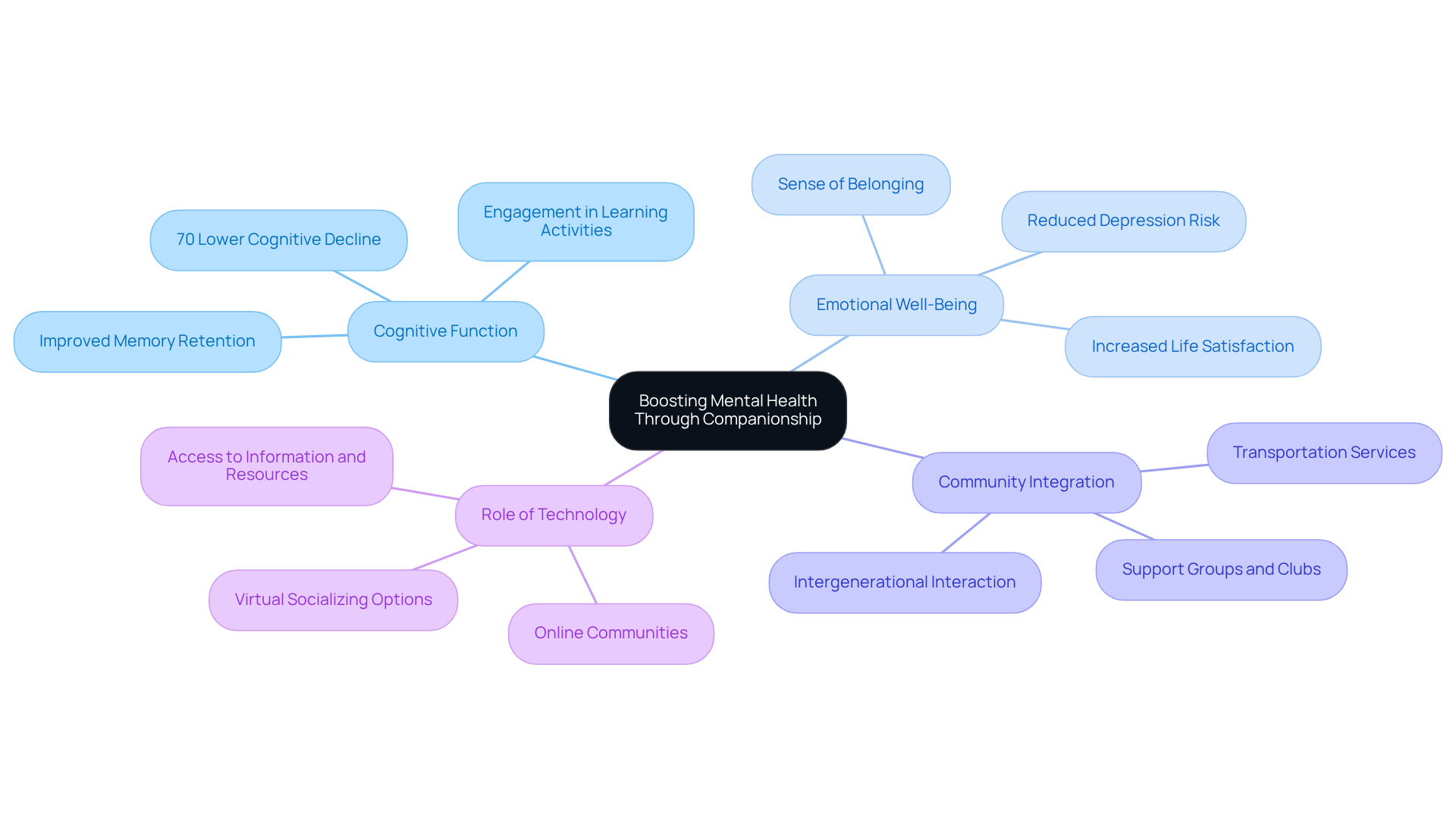
Social interaction is truly a cornerstone of elderly care companionship, as it plays a vital role in enhancing the mental health of our beloved seniors. Engaging in conversations, participating in activities, and sharing experiences with caregivers not only stimulate cognitive function but also significantly reduce the risk of depression. Research shows that the rate of cognitive decline is 70 percent lower in individuals who enjoy frequent social interactions compared to those who have fewer connections.
Moreover, high satisfaction among older adults is closely linked to positive feelings about existence, hopefulness, and happiness. This highlights just how essential these social interactions are. By encouraging connections and involvement, elderly care companionship provides support that helps elderly individuals feel more integrated into their communities, ultimately promoting their overall well-being.
Furthermore, technology plays a vital role in facilitating these social interactions. It allows seniors to connect with support providers and peers, further enhancing their mental health and quality of life. Through these connections, we can that is so crucial for their happiness and fulfillment.
Respite for Family Caregivers: Alleviating Burnout Through Companionship
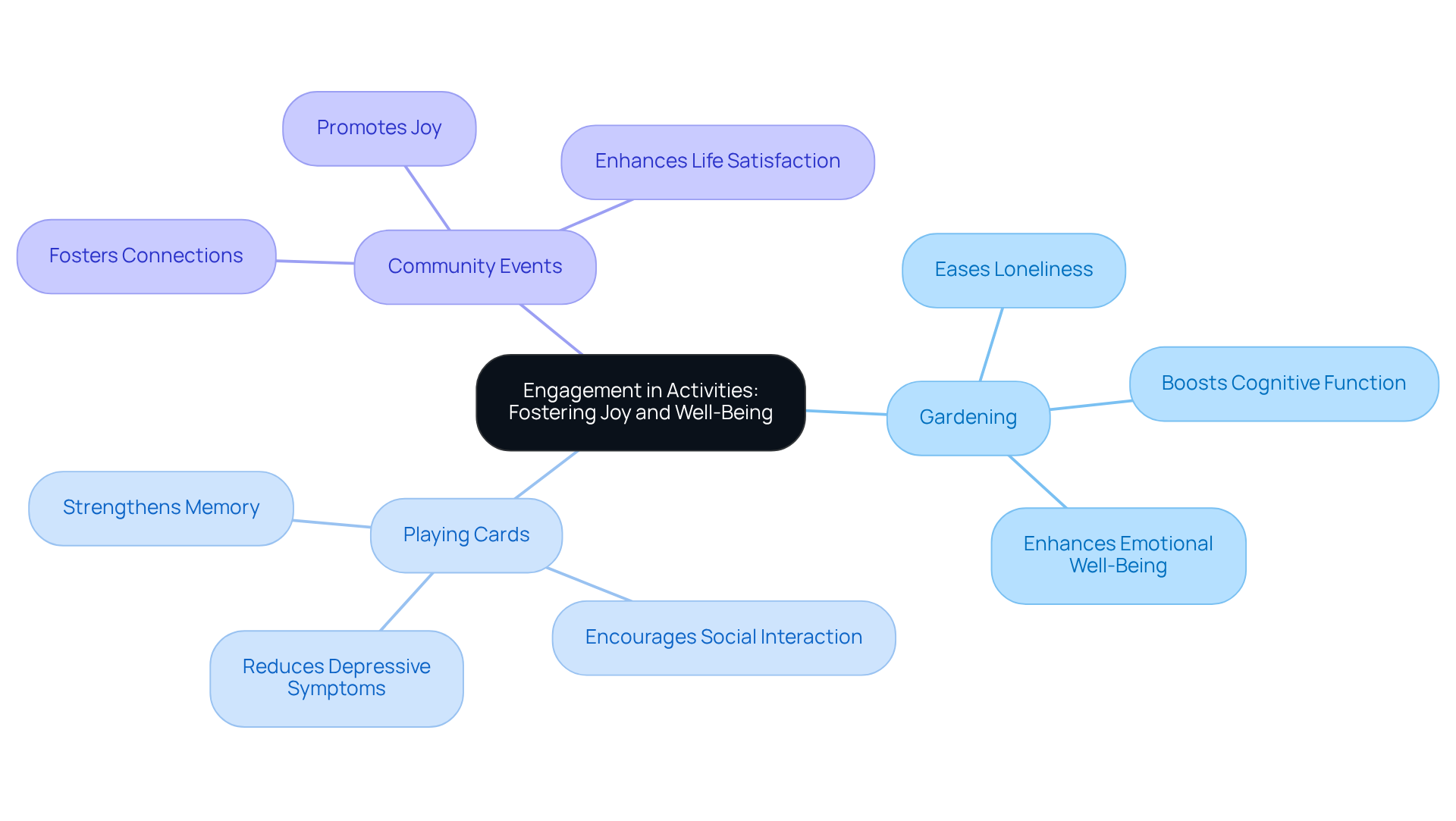
Companionship support serves as a vital source of relief for family caregivers, significantly reducing feelings of burnout and stress. Family members often bear the emotional and physical demands of caregiving, which can lead to exhaustion and neglect of their own health. Alarmingly, studies reveal that only 23% of individuals providing support report having 'good' mental health, underscoring the urgent need for relief services. By hiring a companion assistant for elderly care companionship, families can ensure that their loved ones receive attentive support while also allowing caregivers the necessary breaks they deserve.
On average, family supporters dedicate about 25 hours each week to caregiving tasks, making these breaks essential for their rejuvenation. This time away enables caregivers to and return to their responsibilities with renewed energy and focus. Furthermore, 41% of individuals providing care report low overall well-being, which is 32% higher than those who do not provide care, highlighting the critical importance of these services in sustaining the provider-recipient relationship.
Families have shared that elderly care companionship support not only enhances the quality of life for older adults but also offers peace of mind for those providing assistance. One family supporter expressed, 'Having someone to look after my loved one enables me to take a breath and concentrate on my own well-being, which is so important.' This sentiment reflects the profound impact that companionship support can have, reassuring caregivers that their needs matter too.
Promoting Independence: Supporting Seniors in Their Own Homes
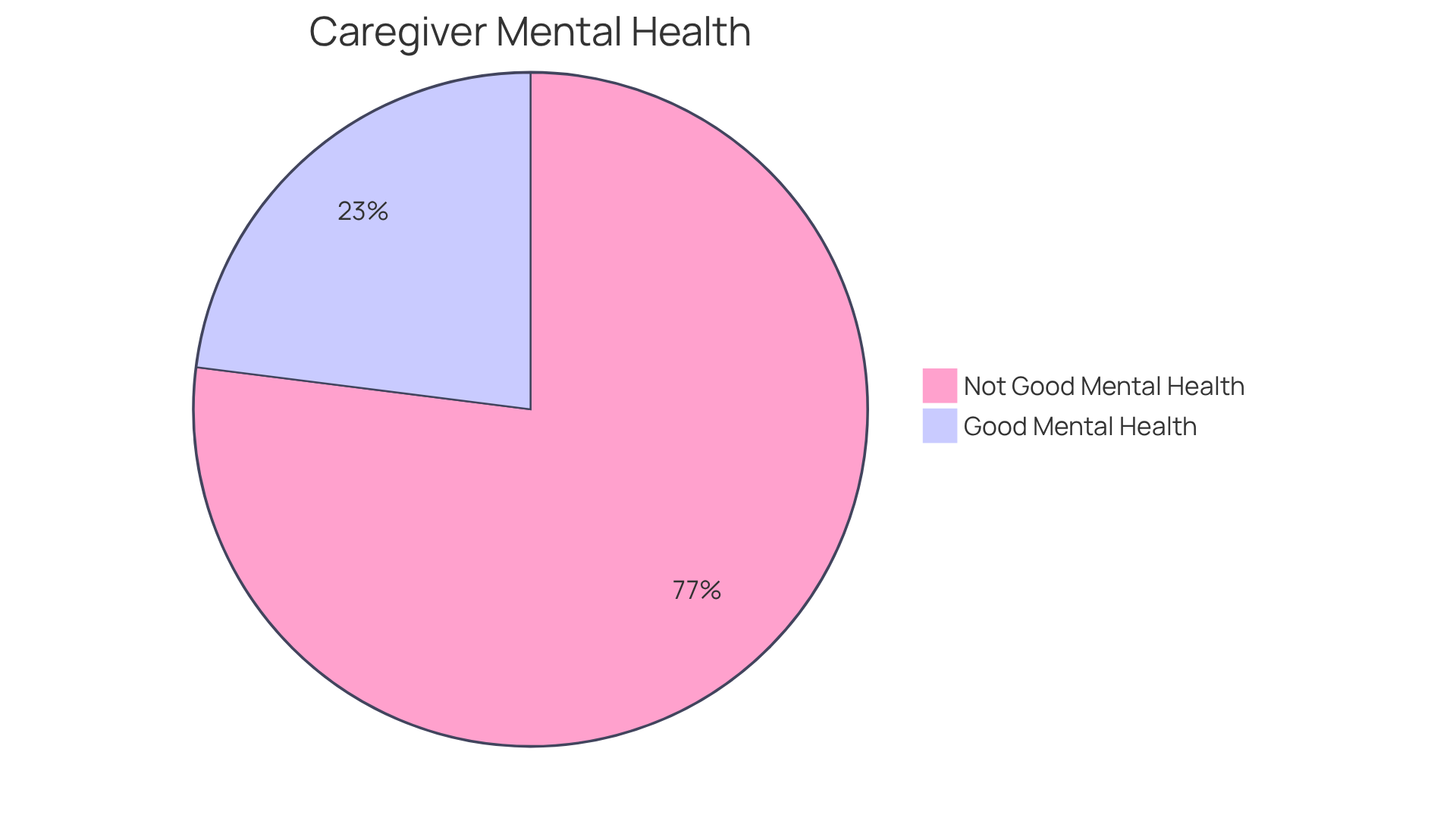
Companionship care, which falls under elderly care companionship, is essential in promoting independence for older adults. Caregivers offer vital support with daily tasks, all while respecting their clients' autonomy. This nurturing assistance empowers older adults to engage in activities they cherish and make informed decisions about their daily lives. Living independently in familiar surroundings not only enhances their happiness but also instills a deep sense of purpose.
As one supporter beautifully expressed, 'The beauty of looking after the elderly is realizing that they are heroes in their own right.' This sentiment highlights the importance of and resilience. Furthermore, research indicates that older adults who benefit from elderly care companionship support experience higher levels of satisfaction and well-being. This reinforces the notion that autonomy is fundamental to their happiness.
By fostering a supportive environment, caregivers enhance elderly care companionship, helping older adults thrive and ensuring that their golden years are filled with dignity and joy. It is this compassionate care that allows them to flourish, creating a fulfilling and meaningful life.
Safety Monitoring: Ensuring a Secure Environment for Seniors
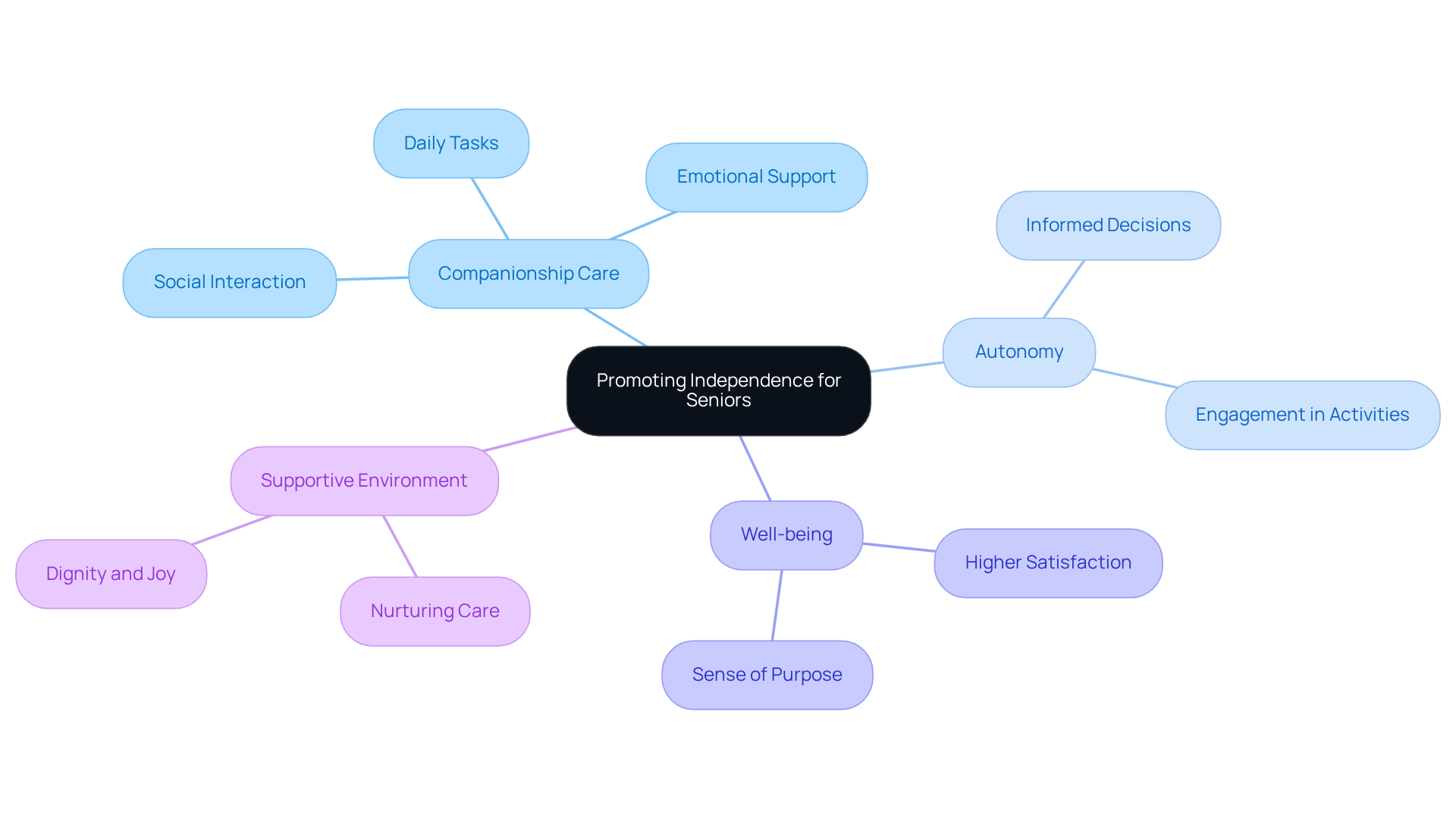
Safety monitoring is an essential aspect of companionship support, playing a vital role in ensuring that older adults feel secure in their environment. Caregivers are specially trained to recognize potential hazards and implement safety measures to prevent accidents. This involves vigilant monitoring for falls, ensuring medication schedules are followed, and providing immediate assistance in emergencies. By fostering a safe living environment, companionship support not only enhances the physical safety of older adults but also nurtures their confidence and comfort in their surroundings.
Data underscores the significance of these safety measures; falls are the leading cause of both fatal and non-fatal injuries among older adults, with approximately 3 million seeking emergency care each year due to falls. Alarmingly, 14 million, or 1 in 4 Americans aged 65 and older, experience falls annually. Caregivers actively work to reduce these risks by addressing common fall factors, including:
- Lower body weakness
- Vision impairments
- Home hazards such as clutter and poor lighting
Moreover, individuals with hearing loss are nearly three times more likely to fall compared to those with normal hearing. The proactive approach of companionship assistance, along with the emotional support offered by caregivers, significantly enhances the overall well-being of seniors, enabling them to thrive in familiar surroundings.
Furthermore, monitoring systems can automatically schedule telemedicine visits based on specific triggers, such as repeated nighttime falls, illustrating how technology can support caregivers in their vital roles. The Falls Free® Initiative also plays a crucial role in raising awareness about fall prevention, further highlighting the importance of safety monitoring. Together, these efforts create a companionship, where older adults can feel safe and cared for, allowing them to enjoy their lives with confidence.
Engagement in Activities: Fostering Joy and Well-Being
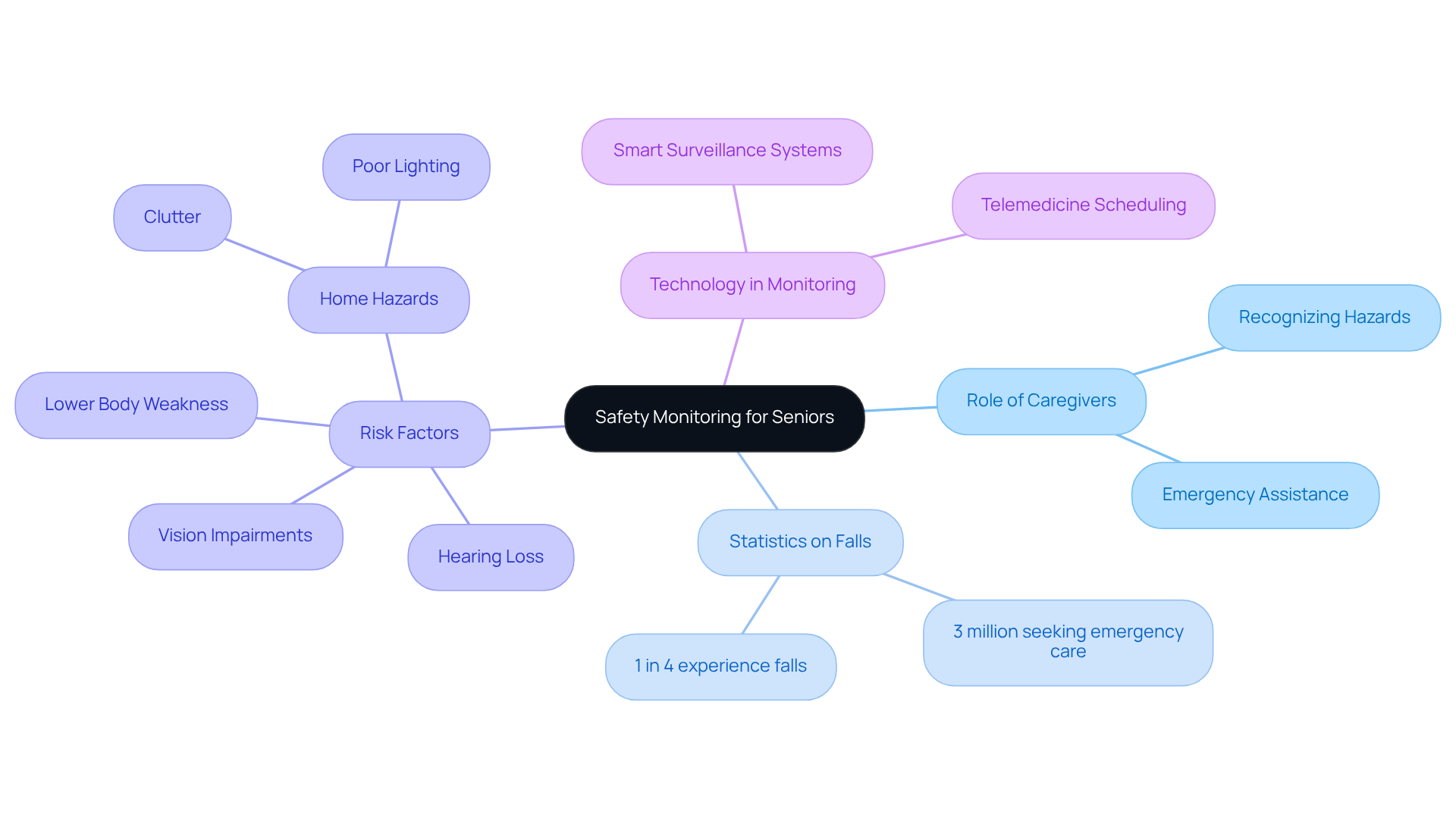
Engagement in enjoyable activities stands as a vital benefit of companionship care. Caregivers wholeheartedly encourage older adults to immerse themselves in hobbies, games, and social events that spark joy and fulfillment. This involvement not only eases feelings of loneliness but also bolsters cognitive function and emotional well-being. Activities such as:
- Gardening
- Playing cards
- Participating in community events
cultivate a sense of purpose and happiness in the lives of older adults.
Research highlights that older individuals who engage in leisure activities report greater satisfaction and experience fewer depressive symptoms. This underscores the crucial role plays in nurturing overall well-being. Caregivers often share heartwarming stories about how elderly care companionship through enjoyable activities transforms the quality of life for older adults, creating a positive feedback loop that enhances both mental and physical health. It’s a beautiful reminder of how companionship can illuminate lives, fostering connections and joy.
Continuity of Care: Building Trust and Relationships with Companions
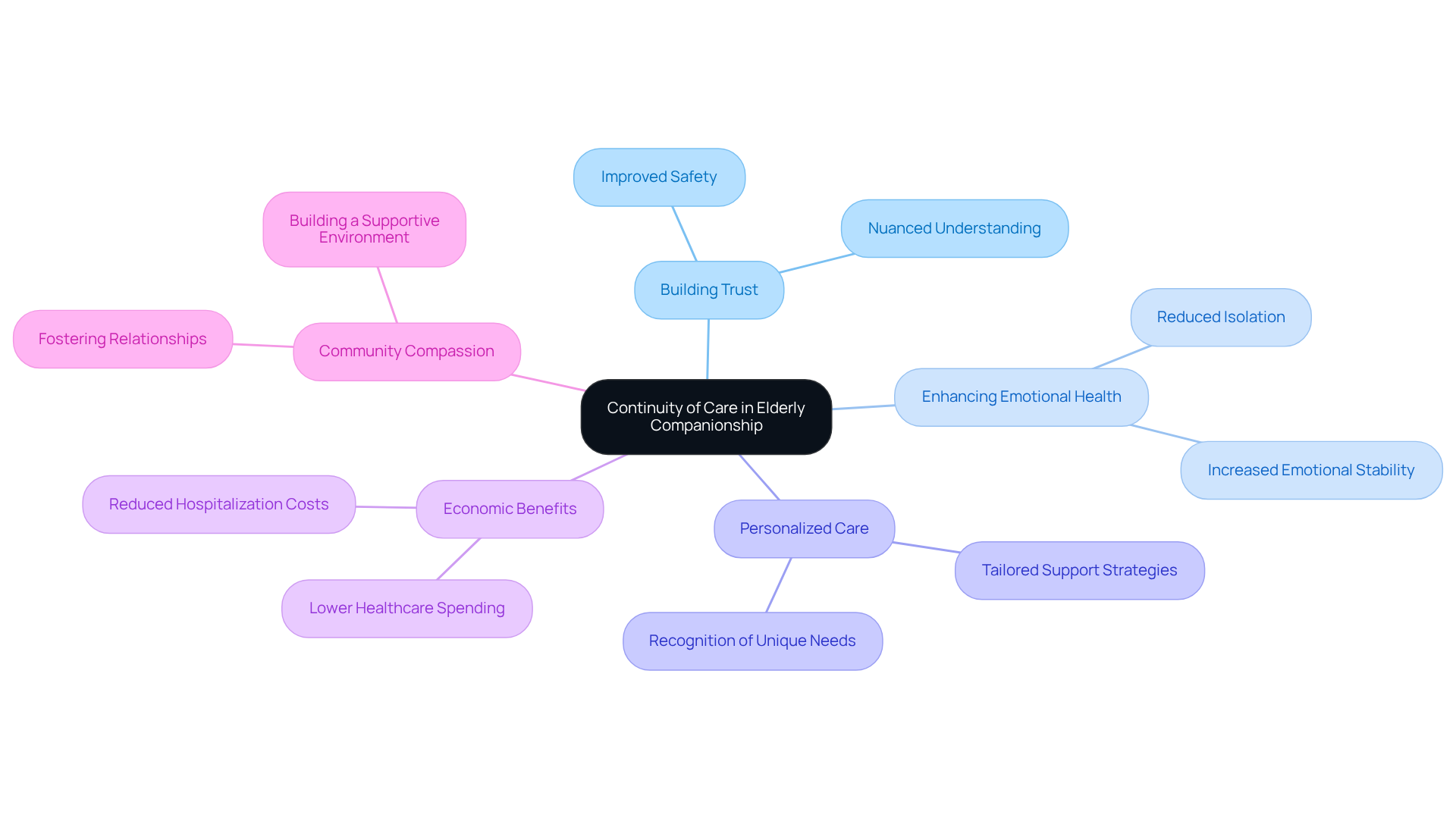
Continuity of support is vital in nurturing trust and fostering meaningful connections in elderly care companionship between older adults and their assistants. When older adults experience elderly care companionship with , they often feel a heightened sense of safety and understanding. This familiarity enables support providers to better recognize their clients' unique needs, preferences, and daily routines, leading to more effective and personalized care.
Trust is the cornerstone of the caregiving experience. As caregivers maintain continuity, they deepen connections that significantly enhance the elderly care companionship experience for elderly individuals. Research shows that older adults who receive elderly care companionship from consistent support providers are less likely to feel isolated or helpless, which can lead to improved emotional and physical health.
Moreover, those who regularly engage in elderly care companionship with the same elderly individuals develop a nuanced understanding of their clients, allowing for timely adjustments to support strategies. This promotes a nurturing environment that honors the dignity and autonomy of seniors through elderly care companionship. However, it's important to note that reduced continuity of support is associated with higher hospitalization rates and increased healthcare costs, underscoring the economic and health benefits of stable provider relationships.
As Dr. Halima Amjad wisely points out, "poor continuity of support may contribute to high healthcare expenses and negative patient outcomes in dementia." This highlights the critical need for dependable caregiver relationships, reminding us that consistent support through elderly care companionship not only enhances well-being but also fosters a compassionate community for our elderly loved ones.
Overall Well-Being: The Comprehensive Benefits of Elderly Care Companionship
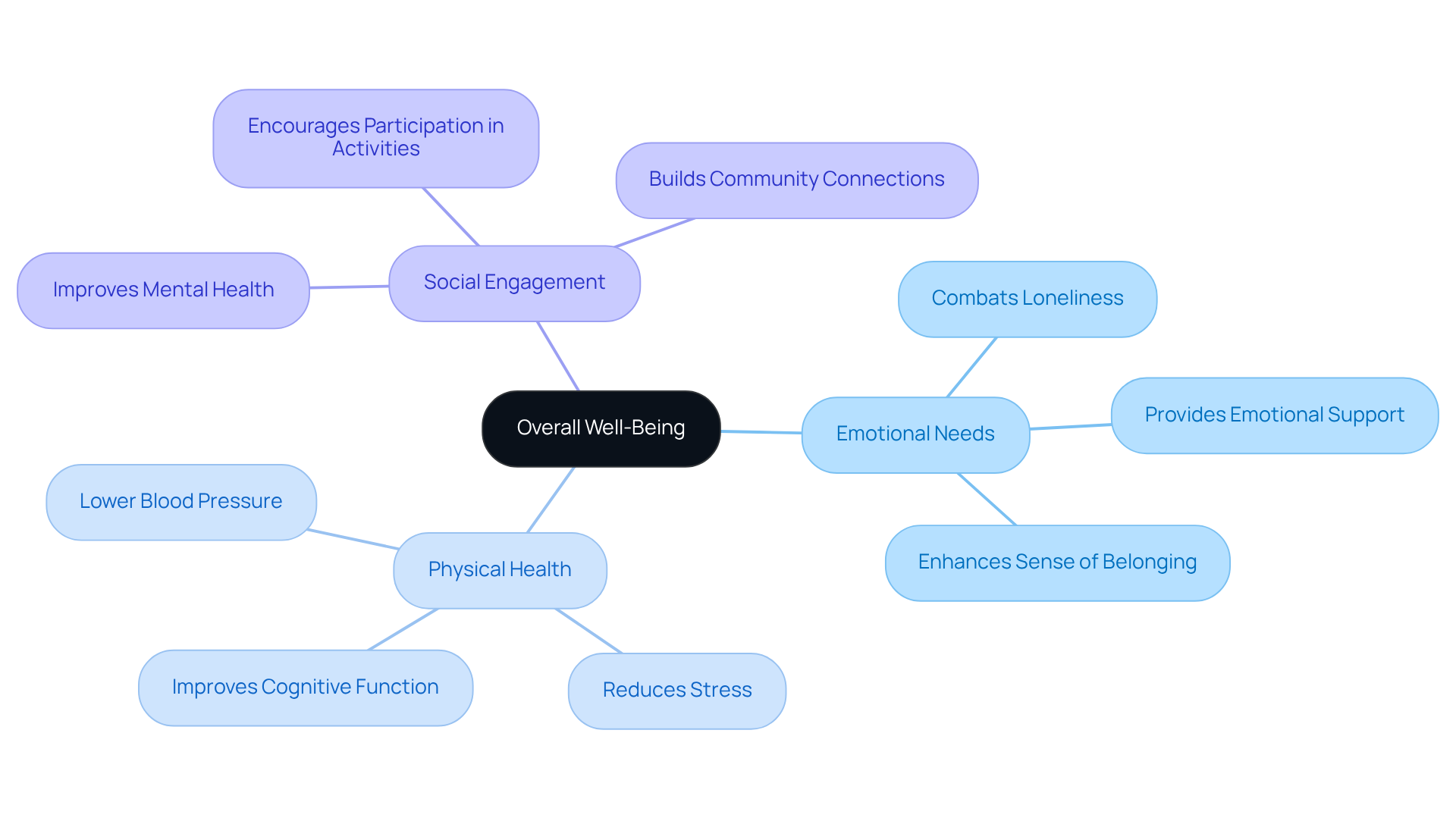
Elderly care companionship support plays a vital role in enhancing the overall well-being of elderly individuals by addressing their emotional, physical, and social needs through a holistic approach. This type of elderly care companionship transcends basic assistance; it nurtures a sense of belonging, purpose, and joy in the lives of older adults. By providing consistent social engagement and emotional support, caregivers foster elderly care companionship that helps combat feelings of loneliness and isolation, which many elderly individuals experience.
Research indicates that regular social engagement can significantly improve mental health. Alarmingly, studies show that 25% of older adults feel isolated, and loneliness can elevate the risk of serious conditions such as heart disease and high blood pressure. Furthermore, older adults who engage in social activities often experience lower blood pressure and enhanced cognitive function, as consistent interaction can alleviate stress and promote overall well-being.
Thus, elderly care companionship not only enhances the quality of life for elderly individuals but also acts as an essential resource for families, ensuring their loved ones stay connected and fulfilled in their daily lives. As stated by Companions for Seniors, 'Our mission is to assist older adults in living independently and with dignity in the comfort of their own home by empowering them to lead an active and enriched lifestyle.' This underscores the dual benefit of companionship care for both seniors and their families, especially considering that 70% of family caregivers report feelings of depression. Together, we can foster a that uplifts both the elderly and their caregivers.
Key Takeaways for Caregivers
Elderly care companionship is a vital resource that enriches the lives of older adults and supports family caregivers. By fostering emotional connections and providing personalized assistance, companionship care enhances the quality of life for seniors while alleviating the burdens faced by their families. The significance of this support is profound, as it addresses various aspects of well-being—from emotional resilience to practical daily living assistance.
Throughout this article, we have explored key benefits of elderly care companionship, including:
- The reduction of loneliness
- Enhancement of mental health
- Promotion of independence
- Safety monitoring
Caregivers play a crucial role in ensuring that older adults remain engaged in meaningful activities. They also offer respite to family members, allowing them to recharge and maintain their own well-being. This holistic approach underscores the importance of companionship in creating a nurturing environment that empowers seniors to thrive.
Ultimately, the impact of elderly care companionship extends beyond the individual, fostering a supportive community for both seniors and their caregivers. By recognizing and prioritizing the emotional, social, and practical needs of older adults, families can cultivate a fulfilling and dignified lifestyle for their loved ones. Embracing the benefits of companionship care uplifts the elderly and enriches the lives of those who care for them, paving the way for a healthier, happier future for all involved.
https://iframe.tely.ai/cta/eyJhcnRpY2xlX2lkIjogIjY4ZWVlNzdmZDc0OTBlNDA2YTNhZWE1ZSIsICJjb21wYW55X2lkIjogIjY4ZWU1ZGNhNzMxNzYyNTU3ZjNjOTVjMSIsICJpbmRleCI6IG51bGwsICJ0eXBlIjogImFydGljbGUifQ==Frequently Asked Questions
What is Happy to Help Caregiving?
Happy to Help Caregiving is a service that provides personalized companionship care for seniors, focusing on delivering individualized support tailored to their unique emotional and practical needs.
How does Happy to Help Caregiving address emotional challenges faced by the elderly?
The service fosters emotional connections with clients, ensuring they feel valued and understood, which helps alleviate feelings of loneliness and isolation.
What role do caregivers play in providing companionship care?
Caregivers engage with clients in meaningful ways, promoting a sense of belonging and security, while also assisting with daily living activities to enhance the overall well-being of older adults.
What are the benefits of companionship care for seniors?
Companionship care provides emotional support, reduces feelings of loneliness and isolation, and contributes to better mental health and overall quality of life for older adults.
What specific daily living assistance do caregivers provide?
Caregivers assist with meal preparation, medication reminders, and light housekeeping, helping seniors maintain their independence while meeting their basic needs.
Why is reducing loneliness important for older adults?
Loneliness is associated with various health challenges, including depression and cognitive decline. Reducing loneliness through companionship care helps maintain mental health and enhances the quality of life for seniors.
How does companionship care enhance the quality of life for older adults?
By providing emotional and practical support, companionship care allows older adults to thrive in their own homes, ensuring their daily needs are met and nurturing their spirit.