
What You Need to Know About Respite Care in Charleston
Caregiving can often lead to overwhelming stress and emotional fatigue, leaving many caregivers feeling isolated and burnt out. This situation not only affects their mental health but also impacts the quality of care they provide. In Charleston, personalized respite care services have emerged as a vital lifeline, allowing caregivers to take essential breaks while ensuring their loved ones receive quality support.
However, families may wonder how to effectively navigate these options. The key is to understand the benefits of respite care and how it can alleviate burdens while enhancing overall well-being. This article explores the numerous advantages of respite care, revealing how it can transform the caregiving experience for both providers and their loved ones.
Happy to Help Caregiving: Personalized Respite Care for Family Caregivers
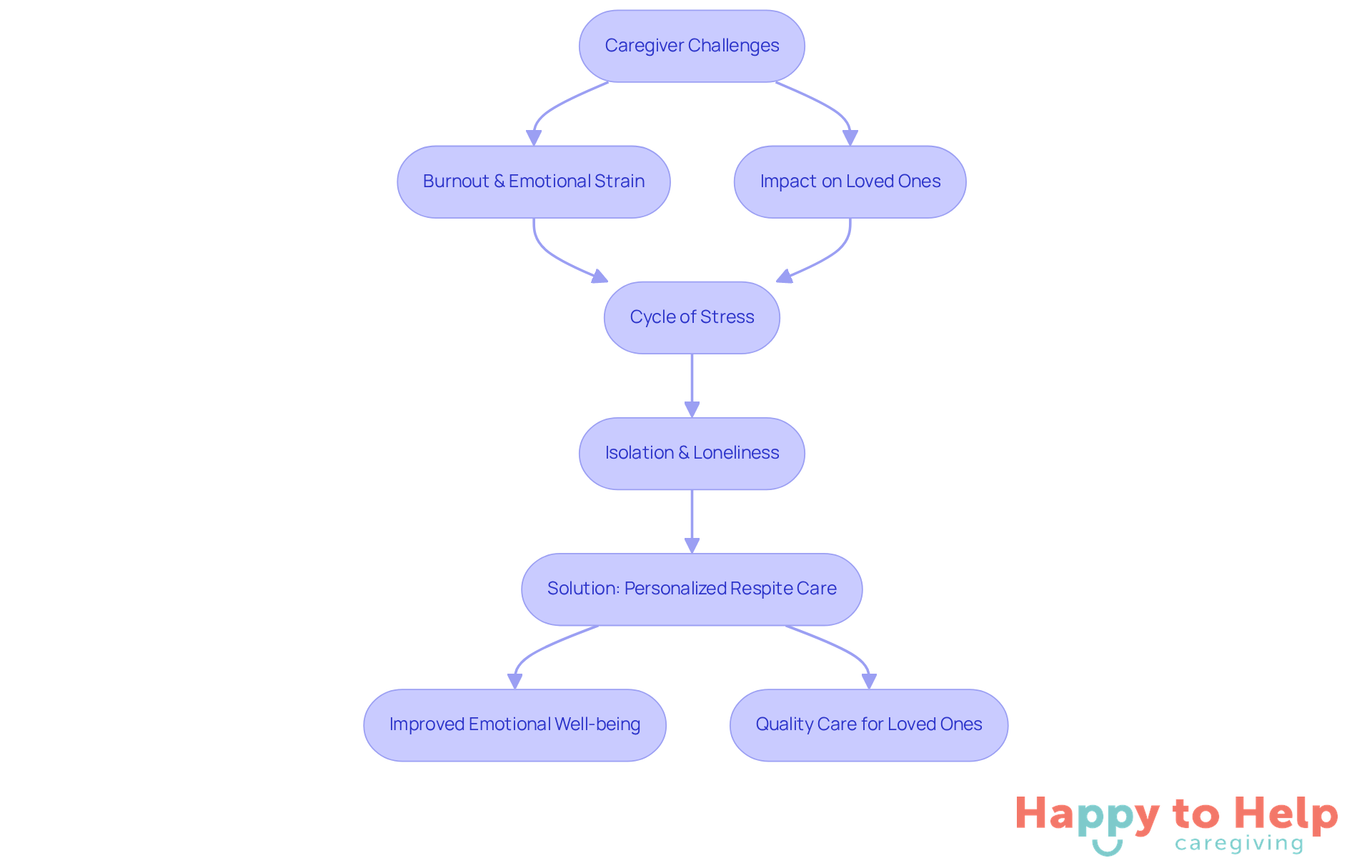
Problem: Caregivers often face significant challenges, including burnout and emotional strain, due to their demanding roles. Without adequate support, they can experience fatigue, anxiety, and depression, which can severely impact their well-being and the quality of care they provide.
Agitate: The emotional toll of caregiving can lead to a cycle of stress that not only affects the caregiver but also the loved ones they support. When caregivers are overwhelmed, they may struggle to maintain the nurturing environment that is essential for both parties. This situation can create a sense of isolation and diminish the caregiver's ability to connect with friends and family, further exacerbating feelings of loneliness and distress.
Happy to Help Caregiving offers customized respite care Charleston tailored to address the distinct requirements of family helpers. Their services feature adaptable scheduling and round-the-clock availability, ensuring that providers can take essential breaks without compromising the quality of support for their loved ones. This tailored method not only improves the support experience but also cultivates a nurturing atmosphere for both those providing assistance and those receiving it. By giving those who provide support the time to recharge, they can participate in activities like reconnecting with friends and family, which is vital for sustaining emotional well-being. Respite care Charleston is essential in preventing provider burnout, as it helps decrease fatigue, anxiety, and depression, ultimately leading to enhanced emotional resilience and overall well-being.
Emotional Relief: Alleviating Caregiver Burnout Through Respite Care
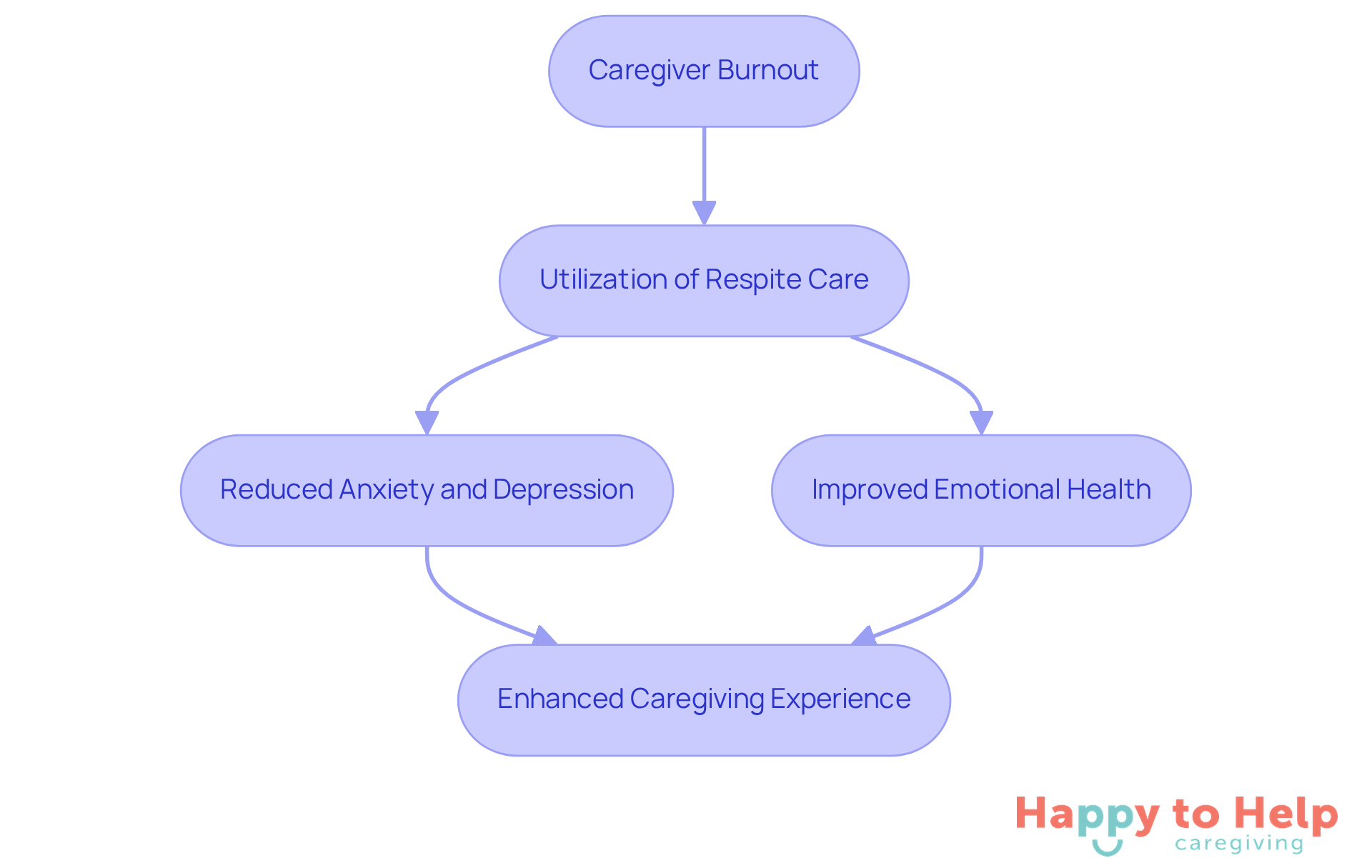
Caregiving can be incredibly demanding, often leading to significant stress and exhaustion for those providing support. Studies show that over 60% of caregivers experience symptoms of burnout, which can severely impact their mental well-being. This highlights the urgent need for effective respite care Charleston services.
Respite care Charleston provides a vital solution. By utilizing respite care Charleston, caregivers can rejuvenate emotionally, allowing them to return to their roles with renewed energy and patience. Research indicates that individuals utilizing these services report reduced levels of anxiety and depression, enhancing their ability to care for their loved ones.
Moreover, those who regularly access temporary support experience noticeable improvements in their emotional health within just three months. As noted by the National Institute on Aging:
- "Temporary assistance offers brief relief for main supporters, allowing them time to relax, journey, or enjoy moments with other family and friends."
This revitalization not only benefits caregivers but also enriches the overall caregiving experience for their loved ones.
Scheduled Breaks: Gaining Time for Self-Care with Respite Services
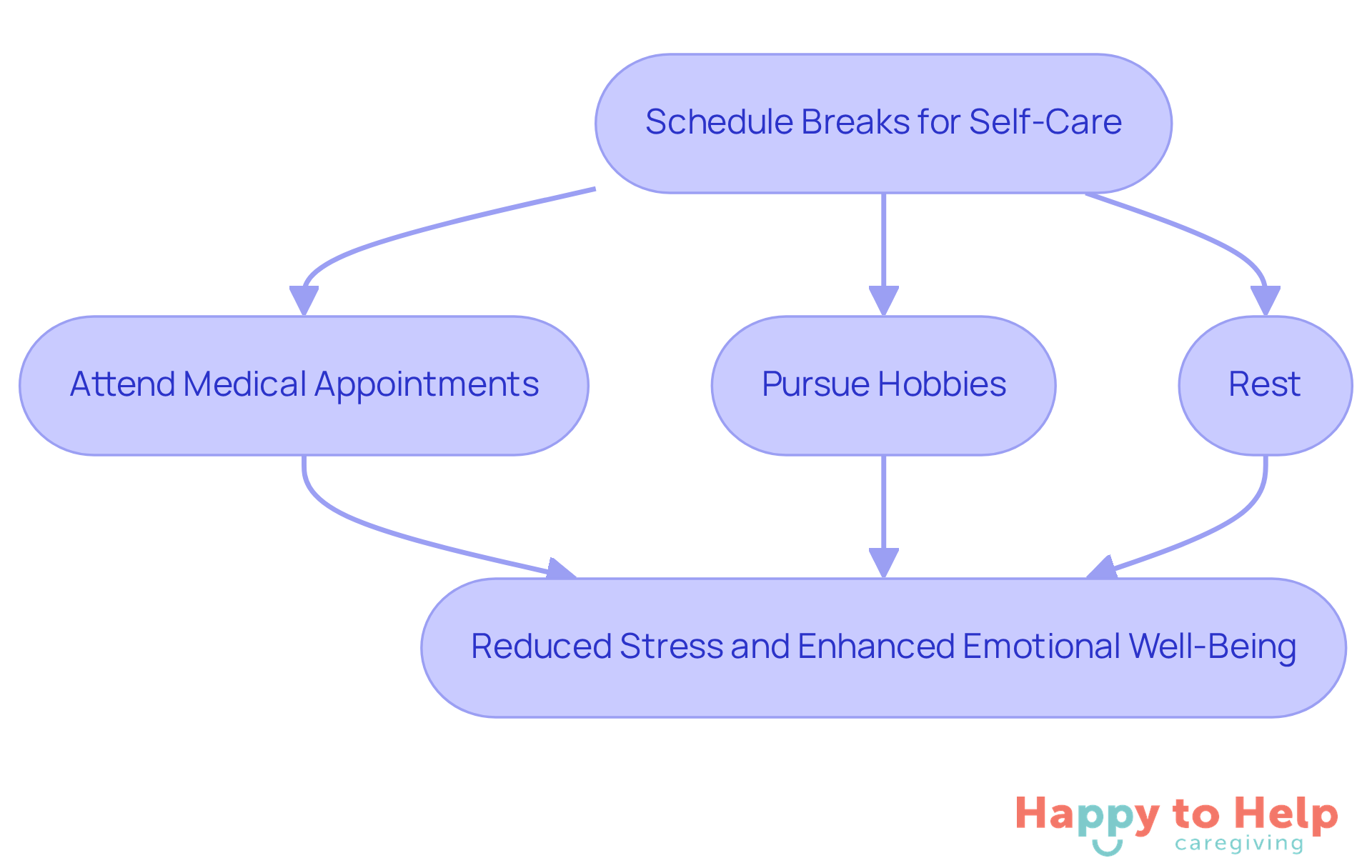
Caregivers often face a significant problem: neglecting their own self-care. This oversight can lead to increased stress and emotional exhaustion, ultimately affecting their ability to provide support. In fact, individuals who prioritize their own needs report reduced stress levels and enhanced emotional well-being, which allows them to deliver superior care.
Planned pauses during respite care Charleston are essential for caregivers to recharge. These breaks can be used for attending medical appointments, pursuing hobbies, or simply resting - activities crucial for sustaining both physical and mental health. Research shows that caregivers who feel supported and take regular breaks are significantly less likely to experience burnout; 35% of those who feel supported report 'excellent' or 'very good' emotional health.
So, how can caregivers implement this solution? By actively scheduling time for themselves, they can rejuvenate and return to their caregiving roles with greater strength, patience, and resilience. As one expert noted, "Taking time for yourself allows you to return to caregiving with greater strength, patience, and resilience."
Respite care Charleston acts as a vital resource, enabling caregivers to manage their responsibilities while fostering a healthier, more balanced lifestyle. Additionally, respite care Charleston services can be arranged for various lengths of time - whether for a few hours, a day, or more - offering the flexibility caregivers need. This service also allows them to reconnect with loved ones in a non-supportive role, further enhancing their overall emotional well-being.
Safety Assurance: Enhancing Peace of Mind for Caregivers and Families
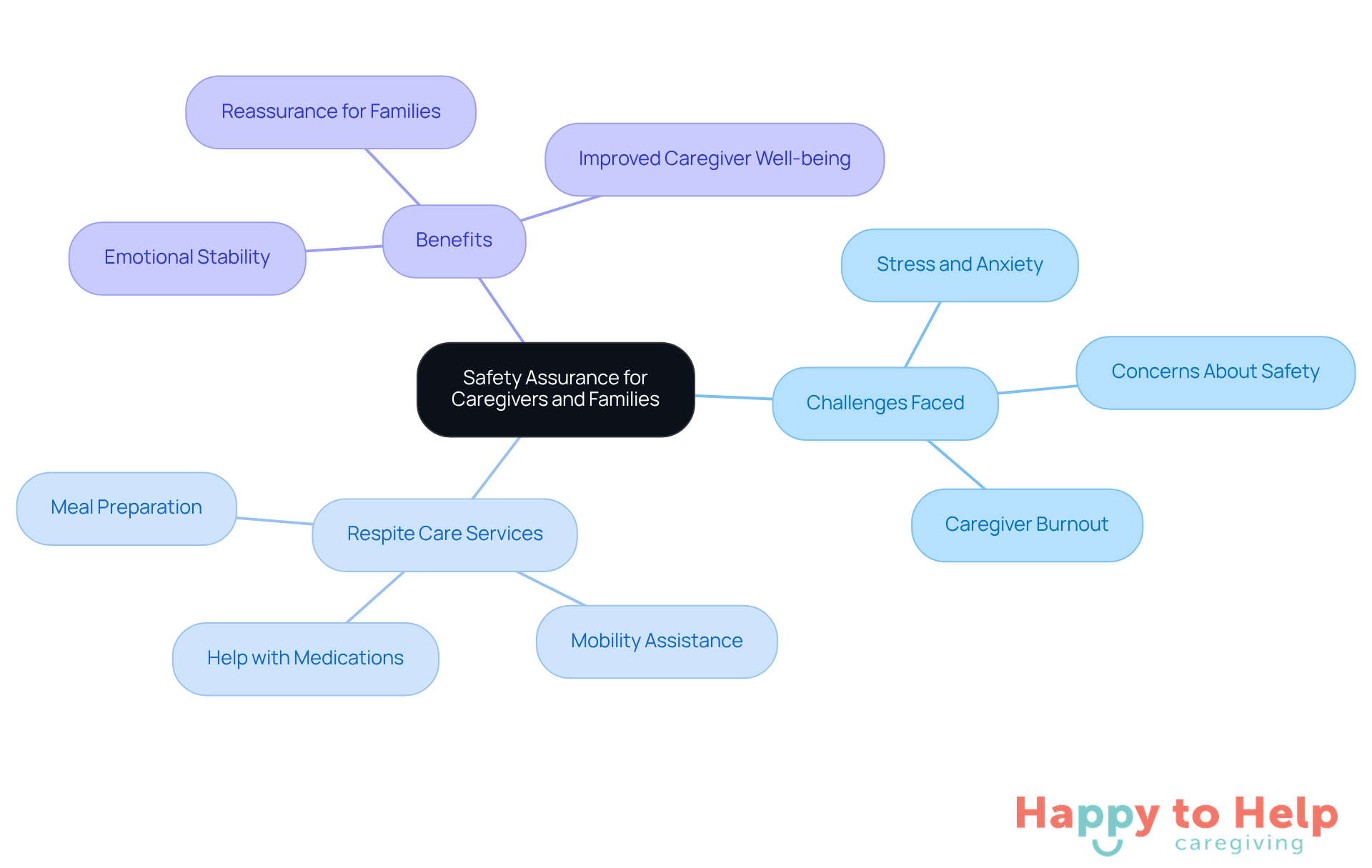
Caregivers often face significant challenges, particularly when it comes to ensuring the safety and well-being of their loved ones. Concerns about safety can weigh heavily on supporters and relatives, leading to stress and anxiety.
Respite care Charleston provides a solution by offering invaluable reassurance. Professional caregivers are trained and experienced, capable of managing various situations. This expertise significantly reduces worries about safety during the caregiver's absence, allowing relatives to focus on their own well-being. They can rest easy knowing their loved ones are receiving attentive and compassionate support.
The organized assistance provided by respite services includes:
- Help with medications
- Mobility assistance
- Meal preparation
This not only protects the physical health of seniors but also promotes emotional stability. Furthermore, respite assistance is crucial during major life events, such as sending children to college or welcoming a new baby. It enables families to manage their responsibilities with greater ease.
As one expert noted, "Taking a break is not an abandonment of your duties; it is an investment in your ability to perform them well." By utilizing respite care Charleston, caregivers can recharge and continue to provide the best care possible.
Social Interaction: Promoting Engagement for Seniors in Respite Care
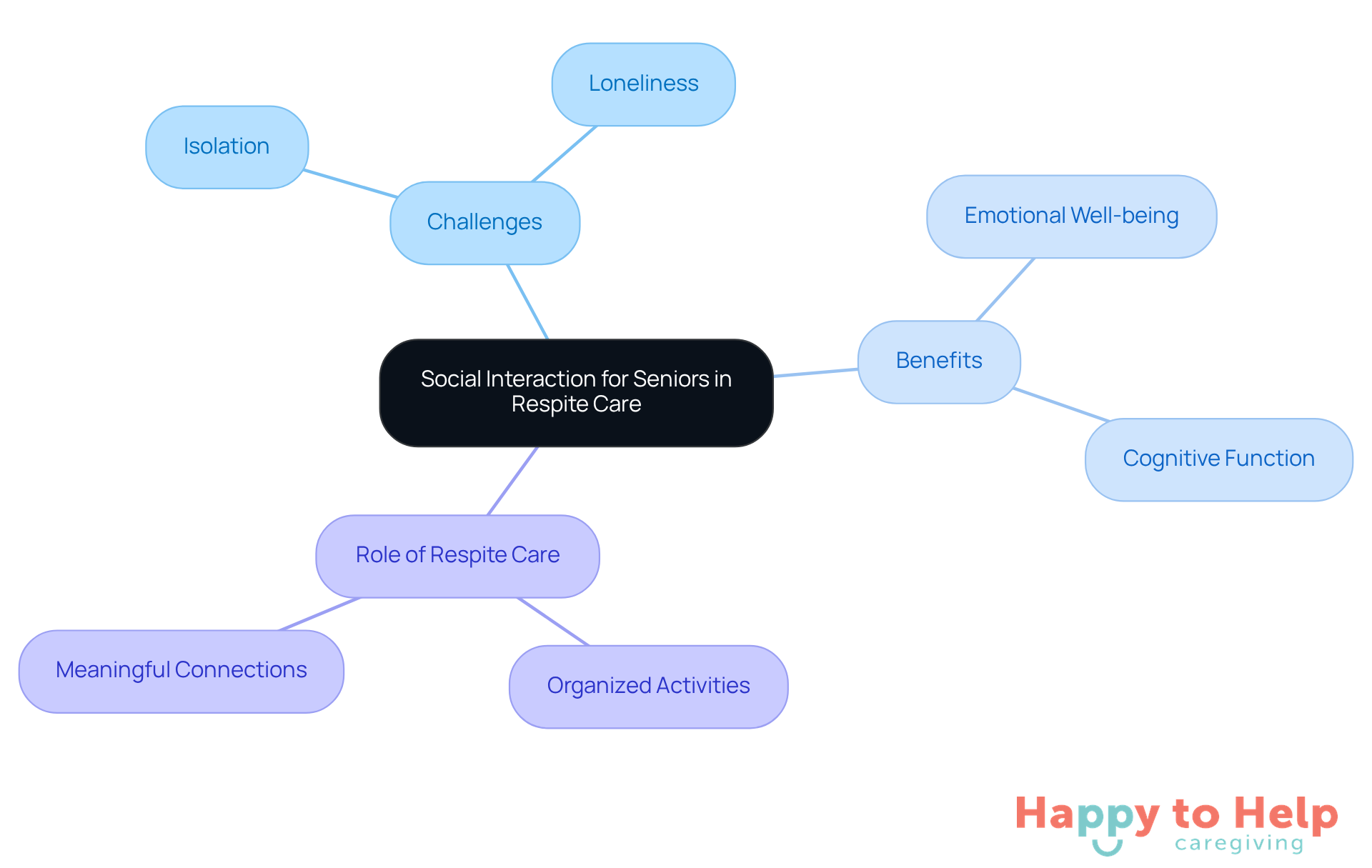
Isolation and loneliness are significant challenges faced by seniors, impacting their emotional and cognitive health. These feelings can lead to a decline in overall well-being, making social engagement crucial.
Respite care Charleston plays a vital role in addressing these issues by enhancing social interaction among seniors. Engaging in activities with peers not only boosts emotional well-being but also stimulates cognitive function.
Respite care Charleston often provides organized activities that promote socialization, helping seniors maintain meaningful connections. By participating in these programs, caregivers can ensure their loved ones enjoy a more fulfilling and connected life.
Flexible Options: Customizing Respite Care to Fit Family Needs
Caregivers often face the challenge of balancing their responsibilities with the need for personal time. This can lead to burnout, affecting both their well-being and the quality of care they provide.
Respite care Charleston provides a practical solution to this problem. They are highly adaptable, allowing families to choose the type and duration of assistance that best fits their unique situations. Whether it’s just a few hours a week or longer-term support, these services can be customized to align with caregivers' schedules and duties.
This flexibility ensures that caregivers can take necessary breaks without disrupting the care of their loved ones. By utilizing respite care Charleston services, families can sustain their caregiving roles while also prioritizing their own health and well-being.
Expert Care: Trained Professionals Delivering Quality Respite Services
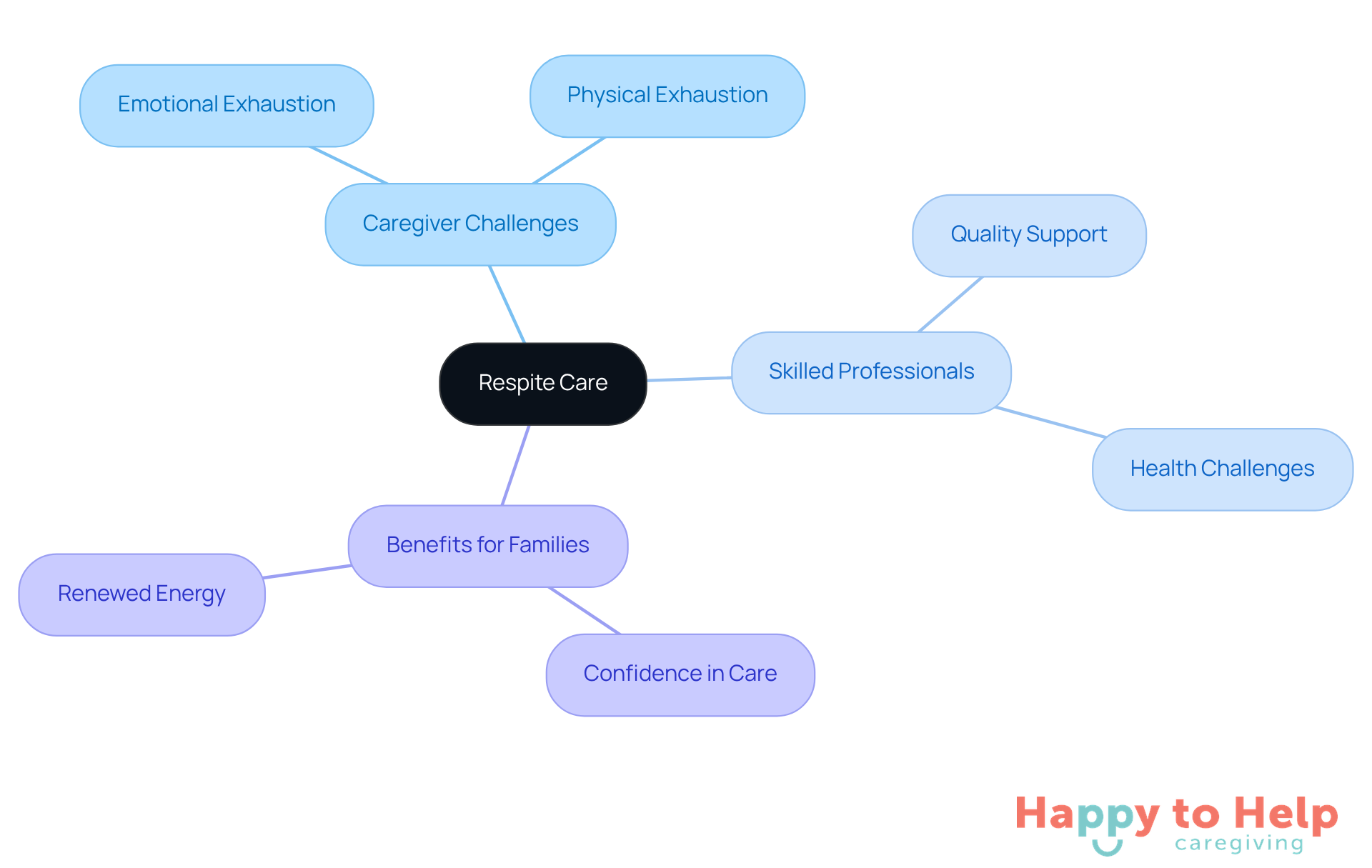
Caregivers often face the challenge of balancing their responsibilities with the need for respite. This can lead to emotional and physical exhaustion, making it difficult to provide the best care for their loved ones.
Respite care Charleston provides a practical solution to this problem. Skilled experts focus on delivering quality support for seniors and individuals with special needs. These caregivers are equipped with the necessary skills to handle various health and emotional challenges, ensuring that clients receive the best possible support.
Families can trust that their loved ones are in capable hands, allowing them to take necessary breaks with confidence. By utilizing respite care Charleston services, caregivers can recharge and return to their roles with renewed energy, ultimately benefiting both themselves and those they care for.
Financial Support: Understanding Payment Options for Respite Care
Understanding the financial aspects of temporary support is crucial for families. Many face the challenge of navigating various payment options, which can lead to confusion and stress. Without a clear understanding of these options, families may struggle to find the right financial solution, risking excessive financial burden.
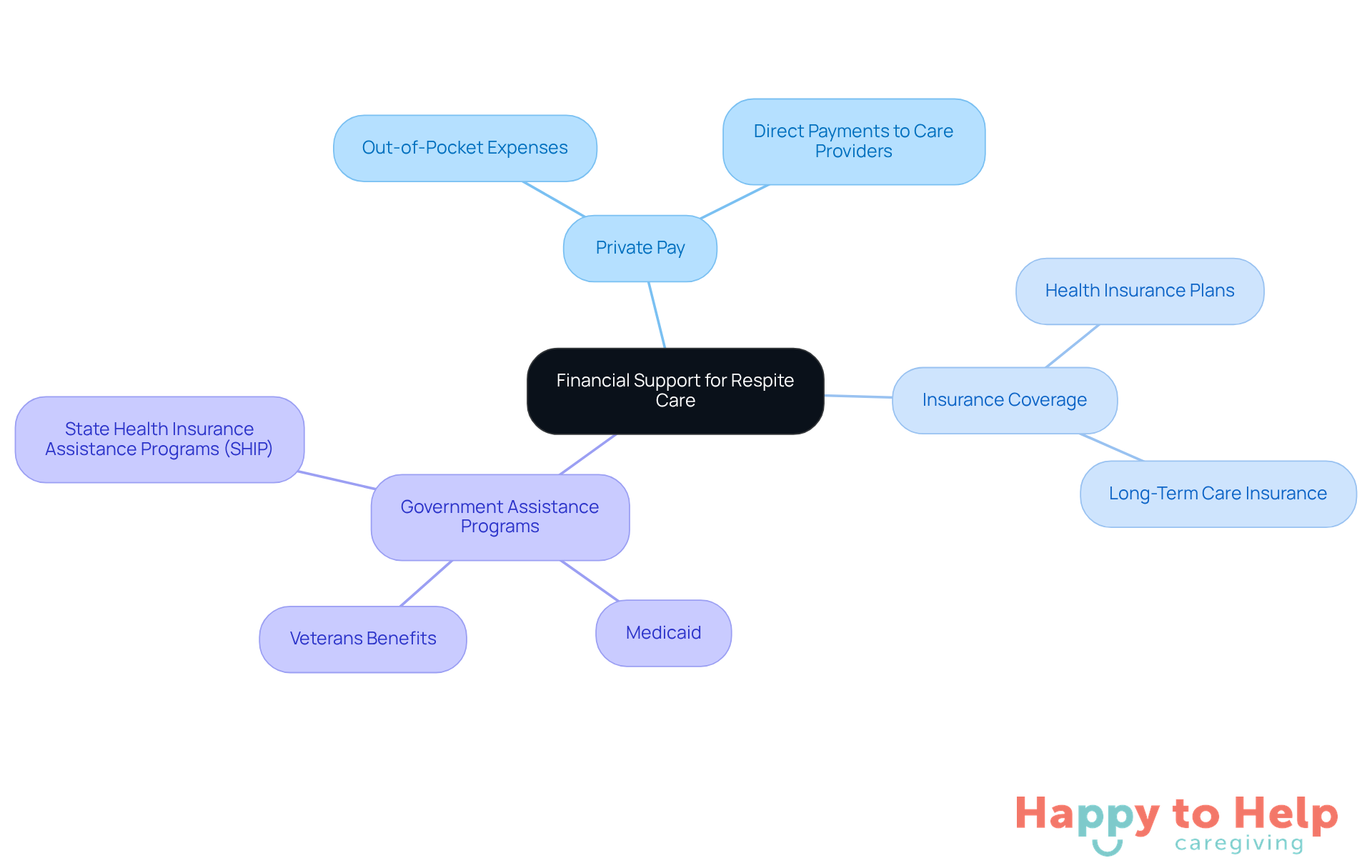
To alleviate this issue, families should explore several payment avenues, including:
- Private pay
- Insurance coverage
- Government assistance programs
By investigating these alternatives, they can identify the most suitable financial solution for their temporary support needs. This proactive approach ensures that families can access the assistance they require without incurring overwhelming costs.
Community Resources: Leveraging Local Support for Family Caregivers
Caregivers often face significant challenges that can lead to emotional strain and burnout. The demands of providing care can be overwhelming, leaving many feeling isolated and unsupported. This is where community resources can make a real difference.
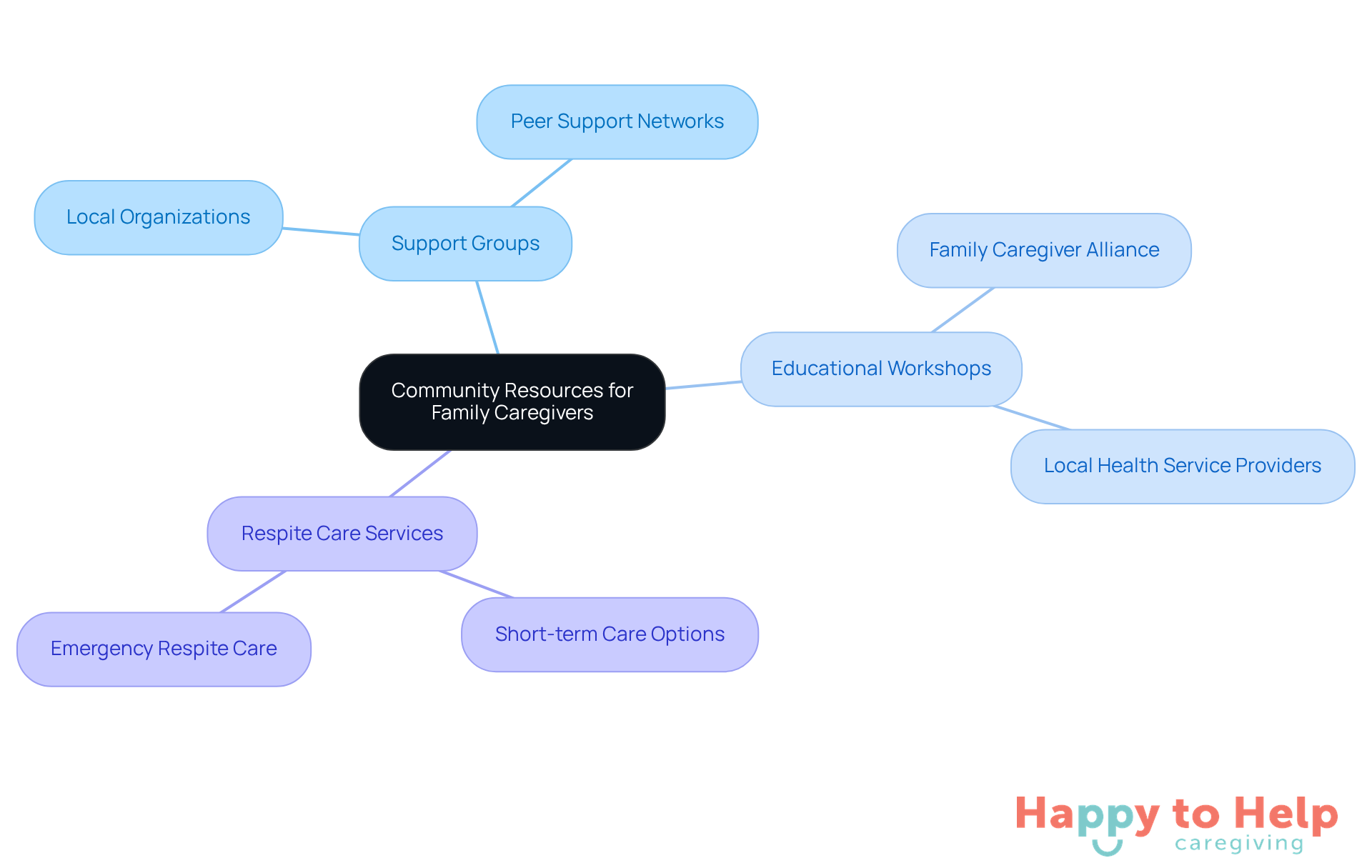
Local organizations in Charleston offer a variety of support groups, educational workshops, and respite care Charleston services designed to alleviate these caregiving challenges. These support groups create a vital space for caregivers to connect, share experiences, and gain insights from others who understand their struggles. Engaging with these resources not only fosters a sense of community but also enhances emotional well-being.
For instance, organizations like the Family Caregiver Alliance and local health service providers host workshops that equip caregivers with essential skills and information. These sessions provide practical tips and strategies that can be immediately applied in caregiving situations. Additionally, respite care Charleston services provide caregivers with necessary breaks, ensuring they can recharge while knowing their loved ones are in capable hands.
By leveraging these local supports, caregivers can navigate their responsibilities with greater confidence and resilience. Taking advantage of these resources is a proactive step towards maintaining both their well-being and the quality of care they provide.
Long-Term Benefits: Strengthening Family Bonds Through Respite Care
Caregiving can be a rewarding yet overwhelming responsibility. Many caregivers experience significant stress, which can strain relationships with family members. Without regular breaks, caregivers may find it challenging to engage meaningfully with their loved ones, leading to feelings of isolation and frustration.
Statistics reveal that caregivers who do not take breaks often report higher levels of stress and diminished family dynamics. In fact, households utilizing respite care Charleston services have shown a remarkable improvement in their relationships. Nearly 76% of individuals in critical-needs groups noted substantial assistance in managing personal time and household duties, according to the Corporation for National and Community Service.
Respite care Charleston provides a practical solution to this problem. By providing essential breaks, caregivers can recharge and return to their roles with renewed energy. Approximately 40% of caregivers who rated their health as fair or poor before receiving support now assess their health as good. This rejuvenation not only benefits the caregiver but also fosters a more harmonious home environment.
Moreover, the long-term advantages of respite care extend beyond individual relief. It creates opportunities for family members to reconnect, share experiences, and build lasting memories together. As Allen Brown aptly states, "These small moments help bonds grow."
To maximize these benefits, consider scheduling regular respite care Charleston. This proactive approach can significantly enhance family connections and reduce stress, ultimately reinforcing the fabric of domestic life.
Taking the Next Steps
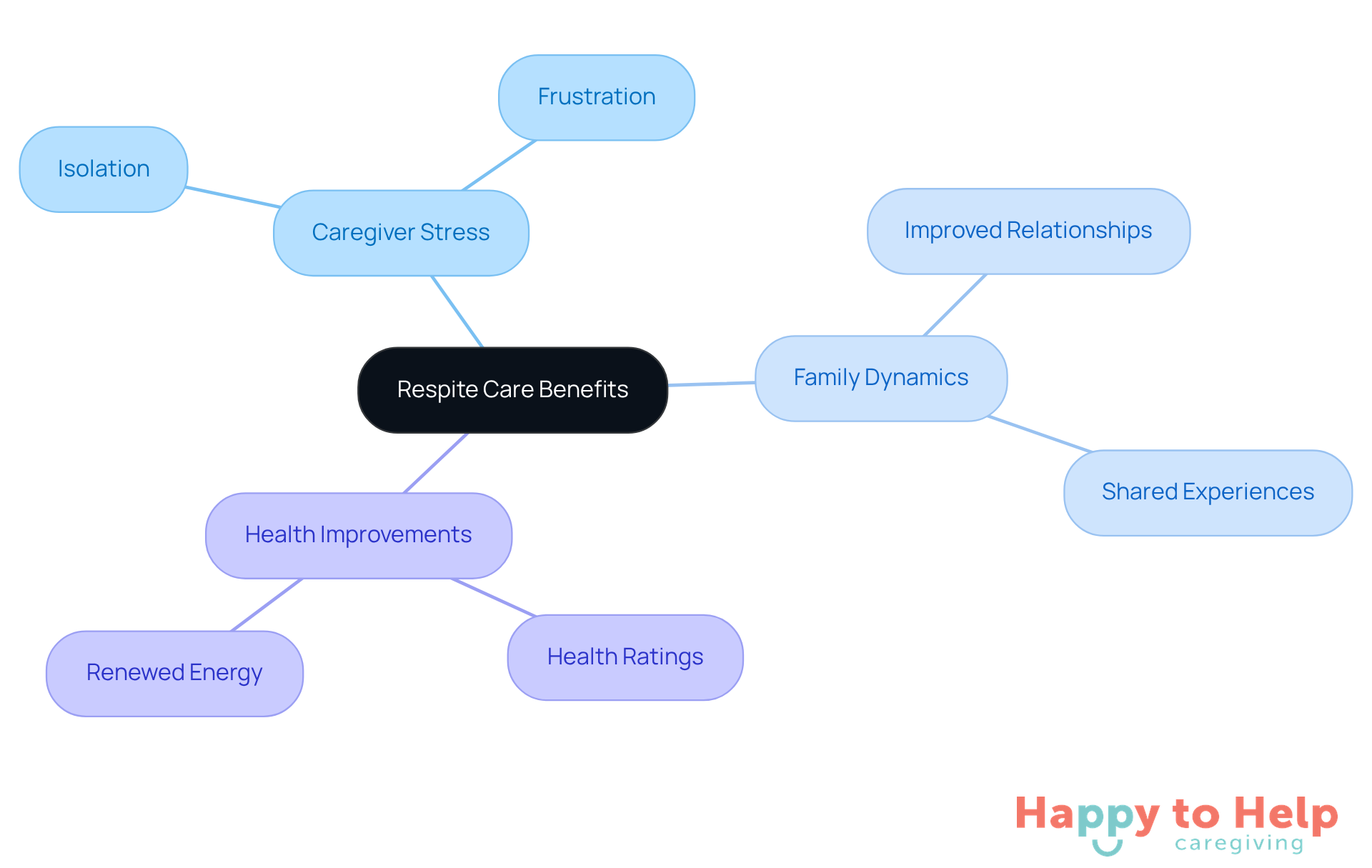
Respite care serves as a crucial lifeline for family caregivers, addressing the significant problem of caregiver burnout. This demanding role can lead to stress and emotional fatigue, impacting both the caregiver's well-being and the quality of care provided to their loved ones. By offering tailored assistance, respite care alleviates these challenges, fostering a healthier and more balanced caregiving environment.
The benefits of respite care in Charleston are numerous. It not only reduces stress and anxiety but also enhances emotional well-being, allowing caregivers to recharge. Flexible options enable families to customize their support according to individual needs, ensuring that professional caregivers maintain the safety and comfort of loved ones during their absence. Additionally, access to community resources and financial assistance further enriches the caregiving experience, highlighting the importance of seeking help.
Ultimately, embracing respite care is about more than just taking a break; it’s an investment in the well-being of both caregivers and those they support. By prioritizing self-care and utilizing available resources, caregivers can cultivate stronger family bonds and create a nurturing home environment. Recognizing that taking time for oneself is essential for sustaining the caregiving journey ensures that both caregivers and their loved ones thrive together.
https://iframe.tely.ai/cta/eyJhcnRpY2xlX2lkIjogIjY5MjI2NGZmNGUzNmZmNzE5NDQ4Mjc3MCIsICJjb21wYW55X2lkIjogIjY4ZWU1ZGNhNzMxNzYyNTU3ZjNjOTVjMSIsICJpbmRleCI6IG51bGwsICJ0eXBlIjogImFydGljbGUifQ==Frequently Asked Questions
What challenges do family caregivers face?
Family caregivers often experience significant challenges such as burnout, emotional strain, fatigue, anxiety, and depression due to their demanding roles.
How does caregiver burnout affect both caregivers and their loved ones?
Caregiver burnout can lead to a cycle of stress that impacts not only the caregiver's well-being but also the quality of care they provide to their loved ones. It can create feelings of isolation and diminish the caregiver's ability to connect with friends and family.
What services does Happy to Help Caregiving offer?
Happy to Help Caregiving offers customized respite care in Charleston, featuring adaptable scheduling and round-the-clock availability to allow caregivers to take essential breaks without compromising the quality of support for their loved ones.
Why is respite care important for caregivers?
Respite care is important as it helps prevent provider burnout by allowing caregivers to recharge, which decreases fatigue, anxiety, and depression. This ultimately enhances their emotional resilience and overall well-being.
What are the emotional benefits of utilizing respite care?
Caregivers who utilize respite care report reduced levels of anxiety and depression, leading to improved emotional health and the ability to care for their loved ones more effectively.
How can scheduled breaks improve a caregiver's well-being?
Scheduled breaks during respite care allow caregivers to attend to their own needs, such as medical appointments or hobbies, which are crucial for maintaining physical and mental health. Caregivers who prioritize self-care report reduced stress and enhanced emotional well-being.
How flexible are respite care services?
Respite care services can be arranged for various lengths of time, whether for a few hours, a day, or more, providing caregivers with the flexibility they need to manage their responsibilities and personal time.
What impact does feeling supported have on caregivers?
Caregivers who feel supported and take regular breaks are significantly less likely to experience burnout, with 35% of those feeling supported reporting 'excellent' or 'very good' emotional health.
List of Sources
- Happy to Help Caregiving: Personalized Respite Care for Family Caregivers
- Caregivers and the Importance of Respite Care (https://benedictineliving.org/resources/news/caregivers-and-the-importance-of-respite-care)
- She cares for her aging parents full time. That requires taking care of herself, too (https://npr.org/2025/11/20/nx-s1-5522341/unpaid-caregivers-elderly-support)
- Respite Care Services: Essential Support for Caregivers (https://esoregon.com/the-benefits-of-respite-care-services-for-caregiver-relief)
- Executive Home Care Honors Family Caregivers During National Family Caregivers Month (https://prnewswire.com/news-releases/executive-home-care-honors-family-caregivers-during-national-family-caregivers-month-302616991.html)
- News & Success Stories | Live Well San Diego (https://livewellsd.org/Home/Components/News/News/513/153)
- Emotional Relief: Alleviating Caregiver Burnout Through Respite Care
- Caregiver Burnout: The Importance of Respite Care - CRT Care Services (https://crtcare.co.uk/2025/09/12/caregiver-burnout-the-importance-of-respite-care)
- Improving Support for Family Caregivers (https://nationalacademies.org/news/2025/07/improving-support-for-family-caregivers)
- Preventing Caregiver Burnout with Respite Care | The Herrick House (https://theherrickhouse.org/news-stories/all-news-stories/stories/2025/04/preventing-caregiver-burnout-with-respite-care)
- How Respite Care Supports Families and Prevents Burnout - Cream Home Care (https://creamhomecare.co.uk/how-respite-care-supports-families-and-prevents-burnout)
- Scheduled Breaks: Gaining Time for Self-Care with Respite Services
- Caregivers and the Importance of Respite Care (https://benedictineliving.org/resources/news/caregivers-and-the-importance-of-respite-care)
- 2023 Study — Caregiving in America, Statistics on Family Caregivers and Beyond | Guardian (https://guardianlife.com/reports/caregiving-in-america)
- Respite Care Services: Essential Support for Caregivers (https://esoregon.com/the-benefits-of-respite-care-services-for-caregiver-relief)
- How Family Caregivers Can Benefit from Respite Home Care Services - At Home Care Inc (https://at-home-care.com/how-family-caregivers-can-benefit-from-respite-home-care-services-2)
- The Caregiving Landscape: Data & Insights on the Caregiver Experience in the U.S. (https://caregiveraction.org/caregiver-statistics)
- Safety Assurance: Enhancing Peace of Mind for Caregivers and Families
- Why Respite Care Matters: Taking a Break Without Guilt - Essential Care (https://myessential.care/why-respite-care-matters-taking-a-break-without-guilt)
- When to Consider Respite Care: 5 Real-Life Scenarios (https://theforum-seniorliving.com/blog/real-scenarios-of-when-to-use-respite-care)
- Respite Care Essentials: Support and Peace of Mind for Caregivers (https://redeemerseniorliving.org/news/respite-care-essentials-support-and-peace-of-mind-for-caregivers)
- Stats, Facts and Things to Know About Respite Care (https://bethesdaseniorliving.com/senior-resources/stats-facts-and-things-to-know-about-respite-care)
- Social Interaction: Promoting Engagement for Seniors in Respite Care
- Winter Growth Wins Grant to Expand Dementia Respite Care with Innovative Music-Based Program (https://retirementlivingsourcebook.com/proagingnews/winter-growth-wins-grant-to-expand-dementia-respite-care-with-innovative-music-based-program)
- How Respite Care Provides Social Engagement for Seniors (https://rosewood-nursing.com/post/how-respite-care-provides-social-engagement-for-seniors)
- Stats, Facts and Things to Know About Respite Care (https://bethesdaseniorliving.com/senior-resources/stats-facts-and-things-to-know-about-respite-care)
- Social Connections in Senior Care: Combatting Loneliness (https://sgmays.org/social-connections-in-senior-care)
- Flexible Options: Customizing Respite Care to Fit Family Needs
- Home Instead Respite Care: Caring for Caregivers and Their Loved Ones (https://homeinstead.com/home-care/usa/ia/dubuque/354/news-and-media/home-instead-respite-care-caring-for-caregivers-and-their-loved-ones)
- Home Care Providers Aim For Big Wins By Introducing Shorter Care Models Bypassing Service Minimums (https://homehealthcarenews.com/2025/02/home-care-providers-aim-for-big-wins-by-introducing-shorter-care-models-bypassing-service-minimums)
- Respite Care for the Elderly Market Size & Opportunities, 2025-2032 (https://coherentmarketinsights.com/industry-reports/respite-care-for-the-elderly-market)
- Respite Care in Wisconsin: A Flexible Way to Support Foster Families | Foundations Health & Wholeness (https://wearefoundations.org/2025/07/respite-care-in-wisconsin-a-flexible-way-to-support-foster-families)
- Congressman Nick Langworthy Introduces Bill to Support the Wellbeing of Family Caregivers (https://langworthy.house.gov/media/press-releases/congressman-nick-langworthy-introduces-bill-support-wellbeing-family)
- Expert Care: Trained Professionals Delivering Quality Respite Services
- New Online Respite Care Provider Training for States and Communities | ACL Administration for Community Living (https://acl.gov/news-and-events/announcements/new-online-respite-care-provider-training-states-and-communities)
- An Aging America Needs a Stronger Care Workforce - National Skills Coalition (https://nationalskillscoalition.org/blog/news/an-aging-america-needs-a-stronger-care-workforce)
- Respite Facts and Talking Points | ARCH National Respite Network & Resource Center (https://archrespite.org/policy/respite-facts-and-talking-points)
- As Family Caregiving Grows, So Does the Need for Reform - Medicare Rights Center (https://medicarerights.org/medicare-watch/2025/08/14/as-family-caregiving-grows-so-does-the-need-for-reform)
- Caregiver Respite: An Essential Component of Home & Community-Based Long-Term Care - PMC (https://pmc.ncbi.nlm.nih.gov/articles/PMC9052870)
- Financial Support: Understanding Payment Options for Respite Care
- A bill in Congress would return $5,000 to millions of family caregivers every year, but will it pass? (https://cbsnews.com/newyork/news/credit-for-caring-act-family-caregiver-tax-credit)
- ECONOMIC IMPACTS OF PROGRAMS TO SUPPORT CAREGIVERS: FINAL REPORT (https://aspe.hhs.gov/reports/economic-impacts-programs-support-caregivers-final-report-0)
- Financial Support and Respite Care for Caregivers: Promising Legislative Proposals and Research (https://nursing.upenn.edu/live/news/financial-support-and-respite-care)
- State Innovations to Advance Respite Care: Policy Strategies Shared at the State-Federal Respite Summit - NASHP (https://nashp.org/state-innovations-to-advance-respite-care-policy-strategies-shared-at-the-state-federal-respite-summit)
- HHS May End Medicare Advice, Elder Rights and Respite Care Programs (https://thinkadvisor.com/2025/04/17/hhs-may-end-medicare-advice-elder-rights-and-respite-care-programs)
- Community Resources: Leveraging Local Support for Family Caregivers
- National Alliance for Caregiving: Caregiving in the US 2025 Report (https://johnahartford.org/resources/view/national-alliance-for-caregiving-caregiving-in-the-us-2025-report)
- Caregiving connects us, community strengthens us - VA News (https://news.va.gov/143323/caregiving-connects-us-community-strengthens-us)
- Caregiver Statistics: Demographics (https://caregiver.org/resource/caregiver-statistics-demographics)
- National Family Caregiver Support Program | ACL Administration for Community Living (https://acl.gov/programs/support-caregivers/national-family-caregiver-support-program)
- NAMI Debuts New Caregiver HelpLine as Families Come Together for the Holidays (https://nami.org/press-releases/nami-debuts-new-caregiver-helpline-as-families-come-together-for-the-holidays)
- Long-Term Benefits: Strengthening Family Bonds Through Respite Care
- Benefits of Respite Care for Families and Patients (https://ltcnews.com/articles/respite-care-assisted-living-family-burden-provides-support)
- Respite Facts and Talking Points | ARCH National Respite Network & Resource Center (https://archrespite.org/policy/respite-facts-and-talking-points)
- How Respite Care Can Strengthen Family Relationships (https://impactwealth.org/how-respite-care-can-strengthen-family-relationships)
- Stats, Facts and Things to Know About Respite Care (https://bethesdaseniorliving.com/senior-resources/stats-facts-and-things-to-know-about-respite-care)
- Respite Care: Strengthening Family Bonds - Aplus Health Services (https://aplushealthservices.com.au/blogs/respite-care-family-bond)