The Importance of Assistive Devices for Elderly
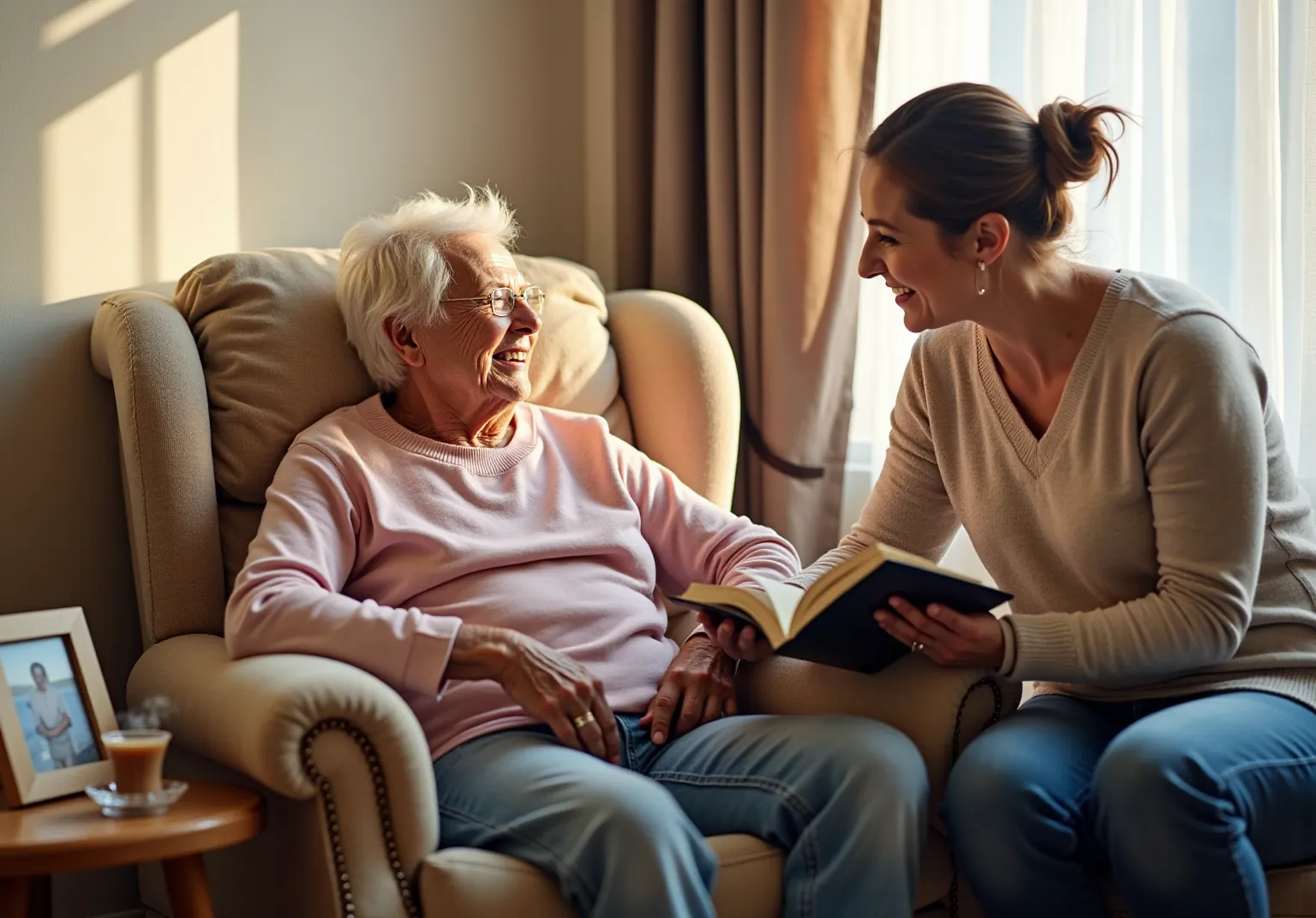
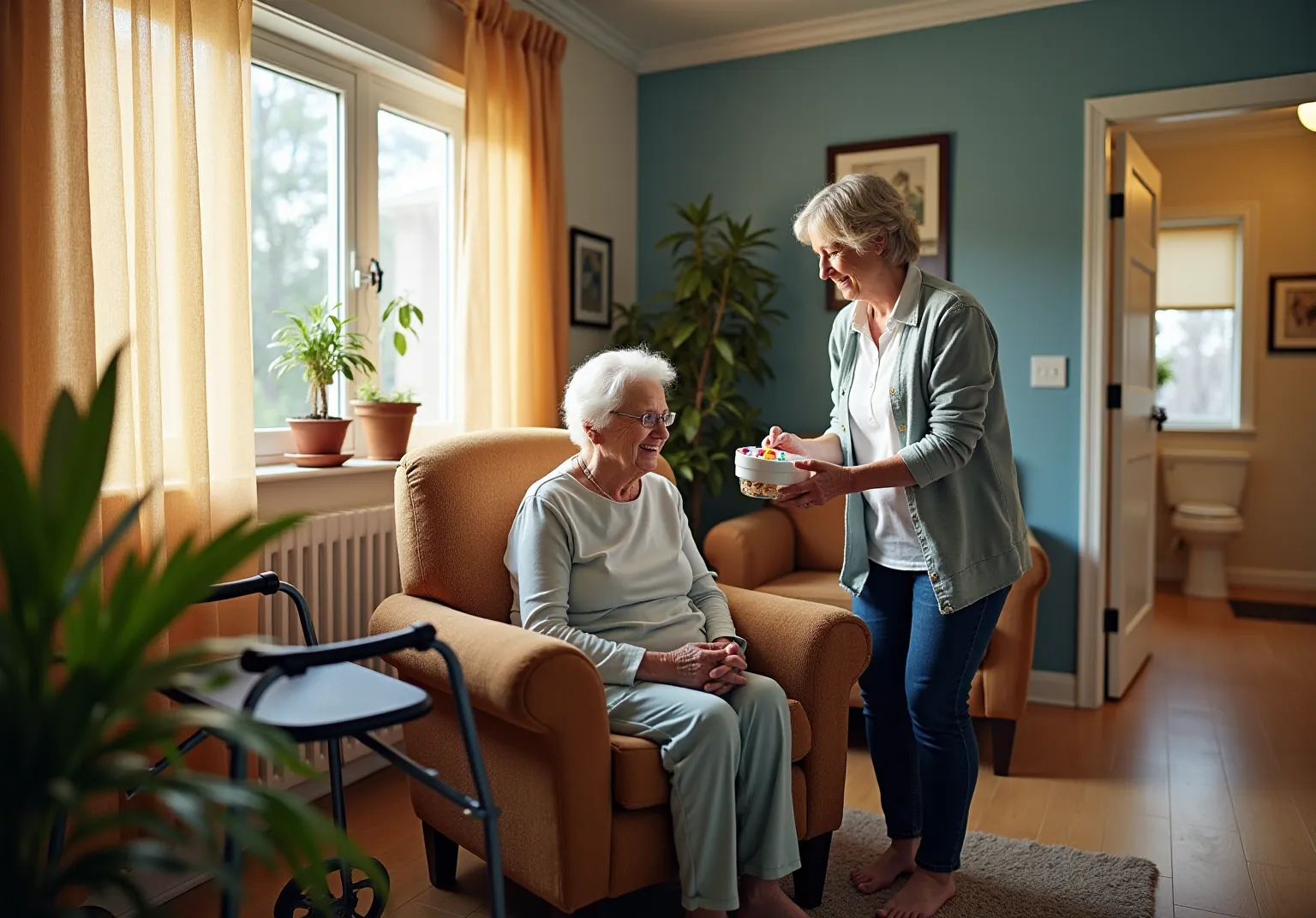
Maintaining independence and safety for older adults presents significant challenges, especially as they face daily tasks that were once second nature. This struggle can lead to feelings of vulnerability and frustration, not just for seniors but also for their caregivers. However, with the right assistive devices, this journey can shift from one of struggle to empowerment, enhancing the quality of life for aging individuals.
This article explores ten of the best assistive devices designed to promote independence and safety for the elderly. By addressing common obstacles faced by both seniors and their caregivers, we aim to provide innovative solutions that bridge the gap between vulnerability and autonomy. With these tools, aging individuals can thrive in their own homes, reclaiming their independence and ensuring their safety.
Happy to Help Caregiving: Personalized In-Home Support for Seniors
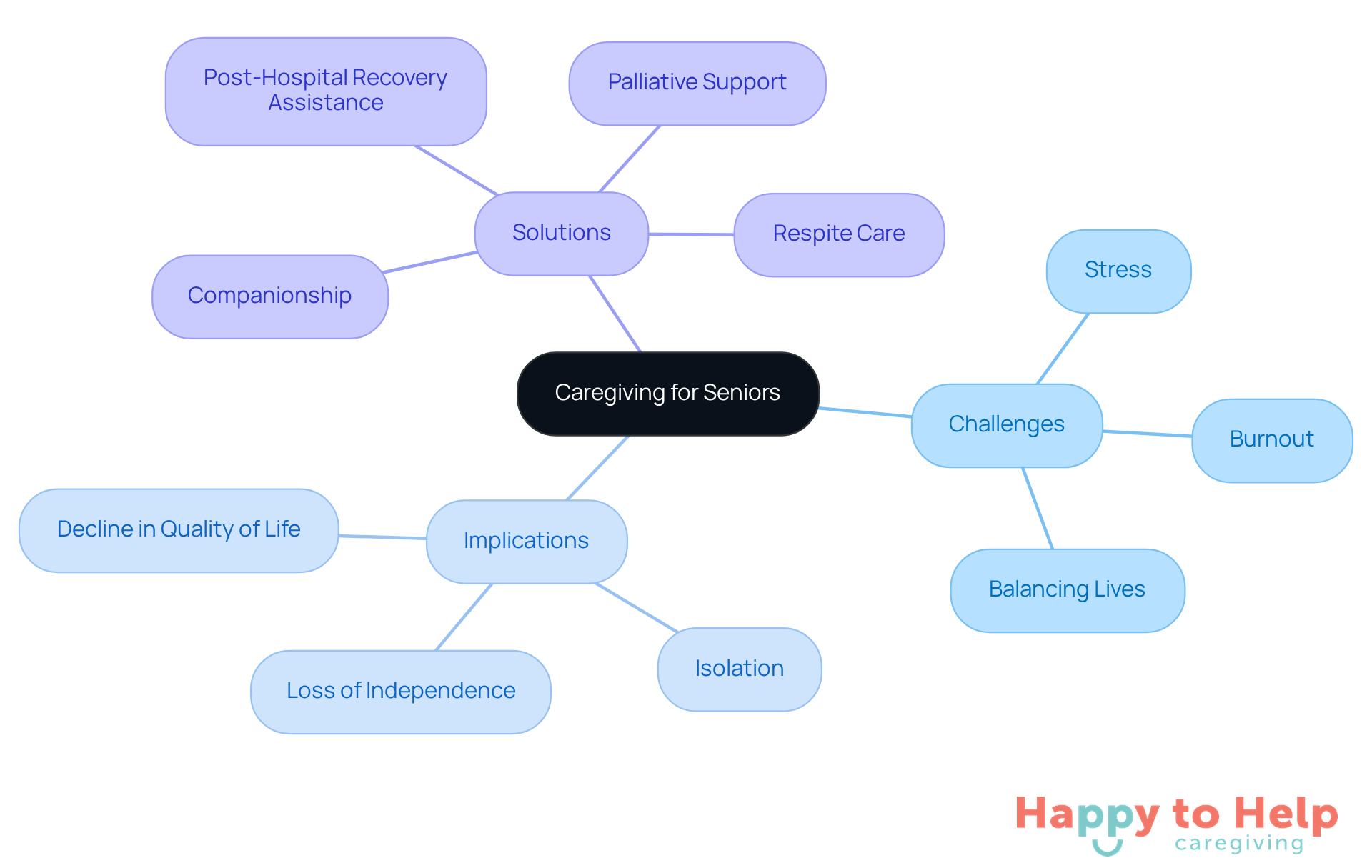
The Challenge of Caregiving
Caring for older adults can be a daunting task, especially when families struggle to provide the necessary support. Many caregivers face the challenge of balancing their own lives while ensuring their loved ones receive adequate care. This often leads to feelings of stress and burnout, impacting both the caregiver and the individual in need of assistance.
The Implications
Without proper support, older adults may experience a decline in their quality of life. They might feel isolated, unsafe, or unable to maintain their independence. This situation not only affects their well-being but also places additional strain on caregivers who want to provide the best care possible.
The Solution
Happy to Help Caregiving specializes in offering compassionate in-home assistance tailored to the unique needs of older adults. Their services include:
- Companionship
- Post-hospital recovery assistance
- Respite care
- Palliative support
These services are designed to enhance the quality of life for individuals in their own homes. By incorporating the best assistive devices for elderly into their care plans, caregivers can further promote independence and safety, ensuring that clients feel secure and supported in their daily activities.
Medline Bed Assist Handle: Stability for Bed Mobility
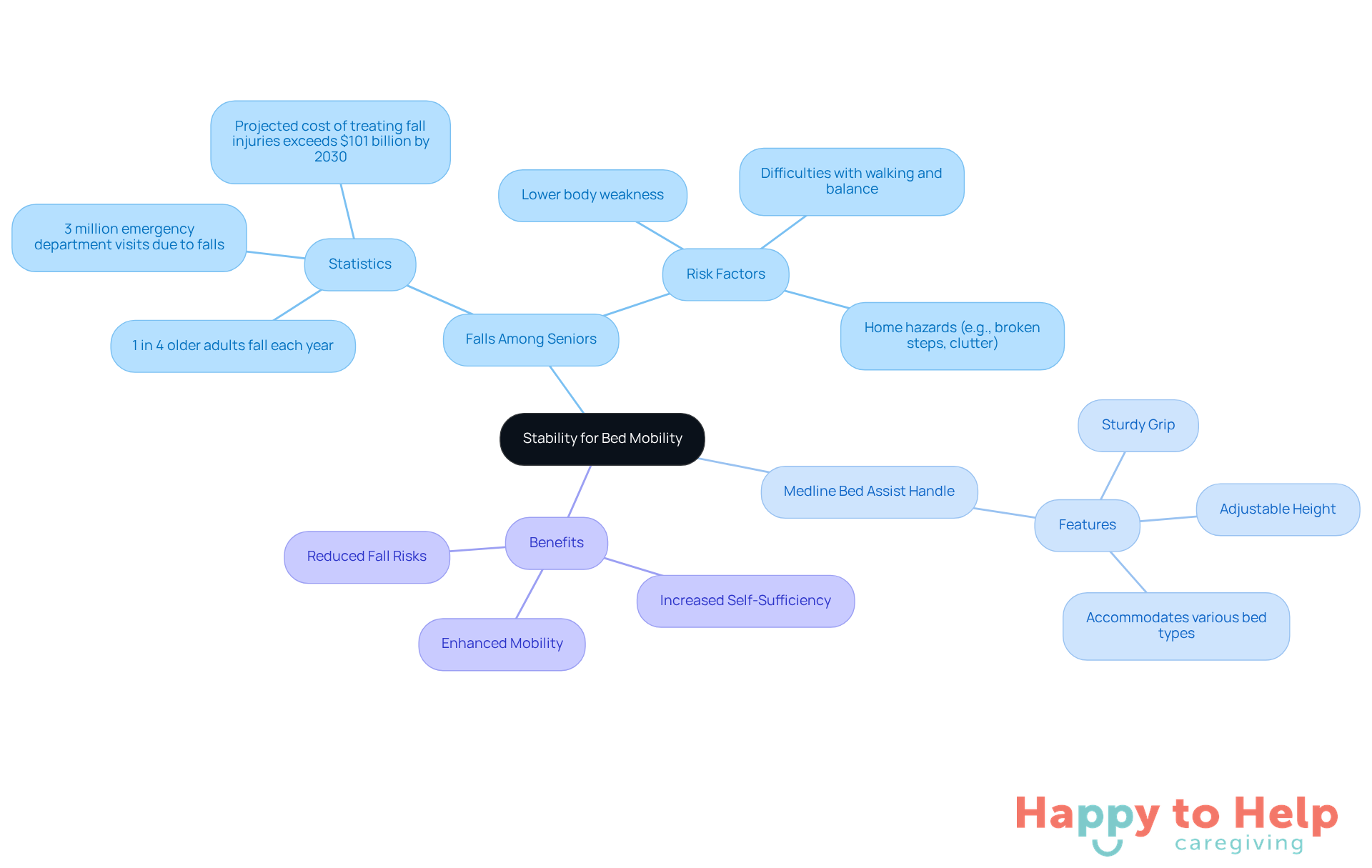
Falls among seniors are a significant concern, with research indicating that more than one out of four older adults experience a fall each year. This alarming statistic highlights the critical need for the best assistive devices for elderly to enhance stability and prevent injuries. The leading cause of fatal and non-fatal injuries among elderly individuals is falls, making it essential for caregivers to address this issue proactively.
One effective solution is the Medline Bed Assist Handle. This essential tool is designed to enhance stability for seniors as they navigate getting in and out of bed. With its sturdy grip and adjustable height, this assistive device accommodates various bed types, ensuring a secure hold for users. By offering the necessary assistance, the Bed Assist Handle not only helps prevent falls but also enables older adults to maintain their daily routines without relying heavily on caregivers.
Real-world instances show that older adults using such devices report enhanced mobility and a greater sense of self-sufficiency. Experts emphasize that incorporating the best assistive devices for elderly, like the Bed Assist Handle, into daily life is vital for reducing fall risks and enhancing overall quality of life. Caregivers are encouraged to assess their loved ones' homes for potential fall hazards, further enhancing safety and promoting autonomy.
Philips Lifeline Medical Alert System: Emergency Support at Your Fingertips
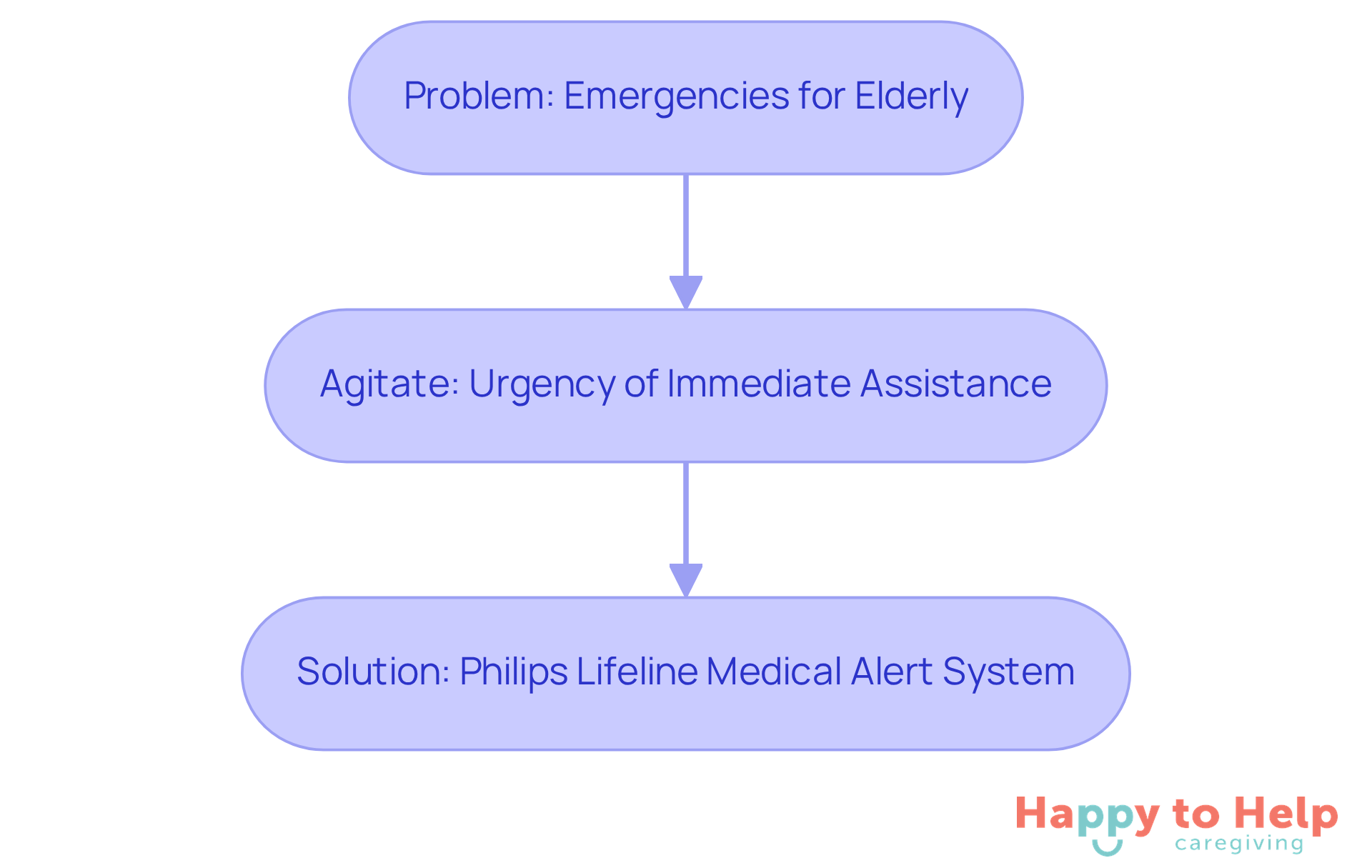
Problem: Elderly individuals often face emergencies without immediate assistance, which can lead to serious consequences. The risk of falls and medical emergencies is particularly high for older adults living independently, which creates a pressing need for the best assistive devices for elderly.
Agitate: When an emergency occurs, every second counts. Many elderly individuals may not be able to call for help themselves, leaving them vulnerable in critical situations. This lack of immediate assistance can lead to severe health complications or even fatalities, making it essential to address this issue.
Solution: The Philips Lifeline Medical Alert System provides a reliable solution for elderly individuals. With features like fall detection and 24/7 monitoring, help is just a button press away. This system empowers older adults to maintain their independence while ensuring that the best assistive devices for elderly provide prompt assistance when necessary. In fact, the average response time for a medical alert system is under one minute, which is crucial for those who may not be able to call for help themselves.
Real-life testimonials illustrate how these systems have transformed lives, offering peace of mind to users and their families. As the market for medical alert systems expands, projected to reach $4.6 billion by 2025-a rise of over 12%-the importance of these best assistive devices for elderly in enhancing safety and well-being cannot be overstated.
Drive Medical Walker with Seat: Mobility and Rest Combined
Mobility limitations pose a significant challenge for older adults, affecting their independence and ability to engage in social activities, which is why the best assistive devices for elderly are essential. Almost 40% of older adults experience these limitations, which can lead to feelings of isolation and decreased physical activity.
The Drive Medical Walker with Seat addresses this issue effectively. Designed with a comfortable seat, it allows users to rest whenever necessary, crucial for maintaining stamina during outings. Its lightweight design and easy maneuverability make it suitable for both indoor and outdoor settings, encouraging older adults to stay active without the risk of overexertion.
By facilitating breaks, this walker not only enhances physical activity levels but also promotes a sense of self-reliance. Users can participate in social activities and enjoy their surroundings more fully. As one satisfied user stated, "I never thought I’d walk my dog again. My walker gave me my freedom back."
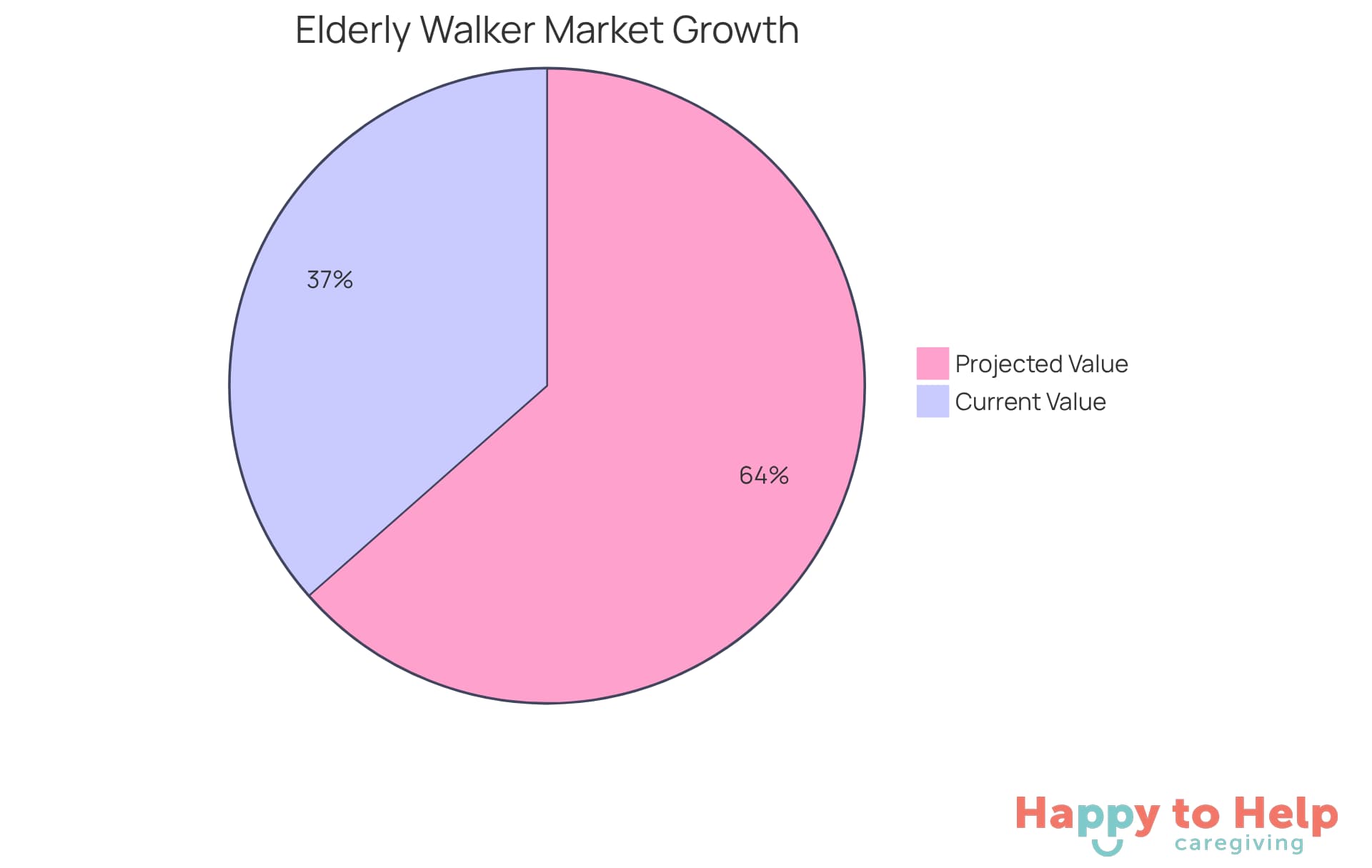
Moreover, walkers equipped with seats are considered among the best assistive devices for elderly, as they have been shown to significantly improve mobility and confidence, providing a safe option for resting and promoting longer, more enjoyable outings. The elderly walker market, valued at USD 1.56 billion in 2023 and projected to reach USD 2.73 billion by 2032, underscores the growing demand for such mobility aids. This highlights the importance of the best assistive devices for elderly individuals in enhancing their quality of life.
DMI Bathroom Safety Grab Bar: Essential Support for Safe Mobility
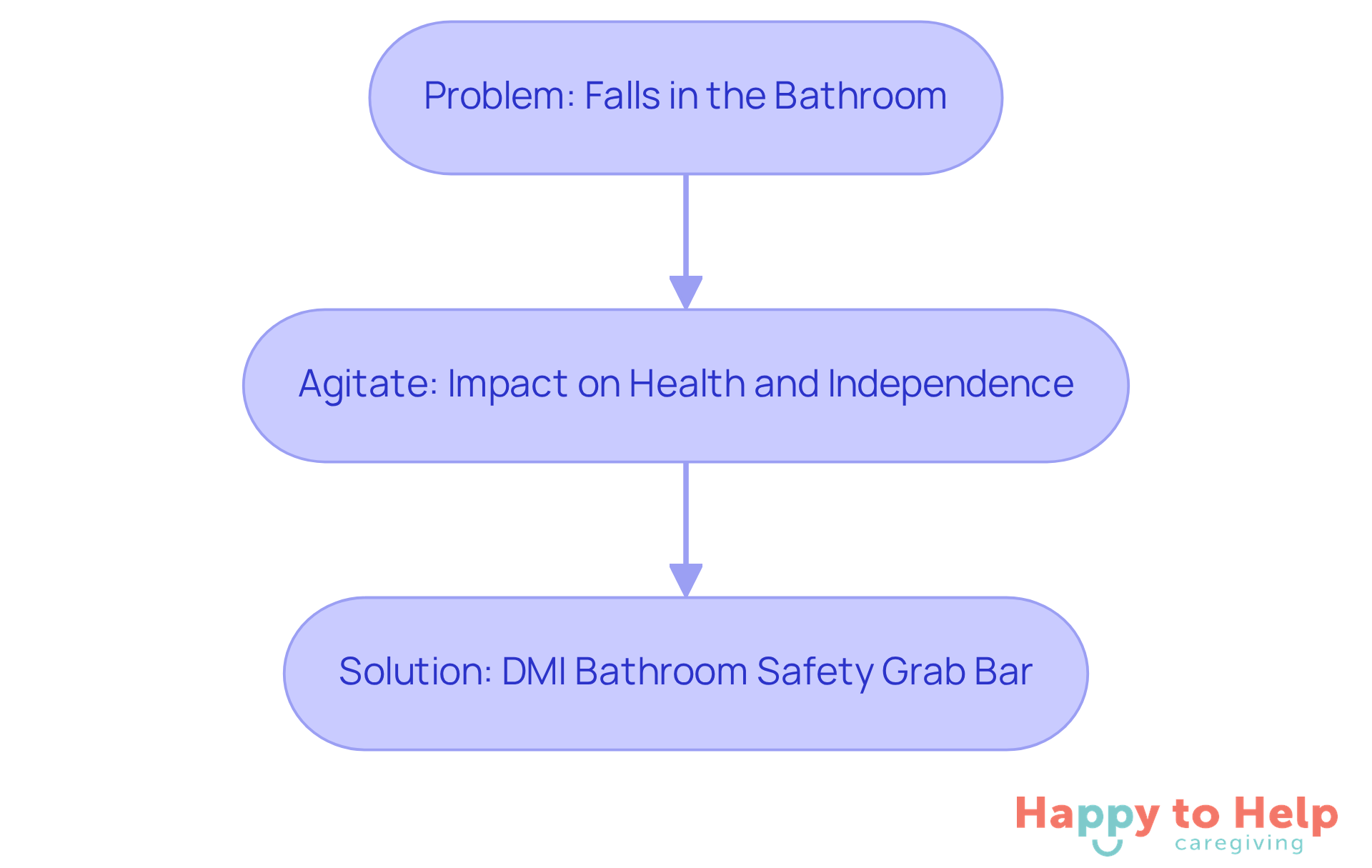
Problem: Falls in the bathroom are a significant concern for elderly individuals, leading to approximately 3 million emergency department visits and about 1 million fall-related hospitalizations each year. These incidents often occur in potentially dangerous spaces, such as near toilets and in showers, where support is crucial.
Agitate: The implications of these falls can be severe, impacting not only the physical health of older adults but also their confidence and independence. Many caregivers worry about the safety of their loved ones, especially in common areas like the bathroom, where slips can happen easily.
Solution: The DMI Bathroom Safety Grab Bar is an essential safety feature that provides vital support. Strategically installed near toilets and in showers, these grab bars serve as secure handholds, significantly reducing the risk of slips and falls. Older adults who have incorporated grab bars into their homes report feeling more secure and independent.
Moreover, the National Council on Aging highlights that grab bars are not only functional but also aesthetically pleasing, with modern designs available in various finishes that complement existing bathroom decor. This shift in perception allows homeowners to prioritize safety without sacrificing style.
Reviews of the DMI Bathroom Safety Grab Bar emphasize its sturdy construction and ease of installation, making it a popular choice among caregivers and families. To maximize effectiveness, ensure proper placement at key locations, such as the shower entrance and beside the toilet, to provide optimal support. Grab bars like the DMI model are considered some of the best assistive devices for elderly individuals, as they address the essential need for stability in the bathroom and play a crucial role in preventing falls and enhancing overall well-being.
Medline Pill Organizer: Simplifying Medication Management
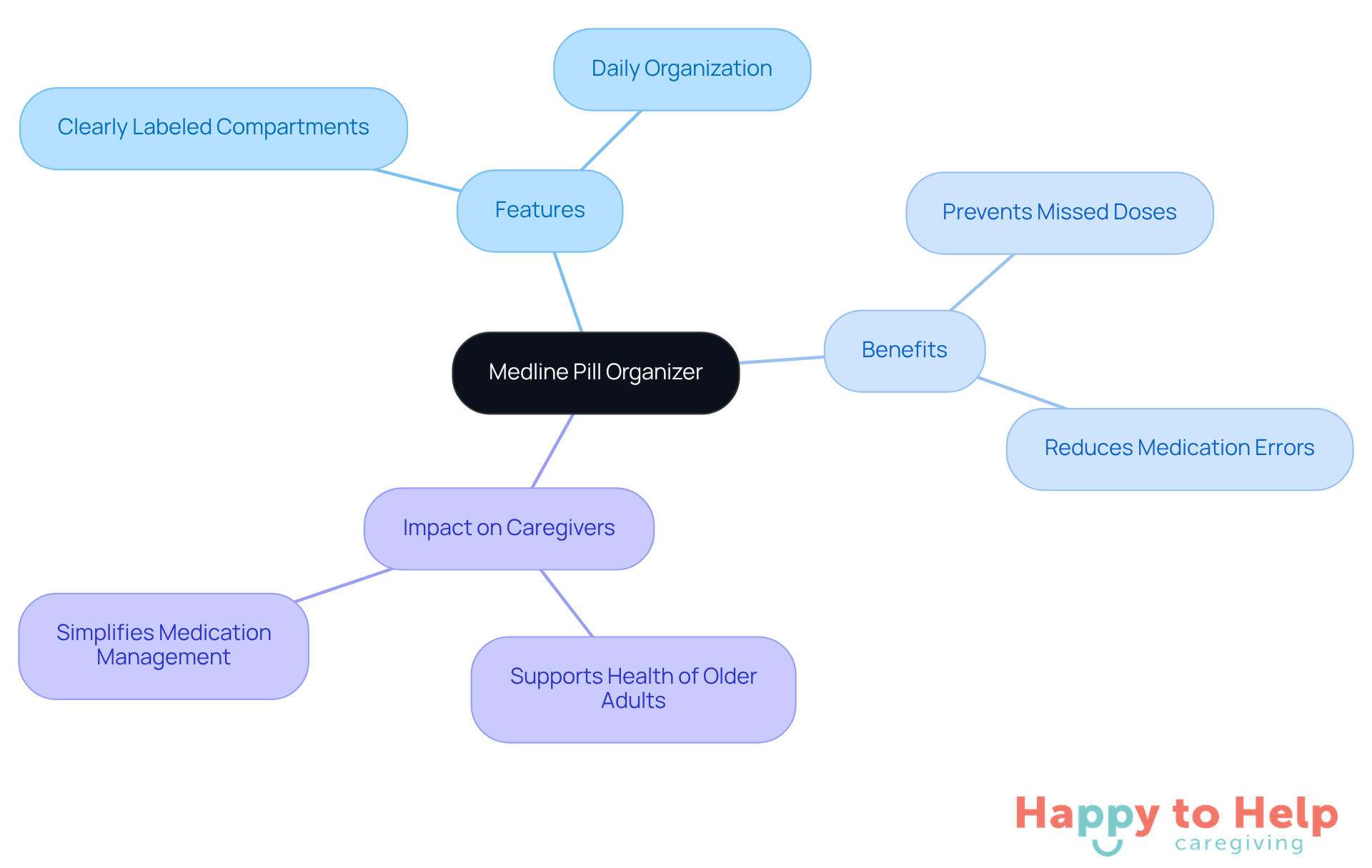
Caregivers of older adults may find that medication management is among the best assistive devices for elderly individuals. Missed doses and medication errors can lead to serious health complications, impacting the well-being of those they care for.
The Medline Pill Organizer addresses this issue effectively. With clearly labeled compartments for each day of the week, it simplifies the process of monitoring medications. This not only helps prevent missed doses but also reduces the risk of medication errors.
By using the Medline Pill Organizer, caregivers can ensure that their clients adhere to prescribed regimens. This proactive approach supports the health and well-being of older adults, especially when using the best assistive devices for elderly, making medication management a more manageable task.
OXO Good Grips Utensils: Ergonomic Design for Easier Eating
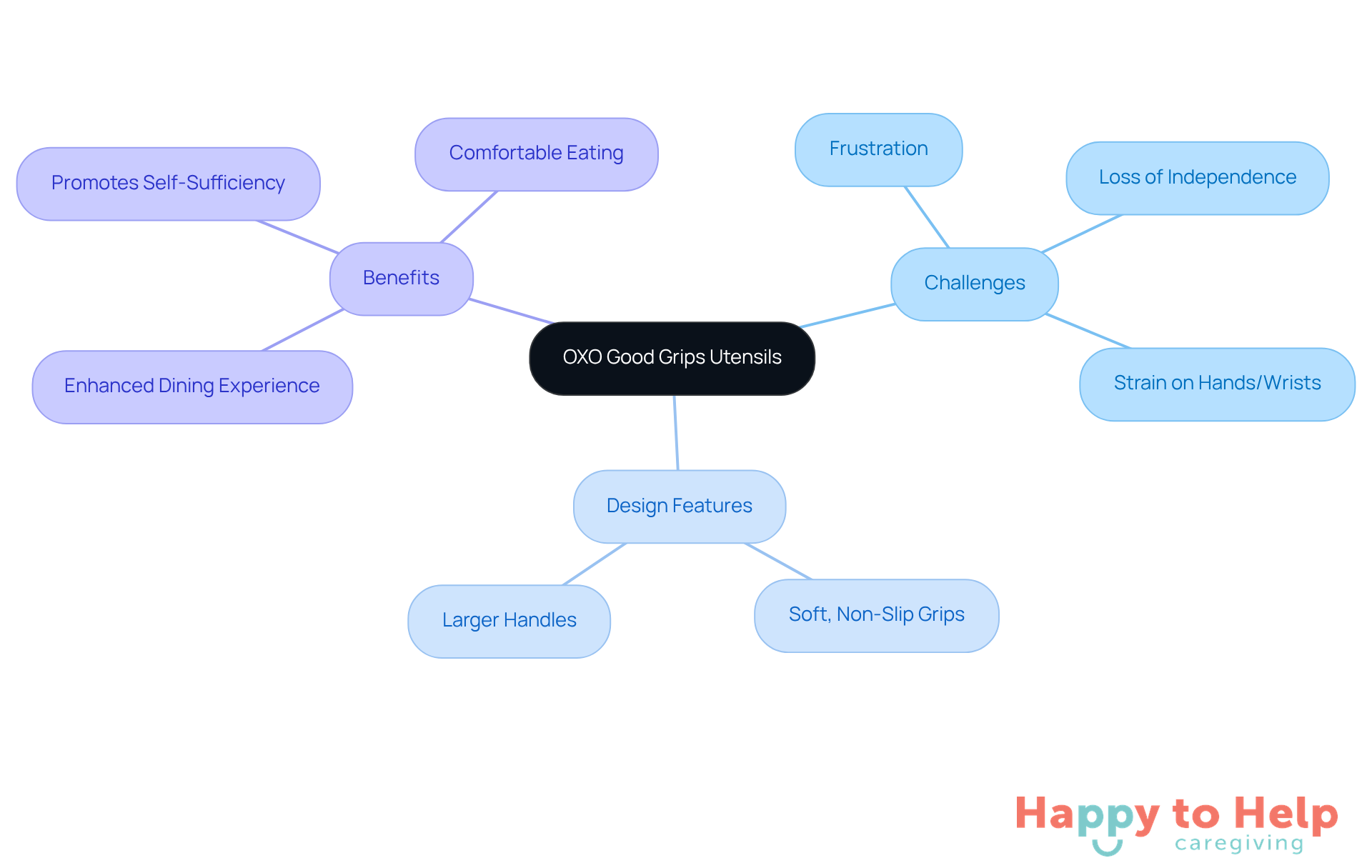
Many older adults struggle with using conventional utensils, which can lead to frustration and a loss of independence during meals. This challenge often results in increased strain on their hands and wrists, making dining a difficult experience.
Fortunately, the best assistive devices for elderly are available as solutions. The OXO Good Grips Utensils are specifically designed with ergonomics in mind, featuring soft, non-slip grips and larger handles. These thoughtful design elements are considered some of the best assistive devices for elderly individuals, significantly reducing strain and allowing them to eat independently and comfortably.
By incorporating these utensils into mealtime routines, caregivers can enhance the dining experience for older adults, promoting self-sufficiency and enjoyment during meals.
iRobot Roomba Vacuum Cleaner: Automated Cleaning for Independence
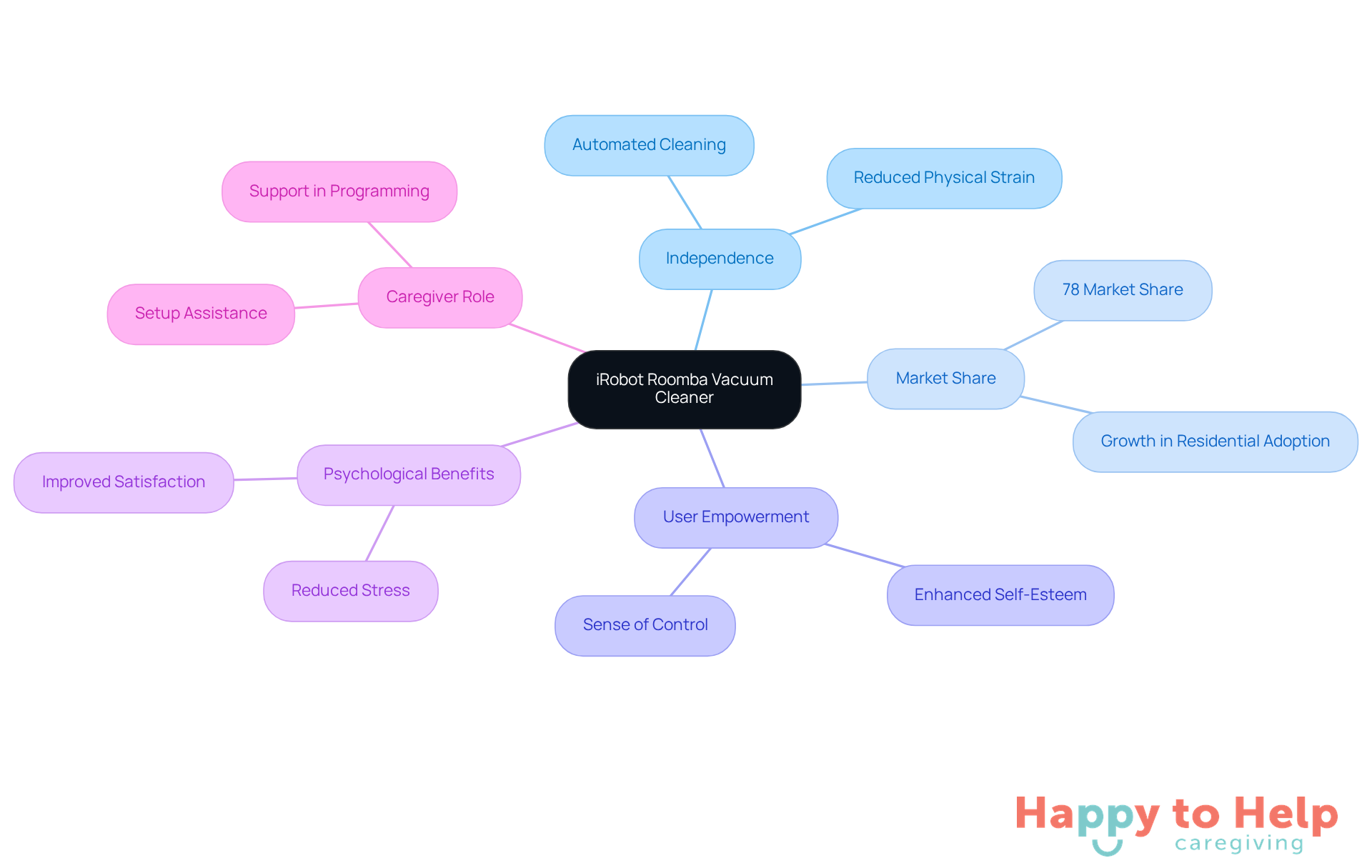
For older adults, keeping a tidy home can be a significant challenge, especially when traditional vacuuming requires physical exertion. This can lead to feelings of frustration and dependence on others for help with household chores.
The iRobot Roomba Vacuum Cleaner addresses this problem effectively. By automating the cleaning process, it allows older adults to maintain their independence while focusing on other important tasks. This hands-free operation is particularly beneficial for those with mobility or strength issues, enabling them to enjoy a clean environment without the physical strain.
Robotic vacuums represent a shift towards greater inclusivity, accounting for 78% of the market share. They require minimal user interaction and can be programmed to fit personal schedules, making them an ideal solution for elderly individuals. Many users report feeling empowered by their ability to manage cleaning routines independently, which fosters a sense of control and accomplishment. According to the case study 'Empowerment and Independence,' these tools significantly enhance self-esteem and overall satisfaction among users.
Moreover, the psychological benefits of using robotic vacuums cannot be overlooked. They help reduce stress and anxiety associated with home maintenance. With noise levels ranging from 50 to 70 decibels, the Roomba operates quietly enough to avoid disrupting daily activities, making cleaning a seamless part of life.
In summary, the iRobot Roomba and similar automated cleaning devices are considered some of the best assistive devices for elderly individuals to promote their independence. The best assistive devices for elderly enable older adults to enjoy a cleaner, safer living space while preserving their autonomy. Caregivers can play a crucial role by assisting with the setup and programming of the Roomba, ensuring that their loved ones can fully benefit from this innovative technology.
Fitbit Inspire 2: Health Monitoring for Active Living
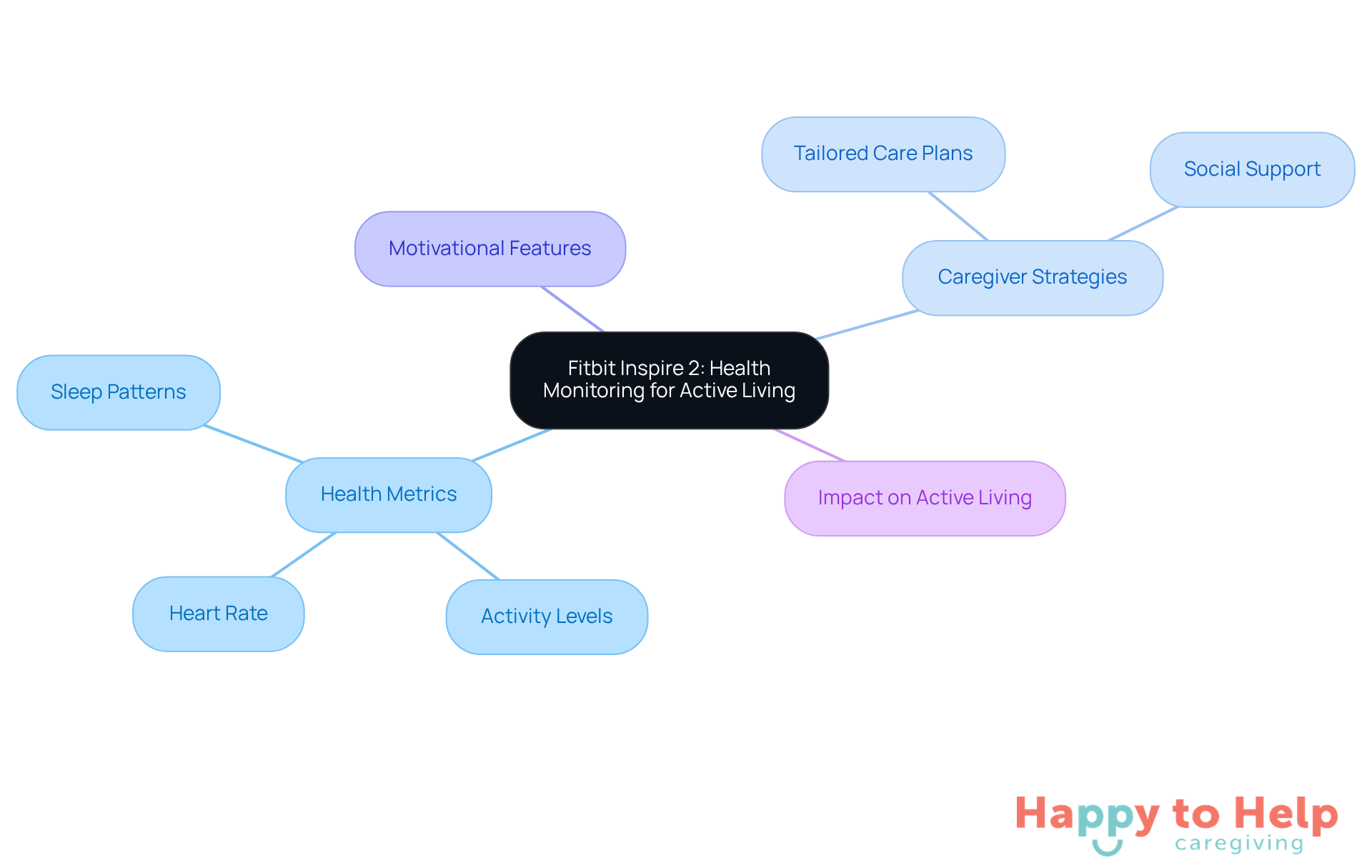
The challenge facing older adults today is significant: 84% of individuals aged 65 and above do not meet the recommended standards for aerobic and muscle-strengthening activities. This lack of engagement can lead to serious health implications, making it crucial for caregivers to find the best assistive devices for elderly to effectively encourage physical activity among their clients.
One effective solution is the Fitbit Inspire 2, a versatile health and fitness monitor designed to help older adults track their engagement levels, heart rate, and sleep patterns. By providing valuable insights into daily health metrics, this device motivates older adults to stay active and take charge of their health management. Caregivers can leverage this information to tailor care plans that promote physical engagement and overall well-being.
For instance, if a caregiver notices a decline in an elderly person's activity levels, they can adjust their care strategy to include more stimulating physical exercises or social interactions, utilizing the motivational features of the Fitbit Inspire 2. Furthermore, long-term users of activity trackers typically engage with the device for over 12 months, indicating a sustained interest in monitoring their health.
Real-life examples show that older adults using fitness trackers often report increased motivation to participate in daily exercises, leading to improved health outcomes and a greater sense of independence. The integration of technology in health monitoring not only fosters a proactive approach to fitness but also provides caregivers with the best assistive devices for elderly clients to support them effectively.
As fitness trackers evolve, their role in promoting active living among older adults becomes increasingly vital. Caregivers are encouraged to foster a supportive environment by discussing fitness goals with elderly individuals and promoting social interactions that enhance physical activity. This social support is a crucial motivational element for long-term users, ensuring that older adults can enjoy a healthier, more active lifestyle.
Easy Reach Grabber Tool: Independence in Daily Tasks
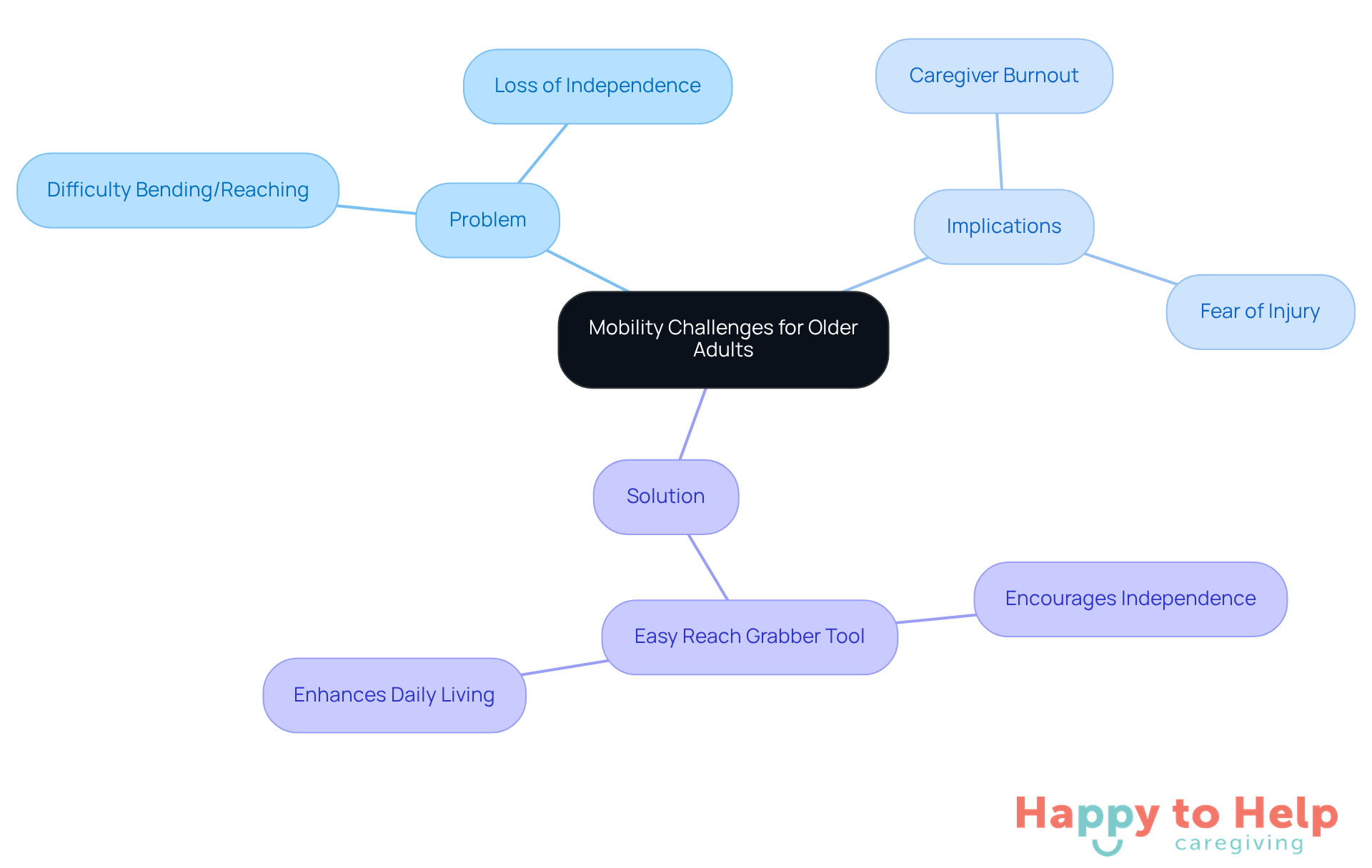
Problem: Many older adults struggle with mobility, making it difficult for them to bend or reach for items. This can lead to frustration and a loss of independence, as caregivers often find themselves assisting with daily tasks that seniors could otherwise manage on their own.
Agitate: The implications of these mobility challenges are significant. Nearly 60% of family caregivers are women, frequently tasked with caring for elderly individuals facing these difficulties. This can lead to caregiver burnout and a sense of helplessness for both parties. The fear of injury or falls can prevent older adults from engaging in activities they enjoy, such as gardening or organizing their living spaces.
Solution: The Easy Reach Grabber Tool offers a practical solution. This invaluable aid allows users to pick up objects from the floor or high shelves without straining their backs. By encouraging independence in daily activities, the grabber tool enables elderly individuals to sustain their autonomy and confidence in their ability to control their surroundings. As one caregiver noted, "The grabber tool has transformed my mother's ability to care for herself, allowing her to feel more in control of her daily life." Experts emphasize that the best assistive devices for elderly are vital tools that enhance daily living, fostering a sense of self-reliance and empowerment.
The best assistive devices for elderly are crucial in promoting autonomy, ensuring that elderly individuals can continue to perform daily tasks with dignity and ease.
Moving Forward with Assistive Devices for Elderly
The importance of assistive devices in promoting independence and safety for older adults is a pressing issue. Many seniors face challenges in mobility and safety, which can lead to a decline in their overall well-being. Without the right tools, the risk of falls and loss of autonomy increases significantly.
To address these challenges, integrating assistive devices into daily life is essential. For instance, the Medline Bed Assist Handle aids in bed mobility, while the Philips Lifeline Medical Alert System provides peace of mind during emergencies. Additionally, the Drive Medical Walker with Seat enhances mobility, allowing seniors to navigate their environments more safely. Each of these devices tackles specific issues faced by older adults, contributing to a more independent lifestyle.
Moreover, caregiver support and the application of technology in caregiving are crucial. By fostering a nurturing environment, caregivers can significantly enhance the quality of life for older adults. It’s vital for families to explore these solutions, empowering their loved ones to live with confidence and dignity.
Ultimately, the integration of the best assistive devices is key to promoting independence and safety among elderly individuals. By prioritizing innovative tools and personalized in-home support, caregivers can make a meaningful impact in the lives of seniors, ensuring their journey toward enhanced quality of life is both collaborative and fulfilling.
https://iframe.tely.ai/cta/eyJhcnRpY2xlX2lkIjogIjY5MjEwYWE0Y2UwYTY4MzQ5NmE0MDA2NSIsICJjb21wYW55X2lkIjogIjY4ZWU1ZGNhNzMxNzYyNTU3ZjNjOTVjMSIsICJpbmRleCI6IG51bGwsICJ0eXBlIjogImFydGljbGUifQ==Frequently Asked Questions
What challenges do caregivers face when caring for older adults?
Caregivers often struggle to balance their own lives while providing adequate support to older adults, leading to feelings of stress and burnout, which can impact both the caregiver and the individual in need of assistance.
What are the implications of inadequate support for older adults?
Without proper support, older adults may experience a decline in their quality of life, feeling isolated, unsafe, or unable to maintain their independence, which also places additional strain on caregivers.
What services does Happy to Help Caregiving provide?
Happy to Help Caregiving offers personalized in-home assistance, including companionship, post-hospital recovery assistance, respite care, and palliative support, all tailored to the unique needs of older adults.
How do assistive devices benefit elderly individuals?
Incorporating assistive devices into care plans can promote independence and safety for elderly individuals, helping them feel secure and supported in their daily activities.
What is the Medline Bed Assist Handle, and how does it help seniors?
The Medline Bed Assist Handle is an assistive device designed to enhance stability for seniors as they get in and out of bed. It features a sturdy grip and adjustable height, accommodating various bed types to help prevent falls and promote self-sufficiency.
What are the statistics regarding falls among seniors?
Research indicates that more than one out of four older adults experience a fall each year, making falls the leading cause of fatal and non-fatal injuries among elderly individuals.
What is the Philips Lifeline Medical Alert System?
The Philips Lifeline Medical Alert System is a reliable emergency support solution for elderly individuals, featuring fall detection and 24/7 monitoring, allowing help to be summoned quickly with just the press of a button.
Why is the Philips Lifeline Medical Alert System important for elderly individuals?
This system is crucial as it provides immediate assistance during emergencies, which can help prevent severe health complications or fatalities for elderly individuals who may not be able to call for help themselves.
What is the projected market growth for medical alert systems?
The market for medical alert systems is projected to reach $4.6 billion by 2025, reflecting a rise of over 12%, underscoring the importance of these devices in enhancing safety and well-being for elderly individuals.
List of Sources
- Happy to Help Caregiving: Personalized In-Home Support for Seniors
- Innovative New Technology Helps Seniors Age in Place (https://ucdavis.edu/health/news/innovative-new-technology-helps-seniors-age-place)
- 13 Home Care Trends To Watch For in 2024 (And Thoughts From 11 Experts) | CareAcademy (https://careacademy.com/blog/home-care-trends)
- In-Home Care for Seniors - Caregiving News and Tips (https://aarp.org/caregiving/home-care)
- Survey: Older Americans see tech tools as independence extenders (https://mcknightsseniorliving.com/news/survey-older-americans-see-tech-tools-as-independence-extenders)
- Trends and Innovations in Senior Care | Amada Blog (https://amadaseniorcare.com/2025/01/trends-and-innovations-in-senior-care)
- Medline Bed Assist Handle: Stability for Bed Mobility
- Get the Facts on Falls Prevention (https://ncoa.org/article/get-the-facts-on-falls-prevention)
- Facts About Falls (https://cdc.gov/falls/data-research/facts-stats)
- What People with Disabilities Wish Those Outside the Community Would Stop Saying (https://goodhousekeeping.com/health/wellness/a60343482/disability-quotes)
- (https://belleviecare.co.uk/support-advice/60-elderly-care-quotes-to-lift-your-spirits)
- Philips Lifeline Medical Alert System: Emergency Support at Your Fingertips
- Are medical alerts worth it for seniors? Here's what experts say (https://cbsnews.com/news/are-medical-alerts-worth-it-for-seniors-what-experts-say)
- Medical Alert Statistics 2025 (https://consumeraffairs.com/medical-alert-systems/medical-alert-statistics.html)
- What if you fall and can't get up? The fear is driving sales of personal emergency response systems (https://vermontpublic.org/local-news/2025-10-17/what-if-you-fall-and-cant-get-up-the-fear-is-driving-sales-of-personal-emergency-response-systems)
- Lifeline (https://consumeraffairs.com/age/philips-lifeline.html)
- Drive Medical Walker with Seat: Mobility and Rest Combined
- See Why Seniors Deserve the Best Mobility Aids for Unbeatable Comfort and Freedom - Wheelchair & Mobility Scooters Guide (https://1800wheelchair.com/news/see-why-seniors-deserve-the-best-mobility-aids-for-unbeatable-comfort-and-freedom?srsltid=AfmBOooi-dT3ZknM4S8nIOdKhexkcz8lXtGnP1buyVyl3eU194RbD3vw)
- Elderly Walker Market Size, Share Analysis Report 2032 (https://snsinsider.com/reports/elderly-walker-market-5887)
- DMI Bathroom Safety Grab Bar: Essential Support for Safe Mobility
- Get the Facts on Falls Prevention (https://ncoa.org/article/get-the-facts-on-falls-prevention)
- Complete Choice Title | The Importance of Grab Bars in Home Bathrooms (https://completechoicetitle.com/the-importance-of-grab-bars-in-home-bathrooms)
- Facts About Falls (https://cdc.gov/falls/data-research/facts-stats)
- The Importance of Grab Bars in Preventing Bathroom Accidents - Penn York Medical (https://penn-yorkmedical.com/2025/08/the-importance-of-grab-bars-in-preventing-bathroom-accidents)
- Campbell County Health (https://cchwyo.org/news/2024/december/national-bathroom-safety-month-protecting-your-h)
- Medline Pill Organizer: Simplifying Medication Management
- Why Is Medication Management Important for Seniors? (https://baptistretirement.org/news-blog/why-is-medication-management-important-for-seniors)
- 4 Reasons Why Medication Management Services Are Important for Seniors (https://palmprimarycare.com/4-reasons-why-medication-management-services-are-important-for-seniors)
- Challenges and Strategies in Medication Management for Patients With Multiple Comorbidities - PMC (https://pmc.ncbi.nlm.nih.gov/articles/PMC12257869)
- 27 Inspirational Quotes for Caregivers (https://ultimatecareny.com/resources/27-quotes-for-caregivers)
- 10 Inspiring Patient Experience Quotes | Relias (https://relias.com/blog/patient-experience-quotes)
- iRobot Roomba Vacuum Cleaner: Automated Cleaning for Independence
- Robot Vacuum Cleaner Market Previsioni 2034 | Tendenze chiave e fattori di crescita (https://emergenresearch.com/it/industry-report/robot-vacuum-cleaner-market?srsltid=AfmBOorbeeT7eqhkO6XnRzHKnGD4oj8fZprlG-N3UZnnCLy4wBuB-7f6)
- What Impact Robotic Vacuums Have on Seniors and People with Disabilities? (https://srhythm.com/blogs/stories/what-impact-robotic-vacuums-have-on-seniors-and-people-with-disabilities)
- How Seniors Can Enhance Home Comfort with a Robotic Vacuum? - RobotMyLife (https://robotmylife.com.au/how-seniors-can-enhance-home-comfort-with-a-robotic-vacuum?srsltid=AfmBOoq\_OLBGrfqjW4rToC4VLr-knQanOhrJzuQuNSCPCQLDHmfrt4TW)
- iRobot's Roomba: Bringing Robots into Homes - Marketing Case Studies | Case Study (https://ibscdc.org/Case\_Studies/Marketing/Marketing/iRobot Roomba-Robots into Homes Case Study.htm)
- Why Robot Vacuums are a Seniors' Best Friend (https://us.roborock.com/blogs/blog/why-robot-vacuums-are-a-seniors-best-friend?srsltid=AfmBOoqwHQwnVD5FqtB0osYduXxemtA17QRUdannbf4A0nH1mSyDkRXm)
- Fitbit Inspire 2: Health Monitoring for Active Living
- Smart trackers may predict frailty in older adults — Harvard Gazette (https://news.harvard.edu/gazette/story/2023/11/smart-trackers-may-predict-frailty-related-risks-in-older-adults)
- Older Adults’ Experiences With Using Wearable Devices: Qualitative Systematic Review and Meta-synthesis - PMC (https://pmc.ncbi.nlm.nih.gov/articles/PMC8212622)
- (PDF) The effectiveness of wearable activity trackers for increasing physical activity and reducing sedentary time in older adults: A systematic review and meta-analysis (https://researchgate.net/publication/371001917\_The\_effectiveness\_of\_wearable\_activity\_trackers\_for\_increasing\_physical\_activity\_and\_reducing\_sedentary\_time\_in\_older\_adults\_A\_systematic\_review\_and\_meta-analysis)
- The Use of Wearable Activity Trackers Among Older Adults: Focus Group Study of Tracker Perceptions, Motivators, and Barriers in the Maintenance Stage of Behavior Change - PMC (https://pmc.ncbi.nlm.nih.gov/articles/PMC6473213)
- Easy Reach Grabber Tool: Independence in Daily Tasks
- 30 Incredibly Inspiring Quotes For People With Disabilities | Vantage Mobility (https://vantagemobility.com/blog/blogincredibly-inspiring-quotes-for-people-with-disabilities)
- (PDF) Effects of Tracking Technology on Daily Life of Persons With Dementia: Three Experimental Single-Case Studies (https://researchgate.net/publication/261923008\_Effects\_of\_Tracking\_Technology\_on\_Daily\_Life\_of\_Persons\_With\_Dementia\_Three\_Experimental\_Single-Case\_Studies)
- Inspiring Caregiver Quotes for Everyday Heroes (https://humancareny.com/blog/inspiring-caregiver-quotes-for-everyday-heroes)
- Caregiver Quotes: 50+ Inspiring Encouragement Quotes for Strength (https://h2hhc.com/blog/inspiring-caregiver-quotes)
- Reachers Market | Global Market Analysis Report - 2035 (https://futuremarketinsights.com/reports/reachers-market)