
Understanding Your Options
The article primarily focuses on outlining essential at-home senior care services that family caregivers can utilize to support their loved ones. It empathetically highlights ten crucial services, such as:
- Companionship
- Post-hospital recovery assistance
- Meal delivery
These services are vital in enhancing the well-being and independence of seniors, while also alleviating the burden on caregivers. By providing these services, caregivers can find relief from the stress and burnout often associated with their roles, fostering a nurturing environment for both themselves and their loved ones.
The Importance of At Home Senior Care Services
The landscape of senior care is evolving rapidly, reflecting the growing need for personalized support as our elderly population increases. Family caregivers, often balancing numerous responsibilities, find themselves in search of essential services that can alleviate their burden while ensuring their loved ones receive the care they truly deserve.
What are the most crucial at-home senior care services that can profoundly impact both the lives of seniors and their caregivers? In this article, we explore ten vital services that not only enhance the quality of life for seniors but also offer invaluable support to families navigating the complexities of caregiving.
Happy to Help Caregiving: Personalized In-Home Care Services
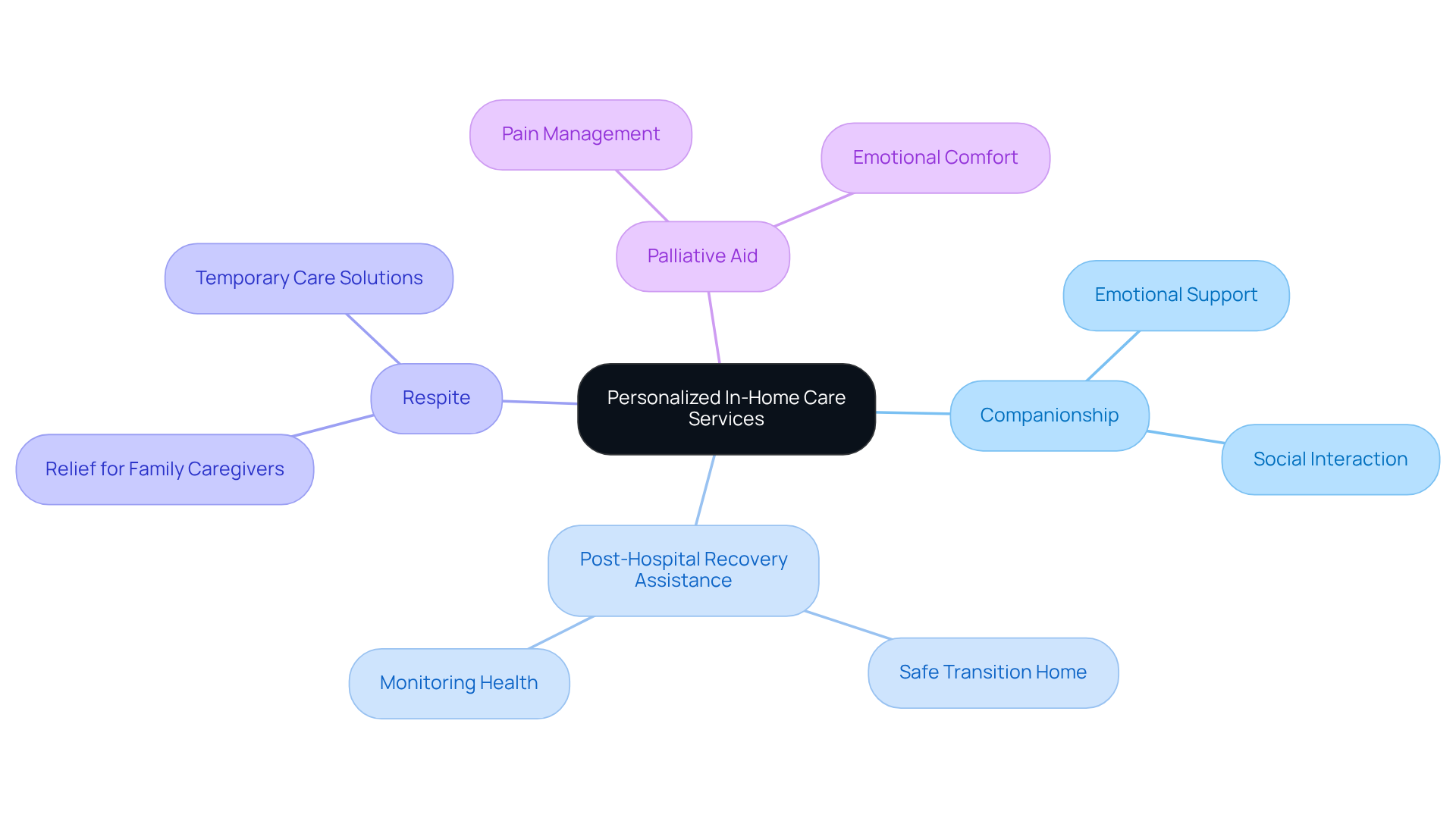
At Happy to Help Caregiving, we understand the emotional challenges that caregivers face. At the heart of what we do is providing customized at home senior care services tailored to the unique needs of seniors and individuals with special needs. Our extensive services, which include:
- Companionship
- Post-hospital recovery assistance
- Respite
- Palliative aid
are designed to enhance independence and well-being. We believe that receiving essential assistance through at home senior care services not only promotes safety and ease but also significantly eases the transition for families moving to in-home support.
The importance of personalized assistance cannot be overstated, especially when nearly 70% of family caregivers report struggling to balance their jobs with caregiving responsibilities. This highlights the urgent need for additional help. With projections indicating that the elderly population will reach 80 million by 2050, the demand for at home senior care services as tailored caregiving solutions is more critical than ever. Our commitment to personalized support ensures that clients feel valued and understood, ultimately enhancing their quality of life.
As the landscape of in-home assistance evolves, we see a growing emphasis on technology integration and personalized support plans. Agencies that embrace advanced technologies and focus on individualized care are poised to thrive. It is essential for families to choose services that prioritize their loved ones' unique needs. Happy to Help Caregiving distinguishes itself by offering at home senior care services that provide not just assistance, but a partnership in nurturing the well-being and happiness of clients.
Companion Care: Emotional Support for Seniors
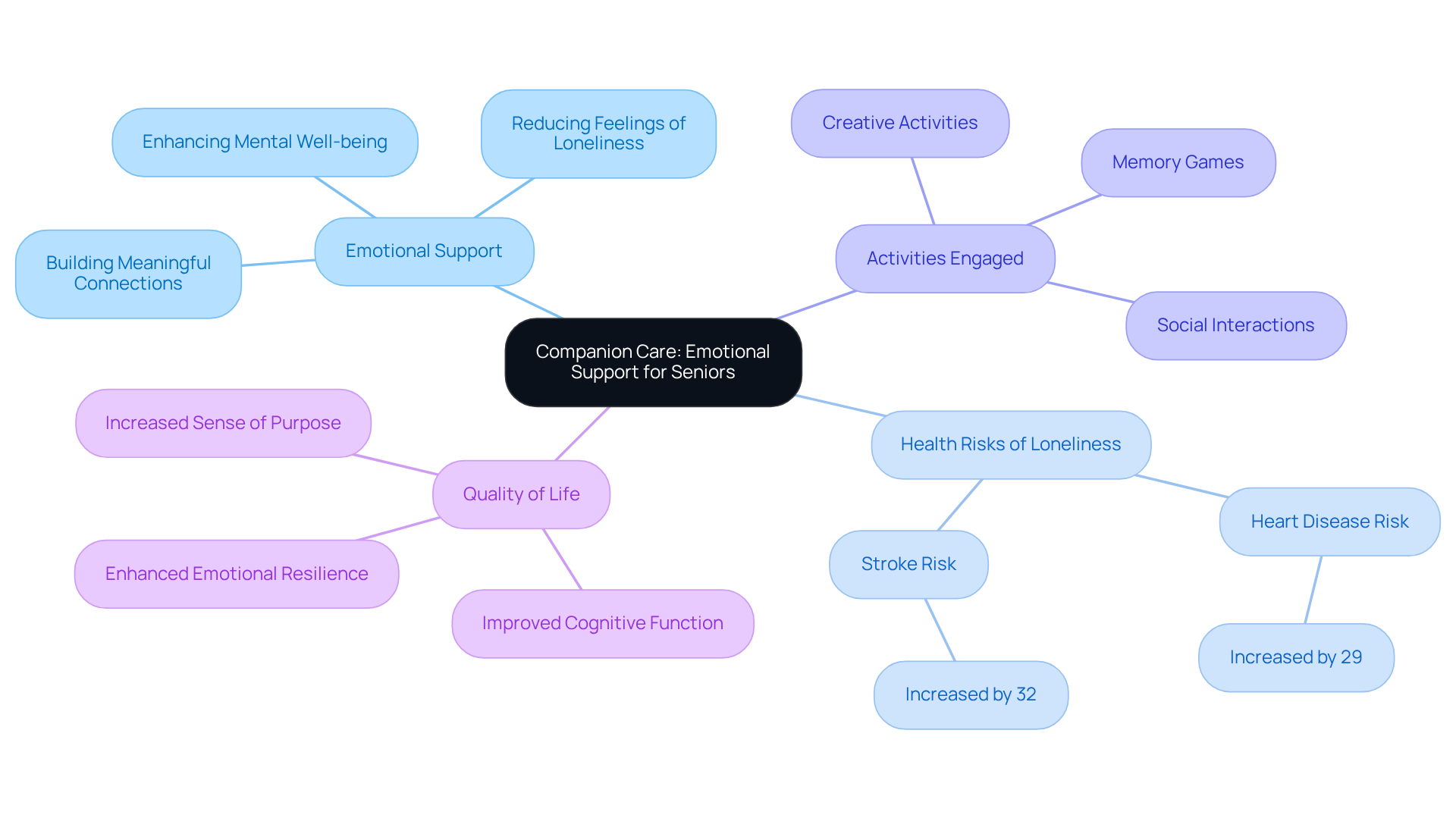
Companionship serves as a crucial source of emotional support for older adults, significantly alleviating feelings of loneliness and isolation. Caregivers actively engage clients in enjoyable activities, nurturing meaningful connections that enhance overall well-being. At home senior care services become especially vital for elderly individuals who may lack regular visitors or family support, ensuring they feel valued and cared for in their daily lives.
Studies reveal that loneliness can elevate the risk of heart disease by 29% and stroke by 32% among older adults. Approximately 24% of community-dwelling Americans aged over 65 grapple with social isolation. For instance, case studies illustrate that older adults who experience companionship, like Tom and Max, report improved mental well-being and a renewed sense of purpose. Engaging in activities such as memory games and social interactions not only boosts cognitive function but also fosters emotional resilience.
By providing consistent companionship, caregivers empower older adults to navigate the challenges of aging, ultimately enhancing their quality of life. This reinforces the notion that companionship is not merely assistance; it is a profound connection that enriches lives. Through these compassionate relationships, we can help ensure that no one has to face the journey of aging alone.
Post-Hospital Recovery Assistance: Smooth Transitions for Seniors
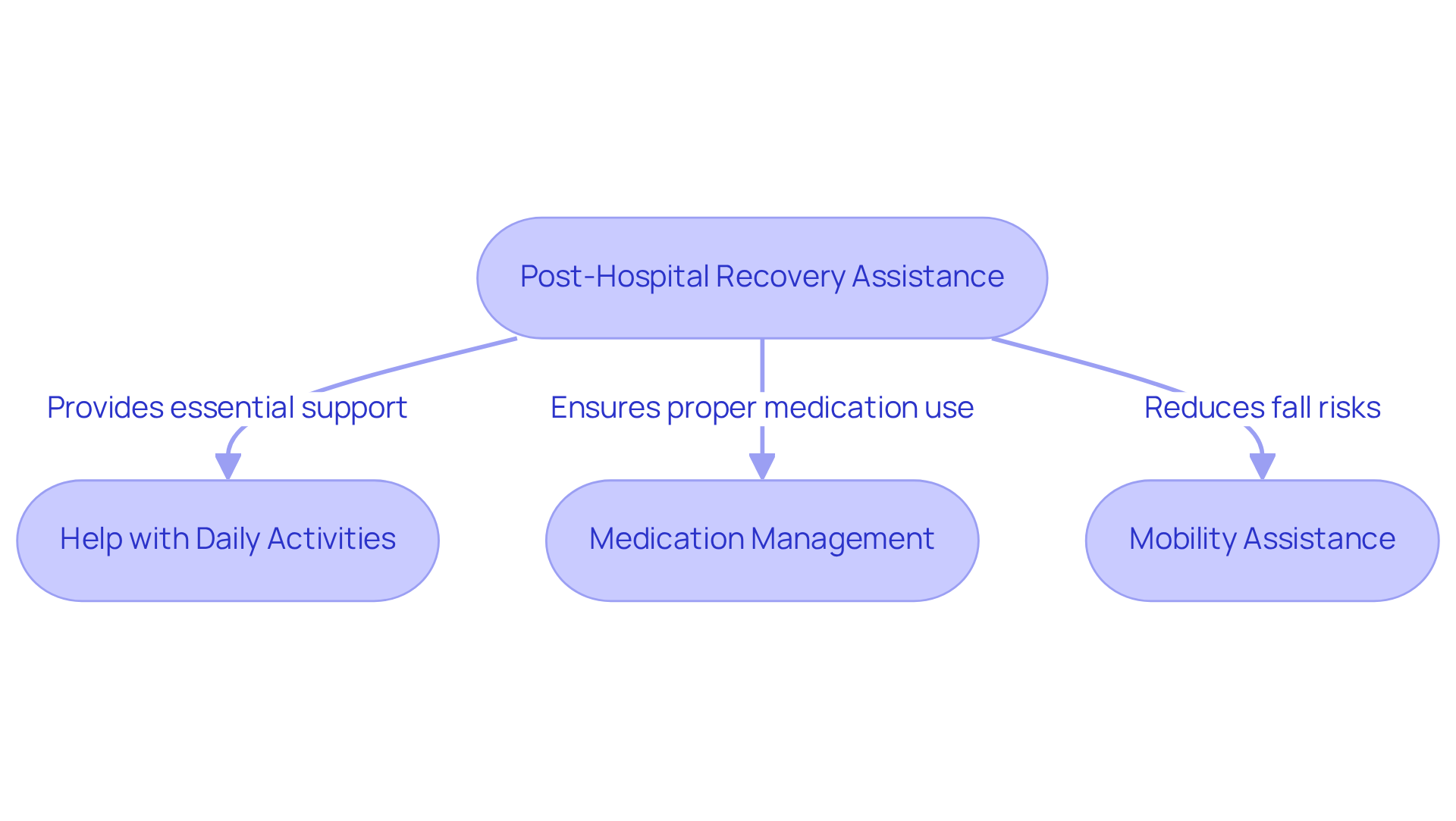
Post-hospital recovery assistance is vital for seniors transitioning from hospital care to at home senior care services. Caregivers are instrumental in this journey, offering at home senior care services that include:
- Help with daily activities
- Medication management
- Mobility assistance
These elements are essential for following recovery plans. This service not only aids physical recovery but also eases the stress for families, who can find comfort in knowing their loved ones are in capable hands with at home senior care services during this crucial time.
Information from the National Institutes of Health reveals that elderly individuals receiving at home senior care services experience significantly lower hospital readmission rates. This underscores the importance of at home senior care services in fostering a successful recovery. Personal stories, like that of Marc Durocher, illustrate that patients who engage with professional caregivers often report improved recovery experiences. They benefit from personalized attention and assistance tailored to their unique needs.
Healthcare experts emphasize that smooth transitions from hospital to at home senior care services are vital for enhancing long-term outcomes. Thus, the role of caregivers in at home senior care services becomes essential for the recovery process. By providing emotional and practical support, they not only help seniors heal but also bring peace of mind to families, reinforcing the notion that compassionate care is at the heart of recovery.
Respite Care: Essential Support for Family Caregivers
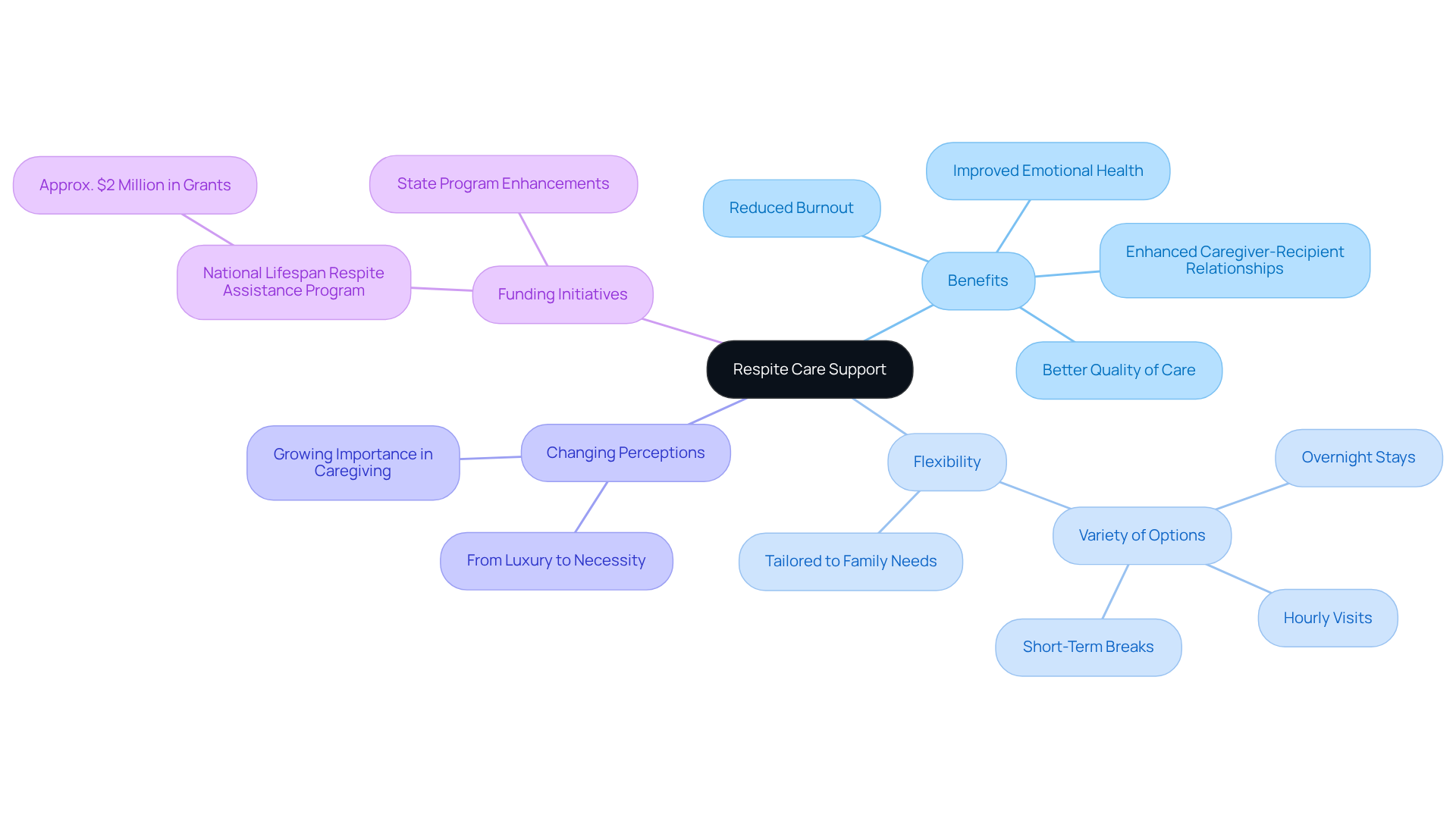
Respite support acts as an essential lifeline for family caregivers, providing them with much-needed breaks from their caregiving duties. This support allows caregivers to rejuvenate, address personal requirements, and uphold their well-being, all while ensuring their loved ones receive at home senior care services. The importance of respite support goes beyond simple relief; it directly affects the quality of assistance given to seniors. Studies indicate that caregivers who utilize respite services experience improved emotional health and increased patience, which translates into better interactions with their loved ones.
As caregiving demands continue to rise, the risk of burnout becomes a pressing concern. Respite support not only alleviates physical and mental exhaustion but also fosters stronger caregiver-recipient relationships by enhancing emotional resilience. With options ranging from a few hours to multiple days, respite support is tailored to meet the unique needs of families. This flexibility enables caregivers to reconnect with friends and relatives, which is essential for their emotional well-being.
The changing perception of relief support—from a luxury to a vital component of caregiving—illustrates its growing significance in modern support strategies. Recent initiatives, such as the National Lifespan Respite Assistance Program, have allocated approximately $2 million in new state program enhancement grants aimed at supporting family caregivers through flexible respite alternatives. By emphasizing self-care, caregivers in at home senior care services can maintain their ability to provide empathetic and effective assistance, ultimately leading to an improved quality of life for both themselves and the elderly individuals they care for. As Divinity Healthcare aptly states, "Respite support is not about distancing yourself from your responsibilities—it’s about ensuring you’re strong enough to manage them with concern and compassion.
Palliative Support Care: Compassionate Assistance for Serious Illnesses
Palliative assistance offers compassionate help to elderly individuals facing severe health challenges, prioritizing their comfort and overall quality of life. This service addresses not just physical symptoms, but also emotional and psychological needs, promoting a holistic approach to support. Caregivers collaborate closely with families to foster a nurturing atmosphere, ensuring that elderly individuals receive essential assistance while preserving their dignity and respect during these difficult times. By focusing on personalized support plans, palliative assistance enhances the well-being of seniors, empowering them to navigate their health challenges with greater ease and comfort.
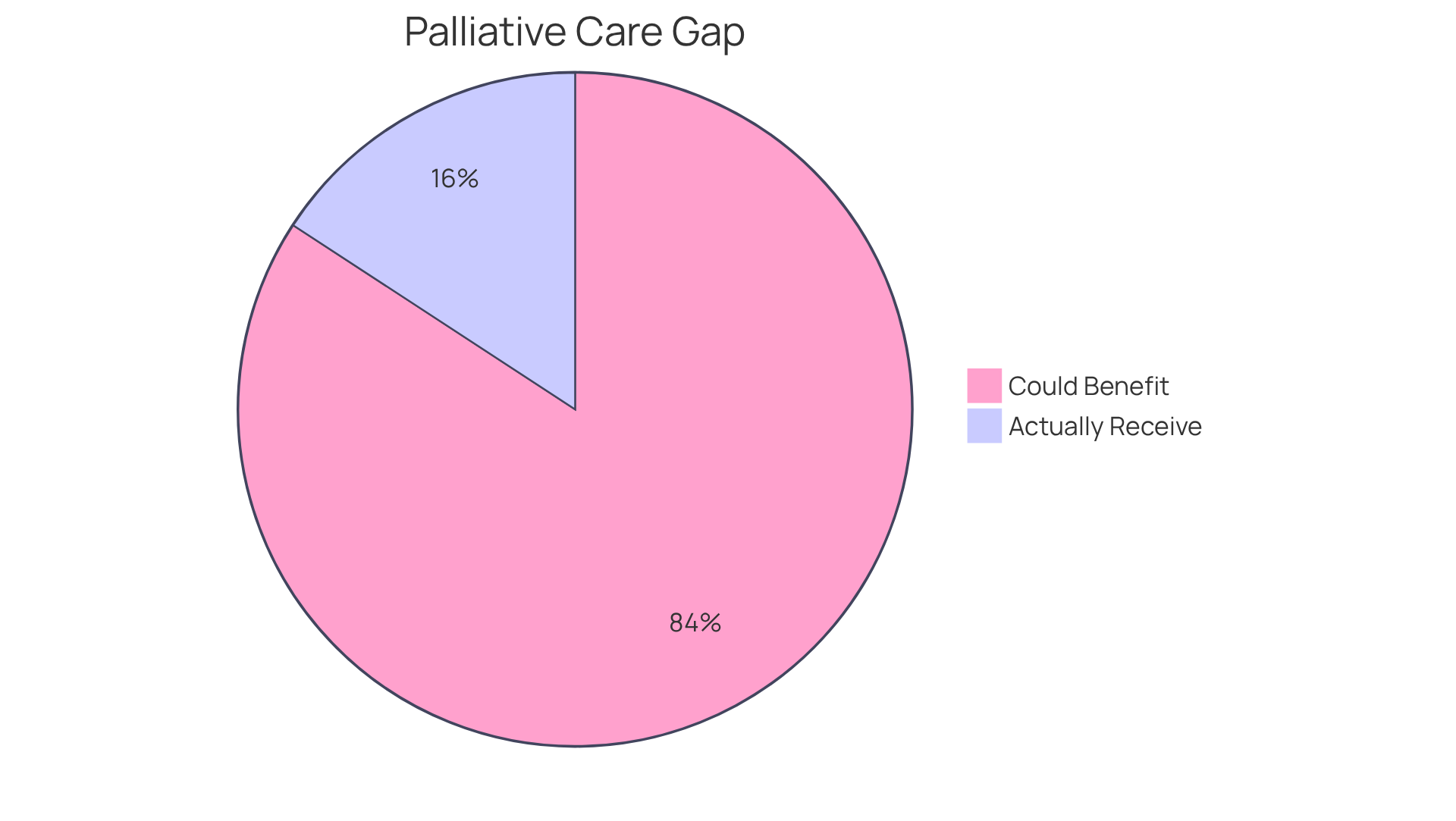
It's remarkable to note that over 80% of fatalities could benefit from a palliative approach. However, only 15% of the population receives this vital support in their final year of life, highlighting a significant gap in provision. The reintroduction of the Palliative Care and Hospice Education and Training Act (PCHETA) in July 2025 underscores ongoing efforts to improve access and quality of palliative services, reinforcing the importance of compassionate support for serious illnesses.
Home Health Care Services: Comprehensive Support for Aging in Place
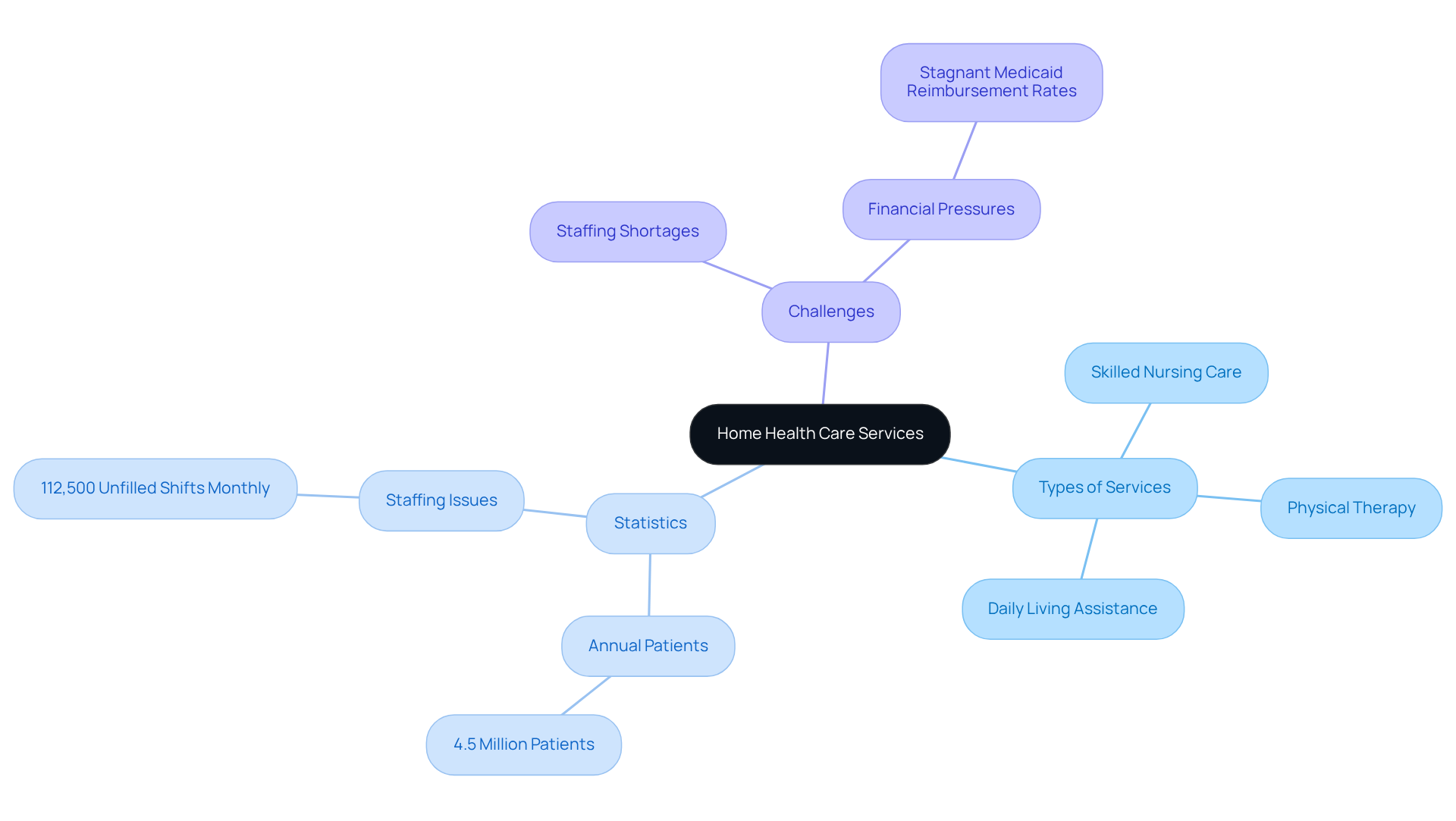
At home senior care services offer vital support for elderly individuals who wish to age in place. This includes a range of options like skilled nursing care, physical therapy, and help with daily living activities. Such offerings are essential for preserving autonomy and enhancing the quality of life for seniors. It's heartening to note that nearly 4.5 million patients receive at home senior care services annually in the United States, reflecting a growing trend among seniors to remain in their familiar surroundings as they age.
Families have the opportunity to personalize assistance plans through at home senior care services to ensure their loved ones receive the right support tailored to their unique needs and circumstances. Skilled nursing support plays a crucial role in this journey, addressing medical needs while fostering a sense of security and comfort in a familiar environment. However, the home assistance sector faces challenges, with over 112,500 home support shifts going unfilled each month in Pennsylvania due to staffing shortages. This highlights the importance of dependable personnel for effective support.
Effective at home senior care services showcase a blend of diverse offerings, enabling a comprehensive approach that enhances both physical and emotional wellness. Yet, financial pressures on home assistance, stemming from stagnant Medicaid reimbursement rates, complicate care delivery. It becomes essential for families to understand the extensive support options available through at home senior care services. This knowledge empowers them to make informed decisions, enhancing their loved ones' ability to thrive at home and contributing to a more fulfilling aging experience.
Meal Delivery Services: Nutritious Options for Seniors
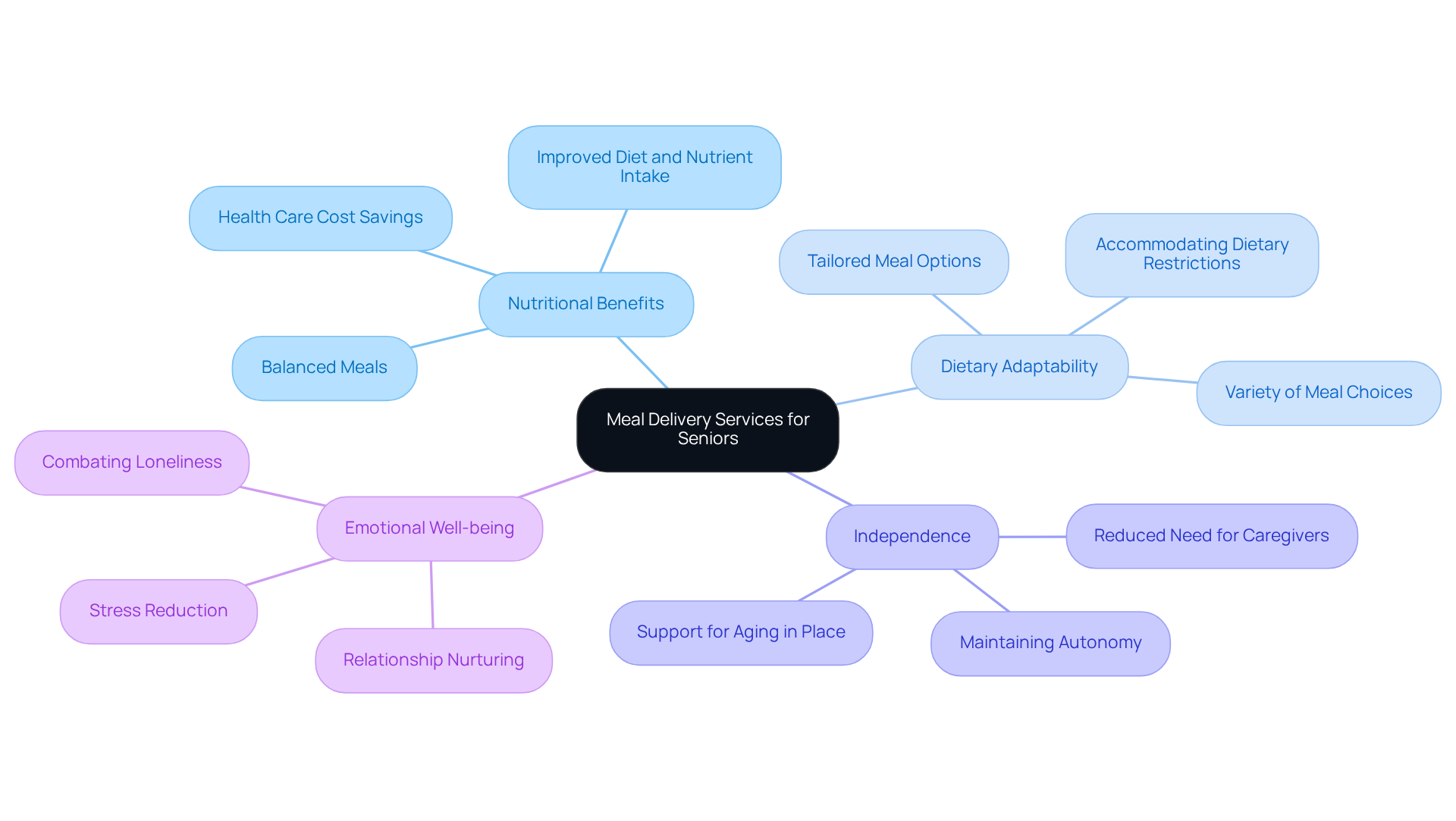
Meal delivery options offer healthy choices designed specifically to meet the dietary needs of older adults, ensuring they receive balanced meals without the stress of cooking. These services can adapt to various dietary restrictions and preferences, making it easier for older adults to enjoy nutritious food. Research indicates that home-delivered meals significantly improve the nutrition of older adults, with studies showing that 91% of participants feel these services help them maintain their independence. By easing the burden of meal preparation, families can dedicate more time to nurturing their relationships, strengthening emotional bonds and overall well-being.
Nutritionists emphasize that a well-balanced diet is crucial for older adults, as it directly impacts their health, cognitive function, and quality of life. With meal delivery options, older adults can savor the benefits of healthy meals tailored to their unique requirements, ultimately boosting their well-being and sense of autonomy. These thoughtful solutions not only nourish the body but also support the heart, allowing families to cherish moments together without the worry of meal planning.
Transportation Assistance: Enhancing Mobility for Seniors
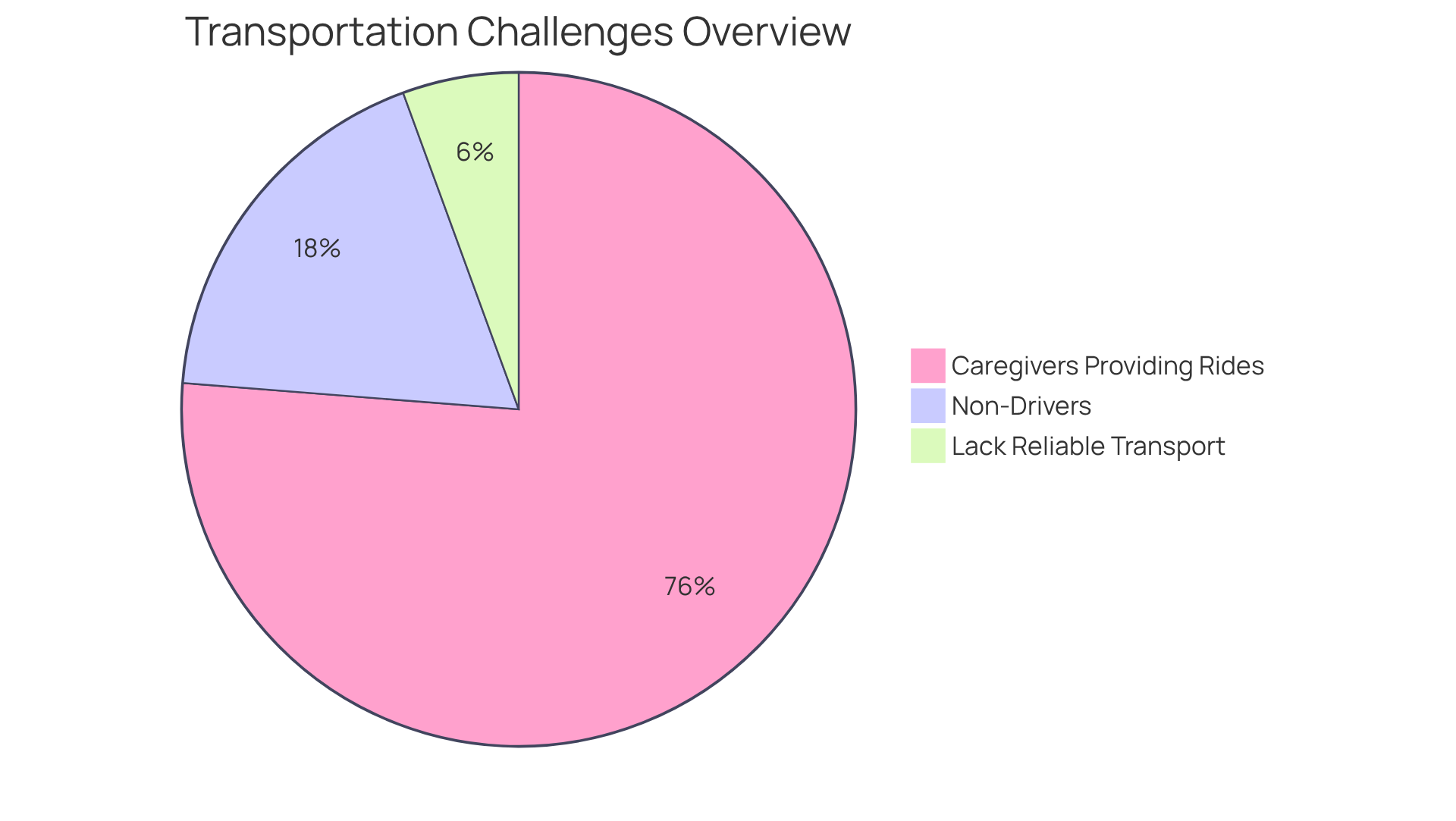
Transportation assistance plays a crucial role in improving mobility for older adults. It enables them to access essential services such as medical appointments, grocery shopping, and social activities. With approximately 78% of caregivers providing or arranging rides for their loved ones, this support is vital for maintaining independence and preventing feelings of isolation.
In fact, 18.6% of older adults are estimated to be non-drivers, underscoring the necessity of transportation assistance for those who cannot drive. Mobility specialists emphasize that maintaining daily transport is essential for healthy aging in place. It fosters social participation and overall well-being.
As we look towards 2025, the growing population of older adults makes the importance of reliable transportation options even more pronounced. Accessible transportation not only aids in essential errands but also encourages older adults to engage with their communities, enhancing their quality of life.
As Jason R. Falvey notes, "Understanding the population of older public transportation users is an essential first step towards improving access to healthcare and facilitating social participation among older adults who rely on, or could benefit from, public transportation." By ensuring that older adults can stay active and connected, transportation assistance significantly impacts their mobility and involvement. This ultimately contributes to a more rewarding and self-sufficient lifestyle.
Furthermore, it is important to recognize that 5.7% of adults nationwide lack reliable transportation for daily living. This highlights the broader context of transportation challenges faced by older adults. By tackling these obstacles, we can enhance assistance for older adults in preserving their autonomy and quality of life.
Technology Support: Bridging the Digital Divide for Seniors
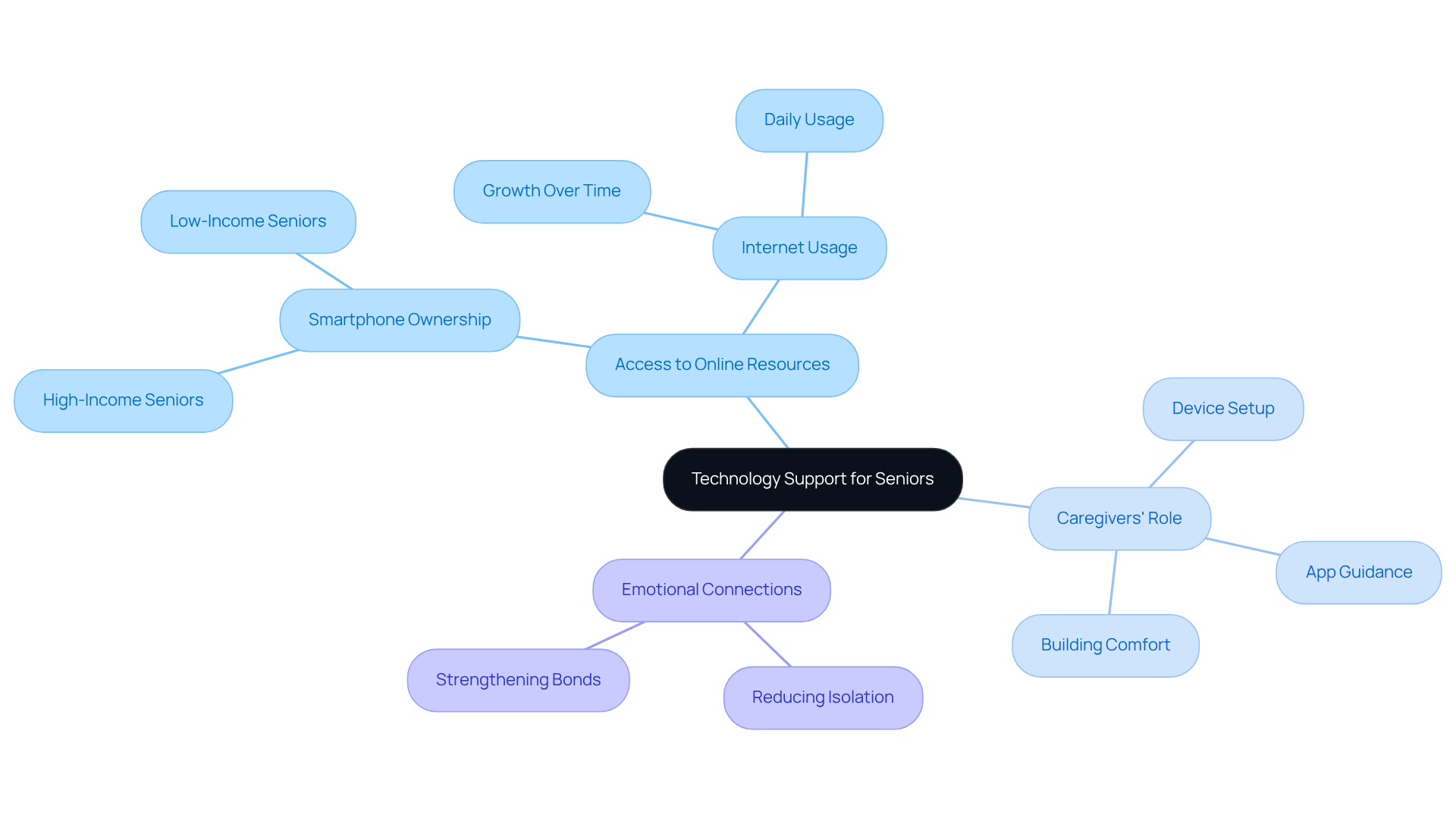
Technological assistance plays a vital role in bridging the digital divide for older adults. It empowers them to access online resources, connect with family, and engage in social activities. Caregivers are essential in this journey, helping set up devices, guiding older adults through app usage, and ensuring they feel at ease in navigating the digital landscape. This compassionate support not only enhances the quality of life for older adults but also strengthens their bonds with loved ones. By fostering these connections, we can alleviate feelings of isolation and promote a sense of belonging.
Emergency Medical Alert Systems: Ensuring Safety for Seniors
Emergency medical alert systems provide elderly individuals with a reliable way to call for help during emergencies. These systems, which can be worn as pendants or wristbands, empower seniors to quickly alert caregivers or emergency services.
This important safety measure not only enhances the independence of older adults but also offers families invaluable peace of mind. Knowing that their loved ones can access help whenever needed fosters a greater sense of security and comfort.
By having these systems in place, families can feel more connected, reducing the stress and worry that often accompany caregiving. It’s a small step that can make a significant difference in the lives of both seniors and their loved ones.
https://iframe.tely.ai/cta/eyJhcnRpY2xlX2lkIjogIjY4ZjQyYTM2ZmMwMjk0ZDk1MjZkZmM5NSIsICJjb21wYW55X2lkIjogIjY4ZWU1ZGNhNzMxNzYyNTU3ZjNjOTVjMSIsICJpbmRleCI6IDksICJ0eXBlIjogImFydGljbGUifQ==Moving Forward with At Home Senior Care Services
The landscape of at-home senior care services is evolving to meet the diverse needs of our aging population. Personalized in-home care not only enhances the quality of life for seniors but also provides essential support for family caregivers who often juggle multiple responsibilities. By embracing a range of services—from companionship and post-hospital recovery assistance to respite care and palliative support—families can ensure their loved ones receive the holistic care they deserve.
Key insights throughout the article highlight the importance of tailored assistance in fostering independence and emotional well-being among seniors. The growing demand for these services is underscored by statistics showing that many family caregivers struggle to maintain a balance between caregiving and personal life. Furthermore, the integration of technology and comprehensive support plans is crucial in addressing the unique challenges faced by older adults, ultimately promoting a more fulfilling aging experience.
As our society continues to adapt to the needs of its elderly population, it becomes imperative to prioritize and invest in at-home senior care services. By recognizing the vital role these services play, families can make informed choices that enhance the safety, comfort, and dignity of their loved ones. Embracing personalized care solutions not only benefits seniors but also strengthens the emotional bonds within families, ensuring that no one has to navigate the complexities of aging alone.
https://iframe.tely.ai/cta/eyJhcnRpY2xlX2lkIjogIjY4ZjQyYTM2ZmMwMjk0ZDk1MjZkZmM5NSIsICJjb21wYW55X2lkIjogIjY4ZWU1ZGNhNzMxNzYyNTU3ZjNjOTVjMSIsICJpbmRleCI6IG51bGwsICJ0eXBlIjogImFydGljbGUifQ==Frequently Asked Questions
What services does Happy to Help Caregiving provide?
Happy to Help Caregiving offers personalized in-home senior care services, including companionship, post-hospital recovery assistance, respite care, and palliative aid.
Why is personalized assistance important in caregiving?
Personalized assistance is crucial as it enhances independence and well-being for seniors and individuals with special needs, while also easing the transition for families to in-home support.
What challenges do family caregivers face?
Nearly 70% of family caregivers report struggling to balance their jobs with caregiving responsibilities, highlighting the urgent need for additional help.
How is the demand for senior care services expected to change in the future?
The elderly population is projected to reach 80 million by 2050, increasing the demand for tailored at-home senior care services.
What role does companionship play in senior care?
Companionship provides crucial emotional support for older adults, alleviating loneliness and enhancing overall well-being through meaningful interactions and activities.
How does loneliness affect older adults?
Loneliness can increase the risk of heart disease by 29% and stroke by 32% among older adults, with about 24% of community-dwelling Americans aged over 65 experiencing social isolation.
What does post-hospital recovery assistance include?
Post-hospital recovery assistance includes help with daily activities, medication management, and mobility assistance, all of which are essential for following recovery plans.
How do at-home senior care services impact hospital readmission rates?
Elderly individuals receiving at-home senior care services experience significantly lower hospital readmission rates, indicating their importance in fostering successful recovery.
What benefits do caregivers provide during the recovery process?
Caregivers offer emotional and practical support that aids physical recovery and provides peace of mind to families, ensuring seniors heal effectively at home.