What You Need to Know About Senior Living Aids
Caring for seniors presents unique challenges that can leave family members feeling overwhelmed and uncertain about how to provide the best support. This emotional burden can lead to stress and anxiety, making it difficult for caregivers to focus on what truly matters: the well-being of their loved ones.
The right senior living aids not only enhance the quality of life for older adults but also empower caregivers with the tools they need to foster independence and well-being. These aids can significantly alleviate the pressures faced by families, allowing them to navigate the complexities of caregiving with greater confidence.
As families seek solutions, the question remains: which essential aids can truly make a difference in ensuring that seniors thrive at home? By understanding the available options, caregivers can make informed decisions that positively impact their loved ones' lives.
Happy to Help Caregiving: Personalized In-Home Support for Seniors
Caring for seniors can be a daunting challenge, especially when they need senior living aids to assist them in their daily lives. Many families struggle to provide the necessary support, leading to feelings of frustration and helplessness. This is where senior living aids become crucial for providing specialized in-home assistance.
Happy to Help Caregiving addresses this issue by offering customized services, such as senior living aids, designed to improve the quality of life for seniors. Their offerings include:
- Companionship support
- Post-hospital recovery assistance
- Respite services
- Palliative support
Each service is tailored to meet the unique needs of clients, ensuring they receive compassionate and effective care in the comfort of their own homes.
This personalized approach not only fosters independence but also enhances emotional well-being. By providing targeted support, Happy to Help Caregiving plays a vital role in elder care, offering senior living aids that help families navigate the complexities of caregiving with confidence.
Drive Medical: Comprehensive Mobility Aids for Enhanced Independence
Mobility challenges can significantly impact the independence of older adults, making it difficult for them to navigate their homes and communities. This can lead to feelings of frustration and isolation, not just for them but also for their caregivers. To address these issues, senior living aids for mobility are essential.
Drive Medical offers a range of mobility aids, including:
- Walkers
- Rollators
- Scooters
These products are specifically designed to enhance independence for older adults. Their products prioritize safety and simplicity, allowing users to move confidently. For example, the Drive Medical Nitro Rollator is lightweight and features a comfortable seat, making it perfect for both mobility and rest during outings.
By choosing the right senior living aids, caregivers can assist older adults in regaining their independence and enhancing their quality of life. Drive Medical's solutions provide the necessary support to navigate daily activities with ease.
Medline: Adaptive Equipment to Support Daily Living Activities
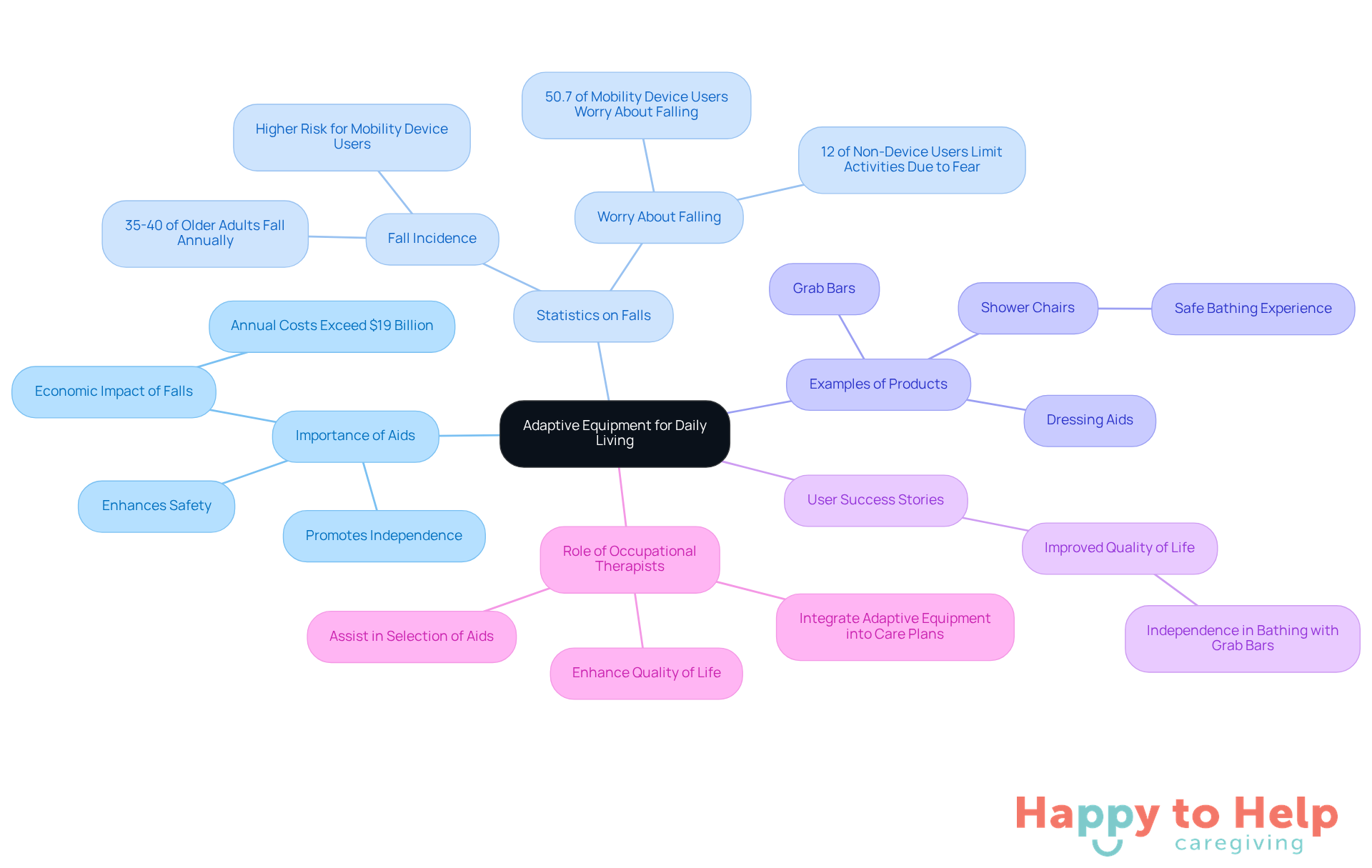
Senior living aids play a crucial role in supporting older adults in their daily living activities, significantly enhancing their safety and independence. However, falls among older adults pose a serious problem, with research indicating that 35-40% of community-dwelling adults aged 65 and older experience falls each year. This alarming statistic underscores the need for effective safety measures, as falls are a primary cause of injury in this demographic. The economic impact of falls exceeds $19 billion annually, highlighting the critical importance of preventive measures such as senior living aids and adaptive equipment.
Products like dressing aids, grab bars, and shower chairs are examples of senior living aids specifically designed to address the unique challenges faced by older adults. For instance, shower chairs offer a safe bathing experience, minimizing the risk of slips and falls. Medline's adaptive equipment not only enhances hygiene but also encourages a sense of independence among elderly individuals. Success stories from users illustrate how these aids have transformed their daily routines, allowing them to maintain dignity and engage in activities they enjoy. One user reported that using a grab bar in the bathroom enabled them to bathe independently, significantly improving their quality of life.
Occupational therapists stress that the appropriate senior living aids can greatly enhance quality of life, enabling older adults to carry out daily tasks with confidence. As noted by specialists in the field, ensuring safety in elderly living aids is paramount, as it directly correlates with the overall well-being and happiness of older adults. By integrating adaptive equipment into their care plans, family caregivers can help their loved ones thrive in their own homes.
Philips Lifeline: Technological Solutions for Senior Safety and Independence
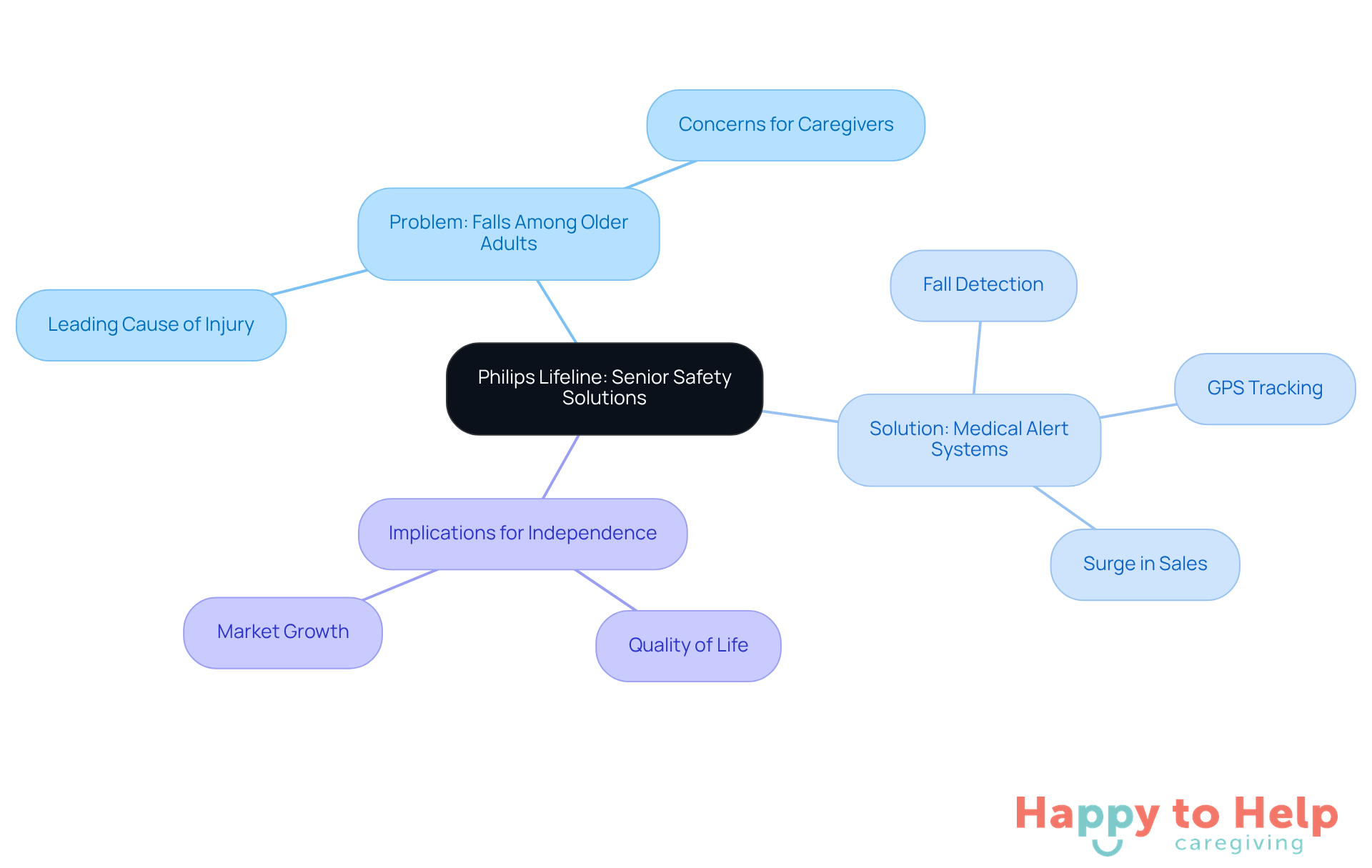
Falls among older adults represent a significant problem, as they are the leading cause of injury in this demographic. This issue not only poses a risk to their physical well-being but also raises concerns for caregivers and family members about their loved ones' safety and independence. The implications of such falls can lead to prolonged distress and serious injuries, making it crucial to address this challenge effectively.
Philips Lifeline offers a solution with their innovative medical alert systems, which are considered essential senior living aids specifically designed for older adults. These devices come equipped with fall detection and GPS tracking, allowing elderly individuals to summon assistance in emergencies. By providing this technology, senior living aids can assist caregivers in helping their loved ones live independently while ensuring that help is always within reach. Notably, since 2020, U.S. sales of medical alert systems have surged by 50%, driven by the aging baby boomer population and the trend of older adults living alone.
Safety specialists, such as Rene Greene from Rutland Regional Medical Center, emphasize the importance of senior living aids in promoting independence among older adults. However, some may have concerns regarding the price and connectivity of these systems. As the market for personal medical alert systems is projected to grow significantly, reaching USD 7.76 billion by 2034, it is evident that these technologies are essential senior living aids that enhance the quality of life for older adults.
Carex Health Brands: Daily Assistance Devices for Senior Independence
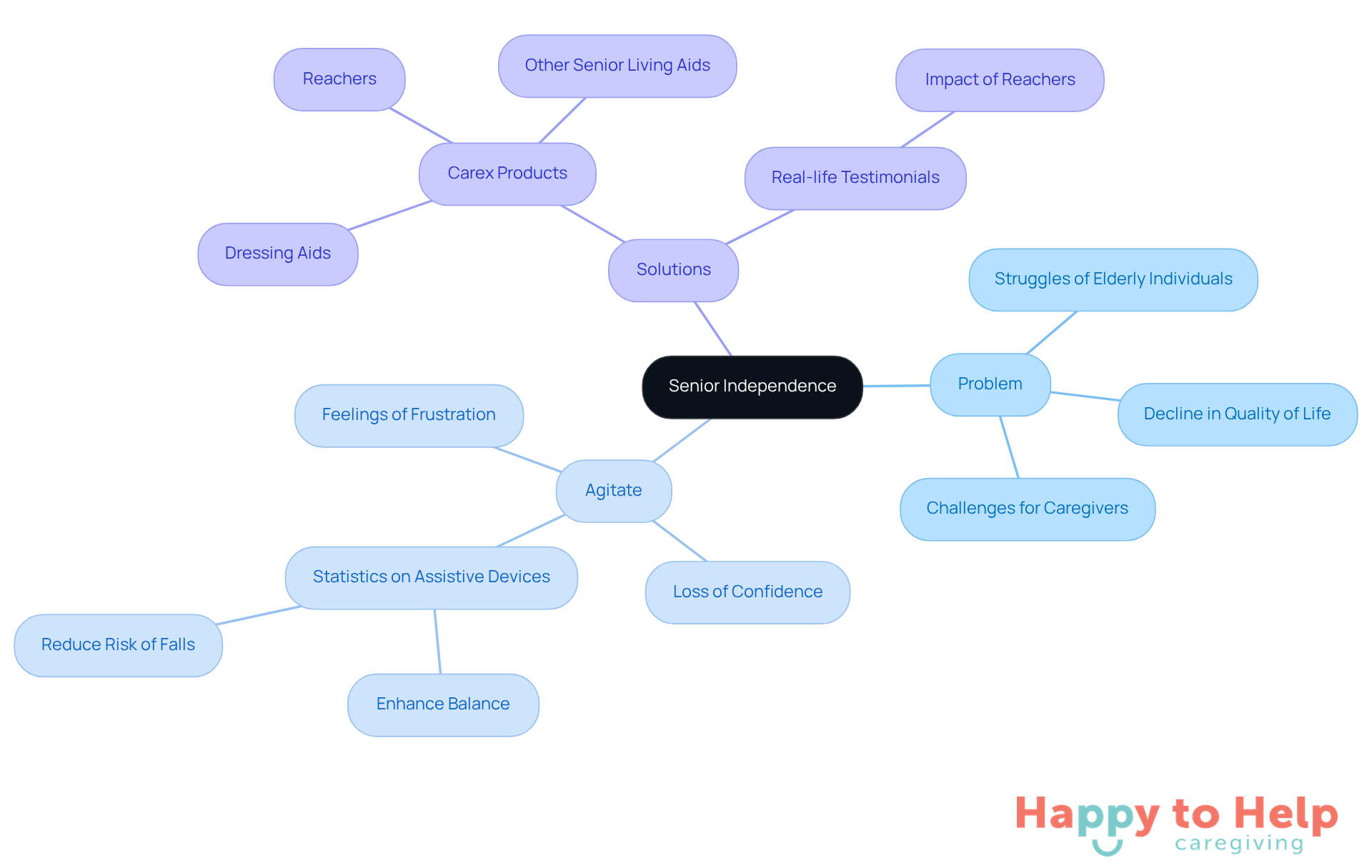
Problem: Many elderly individuals struggle with maintaining their independence, which can lead to a decline in their quality of life. Caregivers often face the challenge of helping these individuals perform daily tasks without assistance.
Agitate: This loss of independence can result in feelings of frustration and helplessness for seniors. It’s crucial to recognize that when older adults cannot manage daily activities, their confidence and emotional well-being may suffer. Statistics show that assistive devices can significantly enhance balance and reduce the risk of falls, which is vital for the safety of older adults.
Carex Health Brands specializes in senior living aids that are designed to empower elderly individuals. Their product line includes:
- Reachers
- Dressing aids
- Other senior living aids
All aimed at making daily tasks easier. For instance, the Carex Reacher Grabber Tool allows older adults to retrieve items without bending or stretching, effectively lowering the risk of falls.
Senior living aids, including long-handled shoehorns and button hooks, enable seniors to dress independently, fostering dignity and self-sufficiency. Real-life testimonials highlight the transformative impact of these aids. One caregiver noted, "When my mother started using a reacher, it gave her back a sense of control and independence that she thought she had lost."
The importance of independence in elderly care cannot be overstated. Empowering older adults to handle daily activities autonomously enhances their confidence and improves their quality of life. Carex Health Brands' latest products reflect a commitment to enhancing independence, ensuring that individuals can live comfortably and safely in their own homes.
Comfort Keepers: Companionship Care for Emotional Support
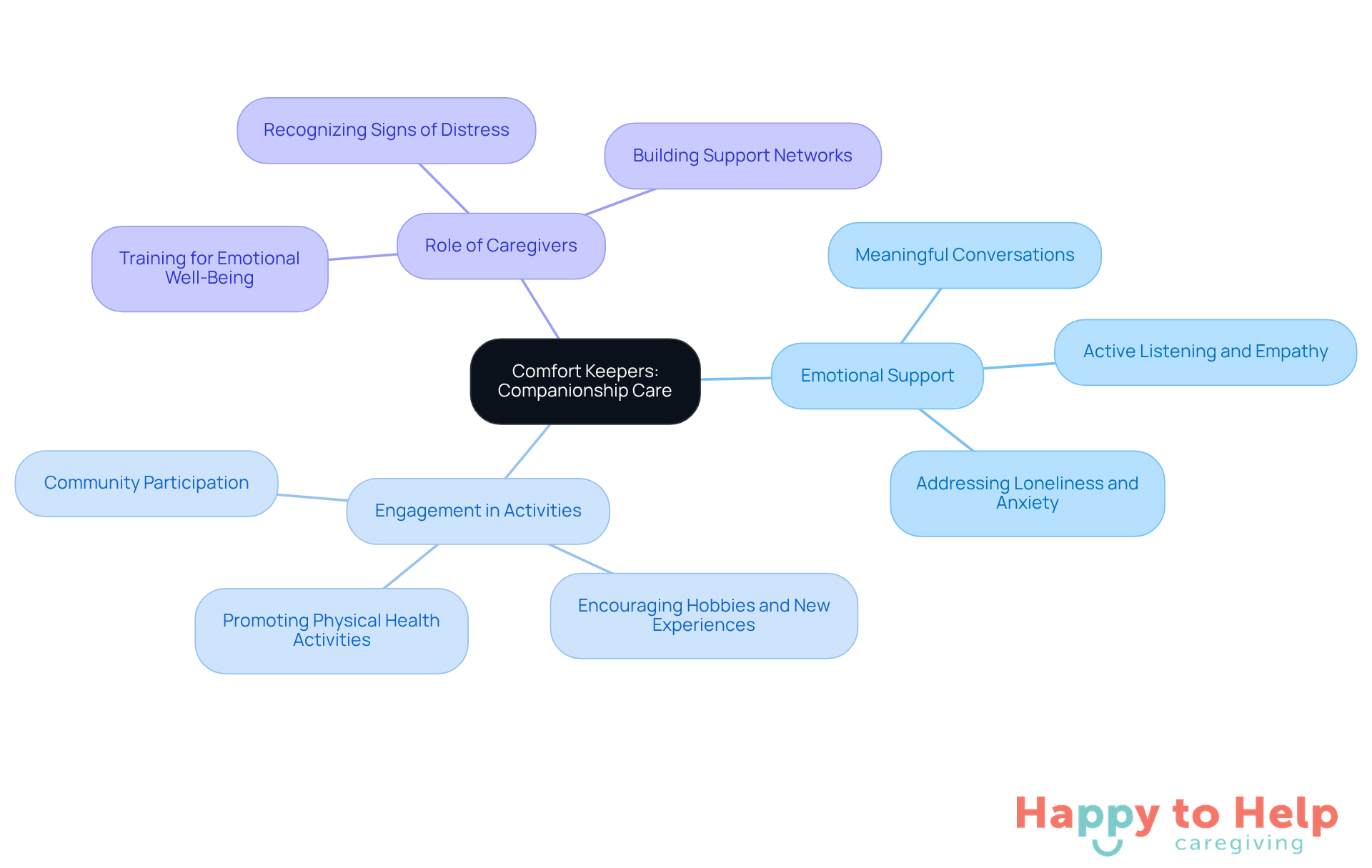
Loneliness and isolation are significant challenges faced by older adults, but senior living aids can help prevent a decline in their emotional well-being. These feelings can create barriers to social engagement, making it difficult for seniors to stay active in their communities.
Comfort Keepers addresses this issue through their companionship services, which emphasize emotional support. Their caregivers engage clients in meaningful conversations and activities, helping to alleviate feelings of loneliness. This approach not only improves emotional well-being but also motivates older adults to remain active and involved.
By fostering connections and encouraging participation in community activities, caregivers can play a crucial role in enhancing the quality of life for seniors with the help of senior living aids. Implementing these strategies can lead to a more fulfilling and engaged lifestyle for older adults.
Visiting Angels: Post-Hospital Recovery Assistance for Seniors
Post-hospital recovery can be a challenging time for seniors, often fraught with risks and uncertainties. Without adequate support, many face difficulties that can hinder their recovery process. This is where senior living aids play a crucial role, providing essential services that assist caregivers in helping seniors transition safely back home.
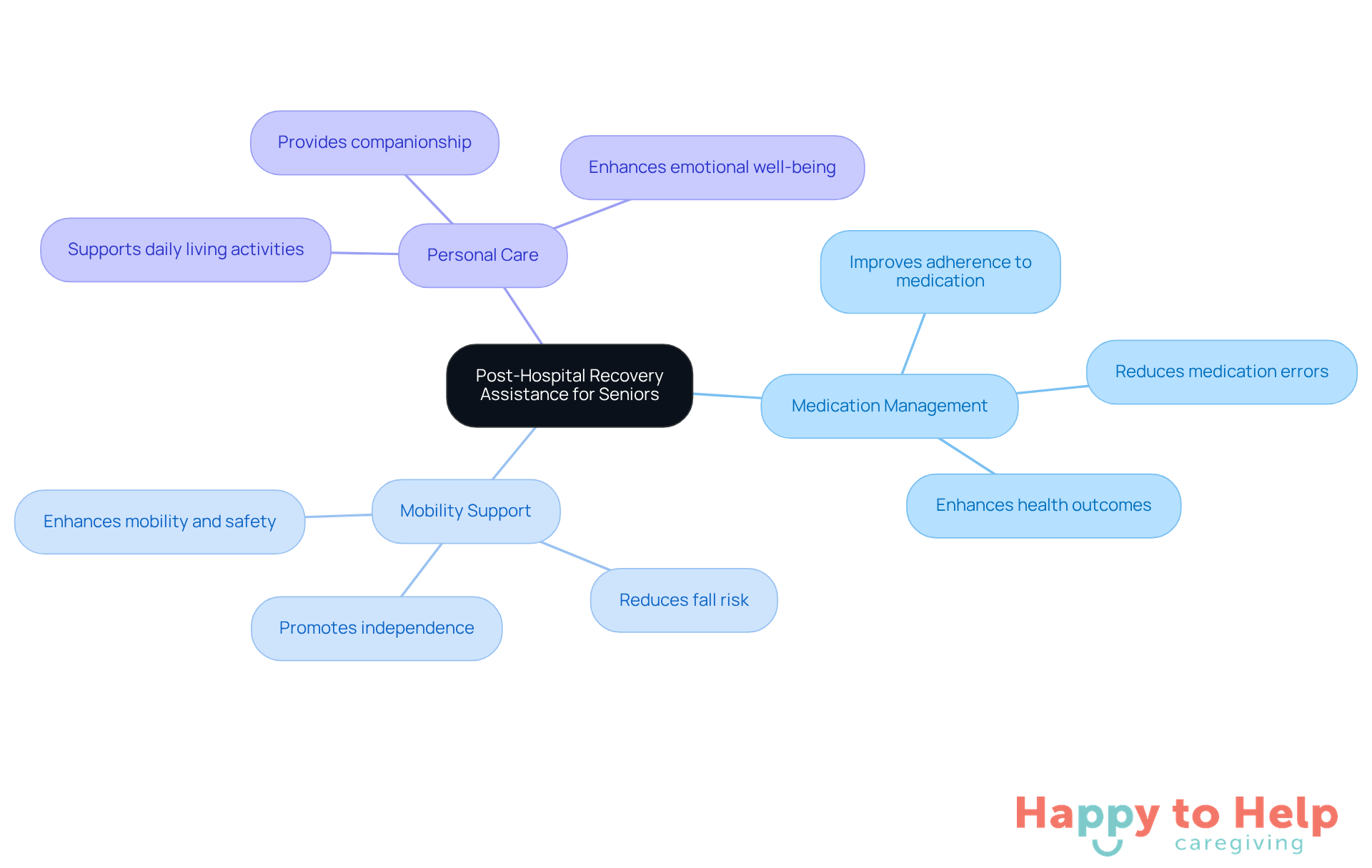
Caregivers offer vital assistance, including:
- Medication management
- Mobility support
- Personal care
These services, known as senior living aids, are not just helpful; they are necessary for a smooth recovery. Research shows that home support significantly reduces hospital readmission rates. In fact, patients receiving home assistance experience a 20% lower readmission rate compared to those who do not.
This tailored support enhances overall health and fosters a sense of security and independence for seniors during their recovery journey. Real-life examples demonstrate that personalized support plans can lead to significant improvements in health outcomes. Therefore, senior living aids provide essential resources for families navigating this critical phase after hospital assistance.
Home Instead: Respite Care Services for Family Caregivers
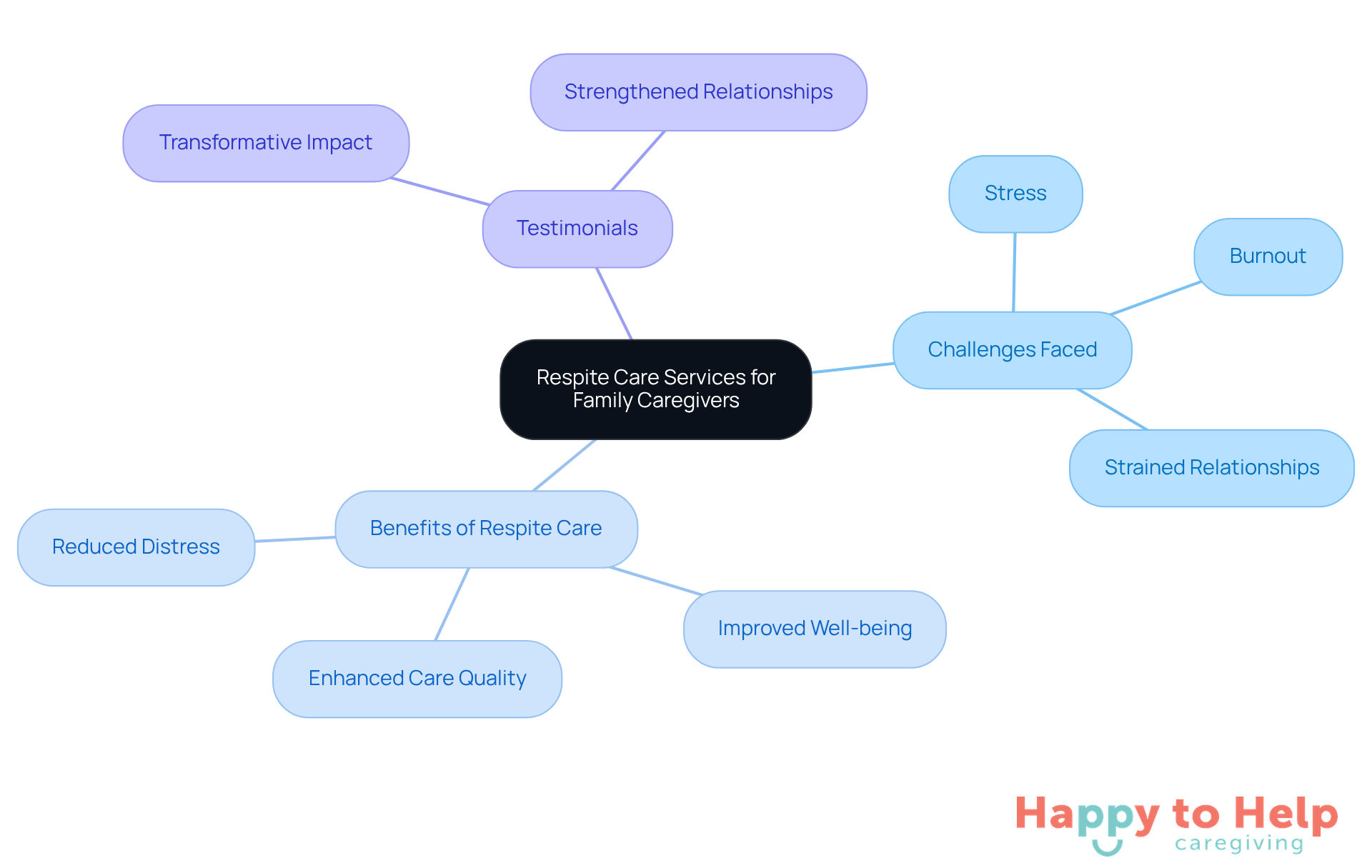
Caregivers often face significant challenges, including stress and burnout from their overwhelming responsibilities. This can lead to serious emotional and physical consequences, not just for them but also for their loved ones. When caregivers neglect their own well-being, it can strain relationships and diminish the quality of care provided.
Respite support services offer a practical solution to this pressing issue. By allowing caregivers to take essential breaks, these services help alleviate stress and prevent burnout. Research indicates that those who utilize respite services experience reduced distress levels and improved emotional well-being. This enables them to return to their caregiving roles feeling refreshed and more focused.
For instance, many family caregivers report feeling overwhelmed by their duties, often at the expense of their own health. By engaging in respite services, they can reconnect with friends, indulge in self-care, and rejuvenate emotionally. This not only benefits the caregivers but also enhances the quality of care they provide to seniors, as they return with renewed energy and patience.
Testimonials from families highlight the transformative impact of respite support. Caregivers have shared how taking time away from their responsibilities has strengthened their relationships with loved ones, leading to more meaningful interactions. The emotional and physical demands of caregiving can be substantial, making respite services an essential resource for maintaining balance in caregivers' lives while ensuring their loved ones receive the care they deserve.
VITAS Healthcare: Palliative Support for Enhanced Quality of Life
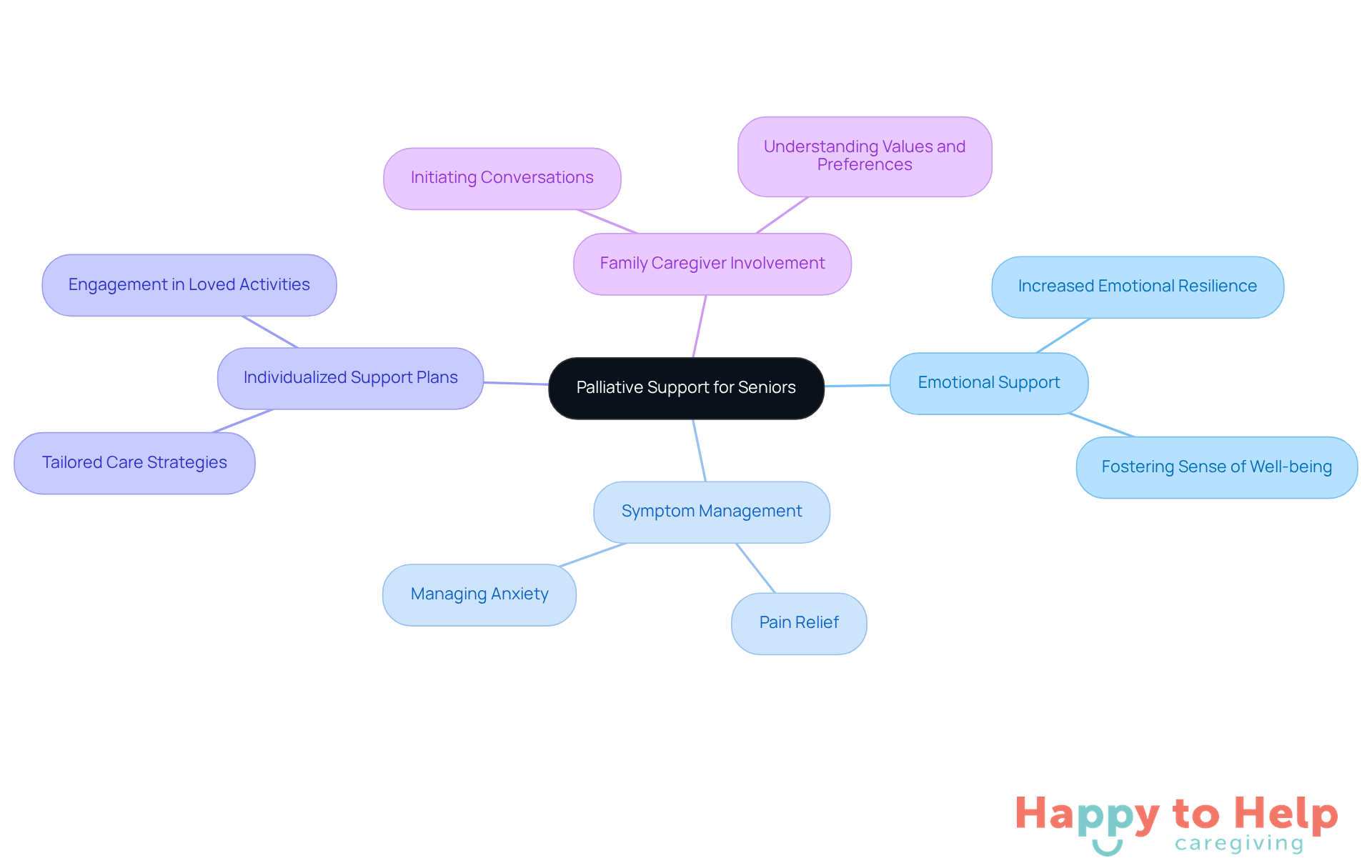
Senior living aids, including palliative assistance services, are essential for seniors facing serious illnesses, addressing a significant problem: the need for improved quality of life. With approximately 56.8 million individuals requiring palliative care annually, the implications are profound. These services focus on managing symptoms, providing emotional support, and ensuring comfort, all of which uphold dignity during challenging times.
Healthcare experts, like Dr. Lori Wiener, emphasize that the goal of palliative support is to enhance quality of life. This comprehensive approach not only alleviates physical discomfort but also addresses emotional and psychological needs, fostering a sense of well-being. For instance, older adults who utilize senior living aids often report increased emotional resilience and a stronger sense of control over their circumstances.
Real-life examples illustrate how individualized support plans can significantly improve daily living. Seniors can engage in activities they love and maintain connections with family and friends. To facilitate this, family caregivers should initiate conversations about palliative care by discussing their loved ones' values and preferences. This ensures that the support system, which includes senior living aids, is comprehensive, ultimately enhancing the overall quality of life for older adults and helping them navigate the complexities of serious health conditions with dignity and grace.
GrandPad: Innovative Technology for Senior Connectivity and Independence
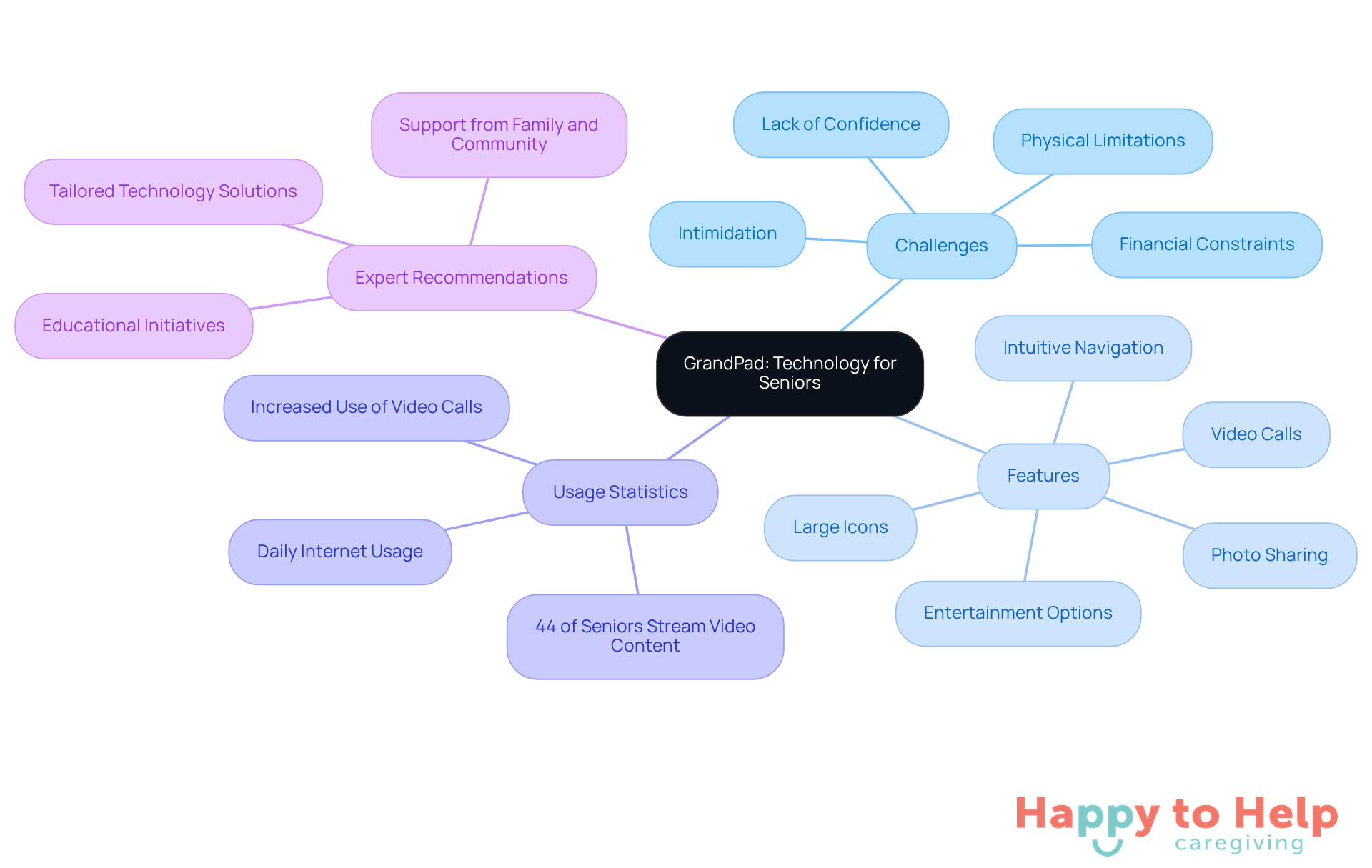
Older adults often struggle with adopting new technology, which can lead to feelings of isolation and disconnection from family and friends. This problem is significant, as many seniors face intimidation and a lack of confidence when it comes to using devices that could enhance their social interactions. As a result, they may miss out on opportunities to connect with loved ones, ultimately affecting their emotional well-being.
The GrandPad addresses these challenges head-on. This revolutionary tablet is designed specifically for older adults, featuring large icons and intuitive navigation that simplify communication. With the ability to make video calls, share photos, and access various entertainment options, the GrandPad effectively combats loneliness and fosters social connections. In fact, 44% of older adults stream video content daily or weekly, highlighting the importance of devices like the GrandPad in keeping seniors engaged.
Experts emphasize the need for senior living aids that utilize technology tailored to older adults, ensuring they can enjoy digital connectivity without the barriers often associated with traditional devices. By bridging the gap between seniors and their loved ones, the GrandPad not only encourages independence but also significantly enhances emotional well-being. To maximize the positive impact of technology on senior connectivity, it's essential to address the challenges that hinder their ability to fully utilize these devices.
Taking the Next Steps
Caring for seniors presents a significant challenge for caregivers, who must navigate the diverse issues that arise as their loved ones age. These challenges can lead to feelings of frustration and helplessness, making it essential to find effective solutions that enhance the quality of life for seniors.
Utilizing essential senior living aids can significantly alleviate these burdens. These aids not only support daily activities but also foster independence, emotional well-being, and safety in the comfort of home. By integrating resources such as mobility aids, adaptive equipment, companionship services, and innovative technologies, caregivers can create a nurturing environment that empowers older adults to thrive.
Key insights highlight the importance of personalized support tailored to the unique needs of seniors. For instance, Drive Medical's mobility solutions enhance independence, while Medline's adaptive devices ensure safety. Each aid plays a vital role in promoting autonomy and dignity. Additionally, services like respite care from Home Instead and palliative support from VITAS Healthcare address both physical and emotional needs, allowing caregivers and seniors to navigate the complexities of aging with confidence and compassion.
Ultimately, the significance of senior living aids cannot be overstated. They serve as essential tools that not only alleviate the burdens of caregiving but also enrich the lives of older adults. As families consider the best ways to support their loved ones, embracing these aids and services can lead to improved health outcomes and a more fulfilling life. By prioritizing the well-being of seniors through thoughtful and effective caregiving strategies, caregivers can ensure that their loved ones enjoy the independence and happiness they deserve.
https://iframe.tely.ai/cta/eyJhcnRpY2xlX2lkIjogIjY5MjNhMDk5ZTUyZmU2NjM2Njg4NjcxMSIsICJjb21wYW55X2lkIjogIjY4ZWU1ZGNhNzMxNzYyNTU3ZjNjOTVjMSIsICJpbmRleCI6IG51bGwsICJ0eXBlIjogImFydGljbGUifQ==Frequently Asked Questions
What services does Happy to Help Caregiving provide for seniors?
Happy to Help Caregiving offers personalized in-home support services, including companionship support, post-hospital recovery assistance, respite services, and palliative support, all tailored to meet the unique needs of seniors.
How does Happy to Help Caregiving improve the quality of life for seniors?
By providing customized services that foster independence and enhance emotional well-being, Happy to Help Caregiving helps seniors receive compassionate and effective care in the comfort of their own homes.
What types of mobility aids does Drive Medical offer?
Drive Medical offers a range of mobility aids, including walkers, rollators, and scooters, designed to enhance independence and prioritize safety for older adults.
How does the Drive Medical Nitro Rollator support mobility?
The Drive Medical Nitro Rollator is lightweight and features a comfortable seat, making it ideal for mobility and providing a place to rest during outings.
Why are senior living aids important for preventing falls among older adults?
Senior living aids are crucial for enhancing safety and independence among older adults, as falls are a significant issue, with 35-40% of community-dwelling adults aged 65 and older experiencing falls each year.
What types of adaptive equipment does Medline provide for seniors?
Medline provides adaptive equipment such as dressing aids, grab bars, and shower chairs, which help address the unique challenges faced by older adults and enhance their safety and independence.
How can adaptive equipment improve the daily routines of older adults?
Adaptive equipment, like shower chairs and grab bars, minimizes the risk of slips and falls, allowing older adults to maintain dignity and engage in activities they enjoy independently.
What is the economic impact of falls among older adults?
The economic impact of falls among older adults exceeds $19 billion annually, highlighting the importance of preventive measures such as senior living aids and adaptive equipment.
List of Sources
- Happy to Help Caregiving: Personalized In-Home Support for Seniors
- The Future of Aging: Is In-Home Care the New Standard? - WorldHealth.net (https://worldhealth.net/news/future-of-aging-is-in-home-care-new-standard)
- Importance of Personalized Senior Home Care in Burlington NC (https://wisdomseniorcare.com/the-importance-of-personalized-care-plans-for-seniors)
- Senior Living Trends in 2025 | Juniper (https://junipercommunities.com/senior-living-trends-in-2025)
- How Personalized In-Home Care can Improve Seniors Quality of Life - Freedom Home Care (https://freedomhomecare.net/2024/11/21/how-personalized-in-home-care-can-improve-seniors-quality-of-life)
- Trends and Innovations in Senior Care | Amada Blog (https://amadaseniorcare.com/2025/01/trends-and-innovations-in-senior-care)
- Drive Medical: Comprehensive Mobility Aids for Enhanced Independence
- Mobility Assistive Device Use in Older Adults (https://aafp.org/pubs/afp/issues/2021/0615/p737.html)
- Mobility Device Use Among Older Adults and Incidence of Falls and Worry About Falling: Findings From the 2011–2012 National Health and Aging Trends Study - PMC (https://pmc.ncbi.nlm.nih.gov/articles/PMC4439269)
- New Lightweight Mobility Devices Cater to Active Elderly - INTCO Medical (https://intcowheelchair.com/news/new-lightweight-mobility-devices-cater-to-active-elderly)
- Understanding Wheelchair Use in Older Adults From the National Health and Aging Trends Study (https://sciencedirect.com/science/article/pii/S0003999323005300)
- Medline: Adaptive Equipment to Support Daily Living Activities
- Mobility Assistive Device Use in Older Adults (https://aafp.org/pubs/afp/issues/2021/0615/p737.html)
- Mobility Device Use Among Older Adults and Incidence of Falls and Worry About Falling: Findings From the 2011–2012 National Health and Aging Trends Study - PMC (https://pmc.ncbi.nlm.nih.gov/articles/PMC4439269)
- Assistive Device Use Among the Elderly: Trends, Characteristics of Users, and Implications for Modeling (https://aspe.hhs.gov/reports/assistive-device-use-among-elderly-trends-characteristics-users-implications-modeling)
- 25 Inspirational Occupational Therapy Quotes That Highlight The Power OTs (https://careoptionsforkids.com/blog/occupational-therapy-quotes)
- 29 Occupational Therapy Quotes! • OT Potential (https://otpotential.com/blog/occupational-therapy-quotes)
- Philips Lifeline: Technological Solutions for Senior Safety and Independence
- What if you fall and can't get up? The fear is driving sales of personal emergency response systems (https://vermontpublic.org/local-news/2025-10-17/what-if-you-fall-and-cant-get-up-the-fear-is-driving-sales-of-personal-emergency-response-systems)
- Mobile Medical Alert Systems: A Lifeline for Senior Safety and Independence (https://ltcnews.com/articles/mobile-medical-alert-system-senior-safety-independence)
- Lifeline (https://consumeraffairs.com/age/philips-lifeline.html)
- Medical Alert Systems: 2023-2024 Research and Statistics (https://theseniorlist.com/research/medical-alert-device-consumer-usage-study)
- U.S. Medical Alert Systems Market to Rise USD 7.76 Bn by 2034 (https://towardshealthcare.com/insights/us-medical-alert-systems-market-sizing)
- Carex Health Brands: Daily Assistance Devices for Senior Independence
- Essential Assistive Devices for Seniors: Tools for Independence and Safety (https://seniorlivingnearme.com/resources/essential-assistive-devices-for-seniors-tools-for-independence-and-safety)
- Mobility Assistive Device Use in Older Adults (https://aafp.org/pubs/afp/issues/2021/0615/p737.html)
- 27 Inspirational Quotes for Caregivers (https://ultimatecareny.com/resources/27-quotes-for-caregivers)
- Top 5 Cutting-Edge Equipment for Seniors in 2025 - INTCO Medical (https://intcowheelchair.com/news/top-5-cutting-edge-equipment-for-seniors-in-2025)
- The Importance of Adaptive Equipment as We Age (https://concordialm.org/blog/the-importance-of-adaptive-equipment-as-we-age)
- Comfort Keepers: Companionship Care for Emotional Support
- Why Emotional Support Matters When Helping Seniors Stay Independent - WorldHealth.net (https://worldhealth.net/news/emotional-support-matters-seniors-independent)
- Emotional support key to protecting older adults against depression (https://unsw.edu.au/news/2025/09/neighbourhoods-may-hold-key-slowing-cognitive-decline)
- Health Effects of Social Isolation and Loneliness (https://cdc.gov/social-connectedness/risk-factors)
- It’s never too late: How older adults can restore optimal well-being, according to experts | CNN (https://cnn.com/2025/10/05/health/emotional-well-being-older-adults-wellness)
- Visiting Angels: Post-Hospital Recovery Assistance for Seniors
- 25 Most Inspiring Quotes on the Journey of Recovery (https://sunriserecoverycare.com/25-most-inspiring-quotes-on-the-journey-of-recovery)
- Trends in Receipt of Help at Home After Hospital Discharge Among Older Adults in the US - PMC (https://pmc.ncbi.nlm.nih.gov/articles/PMC8634055)
- Study Finds Home Health Lowers Costs and Readmission Rates Compared to Hospital Care - Center for Medicare Advocacy (https://medicareadvocacy.org/study-finds-home-health-lowers-costs-and-readmission-rates-compared-to-hospital-care)
- Home Care Impact on Recovery of Patient (A Statistics Report) (https://lovinghomecareinc.com/home-care-recovery-statistics)
- Home Instead: Respite Care Services for Family Caregivers
- Why Does Every Family Caregiver Need Respite Time? (https://homeinstead.com/home-care/usa/ut/salt-lake-city/119/news-and-media/why-does-every-family-caregiver-need-respite-time2)
- Improving Support for Family Caregivers (https://nationalacademies.org/news/2025/07/improving-support-for-family-caregivers)
- Respite Services: A Critical Support for Family Caregivers (https://ltsschoices.aarp.org/resources-and-practices/respite-services-critical-support-for-family-caregivers)
- Caregivers and the Importance of Respite Care (https://benedictineliving.org/resources/news/caregivers-and-the-importance-of-respite-care)
- VITAS Healthcare: Palliative Support for Enhanced Quality of Life
- Palliative Care News | Living with Serious Illness | Get Palliative Care (https://getpalliativecare.org/news)
- Support for Serious Illness (https://newsinhealth.nih.gov/2025/07/support-serious-illness)
- Palliative care (https://who.int/news-room/fact-sheets/detail/palliative-care)
- Living Your Best Life Means Embracing the Last Years, Too (https://ucsf.edu/news/2024/09/428401/living-your-best-life-means-embracing-last-years-too)
- GrandPad: Innovative Technology for Senior Connectivity and Independence
- Seniors Using Technology and Social Media More Amid Pandemic | myLifeSite (https://mylifesite.net/blog/post/seniors-using-technology-and-social-media-more-amid-pandemic)
- How Tablets for Seniors Bridge the Digital Divide - Claris Healthcare (https://clarishealthcare.com/how-tablets-for-seniors-bridge-the-digital-divide)
- Senior Technology Statistics: Key Facts (https://californiamobility.com/21-senior-technology-statistics)
- Older People’s Use of Digital Technology During the COVID-19 Pandemic - PMC (https://pmc.ncbi.nlm.nih.gov/articles/PMC9038938)
- Embracing Technology: Surging Smartphone Adoption Among the Elderly | QliqSOFT (https://qliqsoft.com/blog/embracing-technology-surging-smartphone-adoption-among-the-elderly)