Happy to Help

10 Essential Services from a Home Health Agency in California

·18 min read
10 Essential Services from a Home Health Agency in California

Introduction

As the demand for personalized care rises, particularly among the aging population, families face a significant challenge: how to ensure their loved ones receive the right support at home. The implications of this growing need are profound, as many seniors and individuals with special needs require tailored assistance to thrive in their daily lives.

Home health agencies in California play a crucial role in addressing this issue. They offer a range of essential services designed to enhance the quality of life for these individuals, ensuring they receive the necessary support in the comfort of their homes. However, with so many options available, it can be overwhelming for families to determine which services are truly vital.

This article explores ten essential services provided by home health agencies, highlighting their benefits and the critical role they play in fostering well-being and security at home.

Happy to Help Caregiving: Personalized In-Home Support for Your Loved Ones

Problem: Many seniors and individuals with special needs face challenges in receiving adequate in-home support tailored to their unique needs. This lack of personalized assistance can lead to a diminished quality of life and feelings of insecurity in their own homes.

Agitate: As the population ages, the demand for customized assistance is on the rise. Without proper support, individuals may struggle to thrive in familiar surroundings, impacting their overall well-being. The implications are significant, as nearly one in five Americans is 65 or older, highlighting the urgent need for effective caregiving solutions.

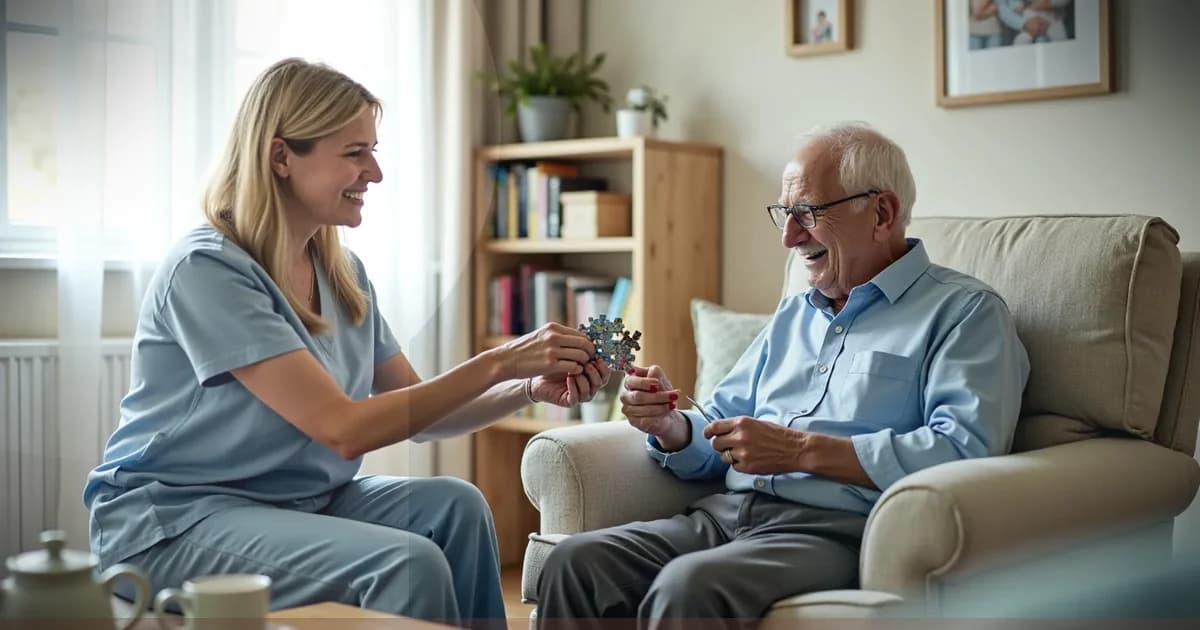
Solution: Happy to Help Caregiving excels in delivering compassionate, individualized support that addresses these challenges. By prioritizing tailored care, the agency ensures that clients receive the specific attention necessary for them to flourish at home. This approach not only enhances the quality of life for seniors and individuals with special needs but also fosters a profound sense of security and comfort.

As agencies like Happy to Help Caregiving lead the way in executing effective support plans, they adapt to the changing requirements of their clients. The emphasis on personalized care is increasingly recognized as vital in the home health agency California services, resulting in improved health outcomes and greater satisfaction among patients and their families. By focusing on customized support, caregivers can make a significant impact on the well-being of those they serve.

Companionship Care: Alleviating Loneliness and Enhancing Quality of Life

Problem: Loneliness and isolation are significant challenges faced by seniors, impacting their emotional well-being. Many elderly individuals experience these feelings, which can lead to a decline in mental health and overall quality of life.

Agitate: The consequences of loneliness can be severe. Seniors who feel isolated may withdraw from social interactions, leading to further feelings of despair. This cycle can be detrimental, not only affecting their mood but also their physical health.

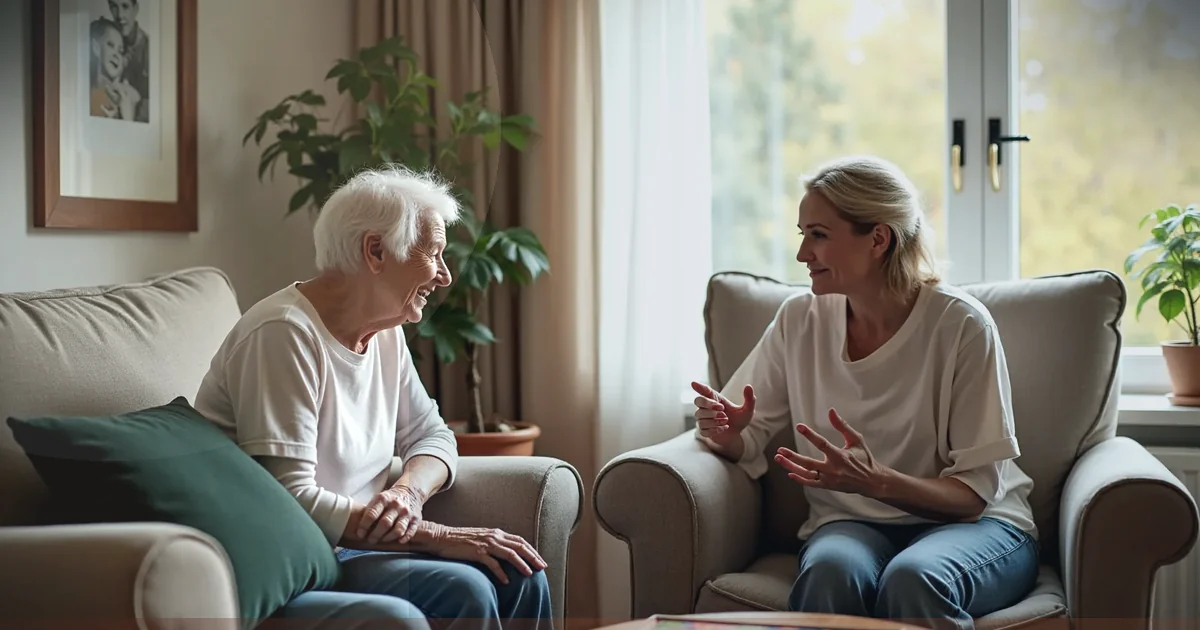
Solution: Companionship support is a vital service aimed at alleviating these feelings. Caregivers play a crucial role by engaging clients in meaningful conversations and activities. This fosters social interaction, which is essential for enhancing emotional well-being. Additionally, caregivers encourage clients to participate in hobbies and interests, significantly improving their overall quality of life. By providing essential companionship, caregivers help seniors reconnect with their passions and build a supportive community.

The center represents the main topic of companionship care. Each branch shows different aspects: the problem of loneliness, its consequences, and how companionship can help. Follow the branches to understand how they connect and support each other.

Post-Hospital Recovery Assistance: Ensuring Safe Transitions and Continued Care

Post-hospital recovery assistance presents a significant challenge for individuals returning home after a hospital stay. Without proper support, patients may struggle with medication management, mobility, and daily activities, which can lead to complications and even readmissions.

This situation not only affects the patient's recovery but also places additional stress on caregivers. They often find themselves overwhelmed, trying to ensure their loved ones can recover safely in their own environment. The lack of adequate assistance can hinder the healing process and increase the risk of setbacks.

To address these challenges, caregivers can implement several practical solutions:

  1. Establishing a clear medication management plan is crucial. This includes setting reminders for medication times and organizing prescriptions to avoid confusion.
  2. Caregivers should assist with mobility by ensuring that the home environment is safe and accessible, reducing the risk of falls.
  3. Daily activities can be supported by creating a structured routine that includes time for rest and rehabilitation exercises.

By focusing on these areas, caregivers can significantly minimize the risk of complications and promote a successful recovery process.

This flowchart outlines the challenges faced after hospital discharge and the steps caregivers can take to help. Follow the arrows to see how each challenge connects to practical solutions.

Respite Care: Supporting Family Caregivers and Preventing Burnout

Respite services provide essential temporary relief for family caregivers, allowing them to recharge while ensuring their loved ones receive ongoing, high-quality support. Caregiver burnout is a significant issue, affecting nearly one in three individuals who report high levels of stress and fatigue. Alarmingly, up to 30-50% of caregivers experience depressive symptoms, highlighting the emotional toll of this responsibility.

By alleviating the stresses associated with caregiving, respite services foster healthier household dynamics. Caregivers can return to their roles with renewed energy and focus, which is crucial for their well-being and that of their loved ones. Statistics show that those who utilize respite services see notable improvements in their overall health. For instance, 86% of family support providers reported better management of care after receiving respite care, enhancing their ability to provide support and contributing to a more positive home environment.

The emotional burden of caregiving can lead to severe consequences, including high rates of depression. Disturbingly, one in four individuals caring for family members with dementia have contemplated suicide in the past year. Respite support is a vital component of a comprehensive care strategy, especially for those managing long-term conditions like Alzheimer’s disease. By offering a much-needed break, respite services help mitigate the risk of burnout, enabling caregivers to maintain their health and well-being.

Experts emphasize the importance of supporting family caregivers for the sustainability of care systems. As Myechia Minter-Jordan, CEO of AARP, notes, "Family supporters are a backbone of our health and long-term support systems-often providing intricate assistance with little or no training, sacrificing their financial future and their own well-being, and too often managing it alone." With an aging population, the demand for effective respite support solutions is increasingly critical, ensuring caregivers do not have to shoulder their burdens alone.

Each slice of the pie shows a different aspect of caregiver experiences: the red slice indicates the proportion of caregivers facing burnout, the blue slice shows those experiencing depressive symptoms, and the green slice represents those who improved their care management after using respite services.

Palliative Support Care: Focusing on Comfort and Quality of Life

Palliative assistance addresses a significant problem: the discomfort and diminished quality of life experienced by individuals facing serious health challenges. Caregivers often struggle to manage these symptoms effectively, which can lead to increased suffering for both patients and their families. Without proper support, the emotional and physical toll can be overwhelming.

The implications of inadequate palliative care are profound. Patients may experience heightened distress, while caregivers can feel helpless and unsupported. This situation not only affects the individuals directly involved but also impacts their loved ones, creating a cycle of suffering that can be difficult to break.

Fortunately, palliative assistance offers a solution. By focusing on enhancing comfort and improving quality of life, trained caregivers can effectively manage symptoms while providing essential emotional support. This holistic approach ensures that clients maintain dignity and peace during their most challenging times.

Studies indicate that early incorporation of palliative support can lead to significant improvements in health-related quality of life, particularly for those with advanced illnesses. Experts in the field emphasize that the primary goal of palliative care is to relieve suffering and enhance overall well-being. This makes it an essential component of care for those in need.

Comfort is crucial; efficient symptom control not only boosts physical health but also fosters emotional resilience. This enables patients to engage meaningfully with their loved ones and support providers. By prioritizing these aspects, palliative assistance plays a vital role in transforming the experiences of individuals facing serious health challenges.

The central node represents palliative support care, with branches showing the problems, implications, solutions, and benefits. Each branch helps you understand how these aspects connect to the overall goal of enhancing comfort and quality of life.

Flexible Scheduling: Adapting to the Unique Needs of Families

Flexible scheduling presents a significant challenge for many families relying on caregiving services. Rigid care times can lead to increased stress and logistical hurdles, making it difficult for households to manage their daily lives effectively. This issue not only affects the quality of care but also strains family relationships, as loved ones struggle to find time to connect amidst caregiving demands.

However, flexible scheduling offers a practical solution. At Happy to Help Caregiving, a home health agency in California, families can choose care times that align with their unique needs, whether they require assistance for a few hours a day or around-the-clock support. This adaptability not only ensures that clients receive help when they need it most but also enhances household dynamics. By accommodating individual schedules, the agency fosters stronger connections among relatives, allowing them to focus on quality time together rather than logistical challenges.

Statistics show that households utilizing flexible caregiving options report higher satisfaction levels. These arrangements alleviate stress and provide peace of mind. Effective models of adaptable care, such as those from a home health agency California that offer services in two-hour segments or continuous availability, demonstrate how individualized scheduling can meet the evolving needs of families. Care providers are trained to be attentive and responsive, adjusting their services as health requirements change, which further strengthens the bond between caregivers and families.

Experts emphasize that a dedicated caregiver who understands a household's rhythm can significantly enhance the overall caregiving experience. This commitment to flexibility not only addresses immediate care needs but also anticipates future requirements, ensuring that families feel supported throughout their caregiving journey.

The center represents the main topic of flexible scheduling, with branches showing the various challenges, solutions, benefits, and expert insights related to caregiving. Each branch helps you see how these elements connect and support families.

24/7 Availability: Ensuring Constant Support for Your Loved Ones

Problem: Many individuals with complex health needs face the challenge of inadequate support, which can significantly impact their well-being. Without timely assistance, small health issues can escalate, leading to serious consequences.

Agitate: Research shows that having caregivers available around the clock not only enhances safety but also improves recovery outcomes. In fact, 66% of guardians observe the recipient's condition and adjust assistance as necessary, highlighting the importance of proactive care. Families often worry about their loved ones being alone, especially during emergencies, which can lead to increased anxiety and stress.

Solution: Happy to Help Caregiving, a home health agency in California, provides 24/7 availability, ensuring clients receive constant support whenever needed. This ongoing assistance promotes a feeling of safety, allowing seniors to maintain their autonomy while receiving essential help. Healthcare experts emphasize that familiar caregivers can quickly recognize shifts in mood or behavior, enabling prompt intervention. With help always just a call away, families can feel reassured knowing their loved ones are never alone. Ultimately, this commitment to constant support transforms the caregiving experience provided by a home health agency in California, ensuring that clients thrive in the comfort of their own homes.

This flowchart shows how inadequate support can lead to anxiety and stress, and how having caregivers available around the clock provides a solution, ensuring loved ones receive the help they need.

Technology Integration: Enhancing Communication and Care Monitoring

Problem: Caregivers often face challenges in maintaining clear communication with relatives, which can lead to misunderstandings and a lack of trust.

Agitate: These communication gaps can hinder the caregiving experience, making it difficult for families to stay informed about their loved ones' care. This can result in frustration and anxiety for both caregivers and families, ultimately affecting the quality of care provided.

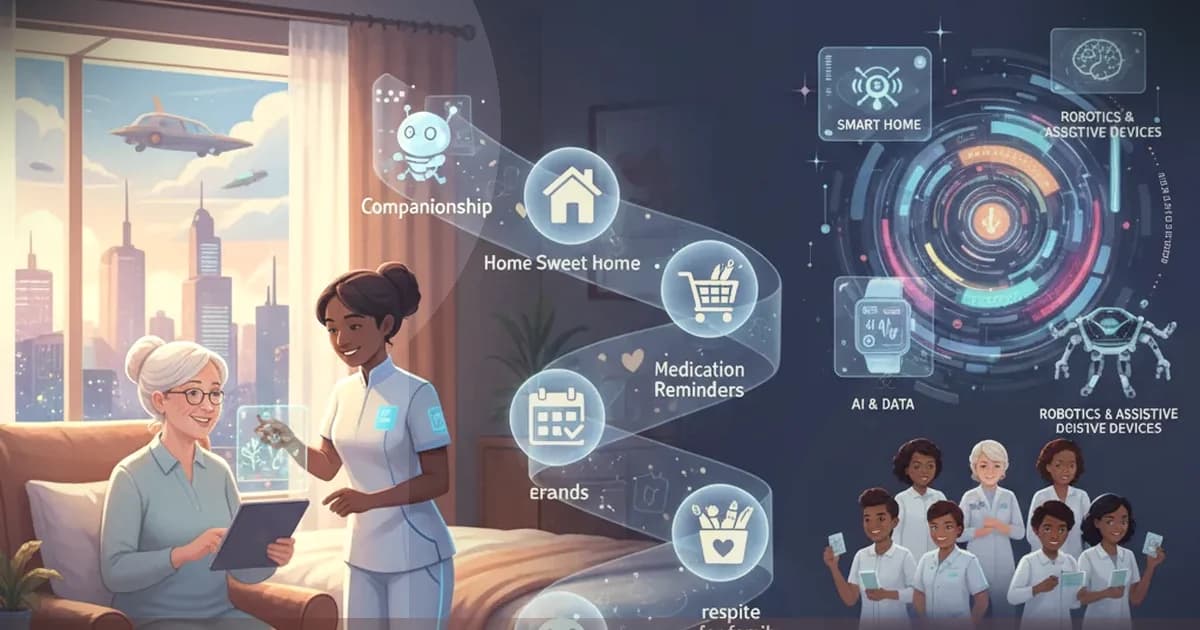
Solution: Technology integration plays a vital role in enhancing the caregiving experience at Happy to Help Caregiving. By utilizing tools like online notes for relatives and remote monitoring systems, providers can ensure clear communication with families. This not only helps in adhering to support plans precisely but also promotes transparency and trust between providers and families.

Incorporating these technologies can significantly enhance service quality, making the caregiving process smoother and more efficient.

Follow the flow from the problem to the solution. Each box represents a step in understanding how technology can improve communication and care monitoring.

Trained Caregivers: Ensuring Quality and Reliable Support

At Happy to Help Caregiving, the problem of inadequate caregiver training can significantly impact the quality of care provided. Without comprehensive training, support providers may struggle to meet the diverse needs of clients, particularly in specialized areas like dementia care and mobility assistance. This lack of preparation can lead to poor patient outcomes, ultimately diminishing the quality of life for those receiving care.

Research shows that well-trained caregivers can dramatically improve patient outcomes. For instance, specialized training in dementia assistance enhances providers' knowledge and abilities, resulting in more effective and compassionate support. Continuous training is not just beneficial; it is essential. Over 40% of agencies recognize that ongoing training is a key factor in reducing staff turnover, which is a persistent challenge in the caregiving field.

To address these issues, Happy to Help Caregiving emphasizes rigorous training programs. Effective models, such as those implemented by the Center for Caregiver Advancement, demonstrate that organized training leads to greater job satisfaction among support providers. This satisfaction translates into improved care for clients, fostering a sense of security and comfort for both clients and their loved ones.

By prioritizing comprehensive training, Happy to Help Caregiving ensures that its providers are well-equipped to deliver tailored, high-quality assistance. This commitment not only enhances the skills of caregivers but also significantly benefits the clients they serve.

The central node represents the main theme of caregiver training. Each branch highlights a key aspect related to training, and sub-branches provide more detailed information. This layout helps visualize how all these elements contribute to the overall quality of care.

Family Testimonials: Real Stories of Impact and Satisfaction

Client testimonials highlight the emotional challenges faced by caregivers, emphasizing the need for support systems. Many families share their experiences with Happy to Help Caregiving, noting how the agency's compassionate staff provide not only essential physical support but also invaluable emotional comfort. This dual support is crucial, as caregivers often encounter feelings of isolation and the necessity for mental breaks.

The heartfelt narratives from families demonstrate the agency's commitment to quality support, showcasing significant improvements in clients' lives. Families appreciate the personalized attention and the deep connections formed with support providers, which foster a sense of security and well-being. As Tia Walker aptly puts it, "To care for those who once cared for us is one of the highest honors," reflecting the profound emotional bonds that caregiving can create.

To address the emotional difficulties caregivers face, it's essential to establish robust support systems. These systems can enhance relational dynamics and improve the overall quality of life for individuals in need. The positive experiences shared by families serve as a powerful reminder of the vital role that dedicated caregiving plays in this process.

The central node represents the overall theme of family testimonials, while the branches illustrate the various aspects of caregiving experiences. Each sub-branch provides specific insights or quotes that highlight the emotional and physical support caregivers offer.

Conclusion

Home health agencies in California, like Happy to Help Caregiving, address a critical problem: the lack of personalized support for seniors and individuals with special needs. This gap in care can lead to diminished quality of life, reduced independence, and feelings of insecurity at home. The implications are significant, as many individuals struggle with unique challenges that can transform their daily experiences into overwhelming burdens.

To combat these issues, home health agencies provide tailored services that enhance well-being and foster emotional resilience. Key aspects of caregiving include:

  1. Companionship care to alleviate loneliness
  2. Post-hospital recovery assistance for safe transitions
  3. Respite care to prevent caregiver burnout

These services are designed to adapt to the evolving needs of families, ensuring that trained caregivers are available when needed.

Ultimately, these services are more than just caregiving; they serve as a vital lifeline for families navigating health complexities. As the demand for effective home health solutions grows, embracing personalized care becomes essential. Families should explore these services, recognizing that investing in quality caregiving not only improves the lives of their loved ones but also supports the overall health of the caregiving community.

Frequently Asked Questions

What challenges do seniors and individuals with special needs face regarding in-home support?

Many seniors and individuals with special needs struggle to receive adequate, personalized in-home support, which can lead to a diminished quality of life and feelings of insecurity in their homes.

Why is there an increasing demand for customized assistance for seniors?

As the population ages, the demand for customized assistance is rising. Nearly one in five Americans is 65 or older, highlighting the urgent need for effective caregiving solutions to support their well-being.

How does Happy to Help Caregiving address the challenges of in-home support?

Happy to Help Caregiving provides compassionate, individualized support tailored to clients' unique needs, enhancing their quality of life and fostering a sense of security and comfort at home.

What is the significance of personalized care in home health services?

Personalized care is recognized as vital in home health services, leading to improved health outcomes and greater satisfaction among patients and their families.

What issues do seniors face related to loneliness and isolation?

Loneliness and isolation significantly impact the emotional well-being of seniors, potentially leading to a decline in mental health and overall quality of life.

How can companionship support improve the lives of seniors?

Companionship support alleviates feelings of loneliness by engaging seniors in meaningful conversations and activities, fostering social interaction and encouraging participation in hobbies, which enhances their emotional well-being.

What are the challenges of post-hospital recovery for individuals returning home?

Patients returning home after a hospital stay may struggle with medication management, mobility, and daily activities without proper support, which can lead to complications and increased stress for caregivers.

What practical solutions can caregivers implement for post-hospital recovery?

Caregivers can establish a clear medication management plan, assist with mobility by ensuring a safe home environment, and create a structured routine for daily activities to promote a successful recovery process.

List of Sources

  1. Happy to Help Caregiving: Personalized In-Home Support for Your Loved Ones
  1. Companionship Care: Alleviating Loneliness and Enhancing Quality of Life
  1. Post-Hospital Recovery Assistance: Ensuring Safe Transitions and Continued Care
  1. Respite Care: Supporting Family Caregivers and Preventing Burnout
  1. Palliative Support Care: Focusing on Comfort and Quality of Life
  1. Flexible Scheduling: Adapting to the Unique Needs of Families
  1. 24/7 Availability: Ensuring Constant Support for Your Loved Ones
  1. Technology Integration: Enhancing Communication and Care Monitoring
  1. Trained Caregivers: Ensuring Quality and Reliable Support
  1. Family Testimonials: Real Stories of Impact and Satisfaction

Need help with in-home caregiving?

We serve families across Idaho, West Virginia, Utah, Ohio, Texas, and Nebraska. No minimums, no long-term contracts.

Request a Free Consultation

Related Articles