What to Expect
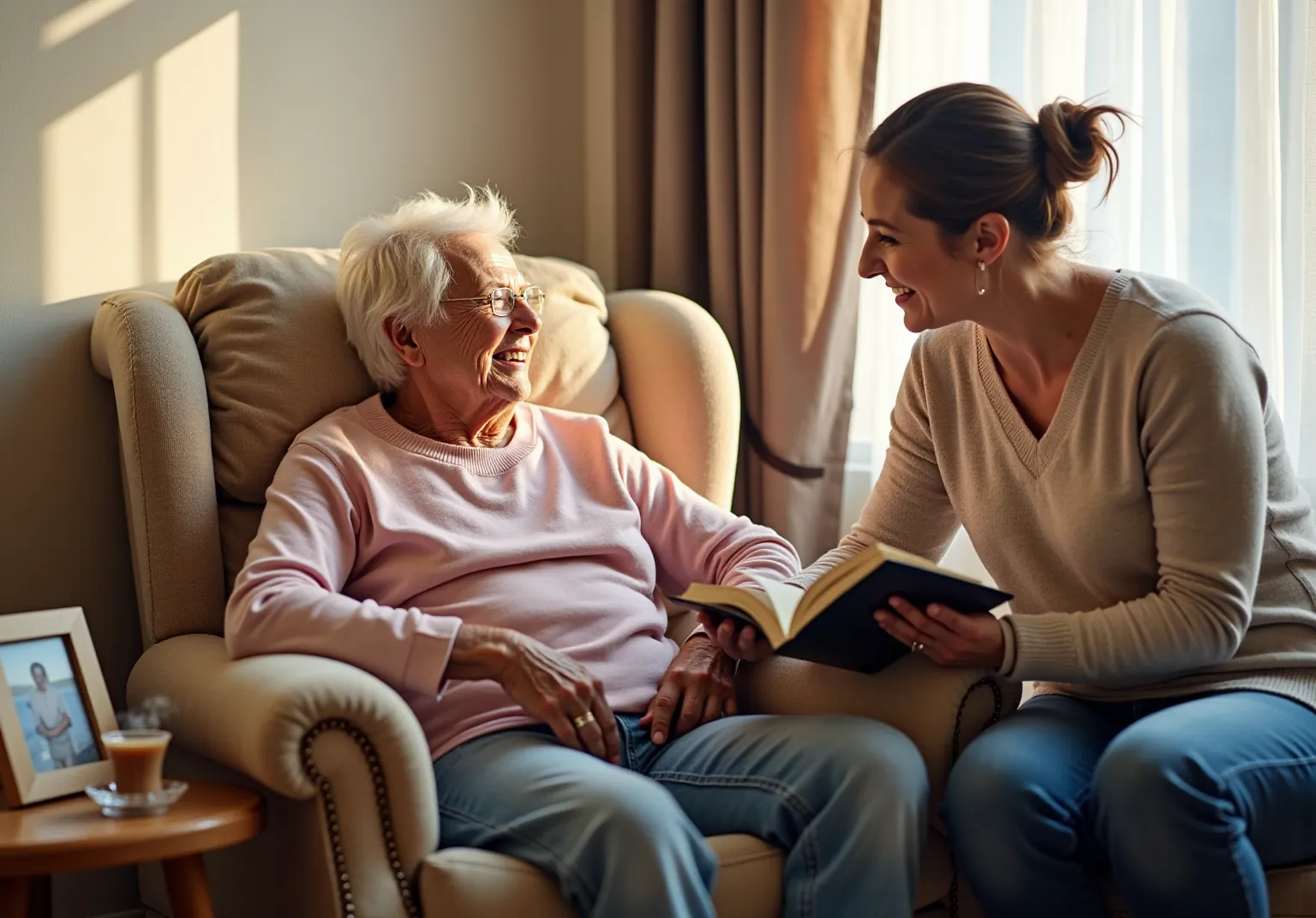
Caring for a loved one can be an incredibly rewarding experience, but it often comes with its own set of emotional challenges. Family caregivers frequently face feelings of stress and burnout as they juggle their responsibilities. It’s important to acknowledge these feelings and understand that you’re not alone in this journey.
Fortunately, technology is stepping in to offer much-needed support. Innovations like telehealth, wearable devices, artificial intelligence, and smart home technologies are not just buzzwords; they’re tools designed to make life easier for both caregivers and seniors. These advancements enhance care delivery and significantly improve the quality of life for seniors. They promote safety, facilitate communication, and provide real-time health monitoring, which can ease the burden on caregivers.
Imagine being able to check in on your loved one’s health from the comfort of your own home, or receiving alerts that help you respond quickly to their needs. This kind of support can make a world of difference, allowing you to manage your responsibilities more effectively while ensuring your loved one receives the best care possible.
Remember, it’s okay to seek help and embrace these technologies. They’re here to support you, to lighten your load, and to help you provide the compassionate care your loved one deserves. You’re doing an incredible job, and with the right tools, you can continue to be the nurturing caregiver you aspire to be.
What You Need to Know About 10 Technologies Transforming Home Care
The landscape of home care is changing in remarkable ways, thanks to innovative technologies that enhance support for family caregivers and their elderly loved ones. Caregiving can be an emotional and physically demanding journey, and these advancements offer a precious opportunity to improve care quality and foster independence for seniors.
Yet, with so many options emerging—from telehealth to wearable devices—caregivers may wonder: how can they effectively harness these tools? The goal is to create a nurturing environment that meets the unique needs of each individual.
As caregivers navigate this evolving landscape, it’s essential to remember that they are not alone. There are resources and support systems available to help lighten the load. By embracing these technologies, caregivers can find new ways to connect with their loved ones, ensuring they receive the compassionate care they deserve.
Happy to Help Caregiving: Personalized In-Home Care Solutions for Seniors
At Happy to Help Caregiving, we understand the emotional challenges that caregivers face every day. The stress and burnout can be overwhelming, and that’s why we’re here to offer support. Our agency specializes in customized in-home solutions for seniors, focusing on enhancing their quality of life.
We provide a range of services, including:
- Companionship support
- Post-hospital recovery assistance
- Respite services
- Palliative care
Each service is designed with compassion in mind, ensuring that our clients receive the help they need in the comfort of their own homes.
By integrating technology and home care into our services, we can provide more efficient and responsive assistance. This means that clients can enjoy the support they require while remaining in a familiar environment. It’s all about fostering independence and well-being, and we believe that technology and home care are vital in modern caregiving practices.
We’re here to reassure you that you’re not alone in this journey. Our personalized approach not only addresses practical needs but also nurtures emotional connections, making a significant difference in the lives of both seniors and their caregivers. Together, we can create a supportive environment that promotes comfort and care.
https://iframe.tely.ai/cta/eyJhcnRpY2xlX2lkIjogIjY5MDY5ZmM2NTMyNjE5NjNhODQ1MjY0NCIsICJjb21wYW55X2lkIjogIjY4ZWU1ZGNhNzMxNzYyNTU3ZjNjOTVjMSIsICJpbmRleCI6IDAsICJ0eXBlIjogImFydGljbGUifQ==Telehealth: Enhancing Access to Healthcare for Seniors
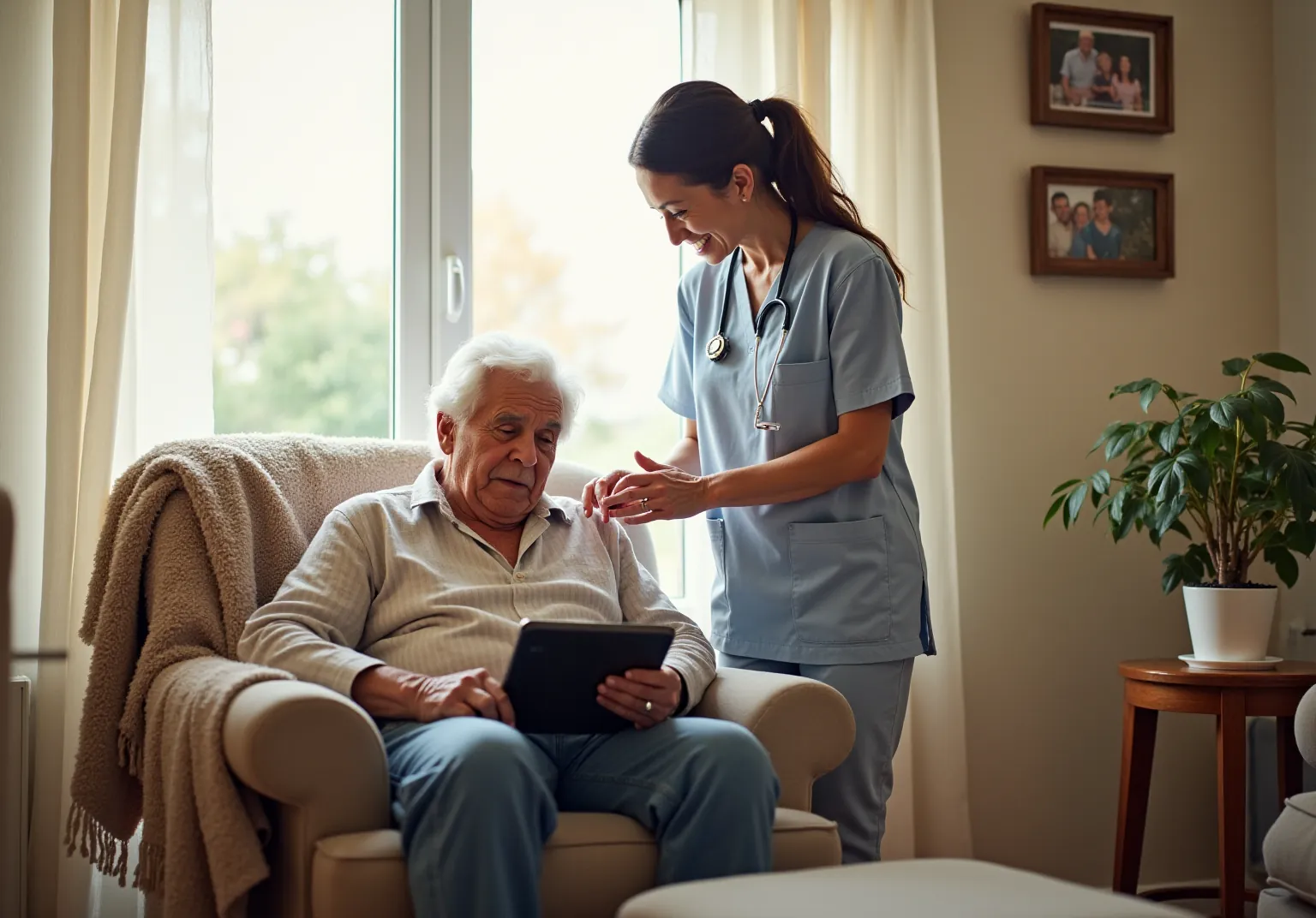
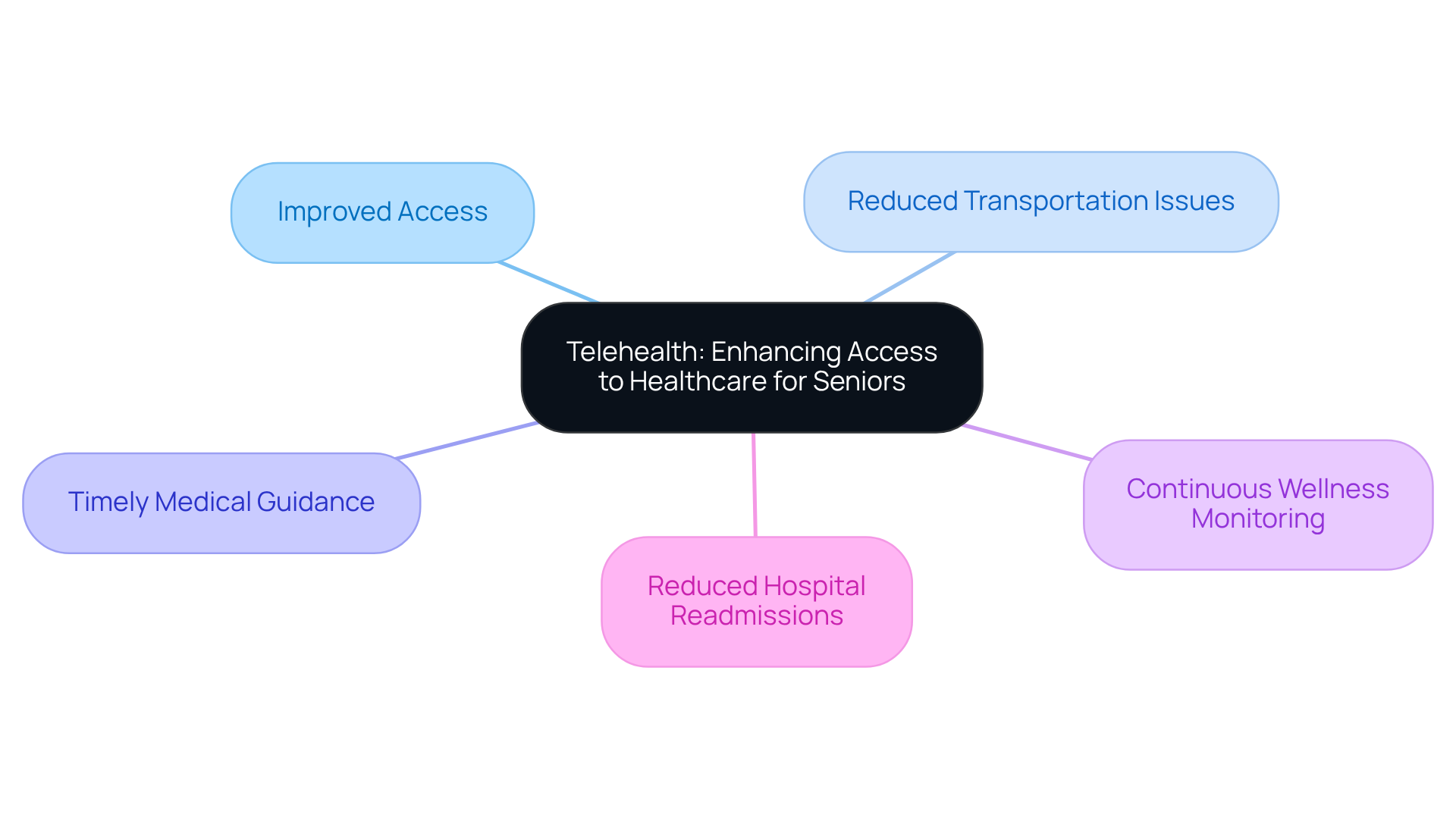
Telehealth has truly changed the way older adults access healthcare, allowing them to connect with providers right from their homes. This innovation is a game-changer, especially since transportation can often be a major hurdle for many elderly individuals.
Imagine the relief of not having to navigate traffic or rely on others for rides. With telemedicine services, support providers can ensure that older adults receive timely medical guidance, follow-up care, and continuous wellness monitoring. This not only enhances their overall management of well-being but also helps reduce hospital readmissions.
It's heartening to see how technology and home care can bridge gaps and provide comfort. By embracing telehealth, we can foster a sense of security and connection for our loved ones, ensuring they feel cared for and supported every step of the way.
Wearable Technology: Real-Time Health Monitoring for Seniors
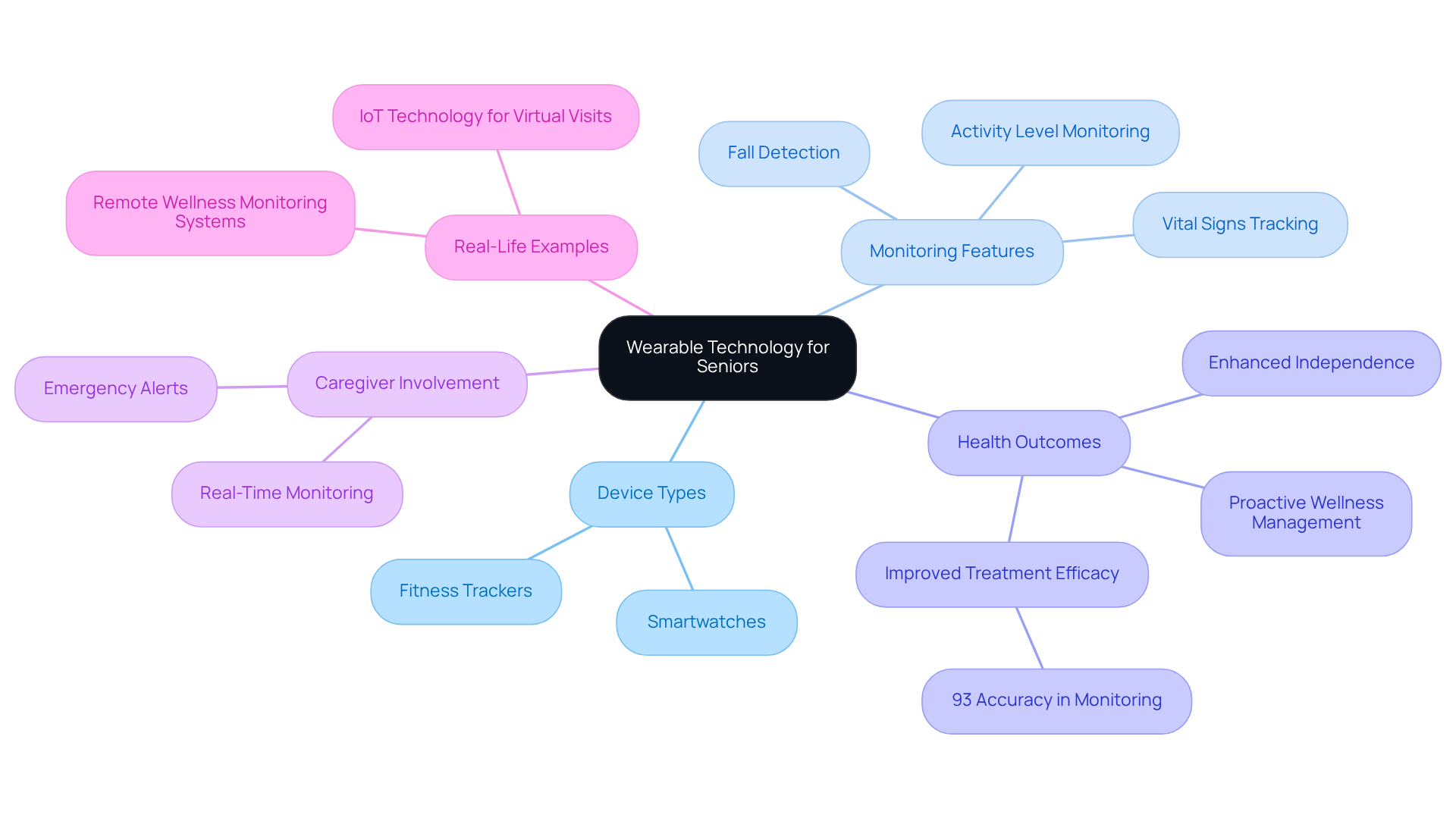
Wearable technology, like smartwatches and fitness trackers, is truly a game-changer for real-time wellness monitoring in older adults. These devices can keep an eye on vital signs, activity levels, and even detect falls, sending quick alerts to guardians and family members in emergencies. By weaving wearables into care plans, caregivers can closely monitor wellness trends and respond swiftly to any concerning changes, significantly boosting the safety and well-being of the seniors they care for.
Research shows that incorporating wearable devices can lead to better wellness outcomes. For instance, a study found that ongoing tracking through wearables can greatly enhance treatment efficacy, with a remarkable 93% accuracy for binary classification using support vector machines in medical monitoring applications. Geriatric experts emphasize that wearables not only support proactive wellness management but also empower older adults to maintain their independence. Dr. Jane Smith, a geriatric specialist, shares, "Wearable devices give seniors the capability to track their well-being in real-time, which can lead to earlier interventions and improved overall wellness outcomes."
Real-life examples highlight how wearables can support the elderly. One notable case involved a remote wellness monitoring system that used IoT technology to facilitate virtual visits for elderly patients. This innovation reduced the need for caregiver travel while ensuring consistent oversight of their condition. It not only simplifies assistance but also fosters a sense of safety for both seniors and their families, making wearables an invaluable resource in technology and home care.
Artificial Intelligence: Personalizing Home Care for Better Outcomes
Caring for our elderly loved ones can be a daunting task, often filled with stress and uncertainty. Artificial Intelligence (AI) is stepping in to transform technology and home care, offering a way to customize plans that cater to personal wellness needs and preferences. With advanced algorithms, AI analyzes a wealth of patient information, helping to identify potential medical risks and recommend tailored interventions. This approach not only enhances the standard of support but also empowers caregivers with the knowledge they need to make informed choices. Ultimately, this leads to better wellness outcomes for seniors.
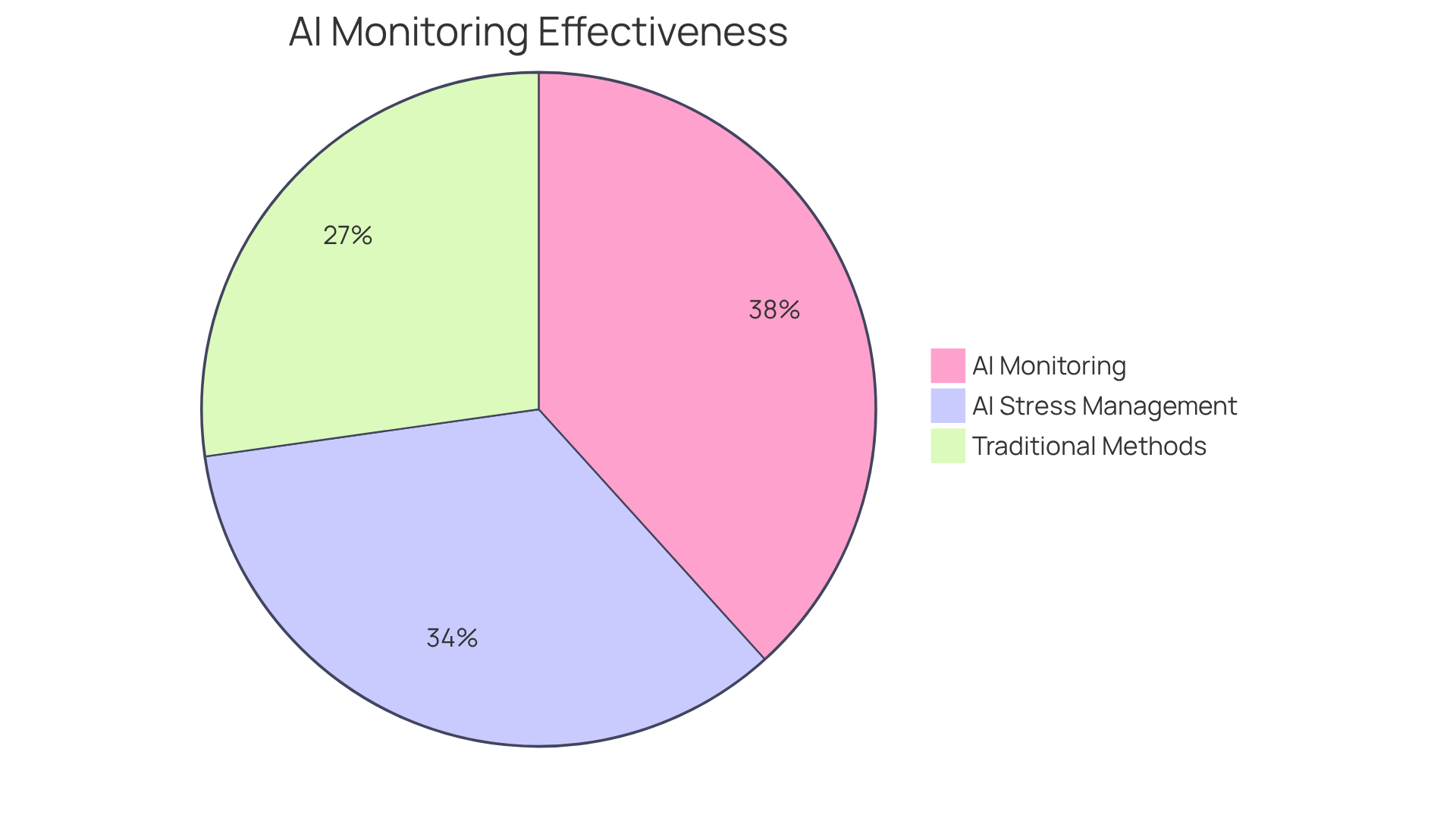
For instance, a Health-IoT system has shown an impressive 90% sensitivity and 97% specificity in monitoring vital signs. This highlights the potential of AI to deliver precise health assessments, providing peace of mind for families. Moreover, case studies reveal that AI-driven stress management systems have outperformed traditional methods, achieving an 81% accuracy rate in classifying stress levels, compared to just 64% by trainee clinicians.
As healthcare analyst Mobyen Uddin Ahmed beautifully puts it, "Vital signs monitoring for elderly in daily life environment is a promising concept that efficiently can provide medical services to people at home." These advancements underscore the critical role of technology and home care in fostering personalized care, ensuring that elderly individuals receive the support they need to thrive in their home environments. With AI by our side, we can navigate the challenges of caregiving with greater confidence and compassion.
Smart Home Devices: Promoting Safety and Independence for Seniors
Smart home devices, like automated lighting, security systems, and voice-activated assistants, truly make a difference in the lives of older adults. They not only promote safety but also help maintain independence, which is so important for their well-being. Imagine how comforting it is for both seniors and their families to know that these technologies can assist in managing daily activities more easily and securely.
For instance, intelligent sensors can detect falls or unusual behavior, quickly notifying guardians or family members. This kind of support can ease the worries that caregivers often feel, knowing that help is just a notification away. By integrating technology and home care into care strategies, we can significantly enhance the living conditions of seniors. It allows them to uphold their independence while ensuring their safety, which is a win-win for everyone involved.
Incorporating these devices into daily life can feel like a warm embrace, providing both emotional and practical support. It’s a step towards creating a nurturing environment where older adults can thrive. Let’s embrace these innovations together, knowing they can bring peace of mind and a sense of security to our loved ones.
https://iframe.tely.ai/cta/eyJhcnRpY2xlX2lkIjogIjY5MDY5ZmM2NTMyNjE5NjNhODQ1MjY0NCIsICJjb21wYW55X2lkIjogIjY4ZWU1ZGNhNzMxNzYyNTU3ZjNjOTVjMSIsICJpbmRleCI6IDQsICJ0eXBlIjogImFydGljbGUifQ==Data Analytics: Improving Care Delivery in Home Care Services
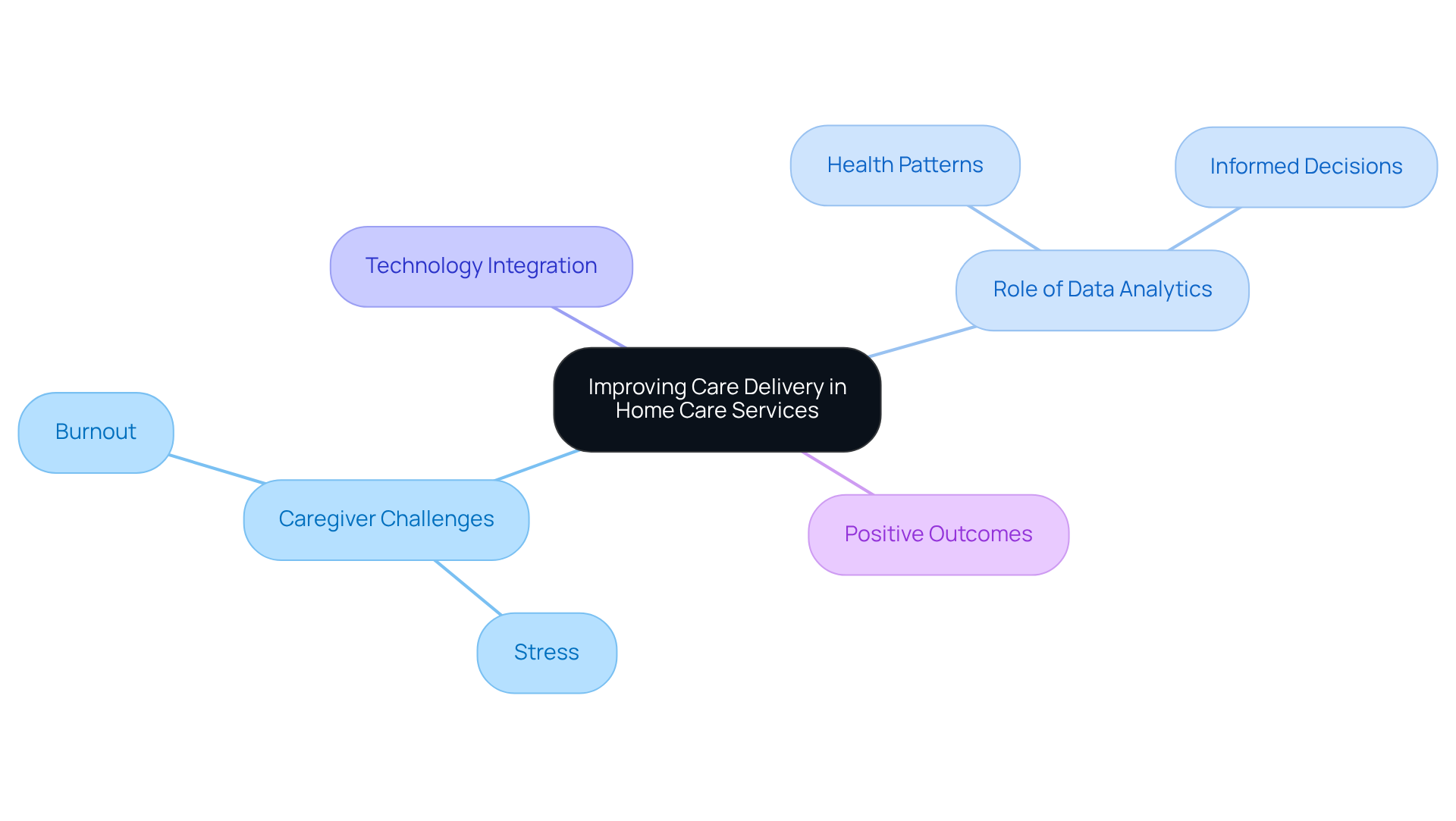
Caring for our elderly loved ones can be incredibly challenging. Caregivers often face overwhelming stress and feelings of burnout. It’s essential to recognize these emotional struggles and find ways to support those who dedicate their lives to caring for others.
Data analytics is stepping in to help improve technology and home care. By offering insights into patient health patterns and service delivery effectiveness, it empowers caregivers to make informed decisions. Imagine being able to recognize trends in your loved one’s health, allowing for timely interventions and adjustments to care plans. This proactive approach not only enhances the quality of care through technology and home care but also brings peace of mind to caregivers.
With the right technology and home care tools, caregivers can feel more equipped to handle the demands of their role. They can focus on what truly matters—providing compassionate care to elderly individuals. Remember, you’re not alone in this journey. There are resources available to help lighten the load and ensure that both caregivers and their loved ones receive the support they need.
Virtual Reality: Engaging Seniors Through Innovative Therapy
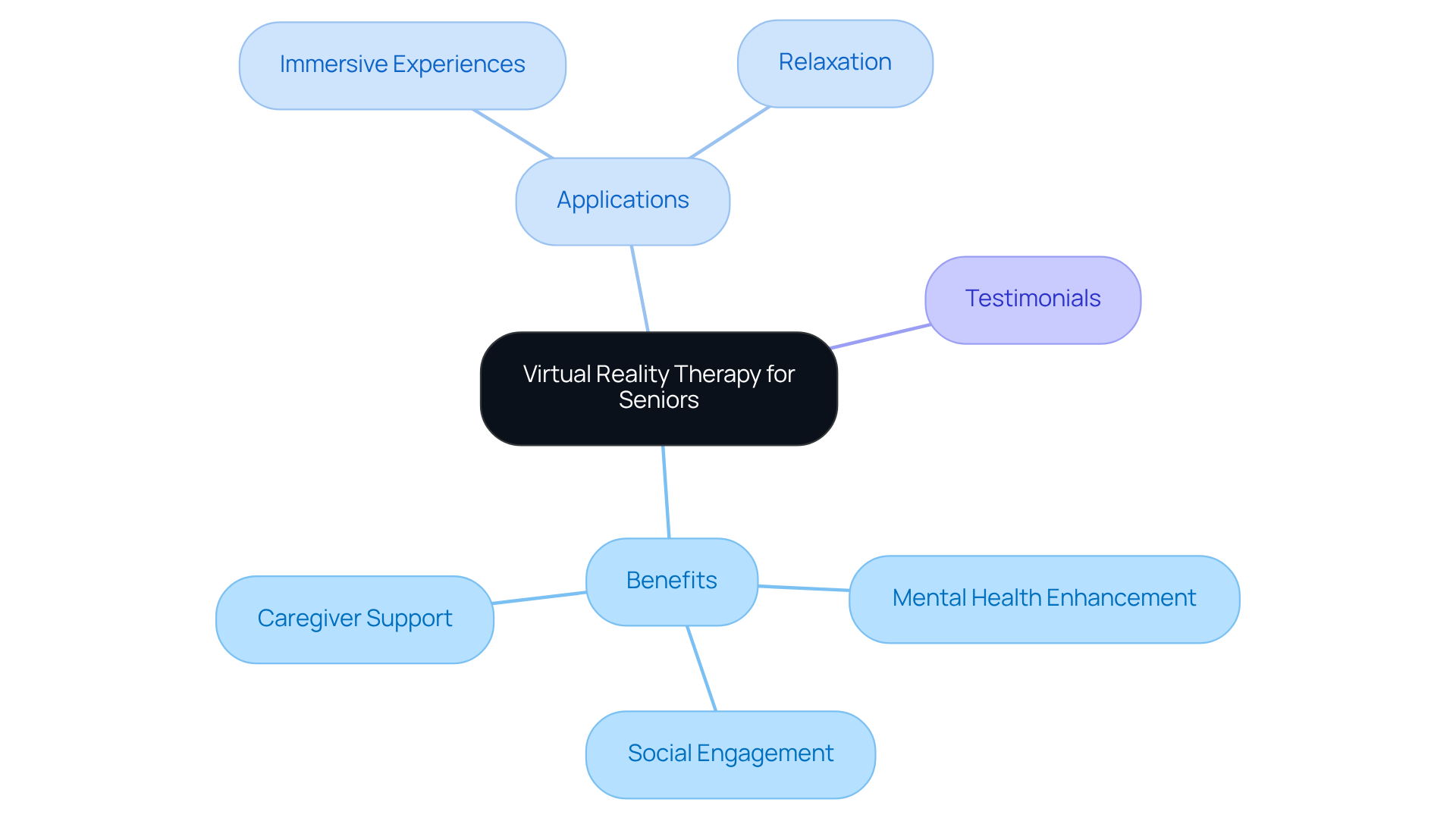
Virtual reality (VR) is emerging as a compassionate therapy tool for older adults, offering immersive experiences that can truly enhance mental health and social engagement. Imagine being able to transport users to different, calming environments, providing both relaxation and cognitive stimulation. This technology and home care solution holds special promise for older adults who may be facing feelings of isolation or cognitive decline. It encourages interaction and engagement in a safe, controlled environment, fostering a sense of connection and community.
For many caregivers, the stress and burnout that come with supporting loved ones can be overwhelming. VR offers a gentle solution, creating opportunities for meaningful experiences that can brighten their days. By promoting engagement through these immersive experiences, we can help alleviate some of the emotional burdens that caregivers often carry.
As we explore the potential of VR, it’s essential to remember the stories of those who have benefited from this innovative approach. Caregivers have shared heartwarming testimonials about how VR has transformed their loved ones' lives, bringing joy and connection back into their routines. This technology and home care not only offer entertainment but also support emotional well-being.
In this journey, we can find reassurance and encouragement. Embracing VR as a tool for enhancing the lives of older adults is a step toward fostering a more compassionate and connected community. Together, we can create an environment where everyone feels valued and engaged.
Medication Management Systems: Ensuring Compliance for Seniors
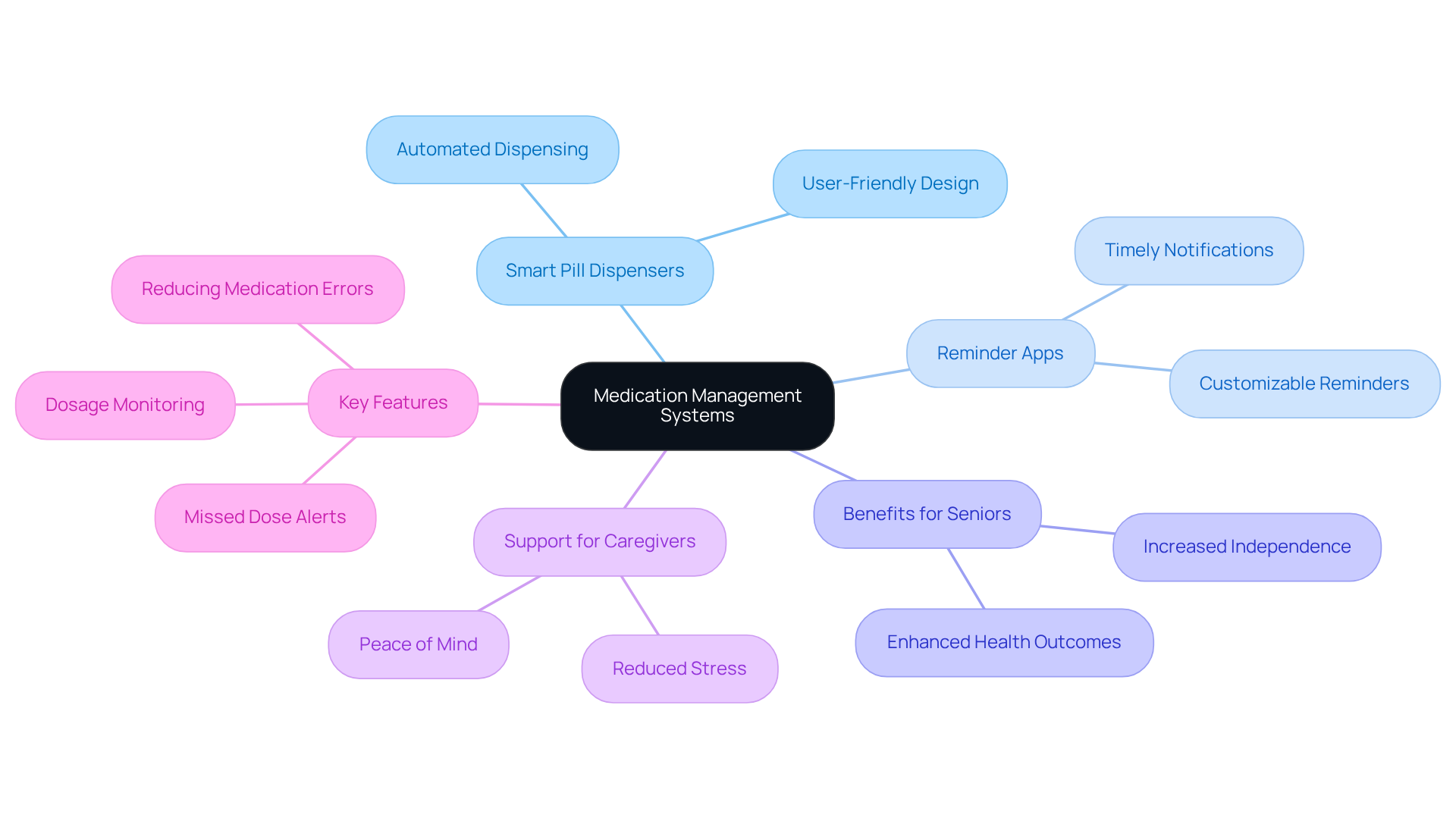
Medication management systems, like smart pill dispensers and reminder apps, play a vital role in supporting elderly individuals as they navigate their medication regimens. It’s not just about the pills; it’s about peace of mind for both them and their caregivers. These systems provide timely notifications for medication schedules, monitor dosages, and even alert loved ones if a dose is missed.
Imagine the relief of knowing that help is just a notification away. By integrating technology and home care into compassionate care strategies, providers can significantly reduce the chances of medication errors. This not only enhances the health outcomes for older adults but also alleviates some of the stress and worry that caregivers often feel.
Incorporating these tools into daily routines can truly make a difference. It’s about creating a supportive environment where everyone feels cared for and understood. With the right systems in place, we can foster a sense of security and well-being for our loved ones.
Communication Tools: Enhancing Coordination Between Caregivers and Families
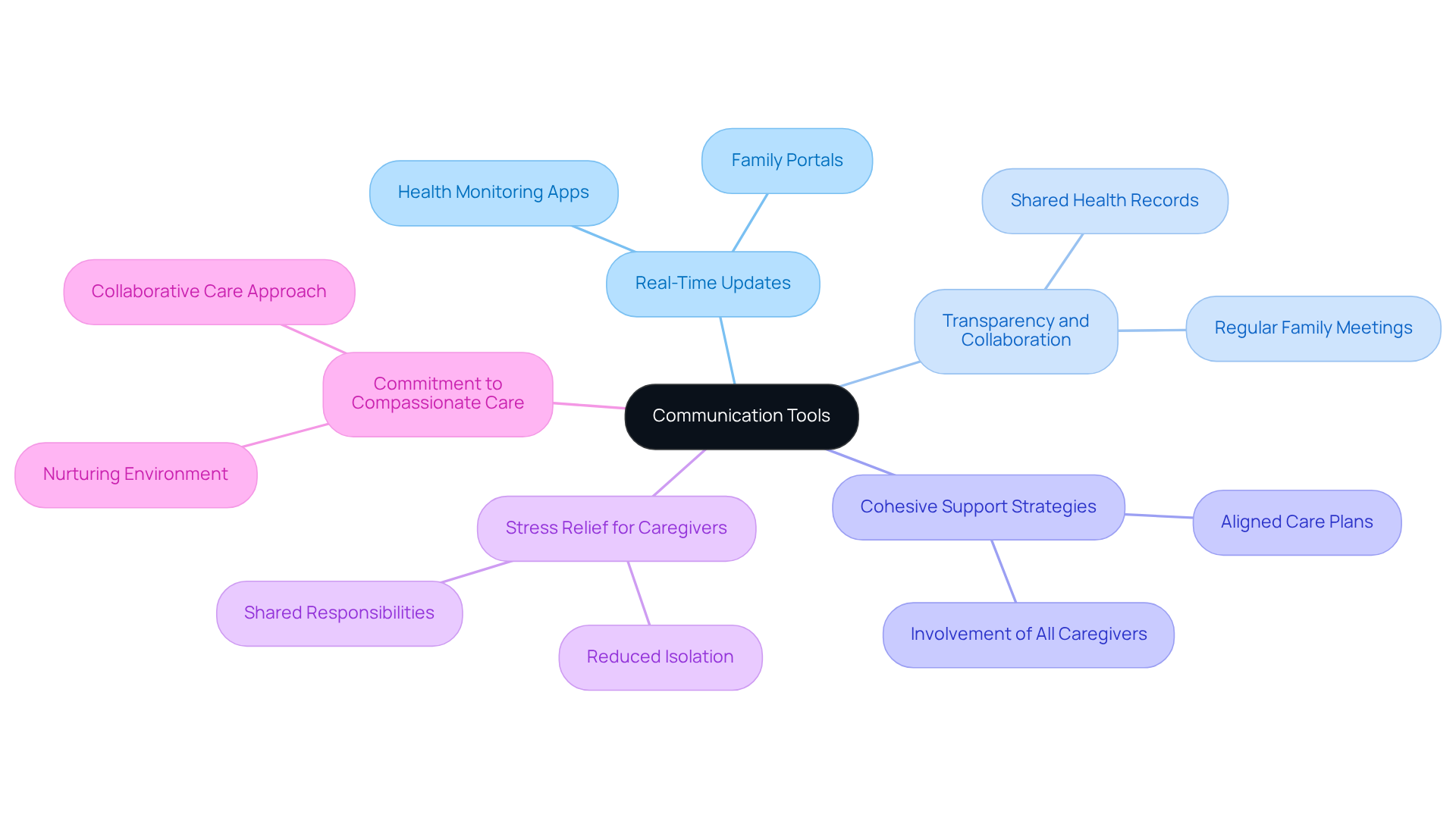
Communication tools, like secure messaging apps and family portals, play a vital role in enhancing coordination between providers and families. They allow supporters to share real-time updates on an elderly person's health and well-being, fostering a sense of transparency and collaboration.
Imagine the peace of mind that comes from knowing everyone involved in your loved one’s care is informed and connected. By keeping families updated, caregivers can ensure that everyone is aligned, leading to more cohesive and effective support strategies.
These technologies in technology and home care not only streamline communication but also help alleviate some of the stress and burnout caregivers often feel. When families are engaged and informed, it creates a nurturing environment where everyone can contribute to the elder's well-being.
Ultimately, these tools are more than just apps; they represent a commitment to compassionate care and support. Together, we can create a network of understanding and collaboration that truly benefits our loved ones.
Future Trends: Innovations Shaping the Next Generation of Home Care Technology
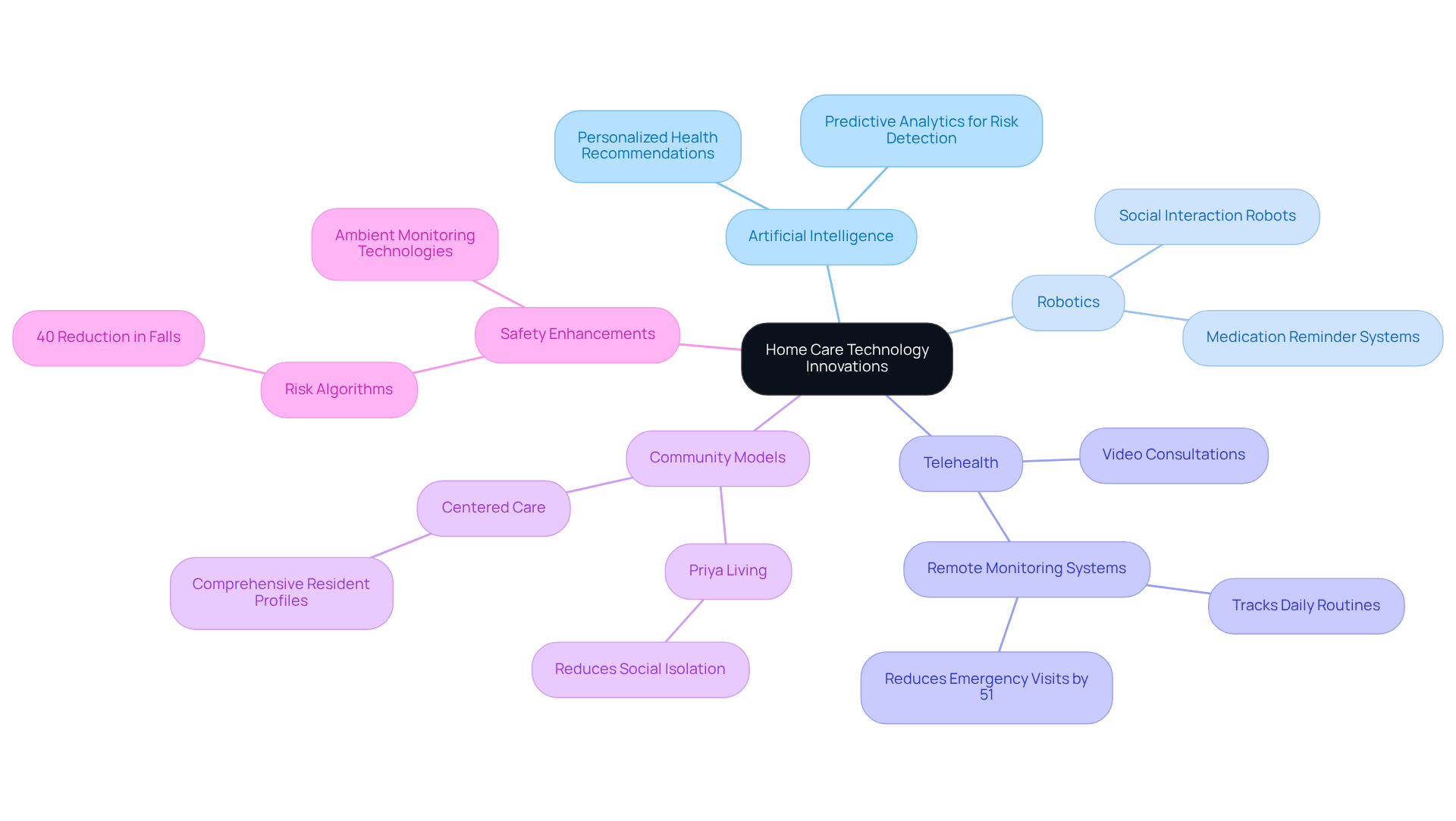
Remarkable advancements in technology and home care are on the brink, driven by innovations like artificial intelligence, robotics, and enhanced telehealth services. The integration of technology and home care is not just streamlining service delivery; it’s also significantly improving the quality of life for seniors. Imagine AI-driven platforms that can assess medical data to suggest personalized dietary changes and fitness routines. Technology and home care through remote monitoring systems allow families to stay connected with their loved ones' daily activities, offering peace of mind even from a distance.
Statistics reveal that about 30% of assisted living residents face hospitalization each year, highlighting the urgent need for proactive support solutions. Innovations such as telehealth have been shown to cut emergency department visits by 51% among long-stay nursing home residents enrolled in specialized plans. This demonstrates how effective these technologies can be in preventing health crises.
Consider community-centered living models like Priya Living, which utilize technology and home care to nurture social connections and combat isolation among older adults. Organizations like Bayada Home Health Care are developing risk algorithms that have led to a 40% reduction in falls, showcasing how technology and home care can enhance safety and improve outcomes.
As the caregiving landscape evolves, it’s crucial for caregivers to stay informed about trends in technology and home care and seamlessly integrate new tools into their practices. Embracing these innovations in technology and home care empowers caregivers to meet the changing needs of their clients, ensuring they provide the highest quality of care in an increasingly digital world. Remember, you’re not alone in this journey; together, we can navigate these changes with compassion and understanding.
Moving Forward with 10 Technologies Transforming Home Care
The integration of technology into home care is truly transforming how family caregivers support their elderly loved ones. With advancements like telehealth, wearable devices, artificial intelligence, and smart home technology, caregivers can significantly enhance the quality of life for seniors. These innovations not only promote safety and independence but also help ease some of the emotional burdens that come with caregiving, allowing for a deeper connection between caregivers and those they care for.
Throughout this article, we’ve explored key technologies that are reshaping home care:
- Telehealth improves healthcare access.
- Wearables enable real-time health monitoring.
- AI helps create personalized care plans.
Each of these technologies empowers both caregivers and seniors, ensuring that care is effective and compassionate. The focus on data analytics and communication tools underscores the importance of informed decision-making and collaboration among caregivers and families, leading to better care delivery.
As the caregiving landscape continues to evolve, embracing these technological advancements is essential for enhancing the well-being of seniors. By staying informed about the latest innovations and weaving them into daily care practices, caregivers can face the challenges of their roles with greater confidence and compassion. The future of home care is bright, and together, through the power of technology, we can create a supportive and nurturing environment for our loved ones.
https://iframe.tely.ai/cta/eyJhcnRpY2xlX2lkIjogIjY5MDY5ZmM2NTMyNjE5NjNhODQ1MjY0NCIsICJjb21wYW55X2lkIjogIjY4ZWU1ZGNhNzMxNzYyNTU3ZjNjOTVjMSIsICJpbmRleCI6IG51bGwsICJ0eXBlIjogImFydGljbGUifQ==Frequently Asked Questions
What services does Happy to Help Caregiving provide?
Happy to Help Caregiving offers a range of services including companionship support, post-hospital recovery assistance, respite services, and palliative care, all designed to enhance the quality of life for seniors in the comfort of their own homes.
How does Happy to Help Caregiving support caregivers?
The agency provides support to caregivers by addressing their emotional challenges and offering personalized in-home care solutions, which can help reduce stress and burnout.
What role does technology play in Happy to Help Caregiving's services?
Technology is integrated into the services to provide more efficient and responsive assistance, allowing seniors to receive care while remaining in a familiar environment, thereby fostering independence and well-being.
How has telehealth improved healthcare access for seniors?
Telehealth allows older adults to connect with healthcare providers from home, eliminating transportation hurdles and ensuring timely medical guidance, follow-up care, and continuous wellness monitoring.
What benefits do wearable technologies offer to seniors?
Wearable technologies, such as smartwatches and fitness trackers, enable real-time monitoring of vital signs and activity levels, detect falls, and send alerts to family members, significantly enhancing the safety and well-being of seniors.
What impact do wearables have on wellness outcomes for older adults?
Research indicates that incorporating wearable devices can lead to better wellness outcomes, with high accuracy in medical monitoring applications, and they empower older adults to maintain their independence through proactive wellness management.
Can you provide an example of how wearable technology has been used in elderly care?
One example involves a remote wellness monitoring system that utilized IoT technology to facilitate virtual visits for elderly patients, reducing the need for caregiver travel while ensuring consistent oversight of their condition.