Why Steps for Choosing Home Aids for Matters
Selecting the right home aids for elderly care presents a significant challenge for caregivers. This task is critical, as it can greatly influence the quality of life for seniors and their caregivers. With an aging population facing various mobility and health challenges, the need for effective assessment of individual needs becomes paramount.
However, the process can often feel overwhelming. Caregivers may wonder: how can they ensure they are making the best decisions for their loved ones? This article outlines four essential steps that will empower caregivers to navigate the complexities of elderly care. By following these steps, caregivers can enhance safety, independence, and overall well-being for those they care for.
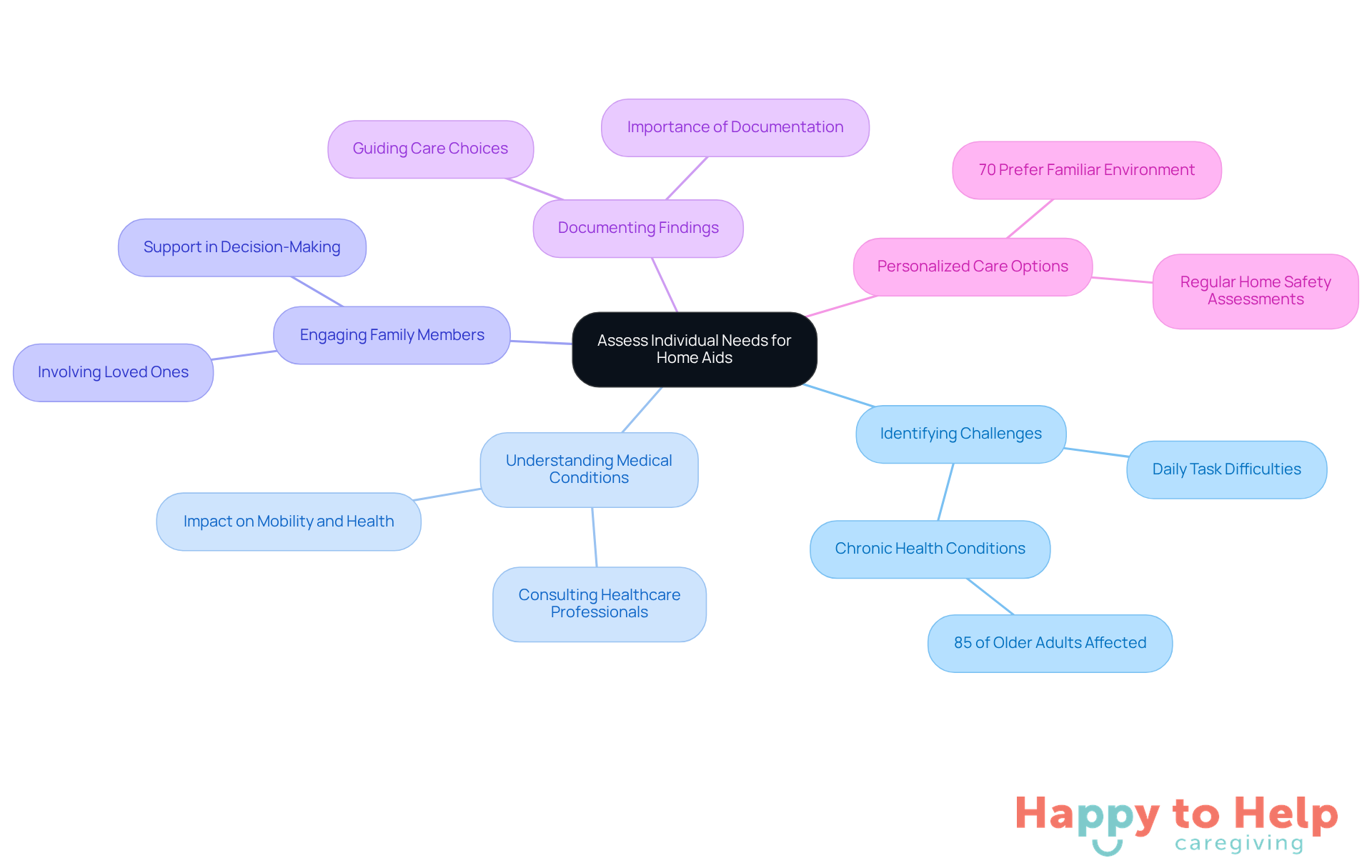
Assess Individual Needs for Home Aids
Identifying Challenges in Caregiving
Caregivers often face significant challenges when assisting older adults, particularly regarding daily tasks like bathing and dressing. A thorough evaluation of a person's physical and cognitive skills is essential to pinpoint specific difficulties. This assessment is crucial, especially considering that 85% of older adults have at least one chronic health condition that may impact their functional capabilities.
Understanding Medical Conditions
Consulting with healthcare professionals can provide valuable insights into any medical conditions affecting mobility and overall health. Their expertise is vital in guiding the evaluation process, ensuring that all relevant factors are considered.
Engaging Family Members
Involving family members in discussions about the individual's needs and preferences can offer additional perspectives. Engaging loved ones not only provides valuable context but also supports decision-making, as many families struggle when their loved ones can no longer manage alone.
Documenting Findings
It's important to document findings meticulously. This documentation serves as a guide for caregivers and family members, ensuring that the selected home aids for elderly individuals and modifications align with the person's unique needs and promote their independence.
Personalized Care Options
Moreover, consider that 70% of respondents prefer to stay in a familiar environment with assistance as they age. This statistic highlights the importance of personalized care options. Regular home safety assessments should also be conducted to identify potential hazards, ensuring a safe living environment for the individual with the use of home aids for elderly.
Explore Essential Mobility Aids
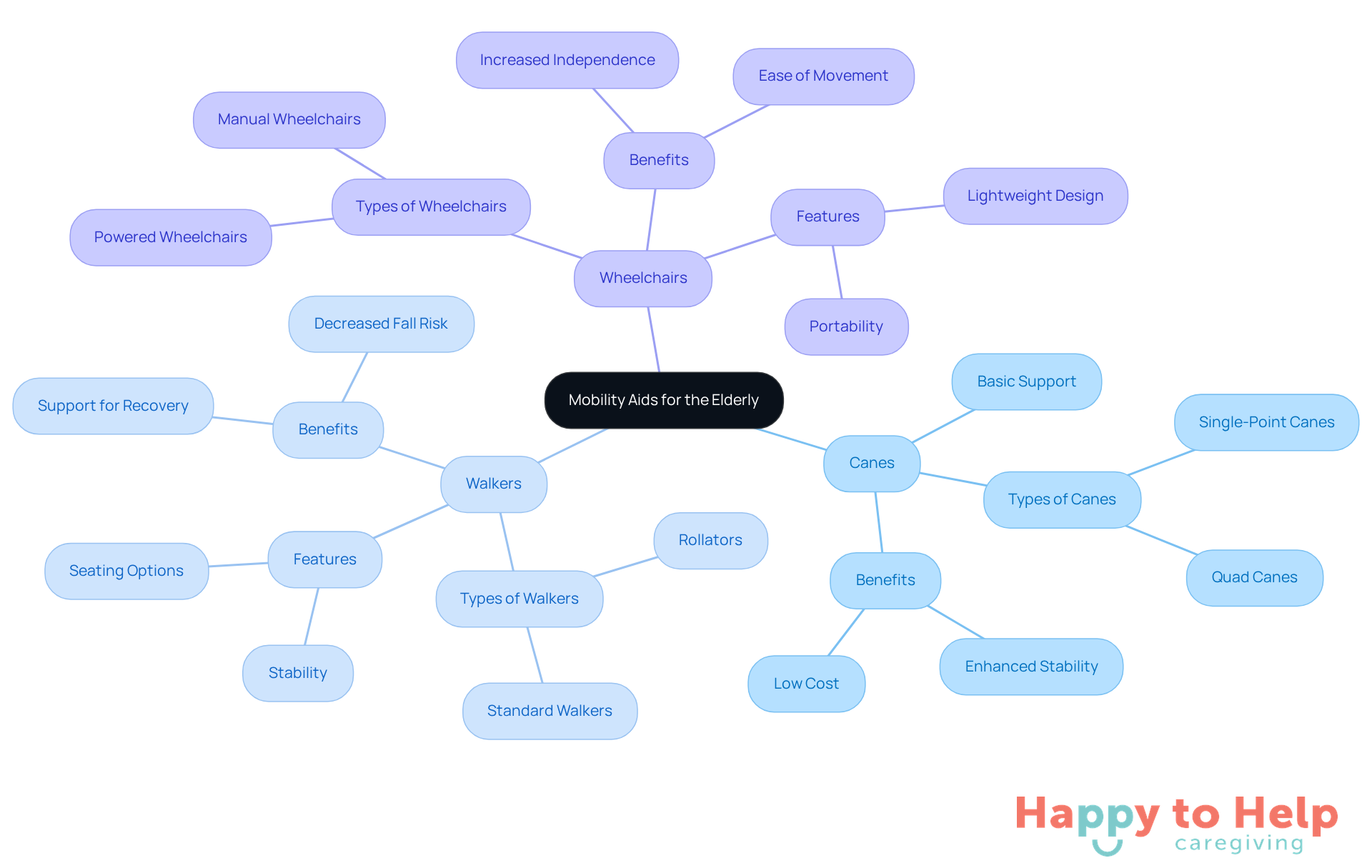
Understanding the various types of home aids for elderly is crucial for enhancing their independence and safety. Mobility challenges can significantly impact the daily lives of the elderly, making it essential to choose the right home aids for elderly to provide support. Common options for home aids for elderly individuals include canes, walkers, and wheelchairs, each tailored to address specific movement difficulties.
- Canes offer basic support and stability, while walkers provide more robust assistance, often featuring seats for resting.
- For individuals with considerable movement restrictions, wheelchairs-whether manual or powered-enable greater ease of movement.
- Careful assessment of the individual's specific challenges is required when selecting the most suitable home aids for elderly. Key factors to consider include weight capacity, ease of use, and comfort.
For instance, the E-CARY scooter, weighing just 14.8 kg and equipped with a 200 W brushless motor that reaches a top speed of 6 km/h, not only reduces physical effort but also encourages active participation in daily activities. Notably, studies indicate that older adults using home aids for elderly are 50% less likely to fall, underscoring the importance of making informed choices.
Occupational therapists often recommend evaluating assistive devices in-store or through demonstrations to ensure a proper fit and functionality. This hands-on approach allows seniors to experience firsthand how each aid meets their needs. Additionally, reviewing user feedback and professional recommendations can provide valuable insights into the effectiveness of various home aids for elderly, helping caregivers make informed decisions.
Real-life examples illustrate the impact of selecting appropriate support devices. Take Sarah, for example-a senior who transitioned to using a scooter after facing difficulties walking long distances. She found newfound freedom in visiting parks and grocery stores without feeling exhausted. Such stories highlight the significant role that home aids for elderly play in promoting independence and enhancing the quality of life for seniors.
Implement Necessary Home Modifications
Problem: Safety hazards in residences can pose significant risks for individuals, especially those with mobility challenges. Common issues include loose rugs and poor lighting, which can lead to falls and injuries.
Agitate: These hazards not only threaten physical safety but can also increase anxiety for caregivers and loved ones. Ensuring a safe living environment with home aids for elderly is crucial for promoting independence and peace of mind.
Solution: Here are some actionable steps caregivers can take to enhance safety:
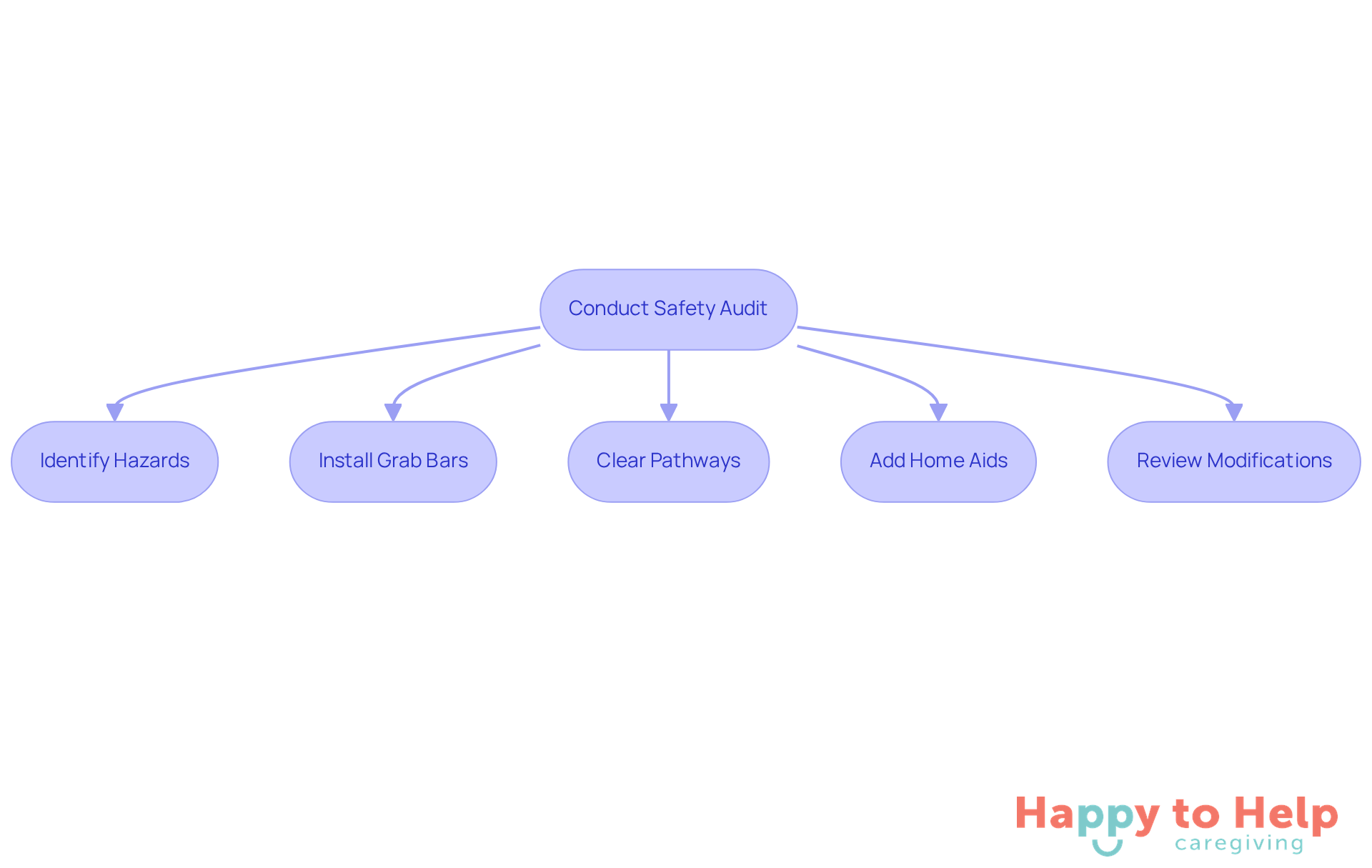
- Conduct a safety audit of the residence to identify potential hazards (e.g., loose rugs, poor lighting).
- Install grab bars in bathrooms and hallways to provide support.
- Ensure that pathways are clear and well-lit to prevent falls.
- Consider adding home aids for elderly, like ramps or stairlifts, to ensure easier access to various levels of the residence.
- Regularly review and update modifications as the individual's needs change.
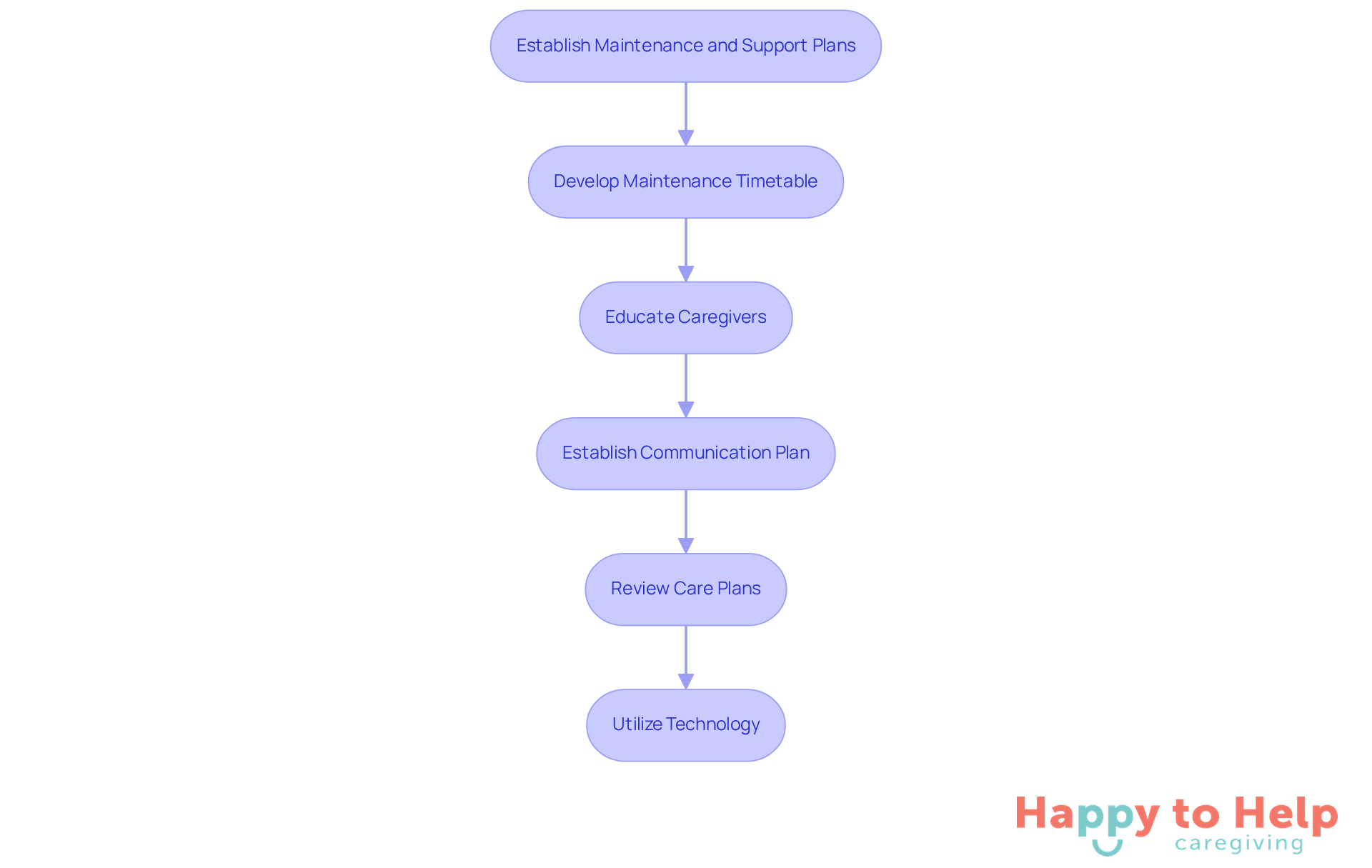
Establish Maintenance and Support Plans
Problem: Maintaining assistive devices and residential modifications is crucial for ensuring the safety and well-being of individuals who rely on them. Neglecting routine assessments can lead to malfunctions or unsafe conditions, putting users at risk.
Agitate: Caregivers often face challenges in keeping track of maintenance schedules and ensuring that devices are used correctly. This can lead to frustration and anxiety, as they may worry about the implications of improper use or lack of maintenance on their loved ones' health.
Solution: To address these challenges, caregivers can implement several actionable strategies:
- Develop a timetable for routine maintenance assessments on assistive devices and residential modifications. This ensures that all equipment is regularly checked and functioning properly.
- Educate family members or caregivers on the correct use and maintenance of assistive devices. Providing training can empower them to handle equipment confidently and safely.
- Establish a communication plan for reporting issues or concerns regarding the aids or home environment. Open lines of communication can help address problems promptly.
- Review and adjust care plans periodically to reflect any changes in the individual's health or mobility needs. This ensures that care remains relevant and effective.
- Utilize technology (e.g., reminders, apps) to help track maintenance schedules and support needs. Technology can simplify the process and provide timely alerts for necessary actions.
Moving Forward with Steps for Choosing Home Aids for
Choosing the right home aids for elderly care presents a significant challenge for caregivers. The safety, independence, and quality of life for older adults depend on these decisions. Without proper assessment of individual needs and the right tools, seniors may face increased risks and diminished autonomy.
To address these challenges, caregivers must:
- Engage family members in the assessment process
- Understand the specific mobility challenges faced by the elderly
- Regularly review home safety to prevent hazards
- Maintain assistive devices and adapt care plans as needs change
These steps ensure that support remains relevant and effective, ultimately fostering an environment where seniors can thrive.
By taking proactive measures to understand and address the unique needs of older adults, caregivers can significantly enhance their loved ones' well-being. This approach promotes a sense of autonomy and dignity as seniors navigate the complexities of aging. Embracing these essential strategies leads to informed decisions, ensuring that the right resources are in place for a safer and more fulfilling life for seniors.
https://iframe.tely.ai/cta/eyJhcnRpY2xlX2lkIjogIjY5MjI2NTAzMDc4MThjYWM3ZjM1ZTIyMiIsICJjb21wYW55X2lkIjogIjY4ZWU1ZGNhNzMxNzYyNTU3ZjNjOTVjMSIsICJpbmRleCI6IG51bGwsICJ0eXBlIjogImFydGljbGUifQ==Frequently Asked Questions
What challenges do caregivers face when assisting older adults?
Caregivers often encounter significant challenges with daily tasks such as bathing and dressing, particularly due to the physical and cognitive limitations of the individuals they are assisting.
Why is it important to assess an individual's physical and cognitive skills?
A thorough evaluation of a person's physical and cognitive skills is essential to identify specific difficulties they may face, especially since 85% of older adults have at least one chronic health condition that can impact their functional capabilities.
How can healthcare professionals assist in the evaluation process?
Consulting with healthcare professionals provides valuable insights into any medical conditions affecting mobility and overall health, which is crucial for guiding the evaluation process and considering all relevant factors.
Why should family members be involved in discussions about an individual's needs?
Engaging family members in discussions offers additional perspectives and context regarding the individual's needs and preferences, which supports decision-making, particularly when families face challenges in managing care for their loved ones.
What is the importance of documenting findings during the assessment?
Documenting findings meticulously serves as a guide for caregivers and family members, ensuring that the selected home aids and modifications align with the individual's unique needs and promote their independence.
What do older adults prefer regarding their living arrangements as they age?
Approximately 70% of respondents prefer to stay in a familiar environment with assistance as they age, highlighting the importance of personalized care options.
How often should home safety assessments be conducted?
Regular home safety assessments should be conducted to identify potential hazards and ensure a safe living environment for individuals using home aids.
List of Sources
- Assess Individual Needs for Home Aids
- What Is the Lifetime Risk of Needing and Receiving Long-Term Services and Supports? (https://aspe.hhs.gov/reports/what-lifetime-risk-needing-receiving-long-term-services-supports-0)
- Aging in Place: Growing Older at Home (https://nia.nih.gov/health/aging-place/aging-place-growing-older-home)
- New Study Finds That While Aging Seniors Prefer In-Home Care, Most Are Critically Underprepared for Future Healthcare Needs | Cross Country Healthcare, Inc. (https://ir.crosscountry.com/news-releases/news-release-details/new-study-finds-while-aging-seniors-prefer-home-care-most-are)
- Elderly Care Statistics (https://rosewood-nursing.com/post/elderly-care-statistics)
- Explore Essential Mobility Aids
- The Latest Trends in Mobility Aid Technology for 2025 (https://everythingmedicalonline.com/blogs/news/the-latest-trends-in-mobility-aid-technology-for-2025?srsltid=AfmBOorBc8epgLdNduJfklHeyQPYl5fQQRdeY\_JKH6Ml85Tkh5bqda\_g)
- Mobility Device Use Among Older Adults and Incidence of Falls and Worry About Falling: Findings From the 2011–2012 National Health and Aging Trends Study - PMC (https://pmc.ncbi.nlm.nih.gov/articles/PMC4439269)
- New Lightweight Mobility Devices Cater to Active Elderly - INTCO Medical (https://intcowheelchair.com/news/new-lightweight-mobility-devices-cater-to-active-elderly)
- The Best Mobility Aids for Seniors: What You Need to Know (https://step2health.com/blogs/news/the-best-mobility-aids-for-seniors-what-you-need-to-know?srsltid=AfmBOopZWQvdzj2ySqaWvtJ8bYEQOVqDEx0\_vk1T9j4nLn6yuloSwy4N)
- Mobility Device Statistics: United States (https://disabled-world.com/disability/statistics/mobility-stats.php)
- Establish Maintenance and Support Plans
- Growing Importance of Mobility Scooter Maintenance Services - INTCO Medical (https://intcowheelchair.com/news/growing-importance-of-mobility-scooter-maintenance-services)
- TheKey’s Caregiver Mobility Training Improves Client Independence, Caregiver Retention, Business Sustainability (https://homehealthcarenews.com/2025/07/thekeys-caregiver-mobility-training-improves-client-independence-caregiver-retention-business-sustainability)
- Maintaining mobility and preventing disability are key to living independently as we age (https://nia.nih.gov/news/maintaining-mobility-and-preventing-disability-are-key-living-independently-we-age)
- NSM — National Seating & Mobility (https://nsm-seating.com/journal/like-cars-wheelchairs-need-regular-maintenance)