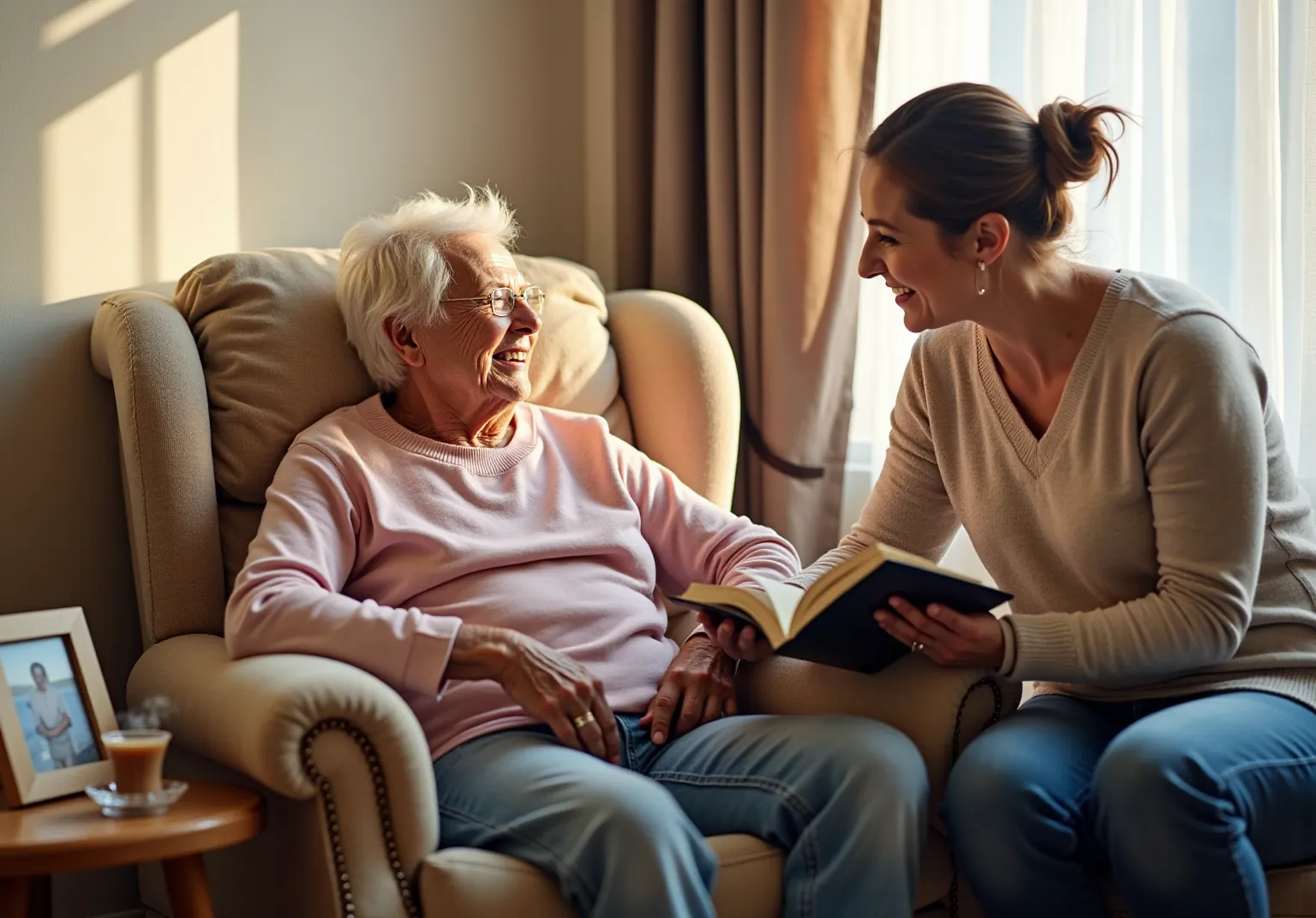
Choose the Right Senior Citizen Helper at a Glance
Choosing the right senior citizen helper for your family begins with a heartfelt assessment of your loved one's individual needs and preferences. It's essential to explore the caregiving services available and evaluate the qualifications of potential caregivers. Open and effective communication ensures compatibility, fostering a nurturing environment.
Understanding the specific challenges and preferences of seniors is crucial. By selecting qualified caregivers who can provide personalized support, you not only address practical needs but also enhance the overall quality of life for your loved ones. This thoughtful approach brings peace of mind, knowing that compassionate care is within reach.
Understanding Choose the Right Senior Citizen Helper
Navigating the complexities of senior care can feel overwhelming for families. The task of selecting the right helper for a loved one is often fraught with emotional challenges. With nearly 50% of older adults facing difficulties in daily activities, it becomes essential to understand their individual needs and preferences. This understanding is crucial for providing the effective support they deserve.
In this journey, readers will uncover actionable steps to assess those needs. They will explore the various caregiving services available, evaluate caregiver qualifications, and ensure compatibility—each of these elements plays a vital role in fostering a positive caregiving experience. Families often wonder: how can they make the best choice in a landscape filled with options and varying levels of care? Rest assured, there are paths to navigate these choices with compassion and confidence.
Assess Individual Needs and Preferences
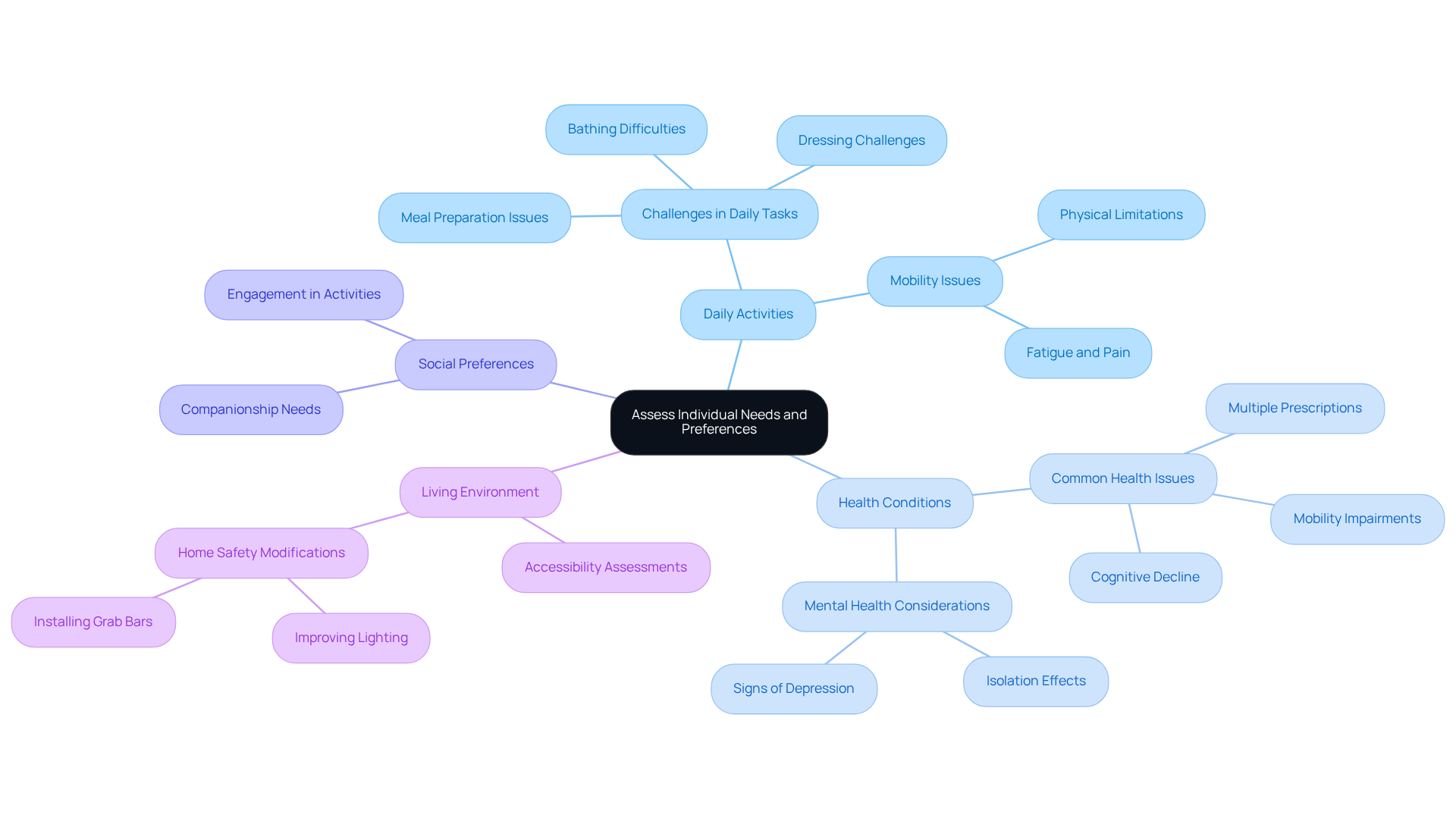
Initiate an open dialogue with your loved one to explore their daily routines, preferences, and specific challenges they encounter. This discussion is crucial for customizing support effectively.
Consider the following aspects:
- Daily Activities: Identify which tasks pose difficulties, such as bathing, dressing, or meal preparation. Many seniors experience mobility issues. Studies indicate that nearly 50% of older adults face challenges in performing daily activities due to physical limitations.
- Health Conditions: Document any medical conditions that necessitate specialized care, including mobility impairments or cognitive decline. Many people aged 65 and older take multiple prescriptions daily. Understanding these health factors is essential for .
- Social Preferences: Discuss their social needs, focusing on companionship and engagement in enjoyable activities. Social interaction is vital for mental health, as isolation can lead to depression among seniors.
- Living Environment: Assess their home setup to identify necessary modifications for safety and accessibility. Simple changes, like installing grab bars or improving lighting, can significantly enhance their ability to navigate their space safely.
By documenting these insights, you can create a comprehensive profile that assists you in choosing the most appropriate support person to meet their unique needs. As the NIH National Institute on Aging states, "The best time to plan is before the older person needs extensive help.
Explore Available Caregiving Services
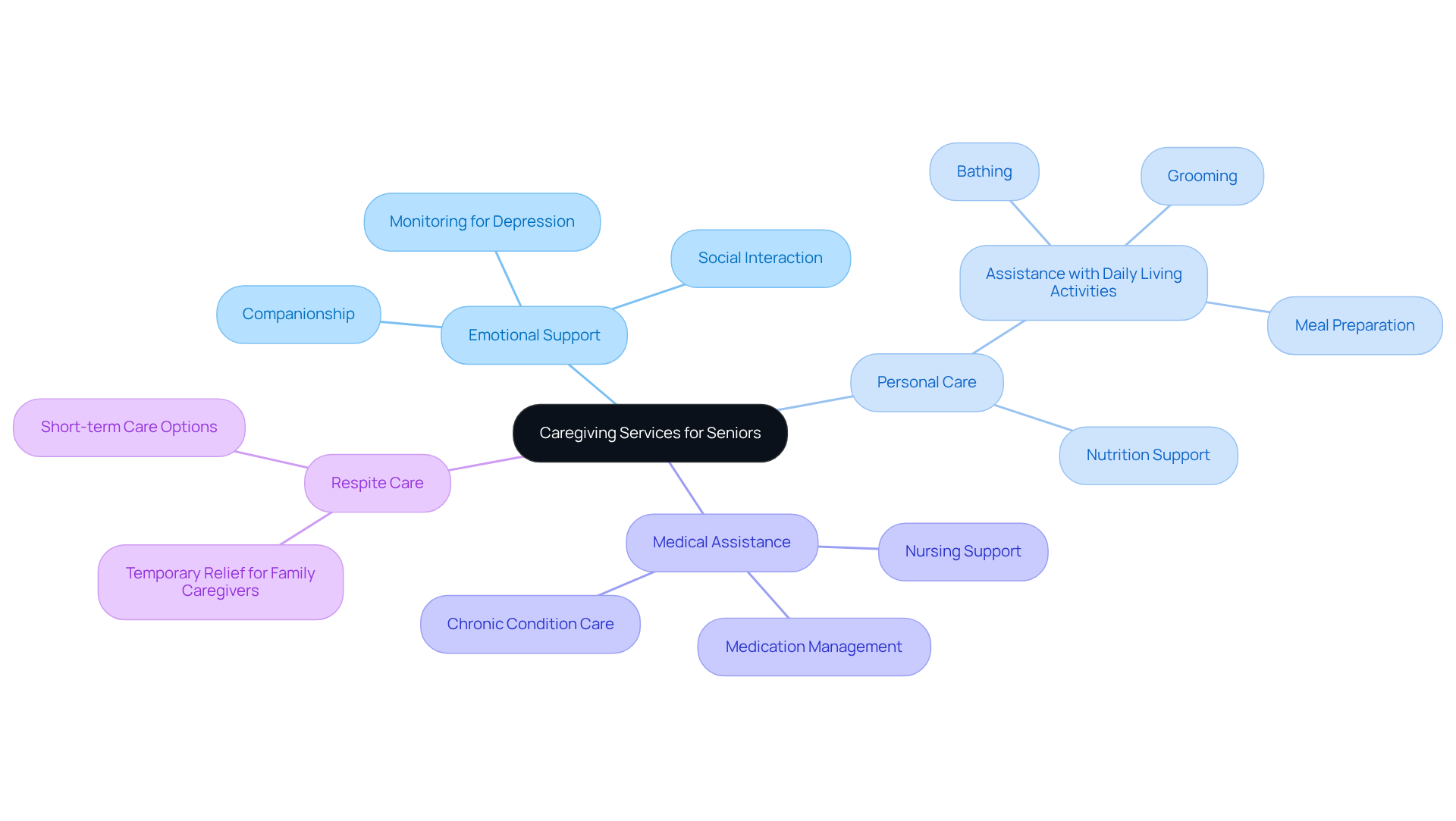
When considering , it’s important to understand the unique needs they may have for a senior citizen helper. Many seniors experience feelings of loneliness, which can lead to significant health risks. Approximately one-fourth of older adults are socially isolated. Senior citizen helpers provide emotional support and social interaction, engaging seniors in meaningful activities that promote emotional well-being and enhance their quality of life.
Personal care is another vital service. This includes assistance with daily living activities such as bathing, grooming, and meal preparation. By ensuring that seniors maintain their hygiene and nutrition, personal assistance services play a crucial role in their overall health.
Medical assistance, offered by licensed professionals, includes nursing support and medication management. For seniors with chronic conditions or those recovering from medical procedures, this service ensures they receive necessary medical attention in the comfort of their homes.
Respite care provides temporary relief for family caregivers, allowing them to take essential breaks while ensuring their loved ones are well looked after. This support can significantly alleviate caregiver stress and prevent burnout, enabling them to rejuvenate and continue providing high-quality support.
For tailored support, consider reaching out to local agencies like Happy to Help Caregiving that provide senior citizen helpers. They offer a range of services designed to enhance the well-being of seniors, ensuring that each client receives personalized care that aligns with their lifestyle and preferences.
Evaluate Caregiver Qualifications and Experience
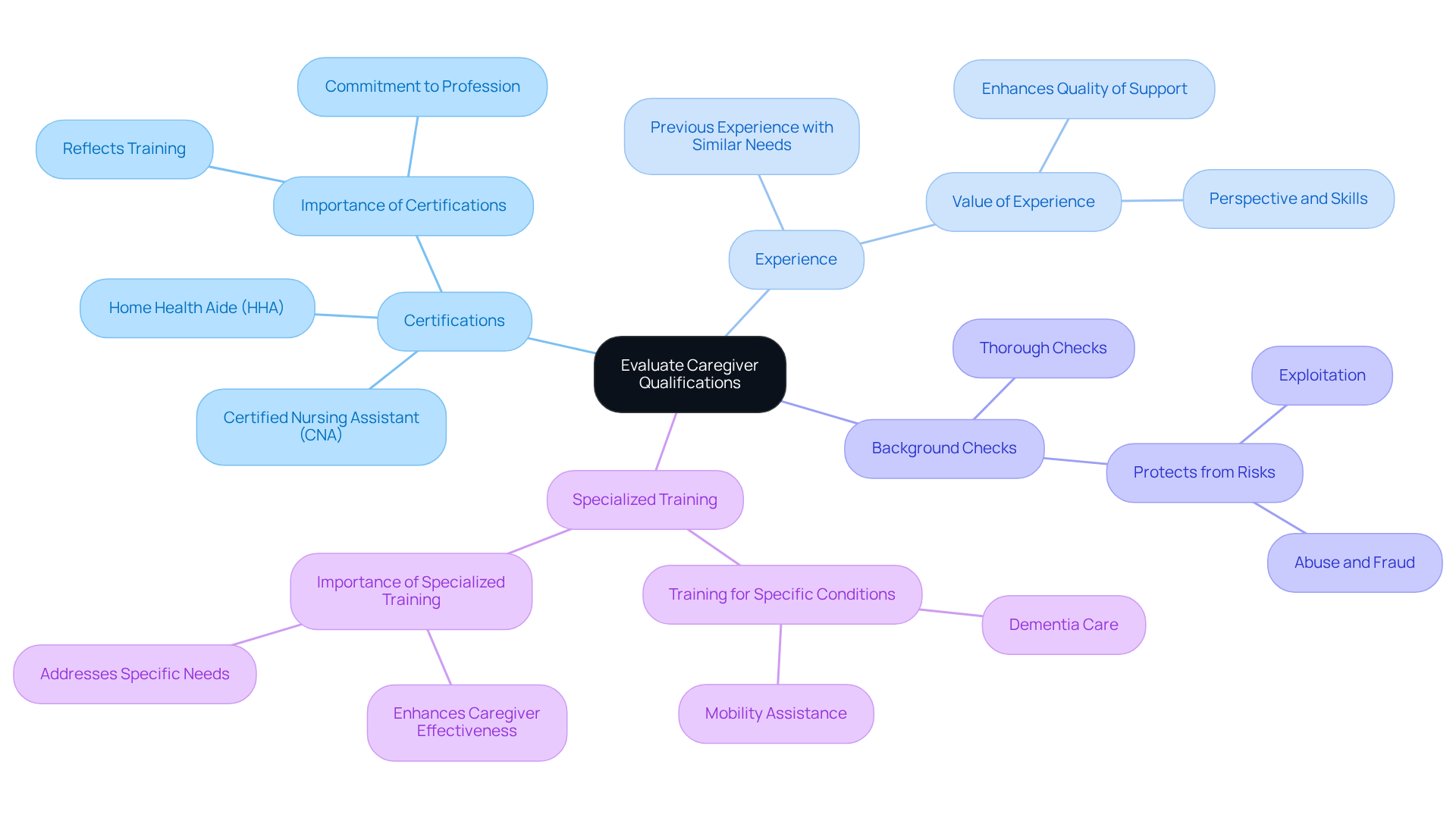
When evaluating , considering several key factors is important to ensure the best fit for your loved one, particularly when selecting a senior citizen helper.
- Certifications: Look for caregivers with relevant certifications, like Certified Nursing Assistant (CNA) or Home Health Aide (HHA). These credentials reflect a foundational level of training and a commitment to their profession.
- Experience: Ask about their previous experience, particularly with clients who have similar needs as your loved one. Caregivers who are senior citizen helpers with around a year of experience often bring valuable perspectives and skills that enhance the quality of support. As Jen, a career coach at Indeed, wisely notes, "Fundamental support is essential for those assisting patients to help them carry out daily activities safely."
- Background Checks: Ensure the agency conducts thorough background checks to confirm the individual’s history and qualifications. This crucial step protects your loved one from potential risks, as comprehensive inspections can reveal any past issues that may affect care.
- Specialized Training: If your relative has specific health conditions, it’s vital to verify whether the caregiver has received specialized training in those areas, such as dementia care or mobility assistance. For instance, the Center for Caregiver Advancement offers specialized training programs that significantly enhance a provider's effectiveness.
Additionally, requesting references and conducting interviews can help assess the compatibility and professionalism of a senior citizen helper, fostering a supportive environment for your family member.
Ensure Compatibility and Communication
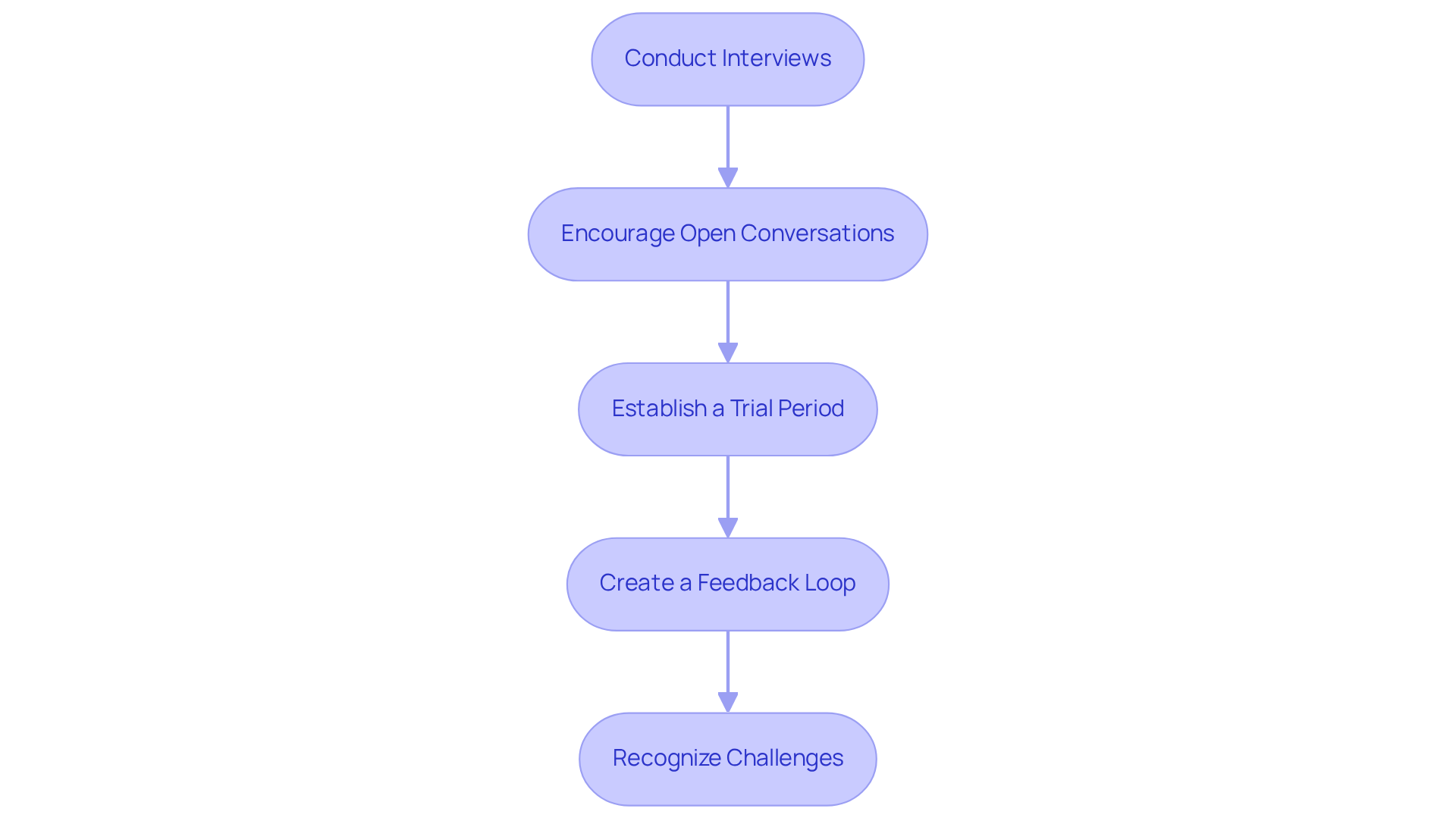
To ensure compatibility in caregiver-client relationships, particularly with a senior citizen helper, it’s essential to approach the process with care and understanding. Here are some steps to consider:
- Conducting interviews is a great starting point. Arrange for potential caregivers to meet your loved one in a relaxed environment. Observe their interactions and communication styles; these elements can significantly influence the caregiving experience.
- Encouraging open conversations about your family member's preferences, routines, and any concerns they may have regarding the support worker is vital. This dialogue fosters trust and understanding, creating a solid foundation for the relationship.
- Establishing a trial period allows the senior citizen helper to assist your family member, providing both parties an opportunity to assess compatibility and comfort levels. This phase is crucial for making any necessary adjustments.
- Creating a feedback loop is also important. Establish a system for continuous communication among the caregiver, your family member, and relatives. Regular check-ins can help address any issues or adjustments needed in the care plan, ensuring that everyone remains aligned and informed.
- It’s also important to recognize potential challenges in caregiver-client relationships, such as communication barriers or cultural differences, which can impact interactions. Understanding the can provide valuable insights into the needs of seniors, particularly those with dementia. By prioritizing compatibility and effective communication, families can facilitate a successful caregiving experience with a senior citizen helper that significantly enhances their loved one's quality of life.
Your Path Forward
Choosing the right senior citizen helper is a deeply significant decision, one that profoundly affects the quality of life for both seniors and their families. It's essential to recognize individual needs and explore the array of caregiving services available. By evaluating caregiver qualifications and ensuring compatibility, families can make informed choices that truly enhance their loved ones' well-being and comfort.
Begin with a heartfelt assessment of the senior's daily activities, health conditions, and social preferences. This understanding is crucial. Explore various caregiving services, such as:
- Personal care
- Medical assistance
- Respite care
These services cater to diverse needs. It's vital to evaluate caregiver qualifications, experience, and training, ensuring a safe and supportive environment. Remember, fostering compatibility through open communication and trial periods can create a trusting relationship between the caregiver and the senior.
Ultimately, prioritizing the selection of a senior citizen helper transcends merely meeting immediate needs; it fosters an environment where seniors can thrive emotionally and physically. Families are encouraged to take proactive steps in this journey, ensuring that their loved ones receive the personalized care they truly deserve. By doing so, they can significantly enhance the quality of life for seniors, promoting both independence and happiness in their golden years.
https://iframe.tely.ai/cta/eyJhcnRpY2xlX2lkIjogIjY4ZWVlNzgwNzkxMmY3NGU3MDVmODU1MyIsICJjb21wYW55X2lkIjogIjY4ZWU1ZGNhNzMxNzYyNTU3ZjNjOTVjMSIsICJpbmRleCI6IG51bGwsICJ0eXBlIjogImFydGljbGUifQ==Frequently Asked Questions
Why is it important to assess individual needs and preferences of seniors?
Assessing individual needs and preferences is crucial for customizing support effectively, ensuring that the care provided aligns with the senior's daily routines, challenges, and personal preferences.
What daily activities should be considered when evaluating a senior's needs?
It is important to identify which daily tasks pose difficulties, such as bathing, dressing, or meal preparation, as many seniors experience mobility issues that can hinder these activities.
How do health conditions impact the support needed for seniors?
Health conditions, such as mobility impairments or cognitive decline, necessitate specialized care. Many seniors aged 65 and older take multiple prescriptions daily, making it essential to understand these health factors for providing appropriate support.
What role do social preferences play in the well-being of seniors?
Discussing social needs is vital, as companionship and engagement in enjoyable activities are important for mental health. Isolation can lead to depression among seniors, making social interaction crucial.
How can living environments be assessed for senior safety and accessibility?
Assessing the home setup involves identifying necessary modifications for safety and accessibility, such as installing grab bars or improving lighting, which can significantly enhance a senior's ability to navigate their space safely.
What is the significance of documenting insights from discussions about a senior's needs?
Documenting insights helps create a comprehensive profile that assists in choosing the most appropriate support person tailored to the senior's unique needs, facilitating better care and support.
When is the best time to plan for a senior's support needs?
The best time to plan is before the older person needs extensive help, as stated by the NIH National Institute on Aging. This proactive approach allows for better preparation and support.