The Importance of Determine How Much Water Seniors Should
Hydration plays a pivotal role in the health and well-being of seniors, yet many older adults are unaware of how much water they should be consuming daily. This lack of awareness poses a significant problem, as age-related changes can impact thirst perception and kidney function, leading to an alarmingly high risk of dehydration. In fact, studies indicate that nearly 40% of older adults may experience chronic dehydration.
The implications of dehydration are serious, affecting not only physical health but also cognitive function and overall quality of life. Caregivers must navigate these complexities to safeguard the health of seniors in their care. So, how can they effectively ensure adequate fluid intake?
This article delves into essential guidelines and practical strategies that caregivers can implement. By understanding the hydration needs of older adults and recognizing the signs of dehydration, caregivers can take proactive steps to promote better health outcomes. Here are some actionable tips to help maintain hydration:
- Encourage regular water intake throughout the day.
- Offer a variety of fluids, including water, herbal teas, and broths.
- Monitor fluid intake and encourage seniors to drink even when they don’t feel thirsty.
By following these strategies, caregivers can play a crucial role in preventing dehydration and enhancing the well-being of the seniors they care for.
Understand the Importance of Hydration for Seniors
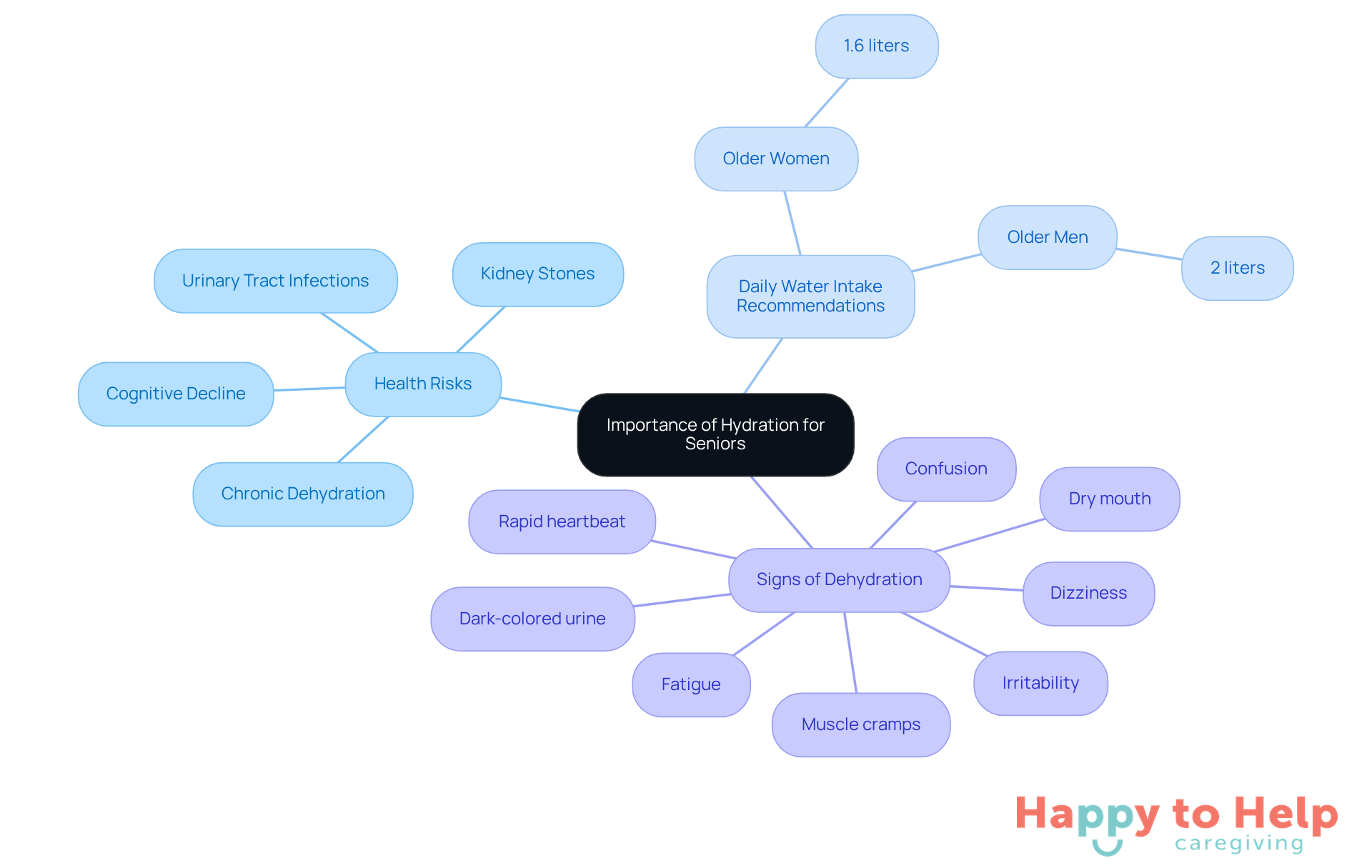
Hydration is a critical issue for older adults, raising the question of how much water should an elderly person drink a day, as it supports essential bodily functions like digestion, temperature regulation, and joint lubrication. However, as people age, physiological changes can impair thirst perception and kidney function, significantly increasing the risk of dehydration. Alarmingly, statistics show that up to 40% of older adults may suffer from chronic dehydration, leading to severe health complications such as urinary tract infections, kidney stones, and cognitive decline.
Dehydration can occur in any season, not just during the summer heat. This makes it vital for older adults to remain vigilant about how much water an elderly person should drink a day to meet their hydration needs. A recent study revealed that individuals showing signs of dehydration often have a greater biological age than their chronological age, underscoring the importance of maintaining adequate fluid intake.
To combat this issue, older women should aim for at least 1.6 liters of beverages daily, while older men should target a minimum of 2 liters, considering how much water should an elderly person drink a day. Striving for at least eight 8-ounce glasses of fluids each day can help determine how much water should an elderly person drink a day to mitigate the risks associated with dehydration and support overall well-being.
Common signs of dehydration include:
- Dark-colored urine
- Dry mouth
- Muscle cramps
- Dizziness
- Fatigue
- Rapid heartbeat
- Confusion
- Irritability
Caregivers should be aware of these symptoms to assist their loved ones in staying hydrated. Recognizing the significance of hydration is crucial for seniors to preserve their health and enhance their quality of life.
Identify Factors Affecting Water Needs in Older Adults
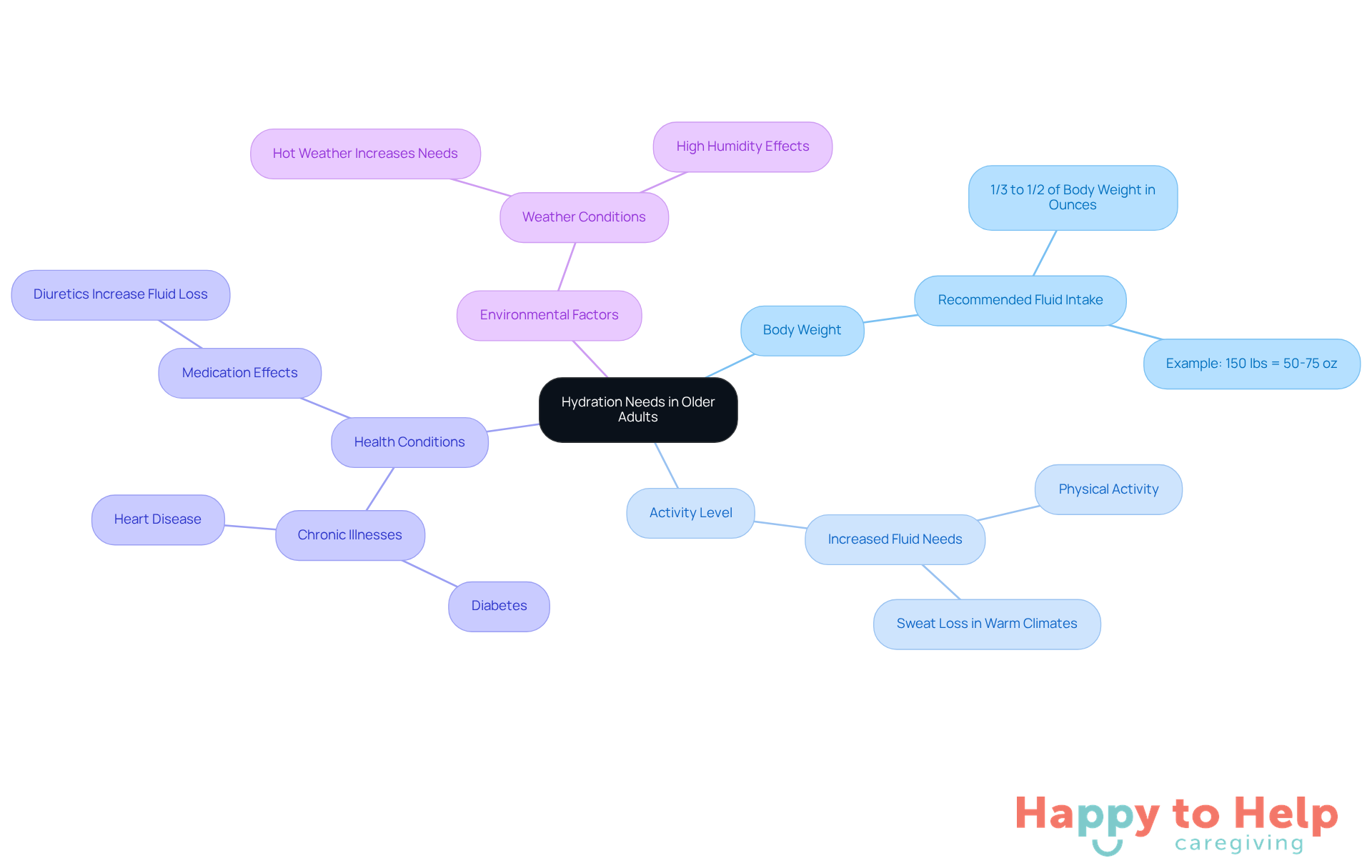
Hydration is a critical concern for older adults, and understanding how much water should an elderly person drink a day is influenced by several factors that affect their daily fluid requirements. One major issue is that many older adults do not drink enough fluids, which can lead to serious health complications. A general guideline suggests that older adults should aim to consume how much water should an elderly person drink a day, which is between one-third to one-half of their body weight in ounces of fluid daily. For instance, a person weighing 150 pounds should target an intake of about 50 to 75 ounces of fluid each day. This formula helps ensure adequate moisture levels, particularly because older individuals often need guidance on how much water should an elderly person drink a day due to diminished thirst perception. Therefore, establishing a regular beverage consumption schedule is essential.
Activity level significantly impacts hydration needs as well. More active seniors may require additional fluids to replace water lost through sweat. Engaging in physical activities or exercise can notably increase fluid requirements, particularly in warmer climates where sweat production is higher.
Health conditions further complicate hydration needs. Seniors with diabetes or heart disease may have altered fluid requirements due to their medical conditions. Additionally, certain medications, especially diuretics, can lead to increased water loss, necessitating higher fluid intake to maintain hydration. As noted by Shizhen Li from the Department of Geriatrics, older adults are particularly susceptible to dehydration, especially those managing multiple chronic diseases.
Environmental factors, such as hot weather or high humidity, can also heighten the need for fluids. In these conditions, older adults may sweat more, increasing their risk of dehydration. Caregivers should closely monitor fluid intake, especially during heat waves or when elderly individuals are exposed to high temperatures.
For caregivers, understanding how much water should an elderly person drink a day is vital to ensure that older adults remain adequately hydrated. Chronic underhydration can lead to severe health issues, including kidney stones and urinary tract infections, which affect up to 28% of older adults. By customizing hydration strategies based on individual needs, caregivers can effectively prevent dehydration and its associated risks.
Calculate Daily Water Intake Requirements
To determine how much water should an elderly person drink a day, it's essential to address a significant problem: dehydration. Up to 40% of older adults experience chronic dehydration, which can lead to serious health issues such as reduced muscle strength and cognitive decline. This emphasizes the urgent need for caregivers to understand how much water should an elderly person drink a day to ensure adequate fluid intake.
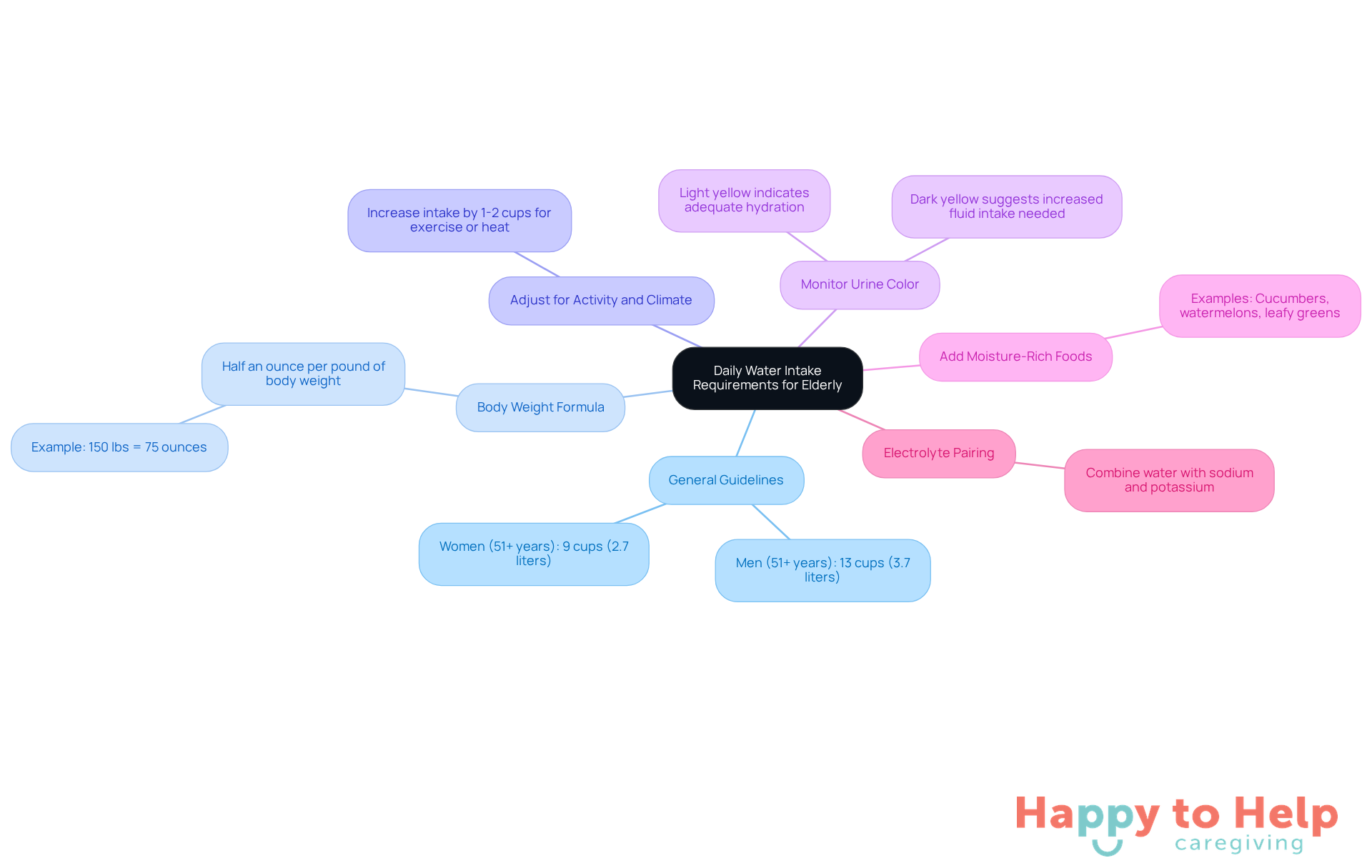
General Guidelines: The National Academy of Medicine recommends that men aged 51 and older consume approximately 13 cups (3.7 liters) of fluids daily, while women in the same age group should aim for about 9 cups (2.7 liters).
Body Weight Formula: A helpful equation for determining hydration requirements is to consume half an ounce of liquid for each pound of body weight. For instance, a senior weighing 150 pounds should aim for approximately 75 ounces of hydration each day.
Adjust for Activity and Climate: It's crucial to increase fluid intake based on physical activity and environmental conditions. Seniors who engage in exercise or are exposed to hot weather should consider adding an extra 1-2 cups of water to their daily intake.
Monitor Urine Color: A practical method for evaluating fluid levels is to observe urine color. Ideally, urine should be light yellow, indicating adequate moisture, while dark yellow may suggest a need for increased beverage consumption.
Add Moisture-Rich Foods: Incorporating foods with high moisture content, like cucumbers, watermelons, and leafy greens, can greatly enhance overall fluid balance. These foods not only supply liquids but also vital nutrients that promote health.
Electrolyte Pairing: Combining water with electrolytes, such as sodium and potassium, can improve fluid absorption, making moisture intake more effective for older adults.
By adhering to these guidelines, caregivers can assist elderly individuals in understanding how much water should an elderly person drink a day to maintain sufficient fluid intake, which is vital for overall health and wellness. Understanding the risks linked to dehydration underscores the importance of these fluid intake strategies.
Implement Strategies to Promote Hydration
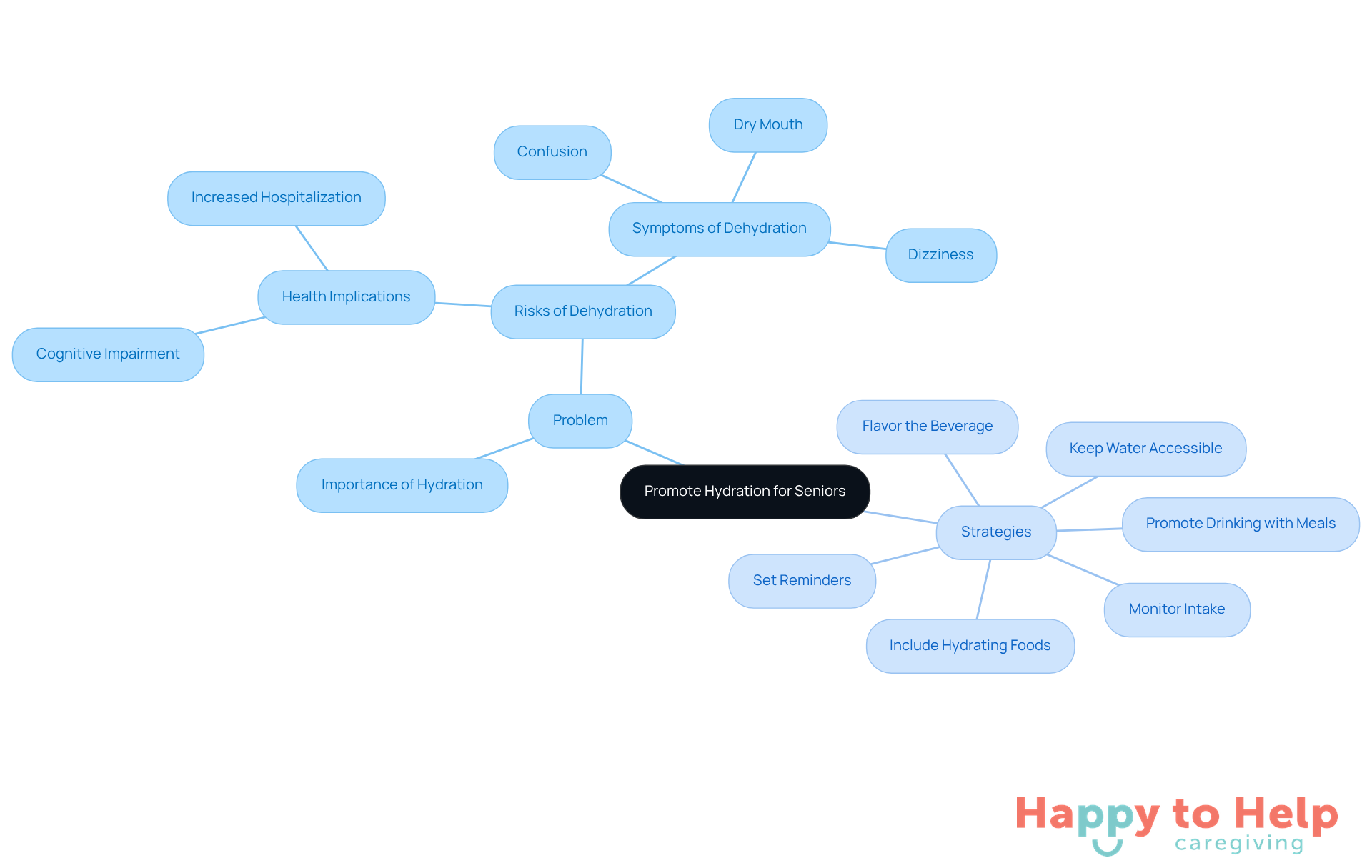
Hydration is a critical issue for seniors, especially in understanding how much water should an elderly person drink a day, as many face challenges in maintaining adequate fluid intake. This can lead to serious health implications, including dehydration, which can exacerbate existing health conditions and impair cognitive function.
Agitate: Seniors often forget to drink enough fluids due to cognitive impairments or mobility challenges. This oversight can result in symptoms like dry mouth, confusion, and increased risk of hospitalization. Caregivers must be proactive in addressing this issue to ensure the well-being of their loved ones.
Solution: Here are some effective strategies caregivers can implement to promote hydration among seniors:
- Keep Water Accessible: Position water bottles or pitchers in easily reachable locations to encourage self-service and independence, especially for seniors with mobility challenges.
- Flavor the Beverage: Enhance the taste of the liquid with natural flavorings such as lemon, cucumber, or mint, making it more enjoyable and appealing to drink.
- Include Hydrating Foods: Add fruits and vegetables with high moisture content, such as watermelon, cucumbers, and oranges, in meals and snacks to enhance overall fluid consumption.
- Set Reminders: Utilize alarms or timers to remind seniors how much water should an elderly person drink a day, prompting them to consume fluids regularly throughout the day, reinforcing drinking habits and assisting those who may forget.
- Promote Drinking with Meals: Create a habit of consuming a glass of water with each meal and snack, incorporating fluid intake into daily activities.
- Monitor Intake: Keep a log of daily fluid consumption to ensure you know how much water should an elderly person drink a day. Caregivers should also be vigilant for early signs of dehydration, such as dry mouth or confusion, to address issues promptly.
By implementing these strategies, caregivers can significantly improve fluid intake among seniors, promoting their health and well-being. Tailoring these practices to individual preferences and functional capacities will further support effective hydration management.
Taking the Next Steps
Understanding the appropriate water intake for seniors is essential for maintaining their overall health and preventing dehydration. Older adults face unique physiological challenges that can impair their thirst perception and fluid needs, making it crucial to establish clear hydration guidelines. Recognizing how much water an elderly person should drink daily is vital, as adequate hydration supports essential bodily functions and enhances quality of life.
The problem is that many seniors do not drink enough water, which can lead to serious health issues. Factors influencing hydration needs include body weight, activity levels, health conditions, and environmental circumstances. Recommendations suggest that older adults should aim for fluid intake between one-third to one-half of their body weight in ounces. Additionally, caregivers should consider activity levels and climate when assessing hydration needs.
To address this issue, caregivers play a pivotal role in monitoring hydration. Here are some practical strategies:
- Keep water accessible at all times.
- Flavor beverages to make them more appealing.
- Incorporate hydrating foods into meals.
By implementing these strategies, caregivers can significantly enhance fluid consumption among seniors. Ultimately, prioritizing hydration is not just about preventing dehydration; it empowers older adults to thrive. Engaging actively in their hydration needs can lead to improved physical and cognitive functioning, reinforcing the idea that hydration is a fundamental aspect of aging gracefully.
https://iframe.tely.ai/cta/eyJhcnRpY2xlX2lkIjogIjY5MjI0ZjgyZmViYTIxODdjZTM2NWJlZCIsICJjb21wYW55X2lkIjogIjY4ZWU1ZGNhNzMxNzYyNTU3ZjNjOTVjMSIsICJpbmRleCI6IG51bGwsICJ0eXBlIjogImFydGljbGUifQ==Frequently Asked Questions
Why is hydration important for seniors?
Hydration is critical for older adults as it supports essential bodily functions such as digestion, temperature regulation, and joint lubrication.
What are the risks associated with dehydration in older adults?
Dehydration can lead to severe health complications in older adults, including urinary tract infections, kidney stones, and cognitive decline. Up to 40% of older adults may suffer from chronic dehydration.
How does aging affect thirst perception and kidney function?
As people age, physiological changes can impair their thirst perception and kidney function, significantly increasing the risk of dehydration.
How much water should an elderly person drink daily?
Older women should aim for at least 1.6 liters of beverages daily, while older men should target a minimum of 2 liters. Striving for at least eight 8-ounce glasses of fluids each day can help meet hydration needs.
Can dehydration occur in any season?
Yes, dehydration can occur in any season, not just during the summer heat. It is important for older adults to remain vigilant about their hydration year-round.
What are common signs of dehydration in seniors?
Common signs of dehydration include dark-colored urine, dry mouth, muscle cramps, dizziness, fatigue, rapid heartbeat, confusion, and irritability.
How can caregivers help seniors stay hydrated?
Caregivers should be aware of the signs of dehydration and assist their loved ones in maintaining adequate fluid intake to support their health and quality of life.
List of Sources
- Understand the Importance of Hydration for Seniors
- What Older Adults Need to Know About Hydration (https://health.usnews.com/health-care/patient-advice/articles/what-older-adults-need-to-know-about-hydration)
- H20 for healthy aging | NIH MedlinePlus Magazine (https://magazine.medlineplus.gov/article/h20-for-healthy-aging)
- Staying hydrated is especially important for older adults - WellMed Medical Group (https://wellmedhealthcare.com/patients/healthyliving/healthy-aging/staying-hydrated-is-especially-important-for-older-adults)
- Identify Factors Affecting Water Needs in Older Adults
- What Older Adults Need to Know About Hydration (https://health.usnews.com/health-care/patient-advice/articles/what-older-adults-need-to-know-about-hydration)
- What Are 7 Signs Your Senior Isn’t Drinking Enough Water? (https://visitingangels.com/articles/does-your-senior-drink-enough-water/466)
- Hydration Status in Older Adults: Current Knowledge and Future Challenges | MDPI (https://mdpi.com/2072-6643/15/11/2609)
- Why Should Older Adults Stay Hydrated? (https://ncoa.org/article/10-reasons-why-hydration-is-important)
- Calculate Daily Water Intake Requirements
- Good hydration linked to healthy aging (https://nhlbi.nih.gov/news/2023/good-hydration-linked-healthy-aging)
- Why Hydration Is Important for Seniors (https://medbox.com/why-hydration-is-important-for-seniors)
- The challenge with hydration for the elderly (https://nzmp.com/global/en/news/hydration-for-elderly.html)
- What Older Adults Need to Know About Hydration (https://health.usnews.com/health-care/patient-advice/articles/what-older-adults-need-to-know-about-hydration)
- Hydration and older adults: Why water matters more as you age (https://uclahealth.org/news/article/hydration-and-older-adults-why-water-matters-more-you-age)
- Implement Strategies to Promote Hydration
- 43 Water Quotes & Hydration - Sayings About The Seas, Lakes & River (https://leanjumpstart.com/picture-quotes/quotes-water)
- The Essence of Life: Seven Thought-Provoking Quotes About Water - Husqvarna Water (https://husqvarna-water.com/the-essence-of-life-seven-thought-provoking-quotes-about-water)
- How To Encourage Hydration In Seniors With Limited Mobility (https://thehighpointresidence.com/blog/how-to-encourage-hydration-in-seniors-with-limited-mobility)
- Health Promotion and Hydration: A Systematic Review About Hydration Care - PMC (https://pmc.ncbi.nlm.nih.gov/articles/PMC9623173)
- 5 Ways to Stay Hydrated for Seniors (https://bethesdagardensloveland.com/blog/5-ways-to-stay-hydrated-for-seniors)