
Understanding Your Options
Choosing the right caregiver companies near you begins with a heartfelt assessment of your specific care needs and preferences. It's essential to take the time to understand what you truly require. As you explore local options, consider the qualifications of caregivers and how they align with your expectations. Remember, gathering recommendations can provide valuable insights and foster a sense of trust. Ensuring compatibility with caregivers is crucial, as it contributes to a nurturing environment. This thoughtful approach will help you make an informed and satisfying choice for the care you deserve.
The Importance of Choose the Right Caregiver Companies
Choosing the right caregiver for loved ones is a decision that carries immense weight. It deeply impacts their quality of life and the peace of mind for families. With so many caregiver companies available, navigating this landscape can feel overwhelming. This guide aims to illuminate the essential steps to identify, evaluate, and select the most suitable caregiver services. It ensures that specific needs and preferences are met.
But what key factors should families consider to make the best choice amidst these options? Let's explore this journey together, focusing on the emotional support available and the compassionate care that can make a difference.
Assess Your Care Needs and Preferences
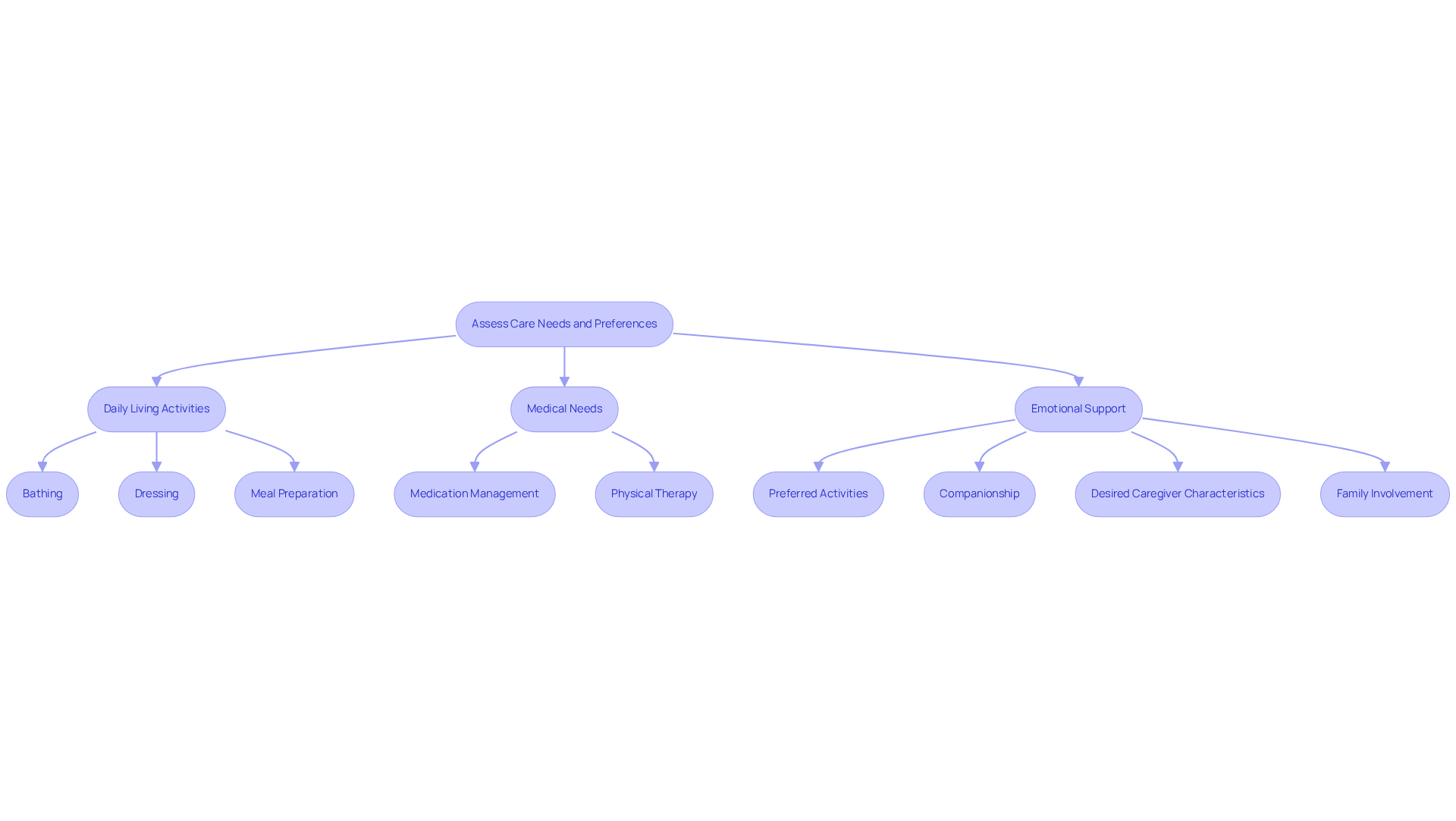
Begin by identifying specific tasks that require assistance, which may include daily living activities such as bathing, dressing, and meal preparation. Medical needs like medication management and physical therapy are also important. Additionally, companionship and social interaction play a crucial role in emotional well-being.
Consider the preferences of the individual receiving care. What are their preferred activities and hobbies that can ? It's also essential to reflect on desired caregiver characteristics, such as gender, language, and personality traits that foster comfort and trust.
Employing evaluation instruments or checklists can help ensure that all facets of service are comprehensively addressed. For instance, a checklist could involve assessing the percentage of seniors requiring companionship support, which is vital since many older individuals face feelings of loneliness and isolation. Involving family members in this discussion is essential, as it allows for diverse insights and ensures that all needs are addressed effectively.
This collaborative approach not only enhances the care plan but also promotes a sense of security and support for the individual receiving care. Together, we can create a nurturing environment that fosters connection and understanding.
Research Local Caregiver Companies
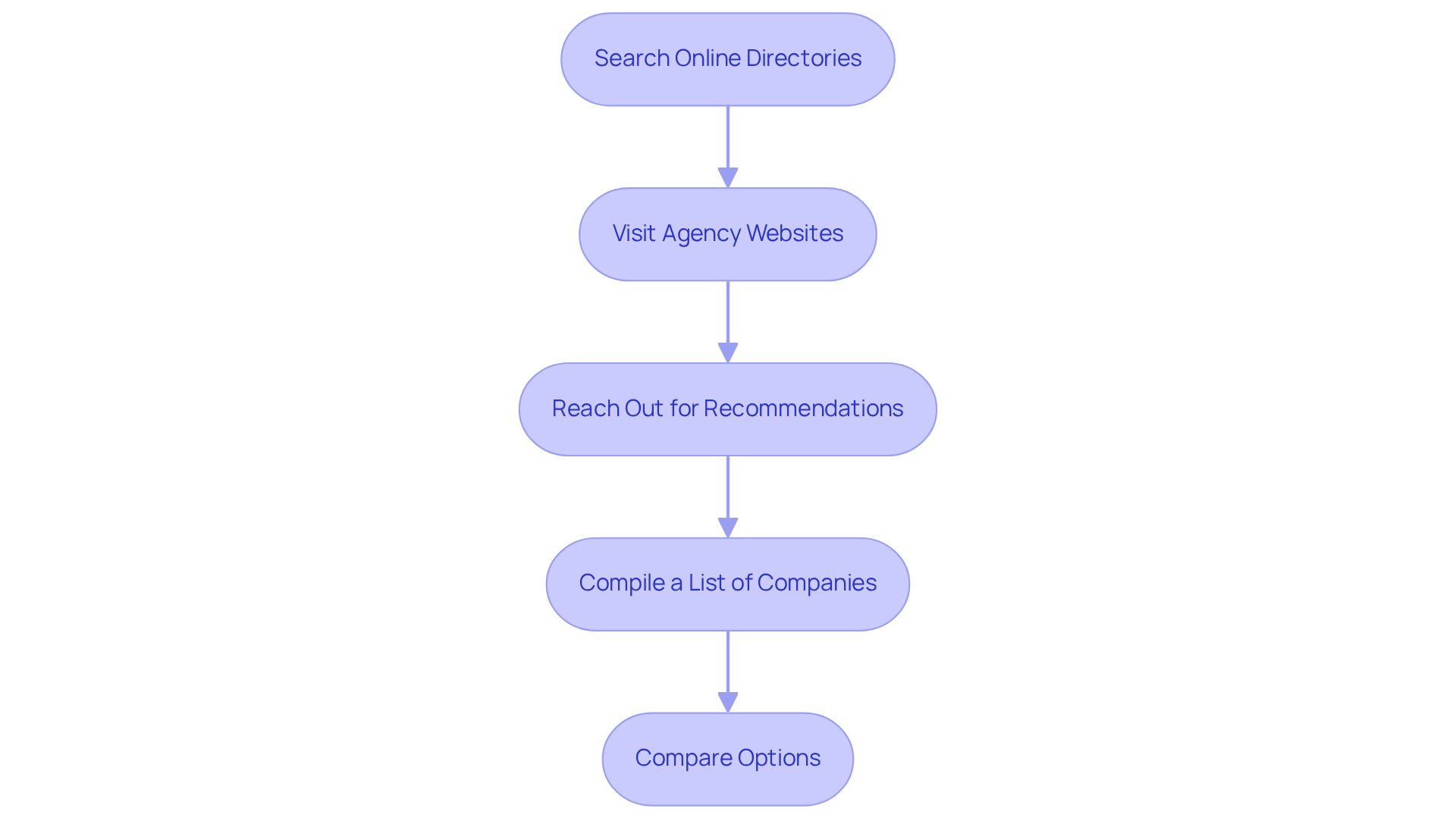
Begin your research with a compassionate approach. Start by searching online directories and review sites, such as Yelp and Caring.com, to find caregiver companies near me that can offer support. Take the time to visit the websites of these agencies; this will help you understand their services, mission, and the experiences shared by clients through testimonials.
Don’t hesitate to reach out to healthcare providers, friends, or family members who have navigated caregiving services. Their recommendations can be invaluable in guiding your choices.
As you gather this information, compile a list of at least five potential caregiver companies near me that can provide assistance. Make sure to note their [contact information and the services they offer](https://happytohelpcaregiving.com/10-essential-personal-care-services-for-elderly-family-caregivers/). This will enable you to easily and make a well-informed decision that best meets your needs.
Evaluate Caregiver Qualifications and Compatibility
When evaluating caregivers, it’s essential to approach the process with care and understanding. Consider the following aspects:
-
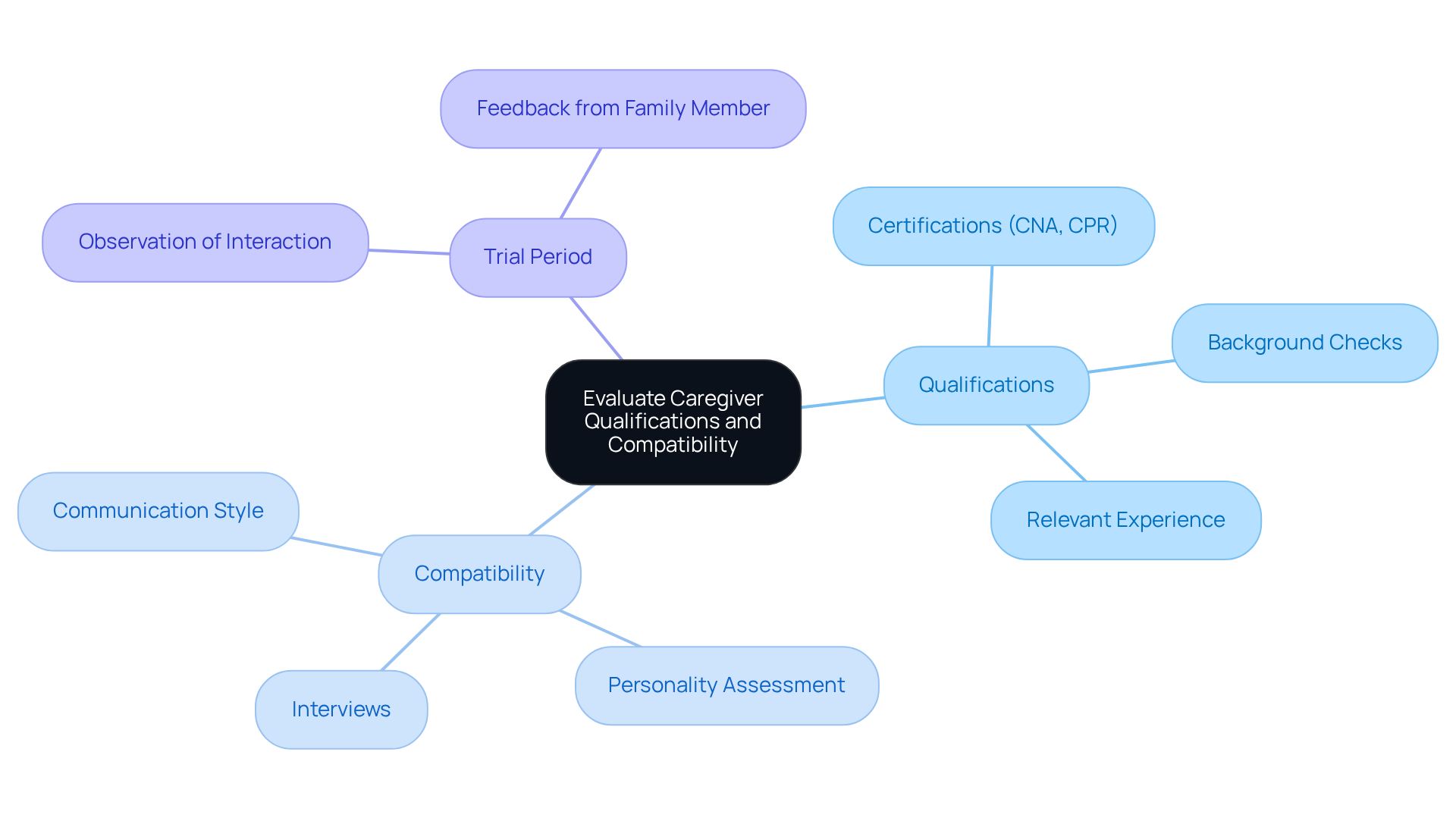
Qualifications: Look for certifications such as CNA and CPR, alongside background checks and relevant caregiving experience. These credentials are vital in ensuring the safety and well-being of your loved one.
-
Compatibility: Organize interviews with potential support providers. This allows you to assess their personality, , and approach to assistance. You might ask questions like:
- How do you handle challenging situations?
- What activities do you enjoy doing with clients?
These inquiries can reveal much about how well they might connect with your family member.
- Trial Period: If possible, arrange a trial period to observe how the provider interacts with the person needing assistance. This firsthand experience can be invaluable.
Research shows that compatibility between support providers and clients significantly enhances patient satisfaction and leads to better health outcomes. When personality and communication styles align effectively, it fosters trust and encourages adherence to treatment plans. Moreover, caregivers with an average of one year of experience can provide unique insights into managing various situations, allowing them to deliver personalized support with greater skill.
By focusing on these elements, families can make informed decisions that nurture a supportive and loving environment for their loved ones. Remember, the journey of caregiving can be challenging, but with the right support, it can also be immensely rewarding.
Review Contracts and Understand Costs
Before signing any contracts, it’s essential to take a few thoughtful steps to ensure clarity and satisfaction for you and your loved ones:
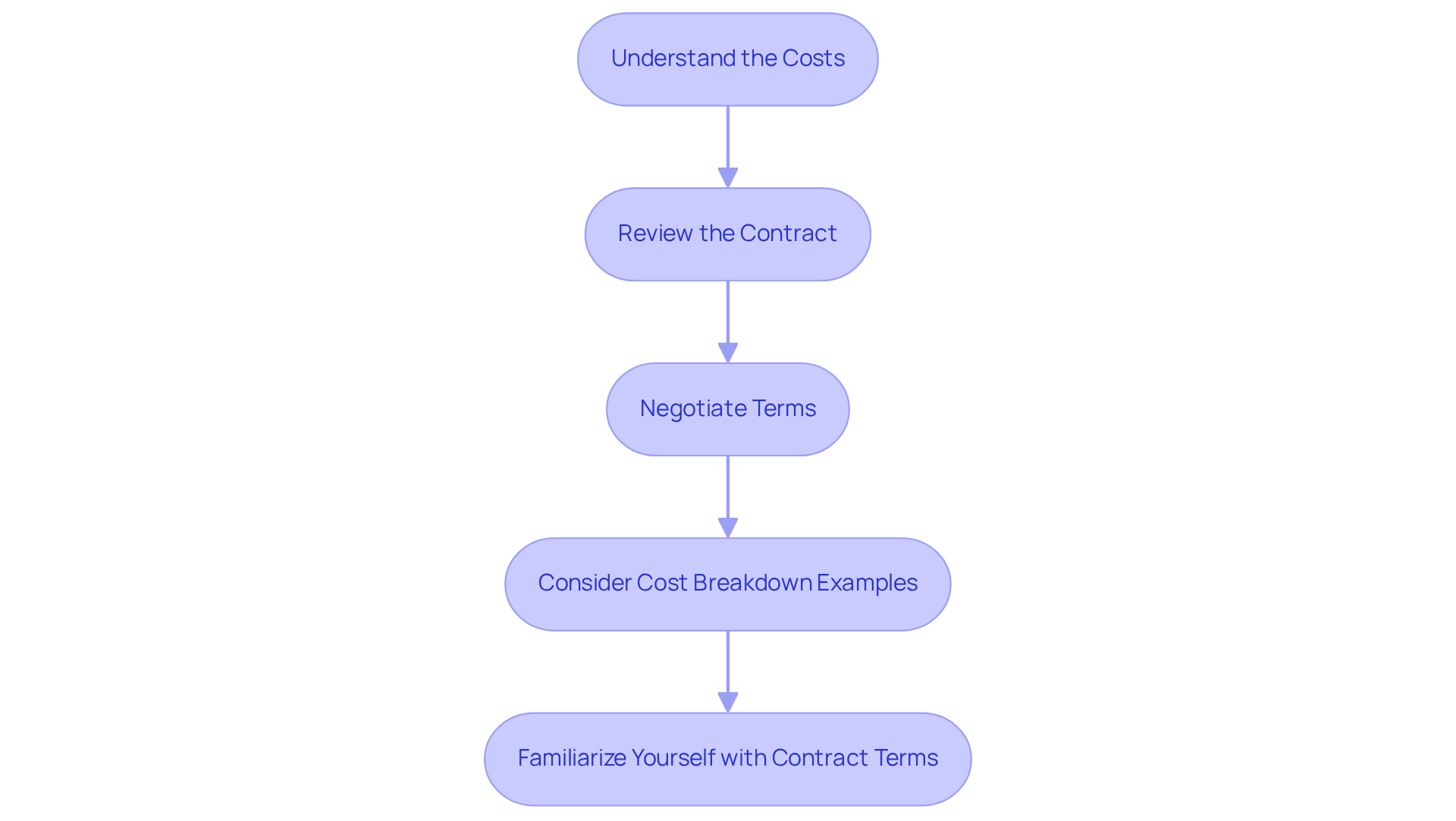
- Understand the Costs: It’s important to request a detailed breakdown of fees, including hourly rates, overtime charges, and any additional costs for specific services. For instance, standard hourly fees for in-home assistance can range from $15 to $30, depending on the level of support needed and the geographical area. The national median cost for in-home care hovers around $33 per hour. By grasping these costs upfront, you can budget more effectively, easing some of the financial stress.
- Review the Contract: Take the time to carefully examine the contract for clauses related to cancellation policies, personnel replacement, and service guarantees. It’s vital to ensure that the terms align with your expectations and needs. For example, understanding the conditions under which a caregiver can be replaced can prevent misunderstandings later on, allowing you to feel more secure in your choices.
- Negotiate Terms: Don’t hesitate to discuss any terms that may need adjustment to better fit your unique situation. Clear communication can pave the way to a more satisfactory agreement. Many households have successfully negotiated rates or service packages, which can significantly lower overall expenses. It’s worth noting that independent providers often charge lower rates than agency workers, making this a worthwhile option to explore.
- Consider Cost Breakdown Examples: For example, families may discover that hiring a private attendant can be more affordable than using an agency, though agencies often provide benefits such as background checks and training. Understanding these nuances can empower you to . The cost for 30 hours of care a week can total around $4,290 per month, while 15 hours a week costs approximately $2,145.
- Familiarize Yourself with Contract Terms: Statistics indicate that many caregivers work under contracts that include specific terms and conditions regarding their services. Familiarizing yourself with these terms can empower you to advocate effectively for your loved ones. For instance, knowing that assistance with activities of daily living (ADLs) may be deductible can offer some financial relief.
By following these steps, you can ensure that you are entering into a caregiving agreement that not only meets your family's needs but is also financially manageable, allowing you to focus on what truly matters—caring for your loved ones.
Establish Communication and Provide Feedback
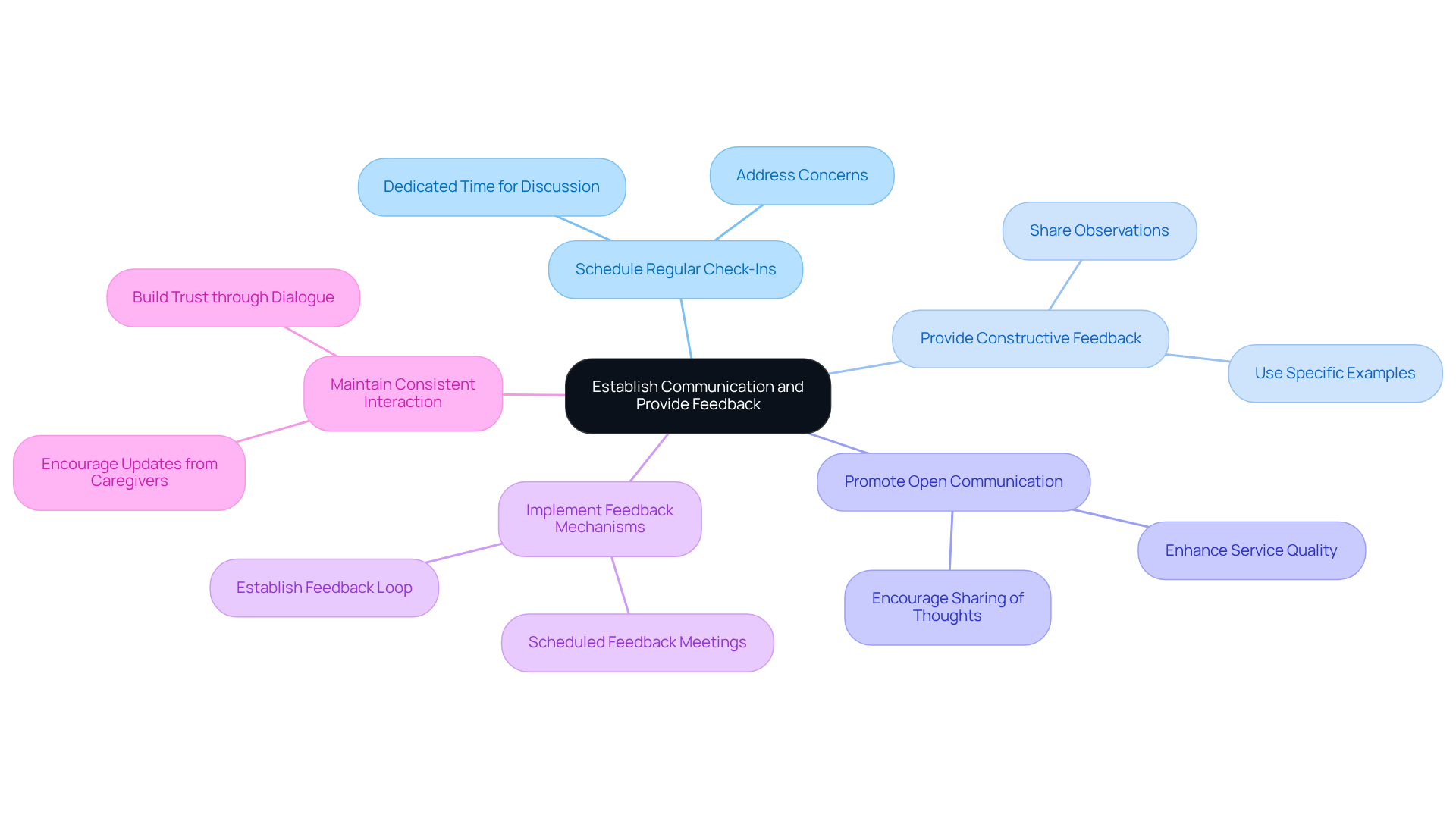
To ensure effective communication in caregiving:
- Schedule Regular Check-Ins: Set aside dedicated time to discuss the care being provided. Address any concerns and make necessary adjustments. Frequent check-ins help sustain consistency between provider actions and the recipient's changing needs.
- Provide Constructive Feedback: Share observations about the provider’s performance and any changes in the care recipient’s requirements. Specific examples can guide discussions, fostering understanding and improvement. For instance, saying, 'I noticed that help with meal preparation is sometimes delayed,' can help providers identify areas for growth. As one expert noted, 'Giving and receiving honest feedback is essential to grow and develop, and to build successful caregiving situations.'
- Promote Open Communication: Create an environment where both guardians and relatives feel comfortable sharing their thoughts and concerns. This open dialogue can enhance service quality and satisfaction for everyone involved. As one family supporter shared, 'When I feel acknowledged, it makes a significant difference in the support my loved one receives.'
- Implement Feedback Mechanisms: Establish a transparent feedback loop that allows providers to receive regular input on their performance. This might include scheduled feedback meetings, where support providers are recognized for their contributions while also receiving constructive guidance. Targeted feedback is crucial; as one quote highlights, 'Reinforce the importance of your support staff's contributions by providing specific examples of how their work and positive actions benefit you and your family the most.'
- Maintain Consistent Interaction: Effective dialogue is a two-way street. Encourage those providing assistance to share updates and insights about the individual receiving support. This can aid in making informed choices regarding their support plan. Frequent, sincere conversations not only build trust but also align caregiver actions with the care recipient's needs and preferences. Remember, communication can be challenging, requiring patience and understanding from both sides.
Taking the Next Steps
Choosing the right caregiver is a crucial decision, profoundly affecting the quality of life for both the individual receiving care and their family. By thoughtfully assessing specific care needs, exploring local caregiver options, evaluating qualifications and compatibility, reviewing contracts, and fostering open communication, families can ensure they select the most suitable support for their loved ones.
This guide has highlighted the significance of a thorough and compassionate approach. Understanding the unique requirements of the individual in need and creating a collaborative environment that encourages feedback and communication are essential steps in securing the best possible caregiving experience. This process not only enhances the quality of care provided but also nurtures trust and comfort for everyone involved.
Ultimately, the journey of selecting a caregiver transcends merely finding assistance; it is about cultivating a supportive and nurturing environment that prioritizes well-being. By dedicating time to follow these steps, families can make informed decisions that lead to meaningful connections and an improved quality of life for their loved ones. Prioritizing the right caregiver is not just a task; it is a heartfelt commitment to ensuring happiness, dignity, and respect in the lives of those who matter most.
https://iframe.tely.ai/cta/eyJhcnRpY2xlX2lkIjogIjY4ZjA5YzRkMDNhMjMzZjBjN2QyYmJhOSIsICJjb21wYW55X2lkIjogIjY4ZWU1ZGNhNzMxNzYyNTU3ZjNjOTVjMSIsICJpbmRleCI6IG51bGwsICJ0eXBlIjogImFydGljbGUifQ==Frequently Asked Questions
What should I assess when considering care needs and preferences?
Begin by identifying specific tasks requiring assistance, such as daily living activities (bathing, dressing, meal preparation), medical needs (medication management, physical therapy), and the importance of companionship and social interaction for emotional well-being.
How can I incorporate the preferences of the individual receiving care?
Consider their preferred activities and hobbies that can enhance their quality of life, as well as desired caregiver characteristics like gender, language, and personality traits that foster comfort and trust.
What tools can help in assessing care needs?
Employ evaluation instruments or checklists to ensure all facets of service are addressed. For example, a checklist can help assess the percentage of seniors needing companionship support, which is crucial to combat feelings of loneliness and isolation.
Why is it important to involve family members in the care assessment?
Involving family members provides diverse insights and ensures that all needs are effectively addressed, enhancing the care plan and promoting a sense of security and support for the individual receiving care.
What is the first step in researching local caregiver companies?
Start with a compassionate approach by searching online directories and review sites like Yelp and Caring.com to find caregiver companies nearby.
How can I gather information about caregiver companies?
Visit the websites of potential agencies to understand their services, mission, and client experiences through testimonials. Additionally, reach out to healthcare providers, friends, or family members for recommendations.
How should I organize my findings when researching caregiver companies?
Compile a list of at least five potential caregiver companies, noting their contact information and the services they offer to facilitate comparison and informed decision-making.