
Why 9 Strategies for Helping Dementia Matters
Caring for individuals with dementia presents a significant challenge, especially when it comes to ensuring proper nutrition. With nearly 15 million Americans grappling with the emotional and practical stresses of caregiving, the refusal of dementia patients to eat becomes a critical concern. This article delves into nine effective strategies aimed at improving the dining experience for these patients. By offering caregivers practical insights, we can transform mealtime from a source of anxiety into a nurturing experience that supports both nutrition and emotional well-being.
Happy to Help Caregiving: Personalized In-Home Support for Dementia Patients
Caring for individuals with memory issues presents significant challenges for families. Nearly 15 million Americans are in this situation, facing emotional and practical stress as they navigate the complexities of caregiving. This reality underscores the urgent need for customized assistance that addresses both the needs of individuals with cognitive impairments and their caregivers.
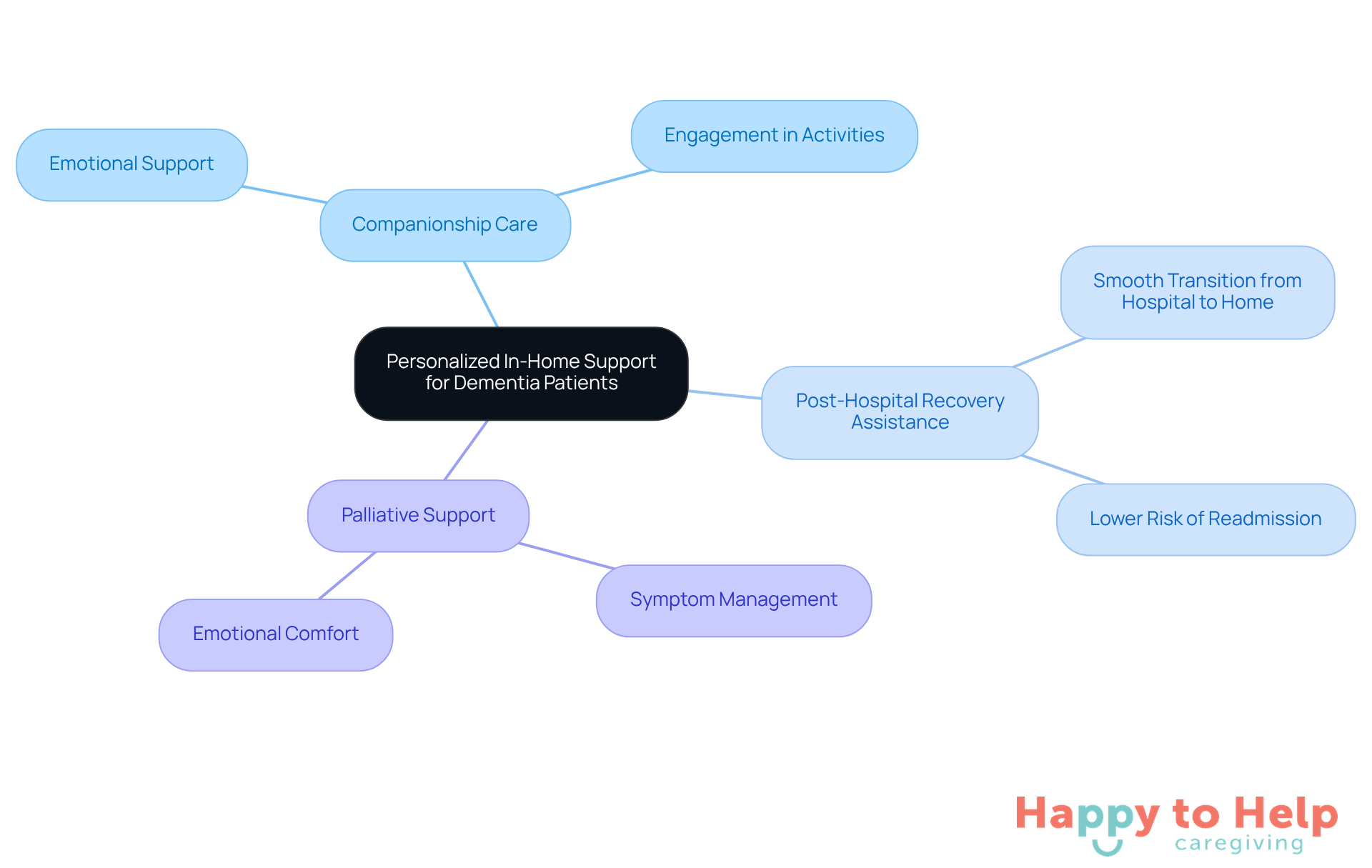
Happy to Help Caregiving offers tailored in-home assistance designed to alleviate these challenges. Their services include:
- Companionship care
- Post-hospital recovery assistance
- Palliative support
All aimed at creating a nurturing environment that promotes safety and comfort. For instance, post-hospital recovery assistance helps individuals transition smoothly from hospital to home, significantly lowering the risk of readmission. Meanwhile, palliative support focuses on enhancing quality of life by managing symptoms and providing emotional comfort.
This personalized approach not only improves the quality of life for individuals but also provides families with peace of mind. Knowing that their loved ones are receiving compassionate care in familiar surroundings can greatly reduce stress during difficult times. By engaging individuals in meaningful activities and offering emotional support, caregivers play a crucial role in enhancing overall well-being.
Utilize Visual Aids to Encourage Eating
The overall well-being of dementia patients refusing to eat can be significantly impacted by dining challenges. Caregivers often struggle to encourage proper food intake in dementia patients refusing to eat, which is crucial for health. This issue can lead to decreased appetite and nutritional deficiencies, making it essential to find effective strategies to enhance the dining experience.
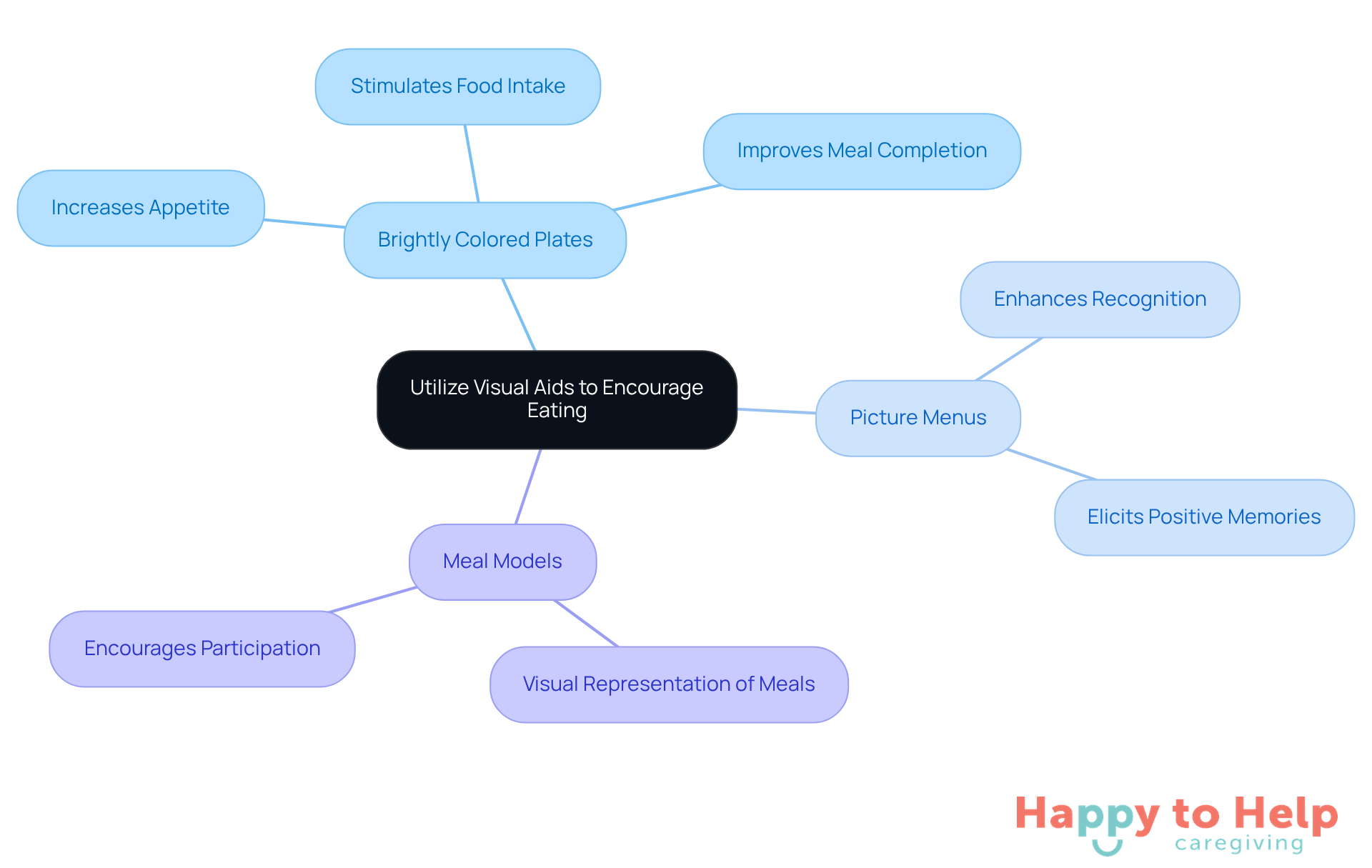
One effective solution is incorporating visual aids. Brightly colored plates, picture menus, and meal models can help individuals identify dishes and stimulate their appetite. Research from Boston University shows that using high-contrast colors, like vibrant red or blue, can lead to a 25% increase in food intake. In fact, subjects consumed, on average, 25% more food and drink when using high-contrast tableware compared to low-contrast white plates.
Caregivers can further leverage visual cues to signal mealtime. Setting the table attractively or displaying images of favorite dishes can evoke positive memories and associations with eating. As noted by researchers, "Brightly colored plates and dishes might assist individuals with Alzheimer’s in completing their meals."
These straightforward yet impactful strategies can play a crucial role in addressing the challenges of dementia patients refusing to eat. By implementing these visual aids and cues, caregivers can create a more inviting and stimulating dining environment.
Establish a Consistent Mealtime Routine
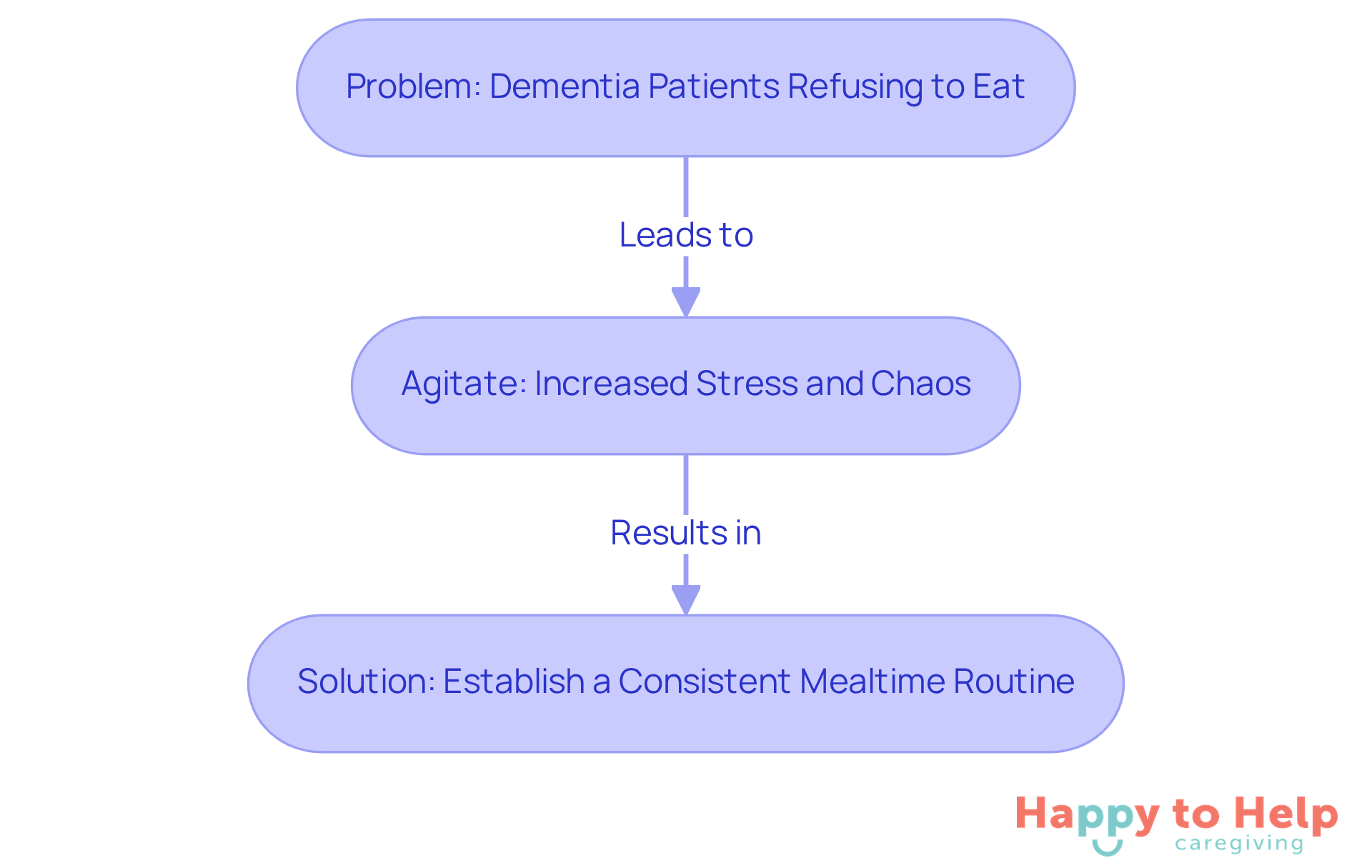
Dementia patients refusing to eat often experience confusion and anxiety, especially during mealtimes. Irregular eating schedules can exacerbate these feelings, making it difficult for dementia patients refusing to eat to concentrate on their meals.
Agitate: This unpredictability can lead to increased stress for both the individual and their caregivers. A chaotic dining environment, filled with distractions, can further hinder dementia patients refusing to eat properly, impacting their overall health and well-being.
Solution: Establishing a regular mealtime routine can significantly benefit those with dementia. Providing food at the same time each day fosters a sense of predictability, which can help reduce confusion and anxiety. Caregivers should strive to create a peaceful atmosphere during meals, free from distractions, allowing individuals to concentrate on eating. Incorporating familiar rituals, such as washing hands before meals or saying a short grace, can enhance the dining experience and promote comfort.
Incorporate Favorite Foods to Stimulate Appetite
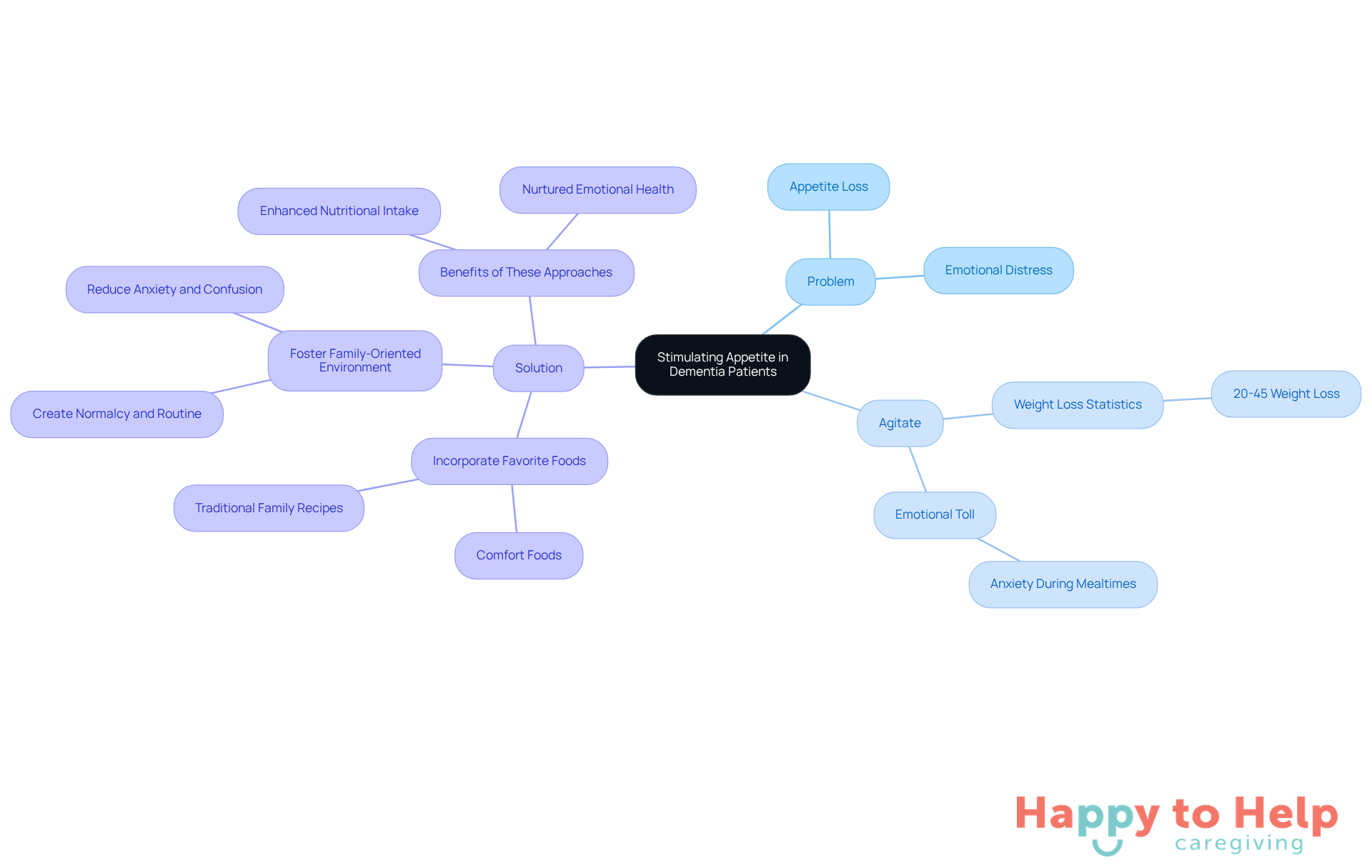
Problem: The issue of dementia patients refusing to eat often leads to significant appetite loss, resulting in nutritional deficiencies and emotional distress. Caregivers may struggle to encourage dementia patients refusing to eat, which impacts their overall well-being.
Agitate: This issue is compounded by the fact that 20-45% of individuals with cognitive impairment experience clinically significant weight loss within a year. The emotional toll on both the individual and their caregivers can be profound, as mealtimes become a source of anxiety rather than comfort.
Solution: One effective strategy is to include preferred dishes in their diets. Caregivers should focus on meals that evoke positive memories or are particularly cherished, such as comfort foods or traditional family recipes. Research indicates that sharing meals featuring familiar dishes can create a more inviting atmosphere, encouraging patients to eat more willingly. This approach not only enhances nutritional intake but also nurtures emotional health by connecting individuals with their history and increasing their enjoyment of food.
Additionally, fostering a family-oriented environment can provide a sense of normalcy and routine, which is beneficial for individuals with cognitive impairments. This setting can help reduce anxiety and confusion, making mealtimes more pleasant and engaging. As noted by dietitians, the presence of comfort foods is crucial for maintaining dignity and self-esteem in seniors. By prioritizing these dietary preferences, caregivers can significantly support their loved ones' nutritional needs.
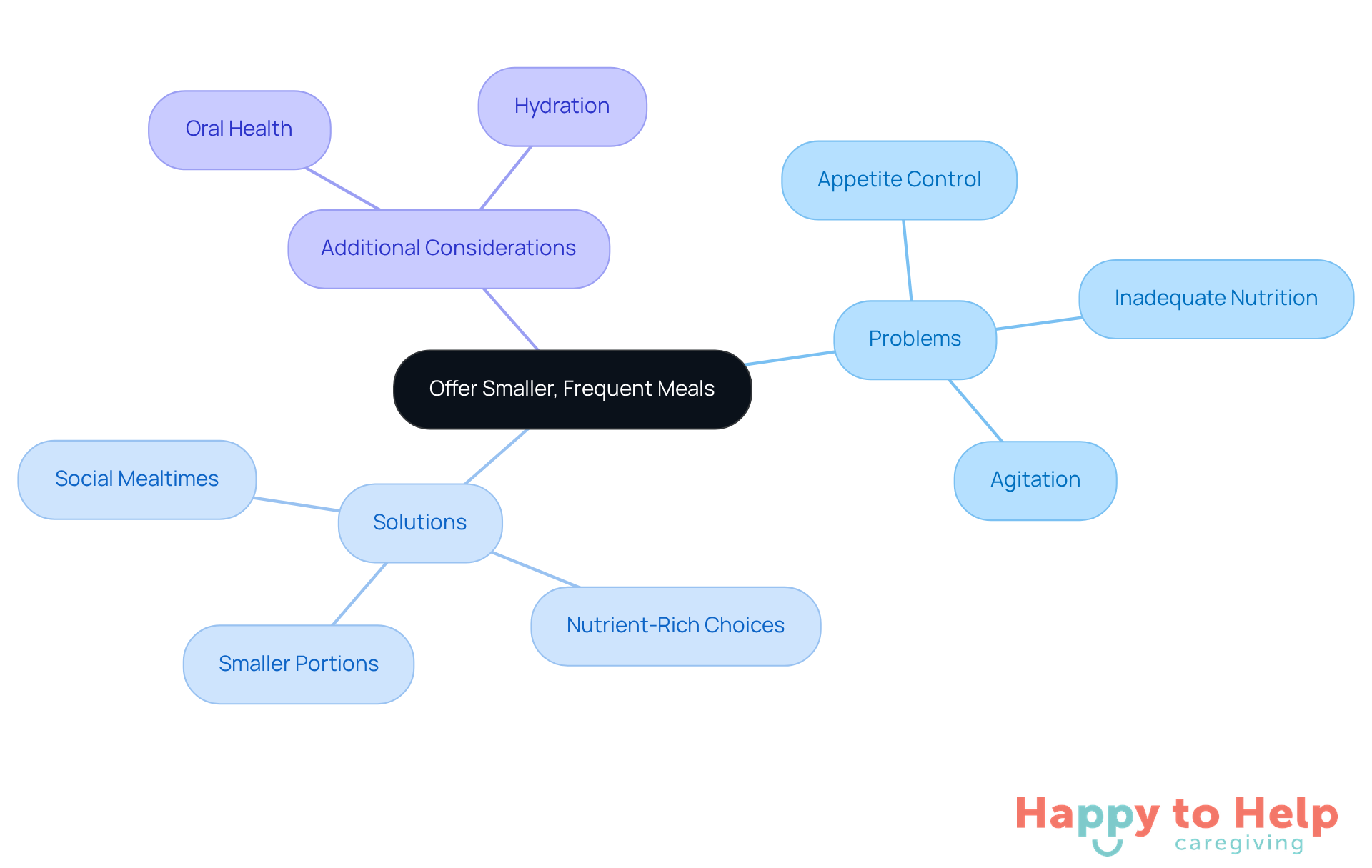
Offer Smaller, Frequent Meals
The problem is that dementia patients refusing to eat often struggle with appetite control, and substantial servings can seem daunting, leading to decreased food consumption.
Agitation can occur when dementia patients refusing to eat experience inadequate nutrition, which is crucial for their overall health and well-being. Caregivers face the challenge of ensuring that dementia patients refusing to eat receive the necessary nutrients while accommodating their fluctuating appetites throughout the day.
Solution: Offering smaller, more frequent dishes can greatly improve appetite control. By providing several small snacks or mini-meals that are easy to consume and digest, caregivers can help address the issue of dementia patients refusing to eat, ensuring they receive the nutrition they need. This strategy not only promotes better nutritional intake but also makes mealtimes less stressful and more enjoyable for dementia patients refusing to eat and facing cognitive challenges. Incorporating social mealtimes can further enhance the eating experience for dementia patients refusing to eat by encouraging consumption and engagement.
Additionally, caregivers should prioritize oral health for dementia patients refusing to eat by ensuring regular dental check-ups, as discomfort can directly affect appetite. To address the issue of dementia patients refusing to eat, incorporating nutrient-rich choices like lean proteins, fruits, and healthy fats in smaller portions can optimize caloric and nutritional advantages without overwhelming the individual. Caregivers should also remain adaptable with dietary choices, adjusting to any shifts in preferences that dementia patients refusing to eat may experience. Lastly, providing fluids with food is essential for hydration, supporting overall health and well-being.
Engage Patients in Meal Preparation
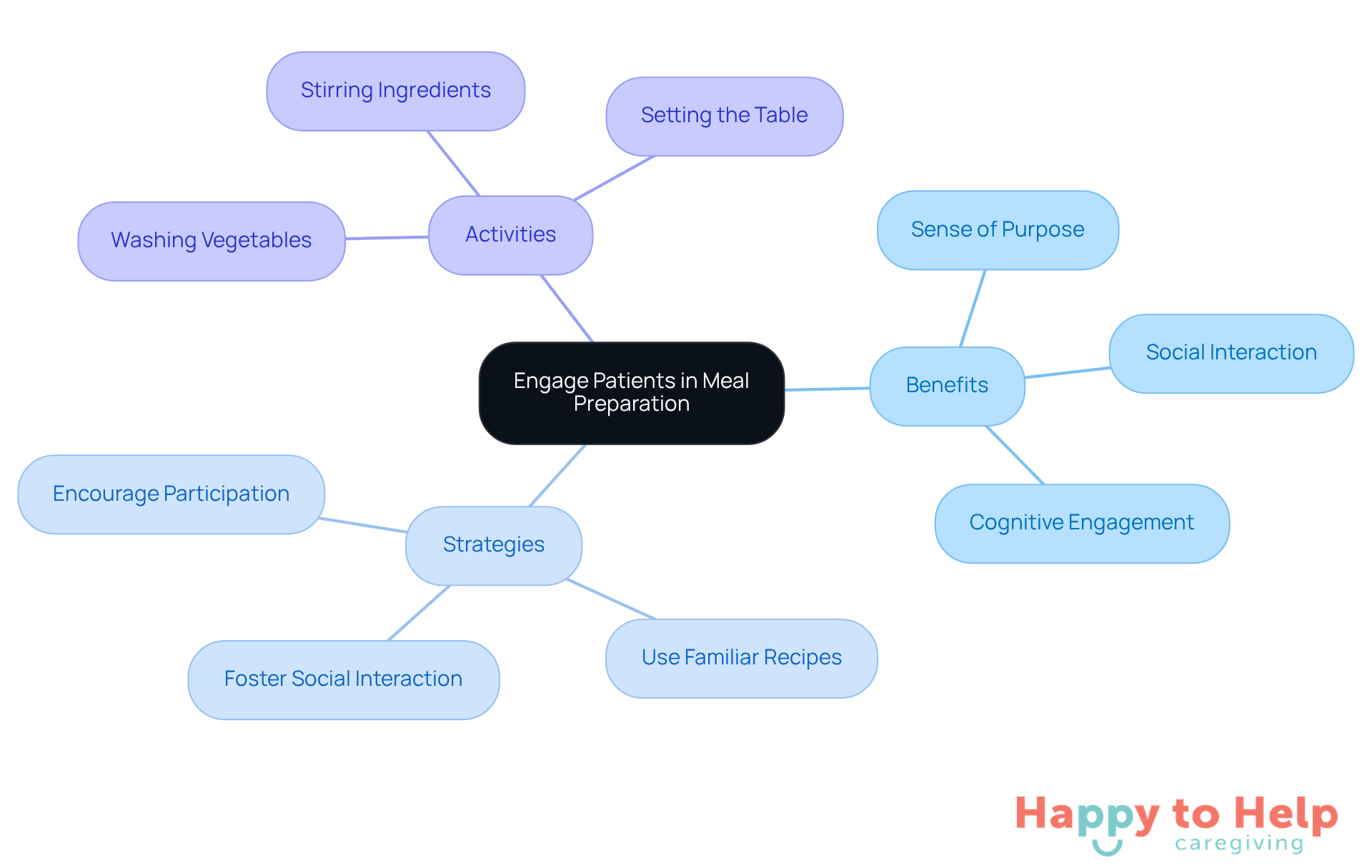
Engaging individuals with cognitive impairments in meal preparation presents a significant challenge for caregivers. Many dementia patients refusing to eat struggle to find enthusiasm for food, which can lead to decreased appetite and social isolation.
However, simple tasks like washing vegetables, stirring ingredients, or setting the table can make a difference. These activities not only provide a sense of purpose and accomplishment but also foster social interaction and cognitive engagement. By transforming mealtime into a more enjoyable experience, caregivers can help combat feelings of loneliness and disinterest in food, particularly for dementia patients refusing to eat.
Occupational therapists emphasize the mental health benefits of cooking. Participation allows seniors to connect with their past and engage their senses, which can evoke positive memories and lessen feelings of anxiety.
To create a nurturing environment that promotes both physical and emotional well-being, caregivers can incorporate cooking activities into daily routines, especially for dementia patients refusing to eat. Here are some actionable tips:
- Encourage participation in simple meal prep tasks.
- Use familiar recipes to evoke positive memories.
- Foster social interaction by cooking together with family or friends.
By implementing these strategies, caregivers can enhance the overall quality of life for individuals with cognitive impairments.
Create a Pleasant Dining Environment
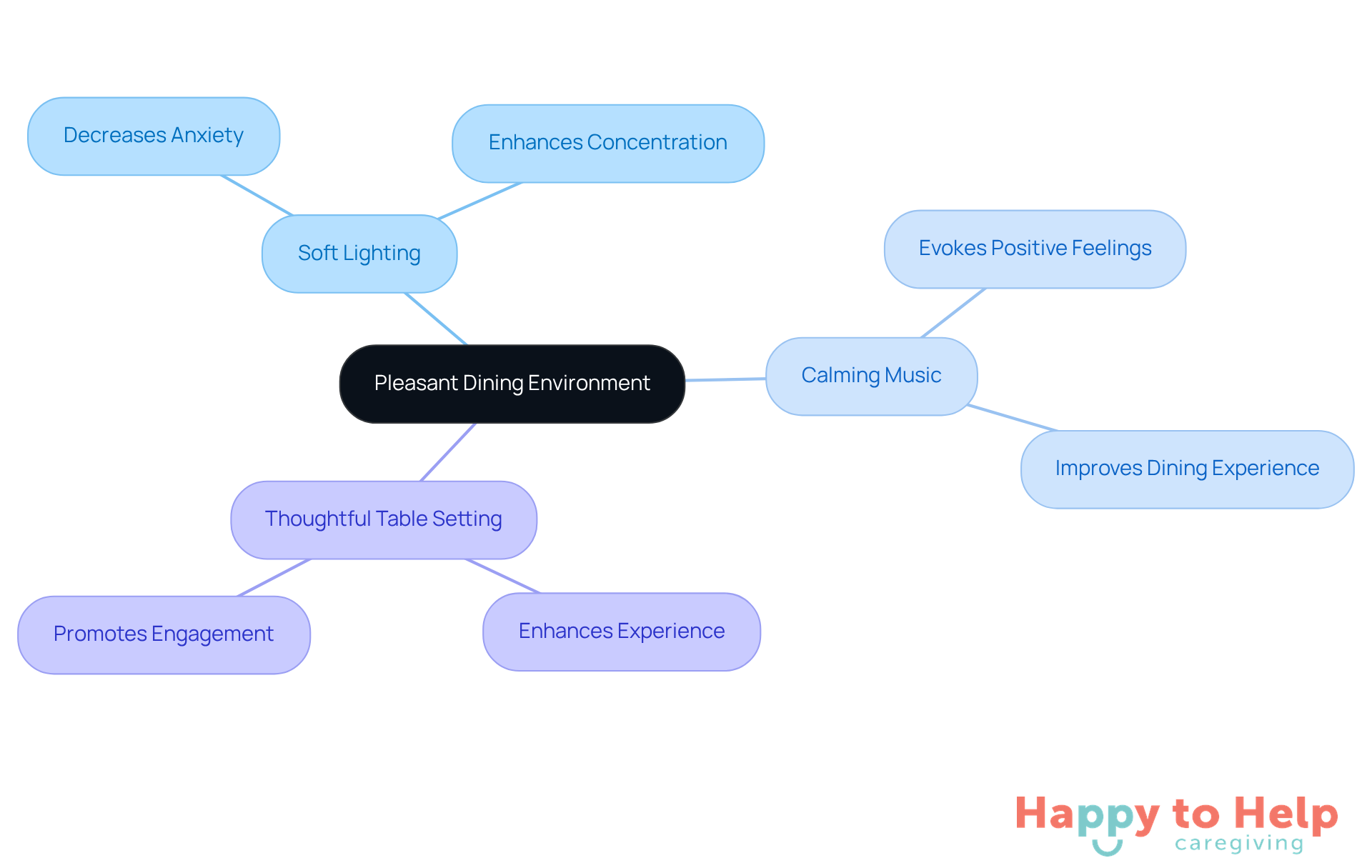
Creating a pleasant dining environment is crucial for addressing the issue of dementia patients refusing to eat. The problem is that many caregivers struggle to engage dementia patients refusing to eat during mealtime, which can result in inadequate nutritional intake. Research shows that the ambiance significantly impacts eating behavior, with elements like soft lighting and soothing music playing a vital role.
The implications of a poor dining atmosphere can be severe. A calm and inviting setting is essential, as anxiety and distraction can contribute to dementia patients refusing to eat. Environmental psychologists emphasize that a well-set table, combined with minimal noise and distractions, fosters a serene atmosphere. This can help create an environment where dementia patients refusing to eat feel more relaxed and willing to engage in mealtime.
So, what can caregivers do? Here are some actionable solutions:
- Use soft lighting: This can decrease anxiety and enhance concentration during dining.
- Play calming music: It can evoke positive feelings, making dining experiences more enjoyable.
- Set the table thoughtfully: A well-arranged table can enhance the overall dining experience.
By focusing on these aspects, caregivers can create a setting that promotes the well-being of dementia patients refusing to eat and supports their overall cognitive health. Ultimately, this encourages them to eat and enjoy their food, leading to better nutritional outcomes.
Provide Adaptive Utensils for Easier Eating
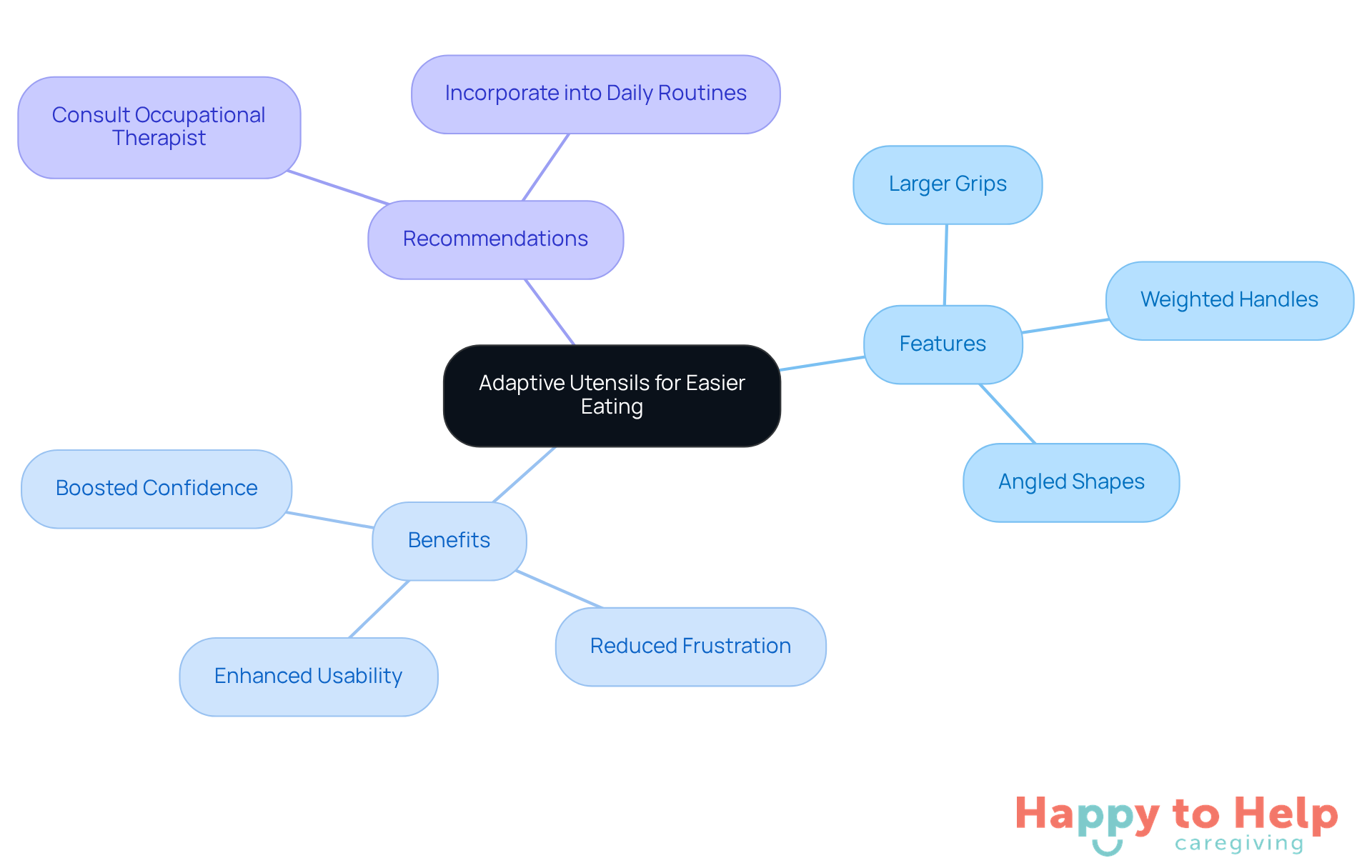
Adaptive utensils are crucial for helping individuals with cognitive impairments maintain their independence during meals. The challenge lies in the fact that many of these individuals struggle with limited dexterity, which can lead to frustration and a diminished dining experience. This can be particularly difficult for those experiencing weakness, tremors, or decreased grip strength.
Research shows that utensils designed with larger grips, weighted handles, and angled shapes can significantly enhance usability. By using these adaptive tools, caregivers can improve the eating experience for their loved ones, reducing frustration and promoting self-sufficiency. Additionally, plates with raised edges and non-slip mats can help minimize spills, further enhancing the dining experience.
Occupational therapists emphasize that the right adaptive utensils not only make it easier to manipulate food but also boost users' confidence, allowing them to enjoy meals without assistance. Universal cuffs can provide extra support for those facing grasping challenges.
To create a more supportive and enjoyable mealtime atmosphere, caregivers should incorporate these tools into daily routines. Consulting with an occupational therapist can help in selecting the most suitable adaptive utensils for their loved ones, ensuring practical implementation and improved dining experiences.
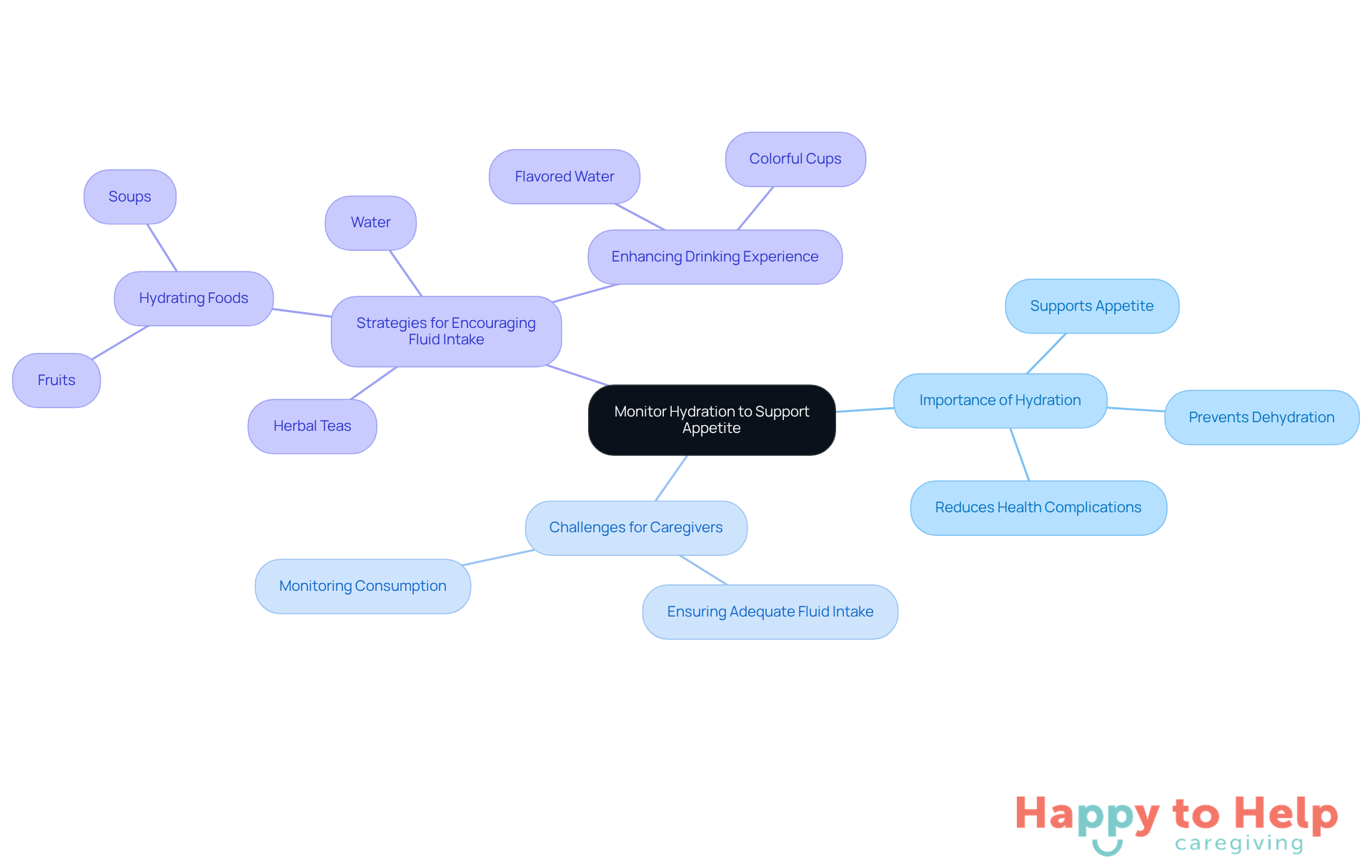
Monitor Hydration to Support Appetite
Monitoring hydration is crucial for individuals with cognitive impairment. Dehydration can significantly decrease appetite and lead to various health complications. Caregivers face the challenge of ensuring that these individuals consume enough fluids throughout the day.
To combat this issue, caregivers should encourage regular fluid intake by offering:
- Water
- Herbal teas
- Hydrating foods like fruits and soups
Keeping track of fluid consumption is essential to prevent dehydration. Simple strategies can make drinking more appealing; for instance, using colorful cups or flavored water can enhance the experience.
By implementing these actionable solutions, caregivers can help maintain hydration levels, ultimately supporting the appetite and overall health of those in their care.
Consult Healthcare Professionals for Tailored Support
Caring for patients with cognitive decline presents significant challenges for families. One major issue is the lack of specialized nutritional support for dementia patients refusing to eat, which can lead to complications such as appetite loss and dietary limitations. Without the guidance of healthcare specialists, particularly dietitians and geriatricians, caregivers may struggle to provide the necessary care for dementia patients refusing to eat, which addresses their unique needs.
Involving dietitians is crucial. They offer personalized guidance on nutrition and meal planning, helping to tackle the specific challenges that arise with cognitive decline. Regular consultations with these experts not only provide tailored nutrition advice but also allow for ongoing health monitoring. This ensures that care plans can be adjusted in a timely manner to better support the individual’s needs.
As Dr. David Reuben, Archstone Professor of Geriatrics at UCLA, notes, "Even when standardized clinical outcomes do not change, caregivers notice and appreciate enhancements in the manner care for cognitive decline is provided." This collaborative approach guarantees that dementia patients refusing to eat receive optimal support, ultimately enhancing their overall well-being and quality of life.
Moreover, the recent $250,000 grant awarded to Anju Paudel, Ph.D., R.N., for dementia care research underscores the ongoing efforts to improve care interactions and outcomes for those living with dementia. By prioritizing the involvement of healthcare specialists, families can ensure that they are equipped with the tools and knowledge necessary to provide effective care.
Making the Right Choice
Addressing the eating challenges faced by dementia patients presents a significant problem for caregivers. These challenges can lead to poor nutritional intake and a decline in overall well-being, making it essential to find effective solutions.
To tackle this issue, caregivers can implement several practical strategies:
- Utilizing visual aids
- Establishing consistent mealtime routines
- Incorporating favorite foods
- Providing adaptive utensils
- Engaging patients in meal preparation
- Monitoring hydration levels
Moreover, the involvement of healthcare professionals can enhance care by offering tailored nutritional guidance and support. This collaborative approach not only addresses the immediate eating challenges but also fosters a nurturing atmosphere that respects the dignity and preferences of dementia patients.
By embracing these actionable solutions, caregivers can significantly improve the dining experience for those they care for. This not only meets nutritional needs but also uplifts the spirits of individuals living with cognitive impairments. Ultimately, these strategies can lead to meaningful improvements in both health outcomes and emotional well-being for those facing the challenges of dementia.
https://iframe.tely.ai/cta/eyJhcnRpY2xlX2lkIjogIjY5MjI0Zjg2NGZjYWRhOTUwOGRlNDQyYiIsICJjb21wYW55X2lkIjogIjY4ZWU1ZGNhNzMxNzYyNTU3ZjNjOTVjMSIsICJpbmRleCI6IG51bGwsICJ0eXBlIjogImFydGljbGUifQ==Frequently Asked Questions
What challenges do families face when caring for individuals with dementia?
Families face significant emotional and practical stress as they navigate the complexities of caregiving for individuals with memory issues, with nearly 15 million Americans in this situation.
What services does Happy to Help Caregiving offer for dementia patients?
Happy to Help Caregiving provides tailored in-home assistance, including companionship care, post-hospital recovery assistance, and palliative support, aimed at creating a nurturing environment for individuals with cognitive impairments.
How does post-hospital recovery assistance benefit dementia patients?
Post-hospital recovery assistance helps individuals transition smoothly from the hospital to home, significantly lowering the risk of readmission.
What is the focus of palliative support for dementia patients?
Palliative support focuses on enhancing the quality of life by managing symptoms and providing emotional comfort to individuals with dementia.
How can caregivers enhance the dining experience for dementia patients who refuse to eat?
Caregivers can enhance the dining experience by incorporating visual aids such as brightly colored plates, picture menus, and meal models to help stimulate appetite and make identification of dishes easier.
What impact do high-contrast colors have on food intake for dementia patients?
Research shows that using high-contrast colors, like vibrant red or blue, can lead to a 25% increase in food intake among dementia patients compared to low-contrast white plates.
Why is establishing a consistent mealtime routine important for dementia patients?
A consistent mealtime routine helps reduce confusion and anxiety for dementia patients, fostering a sense of predictability that aids in concentrating on their meals.
What strategies can caregivers use to create a peaceful mealtime atmosphere?
Caregivers can create a peaceful mealtime atmosphere by providing food at the same time each day, minimizing distractions, and incorporating familiar rituals, such as washing hands before meals.
List of Sources
- Happy to Help Caregiving: Personalized In-Home Support for Dementia Patients
- Medicare covers at-home nursing care for dementia patients for the first time this year (https://tampabay.com/news/health/2025/08/14/medicare-covers-at-home-nursing-care-dementia-patients-first-time-this-year)
- Medicare explores a new way to support caregivers of dementia patients (https://npr.org/sections/shots-health-news/2024/07/04/nx-s1-5026964/caregivers-dementia-alzheimers-medicare-support)
- Thomas P. Raley Foundation gift fuels UC Davis dementia caregiver education and research (https://health.ucdavis.edu/news/headlines/thomas-p-raley-foundation-gift-fuels-uc-davis-dementia-caregiver-education-and-research/2025/11)
- Caregiver Statistics: Demographics (https://caregiver.org/resource/caregiver-statistics-demographics)
- Dementia: New model of home care proves effective in practice (https://medicalxpress.com/news/2025-10-dementia-home-effective.html)
- Utilize Visual Aids to Encourage Eating
- Colorful tableware helps Alzheimer's patients eat more (https://latimes.com/archives/la-xpm-2004-oct-11-he-capsules11.2-story.html)
- Visual contrast enhances food and liquid intake in advanced Alzheimer's disease - PubMed (https://pubmed.ncbi.nlm.nih.gov/15297089)
- Brighten Mealtimes to Enhance Alzheimer’s Care (https://alzinfo.org/articles/caregiving-31)
- AI glasses to help dementia patients aims to launch next year (https://newsnationnow.com/health/ai-glasses-dementia-patients)
- Establish a Consistent Mealtime Routine
- How to Improve Mealtimes for Someone with Dementia - Whitsyms In-Home Care (https://whitsymsinhomecare.com/our-blog/how-to-improve-mealtimes-for-someone-with-dementia)
- Supporting Nutrition and Hydration | Dementia Adventure (https://dementiaadventure.org/news/supporting-nutrution-and-hydration)
- The Benefits of Specialized Dining for Seniors with Dementia (https://blog.thebristal.com/specialized-dining-for-seniors-with-dementia)
- New study compares dementia care approaches and the impact on caregivers (https://news-medical.net/news/20250129/New-study-compares-dementia-care-approaches-and-the-impact-on-caregivers.aspx)
- Helping caregivers help people with dementia eat at home (https://news.osu.edu/helping-caregivers-help-people-with-dementia-eat-at-home)
- Incorporate Favorite Foods to Stimulate Appetite
- The Therapeutic Benefits of Family-Style Dining for Persons Living with Dementia - Wesley Manor (https://wesleymanor.org/the-therapeutic-benefits-of-family-style-dining-for-persons-living-with-dementia-2)
- New UH study: It’s never too late to eat smarter to help your brain avoid dementia (https://uhcancercenter.org/about-us/newsroom/1123-new-uh-study-it-s-never-too-late-to-eat-smarter-to-help-your-brain-avoid-dementia)
- Mediterranean diet offsets genetic risk for dementia, study finds — Harvard Gazette (https://news.harvard.edu/gazette/story/2025/08/mediterranean-diet-offsets-genetic-risk-for-dementia-study-finds)
- Quote on Consuming Healthy Food (https://medindia.net/health-quotes/food-for-the-body-is-not-enough-there-must-be-food-for-the-soul-dorothy-day.htm)
- ADI - Nutrition and dementia (https://alzint.org/resource/nutrition-and-dementia)
- Offer Smaller, Frequent Meals
- Food & Eating | Alzheimer's Association (https://alz.org/help-support/caregiving/daily-care/food-eating)
- Dementia And Weight Loss (Rapid Decline, Stages & Causes) (https://optoceutics.com/dementia-and-weight-loss-rapid-decline-stages-causes?srsltid=AfmBOoogJSjBwp-77AoPBHysSkjfG4VoimHLSIzN42u2WJRLA858DN0f)
- Enhancing Appetite in Older Adults: 5 Effective Strategies (https://chefsforseniors.com/blog/enhancing-appetite-in-older-adults)
- Meta-analysis and moderator analysis of the prevalence of malnutrition and malnutrition risk among older adults with dementia (https://sciencedirect.com/science/article/abs/pii/S0020748923002134)
- Engage Patients in Meal Preparation
- AI upends ‘repetitive, uninspired’ cycle of senior living dining menus (https://mcknightsseniorliving.com/news/ai-upends-repetitive-uninspired-cycle-of-senior-living-dining-menus)
- Can Cooking in Community Slow Dementia and Diabetes? (https://civileats.com/2024/07/01/can-cooking-in-community-slow-dementia-and-diabetes)
- Meal Preparation and Nutrition Support From Home Health Aides - Revival Home Health Care (https://revivalhhc.org/meal-preparation-and-nutrition-support-from-home-health-aides)
- Cooking Benefits For Seniors | Maplewood Senior Living (https://maplewoodseniorliving.com/blog/how-cooking-benefits-seniors)
- 29 Occupational Therapy Quotes! • OT Potential (https://otpotential.com/blog/occupational-therapy-quotes)
- Create a Pleasant Dining Environment
- Supporting someone with dementia to eat and drink (https://alzheimers.org.uk/get-support/living-with-dementia/improving-eating-experience-dementia)
- Supporting Residents with Dementia Through Therapeutic Hospitality and Culinary Wellness (https://providermagazine.com/Articles/Guest-Columns/Pages/2022/Supporting-Residents-with-Dementia-Through-Therapeutic-Hospitality-and-Culinary-Wellness.aspx)
- The Association of Eating Performance and Environmental Stimulation among Older Adults with Dementia in Nursing Homes: A Secondary Analysis - PMC (https://pmc.ncbi.nlm.nih.gov/articles/PMC5495475)
- Optimizing mealtime care and outcomes for people with dementia and their caregivers: A systematic review and meta‐analysis of intervention studies (https://alz-journals.onlinelibrary.wiley.com/doi/full/10.1002/alz.14522)
- 3 Steps to Promote a Positive Dining Experience for Residents Living with Dementia - Incite Strategic Partners (https://incitesp.com/3-steps-to-promote-a-positive-dining-experience-for-residents-living-with-dementia)
- Provide Adaptive Utensils for Easier Eating
- High-tech spoon developed to enrich lives of dementia patients (https://surreycomet.co.uk/news/national/24477485.high-tech-spoon-developed-enrich-lives-dementia-patients)
- Innovative tableware aids and encourages eating in people with dementia and motor impairment (https://carehome.co.uk/news/article.cfm/id/1571415/innovative-tableware-aids-and-encourages-people-with-dementia-and-motor-impairment-to-eat)
- Use of Adaptive Equipment in Caring for Persons With Dementia at Home | Request PDF (https://researchgate.net/publication/232178791\_Use\_of\_Adaptive\_Equipment\_in\_Caring\_for\_Persons\_With\_Dementia\_at\_Home)
- Adaptive Eating Utensils: Eat Independently Again (https://rehabmart.com/post/help-elderly-or-disabled-loved-ones-eat-independently-with-adaptive-eating-utensils?srsltid=AfmBOoovQLBWkKrNREUOUsY5V37E07fiKO213bHcsGmHdFIhcMJxKRBI)
- Adaptive Utensils To Help Seniors Eat Independently (https://elderlifefinancial.com/resources/adaptive-utensils-to-help-seniors-eat-independently)
- Consult Healthcare Professionals for Tailored Support
- D-CARE study finds caregiver satisfaction higher with dementia care programs than usual care (https://uclahealth.org/news/release/d-care-study-finds-caregiver-satisfaction-higher-with)
- Alzheimer’s Association Dementia Care Provider Roundtable Funds Research Aimed at Improving Care Interactions in Assisted Living Communities (https://alz.org/news/2024/alzheimer-s-association-dementia-care-provider-roundtable-funds-research-aimed-at-improving-care-int)
- New Statement Paper: The Role of the Dietitian in Preventing and Managing Malnutrition in Dementia – EFAD (https://efad.org/statement-paper-esdnoa-malnutrition-in-dementia)