

For families in our service areas
For families in our service areas, this guide explains home care and how non-medical in-home caregiving can support care planning in East Idaho, Treasure Valley & Magic Valley, Northern Wasatch, North Central West Virginia, and Northeast Ohio.
What to Expect
The article "10 Affordable Home Care Solutions for Family Caregivers" centers on the emotional journey of families seeking home care assistance. It compassionately acknowledges the stress and burnout caregivers often experience, highlighting the importance of personalized care and emotional support.
These budget-friendly options not only enhance the quality of life for seniors but also provide much-needed relief for family caregivers. By addressing the growing demand for effective and affordable home care services, the article offers reassurance and encouragement to those navigating this challenging path.
With a focus on flexibility in caregiving, it emphasizes that these solutions can make a significant difference, ultimately fostering a nurturing environment for both caregivers and their loved ones.
What You Need to Know About 10 Affordable Home Care Solutions
The increasing demand for affordable home care solutions signifies a heartfelt shift in how families approach caregiving for their loved ones. As our population ages and the need for personalized support grows, families are more than ever seeking cost-effective options that prioritize emotional well-being and quality of life. Yet, with a multitude of choices available, families may feel overwhelmed. How can they navigate the complexities of home care to discover the best solutions tailored to their unique needs? This article gently explores ten affordable home care options designed not only to enhance the lives of seniors but also to provide essential support for family caregivers.
Happy to Help Caregiving: Personalized In-Home Care for Families
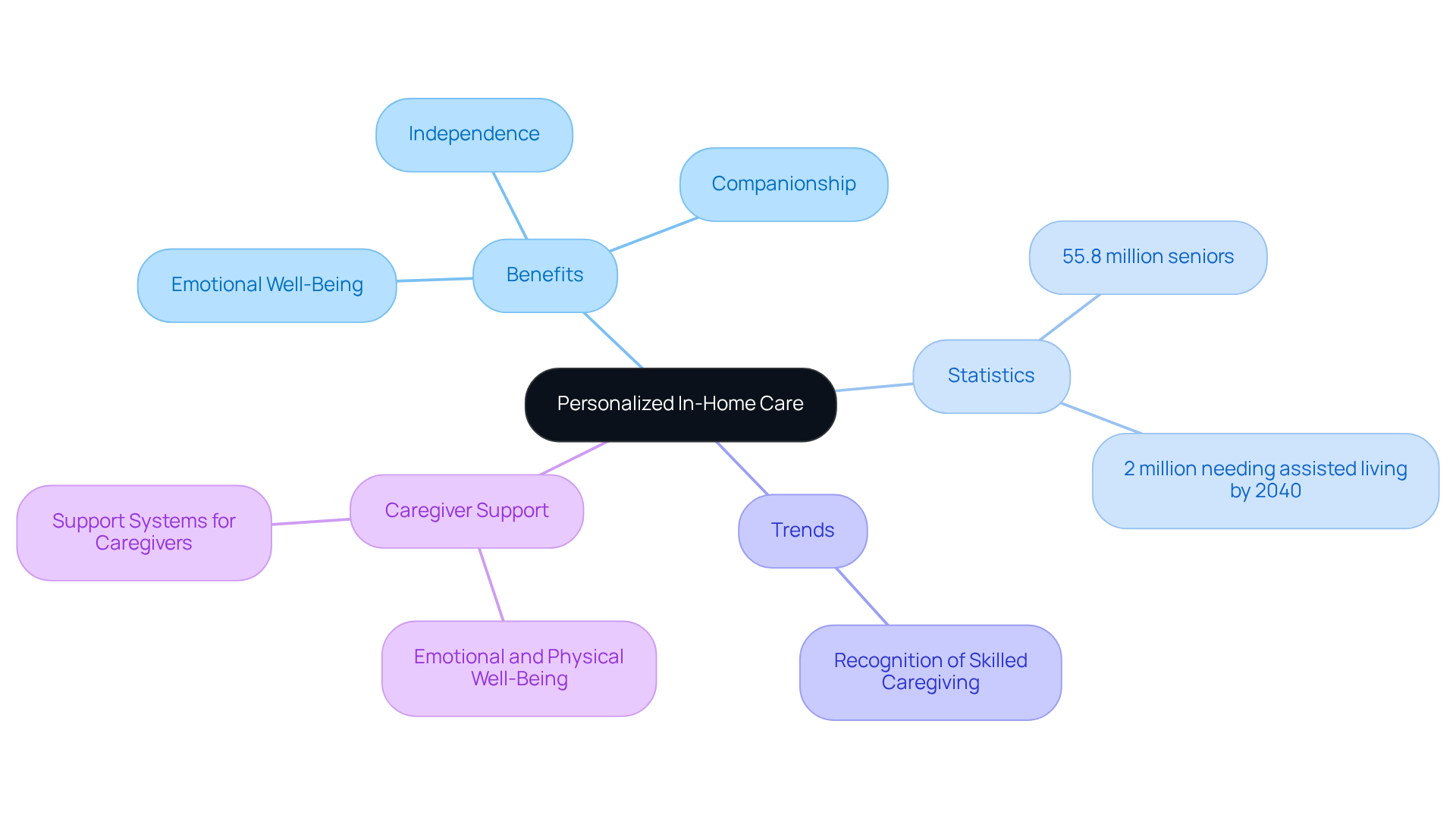
Happy to Help Caregiving truly excels in providing tailored that meets the unique needs of households. Their services are thoughtfully designed to enhance the quality of life for seniors and individuals with special needs, offering compassionate support in the comfort of home. This personalized approach not only fosters independence but also nurtures emotional well-being, making it an essential option for families in search of .
The impact of individualized support is profound; it empowers clients to maintain their cherished routines and preferences, crucial for their emotional health. Families have shared heartwarming stories of how their loved ones' happiness and comfort levels have improved, showcasing the effectiveness of . According to the 2020 census, the U.S. population of adults aged 65 and older reached 55.8 million, signaling a . Furthermore, the number of individuals requiring assisted living is projected to surpass two million by 2040, underscoring the urgent need for effective in-home assistance options.
Recent trends reveal a rising acknowledgment of the , with many advocating for its recognition as a vital profession. As Taylor Rees poignantly states, "Stop calling Caregiving, unskilled labor. It’s skilled Caregiving." Successful case studies illustrate how personalized caregiving can transform lives, providing not just assistance but also companionship and emotional support. As the demand for continues to rise, the commitment to personalized services remains a cornerstone of effective support, ensuring that seniors receive the best possible attention tailored to their unique circumstances. Additionally, the is paramount for delivering high-quality client services, highlighting the necessity for support systems for those who provide care.
Companionship Care: Emotional Support from Happy to Help Caregiving
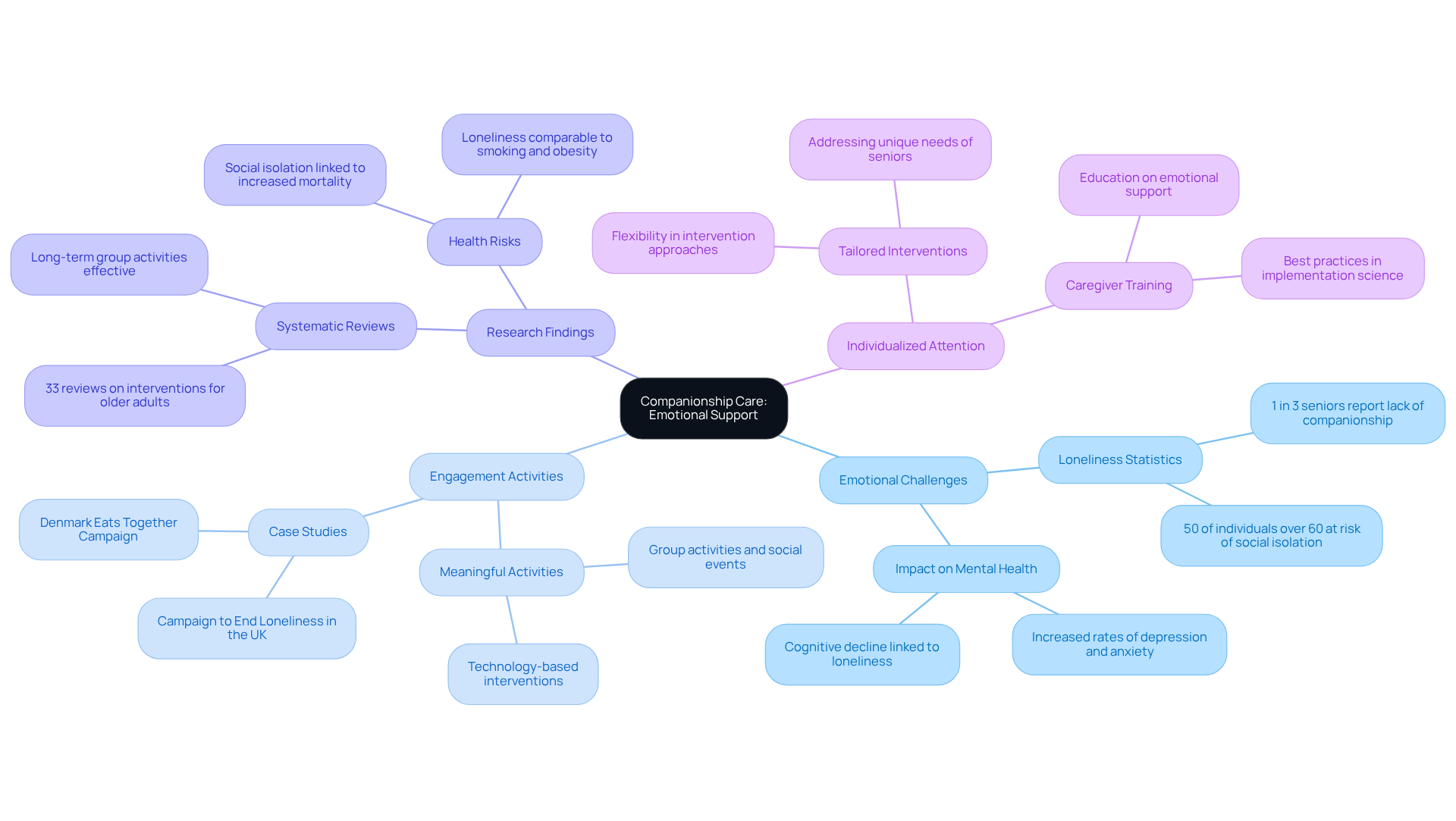
At , we understand the emotional challenges faced by seniors and their families. is designed to provide essential , significantly alleviating feelings of loneliness and isolation. Our caregivers actively engage clients in meaningful activities, fostering connections that enhance mental health and promote a sense of belonging.
Research shows that ; in fact, one in three reports a , which adversely affects their overall quality of life. By prioritizing emotional health alongside physical support, our program offers families affordable home care solutions that address the complex needs of their loved ones.
We have seen through case studies that interventions focusing on emotional support lead to . This highlights the transformative impact of companionship care in the lives of seniors. As the demand for such assistance grows, Happy to Help Caregiving stands out by ensuring that clients receive individualized attention that nurtures their emotional and social needs.
We believe that every senior deserves to feel connected and valued. Together, we can create a supportive environment that fosters joy and companionship.
Post-Hospital Recovery Assistance: Smooth Transitions with Happy to Help Caregiving
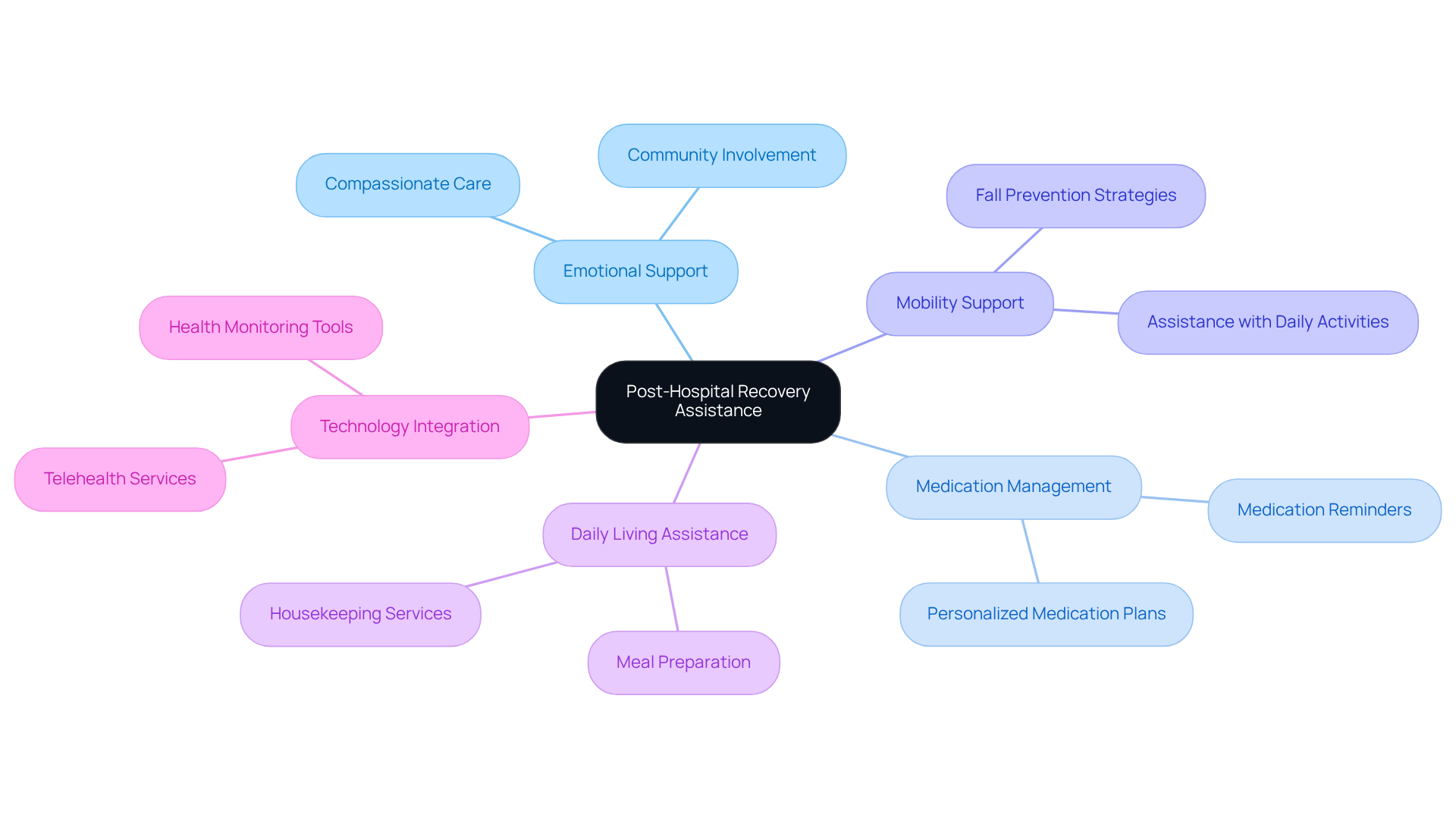
At Happy to Help Caregiving, we understand the emotional challenges that come with . Our essential assistance is designed to facilitate a smooth transition from hospital to home, offering not just practical help but also emotional support. We provide thorough , mobility support, and daily living assistance, ensuring that our clients have the resources they need for a successful recovery.
Research shows that patients receiving experience a 20% compared to those who do not receive assistance at home. This statistic highlights the effectiveness of our services during critical recovery periods. Families can trust us to alleviate stress and enhance peace of mind during this vulnerable time.
We create tailored to each individual's unique requirements, involving family participation to foster a sense of community and care. Happy to Help Caregiving is recognized as a trustworthy choice that offers for those seeking additional help after hospitalization. Our integration of technology, such as medication reminders and health monitoring tools, plays a crucial role in improving adherence to treatment regimens. Case studies have shown that these organizational tools significantly enhance medication management.
Testimonials from families emphasize the positive effects of our assistance. They highlight the compassionate manner in which our providers ensure that their loved ones thrive in the comfort of home. We are here to support you every step of the way, providing not just care, but a nurturing environment that promotes healing and well-being.
Respite Care: Temporary Relief for Family Caregivers
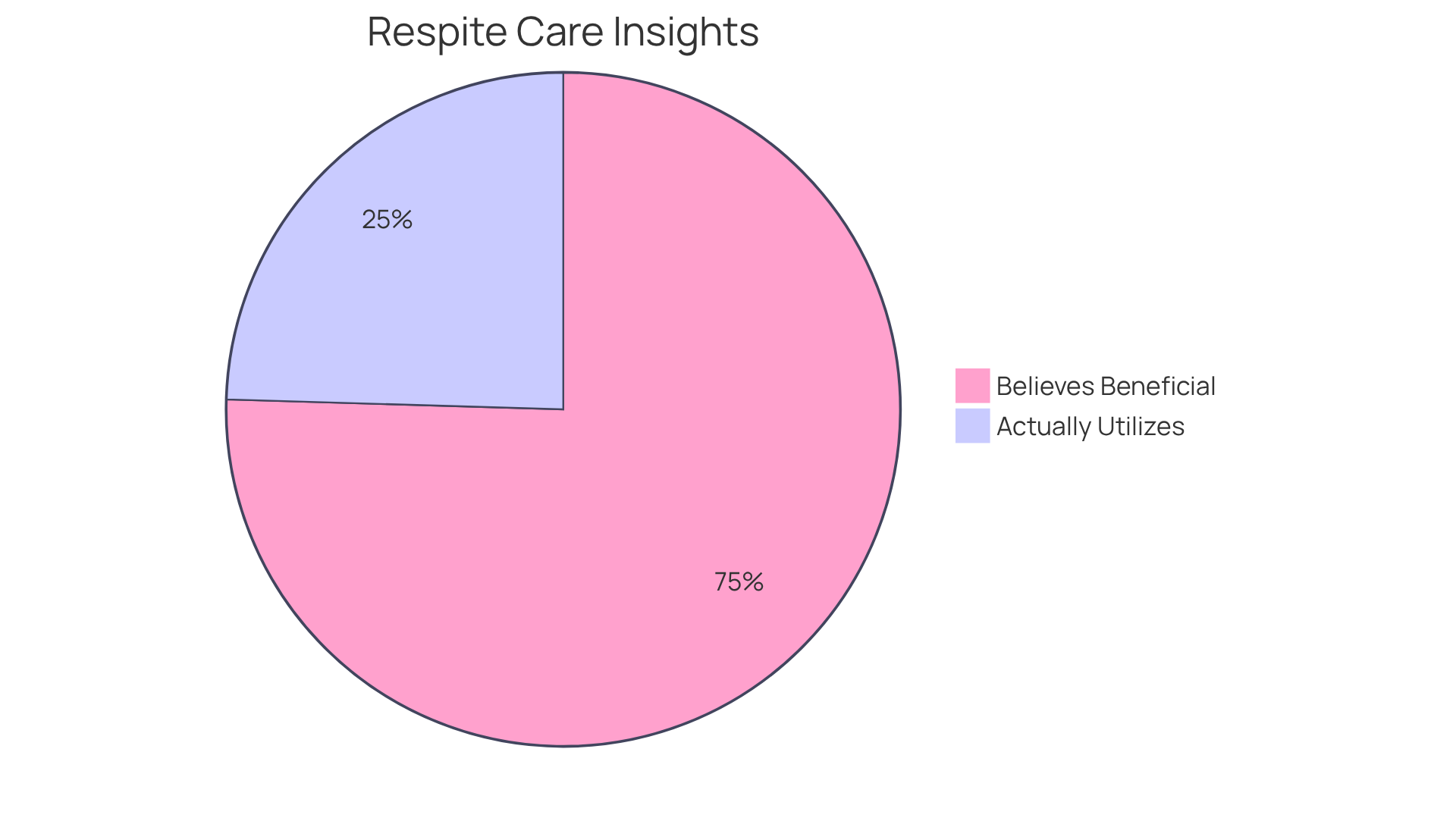
Caring for a loved one can be incredibly demanding, and it’s essential to recognize the emotional toll it takes on relatives providing assistance. offers vital temporary relief, allowing caregivers to refresh without compromising the quality of support they provide. While nearly 40% of caregivers believe that respite assistance would be beneficial, only 13% actually take advantage of these options. This highlights a significant gap in understanding and availability of .
The ; studies reveal that . By offering organized breaks, caregivers can manage stress and prevent burnout. Considering that the average household helper dedicates around 25 hours a week to caregiving tasks, these breaks are essential for their well-being.
Moreover, case studies like 'Impact of Short Respite Care Breaks' show that even minimal respite support—just four hours a week—can significantly enhance the well-being of caregivers. This time allows them to engage in personal interests and family activities, contributing to a healthier atmosphere for both caregivers and those they support. It ensures that seniors receive consistent, compassionate attention, ultimately improving the quality of life for everyone involved.
Yet, and complicated application processes often prevent individuals from accessing these crucial services. By integrating insights from caregiving specialists, we can further emphasize the importance of respite support in preserving . Remember, seeking help is not a sign of weakness; it’s a step towards ensuring that both caregivers and their loved ones thrive.
Palliative Support Care: Compassionate Management of Chronic Illnesses
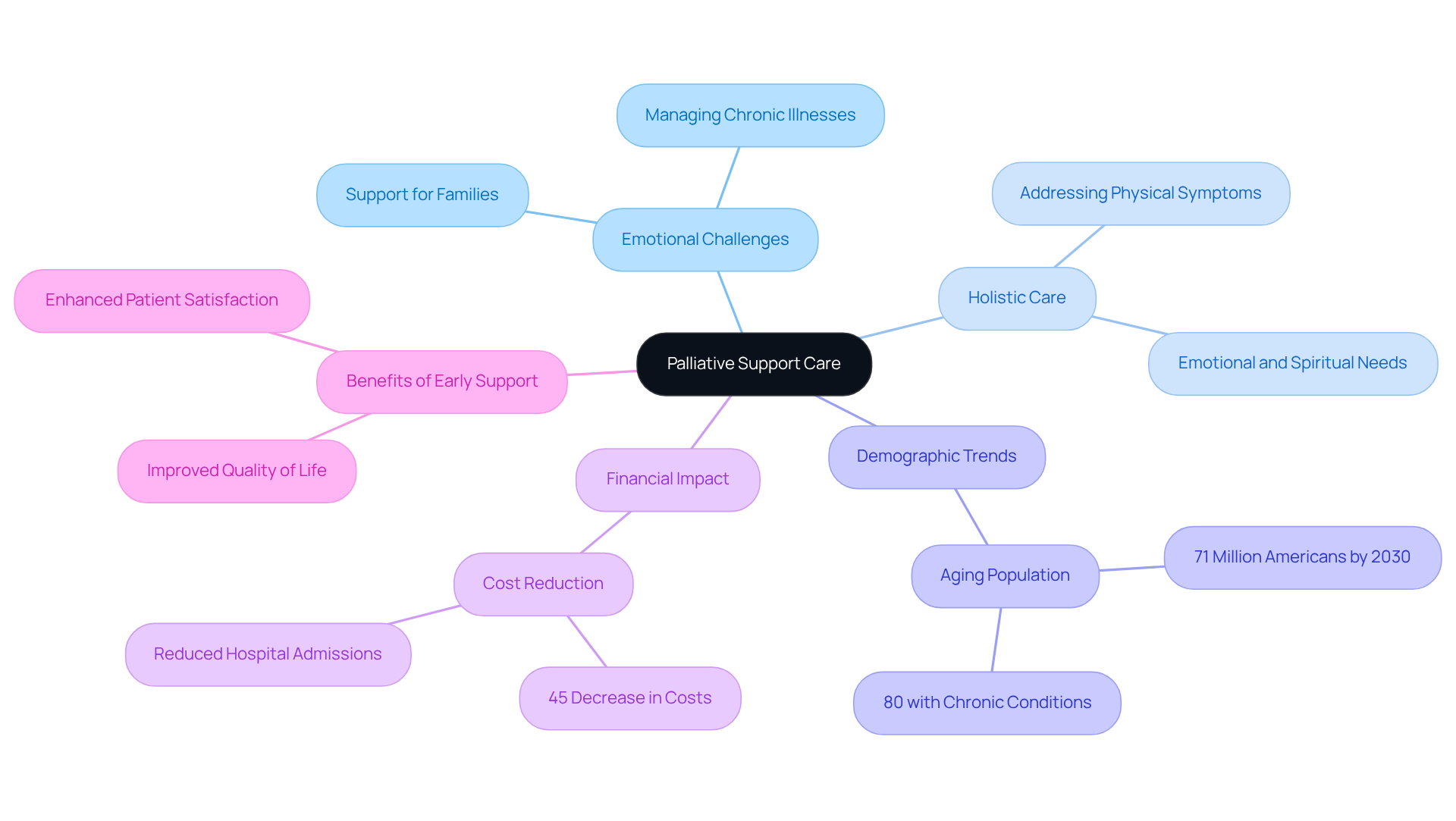
At , we understand the emotional challenges that come with managing . Our is dedicated to compassionate care, focusing on enhancing the for our clients. We address not only physical symptoms but also the , creating a holistic experience that nurtures the whole person.
As the number of Americans aged 65 and older is expected to reach 71 million by 2030, with 80% experiencing at least one chronic condition, the demand for has never been more critical. Families can trust us to provide comprehensive support for their loved ones who are navigating serious health challenges.
Research highlights the profound impact of early palliative support on quality of life, significantly reducing unnecessary hospital admissions. In fact, studies show that participation in a home-based palliative support program led to a remarkable 45% reduction in costs compared to standard treatment.
By combining empathetic support with skilled oversight, we ensure that our clients receive the individualized attention they deserve. Happy to Help Caregiving serves as an essential resource for families seeking affordable home care solutions and efficient palliative assistance options. We are here to help you and your loved ones every step of the way, offering not just care, but .
24/7 Availability: Always There When You Need Care
At , we understand the . The stress and burnout can feel overwhelming, but we are here to provide the . Our ensures that assistance is always within reach, offering you and your loved ones the comfort of knowing help is just a call away.
This ongoing support is vital for clients with diverse needs. It allows family members to , knowing that they are not alone in their caregiving journey. We believe that this level of accessibility is a significant advantage for households seeking .
We are committed to nurturing a compassionate environment where you can find peace of mind. Remember, you are not alone, and we are here to help every step of the way.
https://iframe.tely.ai/cta/eyJhcnRpY2xlX2lkIjogIjY4ZWU4NWI4OGNkMDQ3ODlhMTJjODViMyIsICJjb21wYW55X2lkIjogIjY4ZWU1ZGNhNzMxNzYyNTU3ZjNjOTVjMSIsICJpbmRleCI6IDUsICJ0eXBlIjogImFydGljbGUifQ==Flexible Scheduling: Tailored Care That Fits Your Family's Needs
At , we understand the emotional challenges that families face when seeking assistance. Our allow households to tailor support according to their unique needs. Whether you require , our caregivers can adjust their schedules to seamlessly integrate into your daily routine. This flexibility is essential for families seeking affordable home care solutions that align with their lifestyles.
Current trends in remind us of the importance of adapting services to the unique dynamics of each household. We know that assistance must be not only effective but also convenient. As highlighted in various sources, significantly transforms senior living, underscoring the need for flexible support arrangements.
For instance, case studies such as 'The Role of Family Support in Home Care Success' reveal that families utilizing adaptable assistance solutions report higher satisfaction and an . This is because caregivers can provide help during crucial moments, like post-hospital recovery or daily tasks.
Experts in caregiving emphasize the need to modify support to meet the specific requirements of families. They stress that an individualized focus nurtures a deeper connection between caregivers and clients. This approach not only alleviates stress for families but also enhances the overall caregiving experience, making it a vital aspect of modern home support services. and families ensures that support aligns with the evolving needs of each household.
https://iframe.tely.ai/cta/eyJhcnRpY2xlX2lkIjogIjY4ZWU4NWI4OGNkMDQ3ODlhMTJjODViMyIsICJjb21wYW55X2lkIjogIjY4ZWU1ZGNhNzMxNzYyNTU3ZjNjOTVjMSIsICJpbmRleCI6IDYsICJ0eXBlIjogImFydGljbGUifQ==Trained Caregivers: Expertise You Can Trust
At Happy to Help Caregiving, we understand the emotional challenges that families face when seeking support. Our skilled professionals are not just equipped with essential abilities and expertise; they are dedicated to providing high-quality, compassionate care. Whether assisting with daily tasks or offering specialized support for chronic conditions, our team is here to help alleviate stress and promote well-being.
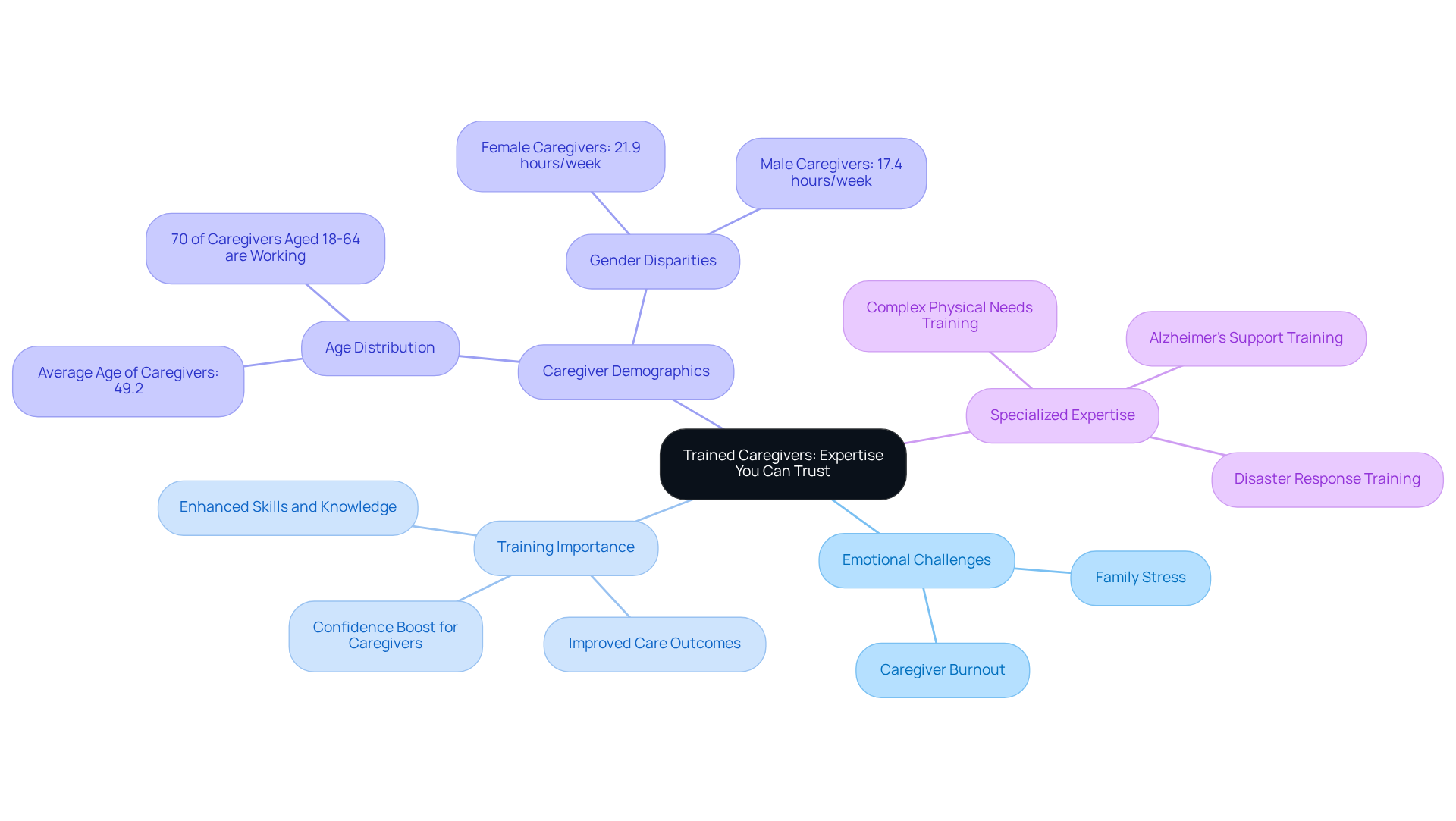
Research by Jarmin Yeh and colleagues underscores the . It significantly enhances their skills and knowledge, leading to improved care outcomes. Effective training programs boost the confidence and effectiveness of those providing care, ultimately benefiting clients and their families. With 70% of caregivers aged 18 to 64 actively working, the has never been greater. Many families struggle to find affordable home care solutions and supportive help, and we are here to bridge that gap.
Families can rest assured knowing their loved ones are in skilled hands. This choice is vital for quality home support. As healthcare experts emphasize, the credentials of caregivers—including —are crucial in ensuring clients receive the highest quality of aid. This not only promotes safety but also fosters a sense of well-being in the comfort of their own homes. We are committed to providing the nurturing care that families deserve.
Technology Integration: Enhancing Care Through Communication
At Happy to Help Caregiving, we understand the emotional challenges that caregivers face daily. The stress and burnout can feel overwhelming, but we are here to offer support. By effectively incorporating technology into our services, we significantly improve , helping families stay connected and informed.
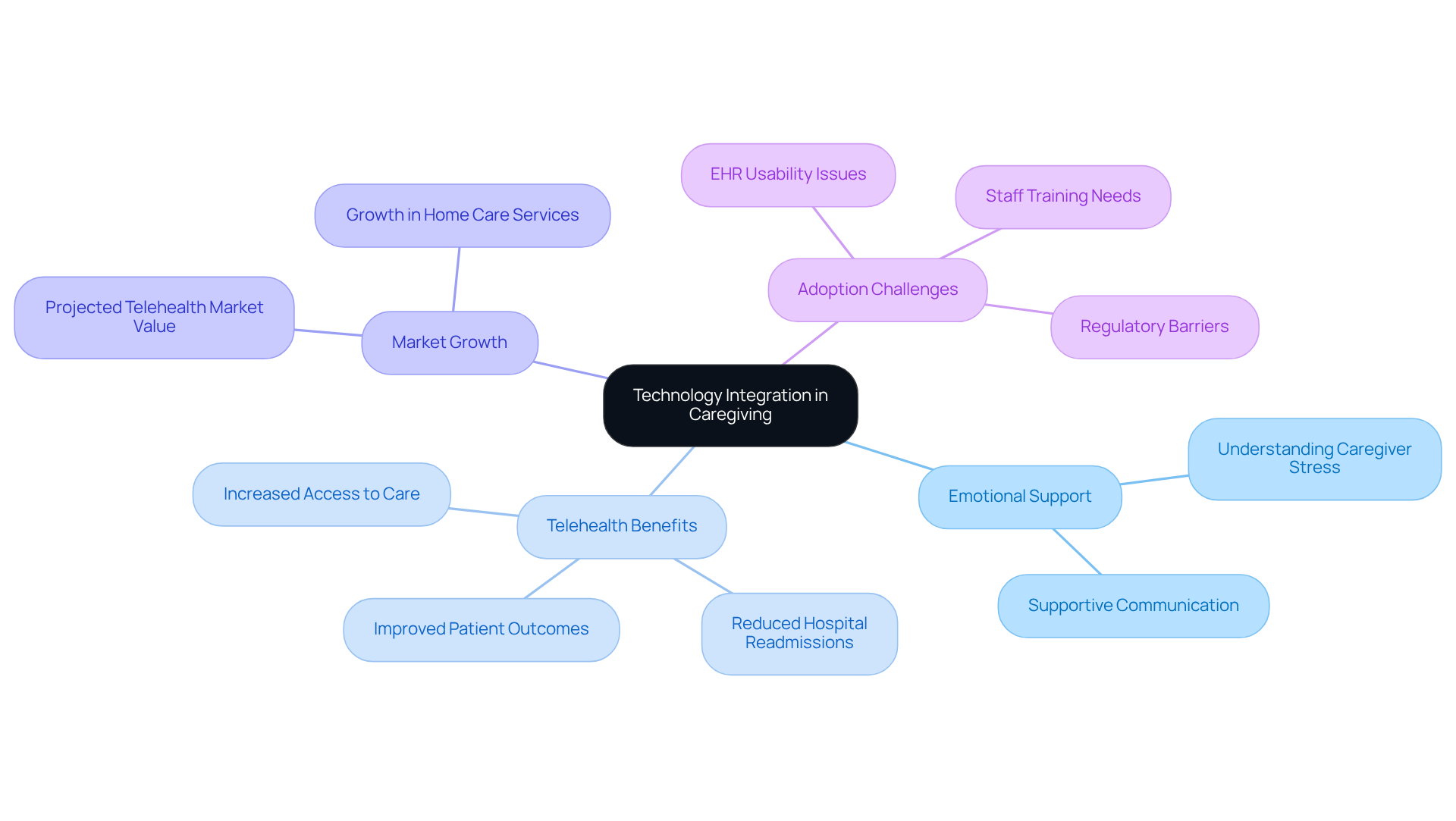
Imagine a world where online notes for relatives and allow households to remain engaged with caregivers. This collaborative support environment not only enhances the quality of service but also offers more for families. For instance, telehealth options have shown remarkable results, enhancing patient outcomes and reducing hospital readmissions. In fact, patients receiving care through Hospital-at-Home programs are 60% more likely to complete their treatment plans.
The telehealth sector is on a remarkable growth trajectory, expected to reach around $590.9 billion worldwide by 2032. This indicates a growing acceptance of virtual assistance, with over 68% of Medicare-certified home health organizations already embracing these offerings. We also recognize that secure messaging platforms have improved communication among clinicians, ensuring timely updates and reminders regarding patient management.
As the home assistance market continues to expand, driven by an aging demographic and a preference for in-home support, affordable home care solutions highlight the increasingly vital role of technology in caregiving. It is now a fundamental aspect of contemporary home solutions. However, we must also acknowledge the challenges that agencies face in adopting these technologies. These hurdles can impact their effectiveness and implementation, but we are committed to navigating these complexities together.
We believe in fostering a to caregiving, ensuring that families feel supported every step of the way.
Family Testimonials: Real Stories of Care and Support
Family testimonials beautifully illustrate the transformative experiences of those who have engaged with Happy to Help Caregiving services. These heartfelt narratives reflect the provided by caregivers and underscore the agency's dedication to enhancing clients' quality of life.
For instance, households express deep appreciation for the customized care their loved ones receive. One delighted daughter shared, 'Judi was amazing. She noticed my mom wasn’t feeling well. She went above and beyond. Judi is the best caretaker my mom has had.'
Such testimonials serve as . They reinforce the importance of tailored support in fostering independence and comfort at home.
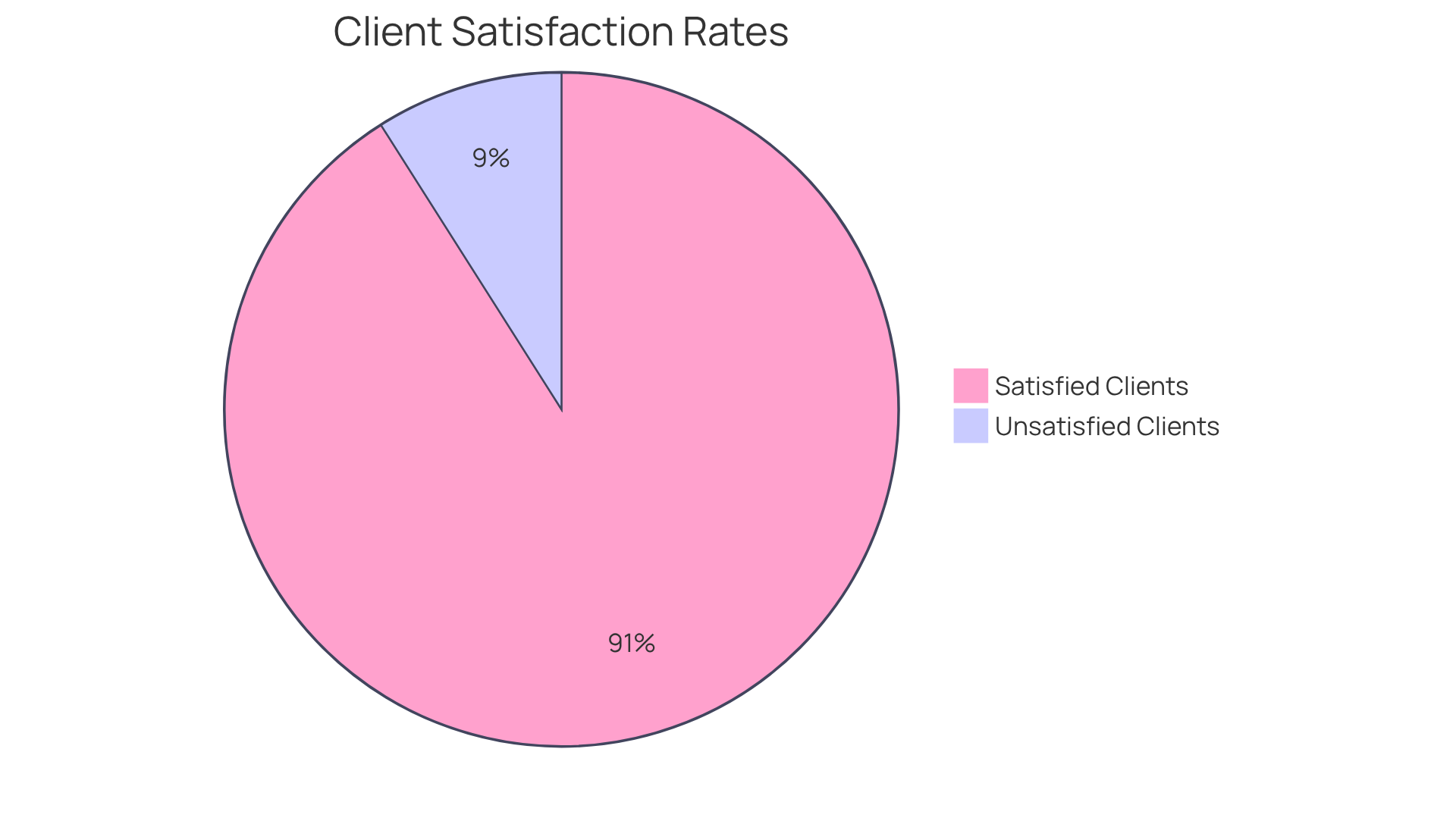
Current data reveals that , highlighting the effectiveness of personalized care in home settings. These genuine stories of caregiving resonate deeply, showcasing the life-changing impact of dedicated support during critical times.
Your Path Forward
Happy to Help Caregiving shines as a beacon of hope for families in search of affordable home care solutions. By focusing on personalized care, the organization not only addresses the unique needs of clients but also nurtures a sense of independence and emotional well-being. This tailored approach is crucial in a time when the demand for effective support continues to rise, especially as our aging population grows.
The article highlights several key aspects of Happy to Help Caregiving's offerings, such as:
- Companionship care
- Post-hospital recovery assistance
- Respite care
- Palliative support
Each service is thoughtfully designed to tackle both the physical and emotional challenges that seniors and their families face. With a commitment to flexibility and the integration of technology, Happy to Help Caregiving ensures that families receive the best possible support tailored to their specific circumstances.
Ultimately, the importance of affordable home care solutions cannot be overstated. As families navigate the complexities of caregiving, embracing these services can lead to a better quality of life for both clients and their caregivers. It is essential for families to understand that seeking help is a proactive step towards ensuring the well-being of their loved ones. By choosing personalized care options, families can cultivate an environment of support, compassion, and connection—elements that are vital for thriving on the caregiving journey.
https://iframe.tely.ai/cta/eyJhcnRpY2xlX2lkIjogIjY4ZWU4NWI4OGNkMDQ3ODlhMTJjODViMyIsICJjb21wYW55X2lkIjogIjY4ZWU1ZGNhNzMxNzYyNTU3ZjNjOTVjMSIsICJpbmRleCI6IG51bGwsICJ0eXBlIjogImFydGljbGUifQ==Frequently Asked Questions
What services does Happy to Help Caregiving provide?
Happy to Help Caregiving offers personalized in-home assistance tailored to the unique needs of families, focusing on enhancing the quality of life for seniors and individuals with special needs through compassionate support.
How does personalized in-home care benefit clients?
Personalized in-home care fosters independence, nurtures emotional well-being, and empowers clients to maintain their cherished routines and preferences, which are crucial for their emotional health.
What is the current demand for senior support services in the U.S.?
According to the 2020 census, the U.S. population of adults aged 65 and older reached 55.8 million, with projections indicating that the number of individuals requiring assisted living will surpass two million by 2040.
What role does companionship care play in emotional support for seniors?
Companionship care provides essential emotional support to alleviate feelings of loneliness and isolation, engaging clients in meaningful activities that enhance mental health and promote a sense of belonging.
How does Happy to Help Caregiving support post-hospital recovery?
The service facilitates smooth transitions from hospital to home by offering medication management, mobility support, and daily living assistance, along with emotional support to ensure a successful recovery.
What impact does home support have on hospital readmission rates?
Research indicates that patients receiving home support experience a 20% lower readmission rate compared to those who do not receive assistance at home.
How does Happy to Help Caregiving ensure individualized care for clients?
They create customized support plans tailored to each individual's unique requirements, involving family participation to foster a sense of community and care.
What tools does Happy to Help Caregiving integrate to improve care?
They utilize technology such as medication reminders and health monitoring tools to enhance medication management and adherence to treatment regimens.
What feedback do families provide about Happy to Help Caregiving's services?
Testimonials from families highlight the compassionate manner of providers and the positive effects of assistance on their loved ones' well-being in the comfort of home.