
For families in our service areas
For families in our service areas, this guide explains in-home care and how non-medical in-home caregiving can support care planning in East Idaho, Treasure Valley & Magic Valley, Northern Wasatch, North Central West Virginia, and Northeast Ohio.
Understanding 10 Affordable In-Home Care Options
Navigating in-home care for seniors can feel overwhelming, especially for families trying to balance quality support with affordability. It’s a journey filled with emotional challenges, and it’s completely understandable to feel stressed or burnt out. With so many options available, finding the right resources and services is crucial for enhancing the well-being of our elderly loved ones.
But amidst this sea of choices, how can families ensure they’re selecting the most effective and compassionate care solutions? This article explores ten affordable in-home care options designed to meet the unique needs of seniors. By empowering families with the right information, we can foster a nurturing environment for our loved ones, allowing them to thrive in the comfort of their own homes.
Happy to Help Caregiving: Personalized In-Home Care Services for Seniors
At Happy to Help Caregiving, we understand the emotional challenges that caregivers face. The stress and burnout can feel overwhelming, but you’re not alone. Our customized in-home assistance services provide affordable in home care for seniors, designed with the unique needs of elderly individuals in mind, offering the support that truly matters.
We offer a range of services, including:
- Companionship
- Post-hospital recovery assistance
- Respite support
- Palliative care
Each service is crafted to promote independence and well-being, providing affordable in home care for seniors and allowing your loved ones to thrive in the comfort of their own homes. Imagine the peace of mind that comes from knowing they have compassionate support right where they belong.
With a strong emphasis on empathy and communication, we strive to create a nurturing environment. Our caregivers are not just professionals; they are companions who genuinely care. As one of our clients shared, "Having someone who understands my needs has made all the difference. I feel supported and valued."
We believe that everyone deserves personalized assistance that respects their dignity and fosters their independence. Let us help you navigate this journey with compassion and understanding. Together, we can ensure that your loved ones receive the care they need, allowing you to focus on what truly matters-your family.
Conduct a Comprehensive Care Needs Assessment
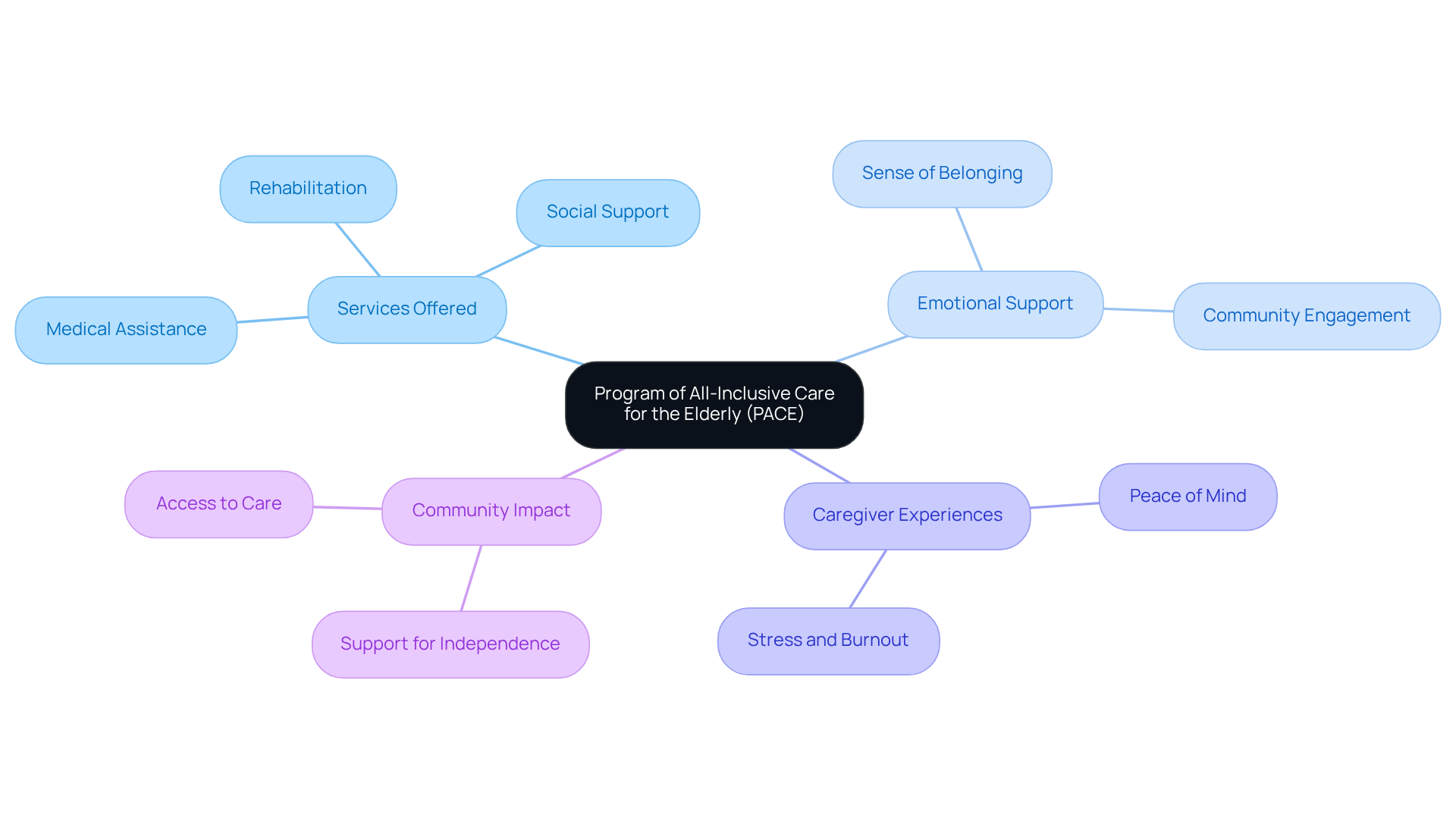
Understanding the diverse needs of older adults is essential, and performing a thorough support needs evaluation is a vital step in this process. It’s not just about checking boxes; it’s about truly grasping an individual’s physical health, emotional well-being, and social circumstances. This assessment involves a careful review of medical history, evaluating daily living activities, and having heartfelt discussions about personal preferences and lifestyle choices. By gathering this crucial information, caregivers can craft individualized support strategies that cater to the unique challenges each senior faces.
For example, effective assessments often include evaluations of cognitive function. Identifying any memory loss or cognitive impairments can significantly impact the level of assistance needed for daily activities. Additionally, assessing emotional and social well-being is key. It highlights the importance of relationships and recognizes signs of loneliness, ensuring that the care plan nurtures not just physical health but also emotional support and social engagement.
Research shows that personalized treatment plans lead to better health outcomes, such as an improved quality of life and fewer hospital readmissions. Home-based Comprehensive Geriatric Assessment (CGA) has been associated with enhanced overall quality of life and reduced hospitalization rates. By proactively addressing the specific needs of older adults, caregivers can create a supportive environment that promotes independence while ensuring safety and well-being. This tailored approach not only meets immediate support needs but also adapts to the evolving requirements of older adults, ultimately enriching their overall quality of life.
Explore the Consumer-Directed Personal Assistance Program (CDPAP)
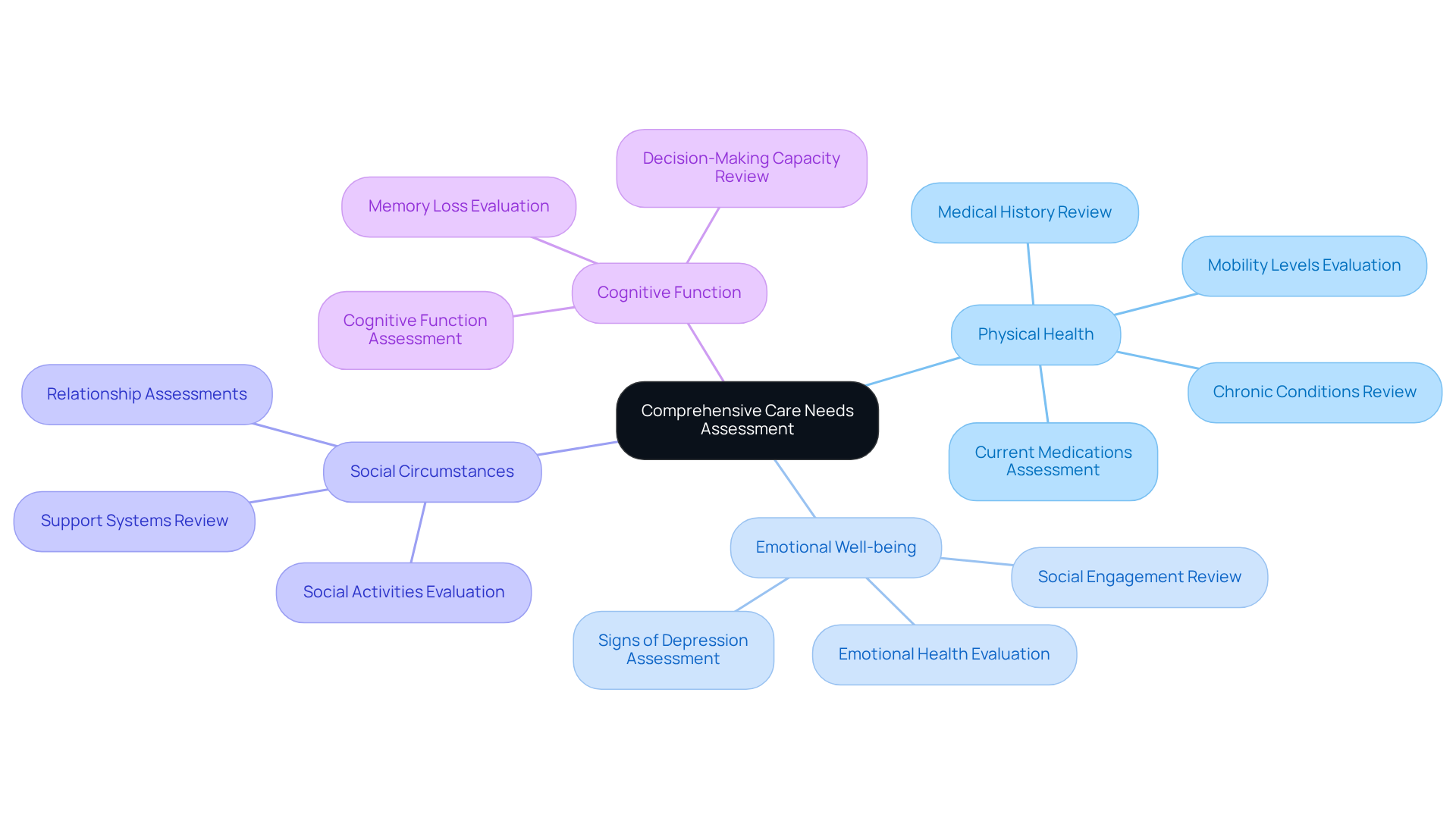
The Consumer-Directed Personal Assistance Program (CDPAP) offers a wonderful opportunity for qualified older adults to choose their own caregivers, including family members or friends. This choice not only boosts their sense of autonomy but also nurtures trust and comfort in the caregiving relationship.
By participating in CDPAP, older adults can receive personalized care that truly aligns with their individual preferences and lifestyles. This tailored approach significantly enhances their quality of life. Many families have shared success stories, highlighting how this personalized care has led to improved health outcomes and a more fulfilling daily experience for their loved ones.
The empowerment that comes from selecting caregivers allows elderly individuals to maintain their independence while ensuring they receive affordable in home care for seniors in a familiar environment. As CDPAP United beautifully states, "Consumer-Directed Support enables individuals with disabilities, older adults, and their families to manage their assistance and support services."
Moreover, recent legislative initiatives, like Senate Bill 7954, aim to further enhance consumer autonomy within the CDPAP framework. This ensures that older adults can continue to benefit from this vital program, reinforcing the importance of choice and support in their lives.
Consider the Program of All-Inclusive Care for the Elderly (PACE)
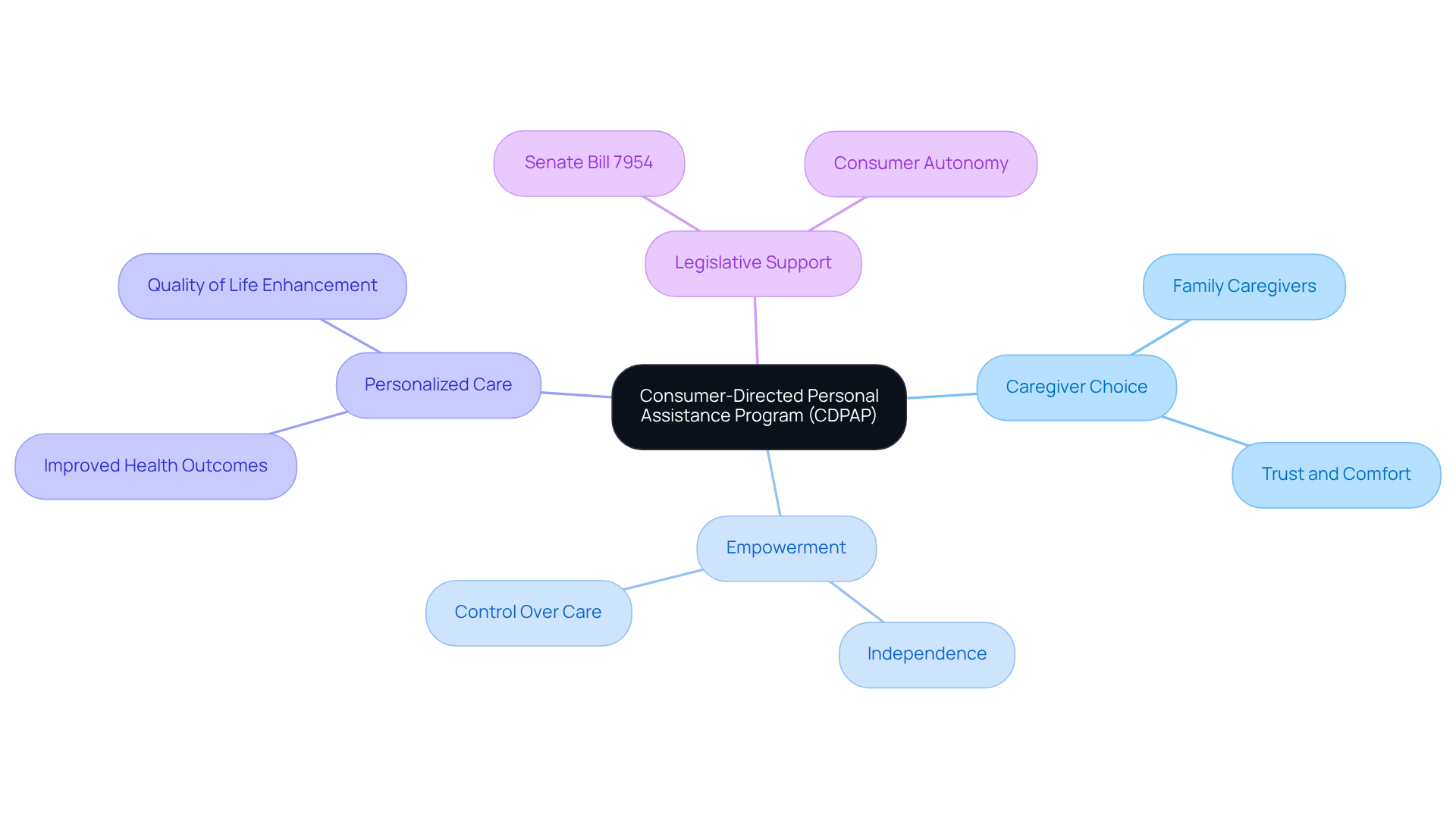
Caring for our elderly loved ones can be an emotional journey filled with challenges. Many caregivers experience stress and burnout as they strive to provide the best support possible. The Program of All-Inclusive Care for the Elderly (PACE) understands these feelings and offers a holistic approach to elder support, ensuring that both older adults and their caregivers feel valued and supported.
PACE provides a range of services, including medical assistance, rehabilitation, and social support, all designed to meet the unique needs of older adults. This program is especially beneficial for those who qualify for assisted living but wish to remain in their communities. By organizing all elements of assistance, PACE helps older adults preserve their independence while guaranteeing they receive the essential support to flourish.
Imagine the peace of mind that comes from knowing your loved one is receiving compassionate care tailored to their needs. PACE not only addresses the practical aspects of care but also nurtures emotional well-being, fostering a sense of belonging and community.
As one caregiver shared, "Knowing that my mother is in good hands with PACE has lifted a weight off my shoulders. I can finally breathe again, knowing she’s thriving in her own home." This sentiment echoes the experiences of many who have found solace in the supportive embrace of PACE.
In conclusion, PACE stands as a beacon of hope for older adults and their caregivers. With its comprehensive services and compassionate approach, it reassures families that they are not alone in this journey. Together, we can ensure that our elderly loved ones continue to live fulfilling lives, surrounded by care and support.
Prioritize Flexible Scheduling Options for Caregivers
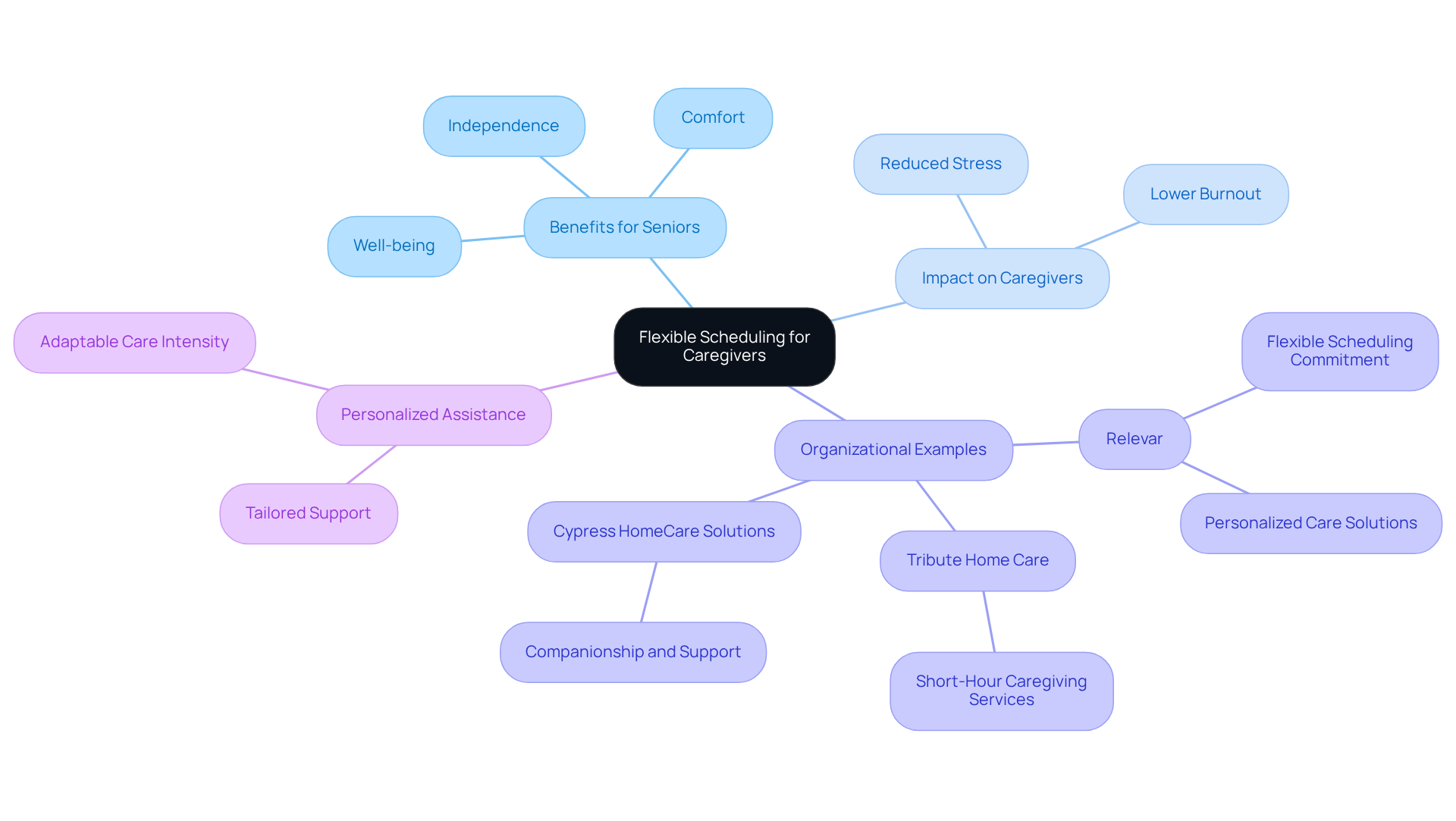
Choosing in-home care services can be overwhelming, and prioritizing flexible scheduling options is essential. Caregivers who can adjust their hours to meet the unique needs of older adults offer invaluable support. This adaptability not only fits into the daily routines of seniors but also nurtures their sense of independence and comfort, greatly enhancing their overall well-being.
Imagine the relief that comes when caregivers can align their schedules with the needs of those they care for. Studies reveal that individuals who manage their own schedules experience less stress and a lower risk of burnout. This, in turn, leads to a higher quality of support for clients. For example, organizations like Relevar, which embrace flexible scheduling, have seen a boost in staff morale and engagement, resulting in a more stable workforce.
Moreover, case studies show that adaptable scheduling allows providers to offer personalized assistance. Whether it’s adjusting support intensity during recovery or accommodating chronic conditions, this tailored approach meets immediate needs while anticipating future requirements. Families can rest assured knowing they have reliable support as circumstances change.
Ultimately, adaptable scheduling is a cornerstone of affordable in-home care for seniors. It benefits both providers and the seniors they support, creating a nurturing environment where everyone can thrive.
Utilize Insurance Benefits to Offset Care Costs
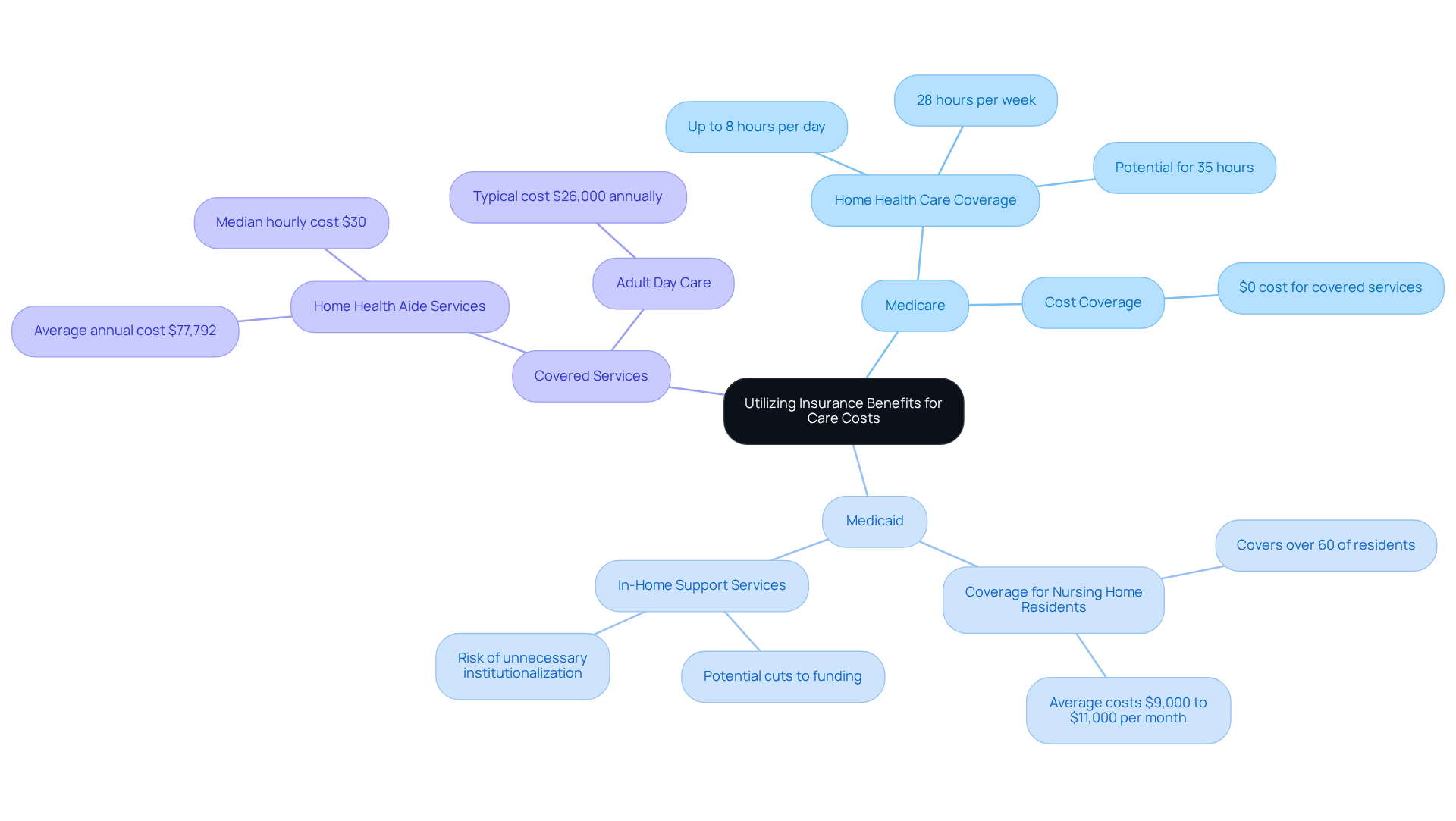
Navigating the world of in-home assistance can be overwhelming for families. It’s important to know that numerous insurance plans, like Medicare and Medicaid, offer benefits that can help ease the financial burden of these services.
Understanding what services are covered under these plans can make a significant difference. By exploring these options, families can find the support they need, ultimately lowering out-of-pocket costs. This makes affordable in-home care for seniors not just a possibility, but a more accessible reality.
Remember, you’re not alone in this journey. Many families face similar challenges, and there are resources available to help lighten the load. Embracing these advantages can lead to a more manageable and supportive experience for everyone involved.
Research Local Resources and Support Networks
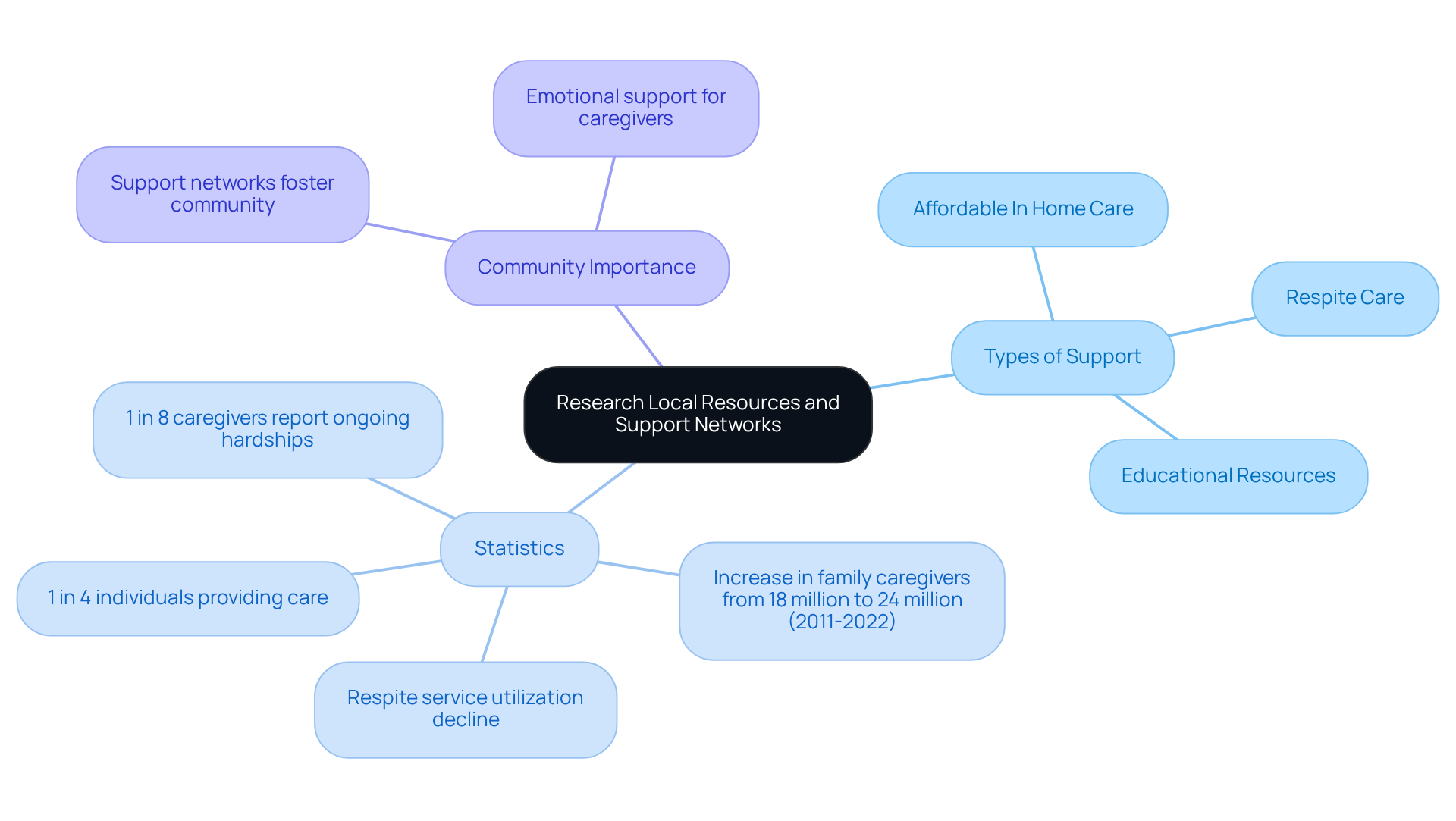
Caring for seniors can be a challenging journey, and it’s essential for households to explore local resources and support networks that provide affordable in home care for seniors. Organizations like Area Agencies on Aging are vital in connecting families with crucial services, such as:
- Affordable in home care for seniors
- Respite care
- Educational resources that can significantly enhance the caregiving experience
In 2022, nearly 1 in 4 individuals in the U.S. were relatives providing care, a significant increase from 18 million in 2011 to 24 million in 2022. This rise underscores the growing need for affordable in home care for seniors. Local senior centers and support groups offer invaluable information on affordable in home care for seniors, helping families navigate the complexities of caregiving. These networks not only provide practical support but also foster a sense of community, which is so important for easing the emotional burdens often faced by caregivers seeking affordable in home care for seniors. In fact, about 1 in 8 caregivers report ongoing financial, physical, or emotional hardships.
Moreover, the decline in respite service utilization among caregivers - from 12.9% in 2011 to 9.3% in 2022 - highlights the critical role that affordable in home care for seniors plays in providing essential support. By tapping into these resources, families can ensure they are well-equipped to meet the needs of their loved ones through affordable in home care for seniors while also taking care of their own well-being. As Jennifer L. Wolff noted, addressing the needs of household caregivers will require a unified approach to support the caregiving economy.
Read Testimonials and Reviews for Insight on Care Services
When families look for in-home caregiving services, hearing from others can be incredibly helpful. Testimonials and evaluations from other households offer valuable insights into the quality of care provided. These firsthand accounts shine a light on both the strengths and weaknesses of different agencies, helping families navigate their choices with confidence.
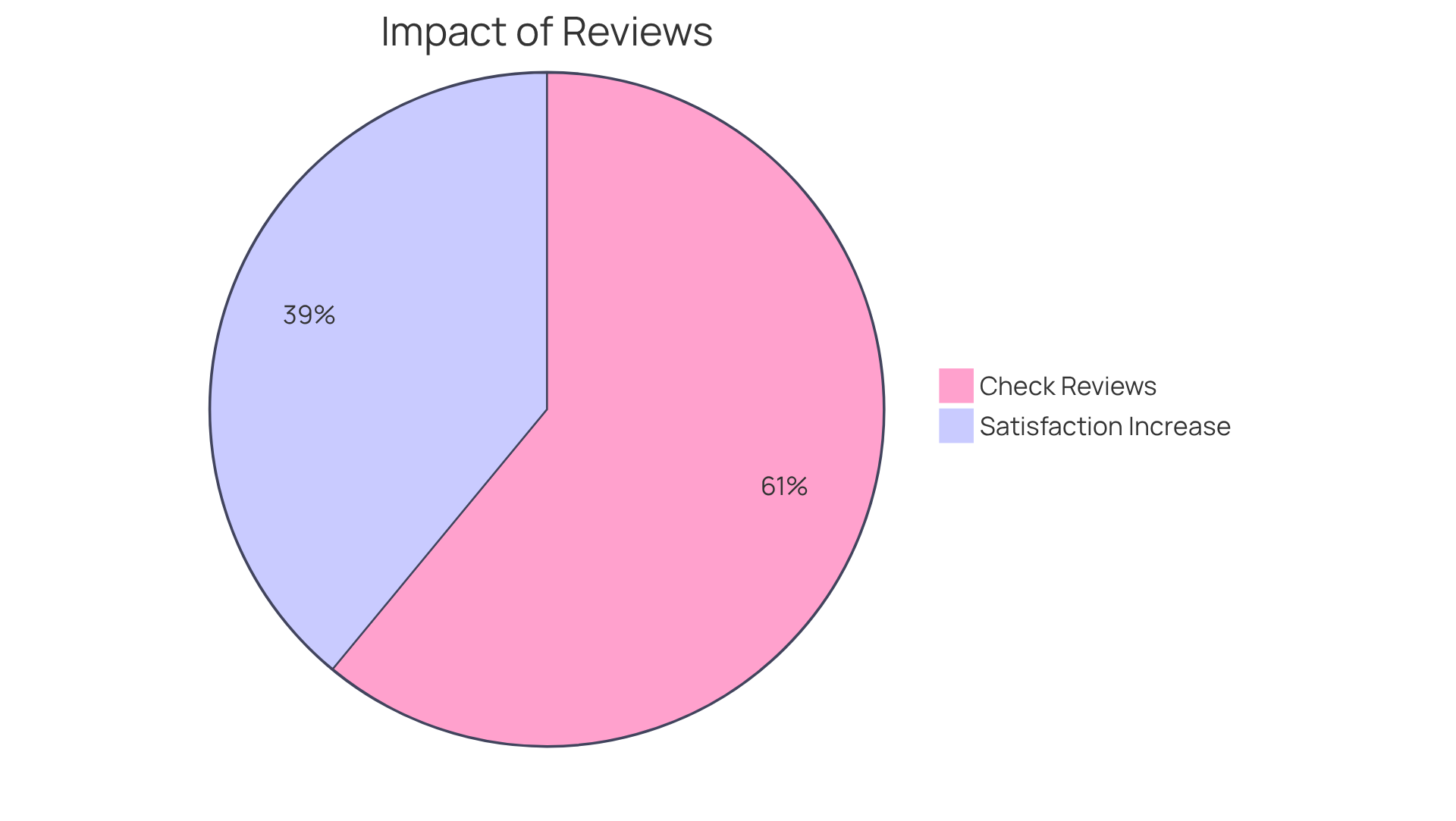
It’s understandable to feel overwhelmed during this process. Research shows that over 70% of people check online reviews before choosing a healthcare provider. This highlights just how crucial feedback is in building trust. Look for agencies that consistently receive positive reviews and are known for their compassionate care.
For instance, many families have shared their experiences, noting a 44.8% increase in satisfaction ratings after working with dedicated support providers. They’ve seen real improvements in their loved ones' mental health and overall well-being. These stories not only showcase the effectiveness of the services but also highlight the emotional support that caregivers provide, creating a sense of security and comfort at home.
Evaluating in-home caregiving agencies through reviews can empower families to make informed decisions. It’s about ensuring that your loved ones receive the best possible care, and knowing that you’re not alone in this journey.
Engage Caregivers Trained in Emotional Support
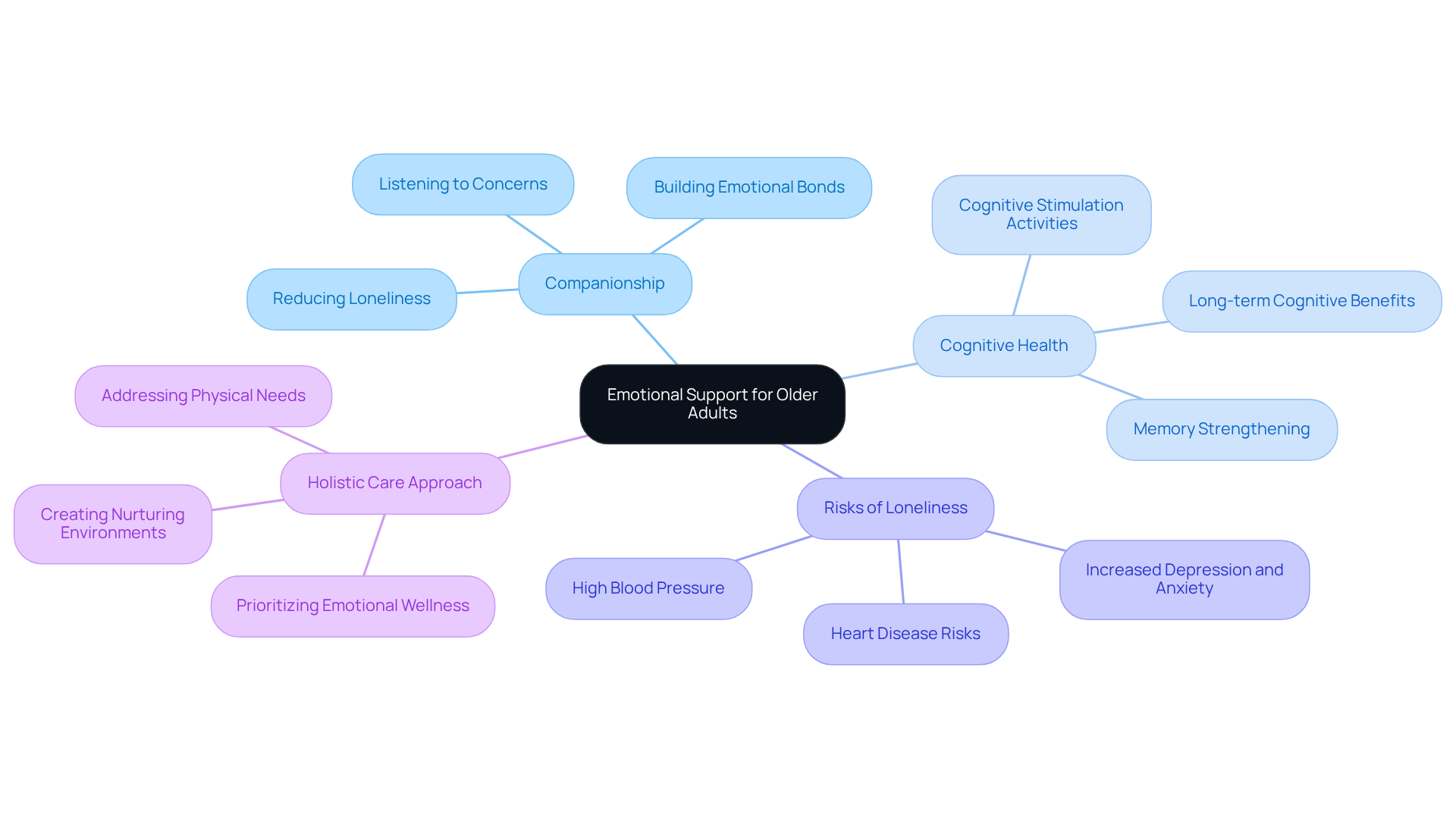
Involving individuals specifically trained in emotional support is crucial for the well-being of older adults. These compassionate support providers not only offer companionship but also listen attentively to concerns, helping to ease feelings of loneliness and isolation. Research shows that regular social interaction can significantly lift mood and enhance cognitive health, reducing the risk of conditions like depression and anxiety.
Loneliness can take a toll, increasing the risk of heart disease and high blood pressure, which underscores the importance of companionship. By nurturing emotional bonds, caregivers can truly improve the overall quality of life for older adults, contributing to affordable in home care for seniors that is more fulfilling and enriching.
Moreover, engaging in cognitive stimulation activities alongside mental health support can slow cognitive decline and strengthen memory, leading to lasting cognitive benefits. This holistic approach to caregiving not only addresses physical needs but also prioritizes emotional wellness, creating a nurturing environment where older adults can thrive.
As one caregiver shared, "Seeing the smiles on their faces when we connect makes every moment worthwhile." This kind of heartfelt connection is what makes all the difference.
Maintain Open Communication with Caregivers
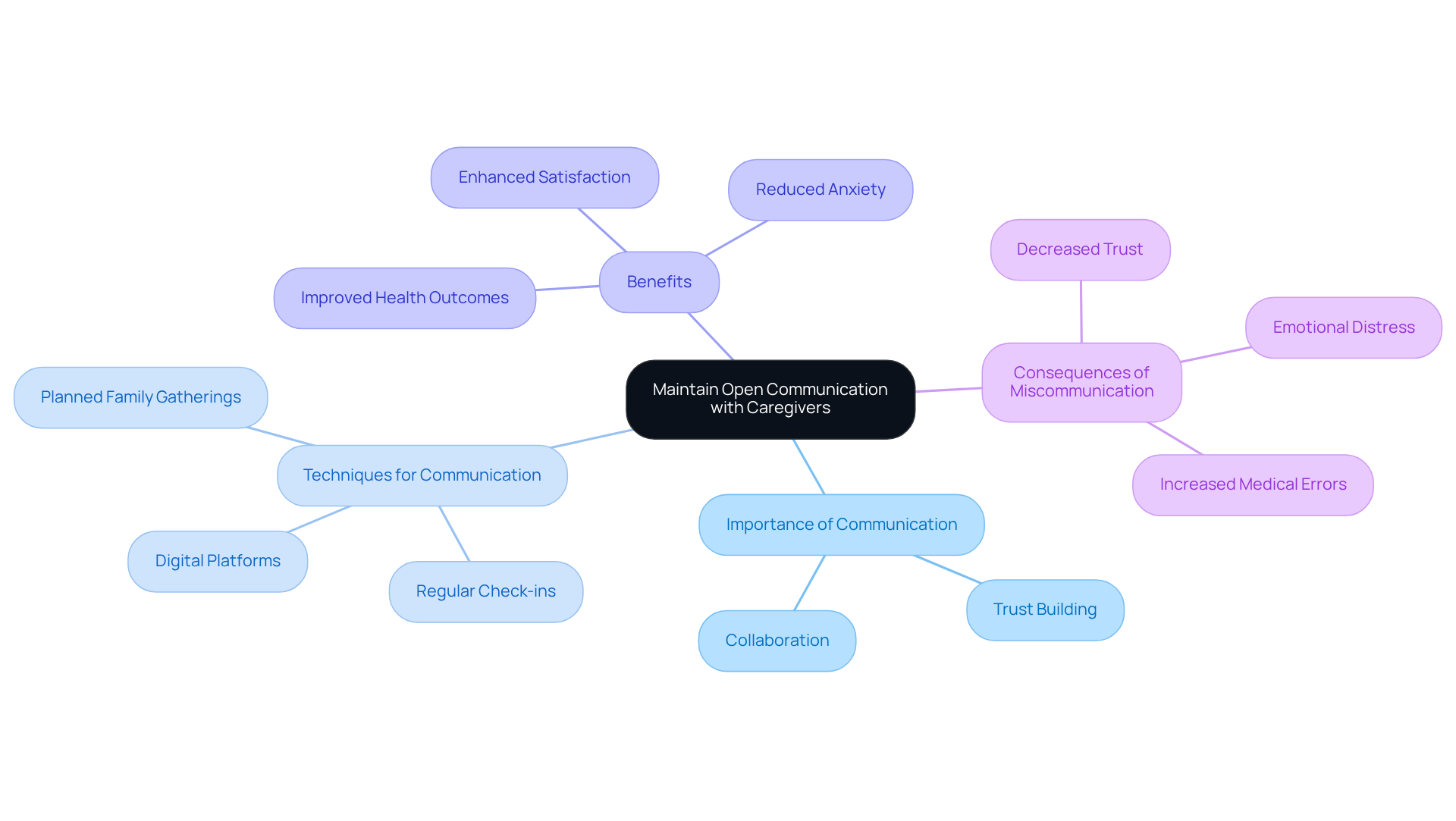
Clear communication with those who provide support is vital for effective in-home assistance. Families should foster open channels to discuss support plans, preferences, and any changes in the elder's condition. Regular check-ins and updates not only ensure that support providers are meeting the senior's needs but also create a sense of engagement and comfort for loved ones.
Research shows that effective communication can significantly improve health outcomes, reducing misunderstandings and enhancing overall satisfaction. For instance, families that maintain regular communication with caregivers often report higher levels of trust and collaboration, which are essential for managing assistance effectively.
Implementing organized communication techniques, like planned family gatherings and shared digital platforms for updates, can strengthen these relationships. This way, everyone stays aligned in their approach to support. As noted by First City, "Effective communication is the cornerstone of quality care, especially in domiciliary care where carers support individuals in their own homes."
It's also important to recognize that miscommunication during handovers accounts for about 80% of serious medical errors. This statistic underscores the critical need for effective communication in caregiving. By prioritizing clear dialogue, families can create a nurturing environment that fosters trust and understanding.
Making the Right Choice
Understanding the various affordable in-home care options for seniors is essential for families who want to provide the best support for their loved ones. It’s a journey filled with emotional challenges, and knowing the right services can make all the difference. This article has explored a range of services designed to enhance the quality of life for elderly individuals while allowing them to maintain their independence in a familiar environment.
From personalized care programs like CDPAP and PACE to the importance of flexible scheduling and emotional support, each option plays a vital role in creating a nurturing caregiving experience. It’s crucial to conduct comprehensive care needs assessments to tailor support effectively. Utilizing insurance can help offset costs, and engaging caregivers trained in emotional support can significantly enhance the experience for both seniors and their families.
Open communication between families and caregivers is key. It builds trust and satisfaction in the caregiving process, ensuring that everyone feels heard and valued. Ultimately, caring for seniors isn’t just about meeting their physical needs; it’s about fostering emotional well-being and ensuring they feel cherished and supported.
Families are encouraged to explore local resources and support networks. Reading testimonials can guide their choices, helping them embrace the various affordable options available. By prioritizing the unique needs of seniors, caregivers can create a loving environment where elderly individuals can thrive, ensuring they live fulfilling lives surrounded by compassion and care.
https://iframe.tely.ai/cta/eyJhcnRpY2xlX2lkIjogIjY5MWU3NDdjNWZjZjNmNDlmZDhiN2E4MyIsICJjb21wYW55X2lkIjogIjY4ZWU1ZGNhNzMxNzYyNTU3ZjNjOTVjMSIsICJpbmRleCI6IG51bGwsICJ0eXBlIjogImFydGljbGUifQ==Frequently Asked Questions
What services does Happy to Help Caregiving offer for seniors?
Happy to Help Caregiving offers a range of services including companionship, post-hospital recovery assistance, respite support, and palliative care, all designed to promote independence and well-being for seniors.
How does Happy to Help Caregiving address the emotional challenges faced by caregivers?
The organization acknowledges the emotional challenges and stress caregivers experience and provides customized in-home assistance services to support both seniors and their caregivers, ensuring they feel valued and supported.
What is involved in the comprehensive care needs assessment for seniors?
A comprehensive care needs assessment involves reviewing medical history, evaluating daily living activities, and discussing personal preferences and lifestyle choices to create individualized support strategies that address the unique challenges each senior faces.
Why is assessing cognitive function important in the care needs evaluation?
Assessing cognitive function is crucial because identifying memory loss or cognitive impairments can significantly impact the level of assistance needed for daily activities, ensuring that care plans are tailored to each individual's needs.
What is the Consumer-Directed Personal Assistance Program (CDPAP)?
CDPAP is a program that allows qualified older adults to choose their own caregivers, including family members or friends, enhancing their autonomy and comfort in the caregiving relationship.
How does CDPAP benefit older adults?
CDPAP provides personalized care that aligns with the individual's preferences and lifestyles, significantly improving their quality of life and allowing them to maintain independence in a familiar environment.
What recent legislative initiatives support the CDPAP framework?
Recent initiatives, such as Senate Bill 7954, aim to enhance consumer autonomy within the CDPAP framework, ensuring that older adults continue to benefit from the program and reinforcing the importance of choice in their care.