10 Assistive Mobility Devices to Enhance Independence for Loved
For families in our service areas
For families in our service areas, this guide explains caregiving and how non-medical in-home caregiving can support care planning in East Idaho, Treasure Valley & Magic Valley, Northern Wasatch, North Central West Virginia, and Northeast Ohio.
Why 10 Assistive Mobility Devices to Matters
Imagine a world where mobility challenges no longer dictate the lives of seniors and individuals with disabilities. Assistive mobility devices are truly transforming how these individuals navigate their homes and communities. They offer newfound independence and significantly enhance quality of life.
Yet, with so many options available, caregivers and loved ones often feel overwhelmed. How can they choose the right tools to empower their clients effectively? This article explores ten essential assistive mobility devices that not only promote autonomy but also enrich the lives of those they serve. Together, we can ensure that independence is within reach for everyone.
Happy to Help Caregiving: Personalized Mobility Assistance for Enhanced Independence
At Happy to Help Caregiving, we truly understand the emotional challenges that caregivers face. The journey of providing care can often feel overwhelming, filled with stress and burnout. That’s why we excel in delivering personalized in-home care that significantly enhances independence for seniors and individuals with special needs.
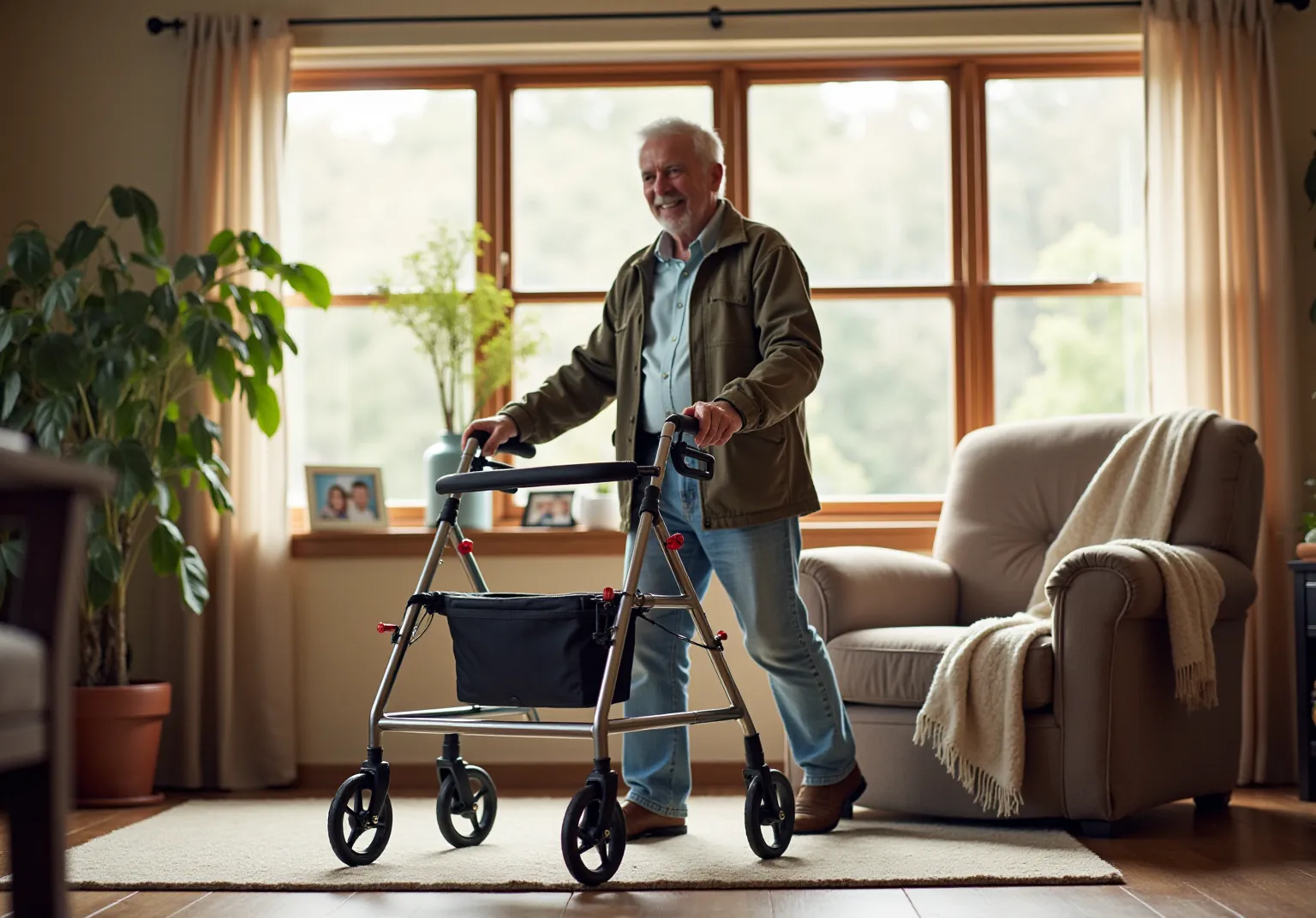
Imagine a world where assistive mobility devices are seamlessly integrated into care strategies. These tools empower clients to navigate their homes and communities with greater ease and confidence. Not only do they enhance movement, but they also play a vital role in elevating overall quality of life. Research shows that assistive tools can improve balance, alleviate pain, and lower the risk of falls—an essential consideration, especially since one in four adults over the age of 65 experiences a fall each year.
This tailored approach ensures that each client receives the necessary support to thrive in familiar surroundings, fostering a profound sense of security and comfort. As the demand for in-home caregiving continues to rise, we recognize the importance of assistive devices like:
- four-wheel rolling walkers
- manual wheelchairs
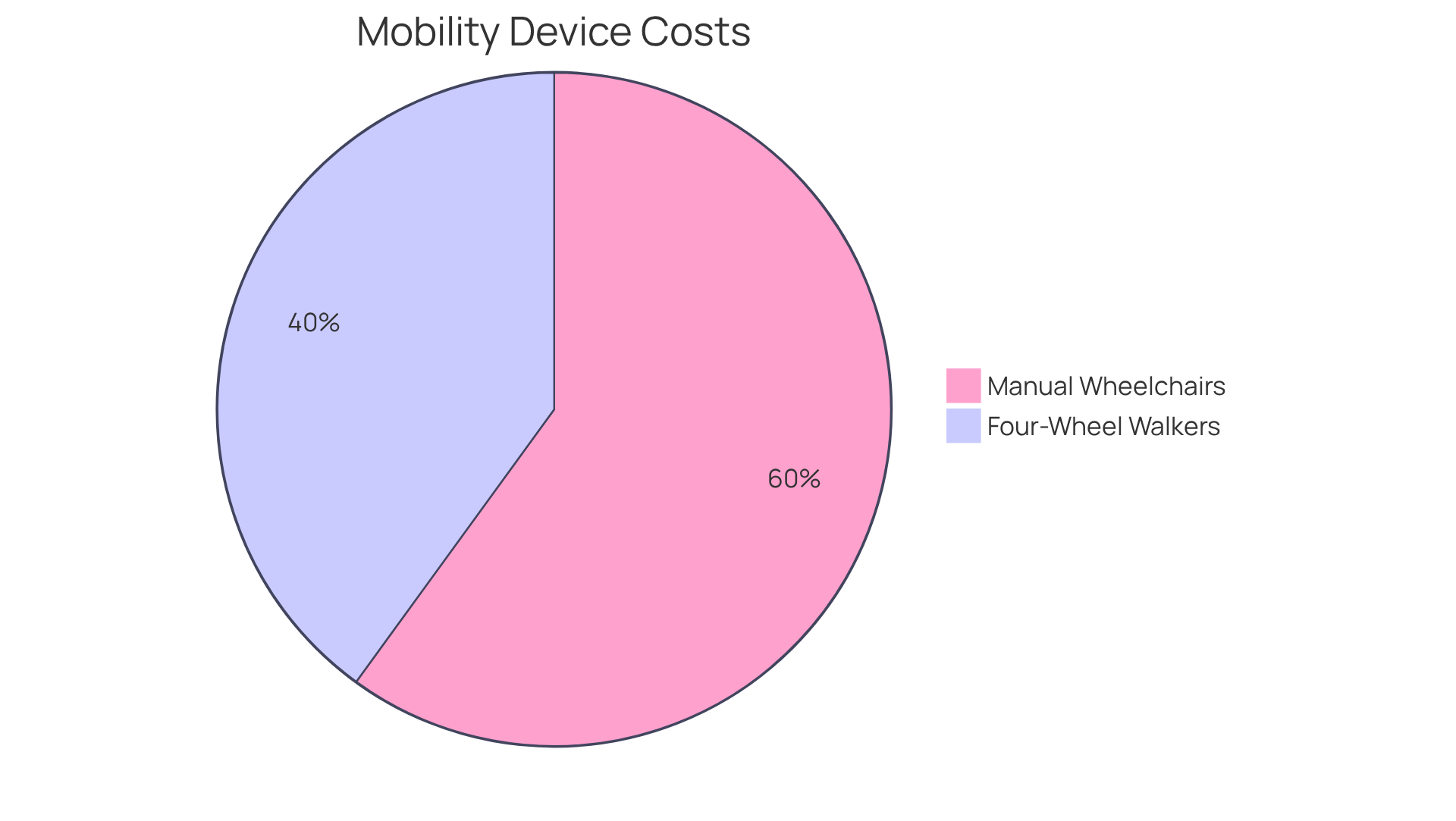
These are designed specifically to meet the unique needs of seniors. The cost of a standard walker typically ranges from $20 to $60, while a manual wheelchair can be found between $100 and $200.
Ultimately, incorporating these tools into caregiving not only encourages independence but also enriches the lives of our clients. It enables them to uphold their dignity and autonomy at home, allowing them to live life on their own terms. We’re here to support you every step of the way, ensuring that you and your loved ones feel cared for and valued.
Power Wheelchair: Enhanced Mobility and Comfort for Users
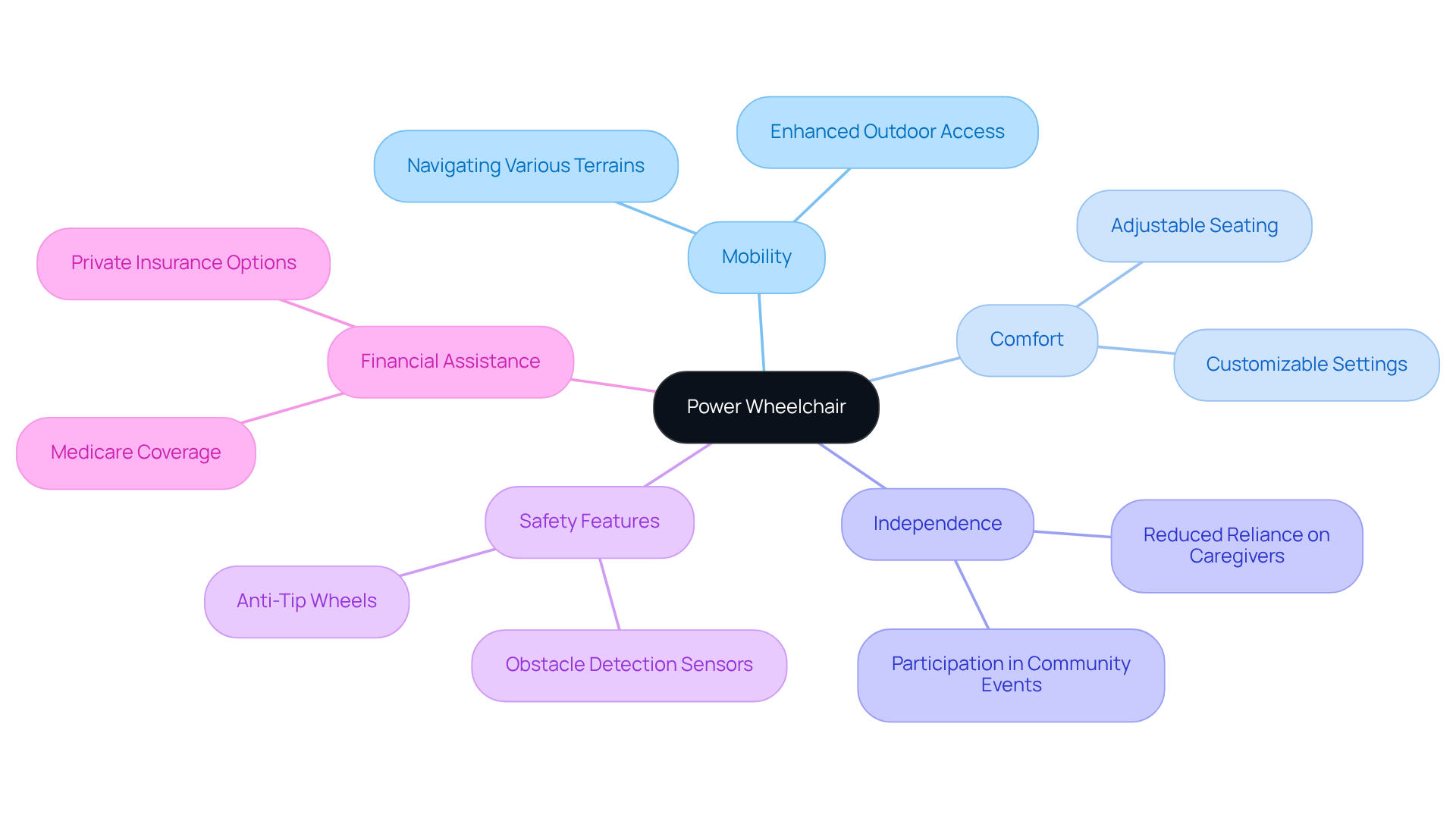
Assistive mobility devices, such as power wheelchairs, can truly transform lives by offering not just mobility but also comfort and independence. They empower individuals to navigate various terrains with ease, making daily activities and social interactions more accessible. With features like adjustable seating, joystick controls, and customizable settings, these sophisticated devices cater to personal preferences and physical needs.
For those with limited upper body strength, assistive mobility devices such as power wheelchairs are essential. They foster independence, allowing individuals to engage in life without relying heavily on caregivers. Many have shared heartwarming stories of how these wheelchairs have opened doors to community events and outdoor adventures, highlighting the freedom they provide.
Mobility experts emphasize the importance of safety features like obstacle detection sensors and anti-tip wheels. These enhancements not only improve stability but also transform power wheelchairs into more than just a means of transport; they become a pathway to a more active and fulfilling life.
Understanding Medicare and Medicaid coverage for assistive mobility devices like power wheelchairs is vital for family caregivers seeking financial assistance. As one caregiver noted, "Power wheelchairs have transformed the lives of individuals with movement difficulties, offering a newfound sense of freedom and independence." With a variety of models and customization options available, individuals can find the perfect match for their unique needs, ensuring they feel supported and empowered.
Walker: Stability and Support for Daily Activities
Assistive mobility devices like walkers play a vital role in providing stability and support for individuals who struggle with balance or strength. With various styles available, including standard walkers and rollators with wheels, these devices allow individuals to find the perfect fit for their unique needs. Rollators, which are a type of assistive mobility device, have become increasingly popular due to their significant ability to reduce fall risks. In 2024, the rollators segment generated nearly USD 975.8 million, capturing an impressive 57.4% market share. This clearly demonstrates the effectiveness of assistive mobility devices in improving mobility for older adults. Moreover, the market for assistive mobility devices, specifically elderly walkers, is projected to reach USD 3 billion by 2034, reflecting a growing acknowledgment of their importance in elder care.
Physical and occupational therapists often recommend rollator walkers for their safety features and ease of use. As Tom Bradford, an Assistive Technology Specialist, shares, "Rollators are ideal for those who can walk independently but need rest and support." These assistive mobility devices offer a secure point of contact, helping users navigate their surroundings with confidence, which encourages greater participation in daily activities. For instance, rollators typically come equipped with ergonomic hand brakes and integrated seats, allowing older adults to take breaks during outings and enhancing their overall comfort.
Current trends in the design of assistive mobility devices, particularly walkers, are focusing on smart technology and customization options to address the evolving needs of older adults. Features like adjustable handle heights ensure a personalized fit, promoting proper posture and reducing strain during use. Additionally, models with larger wheels are being introduced as assistive mobility devices, which improve maneuverability over various terrains and make them suitable for both indoor and outdoor activities.
Real-life stories highlight the positive impact of walkers on reducing fall risks. Seniors using rollators often express feeling more secure and less isolated, as these devices empower them to engage in social activities and run errands. Caregivers play a crucial role in this journey by helping clients select the right walker and providing guidance on safe usage, ultimately enhancing the movement and independence of their loved ones.

Rollator: Mobility and Resting Support in One Device
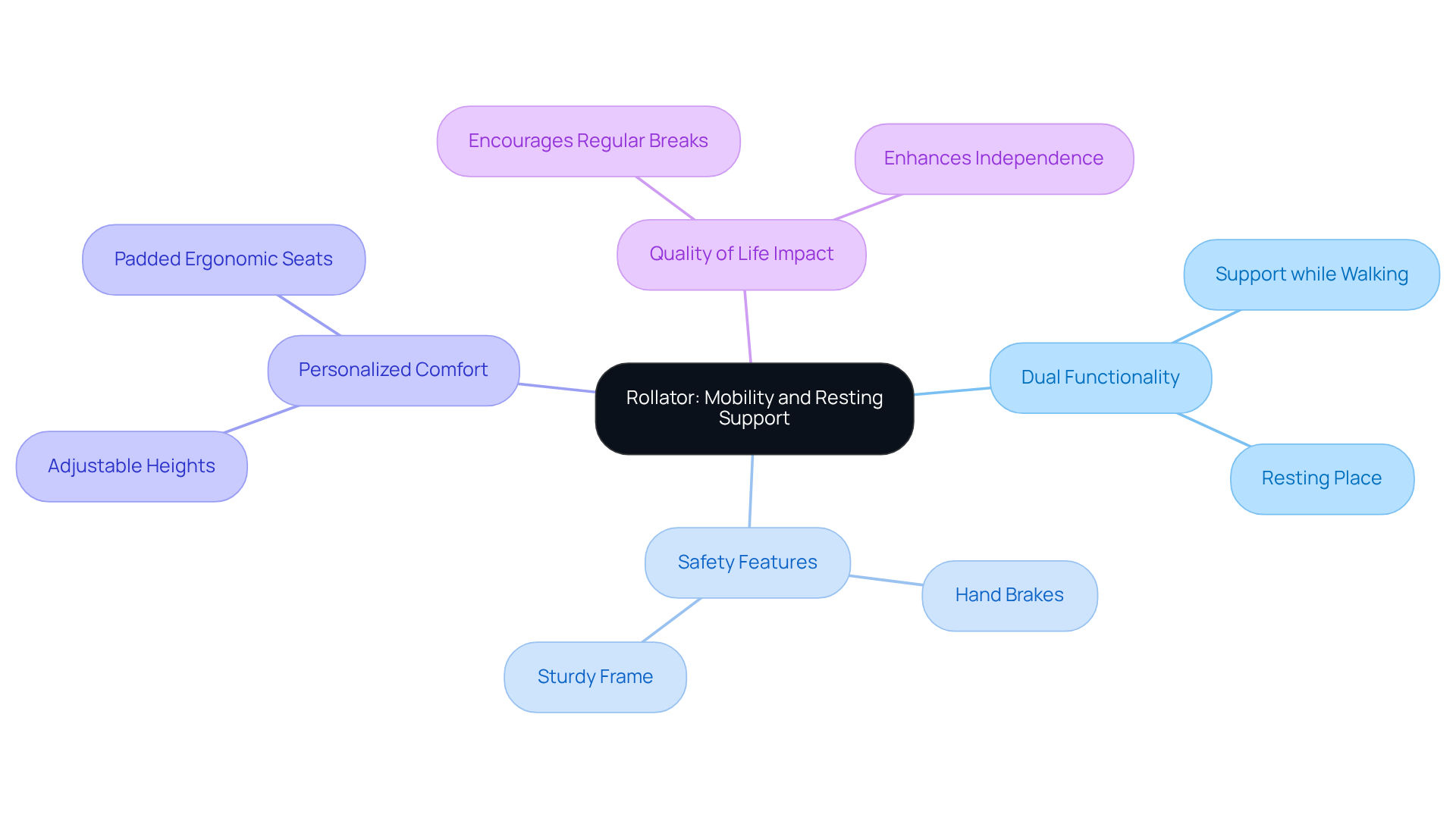
Rollators serve as assistive mobility devices, combining wheels and a seat to offer support while walking and a place to rest when needed. This dual functionality is especially helpful for those who tire easily during walks or outings. With hand brakes for added safety and adjustable heights for personalized comfort, rollators empower users to navigate their surroundings with confidence.
By encouraging regular breaks, assistive mobility devices promote longer and more enjoyable outings, which significantly enhances the overall quality of life for seniors. It’s important to recognize that over 36 million seniors experience falls each year, according to the CDC, which underscores the need for reliable safety features in assistive mobility devices.
Occupational therapists stress the importance of choosing a rollator with effective brakes and a sturdy frame to ensure user stability. Dr. Karen Fields, a geriatric care expert, notes, 'Assistive mobility devices like rollators are perfect for individuals with minor movement challenges, chronic conditions, and active older adults requiring additional assistance.'
Caregivers play a vital role in helping clients select the right rollator that meets their unique needs and preferences, ultimately fostering independence and mobility. For instance, a recent case study highlighted how a rollator enabled an older adult recovering from knee surgery to regain confidence and enjoy daily walks. This illustrates the profound impact these tools can have on enhancing quality of life.
Stair Lift: Safe Navigation for Multi-Level Homes
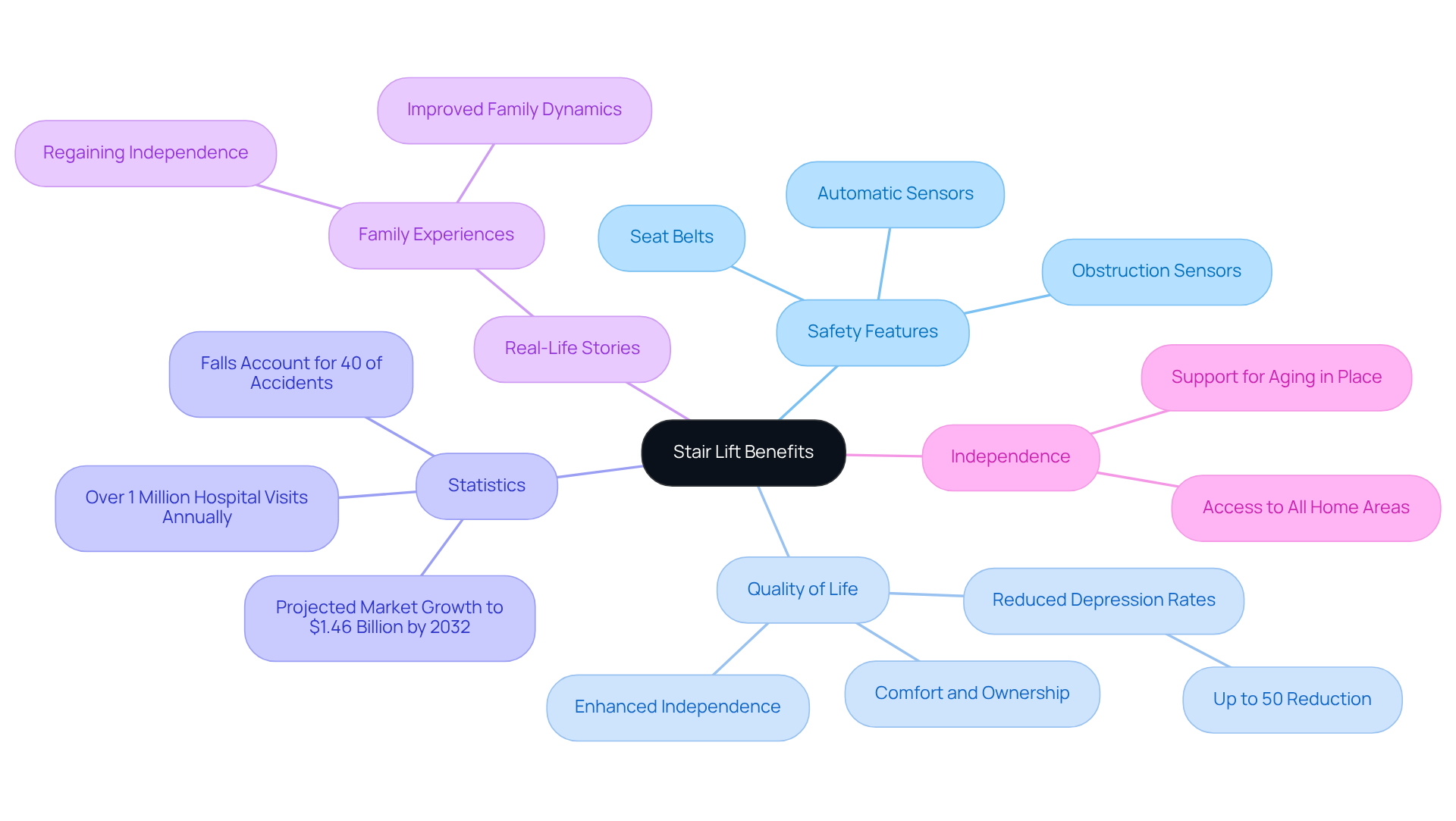
Stair lifts are a type of assistive mobility devices that offer a safe and effective way for older adults and those with mobility challenges to navigate multi-level homes. They significantly enhance quality of life, allowing individuals to move freely and confidently. These devices are designed to carry users securely up and down stairs, which helps reduce the risk of falls—one of the leading causes of injuries among seniors. In fact, the National Council on Aging reports that falls account for about 40% of accidents in this age group, with stair-related incidents resulting in over 1 million hospital visits each year.
Customizable to fit various stair configurations, stair lifts come equipped with essential safety features like seat belts and obstruction sensors. These advanced technologies can lower fall risks by up to 90%. This level of safety is crucial, as research indicates that better home navigation can cut depression rates among older adults by as much as 50%. For many elderly individuals, assistive mobility devices, such as stair lifts, restore independence, enabling them to access every part of their home without assistance—an essential aspect of maintaining autonomy and dignity.
Real-life stories highlight the profound impact of stair lifts. Families often share how these devices not only enhance safety but also create a sense of comfort and ownership within their homes. For example, a family in Fort Wayne recounted how their elderly mother regained her independence and confidence after a stair lift was installed, allowing her to move freely between floors. As the population of older adults continues to grow—projected to reach 72 million by 2030, according to the U.S. Census Bureau—the importance of such transportation solutions becomes increasingly evident. Investing in a stair lift is more than just a practical choice; it’s an empowering decision that enables older adults to remain in their homes by using assistive mobility devices, enhancing both safety and independence. As Dr. Ashok Rajgopal, a respected orthopedic and mobility solutions expert, puts it, "Stair lifts are vital for improving independence and ensuring safety in the home environment for seniors.
Transfer Bench: Safe and Easy Transfers for Bathing
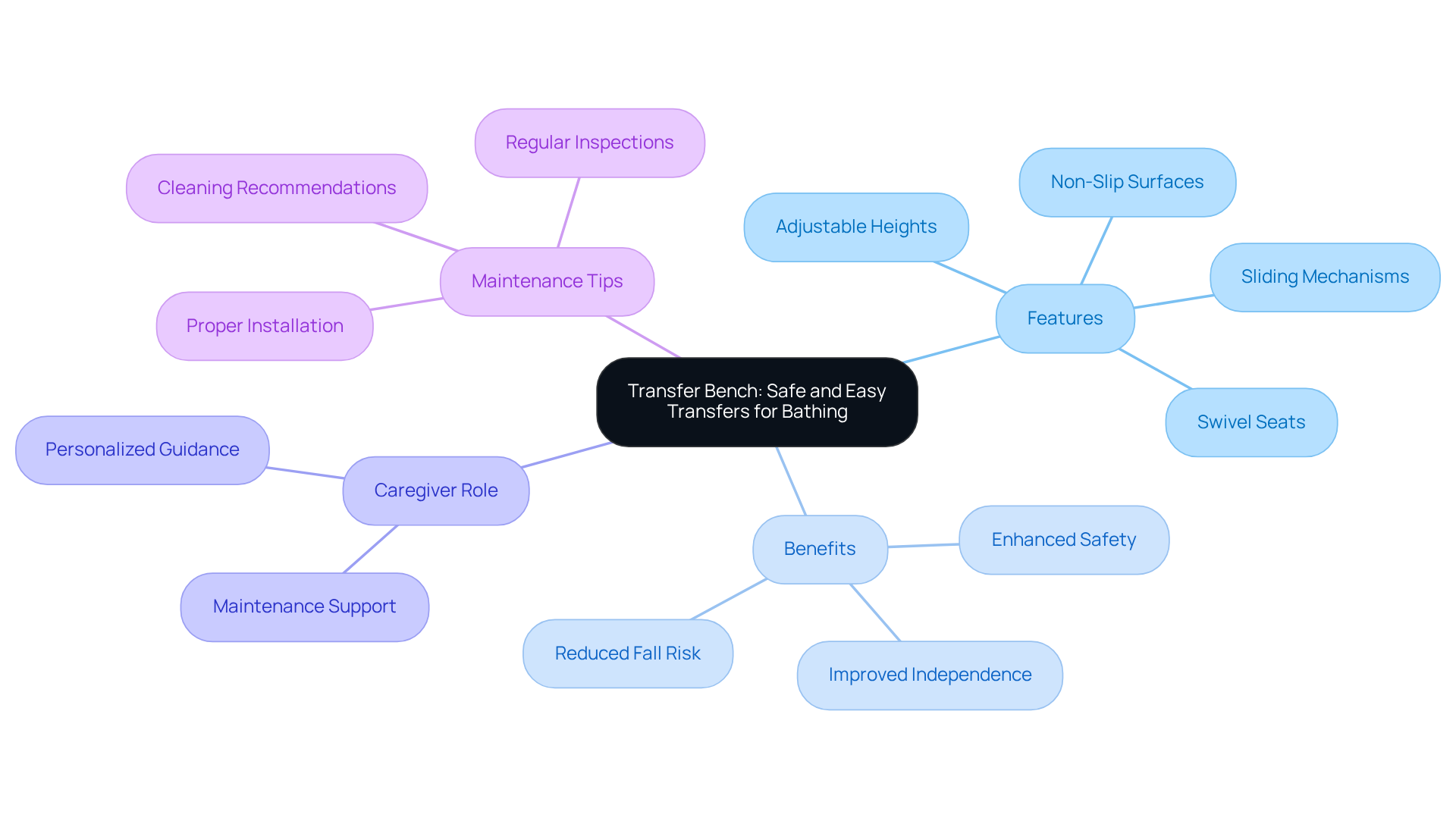
Transfer benches are vital tools that make transferring in and out of bathtubs or showers safer and easier. They significantly enhance bathing accessibility for individuals facing mobility challenges through the use of assistive mobility devices. These benches extend over the edge of the tub, allowing individuals to sit outside and slide in safely. This feature is especially beneficial for those who struggle with balance or stepping over the tub wall. Many models come with adjustable heights and non-slip surfaces, providing extra safety during use.
Recent advancements in transfer bench design include features like swivel seats and sliding mechanisms. These innovations further ease the transition into the tub while reducing physical strain on both individuals and caregivers. For example, the ShowerGlyde Model SG1, priced at $535.00, is designed for areas without barriers near the tub. It allows users to glide effortlessly over the tub edge, enhancing mobility and safety during bathing.
Caregivers play a crucial role in selecting the right transfer bench for their clients. They provide personalized guidance on its proper use, ensuring a secure bathing experience. Testimonials from caregivers emphasize the importance of these benches, noting that they significantly reduce the likelihood of falls in the bathroom—a common concern for seniors. Regular upkeep, including evaluations for wear and cleaning with mild, non-abrasive products to prevent soap scum and mildew buildup, is essential for maintaining the durability and efficiency of these tools.
By promoting independence and safety, assistive mobility devices, such as transfer benches, empower elderly individuals to maintain autonomy in their bathing routines, ultimately improving their quality of life. As the demand for assistive mobility devices grows, it’s vital to consider the unique needs of each individual when selecting a transfer bench. This ensures that it aligns with their specific mobility requirements and bathroom setup.
Grab Bars: Essential Support for Bathroom Safety
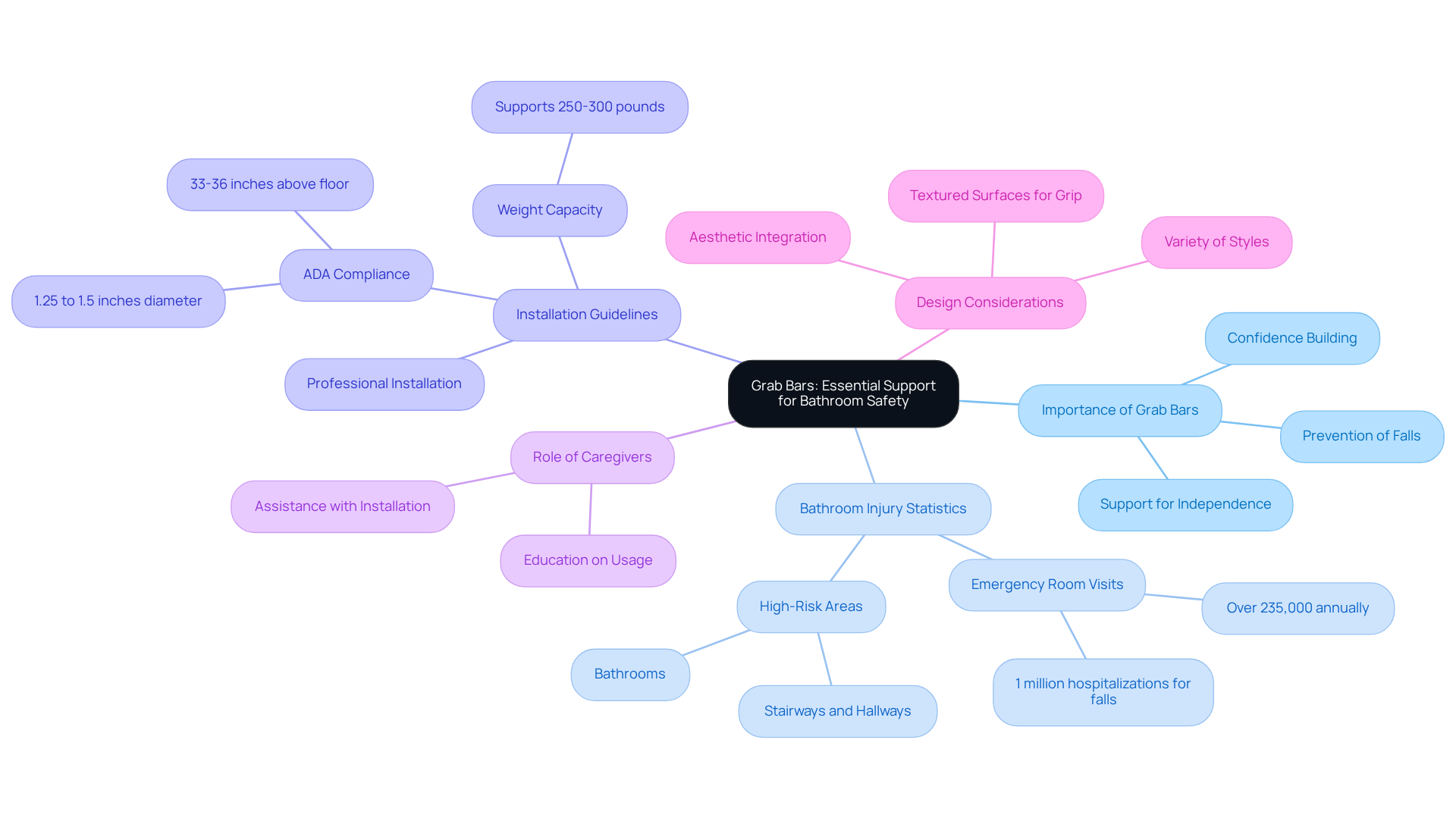
Grab bars are essential safety features in bathrooms, offering secure handholds that can greatly reduce the risk of slips and falls. When placed near toilets, bathtubs, and showers, they provide crucial support during transfers and while standing. It’s important to know that, according to ADA guidelines, grab bars should be mounted 33-36 inches above the floor for optimal use.
Every year, over 235,000 individuals aged 15 and older visit emergency rooms due to bathroom-related injuries. This statistic highlights the urgent need for preventive measures like grab bars. Proper installation is key; grab bars must be anchored securely to wall studs to support weights between 250 to 300 pounds, ensuring they’re reliable when needed most.
Caregivers play a vital role in this process. It’s recommended that they educate clients on the importance of using grab bars and assist with their installation. This proactive approach can lower the risk of bathroom accidents by up to 80%. As occupational therapist Brandie Archie wisely points out, "If you’ve had any balance concerns, near-falls, or feel unsteady in the bathroom or on stairs, it’s time to consider grab bars as a preventive measure."
By integrating grab bars into bathroom design, families can enhance safety and promote independence for their loved ones. This simple addition can make a significant impact on fall prevention in elderly care. Plus, modern grab bars come in various styles and finishes, allowing them to blend seamlessly with home décor while providing essential safety.
Mobility Scooter: Freedom to Explore Outdoors
Mobility scooters offer individuals a wonderful opportunity to explore their neighborhoods and enjoy outdoor activities. They’re designed with ease of use in mind, featuring intuitive controls and comfortable seating that make every ride a pleasure.
Many models come equipped with thoughtful features like storage baskets and adjustable armrests, adding to the convenience for users. Imagine the joy of being able to engage in social activities and maintain an active lifestyle—mobility scooters can truly enhance one’s quality of life.
For caregivers, selecting the right scooter for clients can feel overwhelming. It’s important to find a model that fits their lifestyle and movement needs. With the right support, caregivers can help individuals regain their independence and confidence.
Remember, you’re not alone in this journey. There are compassionate resources available to guide you, ensuring that both you and your loved ones can navigate this transition with ease and comfort.
https://iframe.tely.ai/cta/eyJhcnRpY2xlX2lkIjogIjY5MTUyMDAxN2M0NjgzZDk0ZDM2NzIwNiIsICJjb21wYW55X2lkIjogIjY4ZWU1ZGNhNzMxNzYyNTU3ZjNjOTVjMSIsICJpbmRleCI6IDcsICJ0eXBlIjogImFydGljbGUifQ==Threshold Ramp: Easy Access for Wheelchair Users
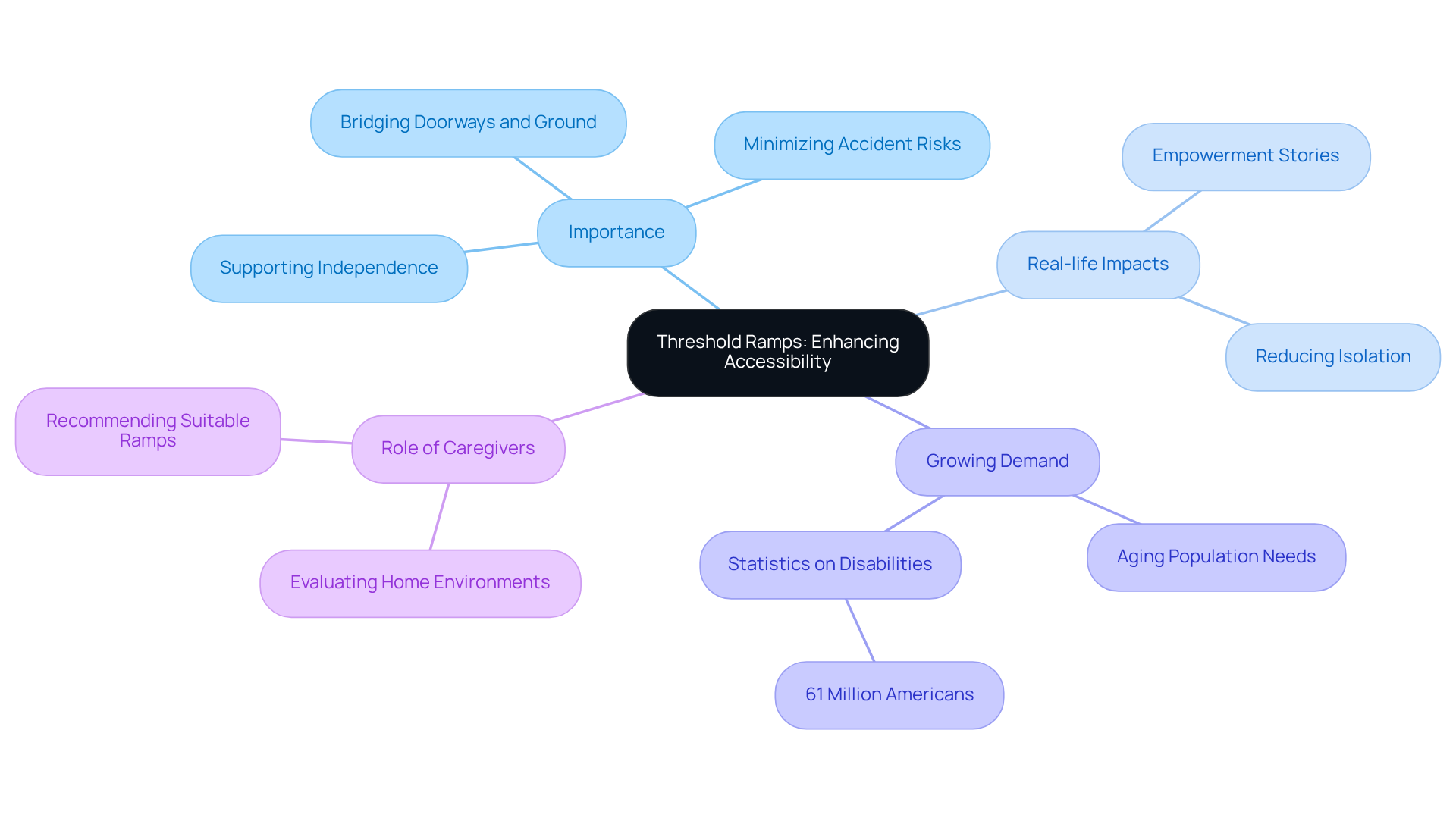
Threshold ramps are vital tools for enhancing home accessibility, bridging the gap between doorways and the ground. They come in various materials and sizes, ensuring compatibility with different thresholds. This is crucial for providing a smooth transition for those using assistive mobility devices. By minimizing the risk of accidents and facilitating movement, threshold ramps significantly support the independence of elderly individuals and those with disabilities by serving as essential assistive mobility devices.
As we look ahead to 2025, the significance of threshold ramps becomes even clearer. With the growing demand for accessible living environments, especially as our aging population increases, these ramps are more important than ever. Reports show that around 61 million Americans live with disabilities, highlighting the need for assistive mobility devices to make homes easier to access. As accessibility advocate Sheryl Emery beautifully puts it, "Accessibility is not just about convenience; it is about ensuring that everyone can participate fully in their communities."
Real-life stories highlight the profound impact of threshold ramps. Families have shared how installing these ramps has empowered their loved ones to move around their homes with greater ease, fostering a sense of independence and reducing feelings of isolation. Accessibility advocates stress that assistive mobility devices and other modifications are not just conveniences; they are essential for inclusive living. Theo W. Braddy reminds us that creating accessible environments is essential for empowering individuals with disabilities to use assistive mobility devices and live independently.
Caregivers play a crucial role in evaluating home environments and recommending the right ramps. Their insights help ensure that clients can enjoy improved mobility and independence in their daily lives. By prioritizing these adaptations, families can create safer, more welcoming spaces for their loved ones, ultimately enhancing their quality of life. For those contemplating home modifications, reaching out to caregivers or accessibility experts can offer valuable guidance tailored to individual needs.
Communication Device: Staying Connected for Enhanced Independence
Communication tools like smartphones, tablets, and specialized gadgets designed for older adults play a vital role in fostering independence. These devices help individuals stay connected with family and friends, reach emergency services, and participate in social activities. Many modern communication tools come with user-friendly features tailored for older adults, such as larger buttons, simplified menus, and voice command capabilities.
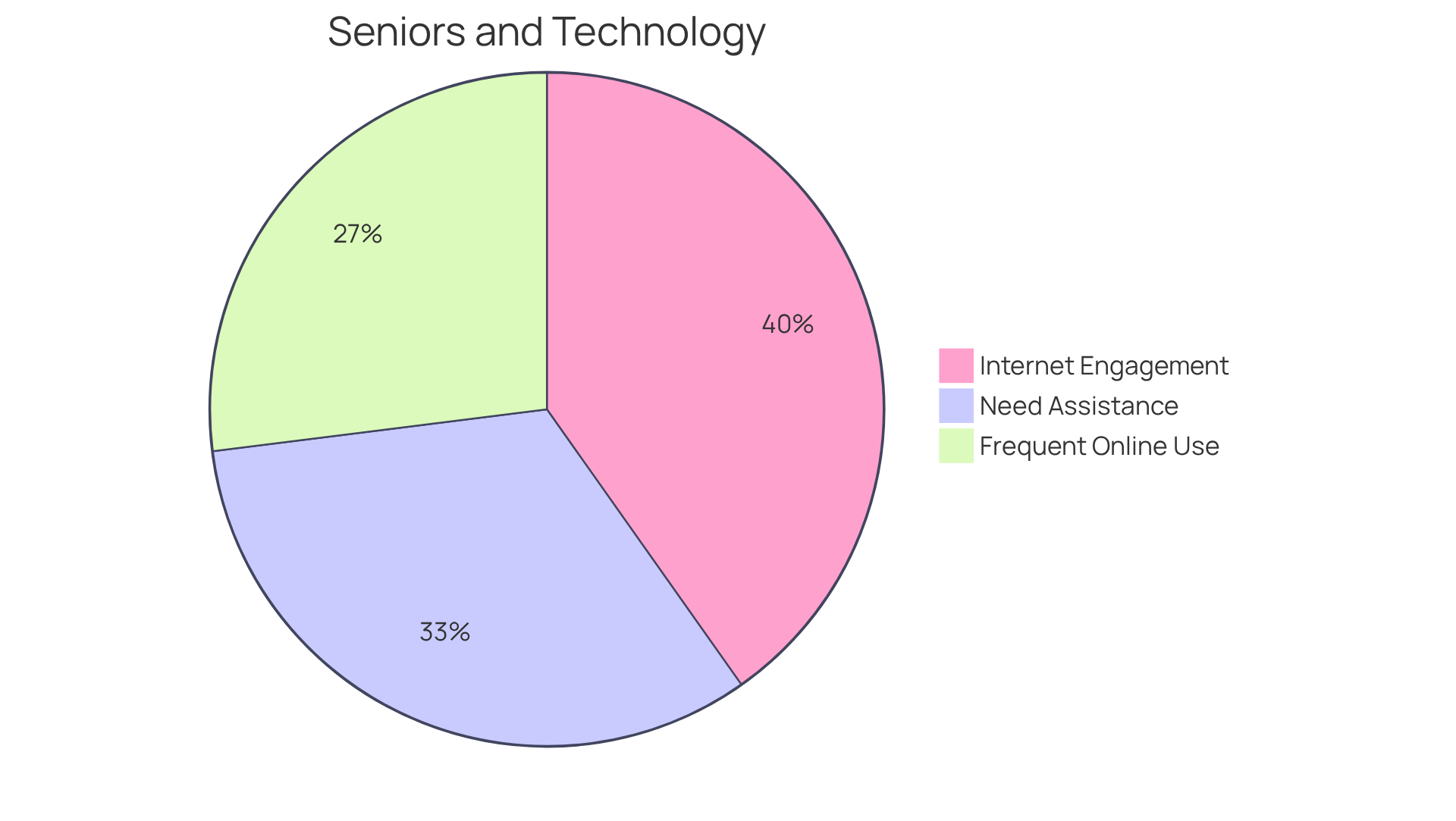
It’s heartening to note that 76% of older adults who own smartphones engage with the Internet multiple times a day, and 51% go online several times daily. This highlights the active role technology plays in their lives. Caregivers can provide invaluable support by helping clients choose the right tools and offering essential training. This ensures that older adults remain connected and engaged in their communities, enhancing their social interactions and significantly contributing to their overall well-being and independence.
As Janet Dillione, CEO of Connect America, beautifully puts it, "Senior independence is evolving toward connected ecosystems that use technology and AI to anticipate needs and improve quality of life." However, it’s important to recognize that 62% of seniors aged 50-64 need assistance when using new devices. This underscores the crucial role caregivers play in facilitating technology adoption, ensuring that older adults can navigate these tools with confidence and ease.
Moving Forward with 10 Assistive Mobility Devices to
Assistive mobility devices truly make a difference in enhancing the independence and quality of life for seniors and individuals with special needs. By incorporating these tools into caregiving strategies, caregivers can empower their loved ones to navigate their homes and communities with greater ease, confidence, and dignity. This article shines a light on various assistive mobility devices, each crafted to tackle specific mobility challenges while promoting safety and autonomy.
Key devices discussed include:
- Power wheelchairs
- Walkers
- Rollators
- Stair lifts
- Transfer benches
- Grab bars
- Mobility scooters
- Threshold ramps
- Communication devices
Each of these tools not only aids mobility but also nurtures a sense of security, allowing users to engage more fully in daily activities and social interactions. The insights shared underscore the importance of personalized mobility assistance and the vital role caregivers play in selecting and utilizing these devices effectively.
As the population of older adults continues to grow, the significance of assistive mobility devices becomes even clearer. Investing in these tools not only enhances safety and independence but also enriches the lives of individuals, allowing them to maintain their autonomy and participate actively in their communities. Families are encouraged to explore these options and seek guidance from caregivers, ensuring that their loved ones can enjoy a fulfilling and independent lifestyle. Together, we can create a supportive environment where everyone thrives.
https://iframe.tely.ai/cta/eyJhcnRpY2xlX2lkIjogIjY5MTUyMDAxN2M0NjgzZDk0ZDM2NzIwNiIsICJjb21wYW55X2lkIjogIjY4ZWU1ZGNhNzMxNzYyNTU3ZjNjOTVjMSIsICJpbmRleCI6IG51bGwsICJ0eXBlIjogImFydGljbGUifQ==Frequently Asked Questions
What is the main focus of Happy to Help Caregiving?
Happy to Help Caregiving focuses on delivering personalized in-home care that enhances independence for seniors and individuals with special needs, addressing the emotional challenges caregivers face.
How do assistive mobility devices benefit clients?
Assistive mobility devices empower clients to navigate their homes and communities with greater ease and confidence, improve balance, alleviate pain, and lower the risk of falls, significantly enhancing their overall quality of life.
What types of assistive mobility devices are mentioned in the article?
The article mentions four-wheel rolling walkers and manual wheelchairs as assistive mobility devices designed specifically for seniors.
What is the cost range for walkers and manual wheelchairs?
The cost of a standard walker typically ranges from $20 to $60, while a manual wheelchair can be found between $100 and $200.
What features do power wheelchairs offer?
Power wheelchairs offer features like adjustable seating, joystick controls, customizable settings, obstacle detection sensors, and anti-tip wheels, enhancing both mobility and safety for users.
Why are power wheelchairs important for individuals with limited upper body strength?
Power wheelchairs foster independence for individuals with limited upper body strength, allowing them to engage in life without relying heavily on caregivers.
What is the market trend for assistive mobility devices like walkers and rollators?
The market for assistive mobility devices, particularly elderly walkers, is projected to reach USD 3 billion by 2034, with rollators capturing a significant market share due to their effectiveness in improving mobility and reducing fall risks.
How do rollators differ from standard walkers?
Rollators are a type of walker that includes wheels, making them easier to maneuver and providing features like ergonomic hand brakes and integrated seats for added comfort and support.
What current trends are shaping the design of assistive mobility devices?
Current trends include the integration of smart technology and customization options, such as adjustable handle heights and larger wheels, to better meet the evolving needs of older adults.
How do caregivers contribute to the use of walkers for their clients?
Caregivers help clients select the right walker, provide guidance on safe usage, and support their loved ones in enhancing their movement and independence.