10 Benefits of 24 Hour Care in Home for Family Caregivers

For families in our service areas
For families in our service areas, this guide explains caregiver support and how non-medical in-home caregiving can support care planning in East Idaho, Treasure Valley & Magic Valley, Northern Wasatch, North Central West Virginia, and Northeast Ohio.
Why 24 Hour Care in Home Matters
The landscape of caregiving is changing, and more families are recognizing the profound impact that 24-hour in-home care can have on their elderly loved ones. This approach not only eases the physical and emotional strain on family caregivers but also enhances the quality of life for seniors, allowing them to flourish in the comfort of their own homes.
As families navigate the complexities of caregiving, they often feel overwhelmed. The stress and burnout can be daunting. But how can personalized, continuous support transform this experience for both caregivers and the elderly?
Exploring the many benefits of 24-hour care reveals a path toward improved well-being, safety, and independence for those who need it most. Imagine the peace of mind that comes from knowing your loved one is receiving compassionate care, tailored to their unique needs. This support not only nurtures the elderly but also provides families with the relief they desperately seek.
Happy to Help Caregiving: Personalized 24-Hour In-Home Care for Seniors
At Happy to Help Caregiving, we understand the emotional challenges that come with caring for the elderly. Our tailored 24 hour care in home is designed not just to provide compassionate support, but also to promote independence and well-being in the comfort of familiar surroundings.
We create personalized support plans that cater to the unique physical and emotional needs of each individual. Our caregivers are meticulously trained to foster a nurturing environment, enhancing the overall quality of life for their clients. This customized support addresses urgent health concerns while also nurturing a sense of independence, allowing older adults to maintain their routines and connections within their communities.
Moreover, studies show that in-home support can be more cost-effective than nursing facilities, helping to reduce expenses related to transportation and other forms of assistance. Families often express their gratitude for our dedicated approach, with one caregiver sharing, "Custom plans are essential; they enable us to genuinely comprehend and address the needs of every elderly individual, creating a meaningful impact on their lives."
This highlights the transformative effect of dedicated in-home caregiving services on the independence of elderly individuals. We also recognize the potential risks associated with falls and kitchen incidents that can occur without 24 hour care in home, and we are here to help mitigate those concerns.
At Happy to Help Caregiving, we are committed to providing the support that not only meets the needs of our clients but also brings peace of mind to their families.
Emotional Support: Alleviating Loneliness Through Continuous Companionship
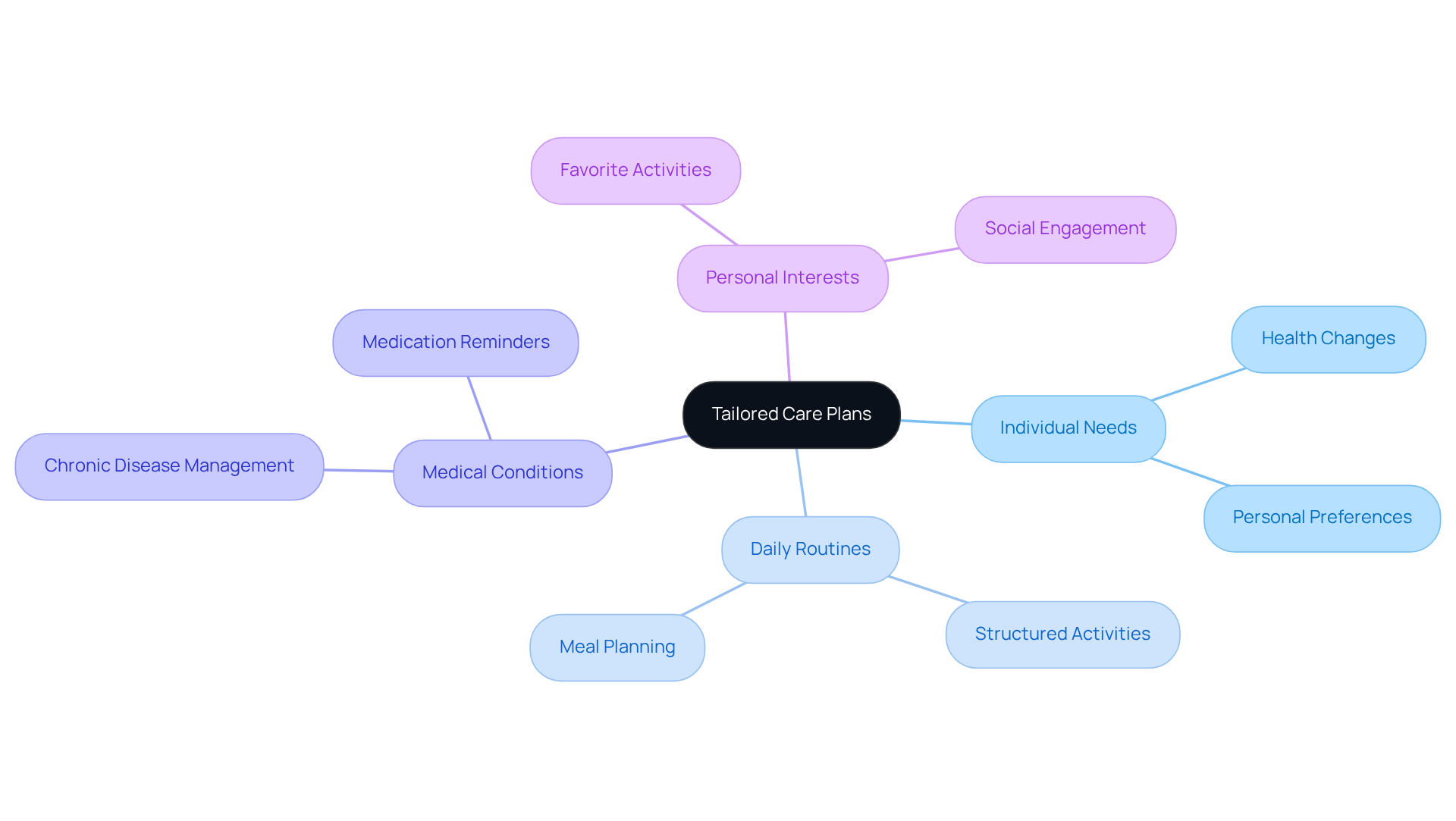
Caregivers providing 24 hour care in home offer essential companionship that significantly reduces feelings of loneliness and isolation among seniors. It's heartbreaking to know that nearly 25% of adults aged 65 and older experience loneliness, and 34% of those aged 50-80 reported feeling isolated from others in 2023. This emotional support is vital, as studies reveal that regular social interaction can enhance cognitive function and overall mental wellness.
Caregivers engage clients in meaningful activities, like sharing meals or enjoying hobbies together. These moments foster connections that nurture a sense of belonging and purpose. Companion care not only improves the nutritional well-being of older adults by assisting with meal planning and ensuring proper nutrition but also helps with medication management, showcasing the comprehensive care provided.
Moreover, stable support relationships offer emotional assistance, acting as dependable companions and receptive listeners. This support is crucial for elderly individuals facing the challenges of isolation who may benefit from 24 hour care in home. Alarmingly, 51% of those with health problems or disabilities that limit daily activities reported feelings of isolation, highlighting the urgent need for companionship.
By encouraging social involvement and maintaining daily routines, caregivers delivering 24 hour care in home help elderly individuals thrive in their familiar surroundings, ultimately enhancing their quality of life. It's a comforting thought that with the right support, seniors can find joy and connection in their everyday lives.
Enhanced Safety: Continuous Monitoring to Prevent Accidents and Emergencies
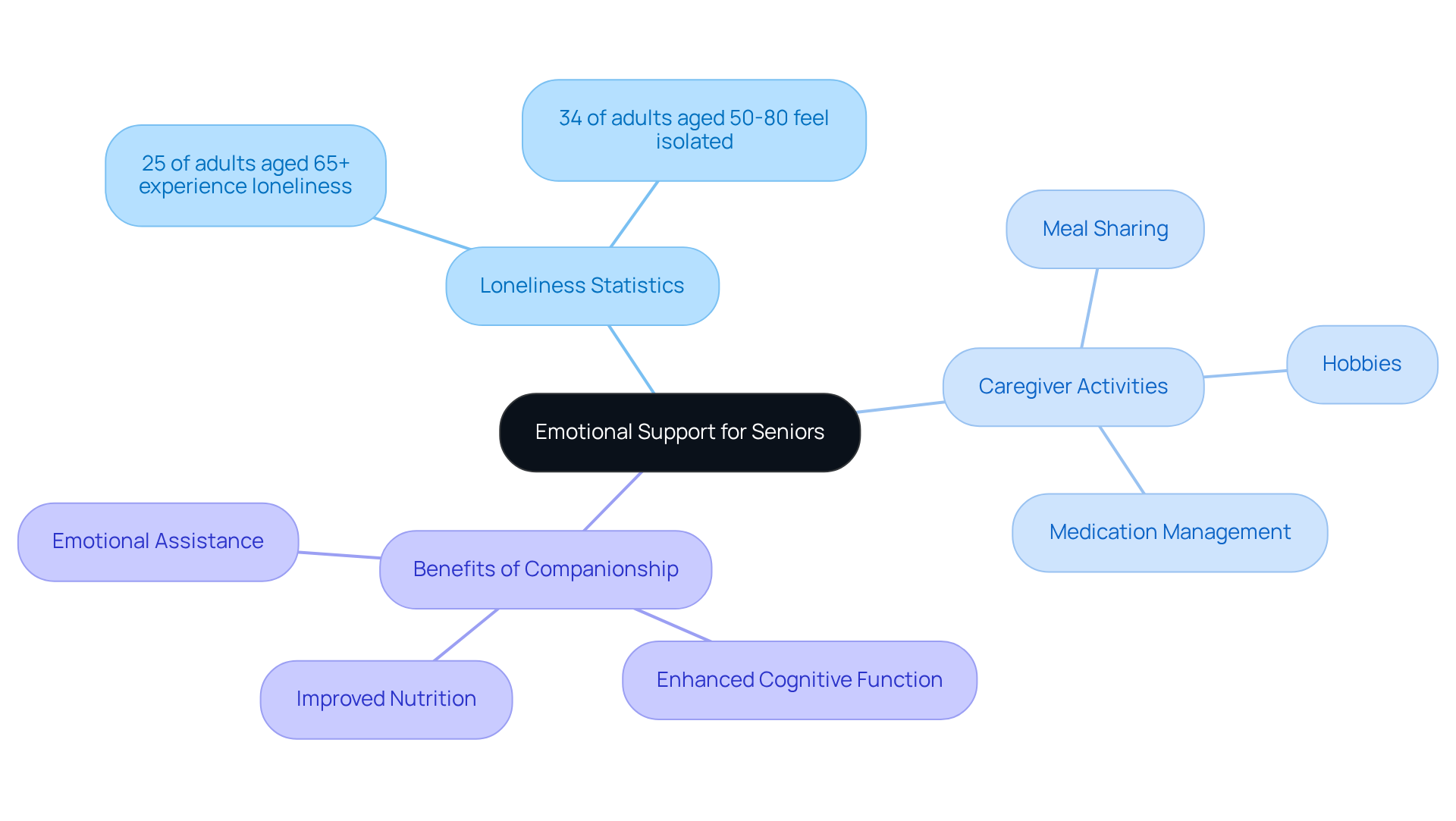
Caring for elderly individuals can be a daunting task, filled with emotional challenges that often lead to stress and burnout for caregivers. Families can find relief in knowing that their loved ones benefit from continuous monitoring with 24 hour care in home. This not only significantly reduces the risk of accidents and emergencies but also fosters a sense of security for everyone involved.
Caregivers are specially trained to recognize potential hazards and respond promptly to any incidents, ensuring a safe living environment. Imagine the peace of mind that comes from knowing assistance is always just a moment away. Studies show that simply having access to a stability scale can reduce a person's fall risk by up to 74%. This highlights how effective monitoring systems can be in preventing falls and keeping our loved ones safe.
Moreover, professional providers bring specialized skills that family members may not possess. They can intervene before minor issues escalate into serious accidents, providing an extra layer of protection. Experts like John Schumann emphasize the importance of safety protocols for older adults, noting that professional oversight in the home creates a comforting atmosphere for family members.
This comprehensive approach to support is crucial for preserving the well-being of both elderly individuals and their families. It allows caregivers to focus on meaningful interactions rather than being consumed by worry. Families are encouraged to explore available monitoring technologies and discuss support options with professionals. By doing so, they can enhance their caregiving strategies and ensure their loved ones receive the compassionate care they deserve.
Tailored Care Plans: Customizing Support to Meet Individual Needs
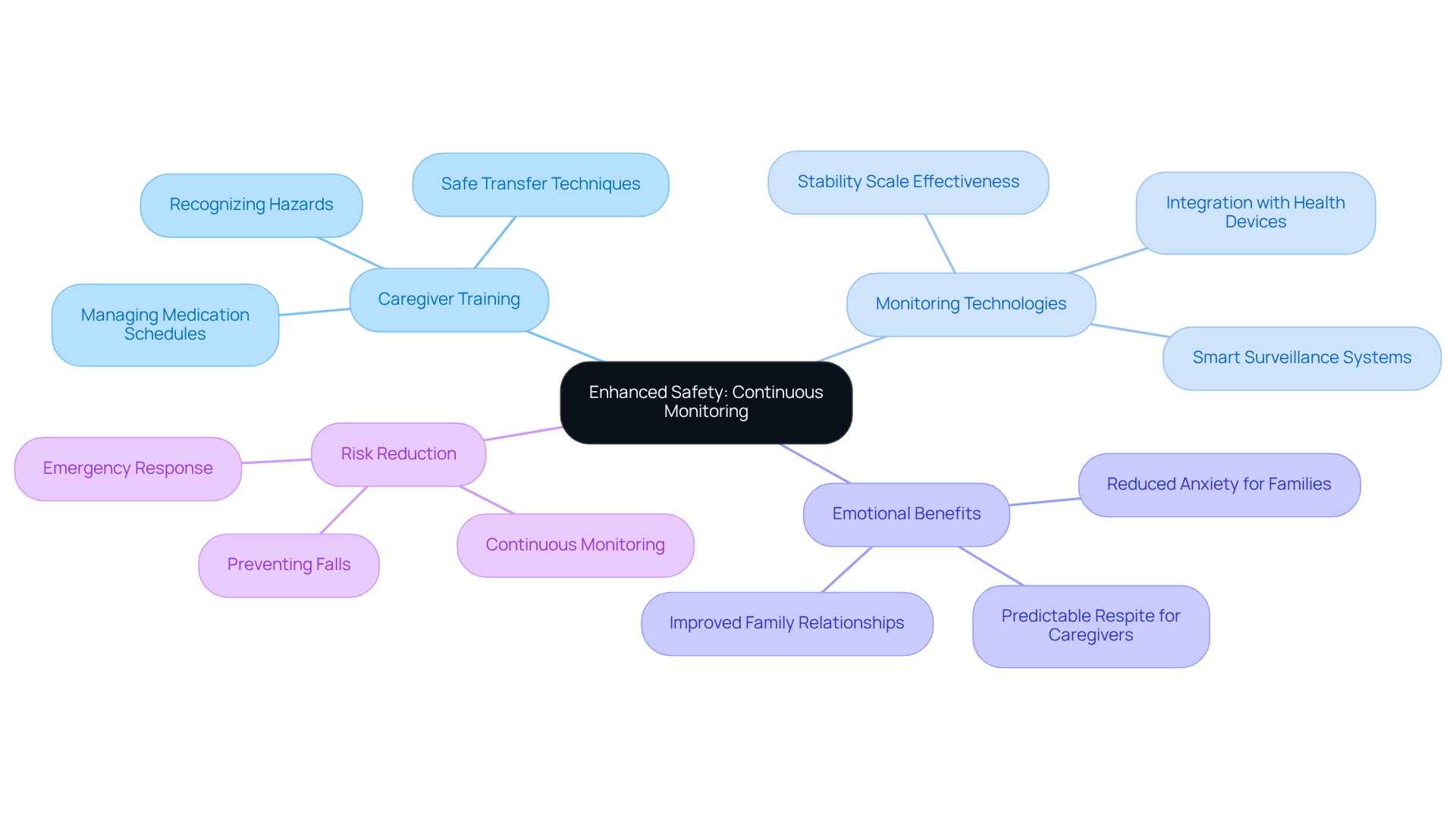
Personalized support plans are vital for 24-hour in-home assistance. They allow providers to offer individualized help that truly matches each senior's unique needs and preferences. These plans take into account medical conditions, daily routines, and personal interests, ensuring that support is not only effective but also honors the individual's lifestyle.
Imagine a caregiver incorporating a senior's favorite activities or dietary preferences into their daily routine. This thoughtful approach fosters a sense of normalcy and engagement, making each day feel a little brighter.
It's important to remember that frequent evaluations and adjustments to these plans are essential. They enable caregivers to make prompt modifications that reflect any changes in health or personal circumstances. This proactive method not only enhances the quality of assistance but also empowers older adults, nurturing their independence and dignity.
As healthcare experts emphasize, personalized treatment plans significantly enhance the quality of 24 hour care in home. They transform routine assistance into meaningful support that greatly enhances the overall well-being of seniors.
In the words of one caregiver, "When we tailor our approach to each individual, we see them thrive. It’s not just about care; it’s about connection and understanding." This sentiment captures the heart of what personalized support truly means.
Chronic Condition Management: Providing Specialized Support for Ongoing Health Issues
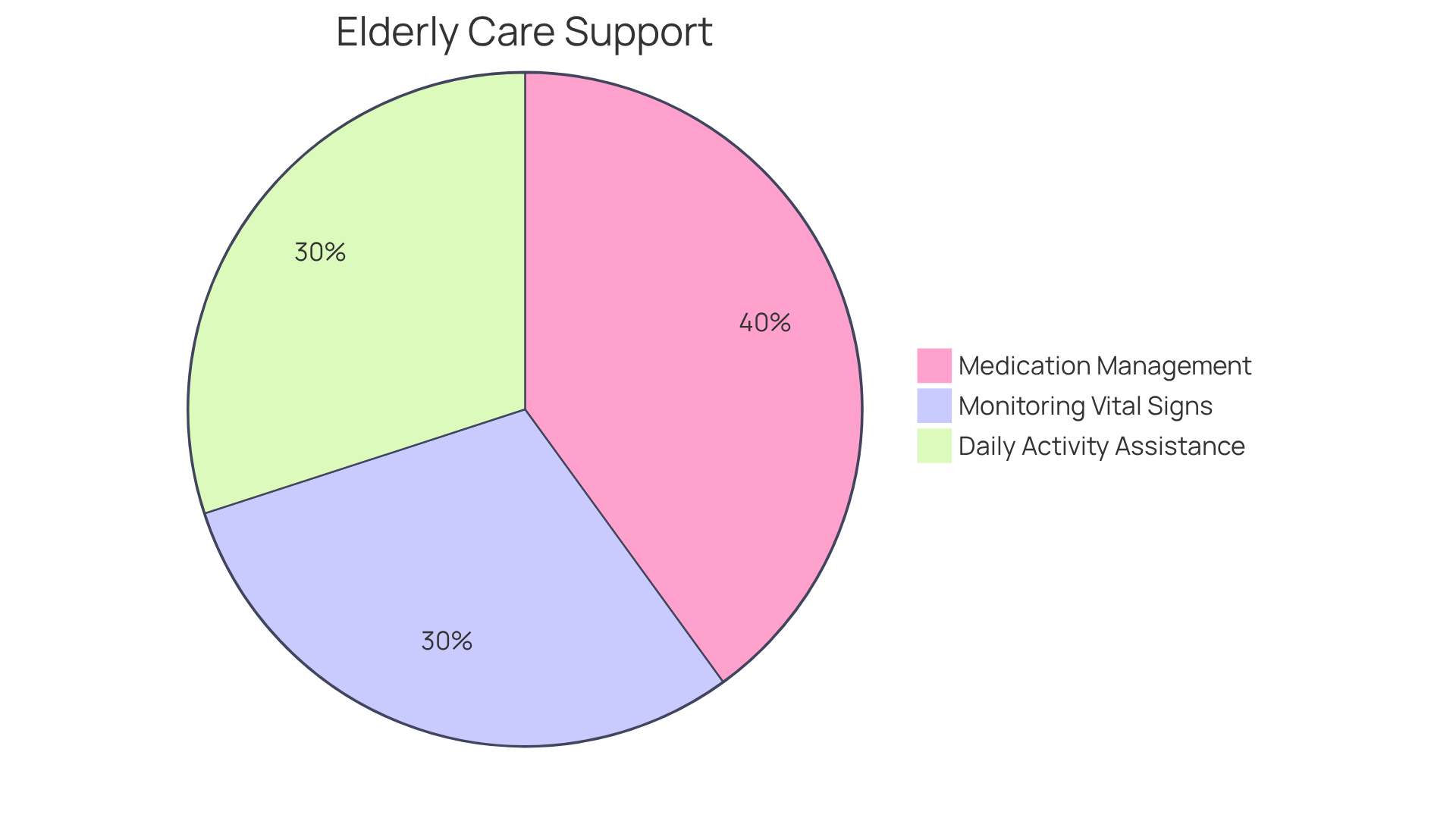
Elderly individuals facing ongoing health issues often experience significant challenges. They truly benefit from 24 hour care in home, where caregivers provide specialized assistance tailored to their unique health needs. This support includes essential services like:
- Medication management
- Monitoring vital signs
- Helping with daily activities that can become difficult due to their conditions
Regular support from qualified professionals not only aids in managing symptoms effectively but also contributes to better health outcomes and an improved quality of life. It's heartening to know that nearly 44% of home care recipients need help with at least one daily activity, highlighting the critical need for 24 hour care in home.
Moreover, effective medication management is crucial. Research shows that poor medication supervision can lead to avoidable complications, underscoring the provider's role in ensuring adherence to prescribed regimens. By creating a stable and supportive environment, caregivers help elderly individuals navigate the complexities of chronic illness, ultimately enhancing their overall well-being.
Imagine the peace of mind that comes from knowing someone is there to help, to listen, and to care. This compassionate support can make all the difference in the world.
Post-Hospital Recovery: Ensuring Safe and Effective Transition Home
After a hospital stay, seniors often face emotional and physical challenges as they transition back home. It’s a time when they may feel vulnerable and in need of extra support. That’s where 24 hour care in home is essential, providing the necessary assistance needed during this critical recovery phase.
Imagine having someone by your side to assist with medication management, mobility, and daily activities. Caregivers are not just helpers; they are trained to recognize signs of complications, ensuring that any issues are addressed promptly. This proactive approach can significantly reduce the risk of readmission, allowing seniors to feel more secure in their recovery.
We understand that this journey can be overwhelming for both seniors and their families. The emotional weight of caregiving can lead to stress and burnout. But remember, you’re not alone. Compassionate care is available, and it can make all the difference.
As one caregiver shared, "Being there for my clients during their recovery is incredibly rewarding. I see them regain their strength and confidence, and it fills my heart with joy."
With the right support, seniors can navigate this transition with dignity and grace. Let’s embrace this journey together, ensuring that every step taken is one toward healing and comfort.
Flexible Scheduling: Adapting Care to Evolving Family Needs
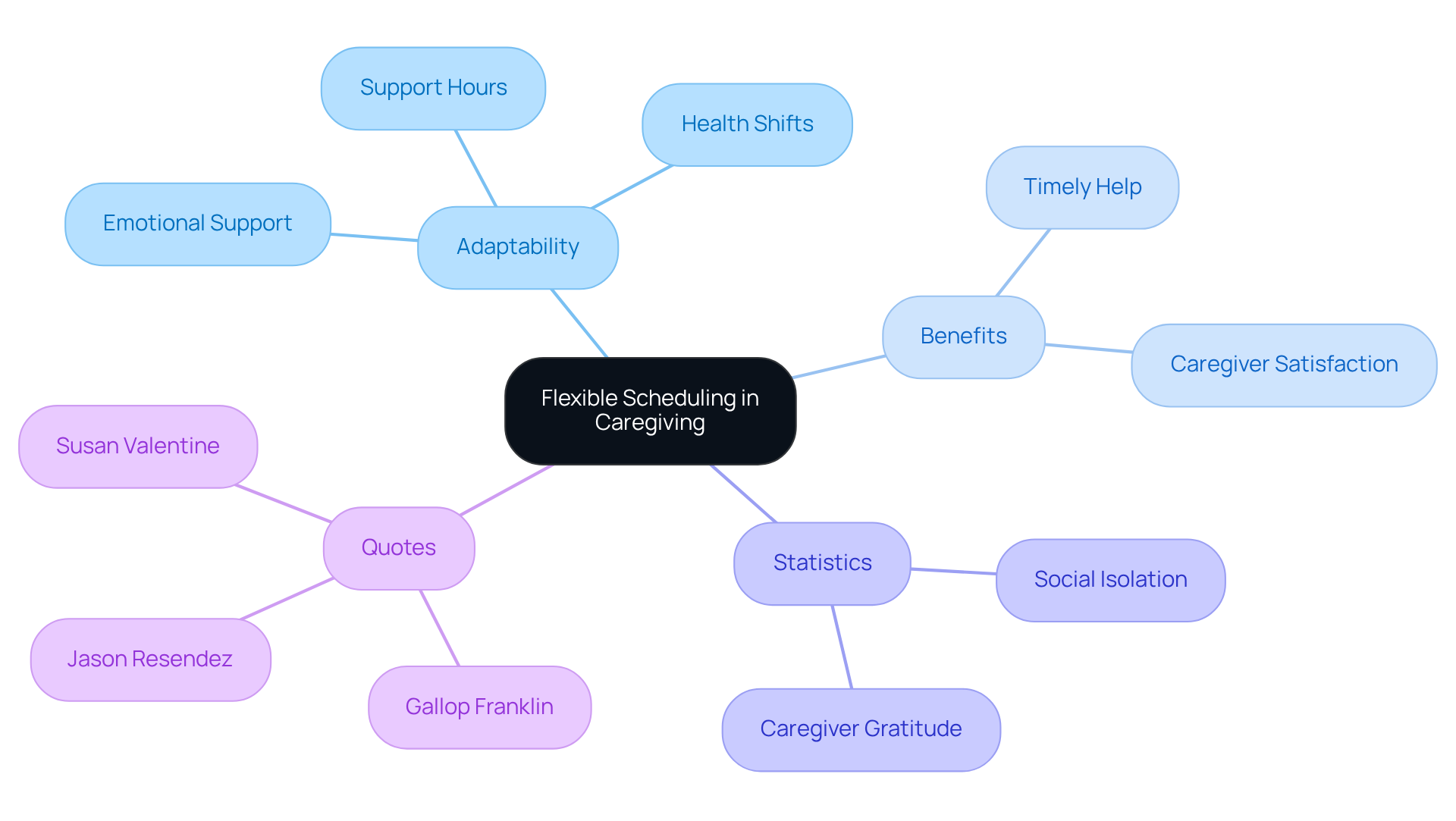
One of the most significant benefits of 24-hour in-home assistance is its remarkable adaptability. This flexibility allows providers to adjust their schedules to meet the ever-changing needs of families who require 24 hour care in home. Whether it’s accommodating support hours for special occasions or responding to shifts in a senior’s health, this responsiveness is crucial. For instance, caregivers can offer additional support during hospital recoveries or provide companionship during emotionally challenging times. This personalized approach not only ensures families receive timely help but also greatly enriches the overall caregiving experience.
Statistics reveal that nearly 1 in 4 individuals providing support feel socially isolated, highlighting the importance of flexible assistance in fostering a nurturing environment. Family caregivers often express their gratitude for this adaptability. One provider shared, "Having the ability to modify support hours made all the difference during my mother's recovery; it allowed us to focus on her healing without the stress of rigid schedules." Such flexibility nurtures a supportive atmosphere, leading to greater satisfaction among family caregivers.
As Jason Resendez, President and CEO of the National Alliance for Caregiving, poignantly stated, "Family caregiving is no longer a looming crisis-it’s a daily reality that 63 million Americans shoulder every day." By prioritizing individualized assistance, families can rest assured that their loved ones are receiving the 24 hour care in home and support they need, precisely when they need it.
Respite Care: Easing the Burden on Family Caregivers
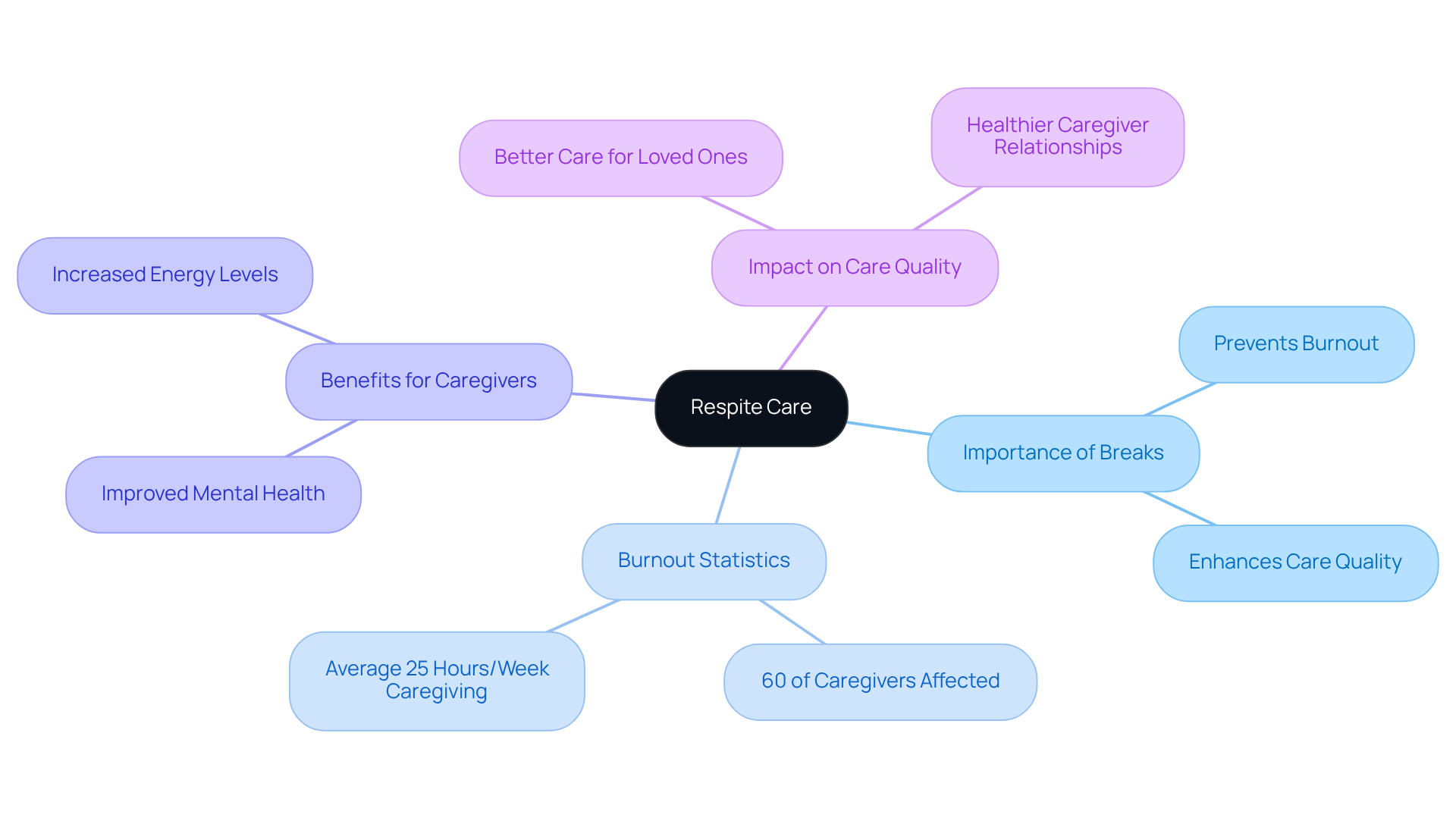
Respite support is a vital part of 24-hour in-home assistance, offering family caregivers the necessary breaks from their demanding responsibilities. This temporary relief is crucial in preventing burnout, which affects over 60% of caregivers, leading to physical, emotional, and mental exhaustion. By stepping away, caregivers can recharge, alleviating stress and enhancing their overall well-being.
Mental health experts emphasize that taking time for oneself isn’t just beneficial; it’s essential for maintaining the quality of care provided to older adults. When caregivers return from their breaks rejuvenated, they are better equipped to meet the needs of those they care for. With the average family caregiver dedicating around 25 hours a week to caregiving activities, the importance of organized breaks cannot be overstated.
Respite support not only eases the burden on caregivers but also fosters a healthier, more nurturing environment for both caregivers and their loved ones. Remember, taking care of yourself is not a luxury; it’s a necessity for providing the best care possible.
Promoting Independence: Supporting Daily Routines in a Safe Environment
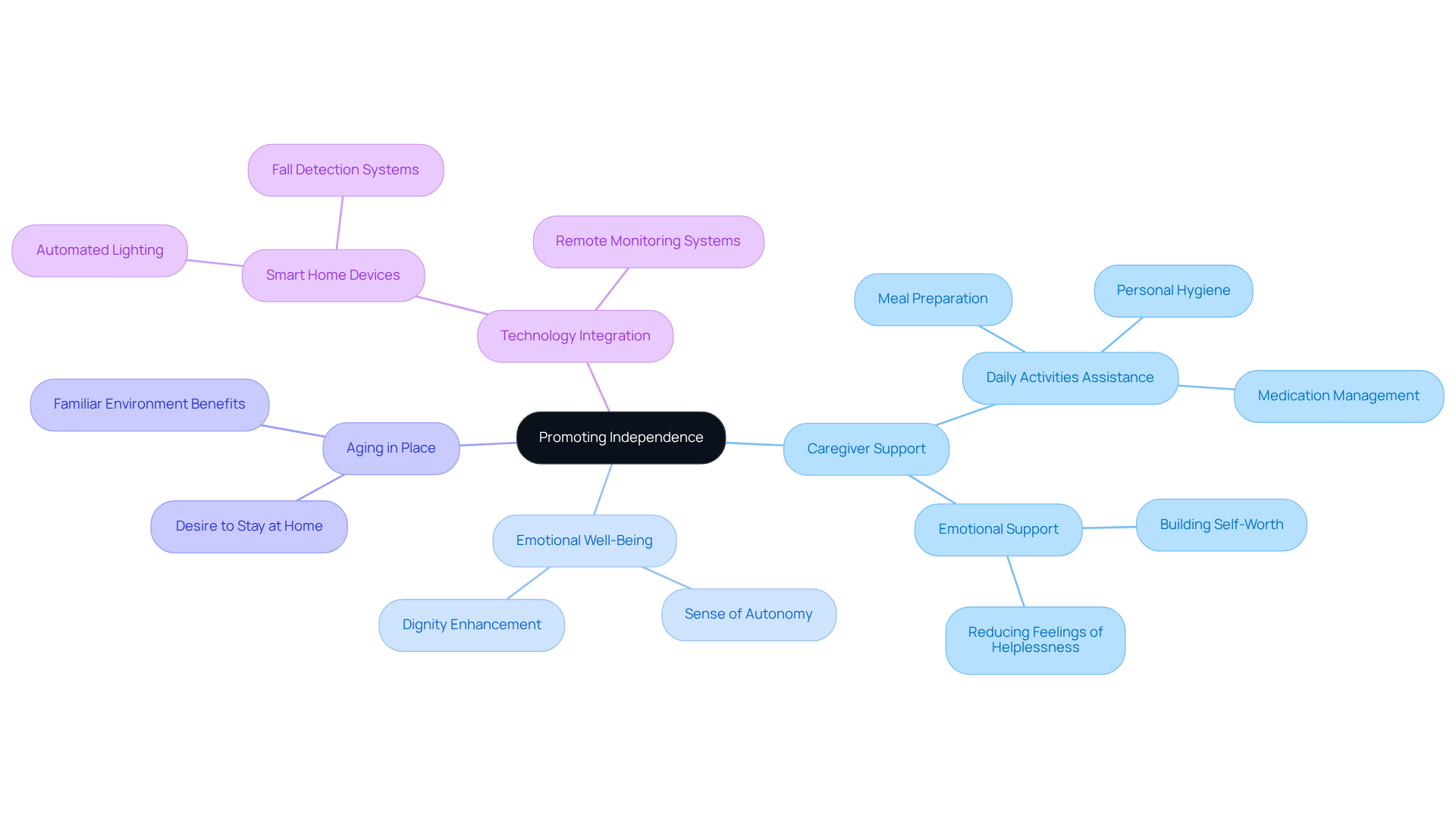
Providing 24 hour care in home is essential for fostering independence among elderly individuals, as it offers the support they need for daily activities in a safe environment. Caregivers play a vital role, helping with tasks like meal preparation, personal hygiene, and medication management. This support allows elderly individuals to maintain control over their lives, nurturing their sense of autonomy and enhancing their dignity. It significantly contributes to their emotional well-being.
Studies show that nearly 90% of older adults wish to age in place, underscoring the importance of in-home care in helping them thrive in familiar surroundings. By respecting their preferences and routines, caregivers help elderly individuals feel valued and capable, boosting their self-worth and reducing feelings of helplessness.
Moreover, the integration of technology - like smart home devices for automated lighting and fall detection - ensures caregivers can monitor the safety of older adults while promoting their independence. This comprehensive approach not only improves the quality of life for older adults but also nurtures their emotional well-being, highlighting the importance of 24 hour care in home as a crucial aspect of aging gracefully.
As noted by Visiting Angels, "Independence, a crucial element of our identity, is especially significant for older individuals." This highlights the essential role of in-home assistance in supporting their autonomy.
Improved Quality of Life: Holistic Benefits of 24-Hour Care for Seniors
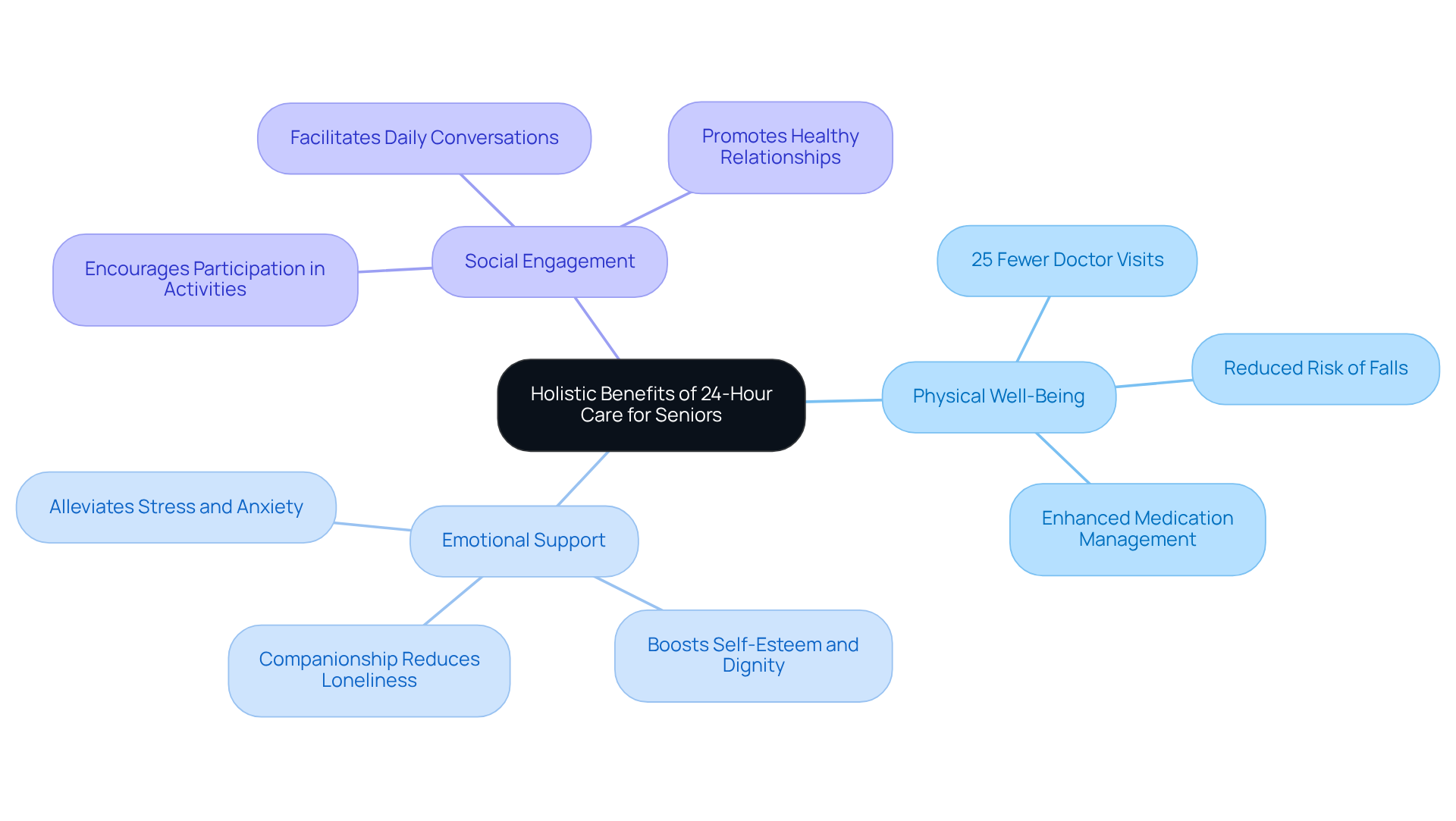
The benefits of 24 hour care in home truly enhance the quality of life for older adults. By prioritizing physical well-being, emotional support, and social engagement, caregivers create an environment where seniors can thrive. This holistic approach not only boosts their well-being but also brings peace of mind to families, knowing their loved ones are receiving top-notch care.
Research indicates that older adults who utilize in-home assistance experience 25% fewer doctor visits each year compared to those without help. This statistic underscores the profound impact of consistent care. As Katrecia Belgrave points out, caregivers provide essential emotional support, helping older adults navigate the challenges of aging.
The emotional bonds formed through daily interactions - like sharing meals, engaging in conversations, and participating in activities - significantly enhance seniors' mental health and overall happiness. Geriatric care specialists stress that a well-rounded care strategy is crucial for improving the quality of life for older adults. Thus, 24 hour care in home becomes an invaluable resource for families dealing with the complexities of caregiving.
Moving Forward with 24 Hour Care in Home
The significance of 24-hour in-home care for family caregivers is profound. This support not only eases the emotional and physical burdens on caregivers but also enriches the quality of life for elderly individuals. By offering personalized, compassionate care, families can ensure their loved ones feel safe, comfortable, and engaged in their daily lives.
Throughout this article, we've explored the many benefits of 24-hour care. It provides emotional support that helps reduce feelings of loneliness, enhances safety through continuous monitoring, and offers tailored care plans that meet individual health needs. Each of these aspects plays a vital role in promoting independence and improving the overall well-being of seniors. Moreover, the flexibility of in-home care allows families to adapt to changing circumstances, while respite care gives caregivers the much-needed breaks they deserve, ultimately leading to better care outcomes.
In closing, investing in 24-hour in-home care is a crucial step for families wanting to provide the best support for their elderly loved ones. By embracing this model of care, families can create a nurturing environment that not only fosters independence and dignity for seniors but also enhances the emotional and physical health of caregivers. This serves as a powerful reminder that, with the right support, both caregivers and seniors can thrive together, making every moment meaningful and enriching.
https://iframe.tely.ai/cta/eyJhcnRpY2xlX2lkIjogIjY5MWZkYzViYzQ4NjU1NjRkNDliYzY3YiIsICJjb21wYW55X2lkIjogIjY4ZWU1ZGNhNzMxNzYyNTU3ZjNjOTVjMSIsICJpbmRleCI6IG51bGwsICJ0eXBlIjogImFydGljbGUifQ==Frequently Asked Questions
What services does Happy to Help Caregiving provide for seniors?
Happy to Help Caregiving offers personalized 24-hour in-home care designed to provide compassionate support, promote independence, and enhance the well-being of seniors in a familiar environment.
How does Happy to Help Caregiving create personalized support plans?
The organization creates tailored support plans that cater to the unique physical and emotional needs of each individual, ensuring that caregivers can address urgent health concerns while fostering a sense of independence.
What are the benefits of in-home care compared to nursing facilities?
In-home care can be more cost-effective than nursing facilities, reducing expenses related to transportation and other forms of assistance, while also allowing seniors to maintain their routines and community connections.
How does 24-hour in-home care alleviate loneliness for seniors?
Caregivers provide essential companionship that reduces feelings of loneliness and isolation, engaging clients in meaningful activities that foster connections and enhance cognitive function and overall mental wellness.
What role do caregivers play in the nutritional well-being of seniors?
Caregivers assist with meal planning and ensure proper nutrition, which is vital for the overall health of older adults.
How does continuous monitoring enhance safety for elderly individuals?
Continuous monitoring significantly reduces the risk of accidents and emergencies by allowing caregivers to recognize potential hazards and respond promptly, fostering a sense of security for both seniors and their families.
What impact does professional oversight have on the safety of seniors at home?
Professional caregivers can intervene before minor issues escalate into serious accidents, providing an extra layer of protection and creating a comforting atmosphere for family members.
What should families consider when exploring caregiving options?
Families are encouraged to explore available monitoring technologies and discuss support options with professionals to enhance their caregiving strategies and ensure their loved ones receive compassionate care.