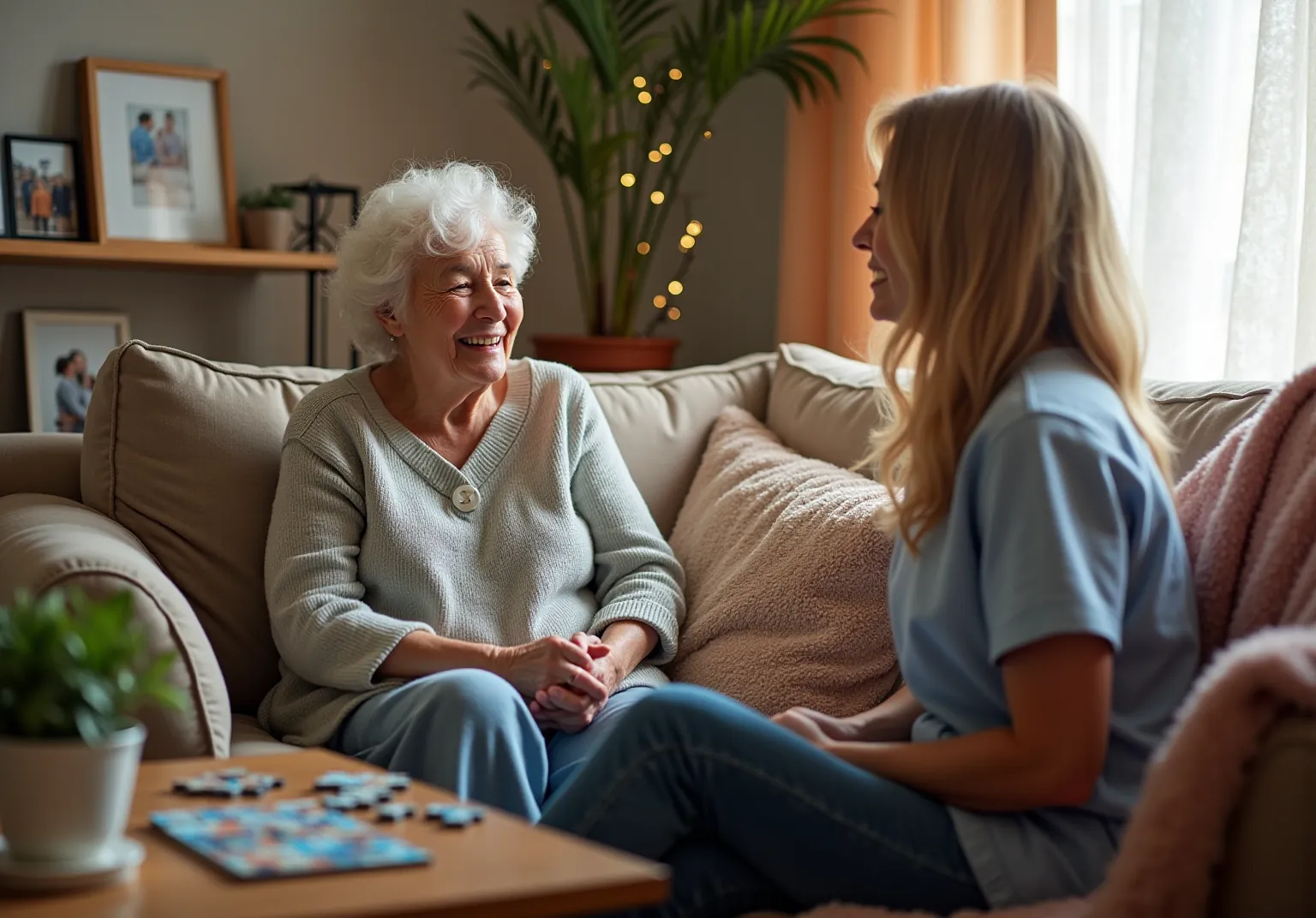
What You Need to Know About 24 Hour Elderly Care
The challenges faced by elderly individuals often extend beyond physical health, delving deep into emotional well-being and safety concerns. A staggering number of seniors experience feelings of isolation, which can significantly impact their quality of life. This highlights the urgent need for 24-hour elderly care, as it addresses not only their physical needs but also their emotional and mental health.
Continuous care can transform the lives of older adults by providing companionship and support, effectively combating loneliness. It also ensures safety, allowing seniors to live in their homes with peace of mind. For families, knowing that their loved ones are cared for around the clock alleviates anxiety and fosters a sense of security.
In this article, we will explore the myriad benefits of personalized, round-the-clock support, emphasizing how it enhances the quality of life for seniors while providing peace of mind for their families. How can caregivers implement these solutions to address the pressing issues of loneliness, safety, and mental health? Let's delve into actionable strategies that can make a difference.
Happy to Help Caregiving: Personalized 24-Hour Care for Seniors
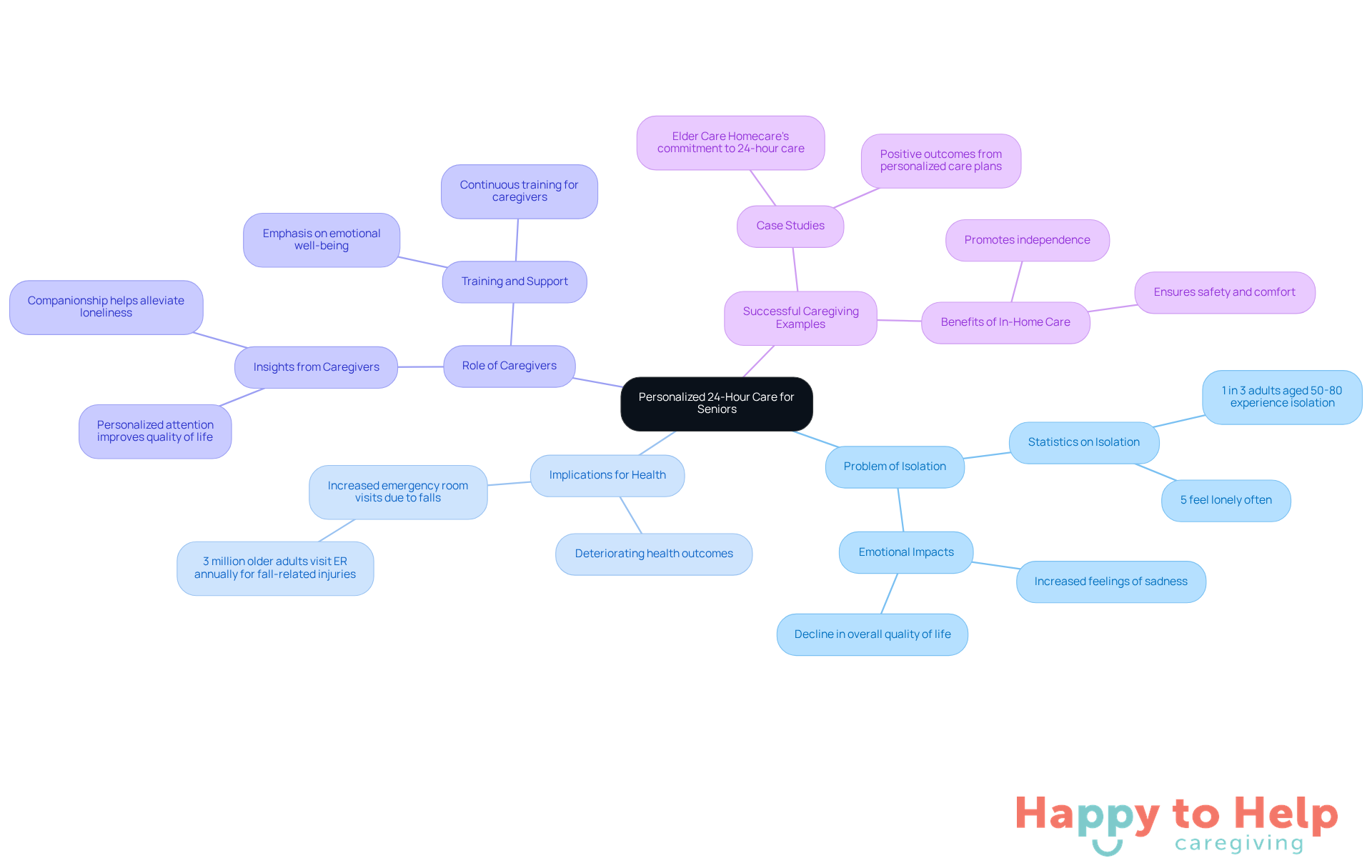
Problem: Many older adults face significant challenges, including feelings of loneliness and isolation. Statistics reveal that one in three adults aged 50-80 report experiencing isolation at least occasionally. This issue not only affects their emotional well-being but can also lead to deteriorating health outcomes.
Agitate: The implications of isolation are profound. Without regular companionship, elderly individuals may struggle with their mental health, leading to increased feelings of sadness and a decline in overall quality of life. Caregivers often witness firsthand how this loneliness impacts their clients, making it crucial to address these emotional needs alongside physical care.
Happy to Help Caregiving excels in providing personalized 24 hour elderly care tailored to the unique needs of older adults. This continuous support allows clients to thrive in the comfort of their own homes, promoting independence while ensuring they receive essential assistance. Each care plan is meticulously crafted to align with individual lifestyles and preferences, addressing all aspects of care with compassion and expertise.
Caregivers play a vital role in this process, frequently sharing insights on how customized care greatly improves the quality of life for elderly individuals. For instance, many caregivers note that personalized attention not only meets physical needs but also fosters emotional well-being, helping to alleviate feelings of loneliness and isolation.
Successful examples of in-home caregiving illustrate how this approach can lead to improved health outcomes and greater satisfaction for both clients and their families. As the demand for in-home assistance increases, especially in New York City, the dedication to personalized, round-the-clock care guarantees that seniors obtain the help they require. David Gilberg, head of Happy to Help Caregiving, highlights, "Our fundamental mission is to offer compassionate and reliable assistance that families can rely on.
Emotional Support: Alleviating Loneliness Through Constant Companionship
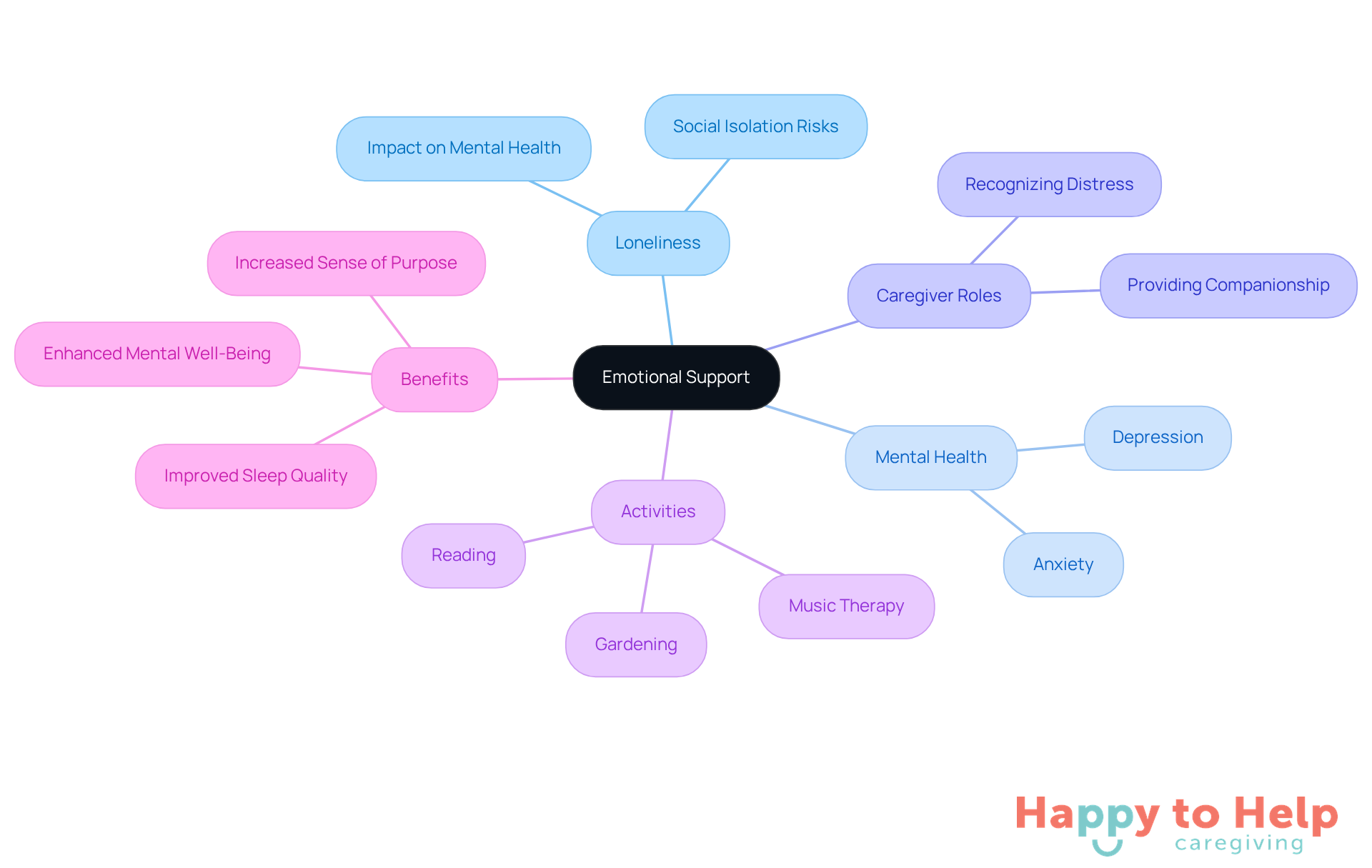
One of the most pressing challenges faced by older adults is the feeling of loneliness and isolation. This emotional struggle can significantly impact their mental health, leading to issues such as depression and anxiety. In the context of 24 hour elderly care, caregivers play a crucial role in addressing this problem by providing not just physical assistance but also vital psychological support.
Caregivers offer companionship that can alleviate these feelings. Engaging in regular discussions and activities fosters a sense of community and safety, which is essential for older adults' mental well-being. Research indicates that consistent companionship from support providers not only reduces loneliness but also enhances mental stimulation, vital for cognitive health. For instance, older adults who participate in activities like reading, music therapy, or gardening report improved mental well-being and a stronger sense of purpose.
Moreover, caregivers are trained to recognize signs of psychological distress, enabling them to provide timely support and comfort. This is particularly beneficial for individuals dealing with anxiety or grief. The continuous personal bond formed between caregivers and older adults is crucial, especially for those in 24 hour elderly care who may feel vulnerable. It leads to a more tranquil state of mind and enhances overall quality of life.
Additionally, seniors tend to sleep more soundly when they feel secure, knowing someone is nearby. Improved sleep not only enhances cognition but also strengthens immunity and helps maintain stable blood pressure. These benefits underscore the comprehensive advantages of companionship and care.
With over 15% of adults aged 60 and older experiencing mental health issues, the role of caregivers in providing companionship becomes even more essential. The case study titled 'Emotional Support in Home Care' illustrates how caregivers enhance emotional well-being, demonstrating the profound impact of their presence and support.
Safety Assurance: Fall Prevention and Emergency Assistance
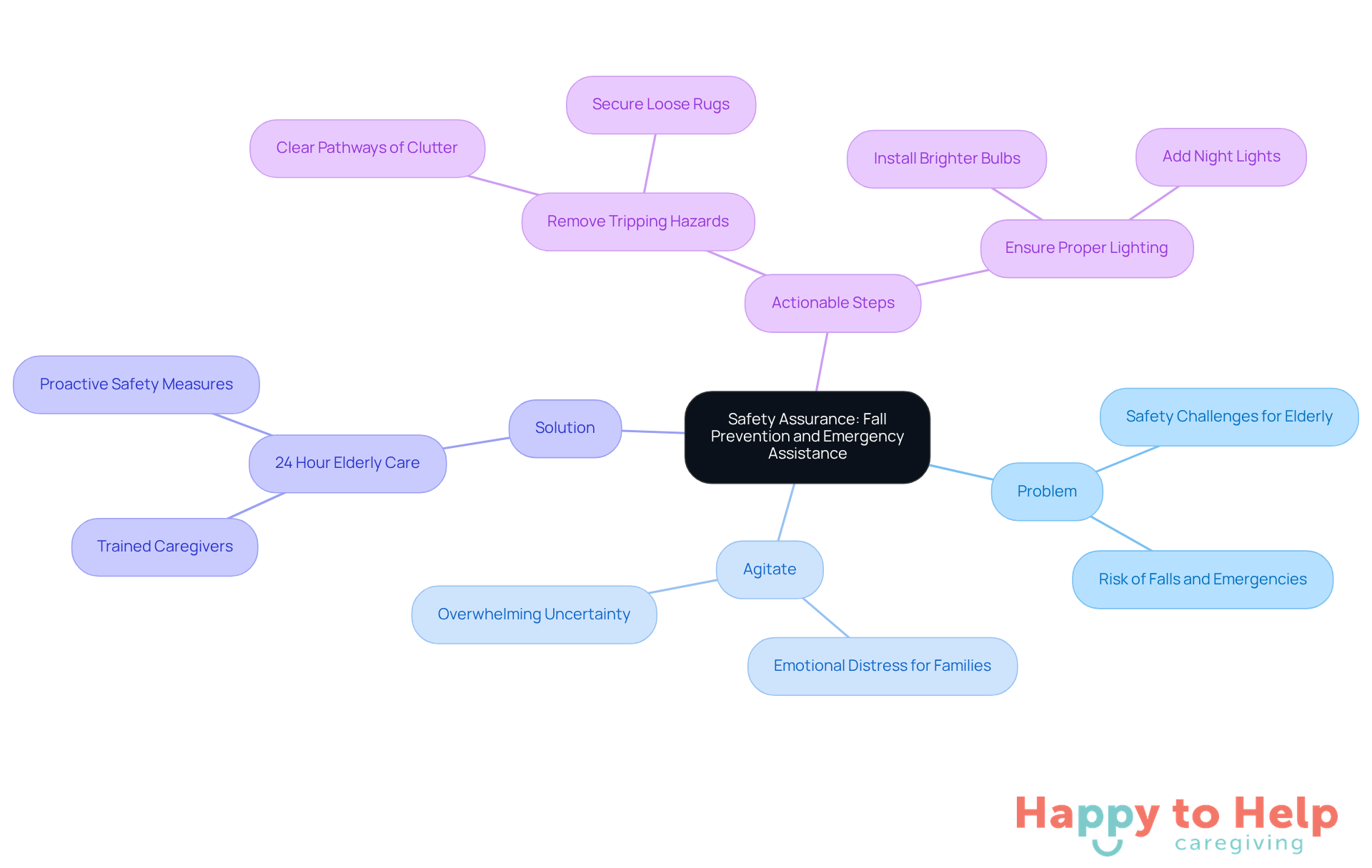
Problem: Elderly individuals, especially those at risk of falls or medical emergencies, face significant safety challenges.
Agitate: These risks can lead to serious injuries or health crises, causing distress not only for the elderly but also for their families. The uncertainty of what might happen in an emergency can be overwhelming.
The solution is that 24 hour elderly care provides essential safety guarantees. Caregivers are trained to identify hazards in the home and implement preventive measures. Here are some actionable steps caregivers can take:
- Remove tripping hazards: Clear pathways of clutter and secure loose rugs.
- Ensure proper lighting: Install brighter bulbs and night lights in key areas.
In emergencies, caregivers are prepared to react swiftly, offering reassurance to both elderly individuals and their families. This proactive approach not only enhances safety but also fosters peace of mind.
Post-Hospital Recovery: Smooth Transition with Continuous Care
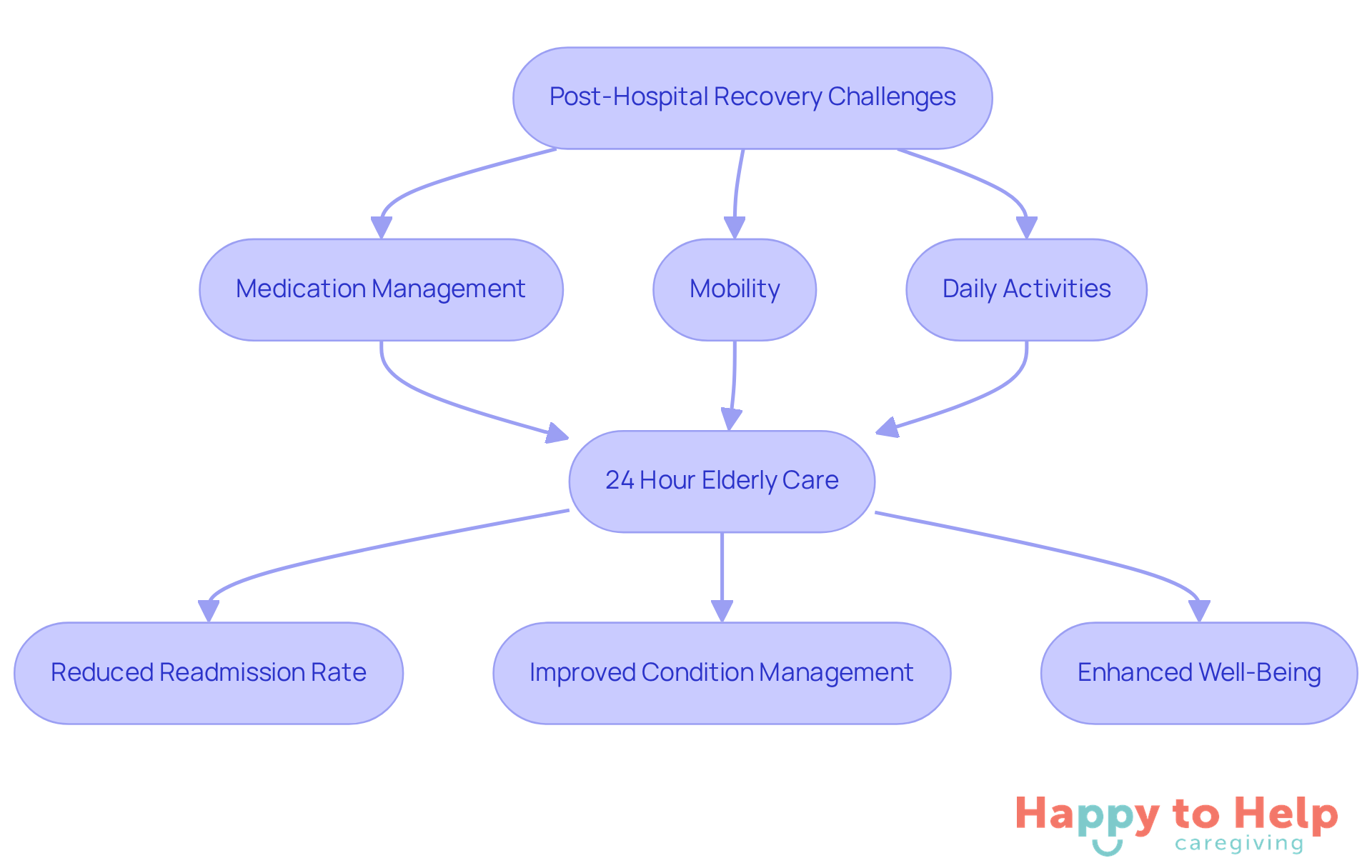
For elderly individuals returning home after a hospital stay, the absence of 24 hour elderly care presents a significant problem. Without proper support, these individuals face a higher risk of complications and hospital readmissions. In fact, research shows that elderly patients receiving continuous care have a 15% lower readmission rate compared to those without such assistance.
The implications of inadequate care are serious. Many elderly individuals struggle with:
- Medication management
- Mobility
- Daily activities
These are essential for regaining strength and independence. This gap in care can lead to a decline in their overall health and well-being. However, there is a solution: 24 hour elderly care provided by skilled caregivers.
Caregivers offer vital support, including:
- Medication management
- Mobility aid
- Assistance with daily activities
This ongoing assistance not only reduces the likelihood of complications but also fosters a sense of security and comfort, significantly enhancing the recovery process. Home care patients have reported a 30% improvement in condition management over six months, underscoring the effectiveness of continuous care.
Moreover, the presence of skilled attendants ensures that elderly individuals are closely monitored, allowing for prompt interventions and adjustments to care strategies as needed. As healthcare providers emphasize, "consistent monitoring and early intervention are key to preventing rehospitalization." This highlights the critical role caregivers play in the recovery journey.
In summary, a holistic approach to post-hospital recovery underscores the importance of 24 hour elderly care in promoting faster healing and enhancing overall well-being. By implementing 24 hour elderly care, caregivers can significantly enhance the recovery experience for elderly individuals.
Flexible Scheduling: Tailoring Care to Individual Needs
One significant challenge faced by caregivers is the inflexibility of care plans. When care is not tailored to the unique needs of older adults, it can lead to inadequate support and dissatisfaction. This situation can leave elderly individuals without the assistance they require at critical moments.
To address this issue, 24 hour elderly care provides a flexible solution. Care plans can be modified based on individual preferences, allowing for a more personalized approach. Whether it’s adjusting care hours or focusing on specific activities, this flexibility in 24 hour elderly care ensures that elderly individuals receive the support they need when they need it most.
Nutritional Support: Meal Preparation and Hydration Monitoring
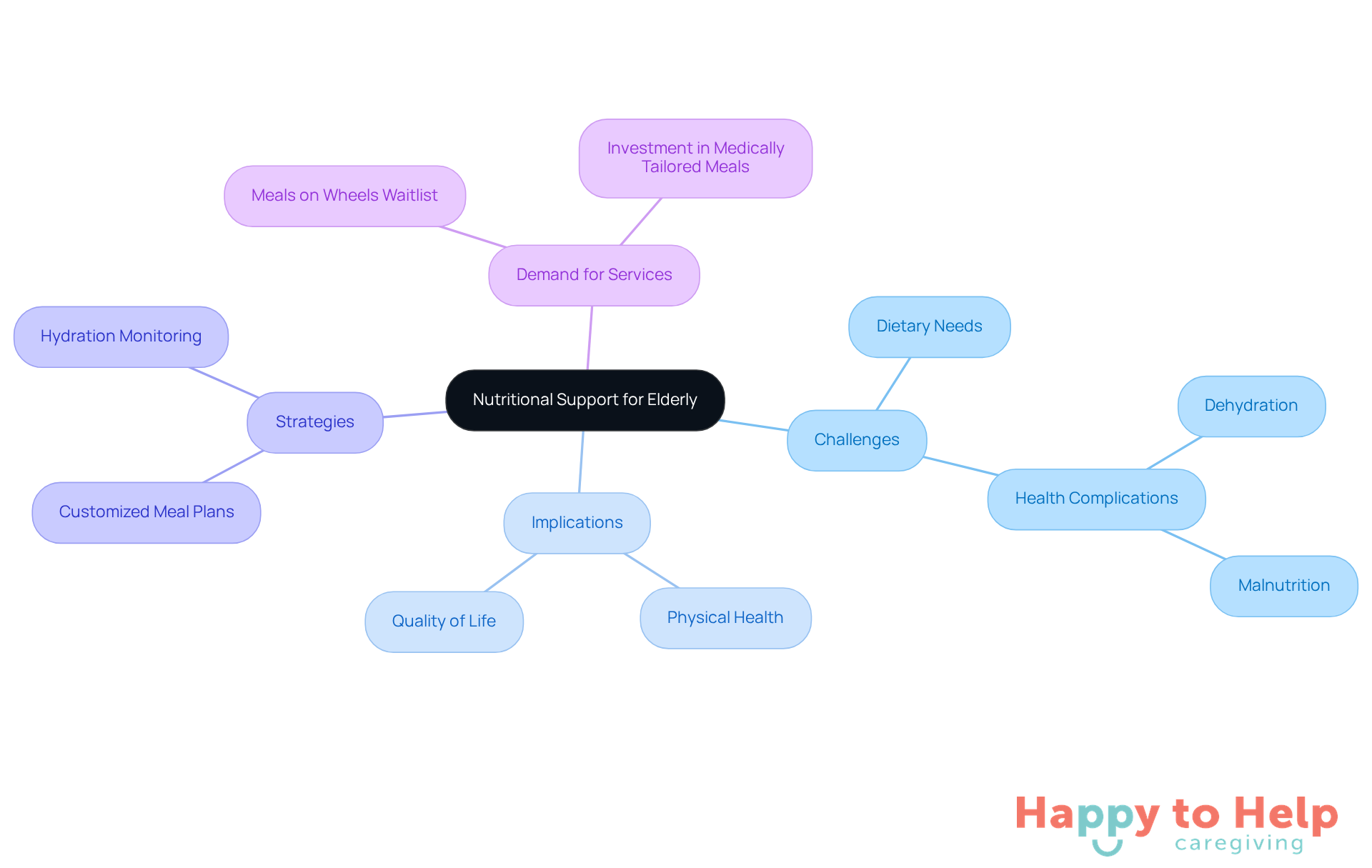
Caregivers face a significant challenge in ensuring the health and well-being of elderly individuals, particularly when it comes to nutrition and hydration. Many older adults struggle with dietary needs that require careful attention, and neglecting these can lead to serious health complications like dehydration and malnutrition. These issues not only affect physical health but can also diminish the quality of life for seniors.
The implications of inadequate nutrition and hydration are profound. Studies show that proper meal preparation and hydration monitoring can lead to improved health outcomes, enhancing both physical and psychological well-being. As we approach 2025, the importance of these practices is becoming increasingly clear, highlighting the need for comprehensive care strategies that prioritize the nutritional requirements of older adults.
To address these challenges, caregivers can implement customized meal plans tailored to the specific dietary needs of their clients. Dietitians emphasize that such plans not only improve health but also foster social connections and emotional stability. This makes caregivers essential allies in supporting the independence and quality of life for elderly clients.
Moreover, the demand for nutritional support services is on the rise. A recent study revealed that 1 in 3 local Meals on Wheels providers has a waitlist for elderly individuals, underscoring the growing need for these services. Dr. Dariush Mozaffarian, director of the Food is Medicine Institute at Tufts' Friedman School, notes that investing in medically tailored meals can transform care for vulnerable patients, creating substantial health care value. By prioritizing nutrition and hydration, caregivers can make a significant difference in the lives of older adults.
Nighttime Monitoring: Ensuring Safety and Comfort After Dark
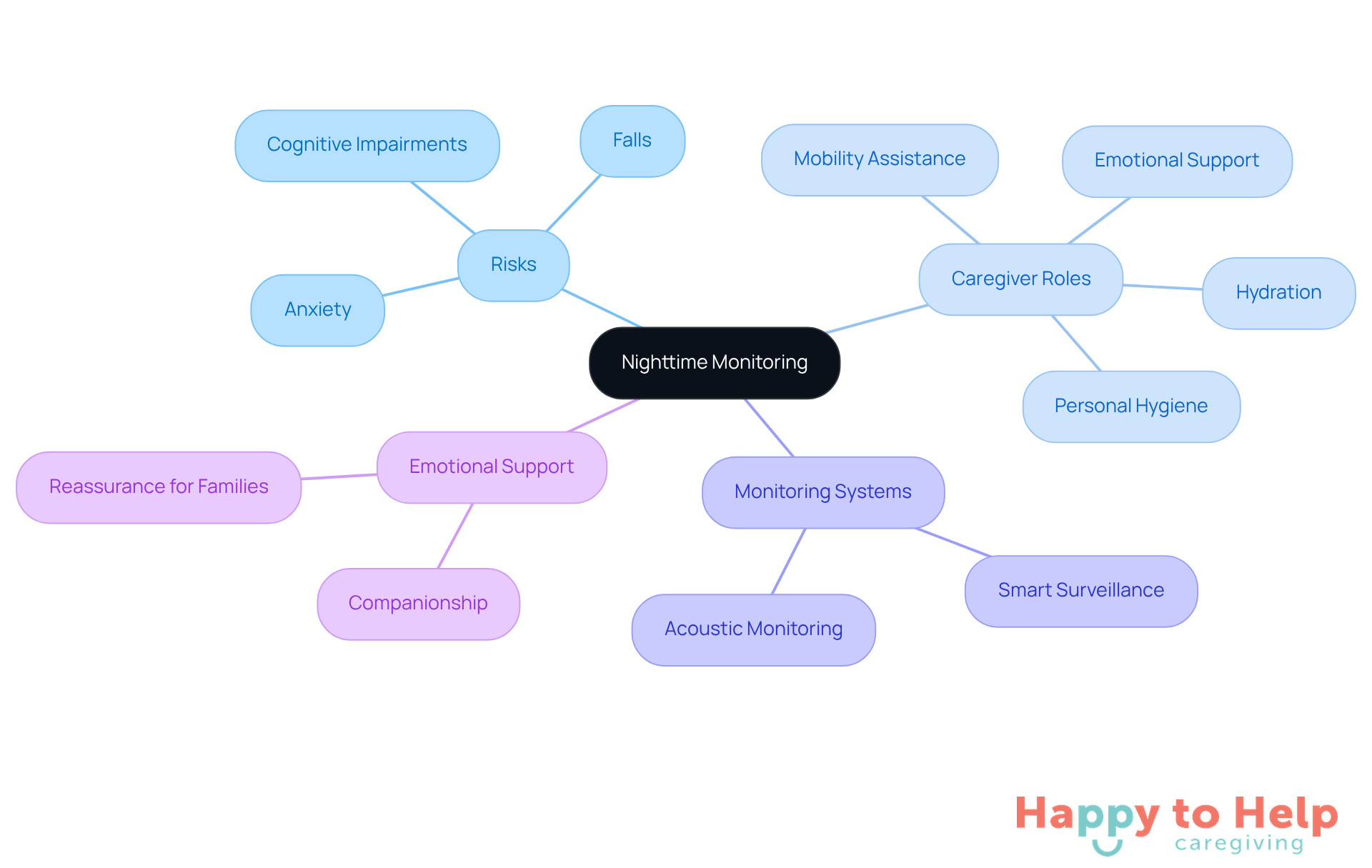
Nighttime safety poses a significant challenge for elderly individuals, particularly those with mobility issues or cognitive impairments. The risks of falls and accidents increase during these vulnerable hours, leaving many seniors feeling anxious and families concerned.
Research shows that the presence of caregivers can dramatically reduce these risks. In fact, employing acoustic monitoring systems has led to a 34% reduction in nighttime falls by providing real-time notifications to staff about unusual activity. Caregivers are essential in supporting nighttime routines, closely observing for signs of distress, and ensuring seniors remain safe and comfortable.
Caregivers assist with mobility, hydration, and personal hygiene, while also offering emotional support that fosters a sense of security. Families often express relief knowing their loved ones are not alone at night, allowing them to rest easier themselves. As one caregiver aptly stated, "The goal of overnight care isn’t to take away independence - it’s to protect it."
This commitment to safety and comfort highlights the significance of 24 hour elderly care in enhancing the well-being of elderly individuals, enabling them to thrive in their own homes.
Engagement Activities: Promoting Mental Well-Being Through Interaction
Caregivers face a significant challenge: ensuring the mental well-being of elderly individuals. Many older adults experience isolation and cognitive decline, which can lead to depression and anxiety. This issue not only affects their quality of life but also places a burden on caregivers who strive to provide support.
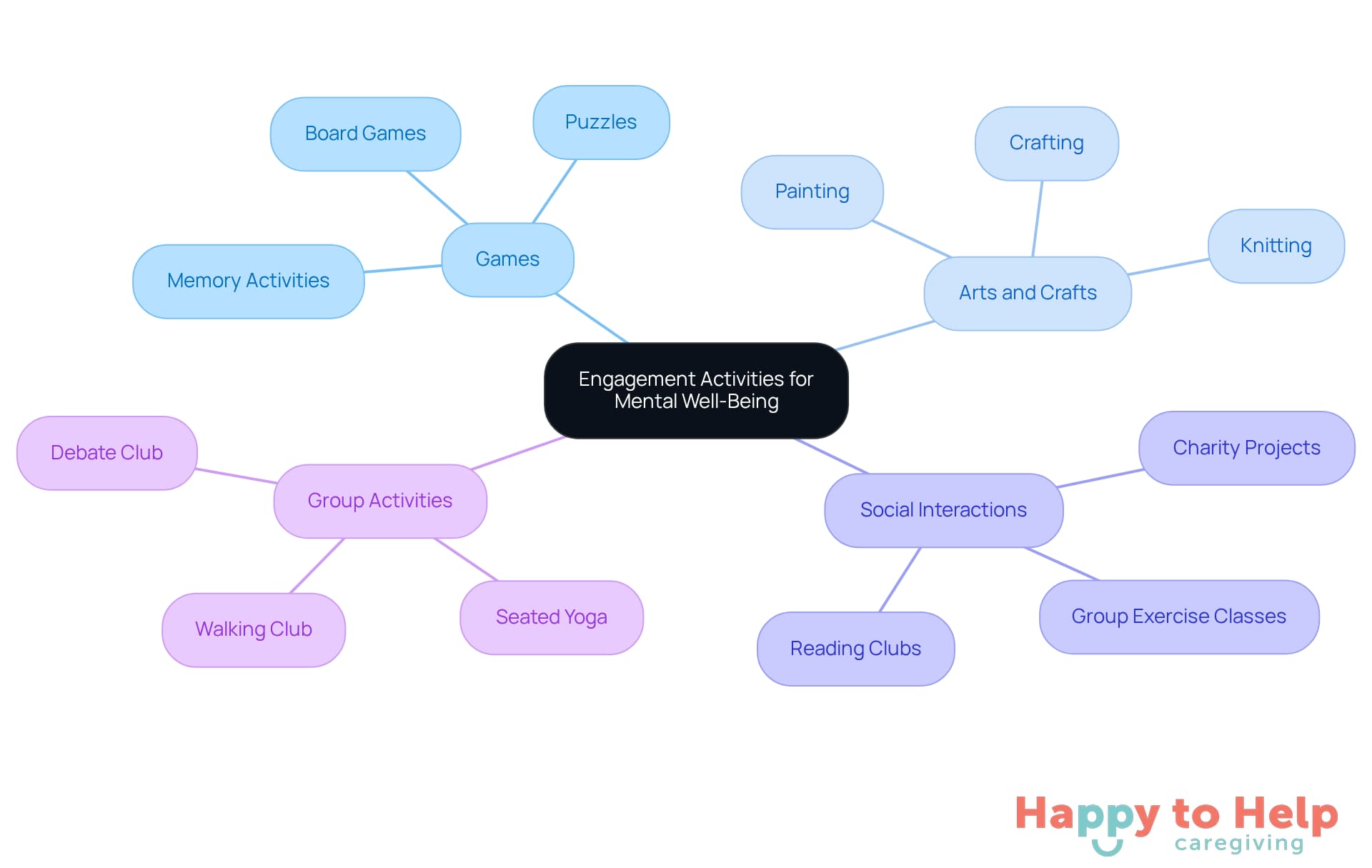
To address this problem, caregivers can involve elderly individuals in various activities that enhance mental well-being. Engaging in games, arts and crafts, and social interactions not only provides entertainment but also stimulates cognitive function and emotional health. By nurturing a sense of purpose and connection, caregivers can help older adults maintain a positive perspective on life.
Tailored experiences that cater to individual preferences and capabilities are essential for enhancing engagement. Activities like group exercise classes and reading clubs are particularly effective in promoting social interaction and cognitive stimulation. Experts in gerontology emphasize that such interactions are vital for mental health, as they build trust and enhance the overall quality of life for older adults.
Dr. Janelle Jones notes that group arts interventions are effective in reducing depression and anxiety among older adults. By implementing these strategies, caregivers can significantly improve the emotional resilience and cognitive vitality of the seniors they support. Ultimately, the compassionate involvement offered by caregivers not only enriches the lives of seniors but also fosters a healthier, more fulfilling environment for everyone involved.
Peace of Mind: Family Assurance with 24-Hour Care
Families often face the challenge of anxiety when caring for loved ones, especially when they cannot be present 24/7. The emotional and physical toll of caregiving can be overwhelming, leaving family members feeling stressed and uncertain about their loved ones' well-being. This situation can lead to feelings of helplessness and worry, making it crucial to find effective solutions.
One effective solution is the reassurance that comes from knowing loved ones receive 24 hour elderly care provided by compassionate, trained professionals. This ongoing assistance allows family members to focus on their own lives, confident that their loved ones are secure and well cared for in the comfort of their homes. Effective communication between care providers and families is vital in enhancing this sense of security. Regular updates and open lines of dialogue ensure families are informed about their loved ones' well-being, fostering trust and collaboration.
Family therapists emphasize that such communication can significantly improve family dynamics, reducing anxiety and promoting a sense of unity. By prioritizing clear and consistent communication, caregivers not only provide essential care but also contribute to the overall peace of mind for families. This support allows families to engage more fully in their own lives while knowing their loved ones are well supported.
Happy to Help Caregiving offers services such as:
- Companionship care
- Post-hospital recovery assistance
These services not only address the immediate needs of loved ones but also provide families with the support they need to navigate the challenges of caregiving.
Moving Forward with 24 Hour Elderly Care
The profound impact of 24-hour elderly care on the lives of seniors is significant. Many older adults face challenges such as loneliness and isolation, which can severely affect their emotional well-being. This care approach not only addresses their physical needs but also ensures they feel secure, valued, and connected.
By providing continuous support, caregivers play a crucial role in fostering independence while alleviating feelings of loneliness. Key benefits of personalized 24-hour care include:
- Emotional support that combats loneliness
- Safety measures that prevent falls
- Tailored care plans
- Nutritional support
- Engaging activities
Each aspect contributes to improved health outcomes and a higher quality of life for seniors, while also offering peace of mind to their families.
Investing in 24-hour elderly care is more than just a service; it’s a commitment to enhancing the overall well-being of older adults. Families should explore these options, recognizing that such care is vital for their loved ones' happiness and health. By prioritizing personalized, round-the-clock support, a nurturing environment is created, allowing seniors to thrive and families to find solace in knowing their loved ones are well cared for.
https://iframe.tely.ai/cta/eyJhcnRpY2xlX2lkIjogIjY5MjdhNWU1ZGRmMGZhNDUyZmE5NmE2NCIsICJjb21wYW55X2lkIjogIjY4ZWU1ZGNhNzMxNzYyNTU3ZjNjOTVjMSIsICJpbmRleCI6IG51bGwsICJ0eXBlIjogImFydGljbGUifQ==Frequently Asked Questions
What challenges do older adults face regarding loneliness and isolation?
Many older adults experience significant challenges with loneliness and isolation, with statistics showing that one in three adults aged 50-80 report feeling isolated at least occasionally. This can negatively affect their emotional well-being and lead to deteriorating health outcomes.
How does Happy to Help Caregiving address the issue of isolation in seniors?
Happy to Help Caregiving provides personalized 24-hour care tailored to the unique needs of older adults, which promotes independence and ensures they receive essential assistance. This continuous support helps alleviate feelings of loneliness and improves overall quality of life.
What role do caregivers play in the emotional well-being of elderly individuals?
Caregivers provide companionship and engage in regular discussions and activities, fostering a sense of community and safety. This support is vital for mental well-being, helping to reduce loneliness and enhance cognitive health.
What types of activities can caregivers engage seniors in to improve their mental well-being?
Caregivers can engage seniors in activities such as reading, music therapy, or gardening, which have been shown to improve mental well-being and provide a stronger sense of purpose.
How do caregivers assist with psychological distress in older adults?
Caregivers are trained to recognize signs of psychological distress, allowing them to provide timely support and comfort, which is especially beneficial for individuals dealing with anxiety or grief.
What safety measures do caregivers implement to prevent falls and emergencies for elderly individuals?
Caregivers identify hazards in the home and implement preventive measures such as removing tripping hazards, clearing pathways of clutter, and ensuring proper lighting with brighter bulbs and night lights.
How do caregivers react in emergencies?
Caregivers are trained to react swiftly in emergencies, offering reassurance to elderly individuals and their families, which enhances safety and fosters peace of mind.
Why is companionship important for seniors in terms of health outcomes?
Companionship helps seniors feel secure, leading to improved sleep, enhanced cognition, strengthened immunity, and stable blood pressure, all of which contribute to better overall health outcomes.
List of Sources
- Happy to Help Caregiving: Personalized 24-Hour Care for Seniors
- 2025 Home Care Statistics: Trends & Insights To Know (https://premierhcinc.com/blog/home-care-statistics)
- Linknovate | Elder Care Homecare Reaffirms Commitment to 24-Hour Nursing Care at Home in Long Island, NY. (https://linknovate.com/news/elder-care-homecare-reaffirms-commitment-to-24-hour-nursing-care-at-home-in-long-island-ny-21537413)
- Elder Care Homecare Reaffirms Commitment to Providing Continuous 24-Hour Home Care in NYC. (https://barchart.com/story/news/35071033/elder-care-homecare-reaffirms-commitment-to-providing-continuous-24-hour-home-care-in-nyc)
- Elder Care Homecare Reaffirms Commitment To Providing Continuous 24-Hour Home Care In NYC. (https://menafn.com/1110117336/Elder-Care-Homecare-Reaffirms-Commitment-To-Providing-Continuous-24-Hour-Home-Care-In-NYC)
- Caregiver Statistics: Demographics (https://caregiver.org/resource/caregiver-statistics-demographics)
- Emotional Support: Alleviating Loneliness Through Constant Companionship
- The Benefits of 24-Hour Home Care for Seniors Living Alone (https://lifesathomecare.com/the-benefits-of-24-hour-home-care-for-seniors-living-alone)
- The Emotional Benefits of 24-Hour Home Care For Seniors (https://avodahhomecare.health/the-emotional-benefits-of-24-hour-home-care-for-seniors)
- Friendships Are Especially Powerful Late in Life, Poll Says (https://usnews.com/news/health-news/articles/2024-12-16/friendships-are-especially-powerful-late-in-life-poll-says)
- How 24-Hour Home Care Can Benefit Senior Mental Health (https://homewatchcaregivers.com/tacoma/about-us/blog/how-24-hour-home-care-can-benefit-senior-mental)
- Safety Assurance: Fall Prevention and Emergency Assistance
- Prevent Elderly Accidents at Home - Moore Care Caregiver Services (https://wecaremoore.com/prevent-elderly-accidents-at-home)
- As falling deaths rise for older adults, how home safety can make a difference (https://denver7.com/news/local-news/as-falling-deaths-rise-for-older-adults-how-home-safety-can-make-a-difference)
- In-Home Care Continuously Supports Senior Safety (https://homehelpershomecare.com/sc-valley/community-blog/2025/august/how-in-home-care-continuously-supports-senior-safety)
- Modern Tools That Improve Safety and Accountability in Elder Care Settings (https://dcreport.org/2025/11/24/modern-tech-tools-improving-safety-in-elder-care-facilities)
- Top 8 Benefits of 24/7 Monitoring Systems for Senior Care - EyeWatch LIVE® (https://eyewatchlive.com/news/top-8-benefits-of-24-7-monitoring-systems-for-senior-care)
- Post-Hospital Recovery: Smooth Transition with Continuous Care
- How Skilled Home Care Helps After Hospital Discharge - Bryan Skilled Home Care (https://bryanskilledhomecare.com/2025/10/30/how-skilled-home-care-helps-after-hospital-discharge)
- Post-Hospital Care for Seniors Supports Healing (https://picseniorcare.com/how-post-hospital-care-for-seniors-makes-recovery-easier)
- Post-Hospital Discharge: Why In-Home Care Improves Recovery for Florida Seniors (https://visitingangels.com/pasco/news-info/post-hospital-discharge-why-in-home-care-improves-recovery/26199)
- Post Hospital Care: Why it is Critical for Recovery ? 2025 (https://safehandshhc.com/2025/01/10/post-hospital-care)
- Home Care Impact on Recovery of Patient (A Statistics Report) (https://lovinghomecareinc.com/home-care-recovery-statistics)
- Flexible Scheduling: Tailoring Care to Individual Needs
- ‘Change in air’ for senior living and care industry in 2025 (https://mcknightsseniorliving.com/news/change-in-air-for-senior-living-and-care-industry-in-2025)
- The Future of Senior Care: What to Expect in 2025 and Beyond (https://arhomecare.com/the-future-of-senior-care-what-to-expect-in-2025-and-beyond)
- Millions of seniors lose access to telehealth services in wake of shutdown (https://pbs.org/newshour/show/millions-of-seniors-lose-access-to-telehealth-services-in-wake-of-shutdown)
- Medicare Telehealth Waivers Expire With Potential ‘Big Impact’ for Senior Living Operators (https://seniorhousingnews.com/2025/10/01/medicare-telehealth-waivers-expire-with-potential-big-impact-for-senior-living-operators)
- Nutritional Support: Meal Preparation and Hydration Monitoring
- Home-Delivered Medical Meals Could Prevent Millions Of Hospitalizations A Year (https://usnews.com/news/health-news/articles/2025-04-14/home-delivered-medical-meals-could-prevent-millions-of-hospitalizations-a-year)
- Findings From New Study Reinforce That Home-Delivered Meals Provide Critical Health and Social Benefits to Older Adults and Caregivers (https://mealsonwheelsamerica.org/news/findings-from-new-study-reinforce-that-home-delivered-meals-provide-critical-health-and-social-benefits-to-older-adults-and-caregivers)
- CMS puts nutrition problems in nursing homes under the microscope (https://mcknights.com/news/cms-puts-nutrition-problems-in-nursing-homes-under-the-microscope)
- The changing nutritional needs of older adults and how to meet them (https://heart.org/en/news/2024/12/18/the-changing-nutritional-needs-of-older-adults-and-how-to-meet-them)
- Nighttime Monitoring: Ensuring Safety and Comfort After Dark
- The Importance of Overnight and 24-Hour Home Care - Care At Home Services (https://careathomeservices.ca/the-importance-of-overnight-and-24-hour-home-care)
- WCS Care launches UK's first centralised acoustic night-time monitoring hub - National Care Forum (https://nationalcareforum.org.uk/members-news/wcs-care-launches-uks-first-centralised-acoustic-night-time-monitoring-hub)
- Why Overnight Safety Is Critical for Seniors (https://genactainhomecare.com/why-overnight-safety-is-critical-for-seniors)
- Safety & Restorative Benefits of Overnight Care for Seniors & Families (https://homeinstead.ca/location/3025/news-and-media/the-safety-and-restorative-benefits-of-overnight-care-for-seniors-and-their-families-in-calgary)
- Smart Surveillance Boosts Safety, Connection for Seniors Aging at Home (https://ltcnews.com/articles/smart-surveillance-boosts-safety-seniors-aging-at-home)
- Engagement Activities: Promoting Mental Well-Being Through Interaction
- 8 Engaging Activity Ideas to Keep Seniors Active and Happy (https://visitingangels.com/everett/articles/engaging-activities-for-seniors/23463)
- Keeping Seniors Engaged at Home: Creative Companion Care Ideas for Caregivers - AmeriCare Plus (https://americarepluspc.com/home-care-careers/keeping-seniors-engaged-at-home-creative-companion-care-ideas-for-caregivers)
- The art of well-being: Group activities shown to ease depression and anxiety in older adults (https://sciencedaily.com/releases/2025/03/250305135147.htm)
- 5 Activities to Support Mental Health in Older Adults - WelbeHealth (https://welbehealth.com/activities-mental-health-seniors)
- How to increase engagement in senior living communities (https://foxrehab.org/activities-for-senior-living-communities)
- Peace of Mind: Family Assurance with 24-Hour Care
- Why So Many Seniors Prefer 24-Hour Home Care Over Nursing Home Care (https://heavenathomecare.com/why-24-hour-home-care-is-preferred-over-nursing-home-care)
- The 10-Benefits of 24-Hour Home Care » LifeWorx Home Care (https://lifeworx.com/resources/articles/the-10-benefits-of-24-hour-home-care)
- Why 24/7 Senior Care Works: Safety, Comfort, and Constant Support - With A Little Help (https://withalittlehelp.com/24-7-senior-care-works)
- The Benefits of 24-Hour Support: Ensuring Constant Care and Peace of Mind (https://rightathome.co.uk/cheshireeast/news-item/the-benefits-of-24-hour-support-ensuring-constant-care-and-peace-of-mind)
- How 24-Hour Home Care Supports Aging in Place with Confidence (https://ahelpinghandga.com/how-24-hour-home-care-supports-aging-in-place-with-confidence)