10 Benefits of a 24/7 Live In Caregiver for Your Loved Ones
For families in our service areas
For families in our service areas, this guide explains caregiver support and how non-medical in-home caregiving can support care planning in East Idaho, Treasure Valley & Magic Valley, Northern Wasatch, North Central West Virginia & Southwestern Pennsylvania, and Northeast Ohio.
What to Expect
This article beautifully outlines the ten benefits of having a 24/7 live-in caregiver, focusing on how this support enhances safety, emotional well-being, and personalized care for seniors. It emphasizes the profound impact of continuous care, which not only fosters trust but also promotes independence and alleviates the stress often felt by family caregivers.
Imagine the peace of mind that comes from knowing your loved one is receiving compassionate assistance in a familiar environment. This kind of care significantly improves their quality of life, allowing them to thrive. Continuous support ensures that individuals feel secure and valued, and it helps prevent caregiver burnout, which can be a heavy burden to bear.
By providing tailored assistance, caregivers can create a nurturing atmosphere that addresses both physical and emotional needs. This approach not only enhances the daily experiences of seniors but also builds lasting relationships based on trust and understanding.
Ultimately, having a live-in caregiver means that your loved ones receive the personal attention they deserve, surrounded by the comfort of home. This arrangement not only enriches their lives but also offers reassurance to families, knowing that their loved ones are in caring hands.
What You Need to Know About A 24/7 Live
The landscape of caregiving is evolving, and the demand for comprehensive support systems has never been more critical. Families grappling with the challenges of caring for elderly loved ones often feel overwhelmed and uncertain. In these moments, the transformative benefits of a 24/7 live-in caregiver come into focus. This approach not only ensures constant assistance but also nurtures emotional well-being, safety, and independence for seniors.
But what specific advantages do these caregivers offer? They provide a level of support that can significantly enhance the quality of life for both seniors and their families. Exploring the multifaceted benefits of live-in care reveals insights that can reshape the caregiving experience, offering much-needed peace of mind and comfort. Through compassionate care, families can find reassurance, knowing that their loved ones are in capable hands.
Happy to Help Caregiving: 24/7 Support for Peace of Mind
At Happy to Help Caregiving, we understand the emotional challenges that caregivers face. The stress and burnout can feel overwhelming, and that’s why we’re here to help, providing round-the-clock support. Our constant availability ensures that clients receive assistance whenever they need it, offering peace of mind to families. Knowing that their loved ones are never alone and can access immediate help for emergencies or daily needs is invaluable.
Our caregivers are trained to manage a variety of situations, fostering a secure and caring environment. Their presence not only enhances safety but also alleviates feelings of isolation, allowing seniors to maintain social connections and engage in activities they love. This comprehensive approach to support nurtures emotional wellness and autonomy, making it an essential asset for families navigating the complexities of caregiving.
With a 24/7 live in caregiver, families can rest assured that their loved ones are receiving compassionate care tailored to their unique needs. This commitment ultimately enhances their quality of life, providing the emotional and practical support that every household deserves.
https://iframe.tely.ai/cta/eyJhcnRpY2xlX2lkIjogIjY4ZmFjYzFmNjNhNjMzNGUxM2MwYzI4NiIsICJjb21wYW55X2lkIjogIjY4ZWU1ZGNhNzMxNzYyNTU3ZjNjOTVjMSIsICJpbmRleCI6IDAsICJ0eXBlIjogImFydGljbGUifQ==Emotional Support: Alleviating Loneliness and Anxiety
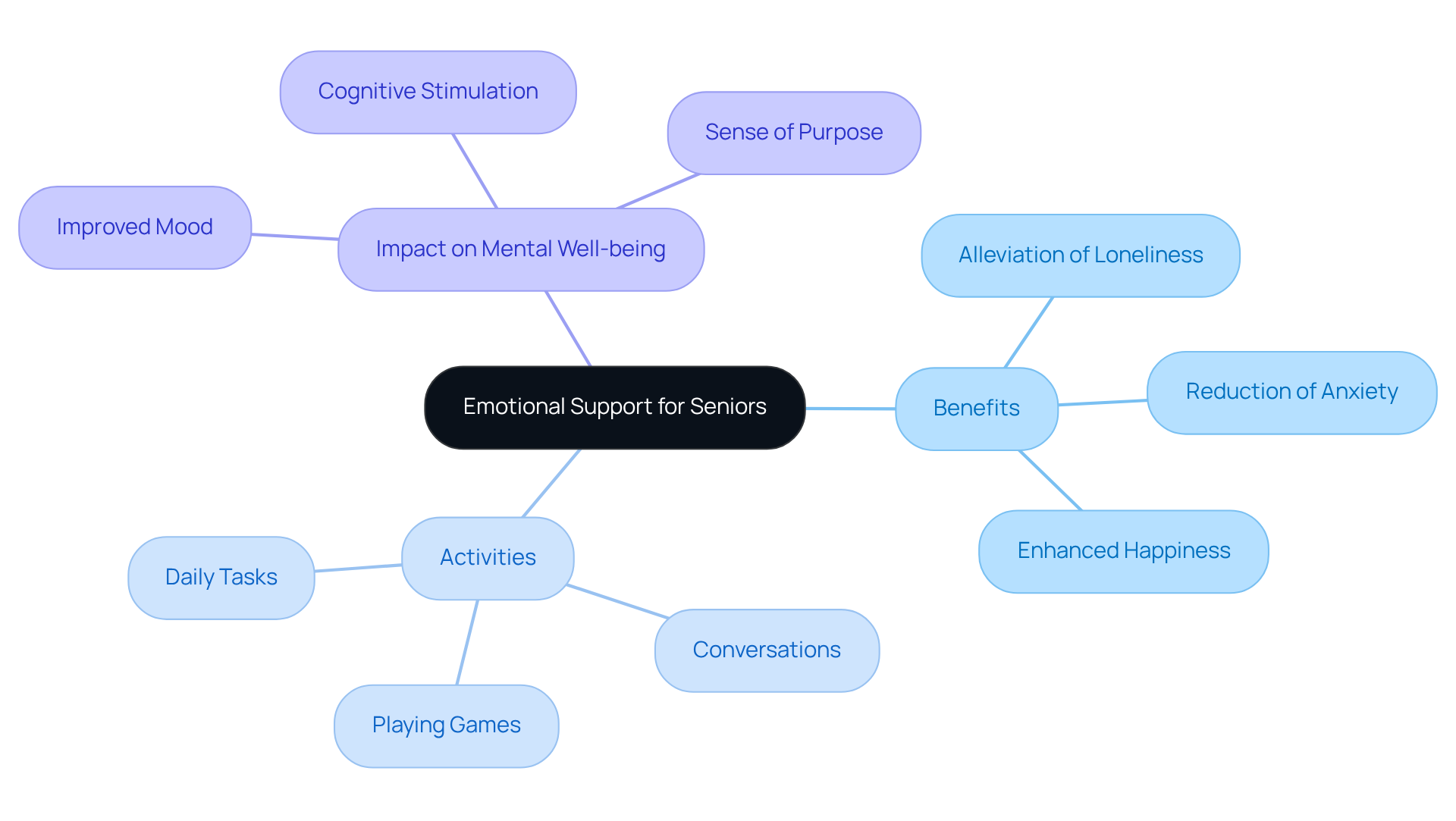
At Happy to Help Caregiving, caregivers play a vital role in providing emotional support, significantly alleviating feelings of loneliness and anxiety among seniors. Through meaningful conversations and engaging activities, caregivers create a sense of companionship that is essential for mental well-being.
Research shows that persistent isolation among older adults is associated with heightened risks of depression, anxiety, cognitive deterioration, heart conditions, and diminished immunity. This highlights the importance of the emotional bond nurtured by support providers. For instance, regular interactions—like playing card games or going for walks—not only enhance a person's mood but also stimulate cognitive function, contributing to a more fulfilling daily life.
This consistent emotional engagement helps seniors feel seen, heard, and supported, ultimately enhancing their overall happiness and quality of life. By addressing the emotional impact of isolation, supporters ensure that individuals maintain a sense of purpose and connection, which is essential for their mental well-being.
Family caregivers can also engage in simple daily activities with seniors, such as sharing morning coffee or participating in household tasks, to further strengthen these emotional bonds.
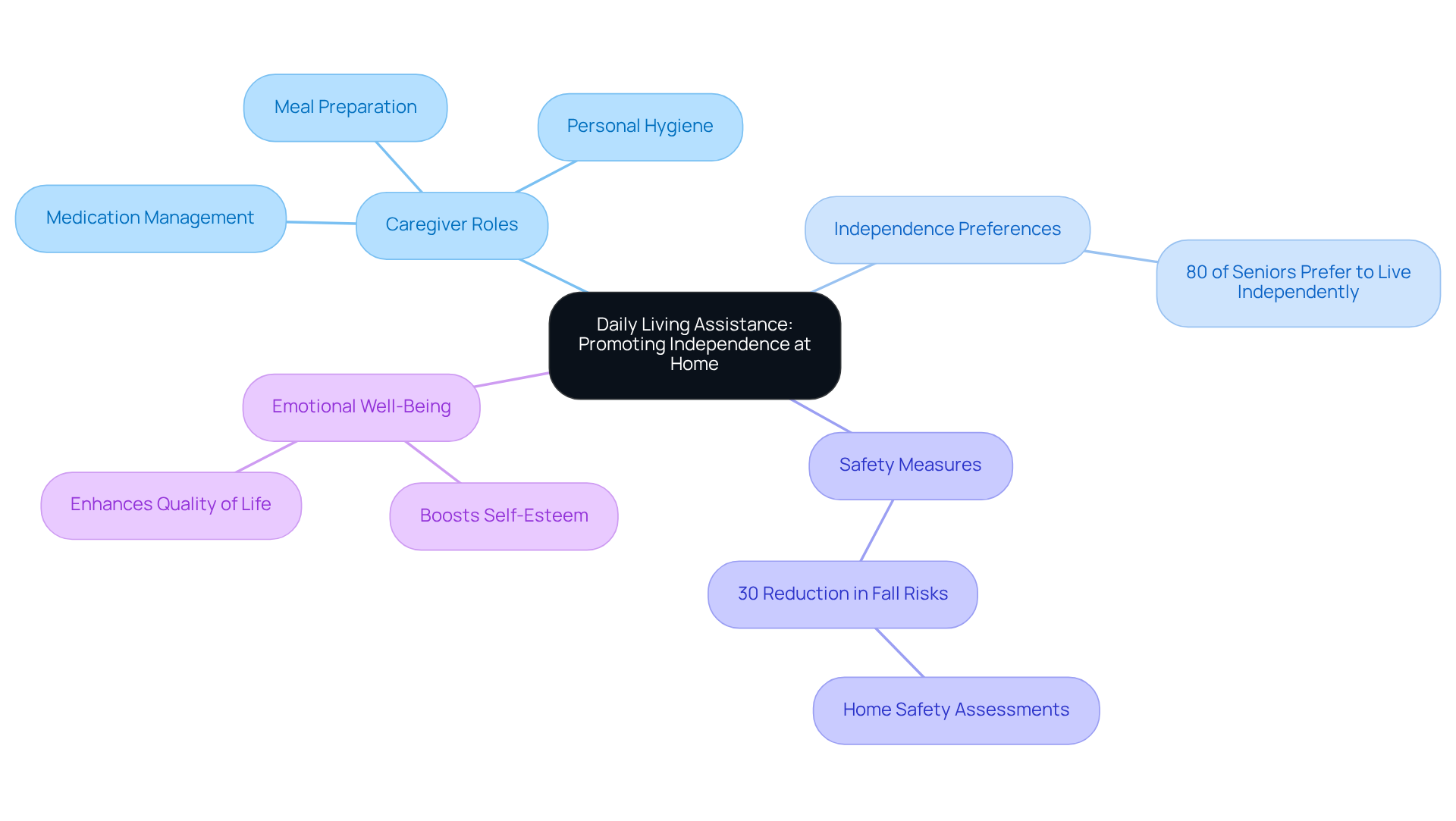
Daily Living Assistance: Promoting Independence at Home
At Happy to Help Caregiving, we understand the emotional challenges faced by individuals who wish to maintain their independence. Our tailored daily living support, which includes a 24/7 live in caregiver, is designed to empower seniors to uphold their autonomy while ensuring their safety. Caregivers play a vital role in assisting with essential tasks such as:
- Meal preparation
- Personal hygiene
- Medication management
This customized support allows individuals to continue their routines in a familiar environment, fostering a sense of control over their lives.
Research shows that over 80% of seniors prefer to live independently at home. Our services are specifically crafted to facilitate this desire by providing the necessary support of a 24/7 live in caregiver. By promoting autonomy, we enhance our clients' overall quality of life, enabling them to engage in activities they cherish and maintain meaningful connections with their communities.
We also prioritize safety by conducting thorough home safety assessments to minimize fall risks. Studies indicate that implementing safety measures can reduce falls by up to 30%. This ensures a secure living space that encourages mobility and independence. As one occupational therapist beautifully stated, "Supporting seniors in their daily routines not only boosts their self-esteem but also significantly enhances their emotional well-being." This highlights the importance of emotional health in the aging process.
Our holistic approach to care underscores the transformative impact of a 24/7 live in caregiver on senior independence. We are here to nurture and support, ensuring that every individual feels valued and cared for.
Safety Assurance: Reducing Risks and Enhancing Security
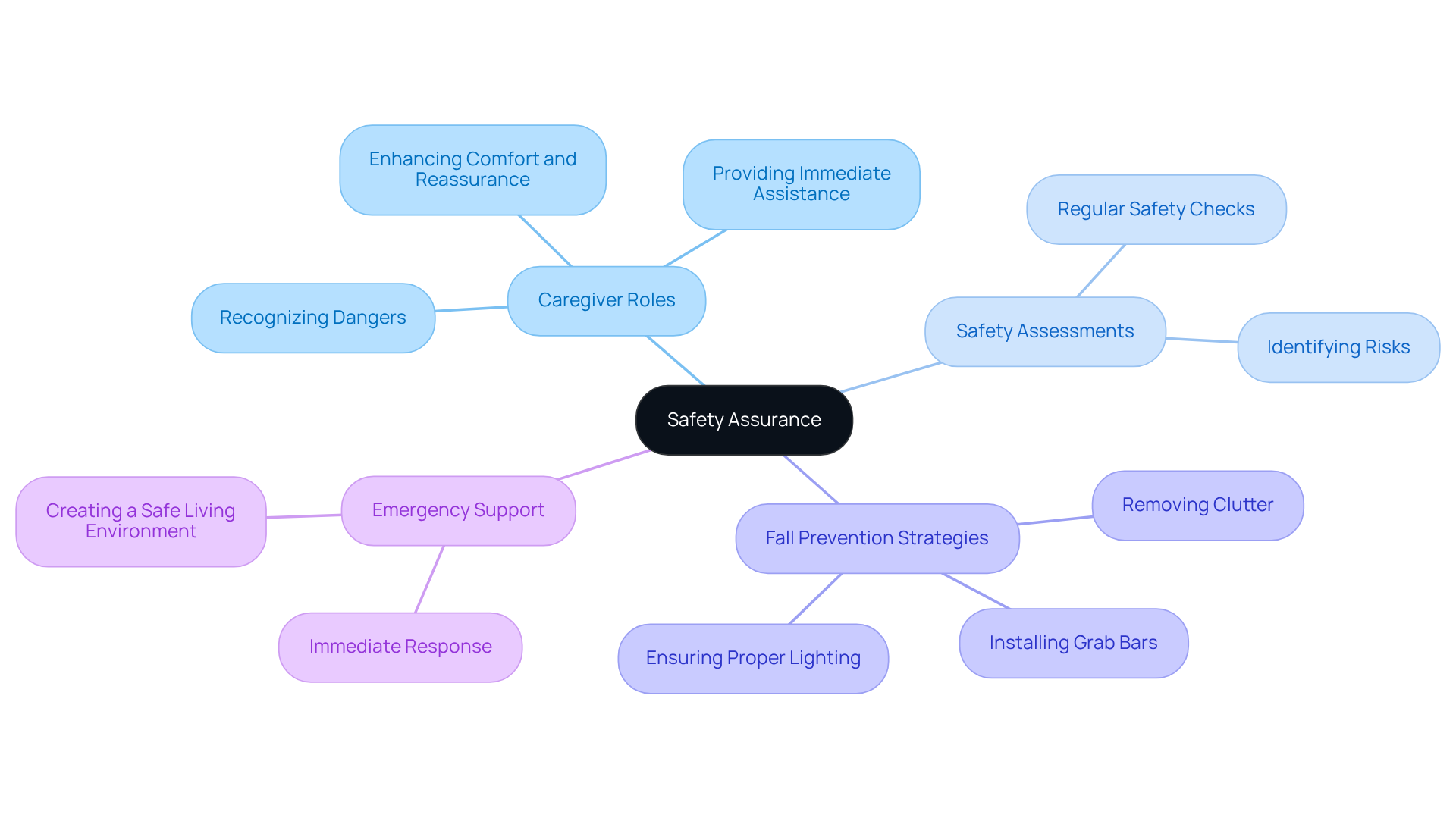
Caregivers play a vital role in safeguarding individuals by recognizing and addressing potential dangers within the home. They conduct regular safety assessments, identifying risks and implementing tailored fall prevention strategies that meet each client's unique needs. For example, caregivers might suggest:
- Removing clutter
- Installing grab bars in bathrooms
- Ensuring proper lighting to reduce fall risks
In times of emergency, they provide immediate assistance, enhancing the security of the living environment. This not only fosters a sense of comfort and reassurance for families but also significantly contributes to the overall well-being of elderly individuals. By adopting a proactive approach, caregivers help maintain their clients' independence while ensuring their safety.
This compassionate care creates a nurturing atmosphere, allowing families to feel supported and understood in their concerns. Every small step taken by caregivers is a testament to their commitment to enhancing the quality of life for those they serve.
Continuity of Care: Building Trust and Familiarity
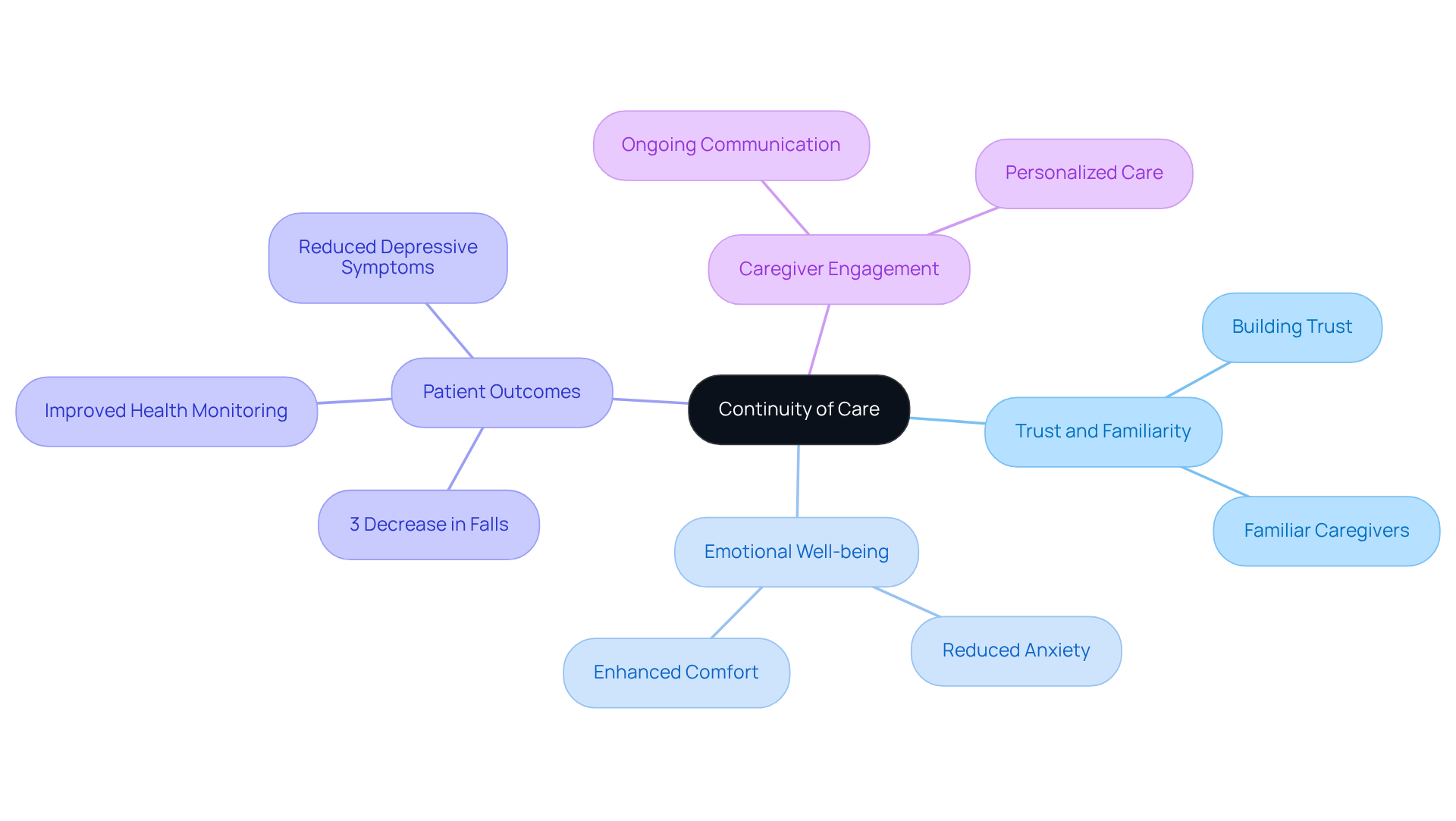
At Happy to Help Caregiving, the philosophy emphasizes continuity of support, which is ensured through our 24/7 live in caregiver services. By ensuring that individuals consistently engage with the same providers, we foster a solid foundation of trust and familiarity over time. This ongoing connection allows a 24/7 live in caregiver to develop a profound understanding of each person's unique needs and preferences, resulting in more personalized and effective support. Clients often express that they feel more comfortable and secure with a 24/7 live in caregiver they know, which significantly enhances their overall well-being.
Research indicates that greater continuity among home care workers correlates with improved patient outcomes, such as fewer falls and reduced depressive symptoms. For instance, a 0.1-point increase in continuity scores is linked to a 3% decrease in the likelihood of falls, based on a study involving 8,293 individuals. This illustrates the tangible benefits of familiar providers. Moreover, a 24/7 live in caregiver who consistently assists the same individuals becomes attuned to subtle changes in their health, enabling timely interventions that can prevent complications.
Every interaction between support providers and individuals is an opportunity to build trust. Caregivers frequently highlight the significance of small gestures, like listening carefully and honoring requests, which foster a nurturing environment. This commitment to understanding and valuing clients nurtures a sense of dignity and connection, transforming assistance into meaningful relationships.
In summary, having a 24/7 live in caregiver not only boosts the emotional and physical well-being of individuals but also creates a warm atmosphere where they feel valued and understood. This approach is essential for promoting independence and enhancing the quality of life for seniors receiving in-home support.
Tailored Care Plans: Flexibility to Meet Unique Needs
At Happy to Help Caregiving, we truly understand the emotional challenges that caregivers face. It can be overwhelming, filled with stress and burnout. That's why we create customized support strategies that align with the unique requirements and choices of every individual.
These plans are not set in stone; they are adaptable and can be modified as situations evolve. This ensures that you receive the most suitable assistance at all times. Our tailored approach not only enhances the quality of service but also empowers clients to engage actively in their decision-making.
We believe that by providing compassionate care, we can help ease the burdens you carry. You are not alone in this journey, and we are here to support you every step of the way.
https://iframe.tely.ai/cta/eyJhcnRpY2xlX2lkIjogIjY4ZmFjYzFmNjNhNjMzNGUxM2MwYzI4NiIsICJjb21wYW55X2lkIjogIjY4ZWU1ZGNhNzMxNzYyNTU3ZjNjOTVjMSIsICJpbmRleCI6IDUsICJ0eXBlIjogImFydGljbGUifQ==Post-Hospital Recovery: Specialized Support for Healing
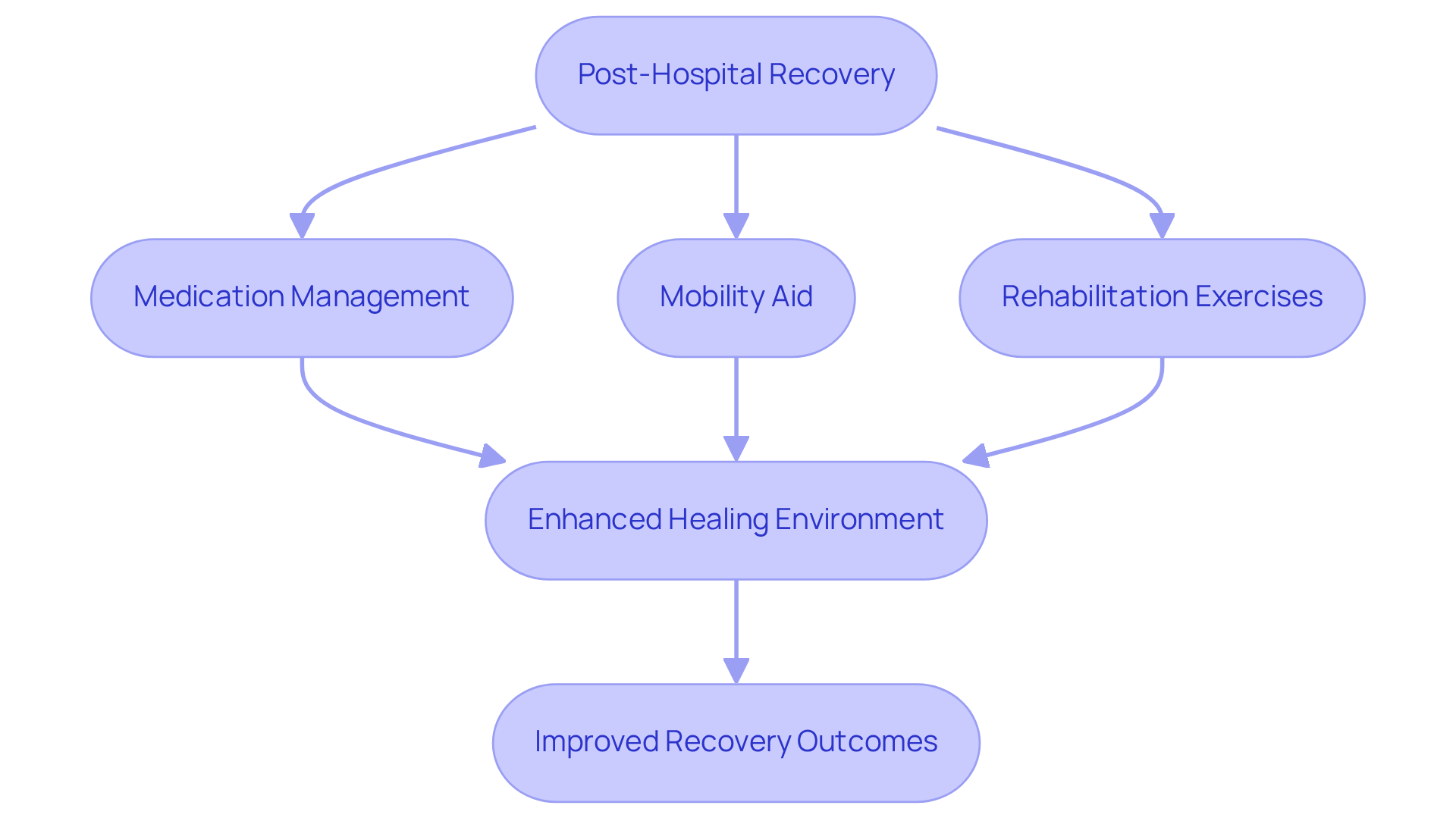
After a hospital stay, individuals often encounter the daunting task of regaining their strength and independence. This journey can be overwhelming, making specialized support vital for effective recovery. Happy to Help Caregiving offers a 24/7 live in caregiver who is specifically trained in post-hospital support, providing essential assistance with:
- Medication management
- Mobility aid
- Rehabilitation exercises
This personalized approach not only cultivates a safe and comfortable recovery environment at home but also significantly enhances the healing process. Research indicates that patients receiving treatment at home tend to recover faster and experience fewer complications compared to those in institutional settings. As UMass Chan's medical director, Wendy Mitchell, notes, "patients at home tend to get up and move around more than those in a facility, accelerating their recovery."
Moreover, nearly 1 in 5 seniors released from the hospital will be readmitted within 30 days, underscoring the importance of in-home support in preventing avoidable readmissions. By developing customized support strategies that align with each client's unique needs, caregivers facilitate a smoother transition back to everyday life.
The compassionate assistance provided by a 24/7 live in caregiver addresses both the physical and emotional aspects of recovery. As Comfort Keepers emphasizes, "compassionate helpers provide companionship and emotional support to seniors recuperating from hospital stays, tackling anxiety, depression, and loneliness."
With a focus on preserving dignity and promoting independence, in-home support emerges as a crucial element of effective recovery following hospitalization.
Respite Care: Supporting Family Caregivers
Respite support is an essential service offered by Happy to Help Caregiving, providing temporary relief for those who care for their loved ones. This assistance allows family members to take necessary breaks, attend to personal matters, or simply rejuvenate. Such moments of respite are vital, especially considering that family supporters now dedicate an average of 27 hours per week delivering care. This significant time commitment can lead to burnout, with over 60% of caregivers experiencing signs of emotional and physical exhaustion, social withdrawal, and various health issues.
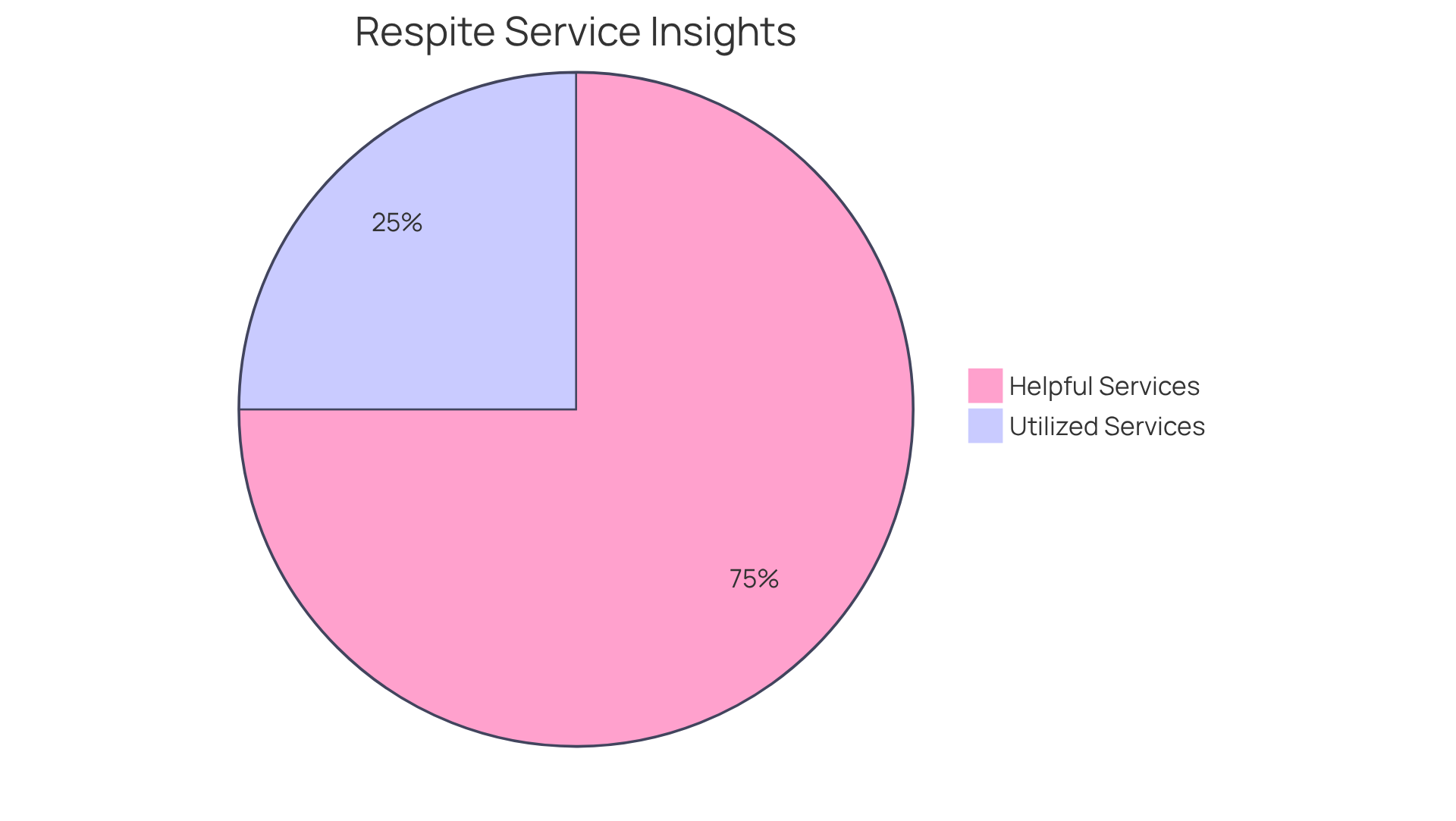
Studies reveal that 39% of caregivers find respite services helpful, yet only 13% utilize them, often due to trust issues and concerns about service quality. By ensuring that clients receive quality support during these breaks, respite assistance not only helps prevent caregiver burnout but also fosters a healthier family dynamic. Establishments like The Herrick House exemplify how respite services can create a nurturing atmosphere, allowing caregivers to relax while ensuring their loved ones engage in beneficial social interactions. The Herrick House addresses common barriers to respite services by providing a trustworthy environment with professional support, alleviating concerns about service quality.
Family therapists emphasize the importance of self-care for caregivers, advocating for strategies such as setting boundaries and seeking help. As one counselor wisely notes, "Supporters must prioritize their own health to deliver the best assistance for their loved ones." Respite support serves as a practical solution, empowering caregivers to focus on their well-being, ultimately leading to improved outcomes for both themselves and those they assist. This holistic approach to caregiving highlights the necessity of respite care in maintaining the health and happiness of families.
Quality of Life Enhancement: Engaging and Enriching Experiences
At Happy to Help Caregiving, our 24/7 live in caregivers are dedicated to enhancing the quality of life for individuals, with a strong focus on their mental and emotional well-being. We understand the emotional challenges that can arise, and we strive to create a nurturing environment that addresses these concerns.
Engaging in hobbies, social interactions, and physical exercises tailored to individual interests is at the heart of our approach. These activities not only bring joy but also help maintain a sense of purpose in daily life.
By fostering a stimulating atmosphere, we aim to alleviate feelings of stress and burnout, ensuring that our clients feel valued and connected. Our compassionate caregivers, such as a 24/7 live in caregiver, are here to provide the emotional and practical support that individuals need, creating moments of joy and fulfillment.
We believe that everyone deserves to experience happiness and connection, and we are committed to walking alongside our clients on this journey, offering encouragement and reassurance every step of the way.
https://iframe.tely.ai/cta/eyJhcnRpY2xlX2lkIjogIjY4ZmFjYzFmNjNhNjMzNGUxM2MwYzI4NiIsICJjb21wYW55X2lkIjogIjY4ZWU1ZGNhNzMxNzYyNTU3ZjNjOTVjMSIsICJpbmRleCI6IDgsICJ0eXBlIjogImFydGljbGUifQ==Cost-Effectiveness: Understanding Financial Implications of Live-In Care
Live-in assistance presents a financially wise choice compared to assisted living facilities and nursing homes. By offering tailored support in the comforting environment of home, families can significantly reduce overall expenses while ensuring their loved ones receive exceptional care.
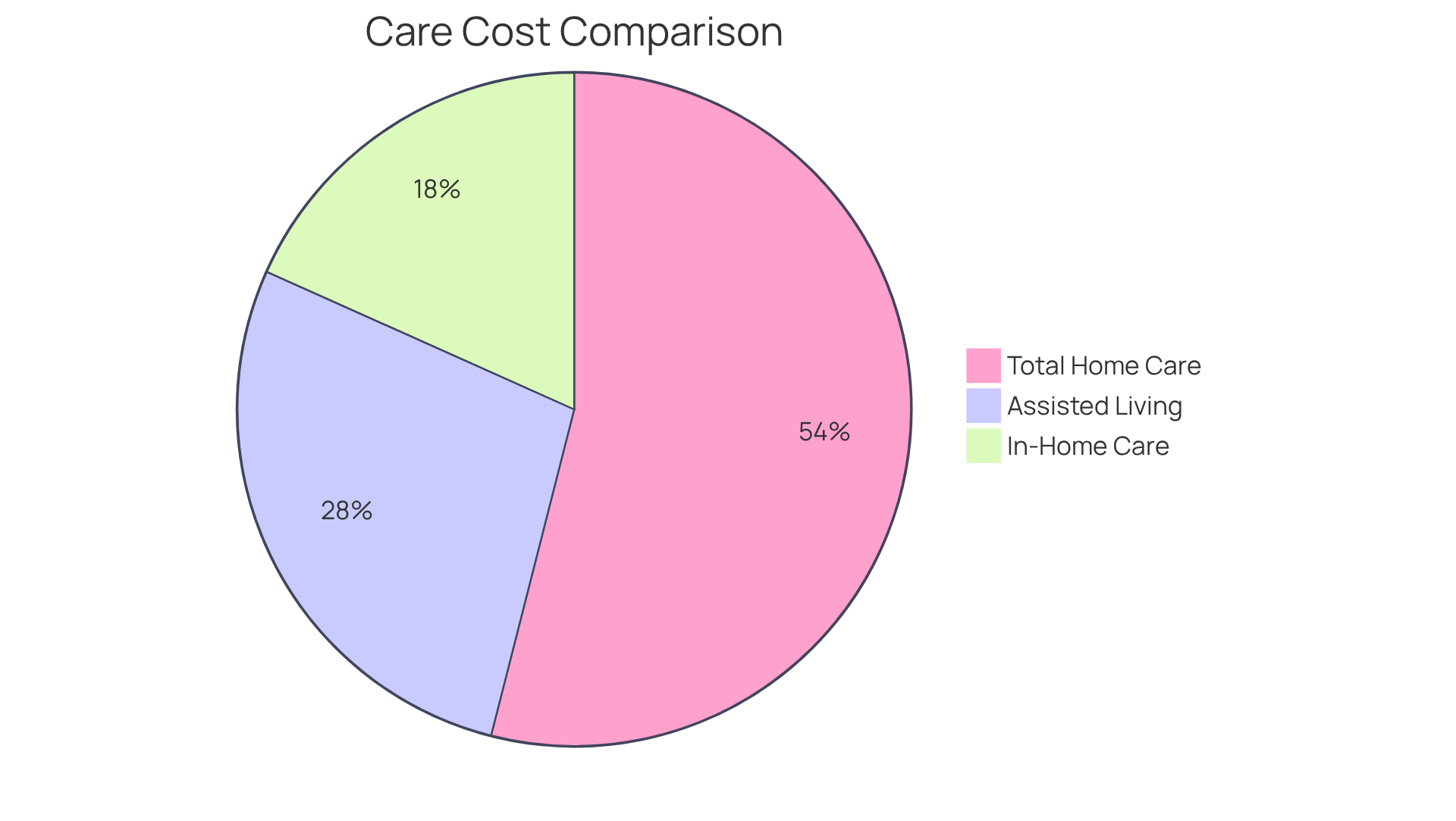
For example, the average monthly cost of assisted living ranges from $2,500 to over $7,150 depending on the state, with a typical figure around $4,000. In contrast, home support can be customized to individual needs, often resulting in lower overall costs. A typical analysis shows that for four hours of support each day, five days a week, families may spend about $2,640 monthly on in-home assistance, compared to the higher costs associated with assisted living. However, when considering additional expenses, the total monthly cost for home assistance can approach around $7,785.80, an important factor for families to consider.
Moreover, families often overlook the extra costs linked to aging in place, such as property taxes, utilities, and maintenance, which can accumulate quickly. In contrast, the 24/7 live-in caregiver support from Happy to Help Caregiving offers transparent pricing and flexible options, allowing families to select a solution that aligns with their financial situation. Financial advisors note that if 40 hours or fewer of paid assistance is needed weekly, home support typically proves to be the more cost-effective option.
The financial benefits of in-home support extend beyond mere cost savings; they also encompass the emotional and psychological rewards of receiving assistance in a familiar setting. This holistic approach not only improves the quality of life for seniors but also eases the financial strain on families, making a 24/7 live-in caregiver a compelling choice for those who value both quality and affordability.
Moving Forward with A 24/7 Live
The advantages of having a 24/7 live-in caregiver reach far beyond mere assistance; they encompass a holistic approach to enhancing the well-being of seniors and providing peace of mind to their families. This comprehensive support system not only addresses daily living needs but also fosters emotional connections, promotes independence, and ensures safety in the comfort of home. By prioritizing the unique requirements of each individual, caregivers create an environment where seniors can thrive emotionally and physically.
Key benefits stand out, including:
- The vital emotional support that alleviates feelings of loneliness.
- Tailored daily living assistance that promotes independence.
- Safety measures that significantly reduce risks at home.
- The continuity of care fosters trust and familiarity.
- Respite services that offer essential relief for family caregivers.
- The financial implications of live-in care reveal a cost-effective alternative to assisted living, allowing families to maintain their loved ones' quality of life without compromising their financial stability.
The significance of 24/7 live-in caregivers cannot be overstated. They play an essential role in enhancing the quality of life for seniors, ensuring they feel valued and understood while enabling families to navigate the complexities of caregiving with confidence. Embracing the support of a live-in caregiver enriches the lives of those receiving care and empowers families to prioritize their well-being, creating a nurturing and supportive environment for all involved.
https://iframe.tely.ai/cta/eyJhcnRpY2xlX2lkIjogIjY4ZmFjYzFmNjNhNjMzNGUxM2MwYzI4NiIsICJjb21wYW55X2lkIjogIjY4ZWU1ZGNhNzMxNzYyNTU3ZjNjOTVjMSIsICJpbmRleCI6IG51bGwsICJ0eXBlIjogImFydGljbGUifQ==Frequently Asked Questions
What support does Happy to Help Caregiving provide to caregivers and families?
Happy to Help Caregiving offers 24/7 support to alleviate the emotional challenges faced by caregivers, ensuring that clients receive assistance whenever needed, which provides peace of mind to families.
How do caregivers at Happy to Help Caregiving enhance the quality of life for seniors?
Caregivers create a secure and caring environment, alleviating feelings of isolation and fostering social connections, which enhances emotional wellness and autonomy for seniors.
What role does emotional support play in the services offered?
Caregivers provide emotional support that significantly reduces feelings of loneliness and anxiety among seniors through meaningful conversations and engaging activities, promoting mental well-being.
Why is emotional engagement important for seniors?
Emotional engagement helps seniors feel seen, heard, and supported, which enhances their overall happiness and quality of life while maintaining a sense of purpose and connection.
What types of daily living assistance does Happy to Help Caregiving offer?
The service includes meal preparation, personal hygiene assistance, and medication management, all designed to promote independence while ensuring safety.
How does Happy to Help Caregiving support seniors' desire to live independently?
The tailored support of a 24/7 live-in caregiver allows seniors to maintain their routines in a familiar environment, fostering a sense of control and independence.
What measures are taken to ensure the safety of seniors at home?
Happy to Help Caregiving conducts thorough home safety assessments to minimize fall risks, implementing safety measures that can reduce falls by up to 30%.
How does the presence of a caregiver impact seniors' emotional health?
The support provided by caregivers boosts seniors' self-esteem and significantly enhances their emotional well-being, contributing to a more fulfilling daily life.