
What to Expect
This article explores ten heartfelt benefits of adult companion care for family caregivers, highlighting how it nurtures the emotional, physical, and social well-being of elderly individuals.
Caregivers often face overwhelming challenges, feeling the weight of stress and burnout. Adult companion care offers a compassionate solution, providing improved daily functioning, emotional support, and social engagement for seniors.
Additionally, it grants much-needed respite for family caregivers, fostering independence and enhancing the quality of life for both seniors and their families. This nurturing approach not only reduces caregiver burnout but also promotes a deeper connection within families, allowing them to thrive together.
What You Need to Know About Adult Companion Care
Adult companion care offers a compassionate solution to the increasing needs of elderly individuals and their families. As the challenges of caregiving grow more complex, this specialized support enhances the quality of life for seniors. It also alleviates the stress and burnout that family caregivers often face.
What specific benefits does adult companion care provide for both parties? How can it truly transform the caregiving experience? By exploring these ten key advantages, we uncover the profound impact of personalized companionship. This highlights the importance of emotional support, daily assistance, and social engagement in creating a nurturing environment for older adults.
Happy to Help Caregiving: Personalized Companionship for Seniors
At Happy to Help Caregiving, we understand the emotional challenges faced by older adults and their families. Our focus is on delivering customized adult companion care tailored to the unique needs of each individual. We recognize that adult companion care involves more than just assisting with daily tasks; it’s about fostering meaningful interactions that create a sense of belonging and comfort in the familiar surroundings of home.
By paying attention to personal preferences and backgrounds, our caregivers establish a nurturing atmosphere. This approach not only enhances the quality of life for elderly individuals but also alleviates the feelings of stress and burnout often experienced by caregivers involved in adult companion care. We believe that everyone deserves compassionate care that resonates with their life story.
We invite you to explore the emotional and practical support we offer, knowing that you are not alone on this journey. Together, we can create a warm and inviting environment that truly makes a difference. Let us help you find peace of mind, knowing that your loved ones are in caring hands.
https://iframe.tely.ai/cta/eyJhcnRpY2xlX2lkIjogIjY4ZjJkOTEwOGU3OWVkNGNkMjc2NzhlZiIsICJjb21wYW55X2lkIjogIjY4ZWU1ZGNhNzMxNzYyNTU3ZjNjOTVjMSIsICJpbmRleCI6IDAsICJ0eXBlIjogImFydGljbGUifQ==Emotional Support: Alleviating Loneliness in Seniors
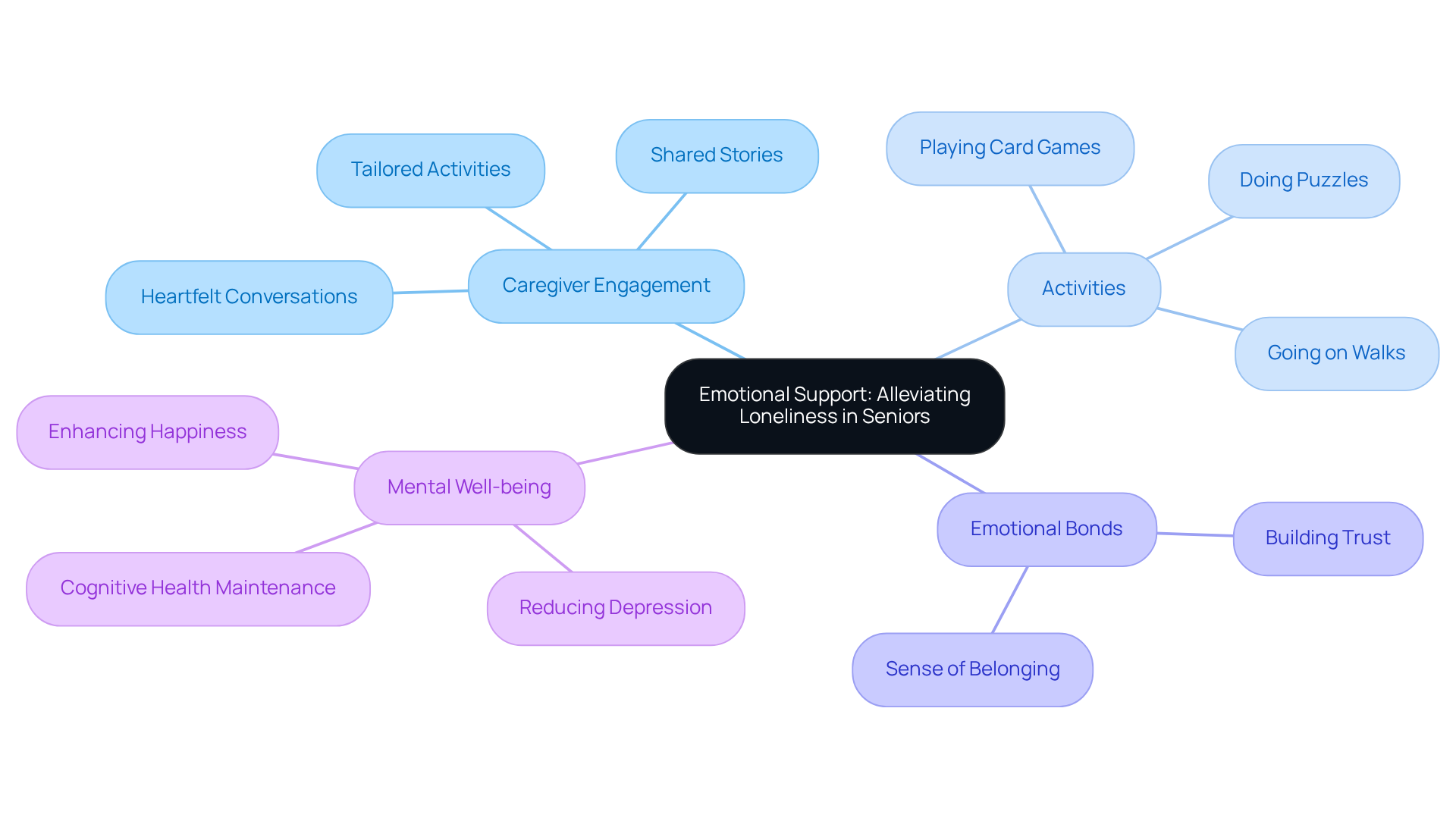
Adult companion care provides vital emotional support that significantly alleviates feelings of isolation in elderly individuals. Caregivers engage clients in heartfelt conversations, share meaningful stories, and partake in activities that resonate with their interests. This nurturing emotional bond not only uplifts the spirits of older adults but also bolsters their overall mental well-being, reducing the chances of depression and anxiety.
By fostering these connections, caregivers help create a sense of belonging and community. Every shared moment, every smile exchanged, contributes to a more joyful experience for seniors. It’s not just about companionship; adult companion care focuses on enhancing quality of life through genuine interaction and understanding.
The reassurance that comes from knowing someone truly cares can make all the difference. As caregivers continue to provide this compassionate support, they not only uplift their clients but also cultivate an environment filled with love and understanding.
Improved Daily Functioning: Supporting Independence and Quality of Life
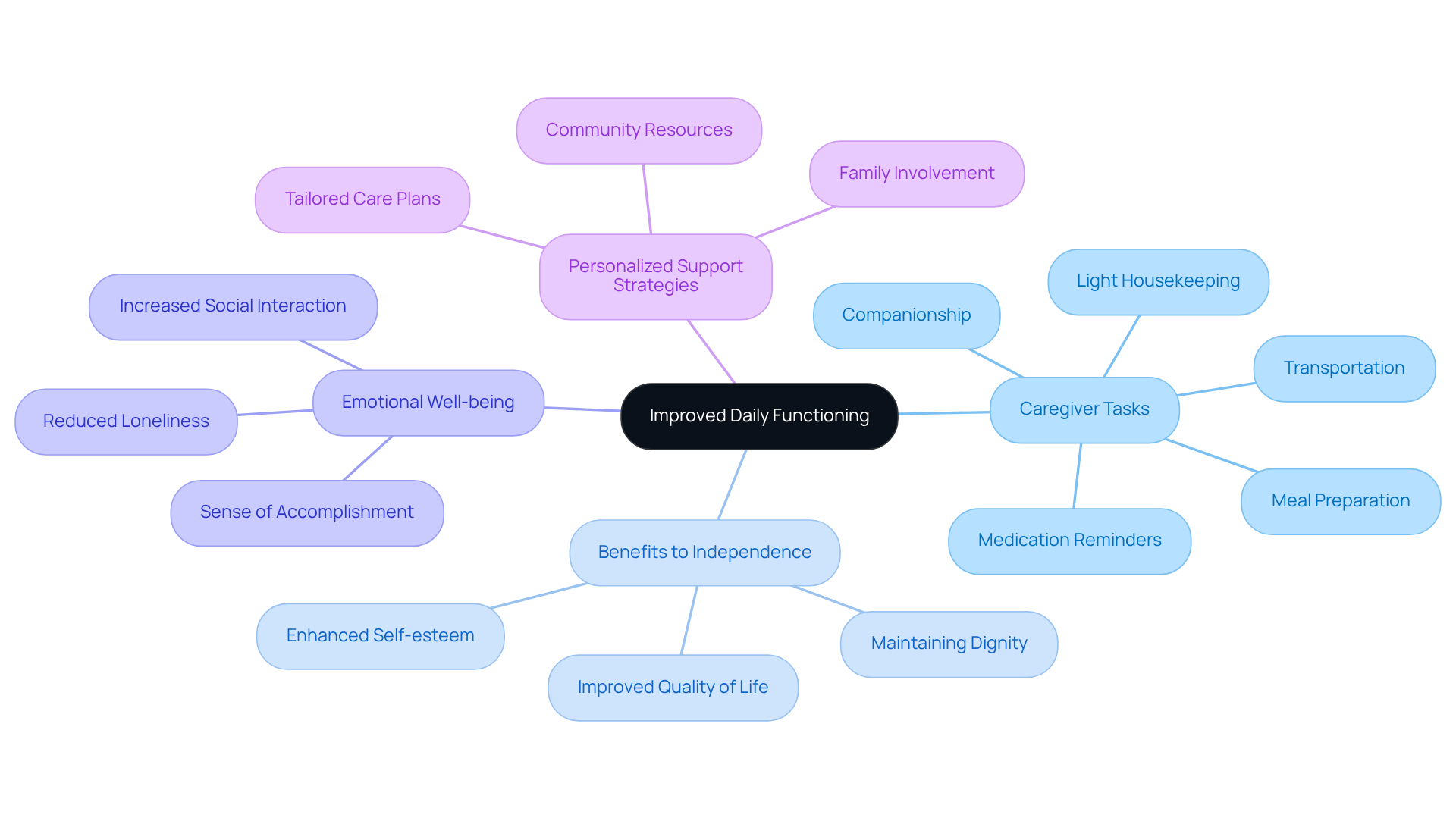
Adult companion care plays a crucial role in improving daily functioning for elderly individuals, enabling them to maintain their independence. Caregivers provide vital assistance with tasks like meal preparation, medication reminders, and light housekeeping. This support enables older adults to focus on activities they enjoy, enhancing their quality of life and fostering a sense of accomplishment and self-sufficiency. Research shows that maintaining independence is essential for older adults, contributing to their overall well-being and self-esteem.
By facilitating daily routines and encouraging social interaction, caregivers help reduce feelings of loneliness and isolation, which are common among older adults living alone. In fact, approximately 12 million Americans aged 60 and older live alone, facing challenges such as loneliness and poor nutrition. Occupational therapists emphasize that effective assistance in daily activities can greatly improve older adults' independence, allowing them to thrive in their familiar surroundings.
As one occupational therapist observed, "Supporting daily activities is essential for preserving dignity and independence in the elderly." The influence of adult companion care from caregivers extends beyond mere task fulfillment; it enables elderly individuals to lead fulfilling lives while maintaining their dignity and autonomy. Family supporters are encouraged to develop personalized support strategies that address the unique needs of their loved ones, ensuring they receive the assistance necessary to preserve their independence.
Social Engagement: Fostering Connections and Reducing Isolation
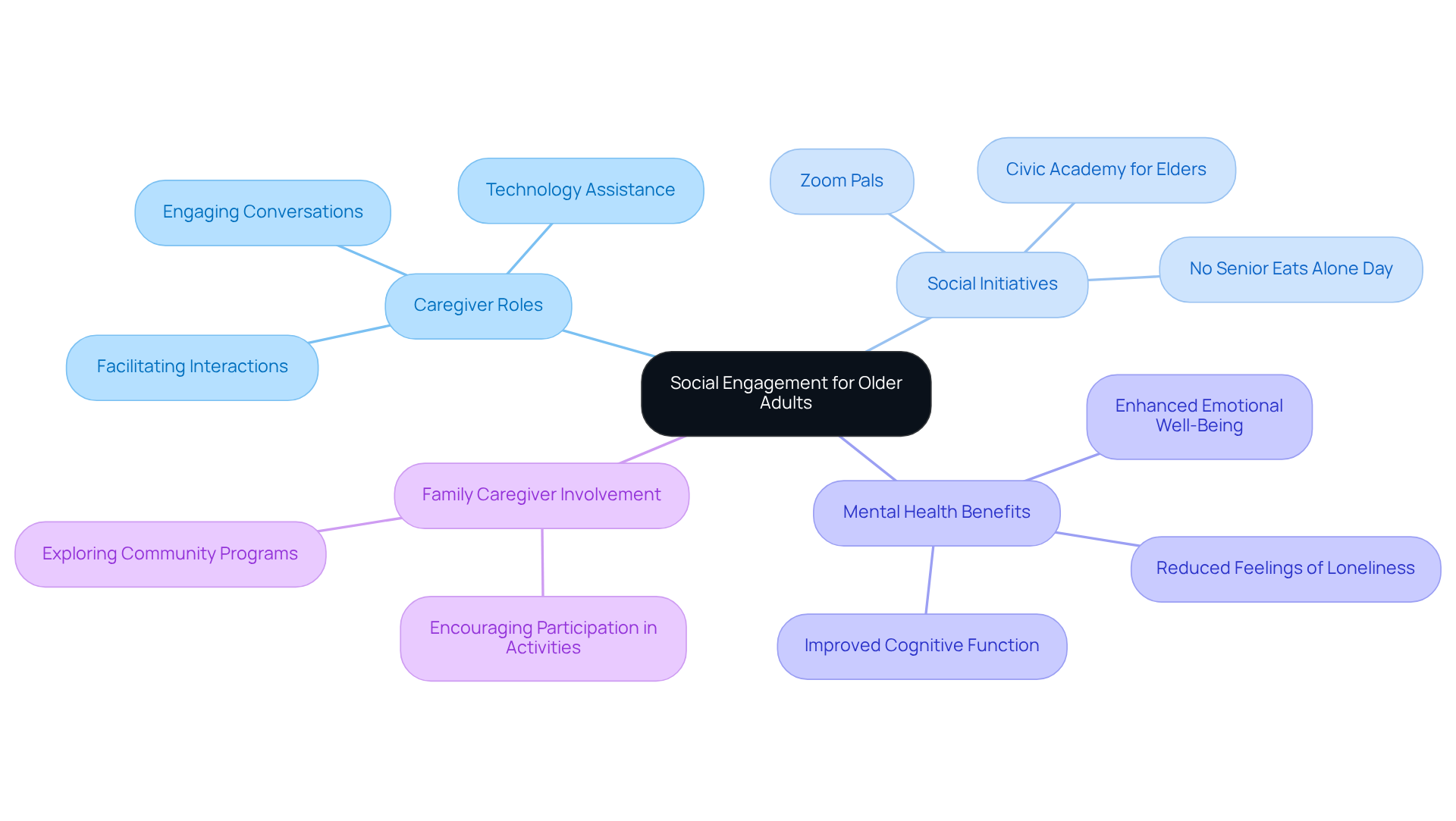
Adult companion care plays a vital role in fostering social engagement among older adults, significantly reducing feelings of isolation. Caregivers actively facilitate interactions with friends, family, and community members, enhancing the emotional well-being of their clients. They accompany older adults to social events, assist with technology for virtual connections, and engage in meaningful conversations that stimulate social interaction.
For instance, initiatives like 'Zoom Pals' and the 'Civic Academy for Elders' provide structured opportunities for older adults to connect socially, which is crucial for their mental health. Research shows that older adults who engage in social activities experience improved cognitive function and a more robust immune system, vital for healthy aging. Moreover, structured social initiatives have been shown to enhance mental health outcomes, reducing symptoms of depression and alleviating anxiety.
As one social worker observed, "Encouraging social interactions can result in a satisfying and healthier existence for older adults." By prioritizing social connections, adult companion care providers not only enhance the lives of older adults but also promote a lively and satisfying social life, ultimately encouraging a feeling of belonging and community.
Family caregivers are encouraged to actively engage in fostering these connections by exploring local community programs and facilitating participation in social activities. This nurturing approach not only supports older adults but also enriches the caregivers' own experience, creating a supportive environment for everyone involved.
Safety and Supervision: Ensuring a Secure Living Environment
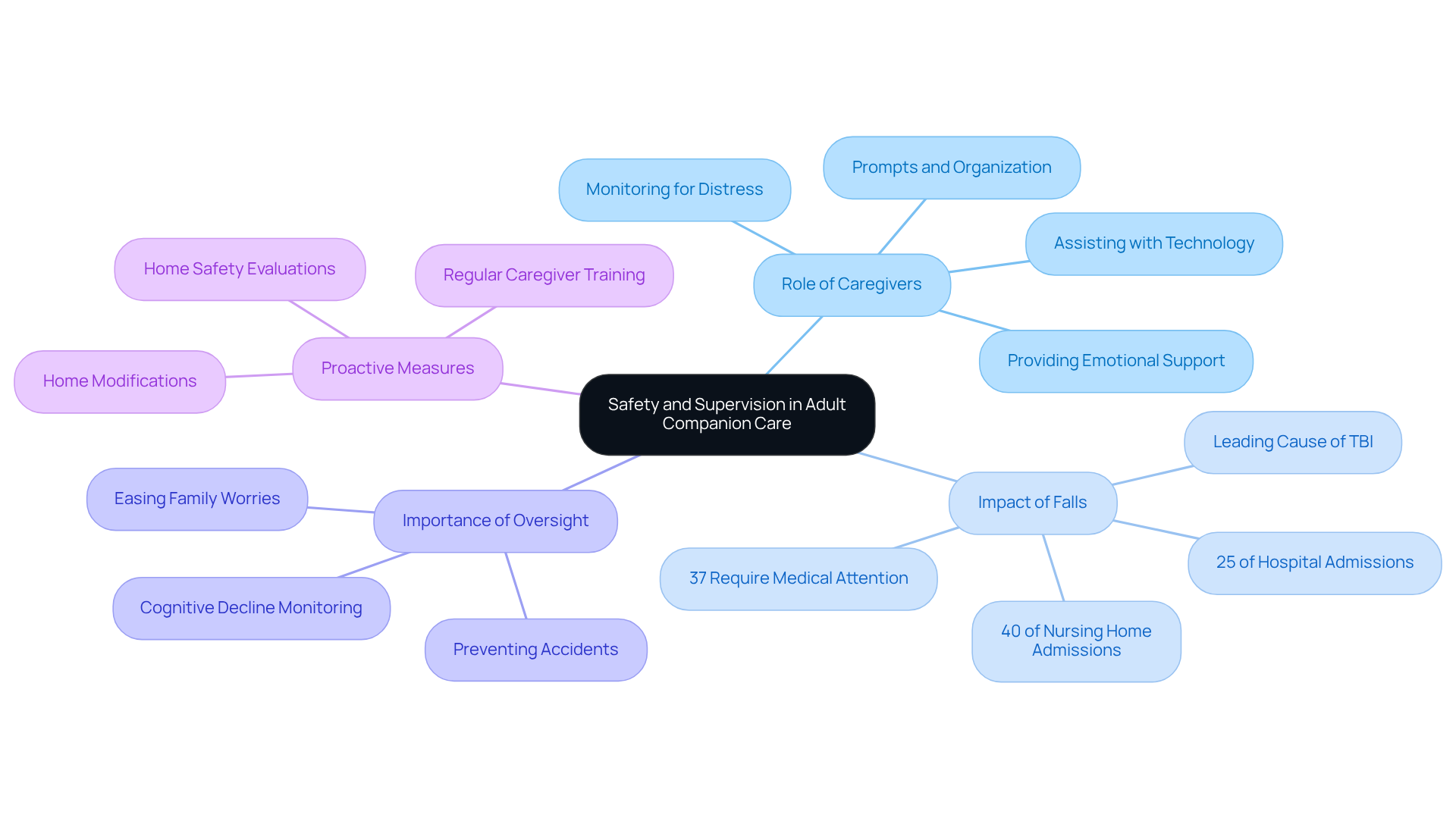
Adult companion care plays a vital role in enhancing the safety and oversight of elderly individuals, which is a crucial element of in-home support. Caregivers receive specialized training to monitor seniors for signs of distress or health issues, ensuring they feel secure in their living environments. This attentive oversight not only helps prevent accidents but also eases the worries of families, allowing them to rest assured that their loved ones are in capable hands.
With falls being a leading cause of injury among older adults—accounting for around 25% of all hospital admissions and 40% of nursing home admissions—having a trained support person present can truly make a significant difference. Approximately 37% of individuals who fall sustain injuries that require medical attention or limit their activities for at least one day. This statistic underscores the importance of having supervision from a responsible party.
In adult companion care, caregivers provide essential oversight, organization, and prompts, which are particularly important for ensuring the well-being of elderly individuals, especially those living alone who may be more vulnerable to cognitive decline. The comfort that comes from knowing that adult companion care is actively overseeing health and safety allows families to focus on their own lives while ensuring their loved ones receive the assistance they need.
As all ER physicians agree, a yearly Home Safety Evaluation is crucial for maintaining the safety of older adults at home. Families are encouraged to consider this measure alongside the employment of a support worker, reinforcing the importance of proactive care.
Assistance with Daily Activities: Facilitating Routine Tasks
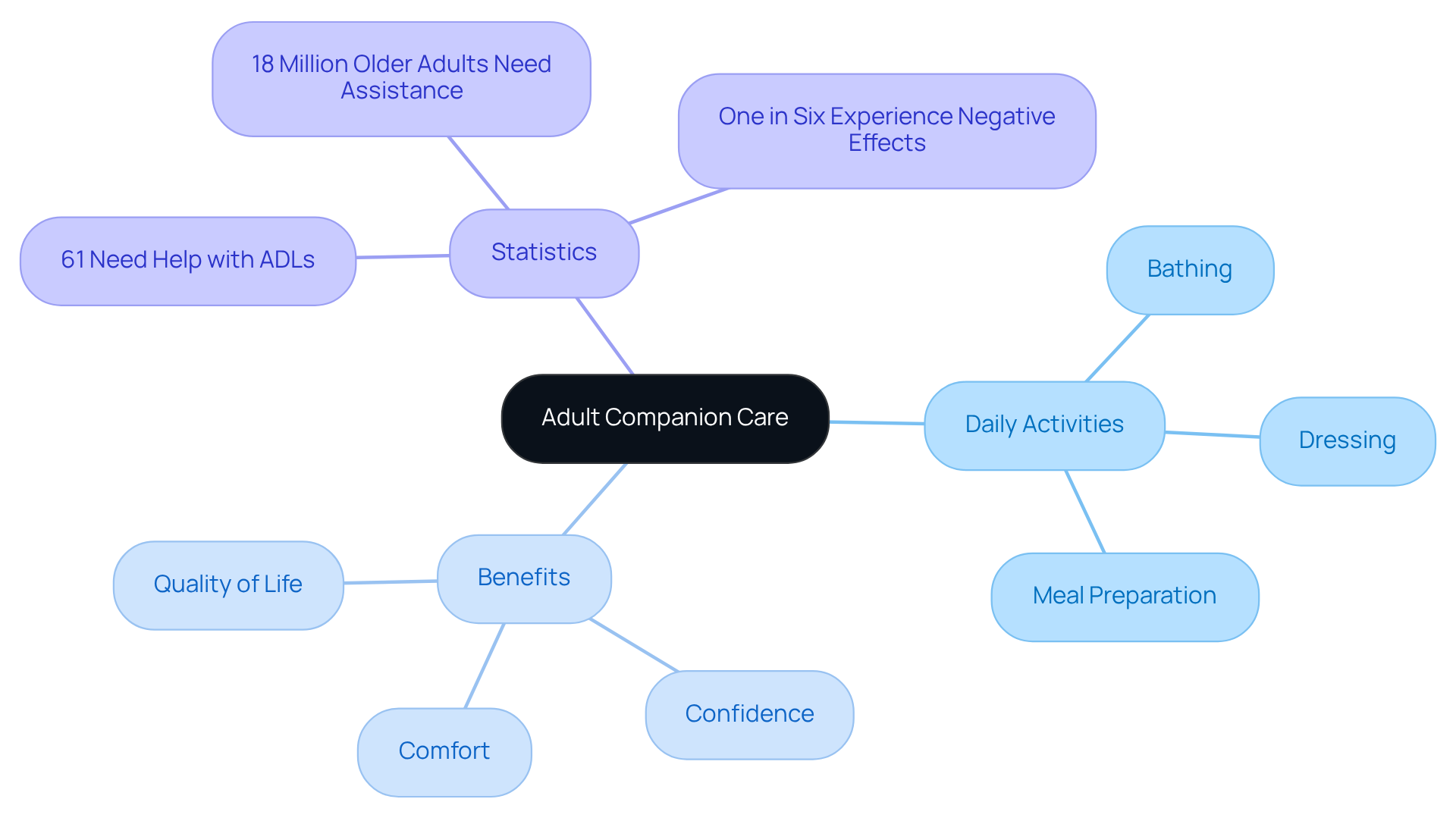
Through adult companion care, caregivers offer vital support with daily activities such as bathing, dressing, and meal preparation. This assistance allows older adults to maintain their routines while ensuring their personal hygiene and nutritional needs are met. By providing adult companion care for these tasks, caregivers enable older adults to feel more comfortable and confident in their daily lives. Research reveals that nearly one in six elderly individuals experience negative effects when their support needs are not addressed, underscoring the crucial role of adult companion care in preventing adverse outcomes for older adults.
Furthermore, structured routines can significantly enhance health outcomes. Studies show that older adults who follow a consistent routine are less likely to encounter negative consequences related to unmet care needs, such as medication errors or social isolation. For instance, 61% of participants required help with three to six activities of daily living (ADLs), highlighting the level of support many elderly individuals depend on. One caregiver shared, 'Creating a consistent routine helps my clients feel secure and engaged, which is vital for their overall well-being.' By providing steady assistance, caregivers in adult companion care help older adults navigate their daily activities with dignity and grace, ultimately enriching their overall quality of life.
Companionship: Enhancing Emotional and Mental Well-Being
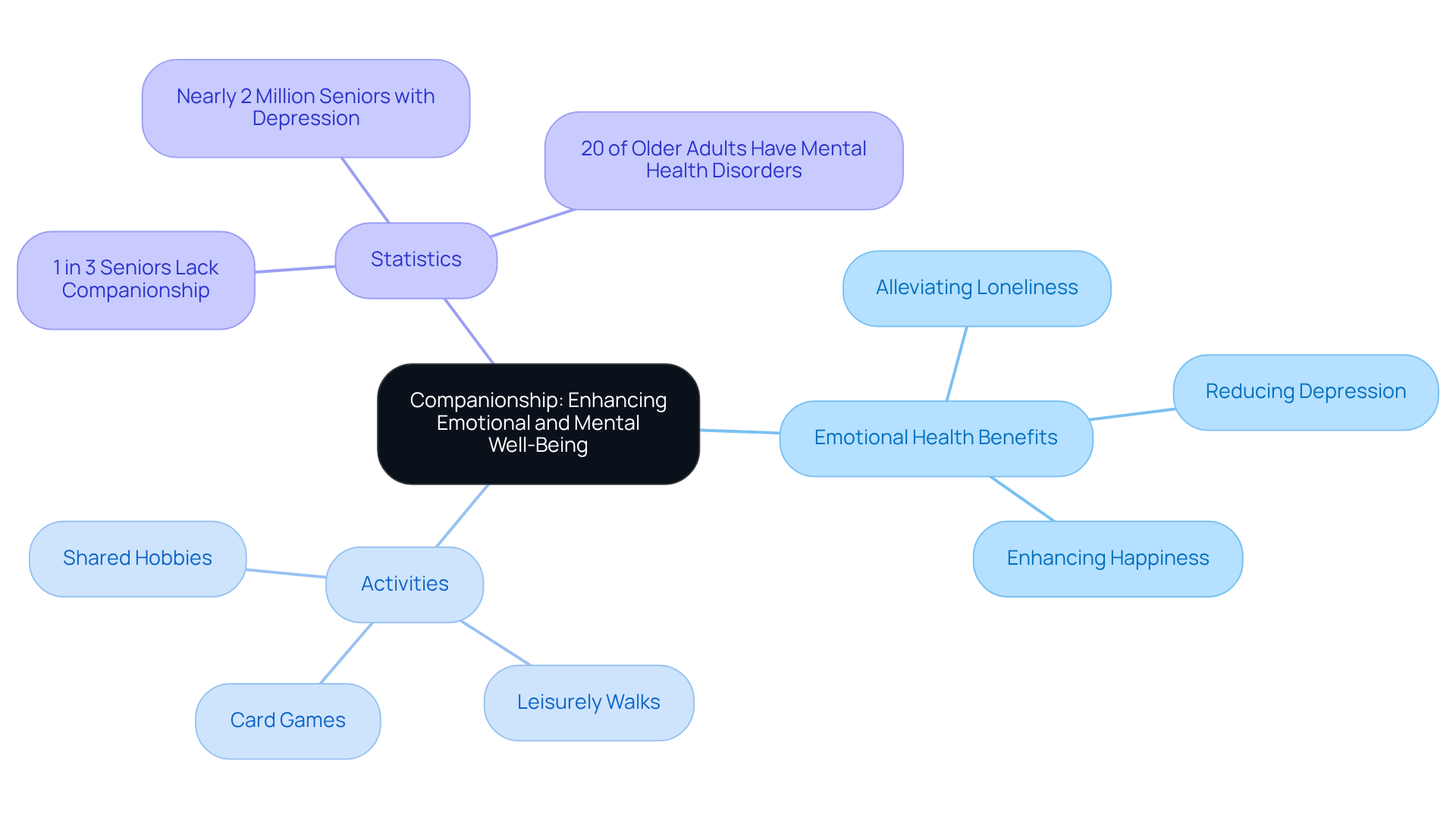
The adult companion care provided by support providers is essential for enhancing the emotional health of older adults. Engaging in shared activities, conversations, and hobbies fosters a sense of belonging and purpose, which is crucial for alleviating feelings of loneliness and depression. It's concerning that research indicates one in three seniors report a lack of companionship, adversely affecting their mental well-being and overall quality of life. Additionally, nearly 2 million Americans over the age of 65 suffer from depression, underlining the urgent need for supportive interactions.
Frequent interactions with caregivers involved in adult companion care not only uplift the moods of older adults but also inspire them to participate in activities that promote cognitive engagement and emotional resilience. For example, companions can make hobbies more enjoyable, whether it's playing card games or taking leisurely walks, creating opportunities for connection and joy that significantly improve emotional health. This emotional bond is essential in reducing anxiety and enhancing overall happiness, ultimately leading to a healthier and more fulfilling life for older adults who benefit from adult companion care.
As Luxe Homecare beautifully states, "Through regular, positive interaction, older adults feel seen, heard, and supported.
Tailored Services: Customizing Care to Meet Individual Needs
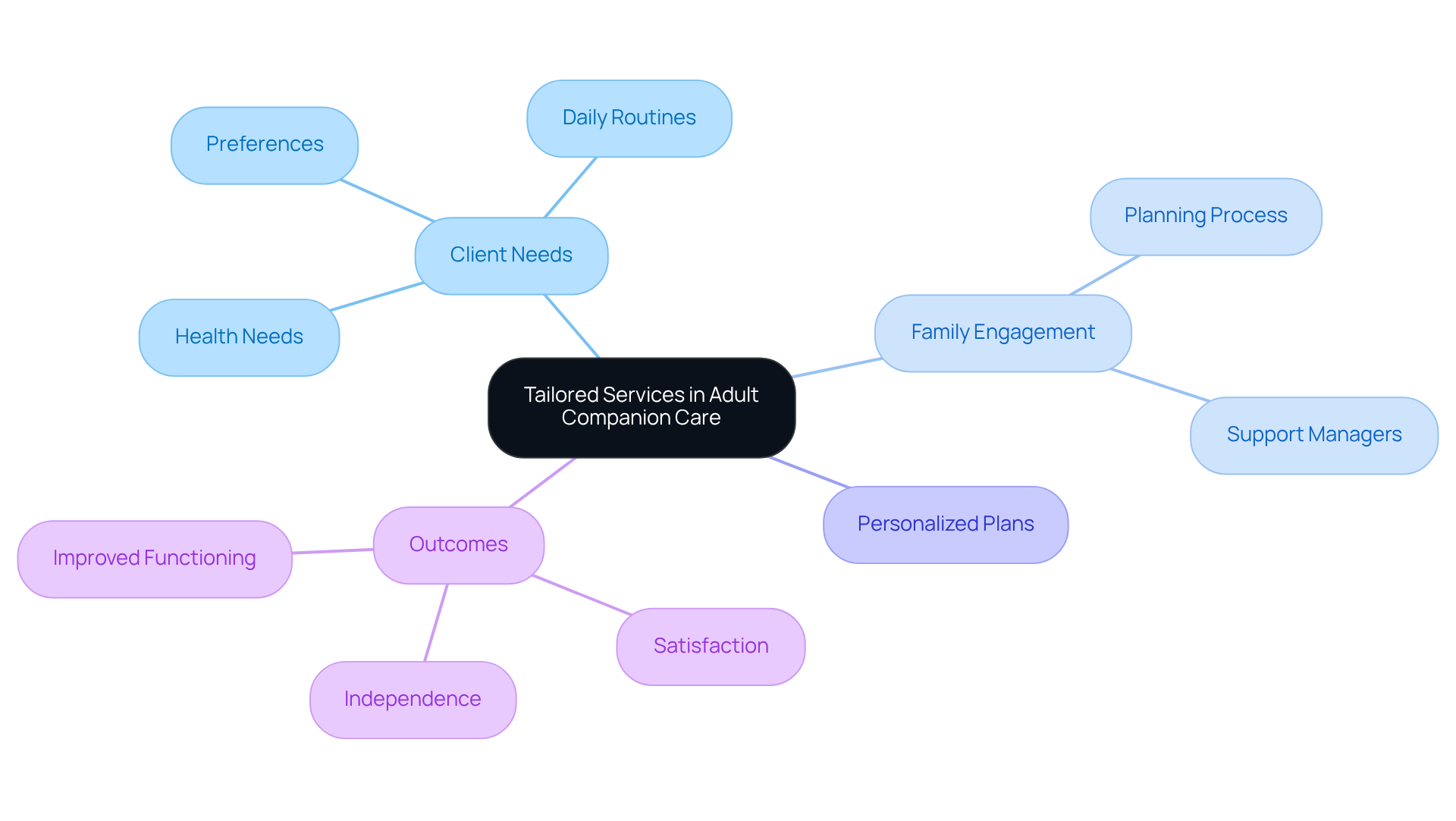
At Happy to Help Caregiving, we understand the emotional challenges that families face when providing adult companion care for their loved ones. Our tailored services in adult companion care prioritize the unique needs of each client, ensuring that support providers work closely with families to create individualized plans. These plans for adult companion care incorporate older adults' preferences, daily routines, and health needs, fostering a sense of control and dignity in their lives.
Research from the National Association for Home Care & Hospice reveals that over 90% of patients express satisfaction with their home health services. This personalization not only enhances the effectiveness of assistance but also nurtures the independence of seniors. In fact, tailored treatment plans have been shown to improve symptom management and physical functioning by 20% over six months.
Through adult companion care, we address both medical and emotional needs to help reduce feelings of loneliness and isolation that many older adults experience. Our support managers emphasize the importance of engaging families in the planning process, resulting in more comprehensive and meaningful assistance. As one case manager beautifully stated, 'Customized treatment plans are vital in addressing the specific health needs and personal preferences of senior patients.'
At the heart of Happy to Help Caregiving is our commitment to personalized adult companion care, ensuring that clients receive the support they need to thrive in their familiar surroundings. We are here to help, providing compassionate care that truly makes a difference in the lives of seniors and their families.
Respite Care: Supporting Family Caregivers with Temporary Relief
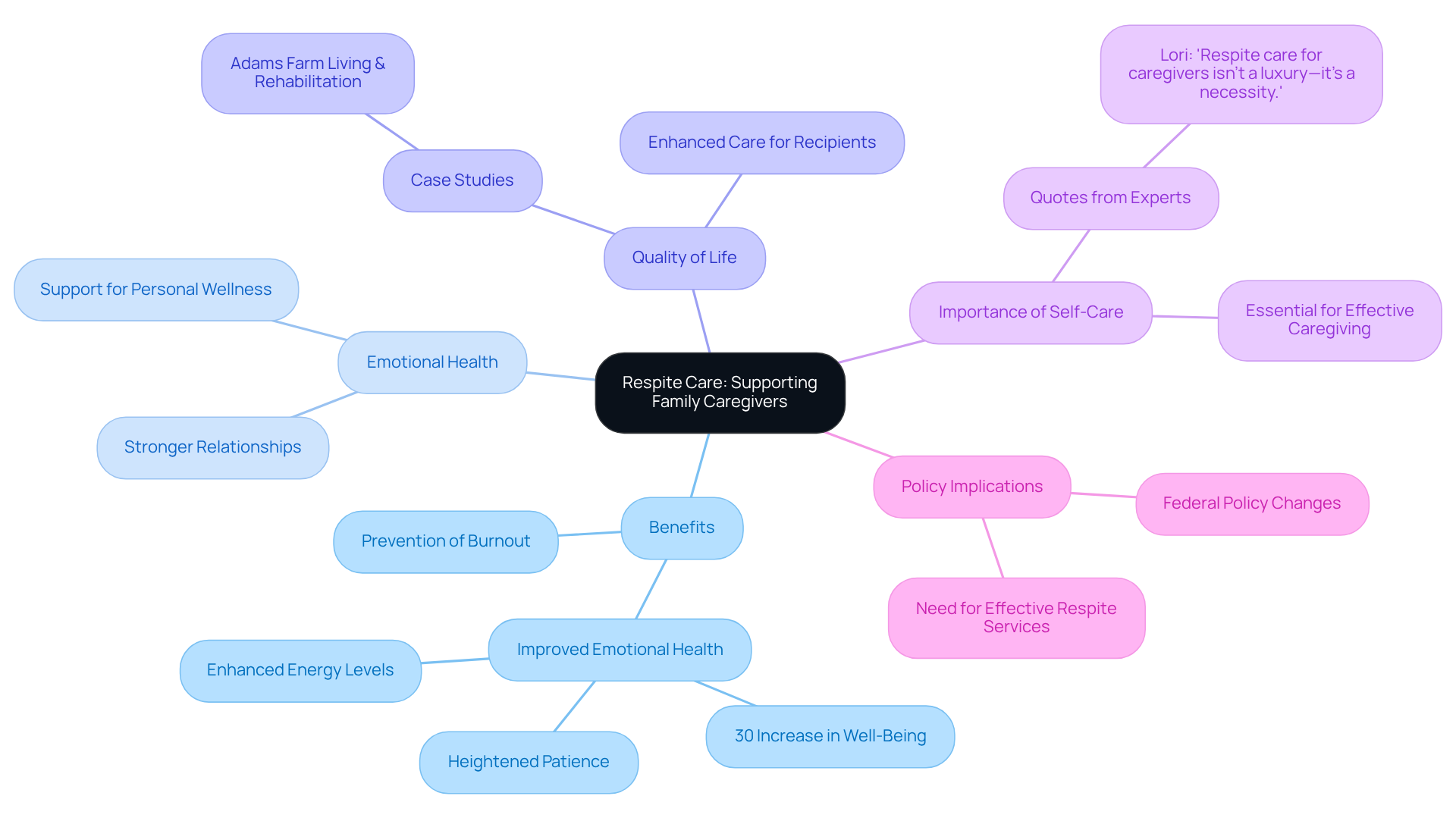
Respite support serves as a vital lifeline for family providers, offering essential temporary relief from the demands of caregiving. This service allows support providers to take necessary breaks, attend to personal matters, or simply recharge, which is crucial for maintaining their own health and well-being. By alleviating the pressures associated with providing support, respite services significantly reduce the risk of burnout, empowering caregivers to continue delivering high-quality assistance over time.
Research underscores that individuals who utilize respite services enjoy improved emotional health, with studies revealing a 30% increase in overall well-being. They also report heightened patience and enhanced energy levels, all of which contribute to stronger relationships with their loved ones. Respite services can range from a few hours to several days, offering flexibility for those who may feel overwhelmed or fatigued.
The importance of respite support is echoed by family therapists who emphasize that prioritizing individual wellness is not merely beneficial but essential for effective caregiving. As Lori poignantly states, "Respite support for those who provide assistance isn’t a luxury—it’s a necessity." Ignoring one's health can lead to long-term issues, making it imperative for caregivers to prioritize self-care.
Moreover, case studies reveal that respite assistance not only benefits those providing care but also enhances the overall quality of life for recipients. For instance, at Adams Farm Living & Rehabilitation, respite services ensure that individuals receive expert assistance in a nurturing environment, allowing supporters to step away with confidence. This dual benefit reinforces the notion that respite support is crucial for both providers and those they assist, ultimately fostering healthier, more resilient relationships in caregiving.
In light of recent federal policy changes that threaten job quality and stability for paid support workers, the need for effective respite services has never been more pressing.
Enhanced Quality of Life: The Comprehensive Benefits of Companion Care
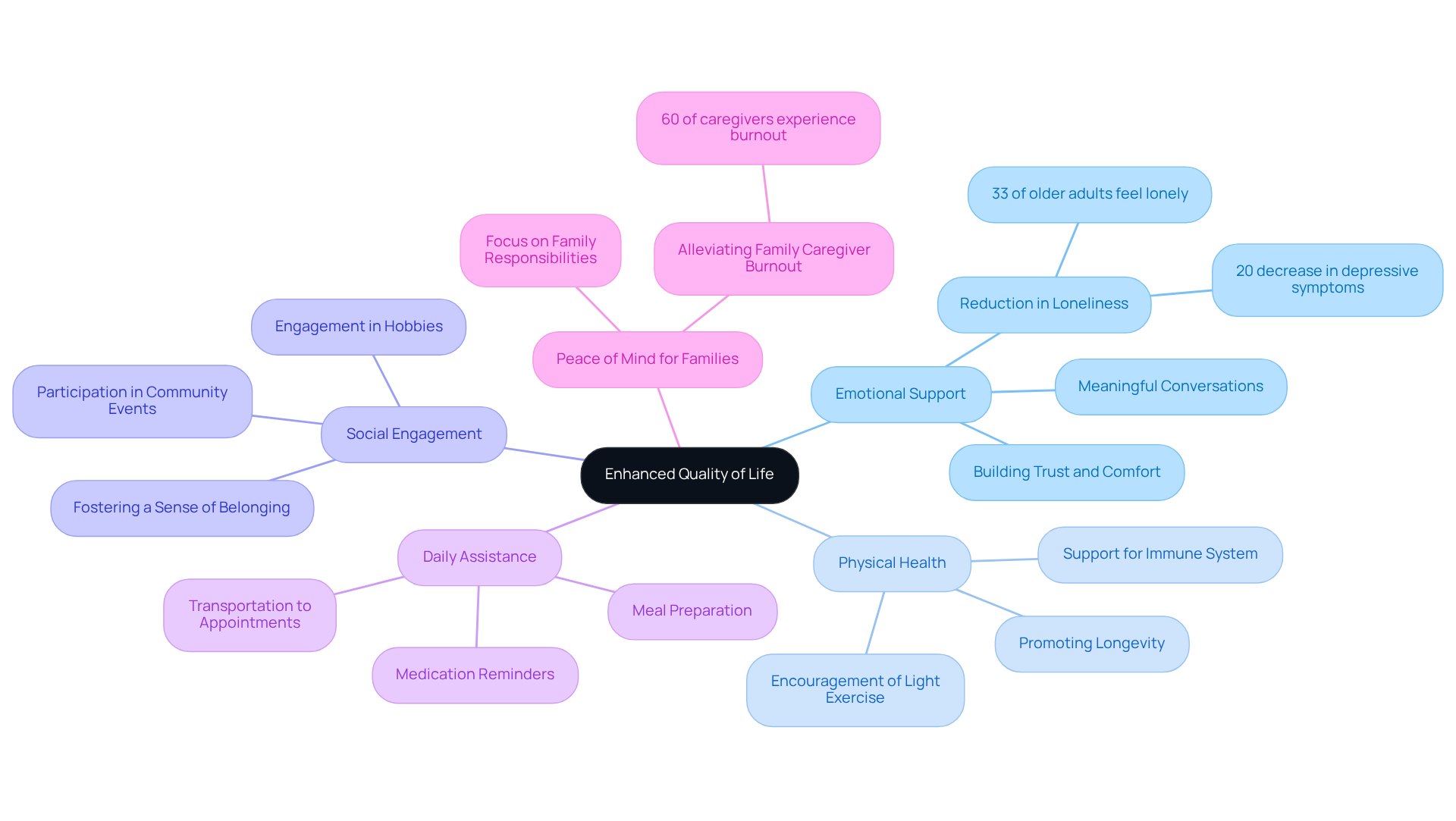
Adult companion care significantly enhances the quality of life for older adults by addressing their emotional, physical, and social needs. By providing personalized companionship, emotional support, and assistance with daily tasks, adult companion care cultivates a nurturing environment that promotes independence and well-being. These comprehensive benefits not only enrich the lives of seniors but also provide peace of mind to their families, thanks to adult companion care.
The benefits of companion care are profound:
- Emotional Support: Regular interactions with caregivers help alleviate loneliness, which affects 33% of older adults who report feeling isolated. Engaging in meaningful conversations and activities can lead to a notable reduction in feelings of depression; studies indicate a 20% decrease in depressive symptoms among those receiving companionship.
- Physical Health: Companion caregivers encourage light exercises and daily activities, promoting physical engagement that bolsters the immune system and supports longevity. This proactive approach helps older adults maintain their health and independence at home.
- Social Engagement: Encouraging participation in community events and hobbies fosters a sense of belonging and mitigates isolation. Adult companion care offers opportunities for older adults to interact socially, which is essential for mental well-being and cognitive function. As Dee Bustos observes, "Social interaction is essential in companion support, providing emotional advantages and combating loneliness."
- Daily Assistance: Adult companion care provides daily assistance where caregivers aid with vital tasks such as meal preparation, medication reminders, and transportation to appointments, ensuring seniors can navigate their daily routines safely and effectively.
- Peace of Mind for Families: Knowing their loved ones receive compassionate support allows families to focus on their own responsibilities without the constant worry about their loved ones' well-being. Moreover, with 60% of caregivers experiencing burnout, companionship assistance alleviates stress for family members, enabling them to cherish quality moments with their loved ones.
In summary, adult companion care not only enriches the lives of seniors but also supports their families by fostering a safe, engaging, and nurturing environment. This holistic approach to care is vital for promoting dignity, joy, and independence among the elderly.
Moving Forward with Adult Companion Care
Adult companion care is a vital resource that significantly enhances the quality of life for seniors, while also providing essential support to family caregivers. This form of care transcends basic assistance with daily tasks; it nurtures emotional connections, promotes independence, and enriches the lives of older adults. By acknowledging the unique needs of each individual, adult companion care offers a personalized approach that fosters both physical and emotional well-being.
Key benefits of adult companion care include:
- Emotional support that alleviates loneliness
- Improved daily functioning that encourages independence
- Social engagement that fosters meaningful connections
Additionally, the importance of:
- Safety and supervision
- Assistance with daily activities
- The necessity of respite care for family caregivers
cannot be overstated. Together, these elements create a nurturing environment where seniors can truly thrive, while also granting peace of mind to their families.
In light of these insights, families must consider the profound impact that adult companion care can have on their loved ones. Investing in this type of support not only enhances the lives of seniors but also alleviates the burdens faced by family caregivers. Embracing comprehensive care solutions leads to healthier, happier, and more fulfilling lives for everyone involved. Prioritizing personalized companionship is not merely a choice; it is a heartfelt commitment to ensuring that seniors receive the compassionate care they deserve, ultimately fostering a sense of belonging and joy in their golden years.
https://iframe.tely.ai/cta/eyJhcnRpY2xlX2lkIjogIjY4ZjJkOTEwOGU3OWVkNGNkMjc2NzhlZiIsICJjb21wYW55X2lkIjogIjY4ZWU1ZGNhNzMxNzYyNTU3ZjNjOTVjMSIsICJpbmRleCI6IG51bGwsICJ0eXBlIjogImFydGljbGUifQ==Frequently Asked Questions
What is Happy to Help Caregiving?
Happy to Help Caregiving is a service that provides personalized adult companion care for seniors, focusing on emotional support and enhancing the quality of life through meaningful interactions in a familiar home environment.
How does adult companion care address emotional challenges for seniors?
Adult companion care alleviates feelings of isolation by providing vital emotional support through heartfelt conversations, shared stories, and engaging activities, which uplift the spirits of older adults and improve their mental well-being.
What types of assistance do caregivers provide to seniors?
Caregivers assist with daily tasks such as meal preparation, medication reminders, and light housekeeping, enabling seniors to maintain their independence while focusing on activities they enjoy.
How does adult companion care improve the quality of life for elderly individuals?
By fostering genuine interactions and understanding, adult companion care helps create a sense of belonging and community, reduces loneliness, and enhances overall well-being, allowing seniors to lead fulfilling lives.
Why is maintaining independence important for older adults?
Maintaining independence is essential for older adults as it contributes to their overall well-being and self-esteem. It allows them to thrive in their familiar surroundings and preserves their dignity.
What role do family supporters play in adult companion care?
Family supporters are encouraged to develop personalized support strategies that address the unique needs of their loved ones, ensuring they receive the necessary assistance to preserve their independence and improve their quality of life.