

For families in our service areas
For families in our service areas, this guide explains home care and how non-medical in-home caregiving can support care planning in East Idaho, Treasure Valley & Magic Valley, Northern Wasatch, North Central West Virginia, and Northeast Ohio.
Understanding Affordable Senior Home Care
Affordable senior home care has become a crucial resource for families facing the challenges of caregiving. As our population ages, family caregivers often experience overwhelming emotional and physical demands, leading to stress and burnout. This situation not only affects the caregivers but also impacts the quality of care provided to elderly individuals.
The implications of caregiver stress are significant. Many caregivers find themselves struggling to balance their responsibilities, which can result in decreased well-being for both themselves and their loved ones. This is where affordable senior home care steps in as a viable solution. It offers a range of benefits, including:
- Companionship
- Support during post-hospital recovery
- Flexible scheduling
- Personalized care plans tailored to individual needs
How can these services enhance the quality of life for seniors while providing much-needed relief for their caregivers? By exploring the transformative impact of affordable senior home care, we can see how it not only improves the lives of elderly individuals but also brings peace of mind to their families. With the right support, caregivers can find a sustainable balance, ensuring that both they and their loved ones thrive.
Companionship Care from Happy to Help Caregiving
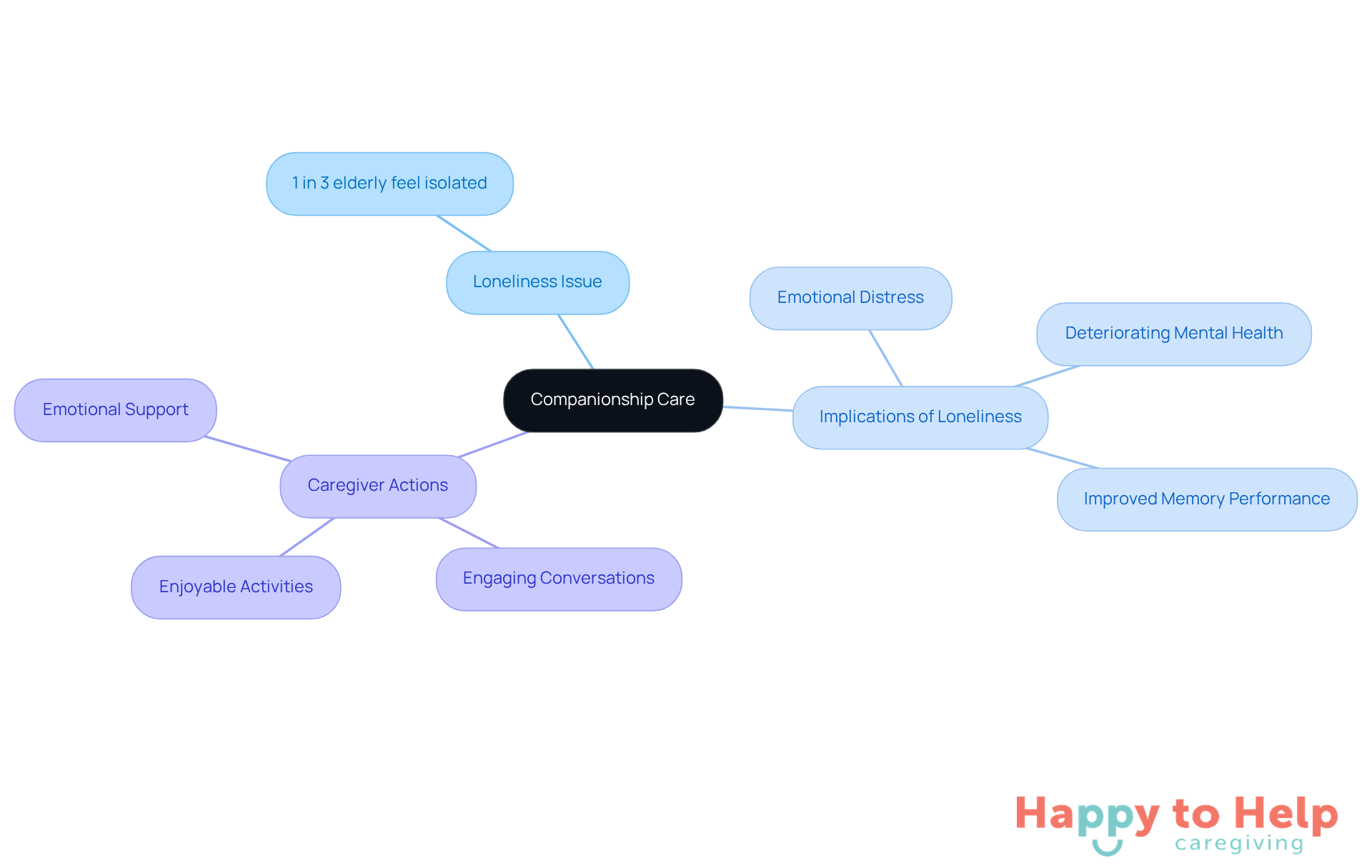
Companionship care addresses a significant problem: loneliness among elderly individuals. Research shows that one in three elderly people feels isolated, which can severely impact their quality of life. This loneliness can lead to emotional distress and deteriorating mental health, making it crucial for caregivers to recognize and address this issue.
The implications of loneliness are profound. Regular social interaction not only uplifts mood but also promotes emotional well-being. It assists older adults in maintaining their mental health and overall happiness. Moreover, studies indicate that greater levels of social connection are positively linked to improved memory performance in adults aged 45-85 years, underscoring the importance of companionship in aging.
So, what can caregivers do? Engaging clients in conversations, enjoyable activities, and hobbies fosters a sense of belonging and purpose. This assistance is particularly vital for individuals living alone. By offering steady emotional support, caregivers can significantly enhance the lives of older adults, ensuring they feel appreciated and connected.
In summary, companionship care is not just about providing assistance; it’s about enriching lives. Caregivers play a crucial role in combating loneliness and promoting a fulfilling life for the elderly.
Post-Hospital Recovery Support
Post-hospital recovery assistance, particularly through affordable senior home care, presents a significant challenge for older adults transitioning from medical facilities back to their homes. Caregivers often face overwhelming responsibilities, including:
- Medication management
- Mobility assistance
- Daily activities
This situation can lead to feelings of burnout and guilt, making it essential to address these challenges effectively.
The implications of inadequate support during this transition are serious. Studies show that nearly 20% of older adults are readmitted to the hospital within 30 days due to difficulties in moving from hospital to home. This statistic highlights the critical need for a supportive environment that fosters recovery. Furthermore, research from the National Institutes of Health indicates that elderly individuals receiving affordable senior home care services experience significantly lower hospital readmission rates.
To combat these issues, caregivers can implement several practical solutions. Establishing a secure home environment and providing reliable support can greatly reduce the risk of readmission. Coordinated management strategies, such as:
- Creating a clear recovery plan
- Involving family members in care
can also enhance the recovery process.
It's crucial to recognize the emotional toll on family supporters. They must prioritize self-care to avoid burnout and maintain their ability to provide effective support. By sharing successful post-hospital recovery support examples, families can gain valuable insights into navigating this complex process.
In summary, addressing the challenges faced by caregivers is vital for ensuring a smoother recovery for older adults. By focusing on practical solutions and fostering a supportive environment, we can help seniors achieve a faster and more assured recovery.

Respite Care for Family Caregivers
Caregivers often face significant challenges, including stress and burnout, as they juggle their responsibilities. Nearly 1 in 4 individuals report difficulty in maintaining their own health due to these demands. This situation can lead to serious implications for both caregivers and those they support.
Respite support offers a vital solution, providing family providers with essential breaks. This service can be customized to meet individual needs, whether for a few hours or several days. By offering temporary relief, respite services help alleviate stress and prevent burnout, allowing caregivers to rejuvenate. Studies indicate that even just 4 hours of respite support each week can lead to a notable reduction in self-reported strain over time.
Families can feel confident knowing their loved ones are in capable hands during their absence, which enhances the overall caregiving experience. Furthermore, research shows that for every $1,000 invested in respite services, hospitalization rates decrease by 8%. This underscores the importance of respite services not only for caregivers but also for the well-being of those receiving assistance.
This comprehensive approach promotes a healthier environment for both supporters and recipients, ultimately leading to improved well-being and resilience. Almost 4 in 10 family supporters identify respite assistance as their top service requirement, highlighting the critical need for such services. Additionally, the economic impact of unpaid caregiving is substantial, with an estimated value of $600 billion per year, emphasizing the necessity of supporting caregivers through respite services.

Palliative Support for Enhanced Comfort
Palliative assistance addresses a critical problem: the symptoms and stress associated with serious illnesses. Caregivers often face challenges in managing not just physical pain but also the emotional and psychological needs of elderly individuals. Without proper support, these needs can lead to diminished quality of life and increased discomfort.
The implications of inadequate palliative care are significant. Elderly individuals may struggle with pain management and emotional distress, which can erode their dignity and comfort in familiar surroundings. This is where specialized caregivers come in, providing compassionate assistance that enhances overall well-being.
Recent advancements in palliative support offer practical solutions. The incorporation of telehealth services and individualized support plans highlights the importance of emotional backing alongside physical assistance. These innovations ensure that elderly individuals receive comprehensive help tailored to their specific situations.
Statistics underscore the growing recognition of palliative care's benefits. For instance, a recent survey revealed that 84% of respondents expressed interest in receiving palliative support after learning more about these services. This illustrates a shift towards valuing holistic care that addresses both physical and emotional needs.
Expert opinions further emphasize the significance of this approach. Diane Meier, a specialist in palliative care, noted, "COVID-19 has highlighted the significance of palliative care for individuals facing severe illness and their family members." This statement reinforces the essential role of palliative assistance in improving the quality of life for seniors and their families.

24/7 Availability for Peace of Mind
Elderly individuals often face the challenge of needing immediate assistance, which makes affordable senior home care a significant concern for families. This need is particularly pressing for those with complex medical conditions or a history of emergencies. Without adequate support, these individuals may experience increased hospital visits and medication non-compliance, leading to safety risks.
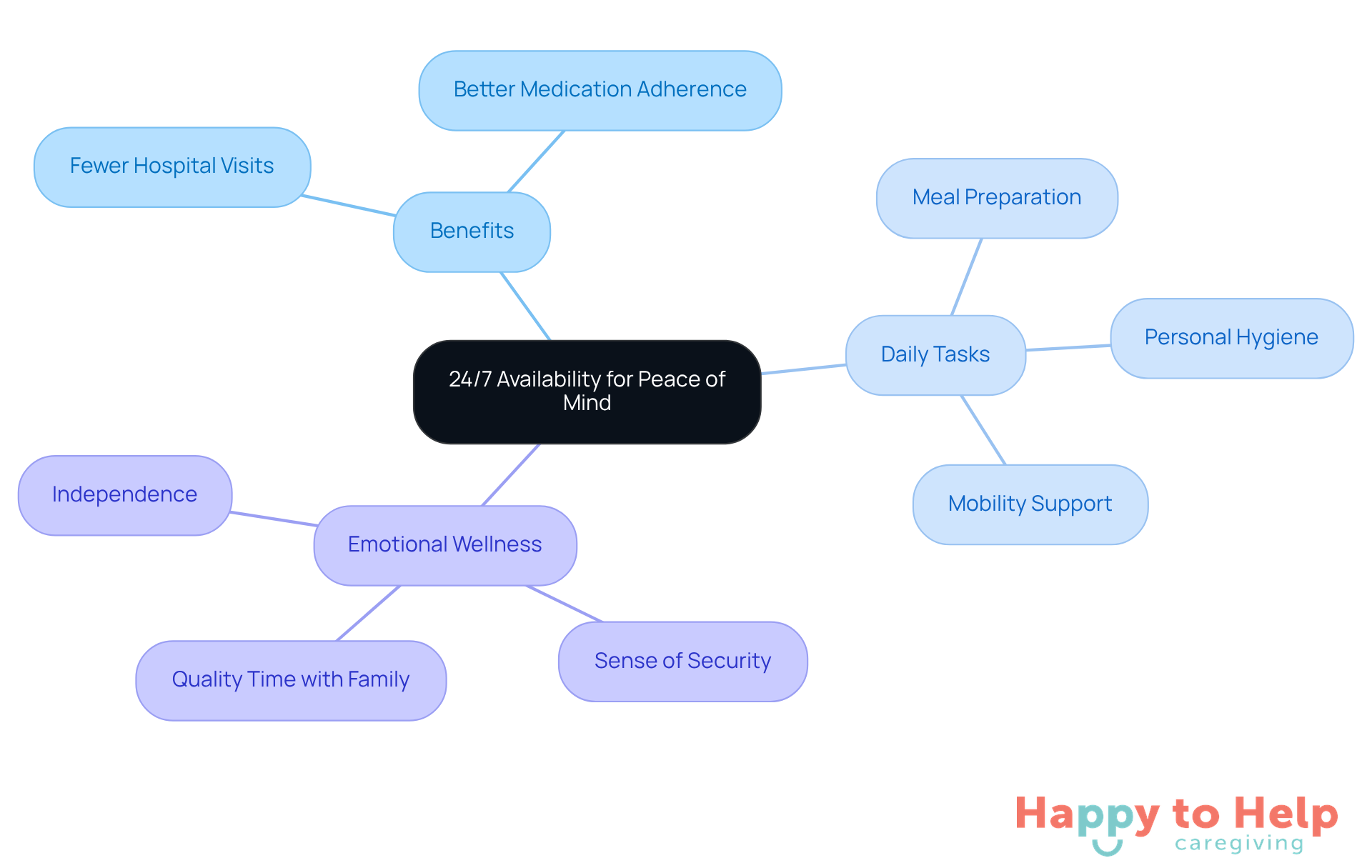
Statistics indicate that older adults receiving round-the-clock assistance enjoy fewer hospital visits and better adherence to medication regimens. This highlights the safety advantages of affordable senior home care, where professional caregivers are available at all times. Families can find comfort in knowing their loved ones are never alone, thanks to affordable senior home care being just a call away.
This standard of support not only enhances safety but also fosters a profound sense of security and emotional wellness for both elderly individuals and their families through affordable senior home care. It allows them to focus on quality moments together, free from the burdens of caregiving duties. Affordable senior home care involves caregivers assisting with daily tasks such as:
- Meal preparation
- Personal hygiene
- Mobility support
This ensures that older adults maintain their independence while receiving necessary help.
As Donnie Shelton, proprietor of Affordable Family Care Services, states, "With support available around the clock, families achieve peace of mind, and older adults gain the freedom to live life to the fullest, knowing that assistance and companionship are always accessible." This underscores the importance of reliable support in enhancing the quality of life for both elderly individuals and their families.
Flexible Scheduling Options
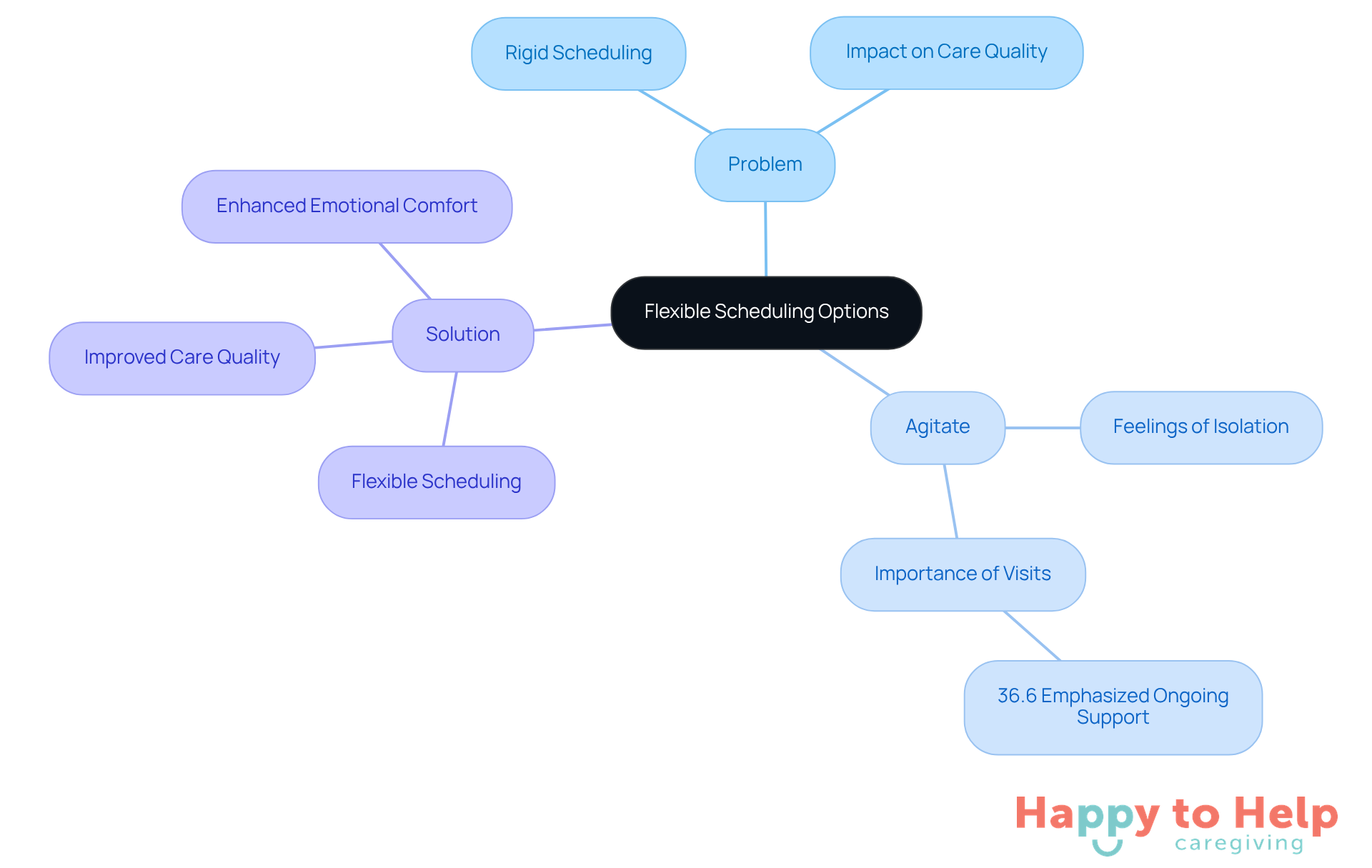
Problem: Rigid scheduling can hinder the quality of care for elderly individuals, leaving them without timely support when they need it most.
Agitate: This lack of flexibility can lead to feelings of isolation and dissatisfaction among older adults, as they may not receive assistance aligned with their daily routines. Research indicates that 36.6% of individuals in a study emphasized the importance of visits for ongoing support and emotional comfort. Older adults who benefit from adaptable support arrangements report higher satisfaction levels.
Flexible scheduling choices in affordable senior home care allow providers to tailor their services to the unique needs and routines of elderly individuals. By offering short visits or extended hours, caregivers can adjust their schedules to provide timely support. This flexibility not only enhances the quality of care but also respects the choices and lifestyles of older adults, creating a more comfortable and familiar atmosphere.
Professional insights reinforce this approach; Misty Delegato noted, "Flexible scheduling not only addresses current needs but also foresees future ones." Ultimately, affordable senior home care is essential for delivering personalized support through flexible scheduling that aligns with the unique needs of each older adult, fostering a sense of security and connection in their daily lives.
Support for Maintaining Independence
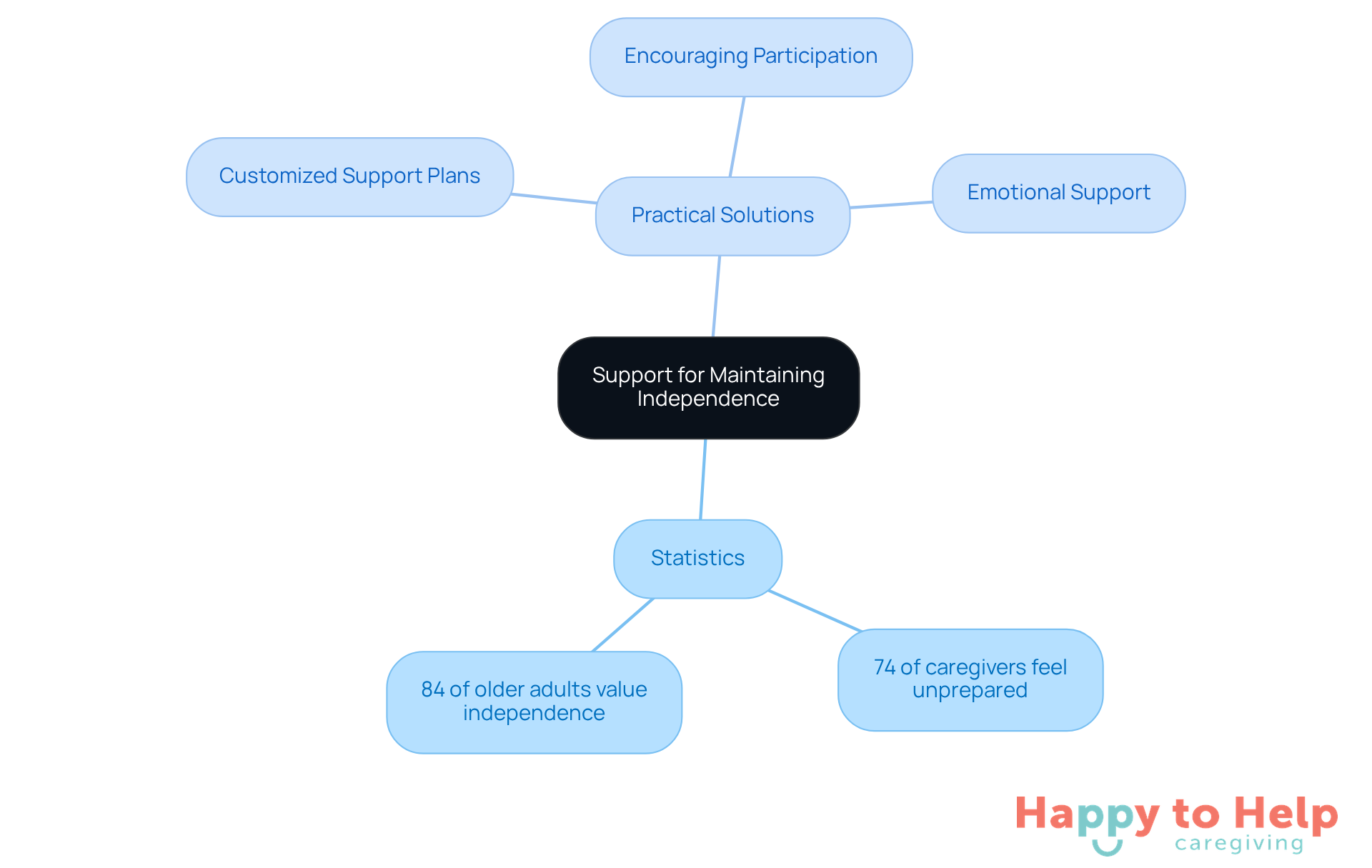
Affordable senior home care services play a crucial role in helping older adults maintain their independence while receiving necessary assistance. However, many caregivers face challenges in providing this support effectively. A significant issue is that 74% of family assistants feel unprepared for the demands of caregiving, which can hinder their ability to foster autonomy in the elderly.
This lack of preparedness can lead to feelings of frustration for both caregivers and clients. When caregivers struggle, older adults may feel less empowered to engage in daily activities, which can diminish their sense of self-worth and overall quality of life. Statistics reveal that 84% of older adults value their independence, and affordable senior home care provides the consistent support they need to make choices about their daily routines.
To address these challenges, caregivers can implement several practical solutions:
-
Creating customized support plans tailored to the unique needs of older adults can significantly enhance their ability to live according to their preferences. This personalized approach not only promotes autonomy but also improves emotional well-being and health outcomes.
-
Caregivers should focus on encouraging older adults to participate in their health decisions and daily activities. This engagement fosters trust between caregivers and clients, leading to a more rewarding aging experience.
-
Emotional support is equally important, as it highlights the holistic benefits of caregiving beyond mere physical assistance.
In summary, by recognizing the challenges faced by caregivers and implementing tailored support strategies, we can empower older adults to maintain their independence and enhance their quality of life with affordable senior home care.
Emotional Support to Combat Loneliness
Emotional support is a critical aspect of effective elder care, addressing the pressing issue of loneliness and isolation among older adults. This problem can lead to serious consequences, including increased risks of depression and cognitive decline. Caregivers play a vital role in combating these challenges by providing companionship and facilitating meaningful conversations that promote social interactions.
To tackle this issue, caregivers can implement several practical solutions:
- They should actively engage elderly individuals in discussions that matter to them, fostering a sense of connection and belonging.
- Encouraging participation in social activities can significantly enhance mental well-being.
- Research shows that regular social interaction can reduce feelings of loneliness, making caregivers the primary source of this essential engagement.
Creating a supportive atmosphere is key. By ensuring that elderly individuals feel valued and connected, caregivers can lead to notable improvements in their emotional health and overall happiness. The impact of companionship on alleviating loneliness is profound, as it not only enhances the quality of life for older adults but also contributes to their mental health stability. In summary, caregivers can make a significant difference by prioritizing emotional support and fostering social connections.

Technology Integration for Enhanced Communication
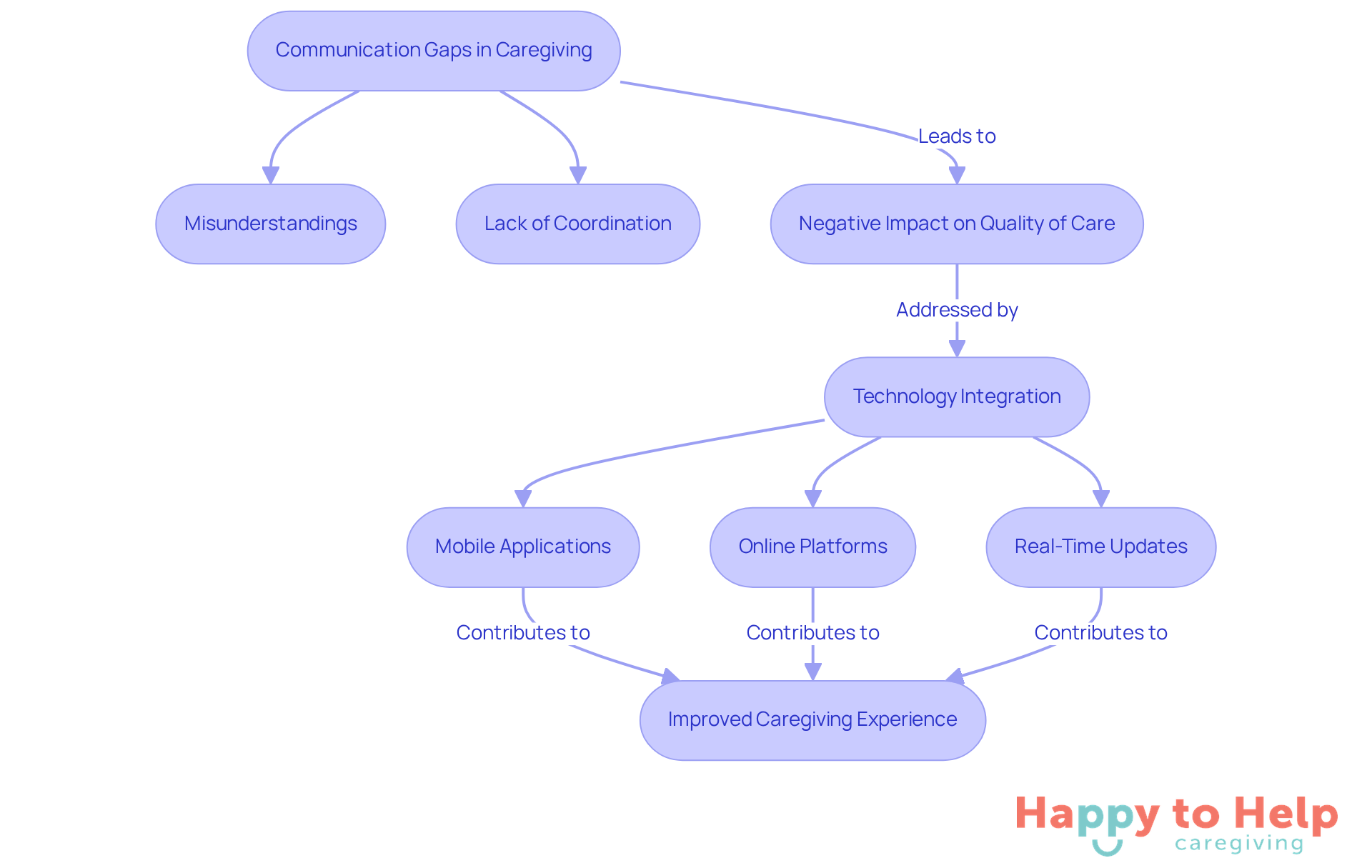
Communication gaps in caregiving can lead to misunderstandings and a lack of coordination among caregivers, elderly individuals, and their families. This disconnect often results in missed medication schedules and unclear treatment plans, which can negatively impact the quality of care provided.
To address these challenges, technology offers a practical solution. Tools like mobile applications and online platforms facilitate real-time updates on treatment plans, medication schedules, and daily activities. By utilizing these resources, families can stay informed and engaged, ultimately improving the overall caregiving experience. This openness ensures that everyone involved is aligned regarding the elder's support, fostering a more effective and compassionate caregiving environment.
Personalized Care Plans for Individual Needs
Customized support plans address a significant challenge faced by caregivers: the unique requirements and choices of each elderly individual. Without these tailored plans, caregivers may struggle to provide effective support that respects the client's wishes. This can lead to a lack of independence and a diminished quality of life for seniors.
To tackle this issue, it's essential to consider factors such as:
- Medical history
- Lifestyle choices
- Personal goals
when developing support plans. By involving seniors and their families in the care planning process, caregivers can create a supportive environment that not only promotes independence but also enhances the overall quality of life. This collaborative approach ensures that care is both effective and aligned with the individual's preferences.

Taking the Next Steps
Affordable senior home care addresses a significant problem faced by family caregivers: the overwhelming burden of providing care without adequate support. This challenge can lead to increased stress, burnout, and a decline in the quality of life for both caregivers and their elderly loved ones.
The implications of this issue are profound. Caregivers often experience feelings of isolation and exhaustion, while seniors may suffer from loneliness and health complications. By recognizing these challenges, we can better understand the importance of finding effective solutions.
One such solution is affordable senior home care, which offers essential support that enhances the quality of life for everyone involved. These services tackle critical issues like loneliness, post-hospital recovery, and emotional well-being, creating a nurturing environment that fosters independence and promotes overall health.
Key benefits of affordable senior home care include:
- Companionship care that combats isolation.
- Post-hospital recovery support that minimizes readmission risks.
- Respite services that provide caregivers with necessary breaks to rejuvenate.
Moreover, the integration of technology and personalized care plans ensures that elderly individuals receive tailored support that meets their unique needs, reinforcing their autonomy and dignity.
Investing in affordable senior home care is not just a financial decision; it’s a commitment to enhancing the well-being of seniors and alleviating the burdens faced by family caregivers. By prioritizing these services, families can ensure that their loved ones receive the compassionate care they deserve, ultimately leading to a more fulfilling and healthier aging experience.
https://iframe.tely.ai/cta/eyJhcnRpY2xlX2lkIjogIjY5M2Y3ZTJjYWIxOGVmNWI4ZjA0NTBjNSIsICJjb21wYW55X2lkIjogIjY4ZWU1ZGNhNzMxNzYyNTU3ZjNjOTVjMSIsICJpbmRleCI6IG51bGwsICJ0eXBlIjogImFydGljbGUifQ==Frequently Asked Questions
What is companionship care and why is it important for the elderly?
Companionship care addresses loneliness among elderly individuals, which affects one in three seniors. It is important because regular social interaction improves emotional well-being, mental health, and overall happiness, especially for those living alone.
How can caregivers effectively provide companionship care?
Caregivers can engage clients in conversations, enjoyable activities, and hobbies to foster a sense of belonging and purpose, significantly enhancing the lives of older adults.
What challenges do elderly individuals face during post-hospital recovery?
Elderly individuals transitioning from medical facilities to home often face challenges such as medication management, mobility assistance, and daily activities, leading to potential feelings of burnout and guilt among caregivers.
What are the consequences of inadequate support during post-hospital recovery?
Nearly 20% of older adults are readmitted to the hospital within 30 days due to difficulties in transitioning from hospital to home, highlighting the need for supportive environments to foster recovery.
What practical solutions can caregivers implement for post-hospital recovery?
Caregivers can establish a secure home environment, create a clear recovery plan, and involve family members in care to enhance the recovery process and reduce the risk of hospital readmission.
What is respite care and how does it benefit family caregivers?
Respite care provides temporary relief to family caregivers, allowing them to rejuvenate and reduce stress and burnout. Even just 4 hours of respite care each week can significantly lower self-reported strain over time.
What is the economic impact of respite services on hospitalization rates?
Research shows that for every $1,000 invested in respite services, hospitalization rates decrease by 8%, indicating that respite care benefits both caregivers and those receiving assistance.
Why is respite care considered a critical service for family caregivers?
Almost 4 in 10 family supporters identify respite assistance as their top service requirement, emphasizing its necessity for maintaining caregiver health and overall well-being.
List of Sources
- Companionship Care from Happy to Help Caregiving
- The Hidden Benefits of Companionship Care for Seniors (https://safehomecare.com/post/the-hidden-benefits-of-companionship-care-for-seniors)
- The Role of Companion Care in Reducing Depression Among Seniors (https://malamamaikai.com/role-of-companion-care-in-reducing-depression-among-seniors)
- Why Companions for Seniors Matter - For the one you love (https://fortheoneyoulove.ca/2025/11/28/why-companionship-matters-for-senior-health)
- Why Home Care Providers Are Increasingly Offering Companion Care Services for Seniors | Aaniie, formerly Smartcare Software (https://aaniie.com/news/why-home-care-providers-are-increasingly-offering-companion-care-services-for-seniors)
- Lonely Seniors Are Turning To AI Bots For Companionship (https://forbes.com/sites/rashishrivastava/2025/10/18/lonely-seniors-are-turning-to-ai-bots-for-companionship)
- Post-Hospital Recovery Support
- Post-Hospital Care for Seniors Supports Healing (https://picseniorcare.com/how-post-hospital-care-for-seniors-makes-recovery-easier)
- MA plans extend hospital stays, reduce post-acute services -- From McKnight Long-Term Care News (https://strengthenhealthcare.org/ma-plans-extend-hospital-stays-reduce-post-acute-services-from-mcknight-long-term-care-news)
- Post-Hospital Care Sanger, CA - How Post-Hospital Care Supports Seniors' Independence (https://a-plusinhomecare.com/how-post-hospital-care-supports-seniors-independence)
- Post-Hospital Discharge: Why In-Home Care Improves Recovery for Florida Seniors (https://visitingangels.com/pasco/news-info/post-hospital-discharge-why-in-home-care-improves-recovery/26199)
- A Senior's Guide to Safe Recovery at Home Post-Hospital Stay (https://amadaseniorcare.com/2025/12/a-seniors-guide-to-safe-recovery-at-home-post-hospital-stay)
- Respite Care for Family Caregivers
- Family Caregiver Annual Report and Statistics | SeniorLiving.org (https://seniorliving.org/research/family-caregiver-report-statistics)
- Improving Support for Family Caregivers (https://nationalacademies.org/news/improving-support-for-family-caregivers)
- New Report Reveals Crisis Point for America’s 63 million Family Caregivers (https://press.aarp.org/2025-07-24-New-Report-Reveals-Crisis-Point-for-Americas-63-million-Family-Caregivers)
- Respite Facts and Talking Points | ARCH National Respite Network & Resource Center (https://archrespite.org/policy/respite-facts-and-talking-points)
- Stats, Facts and Things to Know About Respite Care (https://bethesdaseniorliving.com/senior-resources/stats-facts-and-things-to-know-about-respite-care)
- Palliative Support for Enhanced Comfort
- Unearthing Trends in Hospice Awareness, Telehealth, Family Satisfaction, Palliative Care Laws (https://hospicenews.com/2025/12/03/unearthing-trends-in-hospice-awareness-telehealth-family-satisfaction-palliative-care-laws)
- Study finds most seniors need palliative care before surgery (https://mcknightshomecare.com/news/study-finds-most-seniors-need-palliative-care-before-surgery)
- Importance of Palliative Care - A PBS News Hour “Brief but Spectacular” Series (https://cambiahealthfoundation.org/posts/blog/2021-05-11/importance-of-palliative-care---a-pbs-news-hour-brief-b.html)
- Palliative care and hospice poll reveals major gaps (https://ihpi.umich.edu/news-events/news/palliative-care-and-hospice-poll-reveals-major-gaps)
- Why Palliative Care Goes Hand in Hand with Treatment for People with Cancer (https://news.cuanschutz.edu/cancer-center/fischer-cancer-palliative-care)
- 24/7 Availability for Peace of Mind
- Why 24/7 Senior Care Works: Safety, Comfort, and Constant Support - With A Little Help (https://withalittlehelp.com/24-7-senior-care-works)
- Discover the Life-Changing Benefits of 24/7 Live-In Assistance (https://visitingangels.com/lutz/news-info/discover-the-life-changing-benefits-of-247-live-in-assistance/25824)
- Around-the-Clock Support: The Benefits of 24-Hour Home Care for Seniors (https://afcsnc.com/around-the-clock-support-the-benefits-of-24-hour-home-care-for-seniors)
- 24-Hour Home Care | BrightStar Care | BrightStar Care (https://brightstarcare.com/about-brightstar-care/resources/benefits-of-24-hour-home-care)
- Flexible Scheduling Options
- The Critical Role of Flexibility in Home Care Scheduling for Family Peace of Mind (https://relevar.com/the-critical-role-of-flexibility-in-home-care-scheduling-for-family-peace-of-mind)
- Flexible Care Models Give Home Care Clients ‘What They Want When They Want It’ (https://homehealthcarenews.com/2025/10/flexible-care-models-give-home-care-clients-what-they-want-when-they-want-it)
- The Importance of Flexible Care Options in Retirement Living (https://thehighpointresidence.com/blog/the-importance-of-flexible-care-options-in-retirement-living)
- How Flexible Scheduling Improves The Home Care Experience For Families – CCN – Columbus County News (https://columbuscountynews.com/2025/12/how-flexible-scheduling-improves-the-home-care-experience-for-families)
- Support for Maintaining Independence
- How Senior In-Home Care Promotes Independence in San Antonio, TX (https://news10.com/business/press-releases/ein-presswire/866935491/how-senior-in-home-care-promotes-independence-in-san-antonio-tx)
- Families Prefer In-Home Care To Senior Living – Yet Struggle To Identify Needed Support (https://homehealthcarenews.com/2025/11/families-prefer-in-home-care-to-senior-living-yet-struggle-to-identify-needed-support)
- Safe, Comfortable, and Independent: How Home Care Helps Seniors Age in Place (https://asonahomehealth.com/safe-comfortable-and-independent-how-home-care-helps-seniors-age-in-place)
- 7 Ways In-home Care Helps Seniors Stay Independent | Home Helpers® Home Care (https://homehelpershomecare.com/blog/2025/september/seven-ways-in-home-care-supports-independence)
- Family caregivers prefer in-home care over senior living, new industry report finds (https://mcknightshomecare.com/news/family-caregivers-prefer-in-home-care-over-senior-living-new-industry-report-finds)
- Emotional Support to Combat Loneliness
- Addressing Social Isolation and Loneliness in Older Adults (https://behavioralhealthnews.org/addressing-social-isolation-and-loneliness-in-older-adults)
- Humana gives more than $12M in grants to prevent loneliness, support seniors’ emotional health (https://mcknightshomecare.com/news/humana-gives-more-than-12m-in-grants-to-prevent-loneliness-support-seniors-emotional-health)
- NIH backs UCSB virtual reality project to help older adults build real social connections (https://news.ucsb.edu/2025/022285/nih-backs-ucsb-virtual-reality-project-help-older-adults-build-real-social-connections)
- Older Caregivers' Loneliness Relieved By An Unlikely Source, Study Reveals (https://usnews.com/news/health-news/articles/2025-12-09/older-caregivers-loneliness-relieved-by-an-unlikely-source-study-reveals)
- Social Isolation in the Elderly Isn’t Just Sad—It’s Dangerous. (https://websterhc.com/social-isolation-in-the-elderly-isnt-just-sad-its-dangerous-heres-why)
- Technology Integration for Enhanced Communication
- HHS Launches New Caregiving AI Initiative to 'Spark Innovative Support' (https://hospicenews.com/2025/11/18/hhs-launches-new-caregiving-ai-initiative-to-spark-innovative-support)
- How Technology Can Ease the Caregiver Burden (https://connectamerica.com/insights/how-technology-can-ease-the-caregiver-burden)
- The Role of Technology in Modern In-Home Senior Care | Home Instead South Bend, IN (https://homeinstead.com/home-care/usa/in/south-bend/343/news-and-media/role-of-technology-in-modern-in-home-senior-care)
- The Rise and Promise of Technology in Home Health (https://healthrecoverysolutions.com/blog/the-rise-and-promise-of-technology-in-home-health)
- AI Adoption Fast-Tracks Home Health Providers’ Path To Value-Based Care (https://homehealthcarenews.com/2025/09/ai-adoption-fast-tracks-home-health-providers-path-to-value-based-care)
- Personalized Care Plans for Individual Needs
- Benefits of Personalized Care Plans in Nursing Homes (https://havenhealthaz.com/blog/benefits-of-personalized-care-plans-in-nursing-homes)
- New Study Reveals Mixed Results in Advance Care Planning for Older Adults | Johns Hopkins Bloomberg School of Public Health (https://publichealth.jhu.edu/2024/new-study-reveals-mixed-results-in-advance-care-planning-for-older-adults)
- Novel Care Model May Improve Outcomes for Older Adults With Multiple Chronic Conditions (https://consultqd.clevelandclinic.org/novel-care-model-may-improve-outcomes-for-older-adults-with-multiple-chronic-conditions)
- The Importance of Personalized Care Plans when Aging in Place (https://kendalathome.org/blog/the-importance-of-personalized-care-plans-when-aging-in-place)
- Importance of Personalized Senior Home Care in Burlington NC (https://wisdomseniorcare.com/the-importance-of-personalized-care-plans-for-seniors)