10 Benefits of an Elder Care Companion for Your Loved One
For families in our service areas
For families in our service areas, this guide explains companion care and how non-medical in-home caregiving can support care planning in East Idaho, Treasure Valley & Magic Valley, Northern Wasatch, North Central West Virginia & Southwestern Pennsylvania, and Northeast Ohio.
The Importance of An Elder Care Companion
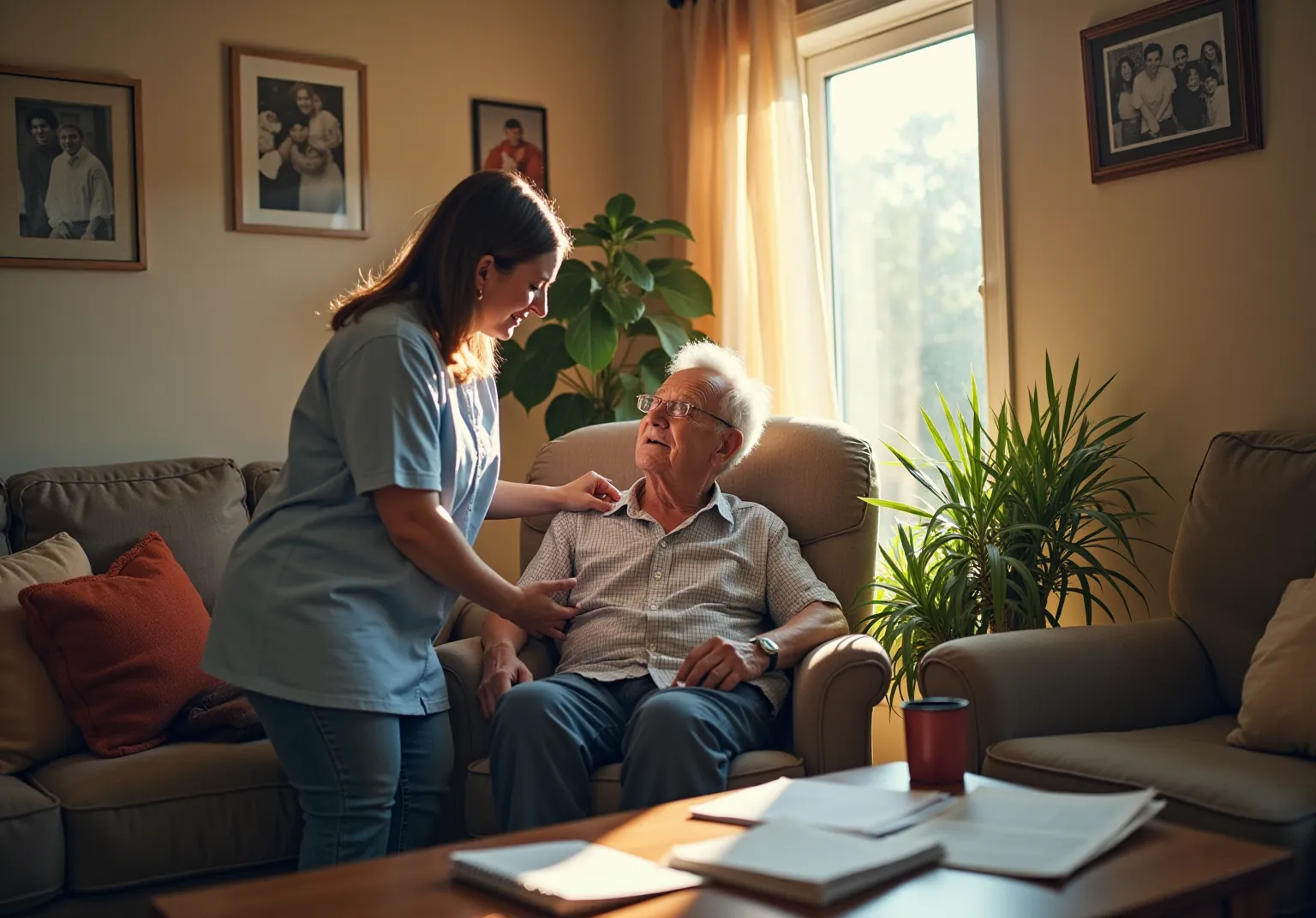
Elderly individuals often grapple with the heavy burdens of loneliness, declining health, and the need for daily assistance. This reality makes the role of elder care companions increasingly vital. These compassionate professionals not only offer practical support but also nurture emotional connections that can greatly enhance the quality of life for seniors.
As families navigate the complexities of caregiving, they may wonder: how can the presence of an elder care companion truly transform the lives of both the elderly and their caregivers? The answer lies in the numerous benefits of personalized companionship. It reveals a path toward improved well-being and peace of mind for everyone involved.
Imagine a caregiver sharing, "Having someone to talk to has made all the difference for my loved one. It’s not just about assistance; it’s about companionship and understanding." Such heartfelt testimonials highlight the compassionate care provided by these companions, fostering deeper emotional connections.
In this journey, it’s essential to recognize that the support offered goes beyond mere tasks. It’s about creating a nurturing environment where seniors feel valued and understood. This emotional and practical support can alleviate the stress and burnout often felt by caregivers, allowing them to focus on what truly matters: the well-being of their loved ones.
Ultimately, the presence of an elder care companion can bring comfort and joy, transforming daily life into a more fulfilling experience. Families can find reassurance in knowing that they are not alone in this journey, and that compassionate care is just a step away.
Happy to Help Caregiving: Personalized Companionship for Seniors
At Happy to Help Caregiving, we understand the emotional challenges that caregivers face. It can be overwhelming, and feelings of stress and burnout are common. That’s why we specialize in offering personalized elder care companion services for elderly individuals, ensuring that each client receives care tailored to their unique needs.
This compassionate approach not only promotes a sense of security but also enhances the emotional and social well-being of older adults with the help of an elder care companion. We believe that everyone deserves to flourish in their familiar surroundings. Our elder care companions engage clients in meaningful activities that foster independence and a sense of belonging.
Imagine the joy of seeing a loved one thrive, surrounded by care that truly understands them. We’re here to provide that support, helping both clients and their families navigate this journey with compassion and understanding. Together, we can create an environment where everyone feels valued and connected.
Emotional Support: Alleviating Loneliness Through Companionship
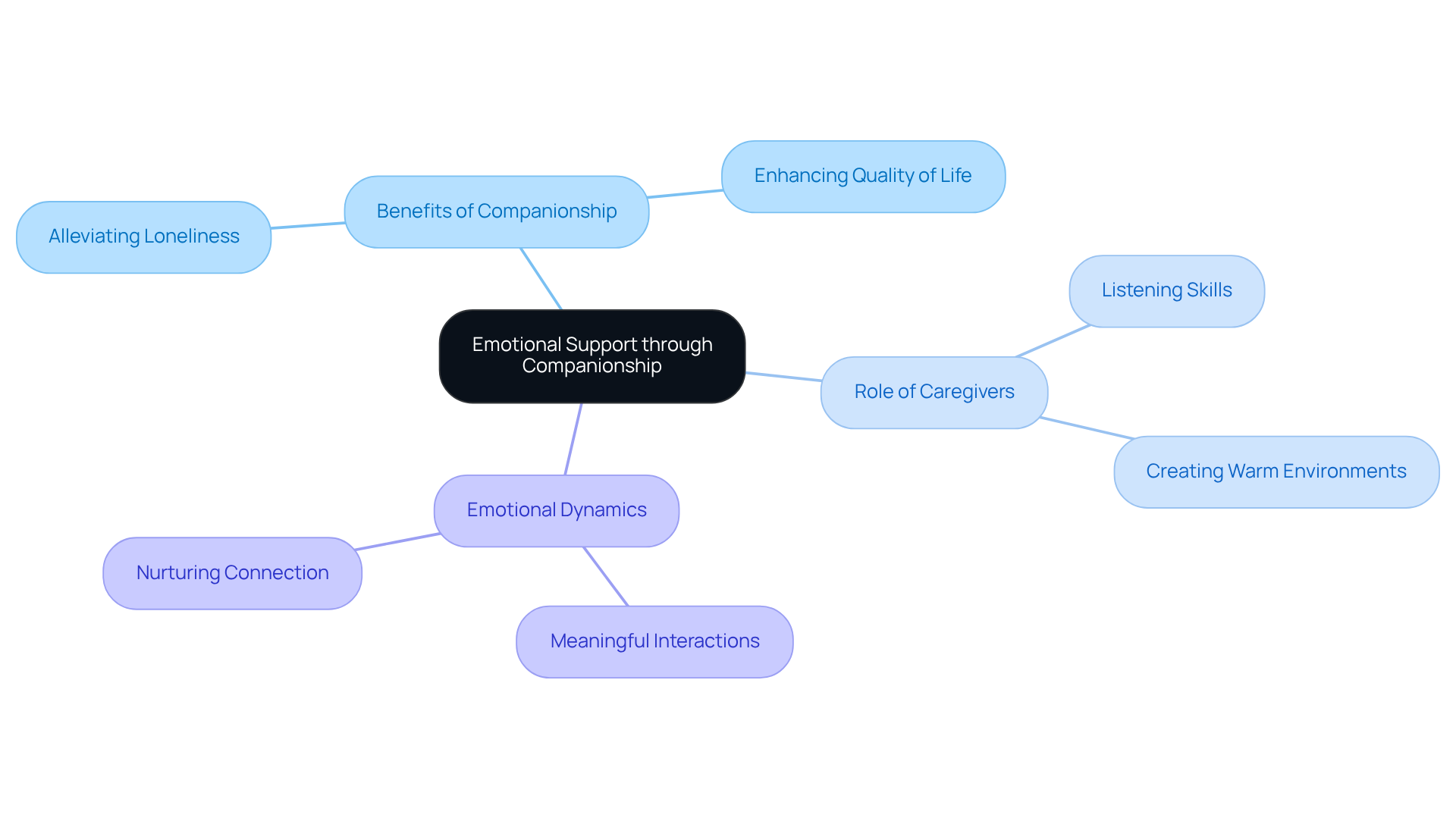
Companionship provided by an elder care companion serves as a vital source of emotional support, helping to alleviate the loneliness that many elderly individuals experience. When caregivers engage regularly, they not only foster a sense of connection but also nurture a feeling of belonging - both of which are essential for mental well-being. Research shows that emotional support can be more protective against depression than practical help with daily tasks, highlighting the significance of meaningful interactions.
Caregivers are specially trained to listen and engage in thoughtful conversations, creating a warm environment that encourages elderly individuals to share their feelings and life stories. This nurturing dynamic can greatly enhance the overall quality of life for older adults, making the role of an elder care companion a crucial aspect of in-home care.
Imagine the comfort of having someone who truly listens, who understands the weight of your experiences. This is the heart of compassionate caregiving. It’s not just about assistance; it’s about connection. By fostering these relationships, we can help our loved ones feel valued and understood, ultimately enriching their lives.
Daily Living Assistance: Enhancing Quality of Life for Seniors
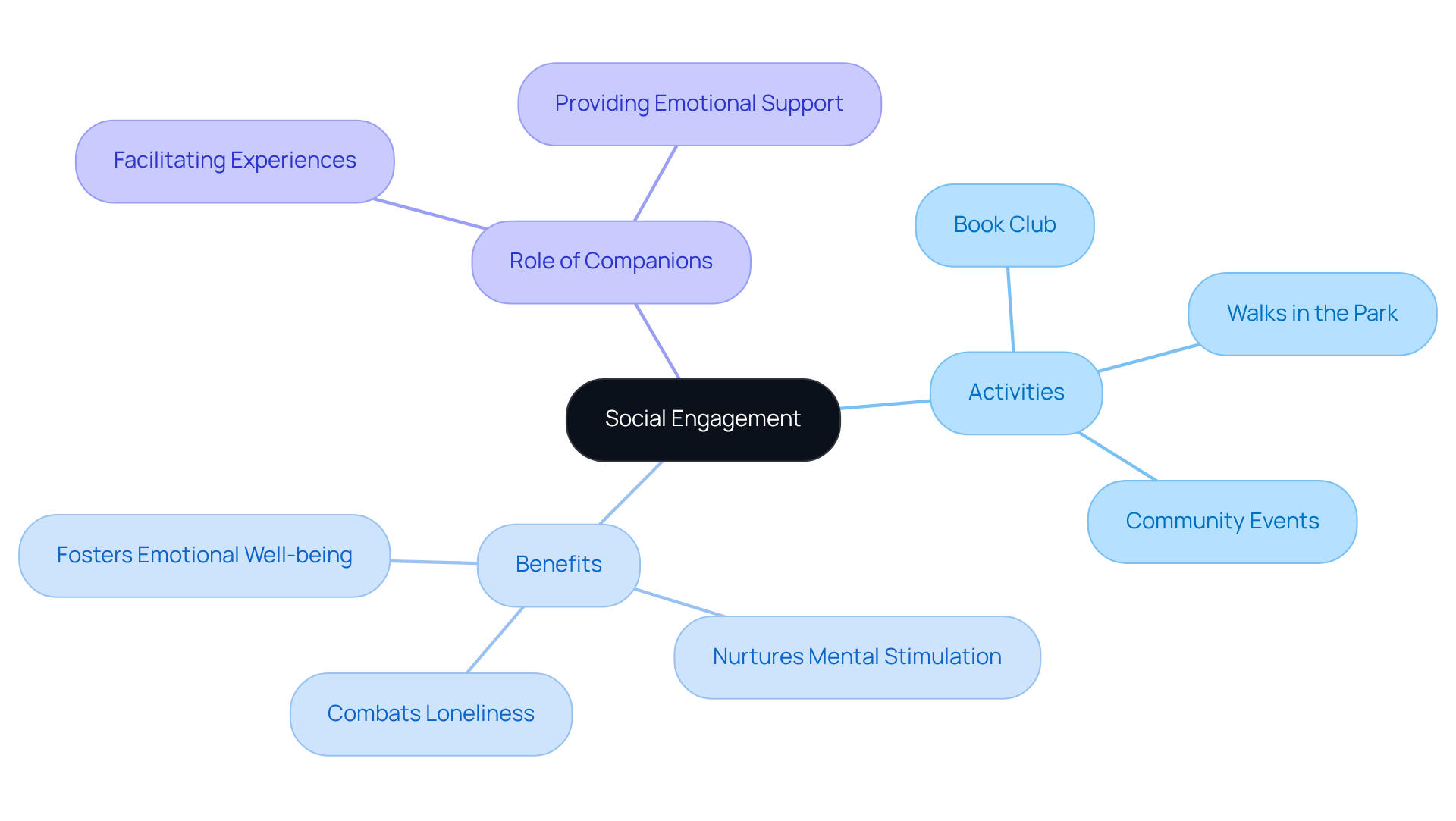
Elder care companions are truly vital in supporting elderly individuals with their daily living tasks, such as meal preparation, medication reminders, and light housekeeping. An elder care companion provides support that not only enhances the quality of life for seniors but also promotes their independence. As Debra Sullivan beautifully puts it, "Maintaining independence is an important part of aging." By overseeing these essential tasks, an elder care companion allows older adults to maintain their routines, fostering a sense of comfort and safety in their own homes.
It's important to recognize the challenges that come with aging. Studies reveal that one in four individuals over 65 experiences a fall each year, highlighting the dangers that elderly people face without adequate assistance. Elder care companions do more than just assist with daily activities; they also play a crucial role in creating a safer living environment. By implementing home safety features and being there in case of a fall or emergency, they provide peace of mind.
Moreover, research shows that 44% of home care recipients require help with at least one daily task. This statistic underscores the importance of support for those who provide care. The combination of compassionate support and practical help provided by an elder care companion not only alleviates feelings of loneliness but also encourages older adults to engage in activities they love, further enriching their lives.
In fact, seniors who receive consistent support from an elder care companion often report higher satisfaction levels and improved mental health. This highlights the profound impact that having an elder care companion has on both independence and quality of life. Remember, you’re not alone in this journey; there are caring individuals ready to help you or your loved ones thrive.
Health Benefits: Preventing Conditions Through Social Interaction
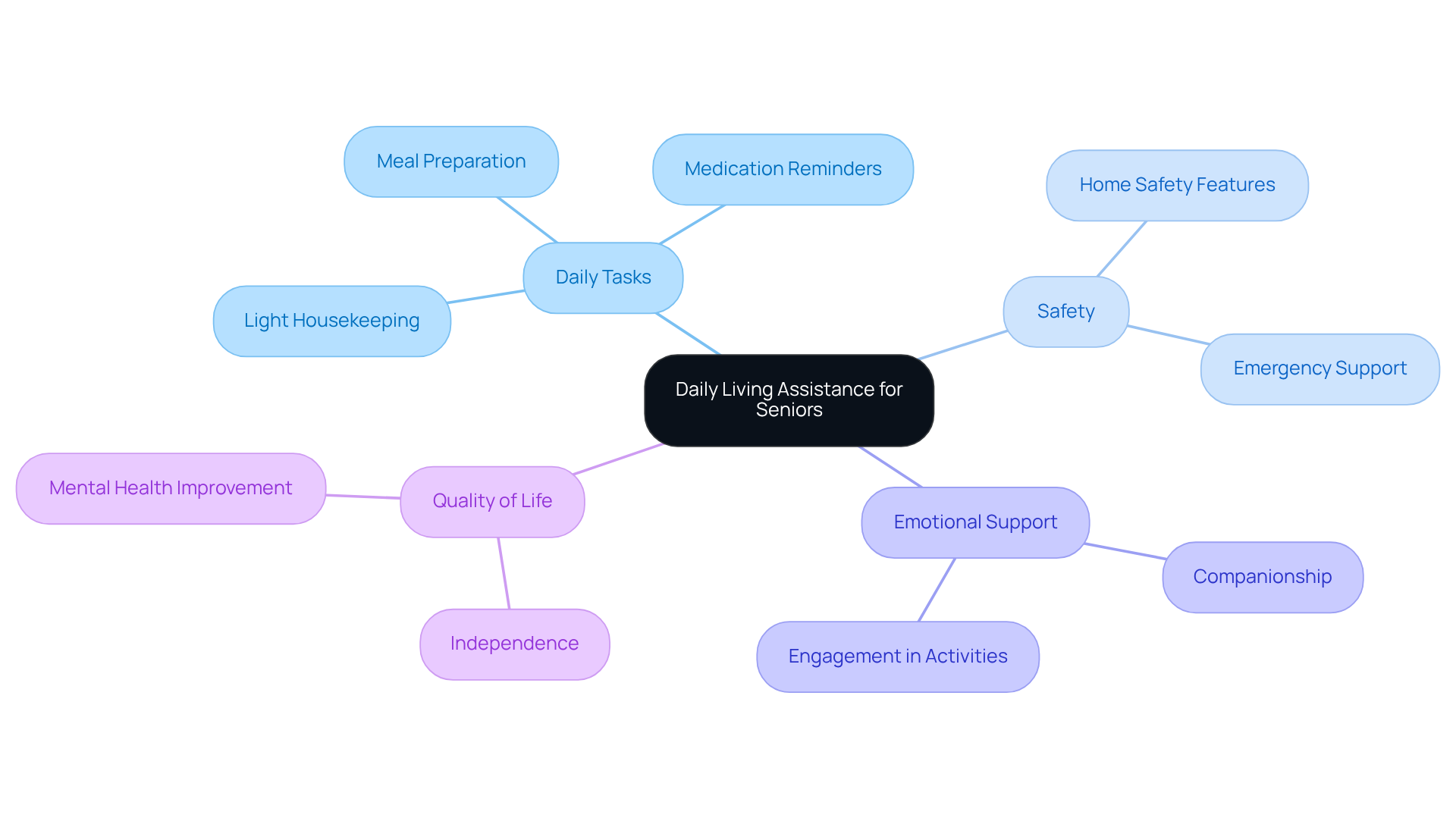
Regular social interaction with an elder care companion is crucial for preventing health issues like depression, anxiety, and cognitive decline in our elderly loved ones. Engaging in meaningful conversations and activities not only stimulates mental function but also encourages physical activity - both essential for maintaining overall health. It's heartbreaking to know that loneliness affects up to 1 in 3 older adults, doubling the likelihood of depression and increasing the risk of premature death by 26%. In fact, loneliness accounts for over 871,000 deaths each year, highlighting the urgent need to address companionship needs.
Socialization can significantly enhance cognitive performance, helping to slow memory loss and reduce the risk of dementia. Experts emphasize that nurturing strong social connections leads to improved emotional well-being and a greater sense of purpose, ultimately contributing to a longer, healthier life for older adults. Dr. Vivek Murthy poignantly states, "In this Report, we pull back the curtain on loneliness and isolation as a defining challenge of our time." By prioritizing the support of an elder care companion, we can help our loved ones combat feelings of isolation and foster a fulfilling, active lifestyle.
To promote social interaction, consider:
- Arranging regular outings
- Joining community groups
- Participating in local events that align with your loved ones' interests
These small steps can make a world of difference, creating opportunities for connection and joy.
Respite for Family Caregivers: Reducing Burnout and Stress
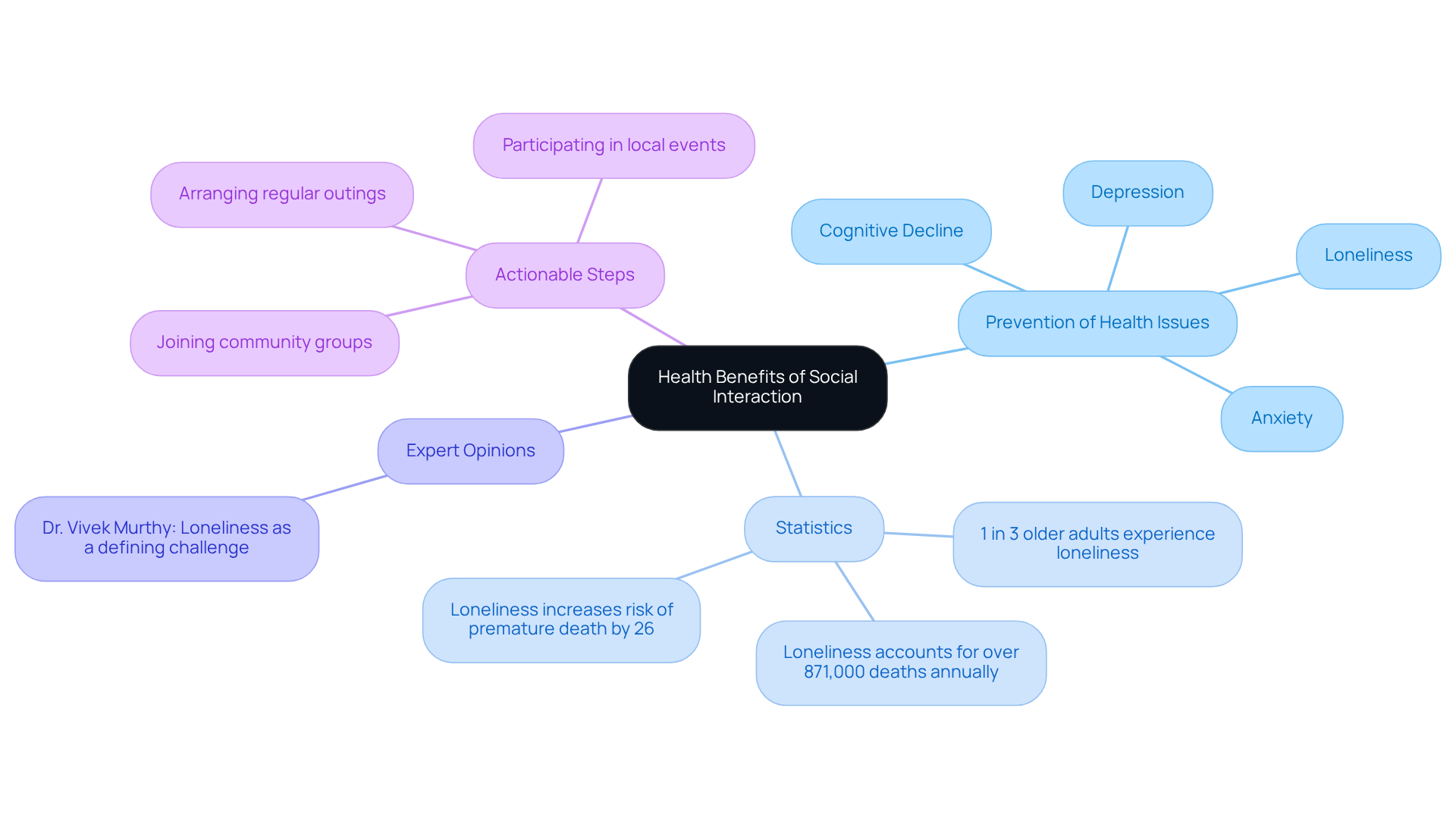
Elder care companion support serves as a vital source of relief for those caring for others, allowing them to take essential breaks and rejuvenate. With over 60% of caregivers showing signs of burnout, having an elder care companion can significantly ease stress levels. This support ensures that seniors receive attentive care from an elder care companion while their family members focus on their own well-being, nurturing healthier family dynamics.
Recent findings reveal that individuals who utilize respite care report lower emotional exhaustion and enhanced mental health. Family supporters have highlighted the importance of taking breaks, with many noting that these moments of relief enable them to return to their responsibilities with renewed energy and perspective. As one caregiver shared, "Taking time for myself has made all the difference; I can be more present and engaged when I return."
By prioritizing self-care through the support of an elder care companion, families can elevate the overall quality of life for both elderly individuals and their caregivers, fostering a more balanced and nurturing home environment. Additionally, addressing the financial challenges that caregivers often face can further alleviate stress, making respite care an essential component of a sustainable support strategy.
Social Engagement: Encouraging Activities and Connections
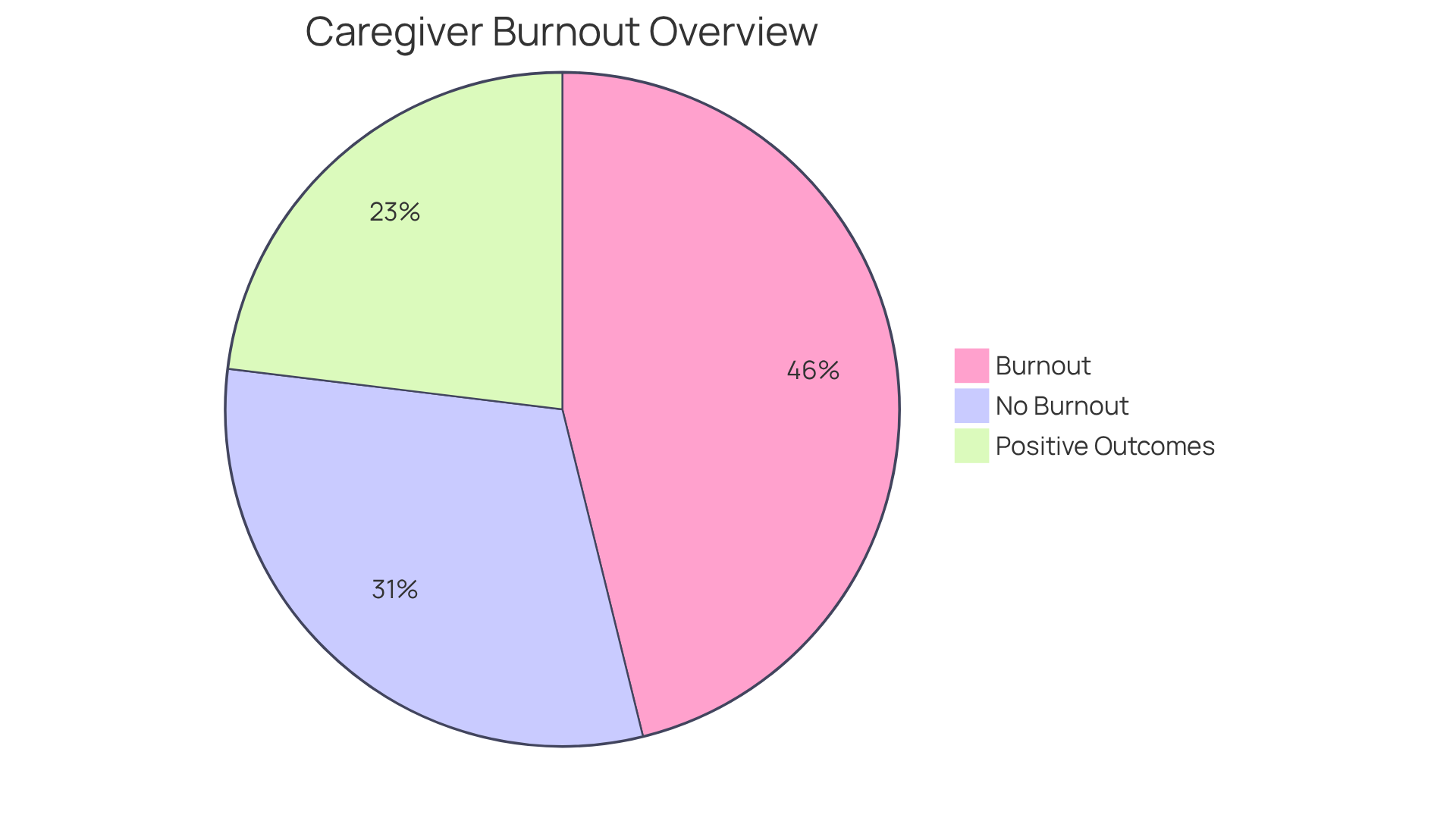
Elder care companions truly understand the importance of social engagement for older adults. They actively promote activities that resonate with individual interests, whether it’s joining a book club, attending community events, or simply enjoying a peaceful walk in the park. These moments of connection are vital, helping older adults maintain relationships and feel less isolated.
Engaging in social activities does more than just combat loneliness; it nurtures mental stimulation and emotional well-being. It’s heartwarming to see how these interactions can brighten someone’s day, fostering a sense of belonging and joy. Elder care companions play a crucial role in facilitating these experiences, providing not just companionship but also a deeper emotional support that can make all the difference.
As we reflect on the impact of these connections, it’s clear that the presence of an elder care companion can transform lives. The stories of those who have benefited from such support remind us of the power of community and compassion. Together, we can create an environment where older adults feel valued and engaged, ensuring they continue to thrive.
Tailored Care Plans: Customizing Support for Individual Needs
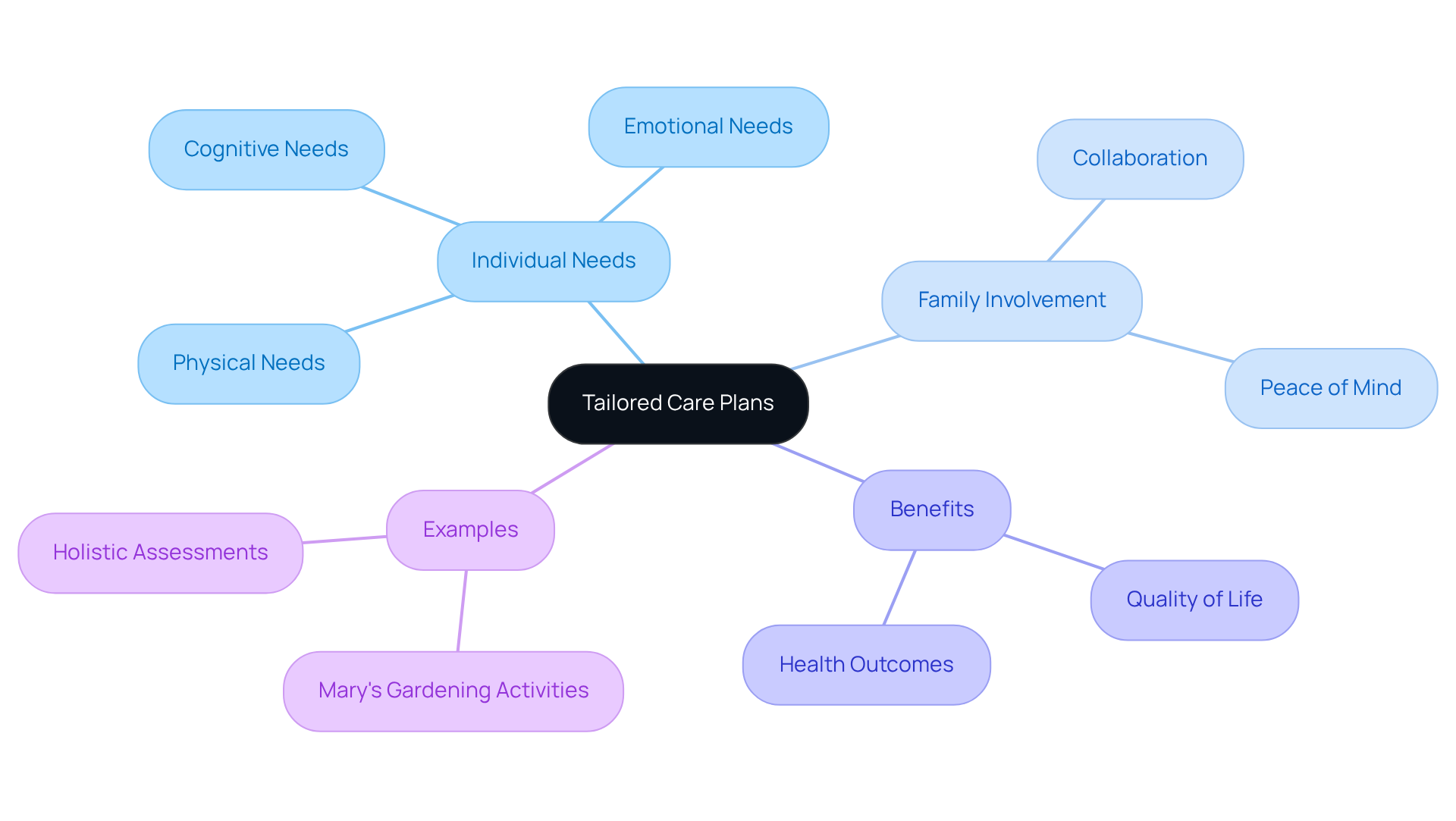
Customized support plans are vital for ensuring effective elder care companion relationships. Each elderly individual has unique needs, preferences, and health conditions that an elder care companion can help address. Care providers collaborate closely with families to create tailored support plans that address specific challenges, often incorporating the role of an elder care companion. This ensures that older adults receive the most suitable and efficient assistance from an elder care companion.
Research shows that having an elder care companion with individualized support plans can significantly enhance the quality of life for older adults. For instance, studies reveal that seniors with customized support plans experience a 30% increase in overall satisfaction with their care. The first step in developing a tailored support plan with the help of an elder care companion involves a thorough evaluation of an elderly person's physical, emotional, and cognitive needs, conducted in partnership with family members and healthcare professionals. This approach clarifies responsibilities and daily routines while fostering a sense of stability and routine for the elderly.
Involving family members in the elder care companion process enriches these plans, providing peace of mind and ensuring that the care aligns with the individual's values and preferences. For example, incorporating activities that older adults enjoy, like gardening - just like Mary, an 82-year-old who finds joy in nurturing her plants - can alleviate feelings of loneliness and enhance emotional well-being.
By prioritizing personalized attention, providers can cultivate strong relationships with seniors, ultimately leading to better health outcomes and a more fulfilling life. As a helpful suggestion, caregivers should initiate conversations with their loved ones about their preferences and interests to begin crafting a tailored support plan.
Cost-Effectiveness: Understanding Pricing and Payment Options
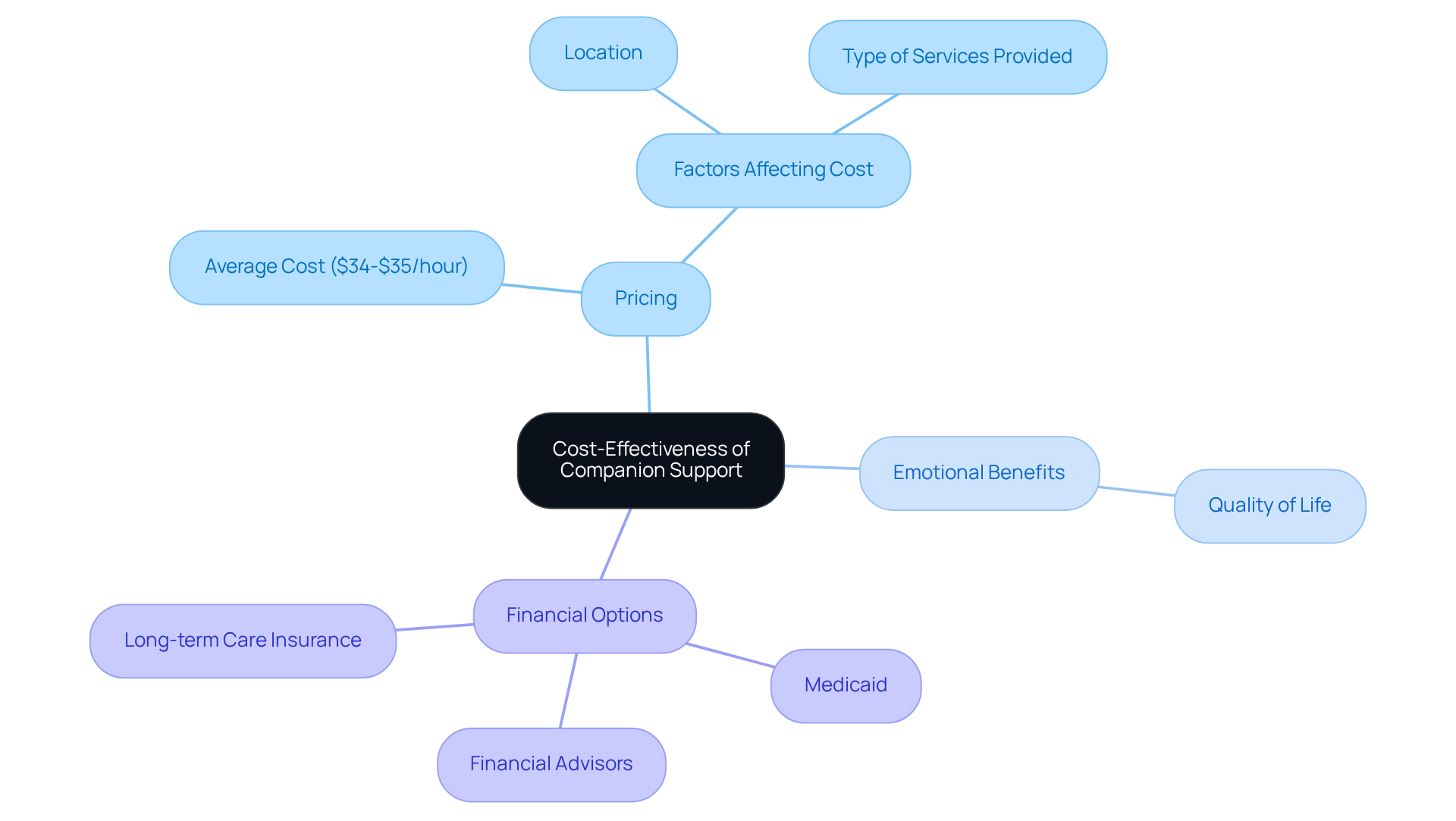
Understanding the costs associated with companion support is vital for families. In 2025, the average price for companion assistance services typically ranges from $34 to $35 per hour. This can vary based on factors like location and the specific services provided. Many families discover that the emotional benefits of companionship far outweigh the costs, especially when considering the peace of mind and enhanced quality of life it brings to their loved ones.
Moreover, there are several financial options available to ease the burden. Long-term care insurance can help cover some home expenses, and government programs like Medicaid may offer assistance for those who qualify. Connecting with financial advisors can also be a great way for families to navigate budgeting for elderly care services, ensuring they make informed decisions that fit their financial situation.
It's important to remember that seeking help is a sign of strength. Many families have found comfort in the support of companion services, allowing them to focus on what truly matters - the well-being of their loved ones.
Qualified Caregivers: Ensuring Expertise and Compassion
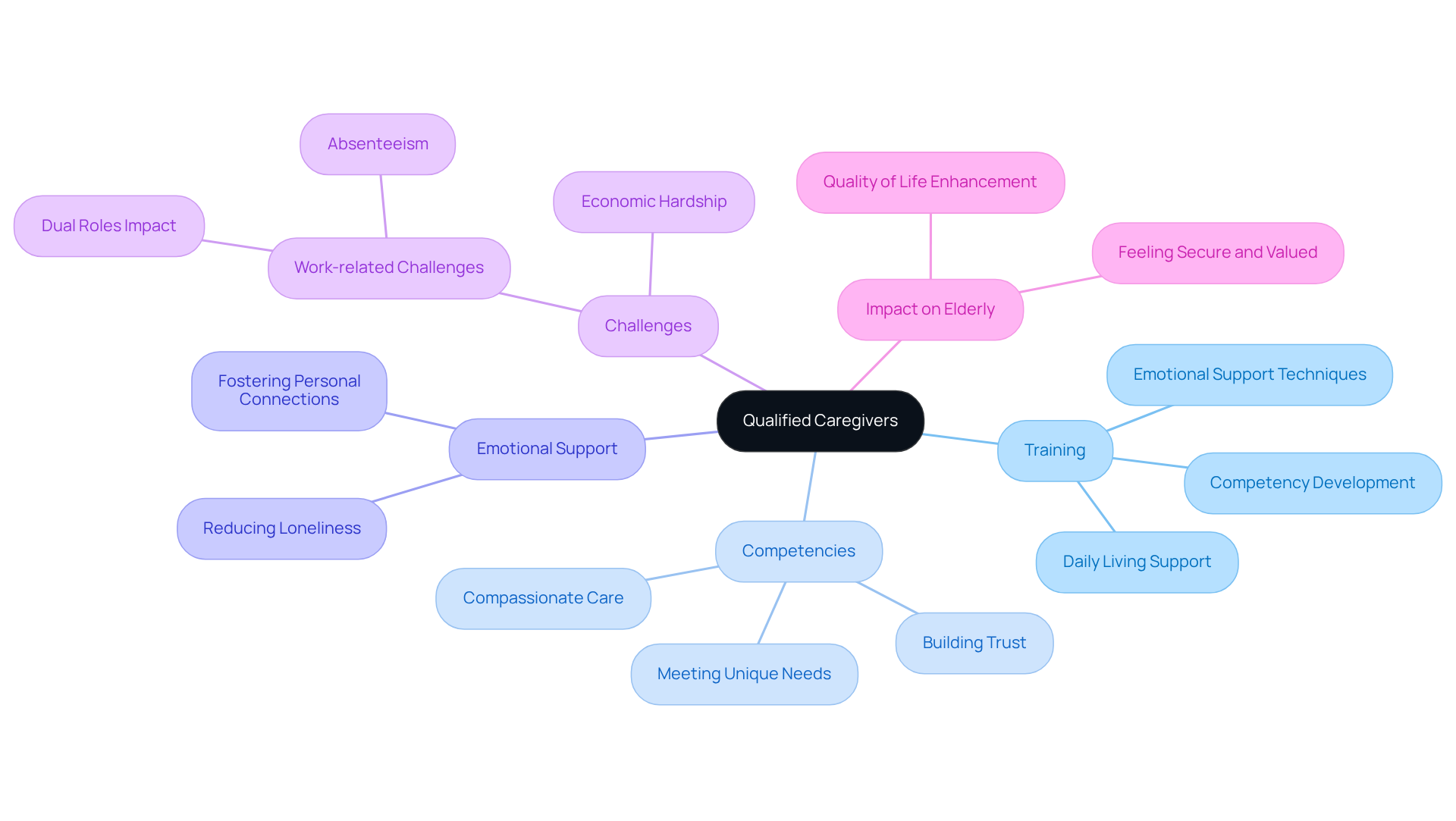
Skilled caregivers play a vital role as elder care companions, serving as the backbone of effective support for elderly individuals. These dedicated professionals undergo extensive training to develop the skills and knowledge needed to provide compassionate and competent assistance. Their training encompasses not just daily living support but also emotional support techniques, which are crucial for fostering personal connections with older adults. This expertise helps build trust, allowing elderly individuals to feel secure and valued in their own homes.
The latest training standards highlight the importance of support provider competencies, equipping caregivers to meet the unique needs of elderly clients. As a result, these providers are essential in enhancing the quality of life for older adults, making their knowledge invaluable in the realm of in-home support. With the increasing demand for elder care companion services, driven by rising feelings of loneliness and isolation among the elderly, the need for skilled support providers has never been more pressing.
Moreover, statistics reveal that 70% of employed caregivers encounter work-related challenges due to their dual roles, underscoring the importance of comprehensive training and support. Medicare's recent initiatives to promote organized training for caregivers further stress the necessity of equipping them with essential skills to improve service quality.
In this journey, caregivers serve as elder care companions, bringing warmth and understanding into the lives of those they serve. Their commitment to compassionate care makes a profound difference, reminding us all of the importance of connection and support.
Peace of Mind: Ensuring Safety and Well-Being at Home
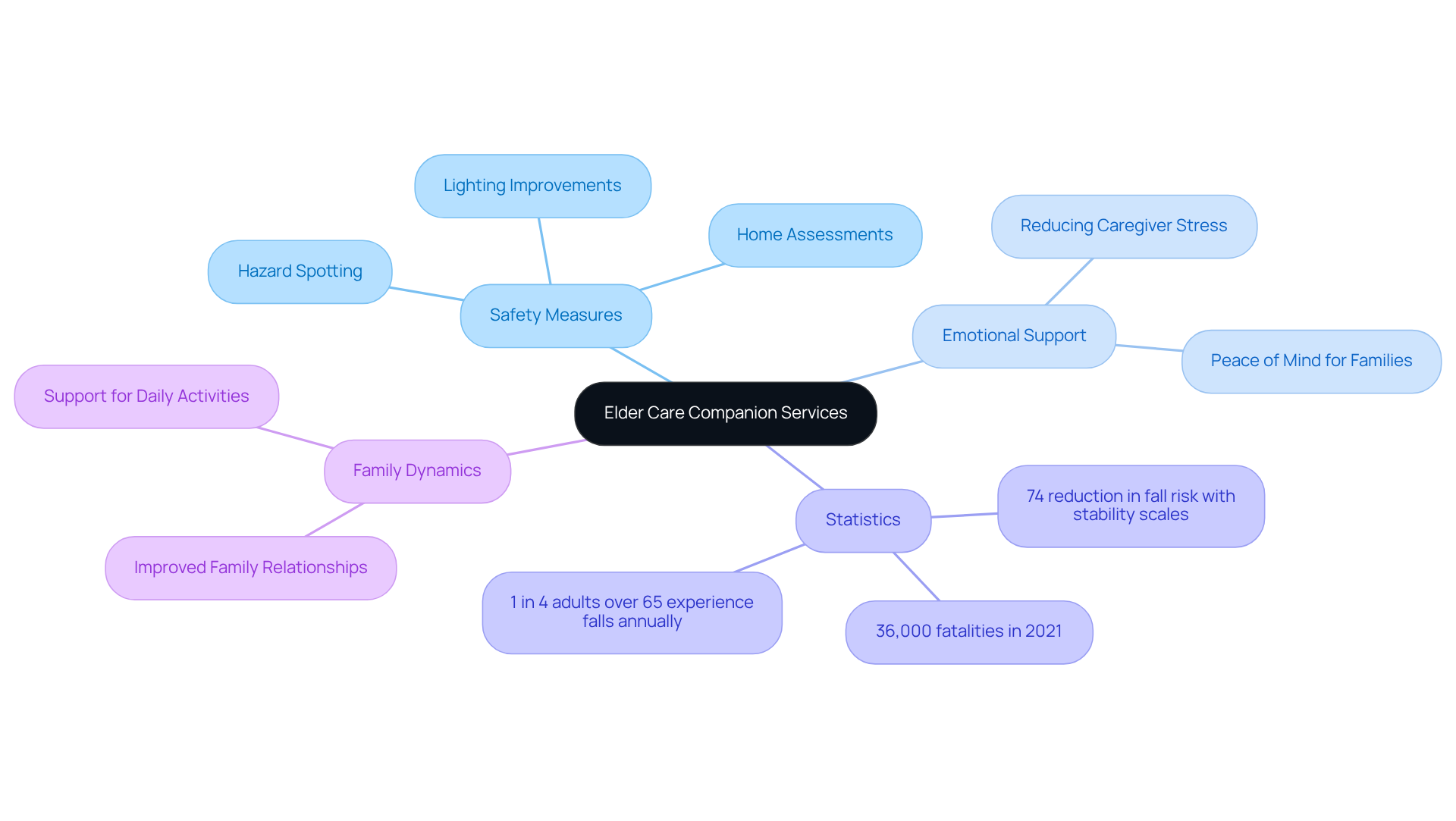
Elder care companion services provide a profound sense of peace to families, ensuring that loved ones are safe and well-cared for in the comfort of their own homes. Caregivers are specially trained to spot potential hazards and implement vital safety measures, creating a secure living environment. This proactive approach is essential, especially when we consider that falls are the leading cause of injury-related deaths among older adults, with over 36,000 fatalities reported in 2021 alone. Studies show that simply having access to stability scales can reduce fall risk by up to 74%, highlighting the importance of monitoring and timely intervention.
Having a support provider not only addresses physical safety but also eases the emotional burdens that relatives often carry. With nearly 70% of caregivers finding it challenging to juggle their careers alongside caregiving duties, the help of a professional can significantly reduce stress and foster a sense of security. As Dr. John Schumann emphasizes, good lighting and safety modifications can greatly lower fall risks, underscoring the need for thorough home assessments.
Moreover, the comfort that an elder care companion provides allows family members to focus on their daily lives without the constant worry for their loved ones' well-being. This peace of mind is invaluable, nurturing a more harmonious family dynamic, knowing that their elderly relatives are receiving attentive care from an elder care companion tailored to their unique needs. It's also crucial to remember that one in four adults over the age of 65 experiences a fall each year, further emphasizing the necessity of having an elder care companion.
Taking the Next Steps
Elder care companions truly make a difference in the lives of seniors, offering not just essential daily assistance but also the emotional support that helps ease feelings of loneliness. When a dedicated companion is present, elderly individuals feel valued and connected, which nurtures their independence while addressing their unique needs. This holistic approach to care highlights how vital companionship is in promoting both physical and emotional well-being.
Throughout this discussion, we've explored several key benefits of having elder care companions. They help alleviate loneliness, enhance safety at home, and provide tailored care plans that cater to individual needs. Additionally, they offer vital respite for family caregivers. Each of these aspects contributes to a more fulfilling and secure life for seniors, showing that personalized care is not just beneficial; it’s essential.
Ultimately, the role of elder care companions goes beyond mere assistance; they act as a bridge to a better quality of life for both seniors and their families. As the demand for these services continues to grow, it’s important for families to explore their options. Investing in companionship can lead to profound improvements in mental and emotional health. Embracing the support of an elder care companion can truly transform lives, fostering a sense of community and compassion that is invaluable on the journey of aging.
https://iframe.tely.ai/cta/eyJhcnRpY2xlX2lkIjogIjY5MWZhYzVmMDFkMDk4M2JlYjM1N2I2YSIsICJjb21wYW55X2lkIjogIjY4ZWU1ZGNhNzMxNzYyNTU3ZjNjOTVjMSIsICJpbmRleCI6IG51bGwsICJ0eXBlIjogImFydGljbGUifQ==Frequently Asked Questions
What services does Happy to Help Caregiving provide for seniors?
Happy to Help Caregiving offers personalized elder care companion services that include emotional support, companionship, and assistance with daily living tasks such as meal preparation, medication reminders, and light housekeeping.
How does companionship benefit elderly individuals?
Companionship alleviates loneliness and fosters a sense of connection and belonging, which are essential for mental well-being. It also enhances the overall quality of life for older adults by providing emotional support and encouraging them to share their feelings and life stories.
Why is emotional support important for seniors?
Emotional support can be more protective against depression than practical help with daily tasks. Meaningful interactions with elder care companions help nurture feelings of belonging and improve mental health.
What role do elder care companions play in daily living assistance?
Elder care companions assist with daily living tasks, helping seniors maintain their routines and independence. They also create a safer living environment by implementing home safety features and being present in case of falls or emergencies.
What impact do elder care companions have on seniors' quality of life?
Seniors who receive consistent support from elder care companions often report higher satisfaction levels and improved mental health, enhancing their overall quality of life and encouraging engagement in activities they enjoy.
How do elder care companions help promote independence for seniors?
By assisting with essential daily tasks, elder care companions enable older adults to maintain their routines and comfort in their own homes, which fosters a sense of independence and safety.
What is the significance of compassionate caregiving?
Compassionate caregiving focuses on creating meaningful connections and understanding the emotional needs of elderly individuals, enriching their lives and helping them feel valued and understood.