10 Benefits of Companions for Elderly Persons to Enhance
For families in our service areas
For families in our service areas, this guide explains companion care and how non-medical in-home caregiving can support care planning in East Idaho, Treasure Valley & Magic Valley, Northern Wasatch, North Central West Virginia, and Northeast Ohio.
The Importance of Companions for Elderly Persons to
Loneliness among older adults is a pressing issue that significantly impacts their mental and physical well-being. Nearly one-third of seniors feel disconnected, highlighting the urgent need for companionship. This lack of social interaction can lead to increased feelings of isolation, depression, and even physical health decline.
As families grapple with ensuring their elderly loved ones receive the care and interaction they need, the question arises: how can personalized companionship transform the lives of seniors? Tailored support serves as a vital lifeline, providing emotional support, cognitive engagement, and an enriched quality of life. By fostering joy and independence, personalized companionship not only benefits seniors but also alleviates the burdens on their caregivers.
This article delves into the multifaceted benefits of companionship for elderly persons, revealing actionable solutions that can enhance their overall well-being. Through understanding and implementing these strategies, caregivers can create a supportive environment that promotes long-term health and happiness.
Happy to Help Caregiving: Personalized Companionship for Seniors
Isolation among older adults is a significant issue, with about one-third of U.S. adults aged 50 to 80 feeling disconnected from others. This sense of loneliness can lead to serious implications for their mental health and overall happiness. As gerontologists emphasize, fostering companions for elderly persons is crucial for enhancing their well-being.
Happy to Help Caregiving addresses this problem by providing personalized companions for elderly persons tailored to each client's unique needs and preferences. This individualized approach not only promotes a deep sense of security for older adults but also greatly improves the quality of life for those with companions for elderly persons, allowing them to thrive in the comfort of their own homes. Caregivers engage clients in meaningful activities, which enhances emotional and social well-being while effectively tackling their specific challenges.
With projections indicating that by 2050, adults aged 65 and over will make up 22% of the U.S. population, the demand for tailored care services is more critical than ever. By focusing on individualized caregiving, Happy to Help Caregiving plays a vital role in helping elderly individuals maintain their independence and enjoy a fulfilling lifestyle.
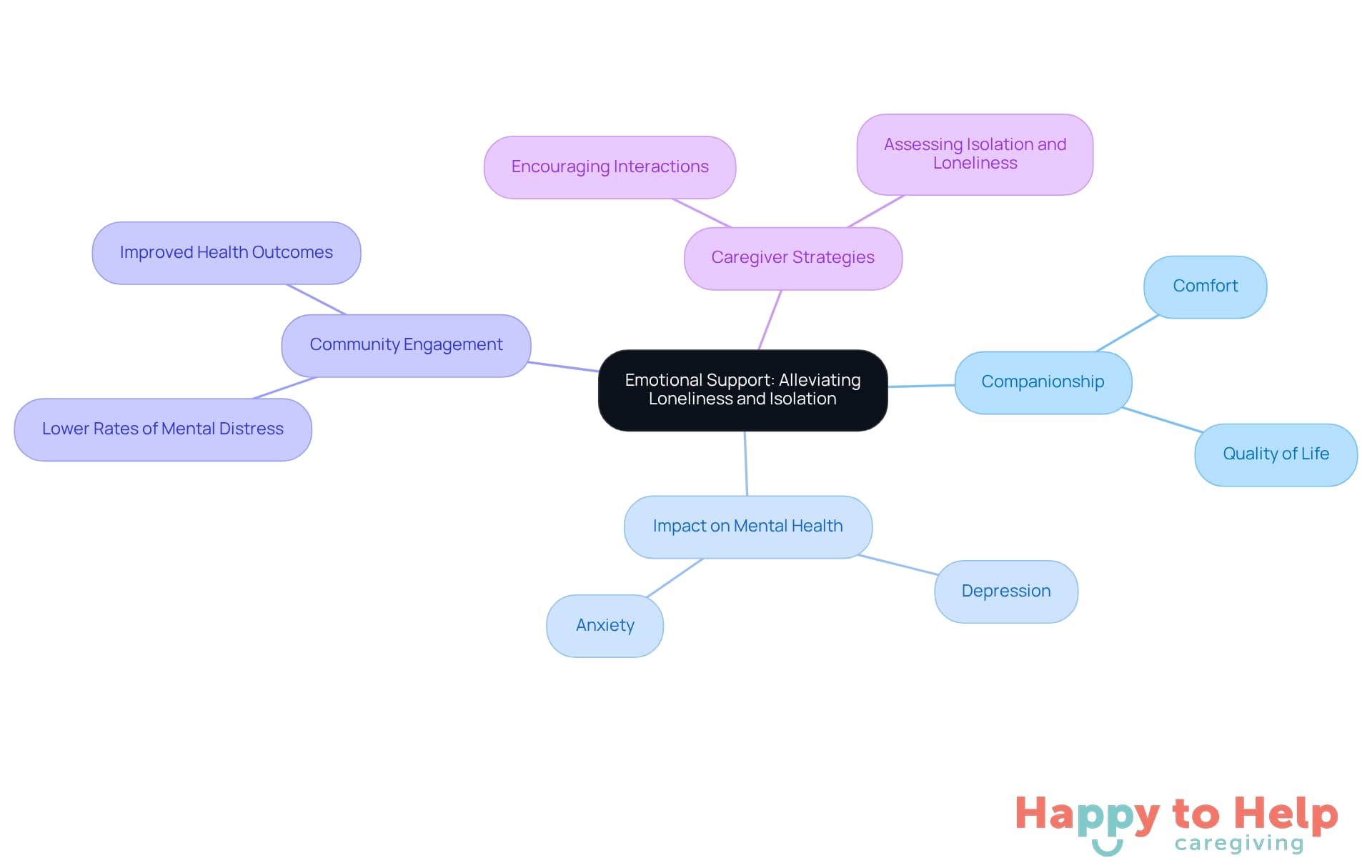
Emotional Support: Alleviating Loneliness and Isolation
Companionship provided by companions for elderly persons is a critical source of emotional support, addressing the pervasive issues of loneliness and isolation. These feelings can significantly impact mental health, leading to increased risks of depression and anxiety. Research shows that seniors who engage in community activities experience lower rates of mental distress, highlighting the importance of social connections.
To combat loneliness, caregivers can encourage regular interactions with others, fostering a sense of belonging and security. This not only enhances emotional well-being but also contributes to better health outcomes. For instance, community engagement is linked to improved immune function and reduced risks of chronic diseases.
It's essential for caregivers to differentiate between isolation and loneliness, as understanding this distinction can inform more effective caregiving strategies. Health care providers should routinely assess older adults for signs of isolation and loneliness, ensuring those in need receive appropriate support. This is particularly important for older adults with cognitive impairments, who may face unique challenges in maintaining social connections.
In summary, companions for elderly persons are not just a comfort; they are vital for enhancing the quality of life. By prioritizing social interactions and community involvement, caregivers can play a crucial role in improving the emotional and physical health of older adults.
Cognitive Engagement: Promoting Mental Health Through Social Interaction
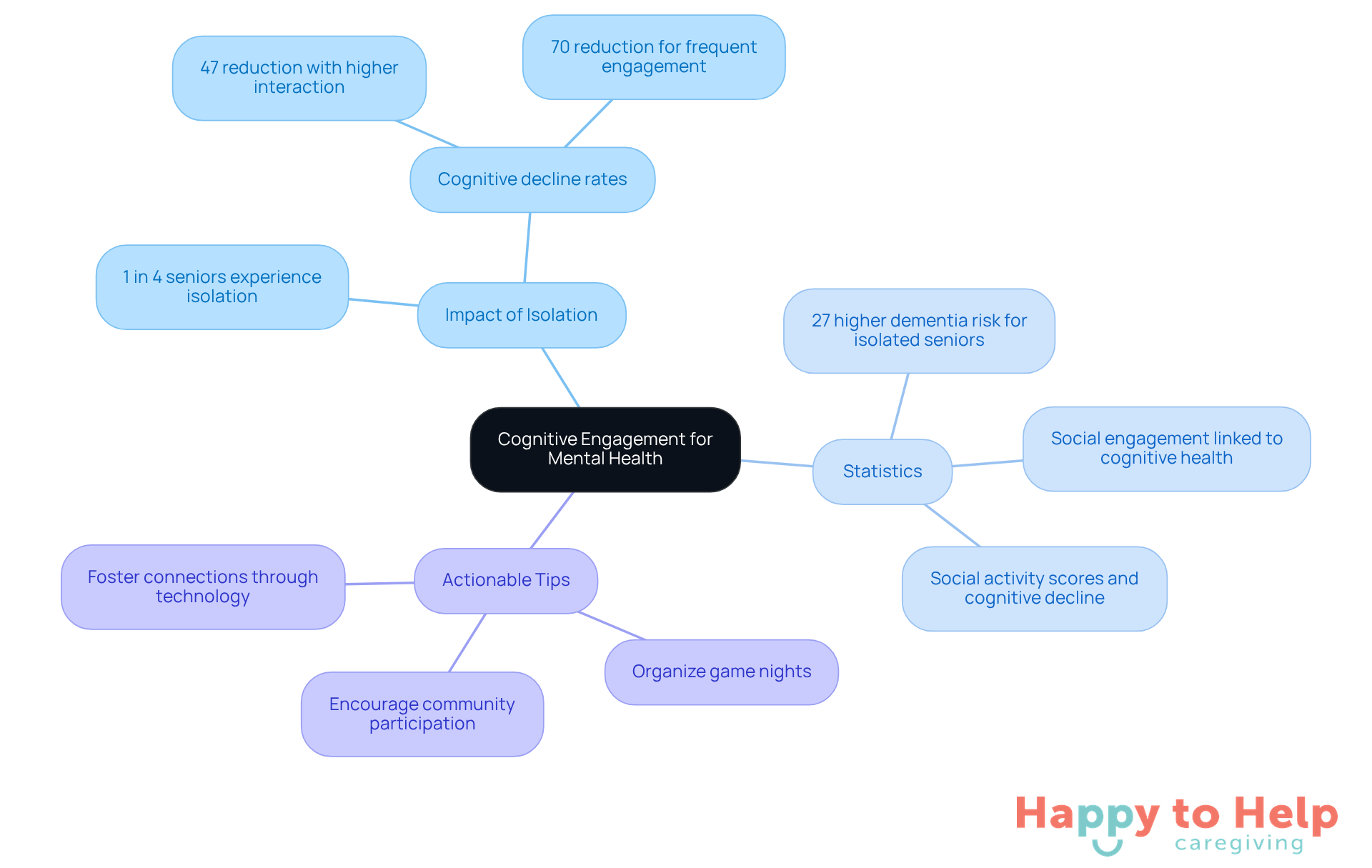
Participating in interpersonal interactions with friends is crucial for enhancing cognitive well-being among older adults. However, many seniors face isolation, which can lead to significant cognitive decline. Research shows that individuals over age 65 often encounter loneliness, with 1 in 4 experiencing isolation in the United States. This lack of social engagement can severely impact mental sharpness and overall well-being.
Engaging in activities such as playing games, discussing current events, or reminiscing about the past stimulates mental processes and helps maintain cognitive function. Seniors who consistently participate in community activities experience a notable reduction in cognitive decline. For instance, individuals with higher interaction activity scores have been linked to a 47% decrease in the rate of cognitive decline. Even more striking, those frequently engaged in activities with others see a remarkable 70% reduction in cognitive decline compared to their less active peers.
To combat isolation and promote cognitive health, family caregivers are encouraged to facilitate social interactions with companions for elderly persons. Here are some actionable tips:
- Organize regular game nights or discussion groups.
- Encourage participation in community events or clubs.
- Foster connections with friends and family through regular phone calls or video chats.
By prioritizing companions for elderly persons, caregivers can play a vital role in preserving mental sharpness and enhancing the overall well-being of older adults.
Quality of Life Improvement: Enriching Daily Experiences
Loneliness among older adults is a significant issue that can diminish their quality of life. Without companions for elderly persons, many seniors may feel isolated and disconnected, which can lead to decreased happiness and satisfaction.
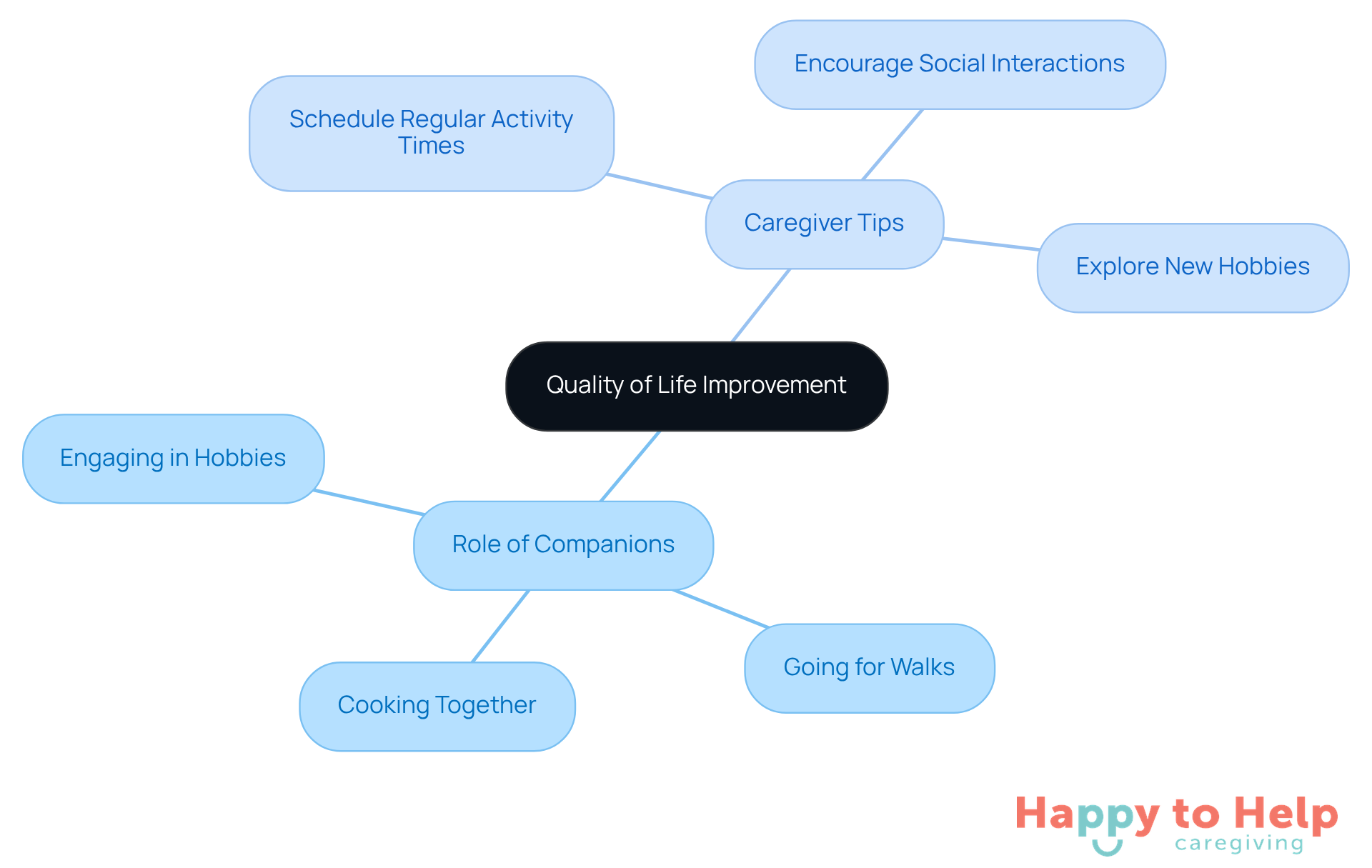
Companions for elderly persons play a crucial role in addressing this problem. By facilitating enjoyable activities like cooking together, going for walks, or engaging in hobbies, they can help enrich the daily experiences of older adults and serve as companions for elderly persons. These activities not only bring joy but also foster a sense of purpose, making seniors feel valued and connected.
To implement these solutions effectively, caregivers can consider the following tips:
- Schedule regular activity times to create a routine.
- Explore new hobbies that interest both the caregiver and the senior.
- Encourage social interactions with friends or family members.
By actively engaging seniors in meaningful activities, caregivers can significantly enhance their overall happiness and satisfaction with life.
Peace of Mind for Families: Trusting Caregivers to Support Loved Ones
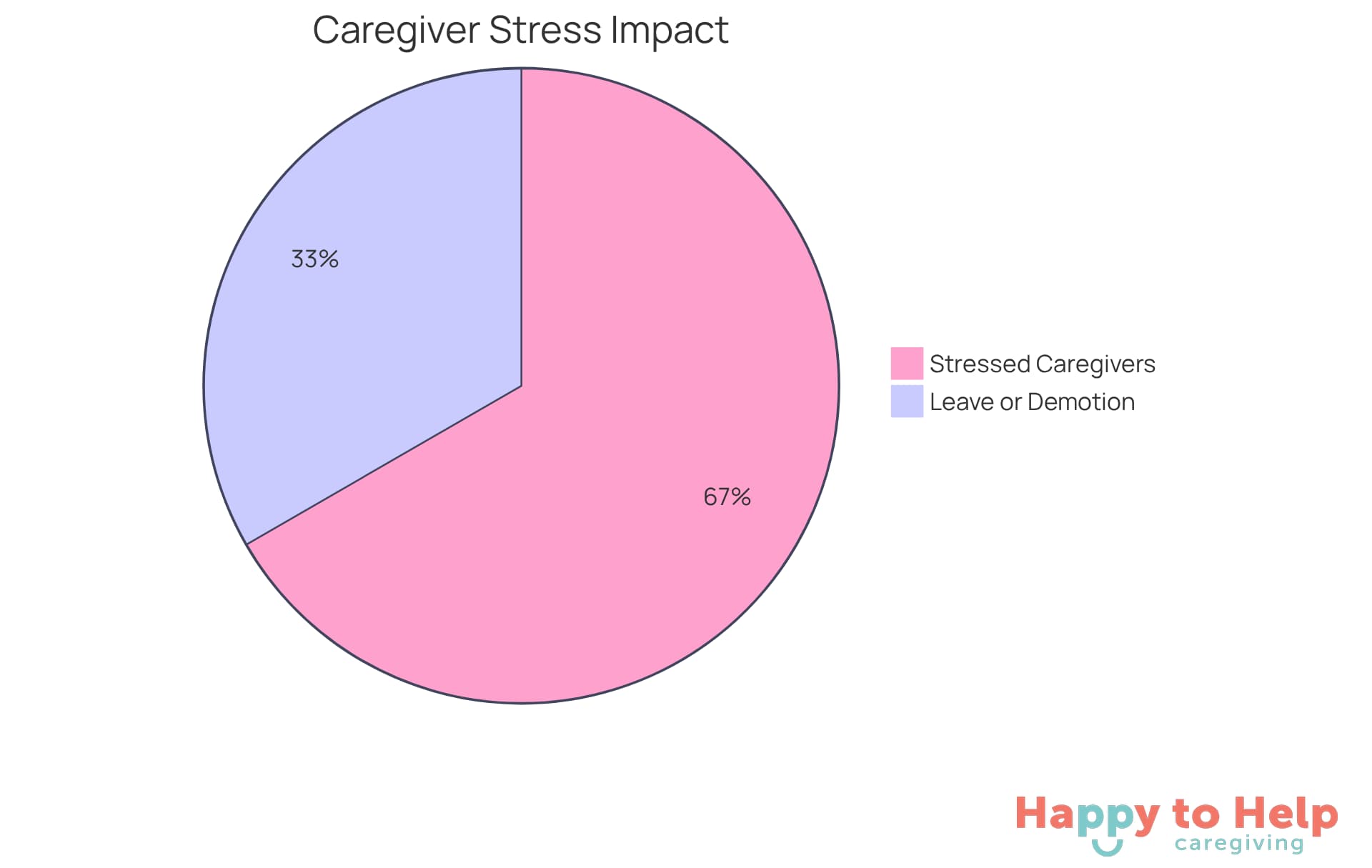
Families often worry about the well-being of their elderly relatives, which can create significant stress. This concern is compounded by the challenges caregivers face, as many feel unprepared and unsupported in their roles. Research shows that 40% of caregivers report that their responsibilities negatively impact their stress levels, highlighting the urgent need for reliable support.
The implications of this stress are profound. Caregivers who feel overwhelmed may struggle to provide the compassionate care their loved ones need, which can lead to emotional strain for both parties. Heather Young, Dean Emerita at the Betty Irene Moore School of Nursing, notes that family supporters often lack the necessary assistance to fulfill their roles effectively. Furthermore, 1 in 5 caregivers have taken a leave of absence or a demotion to manage their duties, illustrating the significant toll caregiving can take on their lives.
To address these challenges, Happy to Help Caregiving offers trained caregivers who serve as companions for elderly persons and foster trusting relationships with clients. This support not only enhances the quality of care but also empowers families, allowing them to engage in their daily activities with peace of mind. By ensuring that companions for elderly persons receive personalized attention, caregivers can significantly reduce family stress levels and improve overall well-being.
In summary, tackling caregiver stress is essential for the health of both caregivers and their families. By providing compassionate and attentive care, Happy to Help Caregiving promotes a more serene atmosphere for families, enabling them to focus on what truly matters.
Customized Care Plans: Tailoring Support to Individual Needs
Problem: Loneliness and isolation are significant challenges faced by older adults, impacting their emotional well-being and overall quality of life. Without effective companionship, seniors may struggle to engage in activities they enjoy, leading to feelings of sadness and disconnection.
Agitate: Research shows that these feelings can worsen over time, making it crucial for caregivers to address them. When older adults lack personalized support, they may miss out on meaningful interactions and experiences, which can further diminish their mental health. This situation not only affects the individuals but also places a burden on caregivers who wish to provide the best possible care.
Customized care plans are essential for ensuring that there are effective companions for elderly persons. By thoroughly assessing individual needs, preferences, and health conditions, providers can tailor their support to deliver the most suitable care. This tailored approach boosts the effectiveness of companions for elderly persons and cultivates deeper bonds between support providers and older adults, leading to better overall results.
Research indicates that personalized care significantly reduces feelings of loneliness and isolation, allowing seniors to engage in activities they enjoy, which in turn boosts their emotional well-being. For example, when support providers integrate clients' preferred activities into their routines, it enhances their daily experiences and reinforces the connection between them and their support providers.
Furthermore, personalized care plans lead to better health outcomes over time, as caregivers can closely monitor progress and adjust support as needed. This holistic approach ensures that elderly individuals feel valued and understood, ultimately enhancing their quality of life. Additionally, personalized care plans can reduce unnecessary treatments and hospital visits, making them more cost-effective.
Family participation in care plans is also essential, as it ensures that the support offered aligns with the older adults' preferences and needs.
Renewed Purpose: Fostering Joy and Engagement in Later Life
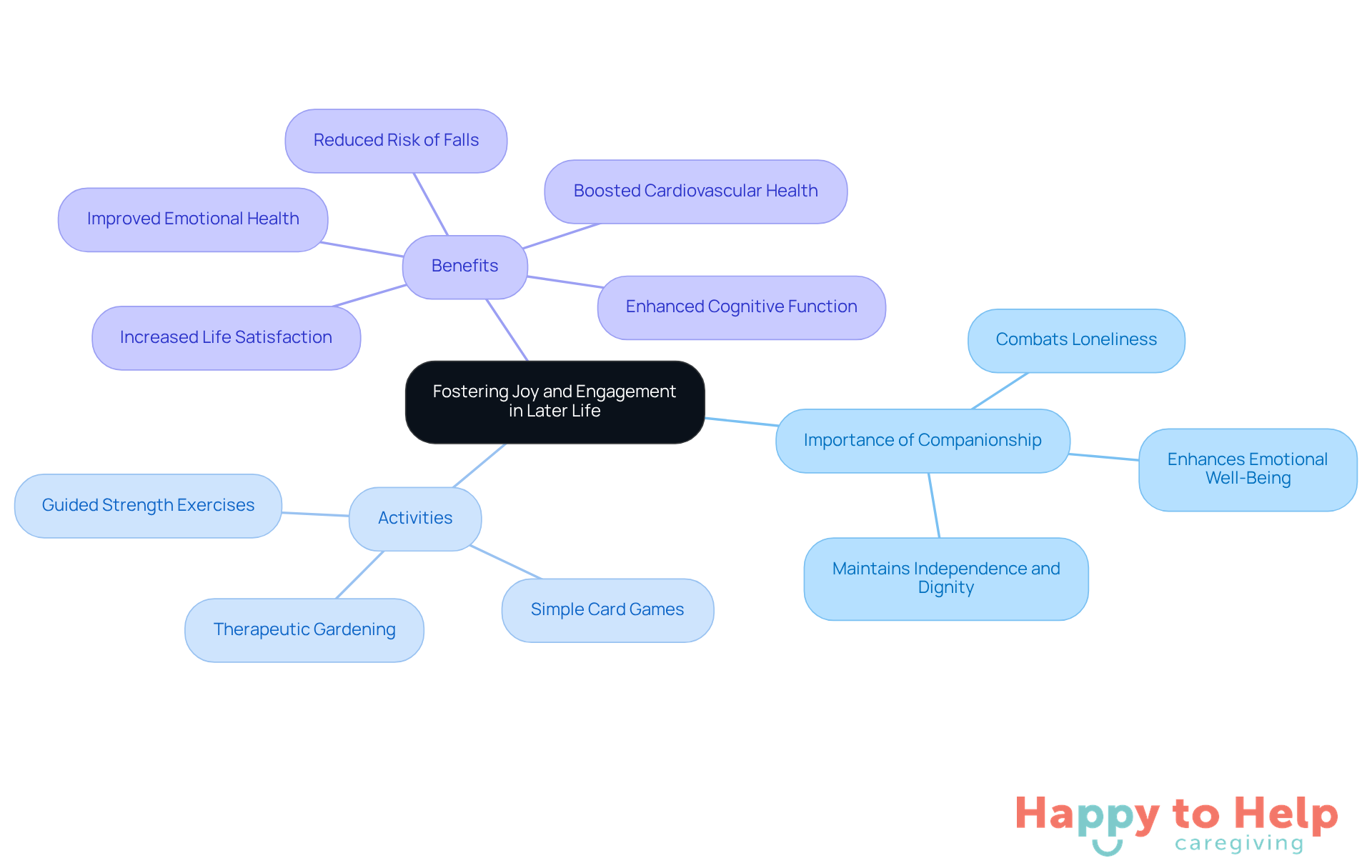
Having companions for elderly persons is vital, as it helps them rediscover a sense of purpose in their lives. Many older adults face loneliness and a lack of engagement, which can lead to feelings of depression and a decline in overall health, making it essential to provide companions for elderly persons. Research shows that companions for elderly persons significantly enhance the quality of life for older adults, reducing feelings of isolation and improving emotional well-being.
Engaging in meaningful activities-like volunteering, pursuing hobbies, or sharing stories-can reignite passions that may have been set aside. For instance, regular social interaction not only boosts emotional health but also improves cardiovascular health and immune system response. This renewed sense of purpose fosters a more fulfilling and active lifestyle.
To combat loneliness and enhance well-being, caregivers can encourage participation in activities such as:
- Guided strength exercises
- Therapeutic gardening
- Simple card games
These activities stimulate cognitive function and improve mood, enhancing balance, flexibility, and strength, which reduces the risk of falls. By taking part in these enriching experiences, older adults can cultivate joy and engagement, leading to a more vibrant and satisfying later life.
Family caregivers are encouraged to explore local volunteering opportunities or organize regular game nights to foster these connections. By facilitating social interactions, caregivers can play a crucial role in enhancing the lives of seniors as companions for elderly persons.
Daily Living Assistance: Supporting Independence Through Companionship
Problem: Many older adults struggle with daily living activities, which can threaten their independence.
Agitate: Without proper support, these individuals may face challenges in managing essential tasks, leading to feelings of frustration and a loss of dignity. This situation not only affects their quality of life but also places a burden on caregivers who want to help.
Companionship, especially through companions for elderly persons, plays a crucial role in providing the necessary assistance. Caregivers can help with tasks such as:
- Meal preparation
- Light housekeeping
- Transportation
By offering this support, elderly individuals can continue living in their own homes, fostering a sense of independence and dignity.
Incorporating these practical solutions can significantly enhance the well-being of older adults and serve as valuable companions for elderly persons, while alleviating some of the pressures faced by caregivers.
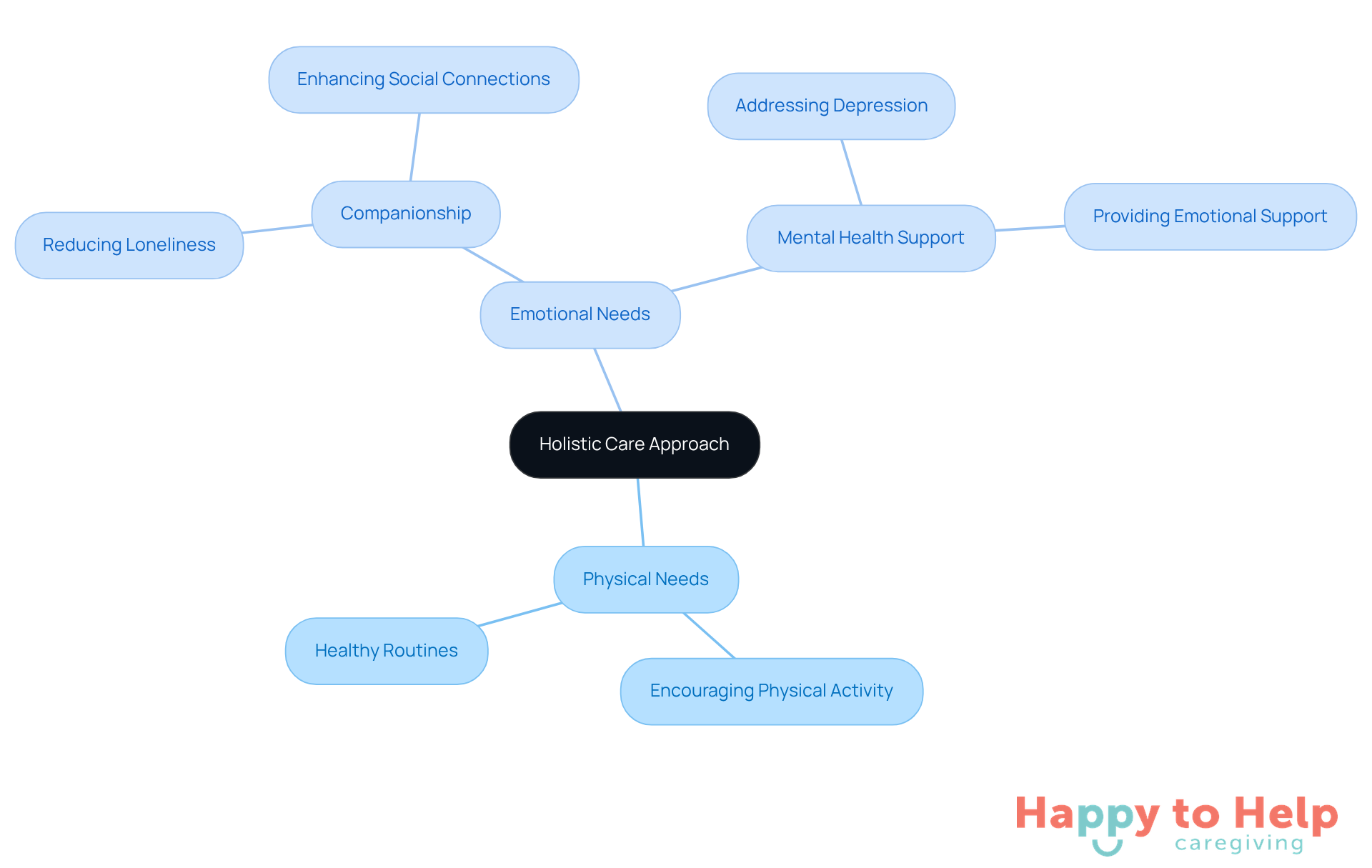
Holistic Care Approach: Addressing Physical and Emotional Needs
Older adults face a significant challenge: their physical and emotional needs often go unaddressed, which can hinder their overall well-being. This neglect can lead to feelings of isolation and decreased physical health, impacting their quality of life.
Companionship, especially through companions for elderly persons, plays a crucial role in addressing these needs. It serves as companions for elderly persons by not only providing emotional support but also encouraging physical activity and engagement in healthy routines. By fostering connections, caregivers can help elderly individuals maintain both mental and physical health.
A holistic care approach ensures that these needs are met comprehensively. This method promotes well-rounded care, enhancing the overall well-being of older adults.
Long-Term Health Benefits: Enhancing Longevity Through Companionship
Companionship, particularly through companions for elderly persons, is crucial for promoting long-term health benefits and enhancing longevity among seniors. The problem is clear: older individuals who lack companions for elderly persons and strong interpersonal connections face a significantly higher risk of chronic illnesses and mortality. Research indicates that isolation can elevate the risk of premature death, comparable to smoking and obesity. In fact, isolation increases the risk of stroke by 32%.
The implications are serious. In contrast, regular interpersonal interaction is linked to improved immune function and cardiovascular health, reducing the risk of heart disease by 29%. Companions for elderly persons also provide essential emotional support for mental well-being, helping to alleviate feelings of loneliness and depression. Engaging in social activities not only boosts mood but also fosters cognitive health, with regular interactions shown to delay or prevent dementia onset.
So, what can caregivers do? As gerontologists emphasize, companions for elderly persons are not merely a luxury; they are essential medicine for both the mind and body. By nurturing these connections, especially in light of the COVID-19 pandemic's impact on isolation, seniors can enjoy a healthier, longer life filled with purpose and joy.
Here are some actionable tips for caregivers:
- Encourage regular social interactions, whether through family visits or community activities.
- Facilitate participation in group hobbies or classes that interest seniors.
- Utilize technology to help seniors connect with loved ones remotely.
By implementing these strategies, caregivers can significantly enhance the quality of life for seniors, ensuring they remain connected and engaged.
Moving Forward with Companions for Elderly Persons to
Companionship is a crucial factor in improving the well-being of elderly individuals, addressing the significant issues of loneliness and isolation that can adversely affect their quality of life. These feelings can lead to emotional distress and cognitive decline, making it essential for caregivers to provide personalized companionship services. By fostering meaningful connections, caregivers not only uplift spirits but also promote emotional and cognitive health, ensuring that older adults feel valued and engaged.
The benefits of companionship for seniors are numerous:
- Emotional support can alleviate feelings of loneliness.
- Cognitive engagement stimulates mental sharpness.
- Companionship enriches daily experiences, leading to an improved quality of life.
- Families gain peace of mind, knowing their loved ones are receiving dedicated care.
- Customized care plans and holistic approaches address both the physical and emotional needs of seniors, resulting in long-term health benefits and enhanced longevity.
Given these insights, it’s evident that fostering companionship for elderly individuals is not just a service; it’s a vital necessity for promoting overall well-being. Caregivers, families, and communities must prioritize these connections to combat isolation and enhance seniors' lives. By actively engaging older adults in social interactions and meaningful activities, we can help them achieve a more vibrant and fulfilling later life, ultimately benefiting both the individuals and their families.
https://iframe.tely.ai/cta/eyJhcnRpY2xlX2lkIjogIjY5MmY5MWJjNWE2YzBkMzU2MDcwMDMwZCIsICJjb21wYW55X2lkIjogIjY4ZWU1ZGNhNzMxNzYyNTU3ZjNjOTVjMSIsICJpbmRleCI6IG51bGwsICJ0eXBlIjogImFydGljbGUifQ==Frequently Asked Questions
What is the main issue that Happy to Help Caregiving addresses for seniors?
Happy to Help Caregiving addresses the issue of isolation among older adults, as about one-third of U.S. adults aged 50 to 80 feel disconnected from others, which can negatively impact their mental health and overall happiness.
How does Happy to Help Caregiving provide support to elderly individuals?
Happy to Help Caregiving provides personalized companions tailored to each client's unique needs and preferences, promoting a sense of security and improving the quality of life for older adults.
What is the significance of companionship for elderly persons?
Companionship is critical for emotional support, alleviating feelings of loneliness and isolation, which can lead to mental health issues such as depression and anxiety.
How can caregivers help combat loneliness among seniors?
Caregivers can encourage regular interactions with others and facilitate community engagement, fostering a sense of belonging and security that enhances emotional well-being.
Why is cognitive engagement important for older adults?
Cognitive engagement through social interactions is crucial for maintaining mental sharpness and overall well-being, as isolation can lead to significant cognitive decline.
What activities can promote cognitive health in seniors?
Activities such as playing games, discussing current events, and reminiscing can stimulate mental processes and help maintain cognitive function.
What are some tips for family caregivers to promote social interactions for seniors?
Family caregivers can organize regular game nights, encourage participation in community events, and foster connections with friends and family through phone calls or video chats.
What are the projected demographics of older adults in the U.S. by 2050?
By 2050, adults aged 65 and over are projected to make up 22% of the U.S. population, highlighting the growing demand for tailored care services.
List of Sources
- Happy to Help Caregiving: Personalized Companionship for Seniors
- AI personal companions offers low-tech way to combat loneliness in senior living residents (https://mcknightsseniorliving.com/news/ai-personal-companions-offers-low-tech-way-to-combat-loneliness-in-senior-living-residents)
- Meela launches and secures $3.5M to tackle loneliness in older adults (https://mobihealthnews.com/news/meela-launches-and-secures-35m-tackle-loneliness-older-adults)
- AI Care Companions for Seniors (https://health.usnews.com/senior-care/articles/ai-care-companions-for-seniors)
- Denver researchers say robot companions can improve senior citizens' quality of life (https://npr.org/2025/06/04/nx-s1-5319315/denver-researchers-say-robot-companions-can-improve-senior-citizens-quality-of-life)
- Lonely Seniors Are Turning To AI Bots For Companionship (https://forbes.com/sites/rashishrivastava/2025/10/18/lonely-seniors-are-turning-to-ai-bots-for-companionship)
- Emotional Support: Alleviating Loneliness and Isolation
- 1 in 3 older adults still experience loneliness and isolation (https://michiganmedicine.org/health-lab/1-3-older-adults-still-experience-loneliness-and-isolation)
- Social isolation, loneliness in older people pose health risks (https://nia.nih.gov/news/social-isolation-loneliness-older-people-pose-health-risks)
- Loneliness, Lack of Social and Emotional Support, ... (https://cdc.gov/mmwr/volumes/73/wr/mm7324a1.htm)
- Summary - Social Isolation and Loneliness in Older Adults - NCBI Bookshelf (https://ncbi.nlm.nih.gov/books/NBK557972)
- Cognitive Engagement: Promoting Mental Health Through Social Interaction
- Being Social May Delay Dementia Onset by Five Years (https://rush.edu/news/being-social-may-delay-dementia-onset-five-years)
- New Studies Suggest Social Isolation Is a Risk Factor for Dementia in Older Adults, Point to Ways to Reduce Risk (https://hopkinsmedicine.org/news/newsroom/news-releases/2023/01/new-studies-suggest-social-isolation-is-a-risk-factor-for-dementia-in-older-adults-point-to-ways-to-reduce-risk)
- Social interaction in aging linked to cognitive health, emotional well-being (https://mcknights.com/news/social-interaction-in-aging-linked-to-cognitive-health-emotional-well-being)
- Late-Life Social Activity and Cognitive Decline in Old Age - PMC (https://pmc.ncbi.nlm.nih.gov/articles/PMC3206295)
- Social connections as determinants of cognitive health and as targets for social interventions in persons with or at risk of Alzheimer’s disease and related disorders: a scoping review - PMC (https://pmc.ncbi.nlm.nih.gov/articles/PMC11058077)
- Quality of Life Improvement: Enriching Daily Experiences
- Benefits of companionship for aging adults (https://apnews.com/article/health-aging-5e14345dc42240329f834dc614d69c95)
- | Catholic Charities Serving Central Washington (https://catholiccharitiescw.org/news/companionship-can-counter-the-impacts-of-loneliness-and-isolation)
- Activities for Seniors That Boost Health, Happiness, and Independence — The Aspenwood Company (https://theaspenwoodcompany.com/news/activities-for-seniors-that-boost-health-happiness-and-independence)
- Creating Safe Living Environment for Seniors: Tips & Practices (https://peacevillage.org/news/why-companionship-is-key-to-happy-aging-elderly-well-being)
- Peace of Mind for Families: Trusting Caregivers to Support Loved Ones
- 2023 Study — Caregiving in America, Statistics on Family Caregivers and Beyond | Guardian (https://guardianlife.com/reports/caregiving-in-america)
- The Caregiving Landscape: Data & Insights on the Caregiver Experience in the U.S. (https://caregiveraction.org/caregiver-statistics)
- Support for Family Caregivers Brings Peace of Mind (https://hiredhandshomecare.com/support-for-family-caregivers-brings-peace-of-mind)
- Caregiver Statistics: Demographics (https://caregiver.org/resource/caregiver-statistics-demographics)
- Customized Care Plans: Tailoring Support to Individual Needs
- The Importance of Personalized Care Plans when Aging in Place (https://kendalathome.org/blog/the-importance-of-personalized-care-plans-when-aging-in-place)
- Importance of Personalized Senior Home Care in Burlington NC (https://wisdomseniorcare.com/the-importance-of-personalized-care-plans-for-seniors)
- The Importance of Customized Care Plans and Personal Attention | Inspir (https://inspirseniorliving.com/senior-living-resources/the-importance-of-customized-care-plans-and-personal-attention)
- The Importance of Personalized Care Plans in Memory Care (https://bucknerparkwayplace.org/news-blog/the-importance-of-personalized-care-plans-in-memory-care)
- Benefits of Personalized Care Plans in Nursing Homes (https://havenhealthaz.com/blog/benefits-of-personalized-care-plans-in-nursing-homes)
- Renewed Purpose: Fostering Joy and Engagement in Later Life
- The Power of Companionship for Seniors: A Key Ingredient to Quality Aging - PACE (https://pace-ri.org/the-power-of-companionship-for-seniors-a-key-ingredient-to-quality-aging)
- My 10 Favorite Quotes in Positive Psychology — DAN TOMASULO (https://dantomasulo.com/blog/my-10-favorite-quotes-in-positive-psychology)
- The Power of Companionship for Seniors: A Key Ingredient to Quality Aging (https://homecarepgh.com/blog-posts/companionship-in-old-age)
- Health Benefits of Recreation for Seniors | Improve Senior Wellness (https://benedictineliving.org/resources/news/more-than-just-fun-how-recreational-activities-enhance-well-being-for-seniors)
- 15 Wise and Inspiring Quotes About Aging (https://psychologytoday.com/us/blog/fulfillment-at-any-age/201201/15-wise-and-inspiring-quotes-about-aging)
- Daily Living Assistance: Supporting Independence Through Companionship
- How Caregivers Promote Senior Independence - UDS Foundation (https://udservices.org/how-caregivers-promote-senior-independence)
- Why Home Care Providers Are Increasingly Offering Companion Care Services for Seniors | Aaniie, formerly Smartcare Software (https://aaniie.com/news/why-home-care-providers-are-increasingly-offering-companion-care-services-for-seniors)
- Facts & Figures (https://ahcancal.org/Assisted-Living/Facts-and-Figures/Pages/default.aspx)
- Combat Loneliness: The Benefits of Companion Care for Seniors (https://allheartcare.com/more-than-just-company-the-vital-role-of-companion-care-for-seniors)
- The Unbeatable Benefits of Companion Care for Seniors (https://comforcare.com/massachusetts/canton/resources/blog/the-unbeatable-benefits-of-companion-care-for-seniors)
- Holistic Care Approach: Addressing Physical and Emotional Needs
- Empowering Aging in Place: Holistic Strategies for Senior Well-Being — HealthIMPACT Live (https://healthimpactlive.com/news/empowering-aging-in-place-holistic-healthcare-at-homeempowering-aging-in-place-holistic-healthcare-at-home)
- Medflyt at Home | Elderly Mental Health Statistics: What You Need To Know (https://medflyt.com/blog/posts/elderly-mental-health-statistics)
- It’s never too late: How older adults can restore optimal well-being, according to experts | CNN (https://cnn.com/2025/10/05/health/emotional-well-being-older-adults-wellness)
- Factors influencing emotional support of older adults living in the community: a scoping review protocol - PMC (https://pmc.ncbi.nlm.nih.gov/articles/PMC10548654)
- Long-Term Health Benefits: Enhancing Longevity Through Companionship
- Strong social connections could boost healthy aging, experts say | Harvard T.H. Chan School of Public Health (https://hsph.harvard.edu/news/strong-social-connections-could-boost-healthy-aging-experts-say)
- 15 Wise and Inspiring Quotes About Aging (https://psychologytoday.com/us/blog/fulfillment-at-any-age/201201/15-wise-and-inspiring-quotes-about-aging)
- Longevity Quotes: Wisdom to Inspire a Century | Longevity Direct (https://longevity.direct/longevity-quotes-wisdom-to-inspire-a-century)
- The Power of Companionship for Seniors: A Key Ingredient to Quality Aging (https://homecarepgh.com/blog-posts/companionship-in-old-age)