
For families in our service areas
For families in our service areas, this guide explains companion care and how non-medical in-home caregiving can support care planning in East Idaho, Treasure Valley & Magic Valley, Northern Wasatch, North Central West Virginia, and Northeast Ohio.
Why Companionship Care at Home Matters
Loneliness and isolation are significant challenges that many seniors face, impacting their mental and emotional well-being. These feelings can lead to a noticeable decline in their quality of life, making it crucial for families to address this issue.
Companionship care at home offers a vital solution. It provides personalized support that not only alleviates feelings of loneliness but also fosters a sense of belonging and independence. However, families often wonder: how can they ensure their loved ones receive the right kind of companionship care tailored to their unique needs?
This article explores the multifaceted benefits of companionship care for seniors. By delving into how tailored support can transform their lives, we aim to provide peace of mind for families while enhancing the daily living of their loved ones.
Happy to Help Caregiving: Personalized Companionship Care for Seniors
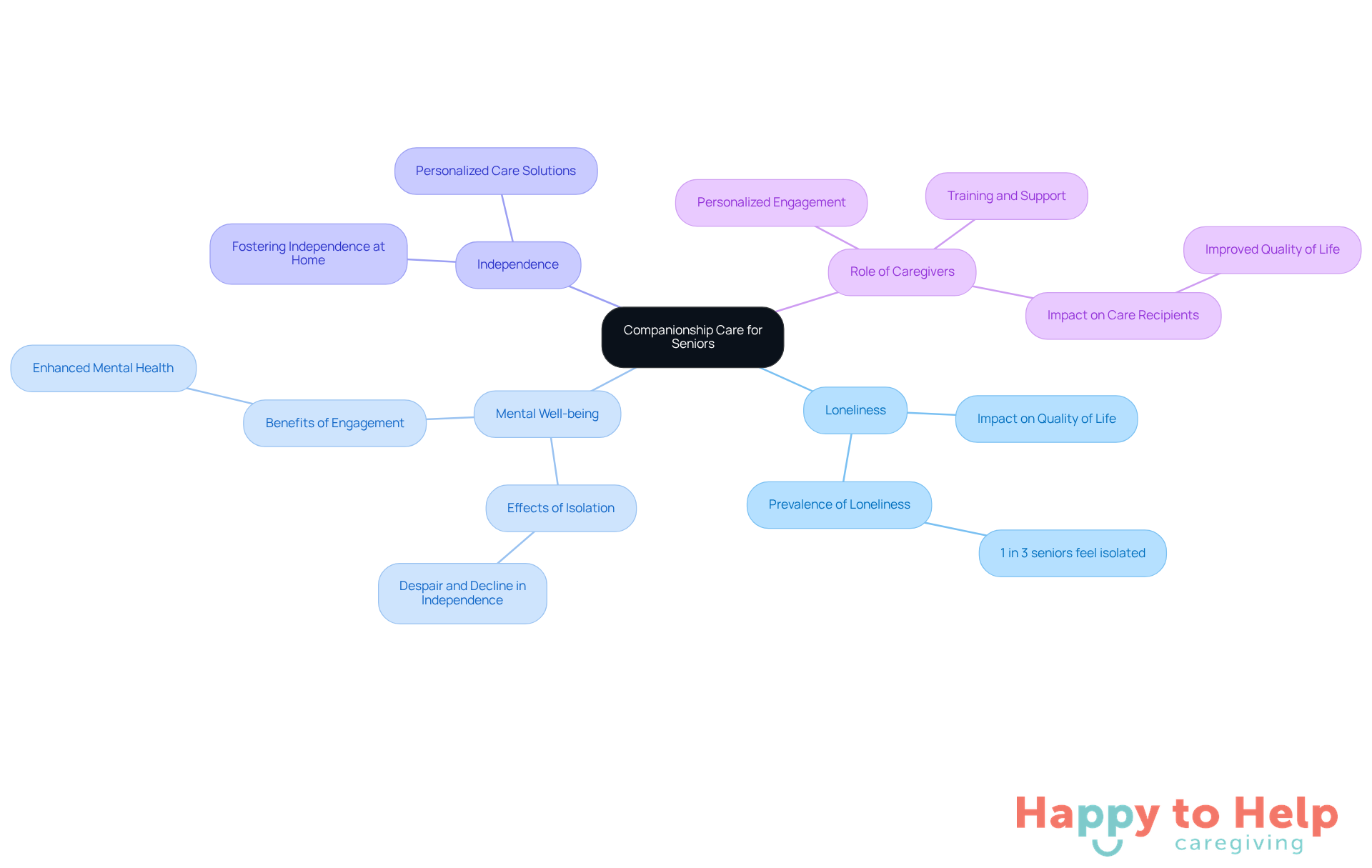
Loneliness and isolation are significant challenges faced by older adults, impacting their mental well-being and overall quality of life. These issues can lead to feelings of despair and a decline in independence, making it crucial to address them effectively.
Happy to Help Caregiving acknowledges the significance of companionship care at home specifically tailored for older adults. By providing personalized engagement, caregivers can help combat these feelings of loneliness, fostering a sense of belonging and connection. Expertly trained caregivers engage clients in meaningful activities, which not only enhances their mental health but also promotes independence in the comfort of their own homes.
Recent trends indicate a growing acknowledgment of the role companionship care at home plays in home assistance. Geriatric professionals emphasize that such support significantly enhances the quality of life for older adults. By focusing on companionship care at home, Happy to Help Caregiving ensures that clients receive the individualized assistance and encouragement they need, leading to a more fulfilling and connected life.
Reduced Loneliness: Enhancing Emotional Well-Being Through Companionship
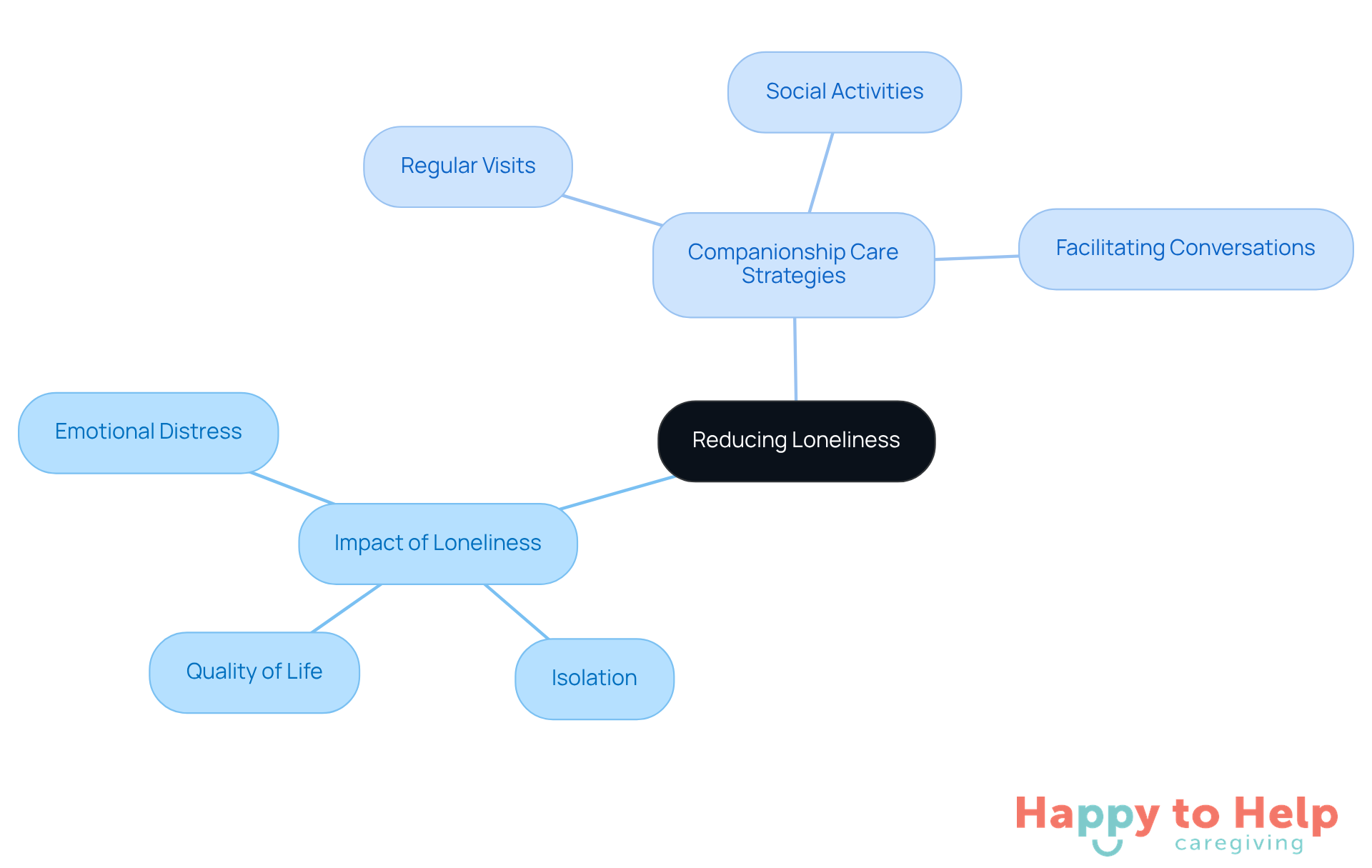
Loneliness among seniors is a significant issue that can lead to serious emotional distress. Many elderly individuals experience feelings of isolation, which can exacerbate conditions like depression and anxiety. This problem not only affects their mental health but also their overall quality of life.
Companionship care at home offers a practical solution to combat these feelings of loneliness. Frequent engagement with caregivers provides essential psychological support, helping seniors feel more connected and valued. Through conversations, sharing stories, and participating in activities together, caregivers can foster a sense of connection that is vital for emotional well-being.
To implement companionship care effectively, caregivers can:
- Schedule regular visits to ensure consistent interaction.
- Encourage participation in social activities that align with the senior's interests.
- Facilitate conversations that allow seniors to share their experiences and feelings.
By addressing the problem of loneliness and actively engaging with seniors, caregivers can significantly improve their emotional health and overall happiness.
Enhanced Quality of Life: The Positive Impact of Companionship on Daily Living
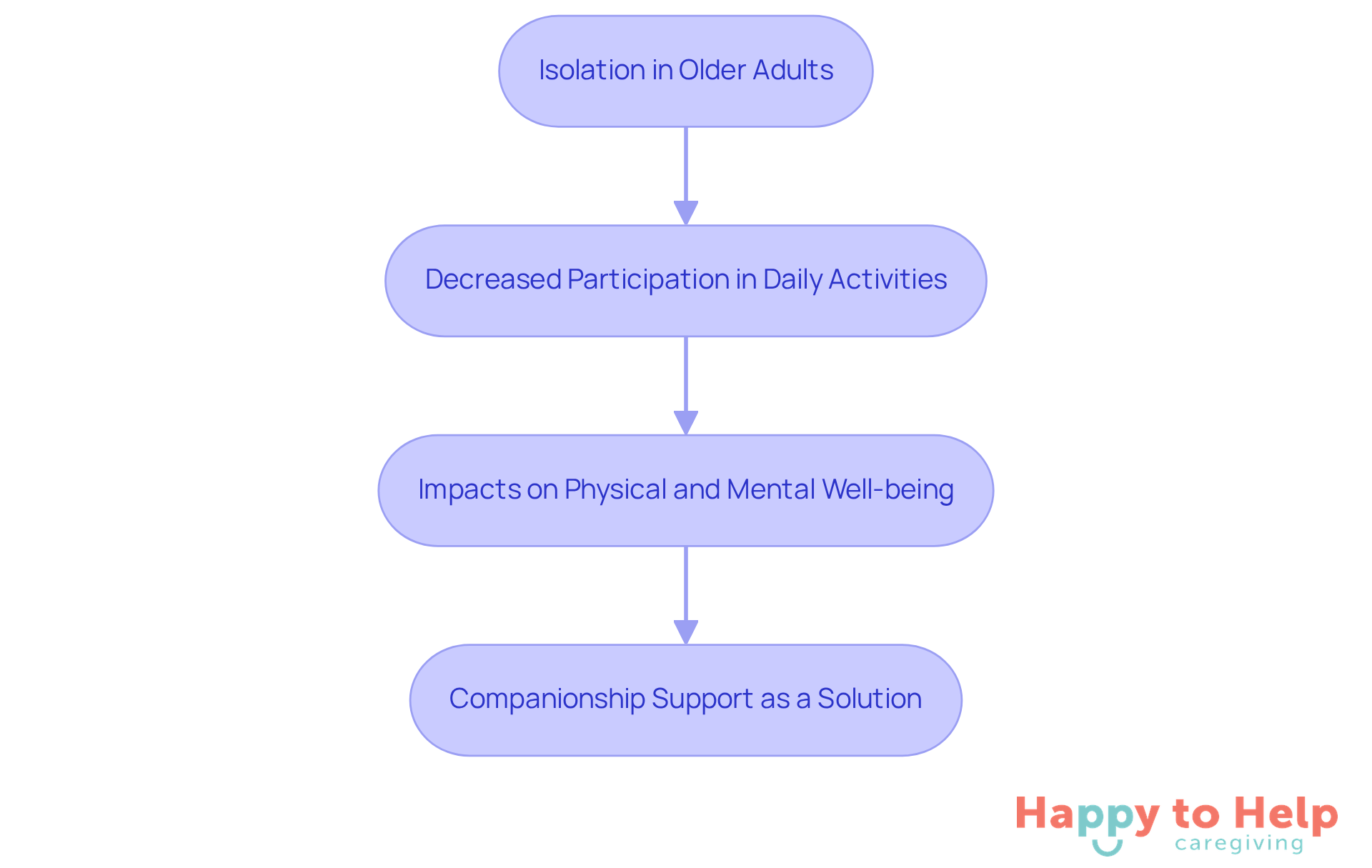
Problem: Many older adults face isolation, which can significantly diminish their quality of life. This lack of companionship often leads to decreased participation in daily activities, leaving seniors feeling disengaged and unfulfilled.
Agitate: The implications of this isolation are profound. Without regular interaction and support, older adults may struggle with maintaining a clean and safe environment, which can further impact their physical and mental well-being. This cycle of inactivity can lead to feelings of loneliness and dissatisfaction in daily life.
Solution: Companionship support can effectively address these challenges. Caregivers play a crucial role by assisting with hobbies, meal preparation, and light housekeeping. This not only helps maintain a clean environment but also encourages seniors to stay active and involved in their routines. By fostering active participation, caregivers can enhance the satisfaction and fulfillment that older adults experience in their daily lives.
Peace of Mind for Families: Trusting Companionship Care for Loved Ones
Families often face significant anxiety regarding the well-being of their loved ones. This concern can weigh heavily, making it difficult for them to focus on their own responsibilities. The problem lies in the need for reliable support that not only addresses physical needs but also provides emotional reassurance.
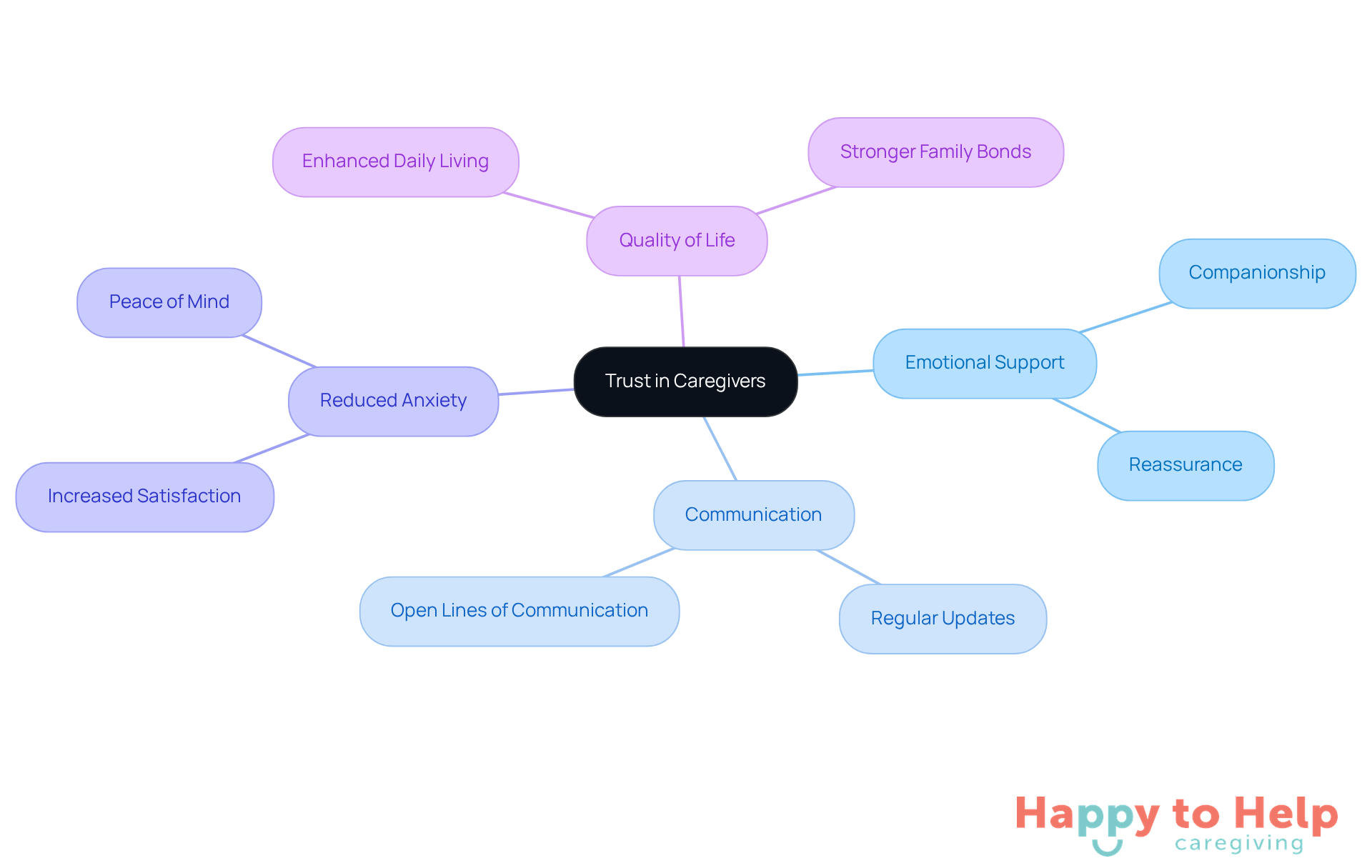
To alleviate this stress, trust in caregivers is essential. When families can rely on caregivers to deliver both psychological and physical support, they can shift their focus back to their daily lives. This trust is built through consistent communication and a caregiver's unwavering commitment to meeting each client's unique needs.
Research shows that caregivers who provide regular updates and maintain open lines of communication foster a deeper sense of trust among families. Moreover, families who trust their caregiver's skills report reduced anxiety and increased satisfaction with the assistance provided.
By prioritizing trust and emotional connection, companionship support not only enhances the quality of life for older adults but also significantly reduces the stress experienced by their families. Implementing these strategies can lead to a more harmonious caregiving experience for everyone involved.
Customized Care Plans: Tailoring Companionship to Individual Needs
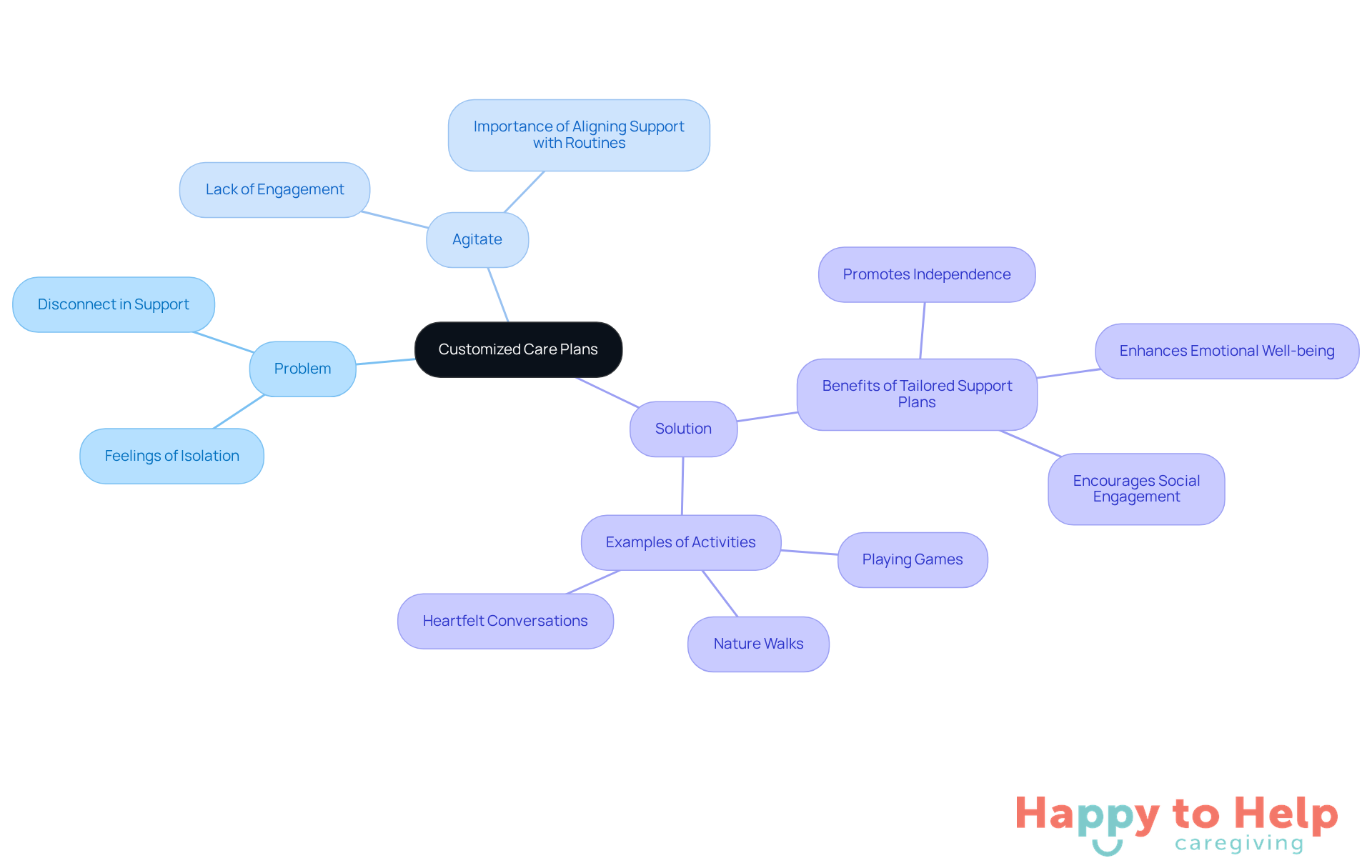
Problem: Many elderly individuals face feelings of isolation and loneliness, which can significantly impact their quality of life. Caregivers often struggle to provide companionship care at home that truly resonates with their clients, which leads to a disconnect in support.
Agitate: Without tailored support, elderly individuals may not engage in activities that bring them joy or comfort. This lack of connection can exacerbate feelings of loneliness, making it crucial for caregivers to understand and address the unique needs and preferences of each individual. Studies indicate that older adults thrive when their support aligns with their established routines and interests, fostering a sense of security and belonging.
Solution: Tailored support plans are essential for effective companionship care at home. By reflecting the distinct needs, preferences, and lifestyles of each elderly individual, these plans empower caregivers to engage clients in meaningful activities-whether it’s playing games, enjoying nature walks, or sharing heartfelt conversations. Care coordinators emphasize the importance of grasping personal preferences, stating that acknowledging what older adults appreciate enables caregivers to offer emotional support that genuinely resonates.
Customized support plans enhance quality of life by promoting independence, comfort, and social engagement. By concentrating on individualized support, companionship care at home not only combats feelings of isolation but also significantly improves the overall quality of life for elderly individuals, fostering their independence and well-being.
Support with Daily Activities: Maintaining Independence Through Companionship
Many older adults face the challenge of maintaining their independence as they navigate daily tasks. This can lead to feelings of isolation and frustration, as they may struggle with activities that were once routine.
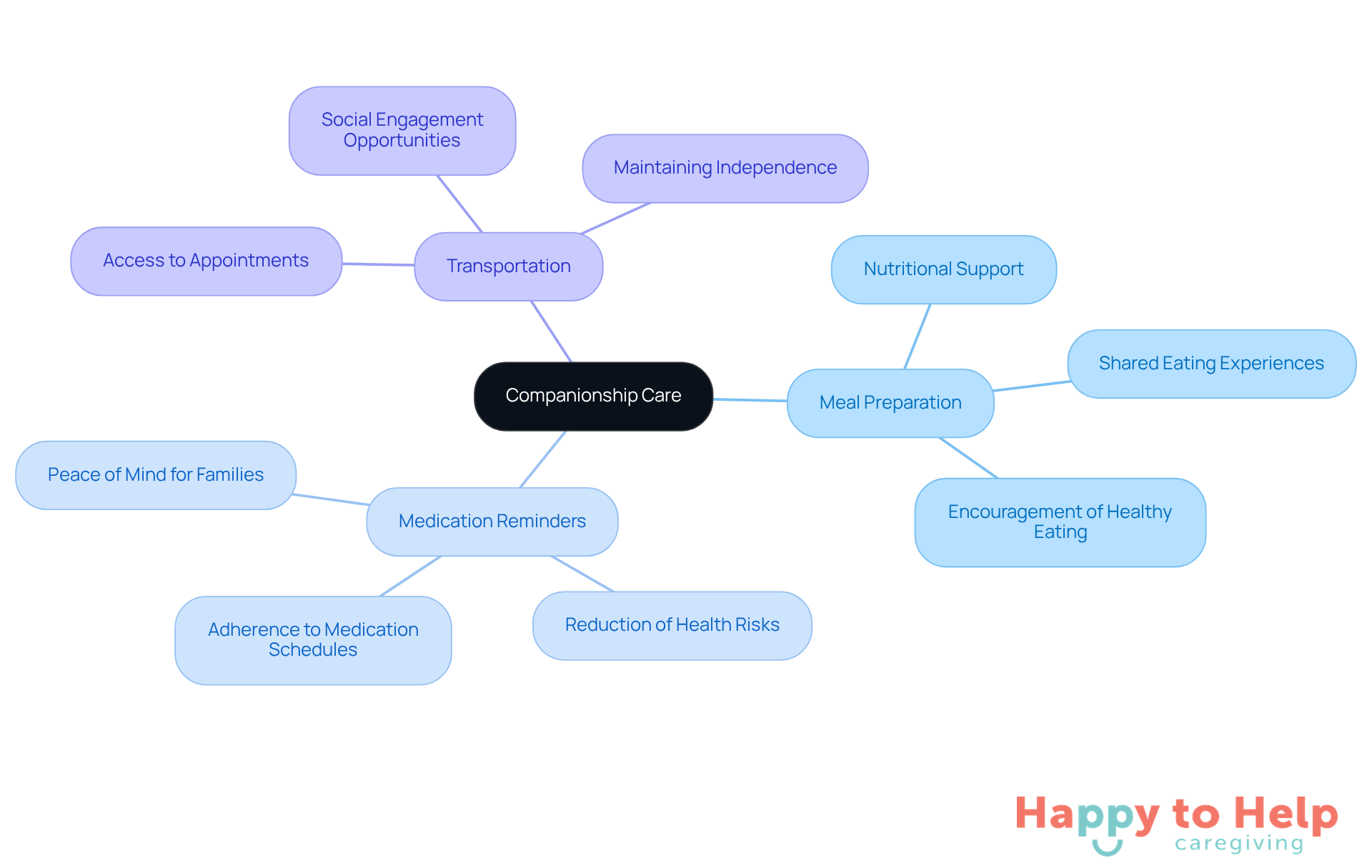
Companionship care at home addresses this issue by offering crucial help with everyday tasks. Caregivers play a vital role in this support system, assisting with:
- Meal preparation
- Medication reminders
- Transportation to appointments
By providing companionship care at home, seniors can live comfortably while ensuring they have the assistance they need to manage their daily routines effectively. This not only enhances their quality of life but also fosters a sense of independence and dignity.
Respite for Family Caregivers: Easing the Burden Through Companionship
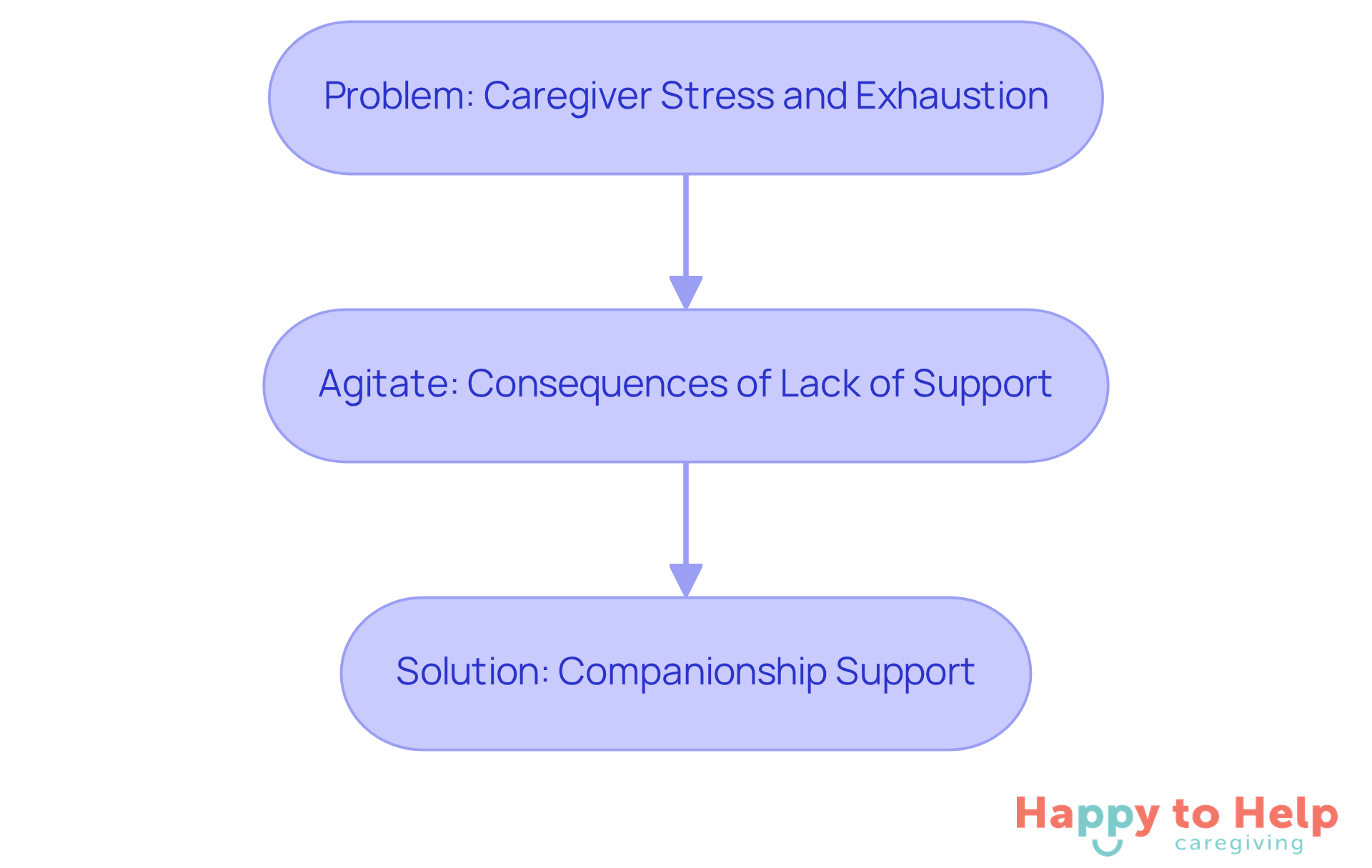
Problem: Family caregivers often face overwhelming stress and exhaustion, leading to burnout. This can negatively impact their health and the quality of care they provide.
Agitate: Without proper support, caregivers may struggle to find time for themselves, which can result in physical and emotional fatigue. This not only affects their well-being but also the well-being of their loved ones, as caregivers may become less effective in their roles.
Solution: Companionship support offers essential relief for family caregivers. By offering companionship care at home, caregivers can take necessary breaks to recharge, knowing their loved ones are in capable hands. This respite is crucial for preventing caregiver burnout and maintaining the overall health and well-being of those who provide care.
Post-Hospital Recovery Support: The Role of Companionship in Healing
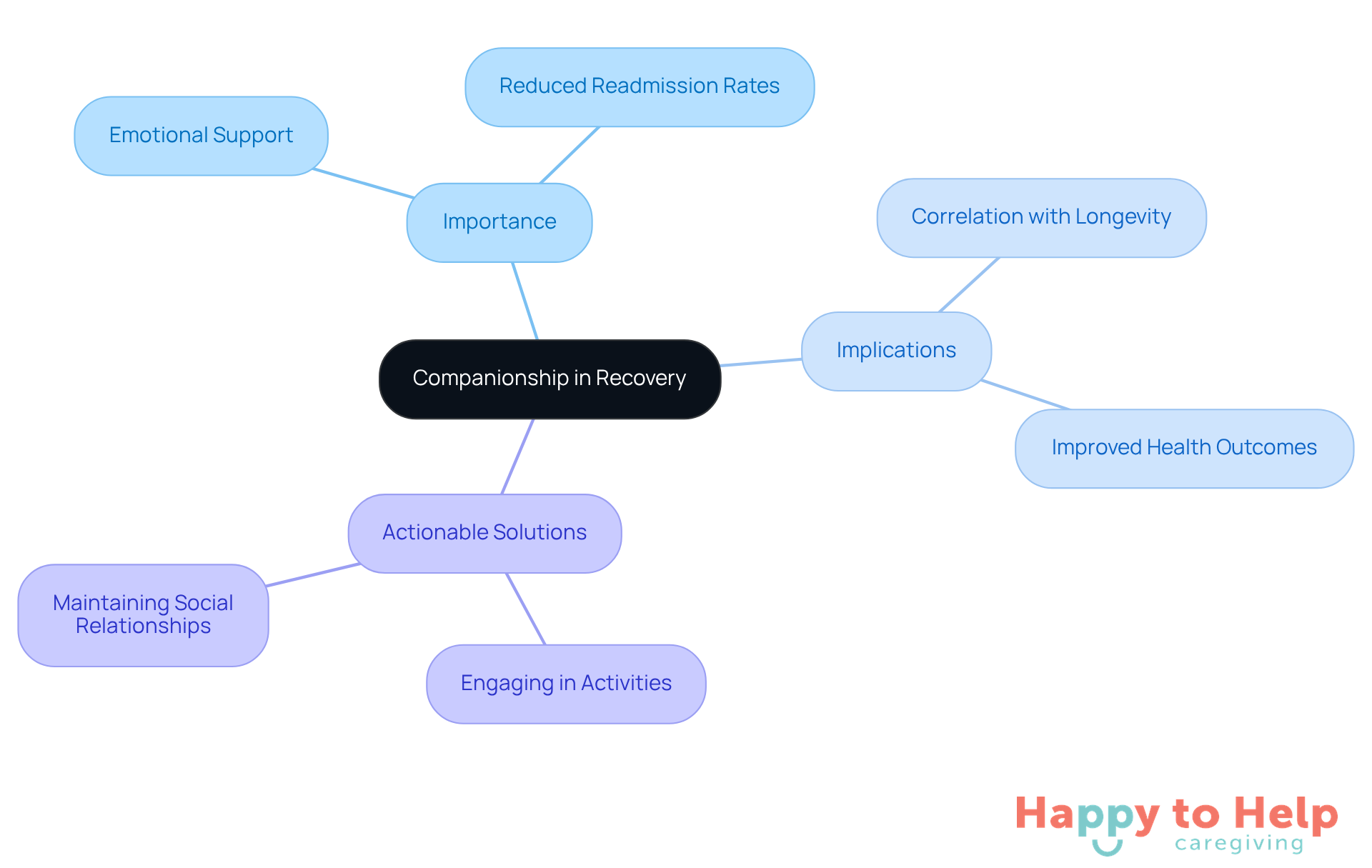
Companionship is a critical factor for elderly individuals during post-hospital recovery. Without it, their rehabilitation process can suffer significantly. Caregivers face the challenge of providing not just physical assistance but also emotional support, which is essential for recovery.
The implications of lacking companionship are profound. Research indicates that strong social relationships correlate with greater longevity and improved health. This highlights the vital role companionship plays in enhancing safety at home. Moreover, elderly individuals who receive in-home support experience reduced hospital readmission rates. The presence of caregivers alleviates anxiety and fosters independence, which is crucial for healing.
To address these challenges, caregivers can implement several actionable solutions:
- Engaging elderly individuals in meaningful activities
- Maintaining social relationships
These actions can significantly boost their mental well-being. This, in turn, aids in faster recovery times. As rehabilitation experts note, emotional assistance is a key element of successful recovery, helping older adults navigate the challenges they face after hospitalization.
By ensuring that older adults feel valued and supported in their familiar environments, companionship assistance becomes a cornerstone of their healing process. Caregivers should prioritize creating a nurturing atmosphere that fosters both physical and emotional recovery.
24/7 Availability: Ensuring Continuous Support Through Companionship Care
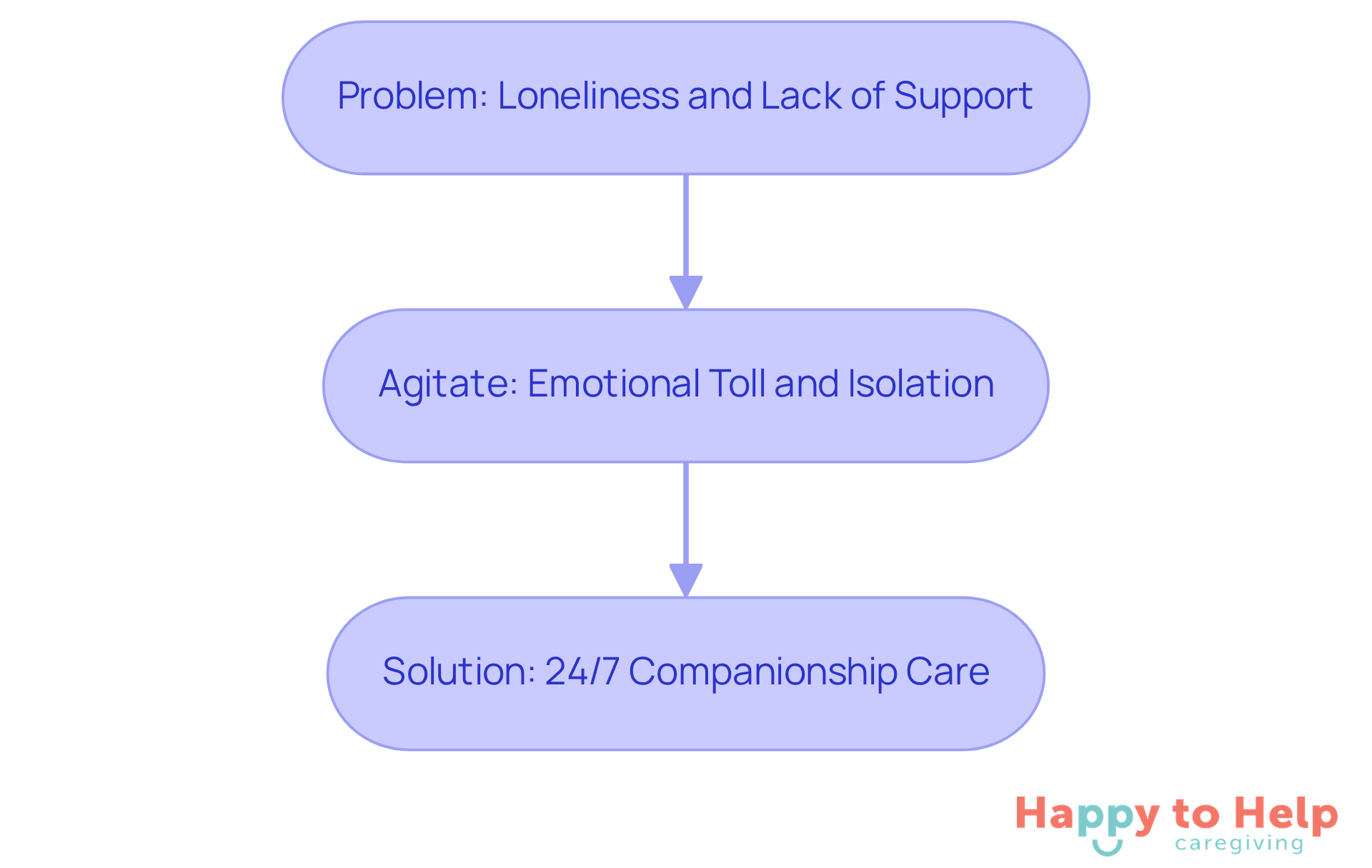
Problem: Many seniors face loneliness and a lack of immediate support, which can lead to feelings of isolation and anxiety. This situation is particularly concerning during emergencies when prompt assistance is crucial.
Agitate: The emotional toll of loneliness can significantly impact a senior's quality of life. Research shows that continuous support not only alleviates feelings of isolation but also enhances overall well-being. In fact, over 90% of users report feeling less lonely, underscoring the psychological benefits of having ongoing assistance.
Solution: Happy to Help Caregiving addresses these challenges by offering round-the-clock companionship. This essential service ensures that seniors have immediate access to help whenever they need it, fostering a sense of security in their living environment. Families can rest easy knowing that assistance is just a call away, allowing them to focus on their own well-being while ensuring their loved ones are safe and supported.
Expert opinions emphasize the importance of emergency preparedness in home assistance. Quick responses can prevent complications and improve health outcomes. With skilled caregivers available, elderly individuals receive not only physical support but also emotional care, which is vital for navigating the challenges of aging.
Technology Integration: Enhancing Companionship Care Through Modern Solutions
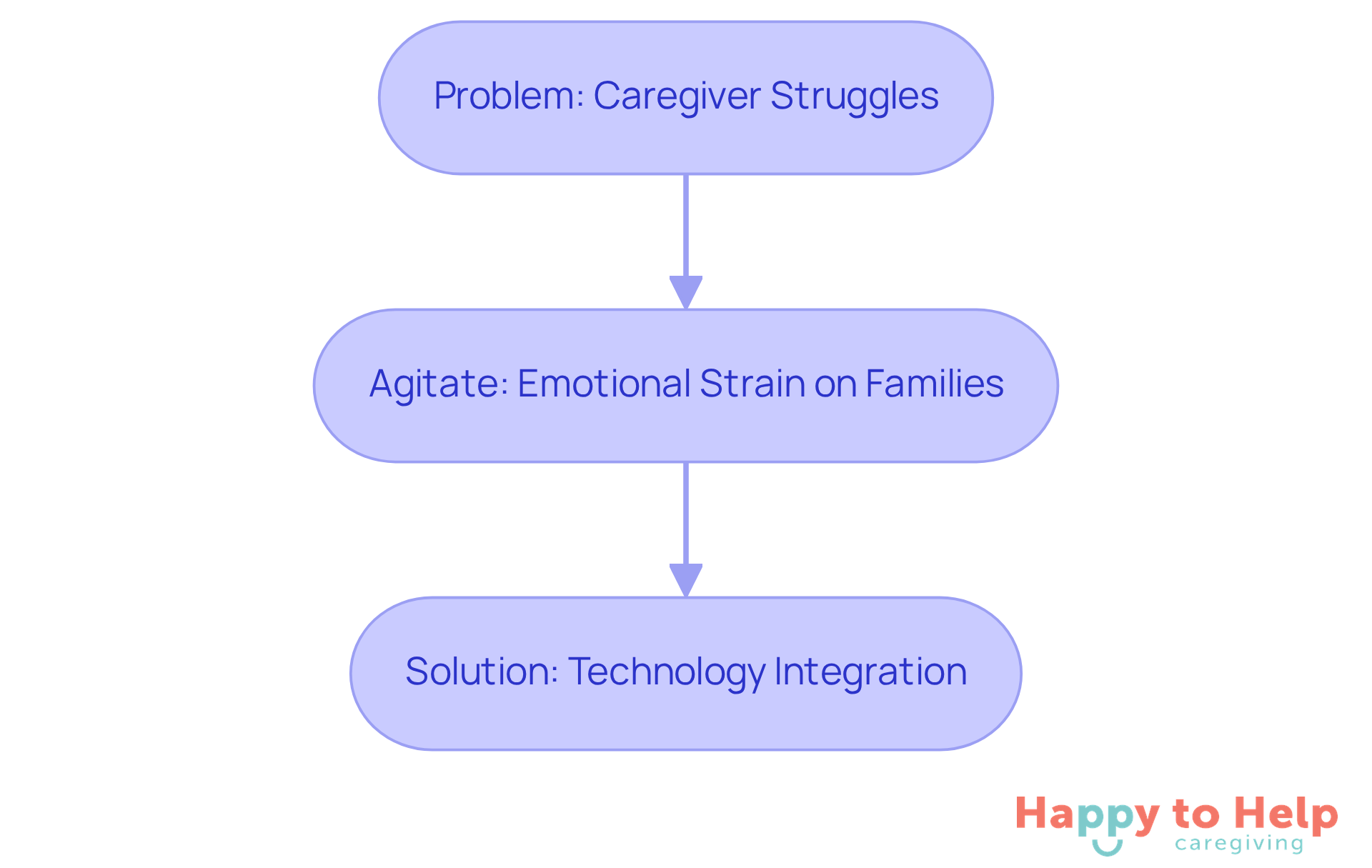
Problem: Caregivers often struggle to provide adequate support for older adults, leading to feelings of isolation and stress for both seniors and their families.
Agitate: This lack of support can create significant emotional strain, making it difficult for families to stay connected and informed about their loved ones' well-being.
Solution: Fortunately, technology can bridge this gap. Tools like telehealth services, medication reminders, and online communication platforms empower caregivers to enhance their support. These resources not only improve care delivery but also foster stronger connections between seniors and their families. By incorporating these technologies, caregivers can ensure that families remain engaged and informed, ultimately enriching the overall experience for everyone involved.
Moving Forward with Companionship Care at Home
Companionship care at home addresses a significant problem: the loneliness and isolation that many seniors face. These feelings can lead to serious emotional and physical health issues, diminishing their quality of life. Without meaningful connections, older adults may struggle to maintain their independence and engage in daily activities.
The implications of this problem are profound. Seniors who feel isolated often experience increased anxiety and depression, which can further hinder their ability to enjoy life. This is where companionship care becomes a vital solution. By fostering meaningful connections and providing personalized support, caregivers enhance the emotional well-being of older adults, empowering them to thrive in a familiar environment.
Key benefits of companionship care include:
- Reduced feelings of loneliness
- Improved emotional health
- Promotion of a more active lifestyle
Trust between caregivers and families is crucial in alleviating anxiety and ensuring a supportive atmosphere. With services available around the clock, families can rest easy knowing their loved ones receive consistent and compassionate care.
In conclusion, the significance of companionship care cannot be overstated. It transforms the lives of seniors by enhancing their emotional and physical well-being while providing essential support to families navigating the complexities of caregiving. Embracing companionship care is a proactive step toward fostering a nurturing environment that prioritizes the dignity and happiness of older adults, making it a vital consideration for anyone involved in senior care.
https://iframe.tely.ai/cta/eyJhcnRpY2xlX2lkIjogIjY5MjRmMWRmZWM0Y2FiOGU3NGVjMDBkZCIsICJjb21wYW55X2lkIjogIjY4ZWU1ZGNhNzMxNzYyNTU3ZjNjOTVjMSIsICJpbmRleCI6IG51bGwsICJ0eXBlIjogImFydGljbGUifQ==Frequently Asked Questions
What is the main focus of Happy to Help Caregiving?
Happy to Help Caregiving focuses on providing personalized companionship care for seniors, addressing loneliness and isolation to enhance their mental well-being and overall quality of life.
How does companionship care benefit older adults?
Companionship care helps combat feelings of loneliness, fosters a sense of belonging, and promotes independence by engaging seniors in meaningful activities that enhance their mental health.
What trends are emerging regarding companionship care at home?
There is a growing acknowledgment among geriatric professionals of the significant role companionship care plays in home assistance, which enhances the quality of life for older adults.
What are the emotional impacts of loneliness on seniors?
Loneliness can lead to serious emotional distress, exacerbating conditions like depression and anxiety, and negatively affecting seniors' overall quality of life.
How can companionship care effectively combat loneliness?
Caregivers can combat loneliness by scheduling regular visits, encouraging participation in social activities aligned with the senior's interests, and facilitating conversations that allow seniors to share their experiences and feelings.
What role do caregivers play in enhancing the quality of life for seniors?
Caregivers assist with hobbies, meal preparation, and light housekeeping, which helps maintain a clean environment and encourages seniors to stay active and engaged in their daily routines.
What are the consequences of isolation for older adults?
Isolation can lead to decreased participation in daily activities, feelings of disengagement, and dissatisfaction in life, which can further impact their physical and mental well-being.
How does companionship care improve daily living for seniors?
By fostering active participation in various activities, companionship care enhances satisfaction and fulfillment in the daily lives of older adults, helping them feel more connected and valued.
List of Sources
- Happy to Help Caregiving: Personalized Companionship Care for Seniors
- Why Home Care Providers Are Increasingly Offering Companion Care Services for Seniors | Aaniie, formerly Smartcare Software (https://aaniie.com/news/why-home-care-providers-are-increasingly-offering-companion-care-services-for-seniors)
- Executive Home Care Honors Family Caregivers During National Family Caregivers Month (https://mytwintiers.com/business/press-releases/cision/20251117LA25356/executive-home-care-honors-family-caregivers-during-national-family-caregivers-month)
- The Caregiving Landscape: Data & Insights on the Caregiver Experience in the U.S. (https://caregiveraction.org/caregiver-statistics)
- Blog - Happy To Help (https://happytohelpcaregiving.com/blog)
- Caregiver Statistics: Demographics (https://caregiver.org/resource/caregiver-statistics-demographics)
- Reduced Loneliness: Enhancing Emotional Well-Being Through Companionship
- Companion Care at Home Reduces Loneliness for Seniors During the Holidays (https://lifesathomecare.com/companion-care-at-home-reduces-loneliness-for-seniors-during-the-holidays)
- How Companion Home Care Reduces Loneliness and Depression in Seniors - SYNCHRONY HOME HEALTH CARE (https://synchronyfl.com/how-companion-home-care-reduces-loneliness-and-depression-in-seniors)
- AI Companions Redefine Elder Care: 3 Ways They Fight Loneliness, Boost Safety And Scale Support (https://forbes.com/sites/cathyrubin/2025/05/16/ai-companions-are-redefining-elder-care-3-ways-they-fight-loneliness-boost-safety-and-scale-support)
- The Emotional Benefits of Companion Care for Seniors (https://comfortkeepers.com/offices/texas/round-rock/resources/news/the-emotional-benefits-of-companion-care-for-seniors)
- The Friendly Caller Who’s Helping Seniors Feel Less Lonely (https://wsj.com/health/wellness/the-friendly-caller-whos-helping-seniors-feel-less-lonely-cd21ef54?gaa\_at=eafs&gaa\_n=AWEtsqc4OdVQee1DBj69wVi1-3kq2RubqNnneuLu1B7ZuF8pvWqeMbIYfuQj&gaa\_ts=6924f690&gaa\_sig=xzRgRudmVnqSDCm6k6jgiEy1yfOGforY0u7QMLG5kgZvUFzYFnBHtS9I7QAemw8t0wHhnHFSZmU1ZbhxCrRT-A%3D%3D)
- Enhanced Quality of Life: The Positive Impact of Companionship on Daily Living
- Older adults find support through health care companions (https://news-medical.net/news/20250924/Older-adults-find-support-through-health-care-companions.aspx)
- How Companion Care Enhances Quality of Life for Seniors (https://seniorsbluebook.com/articles/how-companion-care-enhances-quality-of-life-for-seniors)
- 10 Benefits of Elderly Companion Care for Your Loved Ones - Happy To Help (https://happytohelpcaregiving.com/10-benefits-of-elderly-companion-care-for-your-loved-ones)
- Peace of Mind for Families: Trusting Companionship Care for Loved Ones
- Peace of Mind at Home: How In-Home Care Supports Visiting Seniors and Post-Surgery Recovery (https://alexandrialivingmagazine.com/home-and-garden/peace-of-mind-at-home-how-in-home-care-supports-visiting-sen)
- Lubbock Families Discover Peace of Mind with In-Home Care as an Alternative to Assisted Living (https://kget.com/business/press-releases/ein-presswire/849573471/lubbock-families-discover-peace-of-mind-with-in-home-care-as-an-alternative-to-assisted-living)
- Support for Family Caregivers Brings Peace of Mind (https://hiredhandshomecare.com/support-for-family-caregivers-brings-peace-of-mind)
- When Care Becomes Comfort: Real Stories. Real Impact. - Cornerstone Caregiving (https://cornerstonecaregiving.com/blog/when-care-becomes-comfort-real-stories-real-impact)
- Signs Your Loved One May Need Support (https://clearwaterliving.com/news-blog/signs-your-loved-one-may-need-support?article=the-greatest-gift-this-holiday-peace-of-mind-about-your-aging-loved-one-s-next-chapter)
- Customized Care Plans: Tailoring Companionship to Individual Needs
- The Value of Personalized Companion Care for Aging Adults (https://brightcarehomecare.com/baton-rouge/the-value-of-personalized-companion-care-for-aging-adults)
- Novel Care Model May Improve Outcomes for Older Adults With Multiple Chronic Conditions (https://consultqd.clevelandclinic.org/novel-care-model-may-improve-outcomes-for-older-adults-with-multiple-chronic-conditions)
- How a Customized Assisted Living Care Plan Ensures You Flourish (https://stoneybrookseniorliving.org/blog/how-a-customized-assisted-living-care-plan-ensures-you-flourish)
- The Benefits of Personalized Care:Take a Tailor-Made Approach (https://visiting-angels.co.uk/northwestkent/blog/the-benefits-of-personalized-care-why-visiting-angels-take-a-tailor-made-approach)
- Customized Care at Home: The Benefits of Personalized Care Plans - VNA Health Group (https://vnahg.org/customized-care-at-home-the-benefits-of-personalized-care-plans)
- Support with Daily Activities: Maintaining Independence Through Companionship
- On the Bright Side | Central PA agency helps seniors keep living independently (https://fox43.com/article/news/local/fox43-on-the-bright-side-senior-helpers-central-pa-care/521-18f52d80-8cd7-4d6a-a3d6-1496b89b9944)
- Care to Stay Home Highlights Live-In Caregivers Improving Daily Life in Spokane, WA (https://wjbf.com/business/press-releases/ein-presswire/866934068/care-to-stay-home-highlights-live-in-caregivers-improving-daily-life-in-spokane-wa)
- How Senior In-Home Care Promotes Independence in San Antonio, TX (https://news10.com/business/press-releases/ein-presswire/866935491/how-senior-in-home-care-promotes-independence-in-san-antonio-tx)
- Aging in Place with Connection: How In-Home Senior Care Supports Independence and Mental Wellbeing - Arlington & Alexandria (https://aplaceathome.com/arlington-alexandria/2025/06/04/aging-in-place-with-connection-how-in-home-senior-care-supports-independence-and-mental-wellbeing)
- How Senior Home Care Helps Older Adults Stay Independent Every Day (https://providentcare.com/how-senior-home-care-helps-older-adults-stay-independent-every-day)
- Respite for Family Caregivers: Easing the Burden Through Companionship
- News & Success Stories | Live Well San Diego (https://livewellsd.org/Home/Components/News/News/513/153)
- Family Caregivers Struggling In Some States More Than Others (https://disabilityscoop.com/2025/10/31/family-caregivers-struggling-in-some-states-more-than-others/31710)
- News & Updates | ARCH National Respite Network & Resource Center (https://archrespite.org/news)
- A bill in Congress would return $5,000 to millions of family caregivers every year, but will it pass? (https://cbsnews.com/newyork/news/credit-for-caring-act-family-caregiver-tax-credit)
- Funding Opportunity: National Lifespan Respite Care Program State Program Enhancement Grants | ACL Administration for Community Living (https://acl.gov/news-and-events/announcements/national-lifespan-respite-care-program-state-program-enhancement)
- Post-Hospital Recovery Support: The Role of Companionship in Healing
- 10 Essential Companions for Seniors at Home to Enhance Care - Happy To Help (https://happytohelpcaregiving.com/10-essential-companions-for-seniors-at-home-to-enhance-care)
- Post Hospital Care at Home Prevents Readmissions (https://genuineglobalcare.com/post-hospital-care-at-home-prevents-readmissions)
- Post-Hospital Discharge: Why In-Home Care Improves Recovery for Florida Seniors (https://visitingangels.com/tampafl/news-info/post-hospital-discharge-why-in-home-care-improves-recovery-for-florida-seniors/26196)
- Charity starts companion service at hospital (https://aol.com/news/charity-starts-companion-hospital-061015013.html)
- 24/7 Availability: Ensuring Continuous Support Through Companionship Care
- AI Companions Redefine Elder Care: 3 Ways They Fight Loneliness, Boost Safety And Scale Support (https://forbes.com/sites/cathyrubin/2025/05/16/ai-companions-are-redefining-elder-care-3-ways-they-fight-loneliness-boost-safety-and-scale-support)
- Seniors using AI robots to combat loneliness (https://abc7news.com/post/seniors-ai-robot-companionship/14154002)
- 10 Benefits of Care Around the Clock for Your Loved Ones - Happy To Help (https://happytohelpcaregiving.com/10-benefits-of-care-around-the-clock-for-your-loved-ones)
- AI companion helps seniors at Bronx facility combat loneliness | Breaking the Stigma (https://cbsnews.com/newyork/video/ai-companion-helps-seniors-at-bronx-facility-combat-loneliness-breaking-the-stigma)
- Technology Integration: Enhancing Companionship Care Through Modern Solutions
- New York’s elderly can now get a ‘virtual companion’ for chats, medication reminders and memory games (https://nypost.com/2025/04/16/health/ai-companion-for-elderly-has-for-chats-medication-reminders-and-games)
- Lonely Seniors Are Turning To AI Bots For Companionship (https://forbes.com/sites/rashishrivastava/2025/10/18/lonely-seniors-are-turning-to-ai-bots-for-companionship)
- Virtual Care Perceptions and Experiences of Older Adults During COVID-19 in Canada: A Systematic Review - PMC (https://pmc.ncbi.nlm.nih.gov/articles/PMC12345755)
- Telehealth Is Just as Effective as In-person Care, Study Finds (https://medicine.yale.edu/news-article/telehealth-is-just-as-effective-as-in-person-care-new-study-finds)