10 Benefits of Companionship Care Services for Seniors
For families in our service areas
For families in our service areas, this guide explains companion care and how non-medical in-home caregiving can support care planning in East Idaho, Treasure Valley & Magic Valley, Northern Wasatch, North Central West Virginia, and Northeast Ohio.
What You Need to Know About Companionship Care Services
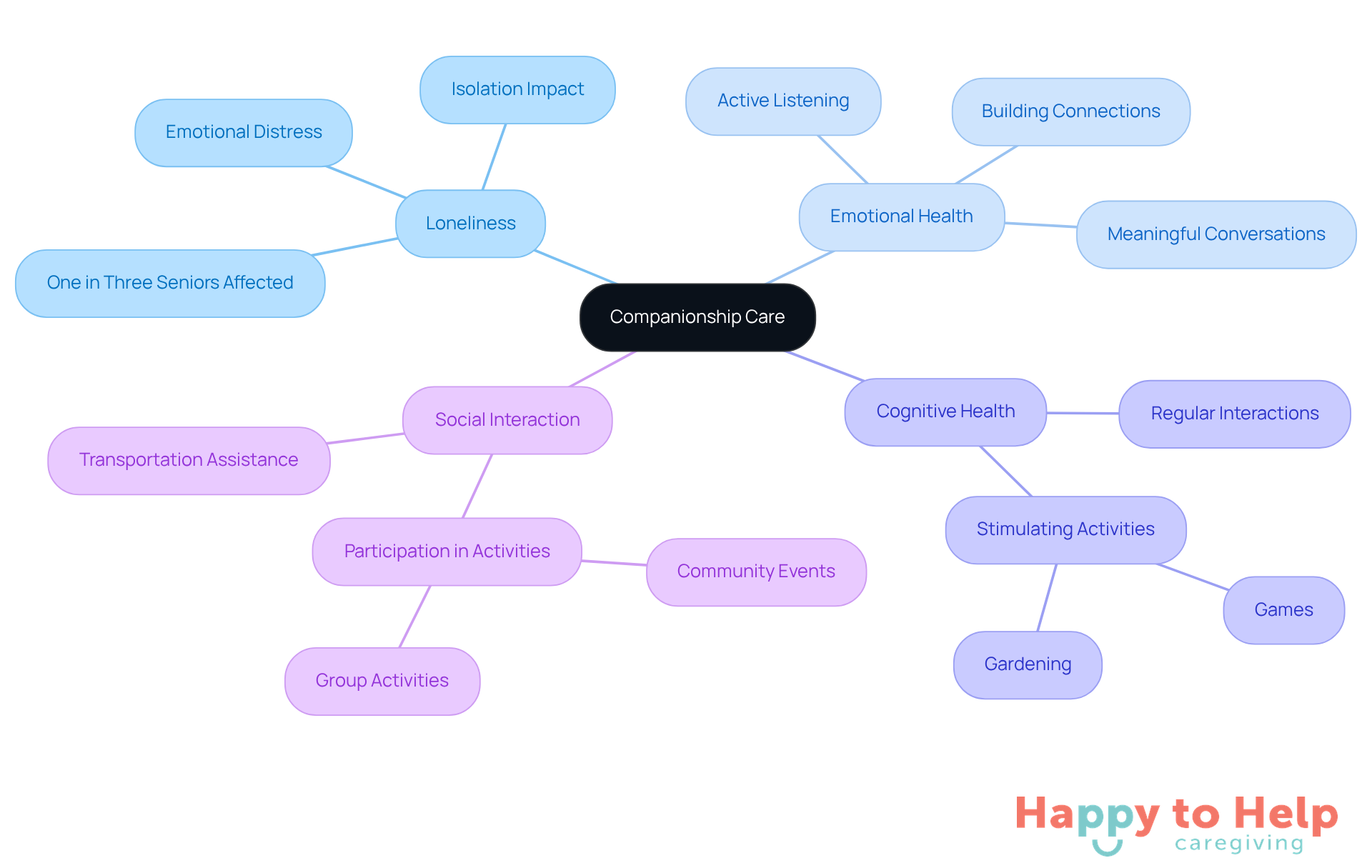
Companionship care services have emerged as a vital solution to a pressing issue faced by many seniors: pervasive loneliness. This loneliness can significantly impact their emotional and mental well-being. In fact, one in three older adults experiences feelings of isolation. The importance of fostering meaningful connections cannot be overstated.
The implications of this loneliness are profound. It affects not only the emotional state of seniors but also their overall quality of life. Companionship care addresses these emotional challenges, enhancing the lives of elderly individuals.
So, what are the transformative effects of companionship? Tailored support can make a significant difference, providing seniors with the connections they need to thrive. This article will explore the myriad benefits of companionship care, offering actionable insights for caregivers.
Enhance Emotional Well-Being Through Companionship Care
Companionship care addresses a significant problem: loneliness among older adults. This issue affects one in three seniors, leading to feelings of sadness and anxiety. The lack of social interaction can severely impact mental well-being, increasing the risk of depression and diminishing overall quality of life.
To combat this, caregivers can provide essential psychological support through meaningful conversations and active listening. By fostering heartfelt connections, caregivers help alleviate loneliness and create a sense of belonging. This connection not only enhances emotional health but also encourages participation in social activities, enriching the lives of elderly individuals.
Regular interactions with caregivers stimulate cognitive health and transform daily routines into enjoyable experiences. By prioritizing companionship care services, caregivers can significantly improve the physical, mental, and emotional well-being of older adults, promoting a happier and healthier lifestyle.
Combat Loneliness and Social Isolation with Companion Care
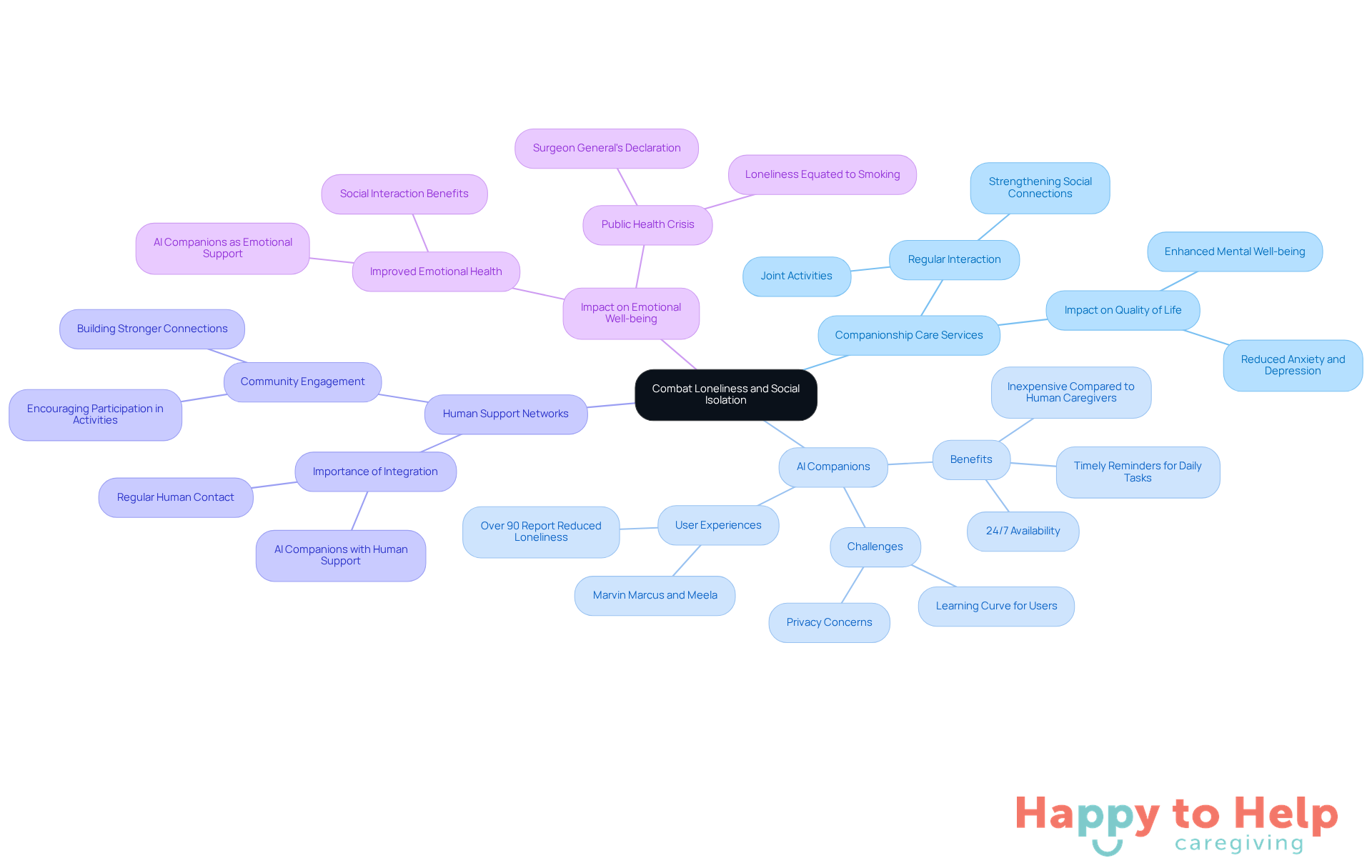
Loneliness and social isolation among older adults is a significant problem that caregivers face. Companionship care services play a pivotal role in addressing this issue. Caregivers provide regular interaction, helping elderly individuals feel connected and appreciated. Participating in joint activities, such as games or excursions, not only strengthens social connections but also motivates seniors to engage with their communities, greatly enhancing their mental well-being.
Studies indicate that social interaction can improve emotional health. In fact, over 90% of users of AI companions report reduced feelings of loneliness, as highlighted by various studies in the field. Marvin Marcus, an 83-year-old resident at RiverSpring Living, shared that his conversations with the AI companion Meela provided him with stimulating discussions he valued more than interactions with others. This highlights the effectiveness of AI companions in combating loneliness.
As John Enwere, founder of Caringene, notes, "AI companions are most effective when paired with a strong human support network." This underscores the importance of integrating companionship care services to ensure that loved ones remain engaged and connected. Furthermore, the U.S. Surgeon General has declared loneliness a public health crisis, emphasizing the urgency of addressing this issue among older adults.
To enhance the quality of life and emotional well-being of older adults, families can implement companionship care services. Regular check-ins with AI companions or engaging in shared activities can make a significant difference. By taking these steps, caregivers can help their loved ones feel more connected and appreciated.
Receive Personalized Support Tailored to Individual Needs
Caregivers often face the challenge of meeting the unique needs of each elder they assist. Without a tailored approach, older adults may miss out on essential companionship care services and engagement, resulting in feelings of isolation and dissatisfaction.
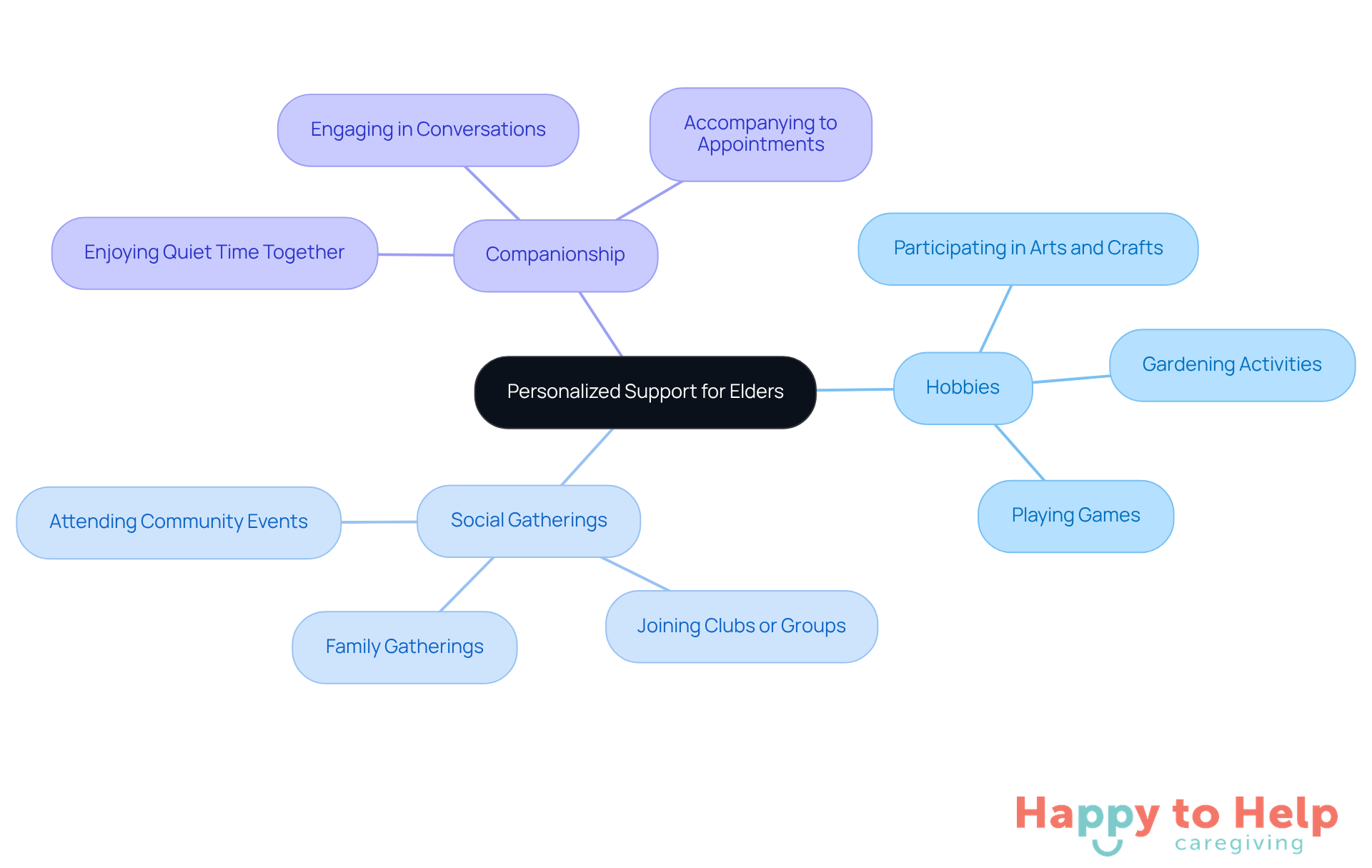
To address this issue, caregivers can assess individual preferences, routines, and interests. By creating a customized care plan, they ensure that older adults receive the support they need through companionship care services, whether it’s:
- Participating in hobbies
- Attending social gatherings
- Simply enjoying peaceful companionship
This personalized method not only enhances the quality of care but also enriches the lives of those they serve.
Promote Independence and Autonomy in Daily Living
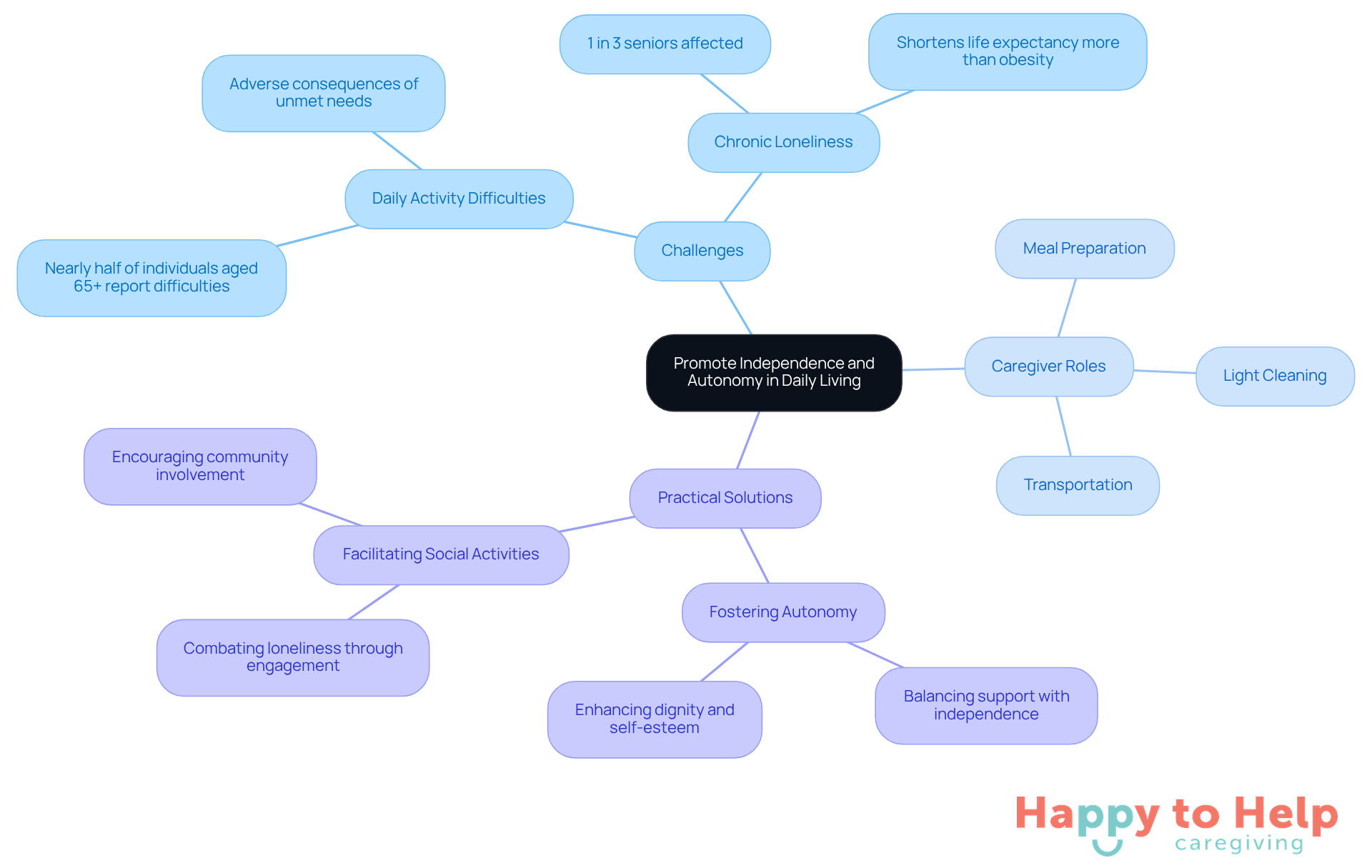
Companionship care addresses a significant problem: many older adults struggle with daily activities, which can threaten their independence. Nearly half of individuals aged 65 and older report difficulties in managing these tasks, leading to feelings of frustration and helplessness. This situation is further exacerbated by chronic loneliness, which affects one in three seniors and can shorten life expectancy more than being overweight or sedentary.
The implications of this issue are profound. As older adults face challenges in daily living, their self-esteem and overall quality of life can diminish. Caregivers play a vital role in this context, providing essential support through:
- Meal preparation
- Light cleaning
- Transportation
By doing so, they empower elderly individuals to maintain their routines and feel valued.
To effectively address these challenges, caregivers can implement several practical solutions. First, fostering an environment that balances support with autonomy is crucial. This approach not only enhances the dignity of older adults but also encourages social engagement, which is linked to improved mental and emotional well-being. For instance, caregivers can facilitate social activities that combat loneliness, thereby enriching the lives of those they care for.
As Sharon Morrisette noted, offering companionship care services tailored to specific elderly groups can help meet caregiver engagement needs and potentially improve retention. By prioritizing companionship care, caregivers can significantly enhance the quality of life for older adults, ensuring they feel heard and respected as they navigate the complexities of aging.
Ensure Safety and Security at Home with Companion Care
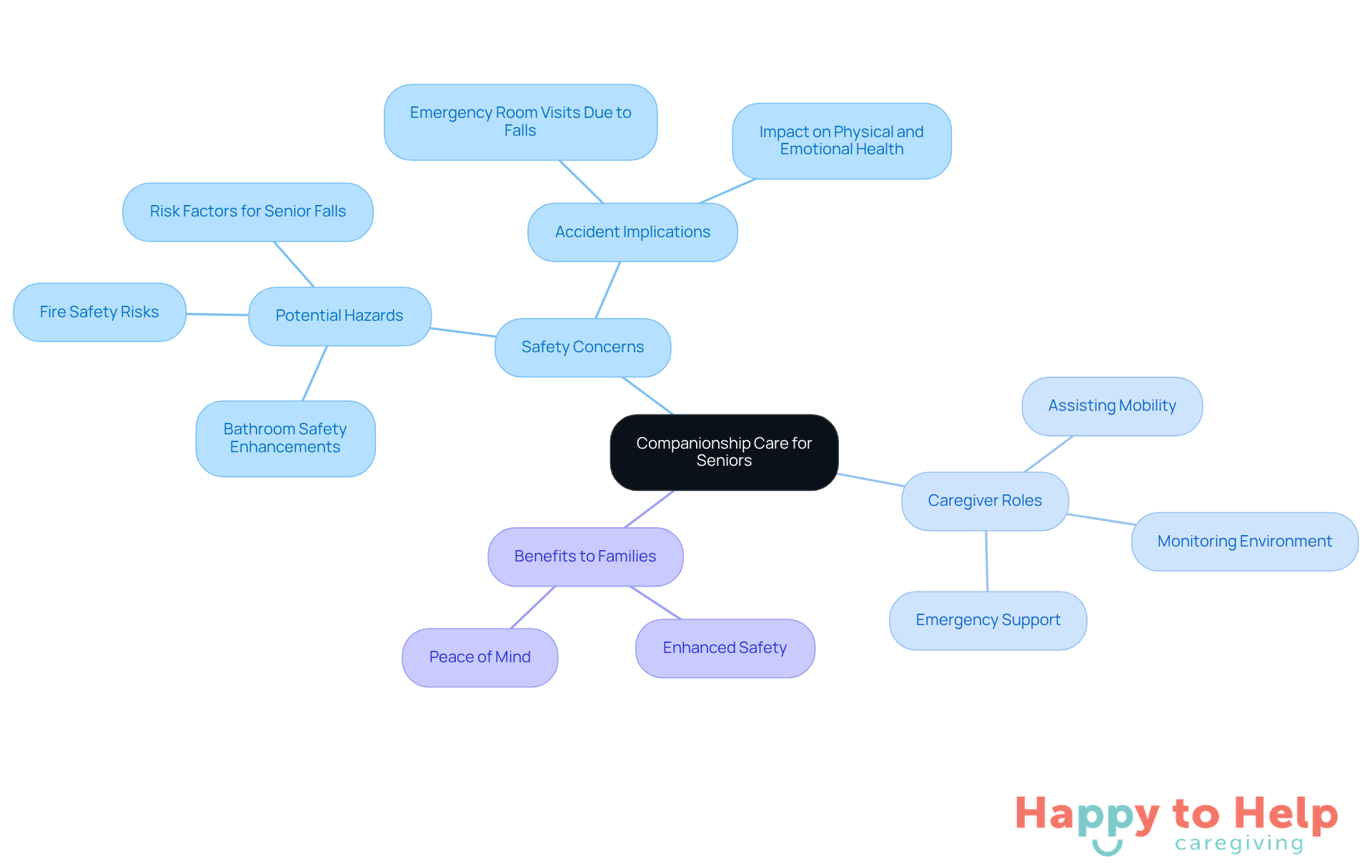
Companionship care addresses a significant problem: the safety of older adults at home. Many families worry about potential hazards that can lead to accidents, especially when their loved ones are alone. This concern can be overwhelming, as the implications of such accidents can be severe, affecting both the physical well-being of seniors and the emotional health of their families.
To alleviate these worries, companionship care services provide a solution. Caregivers actively monitor the living environment for potential hazards, assist with mobility, and offer immediate support in emergencies. This vigilant presence not only prevents accidents but also reassures families, knowing their loved ones are safe and well-cared for.
By implementing companionship care services, families can enhance the safety and quality of life for their elderly relatives. This proactive approach ensures that seniors receive the attention they need, fostering a sense of security and peace of mind for everyone involved.
Encourage Social Engagement and Participation in Activities
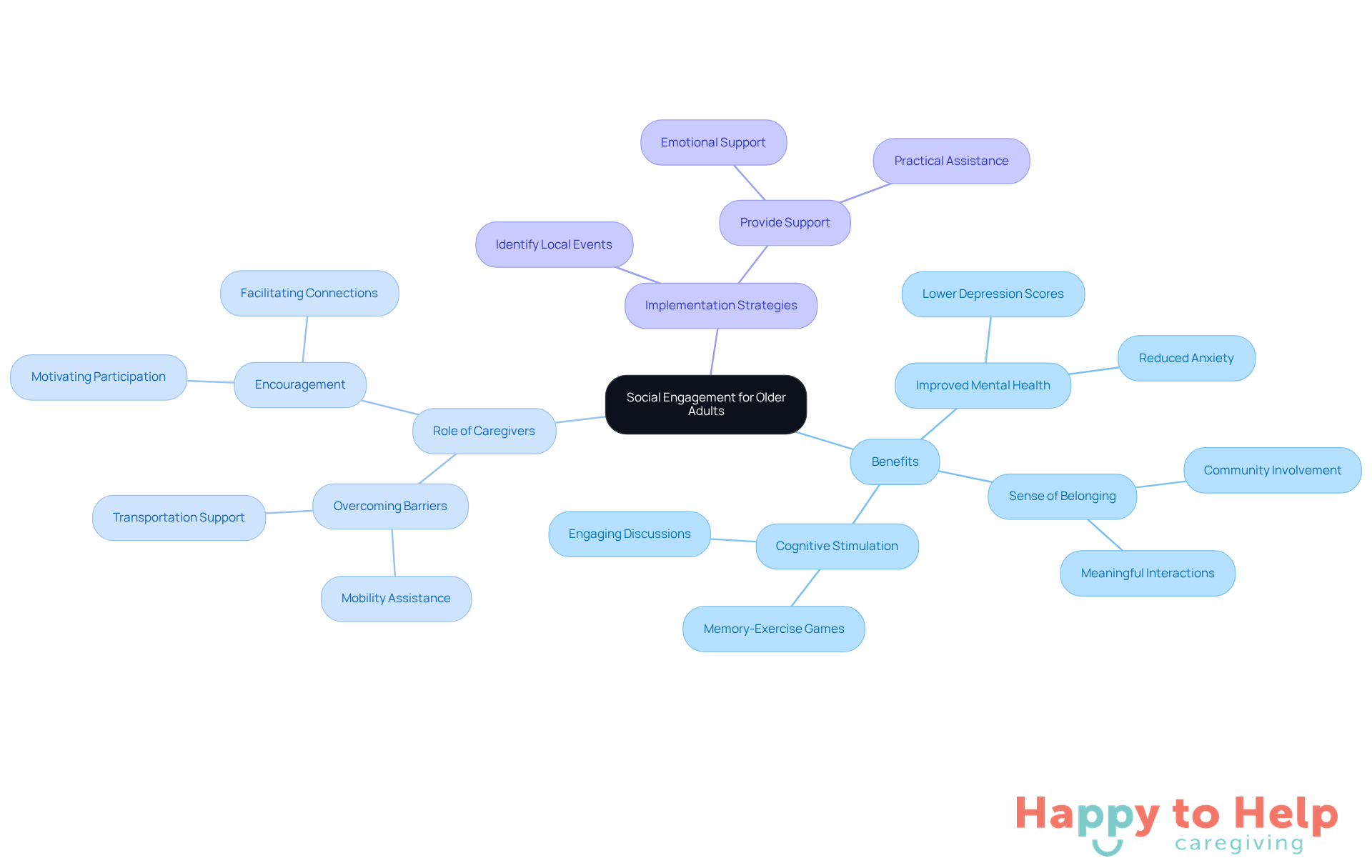
Companionship care services address a significant problem: loneliness among older adults. This isolation can lead to serious mental health issues, including depression and anxiety. Engaging in social activities is crucial for combating these feelings, as it not only alleviates isolation but also stimulates cognitive function and enhances overall happiness.
Research shows that regular social engagement can significantly improve mental health outcomes. For instance, studies indicate that involvement in social activities can lower depression scores among older adults. Furthermore, participating in community events fosters a sense of belonging and purpose, reinforcing the idea that aging can be a vibrant and fulfilling phase of life.
As Paul Gilbert notes, "Seniors who engage in meaningful interactions feel more fulfilled and have a purpose in life, which improves their general quality of life." Companionship care services provided by caregivers play a vital role in helping elderly individuals overcome barriers to engagement, such as mobility issues or lack of transportation. By offering companionship care services that provide assistance and encouragement, caregivers can help older adults discover new passions and connect with others.
To implement these strategies, family caregivers can start by identifying local community events and motivating their loved ones to attend. Ensuring that they have the necessary support to participate is essential. By facilitating these connections, caregivers can foster a more fulfilling and enjoyable lifestyle for older adults.
Provide Peace of Mind for Families with Reliable Care
Families often face the challenge of worrying about their loved ones' well-being when they cannot be there. This concern can lead to significant stress, as they wonder if their elderly relatives are receiving the care and companionship they need.
Fortunately, caregivers play a crucial role in alleviating these worries. They provide consistent and compassionate companionship care services, ensuring that elderly individuals feel supported and valued. Caregivers also offer regular updates on the well-being of their charges, keeping families informed and connected.
This reliable support not only eases the minds of family members but also allows them to focus on their own lives, knowing their loved ones are in good hands. By trusting in the expertise of caregivers, families can find peace of mind, enhancing their overall quality of life.
Assist with Daily Living Activities to Alleviate Caregiver Burden
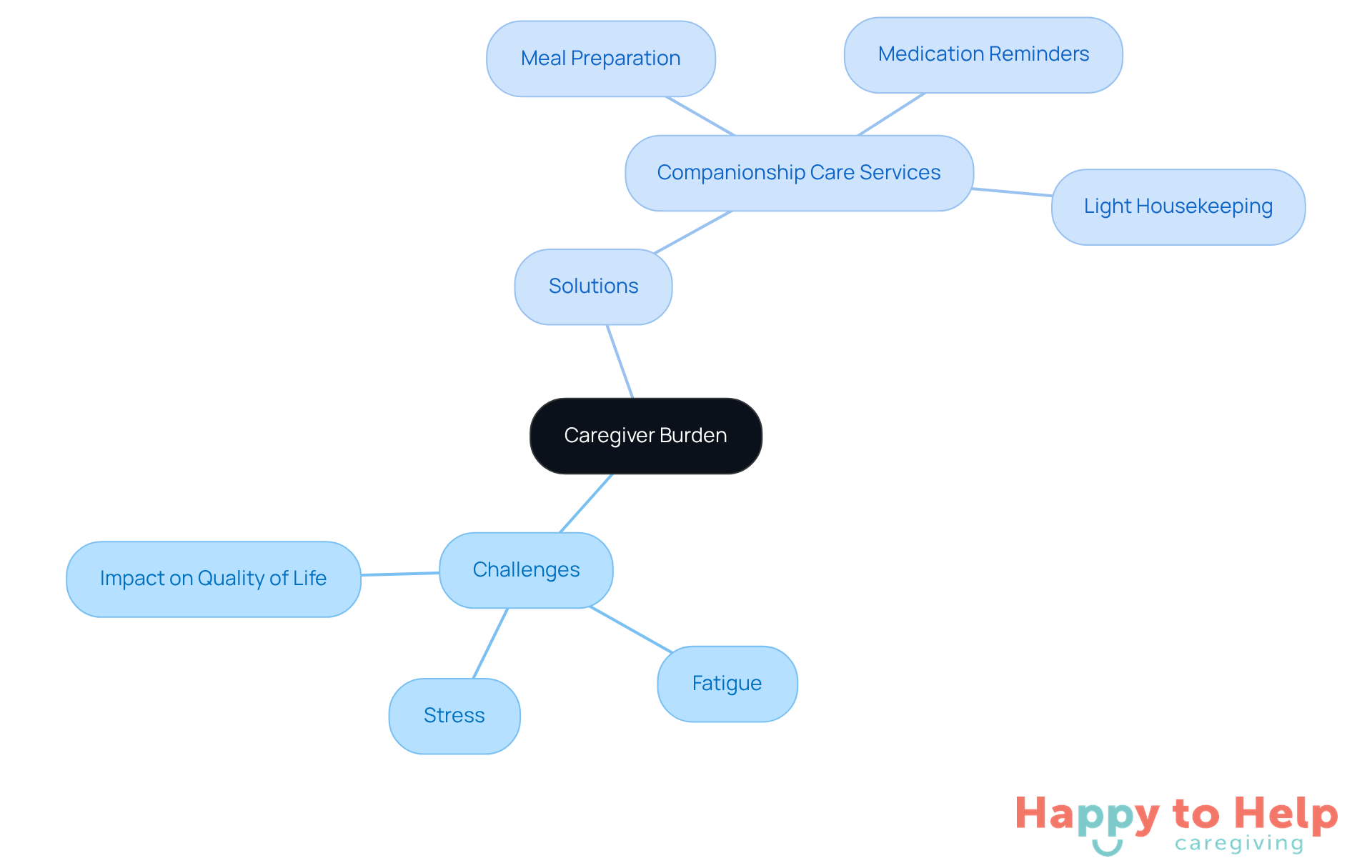
Problem: Caregivers often face significant challenges when supporting elderly individuals, particularly in managing daily living activities.
Agitate: This burden can lead to stress and fatigue, making it difficult for family members to enjoy meaningful moments with their loved ones. The emotional toll of caregiving can impact both the elderly's quality of life and the well-being of their family supporters.
Companionship care services provide a practical solution by assisting with essential tasks such as:
- Meal preparation
- Medication reminders
- Light housekeeping
By taking on these responsibilities, companionship care services help alleviate the strain on family members, allowing them to focus on what truly matters. This support not only enhances the elderly's quality of life but also reduces stress for their caregivers.
Enhance Mental Stimulation and Cognitive Health
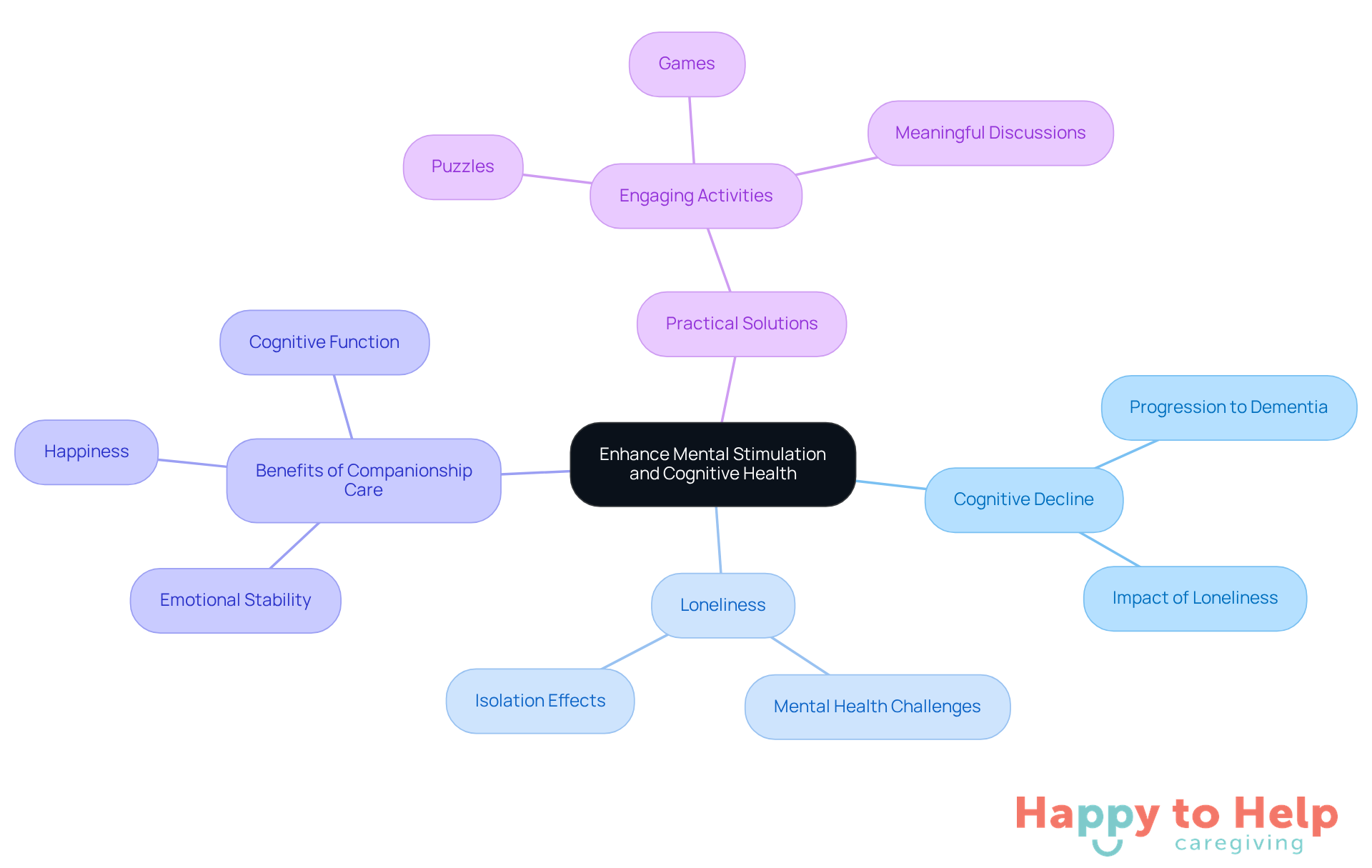
Companionship care services address a significant problem: cognitive decline and feelings of loneliness among the elderly. These issues can lead to severe mental health challenges, including depression. Research indicates that regular interaction with caregivers not only fosters emotional stability but also enhances happiness and satisfaction levels. For instance, the Health and Retirement Study shows that older adults who engage in cognitively stimulating activities at least three to four times a week experience improved cognitive function.
The implications of neglecting cognitive engagement are serious. Approximately 10% of individuals with mild cognitive impairment develop Alzheimer's disease or other forms of dementia annually. Furthermore, loneliness can exacerbate these cognitive issues, leading to isolation and further mental health deterioration. A study found that companionship care services, which involve frequent visits and engagement from a caring individual, can significantly lessen feelings of isolation among elderly individuals.
To combat these challenges, caregivers can implement several practical solutions by utilizing companionship care services:
- Encouraging elderly individuals to participate in engaging activities such as puzzles, games, and meaningful discussions can stimulate their minds and improve memory.
- Caregivers should actively promote cognitive exercises that challenge their clients, creating a supportive atmosphere that fosters mental involvement.
By doing so, they help preserve cognitive skills and enhance the overall quality of life for the elderly.
Experience Compassionate Care with Happy to Help Caregiving
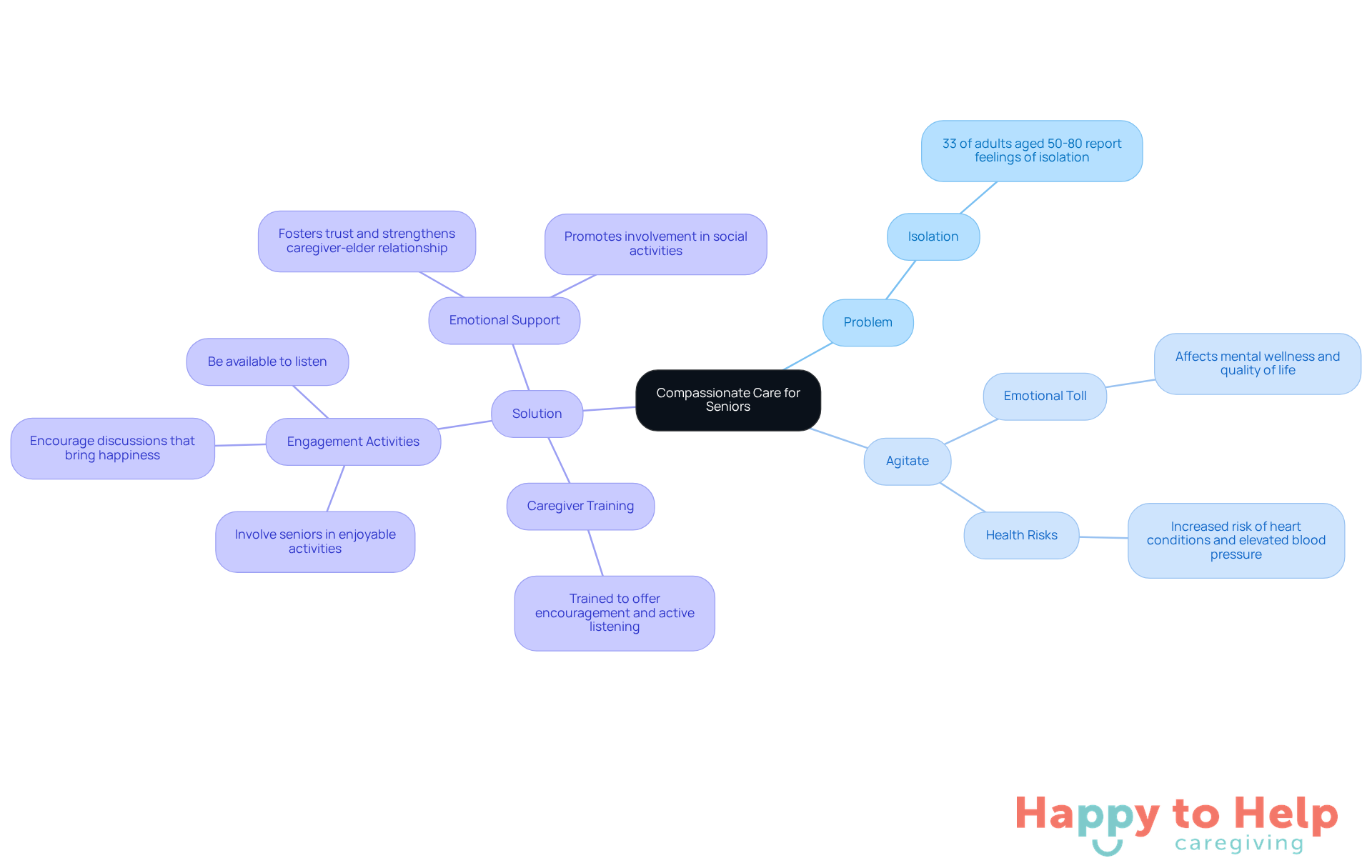
Problem: Many elderly individuals experience feelings of isolation, with 33% of adults aged 50-80 reporting such sentiments. This isolation can lead to serious health risks, including heart conditions and elevated blood pressure.
Agitate: The emotional toll of loneliness can be profound, affecting not only mental wellness but also overall quality of life. Without proper companionship care services, older adults may struggle to engage in social activities, which can further deepen their sense of seclusion.
Solution: Happy to Help Caregiving prioritizes compassionate care, ensuring that elderly individuals feel valued and understood. Caregivers are trained to offer encouragement, actively listen, and engage in meaningful interactions. This approach fosters trust and strengthens the caregiver-elder relationship, ultimately enhancing the quality of care and life for older adults.
Research shows that psychological assistance is vital for older adults. Consistent engagement with caregivers provided through companionship care services helps stabilize emotions and promotes involvement in social activities, both at home and in the community. Meaningful companionship can manifest in various ways:
- Involving older adults in activities they enjoy
- Encouraging discussions that bring happiness
- Being available to listen
These interactions not only improve mental wellness but also promote a sense of belonging and community among seniors. The education that support providers obtain at Happy to Help Caregiving is designed to strengthen these connections, ensuring they are prepared to offer the highest quality of assistance. This dedication results in a caregiving experience that addresses both physical needs and psychological well-being.
By prioritizing emotional support, Happy to Help Caregiving stands out as a leader in enhancing the quality of life for seniors, making a profound impact on their overall well-being.
Your Path Forward
Loneliness among seniors is a pervasive issue that significantly impacts their emotional well-being. Companionship care services address this problem by fostering meaningful connections, which not only alleviate feelings of isolation but also enrich the daily experiences of older adults. This connection is vital for improving both mental and physical health.
The benefits of companionship care are numerous:
- They promote social engagement and participation in activities.
- They provide personalized support tailored to individual needs.
- They ensure safety and security at home.
- Furthermore, consistent interaction enhances mental stimulation and cognitive health, underscoring the importance of companionship in improving the quality of life for older adults.
Recognizing the significance of companionship care is essential for families and caregivers. By prioritizing these services, caregivers can take proactive steps to combat loneliness and support the well-being of elderly individuals. Embracing companionship care not only benefits seniors but also offers peace of mind for families, creating a supportive environment that encourages independence and emotional stability. Investing in these services is a crucial step toward nurturing a fulfilling and vibrant life for older adults.
https://iframe.tely.ai/cta/eyJhcnRpY2xlX2lkIjogIjY5NDBhMjIxNmYzZjk5NzYxYTM2ZTNkMSIsICJjb21wYW55X2lkIjogIjY4ZWU1ZGNhNzMxNzYyNTU3ZjNjOTVjMSIsICJpbmRleCI6IG51bGwsICJ0eXBlIjogImFydGljbGUifQ==Frequently Asked Questions
What is companionship care and why is it important for older adults?
Companionship care addresses loneliness among older adults, which affects one in three seniors, leading to feelings of sadness and anxiety. It provides essential psychological support through meaningful conversations and active listening, helping to alleviate loneliness and enhance emotional health.
How does companionship care improve the emotional well-being of seniors?
Companionship care fosters heartfelt connections that encourage participation in social activities, stimulating cognitive health and transforming daily routines into enjoyable experiences, ultimately promoting a happier and healthier lifestyle.
What role do caregivers play in combating loneliness and social isolation?
Caregivers provide regular interaction and engage elderly individuals in joint activities, such as games or excursions, which strengthens social connections and motivates seniors to engage with their communities, enhancing their mental well-being.
What evidence supports the effectiveness of companionship care in reducing loneliness?
Studies indicate that social interaction can improve emotional health, with over 90% of users of AI companions reporting reduced feelings of loneliness. Personal accounts, like that of Marvin Marcus, also highlight the value of stimulating discussions provided by AI companions.
What does the U.S. Surgeon General say about loneliness among older adults?
The U.S. Surgeon General has declared loneliness a public health crisis, emphasizing the urgency of addressing this issue among older adults.
How can families implement companionship care services for their loved ones?
Families can implement companionship care services through regular check-ins with AI companions or by engaging in shared activities, making a significant difference in helping their loved ones feel more connected and appreciated.
Why is a personalized approach important in companionship care?
A personalized approach ensures that caregivers meet the unique needs of each elder, preventing feelings of isolation and dissatisfaction. By assessing individual preferences and creating customized care plans, caregivers enhance the quality of care and enrich the lives of older adults.
What types of activities can be included in a personalized companionship care plan?
A personalized companionship care plan can include participating in hobbies, attending social gatherings, or simply enjoying peaceful companionship, tailored to the interests of the elder.
List of Sources
- Enhance Emotional Well-Being Through Companionship Care
- Why Home Care Providers Are Increasingly Offering Companion Care Services for Seniors | Aaniie, formerly Smartcare Software (https://aaniie.com/news/why-home-care-providers-are-increasingly-offering-companion-care-services-for-seniors)
- Older adults find support through health care companions (https://news-medical.net/news/20250924/Older-adults-find-support-through-health-care-companions.aspx)
- The Emotional Benefits of Companion Care for Seniors (https://comfortkeepers.com/offices/texas/round-rock/resources/news/the-emotional-benefits-of-companion-care-for-seniors)
- The Role of Companion Care in Reducing Depression Among Seniors (https://malamamaikai.com/role-of-companion-care-in-reducing-depression-among-seniors)
- The Unbeatable Benefits of Companion Care for Seniors (https://comforcare.com/massachusetts/canton/resources/blog/the-unbeatable-benefits-of-companion-care-for-seniors)
- Combat Loneliness and Social Isolation with Companion Care
- AI Care Companions for Seniors (https://health.usnews.com/senior-care/articles/ai-care-companions-for-seniors)
- Loneliness, social isolation ‘substantial’ among older adults: study (https://mcknightsseniorliving.com/news/loneliness-social-isolation-substantial-among-older-adults-study)
- AI companion helps Bronx senior living facility residents combat loneliness (https://cbsnews.com/newyork/news/ai-companionship-for-seniors-bronx)
- AI Companions Redefine Elder Care: 3 Ways They Fight Loneliness, Boost Safety And Scale Support (https://forbes.com/sites/cathyrubin/2025/05/16/ai-companions-are-redefining-elder-care-3-ways-they-fight-loneliness-boost-safety-and-scale-support)
- Receive Personalized Support Tailored to Individual Needs
- New Research in a New England Journal of Medicine Publication Finds Patients of Value-Based Care Organizations Have More Frequent and Consistent Primary Care Visits (https://policy.humana.com/issue-area/news-and-resources/news-press/2025/new-research-in-a-new-england-journal-of-medicine-publication)
- Warning From Older Adults: Care for Aging in America Needs Urgent Rethinking (https://johnahartford.org/newsroom/view/warning-from-older-adults-care-for-aging-in-america-needs-urgent-rethinking)
- Why Senior Home Care is More Important Than Ever (https://homeinstead.com/home-care/usa/la/carencro/347/news-and-media/senior-home-care-is-more-important-than-ever)
- New Study Explores the Need for Expanded Long-Term Care Services to Support Aging-in-Place | Johns Hopkins Bloomberg School of Public Health (https://publichealth.jhu.edu/2025/new-study-explores-the-need-for-expanded-long-term-care-services-to-support-aging-in-place)
- Older adults find support through health care companions (https://news-medical.net/news/20250924/Older-adults-find-support-through-health-care-companions.aspx)
- Promote Independence and Autonomy in Daily Living
- How Senior In-Home Care Promotes Independence in San Antonio, TX (https://fox4kc.com/business/press-releases/ein-presswire/866935491/how-senior-in-home-care-promotes-independence-in-san-antonio-tx)
- Comfort Keepers of San Angelo, TX Shares Guidance on Planning In-Home Care for Seniors (https://abc27.com/business/press-releases/ein-presswire/872576114/comfort-keepers-of-san-angelo-tx-shares-guidance-on-planning-in-home-care-for-seniors)
- Why Home Care Providers Are Increasingly Offering Companion Care Services for Seniors | Aaniie, formerly Smartcare Software (https://aaniie.com/news/why-home-care-providers-are-increasingly-offering-companion-care-services-for-seniors)
- Disability and Care Needs Among Older Americans - PMC (https://pmc.ncbi.nlm.nih.gov/articles/PMC4221755)
- New data detail which older adults are more likely to need help with ADLs (https://mcknightsseniorliving.com/news/new-data-detail-which-older-adults-are-more-likely-to-need-help-with-adls)
- Ensure Safety and Security at Home with Companion Care
- Combat Loneliness: The Benefits of Companion Care for Seniors (https://allheartcare.com/more-than-just-company-the-vital-role-of-companion-care-for-seniors)
- Home Safety for Seniors: Statistics & Proven Safety Solutions (https://agesafeamerica.com/home-safety-hub/aging-in-place/home-safety-seniors-statistics-solutions)
- 2025 Home Care Statistics: Trends & Insights To Know (https://premierhcinc.com/blog/home-care-statistics)
- Some Important Statistics and In-Home Companion Care (https://americareinfo.com/ozarks/in-home-companion-care-some-important-facts-on-aging-to-consider)
- The Incredible Benefits of Home Care, in 7 Amazing Stats - Companions For Seniors (https://companionsforseniors.com/2019/08/benefits-home-care-amazing-stats-trends-reports)
- Encourage Social Engagement and Participation in Activities
- 10 Inspiring Quotes on Aging and Wisdom for Family Caregivers - Happy To Help (https://happytohelpcaregiving.com/10-inspiring-quotes-on-aging-and-wisdom-for-family-caregivers)
- Combat Loneliness: The Benefits of Companion Care for Seniors (https://allheartcare.com/more-than-just-company-the-vital-role-of-companion-care-for-seniors)
- The impact of social activities on mental health among older adults in China - PMC (https://pmc.ncbi.nlm.nih.gov/articles/PMC11371613)
- Social Engagement and Companionship In Senior Living: Combating Isolation - WorldHealth.net (https://worldhealth.net/news/social-engagement-and-companionship-senior-living-combating-isolation)
- Provide Peace of Mind for Families with Reliable Care
- 7 Essential Benefits of Home Care Services for Adults and Seniors in Pennsylvania - Caresphere - Health Care (https://carespherehc.com/7-essential-benefits-of-home-care-services-for-adults-and-seniors-in-pennsylvania)
- Why Peace of Mind Matters for Seniors and Families in Vacaville – Nexus (https://opentext.wsu.edu/chelan/part/why-peace-of-mind-matters-for-seniors-and-families-in-vacaville)
- The Amazing Benefits of Companion Care for Seniors (https://homeinstead.com/home-care/usa/az/phoenix/808/news-and-media/the-amazing-benefits-of-companion-care-for-seniors)
- New Report Reveals Crisis Point for America’s 63 million Family Caregivers (https://press.aarp.org/2025-07-24-New-Report-Reveals-Crisis-Point-for-Americas-63-million-Family-Caregivers)
- Number of Family Caregivers Supporting Older Adults Increased Nearly One-Third Between 2011 and 2022 | Johns Hopkins Bloomberg School of Public Health (https://publichealth.jhu.edu/2025/number-of-family-caregivers-supporting-older-adults-increased-nearly-one-third-between-2011-and-2022)
- Assist with Daily Living Activities to Alleviate Caregiver Burden
- Disability and Care Needs Among Older Americans - PMC (https://pmc.ncbi.nlm.nih.gov/articles/PMC4221755)
- New data detail which older adults are more likely to need help with ADLs (https://mcknightsseniorliving.com/news/new-data-detail-which-older-adults-are-more-likely-to-need-help-with-adls)
- Why Home Care Providers Are Increasingly Offering Companion Care Services for Seniors | Aaniie, formerly Smartcare Software (https://aaniie.com/news/why-home-care-providers-are-increasingly-offering-companion-care-services-for-seniors)
- What Is the Caregiver Crisis? | Johns Hopkins Bloomberg School of Public Health (https://publichealth.jhu.edu/2025/what-is-the-caregiver-crisis)
- HHS Backs AI Innovation for America’s Caregivers | HHS.gov (https://hhs.gov/press-room/hhs-backs-ai-innovation-for-americas-caregivers.html)
- Enhance Mental Stimulation and Cognitive Health
- Games, Puzzles And Reading Can Slow Cognitive Decline In The Elderly — Even In Those With Mild Cognitive Impairment (https://stories.tamu.edu/news/2024/09/10/games-puzzles-and-reading-can-slow-cognitive-decline-in-the-elderly-even-in-those-with-mild-cognitive-impairment)
- Cognitive stimulation and cognitive results in older adults: A systematic review and meta-analysis (https://sciencedirect.com/science/article/pii/S0167494322001947)
- Cognitive Health and Older Adults (https://nia.nih.gov/health/brain-health/cognitive-health-and-older-adults)
- Participating in cognitively stimulating activities linked with increased longevity for older adults, study finds (https://mcknights.com/news/participating-in-cognitively-stimulating-activities-linked-with-increased-longevity-for-older-adults-study-finds)
- How Companionship in Home Care Boosts Seniors' Mental Health - Care With Love (https://carewithlove.com/how-companionship-in-home-care-boosts-seniors-mental-health)
- Experience Compassionate Care with Happy to Help Caregiving
- 2025 Home Care Statistics: Trends & Insights To Know (https://premierhcinc.com/blog/home-care-statistics)
- Compassionate caregiving that feels like family (https://preshomes.org/stories/employee-spotlights/compassionate-caregiving-that-feels-like-family)
- The Emotional Benefits of Companion Care for Seniors (https://comfortkeepers.com/offices/texas/round-rock/resources/news/the-emotional-benefits-of-companion-care-for-seniors)
- Caregiver Statistics: Demographics (https://caregiver.org/resource/caregiver-statistics-demographics)