
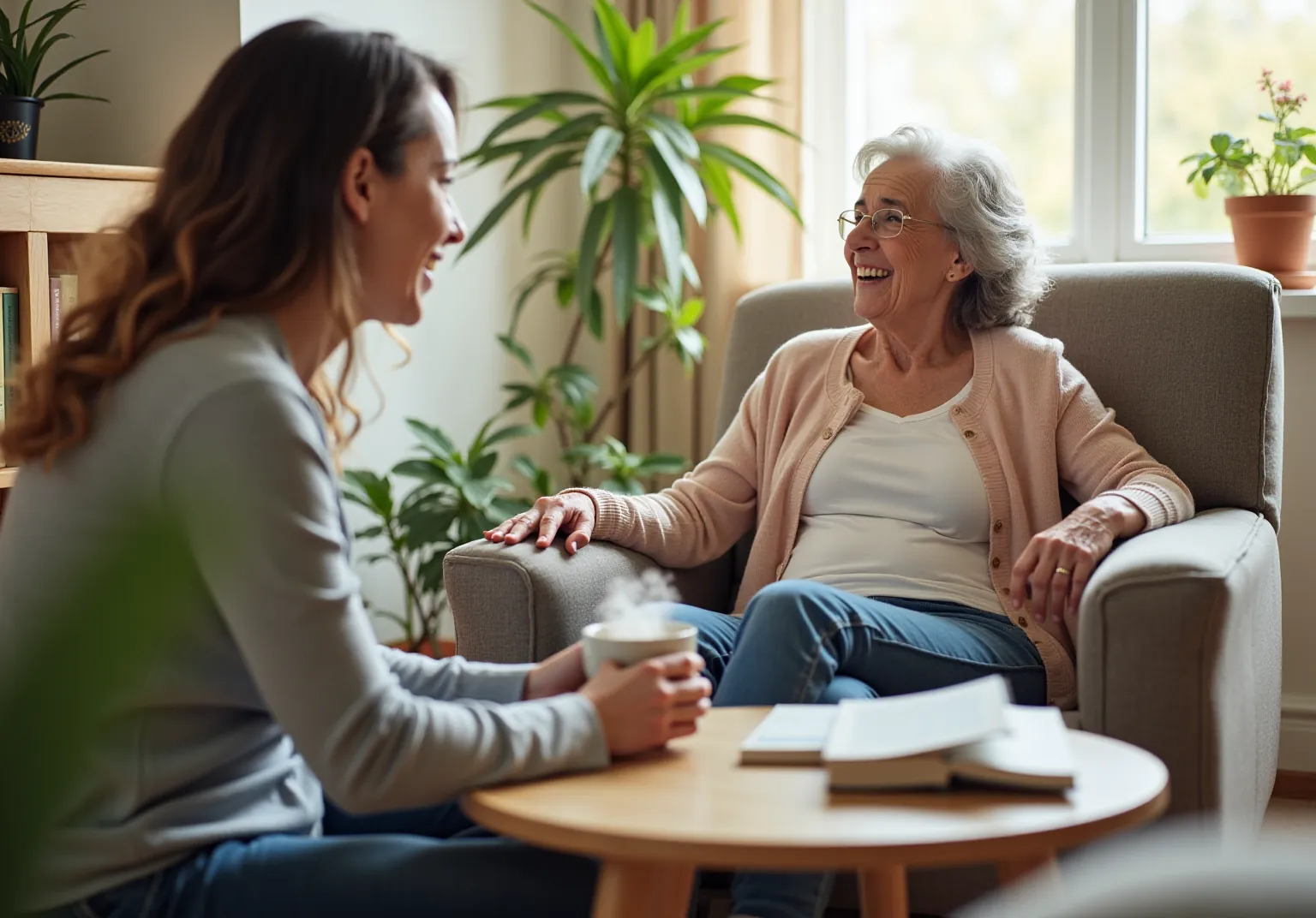
For families in our service areas
For families in our service areas, this guide explains companion care and how non-medical in-home caregiving can support care planning in East Idaho, Treasure Valley & Magic Valley, Northern Wasatch, North Central West Virginia, and Northeast Ohio.
What to Expect
Companionship plays a vital role in enhancing the well-being of seniors. It provides essential emotional support, reduces feelings of loneliness, and encourages active lifestyles.
Personalized companionship services not only help alleviate mental health issues such as depression and anxiety but also promote physical health through engaging activities.
This holistic approach significantly improves the overall quality of life for older adults, fostering a nurturing environment where they can thrive.
What You Need to Know About Companionship
Companionship for seniors transcends mere pleasant interactions; it acts as a crucial lifeline that significantly enhances overall well-being. With studies revealing alarming rates of loneliness and its harmful effects on mental and physical health, the urgency for social connection among older adults has never been more pronounced. This article explores ten meaningful benefits of companionship, shedding light on how personalized support can effectively combat isolation, elevate emotional health, and encourage independence—ultimately transforming the lives of seniors. What does companionship truly mean for older adults, and how can it redefine their quality of life?
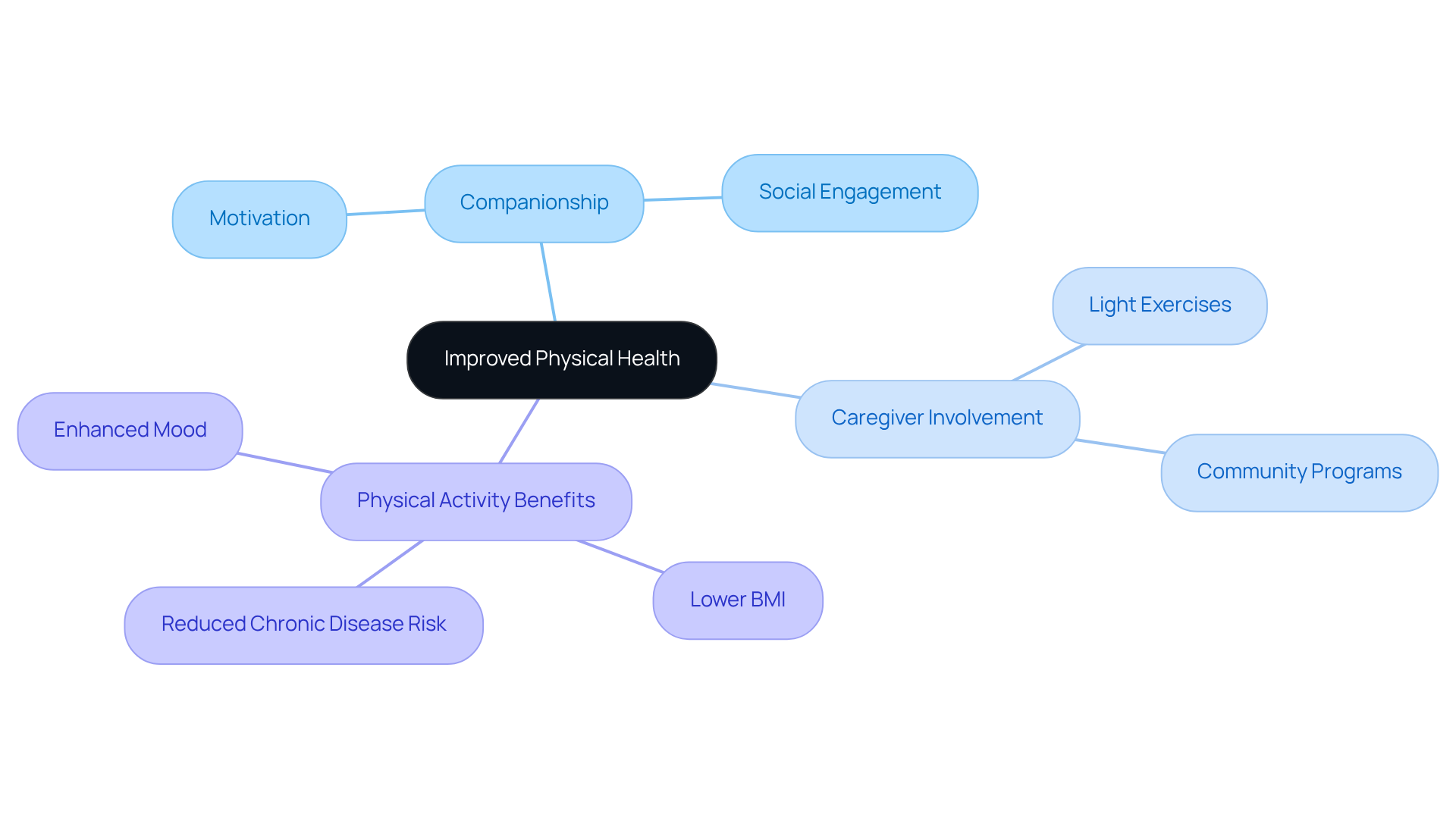
Happy to Help Caregiving: Personalized Companionship Services for Seniors
Happy to Help Caregiving is dedicated to providing tailored support services that truly enhance the well-being of older adults. These services encompass engaging activities, emotional support, and assistance with daily tasks, all carefully designed to meet the unique preferences and needs of each client. By nurturing a supportive environment, caregivers foster companionship for seniors, empowering them to maintain their independence while ensuring they feel valued and connected.
The importance of companionship for seniors in elderly care is profound. The CDC highlights that prolonged loneliness can increase the risk of dementia and heart disease, underscoring the critical need for regular social interaction. Companionship for seniors not only alleviates loneliness but also fosters a sense of community, which is essential for mental well-being.
Case studies illustrate the significant impact of personalized companionship for seniors. For instance, older adults who engage in regular activities with support providers often report improved emotional well-being and a renewed sense of purpose. One-on-one attention allows caregivers to facilitate hobbies and interests, enhancing quality of life and strengthening family bonds. Many older adults in San Diego have expressed sentiments like, 'I’m not alone anymore, I have people,' reflecting the emotional comfort that friendship can provide.
Furthermore, the advantages of companionship for seniors extend beyond just emotional support. Companion caregivers assist with daily tasks such as meal preparation and medication reminders, which can significantly reduce stress for older adults and their families. Typically, companion care costs range from $20 to $30 per hour, making it a financially sensible choice for families seeking support. This holistic approach to care ensures that older adults not only receive practical assistance but also have companionship for seniors that enriches their daily lives.
In conclusion, Happy to Help Caregiving's commitment to tailored companionship for seniors services is vital in enhancing the overall well-being of older adults, making it an invaluable resource for families striving to support their loved ones.
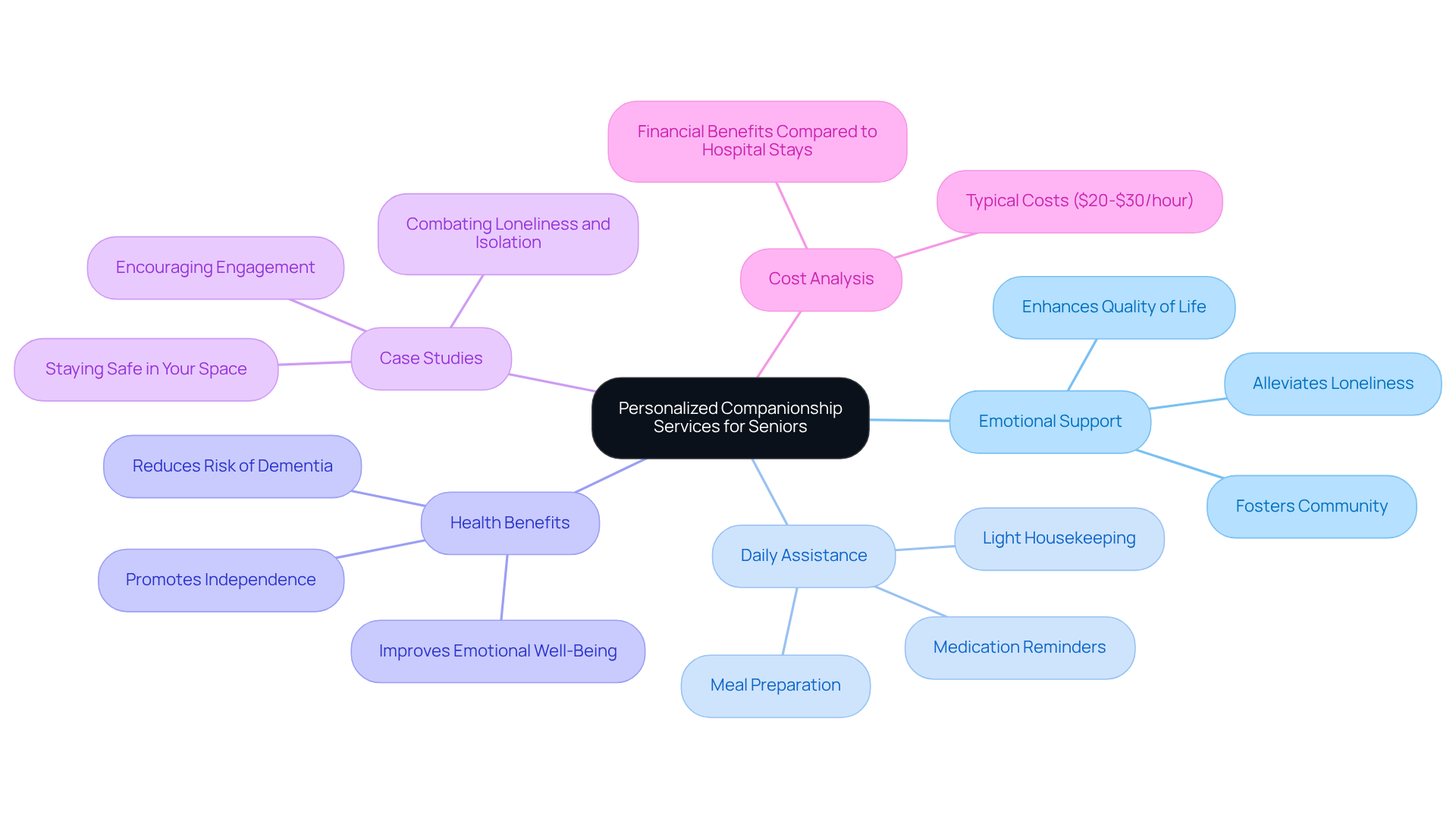
Enhanced Mental Health: Combatting Loneliness and Isolation
Companionship for seniors is essential for enhancing their mental well-being, effectively addressing feelings of loneliness and isolation. Regular interactions with caregivers not only offer emotional support but also cultivate a sense of belonging, which is vital for alleviating symptoms of depression and anxiety. Engaging conversations and shared activities create opportunities for positive social interactions, significantly contributing to improved mental well-being.
In 2023, studies revealed that 37% of senior citizens experienced a lack of social connection, negatively affecting their mental health and overall quality of life. Moreover, meaningful social engagement can help mitigate the risk of mental disorders, fostering positive emotions among elderly individuals. The importance of togetherness is underscored by the fact that nearly 2 million Americans over the age of 65 struggle with depression, and an estimated 20% of older adults face mental wellness issues. This highlights the urgent need for accessible mental care and supportive social connections.
By prioritizing companionship, caregivers can play a pivotal role in enhancing the quality of life for older adults, ensuring they feel valued and supported in their daily lives. Initiatives like the AARP Foundation's Connect2Affect are designed to help older adults combat social isolation and loneliness, further emphasizing the necessity of community support. Together, we can create a nurturing environment where seniors thrive and feel connected.
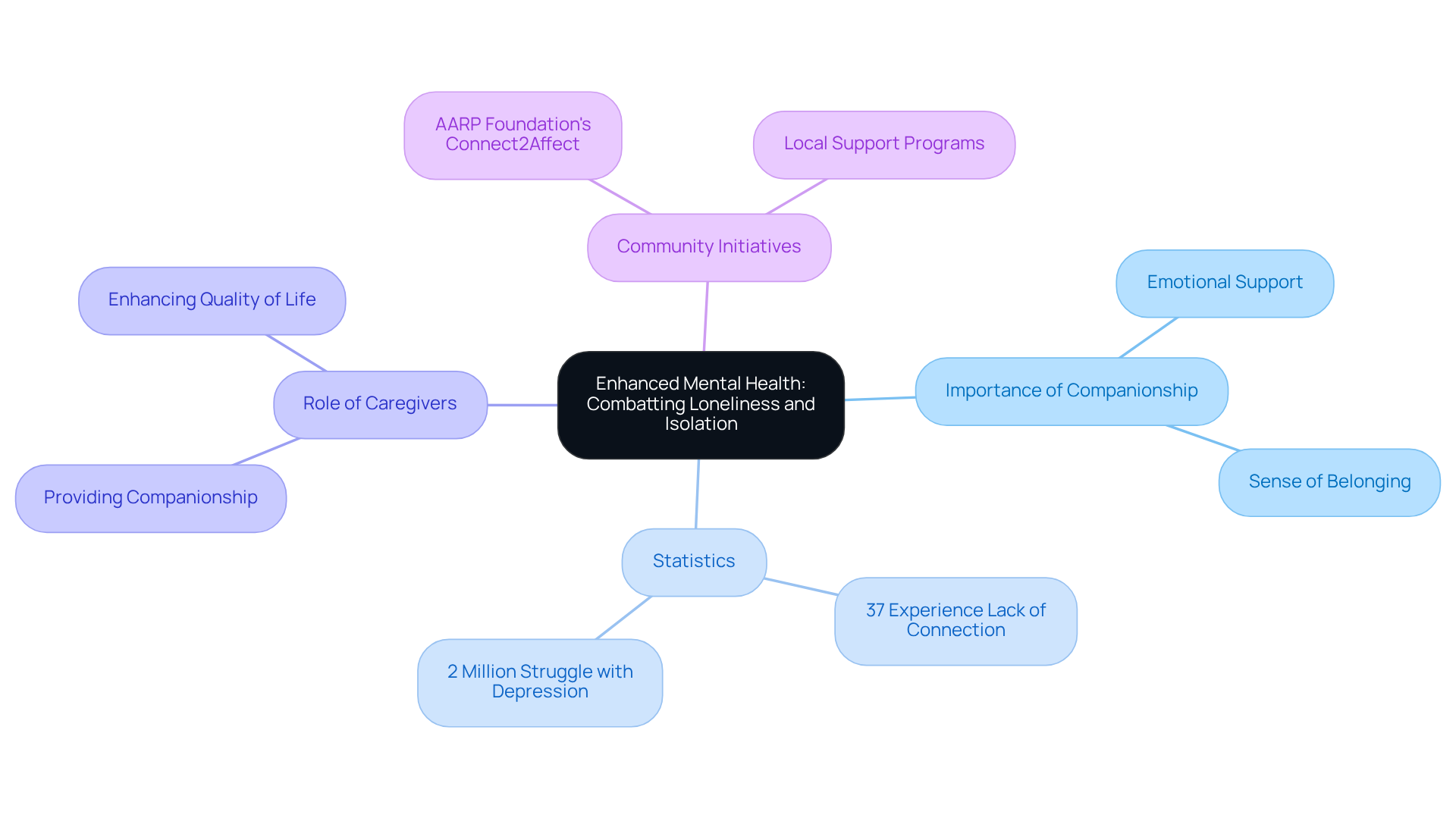
Improved Physical Health: Encouraging Active Lifestyles
The importance of companionship for seniors is vital in motivating them to maintain an active lifestyle, which is essential for their physical well-being. Caregivers are crucial in encouraging clients to engage in light exercises, such as walking or participating in recreational activities. These activities significantly enhance mobility and overall fitness. Research published in the American Journal of Health Promotion reveals that older adults who partake in at least 300 minutes of light physical activity weekly enjoy considerable wellness benefits, including a lower body mass index and reduced risks of chronic diseases. This active involvement not only boosts physical health but also uplifts mood and energy levels, leading to a higher quality of life.
Moreover, caregiver-led activities have been shown to improve physical health outcomes. Studies indicate that regular participation in community exercise programs, such as Fit & Strong, can result in a 22% to 31% reduction in cardiovascular disease mortality. By fostering an environment that encourages mobility and social engagement, providers help older adults thrive both physically and emotionally. It’s heartwarming to see how these connections and activities can transform lives by providing companionship for seniors, along with physical benefits and emotional support that enrich their lives.
Emotional Support: Fostering Connection and Purpose
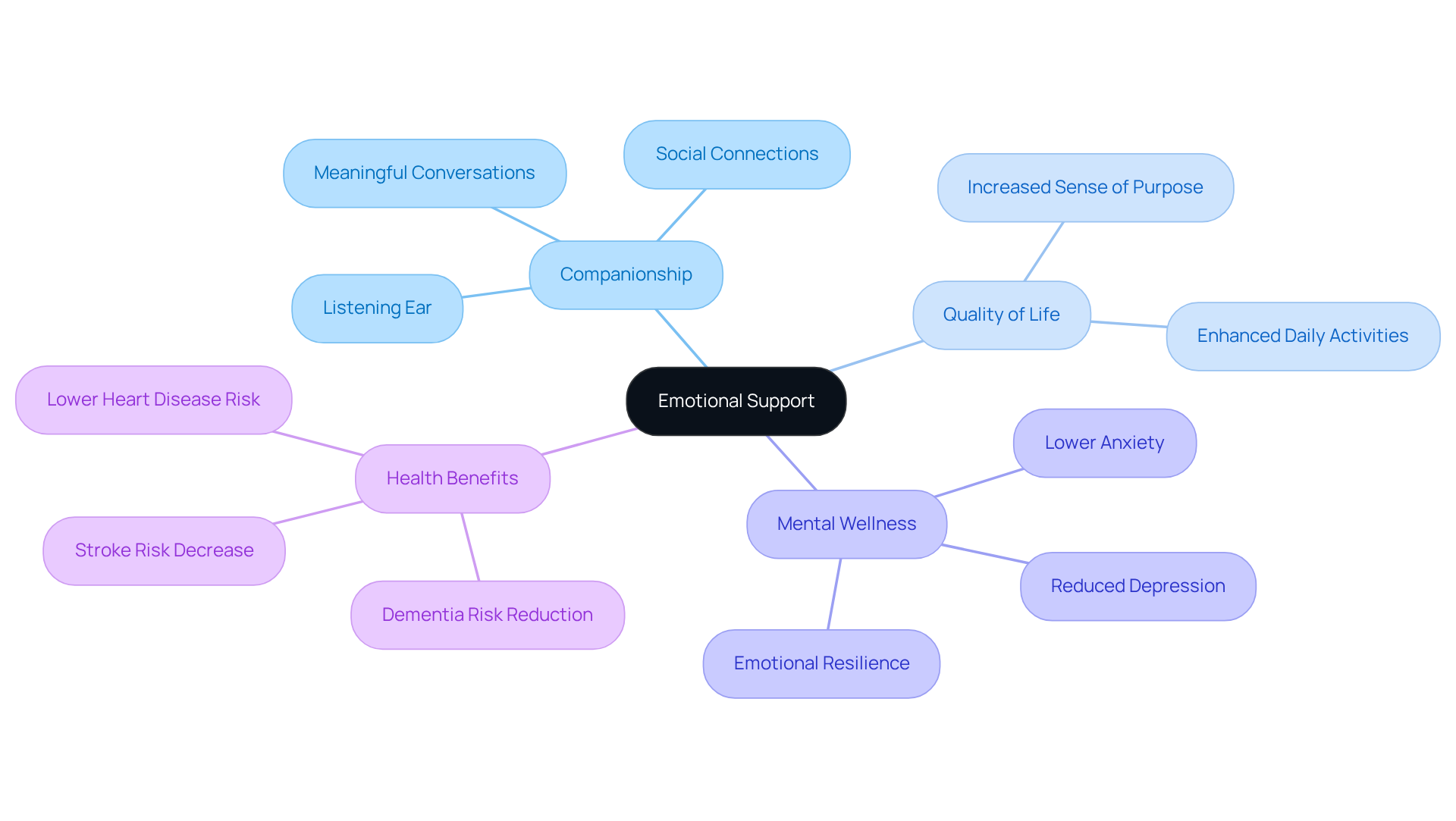
Emotional support serves as the foundation of relationship services, where providers play a vital role in nurturing companionship for seniors, enhancing their quality of life. Caregivers provide companionship for seniors by offering a listening ear and engaging in meaningful conversations, helping older adults feel understood and valued. This emotional connection not only eases feelings of loneliness but also fosters companionship for seniors, enhancing their sense of purpose.
Research shows that older adults who maintain social connections through companionship for seniors are less likely to experience depression and anxiety. In fact, social interaction can reduce the risk of dementia by as much as 50%. Moreover, studies indicate that consistent social engagement may lead to a 32% decrease in stroke risk, highlighting the importance of social ties in promoting overall well-being.
Case studies reveal that older adults involved in companionship for seniors exhibit improved emotional health and greater motivation to participate in activities. This reinforces the idea that connection is essential for mental wellness. Social workers emphasize the importance of nurturing these connections, as they provide the emotional resilience needed to navigate the challenges of aging.
Ultimately, the presence of support providers not only enriches daily life but also empowers older adults to thrive during their golden years.
Reduced Cognitive Decline: Keeping Minds Engaged
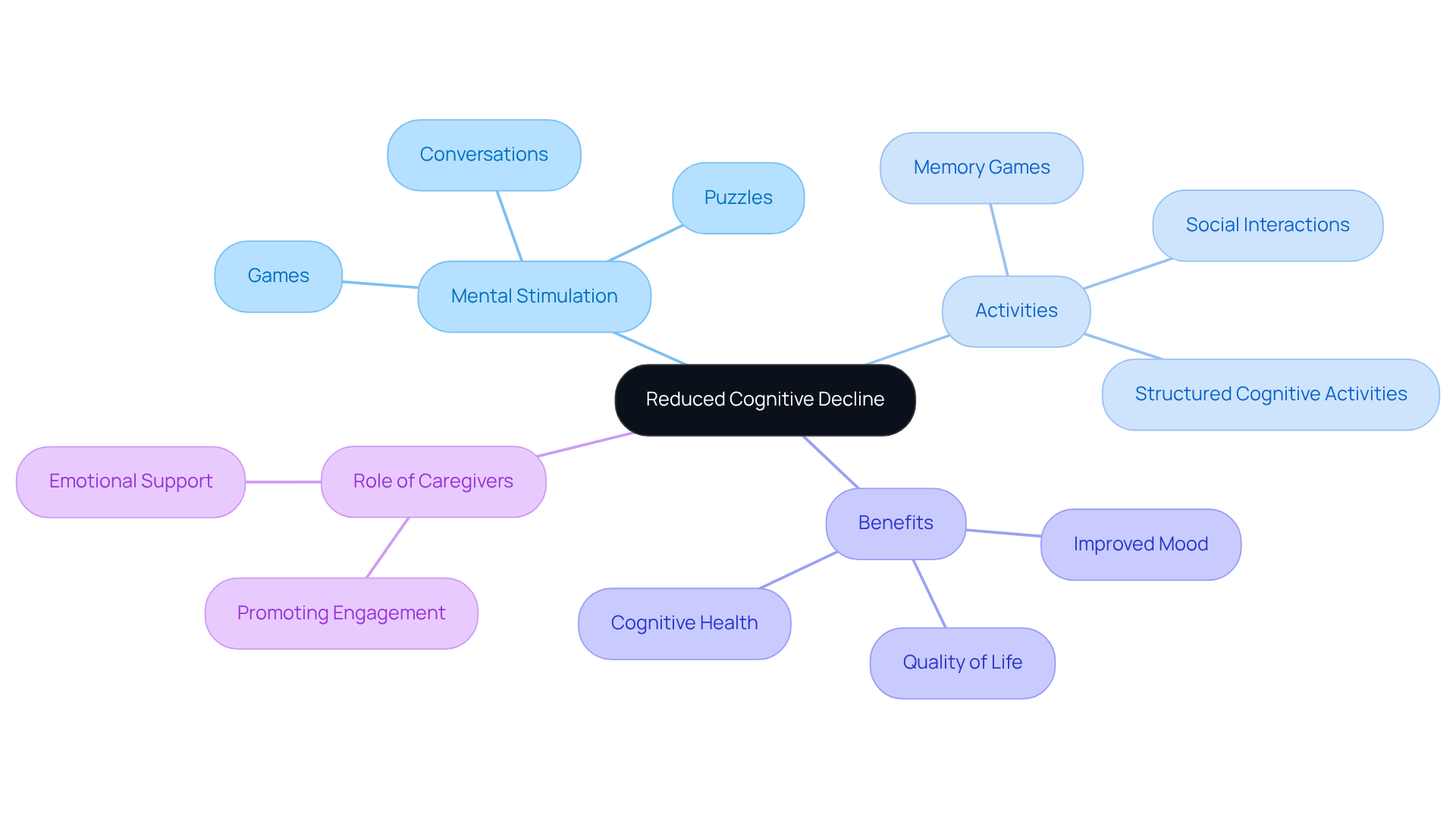
Engaging consistently in discussions and activities with caregivers is vital for alleviating the cognitive decline experienced by older adults. Neurologists highlight the importance of mental stimulation—through games, puzzles, and meaningful conversations—as essential for preserving cognitive function and postponing dementia-related symptoms. A systematic review by Woods (2021) revealed that cognitive stimulation activities can lead to significant enhancements in cognitive abilities, with participants noting improvements in mood and overall quality of life.
In 2025, activities such as memory games and social interactions are recognized as effective strategies for maintaining mental activity, which is crucial for overall brain wellness. Heartwarming case studies illustrate the benefits of cognitive stimulation versus a lack of engagement in daily living activities. Older individuals participating in structured cognitive activities demonstrate marked improvements in their cognitive health. This reinforces the understanding that companionship for seniors and mental engagement are fundamental in fostering cognitive resilience among older adults.
As caregivers, recognizing the emotional weight of these challenges is essential. By promoting companionship for seniors through participation in stimulating activities, we can nurture not only cognitive health but also emotional well-being, ensuring that our loved ones feel supported and connected. Together, we can create an environment that champions mental engagement and fosters companionship for seniors, paving the way for a brighter, more resilient future.
Support for Independence: Enabling Seniors to Thrive at Home
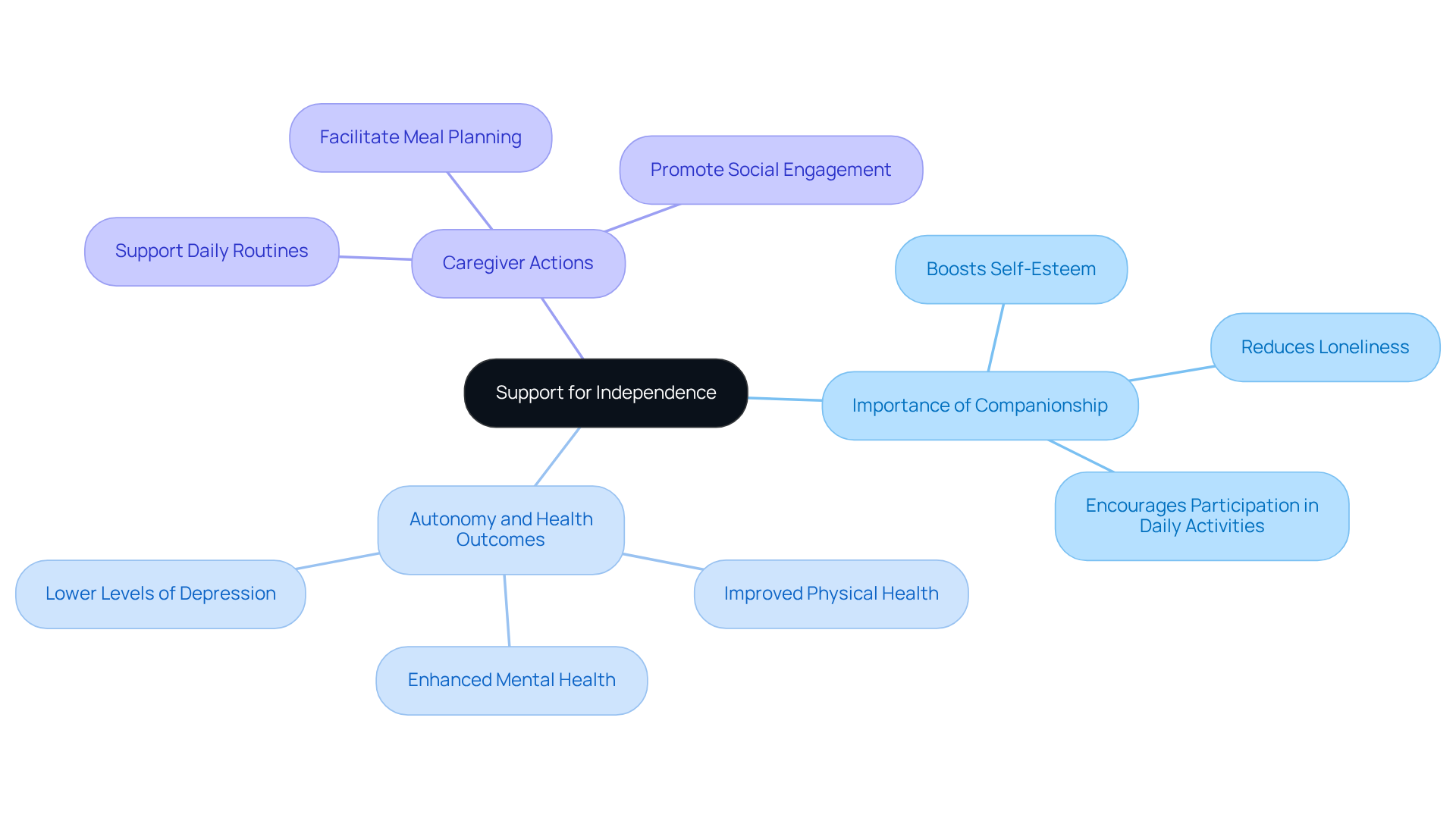
Companionship for seniors is essential in supporting older adults' independence, allowing them to thrive in the comfort of their own homes. Caregivers not only assist with daily tasks but also actively encourage clients to engage in their own care, nurturing a sense of autonomy. This balance is vital; it empowers older adults to make choices about their daily routines and activities, significantly boosting their self-esteem and overall quality of life.
Research shows that maintaining autonomy is closely linked to improved physical and mental health outcomes for older adults. This reinforces the importance of personalized care approaches. For instance, studies reveal that companionship for seniors, along with feeling in control of their daily choices, can lead to lower levels of loneliness and depression—key factors in healthy aging.
Elder care experts emphasize that fostering independence enhances not only the well-being of older adults but also their cognitive function and emotional resilience. By enabling older adults to participate in meal planning, scheduling, and social activities, caregivers help preserve their independence, leading to a more satisfying and dignified life at home.
In this nurturing environment, older adults can flourish with companionship for seniors, as they are surrounded by the support they need to feel valued and empowered. The journey towards independence is filled with compassion, understanding, and a commitment to enhancing the quality of life for those we care for.
Social Engagement: Building Lasting Relationships
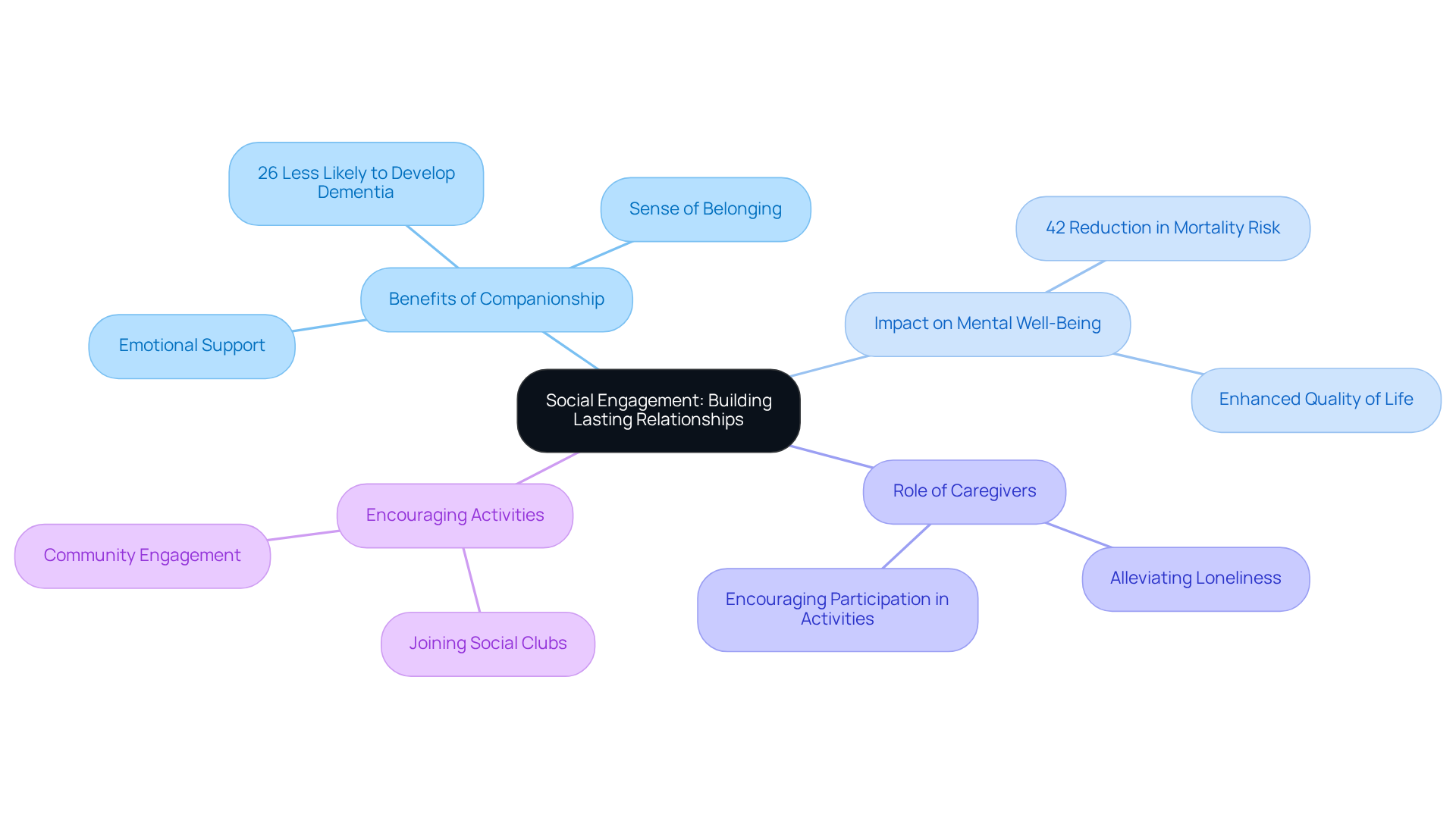
Companionship for seniors is essential in fostering social engagement, allowing elderly individuals to build lasting relationships with caregivers and peers in their communities. As community organizers often emphasize, 'Building relationships in elderly care is vital, as these connections provide a sense of belonging and purpose.' Regular interactions help older adults establish trust and rapport, nurturing deeper emotional connections. These relationships are crucial for emotional support, significantly enhancing the quality of life for seniors.
Research indicates that older adults with active social connections are 26% less likely to develop dementia, underscoring the importance of social interaction in maintaining mental well-being. Additionally, a study involving over 2,200 older adults revealed that high levels of social engagement correlate with a 42% reduction in mortality risk, highlighting the profound impact of social connections on longevity.
Caregivers play a pivotal role; their consistent presence and support not only alleviate loneliness but also empower older adults to participate in meaningful activities, enriching their lives. To foster friendships, caregivers can encourage older adults to join social clubs or community activities, helping them form relationships that enhance their emotional health. Integrating companionship into caregiving services is not merely beneficial; it is vital for promoting emotional well-being and creating a supportive environment for seniors.
Reduced Caregiver Strain: Easing Family Responsibilities
Companionship services can significantly lighten the load for family supporters. By offering professional assistance, caregivers help ease the daily responsibilities, allowing family members to cherish quality moments with their loved ones. This support not only enhances the well-being of older adults but also empowers families to safeguard their own health and happiness.
In recognizing the emotional challenges faced by caregivers, it's essential to acknowledge the stress and burnout that often accompany their roles. The compassionate care provided through companionship for seniors addresses these concerns, ensuring that both caregivers and their loved ones can thrive together.
Ultimately, this nurturing support fosters a sense of relief and connection, reminding families that they are not alone on this journey. Together, with the right assistance, they can find joy in their relationships and maintain their well-being.
https://iframe.tely.ai/cta/eyJhcnRpY2xlX2lkIjogIjY4ZjJkOTBlOGU3OWVkNGNkMjc2NzhlYSIsICJjb21wYW55X2lkIjogIjY4ZWU1ZGNhNzMxNzYyNTU3ZjNjOTVjMSIsICJpbmRleCI6IDcsICJ0eXBlIjogImFydGljbGUifQ==Increased Safety: Assistance with Daily Activities
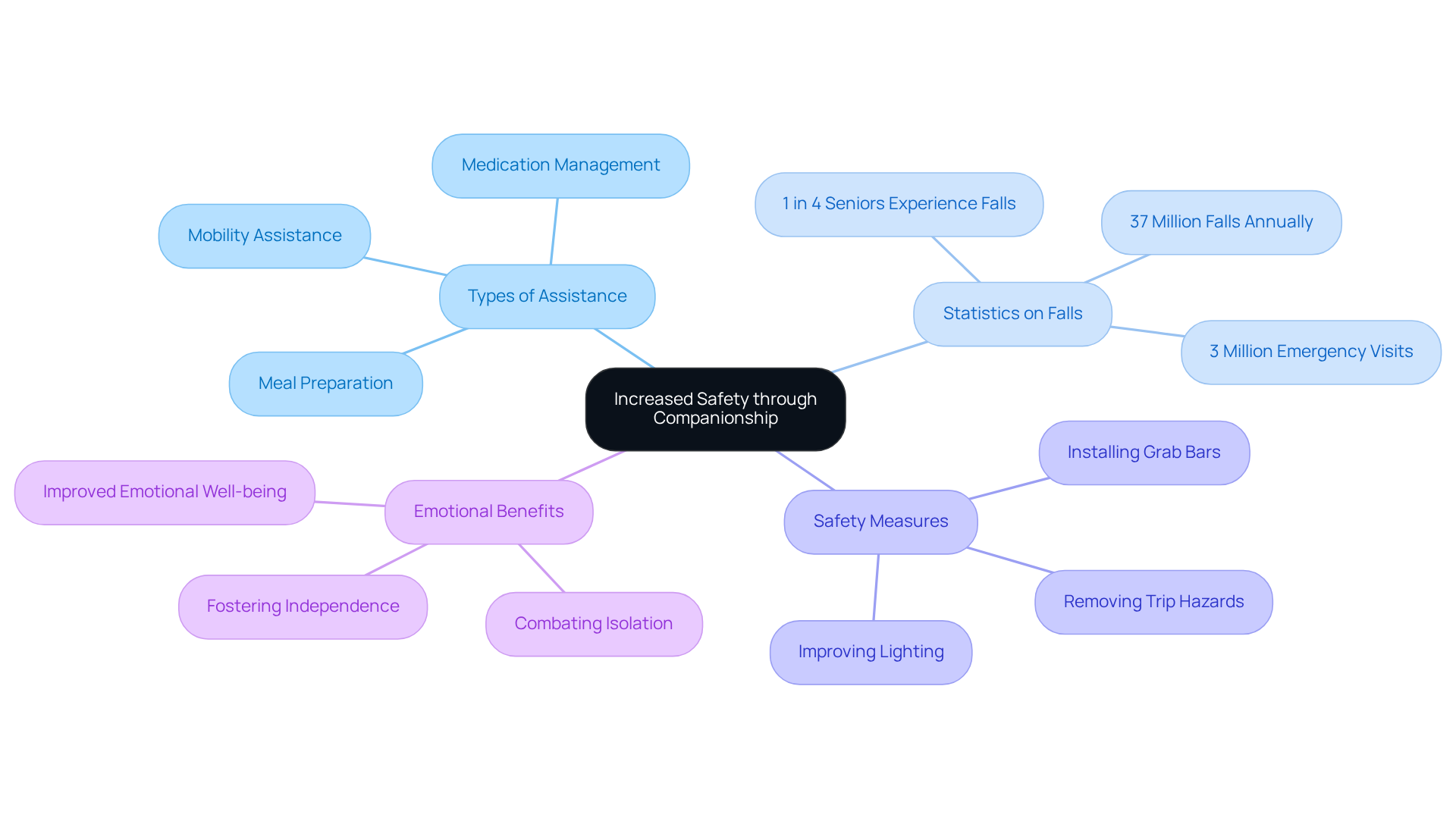
Companionship for seniors is vital in providing essential support for daily activities, significantly enhancing the safety of older adults in their homes. Caregivers provide crucial assistance with meal preparation, medication management, and mobility, which together lower the risk of accidents, allowing seniors to flourish in their familiar surroundings.
Consider this: over 1 in 4 seniors report experiencing falls each year, leading to about 37 million incidents. These falls result in 3 million emergency department visits annually, underscoring the importance of having trained personnel to help mitigate these risks. Families often express deep concerns about the safety of their loved ones when they are alone. The presence of supportive helpers alleviates these worries, fostering a secure living environment.
Occupational therapists emphasize that enhancing safety at home involves practical steps, such as removing trip hazards and ensuring proper lighting—tasks that support personnel can efficiently handle. Moreover, case studies reveal that companionship for seniors not only aids in daily tasks but also combats feelings of isolation, which can be as detrimental to health as obesity or chronic smoking. This companionship leads to improved emotional well-being.
By providing consistent support, caregivers empower elderly individuals to maintain their independence while ensuring their safety. This makes companionship for seniors an invaluable resource for families, promoting both physical safety and emotional connection.
Enhanced Quality of Life: The Comprehensive Benefits of Companionship
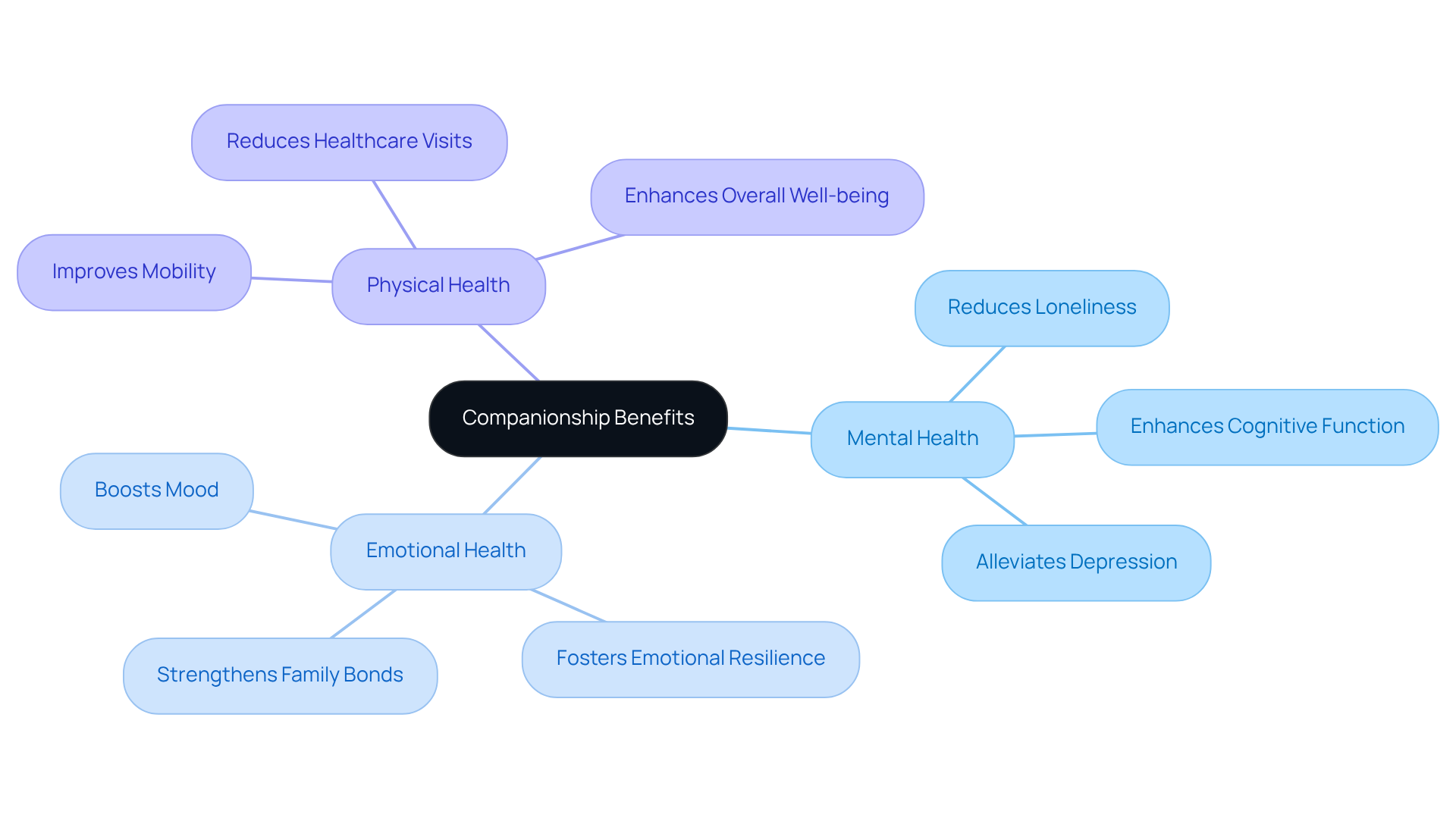
The profound benefits of friendship reach far beyond simple social interaction. They play a vital role in addressing mental, emotional, and physical health, significantly enhancing companionship for seniors and their overall quality of life. With personalized support, companionship for seniors can enable them to truly enjoy a fulfilling and enriched life. They are surrounded by caring individuals who genuinely prioritize their well-being and happiness.
Key Takeaways for Caregivers
The significance of companionship for seniors is profound, as it plays a crucial role in enhancing their overall well-being and quality of life. By fostering meaningful connections, personalized companionship services help combat loneliness, promote mental health, and encourage active lifestyles among older adults. This multifaceted approach addresses emotional needs while supporting physical health, independence, and social engagement.
Throughout this article, we have highlighted various benefits of companionship, including:
- Improved mental health outcomes
- Reduced cognitive decline
- Enhanced safety in daily living
Caregivers provide essential support that empowers seniors to maintain their autonomy, ensuring they feel valued and connected. The positive impact of companionship extends to family caregivers as well, alleviating their burdens and allowing them to enjoy more fulfilling relationships with their loved ones.
Recognizing the importance of companionship in the lives of older adults is essential for creating a nurturing and supportive environment. By prioritizing social connections and engagement, families and caregivers can contribute to a healthier, happier aging experience. Embracing these principles not only enhances individual lives but also strengthens the fabric of communities, ensuring that seniors thrive in their golden years.
https://iframe.tely.ai/cta/eyJhcnRpY2xlX2lkIjogIjY4ZjJkOTBlOGU3OWVkNGNkMjc2NzhlYSIsICJjb21wYW55X2lkIjogIjY4ZWU1ZGNhNzMxNzYyNTU3ZjNjOTVjMSIsICJpbmRleCI6IG51bGwsICJ0eXBlIjogImFydGljbGUifQ==Frequently Asked Questions
What services does Happy to Help Caregiving provide for seniors?
Happy to Help Caregiving offers personalized companionship services that include engaging activities, emotional support, and assistance with daily tasks, all tailored to meet the unique preferences and needs of each client.
Why is companionship important for seniors?
Companionship is crucial for seniors as it alleviates loneliness, fosters a sense of community, and is essential for mental well-being. Prolonged loneliness can increase the risk of dementia and heart disease, making regular social interaction vital.
How does personalized companionship impact seniors' well-being?
Personalized companionship has been shown to improve emotional well-being, provide a renewed sense of purpose, and strengthen family bonds. Many seniors report feeling less alone and more connected as a result of these services.
What daily tasks can companion caregivers assist with?
Companion caregivers can help with tasks such as meal preparation and medication reminders, which can significantly reduce stress for older adults and their families.
What are the typical costs associated with companion care?
The cost of companion care typically ranges from $20 to $30 per hour, making it a financially sensible option for families seeking support for their loved ones.
How does companionship contribute to seniors' mental health?
Companionship enhances mental well-being by addressing feelings of loneliness and isolation, offering emotional support, and fostering a sense of belonging, which can alleviate symptoms of depression and anxiety.
What percentage of seniors experience a lack of social connection?
In 2023, studies revealed that 37% of senior citizens experienced a lack of social connection, negatively affecting their mental health and overall quality of life.
What role do caregivers play in promoting physical health for seniors?
Caregivers encourage seniors to maintain an active lifestyle by engaging them in light exercises and recreational activities, which enhance mobility, fitness, and overall physical health.
What are the benefits of regular physical activity for older adults?
Older adults who engage in at least 300 minutes of light physical activity weekly enjoy benefits such as a lower body mass index and reduced risks of chronic diseases, which contribute to a higher quality of life.
How do caregiver-led activities affect seniors' health outcomes?
Caregiver-led activities have been shown to improve health outcomes, with studies indicating that regular participation in community exercise programs can significantly reduce cardiovascular disease mortality.