
The Importance of Companionship Home Care
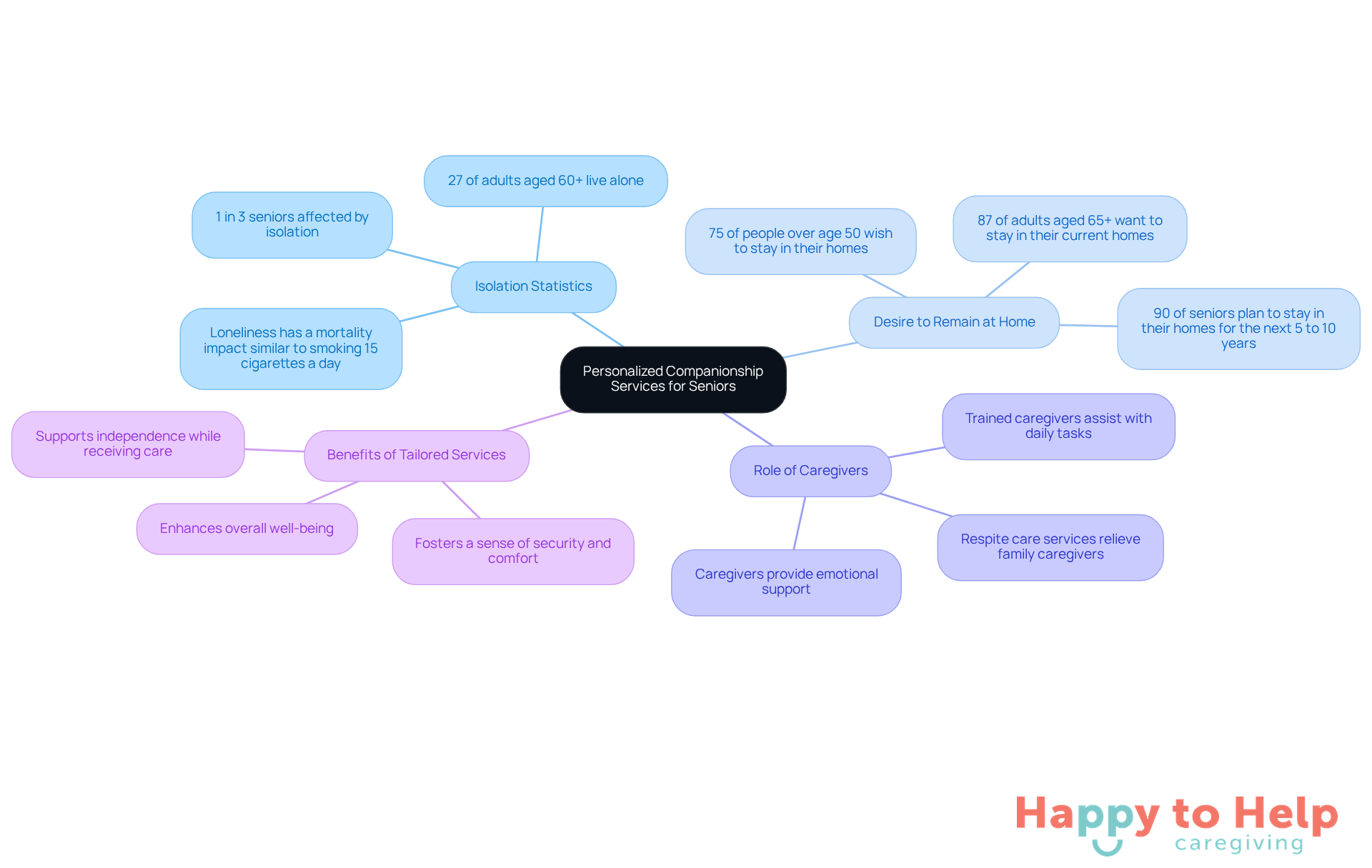
Isolation is a growing concern for older adults. Studies reveal that one in three seniors experiences significant loneliness. This emotional void diminishes their quality of life and poses serious risks to their mental well-being.
Companionship home care emerges as a vital solution. It offers personalized support that fosters connection and emotional security for seniors. However, family caregivers often face a dilemma: how can they balance their own well-being while ensuring their loved ones receive the companionship they desperately need?
This article explores the multifaceted benefits of companionship home care. It reveals how this approach enhances the lives of both seniors and their caregivers, providing actionable insights for those navigating this challenging landscape.
Happy to Help Caregiving: Personalized Companionship Services for Seniors
Isolation among older adults is a pressing issue, with one in three elderly individuals affected. This loneliness can significantly impact their mental well-being and overall quality of life. Many older adults express a strong desire to remain in their homes or communities, with 75% of those over age 50 wishing to do so for as long as possible. This highlights the critical need for effective companionship home care.
Happy to Help Caregiving addresses this challenge by providing tailored companionship home care services specifically designed for older adults. Caregivers are expertly trained to offer emotional support, engage clients in enjoyable activities, and assist with essential daily living tasks. This individualized approach not only aligns care with each client's lifestyle and preferences but also fosters a profound sense of security and comfort.
As a result, older adults can thrive in their own homes, maintaining their independence while receiving the support they need. The role of tailored companionship home care services is essential in improving overall well-being and enhancing the quality of life for aged individuals. Experts in elderly care emphasize that individualized support is crucial for promoting autonomy and enhancing mental well-being.
Emotional Support: Alleviating Loneliness Through Companion Care
Isolation among older adults is a significant issue that can lead to detrimental effects on their mental health. Many seniors experience feelings of loneliness, which can negatively impact their overall well-being.
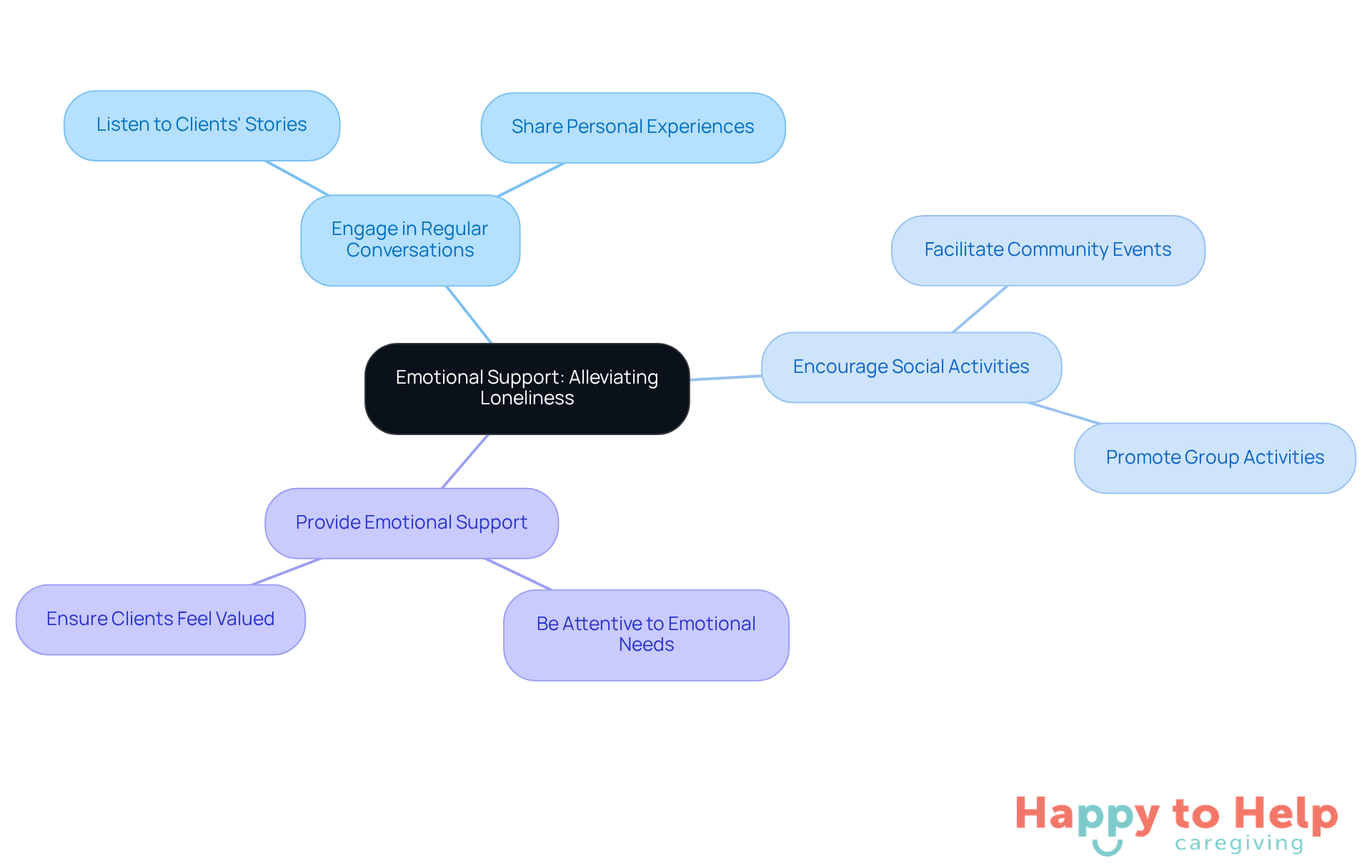
Companionship home care addresses this problem by offering essential psychological support. Caregivers engage in meaningful conversations, listen to their clients' stories, and provide companionship home care that fosters a sense of belonging. This emotional bond not only combats loneliness but also enhances the mental well-being of older adults, making them feel appreciated and understood.
To effectively combat isolation, caregivers can implement several strategies:
- Engage in regular conversations: Take time to listen and share stories, creating a deeper connection.
- Encourage social activities: Facilitate participation in community events or group activities to promote social interaction.
- Provide emotional support: Be attentive to the emotional needs of older adults, ensuring they feel valued and heard.
By focusing on these actionable solutions, caregivers can significantly improve the quality of life for older adults through companionship home care, helping them feel less isolated and more connected.
Daily Living Assistance: Enhancing Quality of Life with Companion Care
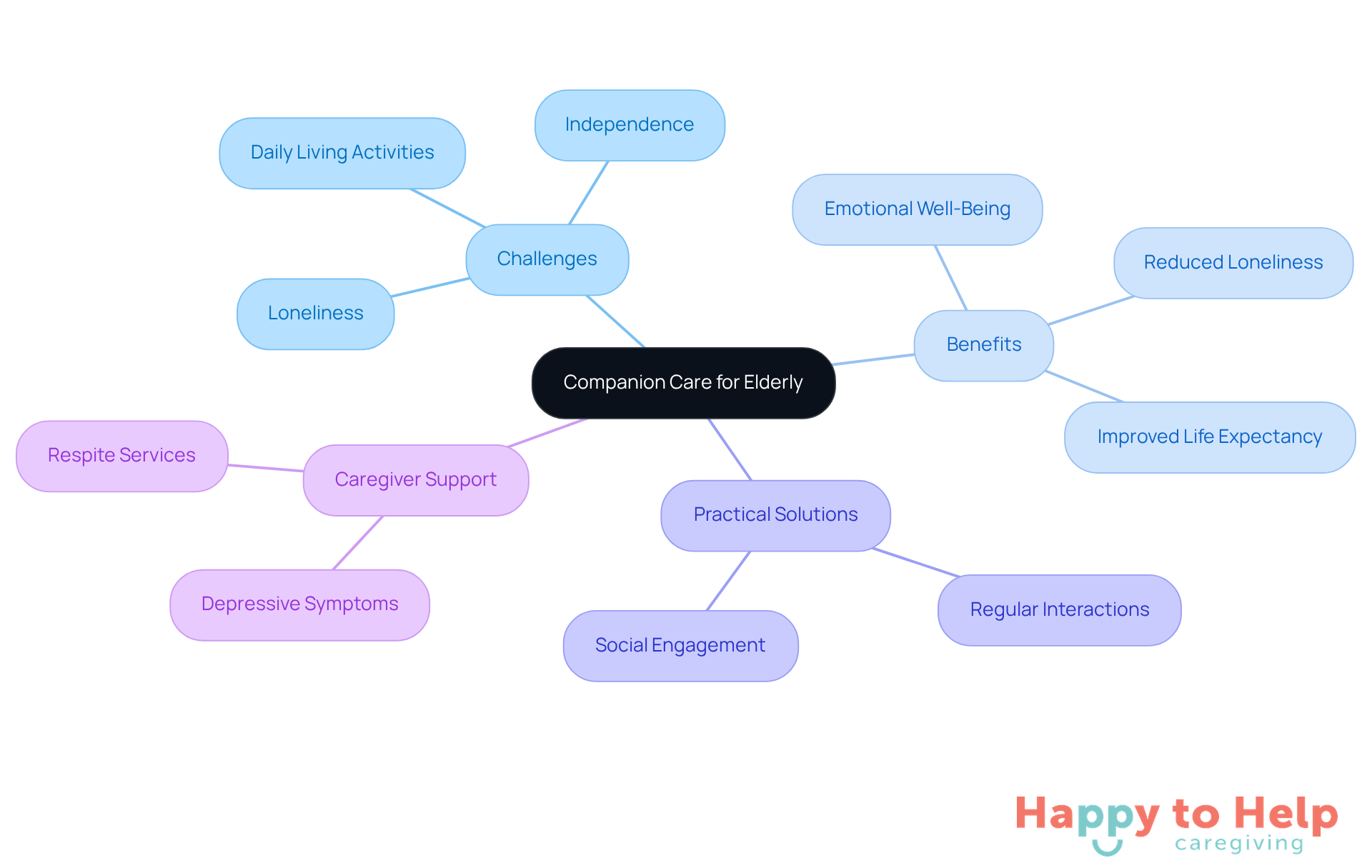
Companion support providers address a significant problem faced by elderly individuals: loneliness and the challenges of daily living. Many older adults struggle with everyday activities like meal preparation, medication reminders, and light housekeeping. This lack of support can lead to a decline in their independence and dignity, making it essential to fulfill their basic needs.
The implications of this issue are profound. Research shows that just a few hours of companionship each week can significantly improve emotional well-being, reduce feelings of loneliness, and foster a sense of connection. In fact, chronic loneliness among older adults can decrease life expectancy more than obesity or inactivity, underscoring the urgency of companion care.
To combat these challenges, caregivers can implement practical solutions. Regular interactions with support providers not only enhance mental wellness but also help mitigate risks associated with chronic loneliness, such as depression and cognitive decline. A compassionate support person can transform daily routines into opportunities for social interaction, enriching the lives of elderly individuals and allowing them to thrive in their own homes.
Moreover, it's crucial to recognize that 30-50% of family supporters experience depressive symptoms themselves. This highlights the need for respite services that companionship home care can offer. The World Health Assembly emphasizes the importance of social engagement for the elderly, reinforcing the benefits of companionship home care. By prioritizing these connections, caregivers can significantly improve the quality of life for both themselves and the seniors they support.
Social Interaction: Boosting Mental Health Through Companionship
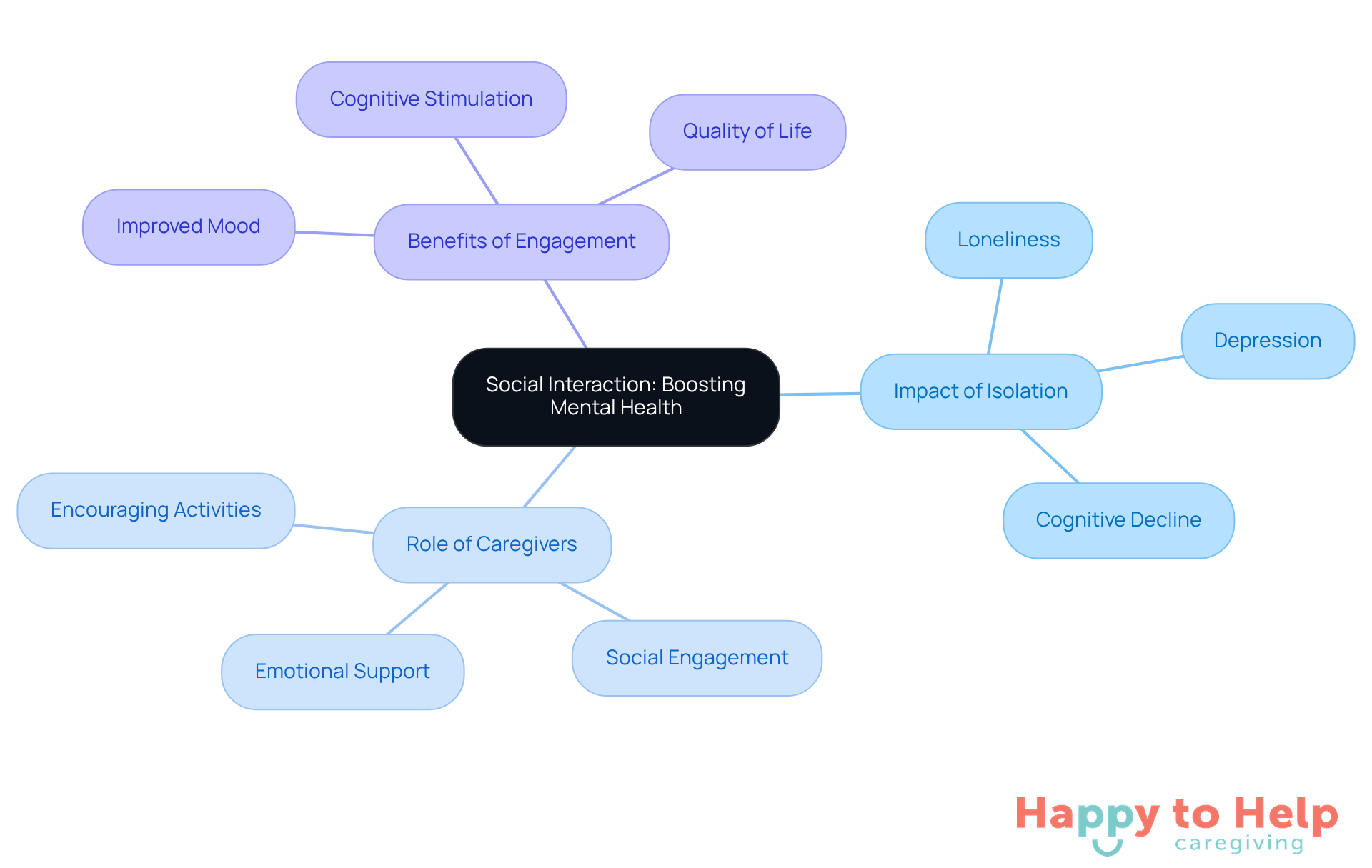
Social isolation is a significant challenge faced by many seniors, leading to feelings of loneliness and depression. This lack of regular social interaction can negatively impact their mental and emotional well-being, contributing to cognitive decline over time.
Companionship home care provides a practical solution to this problem. Caregivers play a crucial role in encouraging seniors to engage in social activities, whether it’s playing games, going for walks, or simply enjoying a chat over a cup of tea. These interactions not only boost mood but also stimulate cognitive function, helping to prevent mental decline and enhance overall well-being.
By fostering regular social engagement, companionship home care can significantly improve the quality of life for seniors, ensuring they remain connected and active in their communities.
Family Caregiver Relief: Respite Benefits of Companion Care
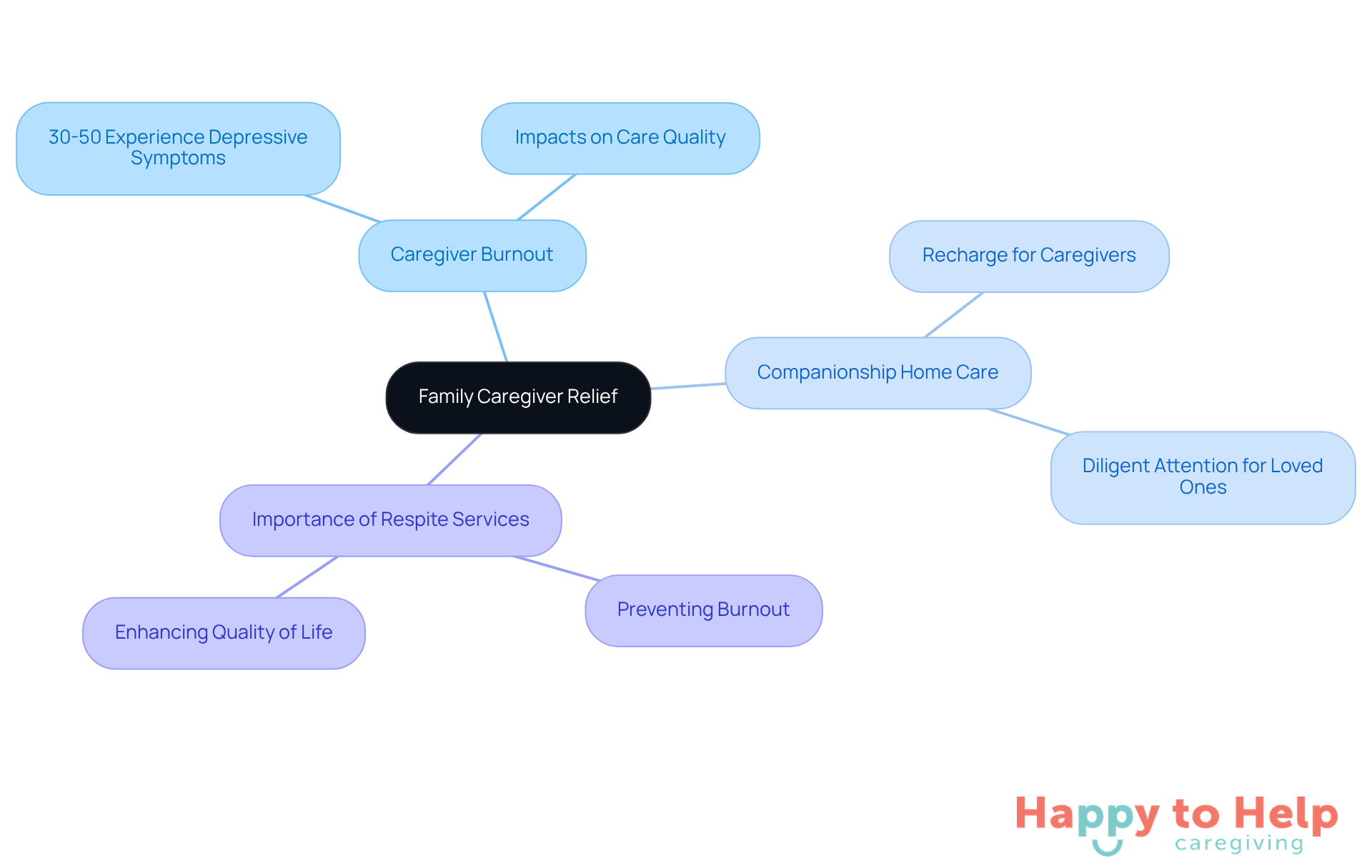
Caregiver burnout is a significant issue that affects many family providers. Research shows that up to 30-50% of caregivers experience depressive symptoms, leading to mental and physical fatigue. This not only impacts the well-being of the provider but also the quality of care received by their loved ones.
To combat this problem, companionship home care acts as a vital lifeline, providing essential respite that allows caregivers to recharge. By hiring professional companionship home care aides, family members can concentrate on their own well-being while ensuring their loved ones receive diligent attention. This arrangement alleviates the stress associated with caregiving and fosters a stronger caregiver-recipient relationship.
Organizations dedicated to supporting caregivers emphasize that respite services are not merely a luxury; they are crucial for preventing burnout. These services enable providers to rest, recharge, and address their own needs. Ultimately, companionship home care enhances the quality of life for both caregivers and their loved ones, fostering a more sustainable support environment.
Flexible Scheduling: Tailoring Companion Care to Individual Needs
Flexible scheduling presents a significant challenge in companion care, often leaving caregivers struggling to meet the unique needs of older adults. When care is rigidly scheduled, it can lead to missed opportunities for meaningful interaction and support, ultimately affecting the quality of care provided.
This lack of flexibility can be particularly detrimental for elderly individuals who may require assistance at varying times throughout the day. For instance, caregivers may find it difficult to connect with older adults when they are most alert and receptive, which is crucial for fostering trust and emotional safety. A study has shown that flexible scheduling not only enhances the caregiver-patient relationship but also ensures consistent oversight during critical recovery periods, especially for those recovering from surgery.
The solution lies in implementing customized care plans that accommodate individual preferences and routines. By allowing caregivers to arrange visits around meal times or medication schedules, stress is reduced for both older adults and their families. Families can select visit times that seamlessly fit into their loved ones' daily lives, making the care experience more manageable and less disruptive. As one expert noted, "When visits are scheduled with flexibility, caregivers arrive during the periods when patients are alert, receptive, and physically comfortable."
The impact of such tailored scheduling on elder satisfaction is profound. Research indicates that older adults receiving personalized care report higher levels of comfort and happiness in their daily lives. This approach not only addresses immediate needs but also fosters a sense of independence and dignity - essential components of quality care. Ultimately, flexible scheduling in companionship home care is a thoughtful strategy that respects the unique circumstances of each individual, ensuring they receive the support necessary to thrive at home.
Safety and Security: Ensuring a Safe Home Environment with Companion Care
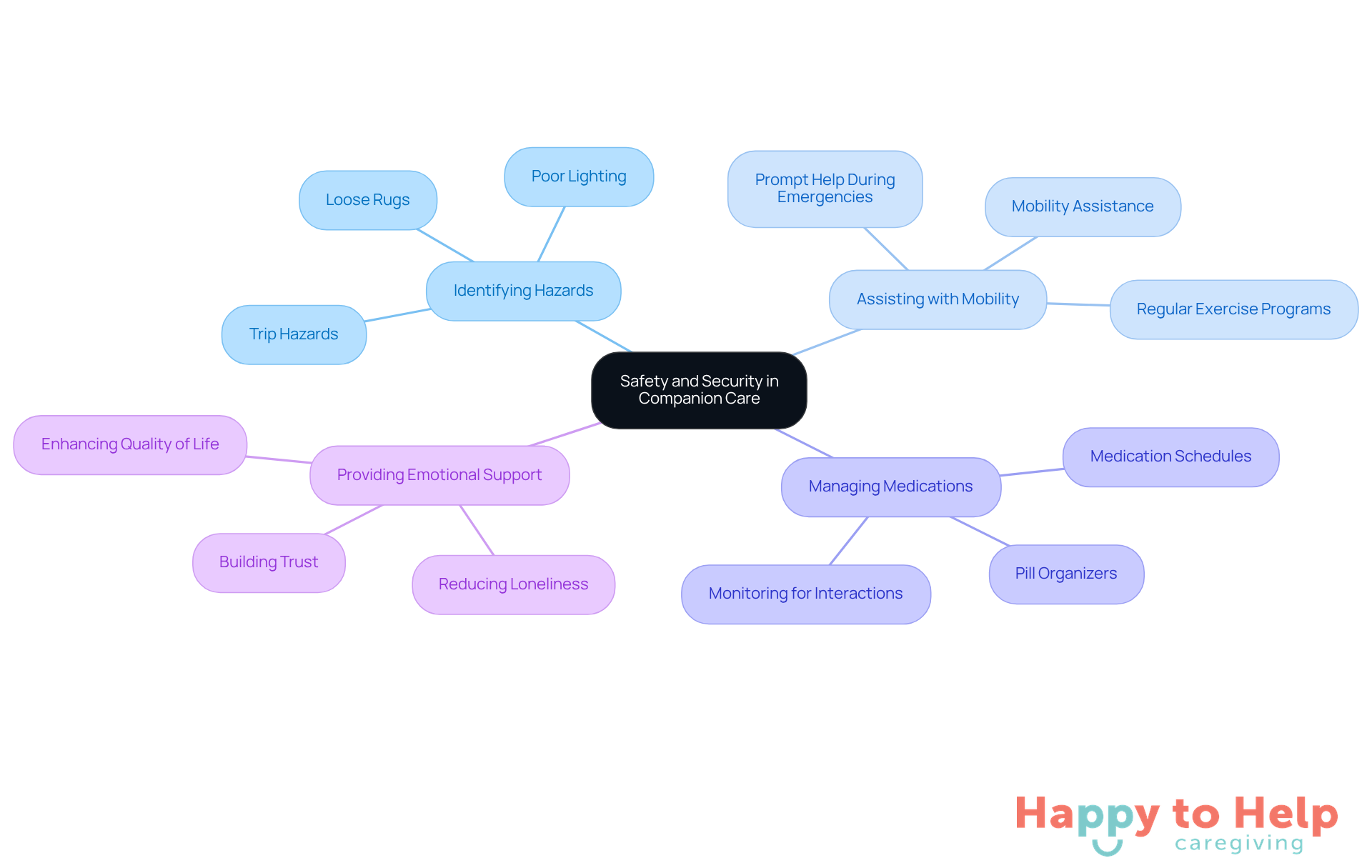
Companionship home care providers play a vital role in ensuring a safe home environment for older adults. They proactively identify potential hazards, such as loose rugs or poor lighting, which can lead to falls - an issue affecting over 25% of older adults each year. By assisting with mobility and providing prompt help during emergencies, caregivers significantly lower the risk of accidents. In fact, around 1 million fall-related hospitalizations occur annually among older adults due to such incidents.
Moreover, caregivers are essential in managing medications, ensuring that elderly individuals stick to their schedules and avoid harmful interactions that could compromise their safety. Strategies like creating a medication schedule with pill organizers can help prevent errors and enhance safety.
The emotional support provided by caregivers in companionship home care helps reduce feelings of loneliness and anxiety, contributing to an elderly person's overall well-being. As experts note, "Falls are the most common cause of traumatic brain injuries (TBI)," underscoring the urgent need for preventive measures. Establishing a supportive and secure environment is crucial for maintaining independence and dignity in aging individuals.
Families can feel reassured knowing their loved ones are not only safe but also engaged in meaningful companionship home care, enhancing their quality of life. This comprehensive approach to caregiving not only protects elderly individuals from accidents but also fosters a sense of safety and comfort in their own homes.
Promoting Independence: Empowering Seniors Through Companion Care
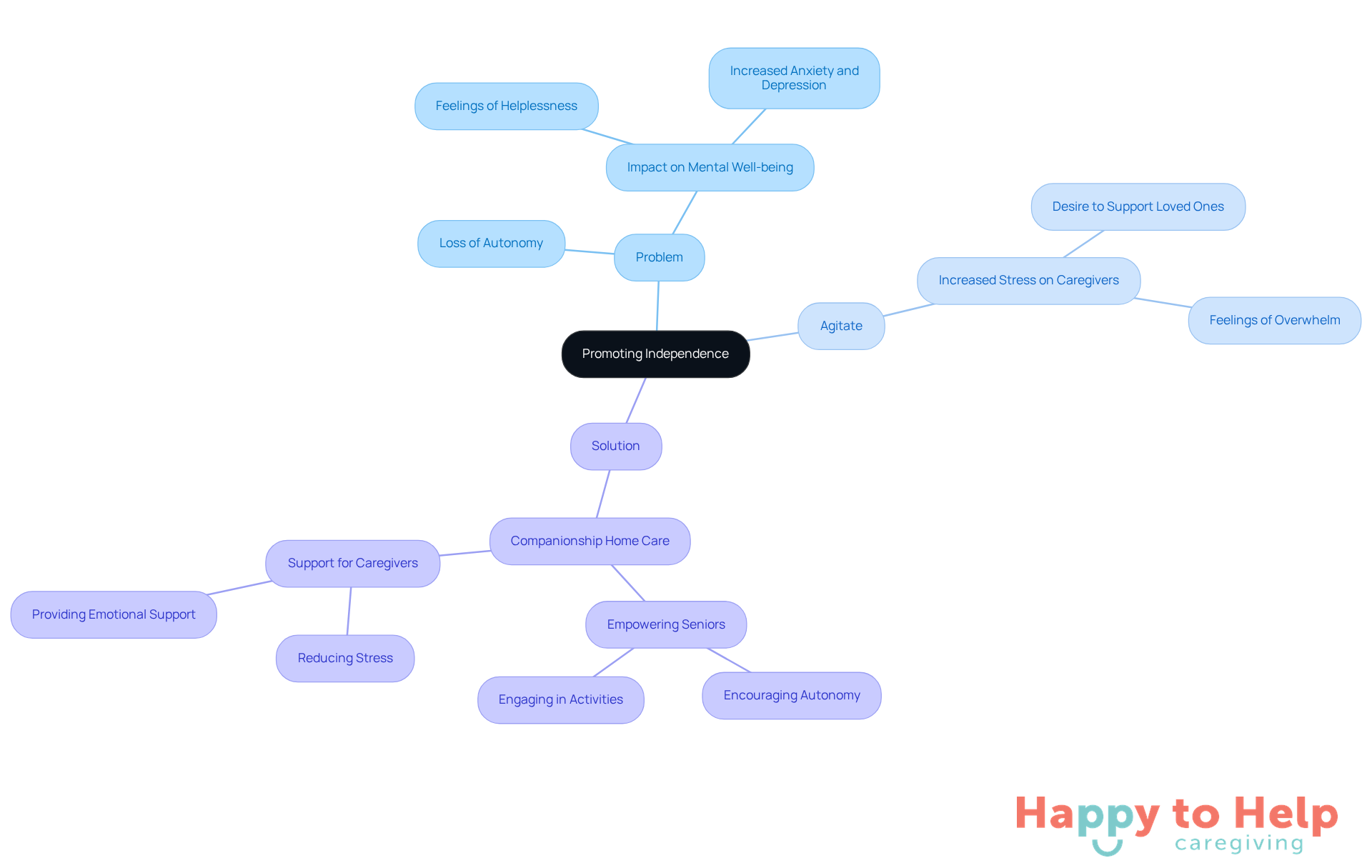
Problem: Many older adults struggle with maintaining their independence as they age. This loss of autonomy can lead to feelings of helplessness and negatively impact their mental and psychological well-being.
Agitate: When older adults feel they have little control over their lives, it can result in increased anxiety and depression. This situation not only affects their quality of life but also places additional stress on caregivers who want to support their loved ones effectively.
Companionship home care provides a valuable solution by empowering older adults to take charge of their own care decisions. Caregivers play a crucial role in encouraging clients to engage in activities that promote autonomy. By fostering a sense of control, companionship home care helps older adults maintain their independence, which is essential for their overall well-being.
Overall Well-Being: Enhancing Life Satisfaction with Companion Care
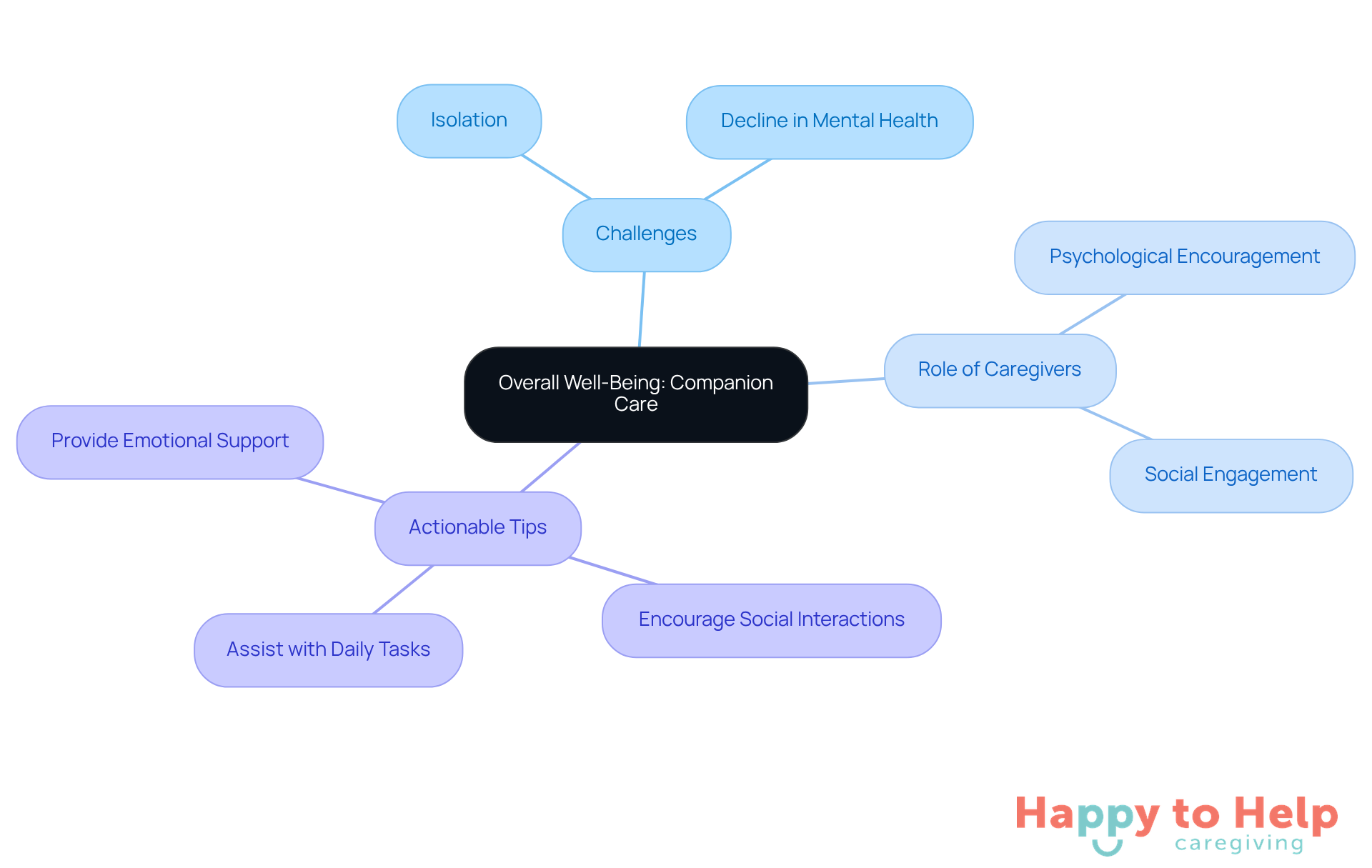
Seniors often face challenges that can significantly impact their overall well-being. Many experience feelings of isolation and a decline in mental health, which can lead to a lower quality of life.
Companionship home care addresses these issues by offering essential psychological encouragement and social engagement. Caregivers play a crucial role in helping seniors with everyday activities, which not only improves physical health but also enhances mental and emotional satisfaction.
By adopting a holistic approach, caregivers can foster a more fulfilling life for seniors. This method not only boosts their quality of life but also ensures they feel valued and connected.
To implement effective companion care, consider these actionable tips:
- Encourage regular social interactions to combat feelings of loneliness.
- Assist with daily tasks to promote independence and confidence.
- Provide emotional support to enhance mental well-being.
Incorporating these strategies can lead to a significant improvement in the lives of seniors, making companion care a vital component of their overall health.
Peace of Mind: Family Assurance Through Companion Care Services
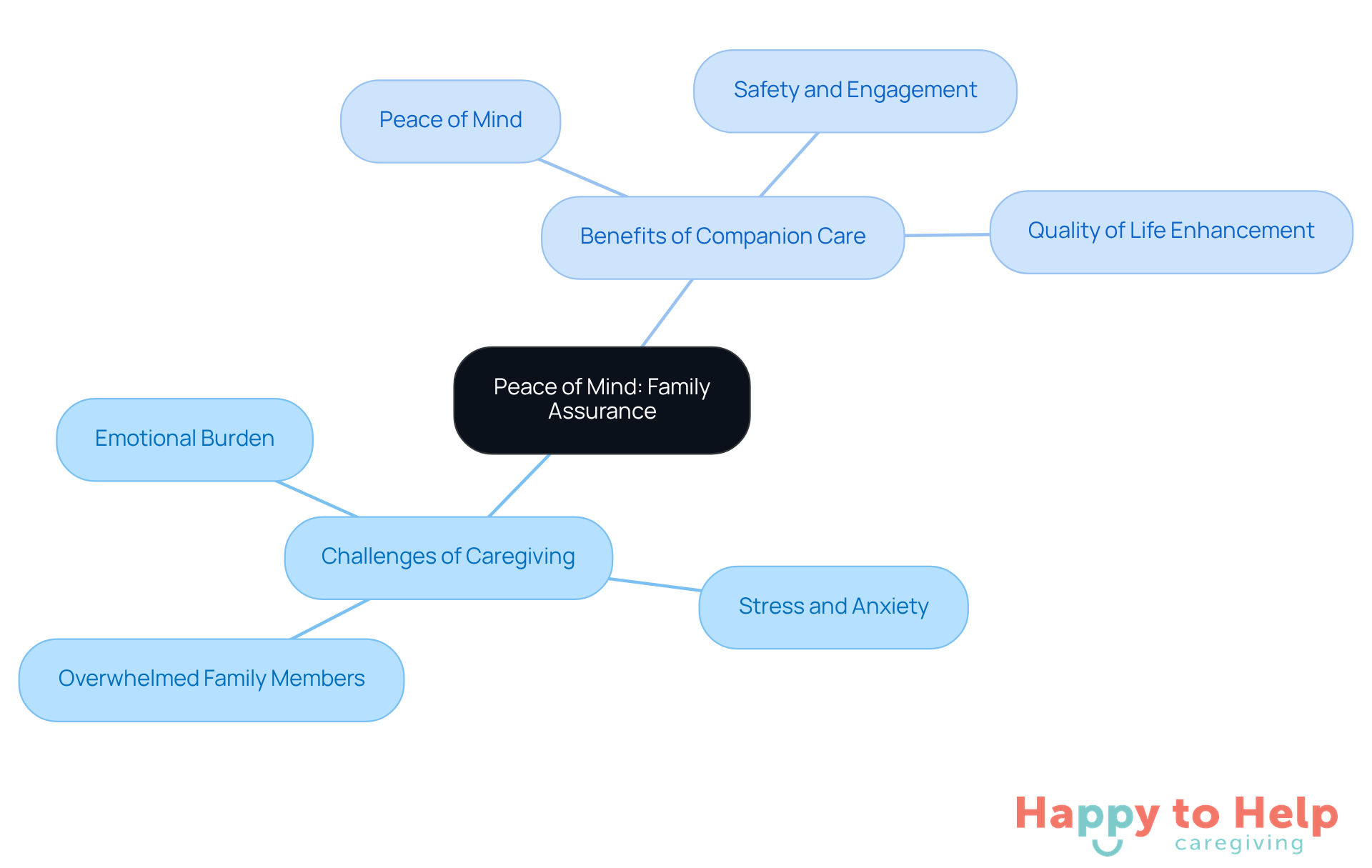
Caregiving can be a daunting challenge for families. The emotional burden of ensuring that loved ones receive proper care often weighs heavily on caregivers, leading to stress and anxiety. This situation can leave family members feeling overwhelmed, as they juggle their own lives while worrying about the well-being of their seniors.
Companionship home care provides a practical solution to this problem. By providing compassionate and professional support, it allows families to gain peace of mind. Knowing that their loved ones are safe, engaged, and well-cared for enables family members to focus on their own lives without the constant worry that often accompanies caregiving.
The emotional relief that comes from knowing a loved one is in good hands is invaluable. Families navigating the challenges of caregiving can benefit greatly from the assurance that companionship home care provides. This support not only enhances the quality of life for seniors but also alleviates the stress on their families.
Your Path Forward
Companionship home care addresses a significant problem: the isolation faced by many seniors. This loneliness can lead to serious emotional and mental health issues, not only affecting the elderly but also placing a heavy burden on family caregivers. The implications are profound, as caregivers often experience burnout while trying to provide support to their loved ones.
To combat these challenges, companionship home care offers tailored services that enhance the quality of life for seniors. By providing emotional support and essential daily living assistance, these services help seniors maintain their independence and dignity. Key benefits include:
- Reducing loneliness
- Promoting mental well-being
- Alleviating caregiver burnout
Moreover, the importance of social interaction and flexible scheduling cannot be overstated, as personalized care leads to improved safety, security, and overall life satisfaction for elderly individuals.
Families should seriously consider integrating companionship home care into their support systems. This not only enhances the well-being of their loved ones but also fosters a healthier balance in their own lives. Embracing these services provides peace of mind and enriches the lives of seniors, ensuring they feel valued, connected, and empowered in their own homes.
In conclusion, companionship home care is a vital solution that transforms the caregiving experience into a more manageable and fulfilling journey for both seniors and their caregivers.
https://iframe.tely.ai/cta/eyJhcnRpY2xlX2lkIjogIjY5MmY5MTg2Y2E4MDg5MWIwMmZiMDA4ZSIsICJjb21wYW55X2lkIjogIjY4ZWU1ZGNhNzMxNzYyNTU3ZjNjOTVjMSIsICJpbmRleCI6IG51bGwsICJ0eXBlIjogImFydGljbGUifQ==Frequently Asked Questions
What is the main issue faced by older adults regarding companionship?
Isolation is a significant issue among older adults, with one in three elderly individuals affected, leading to detrimental impacts on their mental well-being and overall quality of life.
What percentage of individuals over age 50 wish to remain in their homes?
Seventy-five percent of individuals over age 50 express a strong desire to stay in their homes or communities for as long as possible.
How does Happy to Help Caregiving address the issue of loneliness among seniors?
Happy to Help Caregiving provides tailored companionship home care services designed to offer emotional support, engage clients in enjoyable activities, and assist with essential daily living tasks.
What are the benefits of tailored companionship home care services?
These services promote independence, enhance mental well-being, and improve the overall quality of life for older adults by aligning care with their lifestyles and preferences.
How do caregivers help alleviate feelings of loneliness in older adults?
Caregivers engage in meaningful conversations, listen to clients' stories, and provide companionship that fosters a sense of belonging and appreciation.
What strategies can caregivers implement to combat isolation among seniors?
Caregivers can engage in regular conversations, encourage participation in social activities, and provide emotional support to ensure older adults feel valued and heard.
What daily living challenges do older adults face that companionship care can help with?
Many older adults struggle with everyday activities such as meal preparation, medication reminders, and light housekeeping, which can impact their independence and dignity.
What are the implications of chronic loneliness among older adults?
Chronic loneliness can decrease life expectancy more than obesity or inactivity, highlighting the importance of companionship care in improving emotional well-being and reducing feelings of loneliness.
How does companionship home care contribute to the mental wellness of elderly individuals?
Regular interactions with caregivers enhance mental wellness, mitigate risks associated with chronic loneliness, and transform daily routines into opportunities for social interaction.
Why is respite care important for family supporters of elderly individuals?
Between 30-50% of family supporters experience depressive symptoms, making respite services offered by companionship home care crucial for their well-being as well.
List of Sources
- Happy to Help Caregiving: Personalized Companionship Services for Seniors
- Meela Launches Personalized AI Companion to Combat Loneliness Epidemic Among Seniors (https://businesswire.com/news/home/20250911525548/en/Meela-Launches-Personalized-AI-Companion-to-Combat-Loneliness-Epidemic-Among-Seniors)
- AI Care Companions for Seniors (https://health.usnews.com/senior-care/articles/ai-care-companions-for-seniors)
- AI personal companions offers low-tech way to combat loneliness in senior living residents (https://mcknightsseniorliving.com/news/ai-personal-companions-offers-low-tech-way-to-combat-loneliness-in-senior-living-residents)
- Some Important Statistics and In-Home Companion Care (https://americareinfo.com/beach-cities/articles/in-home-companion-care-some-important-facts-on-aging-to-consider)
- Lonely Seniors Are Turning To AI Bots For Companionship (https://forbes.com/sites/rashishrivastava/2025/10/18/lonely-seniors-are-turning-to-ai-bots-for-companionship)
- Emotional Support: Alleviating Loneliness Through Companion Care
- 1 in 3 older adults still experience loneliness and isolation (https://michiganmedicine.org/health-lab/1-3-older-adults-still-experience-loneliness-and-isolation)
- Emotional support key to protecting older adults against depression (https://unsw.edu.au/news/2025/09/neighbourhoods-may-hold-key-slowing-cognitive-decline)
- Social isolation, loneliness in older people pose health risks | Alzheimers.gov (https://alzheimers.gov/news/social-isolation-loneliness-older-people-pose-health-risks)
- Social connection linked to improved health and reduced risk of early death (https://who.int/news/item/30-06-2025-social-connection-linked-to-improved-heath-and-reduced-risk-of-early-death)
- Humana Foundation Expands National Efforts to Improve Seniors’ Emotional Health (https://humanafoundation.org/news-humana-foundation/press-releases/humana-foundation-expands-national-efforts-to-improve-seniors-emotional-health)
- Daily Living Assistance: Enhancing Quality of Life with Companion Care
- The Benefits of Companion Care: Enhancing Quality of Life for Seniors - TLC Care Services (https://tlccareservices.com/the-benefits-of-companion-care-enhancing-quality-of-life-for-seniors)
- CDC: More than 20% of 85+ adults need ADL assistance (https://mcknightsseniorliving.com/news/cdc-more-than-20-of-85-adults-need-adl-assistance)
- The Emotional Benefits of Companion Care for Seniors (https://comfortkeepers.com/offices/texas/round-rock/resources/news/the-emotional-benefits-of-companion-care-for-seniors)
- 10 Ways Companion Caregivers Enhance Seniors' Quality of Life - Happy To Help (https://happytohelpcaregiving.com/10-ways-companion-caregivers-enhance-seniors-quality-of-life)
- How Companion Care Enhances Quality of Life for Seniors (https://seniorsbluebook.com/articles/how-companion-care-enhances-quality-of-life-for-seniors)
- Social Interaction: Boosting Mental Health Through Companionship
- The importance of connections: Ways to live a longer, healthier life | Harvard T.H. Chan School of Public Health (https://hsph.harvard.edu/news/the-importance-of-connections-ways-to-live-a-longer-healthier-life)
- Social Connection as a Mental Health Priority in Senior Living - Supportive Care (https://thesupportivecare.com/blog/social-connection-as-a-mental-health-priority-in-senior-living)
- Why Socialization is Important for Older Adults (https://newsroom.clevelandclinic.org/2022/12/09/why-socialization-is-important-for-older-adults)
- Social connection linked to improved health and reduced risk of early death (https://who.int/news/item/30-06-2025-social-connection-linked-to-improved-heath-and-reduced-risk-of-early-death)
- Build Social Bonds to Protect Health (https://newsinhealth.nih.gov/2025/03/build-social-bonds-protect-health)
- Family Caregiver Relief: Respite Benefits of Companion Care
- New Report Reveals Crisis Point for America’s 63 million Family Caregivers (https://press.aarp.org/2025-07-24-New-Report-Reveals-Crisis-Point-for-Americas-63-million-Family-Caregivers)
- Caring For the Caregiver: Preventing Burnout - AMHC (https://amhc.org/news/caregiver)
- Caregivers and the Importance of Respite Care (https://benedictineliving.org/resources/news/caregivers-and-the-importance-of-respite-care)
- Improving Support for Family Caregivers (https://nationalacademies.org/news/2025/07/improving-support-for-family-caregivers)
- News & Success Stories | Live Well San Diego (https://livewellsd.org/Home/Components/News/News/513/153)
- Flexible Scheduling: Tailoring Companion Care to Individual Needs
- 9 Ways to Find Caregivers With Flexible Scheduling Options - MedCity News (https://medcitynews.com/2025/05/9-ways-to-find-caregivers-with-flexible-scheduling-options)
- Flexible scheduling, enhanced communication, technology can help address workforce challenges (https://mcknightsseniorliving.com/news/flexible-scheduling-enhanced-communication-technology-can-help-address-workforce-challenges)
- Senior Living Operators Embrace More Flexible Scheduling Practices to Improve Staffing (https://seniorhousingnews.com/2024/08/06/senior-living-operators-embrace-more-flexible-scheduling-practices-to-improve-staffing)
- Exploring the Rising Demand for Flexible Work in Healthcare (https://healthecareers.com/career-resources/nurse-career/rising-demand-for-flexible-work-in-healthcare)
- How Flexible Scheduling Improves The Home Care Experience For Families – CCN – Columbus County News (https://columbuscountynews.com/2025/12/how-flexible-scheduling-improves-the-home-care-experience-for-families)
- Safety and Security: Ensuring a Safe Home Environment with Companion Care
- Facts About Falls (https://cdc.gov/falls/data-research/facts-stats)
- Home Safety Tips to Protect Your Aging Parents (https://aarp.org/caregiving/home-care/safety-tips)
- 7 Things Caregivers Do to Keep Seniors Safe | Amada (https://amadaseniorcare.com/2024/02/7-things-caregivers-do-to-keep-seniors-safe)
- Hidden Hazards in the Home: Help Protect Yourself and Your Loved Ones (https://ncoa.org/article/hidden-home-hazards-older-adults-more-likely-to-die-from-falls-and-fires)
- Home Care Assistance: Five Tips for Families Worried About Senior Safety (https://homehelpershomecare.com/nw-indiana/community-blog/2025/july/five-tips-for-family-caregivers-worried-about-senior-safety)
- Promoting Independence: Empowering Seniors Through Companion Care
- How Companion Care Services Improve Independence | Assistance Home Care (https://assistancehomecare.com/how-companion-care-services-improve-independence)
- Some Important Statistics and In-Home Companion Care (https://americareinfo.com/beach-cities/articles/in-home-companion-care-some-important-facts-on-aging-to-consider)
- The Incredible Benefits of Home Care, in 7 Amazing Stats - Companions For Seniors (https://companionsforseniors.com/2019/08/benefits-home-care-amazing-stats-trends-reports)
- The Unbeatable Benefits of Companion Care for Seniors (https://comforcare.com/massachusetts/canton/resources/blog/the-unbeatable-benefits-of-companion-care-for-seniors)
- 10 Benefits of In-Home Companion Care for Seniors You Should Know - Happy To Help (https://happytohelpcaregiving.com/10-benefits-of-in-home-companion-care-for-seniors-you-should-know)
- Overall Well-Being: Enhancing Life Satisfaction with Companion Care
- The Value of Companion Care for Seniors- Home Care Powered By AUAF (https://homecare-aid.com/the-value-of-companion-care-for-seniors)
- The Emotional Benefits of Companion Care for Seniors (https://comfortkeepers.com/offices/texas/round-rock/resources/news/the-emotional-benefits-of-companion-care-for-seniors)
- 7 Longevity Benefits of Companion Care and Socialization (https://seniorhelpers.com/nh/se-new-hampshire/resources/blogs/2023-07-20)
- 10 Benefits of In-Home Companion Care for Seniors You Should Know - Happy To Help (https://happytohelpcaregiving.com/10-benefits-of-in-home-companion-care-for-seniors-you-should-know)
- The Unbeatable Benefits of Companion Care for Seniors (https://comforcare.com/massachusetts/canton/resources/blog/the-unbeatable-benefits-of-companion-care-for-seniors)
- Peace of Mind: Family Assurance Through Companion Care Services
- In-Home Caregivers Provide Peace of Mind to So Many (https://homewellcares.com/blogs/in-home-caregivers-provide-peace-of-mind-to-so-many)
- The Amazing Benefits of Companion Care for Seniors (https://homeinstead.com/home-care/usa/az/phoenix/808/news-and-media/the-amazing-benefits-of-companion-care-for-seniors)
- The Incredible Benefits of Home Care, in 7 Amazing Stats - Companions For Seniors (https://companionsforseniors.com/2019/08/benefits-home-care-amazing-stats-trends-reports)
- 15 Benefits of Senior Companion Care Services (https://heartsfordementia.com/news/15-benefits-of-senior-companion-care-services)
- 10 Benefits of Professional Companion Services for Family Caregivers - Happy To Help (https://happytohelpcaregiving.com/10-benefits-of-professional-companion-services-for-family-caregivers)