
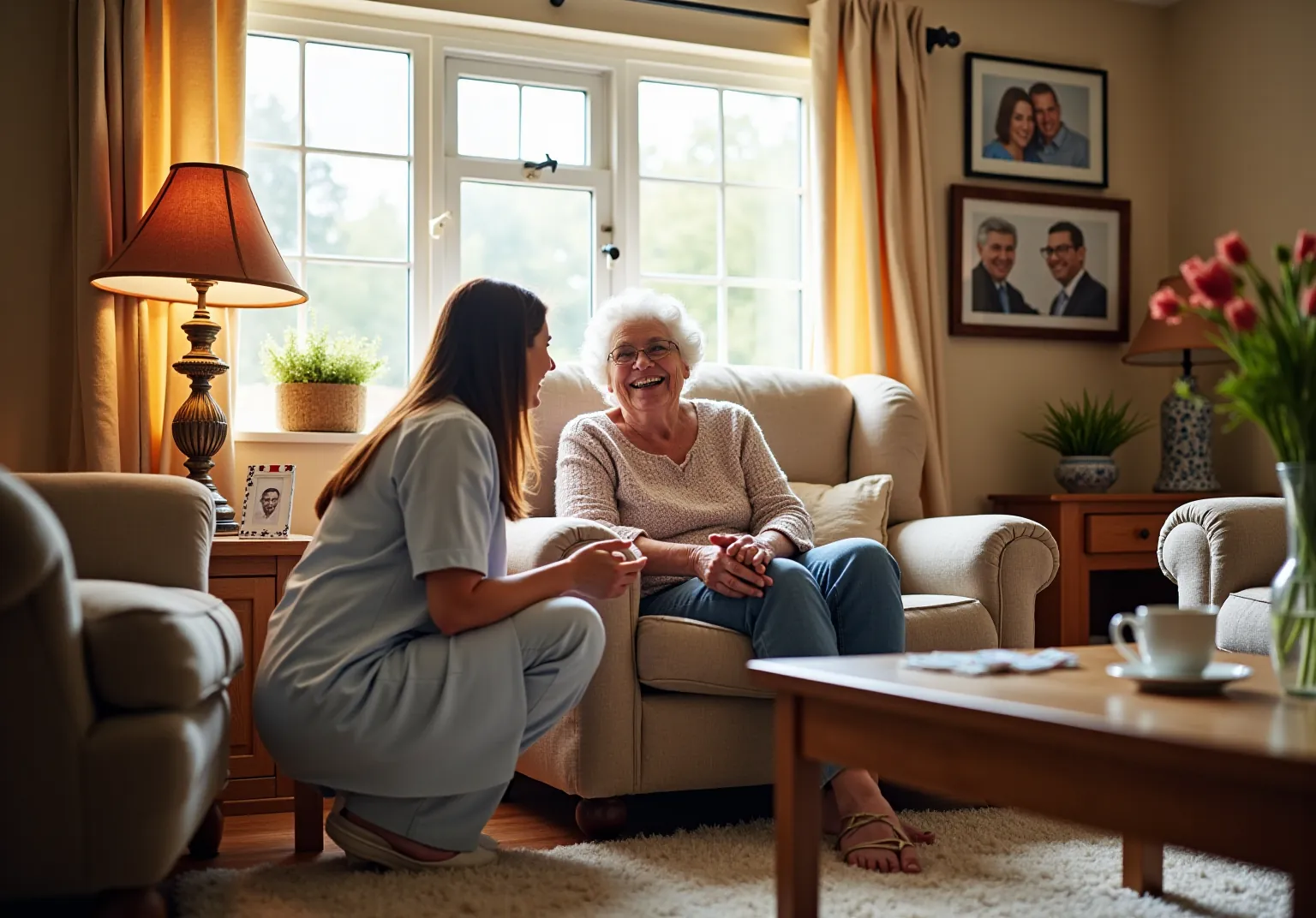
For families in our service areas
For families in our service areas, this guide explains caregiver support and how non-medical in-home caregiving can support care planning in East Idaho, Treasure Valley & Magic Valley, Northern Wasatch, North Central West Virginia, and Northeast Ohio.
Understanding Concierge Care
As more seniors choose to age in place instead of moving to assisted living, a significant challenge arises: the need for personalized in-home support services. This growing preference highlights the complexities families face in securing the right care for their loved ones.
Concierge care stands out as a vital solution, providing family caregivers with both emotional and practical assistance. This type of care not only supports caregivers but also leads to better health outcomes and an improved quality of life for seniors. However, with the increasing demand for concierge services, families must navigate various challenges.
What obstacles do families encounter when seeking concierge care? Understanding these complexities is crucial for making informed decisions about aging relatives' care. By recognizing the challenges and exploring effective solutions, caregivers can ensure their loved ones receive the best possible support.
Happy to Help Caregiving: Personalized In-Home Support Services
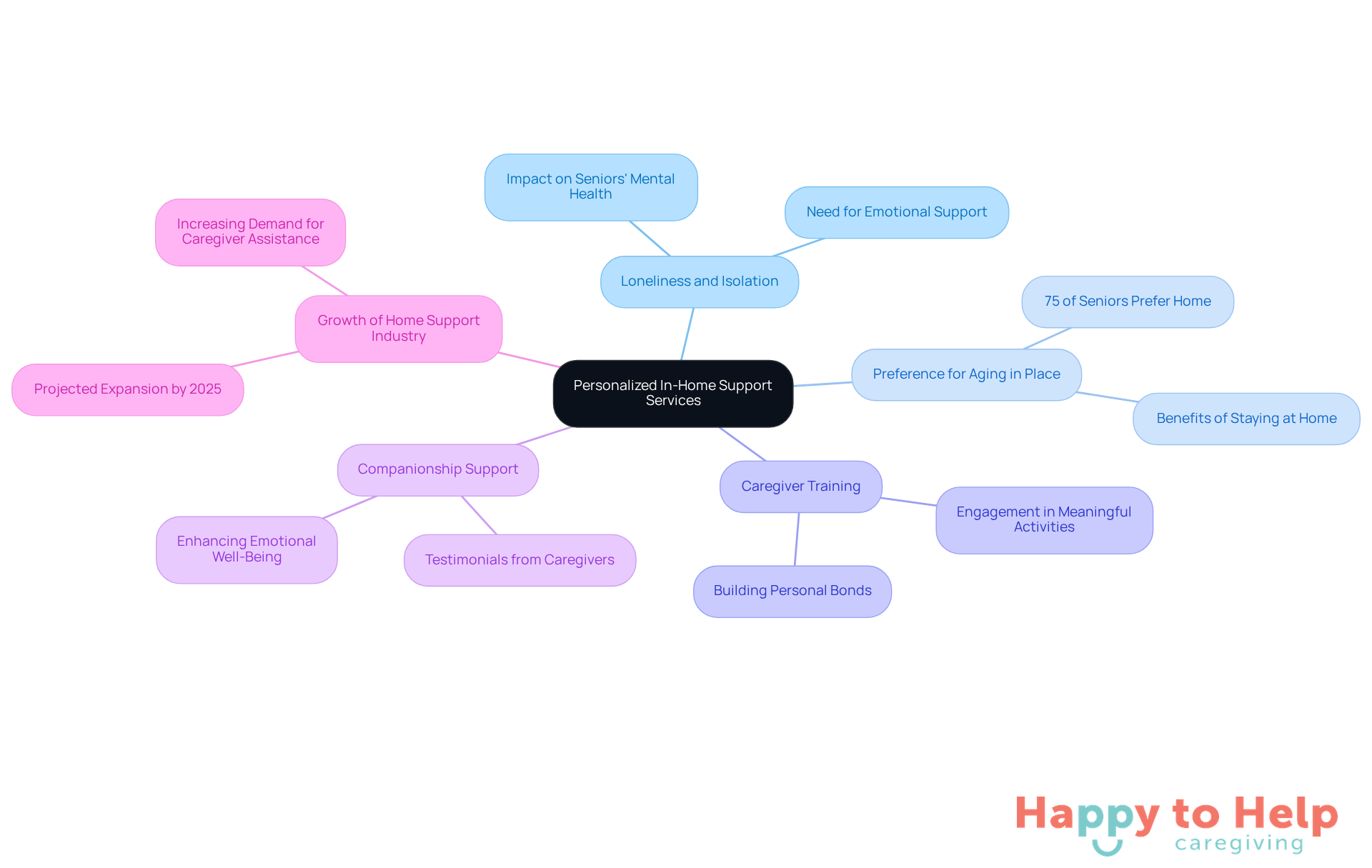
Happy to Help Caregiving addresses a significant problem: the loneliness and isolation that many seniors face. Research indicates that 75% of older adults prefer aging in their own homes rather than moving to assisted living centers. This preference underscores the urgent need for home services that prioritize personal connections and emotional support.
The implications of this issue are profound. As the demand for caregiver assistance rises, the home support industry is expected to expand significantly by 2025. Caregivers at Happy to Help Caregiving are trained to engage seniors in meaningful activities, which can alleviate feelings of loneliness and foster independence.
Companionship support is a vital solution that enhances emotional well-being. Testimonials from caregivers highlight the importance of personalized interactions. One caregiver noted, "Establishing a personal bond with those I assist not only enhances their day but also provides them with a feeling of safety and community." Such nurturing relationships can lead to improved mental health outcomes and a stronger sense of security for clients.
As the need for home assistance services continues to grow, the focus on concierge care remains essential. Happy to Help Caregiving ensures that individuals receive the compassionate, individualized concierge care they need to thrive in the comfort of their own homes.
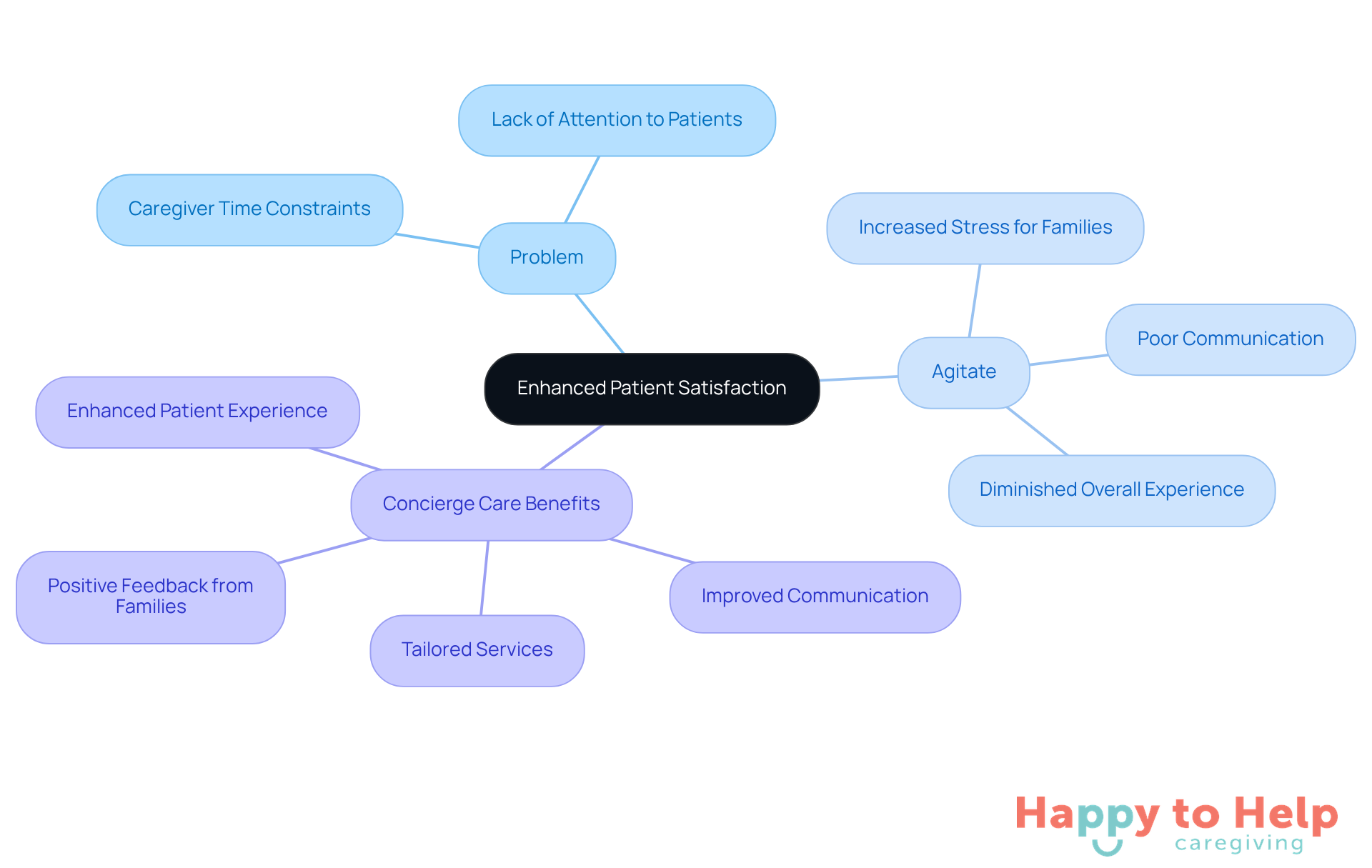
Enhanced Patient Satisfaction: A Core Benefit of Concierge Care
Problem: Caregivers often struggle to provide the necessary time and attention to patients, leading to dissatisfaction among families.
Agitate: This lack of personalized care can result in poor communication and misunderstandings, ultimately diminishing the overall experience for both patients and their families. When families feel disconnected from the care process, it can lead to increased stress and anxiety during an already challenging time.
Concierge care significantly improves patient satisfaction by providing more time and attention from caregivers. Families report that the tailored aspect of concierge care services enhances communication and understanding, leading to a more positive experience. This increased satisfaction is reflected in the positive feedback from customers and their families, who appreciate the dedicated assistance and the ability to maintain a sense of normalcy in their daily lives.
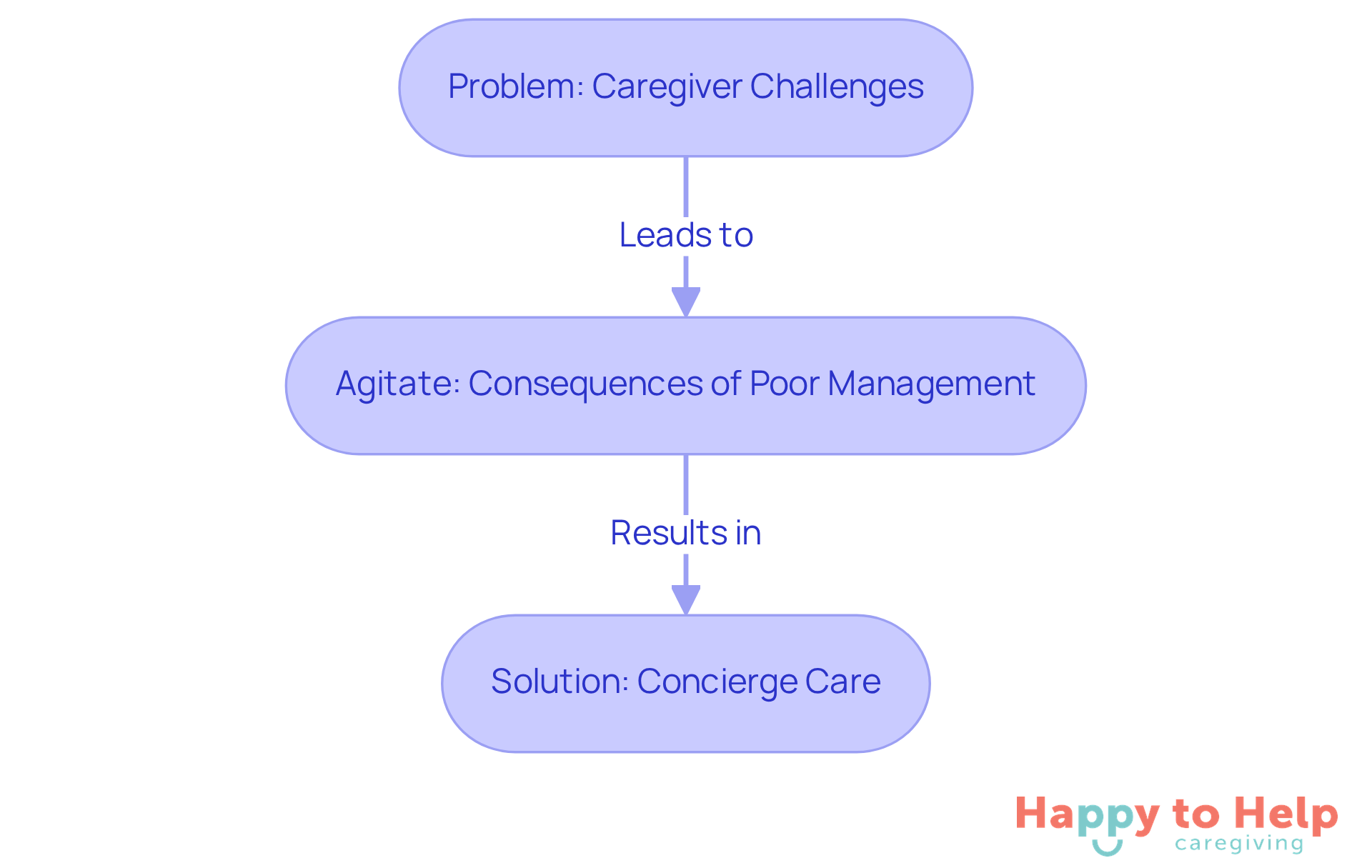
Improved Health Outcomes: The Impact of Concierge Care
Problem: Many caregivers face challenges in managing the wellness of individuals, often leading to overlooked health issues and increased hospital readmissions.
Agitate: This lack of proactive wellness management can create unstable living environments, ultimately affecting the quality of life for those in care. When potential health issues go unrecognized, the consequences can be severe, leading to chronic conditions that are difficult to manage.
Concierge care provides a promising solution. By offering concierge care that includes proactive wellness management and personalized attention, caregivers can recognize potential issues early and intervene effectively. This approach not only aids in managing chronic conditions but also decreases hospital readmissions, resulting in a healthier and more stable living environment for individuals.
Preventive Care: Proactive Health Management Through Concierge Services
A significant problem highlighted by concierge care is that many seniors face health complications due to insufficient preventive wellness management. This lack of proactive care can lead to serious health issues, diminishing their overall well-being and independence.
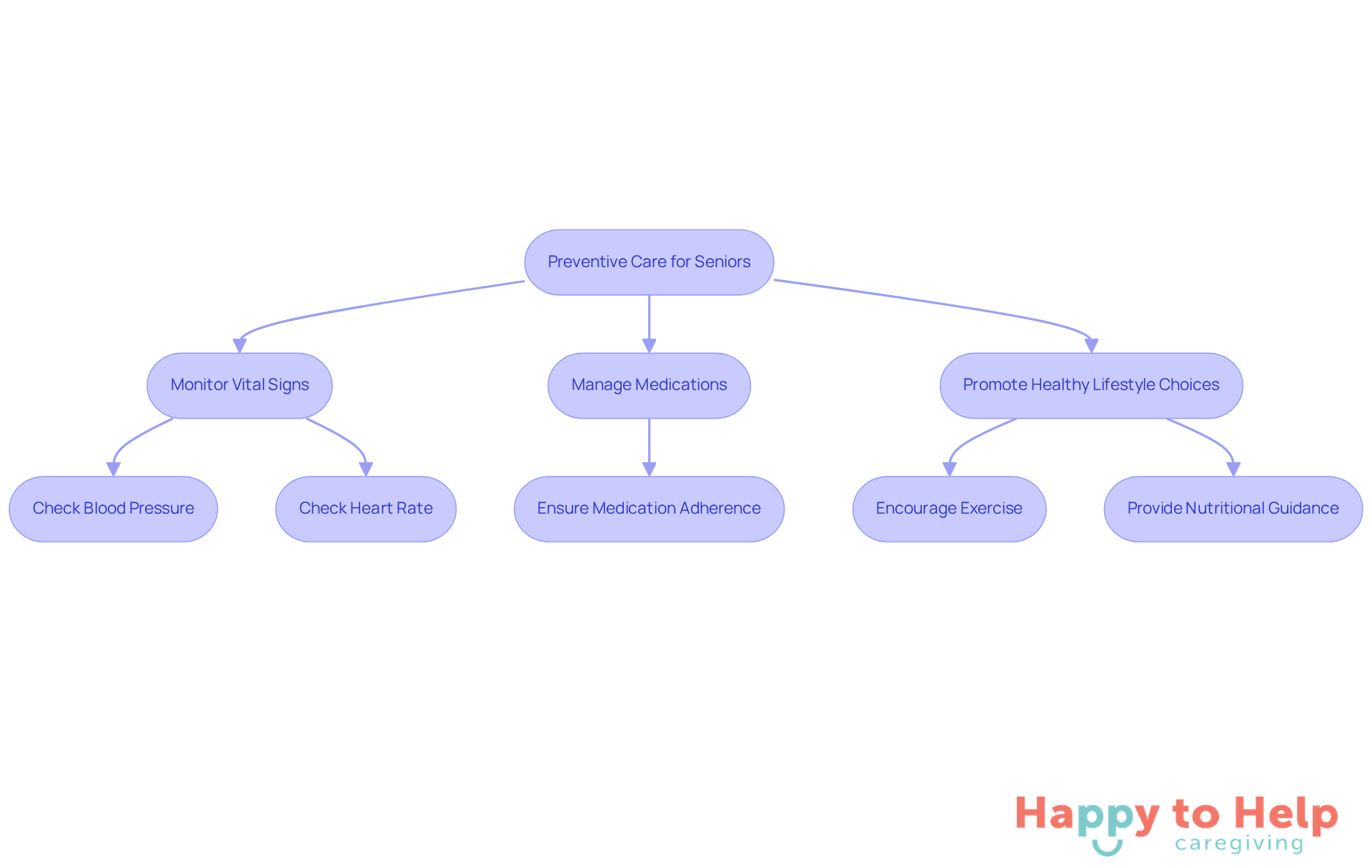
Caregivers play a crucial role in addressing this challenge. They undergo specialized training to monitor vital signs, manage medications, and promote healthy lifestyle choices. By regularly checking blood pressure and heart rates, caregivers can identify potential problems early, preventing them from escalating into severe conditions.
Moreover, effective medication management is essential. Support providers ensure that seniors adhere to their prescribed regimens, significantly reducing the risk of hospitalizations caused by medication errors.
The impact of these practices is profound. Seniors who receive regular monitoring and assistance report improved wellness outcomes and a greater sense of security in their daily lives. Ultimately, caregivers involved in concierge care are not just providing basic support; they are vital allies in preserving the health and vitality of those they assist.
Cost-Effectiveness: Financial Benefits of Concierge Care
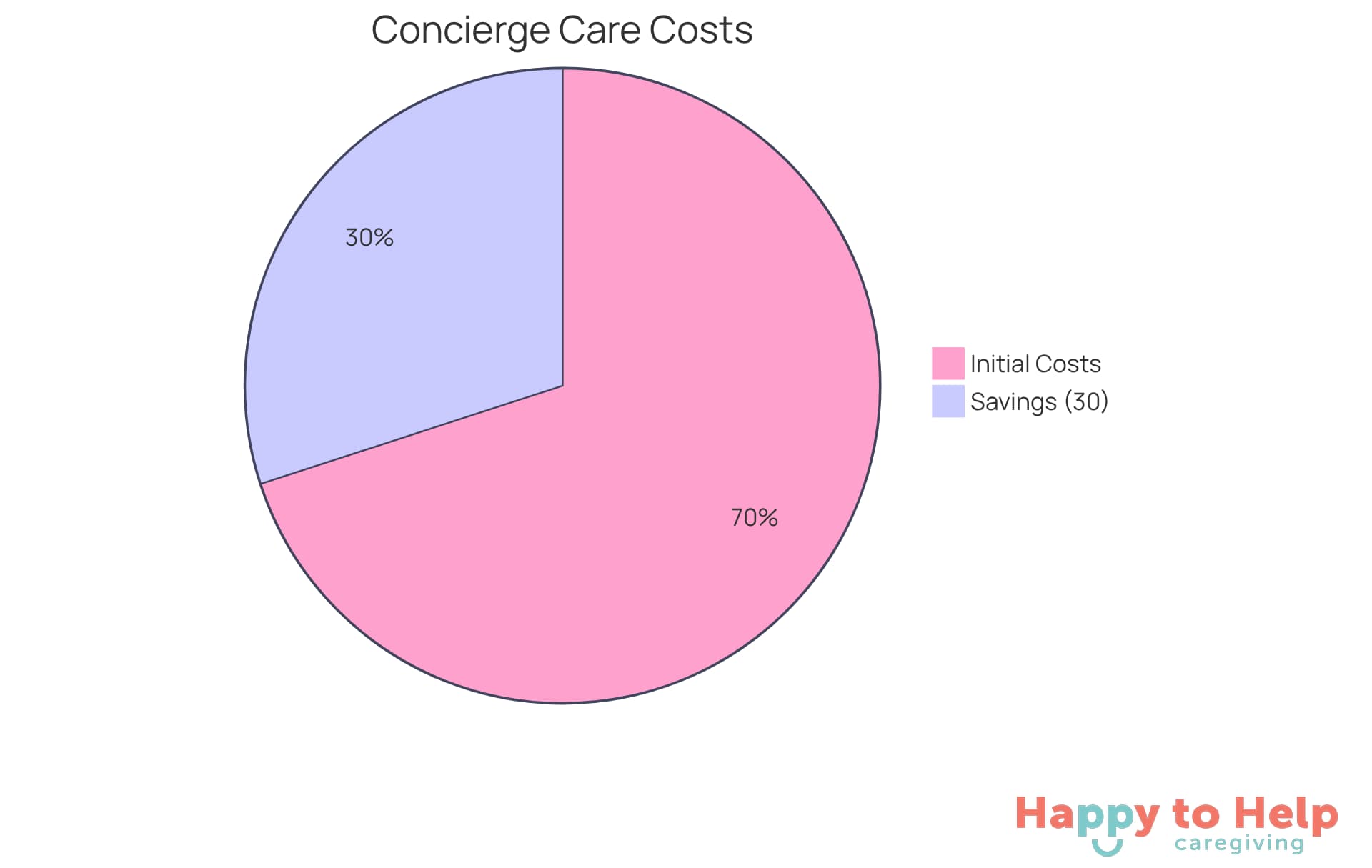
While concierge care may appear more expensive at first glance, it can actually save families money over time. The problem arises when urgent treatments and hospitalizations become necessary due to a lack of proactive health management. This can lead to skyrocketing healthcare costs, which many families struggle to afford.
Studies show that concierge care can reduce hospitalizations by up to 30%. This statistic highlights a significant opportunity for families to save on healthcare expenses. By providing tailored support, concierge care ensures that clients receive the right care when they need it most, ultimately leading to better health outcomes.
However, it's crucial to address equity concerns. Access to concierge services may be limited for lower-income families, potentially widening the gap in healthcare access. Financial analysts point out that while concierge care can lead to substantial long-term savings, we must consider how to make these services available to all families, regardless of income level.
Ethical and Legal Considerations: Navigating Concierge Care
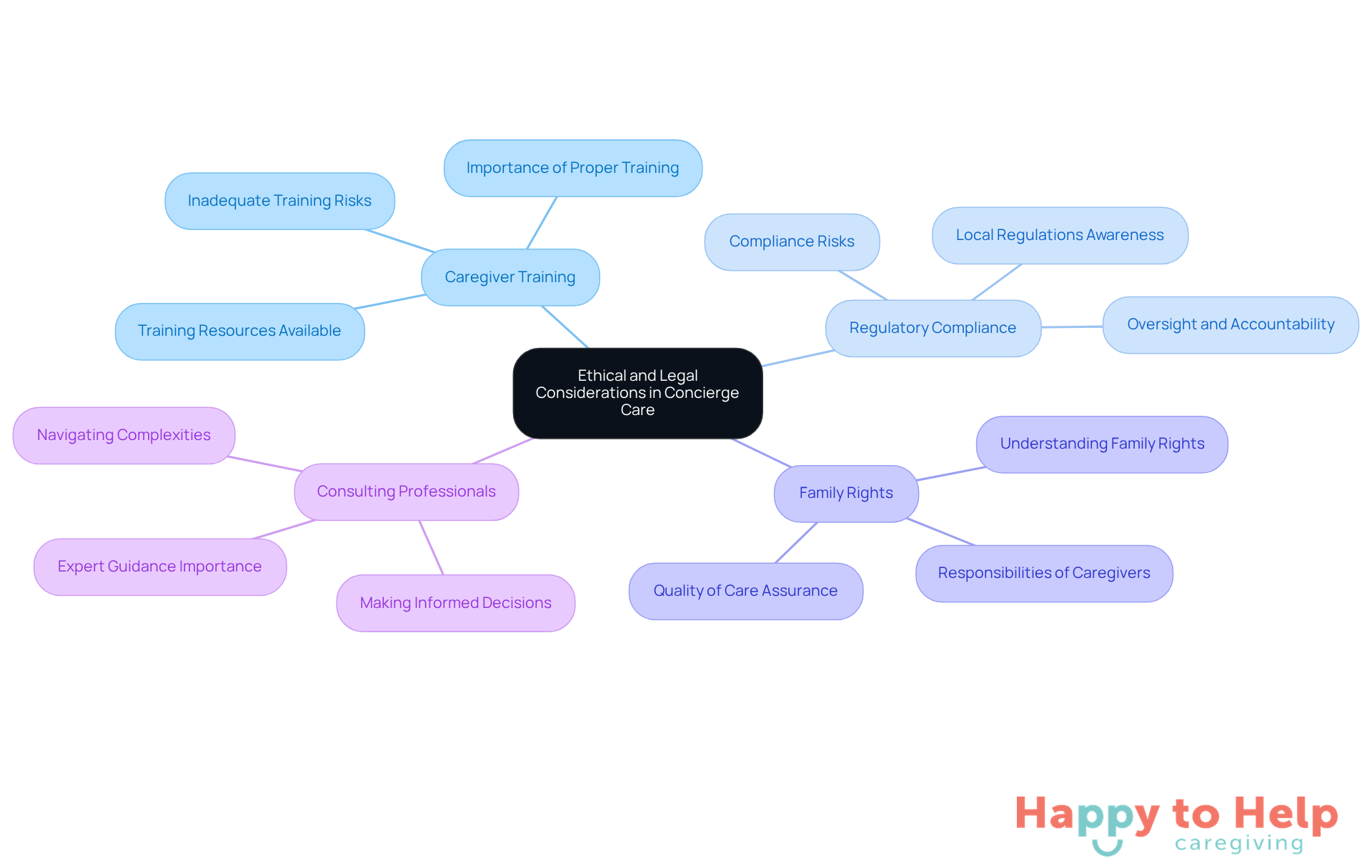
Families contemplating concierge care face significant ethical and legal challenges. It's crucial to recognize that not all caregivers are adequately trained, and services may not always comply with local regulations. This lack of oversight can lead to unsafe and unethical care for loved ones.
Understanding these implications is vital. Families must be aware of their rights and the responsibilities of caregivers to ensure their loved ones receive safe and ethical assistance. Without this knowledge, families may unknowingly compromise the quality of care.
To navigate these complexities effectively, families should consult professionals who provide concierge care in the field. Engaging with experts can provide clarity on regulations and help families make informed decisions about the care their loved ones receive. By prioritizing proper training and compliance, families can secure the best possible support for their loved ones.
Emotional Support: Enhancing Quality of Life Through Concierge Care
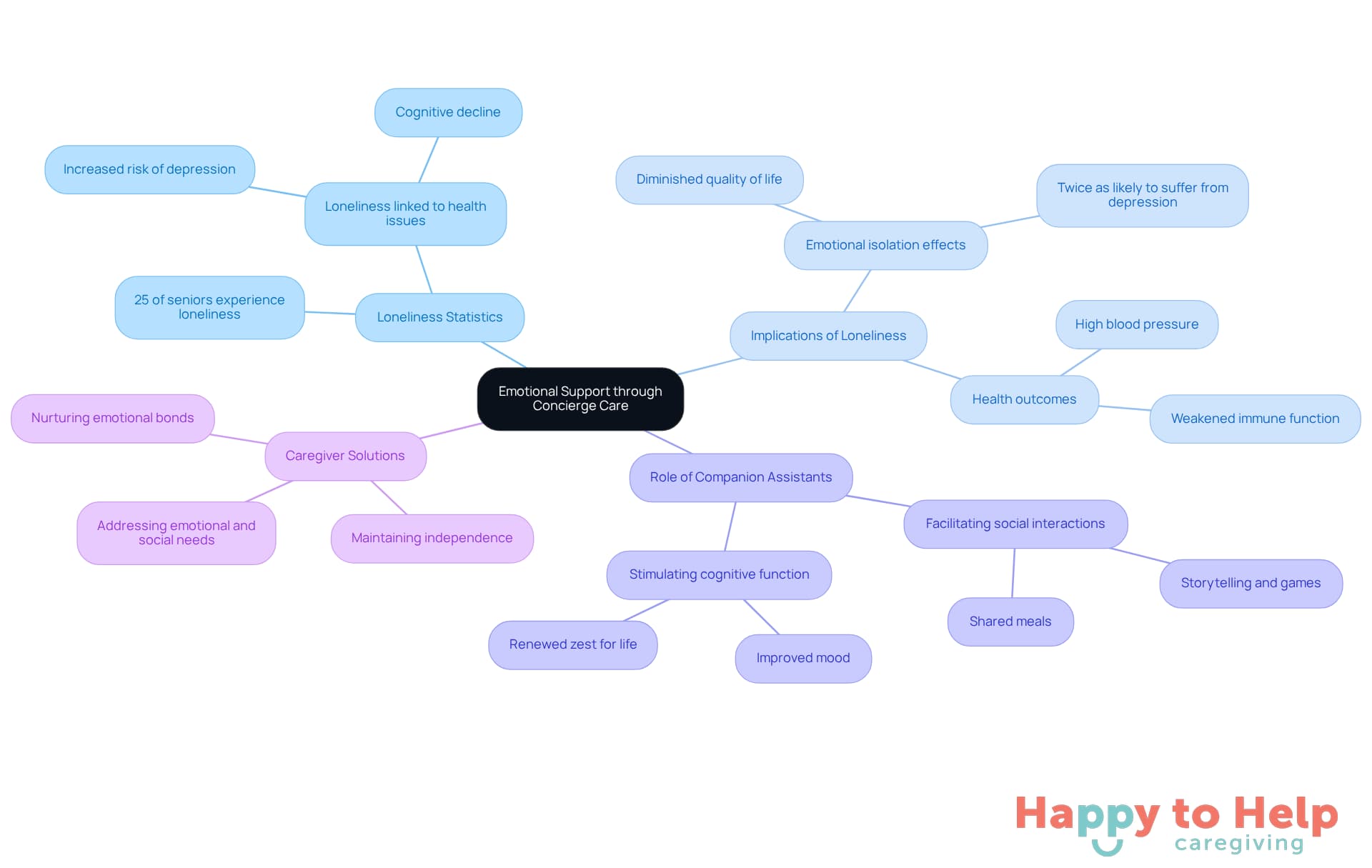
A significant problem that concierge care addresses is loneliness among seniors. Research indicates that about 25% of seniors experience considerable loneliness, which can lead to serious medical issues, including depression and cognitive decline. This emotional isolation not only affects their mental health but also diminishes their overall quality of life.
The implications of loneliness are profound. Seniors who lack companionship are twice as likely to suffer from depression. Regular social interactions can alleviate anxiety and foster emotional resilience. Companion assistants play a crucial role by facilitating activities such as storytelling, playing games, or sharing meals. These interactions not only provide enjoyment but also stimulate cognitive function, leading to improved mood and a renewed zest for life.
To combat these challenges, caregivers can implement practical solutions. Concierge care focuses on nurturing emotional bonds, which helps seniors feel valued and secure. This concierge care is not only about physical assistance; it’s also about fostering relationships that enable seniors to maintain their independence while addressing their emotional and social needs. By prioritizing companionship, caregivers can significantly enhance the mental health and well-being of older adults.
Flexibility and Convenience: Tailored Concierge Care Solutions
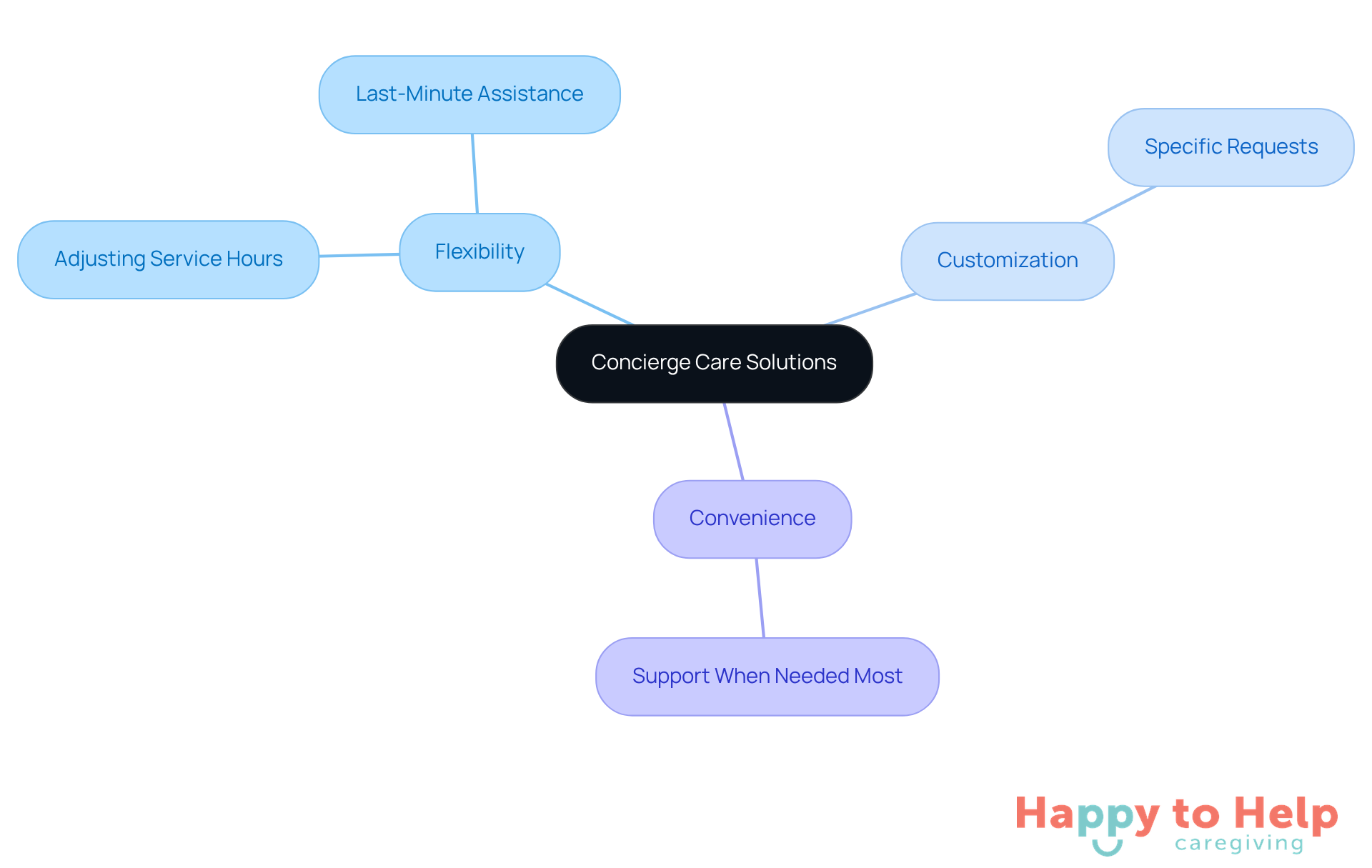
Caregivers often face the challenge of rigid service options that don't align with their unique schedules and preferences. This can lead to increased stress and a feeling of being overwhelmed, as they struggle to find support that fits their needs.
One effective solution is concierge care, which offers remarkable flexibility. These services, known as concierge care, can be customized to accommodate individual and family needs, whether it’s adjusting service hours, providing last-minute assistance, or fulfilling specific requests. Concierge care services prioritize convenience, ensuring that caregivers receive the support they require when they need it most.
Technology Integration: Enhancing Concierge Care Experience
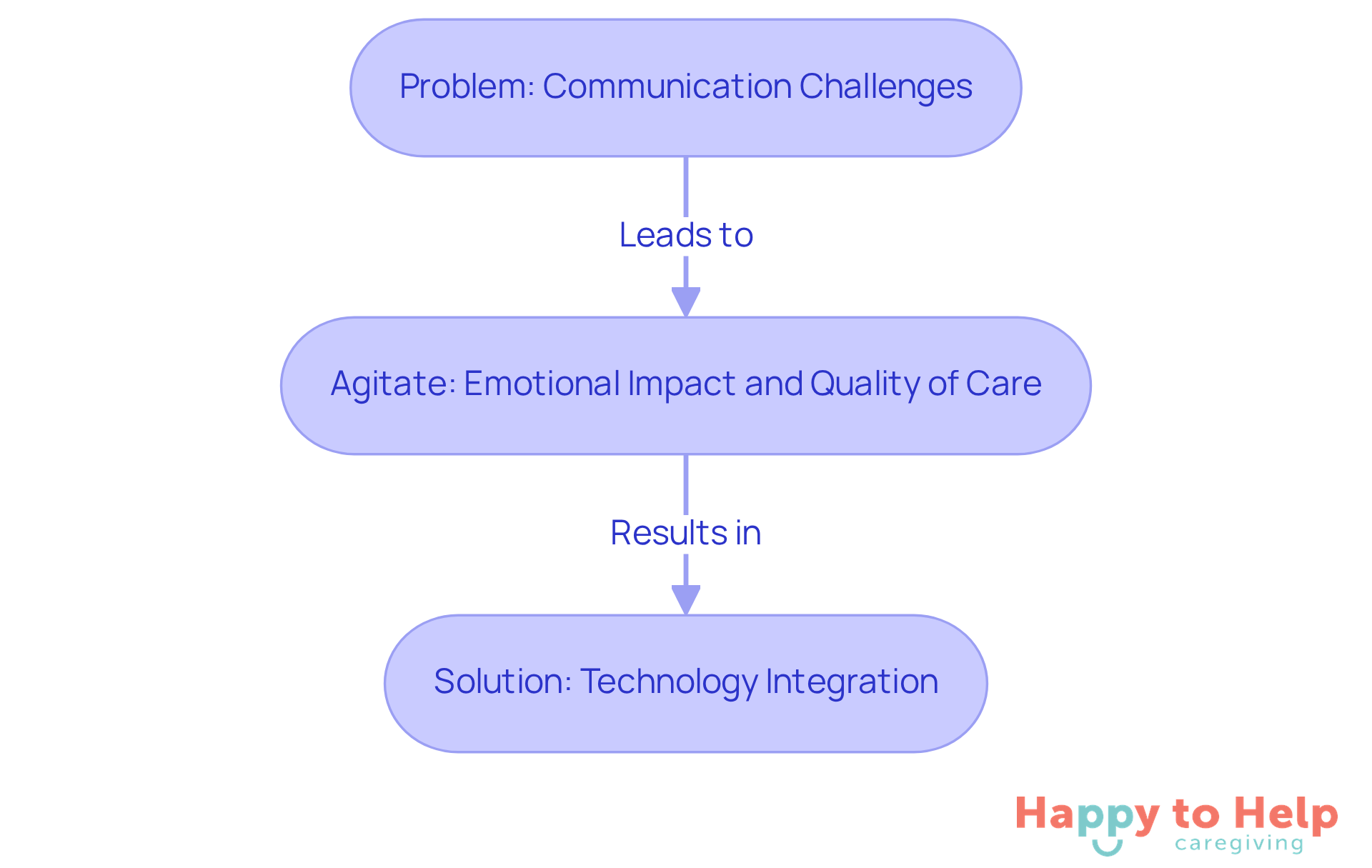
Problem: Caregivers often face challenges in maintaining effective communication with families, which can lead to feelings of uncertainty and anxiety about their loved ones' well-being.
Agitate: This lack of communication not only affects the emotional state of families but can also hinder the quality of care provided. When families are left in the dark, trust diminishes, and the caregiving experience suffers.
Solution: The incorporation of technology in concierge assistance significantly improves the overall caregiving experience. Tools such as telehealth services, electronic health records, and communication platforms enable smooth collaboration among providers, clients, and families. This technological support enhances efficiency and ensures that families are kept informed about their loved ones' well-being, fostering transparency and trust.
Family Support: Strengthening Caregiver Roles Through Concierge Services
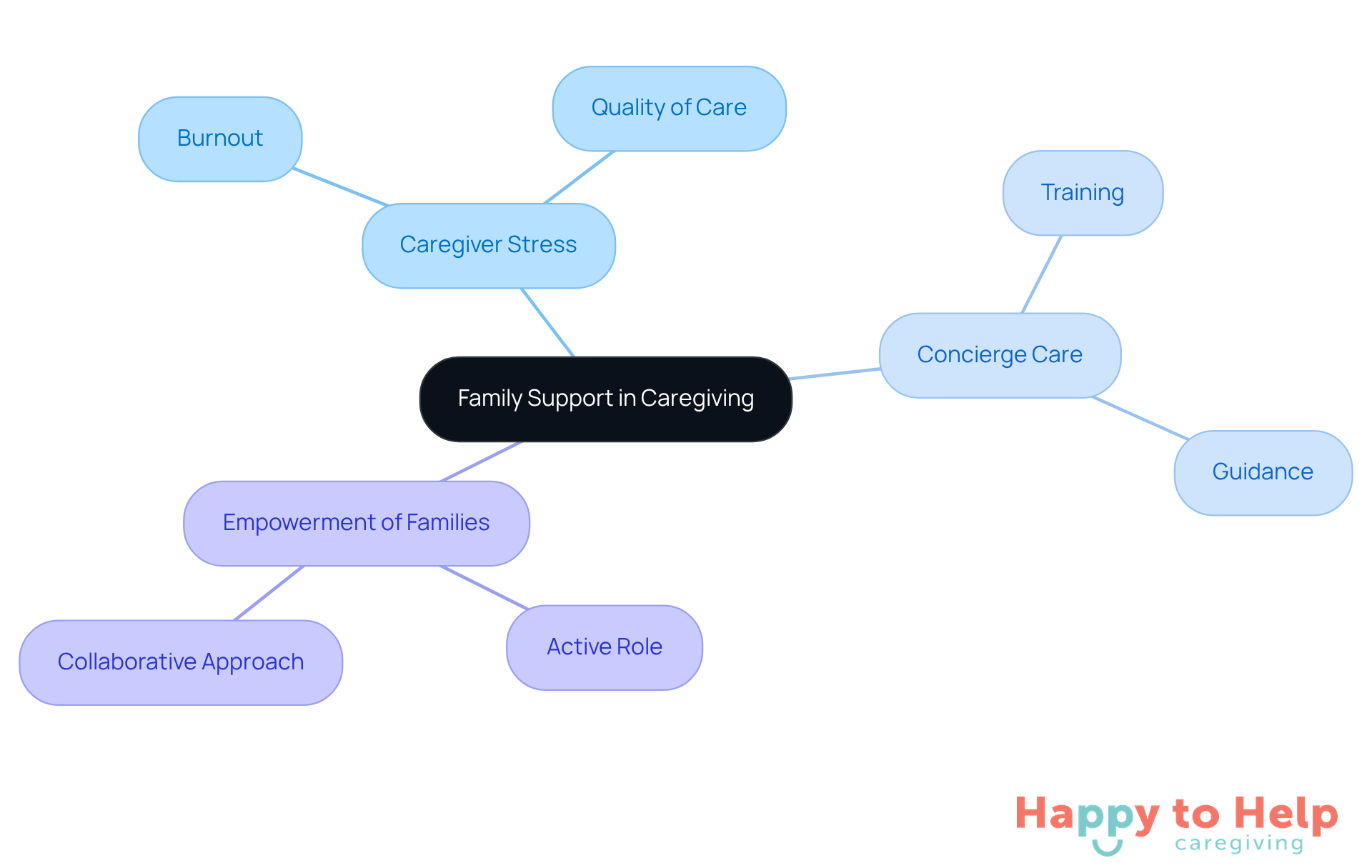
Caregivers often face significant stress and challenges in their roles, which can lead to burnout and decreased quality of care for their loved ones. This stress not only affects the caregivers themselves but also impacts the overall caregiving experience, making it crucial to find effective solutions.
Concierge care provides a practical solution by enhancing the role of family supporters. By providing concierge care, training, and guidance, these services empower families to take an active role in their loved ones' care. This collaborative approach alleviates caregiver stress and ensures that clients receive comprehensive support from both professional caregivers and their families.
Key Takeaways for Caregivers
Concierge care addresses a significant problem in family caregiving: the loneliness and isolation many seniors face. This issue not only diminishes their quality of life but also adds stress to family caregivers who worry about their loved ones' well-being.
By offering personalized, in-home support, concierge care provides a solution that prioritizes emotional well-being and health outcomes. This model enhances the quality of life for older adults while alleviating caregiver stress. Tailored services ensure that each individual receives the compassionate care they deserve, allowing them to thrive in the comfort of their homes.
Key benefits of concierge care include:
- Improved patient satisfaction
- Proactive health management
- Enhanced emotional support
The integration of technology streamlines communication between caregivers and families, fostering trust and transparency. Additionally, the flexible nature of concierge services allows for customized solutions that cater to the unique needs of each family. This ultimately reduces caregiver burnout and promotes a collaborative caregiving environment.
As the demand for home support services continues to rise, embracing concierge care is vital. Families should explore these personalized solutions, recognizing their potential to enhance not only the health and happiness of their loved ones but also their own peace of mind. By prioritizing emotional connections, proactive wellness, and effective communication, concierge care stands as a beacon of hope for families navigating the complexities of caregiving.
https://iframe.tely.ai/cta/eyJhcnRpY2xlX2lkIjogIjY5Mjc5NTFlMWE3YzlhYWNlNmI1NGZjZSIsICJjb21wYW55X2lkIjogIjY4ZWU1ZGNhNzMxNzYyNTU3ZjNjOTVjMSIsICJpbmRleCI6IG51bGwsICJ0eXBlIjogImFydGljbGUifQ==Frequently Asked Questions
What problem does Happy to Help Caregiving address?
Happy to Help Caregiving addresses the loneliness and isolation that many seniors face, as 75% of older adults prefer aging in their own homes rather than moving to assisted living centers.
Why is companionship support important for seniors?
Companionship support enhances emotional well-being by providing personalized interactions, which can alleviate feelings of loneliness and foster independence, leading to improved mental health outcomes.
How does Happy to Help Caregiving ensure personalized care for seniors?
Caregivers at Happy to Help Caregiving are trained to engage seniors in meaningful activities and establish personal bonds, ensuring compassionate, individualized concierge care that helps clients thrive in their homes.
What are the benefits of concierge care for patient satisfaction?
Concierge care improves patient satisfaction by providing caregivers with more time and attention, enhancing communication and understanding, which leads to a more positive experience for patients and their families.
How does concierge care impact health outcomes?
Concierge care includes proactive wellness management and personalized attention, allowing caregivers to recognize potential health issues early and intervene effectively, which helps manage chronic conditions and decreases hospital readmissions.
What is the expected growth of the home support industry by 2025?
The home support industry is expected to expand significantly by 2025 due to the rising demand for caregiver assistance.
List of Sources
- Happy to Help Caregiving: Personalized In-Home Support Services
- Caring Senior Service Banks Growth Goals On New House-Made Technology (https://homehealthcarenews.com/2025/10/caring-senior-service-banks-growth-goals-on-new-house-made-technology)
- Home Care Industry Trends to Watch in 2025 (https://firstlighthomecare.com/blog/home-care-industry-trends)
- The Evolution of Home Care Services: Trends in the USA - Cottage Home Care (https://cottagehomecare.com/blog/trends-in-home-care-new-york)
- Caregiving in the US 2025 (https://aarp.org/pri/topics/ltss/family-caregiving/caregiving-in-the-us-2025)
- Enhanced Patient Satisfaction: A Core Benefit of Concierge Care
- BlueWave Medicine Delivers Personalized High End Concierge Medicine Services In Silicon Valley (https://headsuphealth.com/case\_studies/bluewave-medicine-personalized-concierge-medicine)
- 10 Inspiring Patient Experience Quotes | Relias (https://relias.com/blog/patient-experience-quotes)
- The Year of the Patient (https://bestuponrequest.com/blog/read-the-last-decades-best-quotes-about-patient-experience-from-healthcare-industry-experts)
- 10 Patient Experience Quotes for Inspiration (https://carecloud.com/continuum/patient-experience-quotes-for-inspiration)
- A literature review on the impact of concierge medicine services on individual healthcare - PMC (https://pmc.ncbi.nlm.nih.gov/articles/PMC11254062)
- Improved Health Outcomes: The Impact of Concierge Care
- BlueWave Medicine Delivers Personalized High End Concierge Medicine Services In Silicon Valley (https://headsuphealth.com/case\_studies/bluewave-medicine-personalized-concierge-medicine)
- Transition to Concierge Medicine - ConsultingMDs (https://consultingmds.com/case\_studies/md-concierge-health-transition-to-concierge-medicine)
- Concierge Medicine Drives Higher Health Costs (https://ldi.upenn.edu/our-work/research-updates/concierge-medicine-drives-higher-health-costs-without-extending-lives)
- Rise of ‘concierge medicine’ has benefits, drawbacks | Harvard T.H. Chan School of Public Health (https://hsph.harvard.edu/news/rise-of-concierge-medicine-has-benefits-drawbacks)
- 50 Quotes About Preventative Healthcare (https://deliberatedirections.com/quotes-about-preventative-healthcare)
- Preventive Care: Proactive Health Management Through Concierge Services
- Disease Prevention Ageing Well Quotes (2 quotes) (https://goodreads.com/quotes/tag/disease-prevention-ageing-well)
- 20 Inspirational Senior Care Quotes (https://1plus1cares.com/20-inspirational-senior-care-quotes)
- Older Adults - Healthy People 2030 | odphp.health.gov (https://odphp.health.gov/healthypeople/objectives-and-data/browse-objectives/older-adults)
- 27 Inspirational Quotes for Caregivers (https://ultimatecareny.com/resources/27-quotes-for-caregivers)
- 50 Quotes About Preventative Healthcare (https://deliberatedirections.com/quotes-about-preventative-healthcare)
- Cost-Effectiveness: Financial Benefits of Concierge Care
- Starting a Concierge Medical Practice (Internal Medicine) - ConsultingMDs (https://consultingmds.com/case\_studies/starting-a-concierge-medical-practice-internal-medicine)
- Transition to Concierge Medicine - ConsultingMDs (https://consultingmds.com/case\_studies/md-concierge-health-transition-to-concierge-medicine)
- On resource allocation in health care: The case of concierge medicine (https://sciencedirect.com/science/article/abs/pii/S016762962300053X)
- Why Choose Concierge Medicine Over Conventional Primary Care? - Concierge Medicine of MN (https://cmomn.com/why-choose-concierge-medicine-over-primary-care)
- Rise of ‘concierge medicine’ has benefits, drawbacks | Harvard T.H. Chan School of Public Health (https://hsph.harvard.edu/news/rise-of-concierge-medicine-has-benefits-drawbacks)
- Ethical and Legal Considerations: Navigating Concierge Care
- 27 Inspirational Quotes for Caregivers (https://ultimatecareny.com/resources/27-quotes-for-caregivers)
- CaringBridge (https://caringbridge.org/resources/inspirational-quotes-on-caregiving)
- Caregiver Statistics: Health, Technology, and Caregiving Resources (https://caregiver.org/resource/caregiver-statistics-health-technology-and-caregiving-resources)
- Changes in Health Indicators Among Caregivers... (https://cdc.gov/mmwr/volumes/73/wr/mm7334a2.htm)
- Caring Hearts Canada (https://caringheartscanada.ca/blog/2015/august/20-inspirational-caregiver-quotes)
- Emotional Support: Enhancing Quality of Life Through Concierge Care
- Home Care Agency in Plantation, FL Near You | Skilled Nursing and Senior Home Care Services Serving Broward and Palm Beach Counties | Home Health Aide | Free Consult | 24-7 | Trust USA Home Health (https://trustusahomehealth.com/?p=2378)
- A Better Solution Home Care (https://abs.care/How-Companionship-Care-Improves-Mental-Health-in-Older-Adults)
- 10 Ways Companion Caregivers Enhance Seniors' Quality of Life - Happy To Help (https://happytohelpcaregiving.com/10-ways-companion-caregivers-enhance-seniors-quality-of-life)
- Creating Safe Living Environment for Seniors: Tips & Practices (https://peacevillage.org/news/why-companionship-is-key-to-happy-aging-elderly-well-being)
- Flexibility and Convenience: Tailored Concierge Care Solutions
- United States Concierge Medicine Market Trends, Share, Size, Demand, Revenue and Future Outlook: SPER Market Research (https://sperresearch.com/report-store/united-states-concierge-medicine-market.aspx)
- CaringBridge (https://caringbridge.org/resources/inspirational-quotes-on-caregiving)
- Caregiver Quotes: 50+ Inspiring Encouragement Quotes for Strength (https://h2hhc.com/blog/inspiring-caregiver-quotes)
- 25+ Inspirational Quotes for Caregivers (https://caringseniorservice.com/blog/quotes-for-caregiver-inspiration)
- Five top takeaways from the 2025 Concierge Medicine Forum | Medical Economics (https://medicaleconomics.com/view/five-top-takeaways-from-the-2025-concierge-medicine-forum)
- Technology Integration: Enhancing Concierge Care Experience
- Digital Concierge Systems: Expert Solutions to Healthcare Tech Bottlenecks (https://netguru.com/blog/digital-concierge-systems)
- AI set to transform concierge healthcare (https://healthcareitnews.com/news/ai-set-transform-concierge-healthcare)
- National Family Caregiver Month 2025: How Tech Supports Care (https://caresmartz360.com/blog/home-care/empowering-family-caregivers-with-technology-this-caregivers-month)
- Technology Use Among Older Adults and Their Caregivers: Cross-Sectional Survey Study - PMC (https://pmc.ncbi.nlm.nih.gov/articles/PMC11084119)
- Fabric Launches Concierge Virtual Care—Including Subscriptions, Labs, and Integrated Experiences | Press (https://fabrichealth.com/press/fabric-launches-concierge-virtual-care)
- Family Support: Strengthening Caregiver Roles Through Concierge Services
- Number of Family Caregivers Supporting Older Adults Increased Nearly One-Third Between 2011 and 2022 | Johns Hopkins Bloomberg School of Public Health (https://publichealth.jhu.edu/2025/number-of-family-caregivers-supporting-older-adults-increased-nearly-one-third-between-2011-and-2022)
- Caregiving in the US 2025 (https://aarp.org/pri/topics/ltss/family-caregiving/caregiving-in-the-us-2025)
- The National Alliance for Caregiving and AARP Release Caregiving Report - CAPC - News Bites (https://capc.org/blog/new-data-on-family-caregivers-in-the-us)
- Caregiver Statistics: Demographics (https://caregiver.org/resource/caregiver-statistics-demographics)