Understanding Concierge Senior Care
Concierge senior care stands out as a vital solution to the pressing challenges that aging individuals and their families encounter. Nearly 95% of seniors are managing chronic health conditions, and many experience feelings of isolation. This situation underscores the urgent need for tailored support that addresses both physical and emotional needs.
The implications of these challenges are significant. Seniors often struggle with daily activities, leading to a decline in their overall well-being. Families may feel overwhelmed, unsure of how to provide the necessary care. This is where concierge senior care comes into play, offering personalized in-home assistance that enhances seniors' quality of life.
By focusing on individual needs, concierge senior care not only improves physical health but also fosters emotional connections, reducing feelings of loneliness. Families can navigate the complex caregiving landscape by seeking out these specialized services, ensuring their loved ones receive the best possible support.
Happy to Help Caregiving: Personalized In-Home Care for Seniors
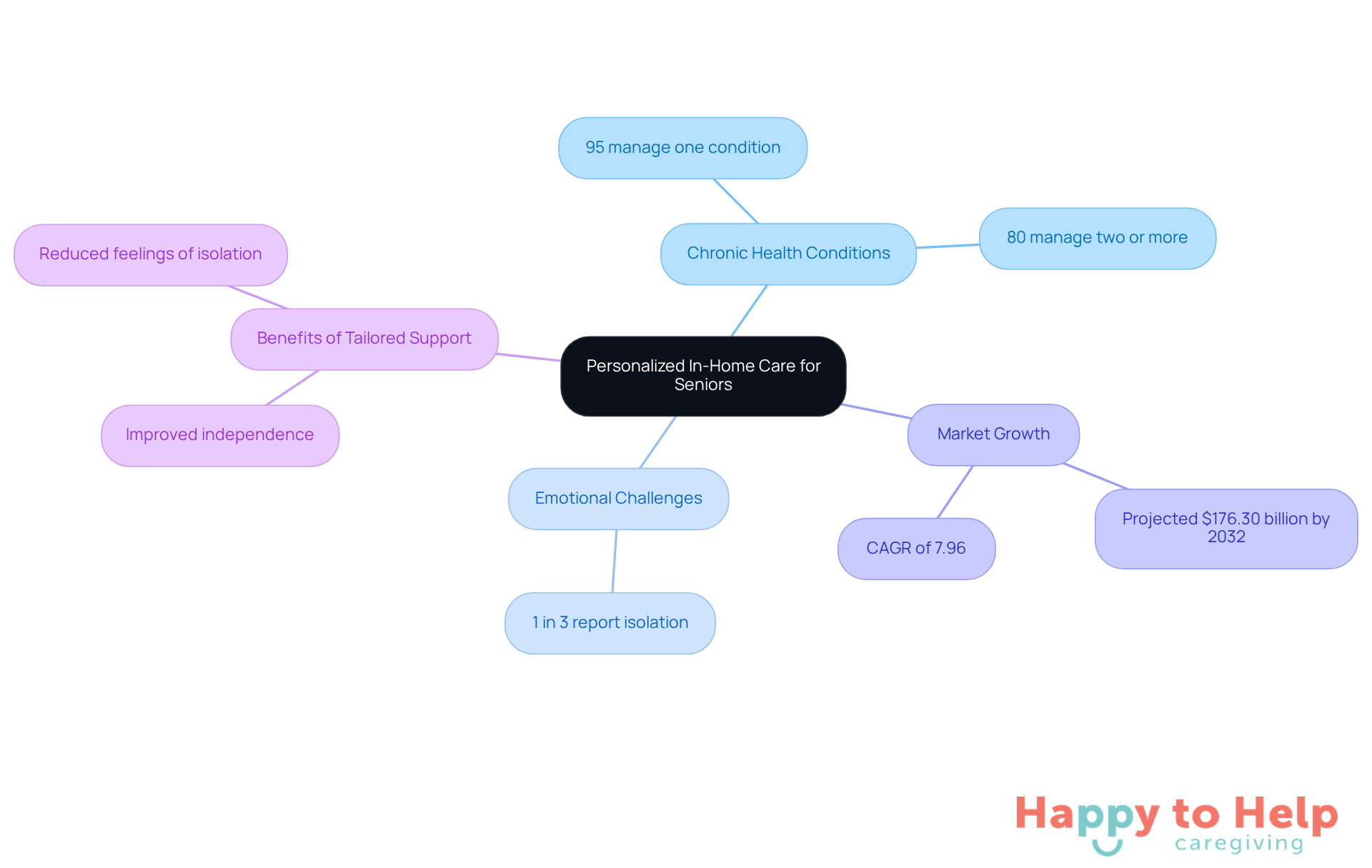
Happy to Help Caregiving addresses a pressing issue: nearly 95% of individuals over 60 manage at least one chronic health condition, with around 80% dealing with two or more. This reality highlights the complexity of care required for seniors, making tailored support essential. Furthermore, one in three individuals aged 50-80 report feelings of isolation, underscoring the emotional challenges that accompany physical health issues.
The implications of these challenges are significant. Seniors often struggle with maintaining their independence and quality of life, which can lead to feelings of loneliness and despair. As the home healthcare market is projected to reach $176.30 billion by 2032, the demand for customized elder support is on the rise, with a compound annual growth rate (CAGR) of 7.96% expected from 2024 to 2030.
Happy to Help Caregiving provides concierge senior care by offering personalized in-home assistance tailored to the unique needs of seniors. This approach not only supports their physical health but also enhances their emotional well-being. By prioritizing individual preferences and lifestyles, the agency fosters a sense of security and comfort, making it a vital resource for families seeking quality care for their loved ones.
Moreover, effective customized support initiatives have demonstrated that when assistance is tailored to the individual, older adults experience improved independence and a better quality of life. Support providers emphasize that personalized assistance allows seniors to engage in activities they enjoy, reducing feelings of isolation.
In summary, by focusing on concierge senior care, Happy to Help Caregiving meets both the physical and emotional needs of older adults, reinforcing its commitment to enhancing the lives of those it serves.
Companionship Care: Combat Loneliness with Dedicated Support
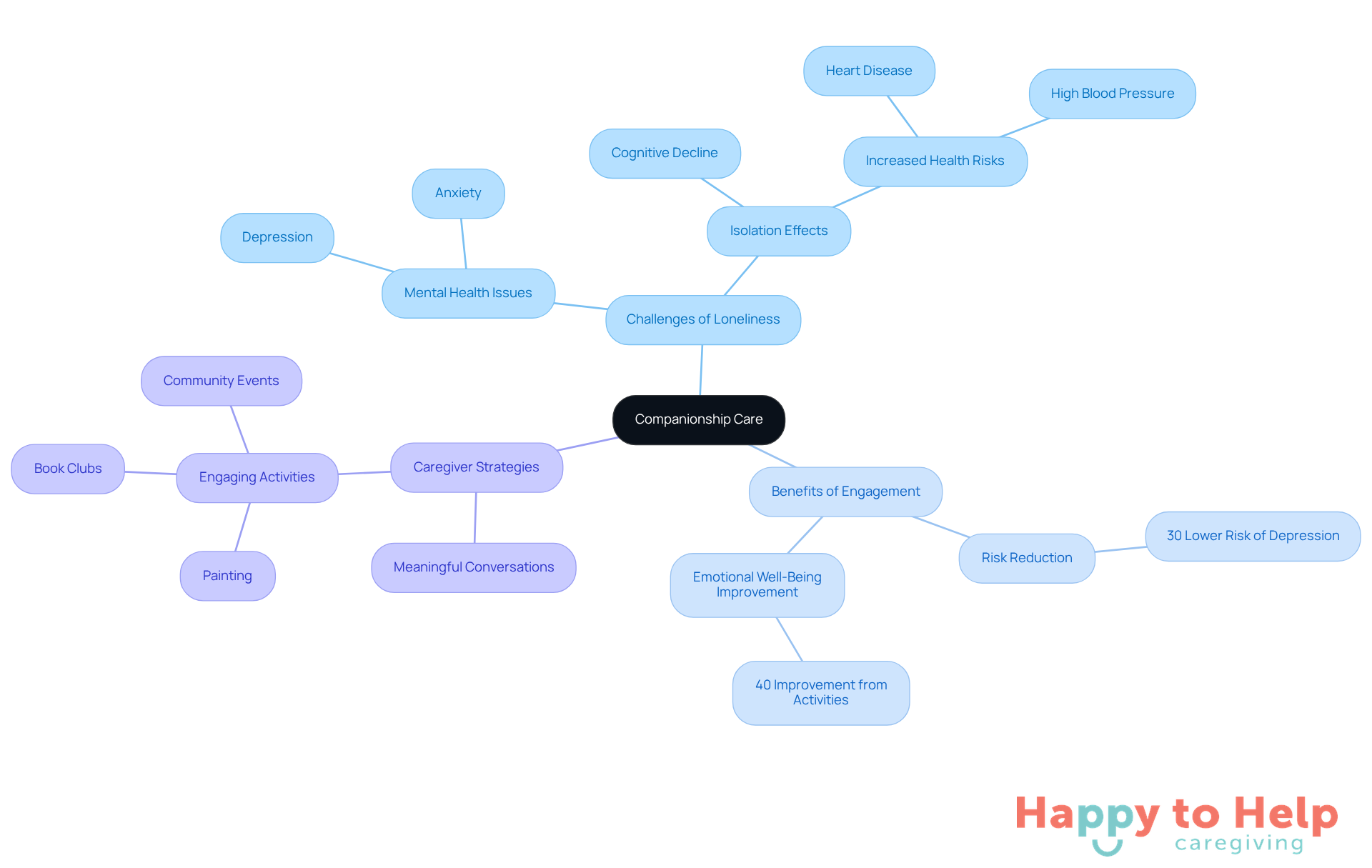
Isolation among older adults is a significant problem that can lead to serious mental health issues. Caregivers often face the challenge of combating this loneliness, which can result in feelings of depression and anxiety. Research indicates that regular social engagement can lower these risks by up to 30%, highlighting the importance of companionship support.
To address this issue, caregivers can actively engage clients in meaningful conversations and enjoyable activities. For example, a case study revealed that older adults participating in community activities experienced a 40% improvement in their emotional well-being. By encouraging hobbies like painting or joining book clubs, caregivers can foster social interactions that not only enhance emotional health but also promote a more fulfilling lifestyle at home.
Moreover, this dedicated support creates a nurturing environment where older adults feel valued and connected. Family caregivers can further enrich this experience by discussing their loved ones' interests and motivating them to participate in related activities. By implementing these strategies, caregivers can significantly improve the mental well-being and sense of belonging for older adults.
Post-Hospital Recovery Assistance: Smooth Transitions for Better Healing
Post-hospital recovery assistance presents a significant challenge for seniors transitioning from hospital to home, which is where concierge senior care can play a vital role. Many face difficulties in managing medications, mobility, and daily activities, which can hinder their recovery and lead to increased hospital readmission rates, highlighting the importance of concierge senior care.
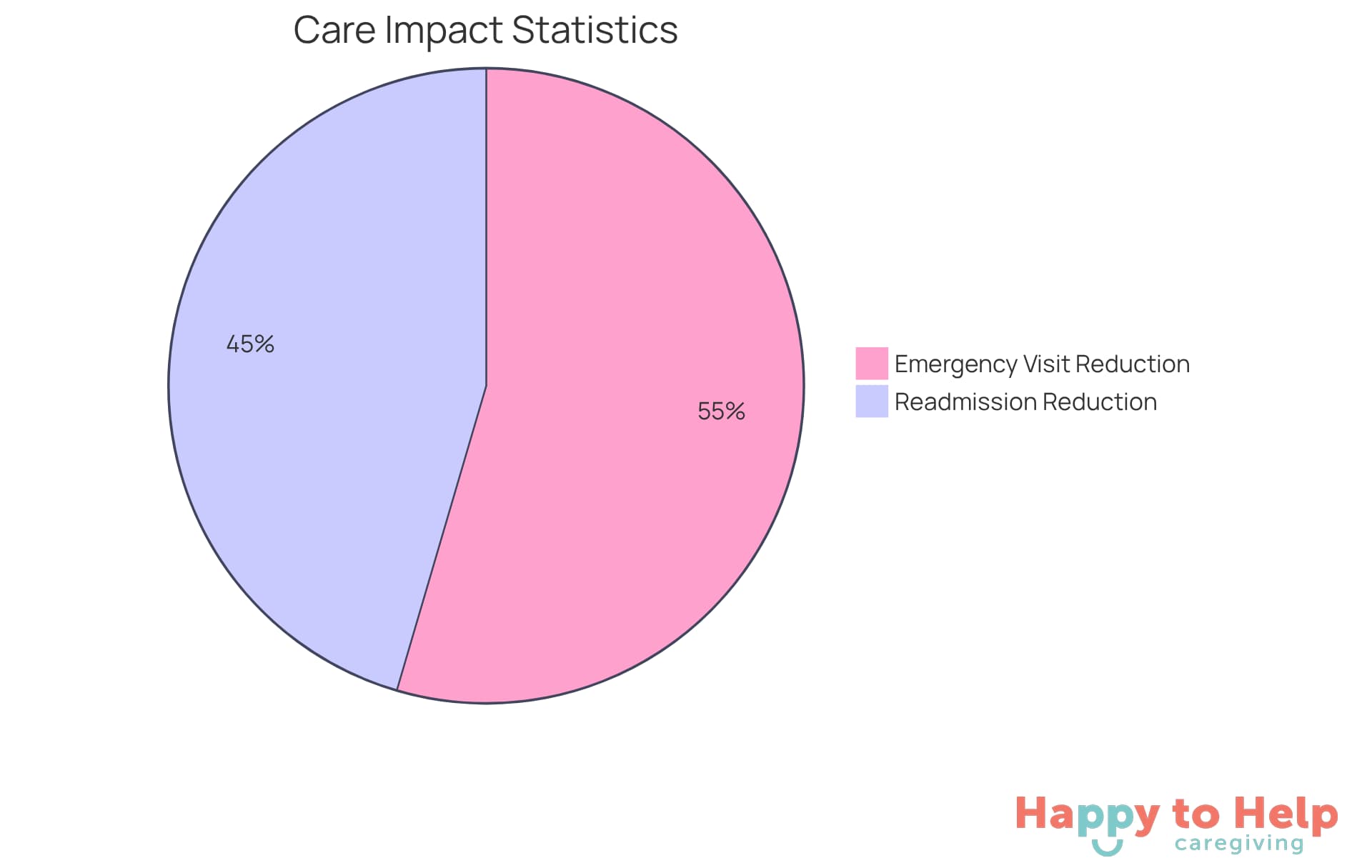
Research indicates that elderly individuals receiving concierge senior care experience lower readmission rates. In fact, some studies show a decrease of up to 25% compared to those without support. This lack of assistance in concierge senior care not only affects physical recovery but also contributes to higher levels of dissatisfaction and more frequent emergency room visits. Statistics reveal a 30% reduction in such visits for seniors who receive help at home.
In concierge senior care, caregivers play a crucial role in addressing these challenges. They provide concierge senior care by offering essential support in a secure and nurturing environment, helping seniors maintain independence and improve overall well-being. Healthcare experts emphasize the importance of transitional assistance, stating that concierge senior care with effective rehabilitation and guidance is vital for successful recovery. This enables older adults to regain strength and confidence in familiar surroundings.
As specialists point out, "Without adequate rehabilitation, recovery can halt." This highlights the dual role caregivers fulfill in concierge senior care, not only in offering physical assistance but also in providing emotional support and companionship, both of which are essential for a comprehensive recovery process.
24/7 Availability: Care When You Need It Most
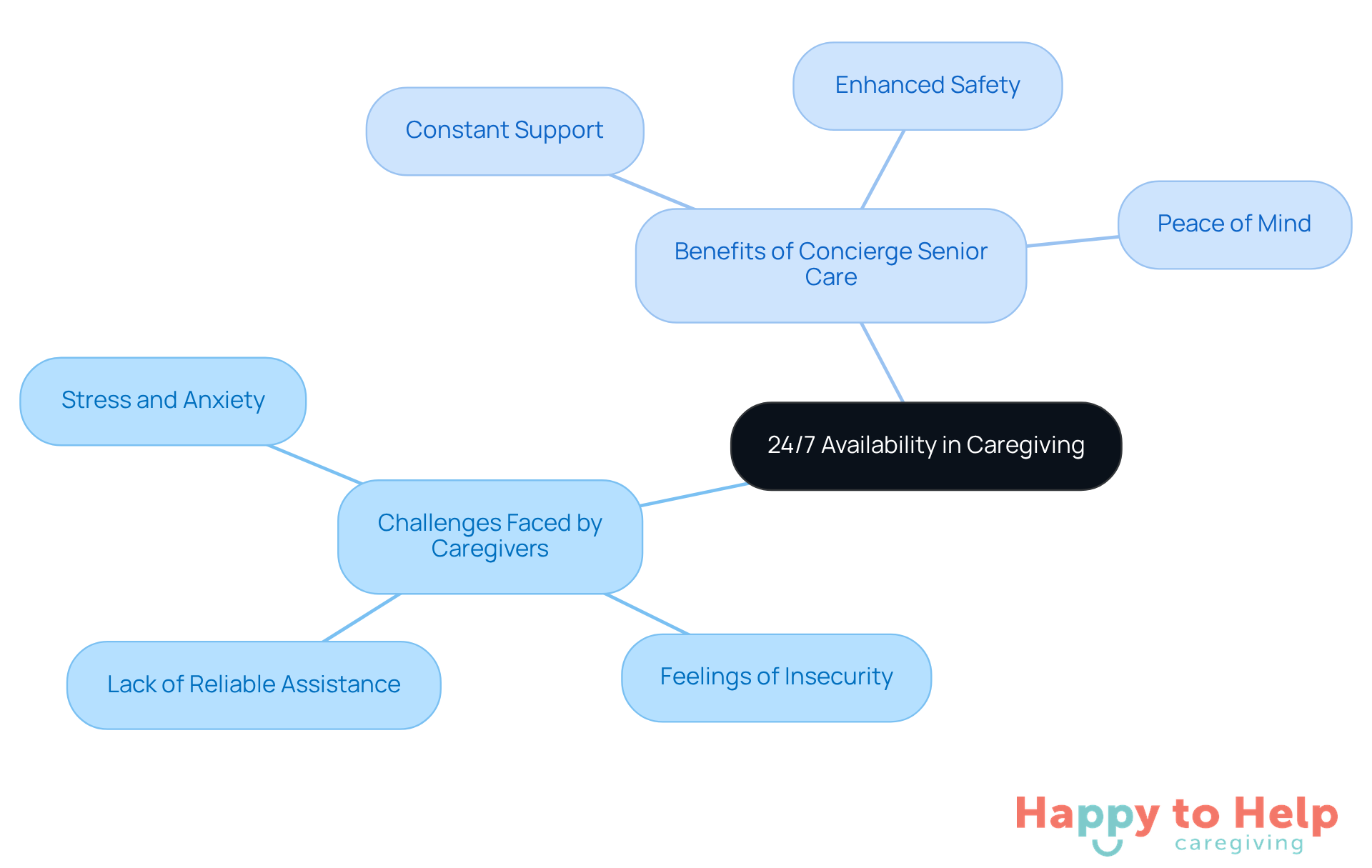
Caregivers often face the challenge of providing constant support to their loved ones, which can lead to stress and anxiety. This lack of reliable assistance can create feelings of insecurity for both clients and their families.
One effective solution to this problem is concierge senior care, which offers 24/7 availability. Families can rest easy knowing that their loved ones have access to help whenever they need it, whether for emergencies or routine tasks. This constant support not only enhances safety but also fosters a sense of security, alleviating the burden on caregivers and providing peace of mind.
Respite Care: Essential Relief for Family Caregivers
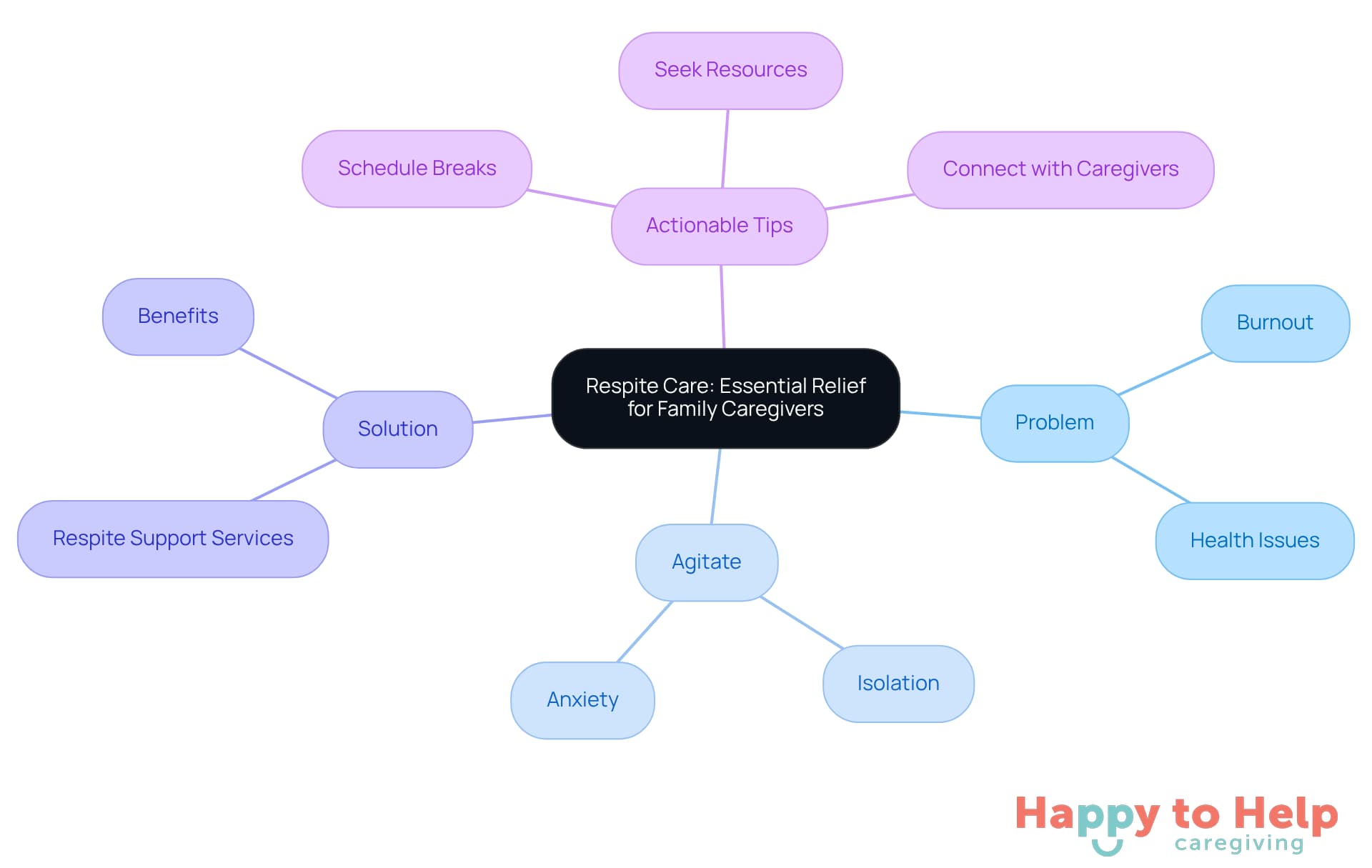
Problem: Caregivers face significant challenges, often experiencing burnout due to their demanding responsibilities. In fact, 40% of individuals report that their caregiving duties negatively impact their stress levels. This stress can lead to serious health issues, making it crucial to address the emotional burden caregivers endure.
Agitate: The implications of caregiver stress are profound. Many caregivers feel isolated, with nearly 1 in 4 reporting feelings of social isolation. This isolation can exacerbate anxiety and hinder their ability to provide quality support. As the 2025 study indicates, the emotional toll of caregiving can lead to serious health problems, highlighting the urgent need for effective solutions.
Solution: Respite support services offer a vital lifeline for caregivers. By providing temporary assistance, these services allow caregivers to recharge, ultimately fostering a healthier environment for both the supporter and the recipient. Effective respite programs have been shown to significantly reduce feelings of isolation and anxiety, helping caregivers maintain their mental and physical health. Care providers often emphasize the importance of these breaks, noting that they are essential for sustaining compassionate support over the long term.
Incorporating respite support into caregiving routines can make a substantial difference. Here are some actionable tips:
- Schedule regular breaks: Plan time away to recharge.
- Seek community resources: Utilize local respite services for additional support.
- Connect with other caregivers: Build a support network to share experiences and advice.
By prioritizing respite support, caregivers can enhance their well-being and continue to provide the compassionate care their loved ones deserve.
Palliative Support Care: Ensuring Comfort and Dignity
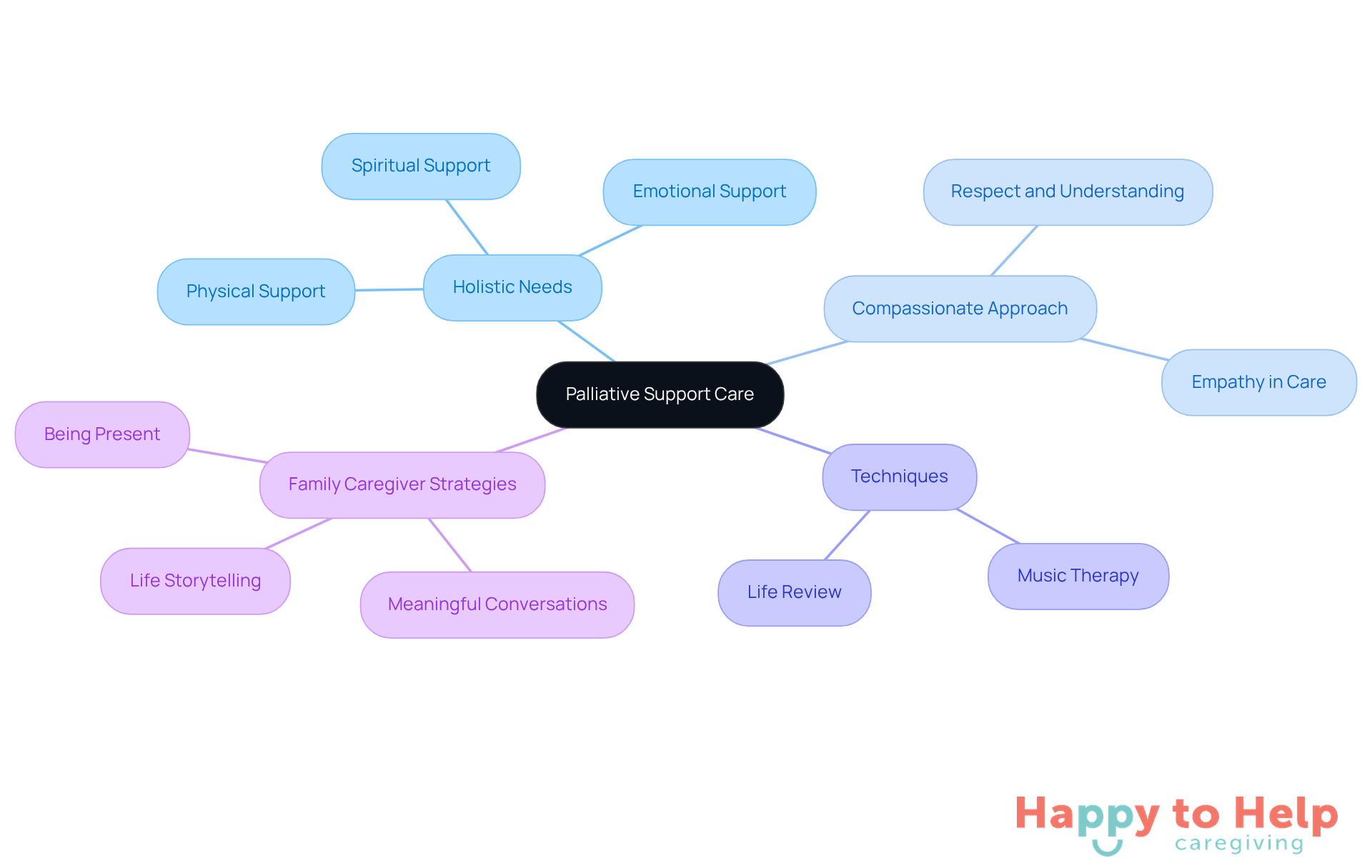
Palliative assistance addresses a significant problem: ensuring comfort and dignity for seniors facing serious health challenges. Caregivers often struggle to meet the holistic needs of their clients, which include not just physical assistance but also emotional and spiritual support. This lack of comprehensive care can lead to diminished quality of life and increased symptom burden, particularly noticeable at the 1- to 3-month follow-up.
To tackle this issue, caregivers must adopt a compassionate approach. Studies indicate that palliative support significantly enhances patient quality of life (QoL). By fostering an environment of respect and understanding, caregivers can help clients maintain their dignity and peace during difficult times. As Dr. Francis W. Peabody wisely noted, "Time, sympathy, and understanding must be generously offered… for the essence of treating the patient lies in showing concern for the patient."
Implementing programs that prioritize dignity in end-of-life support can yield positive results. Techniques such as:
- Music therapy
- Life review
have proven effective in enhancing patient satisfaction and emotional well-being. Family caregivers can further enrich their loved ones' emotional and spiritual support by:
- Engaging in meaningful conversations
- Encouraging life storytelling
- Being present during moments of vulnerability
This comprehensive support strategy not only underscores the importance of dignity but also contributes to a more favorable end-of-life experience.
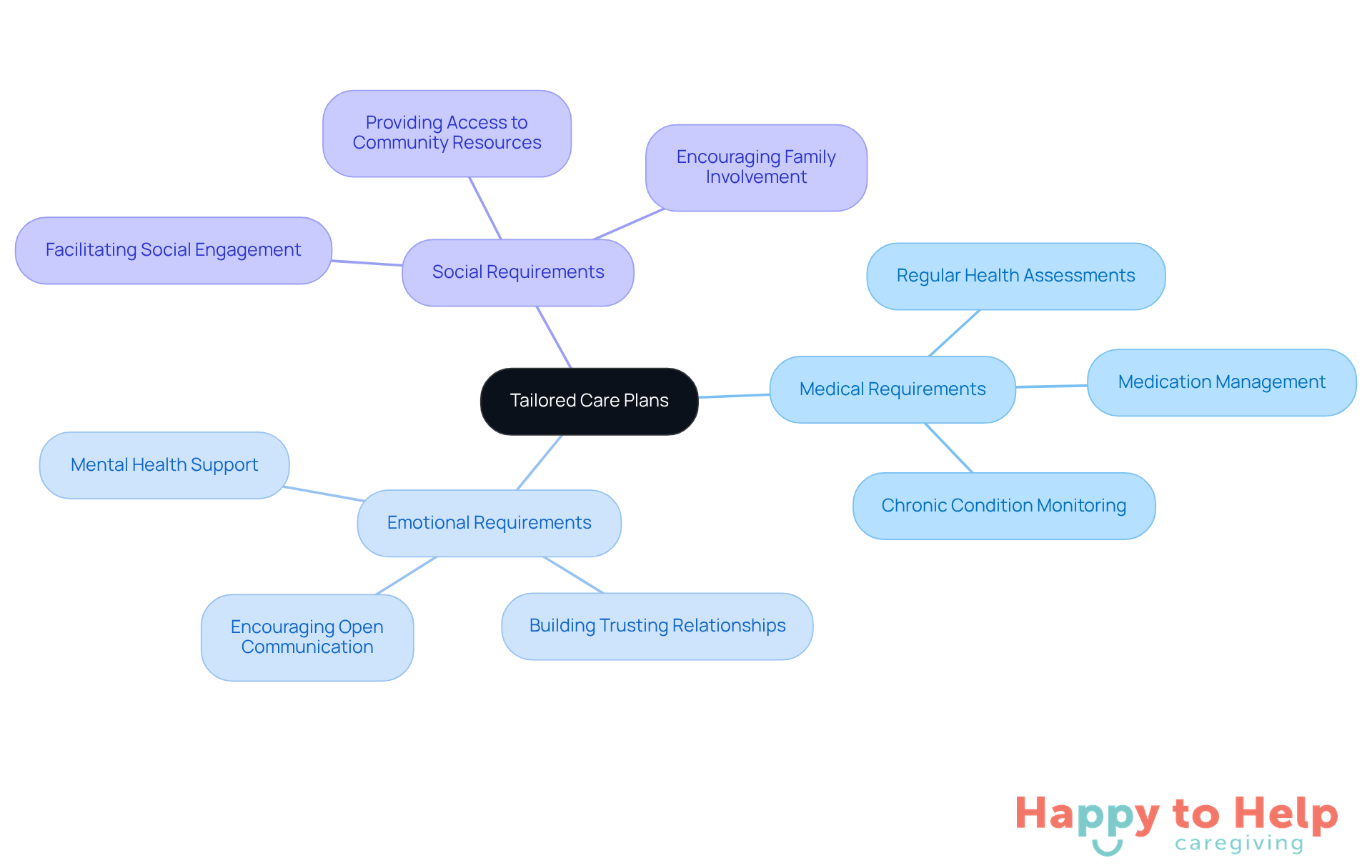
Tailored Care Plans: Customized Support for Individual Needs
Caregivers often face the challenge of addressing the unique needs of elderly clients. Without customized support plans, clients may not receive the tailored care they require for concierge senior care, leading to dissatisfaction and a decline in overall well-being.
To tackle this issue, caregivers can collaborate closely with families to develop comprehensive support plans. These plans should encompass:
- Medical requirements
- Emotional requirements
- Social requirements
Ensuring that every aspect of the client's needs is met with concierge senior care. This personalized approach not only boosts client satisfaction but also significantly enhances their overall quality of life.
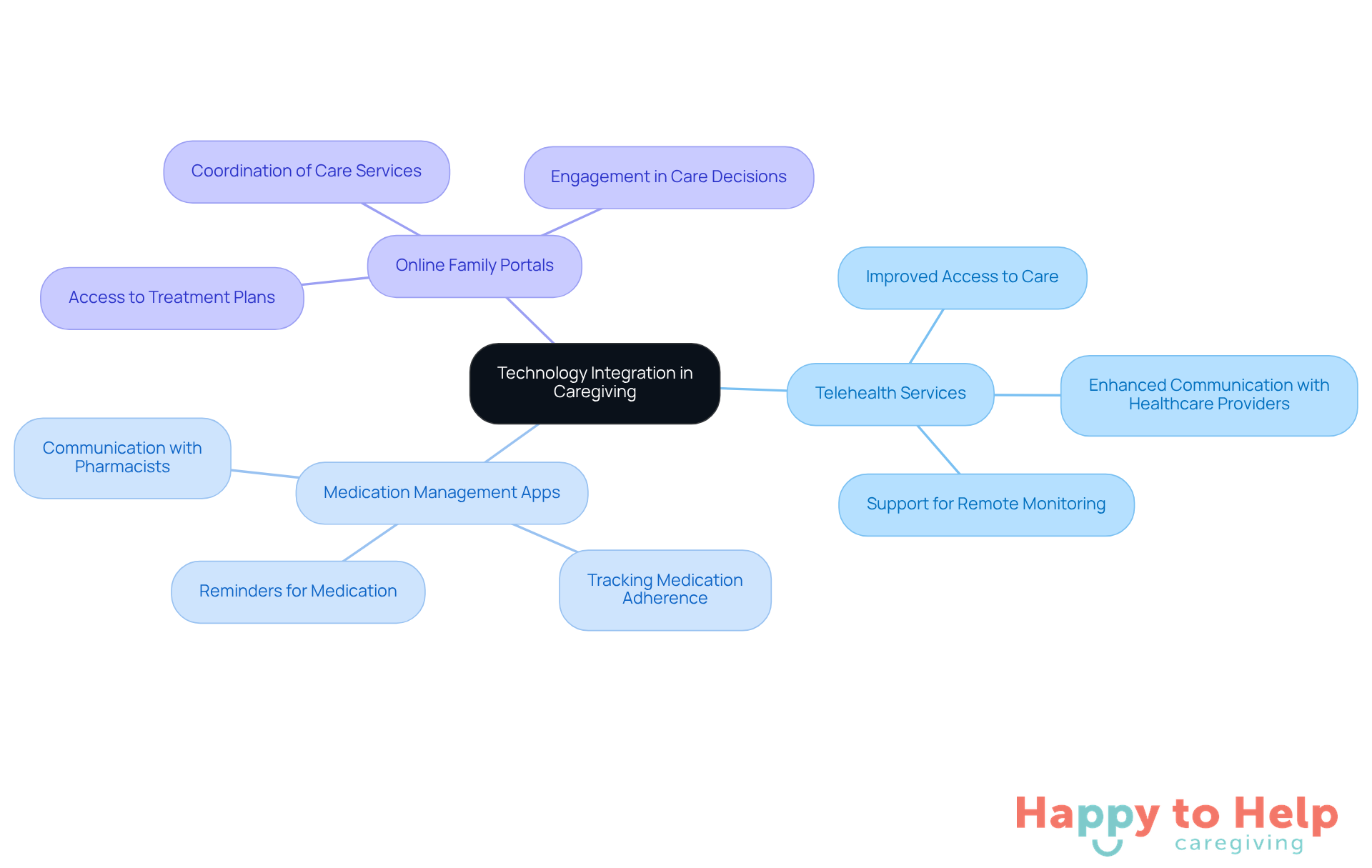
Technology Integration: Enhancing Communication and Care
Caregivers often face significant challenges in communication when managing the care of seniors. This can lead to feelings of isolation for both the caregivers and the families involved, making it difficult to coordinate services effectively. Without proper communication, families may feel disconnected from their loved ones' treatment plans, which can exacerbate stress and anxiety.
Fortunately, technology offers practical solutions to these issues. Tools like:
- Telehealth services
- Medication management apps
- Online family portals
facilitate seamless communication between caregivers and families. These technological advancements not only enhance the coordination of services but also keep families informed and engaged in their loved ones' care. By leveraging these tools, caregivers can improve service delivery and foster a supportive environment for seniors.
Compassionate Caregivers: Building Trust and Comfort
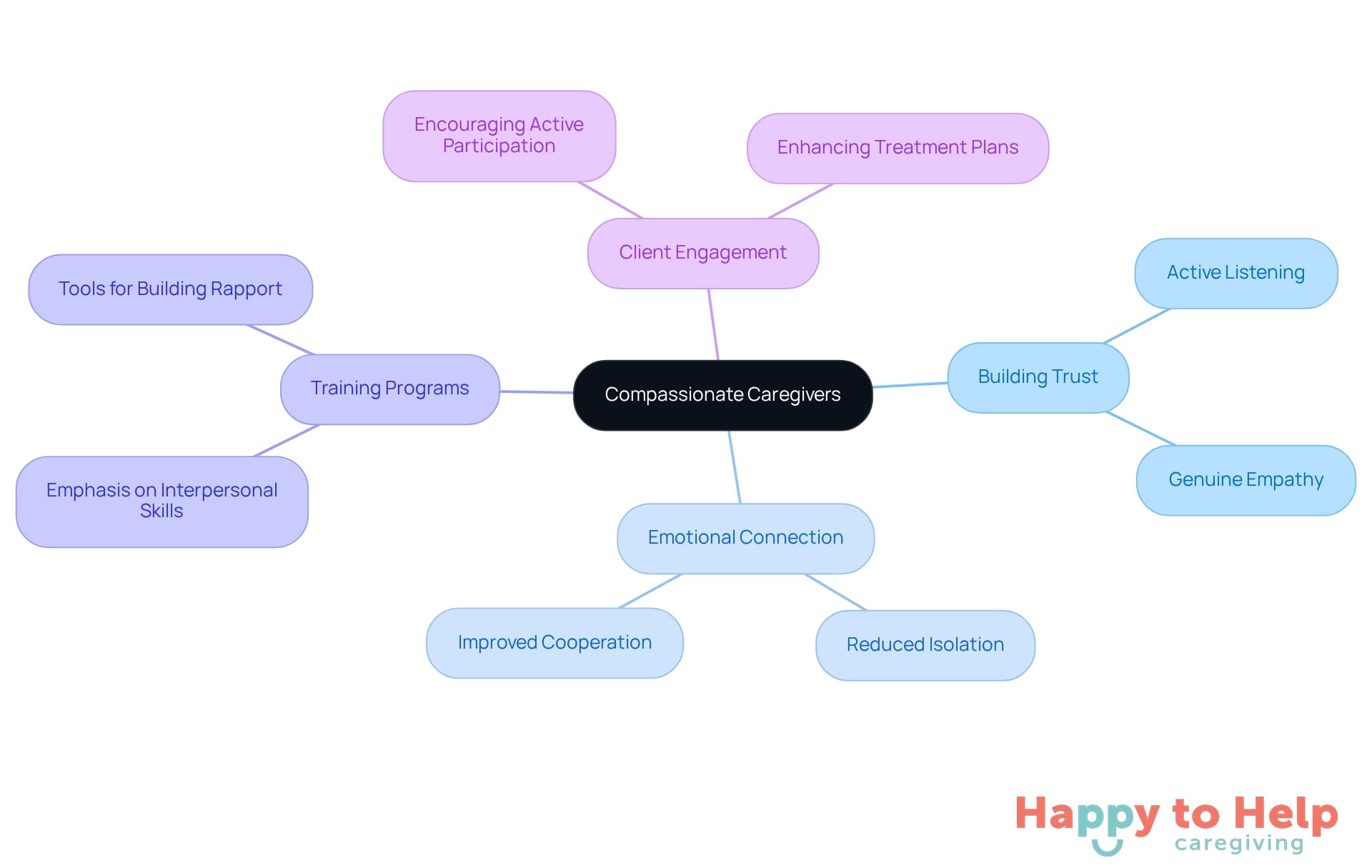
Compassionate providers are crucial in providing concierge senior care, as they build trust and comfort with their clients. However, many caregivers struggle with establishing this essential connection, which can lead to feelings of isolation for clients and dissatisfaction in care.
The implications of this lack of trust are significant. When caregivers fail to connect, clients may feel misunderstood, leading to decreased cooperation and overall well-being. According to the Family Care Provider Institute, 91% of family support providers deliver a high level of assistance, underscoring the commitment these individuals bring to their roles. Yet, without effective interpersonal skills, this commitment may not translate into positive outcomes.
To address these challenges, successful training programs for providers must emphasize the importance of active listening and genuine empathy. By equipping caregivers with the tools to build rapport, they can foster a sense of security that enhances the caregiving experience. Caregivers often express that establishing trust is pivotal; when clients feel understood and respected, it leads to improved cooperation and health outcomes.
Moreover, the emotional bond created through empathy not only reduces feelings of isolation but also encourages clients to engage more actively in their treatment plans. Elevated levels of Sense of Coherence and Resilience are linked to increased satisfaction in caregiving, highlighting the importance of emotional support for both caregivers and clients.
Ultimately, the synergy of trust and comfort in concierge senior care transforms the caregiving experience, making it more fulfilling for everyone involved. By prioritizing these interpersonal skills, caregivers can significantly enhance the quality of care they provide.
Improved Quality of Life: The Holistic Benefits of Concierge Care
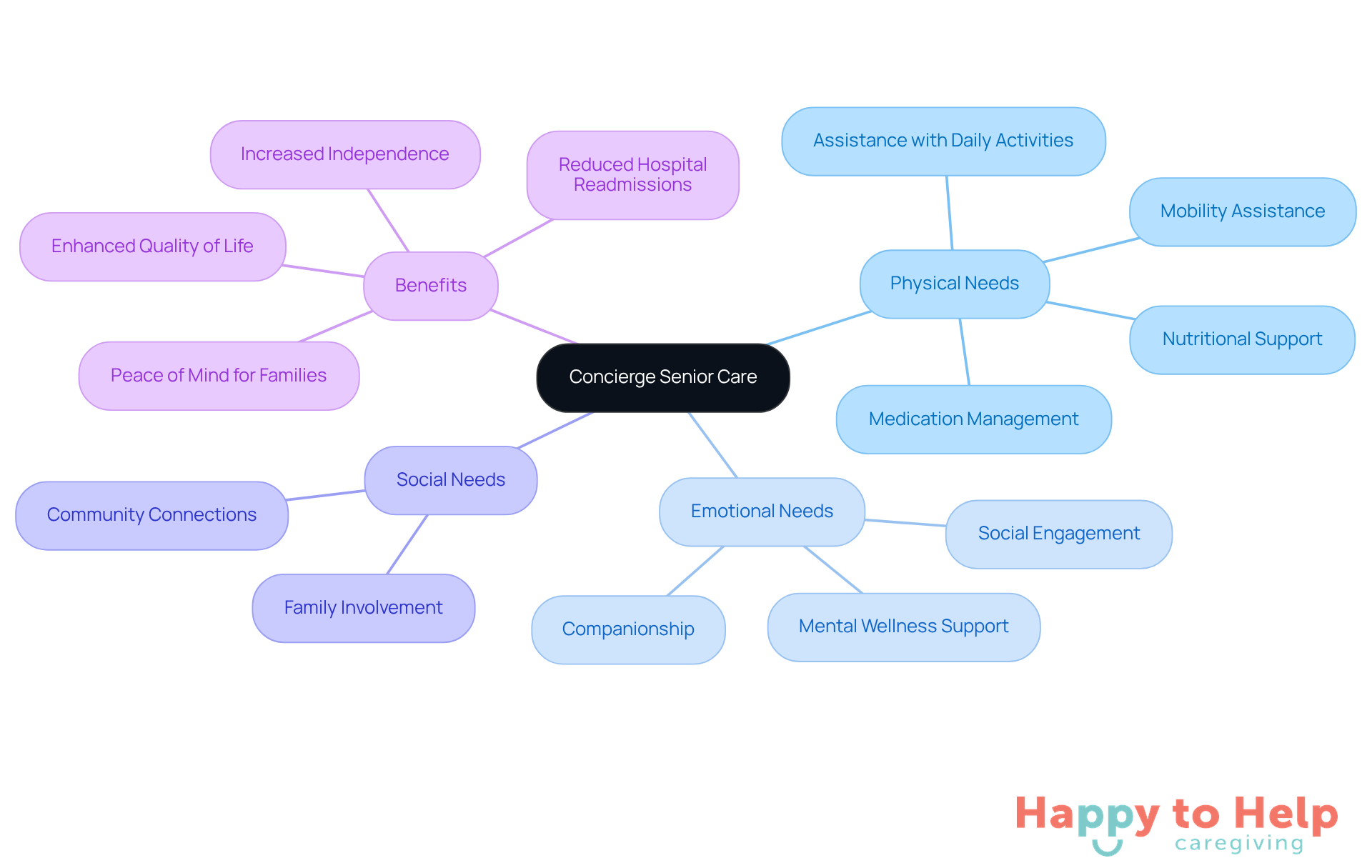
Concierge senior care addresses a significant problem: the diverse physical, emotional, and social needs of seniors. Without adequate support, many seniors struggle with independence and well-being, which can lead to increased hospital readmissions and diminished quality of life for both them and their families.
The implications of this issue are profound. Families often feel anxious about their loved ones' well-being, and seniors may experience isolation and a lack of joy in their daily lives. Recent studies show that personalized support can decrease hospital readmissions by up to 30%, underscoring the importance of effective care.
The solution lies in customized assistance and companionship. Concierge senior care provides extensive plans that encourage independence and foster a sense of security. As Tia Walker states, "To support those who once supported us is one of the highest honors," highlighting the emotional depth of caregiving. Families can find peace knowing their loved ones receive outstanding support, which can transform their daily experiences.
Testimonials from families reveal the positive impact of this support, with many noting how their loved ones have regained joy and vitality. By integrating companionship with personalized services, such as homemaking and companion care, seniors can thrive. Quality care is essential for maintaining dignity and enhancing overall happiness.
Making the Right Choice
Concierge senior care addresses a significant problem: the multifaceted needs of older adults, which often go unmet. Caregivers face immense challenges, balancing their responsibilities with the emotional and physical well-being of their loved ones. This burden can lead to feelings of isolation and stress for both seniors and their families.
The implications of neglecting these needs are profound. Seniors may experience loneliness, hindered recovery from health issues, and a diminished quality of life. Family caregivers, on the other hand, may find themselves overwhelmed, lacking the necessary support to recharge and provide the best care possible.
Fortunately, concierge senior care offers a viable solution. By providing personalized, in-home support, it fosters independence and enhances the quality of life for seniors. This model not only prioritizes individual preferences and lifestyles but also combats feelings of isolation, ensuring that seniors feel valued and connected.
Key benefits of concierge senior care include:
- Companionship that reduces loneliness.
- Post-hospital recovery assistance that improves healing outcomes.
- Respite care that helps family caregivers recharge.
Additionally, the integration of technology enhances communication and coordination, while compassionate caregivers build trust and comfort, creating a supportive environment for both seniors and their families. Each of these elements underscores the importance of tailored care plans that cater to individual needs, ultimately leading to improved health outcomes and satisfaction.
In light of these insights, families should seriously consider the advantages of concierge senior care. By investing in personalized support, they can enhance the quality of life for seniors and foster a healthier, more balanced caregiving experience. Embracing this model of care can lead to lasting positive changes, ensuring that seniors thrive in their golden years while family caregivers find the relief and support they deserve.
https://iframe.tely.ai/cta/eyJhcnRpY2xlX2lkIjogIjY5MmY5MWE1ZGM0MTVjZWNlZTQ2NmM4NSIsICJjb21wYW55X2lkIjogIjY4ZWU1ZGNhNzMxNzYyNTU3ZjNjOTVjMSIsICJpbmRleCI6IG51bGwsICJ0eXBlIjogImFydGljbGUifQ==Frequently Asked Questions
What is the main issue addressed by Happy to Help Caregiving?
Happy to Help Caregiving addresses the complex care needs of seniors, as nearly 95% of individuals over 60 manage at least one chronic health condition, and around 80% deal with two or more.
How does isolation affect seniors?
One in three individuals aged 50-80 report feelings of isolation, which can lead to emotional challenges such as loneliness, depression, and anxiety.
What is the projected growth of the home healthcare market?
The home healthcare market is projected to reach $176.30 billion by 2032, with a compound annual growth rate (CAGR) of 7.96% expected from 2024 to 2030.
What type of care does Happy to Help Caregiving provide?
Happy to Help Caregiving provides personalized in-home assistance tailored to the unique needs of seniors, focusing on both physical health and emotional well-being.
How does personalized assistance benefit older adults?
Personalized assistance helps older adults maintain independence and improves their quality of life by allowing them to engage in activities they enjoy, thereby reducing feelings of isolation.
What role does companionship care play in combating loneliness among older adults?
Companionship care actively engages older adults in meaningful conversations and enjoyable activities, which can lower the risks of depression and anxiety by up to 30%.
How can caregivers enhance the emotional well-being of seniors?
Caregivers can enhance emotional well-being by encouraging hobbies, facilitating social interactions, and creating a nurturing environment where older adults feel valued and connected.
What challenges do seniors face during post-hospital recovery?
Seniors often struggle with managing medications, mobility, and daily activities after hospital discharge, which can hinder recovery and increase hospital readmission rates.
How does concierge senior care impact hospital readmission rates?
Seniors receiving concierge senior care experience lower readmission rates, with some studies showing a decrease of up to 25% compared to those without support.
What is the dual role of caregivers in concierge senior care?
Caregivers in concierge senior care provide both physical assistance and emotional support, which are essential for a comprehensive recovery process and overall well-being.
List of Sources
- Happy to Help Caregiving: Personalized In-Home Care for Seniors
- Home Care Statistics In 2025: Key Insights In Home Care (https://sagapixel.com/marketing/home-care-statistics)
- 2025 Home Care Statistics: Trends & Insights To Know (https://premierhcinc.com/blog/home-care-statistics)
- Governor Hochul Announces Next Steps in Plans to Strengthen Home Care Services for New Yorkers (https://governor.ny.gov/news/governor-hochul-announces-next-steps-plans-strengthen-home-care-services-new-yorkers)
- 52 Eye-Opening Home Health Statistics: Insights for 2025 (https://boosthomehealth.com/home-health-statistics)
- 30 Inspirational Quotes for Caregivers (https://agingcare.com/articles/caregivers-quotes-inspiration-141133.htm)
- Companionship Care: Combat Loneliness with Dedicated Support
- The Emotional Benefits of Companion Care for Seniors (https://comfortkeepers.com/offices/texas/round-rock/resources/news/the-emotional-benefits-of-companion-care-for-seniors)
- Understanding the Benefits of Companion Care for Seniors - Freedom Home Care (https://freedomhomecare.net/2025/08/26/understanding-the-benefits-of-companion-care-for-seniors)
- How Companion Care Can Help Combat Senior Isolation and Loneliness | HealthMax Home Health Care (https://healthmaxmn.com/blog/how-companion-care-can-help-combat-senior-isolation-and-loneliness)
- The Unbeatable Benefits of Companion Care for Seniors (https://comforcare.com/massachusetts/canton/resources/blog/the-unbeatable-benefits-of-companion-care-for-seniors)
- Combat Loneliness: The Benefits of Companion Care for Seniors (https://allheartcare.com/more-than-just-company-the-vital-role-of-companion-care-for-seniors)
- Post-Hospital Recovery Assistance: Smooth Transitions for Better Healing
- Recovering Stronger: Rehab for the Elderly After a Hospital Stay - Notre Dame Health Care (https://notredamehealthcare.org/news-blog/recovering-stronger-rehab-for-the-elderly-after-a-hospital-stay)
- Post-Hospital Care for Seniors Supports Healing (https://picseniorcare.com/how-post-hospital-care-for-seniors-makes-recovery-easier)
- Home Care and the New Healthcare Ecosystem: Reducing Readmissions and Supporting Aging in Place - Family & Nursing Care (https://familynursingcare.com/home-care-and-the-new-healthcare-ecosystem-reducing-readmissions-and-supporting-aging-in-place)
- Post-Hospital Discharge: Why In-Home Care Improves Recovery for Florida Seniors (https://visitingangels.com/tampafl/news-info/post-hospital-discharge-why-in-home-care-improves-recovery-for-florida-seniors/26196)
- 24/7 Availability: Care When You Need It Most
- Statistics that Highlight the Growing Need for Senior Home Care (https://lifestarhomecare.com/numbers-showing-the-increasing-need-for-in-home-care-for-aging-adults)
- Around-the-Clock Support: The Benefits of 24-Hour Home Care for Seniors (https://afcsnc.com/around-the-clock-support-the-benefits-of-24-hour-home-care-for-seniors)
- The Benefits Of Around The Clock Care For Seniors (https://hcprosonline.com/the-benefits-of-around-the-clock-care-for-seniors)
- Why So Many Seniors Prefer 24-Hour Home Care Over Nursing Home Care (https://heavenathomecare.com/why-24-hour-home-care-is-preferred-over-nursing-home-care)
- 24/7 In-Home Care Costs in 2025 - Assisted Living Magazine (https://assistedlivingmagazine.com/24-7-in-home-care-costs-in-2025)
- Respite Care: Essential Relief for Family Caregivers
- New Report Reveals Crisis Point for America’s 63 million Family Caregivers (https://press.aarp.org/2025-07-24-New-Report-Reveals-Crisis-Point-for-Americas-63-million-Family-Caregivers)
- The Caregiving Landscape: Data & Insights on the Caregiver Experience in the U.S. (https://caregiveraction.org/caregiver-statistics)
- Caregiver Statistics: Health, Technology, and Caregiving Resources (https://caregiver.org/resource/caregiver-statistics-health-technology-and-caregiving-resources)
- Federal budget committee greenlights millions in spending for family caregivers, respite services (https://mcknightshomecare.com/news/federal-budget-committee-greenlights-millions-in-spending-for-family-caregivers-respite-services)
- Palliative Support Care: Ensuring Comfort and Dignity
- When Approaching Death, Hospice Offers Dignity, Peace (https://deathwithdignity.org/news/2024/04/hospice-offers-dignity-and-peace)
- Dignity in End-of-Life Care & Hospice Care - Samaritan (https://samaritannj.org/hospice-palliative-care-blog/defining-dignity-end-life-hospice-care)
- Quality of Life in Palliative Care: A Systematic Meta-Review of Reviews and Meta-Analyses (https://clinical-practice-and-epidemiology-in-mental-health.com/VOLUME/20/ELOCATOR/e17450179183857/FULLTEXT)
- Care and Comfort Near the End of Life - National Coalition for Hospice and Palliative Care (https://nationalcoalitionhpc.org/care-and-comfort-near-the-end-of-life)
- Quality of Life in Palliative Care - PMC (https://pmc.ncbi.nlm.nih.gov/articles/PMC6405258)
- Tailored Care Plans: Customized Support for Individual Needs
- New Study Reveals Mixed Results in Advance Care Planning for Older Adults | Johns Hopkins Bloomberg School of Public Health (https://publichealth.jhu.edu/2024/new-study-reveals-mixed-results-in-advance-care-planning-for-older-adults)
- Novel Care Model May Improve Outcomes for Older Adults With Multiple Chronic Conditions (https://consultqd.clevelandclinic.org/novel-care-model-may-improve-outcomes-for-older-adults-with-multiple-chronic-conditions)
- Older adults prioritize social activities, inclusiveness in massive survey assessing what matters most to them (https://mcknights.com/news/older-adults-prioritize-social-activities-inclusiveness-in-massive-survey-assessing-what-matters-most-to-them)
- How Personalized Care Plans Enhance Medical Services in Long-Term Care (https://rosewood-nursing.com/post/how-personalized-care-plans-enhance-medical-services-in-long-term-care)
- Warning From Older Adults: Care for Aging in America Needs Urgent Rethinking (https://johnahartford.org/newsroom/view/warning-from-older-adults-care-for-aging-in-america-needs-urgent-rethinking)
- Technology Integration: Enhancing Communication and Care
- Millions of seniors could lose access to telehealth without deal in Congress (https://washingtonpost.com/health/2025/09/30/shutdown-threatens-senior-telehealth)
- Millions of seniors lose access to telehealth services in wake of shutdown (https://pbs.org/newshour/show/millions-of-seniors-lose-access-to-telehealth-services-in-wake-of-shutdown)
- Technology Use Among Older Adults and Their Caregivers: Cross-Sectional Survey Study - PMC (https://pmc.ncbi.nlm.nih.gov/articles/PMC11084119)
- Medicare Telehealth Waivers Expire With Potential ‘Big Impact’ for Senior Living Operators (https://seniorhousingnews.com/2025/10/01/medicare-telehealth-waivers-expire-with-potential-big-impact-for-senior-living-operators)
- Older Americans Are Leveraging More Technology (https://aarp.org/pri/topics/technology/internet-media-devices/2025-technology-trends-older-adults)
- Compassionate Caregivers: Building Trust and Comfort
- The importance of Compassionate Caregivers for Alzheimer’s Patients (https://southerncaliforniacaregiving.com/the-importance-of-compassionate-caregivers-for-alzheimers-patients)
- Satisfaction with caregiving among informal caregivers of elderly people with dementia based on the salutogenic model of health (https://sciencedirect.com/science/article/pii/S0897189721001142)
- HHS Backs AI Innovation for America’s Caregivers | HHS.gov (https://hhs.gov/press-room/hhs-backs-ai-innovation-for-americas-caregivers.html)
- Compassion in Home Care (https://homeinstead.com/home-care/usa/la/carencro/347/news-and-media/compassion-in-home-care)
- Family Caregiving: Where Compassion Meets Complexity (https://caregiver.org/news/family-caregiving-where-compassion-meets-complexity)
- Improved Quality of Life: The Holistic Benefits of Concierge Care
- On resource allocation in health care: The case of concierge medicine (https://sciencedirect.com/science/article/abs/pii/S016762962300053X)
- 65 Inspirational Quotes About Caring For Elderly Parents - Home Care Agency | Global One Home Care Boston (https://globalonehomecare.com/65-inspirational-quotes-about-caring-for-elderly-parents)
- Transition to Concierge Medicine - ConsultingMDs (https://consultingmds.com/case\_studies/md-concierge-health-transition-to-concierge-medicine)
- Heartwarming Quotes on Taking Care of Elderly Parents (https://humancareny.com/blog/taking-care-of-elderly-parents-quotes)
- (https://belleviecare.co.uk/support-advice/60-elderly-care-quotes-to-lift-your-spirits)