Quick Guide to Elder Companion Care
Elder companion care offers significant benefits to family caregivers, providing essential emotional support and assistance with daily living tasks. This support not only alleviates caregiver strain but also enhances the quality of life for seniors. It’s important to recognize the emotional challenges caregivers face, often feeling overwhelmed by their responsibilities. This care model fosters social engagement and emotional well-being for older adults, which in turn allows caregivers to find a sense of balance in their lives.
Imagine the peace of mind that comes from knowing your loved ones are well cared for. Families can feel reassured, as elder companion care creates an environment where both seniors and caregivers can thrive. The emotional and practical support available through these services can be a lifeline, helping to reduce feelings of stress and burnout. Caregivers deserve this nurturing approach, which not only supports their loved ones but also addresses their own emotional needs.
In sharing personal stories and testimonials, we can highlight the compassionate care provided, fostering a deeper emotional connection. This journey is about more than just tasks; it’s about creating meaningful moments and ensuring that everyone involved feels valued and understood. Let’s embrace the journey together, knowing that with the right support, caregivers can navigate their responsibilities while ensuring their loved ones experience the care they deserve.
Why Elder Companion Care Matters
Elder companion care has emerged as a crucial lifeline for families navigating the complexities of caregiving for aging loved ones. This form of support not only alleviates feelings of isolation and loneliness among seniors but also enhances their emotional and physical well-being through personalized companionship. As families grapple with the challenges of ensuring their loved ones receive the care they deserve, it’s important to recognize the emotional toll this can take on caregivers. Feelings of stress and burnout are common, and these challenges can weigh heavily on the hearts of those who care deeply.
However, elder companion care offers a transformative solution. By providing compassionate companionship, it not only supports seniors but also nurtures the caregivers, fostering a healthier and more fulfilling environment for everyone involved. This caring approach can truly change lives, creating moments of joy and connection that resonate deeply. Together, we can ensure that our loved ones are not only cared for but cherished, allowing families to find peace of mind in their caregiving journey.
Happy to Help Caregiving: Personalized Companionship for Seniors
At Happy to Help Caregiving, we specialize in elder companion care tailored for older adults. We understand that each client has unique needs and preferences, and our approach ensures that their care is tailored just for them. This method fosters a sense of security and significantly enhances emotional well-being, allowing older adults to flourish in the comfort of their own homes.
Our caregivers engage clients in meaningful activities that promote social interaction and emotional support—both essential for maintaining mental health. Research from the Home Care Association of America highlights that regular social interaction is vital for older adults, as it helps preserve brain connections and boosts cognitive function. With over 40% of older adults reporting regularly, the need for elder companion care becomes even more crucial in addressing isolation and improving overall quality of life.
By focusing on individualized assistance, Happy to Help Caregiving not only meets the urgent needs of elderly individuals but also contributes to their long-term emotional well-being and joy. We are here to support you and your loved ones, providing the compassion and care that truly makes a difference.
https://iframe.tely.ai/cta/eyJhcnRpY2xlX2lkIjogIjY4ZjE4ZGM4ODk2ZTdkNGJmN2MxZWIzZiIsICJjb21wYW55X2lkIjogIjY4ZWU1ZGNhNzMxNzYyNTU3ZjNjOTVjMSIsICJpbmRleCI6IDAsICJ0eXBlIjogImFydGljbGUifQ==Reduced Loneliness: Emotional Support Through Companion Care
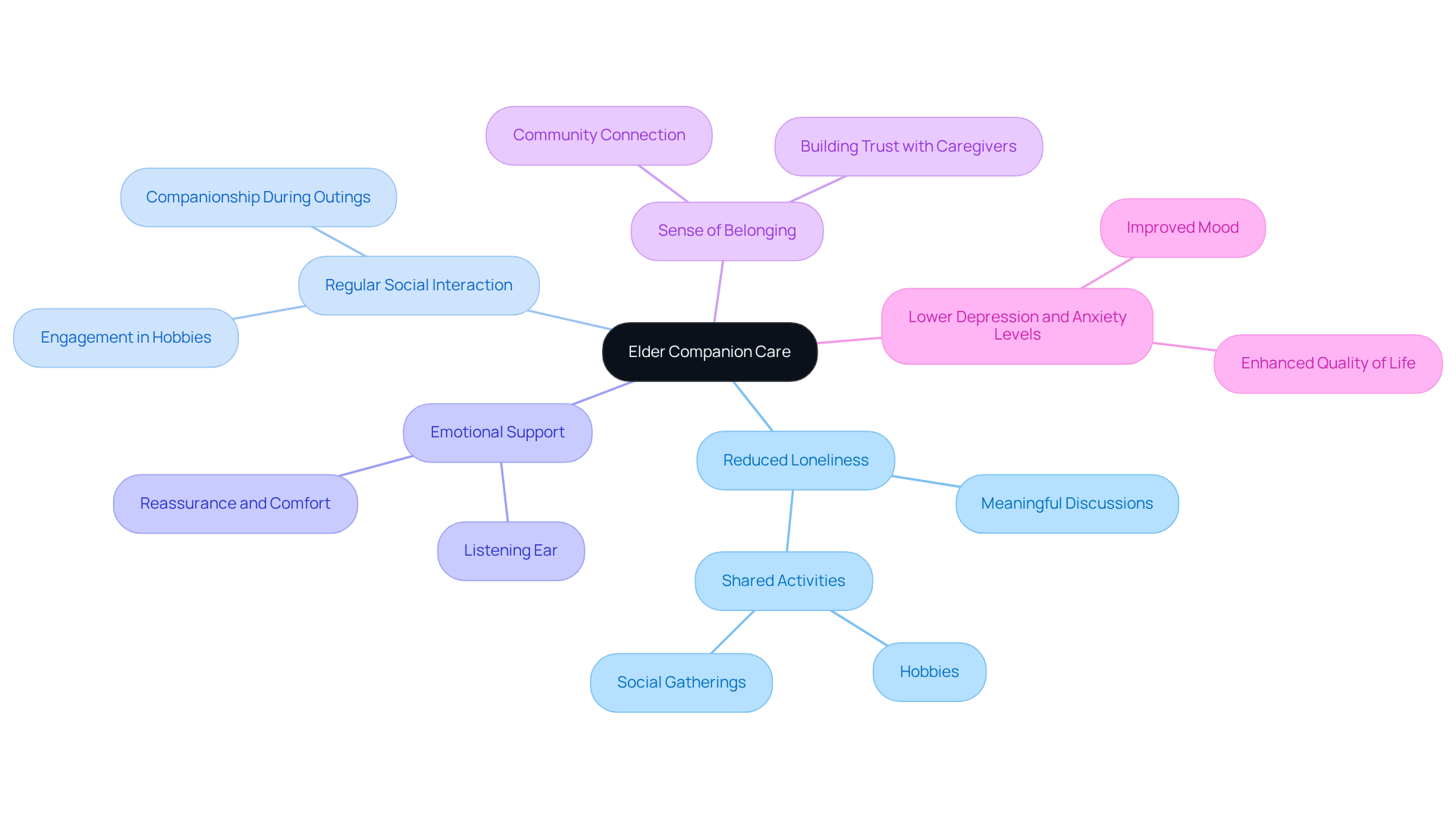
Elder companion care plays a vital role in alleviating feelings of loneliness by providing regular social interaction and emotional support. Elder companion care involves caregivers engaging older adults in meaningful discussions, collaborative activities, and companionship, all of which are essential for mental well-being.
Research shows that older adults who receive elder companion care often experience lower levels of depression and anxiety, leading to a more fulfilling life. This nurturing approach not only addresses emotional needs but also , reminding us of the importance of community in our lives.
Enhanced Daily Living: Support with Routine Activities
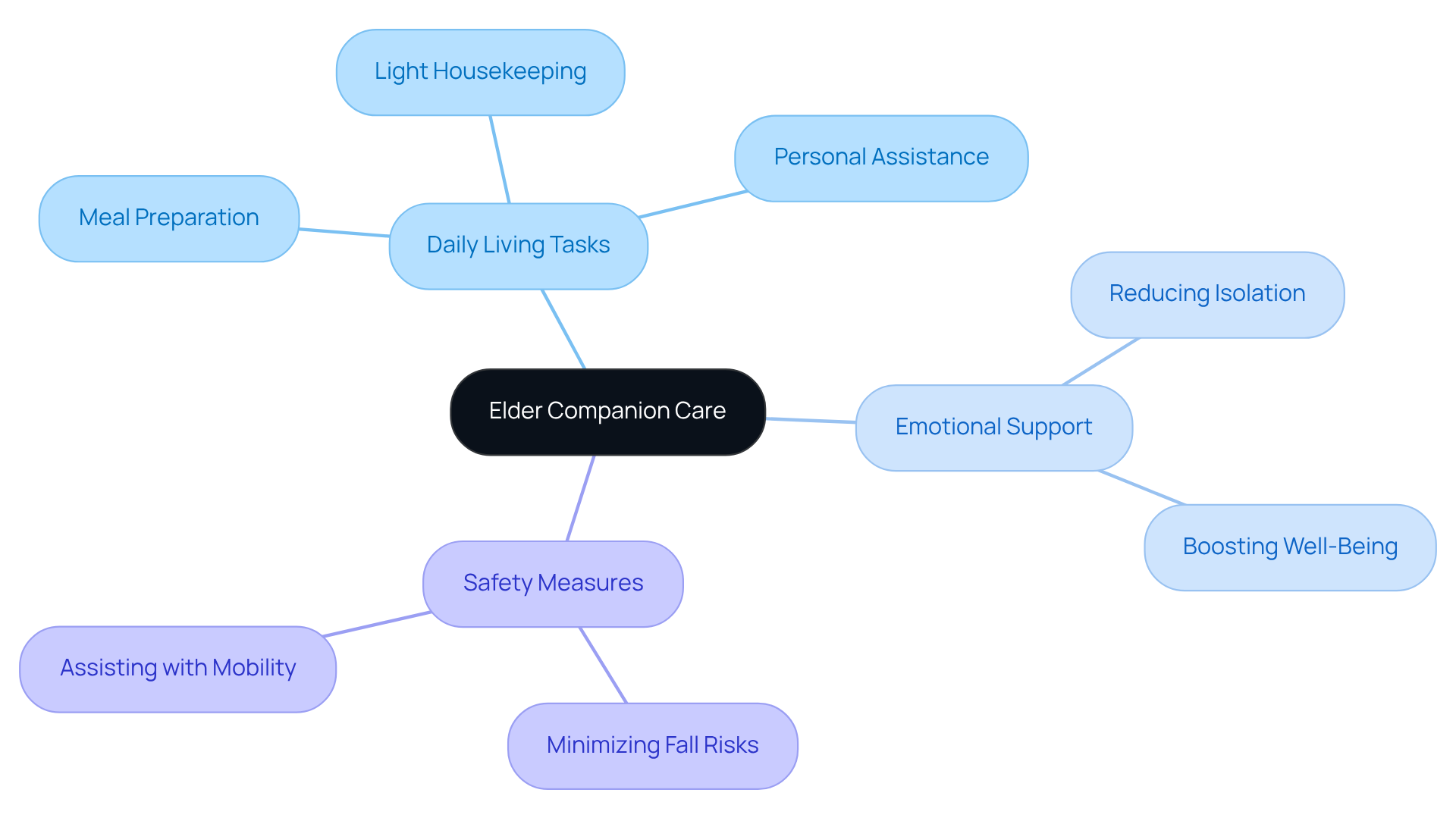
Elder companion care plays a vital role in assisting elderly individuals with essential daily living tasks, such as meal preparation, light housekeeping, and personal assistance. This support is crucial for , which can be significantly enhanced through elder companion care, allowing them to continue engaging in their cherished routines and hobbies. Statistics reveal that elder companion care helps older adults maintain their independence and participate in social activities, significantly enhancing their overall quality of life.
Furthermore, research indicates that elder companion care helps reduce feelings of isolation and boosts emotional well-being. In-home support offers elder companion care that alleviates caregiver strain by assisting with daily tasks and medical needs. As Dr. Anshu Banerjee insightfully notes, elder companion care is essential not just for physical support, but for nurturing a sense of purpose and connection that enriches the lives of older adults.
Additionally, elder companion care providers play a critical role in minimizing risks such as falls and injuries by assisting older adults with mobility and daily living activities, thereby ensuring a safer living environment. This compassionate elder companion care not only enhances safety but also fosters a sense of security and comfort for both the elderly and their families.
Peace of Mind: Family Assurance with Companion Care
Families gain invaluable peace of mind when their loved ones receive compassionate support through elder companion care provided by trained companions. These professionals not only assist with daily activities but also provide crucial emotional encouragement as part of elder companion care, fostering a sense of safety and value among seniors. This dual approach allows family members to focus on their own responsibilities, confident that their loved ones are well cared for.
The emotional boost provided by elder companion care can significantly alleviate the stress often experienced by family caregivers. This support enables them to maintain a in their lives. As noted by Lakeview Senior Living, "One of the most overlooked benefits of Senior Home Care is the emotional and mental boost it brings to aging adults."
Creating a safe home environment is essential for recovery, enhancing both emotional and physical well-being. Testimonials from families highlight this reassurance; many express gratitude for the expert assistance that elder companion care provides, enhancing their loved ones' quality of life while alleviating their own caregiving burdens.
https://iframe.tely.ai/cta/eyJhcnRpY2xlX2lkIjogIjY4ZjE4ZGM4ODk2ZTdkNGJmN2MxZWIzZiIsICJjb21wYW55X2lkIjogIjY4ZWU1ZGNhNzMxNzYyNTU3ZjNjOTVjMSIsICJpbmRleCI6IDMsICJ0eXBlIjogImFydGljbGUifQ==Customized Care Plans: Tailored Support for Individual Needs
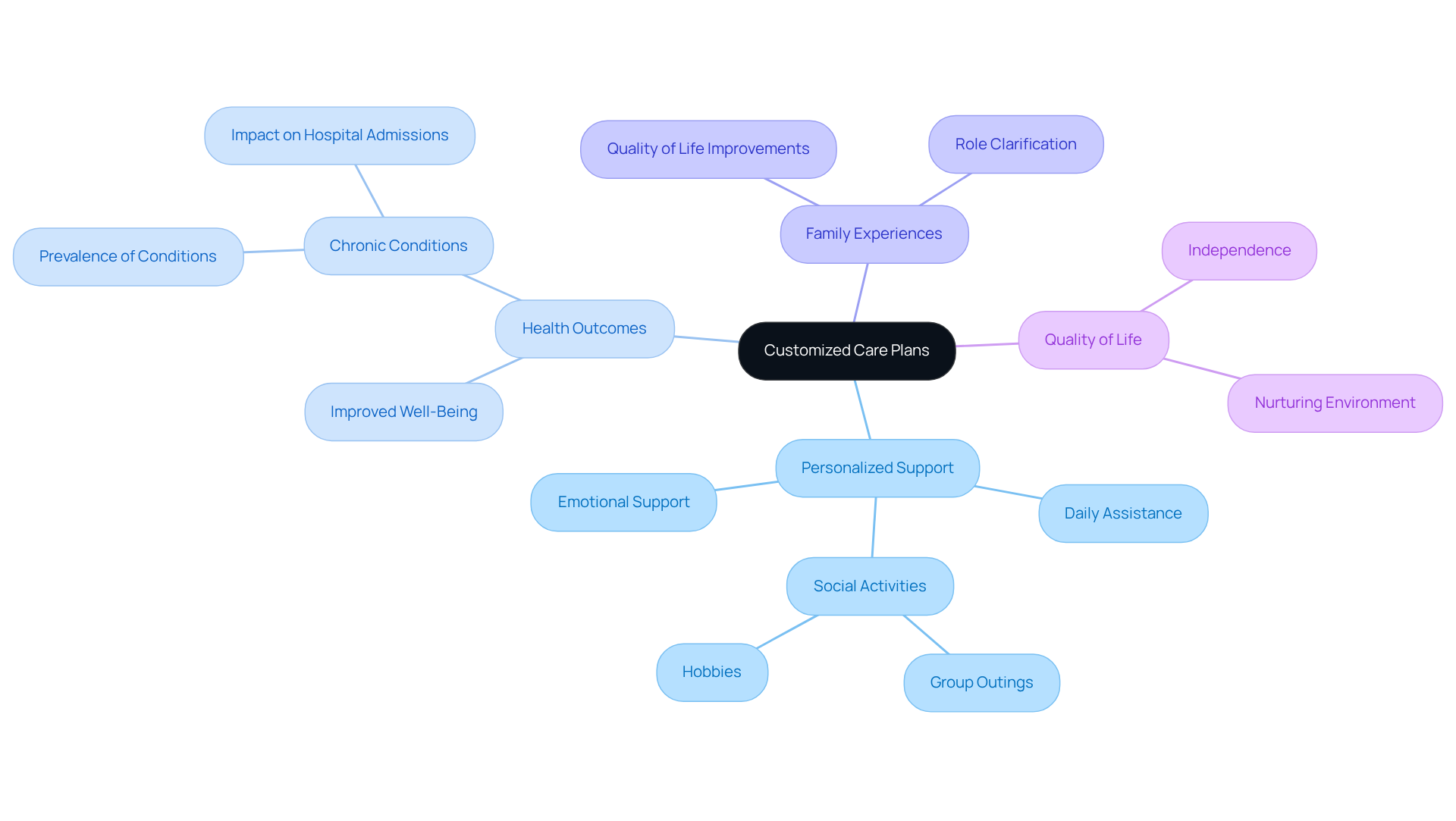
Personalized support plans are vital for delivering compassionate companionship services. They are specifically crafted to meet the unique requirements, preferences, and health situations of each elderly individual. This tailored approach empowers caregivers to provide the right level of support, whether it’s assistance with daily tasks, emotional encouragement, or fostering social connections through activities like group outings or hobbies.
Research shows that personalized treatment plans can significantly enhance health outcomes. They help reduce hospital admissions and improve overall well-being. For instance, nearly 80% of seniors have at least one chronic condition, which underscores the importance of personalized support in addressing their specific health challenges. Bella Roy emphasizes that when care is customized to a person's unique circumstances, it leads to better health results.
Moreover, families often share that older adults receiving tailored assistance experience a remarkable improvement in their quality of life. These plans not only focus on physical health but also consider emotional and social aspects. By ensuring that support is responsive to the individual, caregivers can cultivate a nurturing environment that fosters independence and happiness. Ultimately, this leads to a more , filled with joy and connection.
Cost Considerations: Understanding Companion Care Expenses
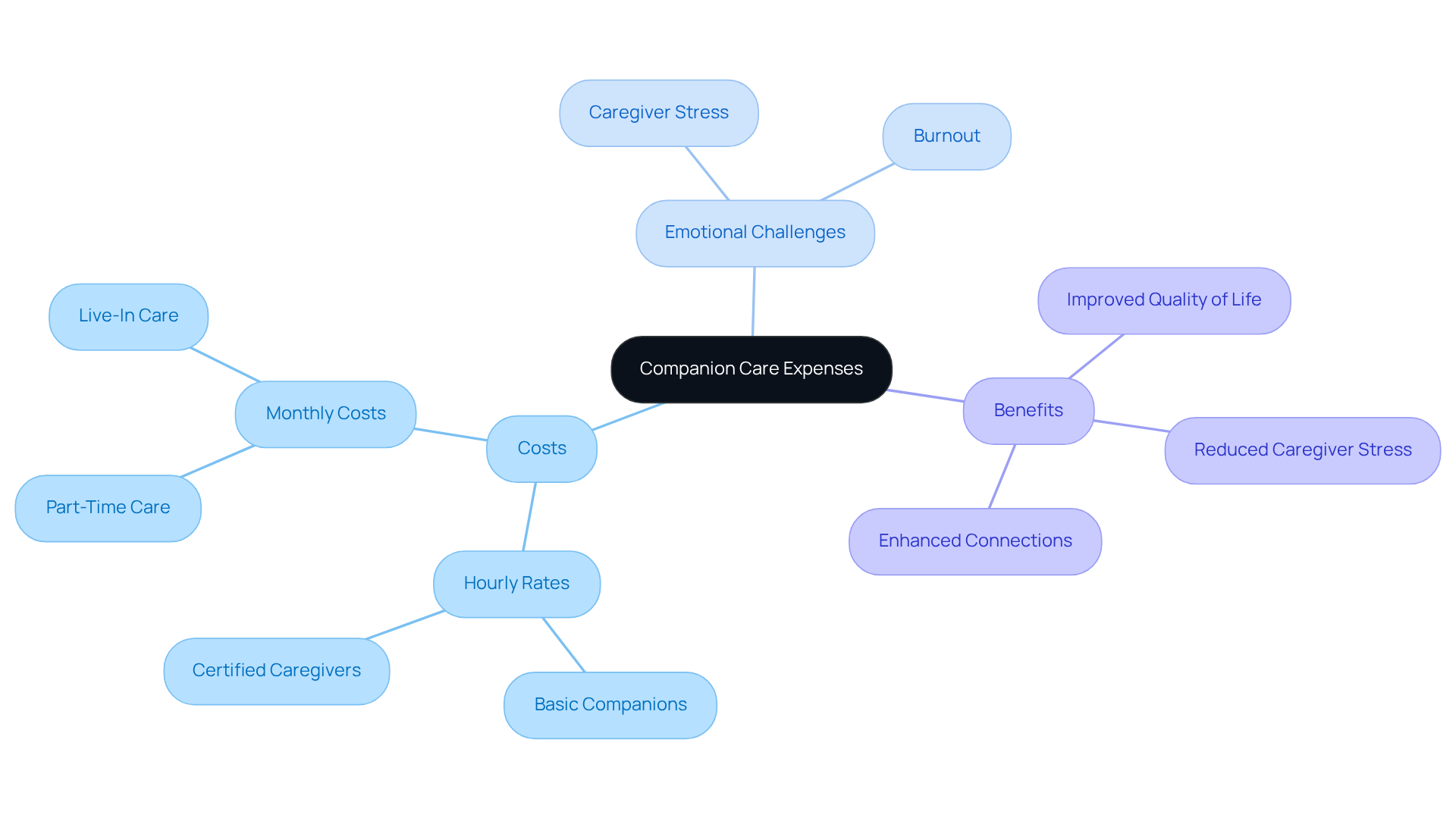
Understanding the is vital for families. These costs can vary based on location and the level of assistance required, with families generally expecting to pay between $20 and $35 per hour for companion services. However, many families find that the benefits of companionship support—such as improved quality of life and reduced stress for caregivers—far outweigh the financial investment.
It's important to recognize the emotional challenges caregivers face. The stress and burnout can be overwhelming, but there are compassionate services available that provide not just assistance, but also a sense of relief and support. Embracing companionship can lead to a more fulfilling experience for both caregivers and those receiving care, fostering deeper connections and enhancing overall well-being.
In the end, families can feel reassured knowing that investing in companionship support is not just a financial decision—it's a step towards a happier, healthier life for everyone involved.
Qualified Caregivers: Ensuring Quality and Reliability
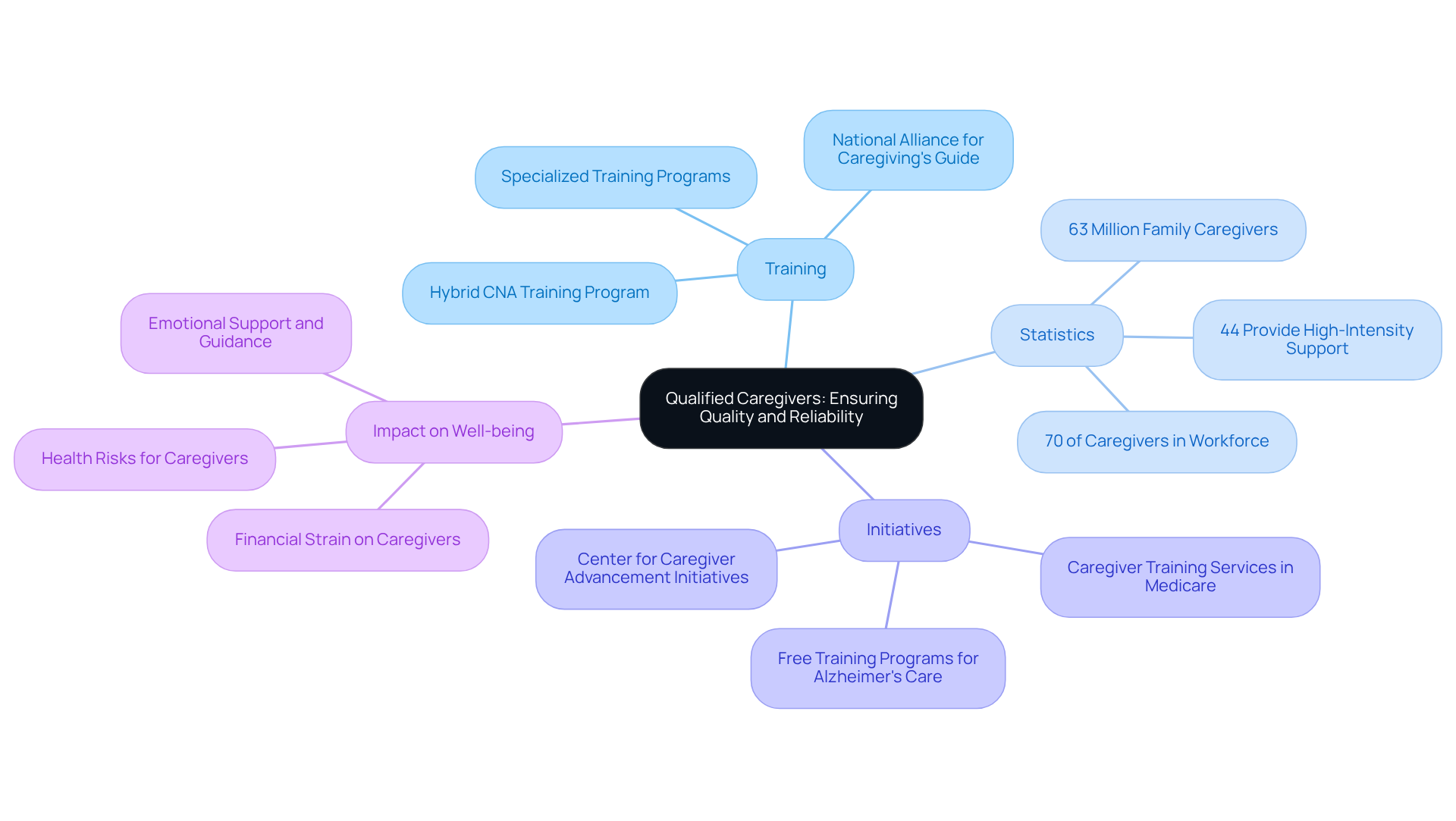
Skilled providers form the heart of effective companionship, undergoing thorough training to offer both physical assistance and emotional guidance. Families can find comfort in knowing that their loved ones are cared for by professionals who excel in fostering relationships, understanding individual needs, and promoting overall well-being. The significance of competent providers shines through when we consider that nearly 44% report delivering high-intensity support, which highlights the necessity for specialized training to manage intricate responsibilities.
Recent initiatives, such as the National Alliance for Caregiving's guide on implementing training services for those providing care in Medicare, aim to uplift the qualifications of support providers, ensuring they are well-prepared to meet the evolving demands of elderly assistance. With the number of family supporters in the U.S. rising to —the demand for trained assistants is set to grow even more.
This commitment to training not only enhances the quality of service but also fosters a nurturing environment for elder companion care, where elderly individuals can truly thrive. As Choula poignantly states, 'We must stop viewing family supporters as an unseen workforce,' reminding us of the vital role they play in the long-term support system.
Social Engagement: Promoting Interaction and Activity
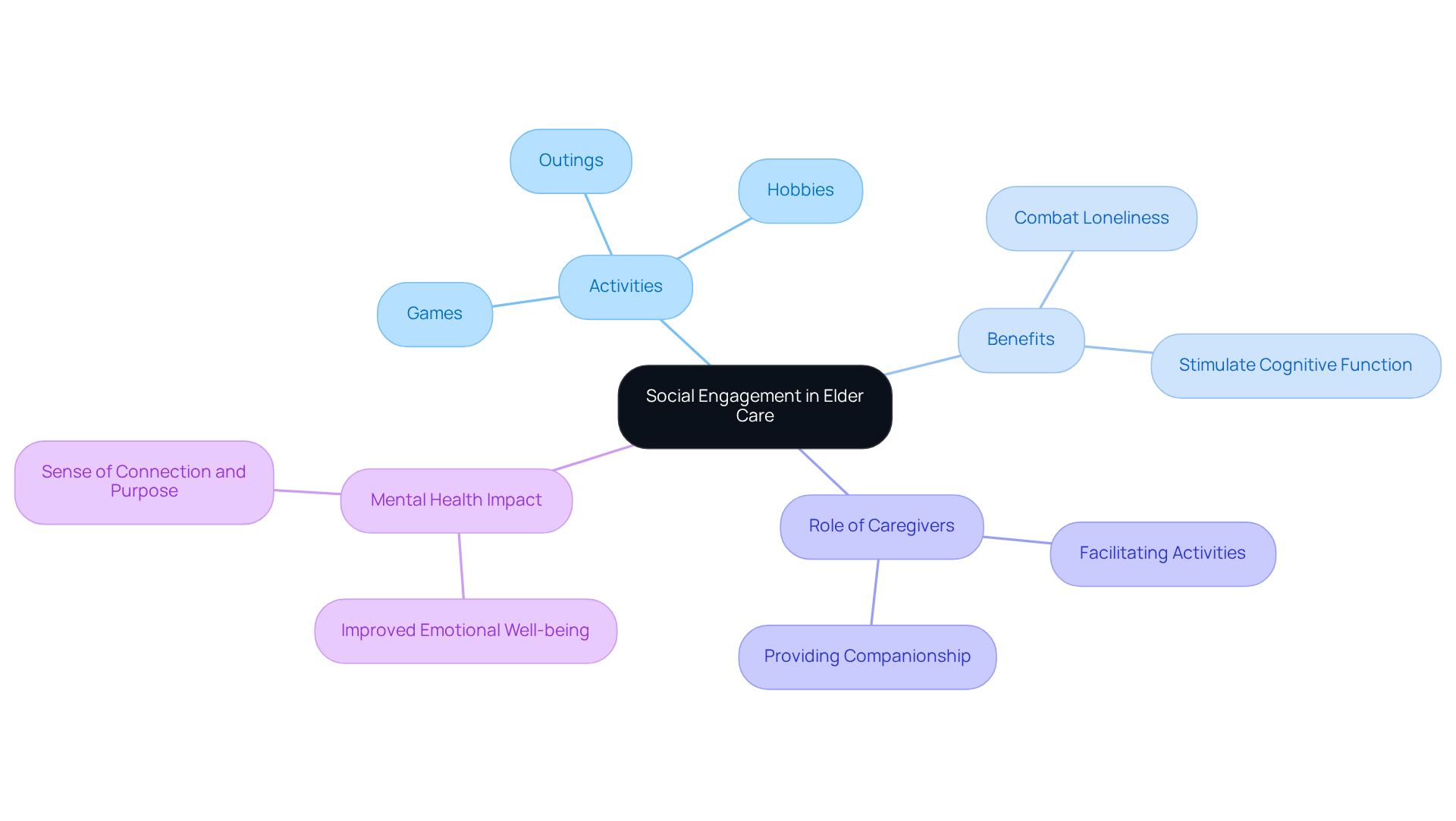
Elder companion care plays a crucial role in promoting social engagement for seniors, encouraging them to participate in activities that truly interest them. Caregivers facilitate meaningful interactions through games, hobbies, and outings. These activities not only help but also stimulate cognitive function, making a significant difference in their daily lives.
Regular social engagement is vital for maintaining mental health. It can lead to improved emotional well-being, providing a sense of connection and purpose. By fostering these interactions, caregivers offer elder companion care that provides not just support but also companionship, creating a nurturing environment where seniors can thrive.
Respite for Family Caregivers: Relief from Caregiving Duties
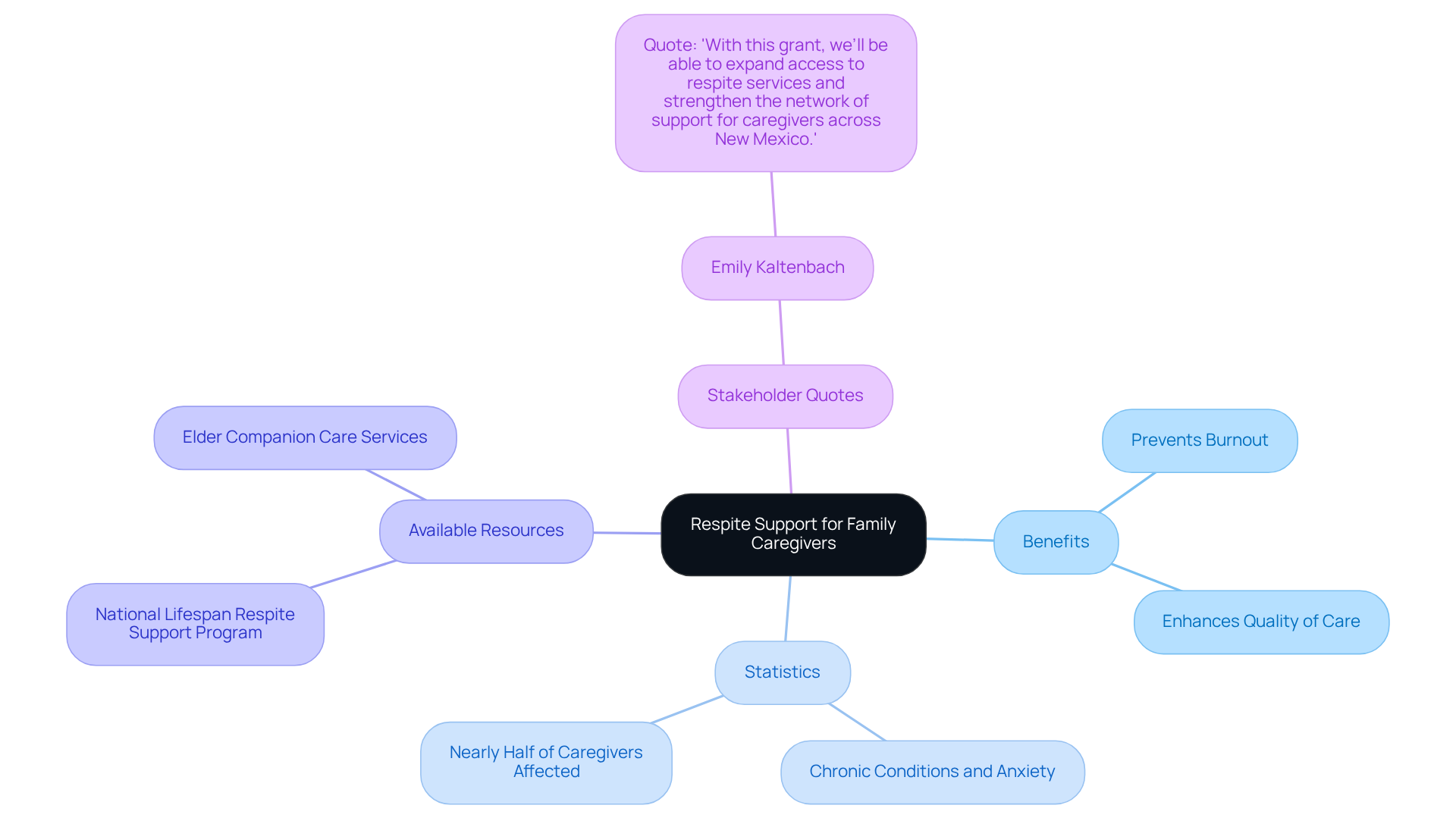
Respite support serves as a vital lifeline for family members who provide assistance, offering essential relief from the demands of caregiving. This temporary break is crucial in , allowing caregivers to recharge and prioritize their own well-being. Research from Columbia University Mailman School of Public Health reveals that nearly half of family supporters experience chronic conditions and anxiety, highlighting the significance of these breaks.
Every individual providing support deserves a moment of respite. By utilizing elder companion care services, families can ensure their loved ones receive attentive care while caregivers take the necessary time to focus on their health and personal needs. Furthermore, the National Lifespan Respite Support Program provides funding for flexible respite support options, emphasizing the availability of resources for those who assist others.
Respite support not only enhances the quality of life for caregivers but also positively impacts the recipients of care, fostering a healthier and more sustainable environment for providing help. As Emily Kaltenbach, ALTSD Cabinet Secretary, expressed, "With this grant, we’ll be able to broaden access to respite services and enhance the network of assistance for those providing care across New Mexico.
Improved Quality of Life: The Comprehensive Benefits of Companion Care
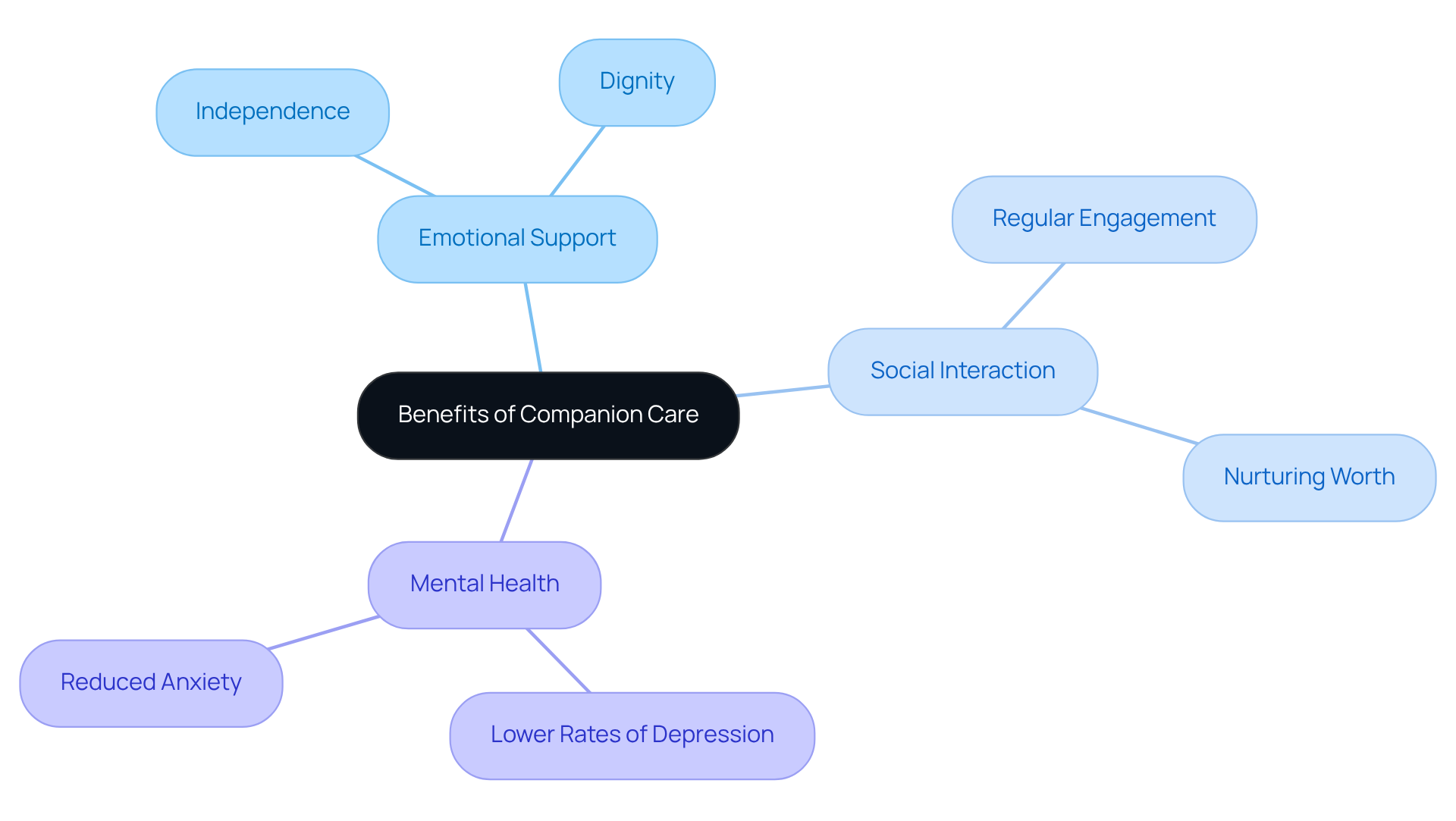
Elder companion care is essential in enhancing the quality of life for elderly individuals, as it compassionately addresses their emotional, social, and physical needs. By providing tailored assistance and encouraging regular social interactions, companion caregivers empower seniors to maintain their independence and dignity. This support not only enriches the lives of seniors but also brings significant peace of mind to their families, offering emotional reassurance during challenging times.
With approximately , the importance of consistent social interaction becomes evident. Such interactions nurture feelings of worth and encouragement. Furthermore, research indicates that nearly two million Americans aged 65 and older suffer from depression. Seniors who experience companionship often report lower rates of depression and anxiety, underscoring the profound effect of positive social interactions on mental health.
The comprehensive benefits of elder companion care make it an invaluable choice for families seeking dependable in-home support. It ensures that their loved ones can thrive in a familiar and comforting environment, surrounded by the care and compassion they deserve.
Key Takeaways for Caregivers
Elder companion care is a vital resource that significantly enhances the lives of seniors and their family caregivers. By offering personalized support tailored to individual needs, this service nurtures emotional well-being, alleviates feelings of loneliness, and promotes social engagement. The compassionate assistance provided not only helps older adults maintain their independence but also brings peace of mind to families, knowing their loved ones are receiving the care they truly deserve.
Throughout this article, we have explored the key benefits of elder companion care, such as:
- Reducing isolation
- Assisting with daily living tasks
- Providing emotional reassurance to families
The emphasis on customized care plans and qualified caregivers underscores a commitment to delivering high-quality support that enriches seniors' lives. Additionally, the role of respite care for family caregivers highlights the importance of self-care and balance in the caregiving journey.
Ultimately, investing in elder companion care is a meaningful step toward ensuring a happier and healthier life for both seniors and their families. It is essential to recognize the invaluable impact of companionship on mental health and overall well-being. Families are encouraged to reflect on these benefits and consider seeking out elder companion care services, fostering a nurturing environment where seniors can thrive and caregivers can find the support they need.
https://iframe.tely.ai/cta/eyJhcnRpY2xlX2lkIjogIjY4ZjE4ZGM4ODk2ZTdkNGJmN2MxZWIzZiIsICJjb21wYW55X2lkIjogIjY4ZWU1ZGNhNzMxNzYyNTU3ZjNjOTVjMSIsICJpbmRleCI6IG51bGwsICJ0eXBlIjogImFydGljbGUifQ==Frequently Asked Questions
What is Happy to Help Caregiving?
Happy to Help Caregiving specializes in elder companion care tailored for older adults, focusing on their unique needs and preferences to enhance their emotional well-being and security.
How does elder companion care benefit seniors?
Elder companion care provides regular social interaction and emotional support, which are essential for maintaining mental health, reducing feelings of loneliness, and improving overall quality of life.
What activities do caregivers engage clients in?
Caregivers engage clients in meaningful discussions, collaborative activities, and companionship, all aimed at promoting social interaction and emotional support.
What impact does elder companion care have on loneliness?
Elder companion care significantly alleviates feelings of loneliness by fostering a sense of belonging and connection, which is crucial for mental well-being.
How does elder companion care support daily living activities?
Elder companion care assists with essential daily tasks such as meal preparation, light housekeeping, and personal assistance, helping older adults maintain their independence and engage in their cherished routines.
What are the emotional benefits of elder companion care?
Research indicates that older adults receiving elder companion care experience lower levels of depression and anxiety, leading to a more fulfilling life and enhanced emotional well-being.
How does elder companion care contribute to safety?
Caregivers assist with mobility and daily living activities, minimizing risks such as falls and injuries, thus ensuring a safer living environment for older adults.
Why is individualized assistance important in elder companion care?
Individualized assistance addresses the specific needs of elderly individuals, contributing to their long-term emotional well-being and joy while allowing them to flourish in their own homes.