10 Benefits of Elder Companion Services for Family Caregivers

For families in our service areas
For families in our service areas, this guide explains companion care and how non-medical in-home caregiving can support care planning in East Idaho, Treasure Valley & Magic Valley, Northern Wasatch, North Central West Virginia, and Northeast Ohio.
The Importance of Elder Companion Services
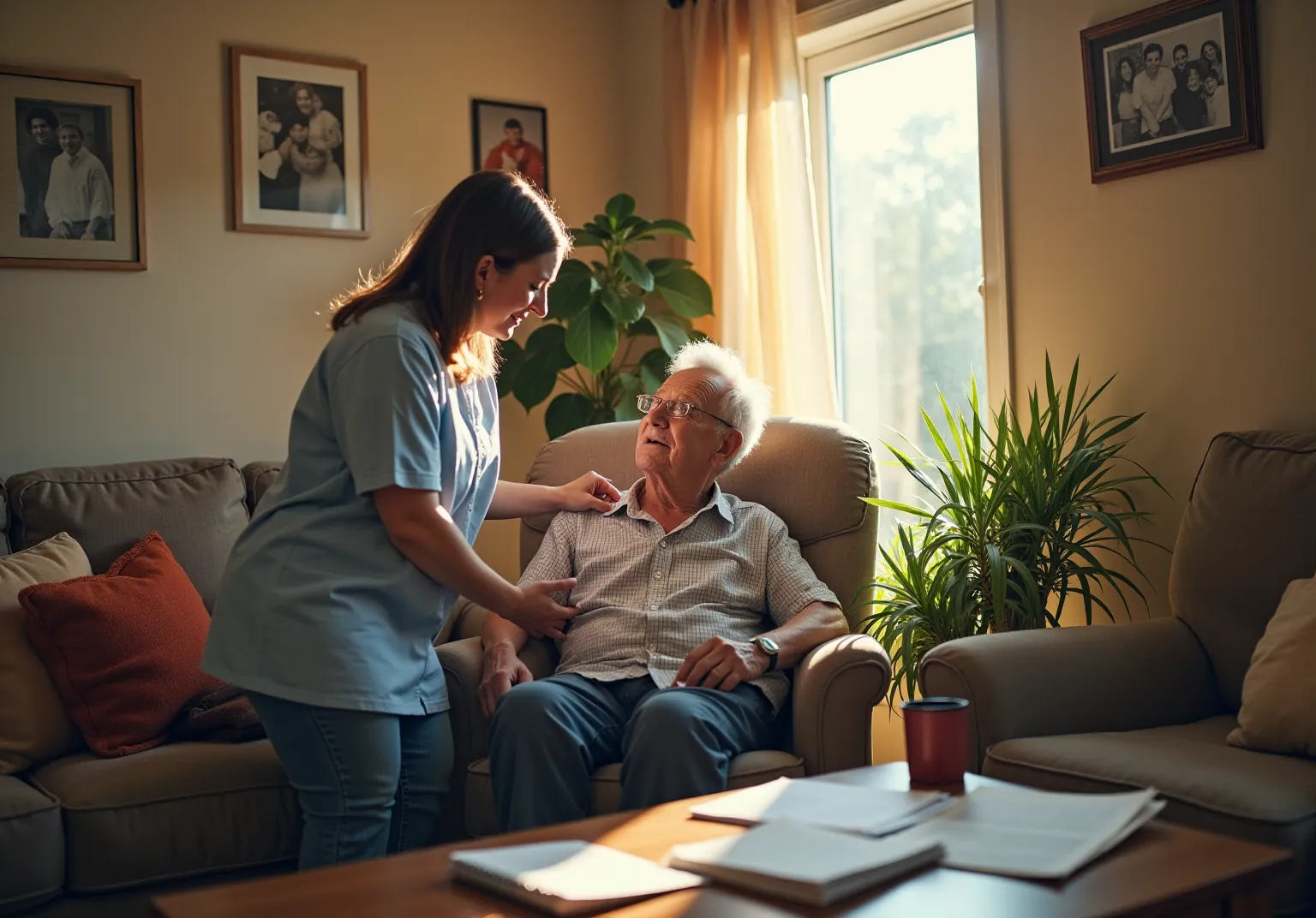
Elder companion services have emerged as a vital resource for addressing the complex needs of aging individuals and their families. Caregivers often face significant challenges, including emotional strain and the pressure to ensure their loved ones remain safe and engaged. This situation can lead to increased stress and burnout among family members, impacting their ability to provide effective care.
As families grapple with these challenges, the question arises: how can elder companion services effectively bridge the gap between care and companionship? These services not only enhance the emotional well-being of seniors but also provide invaluable support to family caregivers. By alleviating stress and improving the caregiving experience, elder companion services can help both seniors and their caregivers thrive in this journey.
To address these issues, families can consider integrating elder companion services into their caregiving plans. These services offer companionship, assistance with daily activities, and emotional support, allowing caregivers to focus on their own well-being while ensuring their loved ones receive the care they need. By fostering a supportive environment, elder companion services can significantly improve the quality of life for both seniors and their families.
Enhance Emotional Well-Being Through Companionship
Loneliness and anxiety are significant challenges faced by older adults, impacting their mental health and overall well-being. Elder companion services address these issues by providing emotional support, which is crucial for fostering a sense of belonging and security.
Research shows that regular interaction with caregivers can lead to lower rates of depression among older adults. Engaging in meaningful discussions and activities not only alleviates feelings of isolation but also enhances their overall quality of life.
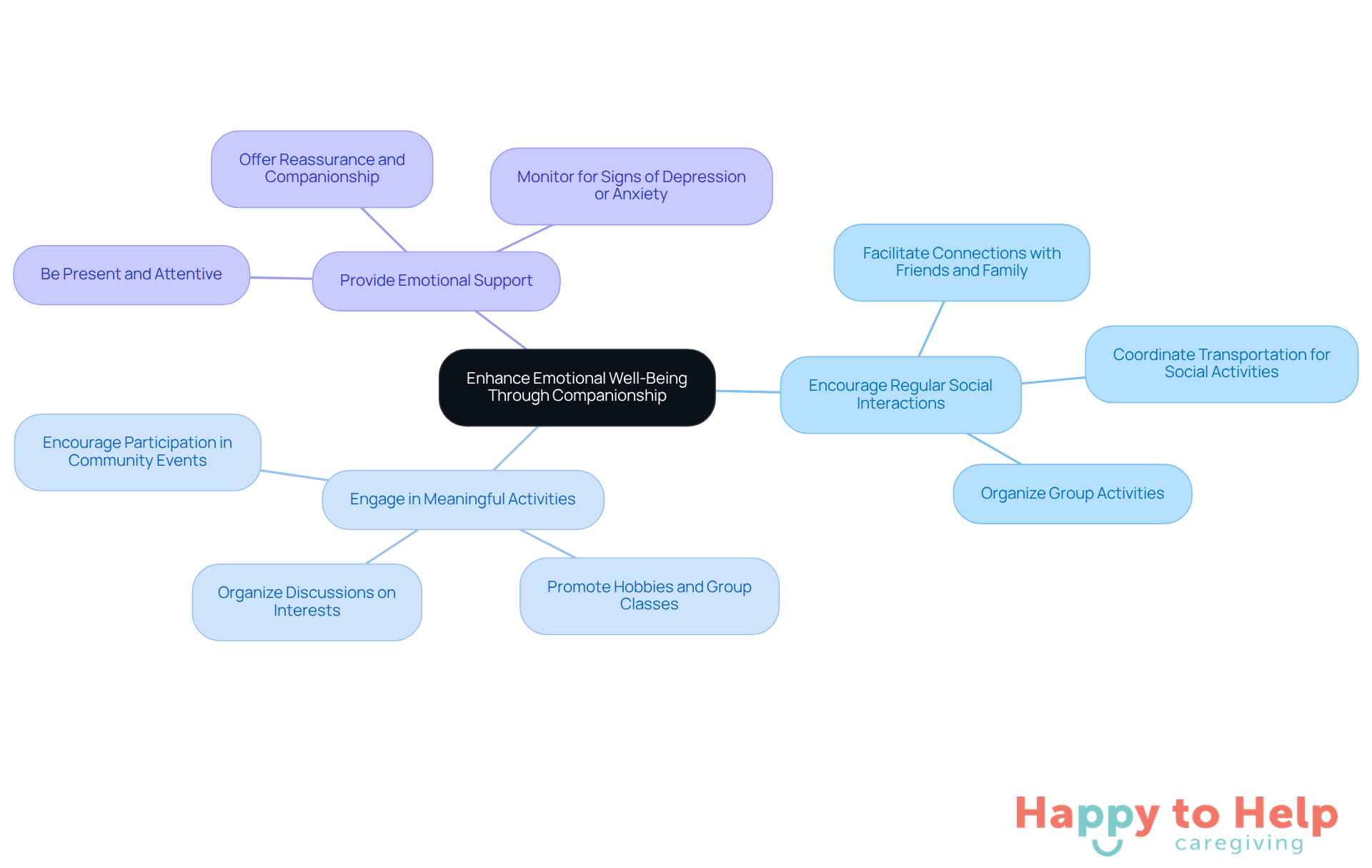
To combat loneliness, caregivers can implement the following strategies:
- Encourage regular social interactions: Facilitate opportunities for older adults to connect with friends and family.
- Engage in meaningful activities: Organize discussions or activities that resonate with their interests, promoting a sense of purpose.
- Provide emotional support: Be present and attentive, offering reassurance and companionship.
By focusing on these solutions, elder companion services can significantly improve the emotional well-being of older adults, ensuring they feel valued and connected.
Support Independence and Autonomy for Seniors
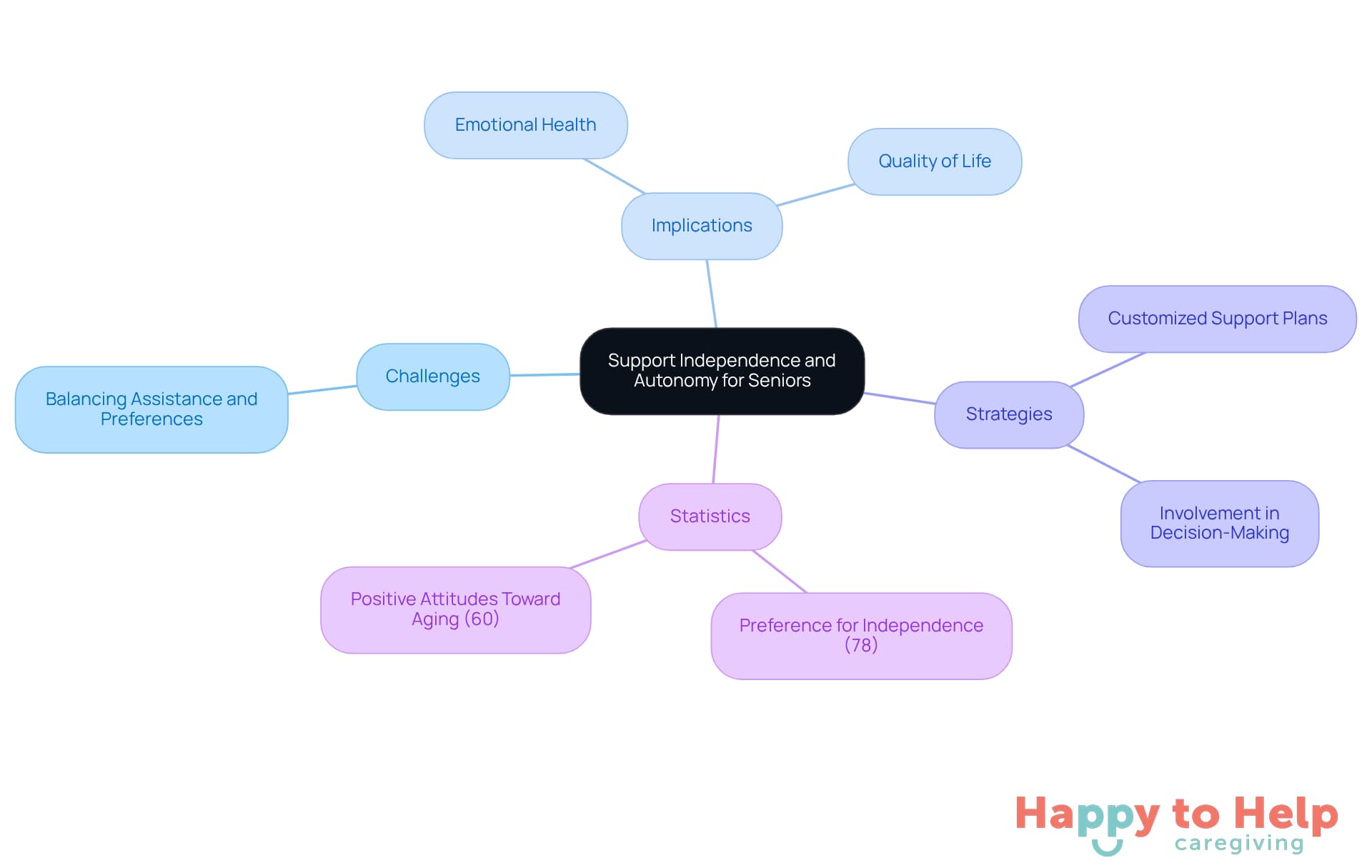
Elder companion services encounter a significant challenge in empowering older adults to maintain their independence. Caregivers often struggle to balance everyday assistance with honoring the preferences of elderly individuals. This balance is crucial, as it promotes a sense of control essential for their self-worth and mental well-being.
The implications of this challenge are profound. When older adults feel their autonomy is compromised, it can negatively impact their emotional health and overall well-being. Gerontologists emphasize that autonomy is a fundamental aspect of aging well. Support providers, such as elder companion services, who are trained to listen and adapt to the preferences of older adults play a vital role in ensuring that assistance is tailored to personal needs.
To address this issue, customized support plans are essential. These plans should include specific activities that align with the interests of older adults, such as hobbies or social engagements, which can help combat feelings of isolation. By involving older adults in the decision-making process regarding their care, providers of elder companion services foster a sense of agency that is crucial for their mental and emotional well-being.
Moreover, the impact of caregiver assistance extends beyond mere physical support. It creates an environment where older individuals feel valued and respected, reinforcing their identity and life experiences. This approach not only enhances their quality of life but also encourages them to remain active participants in their communities, further promoting their independence and dignity.
Significantly, 78% of individuals aged 65 and older prefer independence over a longer life reliant on others. This statistic underscores the importance of autonomy in aging. As Mandy French states, "Independence can be defined as self-determination, freedom from coercion, and freedom of thought, selection, and performance." This perspective aligns with findings that 60% of individuals aged 65 and above express a positive attitude toward aging, highlighting the critical role of supportive assistance in promoting well-being.
Deliver Personalized Care Plans for Individual Needs
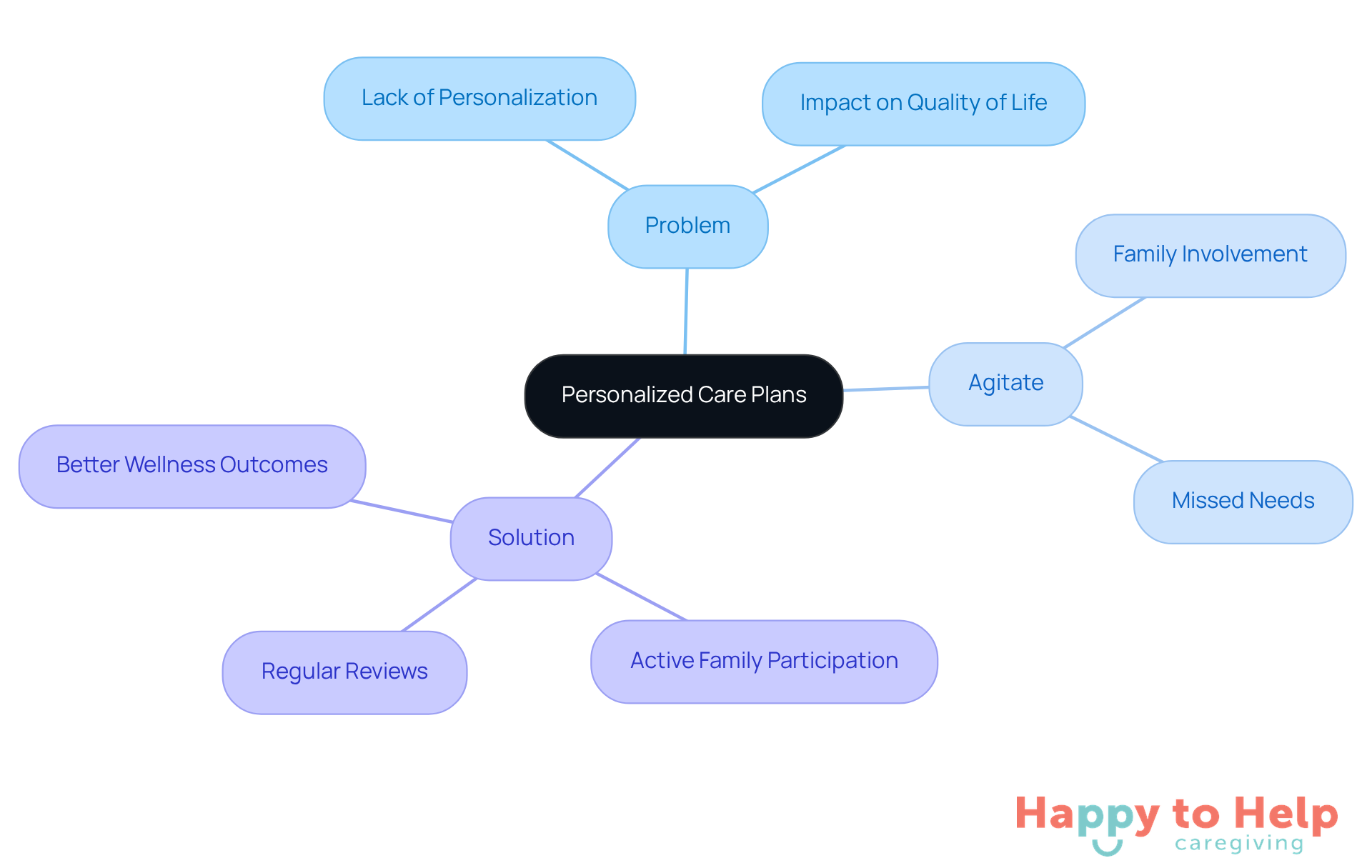
Problem: Customized support plans are essential for effective elder companion services, but many caregivers find it challenging to develop plans that genuinely represent the unique preferences, health conditions, and lifestyles of older adults. This lack of personalization can lead to inadequate care and diminished quality of life for seniors.
Agitate: Research shows that when family members are not involved in the planning process, the relevance and effectiveness of support strategies significantly decline. Families are crucial in identifying specific needs and preferences, fostering a supportive environment that aligns with the elder's requirements. Without this collaboration, caregivers may miss vital aspects of the elder's daily routines and interests, which can hinder their independence and dignity.
Solution: To address these challenges, caregivers should actively involve families in developing support plans. This cooperative approach not only strengthens the bond between caregivers and clients but also ensures that services are tailored to the elder's lifestyle. Regular reviews of these plans - ideally every few months or when significant changes occur - are essential for adapting to evolving needs.
Statistics indicate that individualized support leads to better wellness outcomes, as caregivers can closely monitor progress and make necessary adjustments. This proactive strategy reduces unnecessary hospital visits and fosters a deeper understanding between caregivers and seniors, ensuring that individuals feel valued and understood.
In summary, creating effective support plans for the elderly requires a thorough evaluation of their needs, preferences, and wellness conditions, along with active family participation. This holistic approach not only enhances the quality of care but also promotes emotional well-being, making personalized care plans an invaluable asset in providing elder companion services.
Ensure Safety and Peace of Mind for Families
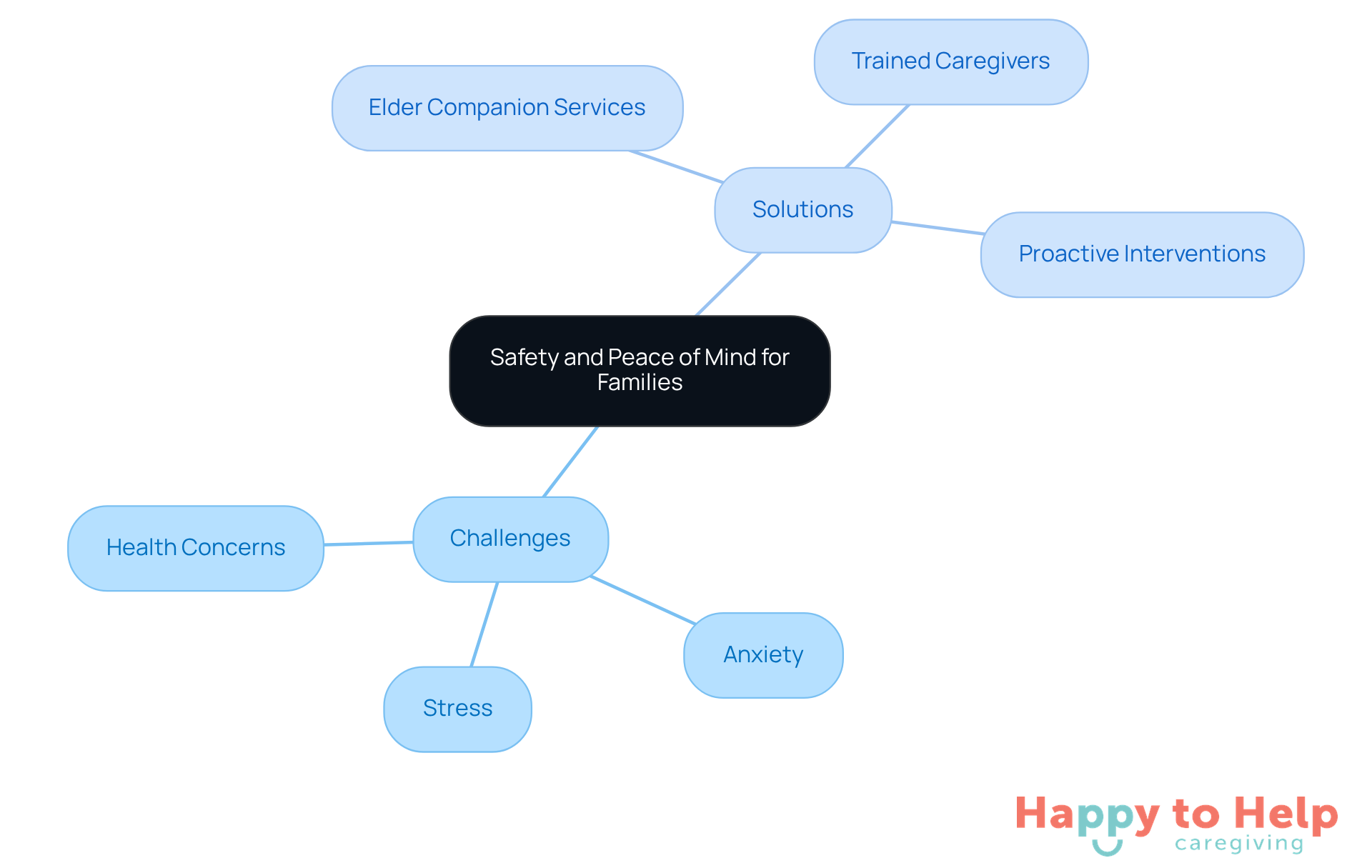
Caring for elderly loved ones can be a daunting challenge for families. The stress of ensuring their safety and well-being often weighs heavily on caregivers. This concern can lead to feelings of anxiety and helplessness, as families worry about potential health issues or distress signals that may go unnoticed.
These challenges are addressed head-on by elder companion services. By providing trained caregivers who can recognize signs of distress or health issues, families gain peace of mind. These professionals are equipped to intervene promptly, ensuring that older adults receive the care they need when they need it most. This proactive approach not only enhances the safety of seniors but also alleviates the stress and worry that family members frequently experience.
Incorporating elder companion services into your caregiving strategy can greatly enhance the quality of life for both seniors and their families. By ensuring that loved ones are safe and well-cared for at home, families can focus on enjoying their time together, rather than constantly worrying about their health and safety.
Alleviate Loneliness and Social Isolation
Loneliness and social isolation are significant challenges faced by older adults, impacting their mental health and overall well-being. These issues can lead to feelings of depression and anxiety, making it crucial for caregivers to address them effectively.
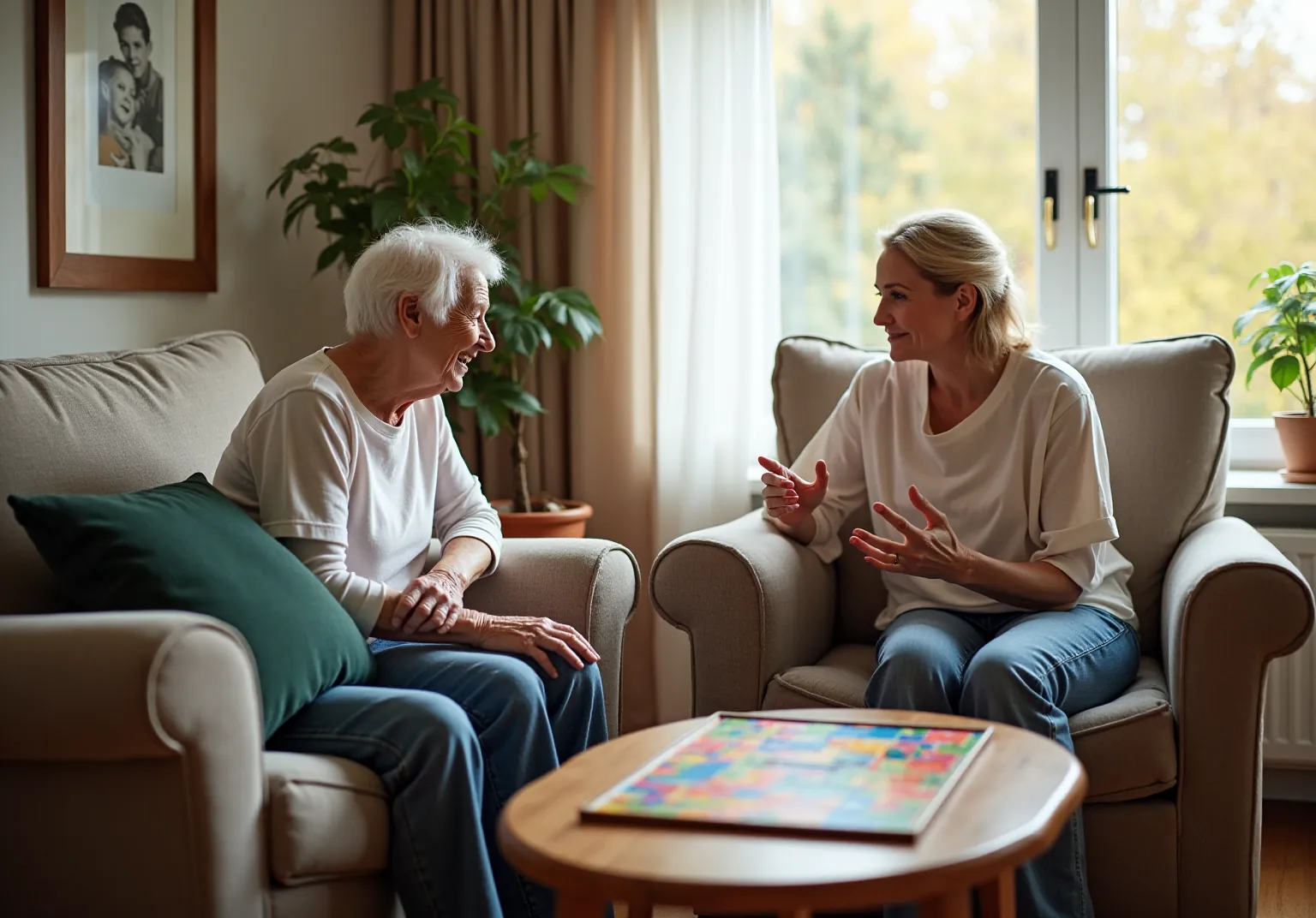
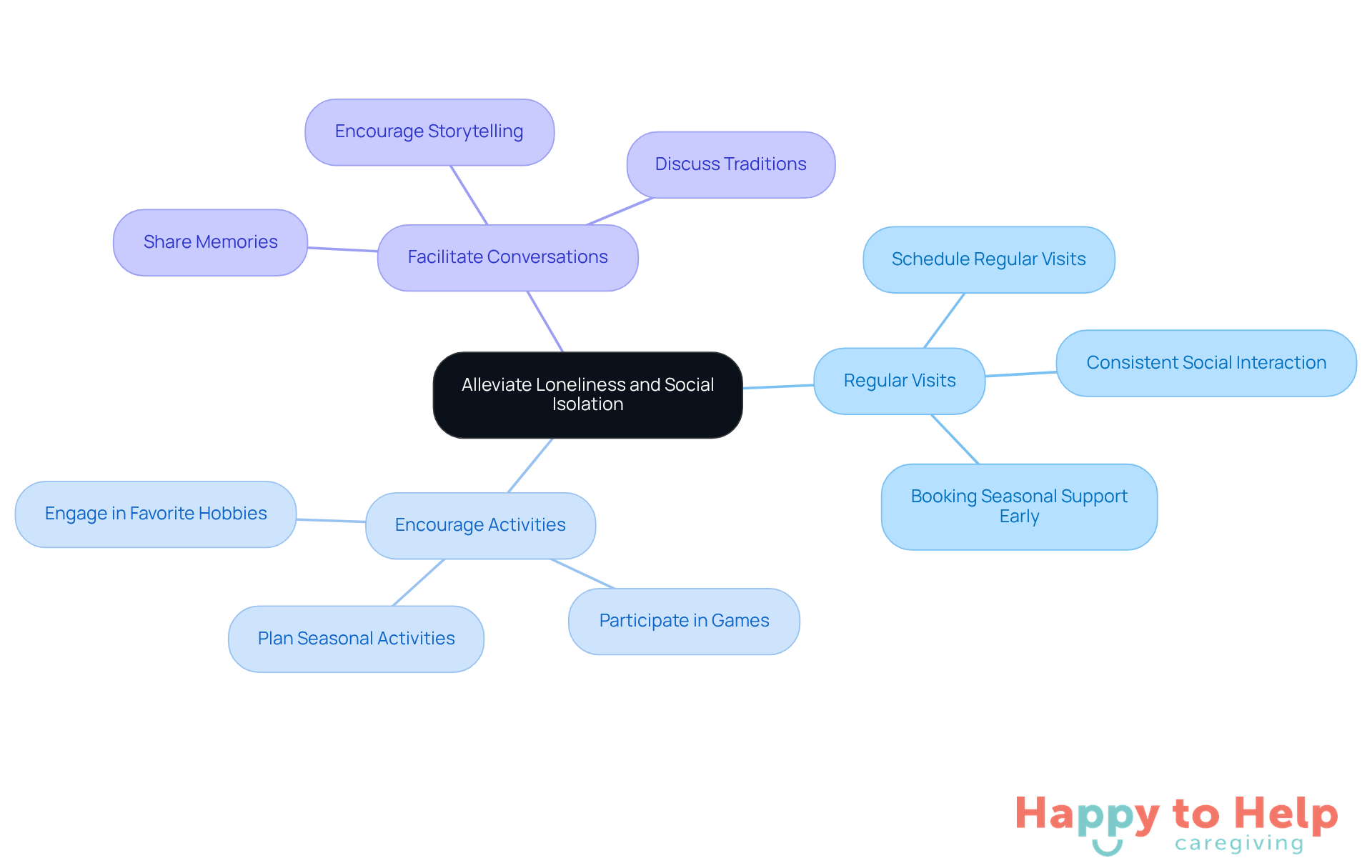
Regular visits from caregivers, as part of elder companion services, can provide essential opportunities for social interaction. Engaging in conversations, playing games, or participating in hobbies together can significantly enhance an elderly person's quality of life. Here are some actionable tips for caregivers:
- Schedule regular visits to ensure consistent social interaction.
- Encourage participation in activities that the elderly person enjoys, fostering a sense of connection and joy.
- Facilitate conversations that allow for sharing memories and experiences, which can be therapeutic.
By implementing these strategies, caregivers can offer elder companion services that play a vital role in alleviating loneliness and improving the mental health of older adults.
Provide Flexible and Adaptive Care Solutions
Elder companion services encounter a significant challenge due to the ever-changing needs of older adults. Without adaptable support, caregivers may struggle to provide the necessary assistance, leading to decreased satisfaction and quality of care. This issue can leave older adults feeling unsupported and disconnected from their preferences and circumstances.
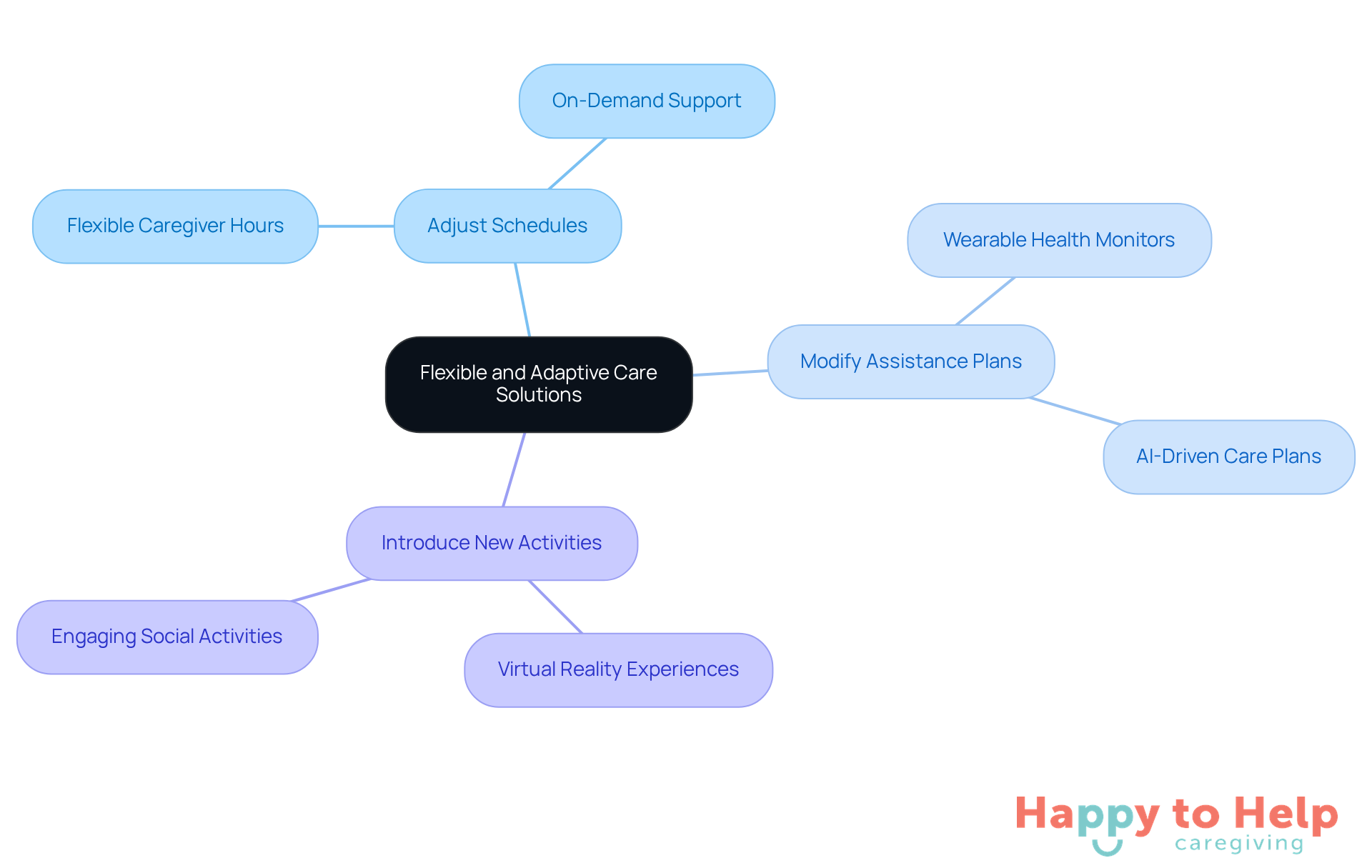
To address this, support providers are trained to:
- Adjust schedules
- Modify assistance plans
- Introduce new activities tailored to individual needs
This adaptability not only enhances the quality of care but also significantly boosts satisfaction among older adults. For example, caregivers can implement technology-driven solutions, such as wearable health monitors, to track vital signs and alert caregivers to any changes, promoting proactive health management.
Additionally, incorporating engaging activities like virtual reality experiences allows older adults to relive cherished memories, fostering emotional well-being. By prioritizing adaptability in caregiving practices, elder companion services effectively address the dynamic challenges faced by elderly individuals, ensuring they receive the right support at the right time.
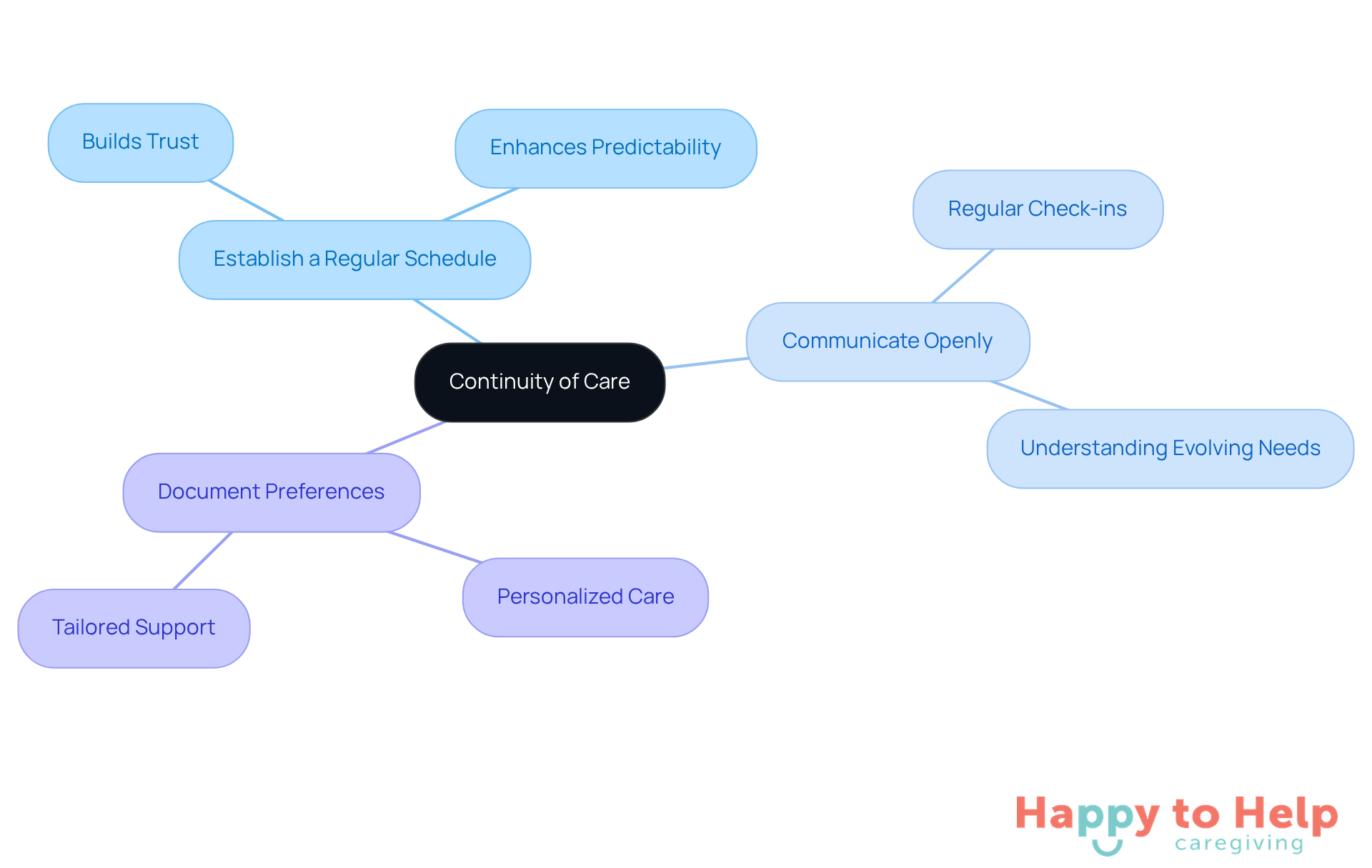
Maintain Continuity of Care with Trusted Companions
Continuity of support presents a significant challenge in elder companion services. When elderly individuals experience frequent changes in caregivers, it can hinder their ability to establish trust and rapport. This lack of consistency not only affects the emotional well-being of seniors but also diminishes the effectiveness of the assistance provided.
To address this issue, caregivers should prioritize maintaining consistent support for their clients. By getting to know the elder's preferences and routines, caregivers can offer more tailored and attentive support. This familiarity allows for a deeper connection, ultimately leading to improved care outcomes.
Here are some actionable tips for caregivers:
- Establish a regular schedule: Consistency in visits helps build trust.
- Communicate openly: Regular check-ins can help understand the elder's evolving needs.
- Document preferences: Keeping a record of the elder's likes and dislikes ensures personalized care.
By implementing these strategies, caregivers can enhance the quality of support they provide through elder companion services, fostering a more trusting and effective relationship with the elderly individuals they serve.
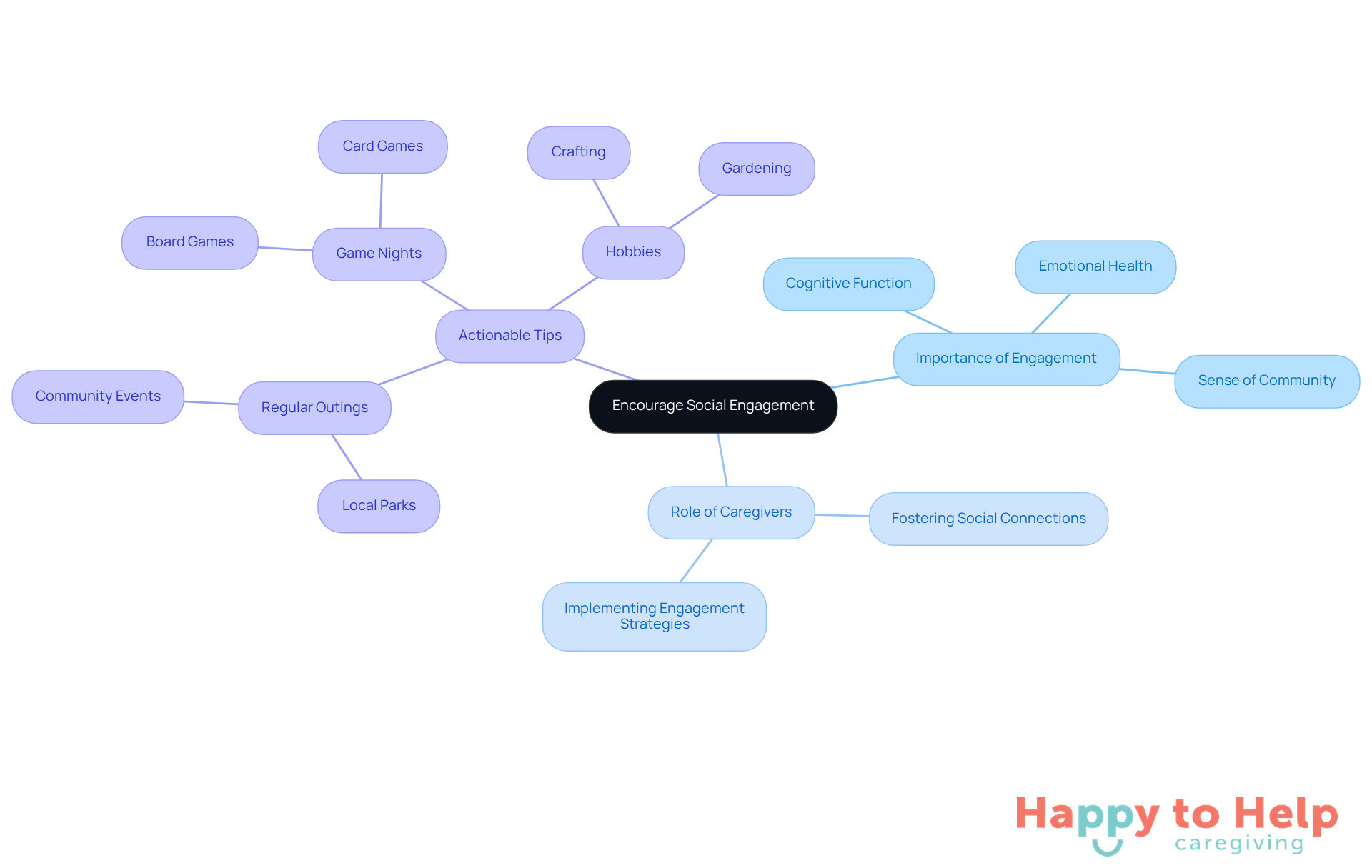
Encourage Social Engagement and Activities
Social isolation among the elderly can lead to significant cognitive decline and emotional distress. This problem is often overlooked, yet it has profound implications for the well-being of seniors. Caregivers play a crucial role in addressing this issue by fostering social engagement through elder companion services and various activities.
To combat isolation, caregivers can arrange outings, games, or hobbies that align with the elder's interests. These activities not only promote interaction but also create a sense of community and belonging. Engaging in social activities is vital for maintaining cognitive function and emotional health, making it essential for caregivers to prioritize these interactions.
Here are some actionable tips for caregivers:
- Plan regular outings to local parks or community events.
- Organize game nights that include favorite board games or card games.
- Encourage hobbies such as gardening or crafting that can be done in groups.
By implementing these strategies, caregivers can significantly enhance the quality of life for the elderly with elder companion services, ensuring they remain connected and engaged.
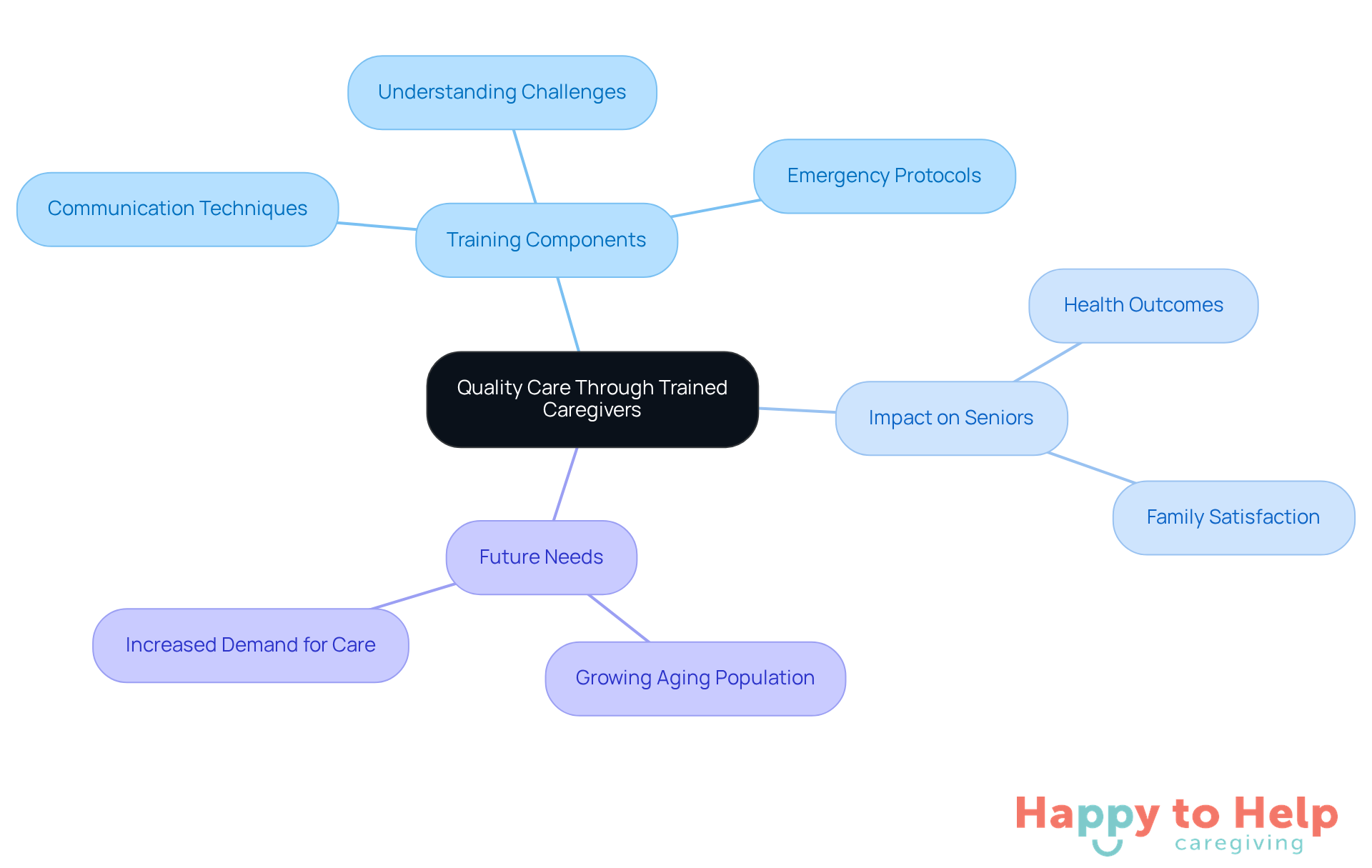
Ensure Quality Care Through Trained Caregivers
High-quality assistance is crucial in elder companion services because it directly impacts the well-being of older adults. However, many caregivers face significant challenges due to inadequate training and resources. This lack of preparation can lead to insufficient support for seniors, affecting their health and overall quality of life.
Caregivers undergo rigorous training designed to equip them with the necessary skills to meet the unique needs of older adults. This training covers various aspects, including:
- Effective communication techniques
- Understanding the emotional and physical challenges faced by older adults
- Emergency response protocols
Such thorough preparation guarantees that those who assist can deliver the utmost quality of support, promoting a safe and nurturing atmosphere for their clients.
Studies show that well-trained support providers significantly improve the quality of assistance given to seniors, resulting in better health outcomes and increased satisfaction among clients and their families. For instance, three-quarters of older adults with functional or cognitive impairments depend on unpaid family members, emphasizing the necessity for professional assistance to ease the burdens on families. Moreover, merely 1 in 3 reporting nations possess adequate resources for extended support, highlighting the worldwide obstacles in caregiving resources.
Expert opinions emphasize that effective training programs for those providing care are crucial for developing the competencies necessary to address the complexities of aging. Investing in caregiver training not only improves the effectiveness of support but also aids families in navigating the challenges related to aging, ensuring that seniors receive compassionate and personalized assistance tailored to their individual needs.
As the population of older individuals continues to rise, forecasts suggest that by 2034, there will be more adults aged 65 and above than youth under 18. By 2030, 1 in 6 people globally will be 60 years or older, indicating that the need for quality elder companion services will only grow. Dr. Robert Otto Valdez stresses that seniors everywhere merit dependable, high-quality, age-friendly support that enables them to participate in their communities and seek meaningful activities through optimal well-being and functioning.
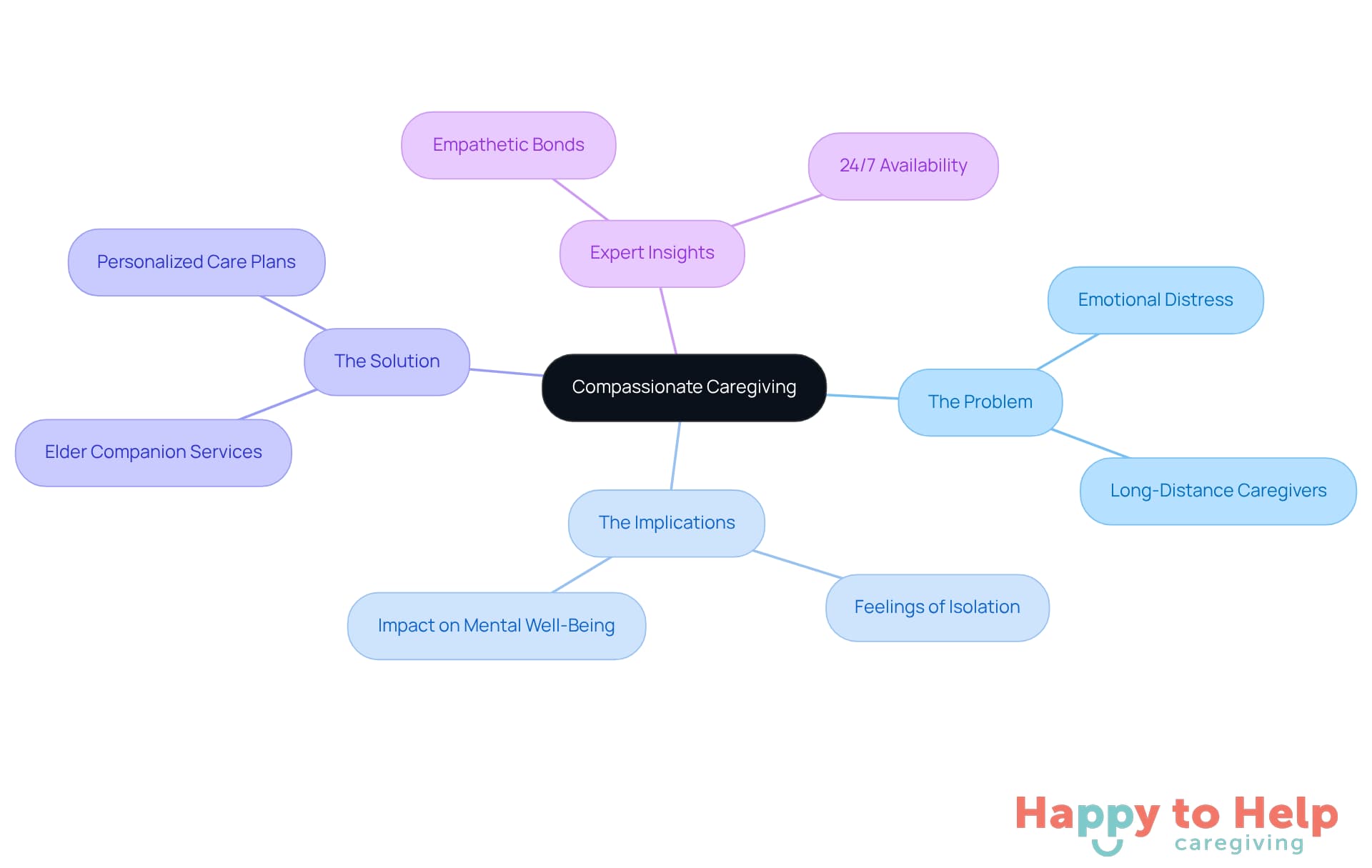
Experience Compassionate Care with Happy to Help Caregiving
The Problem: Caregivers often face emotional distress, particularly when supporting older adults. Research indicates that compassionate relationships are crucial for improving emotional health, as they can significantly decrease anxiety and depression among seniors. For instance, the National Alliance for Caregiving & AARP highlights that long-distance caregivers frequently experience emotional challenges, underscoring the need for supportive connections.
The Implications: When caregivers merely fulfill physical needs without fostering emotional bonds, older adults may feel undervalued and isolated. This lack of connection can adversely affect their mental well-being, making it essential for caregivers to engage meaningfully with their clients.
The Solution: Happy to Help Caregiving addresses these challenges by prioritizing elder companion services that emphasize compassionate care. Caregivers here provide elder companion services, becoming trusted companions who dedicate time to understanding each client's unique story and preferences. This approach cultivates a sense of inclusion, which is vital for the overall happiness of older adults.
Expert Insights: Experts agree that empathetic bonds are fundamental in elder companion services for effective support. They enable older adults to maintain their dignity and independence while navigating the complexities of aging. Happy to Help Caregiving offers 24/7 availability and personalized care plans, enriching the lives of seniors and revitalizing caregivers. This creates a positive feedback loop that benefits the entire community.
Your Path Forward
Elder companion services address a significant problem: the loneliness and anxiety that many older adults face. These feelings can severely impact their emotional well-being, making it essential for families to recognize the importance of companionship in enhancing their loved ones' quality of life.
The implications of neglecting this issue are profound. Without adequate support, seniors may struggle with feelings of isolation, which can lead to a decline in both mental and physical health. This is where personalized care plans come into play. By tailoring support to the unique needs and preferences of seniors, families can ensure that their loved ones feel valued and connected.
To effectively implement these solutions, families should involve trained caregivers who can deliver compassionate, high-quality care. This not only improves the emotional and physical well-being of older adults but also empowers them to maintain their independence and dignity.
As the demand for elder companion services continues to rise, families must prioritize companionship and emotional support. By embracing these services, they can help their loved ones lead fulfilling lives while also gaining peace of mind. This approach allows families to focus on enjoying meaningful moments together, knowing that their loved ones are receiving the care they deserve.
https://iframe.tely.ai/cta/eyJhcnRpY2xlX2lkIjogIjY5M2Y3NWFjNDg1MDUzNmE1M2JjNDRjNSIsICJjb21wYW55X2lkIjogIjY4ZWU1ZGNhNzMxNzYyNTU3ZjNjOTVjMSIsICJpbmRleCI6IG51bGwsICJ0eXBlIjogImFydGljbGUifQ==Frequently Asked Questions
What are the main emotional challenges faced by older adults?
Older adults often face loneliness and anxiety, which significantly impact their mental health and overall well-being.
How do elder companion services help improve emotional well-being?
Elder companion services provide emotional support, fostering a sense of belonging and security, which can lead to lower rates of depression and an enhanced quality of life through regular interaction and meaningful activities.
What strategies can caregivers implement to combat loneliness in older adults?
Caregivers can encourage regular social interactions, engage in meaningful activities that resonate with the elder's interests, and provide emotional support by being present and attentive.
Why is maintaining independence important for seniors?
Maintaining independence promotes a sense of control, which is essential for the self-worth and mental well-being of older adults. Compromised autonomy can negatively affect their emotional health.
How can elder companion services support the independence of older adults?
Elder companion services can support independence by creating customized support plans that align with the preferences and interests of older adults, allowing them to be involved in decision-making regarding their care.
What role do families play in developing personalized care plans for older adults?
Families are crucial in identifying the specific needs and preferences of older adults, which helps ensure that support strategies are relevant and effective, thereby improving the quality of care.
How often should personalized care plans be reviewed?
Personalized care plans should ideally be reviewed every few months or when significant changes occur to adapt to the evolving needs of older adults.
What are the benefits of individualized support plans for older adults?
Individualized support plans lead to better wellness outcomes, reduce unnecessary hospital visits, and foster a deeper understanding between caregivers and seniors, ensuring that individuals feel valued and understood.
List of Sources
- Enhance Emotional Well-Being Through Companionship
- The Value of Friendships as We Age (https://ihpi.umich.edu/national-poll-healthy-aging/national-findings/value-friendships-we-age)
- Why Home Care Providers Are Increasingly Offering Companion Care Services for Seniors | Aaniie, formerly Smartcare Software (https://aaniie.com/news/why-home-care-providers-are-increasingly-offering-companion-care-services-for-seniors)
- The Role of Companion Care in Reducing Depression Among Seniors (https://malamamaikai.com/role-of-companion-care-in-reducing-depression-among-seniors)
- Creating Safe Living Environment for Seniors: Tips & Practices (https://peacevillage.org/news/why-companionship-is-key-to-happy-aging-elderly-well-being)
- Support Independence and Autonomy for Seniors
- Independence trumps longevity as top priority in aging: survey (https://mcknightsseniorliving.com/news/independence-trumps-longevity-as-top-priority-in-aging-survey)
- The Importance of Dignity and Independence in Senior Living (https://carepatrol.com/nw-san-antonio-hill-country/the-importance-of-dignity-and-independence-in-senior-living)
- For Americans, Every Day Is Independence Day When It Comes to Their Health (https://policy.humana.com/issue-area/news-and-resources/news-press/2025/for-americans--every-day-is-independence-day-when-it-comes-to)
- Independence and older adults: Importance and promoting it (https://medicalnewstoday.com/articles/independence-and-the-elderly)
- Warning From Older Adults: Care for Aging in America Needs Urgent Rethinking (https://johnahartford.org/newsroom/view/warning-from-older-adults-care-for-aging-in-america-needs-urgent-rethinking)
- Deliver Personalized Care Plans for Individual Needs
- Novel Care Model May Improve Outcomes for Older Adults With Multiple Chronic Conditions (https://consultqd.clevelandclinic.org/novel-care-model-may-improve-outcomes-for-older-adults-with-multiple-chronic-conditions)
- The Importance of Personalized Care Plans when Aging in Place (https://kendalathome.org/blog/the-importance-of-personalized-care-plans-when-aging-in-place)
- The Importance of Personalized Care Plans in Memory Care (https://bucknerparkwayplace.org/news-blog/the-importance-of-personalized-care-plans-in-memory-care)
- Importance of Personalized Senior Home Care in Burlington NC (https://wisdomseniorcare.com/the-importance-of-personalized-care-plans-for-seniors)
- Benefits of Personalized Care Plans in Nursing Homes (https://havenhealthaz.com/blog/benefits-of-personalized-care-plans-in-nursing-homes)
- Ensure Safety and Peace of Mind for Families
- A Better Solution Home Care (https://abs.care/blogs/How-Technology-Is-Revolutionizing-Companionship-Care-for-Seniors-in-the-US)
- How In-Home Care Can Reduce Stress for Families (https://villagecaregiving.com/blog/reduce-stress-for-families)
- In-Home Caregivers Provide Peace of Mind to So Many (https://homewellcares.com/blogs/in-home-caregivers-provide-peace-of-mind-to-so-many)
- Peace of Mind at Home: How In-Home Care Supports Visiting Seniors and Post-Surgery Recovery (https://alexandrialivingmagazine.com/home-and-garden/peace-of-mind-at-home-how-in-home-care-supports-visiting-sen)
- 6 Reasons Home Care is Important (https://georgetownhomecare.com/6-reasons-home-care-is-important)
- Alleviate Loneliness and Social Isolation
- The Unbeatable Benefits of Companion Care for Seniors (https://comforcare.com/massachusetts/canton/resources/blog/the-unbeatable-benefits-of-companion-care-for-seniors)
- Trends in Loneliness Among Older Adults from 2018-2023 (https://ihpi.umich.edu/national-poll-healthy-aging/national-findings/trends-loneliness-among-older-adults-2018-2023)
- Companion Care at Home Reduces Loneliness for Seniors During the Holidays (https://lifesathomecare.com/companion-care-at-home-reduces-loneliness-for-seniors-during-the-holidays)
- The Role of Companion Care in Preventing Senior Isolation (https://promedcareinc.com/the-role-of-companion-care-in-preventing-senior-isolation)
- Summary - Social Isolation and Loneliness in Older Adults - NCBI Bookshelf (https://ncbi.nlm.nih.gov/books/NBK557972)
- Provide Flexible and Adaptive Care Solutions
- Fact Sheet: Trends in Family Care for Older Americans (https://prb.org/resources/fact-sheet-trends-in-family-care-for-older-americans)
- 28 Senior Care Statistics: In-Home & Assisted Living | Shortlister (https://myshortlister.com/insights/senior-care-statistics)
- An Aging America Needs a Stronger Care Workforce - National Skills Coalition (https://nationalskillscoalition.org/blog/news/an-aging-america-needs-a-stronger-care-workforce)
- Innovative Technologies Transforming Senior Care & Living (https://sgmays.org/technologies-transforming-senior-care)
- The business of caring for older Americans is in a deepening crisis (https://washingtonpost.com/business/2025/12/04/elder-care-home-health-shortage)
- Maintain Continuity of Care with Trusted Companions
- Home Care Impact on Recovery of Patient (A Statistics Report) (https://lovinghomecareinc.com/home-care-recovery-statistics)
- Home Care Worker Continuity in Home-Based Long-Term Care: Associated Factors and Relationships With Client Health and Well-Being (https://academic.oup.com/innovateage/article/8/3/igae024/7613388)
- The Quiet Power of Continuity in Home Healthcare (https://afhcs.com/the-quiet-power-of-continuity-in-home-healthcare)
- What Is the Lifetime Risk of Needing and Receiving Long-Term Services and Supports? (https://aspe.hhs.gov/reports/what-lifetime-risk-needing-receiving-long-term-services-supports-0)
- Number of Family Caregivers Supporting Older Adults Increased Nearly One-Third Between 2011 and 2022 | Johns Hopkins Bloomberg School of Public Health (https://publichealth.jhu.edu/2025/number-of-family-caregivers-supporting-older-adults-increased-nearly-one-third-between-2011-and-2022)
- Encourage Social Engagement and Activities
- Senior Living Operators Take Aim at Resident Loneliness With New Tech, Tools (https://seniorhousingnews.com/2025/07/09/senior-living-operators-take-aim-at-resident-loneliness-with-new-tech-tools)
- Long-term care communities can boost social engagement in older adults (https://news-medical.net/news/20250804/Long-term-care-communities-can-boost-social-engagement-in-older-adults.aspx)
- Social engagement helps older adults feel younger, live longer: study (https://mcknightsseniorliving.com/news/social-engagement-helps-older-adults-feel-younger-live-longer-study)
- Older adults prioritize social activities, inclusiveness in massive survey assessing what matters most to them (https://mcknights.com/news/older-adults-prioritize-social-activities-inclusiveness-in-massive-survey-assessing-what-matters-most-to-them)
- The Importance of Social Engagement for Older Adults - TreVista Senior Living (https://trevistaseniorliving.com/the-importance-of-social-engagement-for-older-adults)
- Ensure Quality Care Through Trained Caregivers
- New Study Explores the Need for Expanded Long-Term Care Services to Support Aging-in-Place | Johns Hopkins Bloomberg School of Public Health (https://publichealth.jhu.edu/2025/new-study-explores-the-need-for-expanded-long-term-care-services-to-support-aging-in-place)
- WHO calls for urgent transformation of care and support systems for older people (https://who.int/news/item/01-10-2024-who-calls-for-urgent-transformation-of-care-and-support-systems-for-older-people)
- Americans Give Nursing Homes D+ Grade for Quality of Care (https://news.gallup.com/opinion/gallup/510512/americans-give-nursing-homes-grade-quality-care.aspx)
- Warning From Older Adults: Care for Aging in America Needs Urgent Rethinking (https://johnahartford.org/newsroom/view/warning-from-older-adults-care-for-aging-in-america-needs-urgent-rethinking)
- HHS delivers strategic framework for National Plan on Aging (https://nia.nih.gov/news/hhs-delivers-strategic-framework-national-plan-aging)
- Experience Compassionate Care with Happy to Help Caregiving
- The Transformative Power of Compassion in Senior Living (https://presbyterianseniorliving.org/blog/compassion-in-senior-living)
- Caregiver Statistics: Demographics (https://caregiver.org/resource/caregiver-statistics-demographics)
- 2025 Home Care Statistics: Trends & Insights To Know (https://premierhcinc.com/blog/home-care-statistics)
- The Importance of Compassionate Care: Enhancing Quality of Life for Seniors (https://bryanskilledhomecare.com/2024/07/31/the-importance-of-compassionate-care-for-seniors-i-bryan-skilled-home-care)