10 Benefits of Elderly Companion Care for Your Loved Ones
For families in our service areas
For families in our service areas, this guide explains companion care and how non-medical in-home caregiving can support care planning in East Idaho, Treasure Valley & Magic Valley, Northern Wasatch, North Central West Virginia, and Northeast Ohio.
What to Expect
This article highlights ten essential benefits of elderly companion care, focusing on its vital role in enhancing the emotional and physical well-being of seniors.
Many caregivers face the emotional challenge of seeing their loved ones experience loneliness. This can lead to feelings of stress and burnout for both seniors and their families.
Companion care offers a compassionate solution by reducing loneliness and improving quality of life through daily assistance and social engagement. It also promotes better health outcomes, addressing the critical needs of elderly individuals and providing peace of mind for their families.
Ultimately, the support provided through companion care not only uplifts seniors but also nurtures the caregivers, fostering a sense of community and connection.
What You Need to Know About Elderly Companion Care
The growing concern of loneliness among the elderly has reached alarming levels. Research reveals that one in three seniors experiences feelings of isolation, a reality that weighs heavily on families and caregivers alike. In light of this, elderly companion care emerges as a vital solution, offering not only companionship but also emotional support tailored to the unique needs of older adults.
This article delves into the multifaceted benefits of companion care, exploring how it enhances the quality of life for seniors while addressing the pressing challenges of social isolation and mental health.
How can families ensure their loved ones receive the compassionate care they deserve? What transformative effects can this support have on their overall well-being? Together, we can navigate these concerns, fostering connection and warmth in the lives of our cherished seniors.
Happy to Help Caregiving: Personalized Companion Care for Seniors
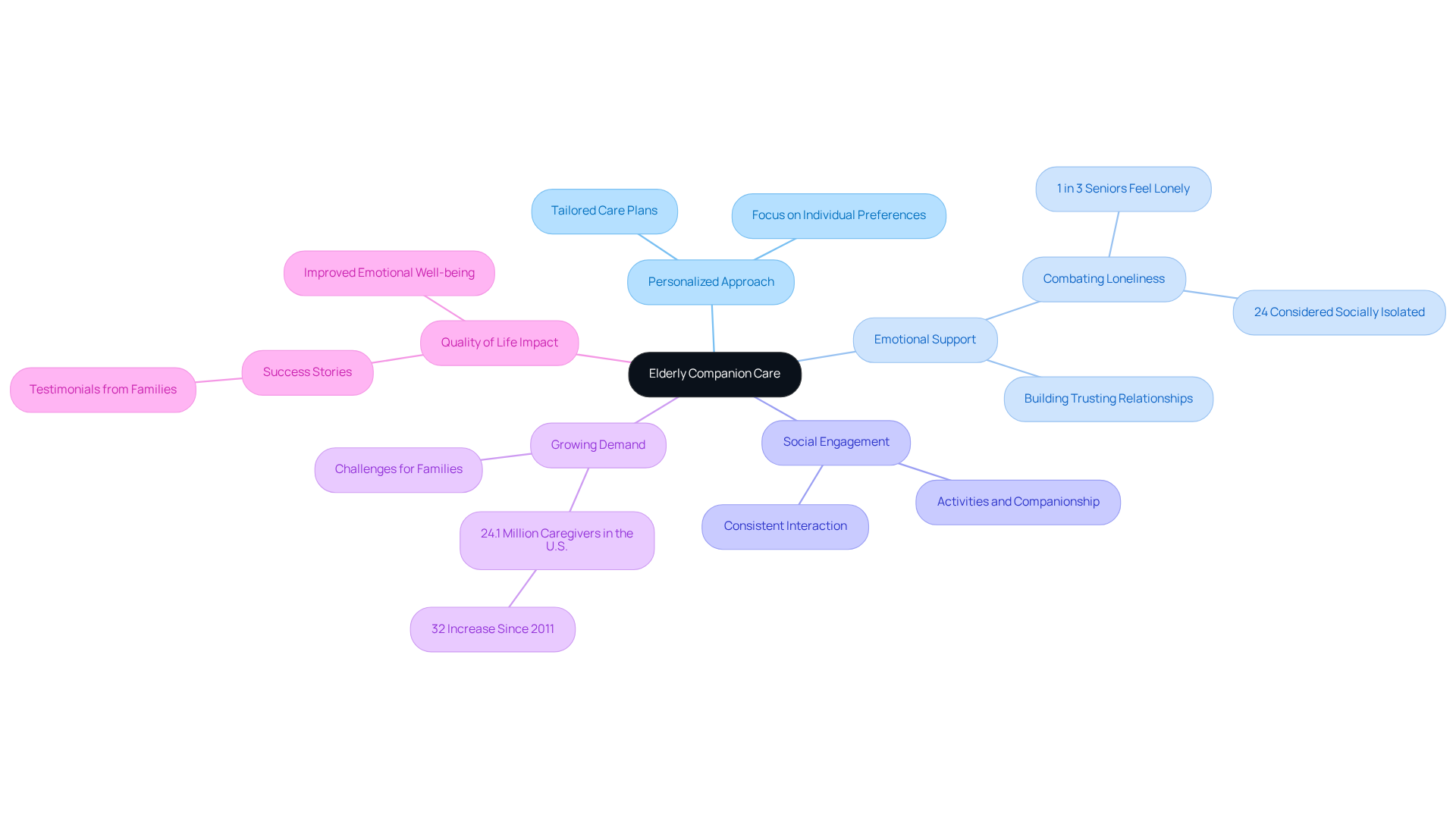
Happy to Help Caregiving provides customized elderly companion care that is tailored to the unique needs of elderly individuals. With a heartfelt focus on enhancing quality of life, their caregivers provide , companionship, and assistance with daily activities. This personalized approach to elderly companion care ensures that elderly individuals receive care that aligns with their preferences and lifestyle, fostering a sense of independence and safety in their own homes.
Research indicates that one in three elderly individuals experience feelings of loneliness, with 24% considered socially isolated. This statistic highlights the urgent need to address loneliness among seniors, and elderly companion care plays a crucial role in this effort. Elderly companion care provides consistent social engagement and emotional support, helping to diminish feelings of isolation and enhance overall well-being.
The growing demand for caregiving services is evident in the increase of caregivers in the U.S., now reaching 24.1 million—a 32% rise since 2011. This context underscores the challenges families face in providing support, making elderly companion care services, such as those offered by Happy to Help Caregiving, essential.
Success stories of in-home support services showcase the transformative effects of personalized assistance. Testimonials from families reveal how providers create individualized care strategies in elderly companion care that cater to the unique preferences and lifestyles of seniors, ensuring they feel valued and understood. One family member shared, "My husband is a veteran, and his independence is everything to him. Happy to Help Caregiving gave us the gift of a stress-free Thanksgiving. Their caregiver was so respectful and kind, and we knew he was safe and happy."
The impact of elderly companion care on the quality of life for older adults is profound. Caregivers are trained to identify signs of emotional distress and offer the necessary support, allowing older adults to face challenges with dignity and hope. By fostering trusting relationships, providers enhance elderly companion care, which helps older adults feel connected and engaged, ultimately improving their overall quality of life.
Reduced Loneliness: The Emotional Support of Companion Care
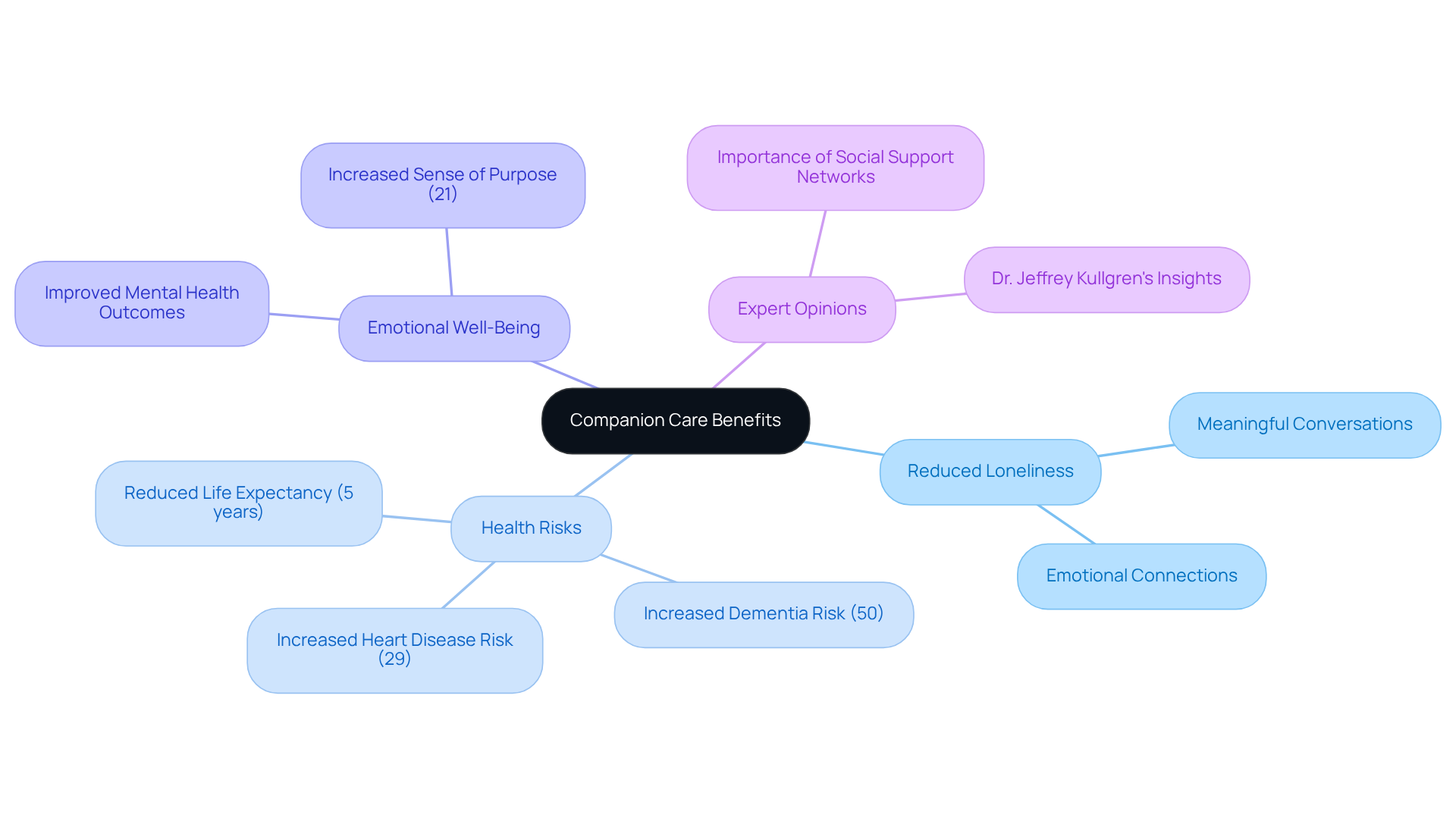
Elderly companion care is vital in alleviating loneliness among older adults, significantly enhancing their emotional well-being. Caregivers engage in meaningful conversations, actively listen to their stories, and provide companionship that fosters deep emotional connections. This support is essential. Studies indicate that chronic loneliness can increase the risk of heart disease by 29% and dementia by 50%. This highlights the critical role of companionship in mitigating these health risks.
By creating a supportive atmosphere, caregivers help elderly individuals feel appreciated and less isolated in their daily lives. The emotional advantages of companionship extend beyond simple conversation; they contribute to better mental health outcomes. Older adults who maintain strong social ties are 21% more likely to find meaning and purpose in their daily activities.
Expert views underscore the importance of emotional support for the elderly. Dr. Jeffrey Kullgren emphasizes that health care providers should inquire about older adults' social support networks. Ultimately, elderly companion care addresses the immediate need for social interaction, while also playing a vital role in and emotional stability for elderly individuals.
Enhanced Quality of Life: How Companion Care Improves Daily Living
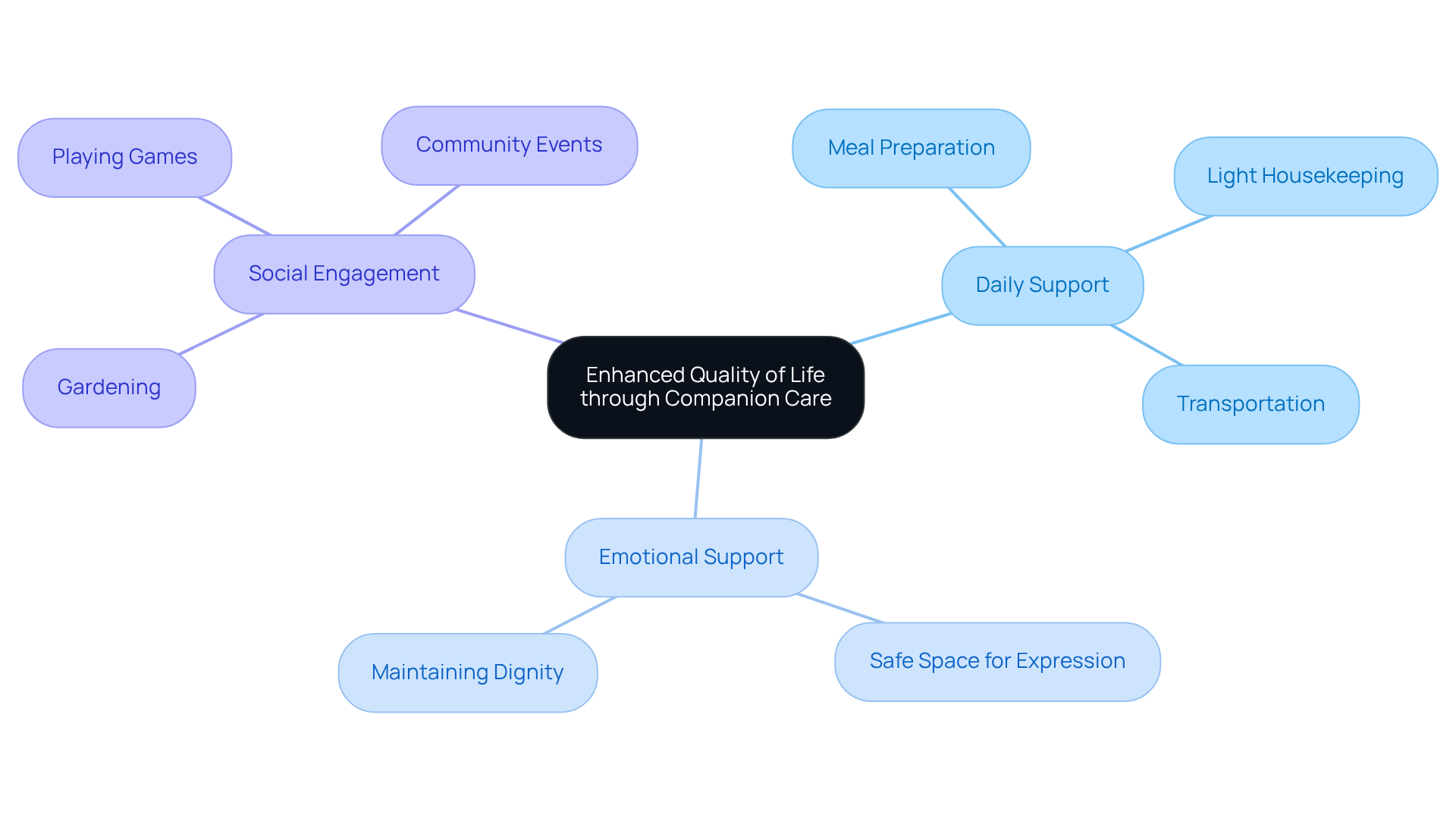
Elderly companion care profoundly enhances the quality of life for older adults by offering essential support with daily activities such as meal preparation, light housekeeping, and transportation. Caregivers play a vital role in encouraging older adults to engage in hobbies and interests, fostering a more active and fulfilling lifestyle. Activities such as gardening, playing games, or participating in community events not only promote social interaction but also help alleviate feelings of loneliness and isolation, which are often experienced by older adults. Research shows that nearly one in three older adults faces loneliness, which can lead to serious health issues, including cognitive decline and depression.
The emotional support offered by caregivers is truly invaluable. As one Companion Caregiver shared, 'Elderly companion care offers essential emotional and social assistance, particularly for elderly individuals who reside alone.' Caregivers create a safe space for elderly individuals to express their emotions and maintain their dignity while receiving help with everyday tasks. This relationship is foundational, as it nurtures open communication and emotional expression, both vital for . By promoting regular social interaction, such as playing games, going for walks, or attending community events, companionship not only helps seniors preserve their independence but also enriches their daily experiences, ultimately leading to better overall health and longevity. Consider scheduling regular visits from an elderly companion care provider to enhance your loved one's social engagement and emotional well-being.
Peace of Mind for Families: Trusting Companion Care Services
Families can find peace of mind knowing their loved ones receive compassionate and trustworthy elderly companion care from trained professionals. At Happy to Help Caregiving, we emphasize communication and consistency. This ensures families are kept informed about their loved one's well-being. Such openness encourages trust and eases worries about the standard of services provided.
Effective communication is vital in offering support. Studies indicate that individuals engaged in active listening and clear dialogue significantly enhance the support experience. For instance, the Alzheimer's Association notes that an individual with dementia can sense a provider's lack of interest or impatience. This highlights the in care.
Testimonials from families underscore the positive impact of our approach. One relative shared, "The consistent updates and open lines of communication have made me feel more connected and confident in the support my loved one receives." By fostering a nurturing environment where families feel engaged and informed, Happy to Help Caregiving improves the overall quality of elderly companion care, thereby strengthening the bond between caregivers and families.
https://iframe.tely.ai/cta/eyJhcnRpY2xlX2lkIjogIjY4ZjE4ZGNjYjA1ZGI2ZWU3ZDMzNzY4YSIsICJjb21wYW55X2lkIjogIjY4ZWU1ZGNhNzMxNzYyNTU3ZjNjOTVjMSIsICJpbmRleCI6IDMsICJ0eXBlIjogImFydGljbGUifQ==Customized Care Plans: Tailoring Companion Services to Individual Needs
At the heart of companion assistance services are tailored support plans. Each plan is thoughtfully crafted to meet the unique needs, preferences, and lifestyles of individuals. This personalized approach allows supporters to provide the most relevant assistance—whether it’s help with daily activities, companionship, or emotional encouragement. It ensures that elderly individuals receive the elderly companion care they truly deserve.
We understand the . The stress and burnout can be overwhelming. That’s why our services are designed not just to assist, but to nurture. We aim to alleviate some of that burden, offering a compassionate hand to hold.
By focusing on what matters most to each individual, we create a nurturing environment that supports elderly companion care, allowing elderly individuals to thrive. Our supporters are here not just to help, but to connect, to listen, and to provide comfort. Together, we can make a meaningful difference in their lives, ensuring they feel valued and cared for.
Health Benefits: Promoting Physical and Mental Well-Being Through Companionship
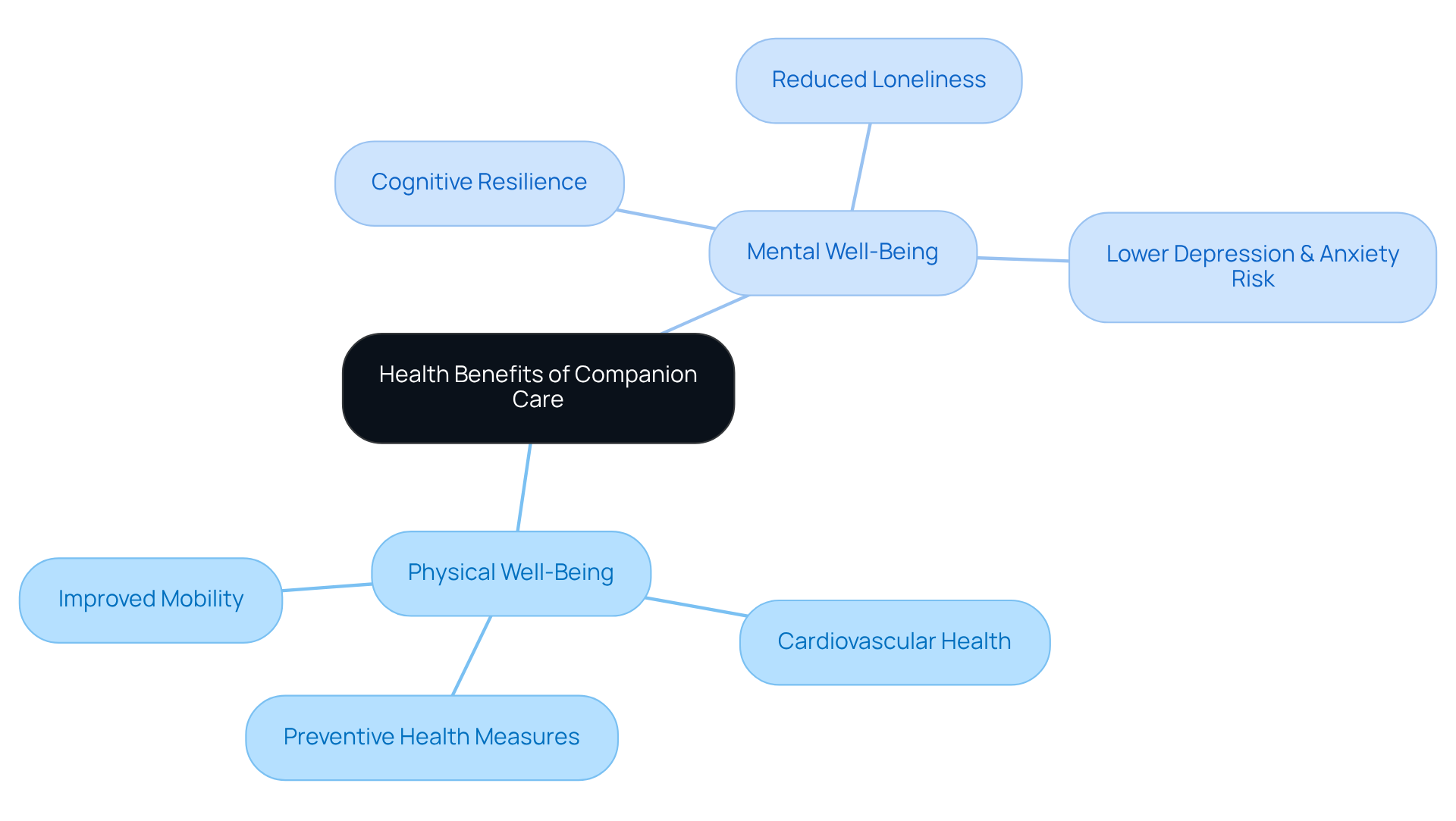
Elderly companion care significantly enhances both the physical and mental well-being of seniors. Regular social interactions and engaging activities are linked to improved cognitive function. In fact, studies indicate that companionship can reduce the risk of dementia by 50%. This remarkable reduction is achieved by fostering cognitive resilience through stimulating conversations and shared activities.
Moreover, caregivers play a crucial role in promoting physical activity, which is vital for maintaining mobility and overall health. Regular social interaction improves cardiovascular health markers, contributing to a higher quality of life. The emotional benefits are equally profound; companionship helps alleviate feelings of loneliness, which can increase the risk of depression and anxiety by 40%.
As noted by gerontologists, "meaningful human connection isn't a luxury for seniors—it's essential medicine." The presence of elderly companion care not only uplifts spirits but also serves as a preventive measure against various health risks. Social isolation, for instance, increases the risk of premature death from all causes at rates comparable to smoking, obesity, and physical inactivity.
To , consider scheduling regular visits or activities with friends and family. These vital connections can make all the difference in their overall well-being.
Preventing Health Conditions: The Proactive Role of Companion Care
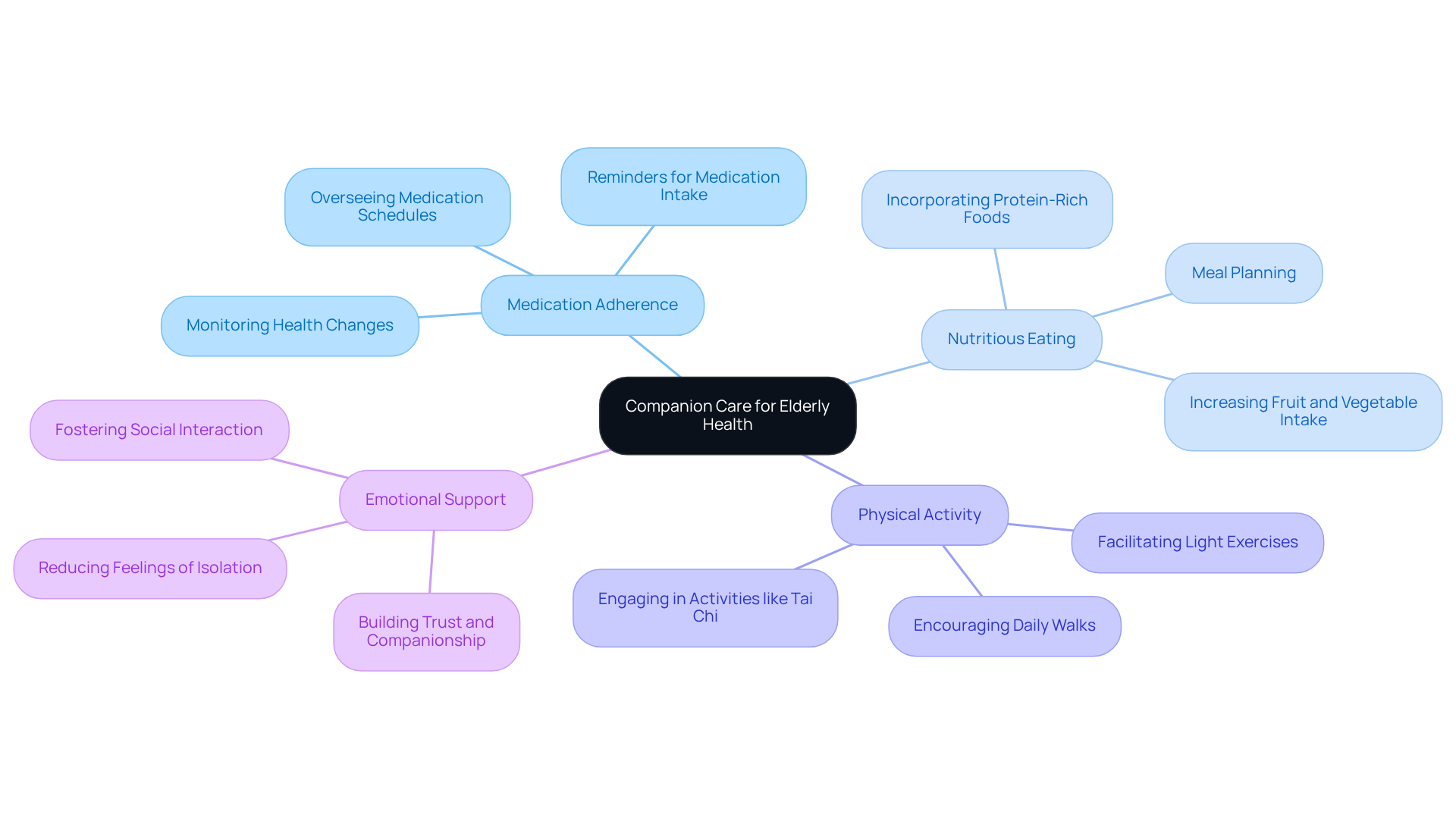
Elderly companion care serves as a vital preventive strategy for the well-being of older adults, as it encourages healthy practices and addresses potential health concerns before they escalate. Caregivers play an essential role in overseeing medication adherence, ensuring that elderly individuals take their prescribed medications on time. This adherence is crucial for managing chronic conditions. Research indicates that older adults receiving consistent assistance from companion helpers exhibit enhanced medication adherence, leading to improved health outcomes. Remarkably, older adults can maintain a healthy weight with fewer medications when they receive ongoing support.
Beyond medication management, caregivers promote nutritious eating by assisting with meal planning and preparation. They help older adults incorporate protein-rich foods and a variety of fruits and vegetables into their diets, which are vital for preserving muscle mass and overall health. Increasing daily fruit and vegetable intake boosts immune function, aids digestion, and reduces disease risk, highlighting the importance of dietary support for older adults.
Regular physical activity is another cornerstone of companion care. Caregivers facilitate light exercises, daily walks, and engaging activities that encourage movement—essential for maintaining strength, balance, and confidence in aging adults. Gentle exercises, such as tai chi and stretching, have been shown to lower the risk of falls and improve joint health, further enhancing the independence of older adults.
The significantly contributes to promoting healthy habits. Regular social interaction can lower blood pressure, reduce stress, and enhance overall quality of life. As noted, "Companionship helps reduce feelings of isolation, which can negatively impact mental and physical health." By cultivating a nurturing atmosphere, elderly companion care helpers empower elderly individuals to remain active and engaged, which ultimately leads to a healthier lifestyle and a greater sense of well-being.
Family supporters are encouraged to set specific goals for their loved ones, such as increasing stationary bike time by five minutes by the end of the month, to foster regular physical activity.
Socialization Activities: Engaging Seniors Through Companion Care
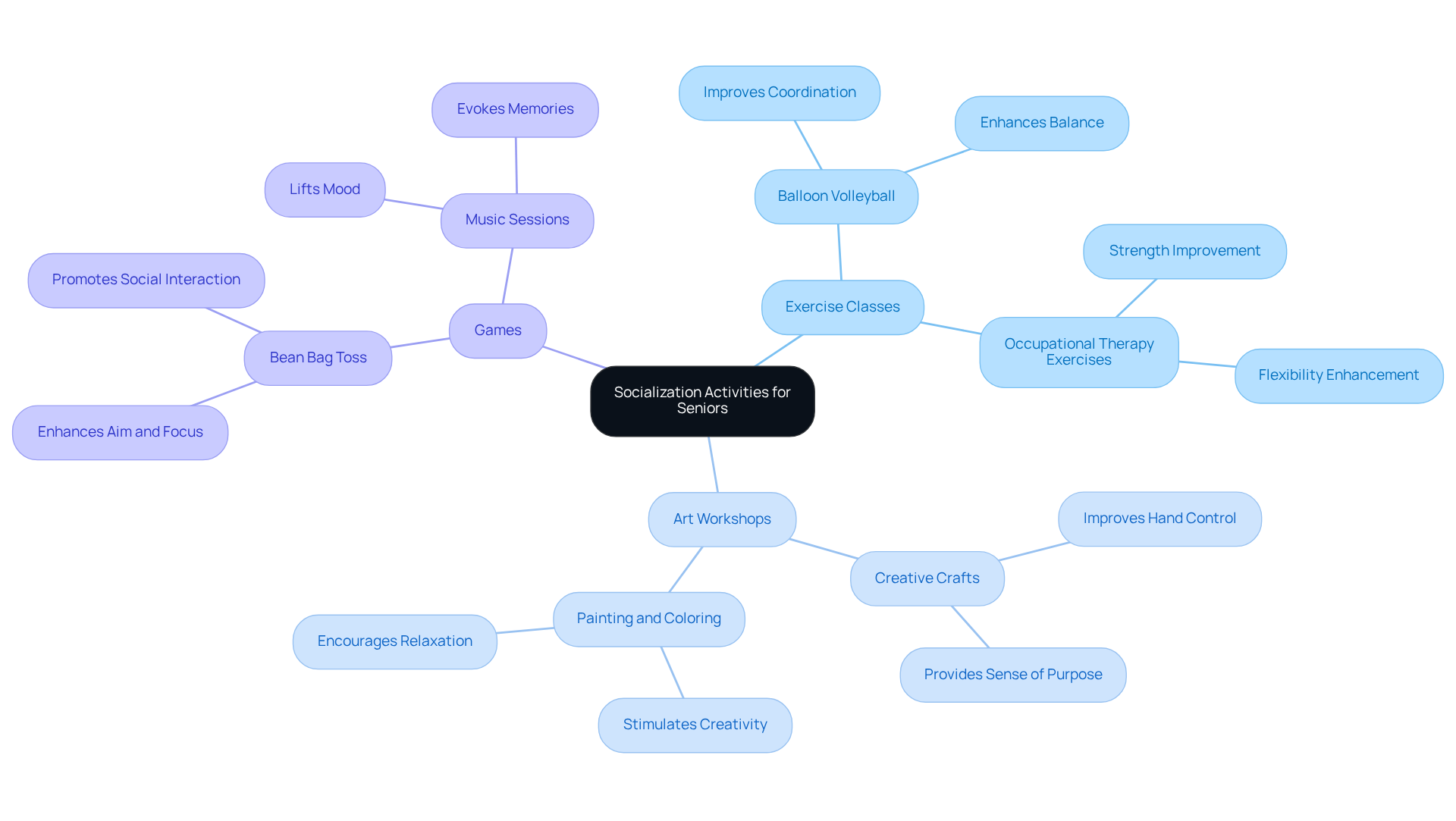
Elderly companion care includes a variety of social activities that are thoughtfully designed to keep older adults engaged and active. Caregivers play an invaluable role in organizing outings, facilitating games, and participating in hobbies. These efforts not only foster connections but also encourage meaningful interactions. Such activities are vital in , a significant concern that can lead to cognitive decline and diminish the quality of life among the elderly.
For example, engaging in group activities like:
- Exercise classes
- Art workshops
has been shown to stimulate cognitive function and promote emotional well-being. Caregivers frequently check in and engage in discussions, offering emotional support that helps older adults express their feelings and navigate emotional challenges, thereby enhancing their mental health.
Activities like balloon volleyball, which improves hand-eye coordination and balance, along with music sessions that evoke cherished memories, contribute to a holistic approach to support. By prioritizing social engagement, elderly companion care significantly enriches the overall quality of life for seniors, ensuring they remain connected and active within their communities.
Respite Care: Easing the Burden on Family Caregivers
Respite assistance serves as a vital resource for family members who provide care, offering essential relief that allows them to rejuvenate and prioritize their own well-being. By utilizing elderly companion care services, caregivers can ensure their loved ones receive reliable, high-quality assistance while they take necessary breaks. This balance is crucial in among those who care for relatives, affecting nearly half of them who report chronic conditions and anxiety.
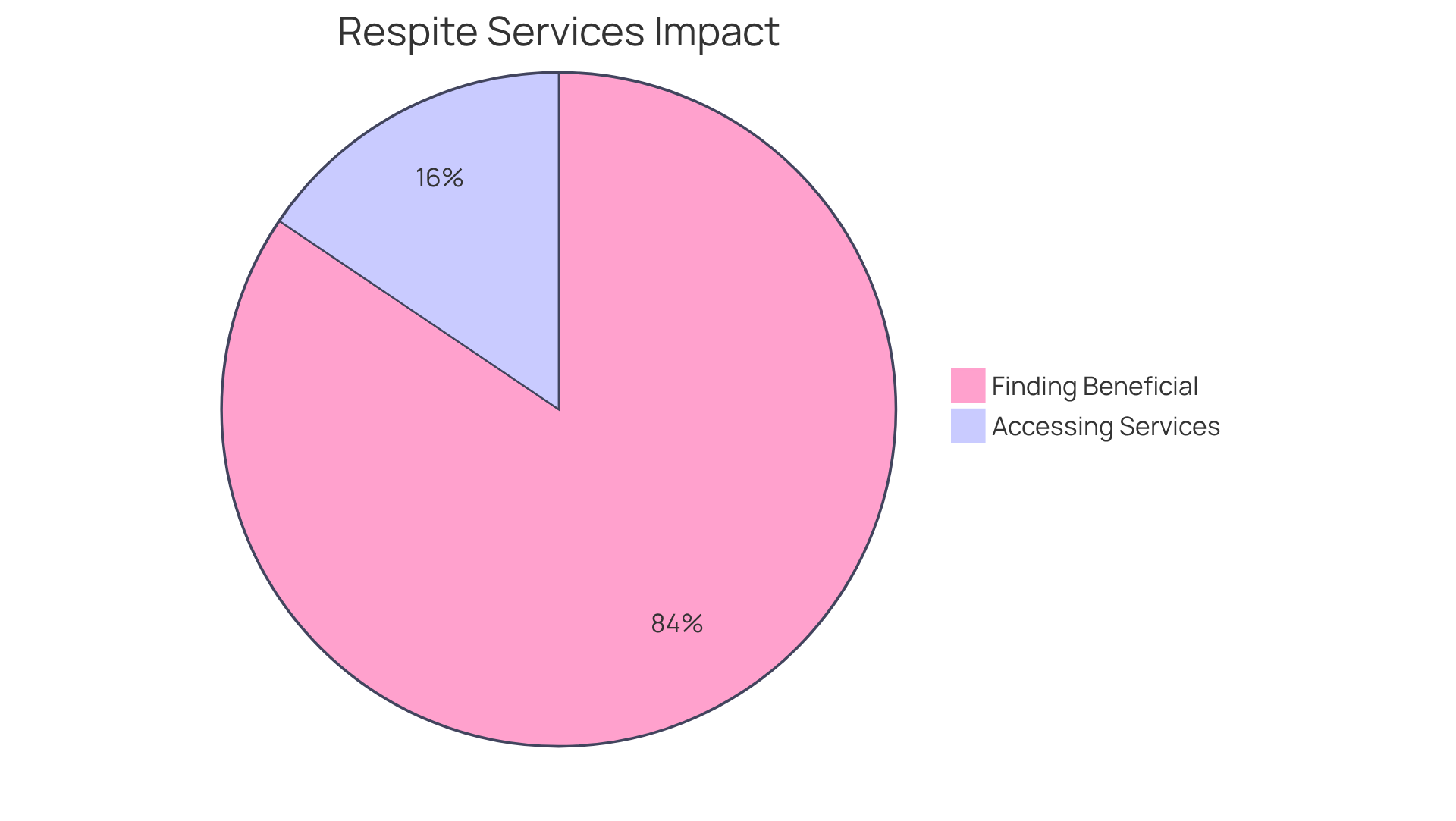
It’s concerning that only 14 percent of household supporters access respite services, underscoring the pressing need for such assistance. Moreover, respite support fosters healthier family dynamics, enabling caregivers to return revitalized and better equipped to provide help. Testimonials from family supporters underscore the importance of these breaks, with many expressing that respite services significantly alleviate their stress and enhance their overall quality of life. For example, nearly 76% of supporters in the critical-needs group noted that elderly companion care respite services were incredibly beneficial.
Research indicates that caregivers who enjoy regular breaks report improved health outcomes, with about 40% of those who rated their health as fair or poor experiencing a shift to good health following assistance. By prioritizing respite services, family members not only safeguard their own well-being but also strengthen the bonds that connect them.
Cost Considerations: Understanding the Financial Aspects of Companion Care
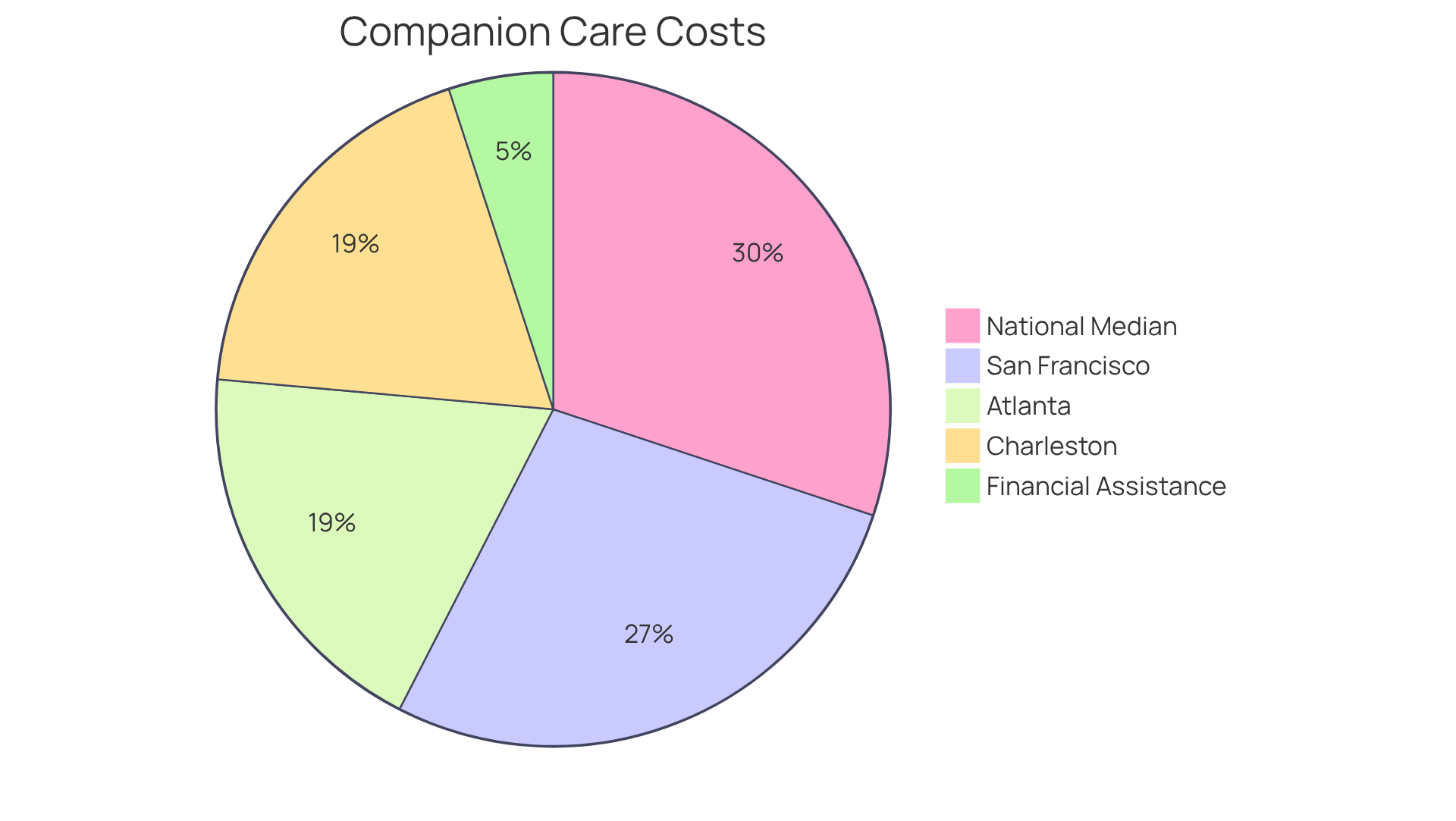
Understanding the is vital for families striving to make informed decisions. Companion caregiver rates typically range from $20 to $35 per hour, with a median national hourly cost of $30.00 as of 2023. These rates can fluctuate based on factors like location and the specific level of assistance required. For example, hourly rates differ significantly across major U.S. cities, averaging $27.35 in San Francisco and $18.50 in Charleston.
Families are encouraged to explore financial assistance options to help manage these costs. Medicaid stands as one of the largest funding sources for elderly home assistance for low-income older adults, covering various in-home support services. Additionally, veterans may qualify for benefits such as the Aid and Attendance program. Certain aspects of companion assistance can also be claimed as medical expenses on tax returns, potentially offering tax relief.
As noted by Angel Care, Inc., "The good news is that there are various financial assistance options for elderly home support available to keep seniors safe while preserving their life savings." Consulting with financial advisors can further guide families in budgeting for senior support, ensuring they can provide the necessary care without compromising their financial stability.
Moreover, older adults might be eligible for free tax return preparation through IRS programs like VITA and TCE, which can assist families in navigating the tax challenges related to companion assistance costs. By grasping these financial aspects, families can better navigate the complexities of companion care and make choices that align with their budgets, fostering peace of mind in their caregiving journey.
Taking the Next Steps
Elderly companion care stands as a vital resource for enhancing the lives of seniors, addressing their emotional, social, and physical needs with genuine compassion and expertise. This personalized approach not only alleviates loneliness but also nurtures a sense of independence and well-being, allowing older adults to flourish in the comfort of their own homes. By prioritizing meaningful connections and tailored support, companion care significantly enriches the quality of life for seniors, affirming its essential role in their overall health and happiness.
Throughout this discussion, we have highlighted the key benefits of elderly companion care, including:
- The reduction of loneliness
- Improvements in daily living
- The promotion of both physical and mental well-being
The significance of customized care plans tailored to individual preferences cannot be overstated; they ensure that each senior receives the specific support they need. Moreover, the peace of mind provided to families, knowing their loved ones are cared for by trained professionals, reinforces the value of these services.
Ultimately, investing in elderly companion care transcends mere assistance; it is about enhancing the lives of seniors and supporting their families. As the demand for such services continues to grow, recognizing the profound impact of companionship on mental health and overall quality of life becomes increasingly vital. Embracing these services can lead to healthier, happier, and more fulfilling lives for both seniors and their caregivers, making it a worthy consideration for families seeking to improve the well-being of their loved ones.
https://iframe.tely.ai/cta/eyJhcnRpY2xlX2lkIjogIjY4ZjE4ZGNjYjA1ZGI2ZWU3ZDMzNzY4YSIsICJjb21wYW55X2lkIjogIjY4ZWU1ZGNhNzMxNzYyNTU3ZjNjOTVjMSIsICJpbmRleCI6IG51bGwsICJ0eXBlIjogImFydGljbGUifQ==Frequently Asked Questions
What is Happy to Help Caregiving?
Happy to Help Caregiving provides personalized companion care for seniors, focusing on enhancing their quality of life through emotional support, companionship, and assistance with daily activities.
Why is elderly companion care important?
Elderly companion care is crucial for addressing loneliness and social isolation among seniors. It provides consistent social engagement and emotional support, which can significantly improve their overall well-being.
How prevalent is loneliness among elderly individuals?
Research indicates that one in three elderly individuals experience feelings of loneliness, with 24% considered socially isolated, highlighting the urgent need for companionship.
What is the current demand for caregiving services in the U.S.?
The demand for caregiving services is increasing, with the number of caregivers in the U.S. reaching 24.1 million, a 32% rise since 2011.
How does elderly companion care impact the quality of life for older adults?
Elderly companion care enhances quality of life by providing support for daily activities, fostering trusting relationships, and helping older adults face challenges with dignity and hope.
What are the emotional benefits of companion care?
Companion care alleviates loneliness and enhances emotional well-being by fostering deep emotional connections through meaningful conversations and active listening.
What health risks are associated with chronic loneliness in older adults?
Chronic loneliness can increase the risk of heart disease by 29% and dementia by 50%, underscoring the importance of companionship in mitigating these health risks.
How do caregivers promote a fulfilling lifestyle for seniors?
Caregivers encourage older adults to engage in hobbies and interests, participate in community events, and maintain social interactions, which help alleviate feelings of loneliness.
What role do caregivers play in emotional support for elderly individuals?
Caregivers create a supportive atmosphere that allows elderly individuals to express their emotions, maintain dignity, and receive help with everyday tasks, which is vital for mental well-being.
How can families enhance their loved one's social engagement and emotional well-being?
Families can enhance social engagement and emotional well-being by scheduling regular visits from an elderly companion care provider.