10 Benefits of Gaming for Seniors: Enhance Well-Being Today
For families in our service areas
For families in our service areas, this guide explains caregiving and how non-medical in-home caregiving can support care planning in East Idaho, Treasure Valley & Magic Valley, Northern Wasatch, North Central West Virginia, and Northeast Ohio.
The Importance of Gaming
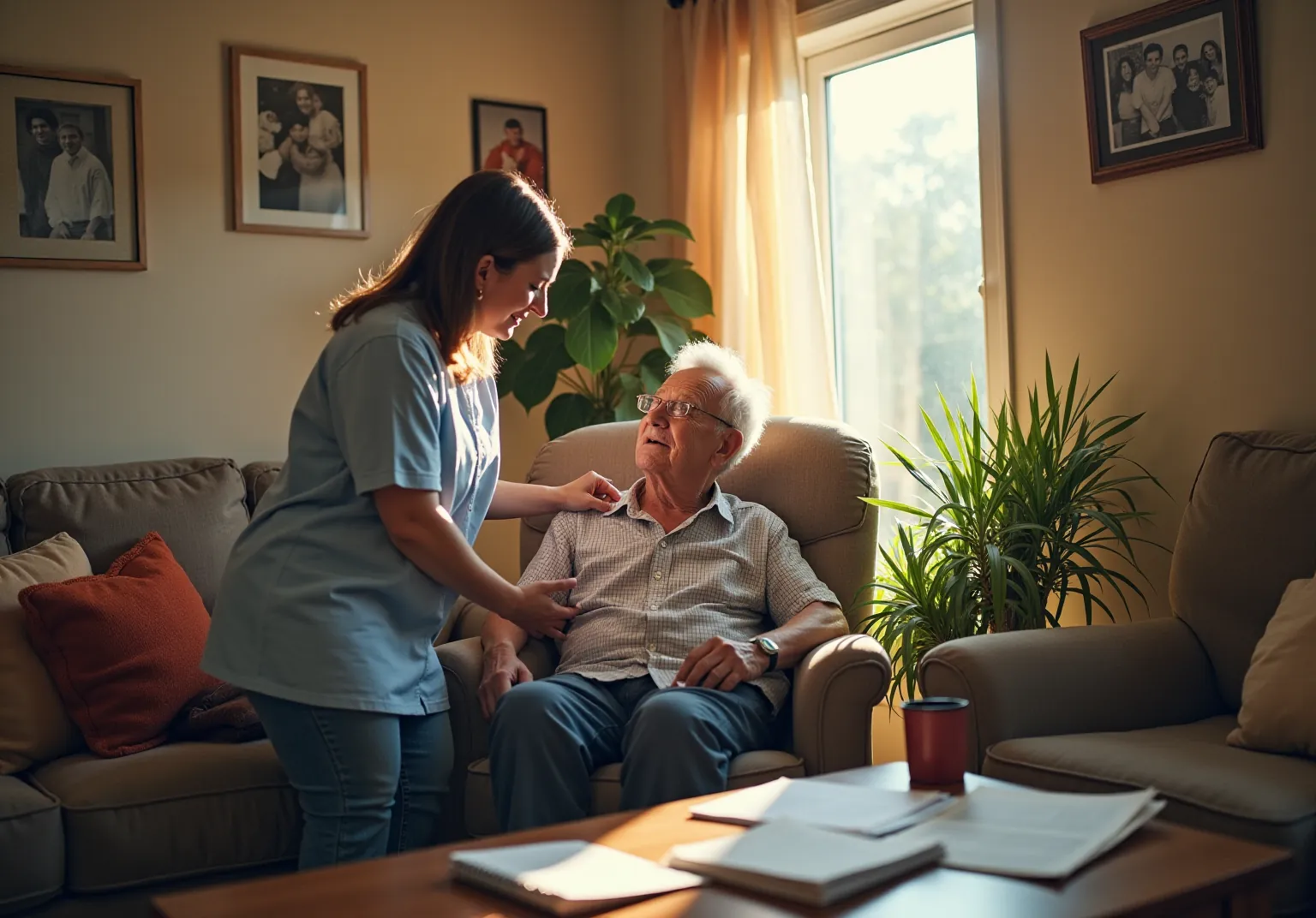
Gaming has moved beyond its traditional boundaries, becoming a vital tool for enhancing the well-being of seniors. However, many older adults find the journey into the gaming world daunting, which presents a significant challenge for caregivers. This gap between technology and accessibility can hinder seniors from experiencing the cognitive and social benefits that video games offer.
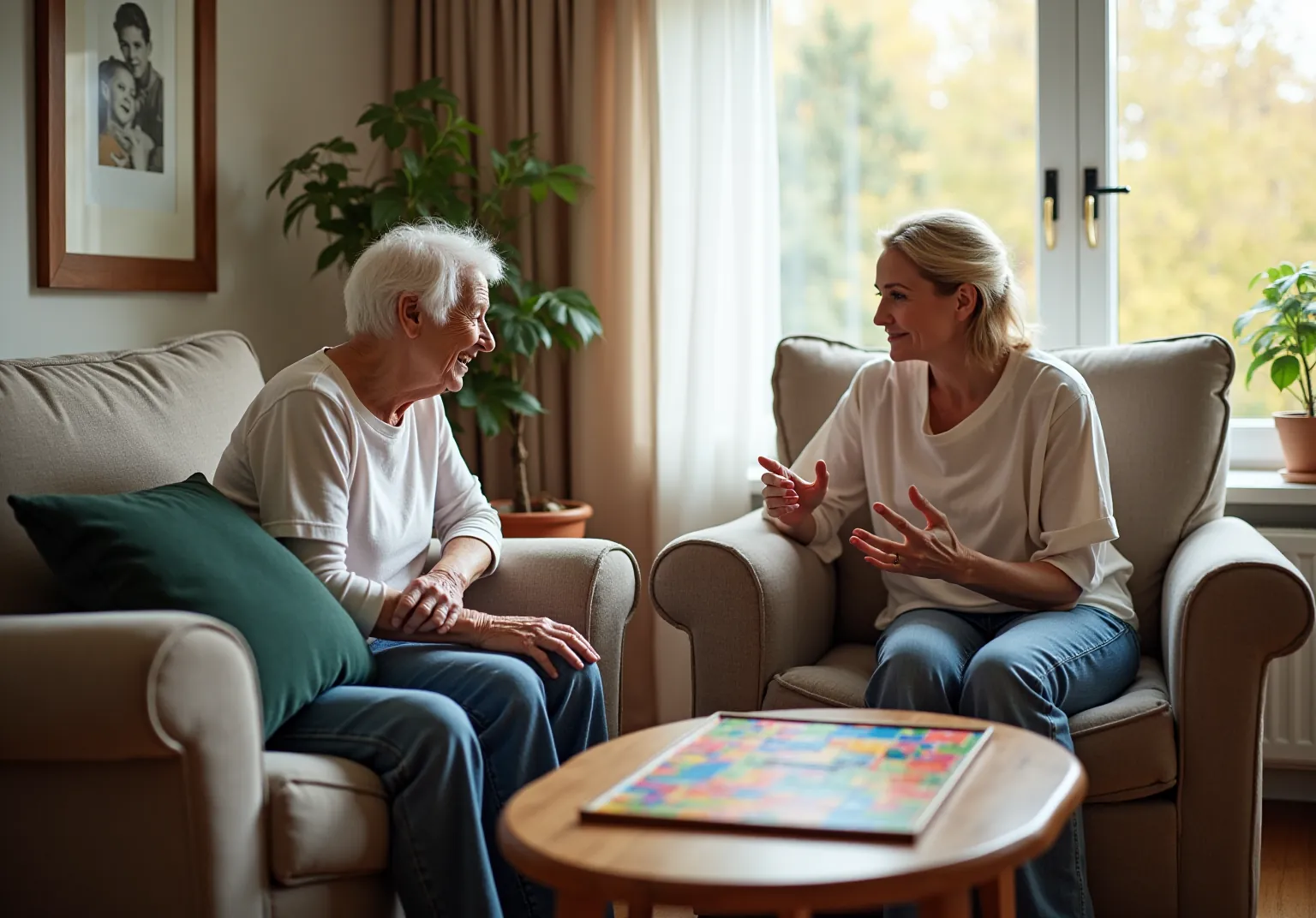
As older adults increasingly embrace video games, they can unlock a treasure trove of advantages, including improved cognitive function and enhanced social interaction. Yet, without proper guidance, many may struggle to engage with these platforms. Caregivers play a crucial role in bridging this gap, ensuring that seniors not only engage with games but also enjoy the profound psychological and physical rewards they provide.
To tackle this issue, caregivers can employ several strategies:
- They can introduce games that are specifically designed for seniors, focusing on simplicity and ease of use.
- Providing hands-on assistance during the initial gaming sessions can help build confidence.
- Encouraging social gaming experiences, such as multiplayer games, can also foster connections and enhance the social aspect of gaming.
By implementing these strategies, caregivers can help seniors navigate the gaming landscape, ensuring they reap the benefits of this engaging and enriching activity.
Happy to Help Caregiving: Personalized Support for Senior Gamers
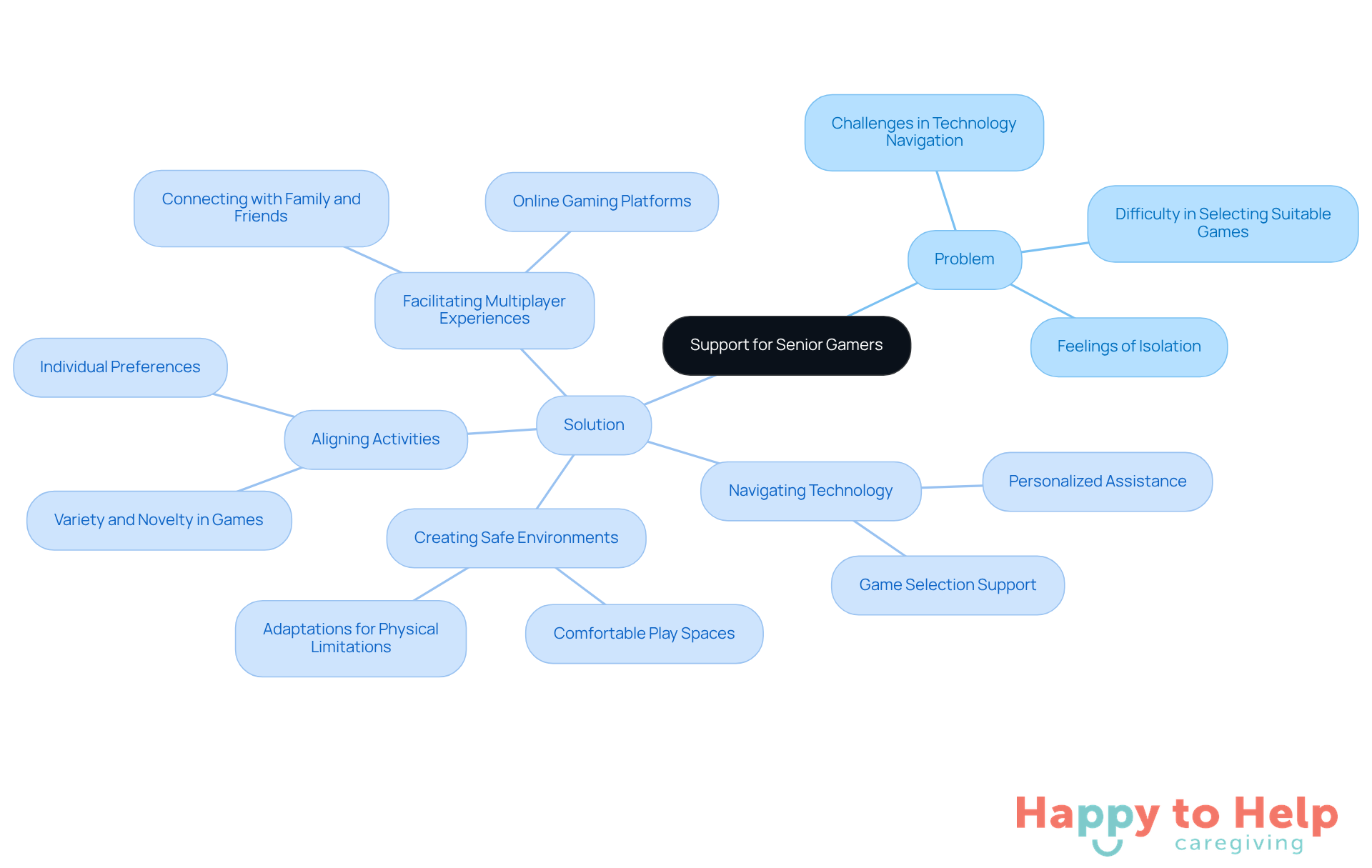
As gaming for seniors gains popularity among older adults, many face challenges in navigating technology and selecting suitable games. This can lead to feelings of isolation and disengagement, which are detrimental to their emotional well-being.
Without proper support, older adults may miss out on the mental stimulation and social interaction that gaming for seniors can offer. Research shows that those who play video games for at least an hour daily report higher happiness levels and lower risks of depression and anxiety. Caregivers play a crucial role in addressing these challenges by offering personalized assistance.
Solution: Caregivers can help older adults by:
- Assisting them in navigating technology and selecting appropriate games.
- Creating a safe and comfortable play environment.
- Introducing activities that align with individual preferences, ensuring that gaming remains enjoyable.
- Facilitating multiplayer experiences or virtual platforms to enhance social connections with family and friends.
This tailored approach not only boosts mental function but also fosters a sense of purpose and achievement, making gaming for seniors an essential component of in-home care services.
Improving Memory: How Gaming Enhances Cognitive Function in Seniors
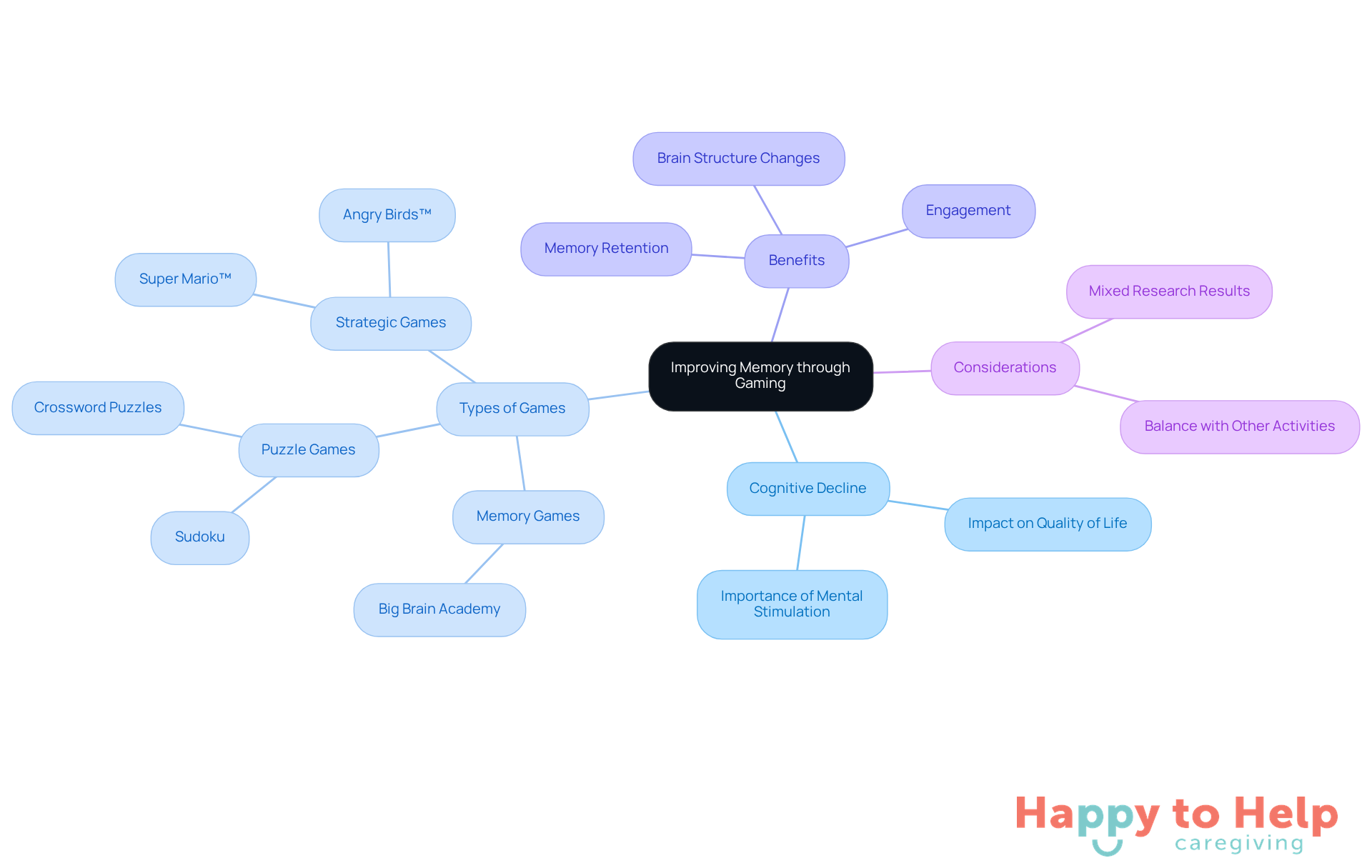
Cognitive decline is a significant concern for older adults, impacting their quality of life and independence. Engaging in activities that stimulate the mind is crucial for preserving mental sharpness as people age.
Research indicates that gaming for seniors can significantly enhance memory function among older adults. Games that challenge players to remember sequences, solve puzzles, or strategize are particularly effective. For instance, 'Big Brain Academy' encourages players to recall information and make quick decisions, leading to improved memory retention over time.
Moreover, video-based interventions have shown significant enhancements in recognition memory, especially in activities that provide rich, three-dimensional settings. Organized play experiences, such as those found in customized training programs, can lead to notable changes in brain structure and function. This supports the idea that gaming for seniors is not only enjoyable but also a valuable resource for cognitive health in older adults.
However, it's essential to recognize that research on the effects of activities and puzzles on the aging brain has yielded mixed results. While playing video games can be beneficial, outcomes may vary among individuals. Caregivers should consider incorporating gaming for seniors as engaging activities into their routines, balancing them with other cognitive exercises to support overall mental health.
Boosting Mood: The Emotional Benefits of Gaming for Older Adults
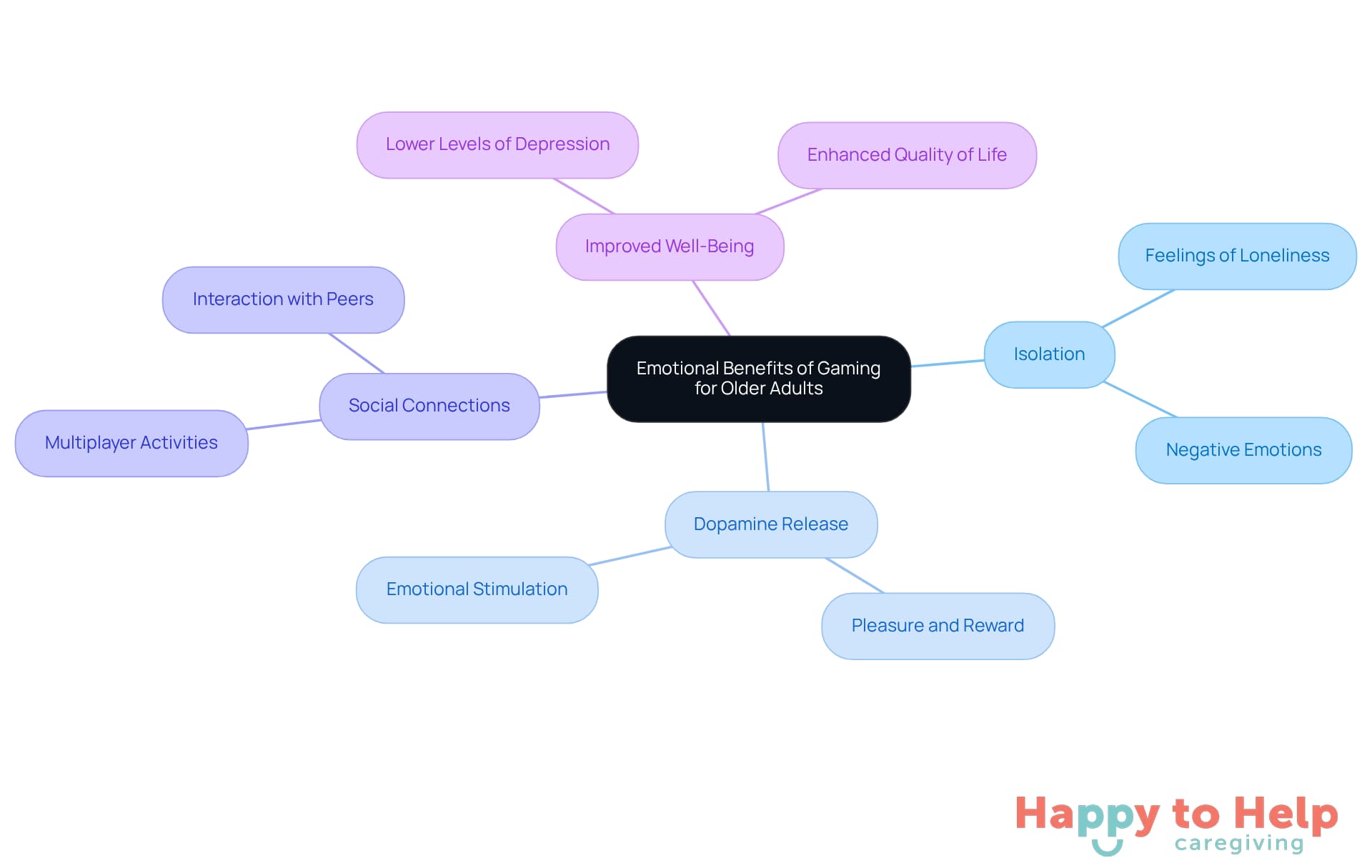
Isolation among older adults is a significant concern that can negatively impact their emotional well-being. Many older individuals experience feelings of loneliness, which can lead to depression and a decline in overall health.
Engaging in gaming for seniors presents a practical solution to this problem. These enjoyable activities stimulate the release of dopamine, a neurotransmitter linked to pleasure and reward. Gaming for seniors, particularly through multiplayer activities, fosters social connections, allowing older adults to interact with peers and family members. This engagement can significantly alleviate feelings of isolation.
Research shows that older adults who frequently participate in gaming for seniors report improved emotional well-being and lower levels of depression. By encouraging participation in video activities, caregivers can help enhance the quality of life for older individuals, making a meaningful difference in their daily experiences.
Enhancing Hand-Eye Coordination: Physical Benefits of Video Games for Seniors
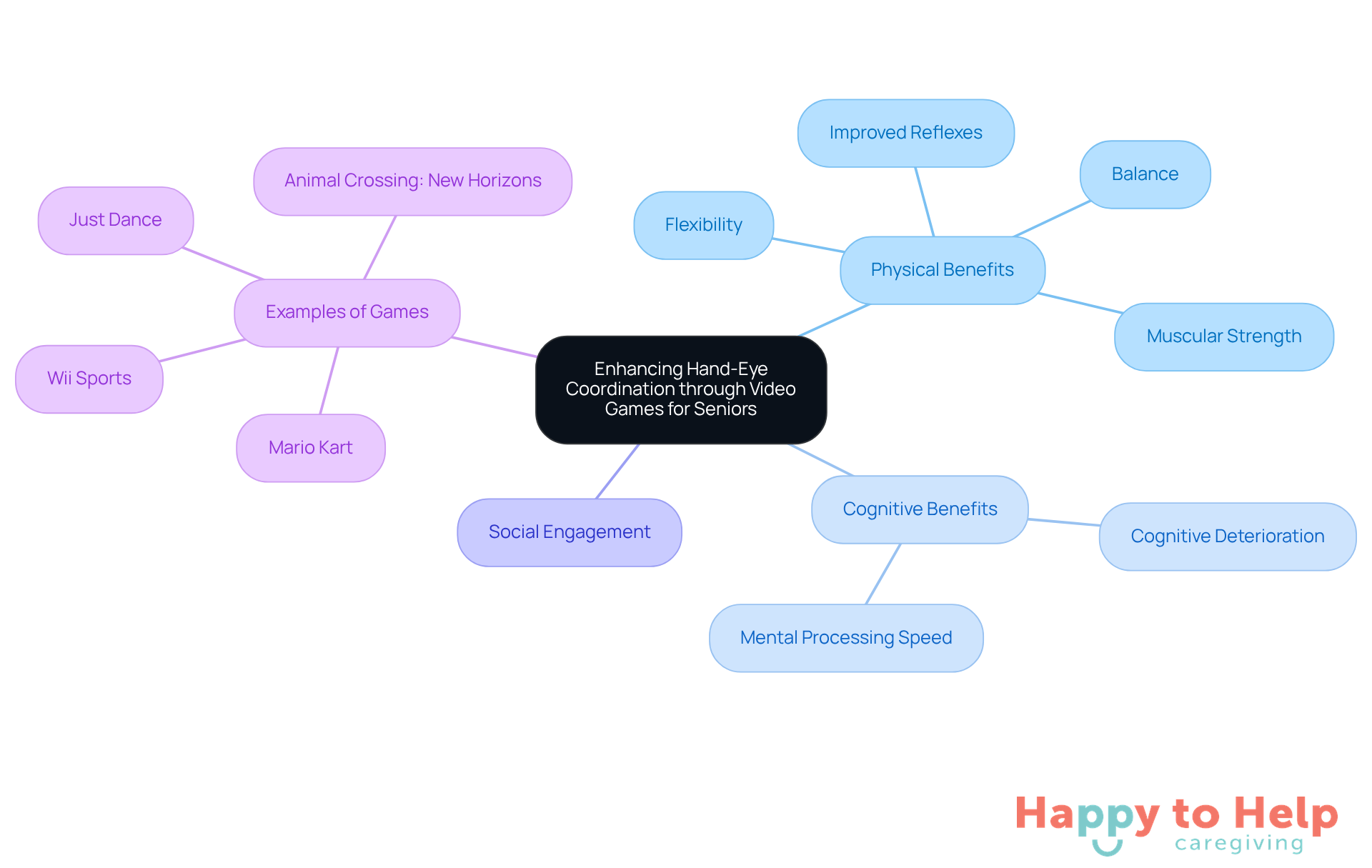
As seniors age, they often face declining physical and cognitive abilities, which can significantly impact their quality of life. This decline can lead to reduced mobility, independence, and overall well-being.
Engaging in gaming for seniors that promote physical and mental health is crucial for older adults. Video titles, particularly those focused on action and rhythm, can significantly improve hand-eye coordination. These activities challenge participants to react quickly to visual signals, enhancing reflexes and coordination over time. For example, gaming for seniors, such as 'Wii Sports' and 'Just Dance,' not only entertains but also encourages physical activity, which is essential for preserving mobility and independence.
Research supports the idea that active video gaming can lead to improved balance and flexibility, contributing to overall physical health. A systematic review found that older adults participating in movement-oriented activities experienced significant enhancements in muscular strength and cardiovascular fitness. Furthermore, engaging in video activities aimed at improving mental processing speed can help postpone cognitive deterioration, showcasing the diverse advantages of such entertainment.
Physical therapists recognize these engaging activities as enjoyable resources for enhancing coordination and promoting an active lifestyle among seniors. Notably, older individuals who participate in video activities demonstrate superior coordination compared to their non-participating peers, underscoring the importance of these activities in maintaining physical skills.
Dr. Ryo Sanabria emphasizes that gaming for seniors serves as powerful tools for enhancing mental, emotional, and physical well-being. They can also help combat the natural deterioration of motor skills with age, making gaming for seniors a beneficial activity for older adults. Community support through clubs at libraries and elder centers further encourages participation, adding a social aspect that enhances the play experience.
Increasing Social Interaction: Connecting Seniors Through Gaming
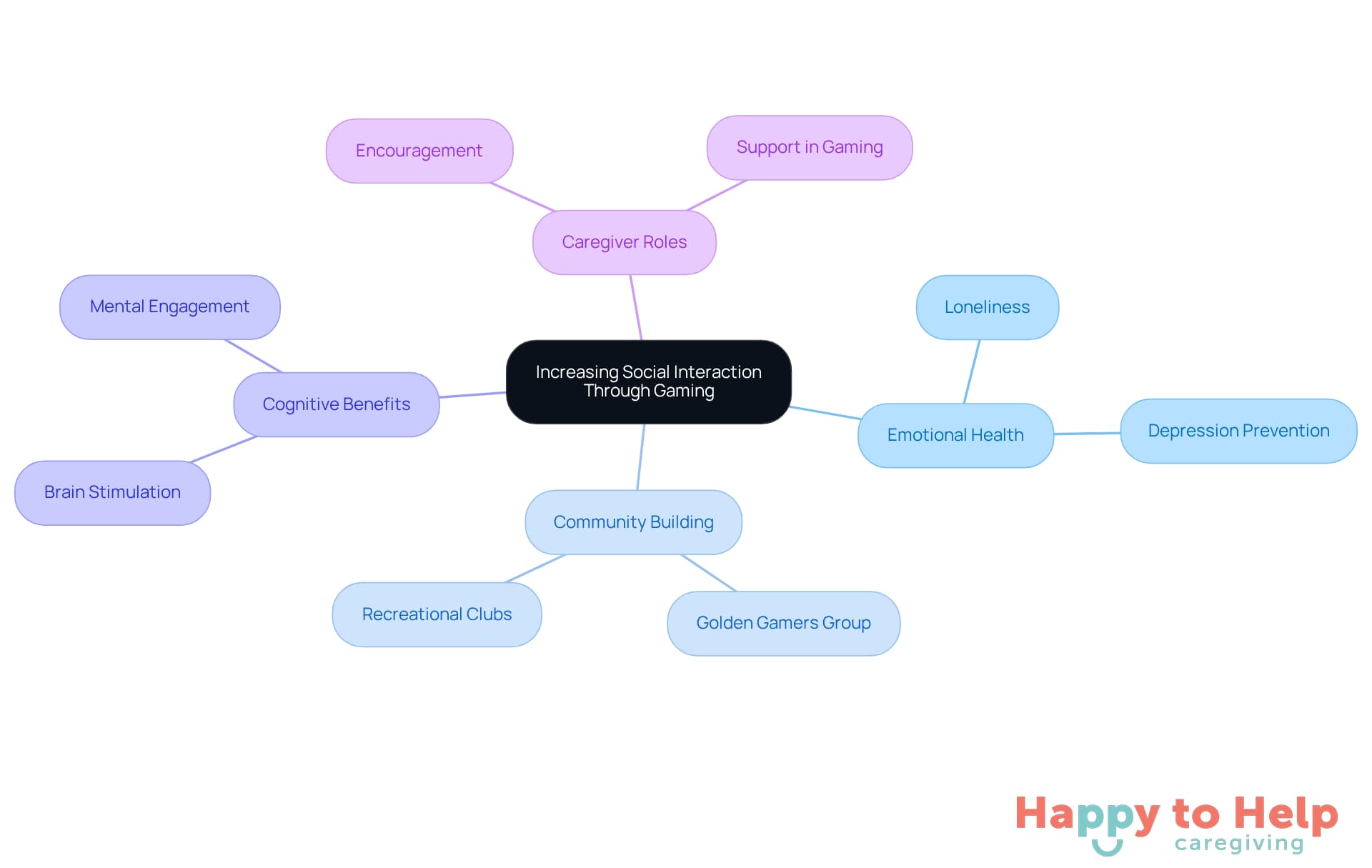
Social isolation is a significant challenge faced by many older adults, impacting their emotional health and overall well-being. As they age, maintaining social connections becomes increasingly vital. Without these interactions, seniors may experience feelings of loneliness and depression, which can lead to further health complications.
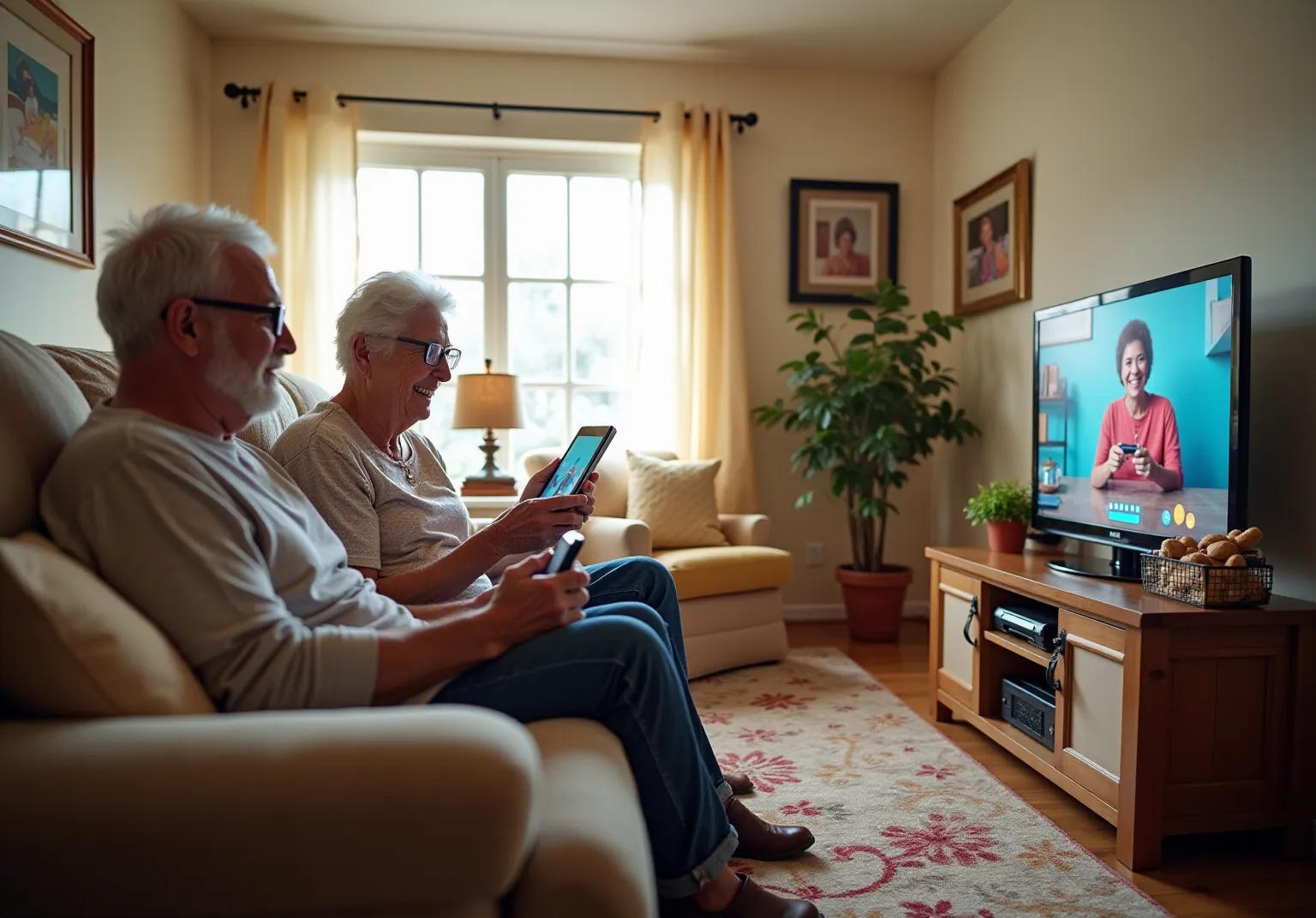
Gaming for seniors provides a practical solution to this problem. It serves as a powerful means for social interaction, allowing older adults to connect with friends and family through gaming for seniors in online multiplayer experiences. This connectivity fosters a vibrant sense of community, essential for emotional health. Many seniors also join recreational clubs or local tournaments, enhancing their social networks and creating opportunities for new friendships.
For instance, programs like the Golden Gamers Group, which meets every two weeks, motivate older individuals to unite. These gatherings foster social connections and mental engagement through various activities. Expert Amanda Faivre emphasizes the importance of social engagement, stating, "Remaining socially engaged is equally vital as maintaining physical activity." This reinforces the idea that recreational activities, such as playing video games, are crucial for overall well-being.
Moreover, the trend of elderly players engaging in video games for brain stimulation highlights the cognitive benefits of play. By prioritizing social interaction through gaming for seniors, they can lead more fulfilling and connected lives. Family caregivers can play a pivotal role by encouraging their loved ones to explore gaming for seniors as a fun and engaging way to enhance social interactions.
Delaying Cognitive Decline: The Protective Effects of Video Games
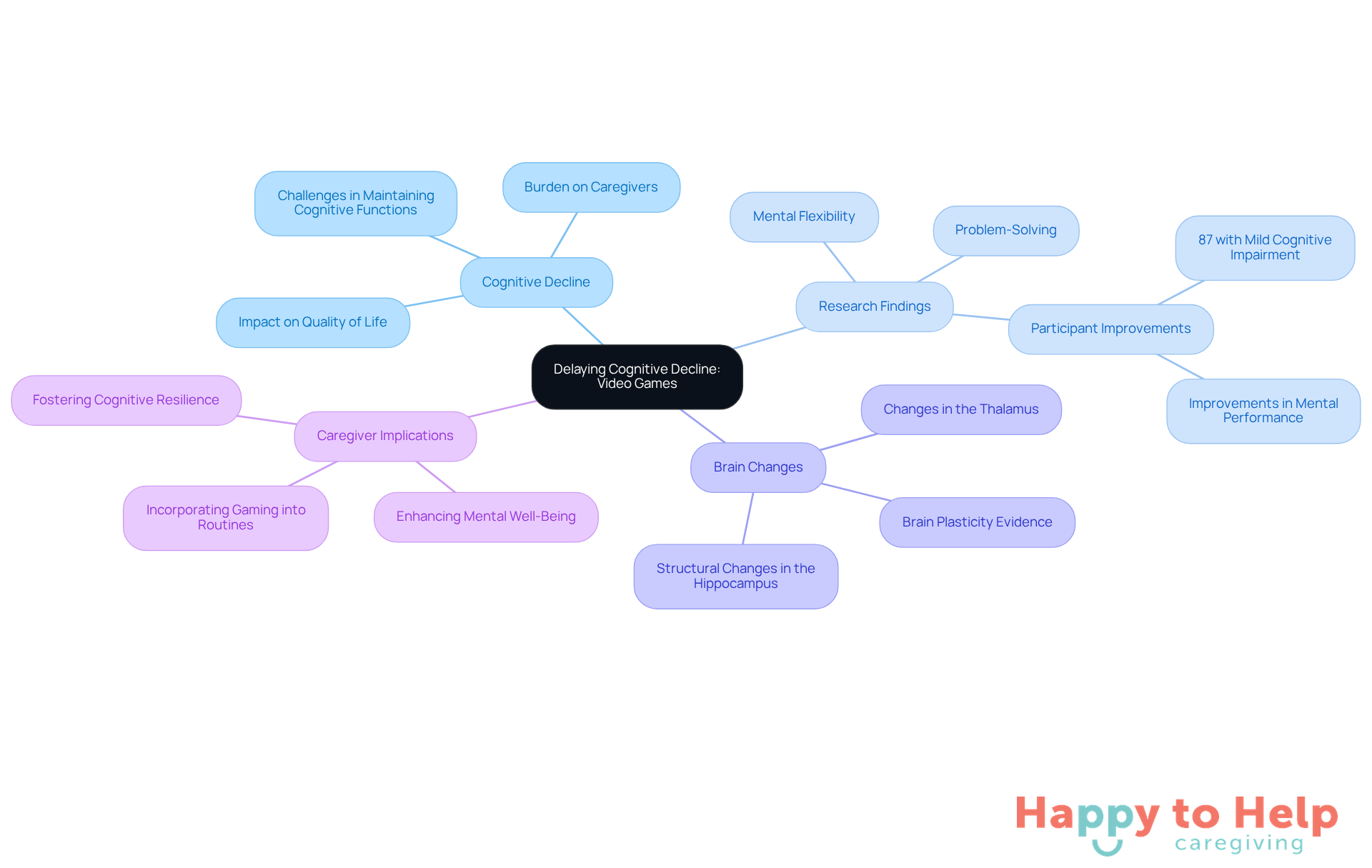
Mental decline among older adults is a pressing issue that can significantly affect their quality of life. As individuals age, they often face challenges in maintaining cognitive functions, which can lead to conditions like dementia. This decline not only impacts their independence but also places a burden on caregivers who strive to provide support.
However, research indicates that gaming for seniors can serve as a powerful tool in combating this decline. Studies show that consistent gameplay enhances mental flexibility and problem-solving abilities, both essential for preserving cognitive sharpness. Games that require critical thinking and adaptability serve as protective factors against neurodegenerative diseases.
For instance, individuals engaged in game-based training exhibited structural changes in brain regions associated with memory and cognitive processes, particularly in the hippocampus and thalamus, after just 12 weeks. This suggests that gaming for seniors offers more than mere entertainment; it can serve as a valuable resource for improving long-term mental health and potentially reducing the risk of dementia.
Moreover, nearly half of the participants in related studies reported improvements in mental performance. Notably, 87% of those involved had biomarkers linked to mild mental decline, underscoring the positive impact of gaming on psychological health in older adults. As neuroscientist Patrick Manser states, "Not only did game-based training improve the cognitive performance of study participants, but we also measured significant changes in their brains."
Incorporating gaming for seniors into daily routines could be a practical solution for caregivers looking to enhance the mental well-being of older adults. By encouraging regular gaming for seniors, caregivers can help foster cognitive resilience and improve overall quality of life.
Improving Reaction Time: The Physical Advantages of Gaming for Seniors
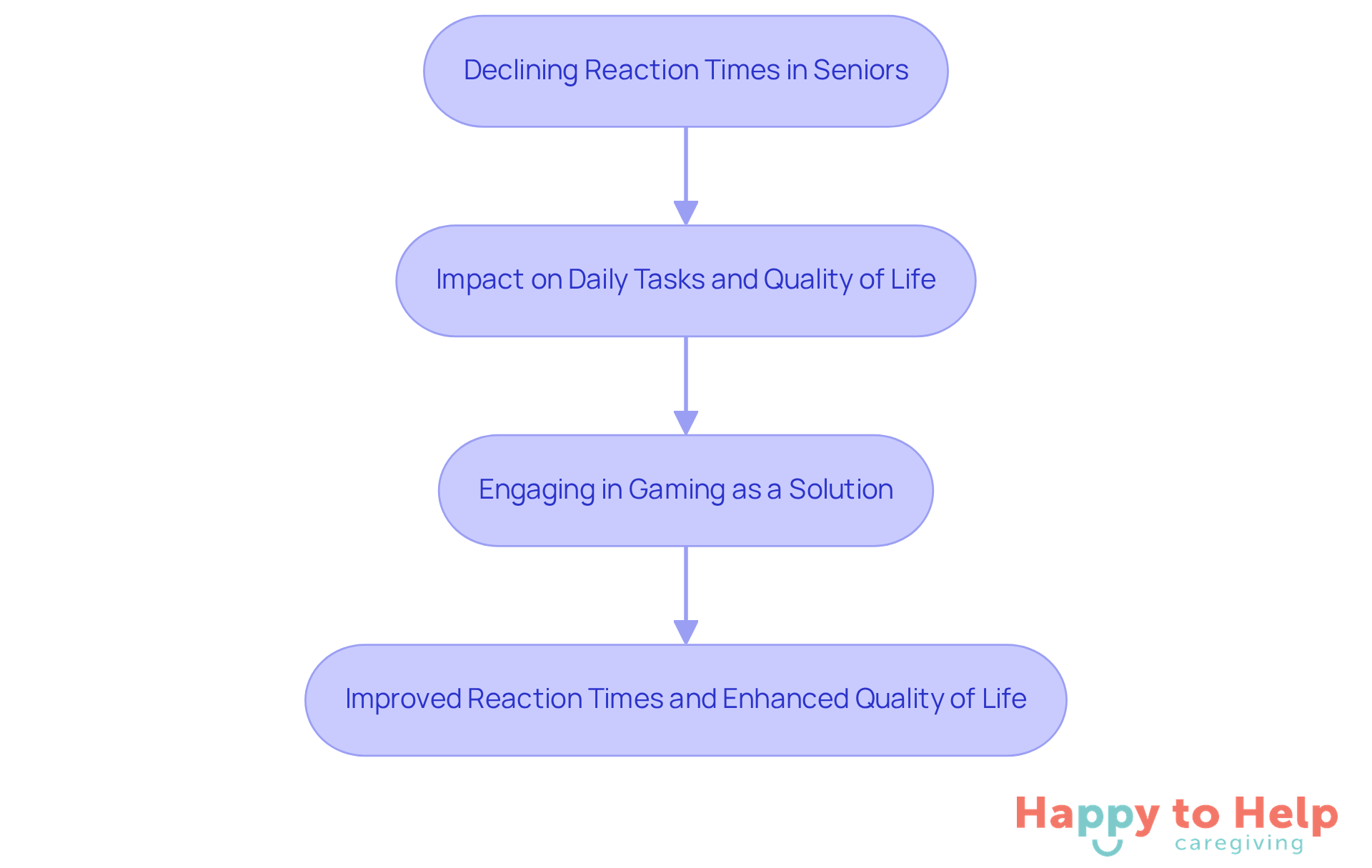
Problem: As older adults age, maintaining quick reaction times becomes increasingly challenging, which can jeopardize their independence and safety.
Agitate: This decline in reaction time can lead to difficulties in performing daily tasks, such as driving or navigating their surroundings, ultimately affecting their confidence and quality of life. Research indicates that elderly individuals who do not engage in activities that stimulate their reflexes may struggle more with these tasks, leading to a greater risk of accidents and a diminished sense of autonomy.
Solution: Engaging in gaming for seniors, especially video activities like action titles that demand quick reflexes and sharp decision-making, has been shown to significantly enhance reaction times among older adults. Studies reveal that gaming for seniors, particularly fast-paced video games, can lead to notable improvements in their ability to respond to real-world situations. For instance, research indicates that older individuals involved in these activities often perform better in daily tasks, such as driving and navigating their environment. This improvement not only boosts their confidence but also contributes to a higher quality of life by allowing them to remain active and engaged in their communities.
Moreover, it's noteworthy that seniors' multitasking scores can surpass those of untrained 20-year-olds, highlighting the cognitive benefits of gaming for seniors. Dr. Arthur F. Kramer suggests that playing video games with grandchildren can foster social interactions, further enhancing cognitive abilities. While the optimal duration of training for improving reaction times is still under investigation, the evidence clearly supports that engaging in video games can yield substantial benefits for older adults.
Building Digital Literacy: Empowering Seniors Through Gaming
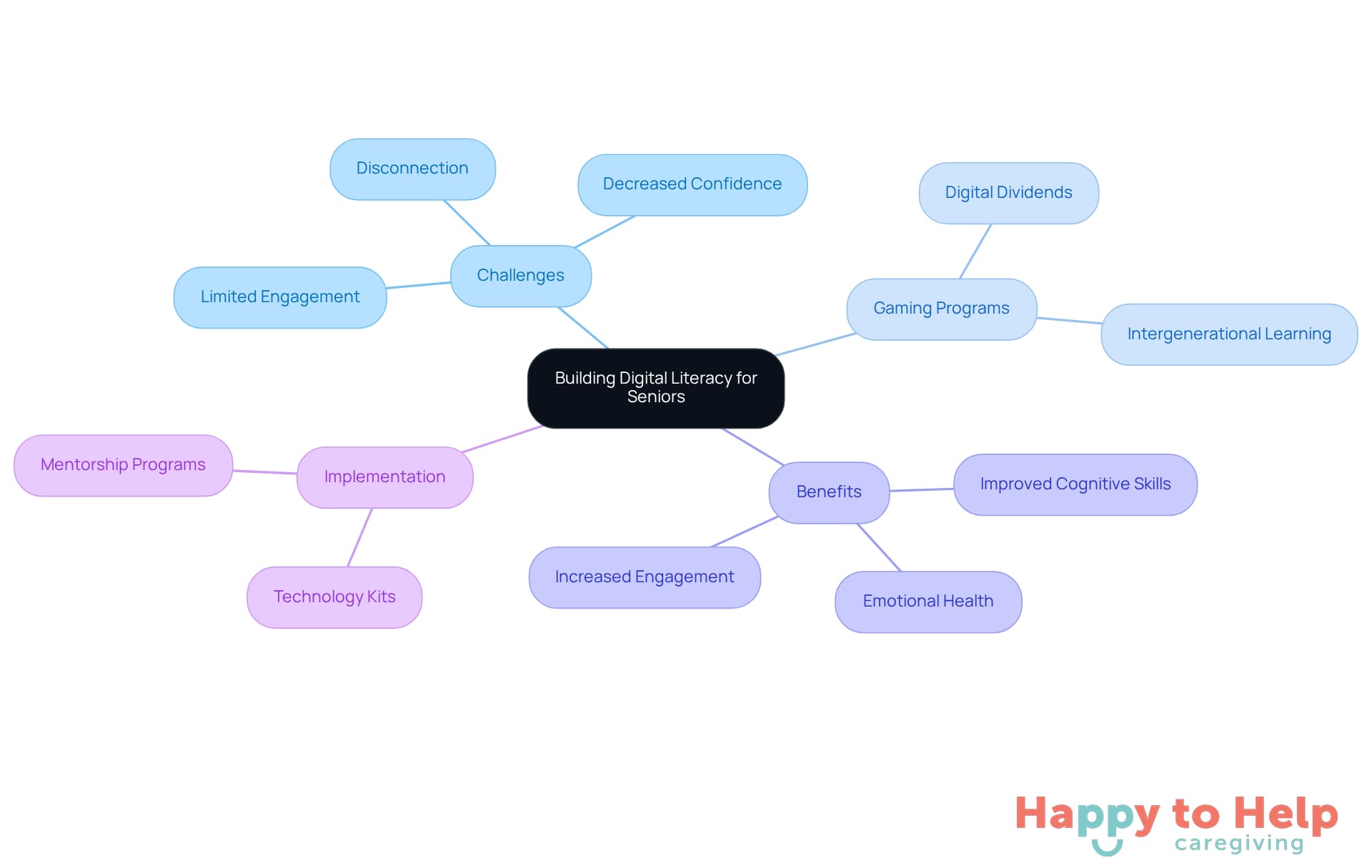
Digital literacy poses a significant challenge for older adults, often leaving them feeling disconnected in an increasingly digital world. This lack of familiarity with technology can lead to decreased confidence and limited engagement in activities like video calls and online shopping, ultimately affecting their quality of life.
To address this issue, programs that incorporate gaming for seniors into their curriculum can be highly effective. For instance, the Digital Dividends program pairs older adults with college students, allowing them to learn technology through engaging activities. This approach not only builds vital technology skills but also fosters intergenerational connections, enhancing digital engagement.
Research indicates that older adults who participate in gaming for seniors experience improved cognitive skills and greater comfort with technology. This newfound confidence enables them to stay connected and involved in today’s digital environment. Additionally, gaming for seniors has been shown to alleviate stress and anxiety, further supporting the emotional health of older adults.
By implementing such programs, caregivers can help older adults navigate the digital landscape with ease, ultimately enriching their lives.
Encouraging Physical Activity: How Gaming Promotes Movement in Seniors
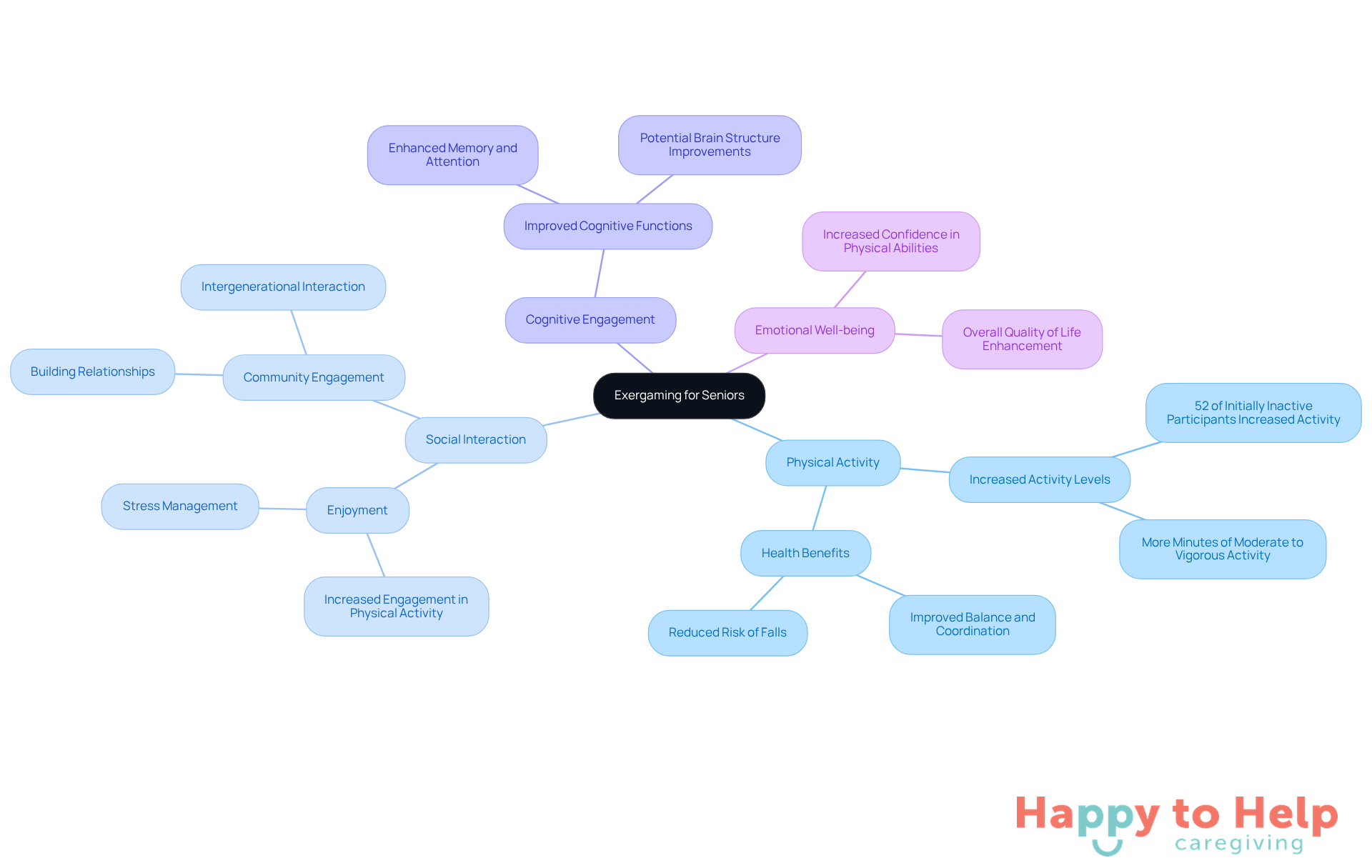
Exergaming, or active video play, addresses a significant problem: many older adults struggle to maintain physical activity levels, making gaming for seniors an important solution. This inactivity can lead to serious health risks, including reduced balance and coordination, which are crucial for preventing falls.
The implications of this issue are profound. Research shows that participants in gaming for seniors programs engage in more minutes of moderate to vigorous physical activity compared to those in traditional exercise settings. This increase is largely due to the enjoyment and social interaction these games provide. For instance, nearly half of participants aged 60 and older initially described themselves as inactive, yet 52 percent increased their activity levels by the end of the program.
Gaming for seniors offers a practical solution. Games like 'Wii Fit' and 'Ring Fit Adventure' motivate players to engage in physical exercise while enhancing their enjoyment of the activity. Experts emphasize the importance of integrating socialization with physical activity to promote overall wellness. As Jennifer Margrett notes, "Our program is really focused on whole-person wellness. We want to include that socialization aspect with the physical activity."
In summary, gaming for seniors not only promotes physical fitness but also enhances cognitive engagement and emotional well-being. This makes it a valuable tool for enhancing the quality of life in older adults.
Psychological Benefits: The Overall Impact of Gaming on Seniors' Well-Being
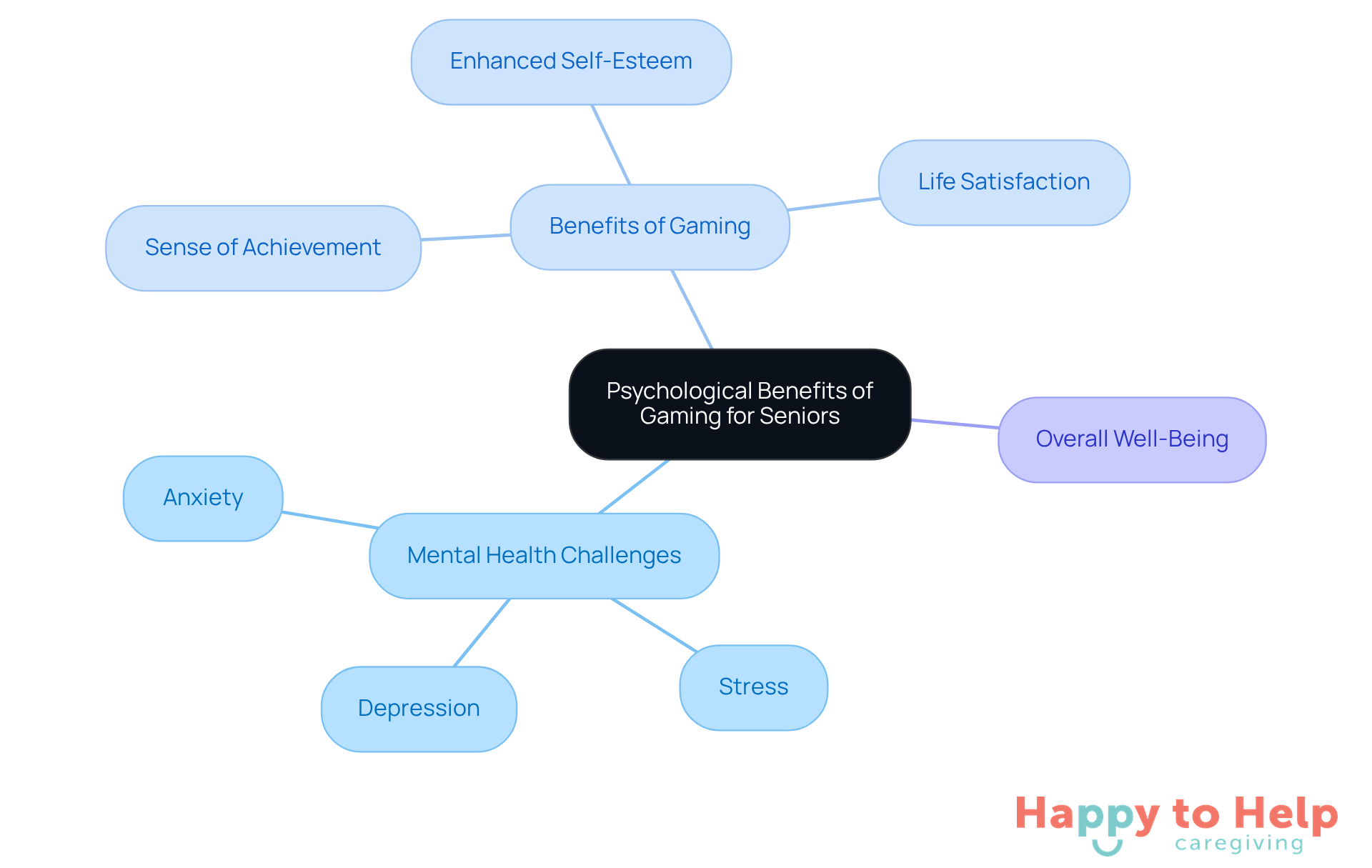
Older adults often face significant mental health challenges, including stress, anxiety, and depression. These issues can lead to a negative outlook on life, affecting their overall well-being.
However, engaging in enjoyable activities, such as gaming for seniors, can serve as a powerful solution. Video gaming not only provides a sense of achievement but also enhances self-esteem and life satisfaction. By incorporating gaming for seniors into their daily routines, they can experience a notable boost in their mental health and emotional well-being.
In summary, gaming for seniors can serve as a valuable tool for improving the mental health of older adults, offering both enjoyment and therapeutic benefits.
Making the Right Choice
Gaming for seniors presents a significant opportunity to address the problem of isolation and declining well-being among older adults. Many seniors face challenges such as loneliness and cognitive decline, which can severely impact their quality of life. By integrating enjoyable video games into their routines, seniors can combat these issues effectively.
The implications of this problem are profound. Isolation can lead to mental health issues, while cognitive decline affects memory and overall functioning. However, gaming offers a multifaceted solution. Engaging in video games has been shown to improve cognitive function, enhance memory retention, and foster social connections, all of which contribute to better emotional health.
Caregivers play a crucial role in facilitating this transition. They can support seniors by helping them navigate technology, ensuring a comfortable gaming environment, and encouraging regular participation in multiplayer experiences. Here are some actionable tips for caregivers:
- Introduce simple games that are easy to learn and play.
- Create a gaming schedule to encourage regular engagement.
- Join in on the fun to foster social interaction and connection.
Ultimately, the significance of gaming for seniors cannot be understated. As society embraces digital advancements, recognizing the positive impact of video games on older adults' mental, emotional, and physical health is vital. Encouraging seniors to engage in gaming not only enriches their lives but also empowers them to remain active participants in their communities. By fostering a culture of gaming among older adults, we can bridge the gap between technology and well-being, paving the way for a more connected and fulfilling life.
https://iframe.tely.ai/cta/eyJhcnRpY2xlX2lkIjogIjY5MjNiYmZhYzVlZWQyYmRiNTU3YmY0ZiIsICJjb21wYW55X2lkIjogIjY4ZWU1ZGNhNzMxNzYyNTU3ZjNjOTVjMSIsICJpbmRleCI6IG51bGwsICJ0eXBlIjogImFydGljbGUifQ==Frequently Asked Questions
What challenges do seniors face when it comes to gaming?
Seniors often struggle with navigating technology and selecting suitable games, which can lead to feelings of isolation and disengagement, negatively affecting their emotional well-being.
How can caregivers support senior gamers?
Caregivers can assist seniors by helping them navigate technology, selecting appropriate games, creating a safe play environment, introducing enjoyable activities, and facilitating multiplayer experiences to enhance social connections.
What are the cognitive benefits of gaming for seniors?
Gaming can significantly enhance memory function among older adults, particularly through games that challenge memory, problem-solving, and strategizing. Activities like 'Big Brain Academy' can improve memory retention over time.
Are there any mixed results regarding gaming and cognitive health in seniors?
Yes, while gaming can be beneficial for cognitive health, research has shown mixed results regarding its effects on the aging brain, and outcomes may vary among individuals.
How does gaming help improve emotional well-being in older adults?
Gaming stimulates the release of dopamine, which is linked to pleasure and reward, and fosters social connections through multiplayer activities, helping to alleviate feelings of loneliness and depression.
What impact does gaming have on the quality of life for older adults?
Regular participation in gaming for seniors can lead to improved emotional well-being, lower levels of depression, and a meaningful enhancement in the daily experiences of older individuals.
List of Sources
- Happy to Help Caregiving: Personalized Support for Senior Gamers
- Not just kid stuff: Advances in video games, gaming, benefit older adults, operator says (https://mcknightsseniorliving.com/news/not-just-kid-stuff-advances-in-video-games-gaming-benefit-seniors-care-operator-says)
- Video Games for Seniors: Discover the Surprising Benefits (https://jensendunes.com/blog/benefits-of-video-games-for-seniors)
- The Power of Play for Seniors Aging in Place - Elite Senior Home Care™ (https://eliteseniorhomecare.com/the-power-of-play-for-seniors-aging-in-place)
- Why Seniors Are Playing Video Games In Record Numbers (https://houston-homecare.com/in-home-care-why-seniors-are-playing-video-games-in-record-numbers)
- Improving Memory: How Gaming Enhances Cognitive Function in Seniors
- Game-Based Training Slows Cognitive Decline in Older Adults (https://technologynetworks.com/neuroscience/news/game-based-training-slows-cognitive-decline-in-older-adults-404476)
- Roundup: Computer ‘Training’ Games Help Reduce Age-Related Cognitive Decline; and More News (https://baptisthealth.net/baptist-health-news/computer-training-games-help-reduce-age-related-cognitive-decline)
- A brain training game boosts a chemical linked to memory and attention, new research shows (https://nbcnews.com/health/aging/brain-game-boosts-chemical-memory-dementia-research-rcna237832)
- Video games show potential in improving key aspects of memory in older adults (https://nia.nih.gov/news/video-games-show-potential-improving-key-aspects-memory-older-adults)
- Boosting Mood: The Emotional Benefits of Gaming for Older Adults
- Older people are embracing video games. For some, that means stardom. (https://nbcnews.com/tech/video-games/older-people-are-embracing-video-games-some-stardom-n1047906)
- Seniors Who Play Video Games Report Better Sense of Emotional Well-Being (https://news.ncsu.edu/2013/03/wms-allaire-social-2013)
- Gaming in their golden years: why millions of seniors are playing video games (https://theguardian.com/wellness/ng-interactive/2025/jul/14/video-games-older-adults-data)
- Enhancing Hand-Eye Coordination: Physical Benefits of Video Games for Seniors
- The Best Video Games for Seniors | Hollenbeck Palms (https://hollenbeckpalms.com/best-video-games-for-seniors)
- 6 Health Benefits Retirees Can Gain From Gaming: #3 May Surprise You (https://moneytalksnews.com/slideshows/health-benefits-retirees-can-gain-from-gaming-may-surprise-you)
- The Benefits of Video Games for Seniors (https://jacarandatrace.org/resources/the-benefits-of-video-games-for-seniors)
- Gaming for Seniors: How Video Games Can Benefit Older Adults | MedBox | Medications Sorted By Dose | Full-Service Pharmacy (https://medbox.com/gaming-for-seniors-how-video-games-can-benefit-older-adults)
- Increasing Social Interaction: Connecting Seniors Through Gaming
- Grandma gamer: Meet online gaming’s community of senior citizens (https://nbcnews.com/now/video/grandma-gamer-meet-online-gaming-s-community-of-senior-citizens-67887173508)
- Older people are embracing video games. For some, that means stardom. (https://nbcnews.com/tech/video-games/older-people-are-embracing-video-games-some-stardom-n1047906)
- The Role of Digital Gaming in Addressing Loneliness Among Older Adults: A Scoping Review - PMC (https://pmc.ncbi.nlm.nih.gov/articles/PMC12428625)
- Social Gaming: What It Is and Why Everyone Is Talking About It (https://ballstatedailynews.com/article/social-gaming-what-it-is-and-why-everyone-is-talking-about-it-20241001)
- New Freeport seniors gaming group aims to boost social well-being (https://journalstandard.com/story/news/local/2025/10/23/golden-gamers-group-for-seniors-to-play-games-and-make-friends/86687774007)
- Delaying Cognitive Decline: The Protective Effects of Video Games
- Roundup: Computer ‘Training’ Games Help Reduce Age-Related Cognitive Decline; and More News (https://baptisthealth.net/baptist-health-news/computer-training-games-help-reduce-age-related-cognitive-decline)
- Game-Based Training Slows Cognitive Decline in Older Adults (https://technologynetworks.com/neuroscience/news/game-based-training-slows-cognitive-decline-in-older-adults-404476)
- Games, Puzzles And Reading Can Slow Cognitive Decline In The Elderly — Even In Those With Mild Cognitive Impairment (https://stories.tamu.edu/news/2024/09/10/games-puzzles-and-reading-can-slow-cognitive-decline-in-the-elderly-even-in-those-with-mild-cognitive-impairment)
- Video games show potential in improving key aspects of memory in older adults (https://nia.nih.gov/news/video-games-show-potential-improving-key-aspects-memory-older-adults)
- Study: Can Exercise Video Games Slow Cognitive Decline in Alzheimer’s? (https://alzra.org/blog/exercise-video-games-slow-cognitive-decline-in-alzheimers)
- Improving Reaction Time: The Physical Advantages of Gaming for Seniors
- Video Game Training Improves Brain Function in Older Adults (https://newsinhealth.nih.gov/2013/10/video-game-training-improves-brain-function-older-adults)
- Video Gaming Just Might Fight Aging (https://abcnews.go.com/Health/Healthday/video-gaming-fight-aging/story?id=9637932)
- Study: Video Games May Improve Cognitive Function in Older Adults (https://foxnews.com/story/study-video-games-may-improve-cognitive-function-in-older-adults)
- Videogame and Computer Intervention Effects on Older Adults' Mental Rotation Performance - PMC (https://pmc.ncbi.nlm.nih.gov/articles/PMC8220544)
- Video Game Training and Reaction Time Skills Among Older Adults (https://tandfonline.com/doi/abs/10.1080/01924788.2014.935908)
- Building Digital Literacy: Empowering Seniors Through Gaming
- The Benefits of Video Games for Seniors (https://jacarandatrace.org/resources/the-benefits-of-video-games-for-seniors)
- Digital literacy program for seniors reduces loneliness, boosts self-care (https://publichealth.berkeley.edu/articles/spotlight/research/digital-literacy-program-for-seniors-reduces-loneliness)
- Technology for Seniors: The Benefits of Video Games and Virtual Reality (https://blog.thegoodmangroup.com/best-video-games-for-seniors)
- Gaming for Seniors: How Video Games Can Benefit Older Adults | MedBox | Medications Sorted By Dose | Full-Service Pharmacy (https://medbox.com/gaming-for-seniors-how-video-games-can-benefit-older-adults)
- From Google Docs to FaceTime: How a digital literacy program is empowering older adults (https://wgbh.org/news/local/2023-12-13/from-google-docs-to-facetime-how-a-digital-literacy-program-is-empowering-older-adults)
- Encouraging Physical Activity: How Gaming Promotes Movement in Seniors
- ISU researchers use video games to bridge generational gap and get older adults moving - News Service (https://news.iastate.edu/news/isu-researchers-use-video-games-bridge-generational-gap-and-get-older-adults-moving)
- Video games used to keep older adults active (https://wqad.com/article/news/local/drone/8-in-the-air/video-games-used-to-keep-older-adults-active/526-a3bad4a0-d8ed-446a-b0f1-ce43a70bf3fb)
- Study supports value of video games in promoting physical activity | Brown University Health (https://brownhealth.org/news/study-supports-value-video-games-promoting-physical-activity)
- Alzheimer's: Can exercise video games help keep it at bay? (https://medicalnewstoday.com/articles/video-games-that-help-you-exercise-may-also-keep-the-brain-fit-study-shows)
- Exergaming: How Tech & Video Games Support Healthy Ageing (https://nus.edu.sg/nusgiving/news-and-events/2024/09/06/exergaming-how-tech-video-games-support-healthy-ageing)