10 Benefits of Hiring a 24 Hour Carer for Your Loved Ones

For families in our service areas
For families in our service areas, this guide explains caregiving and how non-medical in-home caregiving can support care planning in East Idaho, Treasure Valley & Magic Valley, Northern Wasatch, North Central West Virginia, and Northeast Ohio.
The Importance of Hiring a 24 Hour Carer
Caregiving often presents significant challenges, leaving many caregivers feeling overwhelmed and their loved ones at risk of a diminished quality of life. This situation can lead to stress and burnout, impacting both the caregiver and the individual receiving care.
Hiring a 24-hour carer offers a practical solution, providing not just assistance but a vital lifeline that enhances emotional well-being, safety, and independence for seniors. With round-the-clock support, families can ensure their loved ones receive the attention they need, reducing the burden on caregivers and improving the overall quality of life for everyone involved.
However, with numerous options available, families may wonder: what specific advantages does round-the-clock care truly offer? Exploring these benefits reveals a deeper understanding of the critical role that dedicated caregivers play in fostering a supportive and enriching environment for those in need.
Happy to Help Caregiving: Personalized In-Home Care for Enhanced Quality of Life
Caregiving can be a challenging journey, often leaving caregivers feeling overwhelmed and unsupported. Many struggle to provide the necessary assistance while balancing their own needs, which can lead to burnout and decreased quality of care for their loved ones.
This lack of support can have serious implications, affecting not only the caregiver's well-being but also the quality of life for seniors and individuals with special needs. Without adequate help, caregivers may find it difficult to manage daily tasks, leading to increased stress and anxiety.
Happy to Help Caregiving addresses these challenges by offering tailored in-home assistance with a 24 hour carer, designed to improve the quality of life for both caregivers and their clients. Their services include:
- Companionship assistance
- Post-hospital recovery help
- Respite services
- Palliative aid
These services are aimed at fostering independence and well-being, ensuring that clients receive the support they need to thrive in their familiar surroundings. With a focus on compassionate care, Happy to Help ensures that clients feel secure and comfortable, which allows a 24 hour carer to take a much-needed break.
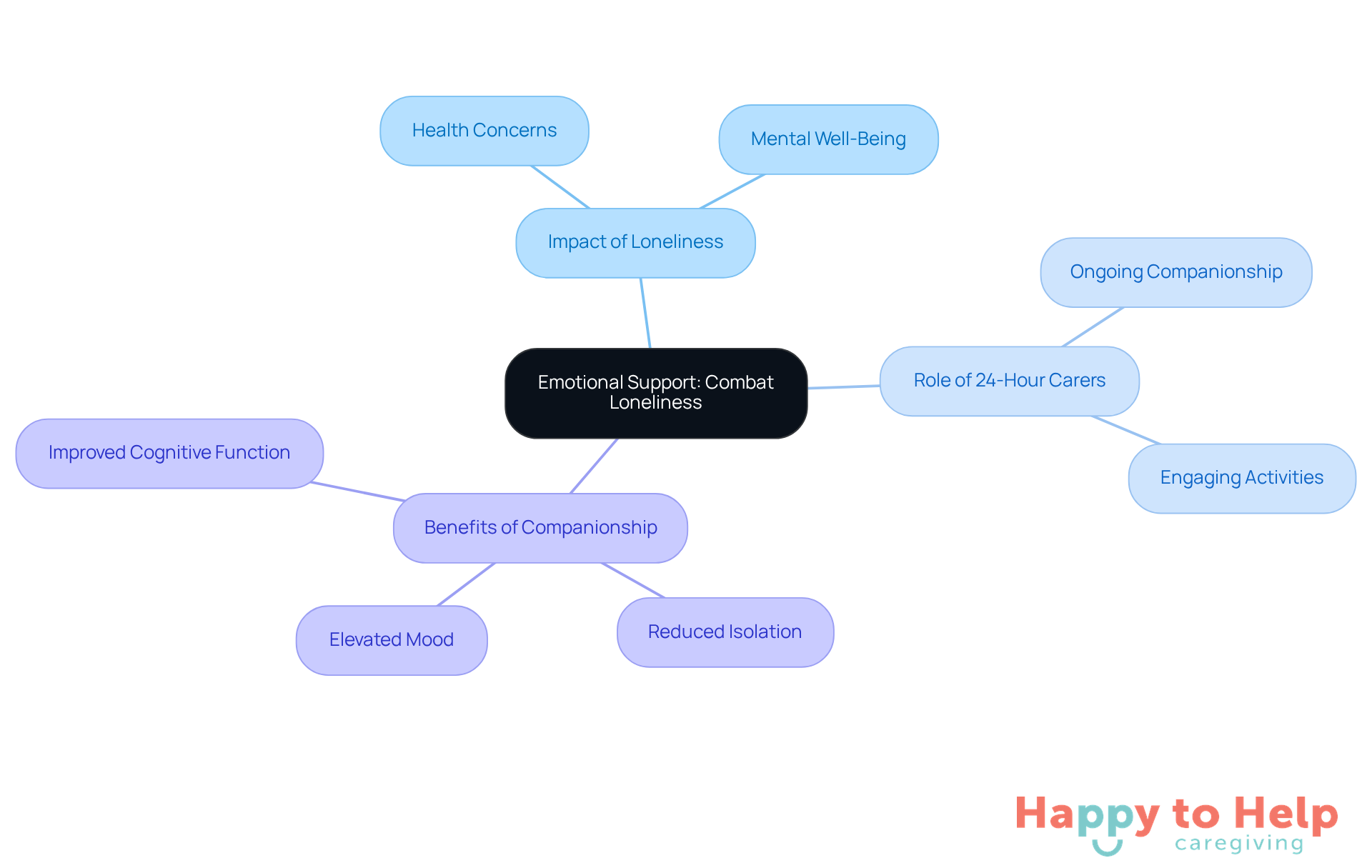
Emotional Support: Combat Loneliness with 24-Hour Care
Loneliness is a significant issue for many elderly individuals, impacting their emotional and mental well-being. This isolation can lead to serious health concerns, making it crucial to address the emotional needs of older adults.
One effective solution is hiring a 24 hour carer. These caregivers provide ongoing companionship, engaging clients in meaningful conversations and enjoyable activities. This interaction fosters social connections that are vital for enhancing mental health.
Research indicates that regular interactions with caregivers can reduce feelings of isolation, elevate mood, and even improve cognitive function. By ensuring that older adults feel valued and connected, a 24-hour carer plays a crucial role in their overall happiness and stability.
In summary, the presence of a caregiver not only enhances the quality of life for older adults but also leads to better health outcomes, making it an essential component of emotional support.
Daily Living Assistance: Ensure Safety and Comfort Around the Clock
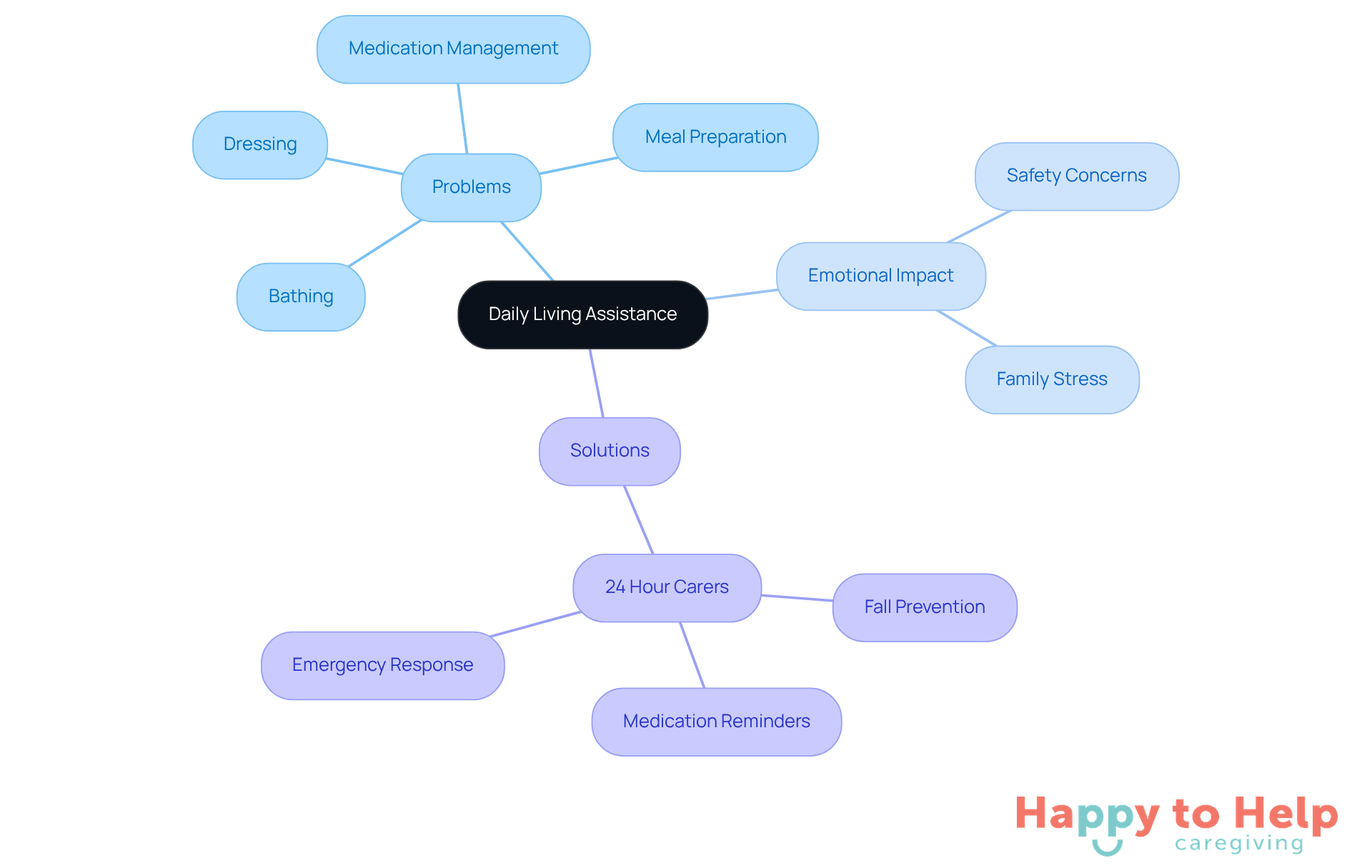
Problem: Many seniors struggle with daily living tasks, which can lead to safety concerns and emotional distress for both them and their families.
Agitate: Without proper support, seniors may face challenges in bathing, dressing, meal preparation, and medication management. This lack of assistance not only increases the risk of accidents but also diminishes their independence and quality of life. Families often worry about their loved ones' safety, which can lead to stress and anxiety.
The solution is that 24 hour carers play a vital role in providing essential daily living support. With a 24 hour carer providing assistance, families can feel reassured knowing their loved ones are safe and well-looked after. Ongoing support leads to better safety outcomes, as trained aides implement customized safety measures tailored to the needs of elderly clients. These measures include:
- Fall prevention strategies
- Medication reminders
- Emergency response protocols
The presence of a committed support provider not only enhances physical safety but also promotes emotional well-being, allowing older adults to maintain their independence while feeling supported in their daily routines.
Post-Hospital Recovery: Smooth Transitions with 24-Hour Care
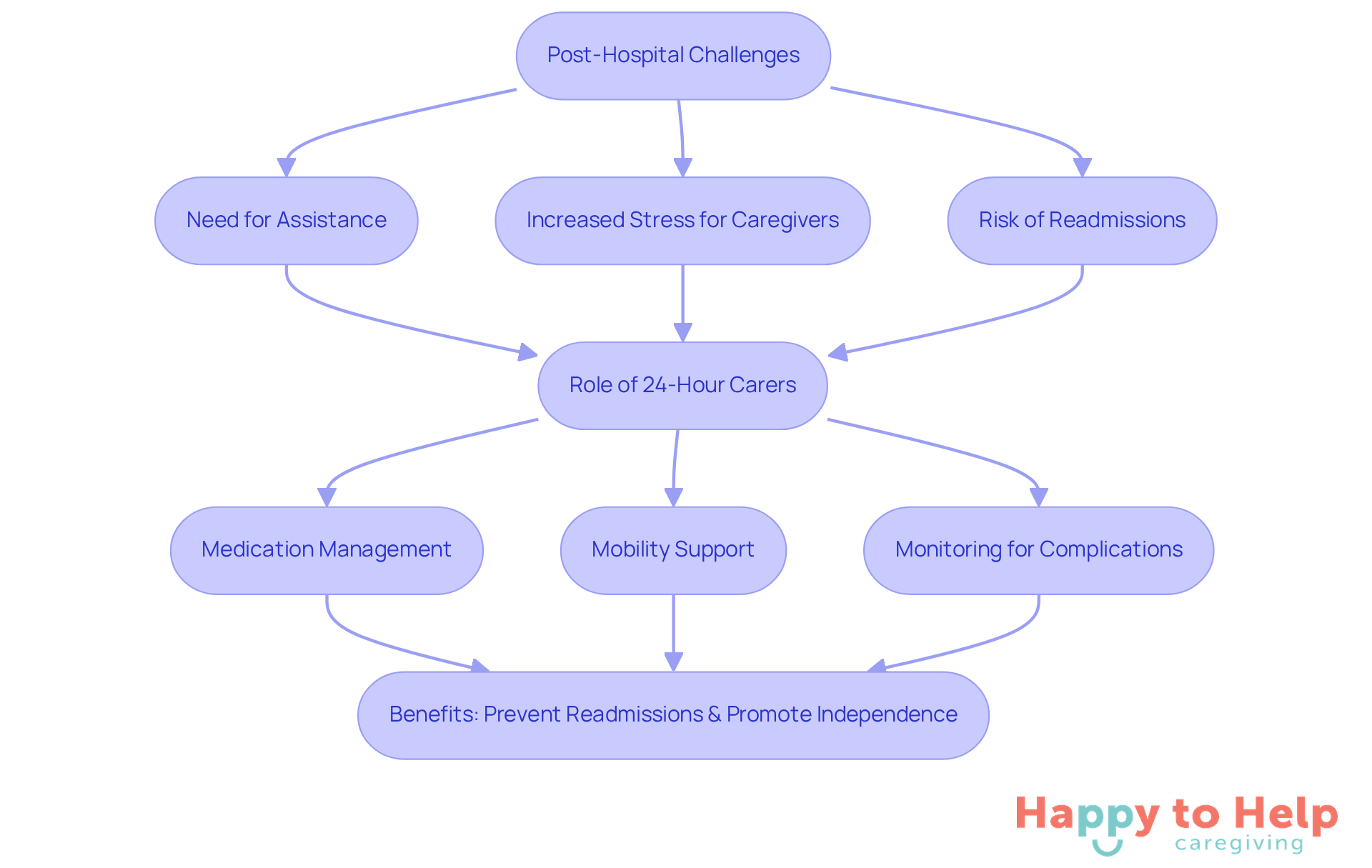
After a hospital stay, many elderly individuals face a significant challenge: the need for extra assistance to ensure a smooth recovery. This situation can lead to complications, increased stress for caregivers, and even the risk of readmissions. Without proper support, seniors may struggle to regain their independence, often feeling overwhelmed in unfamiliar environments.
To address this issue, 24 hour carers can play a crucial role. They provide essential services such as:
- Medication management
- Mobility support
- Monitoring for any complications
This ongoing support from a 24 hour carer not only helps prevent readmissions but also promotes a quicker recovery, allowing seniors to regain their independence in the comfort of their own homes.
Respite Care: Relief for Family Caregivers with 24-Hour Support
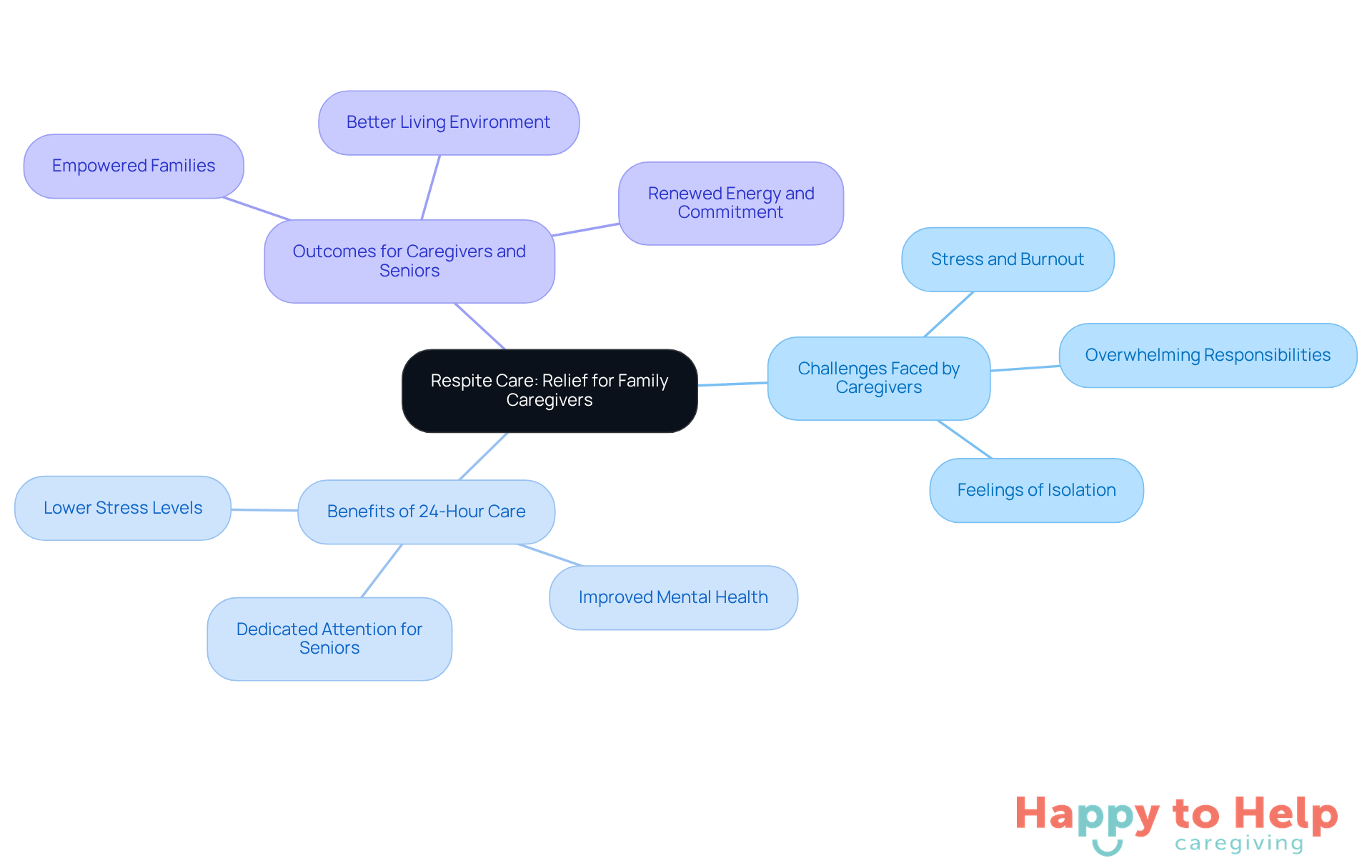
Family caregivers often face overwhelming responsibilities, leading to significant stress and burnout. This burden can take a toll on their well-being, making it crucial to address these challenges.
The introduction of a 24 hour carer provides essential respite, allowing caregivers to take necessary breaks while ensuring their loved ones receive high-quality, uninterrupted assistance. This support not only enhances the well-being of caregivers but also improves the overall experience for elderly individuals, who benefit from the dedicated attention of skilled professionals.
Research shows that individuals utilizing respite services report lower stress levels and improved mental health. Many caregivers experience a renewed sense of energy and commitment to their responsibilities. Furthermore, round-the-clock assistance can significantly reduce feelings of isolation and anxiety among seniors, fostering a more positive living environment.
By easing the burdens of caregiving, having a 24 hour carer empowers families to maintain their health and well-being. This ultimately leads to better outcomes for both caregivers and their loved ones.
Flexible Scheduling: Tailor Care to Fit Your Family's Needs
One of the significant challenges caregivers face is balancing their work and caregiving duties. Research indicates that nearly 48 million Americans assist an adult family member, with two-thirds of these caregivers reporting difficulties in managing both responsibilities. This situation highlights the pressing need for adaptable scheduling and customized support plans that can alleviate some of this burden.
Flexible scheduling is a key solution. Hiring a 24 hour carer enables families to customize support plans to meet their unique needs, whether that involves adjusting hours according to family obligations or offering assistance during particular times of day. This adaptability ensures that seniors receive the necessary support when they need it most, ultimately enhancing their comfort and quality of life.
Moreover, statistics reveal that 45% of employed caregivers have access to flexible work schedules, with 80% of them utilizing this option. This underscores the importance of adaptability in caregiving, allowing caregivers to manage their responsibilities more effectively.
Testimonials from families further illustrate the value of personalized care. One family noted, "Having a caregiver who understands our loved one's specific needs has made all the difference in their quality of life." Such tailored plans not only improve seniors' quality of life but also foster a sense of security and independence. By focusing on individual preferences and requirements, customized support plans significantly enhance the overall satisfaction of both clients and their families, facilitating a smoother transition to in-home assistance.

Specialized Care: Address Chronic Conditions with 24-Hour Support
Seniors with chronic conditions often face significant challenges that require more than just basic assistance. These individuals frequently need specialized support to manage their health effectively. Without this tailored care, conditions like diabetes, heart disease, or dementia can lead to serious complications, impacting their overall quality of life.
To address these challenges, it is essential to have a 24 hour carer. These professionals are specifically trained to handle various health issues, ensuring that older adults receive the appropriate treatment tailored to their medical needs. This specialized assistance not only promotes better health outcomes but also enhances the quality of life for seniors, allowing them to maintain independence and dignity.

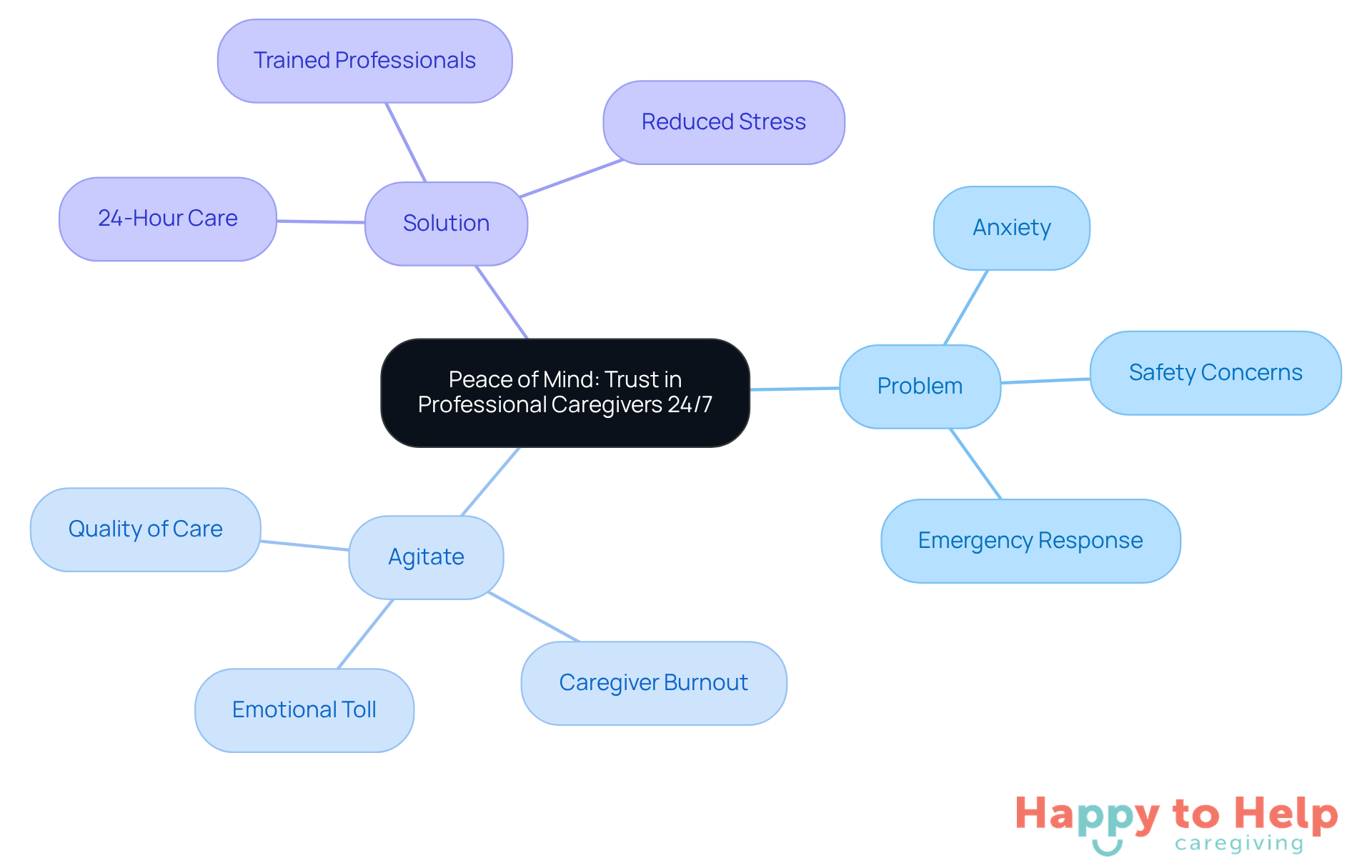
Peace of Mind: Trust in Professional Caregivers 24/7
Problem: Families often face significant anxiety when caring for elderly loved ones, especially when they cannot provide constant supervision. This worry can stem from concerns about safety and the ability to respond to emergencies.
Agitate: The emotional toll on family members can be overwhelming. Without proper support, caregivers may feel stressed and unable to focus on their own lives, leading to burnout and decreased quality of care for their loved ones.
Engaging a 24-hour carer provides families with invaluable peace of mind. With professional support, families can rest assured that their loved ones are under constant, capable supervision. Trained caregivers are equipped to handle emergencies and provide essential medical aid, ensuring the safety of older adults at all times.
This continuous oversight significantly reduces anxiety for family members, allowing them to concentrate on their own lives while feeling secure in the knowledge that their loved ones are receiving attentive care. Research shows that a 24 hour carer not only improves the safety of elderly individuals but also plays a vital role in reducing stress levels among family members who provide care.
The presence of trained professionals fosters a trusting environment, which is essential for effective caregiving. Families can be confident that their loved ones are not only safe but also supported by caregivers who prioritize their well-being and dignity.
Companionship: Foster Social Engagement with 24-Hour Care
Companionship is a significant issue in providing 24 hour carer services, as many older adults experience feelings of isolation. This lack of social interaction can lead to serious mental health challenges, including depression and anxiety. In fact, studies show that one in three older adults report feeling lonely, which can negatively impact their overall quality of life. Persistent isolation can even reduce life expectancy more than being overweight or inactive, underscoring the urgent need to address loneliness among this population.
Psychologists emphasize that supportive relationships are vital for older adults. Those with strong social connections are less likely to face mental health issues. Caregivers play a crucial role in fostering these connections, providing emotional support that helps elderly individuals feel valued and understood. Engaging clients in social activities not only combats loneliness but also promotes healthier lifestyle choices, leading to improved physical and emotional health.
Activities like:
- Playing games
- Participating in arts and crafts
- Simply sharing stories
can greatly enrich a senior's life. By prioritizing companionship in caregiving, families can engage a 24 hour carer to help their loved ones maintain a sense of purpose and joy, ultimately enhancing their quality of life. Initiatives such as the AARP Foundation's Connect2Affect aim to tackle social isolation and loneliness among older individuals, highlighting the growing need for companion support services.

Technology Integration: Enhance Care Management with 24-Hour Support
The integration of technology into 24 hour carer services addresses a significant problem: the challenges of care management and communication. 24 hour carers often struggle to provide efficient support, which can affect the well-being of seniors. This issue not only affects the quality of care provided by a 24 hour carer but also threatens the independence of those who rely on it.
To illustrate, tools such as health monitoring devices - including blood pressure cuffs, glucose monitors, and pulse oximeters - along with medication reminders and digital communication platforms, empower caregivers to enhance their support. For instance, remote health monitoring kits allow for daily sharing of health data with healthcare providers and family members. This facilitates early detection of health changes, reducing unnecessary clinic visits and ensuring timely interventions.
Families benefit from real-time updates on their loved ones' health, promoting a collaborative approach to caregiving that includes a 24 hour carer, enhancing both safety and quality of life. As Robert F. Kennedy, Jr., HHS Secretary, noted, "AI can revolutionize caregiving by providing immediate assistance, anticipating health risks before they occur, overseeing well-being, and streamlining documentation so that those providing care can concentrate on what is most important - the care and compassion for the individuals they aim to assist."
Additionally, falls pose a significant risk for seniors, making the use of fall detection wearables a crucial solution for enhancing safety. Family caregivers are encouraged to explore these technologies to improve their caregiving practices and ensure their loved ones receive the best possible support.

Key Takeaways for Caregivers
Hiring a 24-hour carer addresses a significant challenge faced by families: the overwhelming burden of caregiving. Many caregivers experience stress, fatigue, and emotional strain, which can impact their well-being and the quality of care provided to their loved ones. This situation not only affects the caregiver but also the elderly individual who may feel isolated or neglected.
The implications of inadequate support are profound. Seniors may struggle with daily tasks, leading to a decline in their health and happiness. Loneliness can set in, diminishing their quality of life. Families often find themselves torn between work and caregiving responsibilities, creating a cycle of stress and anxiety.
The solution lies in embracing 24-hour care. This comprehensive support system alleviates the burdens of caregiving, ensuring that elderly individuals receive the personalized attention they need to thrive in their own homes. By integrating professional assistance into daily routines, families can create a nurturing environment that prioritizes safety, emotional support, and overall well-being.
Key benefits of 24-hour caregiving include:
- Companionship: Regular interaction with caregivers combats loneliness and promotes a sense of purpose.
- Assistance with daily living tasks: Caregivers help with essential activities, enhancing independence.
- Specialized care for chronic conditions: Tailored support addresses specific health needs.
Moreover, the flexibility of customized care schedules allows families to adapt support according to their unique needs, further enhancing the caregiving experience. By investing in this essential service, families can ensure peace of mind, foster meaningful connections, and prioritize the health and happiness of their loved ones.
Ultimately, hiring a 24-hour carer is not just about managing tasks; it’s about creating a supportive atmosphere where loved ones can maintain their independence and dignity. Families are encouraged to consider the profound impact that professional caregiving can have on their lives and the lives of their elderly relatives.
https://iframe.tely.ai/cta/eyJhcnRpY2xlX2lkIjogIjY5MjNhMGE3ZTUyZmU2NjM2Njg4NjcyOSIsICJjb21wYW55X2lkIjogIjY4ZWU1ZGNhNzMxNzYyNTU3ZjNjOTVjMSIsICJpbmRleCI6IG51bGwsICJ0eXBlIjogImFydGljbGUifQ==Frequently Asked Questions
What challenges do caregivers face when providing assistance?
Caregivers often feel overwhelmed and unsupported, struggle to balance their own needs, and may experience burnout, which can lead to decreased quality of care for their loved ones.
How does Happy to Help Caregiving support caregivers and clients?
Happy to Help Caregiving offers tailored in-home assistance with a 24-hour carer, providing services such as companionship assistance, post-hospital recovery help, respite services, and palliative aid to enhance the quality of life for both caregivers and clients.
What is the importance of companionship for elderly individuals?
Companionship helps combat loneliness, which is a significant issue for many elderly individuals. It can improve emotional and mental well-being, reduce feelings of isolation, elevate mood, and enhance cognitive function.
What services do 24-hour carers provide to enhance daily living for seniors?
24-hour carers provide essential daily living support, including assistance with bathing, dressing, meal preparation, and medication management, which helps ensure safety and comfort for seniors.
How do 24-hour carers contribute to the safety of elderly clients?
They implement customized safety measures such as fall prevention strategies, medication reminders, and emergency response protocols, which enhance physical safety and promote emotional well-being.
What are the emotional benefits of having a 24-hour carer for older adults?
The presence of a caregiver fosters social connections, enhances the overall happiness of older adults, and leads to better health outcomes by ensuring they feel valued and connected.
List of Sources
- Happy to Help Caregiving: Personalized In-Home Care for Enhanced Quality of Life
- Executive Home Care Honors Family Caregivers During National Family Caregivers Month (https://kfor.com/business/press-releases/cision/20251117LA25356/executive-home-care-honors-family-caregivers-during-national-family-caregivers-month)
- In-Home Care for Seniors - Caregiving News and Tips (https://aarp.org/caregiving/home-care)
- Blog - Happy To Help (https://happytohelpcaregiving.com/blog)
- 2025 Home Care Statistics: Trends & Insights To Know (https://premierhcinc.com/blog/home-care-statistics)
- Number of Family Caregivers Supporting Older Adults Increased Nearly One-Third Between 2011 and 2022 | Johns Hopkins Bloomberg School of Public Health (https://publichealth.jhu.edu/2025/number-of-family-caregivers-supporting-older-adults-increased-nearly-one-third-between-2011-and-2022)
- Emotional Support: Combat Loneliness with 24-Hour Care
- The Emotional Benefits of 24-Hour Home Care For Seniors (https://avodahhomecare.health/the-emotional-benefits-of-24-hour-home-care-for-seniors)
- The Benefits of 24-Hour Home Care for Seniors Living Alone (https://lifesathomecare.com/the-benefits-of-24-hour-home-care-for-seniors-living-alone)
- NYSOFA’s Rollout of AI Companion Robot ElliQ Shows 95% Reduction in Loneliness (https://aging.ny.gov/news/nysofas-rollout-ai-companion-robot-elliq-shows-95-reduction-loneliness)
- | Catholic Charities Serving Central Washington (https://catholiccharitiescw.org/news/companionship-can-counter-the-impacts-of-loneliness-and-isolation)
- Lonely Seniors Are Turning To AI Bots For Companionship (https://forbes.com/sites/rashishrivastava/2025/10/18/lonely-seniors-are-turning-to-ai-bots-for-companionship)
- Daily Living Assistance: Ensure Safety and Comfort Around the Clock
- How 24-Hour Home Care Helps Caregiver Burnout (https://hcprosonline.com/how-24-hour-home-care-helps-caregiver-burnout)
- 28 Senior Care Statistics: In-Home & Assisted Living | Shortlister (https://myshortlister.com/insights/senior-care-statistics)
- 24-Hour Home Care Town of Tioga FL - How 24-Hour Home Care Enhances Safety for Seniors Living Alone (https://touchinghearts.com/gainesville/blog/how-24-hour-home-care-enhances-safety-for-seniors-living-alone)
- Disability and Care Needs Among Older Americans - PMC (https://pmc.ncbi.nlm.nih.gov/articles/PMC4221755)
- U.S. Caregiving System Leaves Significant Unmet Needs Among Aging Adults - The New School SCEPA (https://economicpolicyresearch.org/resource-library/u-s-caregiving-system-leaves-significant-unmet-needs-among-aging-adults)
- Post-Hospital Recovery: Smooth Transitions with 24-Hour Care
- Sent Home To Heal, Patients Avoid Wait for Rehab Home Beds - KFF Health News (https://kffhealthnews.org/news/article/patients-rehab-at-home-unclog-hospital-bed-nursing-home-waiting-list)
- How Healing at Home Helps Unclog the Hospital Bed Logjam (https://usnews.com/news/health-news/articles/2025-03-03/how-healing-at-home-helps-unclog-the-hospital-bed-logjam)
- Home Care Impact on Recovery of Patient (A Statistics Report) (https://lovinghomecareinc.com/home-care-recovery-statistics)
- Post-Hospital Discharge: Why In-Home Care Improves Recovery for Florida Seniors (https://visitingangels.com/tampafl/news-info/post-hospital-discharge-why-in-home-care-improves-recovery-for-florida-seniors/26196)
- Study Finds Virtual Clinics Lower Hospital Readmissions (https://health.ucsd.edu/news/press-releases/2025-09-24-study-finds-virtual-clinics-lower-hospital-readmissions)
- Respite Care: Relief for Family Caregivers with 24-Hour Support
- Federal budget committee greenlights millions in spending for family caregivers, respite services (https://mcknightshomecare.com/news/federal-budget-committee-greenlights-millions-in-spending-for-family-caregivers-respite-services)
- A bill in Congress would return $5,000 to millions of family caregivers every year, but will it pass? (https://cbsnews.com/newyork/news/credit-for-caring-act-family-caregiver-tax-credit)
- Caregiver Statistics: Demographics (https://caregiver.org/resource/caregiver-statistics-demographics)
- The Caregiving Landscape: Data & Insights on the Caregiver Experience in the U.S. (https://caregiveraction.org/caregiver-statistics)
- Flexible Scheduling: Tailor Care to Fit Your Family's Needs
- Caregiving While Working Calls for Workplace Flexibility (https://aarp.org/pri/topics/work-finances-retirement/employers-workforce/employer-caregiving-survey)
- Permanent Home Care Program Changes Give Families More Flexibility and Support - UIC Division of Specialized Care for Children (https://dscc.uic.edu/permanent-home-care-program-changes-give-families-more-flexibility-and-support)
- Flexible Care Models Give Home Care Clients ‘What They Want When They Want It’ (https://homehealthcarenews.com/2025/10/flexible-care-models-give-home-care-clients-what-they-want-when-they-want-it)
- 9 Ways to Find Caregivers With Flexible Scheduling Options - MedCity News (https://medcitynews.com/2025/05/9-ways-to-find-caregivers-with-flexible-scheduling-options)
- Specialized Care: Address Chronic Conditions with 24-Hour Support
- New NIA grant advances tools for dementia caregiving (https://news-medical.net/news/20251015/New-NIA-grant-advances-tools-for-dementia-caregiving.aspx)
- Advances in science set to transform treatments for people living with dementia (https://gov.uk/government/news/advances-in-science-set-to-transform-treatments-for-people-living-with-dementia)
- Warning From Older Adults: Care for Aging in America Needs Urgent Rethinking (https://johnahartford.org/newsroom/view/warning-from-older-adults-care-for-aging-in-america-needs-urgent-rethinking)
- Rethinking chronic disease management in older adults (https://news-medical.net/news/20250820/Rethinking-chronic-disease-management-in-older-adults.aspx)
- Peace of Mind: Trust in Professional Caregivers 24/7
- Support for Family Caregivers Brings Peace of Mind (https://hiredhandshomecare.com/support-for-family-caregivers-brings-peace-of-mind)
- Caregiver Statistics: Demographics (https://caregiver.org/resource/caregiver-statistics-demographics)
- Peace of Mind at Home: How In-Home Care Supports Visiting Seniors and Post-Surgery Recovery (https://alexandrialivingmagazine.com/home-and-garden/peace-of-mind-at-home-how-in-home-care-supports-visiting-sen)
- 24-Hour Home Care Galion, OH - Peace of Mind at Every Hour with 24-Hour Home Care (https://centralstarhomehealth.com/peace-of-mind-at-every-hour-with-24-hour-home-care)
- Healthcare Workers and Family Caregivers: Honoring the Essential Partnership in Care (https://lifework.arizona.edu/news/2025/healthcare-workers-and-family-caregivers-honoring-essential-partnership-care)
- Companionship: Foster Social Engagement with 24-Hour Care
- 1 in 3 older adults still experience loneliness and isolation (https://michiganmedicine.org/health-lab/1-3-older-adults-still-experience-loneliness-and-isolation)
- Why Home Care Providers Are Increasingly Offering Companion Care Services for Seniors | Aaniie, formerly Smartcare Software (https://aaniie.com/news/why-home-care-providers-are-increasingly-offering-companion-care-services-for-seniors)
- Friendships Are Especially Powerful Late in Life, Poll Says (https://usnews.com/news/health-news/articles/2024-12-16/friendships-are-especially-powerful-late-in-life-poll-says)
- Trends in Loneliness Among Older Adults from 2018-2023 (https://ihpi.umich.edu/national-poll-healthy-aging/reports-and-resources/trends-loneliness-among-older-adults-2018-2023)
- Medflyt at Home | Elderly Mental Health Statistics: What You Need To Know (https://medflyt.com/blog/posts/elderly-mental-health-statistics)
- Technology Integration: Enhance Care Management with 24-Hour Support
- Technology Use Among Older Adults and Their Caregivers: Cross-Sectional Survey Study - PMC (https://pmc.ncbi.nlm.nih.gov/articles/PMC11084119)
- 6 Tech Tools Transforming Caregiving for Aging Loved Ones (https://ltcnews.com/articles/tech-tools-transforming-caregiving-aging-loved-ones)
- HHS Launches New Caregiving AI Initiative to 'Spark Innovative Support' (https://hospicenews.com/2025/11/18/hhs-launches-new-caregiving-ai-initiative-to-spark-innovative-support)
- How AI Could Change Family Caregiving (https://aarp.org/caregiving/basics/how-ai-can-help-caregivers)
- Leveraging technology to support aging in place | WA Cares Fund (https://wacaresfund.wa.gov/news/leveraging-technology-support-aging-place)