
For families in our service areas
For families in our service areas, this guide explains companion care and how non-medical in-home caregiving can support care planning in East Idaho, Treasure Valley & Magic Valley, Northern Wasatch, North Central West Virginia, and Northeast Ohio.
The Importance of Home Care Companion Services
Home care companion services have become essential in tackling the pressing issue of loneliness and isolation among older adults. As our population ages, the need for meaningful social interactions and personalized support is more critical than ever. This situation presents families with a unique opportunity to enhance their loved ones' quality of life.
However, the challenge remains: how can these services effectively bridge the gap between emotional well-being and practical assistance? It’s crucial that seniors not only receive care but also thrive in their daily lives. By implementing effective strategies, caregivers can ensure that their loved ones enjoy both companionship and support.
Reduce Loneliness and Isolation
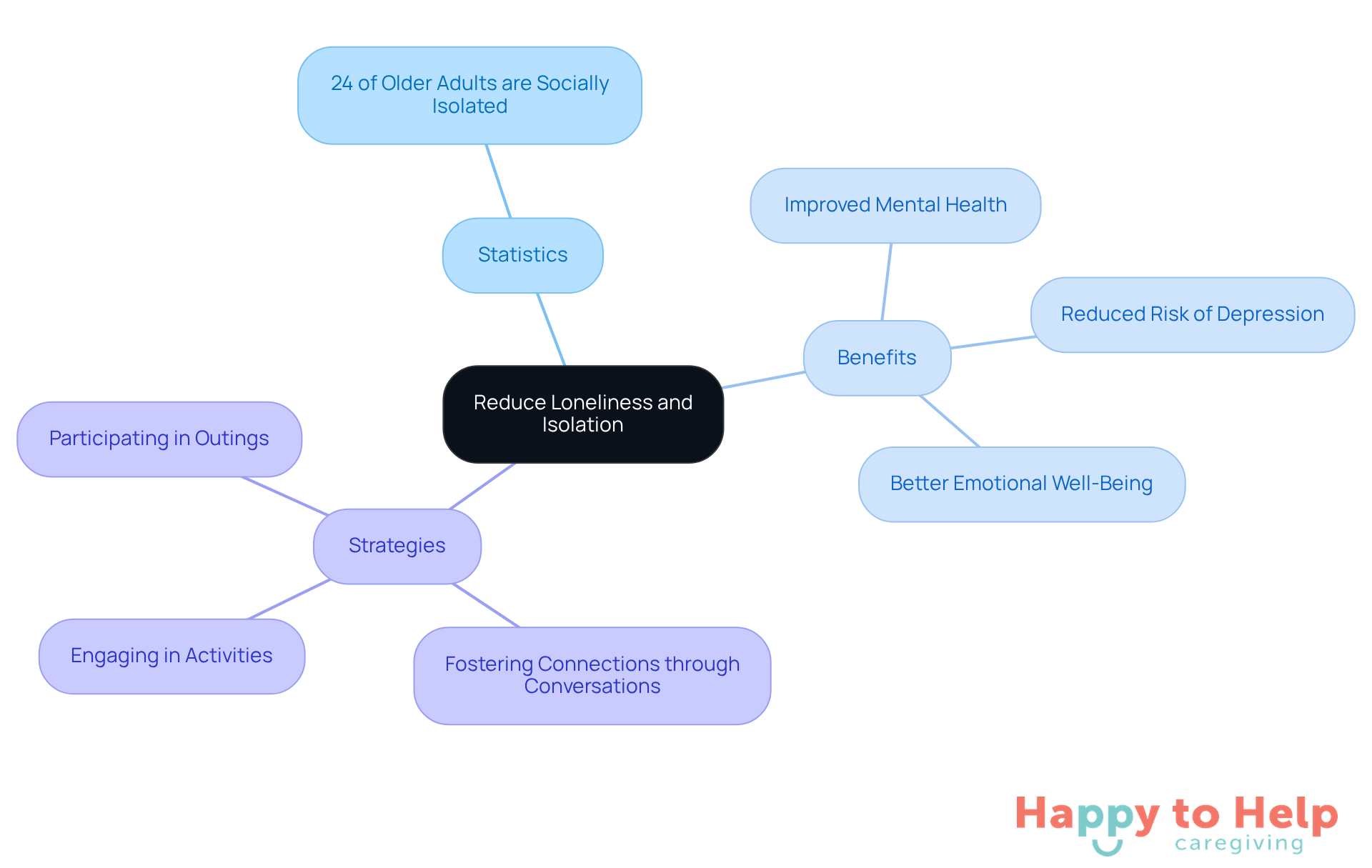
Home care companion services tackle a significant issue: social isolation among older adults. This isolation can lead to feelings of loneliness, which are detrimental to mental health. Research shows that consistent companionship can notably improve mental health outcomes, reducing the risk of depression and anxiety.
Older adults who engage in regular social interactions are less likely to experience cognitive decline and tend to have better emotional well-being. The implications of this are profound, as 24% of Americans aged 65 and older are socially isolated. This highlights the urgent need for effective companionship strategies.
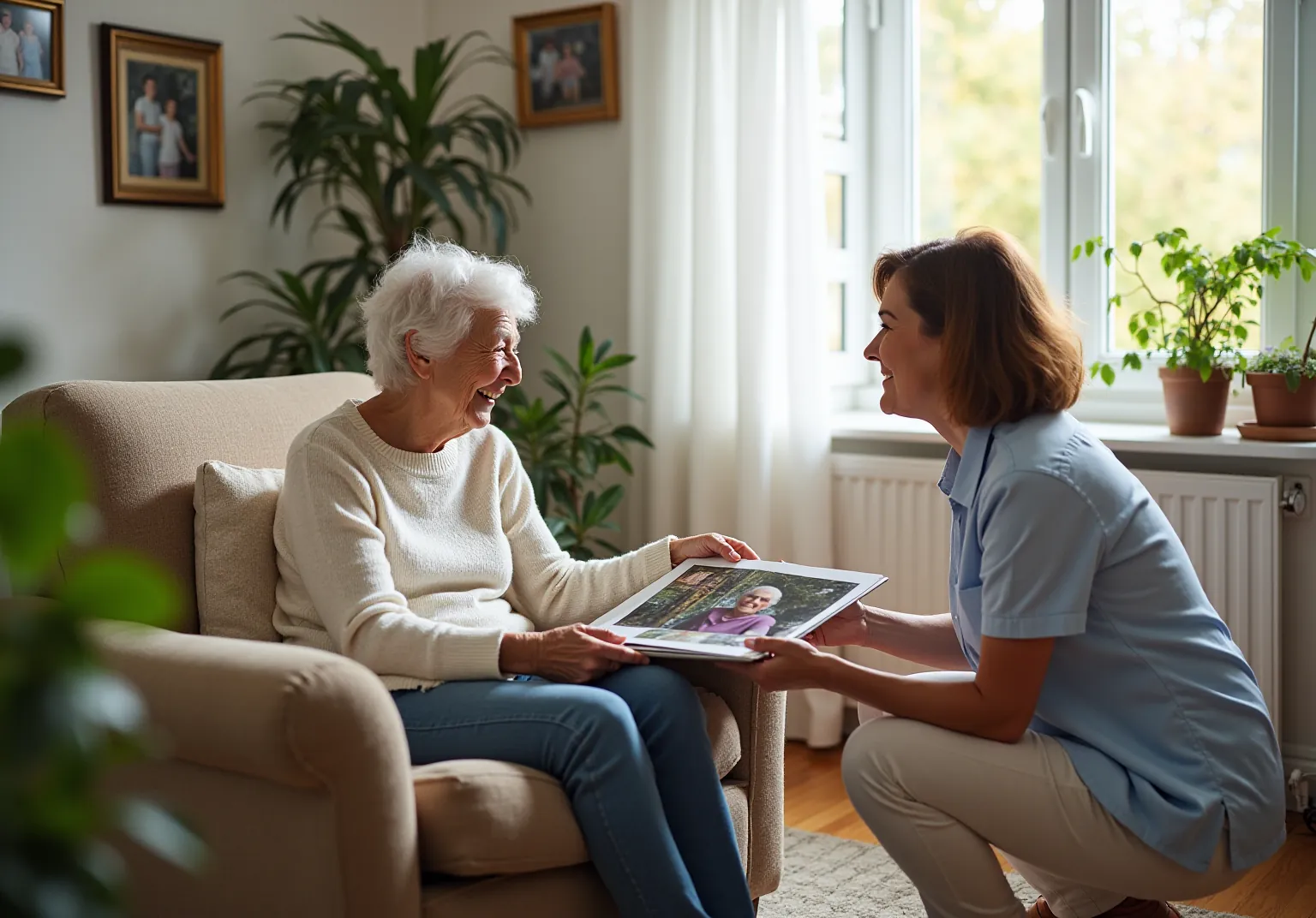
Companionship goes beyond mere conversation; it creates a nurturing environment that encourages older adults to participate in enjoyable activities, ultimately enhancing their quality of life. Caregivers can implement practical solutions by fostering meaningful connections through conversations, activities, and outings.
Experts emphasize that lacking social connection significantly increases the risk of premature mortality. Therefore, addressing social isolation through companionship is not just beneficial; it is essential for the lasting mental well-being of elderly individuals. By prioritizing companionship in home care companion services, caregivers can effectively meet the emotional needs of older adults and promote their overall health.
Enhance Quality of Life
Many older adults face challenges in maintaining their quality of life due to a lack of personalized support. This can lead to feelings of isolation and dissatisfaction, as they struggle to engage in activities that bring them joy.
Home care companion services offer a solution by providing customized support tailored to individual needs. Caregivers play a crucial role in this process, assisting with hobbies, encouraging physical activity, and facilitating social interactions.
By focusing on these areas, caregivers can help seniors maintain their interests and passions, ultimately leading to greater satisfaction and happiness. This personalized approach not only enhances daily life but also fosters a sense of community and belonging among older adults.
Provide Peace of Mind for Families
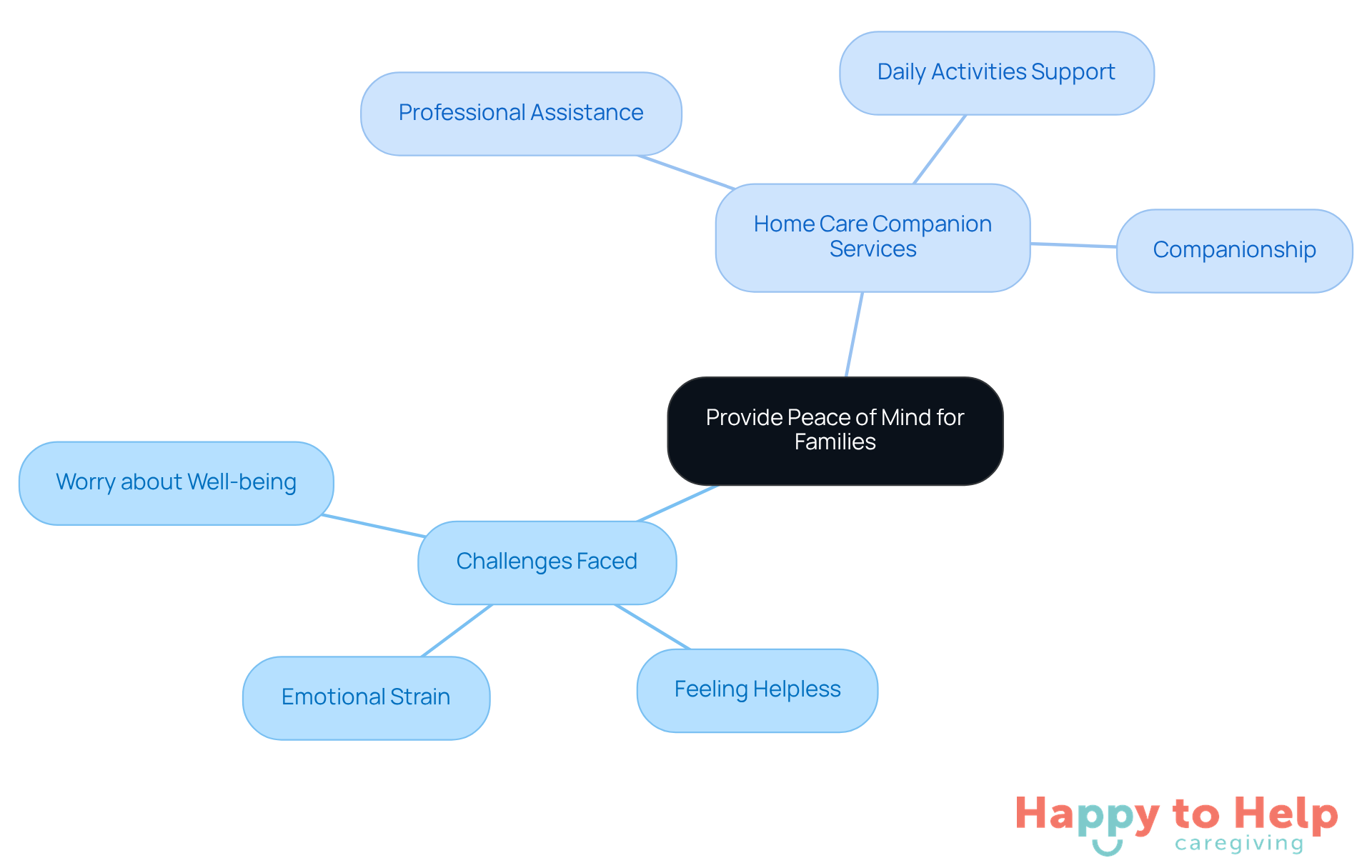
Families often face a significant challenge when it comes to caring for their loved ones: the worry about their well-being. This concern can be particularly overwhelming for those who live far away or have demanding jobs, leaving them feeling helpless and anxious about their loved ones' daily activities.
The emotional strain of this situation can be immense. Family members may find it difficult to focus on their own responsibilities while constantly worrying about whether their loved ones are receiving the care they need. This is where home care companion services come into play.
These home care companion services offer professional, compassionate assistance, ensuring that trained caregivers are present to help with daily activities and provide companionship. By knowing that their loved ones are in capable hands, family members can alleviate their worries and concentrate on their own lives. This reassurance is invaluable, allowing families to maintain peace of mind.
Offer Customized Care Plans
Home support services face a significant challenge: the need for personalized assistance plans that cater to the unique needs and preferences of each client. With approximately 15 million Americans receiving in-home assistance services, the demand for tailored support solutions is on the rise. Without these personalized plans, many seniors may experience feelings of isolation and a decline in their quality of life.
The implications of not having customized support are profound. Research indicates that personalized support plans significantly enhance residents' quality of life by allowing for the inclusion of individual routines, preferences, and social engagement strategies. As Susan Tomalia, Divisional Director of Health & Wellness at Senior Lifestyle, notes, "A support strategy is a roadmap for how team members will assist a resident’s daily routine, health, and well-being." This highlights the importance of a structured approach to care.
To address these challenges, home care companion services must prioritize the development of personalized assistance plans through comprehensive assessments and ongoing communication with family members. This collaborative approach not only improves the quality of support but also empowers seniors to maintain their independence and dignity. By actively involving families in the planning process, caregivers can foster a supportive environment that strengthens family connections and provides reassurance about the care being offered.
Moreover, individualized support plans can be adjusted as major medical concerns arise or as goals are met, ensuring that assistance remains aligned with the evolving needs of each elderly individual. This dedication to personalized home care companion services is crucial for enhancing emotional wellness and ultimately leads to a more fulfilling life for older adults in their own homes.

Assist with Daily Living Activities
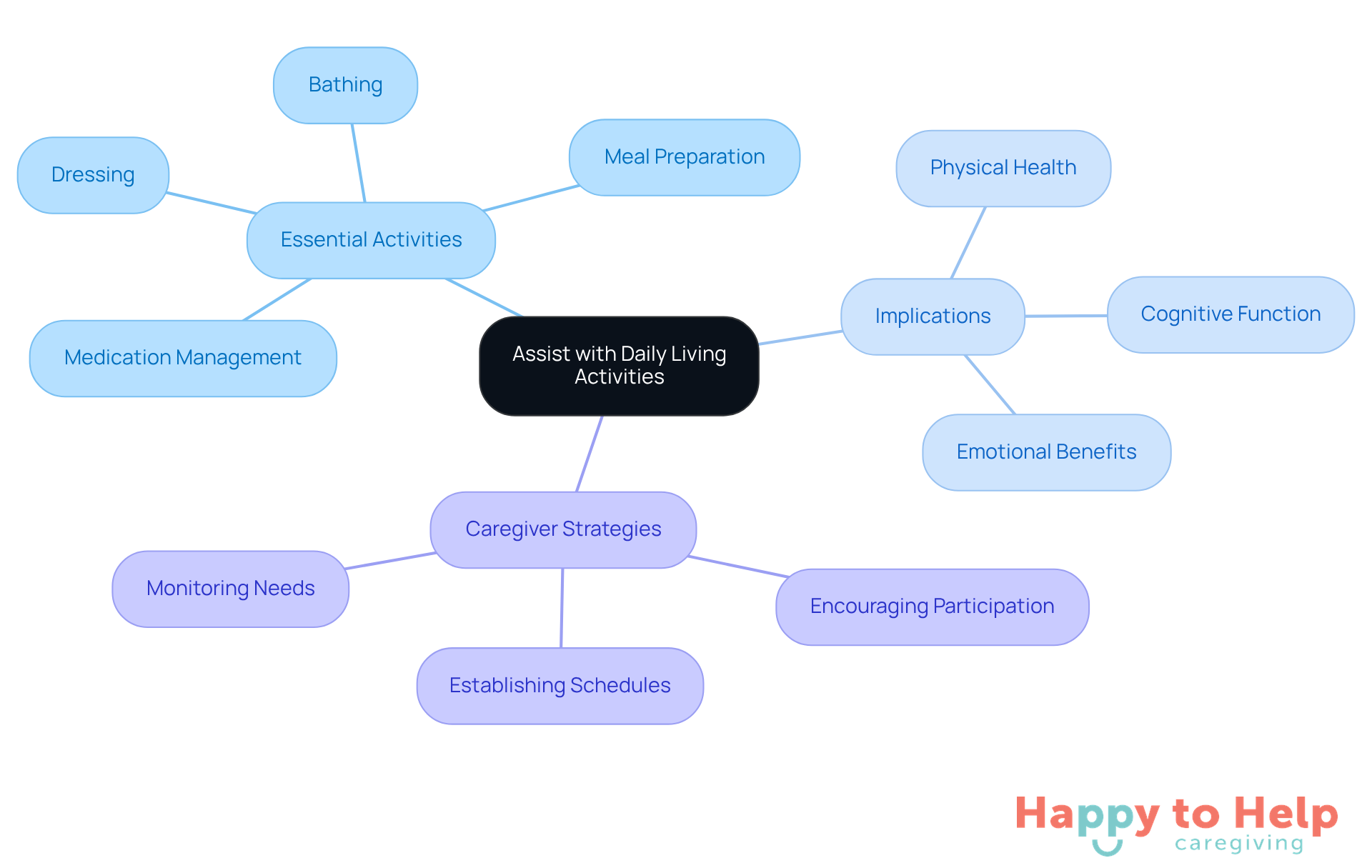
Home care companion services address a significant problem: elderly individuals often struggle with essential daily living activities. These activities include bathing, dressing, meal preparation, and medication management. Without proper assistance, maintaining cleanliness and overall well-being becomes challenging, impacting their quality of life.
The implications of this issue are profound. Studies indicate that organized daily schedules greatly enhance physical and mental well-being, providing older adults with a sense of stability and control. For instance, daily routines not only boost physical health but also support cognitive function. Caregivers play a crucial role in providing home care companion services, ensuring safety while allowing older adults to live independently in their homes.
Moreover, the emotional and psychological benefits of caregiver support cannot be overstated. By reducing feelings of confusion and agitation - especially in those with cognitive challenges - caregivers help foster a more secure environment. According to the Alzheimer’s Association, older individuals who maintain a regular daily routine often report feeling safer and more in control.
To enhance the dignity and autonomy of elderly individuals, home care companion services are essential. Professional insights emphasize that a dependable routine can lead to better health outcomes and an improved quality of life. Here are some actionable tips for caregivers:
- Establish a consistent daily schedule.
- Encourage participation in routine activities to promote engagement.
- Monitor and adjust routines based on the individual’s needs.
By implementing these strategies, caregivers can significantly improve the lives of older adults, ensuring they receive the support necessary for a fulfilling and independent life.
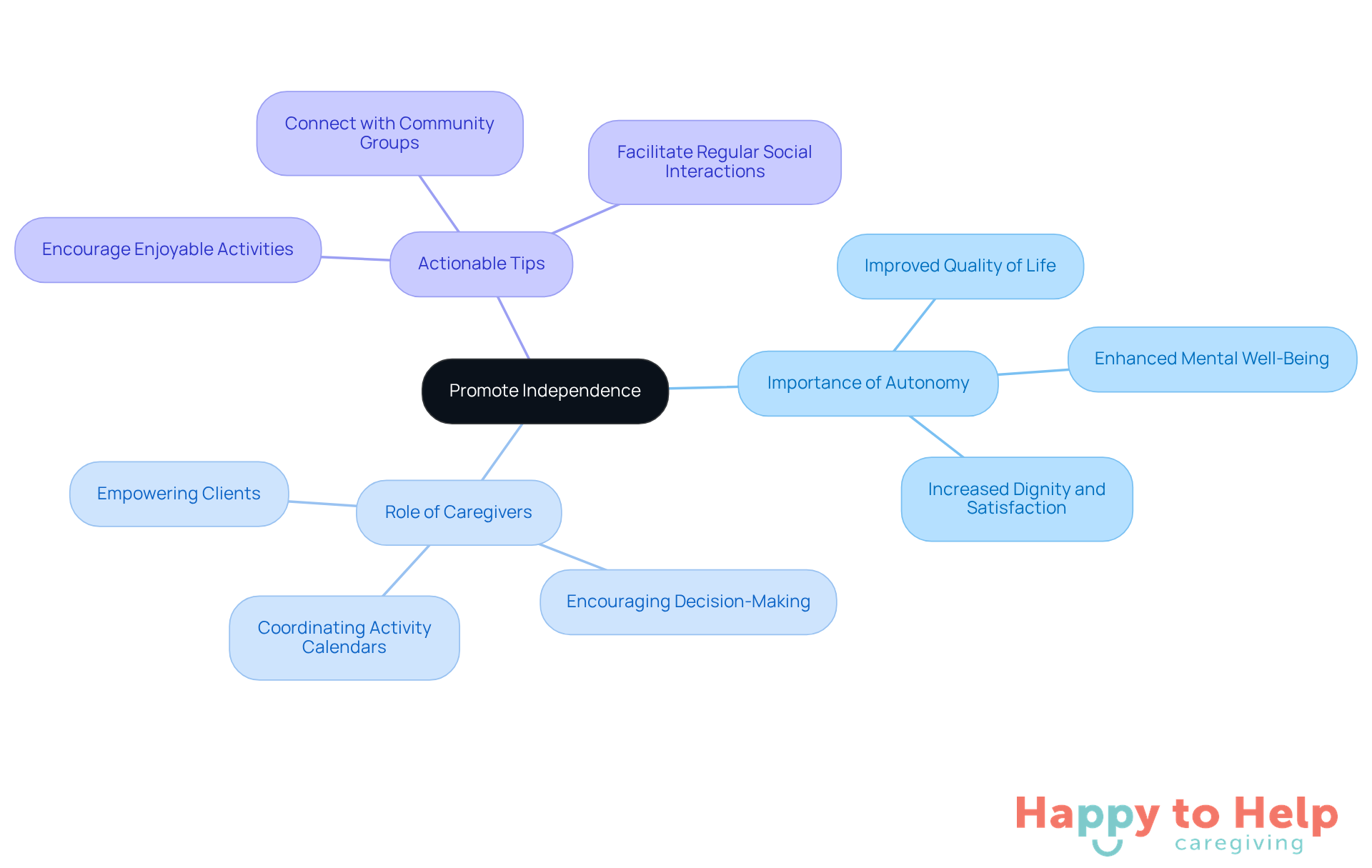
Promote Independence
Home care companion services address a significant challenge: the need for elderly individuals to receive support while maintaining their independence. Many older adults face the risk of losing their autonomy, which can negatively impact their self-esteem and mental well-being. Research shows that when older adults feel in control of their lives, their quality of life improves significantly.
To combat this issue, caregivers play a crucial role in empowering their clients. By encouraging them to engage in daily routines and make decisions about their care, caregivers foster a strong sense of autonomy. Studies indicate a direct correlation between autonomy and mental well-being, highlighting that older adults who participate in decision-making experience increased dignity and satisfaction.
Caregivers can further support independence by assisting older adults in coordinating activity calendars that align with their interests. This not only promotes socialization and community engagement but also combats loneliness and reinforces a sense of purpose. Here are some actionable tips for caregivers:
- Encourage clients to choose activities they enjoy.
- Help them connect with local community groups.
- Facilitate regular social interactions to enhance their support network.
By implementing these strategies, caregivers can enhance the quality of home care companion services, helping older adults lead more fulfilling lives at home and ultimately improving their overall well-being.
Ensure 24/7 Availability
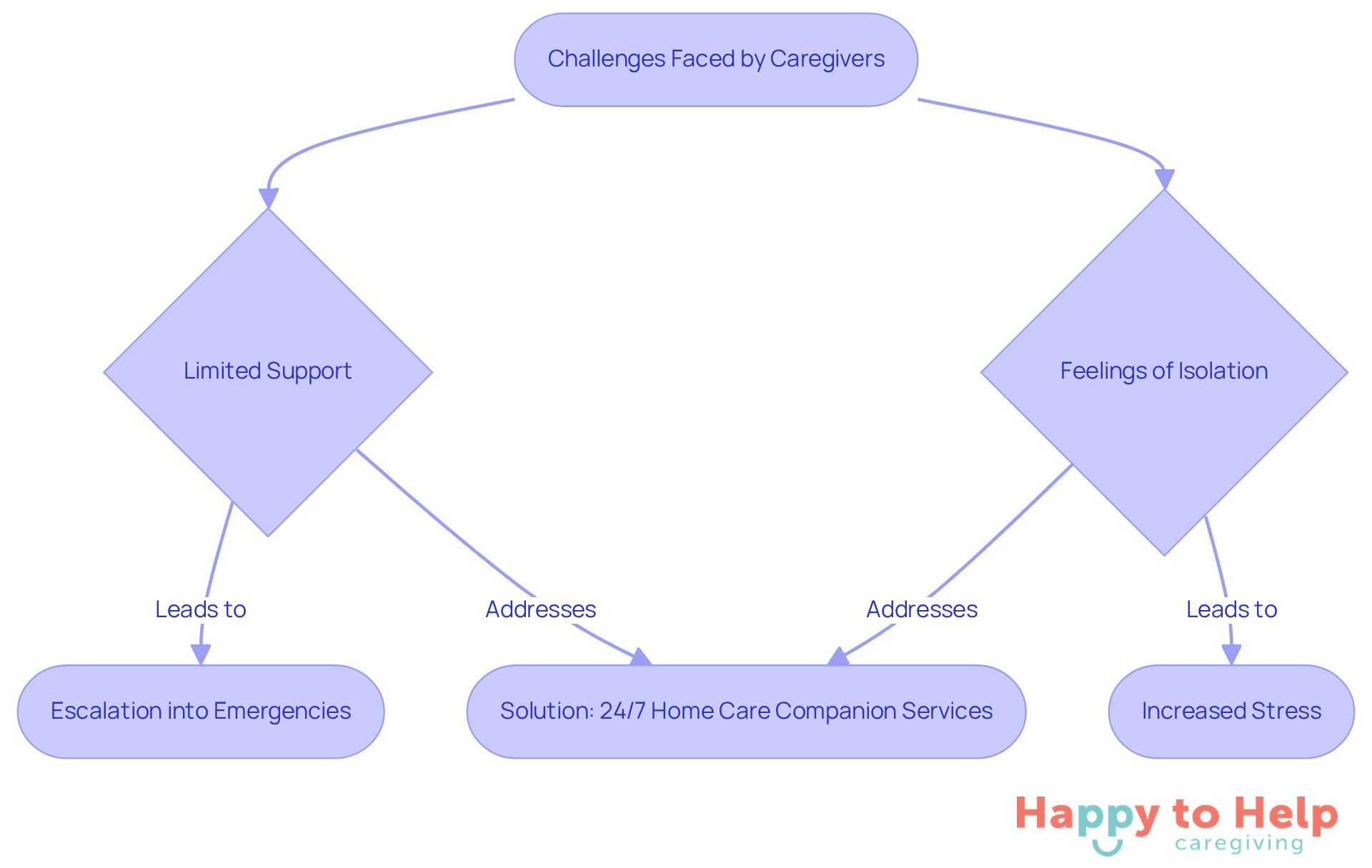
One significant challenge faced by caregivers is the limited availability of support for older adults. This can lead to feelings of isolation and increased stress for both the caregivers and their loved ones. For individuals with long-term illnesses or those recovering from surgery, the lack of immediate assistance can escalate into emergencies, making timely care crucial.
Home care companion services offer a practical solution to this problem with their 24/7 availability. This ensures that older adults have access to help whenever they need it, whether during the day or at night. Such ongoing assistance acts as a safety net, preventing potential crises and guaranteeing prompt treatment when necessary.
Provide Emotional Support
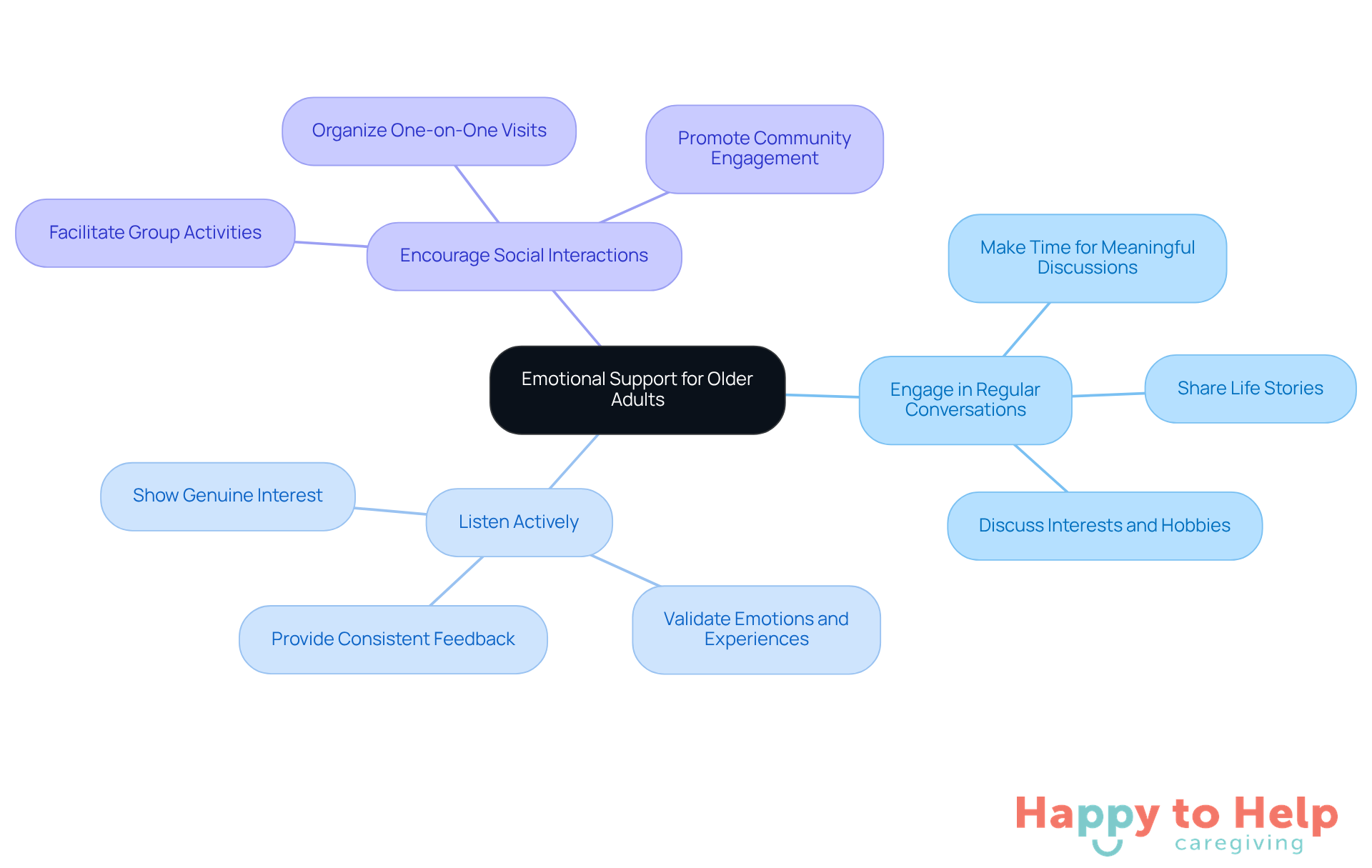
Older adults often face significant emotional challenges, including feelings of isolation, anxiety, and depression. These issues can severely impact their mental health and overall well-being. Without proper support, seniors may feel misunderstood and undervalued, leading to a decline in their quality of life.
Home care companion services provided by caregivers play a crucial role in addressing these emotional needs. By engaging clients in meaningful conversations and actively listening to their concerns, caregivers can foster a sense of belonging. This companionship not only alleviates feelings of loneliness but also enhances the emotional connection that is vital for improving mental health.
To effectively support older adults, caregivers can implement several practical strategies:
- Engage in regular conversations: Make time for meaningful discussions that allow seniors to express their feelings.
- Listen actively: Show genuine interest in their concerns, validating their emotions and experiences.
- Encourage social interactions: Facilitate opportunities for seniors to connect with others, whether through group activities or one-on-one visits.
By prioritizing emotional support, home care companion services can significantly enhance the lives of older adults, helping them feel understood and valued.
Integrate Technology for Better Care
Caregivers often face challenges in delivering efficient and effective support, particularly when it comes to communication and service delivery. This can lead to feelings of frustration and isolation for both caregivers and families, as they struggle to stay informed about their loved ones' health and wellness.
To address these issues, technology plays a crucial role. Tools like telehealth, medication management applications, and remote monitoring systems empower caregivers to enhance their service delivery. These technologies not only streamline communication but also keep families updated, fostering a collaborative approach to caregiving.
By integrating these solutions, caregivers can improve the quality of care they provide, ensuring that families remain engaged and informed. Embracing technology in caregiving is not just a trend; it's a necessary step towards better health outcomes and a more supportive caregiving environment.

Ensure Consistent Caregiver Support
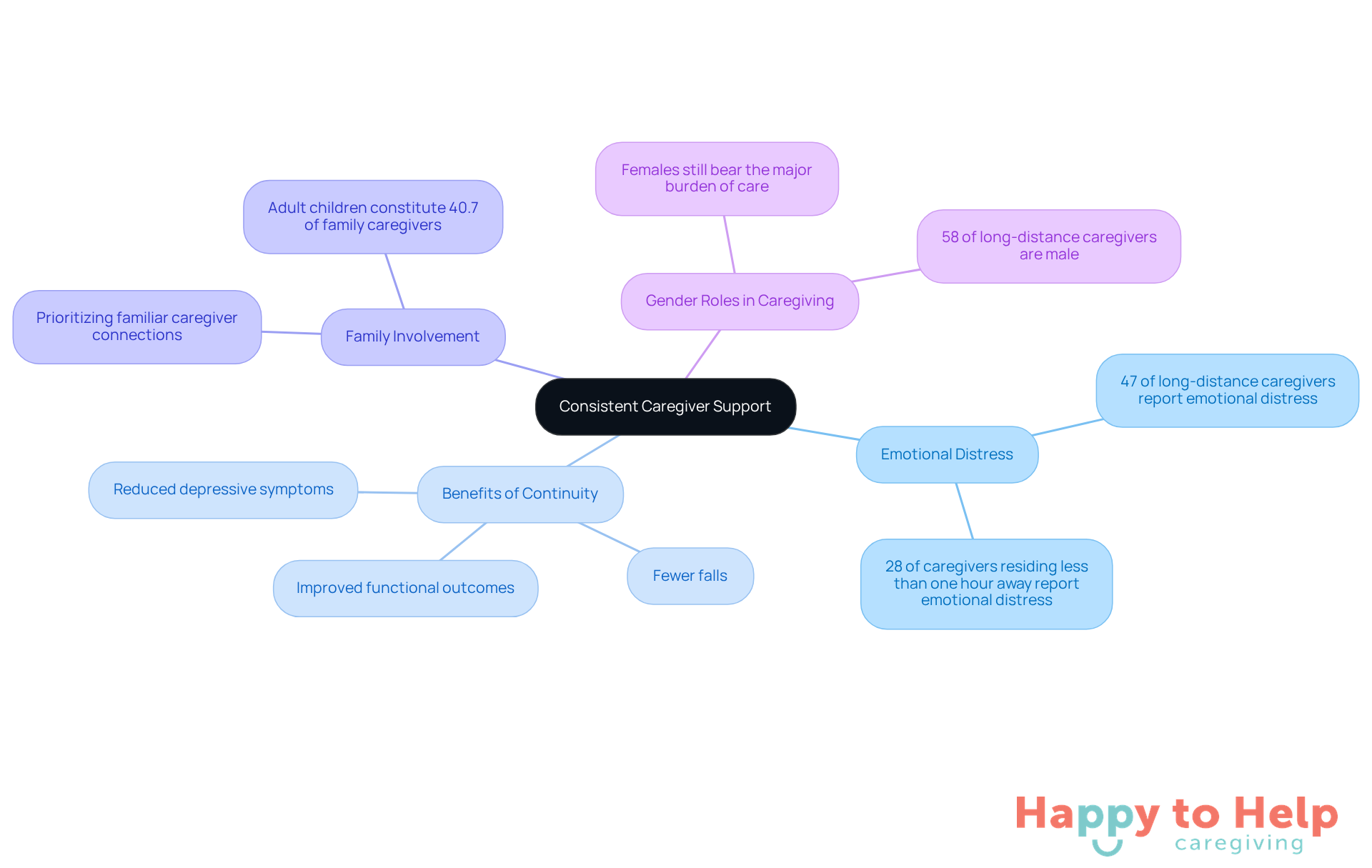
Steady home care companion services are essential for building trust and rapport between elderly individuals and their caregivers. However, many caregivers face emotional distress, with 47% of long-distance caregivers reporting such feelings. This emotional burden can hinder the quality of care provided to seniors, making it crucial to address these challenges.
Frequent visits from the same provider foster familiarity and ease, which are vital for older adults to feel safe in their support. This continuity not only enhances service quality but also significantly improves the overall experience for both clients and their families through home care companion services. Research indicates that greater home support worker continuity is linked to fewer falls, enhanced functional improvement, and reduced depressive symptoms among seniors.
To combat these issues, families should prioritize familiar caregiver connections. By ensuring that their loved ones have consistent caregivers, they can create a more positive and trusting experience. Furthermore, it's important to recognize that while males may be sharing caregiving tasks more than in the past, females still bear the major burden of care. This highlights the necessity for a reliable support network for all caregivers.
In summary, addressing the emotional needs of caregivers and fostering continuity in home care companion services can lead to better outcomes for seniors and their families. By implementing these strategies, families can help alleviate the stress faced by caregivers and enhance the quality of care provided.
Moving Forward with Home Care Companion Services
Home care companion services address a significant problem: the loneliness and lack of independence that many elderly individuals face. This situation not only affects seniors but also places an emotional burden on their families, who often feel overwhelmed by the need to provide constant support.
The implications of this issue are profound. Seniors may experience feelings of isolation, which can lead to a decline in their overall well-being. Families, on the other hand, may struggle with the stress of caregiving, worrying about their loved ones' quality of life.
Fortunately, home care companion services offer practical solutions. These services provide companionship, tailored care plans, and consistent support, ensuring that seniors can maintain their quality of life. Additionally, the integration of technology and 24/7 availability enhances the quality of care, allowing seniors to receive timely assistance whenever needed.
By prioritizing emotional well-being and fostering independence, these services embody a holistic approach to care. Families are encouraged to explore these options as a means to enhance their loved ones' lives, ensuring they receive the compassionate care they deserve.
In summary, home care companion services represent a commitment to dignity, autonomy, and emotional support for older adults. By focusing on companionship and personalized assistance, caregivers can create a more fulfilling environment for seniors, ultimately leading to healthier and happier lives at home.
https://iframe.tely.ai/cta/eyJhcnRpY2xlX2lkIjogIjY5M2Y1MDhiYzVjNjk0NTk3NDczMjcwMCIsICJjb21wYW55X2lkIjogIjY4ZWU1ZGNhNzMxNzYyNTU3ZjNjOTVjMSIsICJpbmRleCI6IG51bGwsICJ0eXBlIjogImFydGljbGUifQ==Frequently Asked Questions
How do home care companion services address loneliness and isolation among older adults?
Home care companion services tackle social isolation by providing consistent companionship, which can improve mental health outcomes and reduce the risk of depression and anxiety among older adults.
What are the mental health benefits of regular social interactions for older adults?
Regular social interactions can help older adults experience less cognitive decline and better emotional well-being, contributing to overall improved mental health.
What percentage of Americans aged 65 and older are socially isolated?
Approximately 24% of Americans aged 65 and older are socially isolated, highlighting the urgent need for effective companionship strategies.
What role do caregivers play in enhancing the quality of life for older adults?
Caregivers provide customized support tailored to individual needs, assist with hobbies, encourage physical activity, and facilitate social interactions, which helps seniors maintain their interests and passions.
How do home care companion services improve the overall satisfaction of older adults?
By focusing on personalized support and fostering a sense of community and belonging, home care companion services enhance daily life and lead to greater satisfaction and happiness among older adults.
What concerns do families have regarding the care of their elderly loved ones?
Families often worry about the well-being of their loved ones, particularly if they live far away or have demanding jobs, leading to feelings of helplessness and anxiety about their loved ones' daily activities.
How do home care companion services provide peace of mind for families?
Home care companion services offer professional assistance and companionship, ensuring that trained caregivers are present to help with daily activities, which alleviates family members' worries and allows them to focus on their own responsibilities.
List of Sources
- Reduce Loneliness and Isolation
- The Importance of Companionship for Seniors (https://veteranshomecare.com/importance-of-companionship-for-seniors)
- Summary - Social Isolation and Loneliness in Older Adults - NCBI Bookshelf (https://ncbi.nlm.nih.gov/books/NBK557972)
- Social isolation, loneliness in older people pose health risks (https://nia.nih.gov/news/social-isolation-loneliness-older-people-pose-health-risks)
- Loneliness and Social Isolation Among US Older Adults (https://jamanetwork.com/journals/jama/fullarticle/2827710)
- New Studies Suggest Social Isolation Is a Risk Factor for Dementia in Older Adults, Point to Ways to Reduce Risk (https://hopkinsmedicine.org/news/newsroom/news-releases/2023/01/new-studies-suggest-social-isolation-is-a-risk-factor-for-dementia-in-older-adults-point-to-ways-to-reduce-risk)
- Enhance Quality of Life
- 2025 Home Care Statistics: Trends & Insights To Know (https://premierhcinc.com/blog/home-care-statistics)
- How Home Care Improves Quality of Life for Seniors (https://touchinghearts.com/aurora/blog/how-home-care-improves-quality-of-life-for-seniors)
- New Study Finds That While Aging Seniors Prefer In-Home Care, Most Are Critically Underprepared for Future Healthcare Needs | Cross Country Healthcare, Inc. (https://ir.crosscountry.com/news-releases/news-release-details/new-study-finds-while-aging-seniors-prefer-home-care-most-are)
- Elderly Care Statistics (https://rosewood-nursing.com/post/elderly-care-statistics)
- How In-Home Care Can Improve a Senior’s Quality of Life (https://lifesathomecare.com/how-in-home-care-can-improve-a-seniors-quality-of-life)
- Provide Peace of Mind for Families
- Caregiver Statistics: Demographics (https://caregiver.org/resource/caregiver-statistics-demographics)
- 6 Reasons Home Care is Important (https://georgetownhomecare.com/6-reasons-home-care-is-important)
- Empowering Elderly Independence: The Importance of Home Care Services - MD Home Health (https://mdhomehealth.com/2023/07/20/empowering-elderly-independence-the-importance-of-home-care-services)
- Family Caregiver Annual Report and Statistics | SeniorLiving.org (https://seniorliving.org/research/family-caregiver-report-statistics)
- Offer Customized Care Plans
- Benefits of Personalized Care Plans in Nursing Homes (https://havenhealthaz.com/blog/benefits-of-personalized-care-plans-in-nursing-homes)
- Why Personalized Home Healthcare is Essential for Elderly Care | HealthMax Home Health Care (https://healthmaxmn.com/blog/why-personalized-home-healthcare-is-essential-for-elderly-care)
- Home Care Statistics In 2025: Key Insights In Home Care (https://sagapixel.com/marketing/home-care-statistics)
- Boosting Confidence Through Personal Care Plans for Seniors (https://seniorlifestyle.com/resources/blog/personalized-care-plans-for-seniors)
- How Personalized Health Care Is Changing The Role Of Home Care Providers (https://homehealthcarenews.com/2024/03/how-personalized-health-care-is-changing-the-role-of-home-care-providers)
- Assist with Daily Living Activities
- CDC: More than 20% of 85+ adults need ADL assistance (https://mcknightsseniorliving.com/news/cdc-more-than-20-of-85-adults-need-adl-assistance)
- The Power of Routine: Helping Seniors Thrive | Amada Blog (https://amadaseniorcare.com/2025/07/the-power-of-routine-helping-seniors-thrive)
- New data detail which older adults are more likely to need help with ADLs (https://mcknightsseniorliving.com/news/new-data-detail-which-older-adults-are-more-likely-to-need-help-with-adls)
- Aging in Place: Growing Older at Home (https://nia.nih.gov/health/aging-place/aging-place-growing-older-home)
- The Role of Daily Routines for Seniors in Creating Stability and Joy (https://parkplacewinghaven.com/daily-routines-for-seniors)
- Promote Independence
- Enhancing Senior Independence With 24/7 Support - WorldHealth.net (https://worldhealth.net/news/24-7-support-in-enhancing-senior-independence)
- Elderly Care Statistics (https://rosewood-nursing.com/post/elderly-care-statistics)
- Families Prefer In-Home Care To Senior Living – Yet Struggle To Identify Needed Support (https://homehealthcarenews.com/2025/11/families-prefer-in-home-care-to-senior-living-yet-struggle-to-identify-needed-support)
- How Caregivers Promote Senior Independence - UDS Foundation (https://udservices.org/how-caregivers-promote-senior-independence)
- Promoting Independence through In-Home Care (https://visitingangels.com/npr/news-info/promoting-independence-through-in-home-care/24383)
- Ensure 24/7 Availability
- 2025 Home Care Statistics: Trends & Insights To Know (https://premierhcinc.com/blog/home-care-statistics)
- 24/7 In-Home Care Costs in 2025 - Assisted Living Magazine (https://assistedlivingmagazine.com/24-7-in-home-care-costs-in-2025)
- Why So Many Seniors Prefer 24-Hour Home Care Over Nursing Home Care (https://heavenathomecare.com/why-24-hour-home-care-is-preferred-over-nursing-home-care)
- Discover the Advantages of Round-the-Clock Care » LifeWorx Home Care (https://lifeworx.com/resources/articles/discover-the-advantages-of-round-the-clock-care)
- Around-the-Clock Support: The Benefits of 24-Hour Home Care for Seniors (https://afcsnc.com/around-the-clock-support-the-benefits-of-24-hour-home-care-for-seniors)
- Provide Emotional Support
- The Impact of Companion Homecare Services on Well-Being (https://americareinfo.com/impact-of-companion-homecare-services)
- The Exceptional Social Benefits of Home Care (https://jfcares.org/blog/emotional-and-social-benefits-of-home-care)
- Beyond Assistance: The Emotional and Social Benefits of Companion Care at Home (https://applausehomecare.com/beyond-assistance-the-emotional-and-social-benefits-of-companion-care-at-home)
- Emotional Impact of Home Care (https://ultimatecareny.com/resources/emotional-impact-of-home-care)
- Integrate Technology for Better Care
- How New Technology Is Elevating Home Care | Baptist Health (https://baptisthealth.com/blog/home-care/how-new-technology-is-elevating-home-care)
- HHS Launches $2M AI Initiative To ‘Transform’ Caregiving, Address Staffing Challenges (https://homehealthcarenews.com/2025/11/hhs-launches-2m-ai-initiative-to-transform-caregiving-address-staffing-challenges)
- How Technology Is Redefining In-Home Care (https://homecaremag.com/technology-advancements-in-hospice-and-health-care)
- The Tech-Enabled Evolution of Home-Based Care - THL (https://thl.com/articles/the-tech-enabled-evolution-of-home-based-care)
- The Future of Home Care: 9 Technologies Revolutionizing Aging in Place - Krause Agency (https://krauseagency.com/blog/home-care-technologies-revolutionizing-aging-in-place)
- Ensure Consistent Caregiver Support
- Caregiver Statistics: Demographics (https://caregiver.org/resource/caregiver-statistics-demographics)
- Caregiver Support and Why It's Important (https://vinsonhall.org/blog/caregiver-support-and-why-its-important)
- Home Care Worker Continuity in Home-Based Long-Term Care: Associated Factors and Relationships With Client Health and Well-Being (https://academic.oup.com/innovateage/article/8/3/igae024/7613388)
- Fact Sheet: Trends in Family Care for Older Americans (https://prb.org/resources/fact-sheet-trends-in-family-care-for-older-americans)
- D-CARE study finds caregiver satisfaction higher with dementia care programs than usual care (https://uclahealth.org/news/release/d-care-study-finds-caregiver-satisfaction-higher-with)