10 Benefits of Home Care Live In Services for Family Caregivers

For families in our service areas
For families in our service areas, this guide explains home care and how non-medical in-home caregiving can support care planning in East Idaho, Treasure Valley & Magic Valley, Northern Wasatch, North Central West Virginia, and Northeast Ohio.
Quick Guide to Home Care Live In Services
Caring for a loved one can be an incredibly rewarding experience, but it often comes with its own set of emotional challenges. Family caregivers frequently face stress and feelings of burnout as they juggle their responsibilities. It’s important to acknowledge these feelings and understand that you’re not alone in this journey.
Home care live-in services can be a beacon of hope, offering not just practical assistance but also emotional support. These services promote independence for seniors, allowing them to thrive in a familiar environment while receiving the personalized care they deserve. Imagine the relief of knowing that your loved one is in a nurturing space where their dignity and autonomy are prioritized.
By alleviating caregiver stress and reducing feelings of isolation among elderly individuals, these services foster a warm and supportive atmosphere. They create a sense of community that helps seniors maintain their well-being and connection to the world around them.
Consider the stories of families who have embraced these services. One caregiver shared, "Having someone there to help my mom has made all the difference. I can finally take a breath and focus on my own well-being, knowing she’s in good hands."
As you explore the options available, remember that seeking help is a sign of strength. You deserve support, and your loved one deserves compassionate care. Together, we can create a nurturing environment that enhances the quality of life for everyone involved.
Why Home Care Live In Services Matters
Home care live-in services have become a crucial lifeline for family caregivers, providing essential support that enhances the quality of care for seniors and the well-being of their families. As the need for compassionate, personalized assistance continues to rise, it’s important to understand the many advantages these services offer.
Caregiving can often feel overwhelming, filled with emotional challenges that lead to stress and burnout. How can these services not only lighten the load but also foster emotional support, independence, and overall health for both caregivers and their loved ones? By exploring the numerous benefits of home care live-in services, we uncover a profound opportunity to create a nurturing environment where families can truly thrive together.
Happy to Help Caregiving: Companionship Care for Emotional Support
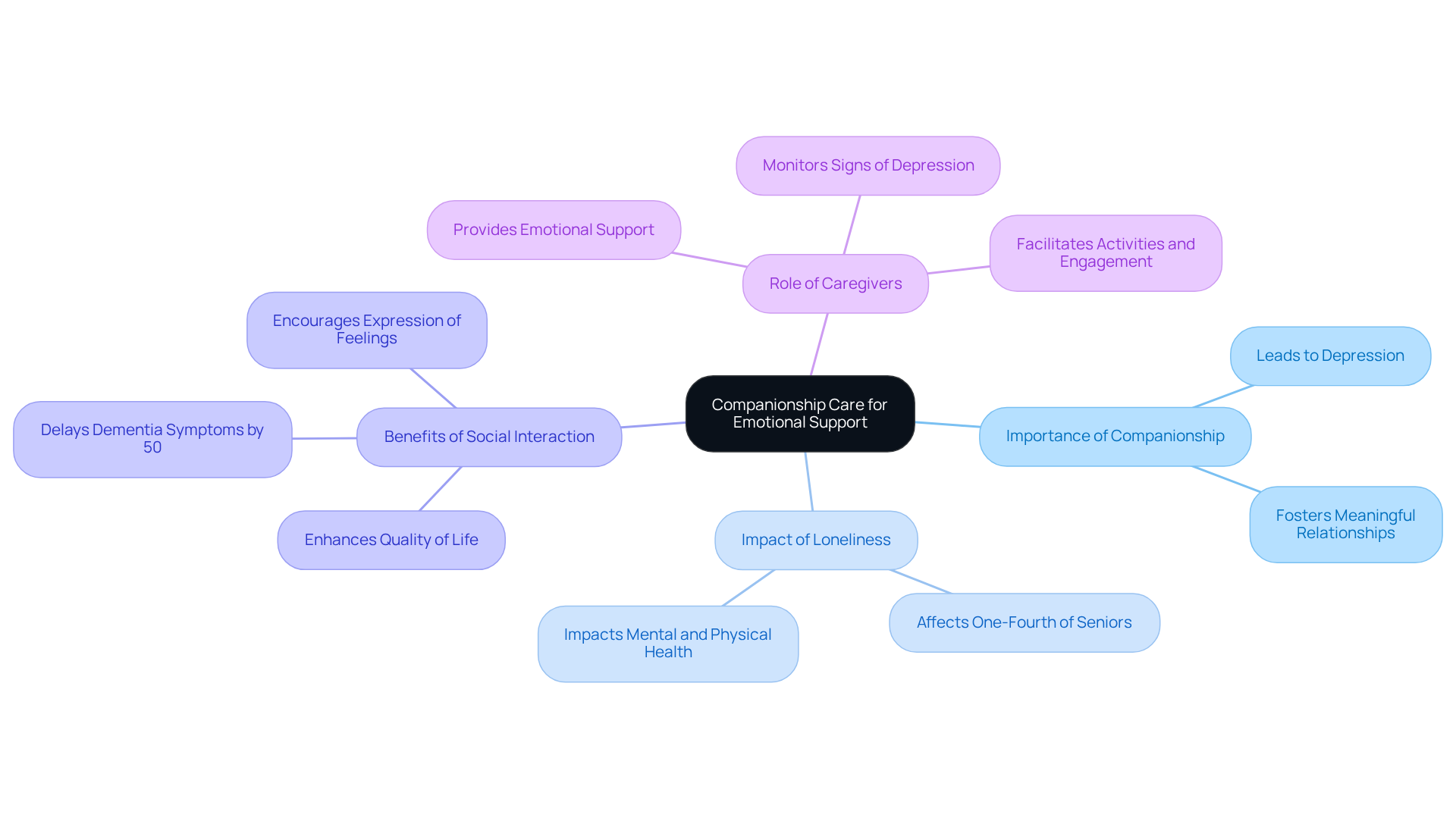
At Happy to Help Caregiving, we understand that companionship is vital for older adults. Loneliness can be a heavy burden, affecting about one-fourth of seniors and leading to serious health issues like depression. Our caregivers are dedicated to building meaningful connections through conversations, activities, and shared interests. This nurturing approach fosters a profound sense of belonging and emotional security, helping to alleviate feelings of isolation.
Imagine the warmth of a friendly chat or the joy of engaging in a favorite hobby together. These moments are not just pleasant; they are essential for enhancing the overall quality of life for elderly individuals. Research shows that regular social interaction can significantly improve mental health and cognitive function. In fact, cognitive stimulation can delay dementia symptoms by as much as 50%.
Our caregivers also provide emotional support, encouraging seniors to express their feelings and keeping an eye out for signs of depression. This compassionate companionship is a crucial part of home care live in, ensuring that our clients feel valued and connected.
We believe that everyone deserves to feel appreciated and supported. By fostering these connections, we not only combat loneliness but also promote a healthier, happier life for our clients. Together, we can create a nurturing environment where older adults thrive.
Post-Hospital Recovery Assistance: Ensuring Safe Transitions for Seniors
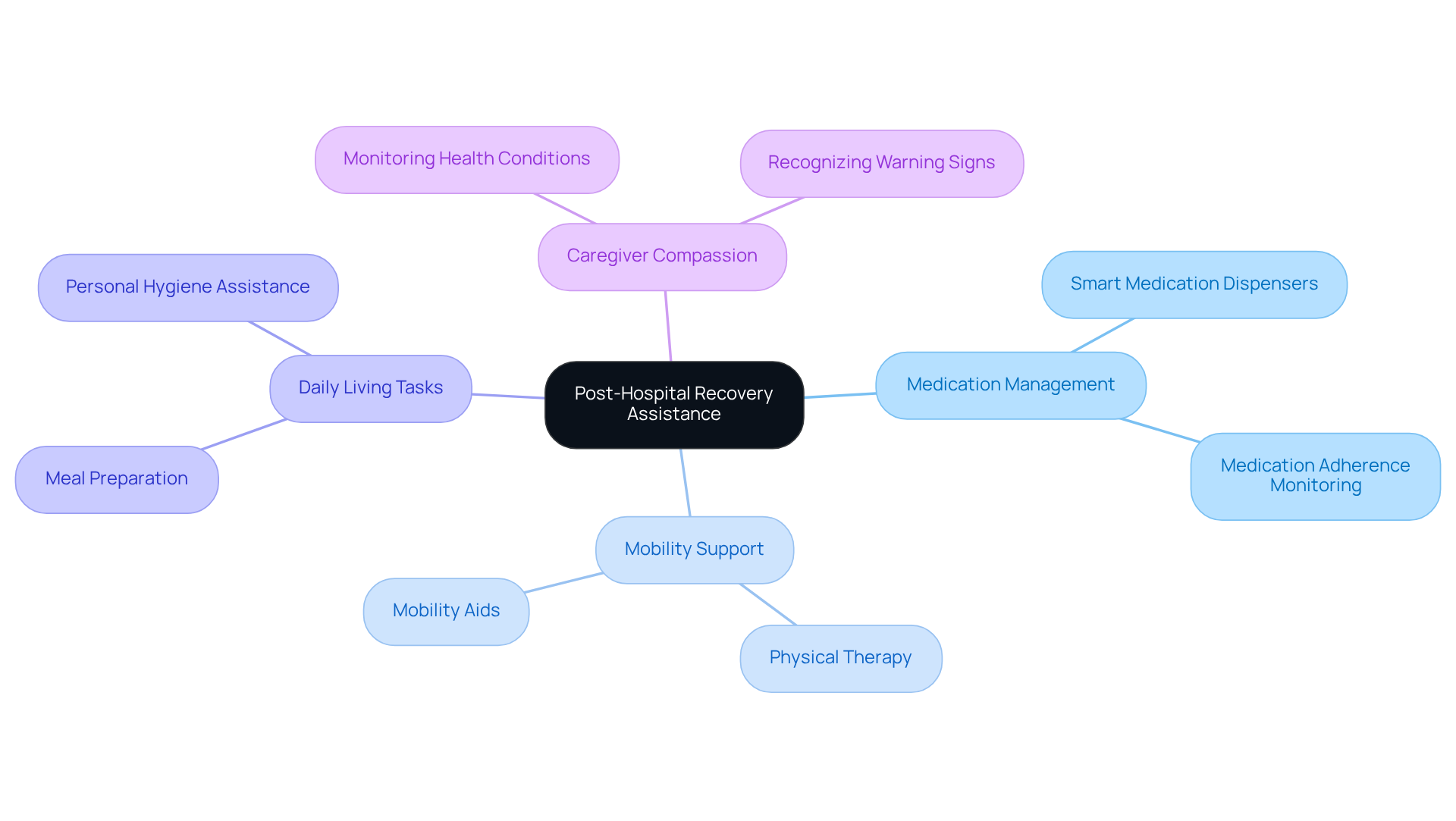
At Happy to Help Caregiving, we understand the emotional challenges that come with caring for loved ones after a hospital stay. Our specialized post-hospital recovery assistance is designed to ease the burden, offering support in medication management, mobility, and daily living tasks. Our caregivers are not just trained professionals; they are compassionate individuals who monitor health conditions and recognize warning signs that may require medical attention. This proactive approach is vital, as effective medication management can significantly impact recovery outcomes.
David Levine, Clinical Director for Research at Mass General Brigham’s Healthcare at Home Program, emphasizes the importance of this care, stating, "We cause a lot of harm in facility-based care." This highlights the critical need for proper medication management in the context of home care live in. Programs like the home care live in Rehabilitation Care at Home program focus on medication adherence and monitoring, showing success in enhancing recovery experiences for seniors. Families can find peace of mind knowing their loved ones are supported by dedicated caregivers who ensure a secure and seamless transition during this sensitive time.
To further support medication management at home, consider using smart medication dispensers. These tools help ensure that prescriptions are taken on time and correctly, providing an extra layer of reassurance for caregivers and families alike. Together, we can create a nurturing environment that fosters healing and comfort.
Respite Care: Supporting Family Caregivers and Preventing Burnout
Caring for a loved one can be incredibly rewarding, but it often comes with its own set of emotional challenges. Family supporters frequently find themselves overwhelmed, feeling the weight of stress and burnout. That’s where respite assistance from Happy to Help Caregiving comes in, offering essential breaks that allow caregivers to rejuvenate and tend to their own needs.
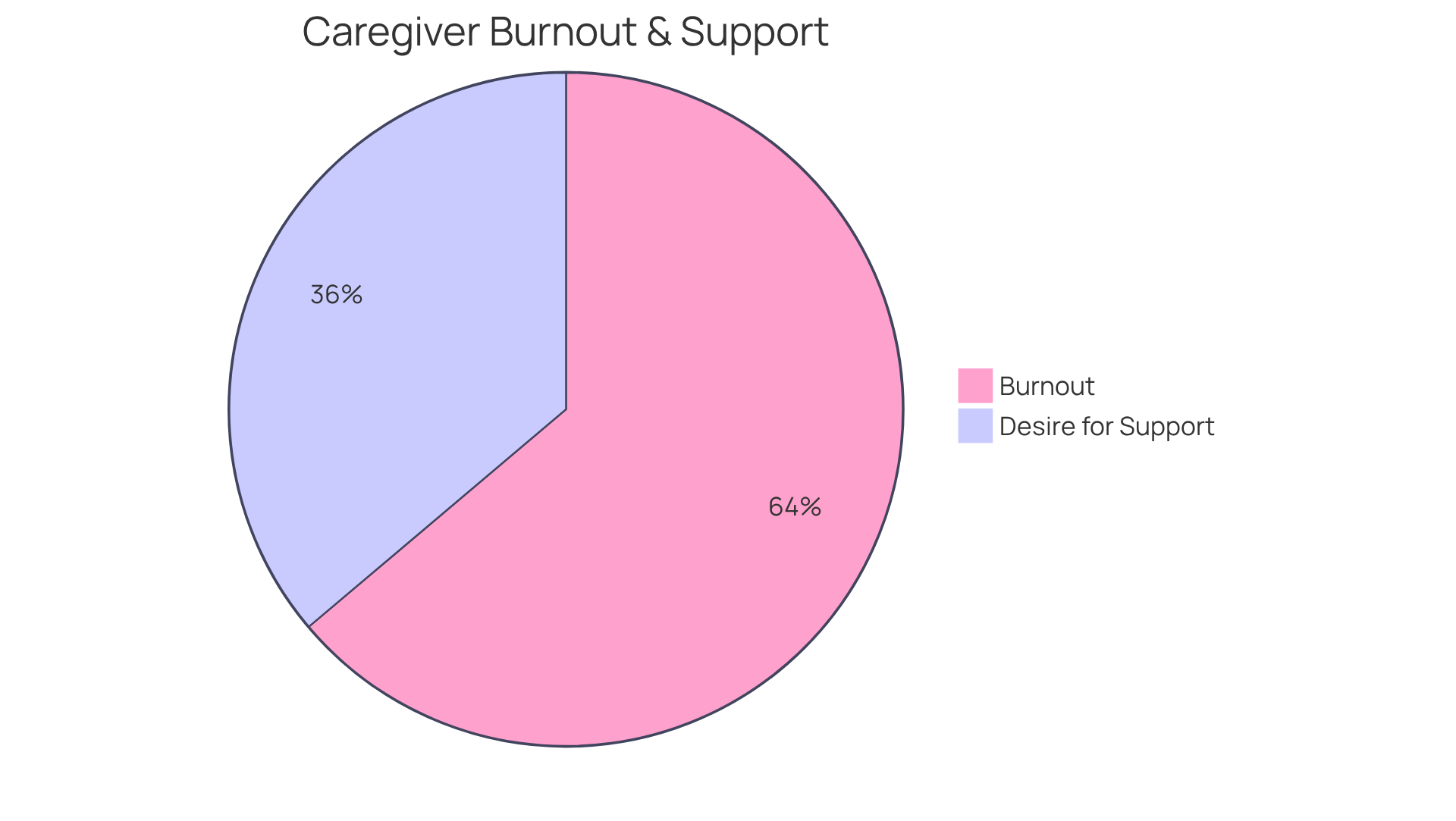
Whether you need a few hours or several weeks, this service is tailored to fit your family’s unique requirements. By alleviating some of the pressure associated with caregiving, respite assistance plays a crucial role in preventing burnout—a reality that affects over 60% of caregivers, manifesting as emotional fatigue and social withdrawal.
Research shows that those who take advantage of respite services report lower levels of distress and improved overall health. It’s heartening to note that more than a third of family providers express a desire for support like respite services, highlighting the vital need for such assistance.
This support not only helps caregivers maintain their physical and mental well-being but also enhances their ability to provide quality care to their loved ones. In turn, this nurtures a healthier caregiver-recipient relationship, fostering a more positive environment for everyone involved. Remember, seeking help is a sign of strength, and you don’t have to navigate this journey alone.
Palliative Support Care: Enhancing Quality of Life for Seniors
At Happy to Help Caregiving, we understand the emotional challenges that seniors face when dealing with chronic illnesses. It can be overwhelming, and the stress often weighs heavily on both the individual and their loved ones. That's why our palliative assistance is designed to improve quality of life, offering not just care, but compassion.
Our services include:
- Pain management
- Emotional support
- Help with daily activities
We believe that every moment matters, and our caregivers work closely with healthcare professionals to ensure that each client receives personalized assistance tailored to their unique needs. This collaboration is essential in providing a holistic approach to care.
By focusing on comfort and dignity, we help seniors maintain a sense of normalcy and tranquility during these challenging times. Our goal is to create an environment where they feel safe and supported, allowing them to enjoy life’s simple pleasures.
We often hear from families about the relief they feel knowing their loved ones are in caring hands. One caregiver shared, "Seeing the smile on my client's face after a simple conversation makes my day. It’s those little moments that matter the most."
In these difficult times, it’s important to remember that you’re not alone. We’re here to provide the emotional and practical support you need, ensuring that both seniors and their caregivers feel valued and understood. Together, we can navigate this journey with compassion and care.
Flexible Scheduling Options: Tailoring Care to Individual Needs
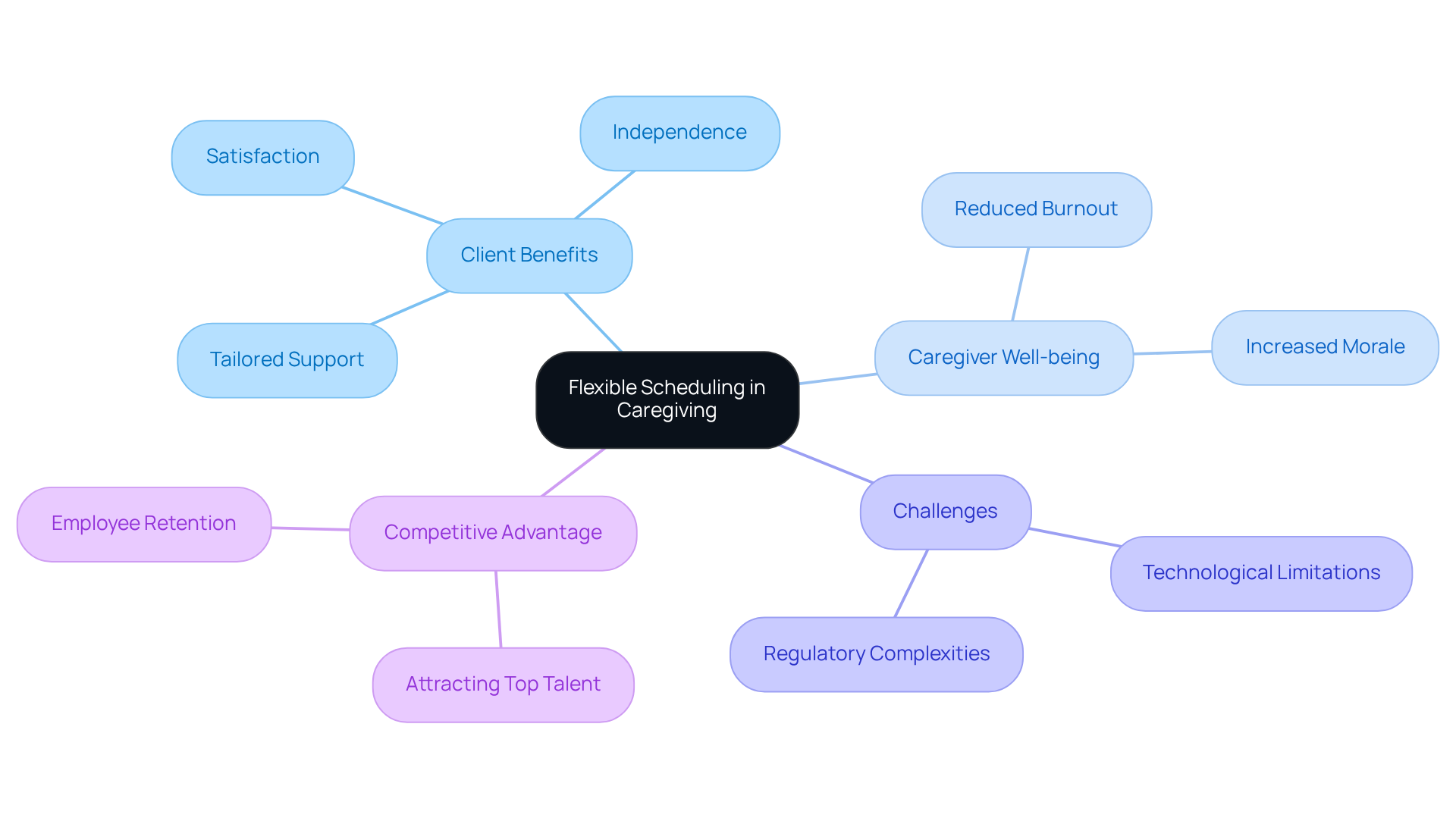
At Happy to Help Caregiving, we understand that every client has unique needs. That’s why flexible scheduling is at the heart of our service. Families can choose home care live in assistance times that seamlessly fit into their daily routines, whether they need help for just a few hours each week or around-the-clock support. This adaptability ensures that clients receive the right support when they need it most, creating a more comfortable and efficient caregiving experience.
Research shows that flexible scheduling can significantly reduce support worker burnout and turnover—critical issues in the home care live in sector. By accommodating individual preferences, we enhance client satisfaction, allowing seniors to maintain their independence while receiving the care they deserve. Family supporters often express their gratitude for these tailored support options, sharing how they alleviate stress and improve the overall quality of life for their loved ones.
As industry experts highlight, flexible scheduling not only benefits clients but also provides a competitive edge in recruitment. It shows that organizations genuinely care about employee well-being and work-life balance. However, we recognize that implementing such scheduling can be challenging due to technological limitations faced by many healthcare organizations.
Ultimately, our commitment to flexible scheduling not only supports our clients but also positively impacts staff engagement and morale. We’re here to help, ensuring that both clients and caregivers feel valued and supported.
24/7 Caregiver Availability: Continuous Support for Seniors
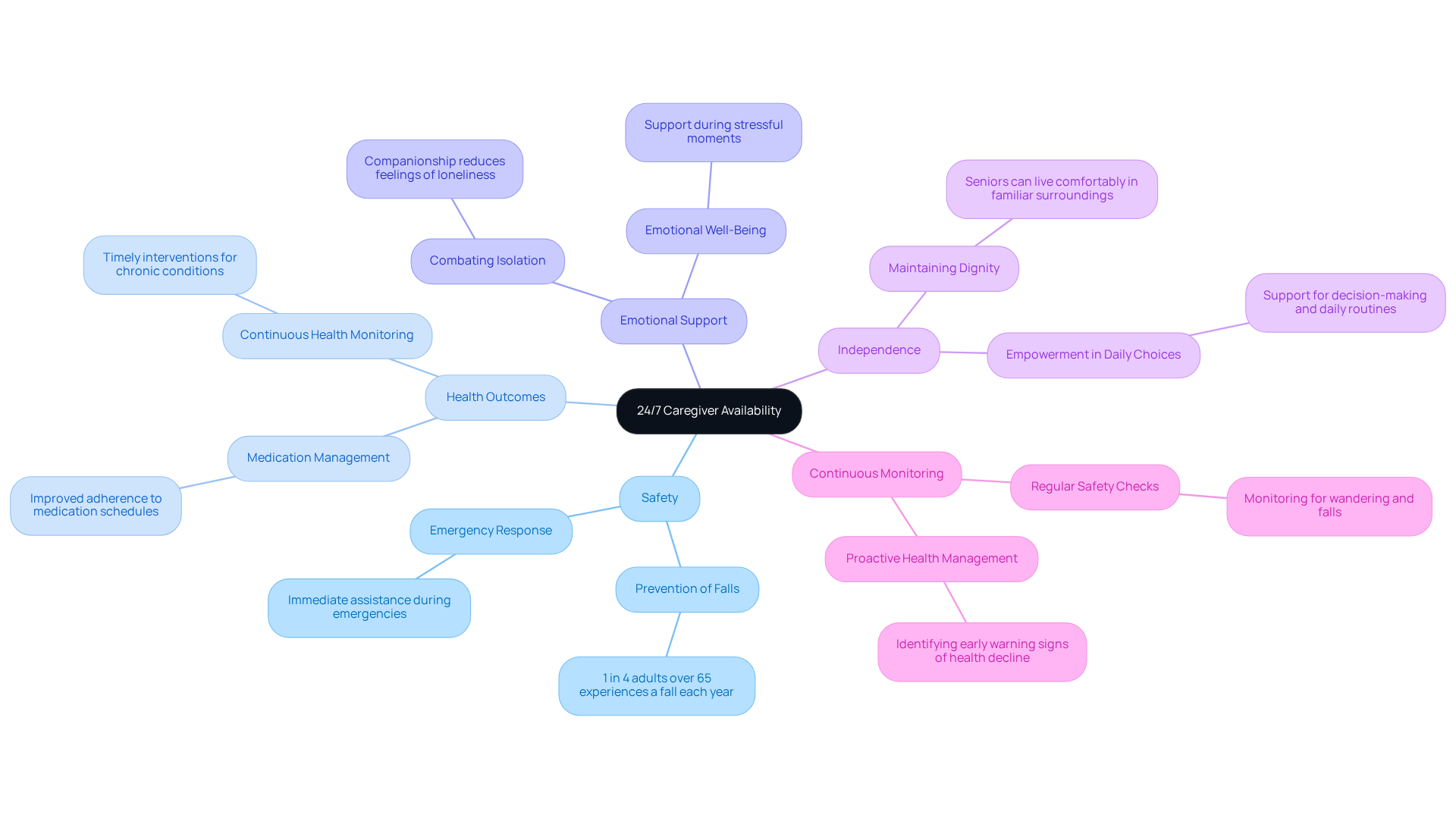
Happy to Help Caregiving offers home care live in services, providing round-the-clock assistance to ensure that elderly individuals receive the constant aid they need. This home care live in service is essential for individuals with complex health needs or those who may encounter emergencies. It significantly reduces the risks associated with falls—one in four adults over 65 experiences a fall each year—medication errors, and feelings of isolation.
Families can rest easy knowing their loved ones are never alone with home care live in services. This not only enhances safety but also fosters a comforting and secure home environment. The presence of continuous support has been shown to improve health outcomes by ensuring timely interventions and consistent monitoring of health conditions, as highlighted in case studies on constant health monitoring.
Moreover, the emotional support provided by caregivers helps combat feelings of isolation, which can lead to depression and cognitive decline in older adults. As healthcare professionals often remind us, "Safety is critical, but emotional well-being matters just as much."
Having a dedicated caregiver around the clock not only prevents accidents but also promotes overall well-being. It allows seniors to maintain their dignity and independence in familiar surroundings. This is where structured, around-the-clock home care live in support truly makes a life-changing difference.
Personalized Care Plans: Tailoring Support to Individual Preferences
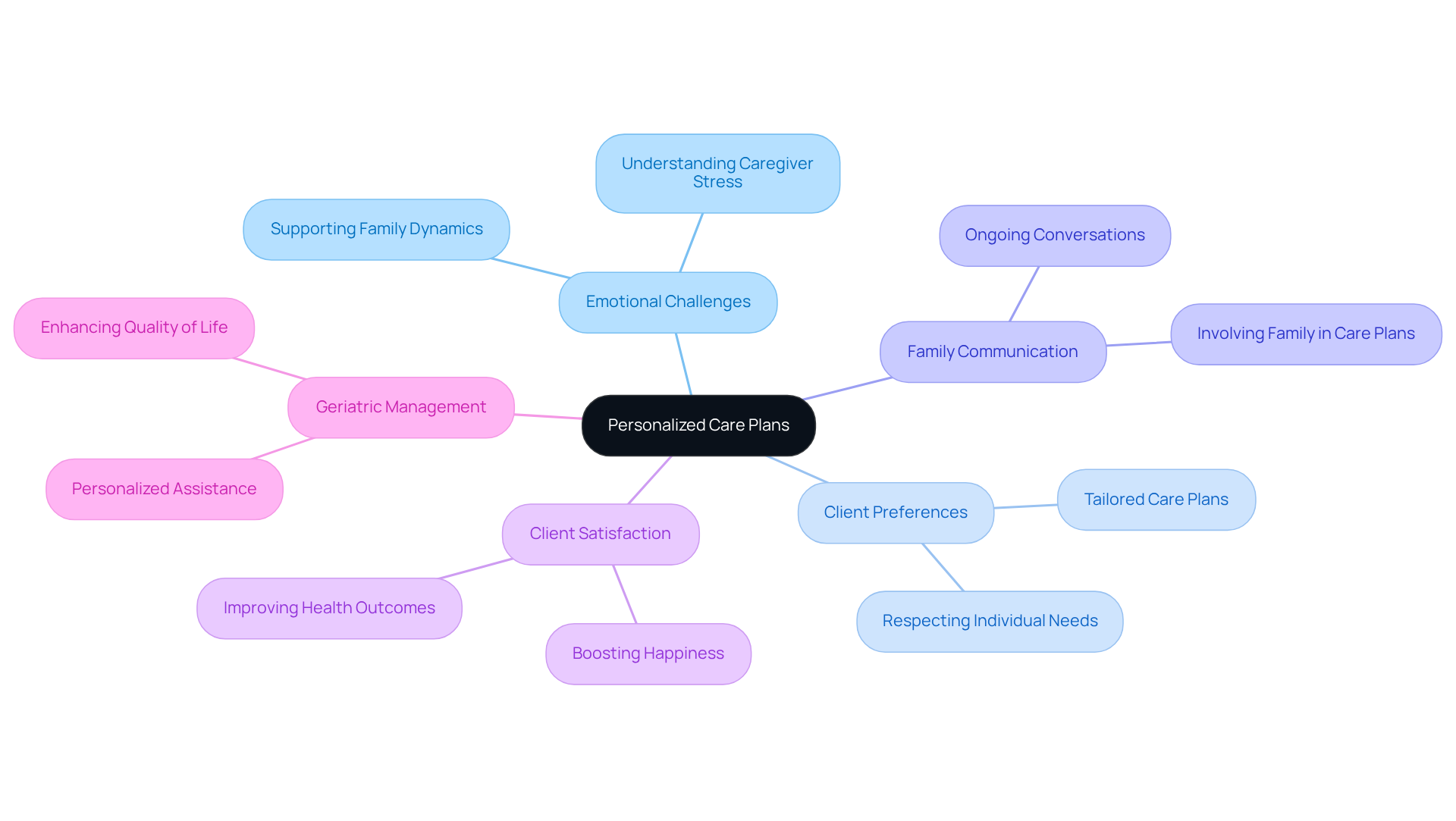
At Happy to Help Caregiving, we truly understand the emotional challenges that caregivers face. Crafting personalized care plans is at the heart of what we do, ensuring that we cater to the unique preferences and needs of each client. Through comprehensive evaluations and ongoing conversations with families, we keep guardians well-informed about the specific needs of their elderly loved ones.
This customized approach not only enhances the efficiency of the assistance provided but also nurtures a compassionate caregiving atmosphere. Studies reveal that tailored support significantly boosts client satisfaction, allowing providers to meet specific priorities and preferences. This results in a more rewarding experience for seniors, which is what we strive for.
Geriatric management professionals emphasize that personalized assistance is vital in home care live-in settings. It honors the dignity and independence of clients, leading to better health outcomes and an improved quality of life. By focusing on the distinct needs of each individual, Happy to Help Caregiving ensures that families feel confident and supported. This makes the transition to in-home care smoother and more manageable.
We believe that every family deserves compassionate support during this journey. Our commitment to understanding and addressing your concerns is unwavering, and we’re here to help every step of the way.
Emotional Support: Combating Loneliness and Isolation in Seniors
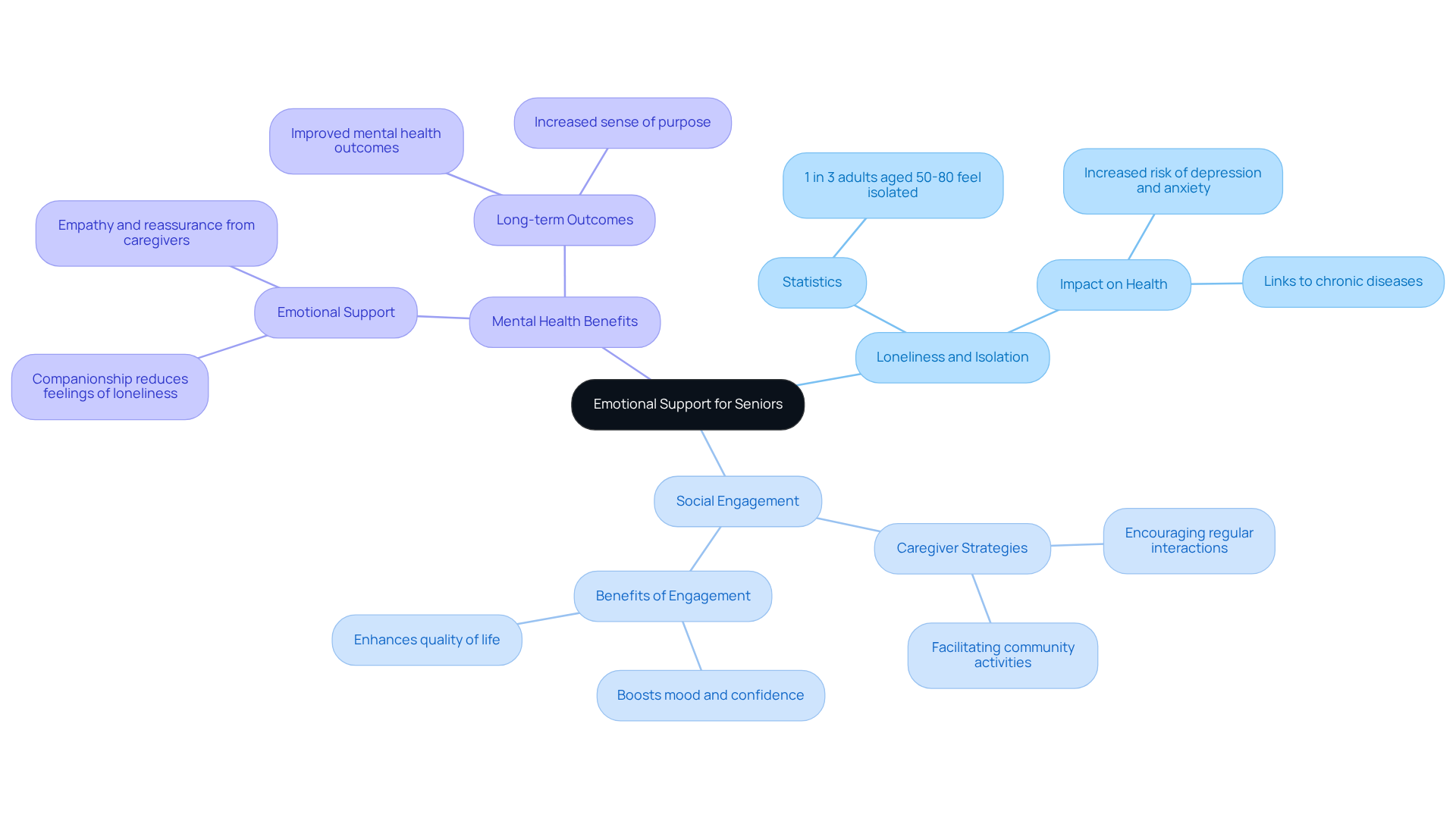
Emotional support is at the heart of what we do at Happy to Help Caregiving. We understand that loneliness and isolation can weigh heavily on older adults. Our caregivers are specially trained to recognize these signs and engage in meaningful conversations and activities that foster social interaction. This proactive approach not only helps alleviate feelings of sadness but also brings a sense of purpose and connection, which are vital for mental health and overall well-being.
Research shows that social engagement can significantly lower the risk of depression and anxiety. In fact, one in three adults aged 50-80 reported feeling isolated in 2023. By encouraging regular interactions, our caregivers play a crucial role in helping older adults combat loneliness, enhancing their quality of life and emotional well-being.
The power of companionship is profound. It nurtures emotional health and inspires older adults to participate in enjoyable activities, boosting their mood and confidence. This relational approach ensures that older adults feel valued and understood, leading to better mental health outcomes and a more fulfilling life.
At Happy to Help Caregiving, we believe that everyone deserves to feel connected and supported. Our compassionate caregivers are here to provide not just assistance, but genuine companionship that makes a difference in the lives of those we serve.
Technology Integration: Enhancing Communication and Monitoring for Families
At Happy to Help Caregiving, we understand the emotional challenges that families face when caring for their loved ones. It can be overwhelming, filled with stress and moments of uncertainty. That’s why we utilize technology to enhance communication and monitoring, ensuring that families feel supported every step of the way.
Imagine having access to online notes for family members and real-time updates on support activities. This means you can always stay informed about your loved one’s well-being, no matter where you are. This transparency not only fosters trust but also helps families feel connected, even when they can’t be there in person.
We believe that staying connected is crucial. Our services are designed to provide both emotional and practical support, allowing families to focus on what truly matters—caring for their loved ones. You’re not alone in this journey; we’re here to help you navigate through it with compassion and understanding.
Let us reassure you: with Happy to Help Caregiving, you can rest easy knowing that your loved ones are in good hands. Together, we can create a nurturing environment that prioritizes their well-being and strengthens your family bonds.
https://iframe.tely.ai/cta/eyJhcnRpY2xlX2lkIjogIjY5MDU1YWI4ODZhMTM1ODIyMzU1YzNlNyIsICJjb21wYW55X2lkIjogIjY4ZWU1ZGNhNzMxNzYyNTU3ZjNjOTVjMSIsICJpbmRleCI6IDgsICJ0eXBlIjogImFydGljbGUifQ==Promoting Independence: The Overall Impact of Live-In Care Services
At Happy to Help Caregiving, we understand the emotional challenges that older adults face. Our home care live-in support services are designed to enhance their independence, allowing them to receive care in the comfort of their own homes. This not only helps preserve their daily routines but also empowers them to make choices about their lives.
This sense of autonomy is crucial for their mental and emotional well-being. It cultivates a feeling of control and dignity, which can lead to lower stress levels and an improved mood. Our caregivers play a vital role in promoting this independence. They assist with daily tasks while encouraging older adults to engage in activities they love.
Open communication between caregivers and elderly individuals is essential. It fosters a supportive environment that respects their autonomy. This approach not only enhances their quality of life but also reinforces their emotional health, allowing them to thrive in familiar surroundings.
As one caregiver shared, "Seeing the joy in their eyes when they can do something they love is what makes this work so rewarding." We are here to provide the compassionate care that helps seniors feel valued and connected, ensuring they can enjoy their golden years with dignity and joy.
https://iframe.tely.ai/cta/eyJhcnRpY2xlX2lkIjogIjY5MDU1YWI4ODZhMTM1ODIyMzU1YzNlNyIsICJjb21wYW55X2lkIjogIjY4ZWU1ZGNhNzMxNzYyNTU3ZjNjOTVjMSIsICJpbmRleCI6IDksICJ0eXBlIjogImFydGljbGUifQ==Your Path Forward
Home care live-in services are truly vital for offering comprehensive support to both seniors and their family caregivers. These services not only foster emotional well-being through companionship but also ensure that seniors receive personalized care tailored to their unique needs. By creating a nurturing environment, live-in care enhances the quality of life for elderly individuals, allowing them to maintain their independence and dignity in the comfort of their own homes.
The article highlights several key benefits of home care live-in services:
- Emotional support combats loneliness.
- Assistance with post-hospital recovery is readily available.
- Respite care for family caregivers is crucial.
- Flexible scheduling plays a significant role in alleviating the burdens faced by family caregivers while ensuring that seniors receive the compassionate care they deserve.
- The integration of technology enhances communication and monitoring, providing families with peace of mind as they navigate the complexities of caregiving.
Ultimately, the significance of home care live-in services cannot be overstated. They not only improve the emotional and physical well-being of seniors but also empower family caregivers by preventing burnout and promoting a healthier caregiving dynamic. Embracing these services can lead to a more fulfilling and supportive environment for everyone involved. It’s essential for families to consider the profound impact of home care on their loved ones' lives.
https://iframe.tely.ai/cta/eyJhcnRpY2xlX2lkIjogIjY5MDU1YWI4ODZhMTM1ODIyMzU1YzNlNyIsICJjb21wYW55X2lkIjogIjY4ZWU1ZGNhNzMxNzYyNTU3ZjNjOTVjMSIsICJpbmRleCI6IG51bGwsICJ0eXBlIjogImFydGljbGUifQ==Frequently Asked Questions
What is the purpose of companionship care at Happy to Help Caregiving?
The purpose of companionship care is to provide emotional support and alleviate feelings of loneliness among older adults by building meaningful connections through conversations, activities, and shared interests.
How does loneliness affect seniors?
Loneliness affects about one-fourth of seniors and can lead to serious health issues like depression, negatively impacting their overall well-being.
What benefits does social interaction provide for elderly individuals?
Regular social interaction can significantly improve mental health and cognitive function, and cognitive stimulation can delay dementia symptoms by as much as 50%.
What role do caregivers play in post-hospital recovery assistance?
Caregivers provide support in medication management, mobility, and daily living tasks, while also monitoring health conditions and recognizing warning signs that may require medical attention.
Why is medication management important in home care?
Effective medication management is vital for recovery outcomes, as improper management can lead to harm, especially in facility-based care settings.
What tools can help with medication management at home?
Smart medication dispensers can help ensure that prescriptions are taken on time and correctly, providing reassurance for caregivers and families.
What is respite care, and why is it important?
Respite care provides essential breaks for family caregivers, allowing them to rejuvenate and prevent burnout, which affects over 60% of caregivers.
How does respite care benefit caregivers?
Respite care helps caregivers maintain their physical and mental well-being, enhancing their ability to provide quality care and fostering a healthier caregiver-recipient relationship.
What is the general sentiment among family caregivers regarding support services like respite care?
More than a third of family caregivers express a desire for support like respite services, indicating a vital need for such assistance to manage their caregiving responsibilities.