What to Expect
This article highlights ten significant benefits of home companionship for family caregivers, focusing on its vital role in enhancing the emotional, physical, and social well-being of elderly individuals.
Caregivers often experience overwhelming stress and burnout, and understanding these challenges is crucial. By offering personalized support and fostering meaningful interactions, companionship services can alleviate feelings of isolation.
These services not only improve the overall quality of life for seniors but also provide caregivers with much-needed relief. As our loved ones navigate the complexities of aging, the emotional and practical support available through companionship becomes essential.
It’s heartwarming to witness how such services create connections that enrich the lives of both seniors and their caregivers. The journey can be challenging, but with the right support, there is hope and encouragement for a brighter, more fulfilling experience.
What You Need to Know About Home Companionship
Home companionship services are emerging as a vital lifeline for family caregivers navigating the complexities of elder care. These services not only provide essential support to seniors but also foster emotional connections that can significantly enhance the quality of life for both the elderly and their families.
As the demand for personalized care options grows, understanding the multifaceted benefits of companionship becomes crucial. How can these interactions alleviate feelings of isolation, promote independence, and ultimately transform the caregiving experience?
Happy to Help Caregiving: Personalized Companionship Services for Seniors
At Happy to Help Caregiving, we truly understand the emotional challenges that elderly individuals face. Our tailored support services are designed with compassion, ensuring that each client feels valued and understood within the comfort of their own home. We offer engaging activities, emotional support, and assistance with daily tasks, all aimed at fostering a nurturing environment that promotes well-being and independence.
Recognizing the importance of social connections, we know that just a few hours of interaction each week can significantly enhance the quality of life for older adults. Recent trends highlight this growing acknowledgment, as studies reveal that meaningful interactions can lead to improved overall well-being. The emotional bonds created through our customized support help alleviate feelings of isolation, which can negatively impact health.
Our effective home companionship programs demonstrate that personalized interactions lead to greater satisfaction among clients and their families. This highlights the essential role of home companionship in elder care, reminding us that we are not just providing services; we are building relationships that matter. Together, we can create a supportive community that uplifts and nurtures, ensuring that every individual feels cherished and connected.
https://iframe.tely.ai/cta/eyJhcnRpY2xlX2lkIjogIjY5MDJhYWYwY2FhYzMzMjQ0NDhhNDI3ZCIsICJjb21wYW55X2lkIjogIjY4ZWU1ZGNhNzMxNzYyNTU3ZjNjOTVjMSIsICJpbmRleCI6IDAsICJ0eXBlIjogImFydGljbGUifQ==Enhanced Emotional Support: Combating Loneliness and Isolation
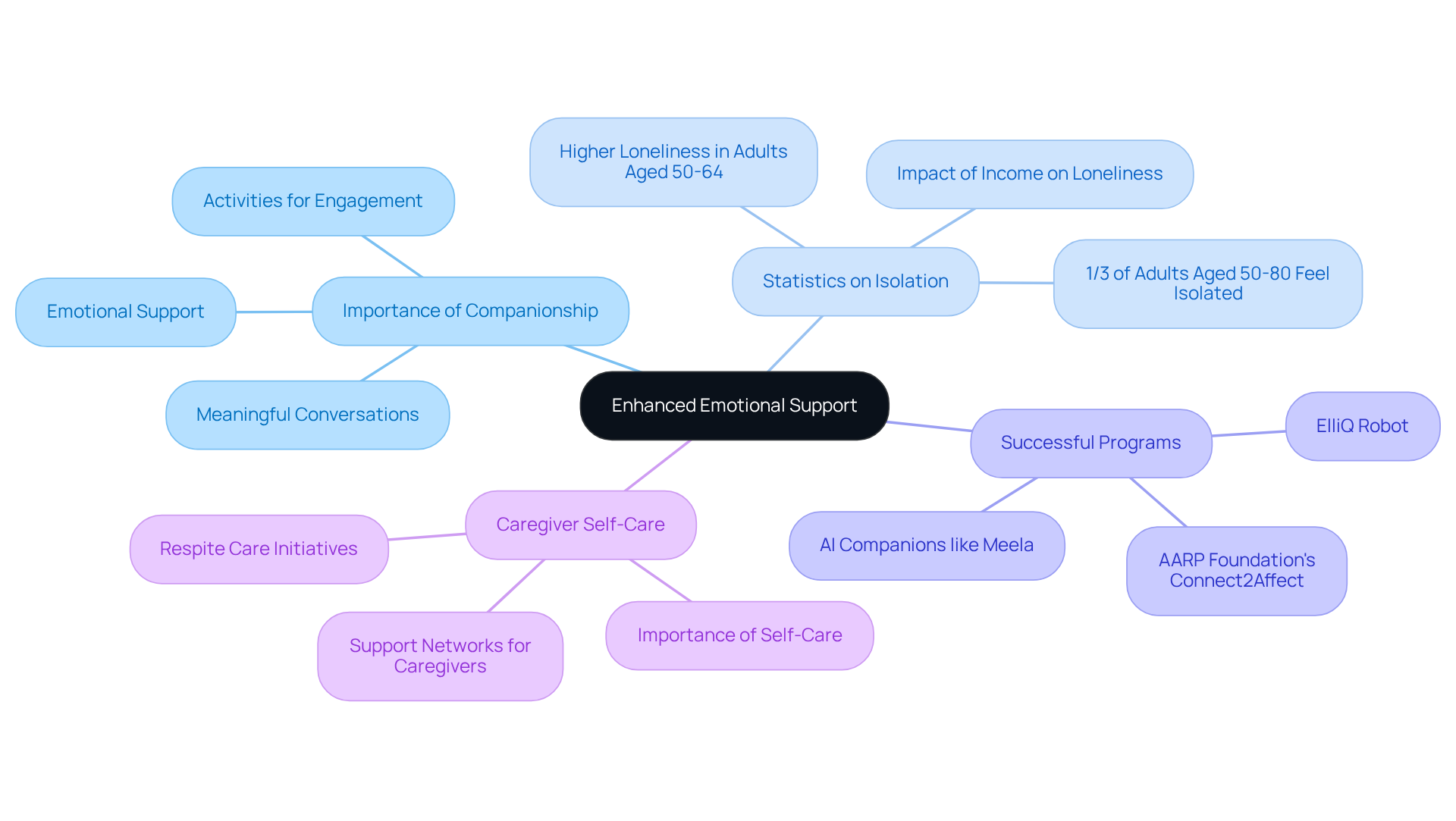
Home companionship services are essential in providing emotional support, helping to alleviate the deep feelings of loneliness and isolation that many seniors experience. Caregivers engage in meaningful conversations, share personal stories, and participate in enjoyable activities, fostering a profound sense of connection and belonging. This emotional engagement is essential for maintaining mental health and overall happiness among the elderly.
Recent studies indicate that nearly one-third of U.S. adults aged 50 to 80 express feelings of isolation, underscoring the urgent need for effective social connection solutions. Psychologists emphasize that consistent social engagement can significantly reduce anxiety and depression levels. Evidence shows that social support services can lead to a statistically significant improvement in mental health outcomes.
Programs like the AARP Foundation's Connect2Affect initiative and AI companions such as Meela have proven successful in alleviating feelings of loneliness. Studies report a notable decrease in anxiety and depression among participants. By prioritizing companionship, caregivers not only enhance their clients' mental health but also create a supportive atmosphere that promotes overall well-being.
Moreover, caregivers must remember the importance of self-care to maintain their effectiveness and emotional health while supporting their loved ones.
Daily Living Assistance: Facilitating Independence and Comfort
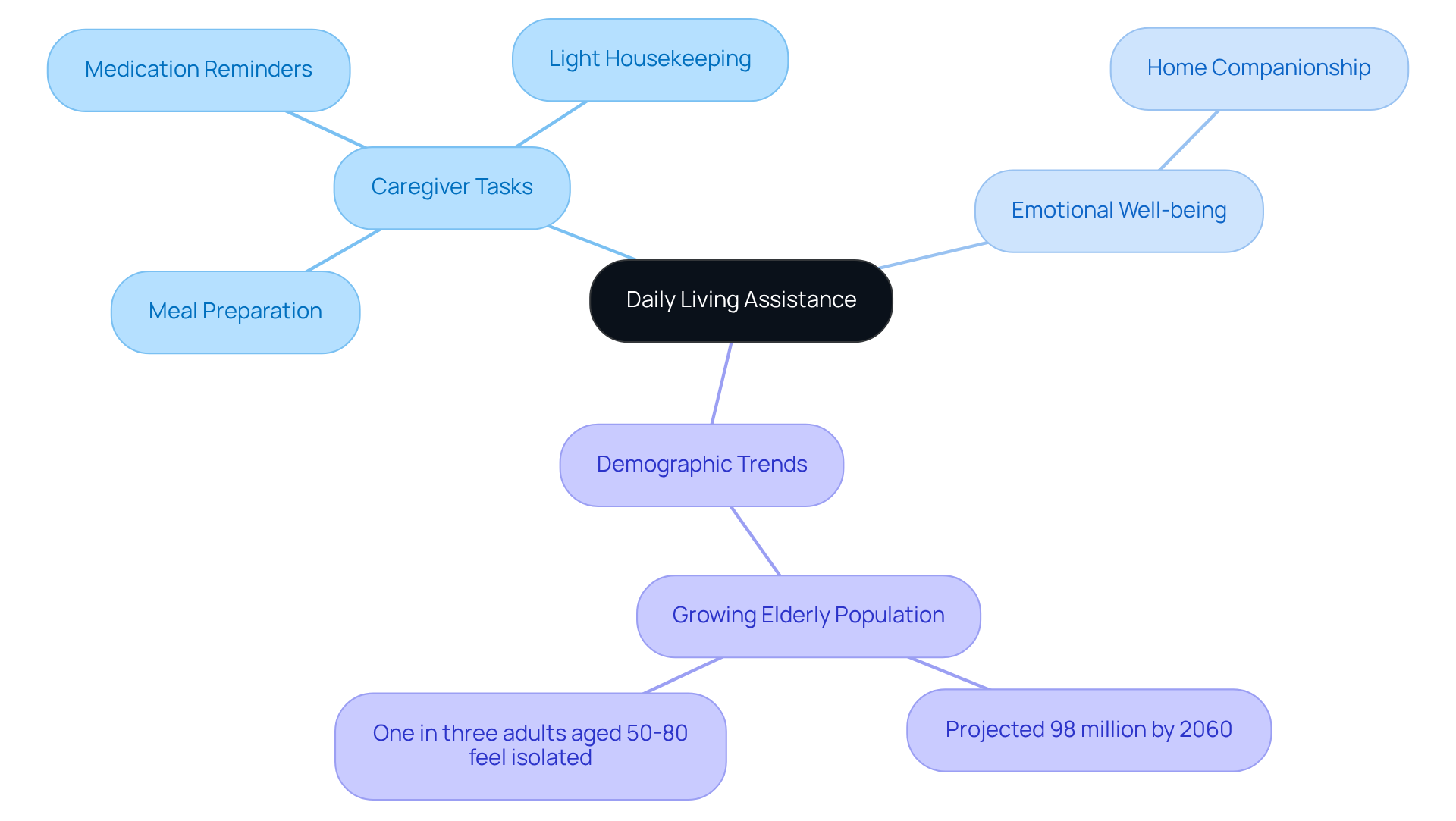
Caregivers play a vital role in supporting elderly individuals with daily living tasks such as:
- Meal preparation
- Medication reminders
- Light housekeeping
This assistance not only helps older adults maintain their independence but also promotes home companionship, ensuring their comfort and safety in familiar surroundings. Home companionship plays a significant role in contributing to their emotional well-being by allowing them to remain in their own homes. In fact, studies show that a surprising 82% of seniors wish to stay in their current home for as long as possible.
By offering personalized support, caregivers enable clients to engage in their daily activities, fostering a sense of autonomy and respect. This personalized approach is especially crucial as the population of adults aged 65 and older continues to grow, projected to reach 98 million by 2060 due to demographic shifts.
Moreover, caregivers facilitate social connections and community engagement, which are essential for combating feelings of isolation—reported by one in three adults aged 50-80. The impact of daily living support, particularly home companionship, extends beyond physical assistance; it significantly enhances the quality of life for elderly individuals, allowing them to flourish in their own residences.
This compassionate care not only addresses practical needs but also promotes home companionship, nurturing the emotional landscape of our seniors and ensuring they feel valued and connected in their golden years.
Social Engagement: Reducing Risks of Cognitive Decline
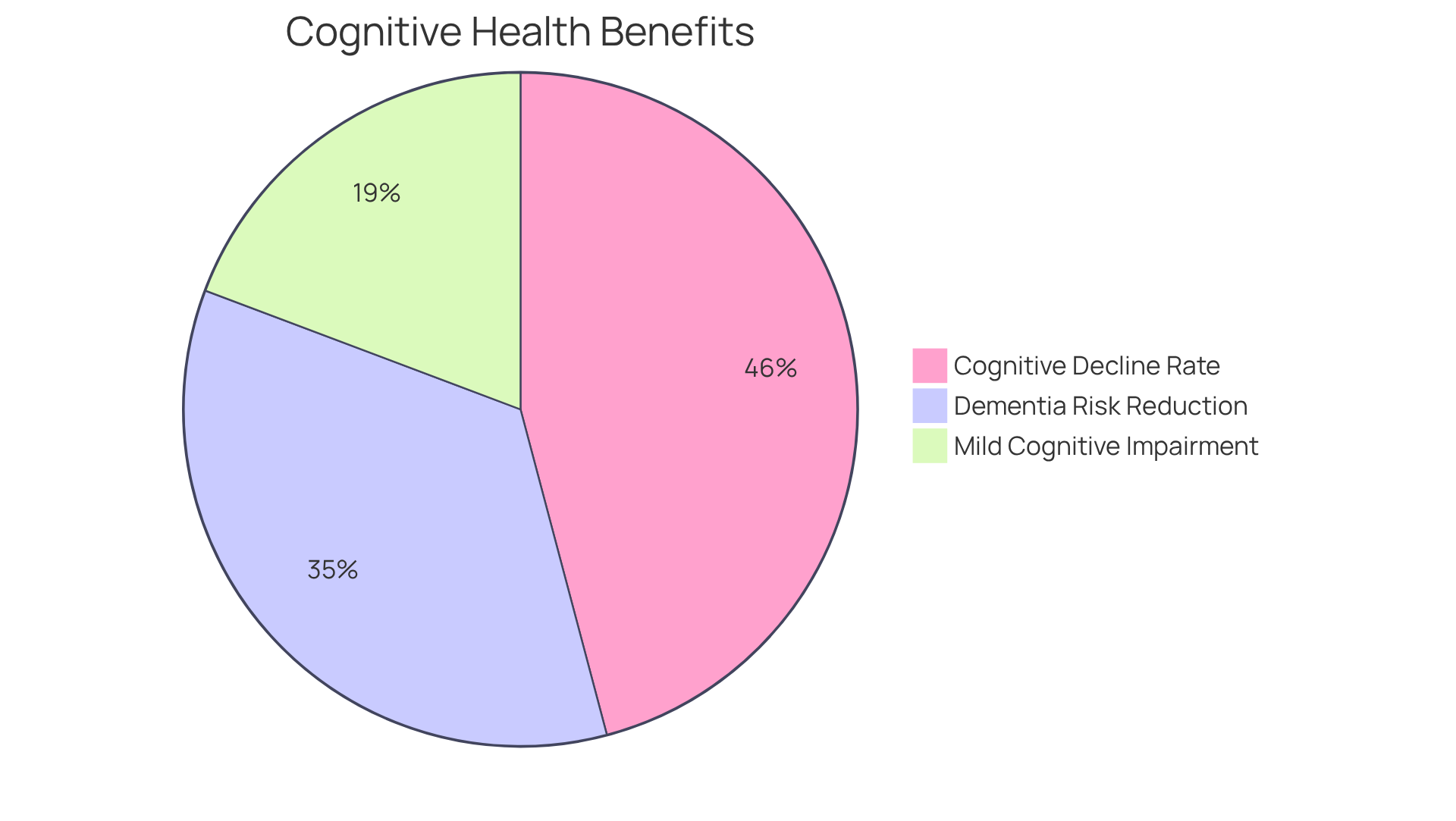
Consistent social engagement through home companionship is essential for reducing the chances of cognitive decline in older adults. Caregivers play a vital role in encouraging participation in games, discussions, and community activities. This not only stimulates mental engagement but also promotes cognitive function. Research shows that frequent social activity is associated with a 38% reduction in dementia risk and a 21% reduction in mild cognitive impairment risk. Moreover, seniors who maintain high levels of social activity experience a 50% lower rate of cognitive decline compared to their less active peers.
This proactive approach not only helps maintain mental acuity but also enhances overall quality of life, fostering home companionship. It fosters a sense of purpose and connection through home companionship, which is essential for emotional well-being. As Bryan D. James, PhD, from the Rush Alzheimer’s Disease Center states, "More social activity was associated with less cognitive decline during average follow-up of 5.2 years." By emphasizing connection, support providers can greatly influence their clients' mental well-being and general joy.
Significantly, 1 in 4 individuals over age 65 face social isolation in the United States. This highlights the value of friendship services, reminding us all of the importance of nurturing relationships in our lives.
Family Peace of Mind: Assurance Through Reliable Companionship
Understanding that a reliable provider offers home companionship brings peace of mind to families. Happy to Help Caregiving ensures that those providing care are dependable and steady. This allows family members to focus on their own responsibilities without worrying about the safety and well-being of their loved ones. Such assurance fosters home companionship, creating a supportive environment for both seniors and their families.
When families know their loved ones are in capable hands, they can breathe a little easier. The emotional weight of caregiving can be heavy, but with trusted support, it becomes lighter. Happy to Help Caregiving is dedicated to nurturing that trust, fostering connections that allow families to thrive together.
https://iframe.tely.ai/cta/eyJhcnRpY2xlX2lkIjogIjY5MDJhYWYwY2FhYzMzMjQ0NDhhNDI3ZCIsICJjb21wYW55X2lkIjogIjY4ZWU1ZGNhNzMxNzYyNTU3ZjNjOTVjMSIsICJpbmRleCI6IDQsICJ0eXBlIjogImFydGljbGUifQ==Caregiver Relief: Easing the Burden on Family Members
Home companionship services play a vital role in providing family supporters with the relief they desperately need. These services allow caregivers to take essential breaks and recharge, which is crucial for their well-being. By sharing caregiving responsibilities, families can significantly lower stress levels and reduce the risk of burnout.
This collaborative approach fosters a nurturing atmosphere for home companionship, allowing caregivers to continue offering love and support to their cherished ones without feeling overwhelmed. Social workers emphasize that respite support is essential for maintaining the mental and emotional health of caregivers, as it gives them the opportunity to focus on their own wellness.
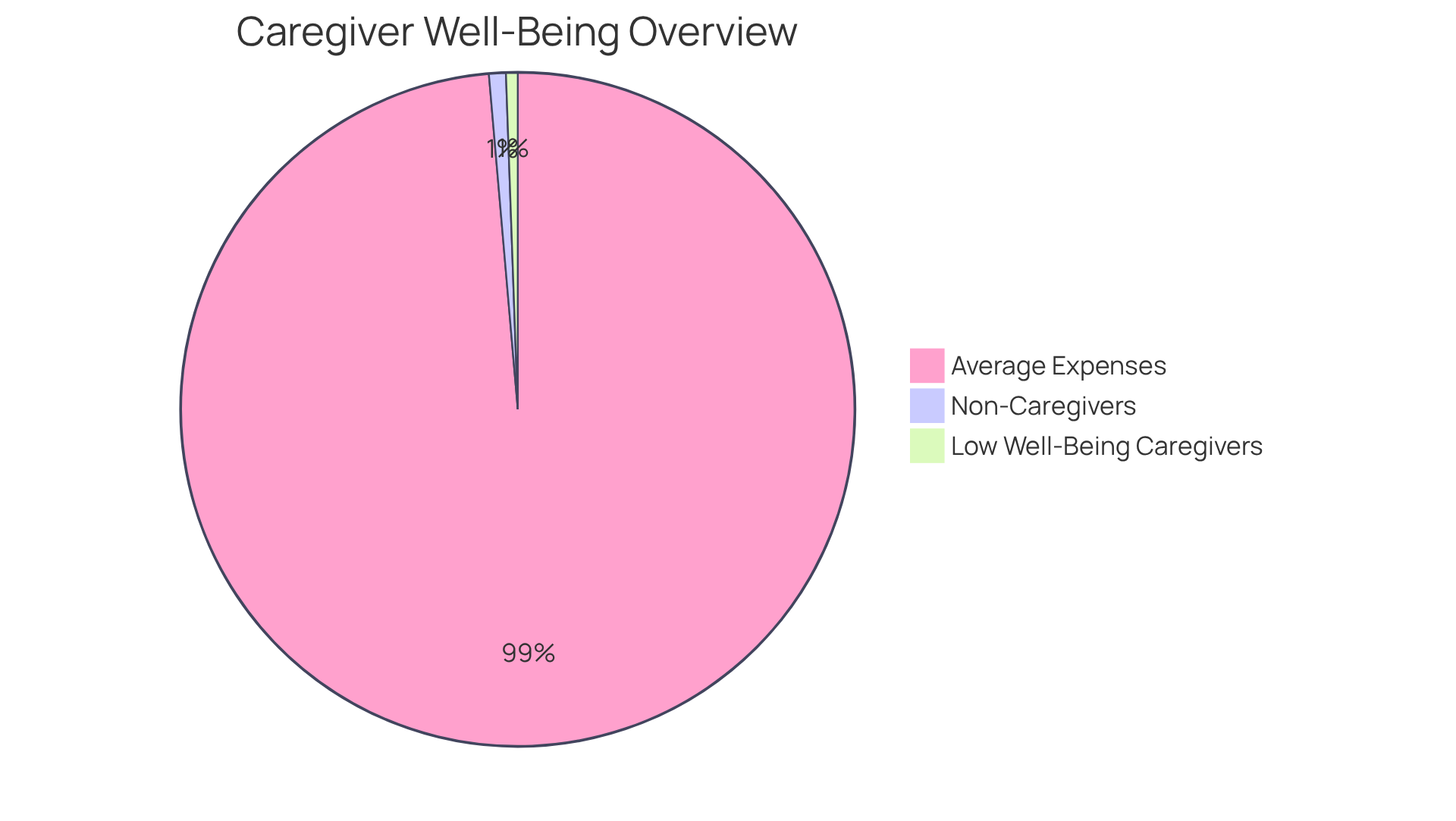
According to the National Alliance for Caregiving, a staggering 41% of caregivers report low overall well-being, a figure that is 32% higher than those who do not provide care. When caregiving duties are shared among family members, it alleviates the pressure on individual providers, promoting a healthier family dynamic and enhancing the quality of care given.
This joint effort is crucial in preventing burnout among caregivers, allowing families to navigate the challenges of caregiving together. Additionally, it’s important to recognize the financial strain that often accompanies these responsibilities; on average, family caregivers spend around $7,200 per year out of pocket on caregiving expenses. This highlights the need for support and understanding in this journey.
Customized Care Plans: Tailoring Companionship to Individual Needs
At Happy to Help Caregiving, we understand the unique emotional challenges faced by older adults and their caregivers. Our tailored support plans are designed to reflect the distinct needs and preferences of each client, ensuring that assistance is not just effective but also enjoyable. This compassionate approach enhances the overall experience and satisfaction of seniors with the care they receive.
Companionship and cognitive stimulation are key components of our plans, providing essential emotional support and fostering a positive outlook on life. We also conduct safety evaluations to reduce the risk of falls and incidents, creating a secure living environment for seniors. This proactive focus on safety and well-being is vital in nurturing a sense of security and comfort.
Our individualized support plans are flexible, adapting to changing health conditions and ensuring that appropriate assistance is available at every stage of recovery. By closely monitoring chronic diseases, we help prevent serious health issues, emphasizing the proactive nature of our care.
Ultimately, we prioritize individual routines, interests, and emotional well-being, which deepens the connections between caregivers and clients. This connection is crucial in combating feelings of loneliness and isolation. As a result, seniors feel more engaged and valued, leading to an improved quality of life and greater independence in their daily activities.
We are here to provide not just care, but also home companionship and understanding, ensuring that every client feels supported and cherished.
https://iframe.tely.ai/cta/eyJhcnRpY2xlX2lkIjogIjY5MDJhYWYwY2FhYzMzMjQ0NDhhNDI3ZCIsICJjb21wYW55X2lkIjogIjY4ZWU1ZGNhNzMxNzYyNTU3ZjNjOTVjMSIsICJpbmRleCI6IDYsICJ0eXBlIjogImFydGljbGUifQ==Cost-Effective Care: Affordable Solutions for Families
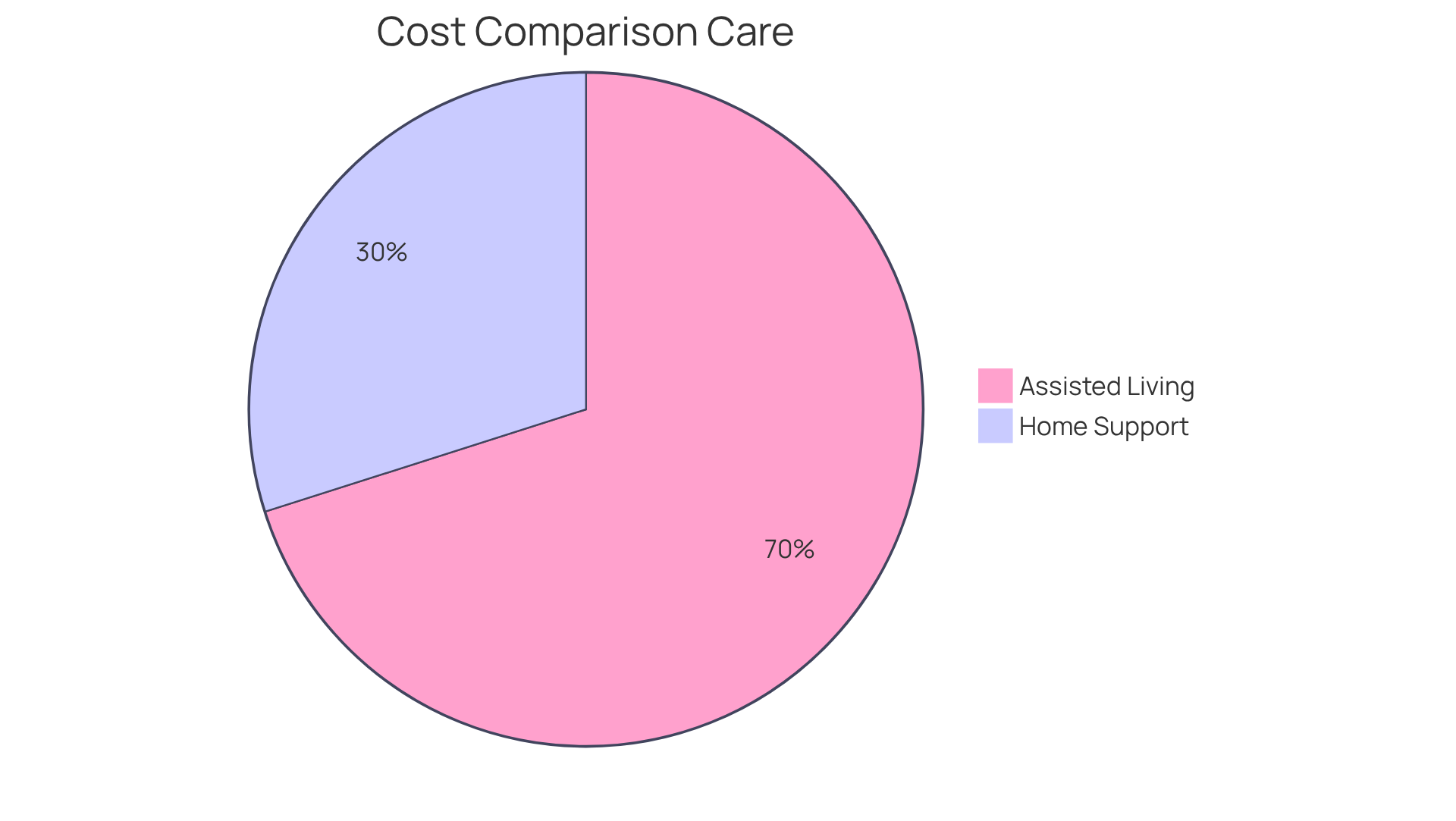
Home companionship services provide a compassionate and financially viable alternative for families, especially in light of the increasing costs of assisted living facilities or nursing homes. With the average monthly expense of assisted living reaching around $4,000, and varying from $2,844 to $9,266 depending on the state, many families find that in-home support can significantly alleviate financial strain. Happy to Help Caregiving provides flexible pricing structures and personalized services tailored to accommodate different budgets, ensuring families receive the essential support they need without overwhelming expenses.
Statistics reveal that home support is typically more affordable than assisted living, especially when 40 hours or fewer of paid assistance is required weekly, with the total weekly cost of home support averaging $1,707. This affordability is crucial, particularly as nearly 7 million Americans support relatives or friends living at least an hour away, often leading to increased financial pressure from lost workdays and additional caregiving costs. In fact, an estimated 15 million days of work are missed each year due to long-distance caregiving, underscoring the financial burden on families.
Furthermore, the impact of home companionship on family budgets is significant. Families can maintain their financial stability while ensuring their loved ones receive quality support in the comfort of their homes. Financial advisors emphasize the importance of budgeting for home assistance services, noting that planning for these expenses can lead to better financial outcomes and peace of mind. As the demand for care services continues to grow, with projections indicating that by 2030, the number of Americans aged 65 and older will double, exploring affordable alternatives to assisted living becomes increasingly important. Home companionship not only nurtures the emotional well-being of elderly individuals but also provides families with a budget-friendly solution that fosters independence and comfort.
Physical Health Benefits: Encouraging Active Lifestyles
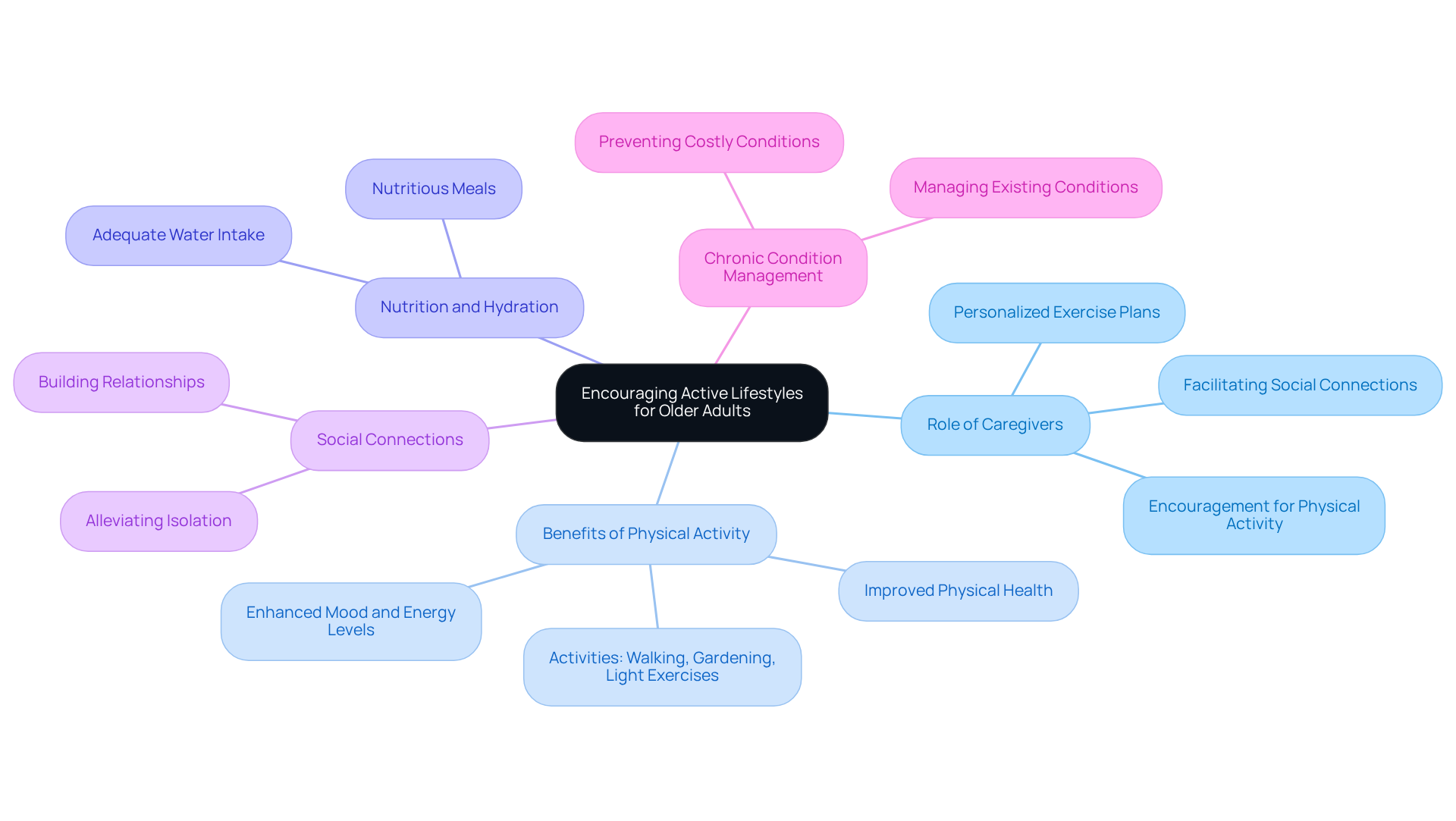
Caregivers play a vital role in encouraging older adults to engage in physical activities, whether it’s through light exercises, leisurely walks, or hobbies that promote movement. This support is essential, as studies show that regular physical activity can greatly enhance the physical health, mood, and energy levels of older adults. For instance, elderly individuals who receive regular visits are often more inclined to adopt healthier habits, such as improved nutrition and hydration—key components of overall well-being. Specifically, older adults with guests tend to enjoy nutritious meals and drink adequate water, highlighting how a supportive presence can foster these important habits.
Moreover, participating in activities like walking or gardening not only boosts cardiovascular health but also nurtures social connections, helping to alleviate feelings of isolation and depression. Caregivers frequently facilitate these activities, ensuring that older adults stay active and engaged. This support is particularly crucial, considering that nearly 95% of this population lives with at least one chronic health condition. By providing gentle encouragement and tailored exercise plans, caregivers assist older adults in managing these conditions through movement.
In fact, 4 in 5 of the most costly chronic conditions among adults aged 50 or older can be prevented or effectively managed through regular physical activity. By implementing personalized exercise programs, caregivers can enhance the overall care experience for older adults, promoting active and fulfilling lifestyles that ultimately elevate their quality of life.
Improved Quality of Life: Enhancing Daily Experiences for Seniors
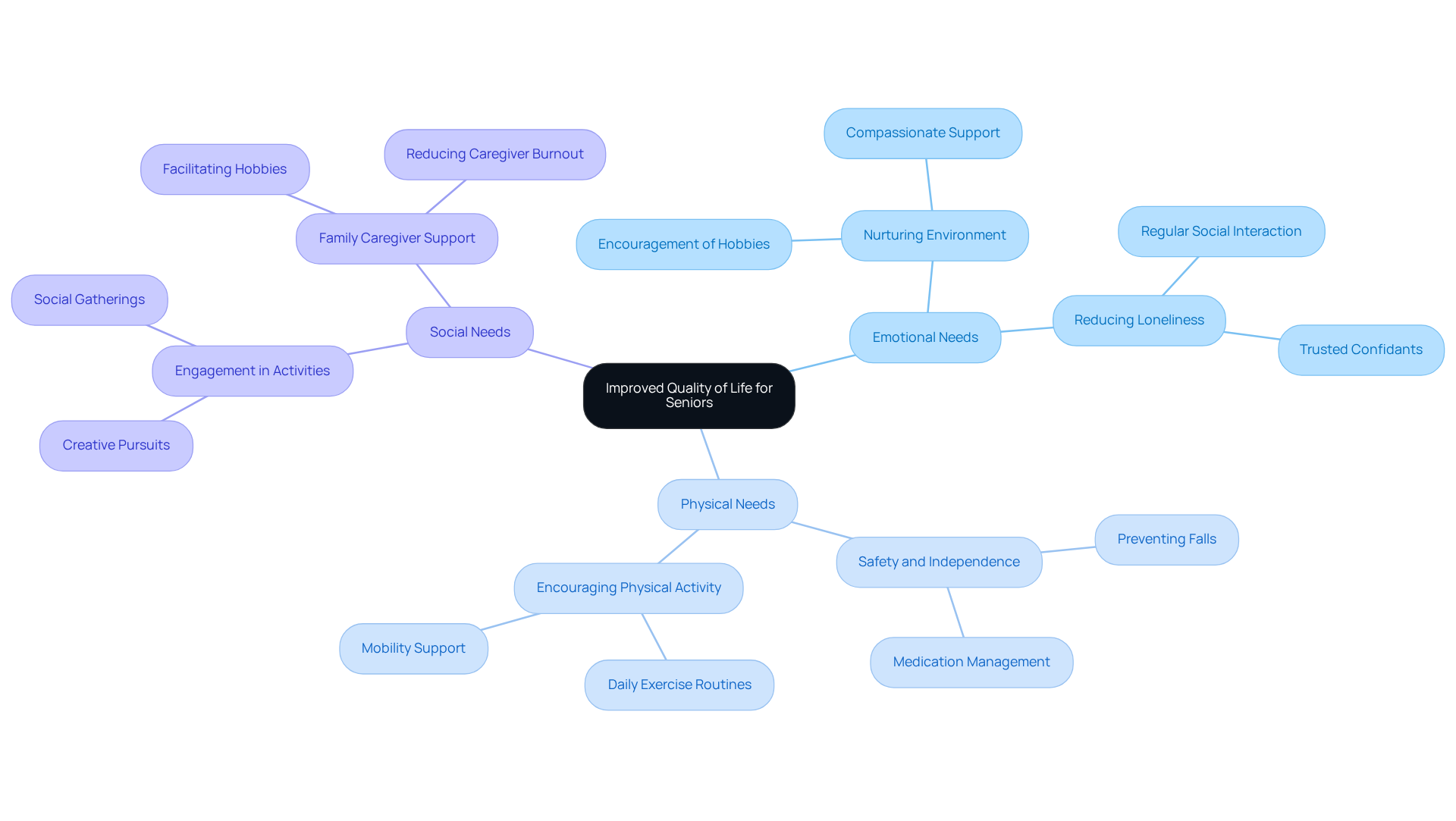
Happy to Help Caregiving provides home companionship services that are essential in improving the quality of life for elderly individuals. By addressing emotional, physical, and social needs, caregivers create a nurturing environment that fosters happiness and independence. Research indicates that elderly individuals receiving in-home care experience enhanced overall well-being. Loneliness and social isolation can significantly affect older adults' physical and mental health. This comprehensive approach not only enriches daily experiences but also allows older adults to maintain their independence in familiar surroundings.
The presence of a compassionate supporter encourages participation in activities that bring joy, nurturing creativity and satisfaction in their lives. Ultimately, integrating home companionship into care plans leads to a more vibrant life for elderly individuals, highlighting the importance of personalized support in enhancing their happiness and overall quality of life. Family caregivers play a crucial role by facilitating hobbies or activities that seniors enjoy, ensuring they remain engaged and connected.
Making the Right Choice
Home companionship services offer a vital lifeline for family caregivers. They address the multifaceted needs of elderly individuals while simultaneously providing essential support for their families. By fostering emotional connections, assisting with daily living tasks, and promoting social engagement, these services significantly enhance the well-being of seniors. The importance of companionship cannot be overstated; it combats feelings of isolation and nurtures a sense of independence and dignity among older adults.
Throughout this article, we have highlighted key benefits of home companionship. These include:
- Improved emotional support
- Enhanced quality of life
- Cost-effective care solutions
The role of caregivers in facilitating social interactions and encouraging physical activity underscores the profound impact that companionship has on the mental and physical health of seniors. Additionally, the peace of mind that reliable companionship provides to families is invaluable. It allows them to focus on their own responsibilities, knowing their loved ones are well cared for.
In light of the growing demand for elder care services, embracing home companionship as a fundamental aspect of caregiving is essential. Families are encouraged to explore personalized support options that not only meet the unique needs of their loved ones but also foster a nurturing environment where seniors can thrive. By prioritizing companionship, families can significantly improve the quality of life for elderly individuals, ensuring they feel valued, connected, and engaged in their golden years.
https://iframe.tely.ai/cta/eyJhcnRpY2xlX2lkIjogIjY5MDJhYWYwY2FhYzMzMjQ0NDhhNDI3ZCIsICJjb21wYW55X2lkIjogIjY4ZWU1ZGNhNzMxNzYyNTU3ZjNjOTVjMSIsICJpbmRleCI6IG51bGwsICJ0eXBlIjogImFydGljbGUifQ==Frequently Asked Questions
What services does Happy to Help Caregiving provide for seniors?
Happy to Help Caregiving offers personalized companionship services, including engaging activities, emotional support, and assistance with daily tasks, all aimed at fostering a nurturing environment for seniors.
How does companionship impact the well-being of elderly individuals?
Companionship enhances the quality of life for older adults by alleviating feelings of isolation and loneliness, which can negatively impact health. Meaningful interactions can lead to improved overall well-being.
Why is emotional support important for seniors?
Emotional support helps combat feelings of loneliness and isolation, which are common among seniors. Engaging conversations and enjoyable activities foster a sense of connection and belonging, essential for maintaining mental health and happiness.
What are the common feelings experienced by seniors regarding isolation?
Nearly one-third of U.S. adults aged 50 to 80 express feelings of isolation, highlighting the urgent need for effective social connection solutions.
What role do caregivers play in daily living assistance for seniors?
Caregivers assist with daily living tasks such as meal preparation, medication reminders, and light housekeeping, helping seniors maintain their independence and comfort in their own homes.
How does daily living assistance contribute to seniors’ emotional well-being?
Daily living assistance promotes home companionship, allowing seniors to remain in familiar surroundings, which significantly enhances their emotional well-being and quality of life.
What is the projected population of adults aged 65 and older by 2060?
The population of adults aged 65 and older is projected to reach 98 million by 2060 due to demographic shifts.
Why is self-care important for caregivers?
Caregivers must prioritize self-care to maintain their effectiveness and emotional health while supporting their clients and loved ones.