The Importance of Home Visits Carers
The aging population faces significant challenges, with many older adults needing assistance to navigate daily life. Loneliness and isolation are increasingly prevalent among seniors, making the need for personalized in-home care more critical than ever. This article explores ten compelling benefits of home visits from caregivers, showing how tailored support enhances the quality of life for elderly individuals and alleviates emotional burdens on their families.
What if the key to improving the well-being of loved ones lies in the simple act of having someone visit them at home? By addressing the emotional and practical needs of seniors, caregivers can make a profound difference in their lives.
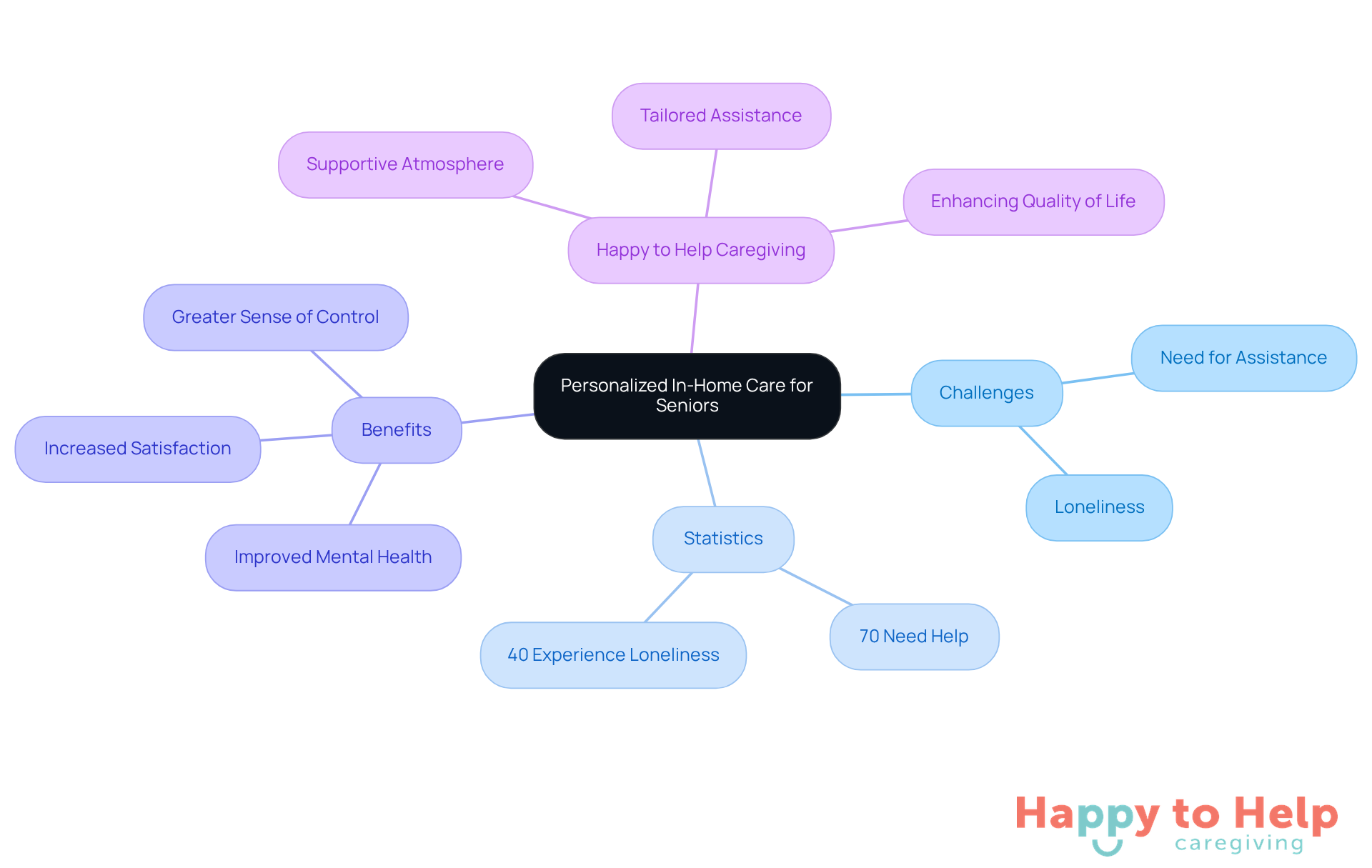
Happy to Help Caregiving: Personalized In-Home Care for Seniors
Many older adults face the challenge of needing assistance as they age. According to the U.S. Department of Health and Human Services, about 70% of individuals aged 65 and above will require some form of help throughout their lives. This reality can lead to feelings of loneliness, as over 40% of older adults report experiencing loneliness regularly. The implications of these challenges are significant, affecting both emotional health and overall quality of life.
To address these issues, Happy to Help Caregiving offers tailored assistance from home visits carers specifically designed for older adults. This customized approach ensures that each client receives support that aligns with their individual lifestyle, preferences, and health needs. By fostering a supportive atmosphere, Happy to Help Caregiving significantly enhances the quality of life for elderly individuals through home visits carers, allowing them to thrive in the comfort of their own homes.
Geriatric specialists emphasize the importance of individualized support in tackling the distinct challenges faced by older adults. Such support not only fosters autonomy but also enhances emotional well-being. Effective individualized support initiatives demonstrate that when assistance is tailored, older adults experience improved mental health, increased satisfaction, and a greater sense of control over their lives.
This dedication to personalized support distinguishes Happy to Help Caregiving as an essential ally in enhancing the lives of older adults through home visits carers.
Emotional Support: Alleviating Loneliness Through Companionship
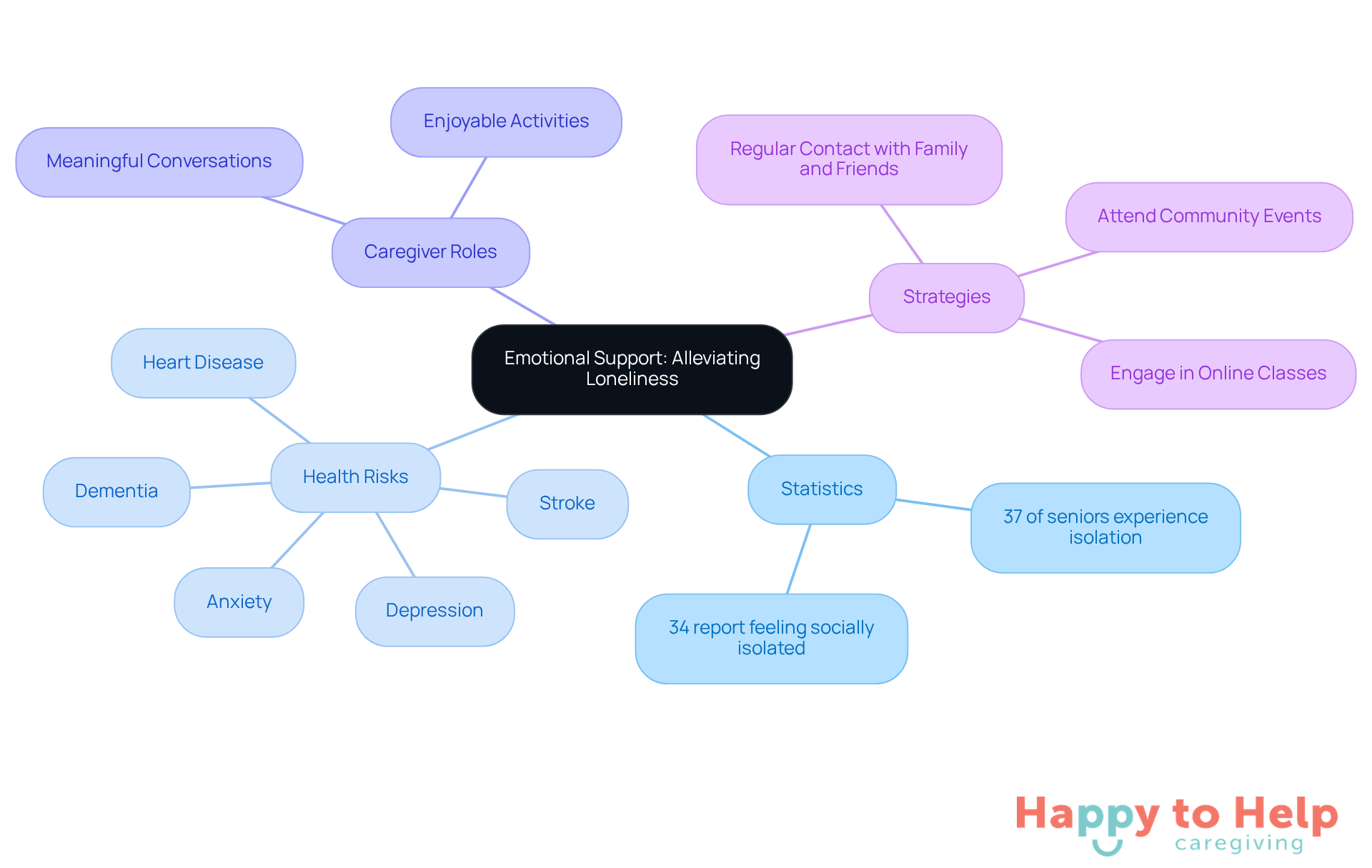
Loneliness among seniors is a pressing issue that caregivers must address. Research shows that in 2023, about 37% of older US adults aged 50-80 experienced feelings of isolation. This loneliness can lead to serious health risks, including heart disease, dementia, stroke, anxiety, and depression, as highlighted by Dr. Preeti N. Malani.
To combat this problem, home visits carers from Happy to Help Caregiving offer crucial companionship care. Caregivers engage clients in meaningful conversations and enjoyable activities, fostering emotional connections that help alleviate feelings of isolation. Regular social interaction can significantly improve mental health, enhancing overall happiness and quality of life for older adults.
Implementing strategies such as scheduling regular contact with family and friends can further combat social isolation. By prioritizing emotional support, home visits carers not only enrich the lives of their clients but also contribute to healthier, more fulfilling aging experiences.
In summary, addressing loneliness through companionship care is essential for promoting well-being among seniors. Caregivers can make a meaningful difference by actively engaging clients and facilitating connections with loved ones.
Daily Living Assistance: Supporting Independence in Everyday Tasks
Problem: Many elderly individuals struggle to maintain their independence due to daily living challenges. Tasks such as bathing, dressing, meal preparation, and medication management can become overwhelming, leading to a loss of dignity and self-reliance.
Agitate: This loss of independence can significantly impact their overall well-being and sense of purpose. Research shows that maintaining autonomy is crucial for older adults, and as the elderly assistance sector is projected to grow into a $200 billion to $300 billion industry, the demand for supportive services is increasing. Without proper assistance, elderly individuals may feel anxious and isolated, affecting their quality of life.
Happy to Help Caregiving offers essential daily living support through home visits carers, empowering elderly individuals to live comfortably and safely at home. Caregivers not only assist with physical tasks but also foster emotional resilience by encouraging social interactions and engagement in hobbies. As one occupational therapist noted, "Empowering older adults to make choices about their daily routines is essential for maintaining their autonomy and self-esteem."
By providing consistent support, home visits carers ensure that elderly individuals experience peace of mind, knowing help is readily available. This holistic approach nurtures both the physical and emotional needs of older adults, promoting their independence and enhancing their quality of life.
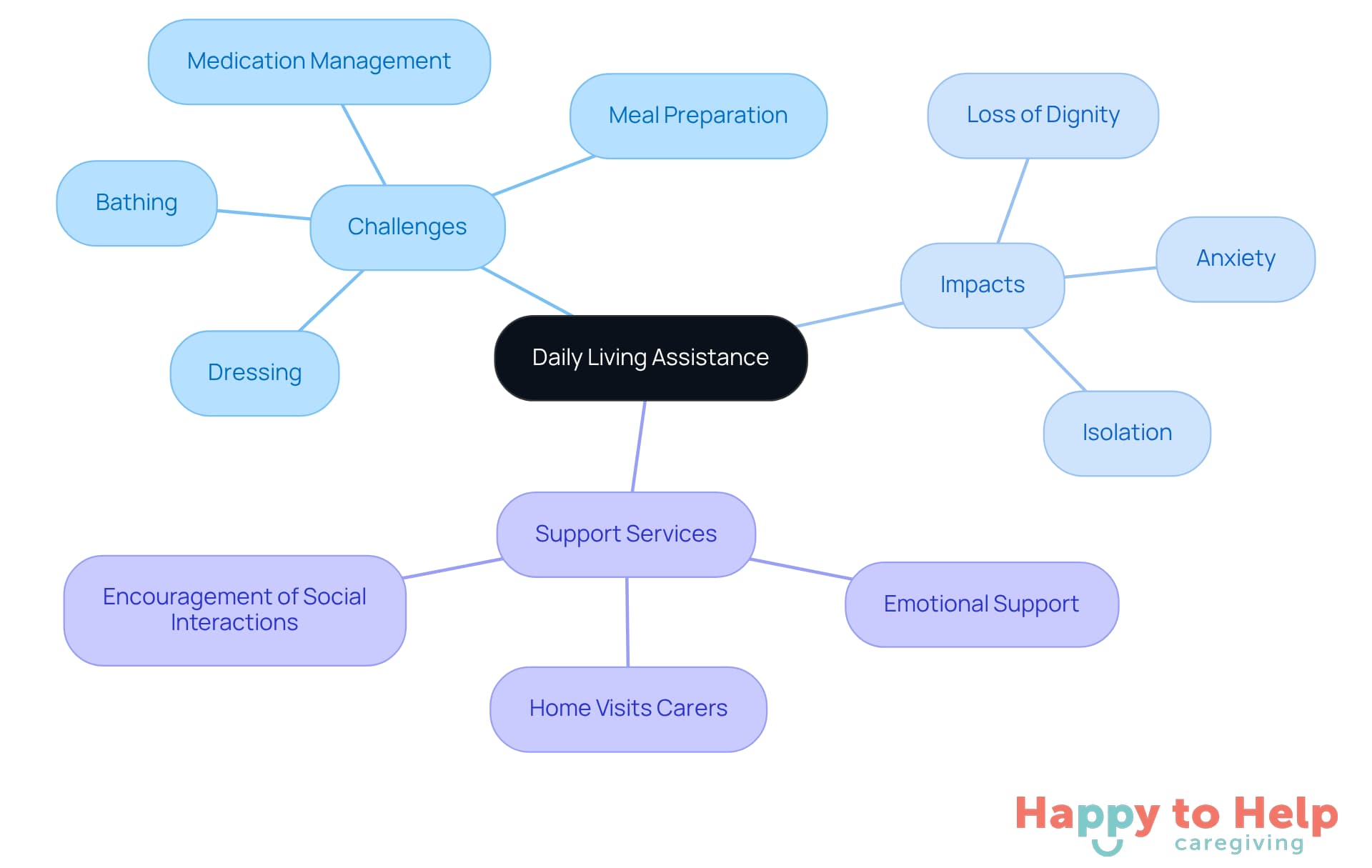
Home Safety Monitoring: Ensuring a Secure Living Environment
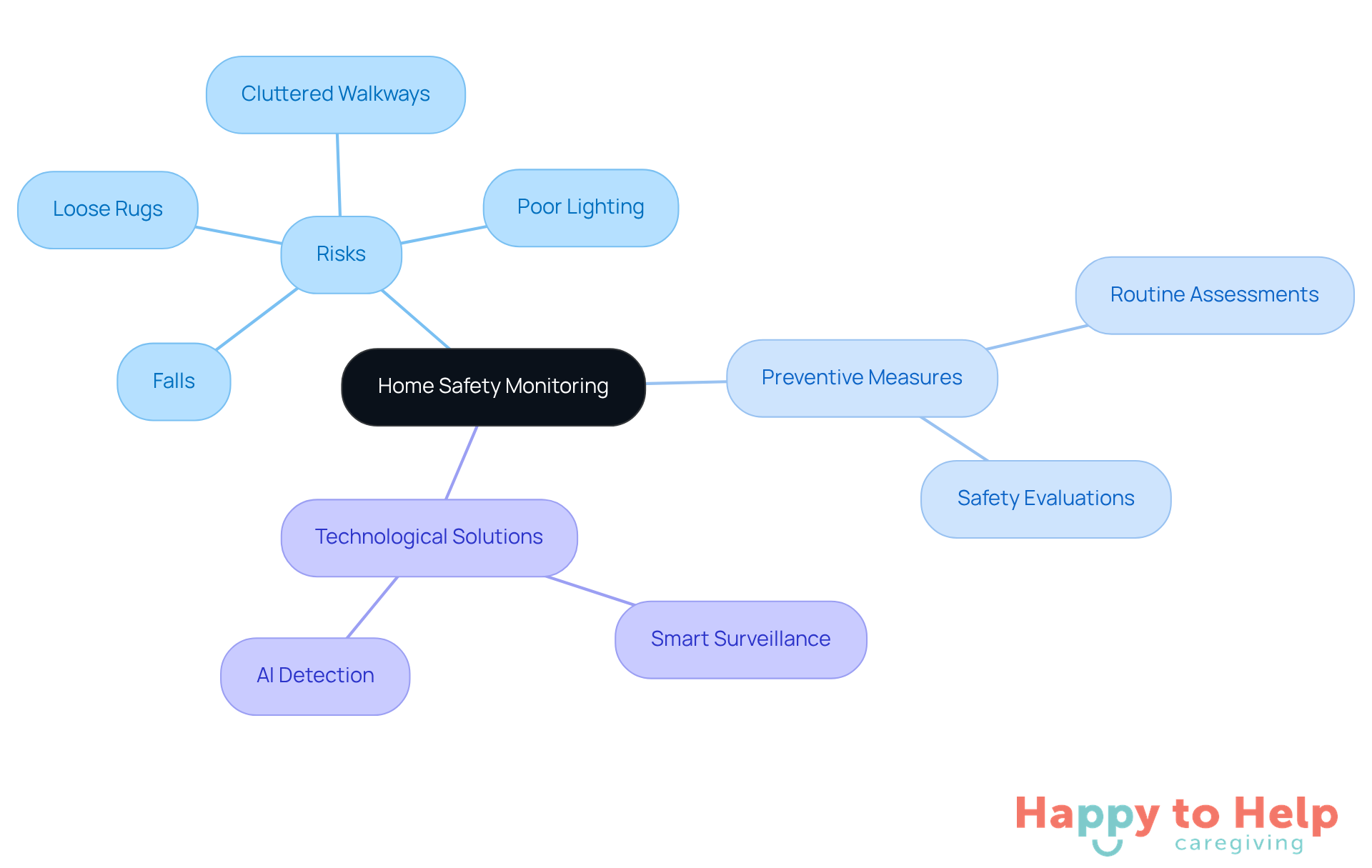
Home safety monitoring poses a significant challenge for caregivers, as falls are a leading cause of injury among older adults. Loose rugs, poor lighting, and cluttered walkways can create hazardous environments, often going unnoticed until a serious incident occurs. By addressing these issues proactively, home visits carers can significantly reduce the risk of falls and accidents, enabling older adults to navigate their homes with confidence.
Experts emphasize the importance of regular safety evaluations. A safety expert noted, "Routine assessments are crucial in preventing falls, as they help identify risks before they lead to injuries." Implementing safety measures not only enhances physical security but also promotes emotional well-being by fostering a sense of independence.
To further enhance safety, integrating smart surveillance systems equipped with AI and sensors can be a game-changer. These technologies detect emergencies in real-time, promptly alerting caregivers and family members. Such innovations ensure that seniors receive immediate assistance from home visits carers when needed, effectively bridging the gap between human support and technological aid. It's essential to note that user consent is crucial for monitoring systems, safeguarding the dignity and privacy of clients.
By merging comprehensive safety evaluations with advanced monitoring systems, Happy to Help Caregiving, with the support of home visits carers, creates a secure living environment that prioritizes the well-being of its clients. Additionally, families should consider the importance of Long-Term Care Insurance in funding these safety measures, as it can provide vital support for home care needs.
Medical Care Coordination: Managing Health Needs Effectively
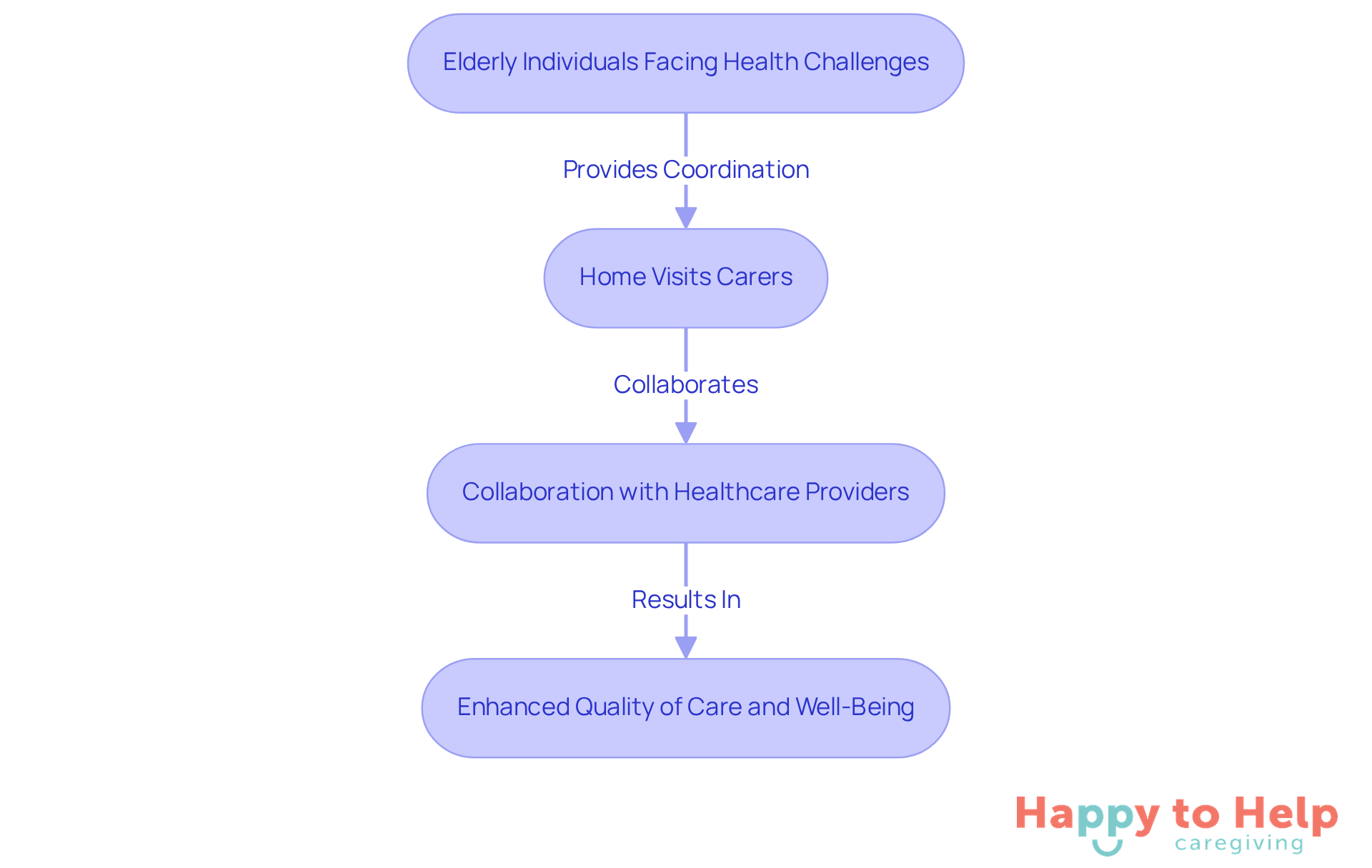
Elderly individuals often face challenges in receiving the medical care they need. Without proper coordination, they risk missing appointments, mismanaging medications, and experiencing delays in treatment. These issues can lead to serious health complications and a decline in overall well-being.
Happy to Help Caregiving addresses these challenges by providing home visits carers who offer medical care coordination tailored for seniors. Home visits carers collaborate closely with healthcare providers to manage appointments, medications, and treatment plans. This proactive approach not only helps prevent medical errors but also ensures that seniors' health needs are met promptly and effectively.
By streamlining communication between caregivers and healthcare professionals, Happy to Help Caregiving enhances the quality of care for elderly individuals. This coordination contributes significantly to their overall well-being, allowing them to live healthier, more fulfilling lives.
Flexible Scheduling: Adapting to Individual Needs and Preferences
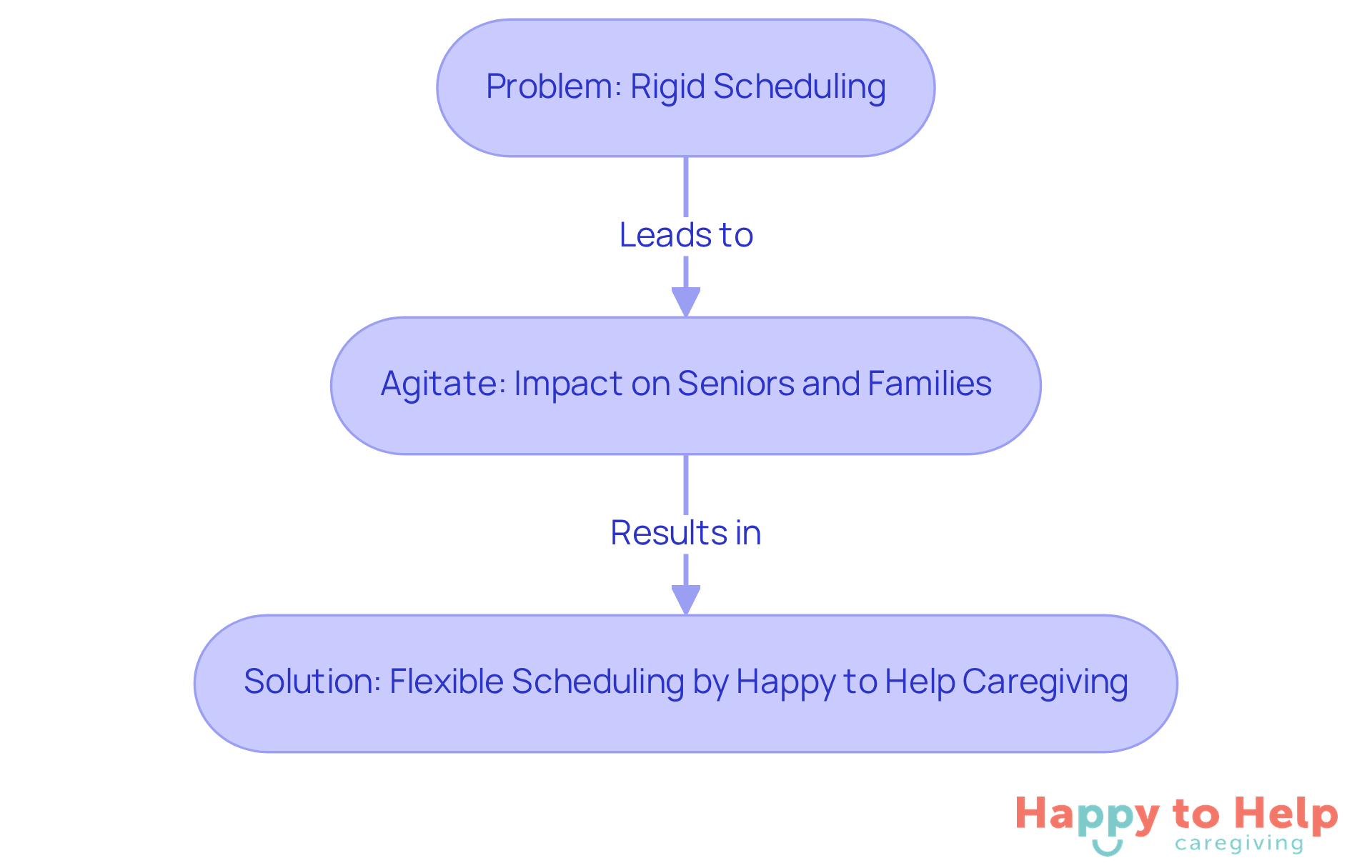
Problem: Many caregivers face challenges with rigid scheduling that doesn't accommodate the unique needs of their clients. This can lead to stress for both caregivers and families, as it often results in inadequate support for seniors.
Agitate: When caregivers cannot adjust their hours, it can disrupt the routines of seniors, impacting their overall well-being. Families worry about their loved ones not receiving assistance when they need it most, which can lead to feelings of anxiety and helplessness.
Solution: Happy to Help Caregiving addresses this issue with its commitment to flexible scheduling. Caregivers can tailor their hours to fit the specific routines and preferences of each client. This adaptability not only enhances the quality of care but also provides families with peace of mind, knowing their loved ones receive support precisely when needed.
Research shows that flexible scheduling significantly boosts senior satisfaction, accommodating changing needs and fostering a sense of stability in their daily lives. Family supporters often express appreciation for this personalized approach, noting that it reduces stress and improves their loved ones' overall well-being. As one family supporter mentioned, "The adaptability in scheduling has made a significant impact for us; it enables my mother to receive assistance when she requires it, which has greatly enhanced her mood and health."
By ensuring that support availability aligns with seniors' needs, Happy to Help Caregiving, with the assistance of home visits carers, plays a crucial role in enhancing their quality of life, allowing them to thrive in the comfort of their own homes.
Respite Care: Providing Relief for Family Caregivers
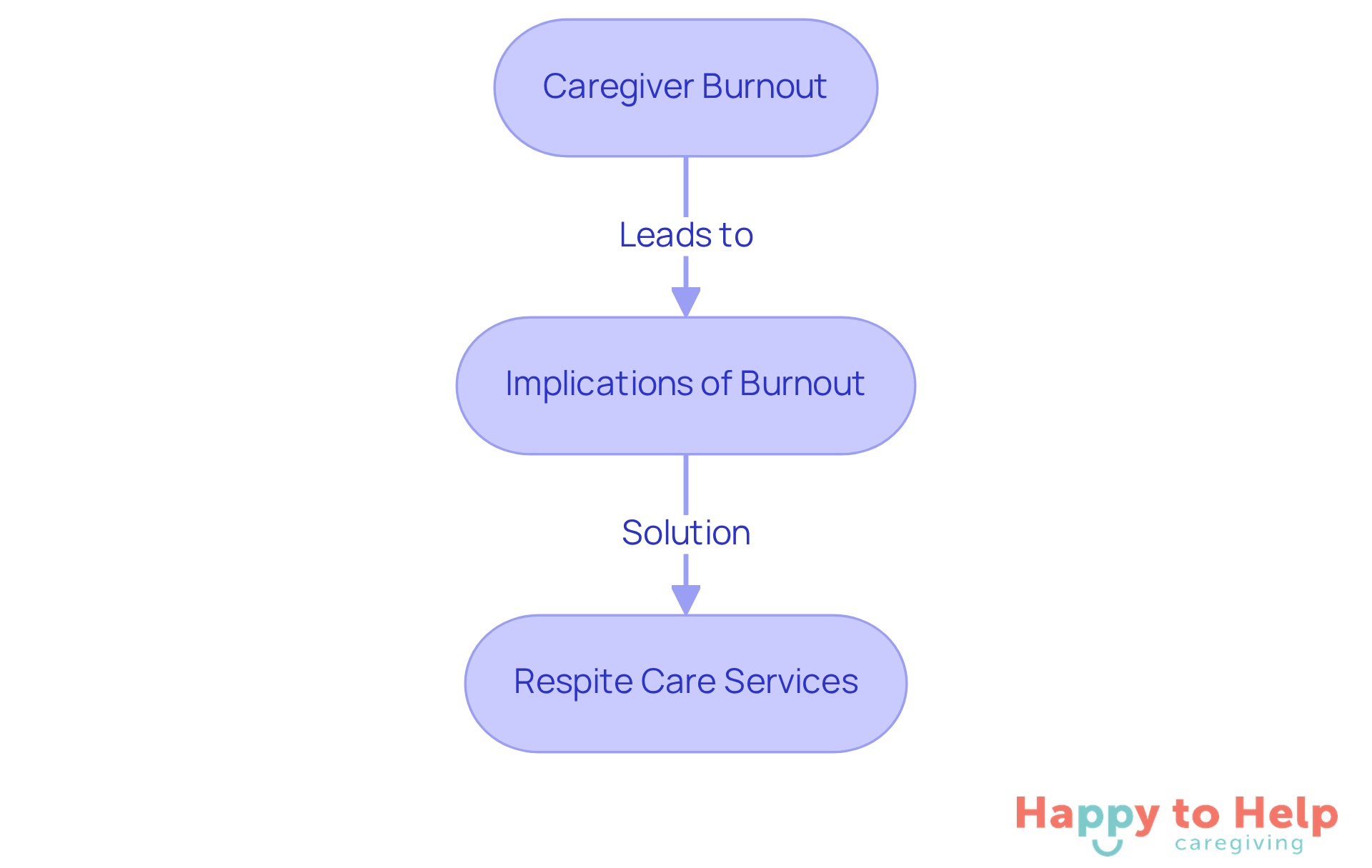
Problem: Caregivers often face significant challenges, including burnout and stress, which can impact their well-being and the quality of care they provide. Research from the National Institute on Aging shows that over 60% of caregivers experience signs of burnout, leading to serious wellness issues if not addressed.
Agitate: The implications of caregiver burnout are profound. Mental wellness experts emphasize the importance of self-care, stating, "You cannot support others if you don't also attend to yourself." Another expert adds, "Looking after your mental health isn't optional, and it's not selfish." Without proper support, caregivers may struggle to maintain their emotional strength and effectiveness in their roles.
Solution: Respite care services provided by home visits carers, like those offered by Happy to Help Caregiving, provide essential relief for family supporters. These services allow caregivers to take breaks ranging from a few hours to several days, empowering them to recharge and focus on their own wellness. Caregivers who utilize respite services report higher satisfaction with their roles, returning with renewed energy and patience. Additionally, home visits carers provide respite support that fosters stronger relationships between providers and recipients, as caregivers are better prepared to engage positively after taking necessary breaks.
The flexibility of respite care options enables caregivers to tailor their support to their unique needs, ensuring they can maintain their emotional well-being. Incorporating respite assistance into their routines ultimately leads to better outcomes for both caregivers and those they assist.
Continuity of Care: Building Trust Through Consistent Support
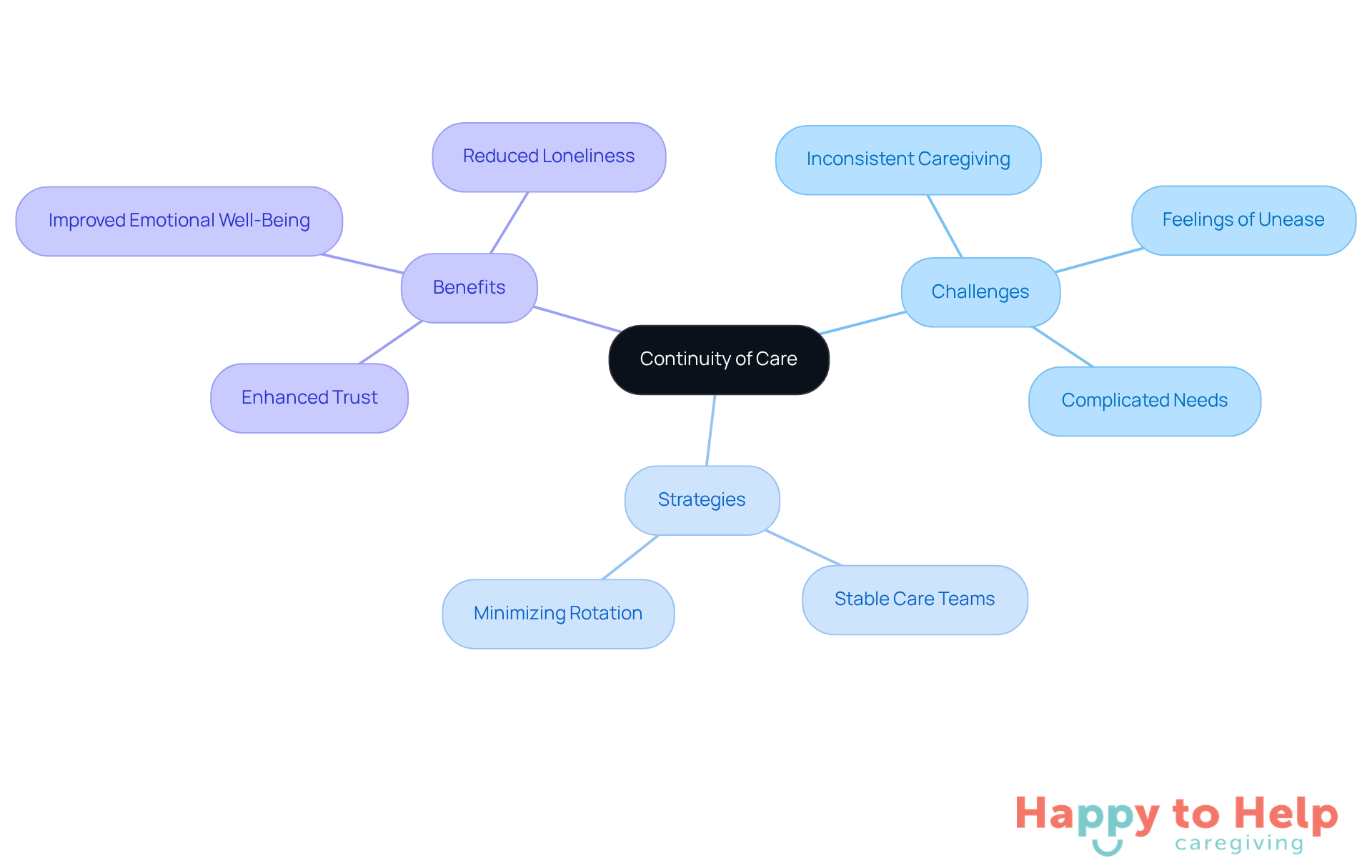
Inconsistent caregiving can pose significant challenges for older adults, leading to feelings of unease and insecurity. When clients receive support from different providers, it can hinder the development of trust and connection, which are crucial for effective caregiving. This inconsistency not only affects the emotional well-being of seniors but also complicates the caregivers' ability to meet their specific needs.
To address this issue, Happy to Help Caregiving emphasizes the importance of consistent assistance by utilizing home visits carers to ensure that clients receive support from the same providers whenever feasible. This approach fosters trust and connection, allowing older adults to feel more at ease and protected in their support. Familiarity with caregivers enhances the efficiency of assistance, as providers become attuned to the unique needs and preferences of their clients.
As Eric Thomas points out, "Strong relationships allow caregivers to comprehend the distinctive physical requirements, routines, and indicators of distress in older adults, resulting in faster interventions and more efficient support." Research indicates that a strong caregiver-senior relationship can significantly reduce feelings of loneliness and isolation, fostering a more positive outlook on life.
Furthermore, Agape Family Healthcare Services highlights the importance of assigning stable care teams and minimizing rotation. This strategy directly supports the emphasis on continuity of care by transforming the caregiving experience with home visits carers from a transactional service into a meaningful partnership. By prioritizing consistent support, caregivers can enhance the overall quality of life for older adults.
Social Engagement: Encouraging Interaction and Activities
Caregivers at Happy to Help Caregiving face a significant challenge: fostering social engagement among elderly individuals who often experience feelings of loneliness and isolation. Research shows that one in four older adults encounters social isolation, which can lead to serious mental health issues, including depression. This situation highlights the importance of home visits carers in addressing these challenges.
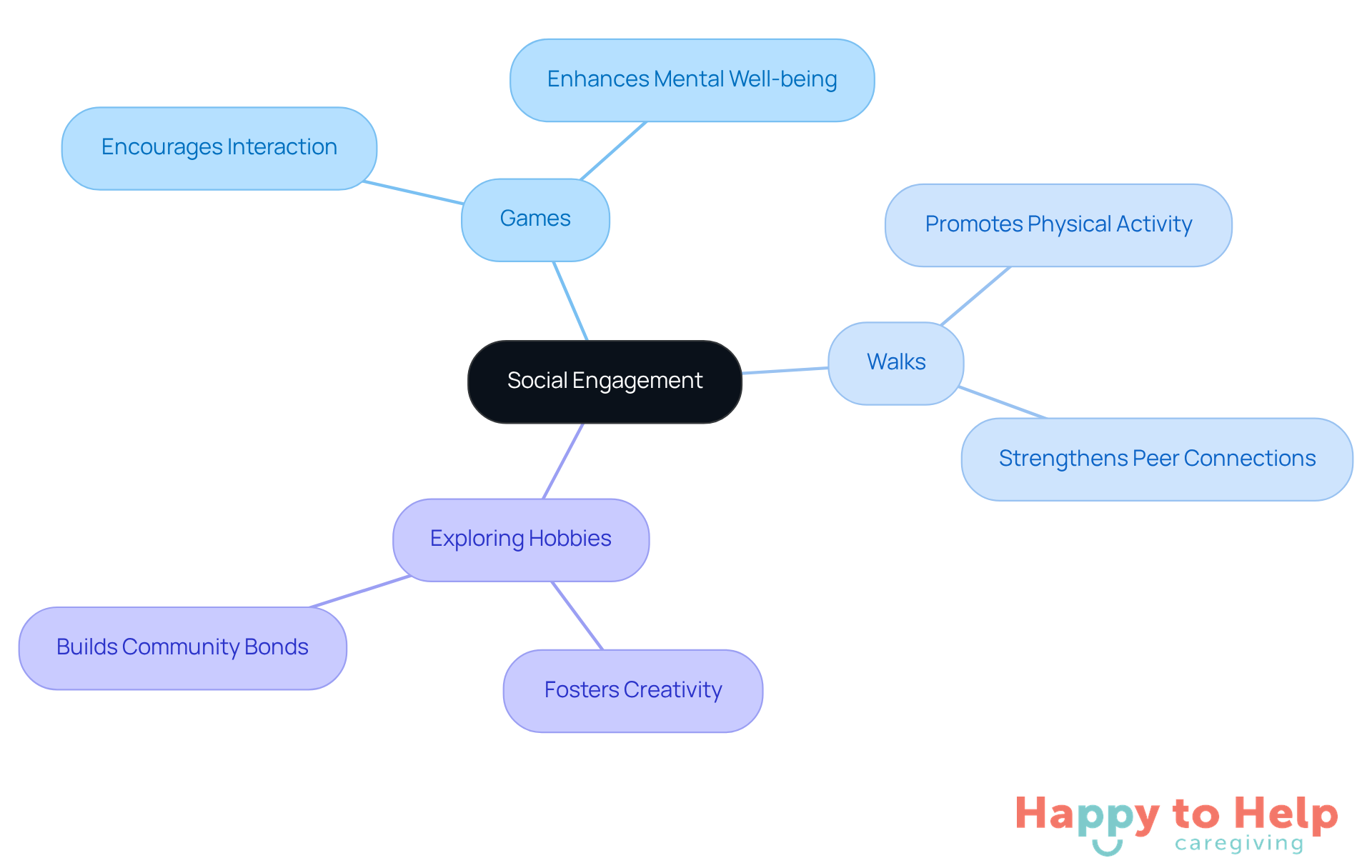
To combat social isolation, caregivers can organize activities that encourage interaction, such as:
- Games
- Walks
- Exploring hobbies
These activities not only help seniors stay connected but also enhance their mental well-being. By promoting social engagement, home visits carers create a nurturing atmosphere that fosters emotional health and helps build a sense of community.
Moreover, community initiatives that encourage physical activity can strengthen peer connections, highlighting the importance of social bonds in maintaining overall well-being. As Dr. Thomas Cudjoe states, "Social connections matter for our cognitive health." This emphasizes the crucial role caregivers play in ensuring that elderly clients lead fulfilling lives, ultimately contributing to their happiness and well-being.
Peace of Mind: Assurance for Families with In-Home Care
Problem: Many families face the challenge of ensuring their loved ones receive proper care while juggling their own responsibilities. With over one in five adults in the U.S. acting as family supporters, the stress of caregiving can be overwhelming.
Agitate: This stress can lead to anxiety and worry, making it difficult for family members to focus on their own lives. The emotional burden is particularly heavy during significant times, like the holiday season, when families want to ensure their loved ones are included in celebrations.
Happy to Help Caregiving provides dependable and compassionate home visits carers, offering peace of mind to families. Home visits carers monitor health and safety, manage daily routines, and provide companionship, which allows family members to engage more fully in their activities and relationships. As Sange Thungon notes, caregivers help uphold holiday customs, ensuring seniors are part of festivities. The reliable support provided by home visits carers fosters a sense of security, alleviating stress and enhancing family dynamics. Families can trust that their loved ones are receiving attentive assistance in a safe and familiar environment.
Moving Forward with Home Visits Carers
The profound impact of home visit caregivers on the lives of older adults is significant. Many seniors face loneliness and a lack of support, which can lead to emotional distress and a decline in overall well-being. By providing personalized, compassionate assistance tailored to individual needs, caregivers play a crucial role in enhancing the quality of life for these individuals.
Key benefits of home visits include:
- Alleviating loneliness through companionship
- Promoting independence in daily tasks
- Implementing safety measures
- Offering flexible scheduling
These elements work together to create a supportive atmosphere that addresses both the physical and emotional needs of seniors. The focus on continuity of care fosters trust and connection, which are vital for effective caregiving.
Moreover, in-home care extends its significance beyond the individual receiving assistance; it also offers peace of mind for families. Knowing that their loved ones receive attentive care allows families to focus on their responsibilities without the burden of worry. This holistic approach underscores the importance of investing in personalized in-home services, which can profoundly improve the lives of seniors and their families alike.
Embracing these solutions is not just a choice; it is a commitment to ensuring a fulfilling and dignified aging experience for our loved ones. By prioritizing home visits and compassionate care, we can make a meaningful difference in the lives of older adults.
https://iframe.tely.ai/cta/eyJhcnRpY2xlX2lkIjogIjY5MjRmMjA5ZWM0Y2FiOGU3NGVjMDEwYSIsICJjb21wYW55X2lkIjogIjY4ZWU1ZGNhNzMxNzYyNTU3ZjNjOTVjMSIsICJpbmRleCI6IG51bGwsICJ0eXBlIjogImFydGljbGUifQ==Frequently Asked Questions
What challenges do older adults face as they age?
Many older adults face the challenge of needing assistance, with about 70% of individuals aged 65 and above requiring help throughout their lives. This can lead to feelings of loneliness, as over 40% report experiencing loneliness regularly, which significantly affects emotional health and overall quality of life.
How does Happy to Help Caregiving address the needs of seniors?
Happy to Help Caregiving offers personalized in-home care tailored to the individual lifestyle, preferences, and health needs of older adults. This customized approach enhances the quality of life for elderly individuals by allowing them to thrive in the comfort of their own homes.
Why is individualized support important for older adults?
Individualized support is crucial as it fosters autonomy and enhances emotional well-being. Tailored assistance leads to improved mental health, increased satisfaction, and a greater sense of control over their lives for older adults.
What role does companionship play in alleviating loneliness among seniors?
Companionship care from home visits carers helps combat loneliness by engaging clients in meaningful conversations and enjoyable activities, fostering emotional connections that alleviate feelings of isolation. Regular social interaction can significantly improve mental health and overall happiness for older adults.
What are the health risks associated with loneliness in older adults?
Loneliness can lead to serious health risks, including heart disease, dementia, stroke, anxiety, and depression.
How does Happy to Help Caregiving support daily living for seniors?
Happy to Help Caregiving provides essential daily living assistance, helping elderly individuals with tasks such as bathing, dressing, meal preparation, and medication management. This support empowers them to maintain their independence and dignity while living comfortably and safely at home.
What is the significance of maintaining autonomy for older adults?
Maintaining autonomy is crucial for older adults as it impacts their overall well-being and sense of purpose. Empowering them to make choices about their daily routines helps maintain their self-esteem and emotional resilience.
How do home visits carers promote both physical and emotional needs?
Home visits carers not only assist with physical tasks but also encourage social interactions and engagement in hobbies, nurturing both the physical and emotional needs of older adults, thereby promoting their independence and enhancing their quality of life.
List of Sources
- Happy to Help Caregiving: Personalized In-Home Care for Seniors
- Top healthcare trends of 2026: Aging in place is driving innovation in home-based care and technology (https://definitivehc.com/blog/aging-in-place-driving-innovation)
- 5 Benefits of Senior In-Home Care in 2025 | Valley Home Care (https://valleyhca.com/the-top-5-benefits-of-in-home-senior-care-for-aging-loved-ones-in-2025)
- Home Care Industry Trends to Watch in 2025 (https://firstlighthomecare.com/blog/home-care-industry-trends)
- The Future of Aging: Is In-Home Care the New Standard? - WorldHealth.net (https://worldhealth.net/news/future-of-aging-is-in-home-care-new-standard)
- Trends in Senior Care: What to Expect in 2025 (https://agingconnections.org/blog/trends-in-senior-care-what-to-expect-in-2025)
- Emotional Support: Alleviating Loneliness Through Companionship
- Social Isolation and Loneliness in Older Adults (https://jamanetwork.com/journals/jama/fullarticle/2819153)
- Social connection linked to improved health and reduced risk of early death (https://who.int/news/item/30-06-2025-social-connection-linked-to-improved-heath-and-reduced-risk-of-early-death)
- Loneliness and isolation: Back to pre-pandemic levels, but still high, for older adults (https://ihpi.umich.edu/news-events/news/loneliness-and-isolation-back-pre-pandemic-levels-still-high-older-adults)
- Middle-aged Americans and loneliness: New study shows an alarming trend | Emory University | Atlanta GA (https://news.emory.edu/stories/2025/04/hs-middle-aged-adults-and-loneliness-22-04-2023/story.html)
- Daily Living Assistance: Supporting Independence in Everyday Tasks
- Independence and older adults: Importance and promoting it (https://medicalnewstoday.com/articles/independence-and-the-elderly)
- The senior population is booming. Caregiving is struggling to keep up (https://cnbc.com/2025/11/21/senior-caregiving-labor.html)
- Senior living: Californians receiving in-home care fear consequences of Medicaid cuts (https://dailybreeze.com/2025/05/19/senior-living-californians-receiving-in-home-care-fear-consequences-of-medicaid-cuts)
- Enhancing Senior Independence With 24/7 Support - WorldHealth.net (https://worldhealth.net/news/24-7-support-in-enhancing-senior-independence)
- Home Safety Monitoring: Ensuring a Secure Living Environment
- Smart Surveillance Boosts Safety, Connection for Seniors Aging at Home (https://ltcnews.com/articles/smart-surveillance-boosts-safety-seniors-aging-at-home)
- Mesa assisted living community using artificial intelligence to prevent falls (https://azfamily.com/2024/12/10/mesa-assisted-living-community-using-artificial-intelligence-prevent-falls)
- New guidance on electronic monitoring devices aims to balance resident safety, privacy (https://mcknightsseniorliving.com/news/new-guidance-on-electronic-monitoring-devices-aims-to-balance-resident-safety-privacy)
- In Senior Homes, A.I. Technology Is Sensing Falls Before They Happen (https://nytimes.com/2025/10/29/realestate/in-senior-homes-ai-technology-is-sensing-falls-before-they-happen.html)
- Medical Care Coordination: Managing Health Needs Effectively
- The Vital Role of Care Coordination — Sublette County Hospital District (https://sublettehospitaldistrict.org/news-updates/the-vital-role-of-care-coordination)
- New Study Explores the Need for Expanded Long-Term Care Services to Support Aging-in-Place | Johns Hopkins Bloomberg School of Public Health (https://publichealth.jhu.edu/2025/new-study-explores-the-need-for-expanded-long-term-care-services-to-support-aging-in-place)
- Senior Care Coordination | Care Coordination For Seniors (https://greatergoodhealth.com/patient-services/care-coordination)
- Care Coordination for Seniors: Why It Matters - WelbeHealth (https://welbehealth.com/care-coordination-for-seniors-2)
- Flexible Scheduling: Adapting to Individual Needs and Preferences
- The Critical Role of Flexibility in Home Care Scheduling for Family Peace of Mind (https://relevar.com/the-critical-role-of-flexibility-in-home-care-scheduling-for-family-peace-of-mind)
- Join a Growing Team: Flexible Schedules and Fulfilling Work in Home Health Care (https://awhealthcare.com/join-a-growing-team-flexible-schedules-and-fulfilling-work-in-home-health-care)
- The need for caregiving benefits may have reached a fever pitch (https://hrdive.com/news/sandwich-generation-needs-caregiving-benefits/802864)
- A Better Solution Home Care (https://abs.care/Home-Care-Staffing-Shortages-How-They-Impact-Home-Care-Services)
- 9 Ways to Find Caregivers With Flexible Scheduling Options - MedCity News (https://medcitynews.com/2025/05/9-ways-to-find-caregivers-with-flexible-scheduling-options)
- Respite Care: Providing Relief for Family Caregivers
- Caregivers and the Importance of Respite Care (https://benedictineliving.org/resources/news/caregivers-and-the-importance-of-respite-care)
- How Respite Care Can Improve Mental Health of Caregivers (https://bucknercalderwoods.org/news-blog/how-respite-care-can-improve-mental-health-of-caregivers)
- Preventing Caregiver Burnout with Respite Care | The Herrick House (https://theherrickhouse.org/news-stories/all-news-stories/stories/2025/04/preventing-caregiver-burnout-with-respite-care)
- Caring For the Caregiver: Preventing Burnout - AMHC (https://amhc.org/news/caregiver)
- Improving Support for Family Caregivers (https://nationalacademies.org/news/2025/07/improving-support-for-family-caregivers)
- Continuity of Care: Building Trust Through Consistent Support
- The Importance of Caregiver-Client Relationships in Senior Well-Being (https://homeinstead.com/home-care/usa/in/goshen/588/news-and-media/the-importance-of-caregiver-client-relationships-in-senior-well-being)
- The Quiet Power of Continuity in Home Healthcare (https://afhcs.com/the-quiet-power-of-continuity-in-home-healthcare)
- Continuity of Care: The Key to Safer, Happier Senior Living - Surework Solutions (https://sureworksolutions.com/2025/11/17/continuity-of-care-the-key-to-safer-happier-senior-living)
- Building Relationships Between Seniors and Caregivers - Meighen Health Centre (https://salvationarmy.ca/meighenhealth/2024/10/23/building-relationships-between-seniors-and-caregivers)
- Building Trust and Security, One Caregiver at a Time – Nexus (https://opentext.wsu.edu/chelan/part/building-trust-and-security-one-caregiver-at-a-time)
- Social Engagement: Encouraging Interaction and Activities
- Helping Older Adults Take Charge of Their Social Well-Being - News & Events | odphp.health.gov (https://odphp.health.gov/news/202509/helping-older-adults-take-charge-their-social-well-being)
- Why Socialization is Important for Older Adults (https://newsroom.clevelandclinic.org/2022/12/09/why-socialization-is-important-for-older-adults)
- New research shows that social interaction really can be a matter of life and death for older adults (https://mcknightsseniorliving.com/home/columns/editors-columns/new-research-shows-that-social-interaction-really-can-be-a-matter-of-life-and-death-for-older-adults)
- Social interaction in aging linked to cognitive health, emotional well-being (https://mcknights.com/news/social-interaction-in-aging-linked-to-cognitive-health-emotional-well-being)
- New Studies Suggest Social Isolation Is a Risk Factor for Dementia in Older Adults, Point to Ways to Reduce Risk (https://hopkinsmedicine.org/news/newsroom/news-releases/2023/01/new-studies-suggest-social-isolation-is-a-risk-factor-for-dementia-in-older-adults-point-to-ways-to-reduce-risk)
- Peace of Mind: Assurance for Families with In-Home Care
- Executive Home Care Honors Family Caregivers During National Family Caregivers Month (https://kron4.com/business/press-releases/cision/20251117LA25356/executive-home-care-honors-family-caregivers-during-national-family-caregivers-month)
- How In-Home Caregivers Make the Holidays Easier for Families - Home Care Powered By AUAF (https://homecare-aid.com/how-in-home-caregivers-make-the-holidays-easier-for-families)
- About You In Home Care supporting families across the area (https://fox8live.com/video/2025/11/24/about-you-home-care-supporting-families-across-area)
- Support for Family Caregivers Brings Peace of Mind (https://hiredhandshomecare.com/support-for-family-caregivers-brings-peace-of-mind)
- In-Home Caregivers Provide Peace of Mind to So Many (https://homewellcares.com/blogs/in-home-caregivers-provide-peace-of-mind-to-so-many)