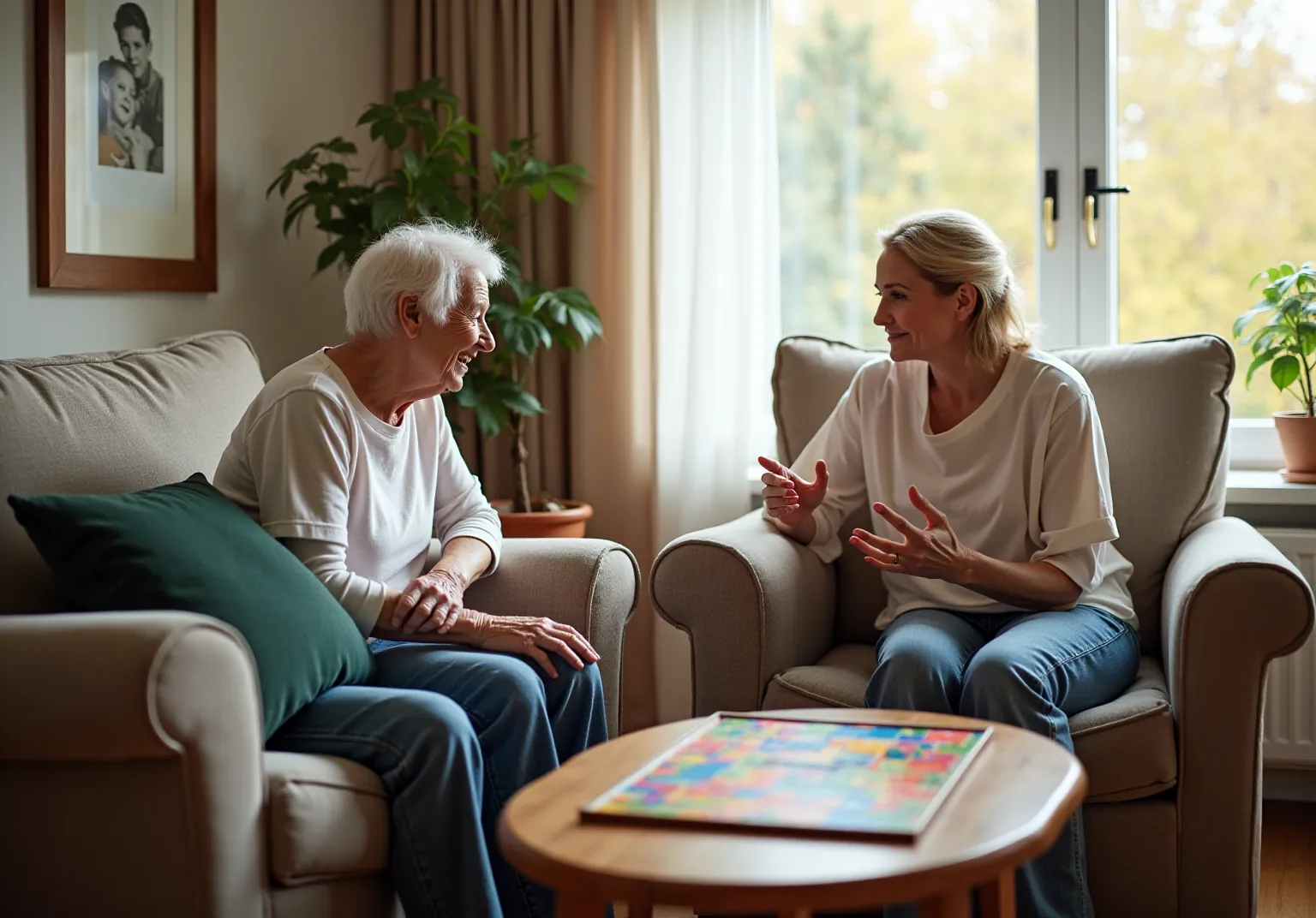
For families in our service areas
For families in our service areas, this guide explains in-home care and how non-medical in-home caregiving can support care planning in East Idaho, Treasure Valley & Magic Valley, Northern Wasatch, North Central West Virginia & Southwestern Pennsylvania, and Northeast Ohio.
The Importance of In-Home Care
The landscape of caregiving is evolving, presenting a significant challenge for families. Caregivers often face overwhelming burdens, balancing their own lives with the needs of their loved ones. This situation can lead to stress, burnout, and feelings of isolation, making it crucial to find reliable help.
In-home care is a practical answer to these challenges. They not only support seniors but also alleviate the pressures on family caregivers. With personalized care plans tailored to individual needs, these services provide essential emotional support that combats loneliness and enhances mental well-being.
To maximize the benefits of in-home care, families should consider the following actionable steps:
- Assess individual needs: Evaluate the specific requirements of the senior to create a tailored care plan.
- Engage with professionals: Consult with care experts to ensure the right services are in place.
- Utilize available resources: Explore community programs and support networks that can provide additional assistance.
By exploring the multifaceted advantages of in-home care, families can gain critical insights into improving the quality of life for both seniors and their caregivers.
Happy to Help Caregiving: Companionship Care for Enhanced Well-Being
Companionship care addresses a significant problem: loneliness among older adults. This emotional challenge not only affects their mental well-being but also poses serious health risks, including an increased likelihood of dementia, depression, and early mortality. Research indicates that social isolation can have dire consequences, making it essential for caregivers to recognize and combat this issue.
To mitigate these risks, caregivers from Happy to Help Caregiving are trained to foster meaningful relationships with their clients. By providing emotional support and engaging activities, they help older adults feel valued and connected. This approach not only alleviates feelings of loneliness but also encourages participation in social activities, which is vital for emotional health.
Regular companionship can significantly enhance the quality of life for older adults. As noted by experts, "Loneliness among older adults is more than an emotional challenge; it’s a growing public health concern that directly impacts physical health and mental well-being." Caregivers can play a crucial role in addressing this concern by promoting social engagement and emotional presence.
Additionally, caregivers assist seniors in navigating technology, such as social media and video calls. This support helps reduce feelings of boredom and disconnection, further enhancing their overall well-being. By implementing these strategies, caregivers can create a more positive outlook on life for older adults, making in-home care and companionship care a vital aspect of caregiving.
Personalized Care Plans: Tailoring Services to Individual Needs
Caregivers often face the challenge of providing support that truly meets the unique needs of their clients. Without a tailored approach, individuals may not receive the assistance they require, leading to frustration and unmet goals.
At Happy to Help Caregiving, customized support plans are developed through thorough evaluations of each client's needs, preferences, and lifestyle. This method ensures that in-home care services align with the individual's goals, whether they need help with daily activities, companionship, or support while recovering at home.
By focusing on the client's unique circumstances, caregivers can offer more effective and compassionate support. This tailored approach not only enhances the quality of care but also fosters a deeper connection between caregivers and clients, ultimately leading to better outcomes.
Emotional Support: Alleviating Loneliness and Enhancing Mental Health
Loneliness and depression are significant challenges faced by elderly individuals, often exacerbated by a lack of emotional support. This issue can lead to a decline in their overall well-being, making it crucial for caregivers to address these feelings effectively.
Happy to Help Caregiving emphasizes the importance of building strong connections in in-home care between caregivers and clients. Establishing trust and open communication is vital in alleviating these feelings. Engaging in conversations, sharing stories, and participating in enjoyable activities can significantly enhance the emotional well-being of older adults, making them feel more connected and valued.
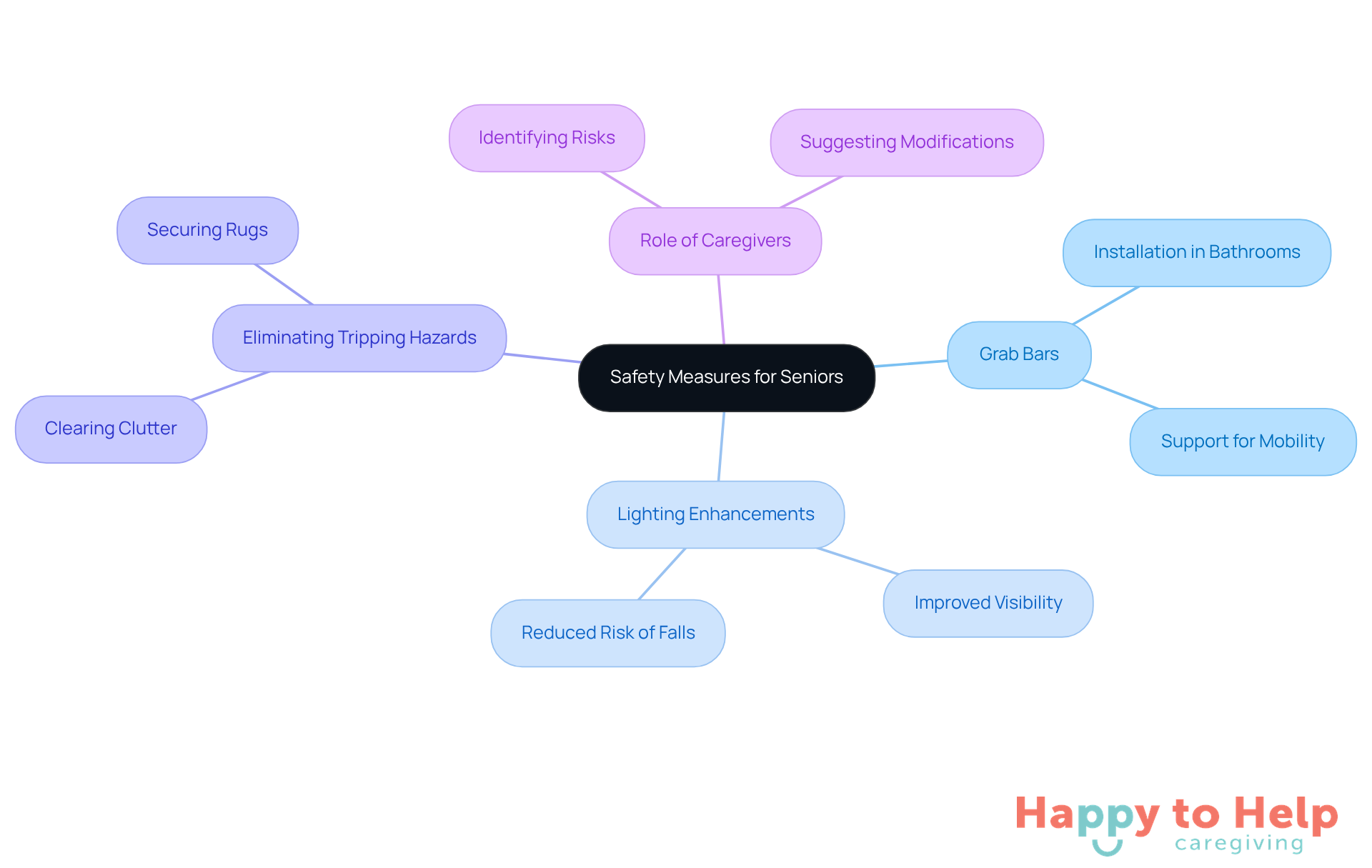
To combat loneliness and depression, caregivers can implement several practical strategies:
- Engage in meaningful conversations: Regular discussions can help elderly individuals feel heard and understood.
- Share personal stories: This fosters a sense of connection and encourages open dialogue.
- Participate in enjoyable activities: Whether it’s playing games or going for walks, shared experiences can uplift spirits.
By focusing on these in-home care strategies, caregivers can significantly enhance the emotional health of the elderly, ultimately leading to a more fulfilling caregiving experience.
Safety Measures: Modifying Homes for Senior Security
Ensuring the safety of elderly individuals with in-home care is a significant concern. Many caregivers face the challenge of preventing falls, which can lead to serious injuries and a loss of independence for older adults. This issue not only affects the physical well-being of seniors but also impacts their confidence in navigating their own homes.
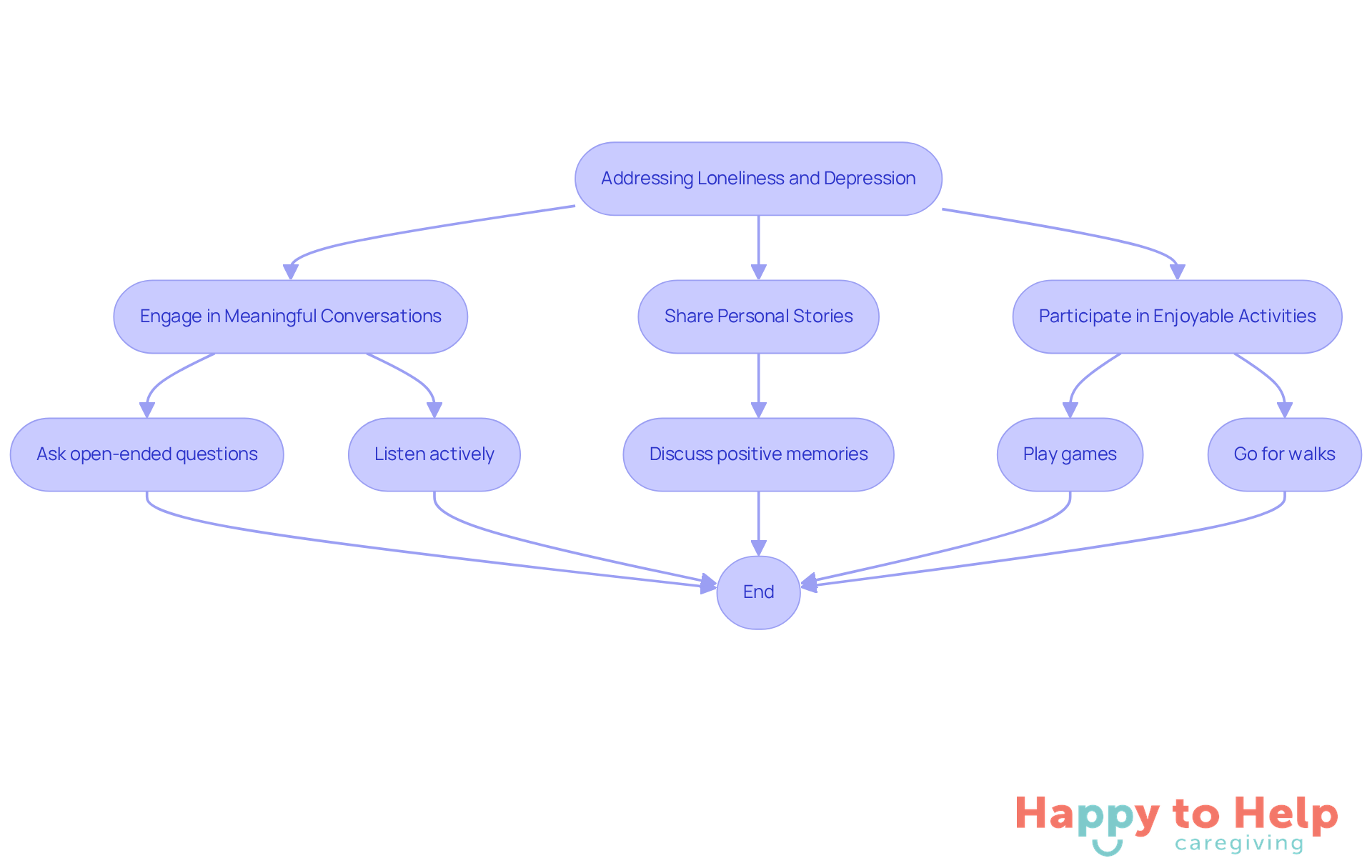
To address these challenges, Happy to Help Caregiving recommends several practical modifications:
- Installing grab bars in bathrooms
- Enhancing lighting throughout the home
- Eliminating tripping hazards
These changes not only help prevent falls but also empower older adults to move around their homes with greater confidence.
Caregivers play a crucial role in this process. They are trained to identify potential risks and suggest appropriate modifications, creating a safer living space for seniors. By making these changes, caregivers can significantly improve the safety and quality of life for elderly individuals receiving in-home care.
Recovery Support: Help with Daily Routines at Home
Many seniors face significant challenges when recovering from surgery or managing chronic health conditions. Everyday tasks like bathing, cooking, and keeping track of medications can feel overwhelming during recovery, and family members can't always be there to help.
Happy to Help Caregiving provides non-medical support that makes recovering at home easier. Our caregivers can help with:
- Medication reminders on the schedule the person's doctor prescribed
- Daily routines such as bathing, dressing, meals, and light housekeeping
- Sharing what they notice with the family, so changes can be passed along to the person's healthcare providers
Our caregivers do not provide medical care such as wound care, injections, or giving medications. When skilled nursing is needed, a home health agency or the person's medical team provides it, and our caregivers support the daily routine around that care.
With steady help at home, seniors can focus on their recovery while receiving the support they need. This not only enhances their well-being but also reassures their families.
Respite Care: Supporting Family Caregivers with Essential Breaks
Caregiver burnout is a significant issue that affects both the well-being of caregivers and the seniors they support. When caregivers are overwhelmed, it can lead to decreased quality of care and emotional strain. This is where in-home care assistance from Happy to Help Caregiving becomes essential.
By providing family supporters with necessary breaks, respite assistance allows them to relax and rejuvenate. This support is crucial in preventing burnout, ensuring that caregivers have the time they need for self-nurturing. When caregivers are well-rested, the overall standard of assistance improves, benefiting everyone involved.
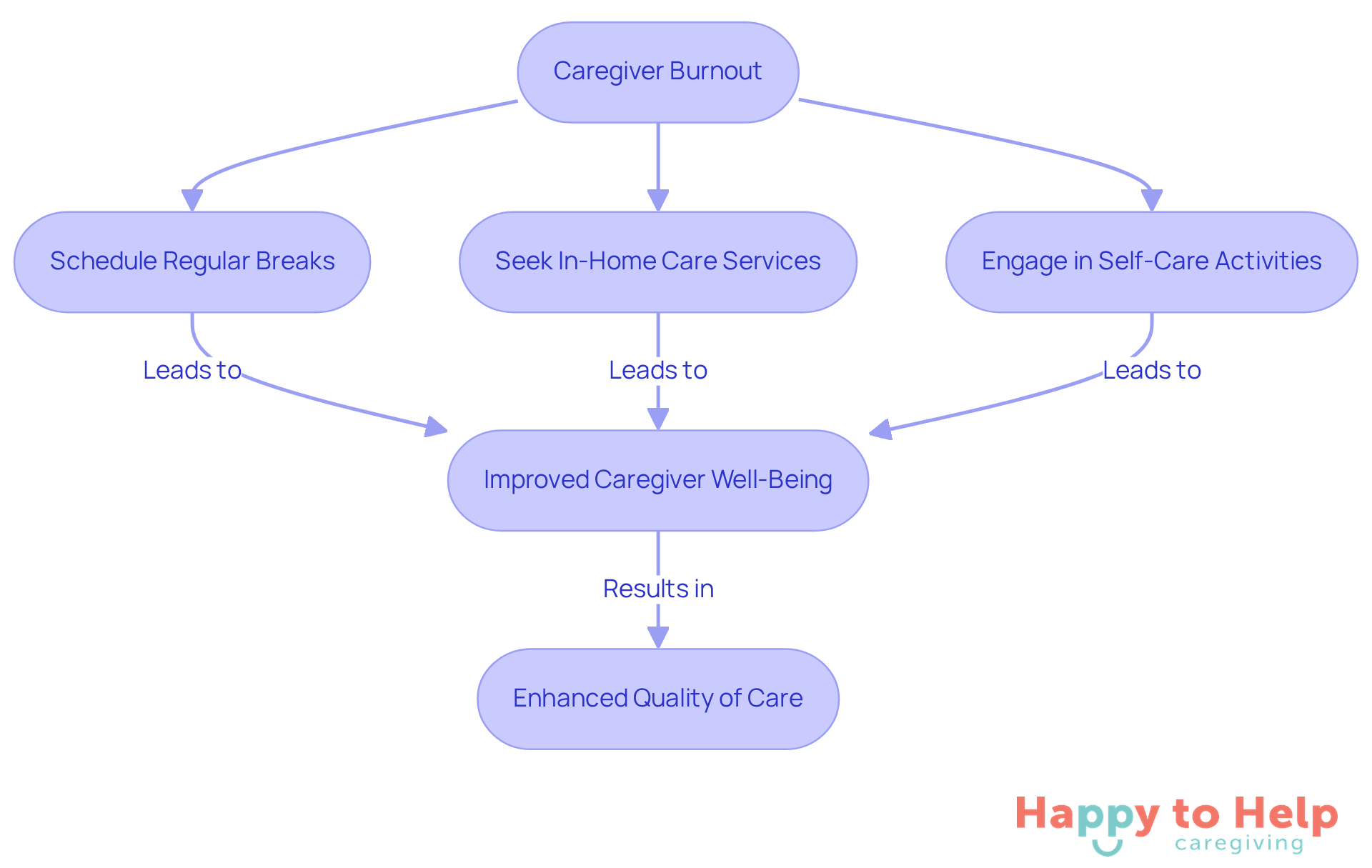
To combat caregiver burnout, try these steps:
- Schedule regular breaks to recharge.
- Seek support from in-home care services for respite.
- Engage in self-care activities that promote relaxation.
By implementing these strategies, caregivers can maintain their well-being and continue to provide high-quality care.
Cost-Effective Care: Comparing In-Home Services to Other Options
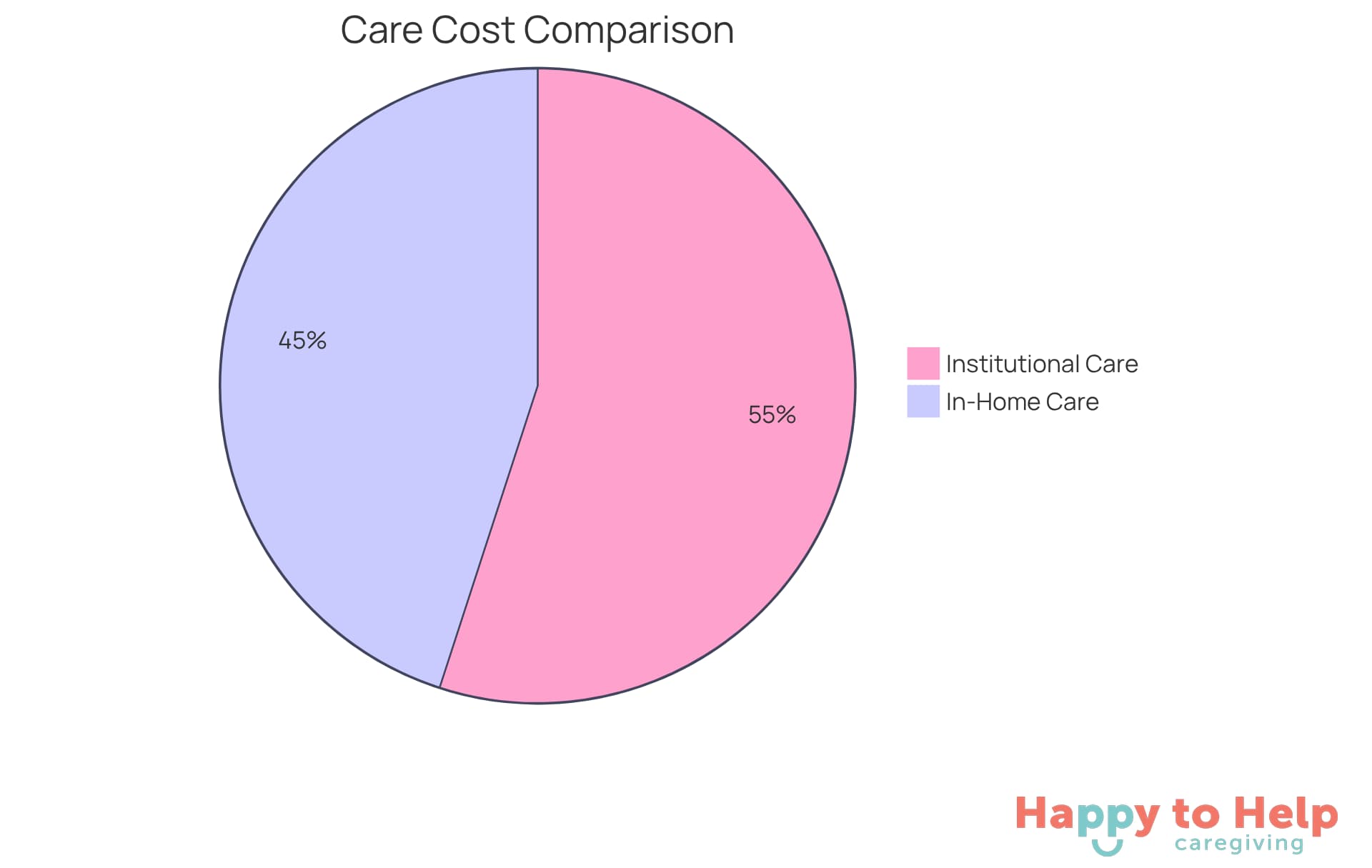
The Problem: Families often face overwhelming costs when considering nursing home placements or assisted living facilities. Monthly charges for institutional support can soar between $9,000 and $11,000, translating to daily expenses of about $314 for a semi-private room and $361 for a private room. This financial burden can create significant stress for caregivers.
The Implications: With 50% of Americans anxious about affording essential services, the financial strain becomes even more pronounced. Families must navigate these challenges while ensuring their loved ones receive the care they need, which can feel like an impossible balancing act.
The Solution: In-house support services from Happy to Help Caregiving present a more economical option. By choosing in-home care, families can avoid the high monthly charges associated with institutional care. Monthly expenses for in-home care typically range from $5,000 to $6,500 for 44 hours of support each week in 2025, making it a financially feasible choice for many households.
In-home care not only alleviates transportation costs but also provides flexible scheduling, further easing financial pressures. This approach ensures that loved ones receive individualized attention tailored to their needs while allowing families to maintain better oversight of their budgets. Moreover, home support is often less expensive than institutional assistance when only part-time or moderate help is required. Many families pay for non-medical home care privately, which lets them choose the schedule and level of help that fits their budget.
Ultimately, choosing in-home care enhances the emotional well-being of seniors and aids families in managing caregiving costs more effectively.
Flexible Scheduling: Adapting Care to Family Needs
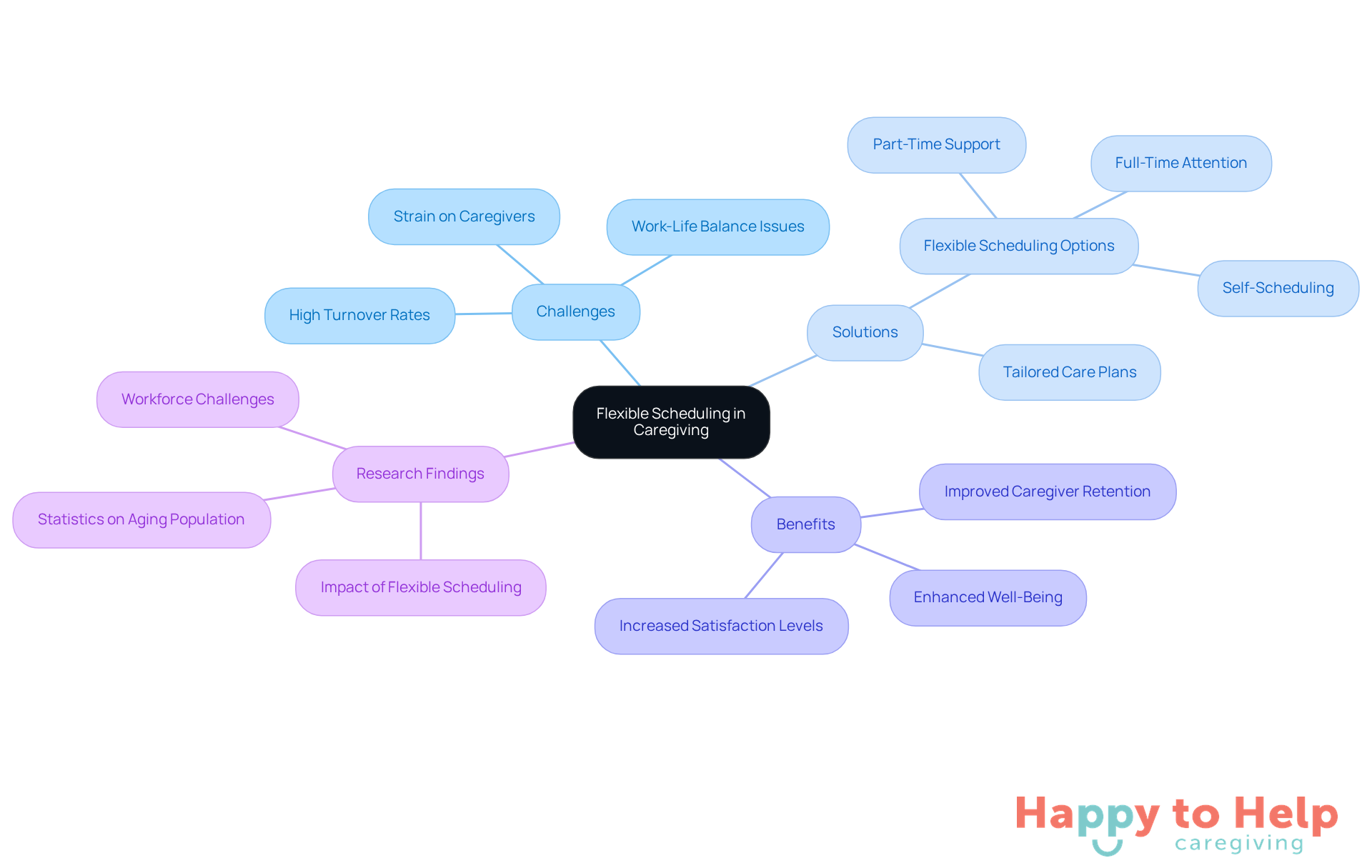
The growing number of adults aged 65 and older in the U.S., projected to exceed 77 million, presents a significant challenge: the increasing demand for in-home care. This surge in need can place a considerable strain on caregivers, who often juggle work and caregiving responsibilities.
To address this issue, Happy to Help Caregiving offers flexible scheduling options tailored to the unique needs of each family. Whether clients require part-time support or full-time attention, caregivers can adjust their schedules accordingly. This adaptability not only helps households maintain their daily routines but also ensures that loved ones receive the necessary support.
Research indicates that families utilizing flexible support services report higher satisfaction levels. These options alleviate the pressure of balancing work and caregiving duties, ultimately enhancing the well-being of both clients and their relatives. As Kelly Salb notes, adapting support to meet evolving household needs is crucial for navigating life transitions, providing families with confidence in their care choices.
In summary, the ability to modify support according to family needs is not just a convenience; it is a vital component of effective in-home care. This is especially important given the ongoing workforce challenges in the caregiving industry.
Continuity of Care: Building Trust with Familiar Caregivers
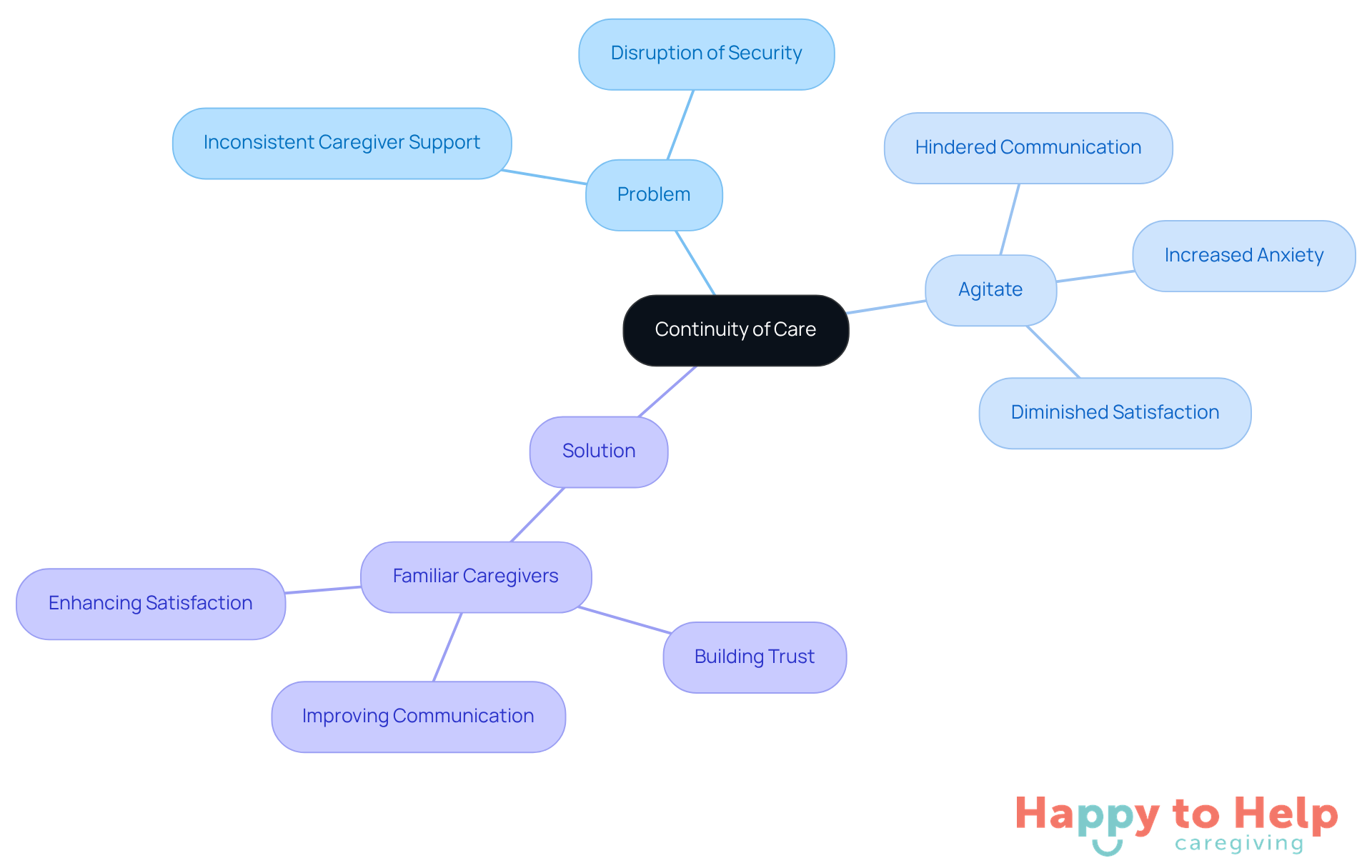
Problem: Inconsistent caregiver support can lead to significant challenges for clients, particularly seniors. When caregivers change frequently, it can disrupt the sense of security that is vital for their well-being.
Agitate: This inconsistency can create anxiety and hinder effective communication, ultimately affecting the quality of care. Seniors may feel uneasy or unsafe, which can diminish their overall satisfaction with the caregiving experience.
Continuity of support is a cornerstone of Happy to Help Caregiving's approach to in-home care. By ensuring that clients receive in-home care from familiar caregivers, trust and rapport can be established. This consistency not only alleviates anxiety but also promotes a feeling of safety in their support, leading to better communication and overall satisfaction.
Family Communication: Regular Updates on Daily Care
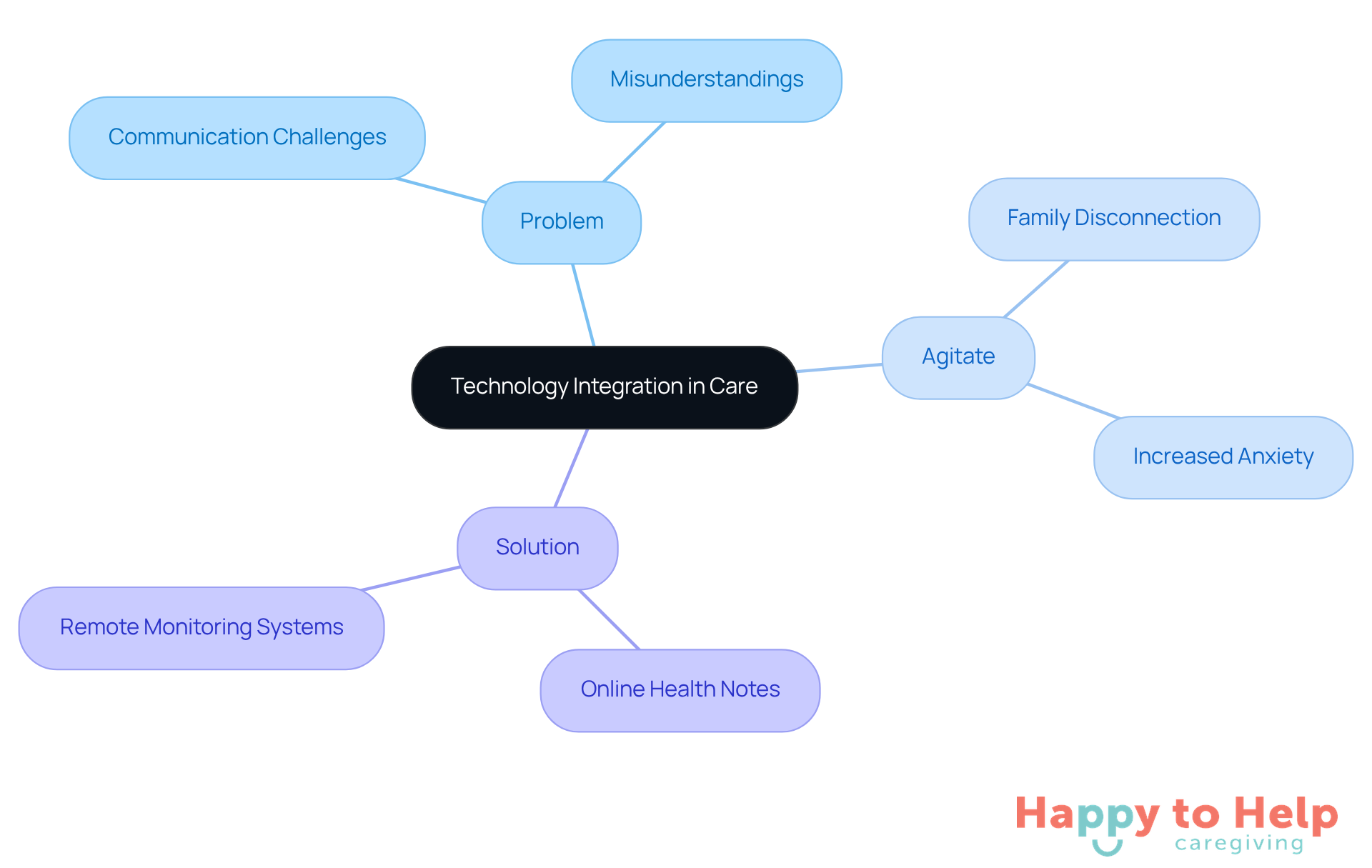
Problem: Caregivers often face significant communication challenges with clients and their families, leading to misunderstandings and a lack of coordination in care.
Agitate: This lack of effective communication can result in families feeling disconnected from their loved one's treatment, which may increase anxiety and uncertainty about care decisions.
Solution: Regular, clear updates help bridge this gap. Our caregivers share updates with families about daily well-being, so everyone involved in the care process stays aligned and informed.
Key Takeaways for Caregivers
In-home care presents a significant challenge for family caregivers, who often face stress and emotional strain while trying to provide the best for their loved ones. This situation can lead to feelings of isolation for seniors and burnout for caregivers, making it essential to address these critical needs.
Companionship is vital in combating loneliness among older adults, while personalized care plans are necessary to meet individual needs effectively. Emotional support plays a crucial role in enhancing mental health, ensuring that both seniors and caregivers feel valued and understood. Additionally, safety modifications, recovery support at home, and flexible scheduling can further alleviate the burdens faced by caregivers, allowing them to navigate daily challenges with greater ease.
The solution lies in embracing in-home care, which not only enhances the well-being of seniors but also empowers caregivers to prioritize their own health. By fostering meaningful relationships and providing tailored services, families can create a supportive environment that promotes emotional well-being, safety, and continuity of care. This approach leads to improved outcomes for everyone involved, making in-home care a vital step towards a healthier, more fulfilling life.
https://iframe.tely.ai/cta/eyJhcnRpY2xlX2lkIjogIjY5Mjc5NGRiMWE3YzlhYWNlNmI1NGZhMSIsICJjb21wYW55X2lkIjogIjY4ZWU1ZGNhNzMxNzYyNTU3ZjNjOTVjMSIsICJpbmRleCI6IG51bGwsICJ0eXBlIjogImFydGljbGUifQ==Frequently Asked Questions
What is companionship care and why is it important for older adults?
Companionship care addresses loneliness among older adults, which can lead to serious health risks such as dementia, depression, and early mortality. It is important because it helps alleviate feelings of loneliness and encourages social engagement, enhancing emotional health.
How do caregivers from Happy to Help Caregiving support older adults?
Caregivers provide emotional support and engage clients in activities that foster meaningful relationships, helping them feel valued and connected. They also assist seniors in navigating technology to reduce feelings of boredom and disconnection.
What are the benefits of regular companionship for older adults?
Regular companionship can significantly enhance the quality of life for older adults by promoting social engagement and emotional presence, which are vital for their mental and physical well-being.
What is the significance of personalized care plans in caregiving?
Personalized care plans ensure that support aligns with each client's unique needs, preferences, and lifestyle. This tailored approach enhances the quality of care and fosters a deeper connection between caregivers and clients.
How do caregivers help alleviate loneliness and enhance mental health in elderly individuals?
Caregivers build strong connections through trust and open communication, engaging in meaningful conversations, sharing personal stories, and participating in enjoyable activities, which help elderly individuals feel more connected and valued.
What practical strategies can caregivers implement to combat loneliness and depression in older adults?
Caregivers can engage in regular discussions, share personal stories to foster connection, and participate in enjoyable activities such as games or walks to uplift spirits and enhance emotional well-being.
List of Sources
- Happy to Help Caregiving: Companionship Care for Enhanced Well-Being
- The Role of Companion Care in Reducing Depression Among Seniors (https://malamamaikai.com/role-of-companion-care-in-reducing-depression-among-seniors)
- The Hidden Benefits of Companionship Care for Seniors (https://safehomecare.com/post/the-hidden-benefits-of-companionship-care-for-seniors)
- The Unbeatable Benefits of Companion Care for Seniors (https://comforcare.com/massachusetts/canton/resources/blog/the-unbeatable-benefits-of-companion-care-for-seniors)
- Loneliness and Social Isolation — Tips for Staying Connected | National Institute on Aging (https://www.nia.nih.gov/health/loneliness-and-social-isolation/loneliness-and-social-isolation-tips-staying-connected)
- Combat Loneliness: The Benefits of Companion Care for Seniors (https://allheartcare.com/more-than-just-company-the-vital-role-of-companion-care-for-seniors)
- Personalized Care Plans: Tailoring Services to Individual Needs
- Home Care Impact on Recovery of Patient (A Statistics Report) (https://lovinghomecareinc.com/home-care-recovery-statistics)
- 2025: AI enhances personalized care; caregiver experience in the spotlight (https://healthcareitnews.com/news/2025-ai-enhances-personalized-care-caregiver-experience-spotlight)
- How Personalized Health Care Is Changing The Role Of Home Care Providers (https://homehealthcarenews.com/2024/03/how-personalized-health-care-is-changing-the-role-of-home-care-providers)
- Home Healthcare Statistics and Facts (2025) (https://media.market.us/home-healthcare-statistics)
- Why Senior Home Care is More Important Than Ever (https://homeinstead.com/home-care/usa/la/carencro/347/news-and-media/senior-home-care-is-more-important-than-ever)
- Emotional Support: Alleviating Loneliness and Enhancing Mental Health
- Companionship Care for Seniors Living Alone - Happy To Help (https://happytohelpcaregiving.com/blog/companionship-care-for-seniors-living-alone)
- Emotional Support for Seniors in Home Care - Ethos Home Health Care and Hospice (https://ethoscare.org/emotional-support-in-home-care)
- Mental Health Support for Seniors: The Role of In-Home Caregivers (https://homeinstead.com/home-care/usa/in/kendallville/871/news-and-media/mental-health-support-for-seniors-the-role-of-in-home-caregivers)
- The Importance of Caregiver-Client Relationships in Senior Well-Being (https://homeinstead.com/home-care/usa/in/goshen/588/news-and-media/the-importance-of-caregiver-client-relationships-in-senior-well-being)
- Recovery Support: Help with Daily Routines at Home
- The Benefits of In-Home Care for Seniors - Consumer Directed Choices (https://cdchoices.org/2023/11/27/the-benefits-of-in-home-care-for-seniors)
- Older Adults' Needs for Home Health Care and the Potential for Human Factors Interventions - PMC (https://pmc.ncbi.nlm.nih.gov/articles/PMC4270052)
- Respite Care: Supporting Family Caregivers with Essential Breaks
- New Report Reveals Crisis Point for America’s 63 million Family Caregivers (https://press.aarp.org/2025-07-24-New-Report-Reveals-Crisis-Point-for-Americas-63-million-Family-Caregivers)
- Why Does Every Family Caregiver Need Respite Time? (https://homeinstead.com/home-care/usa/ut/salt-lake-city/119/news-and-media/why-does-every-family-caregiver-need-respite-time2)
- Respite Care Services: Essential Support for Caregivers (https://esoregon.com/the-benefits-of-respite-care-services-for-caregiver-relief)
- Cost-Effective Care: Comparing In-Home Services to Other Options
- Nursing Homes vs Home Care Comparison (https://seniorliving.org/compare/nursing-home-vs-home-care)
- Understanding the Cost and Value of Home Care in 2025 (https://assistinghands.com/135/texas/nesanantonio/blog/understanding-the-cost-and-value-of-home-care-in-2025)
- Nursing Home vs In-Home Care: Which is Better for Your Loved One? - Resource for Seniors and Caregivers | SeniorSite (https://seniorsite.org/resource/nursing-home-vs-in-home-care-which-is-better-for-your-loved-one)
- Cost of Home Care vs. Nursing Homes (https://aplaceformom.com/caregiver-resources/articles/home-care-vs-nursing-home-costs)
- Flexible Scheduling: Adapting Care to Family Needs
- A Better Solution Home Care (https://abs.care/Home-Care-Staffing-Shortages-How-They-Impact-Home-Care-Services)
- Return-to-Office Trends are Reshaping Caregiving at Home - Family & Nursing Care (https://familynursingcare.com/return-to-office-trends-are-reshaping-caregiving-at-home)
- Embracing Flexible Scheduling Models in Aging Services: A Path Toward Workforce Stability (https://leadingage.org/embracing-flexible-scheduling-models-in-aging-services-a-path-toward-workforce-stability)
- Flexible Care Models Give Home Care Clients ‘What They Want When They Want It’ (https://homehealthcarenews.com/2025/10/flexible-care-models-give-home-care-clients-what-they-want-when-they-want-it)
- 9 Ways to Find Caregivers With Flexible Scheduling Options - MedCity News (https://medcitynews.com/2025/05/9-ways-to-find-caregivers-with-flexible-scheduling-options)
- Continuity of Care: Building Trust with Familiar Caregivers
- Home Care Worker Continuity in Home-Based Long-Term Care: Associated Factors and Relationships With Client Health and Well-Being - PMC (https://pmc.ncbi.nlm.nih.gov/articles/PMC10946305)
- AI must optimize home care, continuity, and early detection for older adults (https://news-medical.net/news/20251007/AI-must-optimize-home-care-continuity-and-early-detection-for-older-adults.aspx)
- The Importance of Caregiver-Client Relationships in Senior Well-Being (https://homeinstead.com/home-care/usa/in/goshen/588/news-and-media/the-importance-of-caregiver-client-relationships-in-senior-well-being)
- Continuity of Care and Healthcare Utilization in Older Adults with Dementia in Fee-for-Service Medicare - PMC (https://pmc.ncbi.nlm.nih.gov/articles/PMC5061498)
- Primary Care Continuity, Frequency, and Regularity Associated With Medicare Savings (https://jamanetwork.com/journals/jamanetworkopen/fullarticle/2808555)
- Family Communication: Regular Updates on Daily Care
- Technology Use Among Older Adults and Their Caregivers: Cross-Sectional Survey Study - PMC (https://pmc.ncbi.nlm.nih.gov/articles/PMC11084119)
- Viewpoints: Caregiving Has Gotten Harder For American Families; Technology Helps Elderly Stay Home - KFF Health News (https://kffhealthnews.org/morning-breakout/viewpoints-caregiving-has-gotten-harder-for-american-families-technology-helps-elderly-stay-home)
- How Technology will Transform Senior Care in 2025 (https://thecareconcierges.com/how-technology-will-transform-senior-care-in-2025)