10 Benefits of In Home Care Support Services for Family

For families in our service areas
For families in our service areas, this guide explains in-home care and how non-medical in-home caregiving can support care planning in East Idaho, Treasure Valley & Magic Valley, Northern Wasatch, North Central West Virginia, and Northeast Ohio.
The Importance of In Home Care Support Services
The landscape of caregiving is evolving. Family caregivers often bear the weight of responsibility for their loved ones' well-being, which can lead to significant emotional and physical strain. This situation presents a pressing problem: how can caregivers manage their responsibilities without sacrificing their own health and well-being?
In-home care support services emerge as a vital resource. These services offer a multitude of benefits that not only enhance the quality of care but also alleviate the toll on caregivers. With personalized care plans, companionship, and flexible scheduling, these services empower caregivers while ensuring their loved ones thrive in a safe and supportive environment.
However, the question remains: how can these services truly transform the caregiving experience? What specific advantages do they bring to both caregivers and those they care for? By exploring these questions, we can uncover actionable solutions that make a real difference in the lives of caregivers and their families.
Personalized Care Plans Enhance Quality of Life
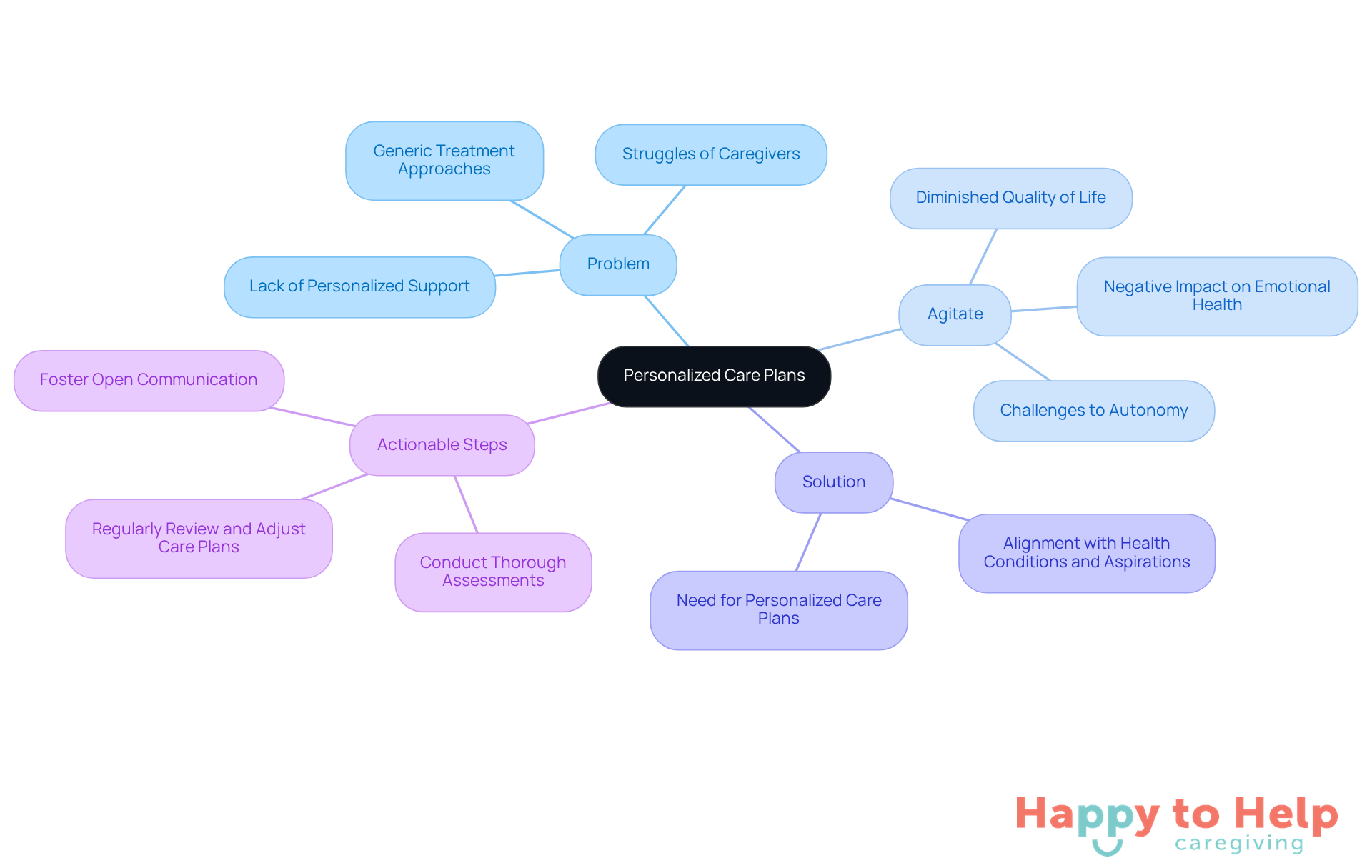
Problem: Many caregivers struggle to create effective care plans that truly meet the unique needs of each individual. This can lead to a lack of personalized support, which may hinder the independence and well-being of those in their care.
Agitate: Without tailored care strategies, individuals may experience a diminished quality of life, feeling less dignified and respected. This can negatively impact their emotional health and autonomy, making it challenging for them to thrive in their familiar surroundings. Moreover, studies show that generic treatment approaches often fail to adapt to the changing needs of individuals, resulting in less effective support and increased risk of complications.
Solution: To address these challenges, caregivers should develop personalized care plans that align with each individual's health conditions, lifestyle choices, and aspirations. Here are some actionable steps:
- Conduct thorough assessments to understand the unique needs of each person.
- Regularly review and adjust care plans to reflect any changes in health or preferences.
- Foster open communication with individuals to ensure their voices are heard in the care process.
By implementing these strategies, caregivers can significantly enhance the quality of life for those they support, reinforcing their dignity and respect. This personalized approach not only empowers individuals but also strengthens the bond between caregivers and clients, leading to a more rewarding caregiving experience.
Companionship Reduces Feelings of Isolation
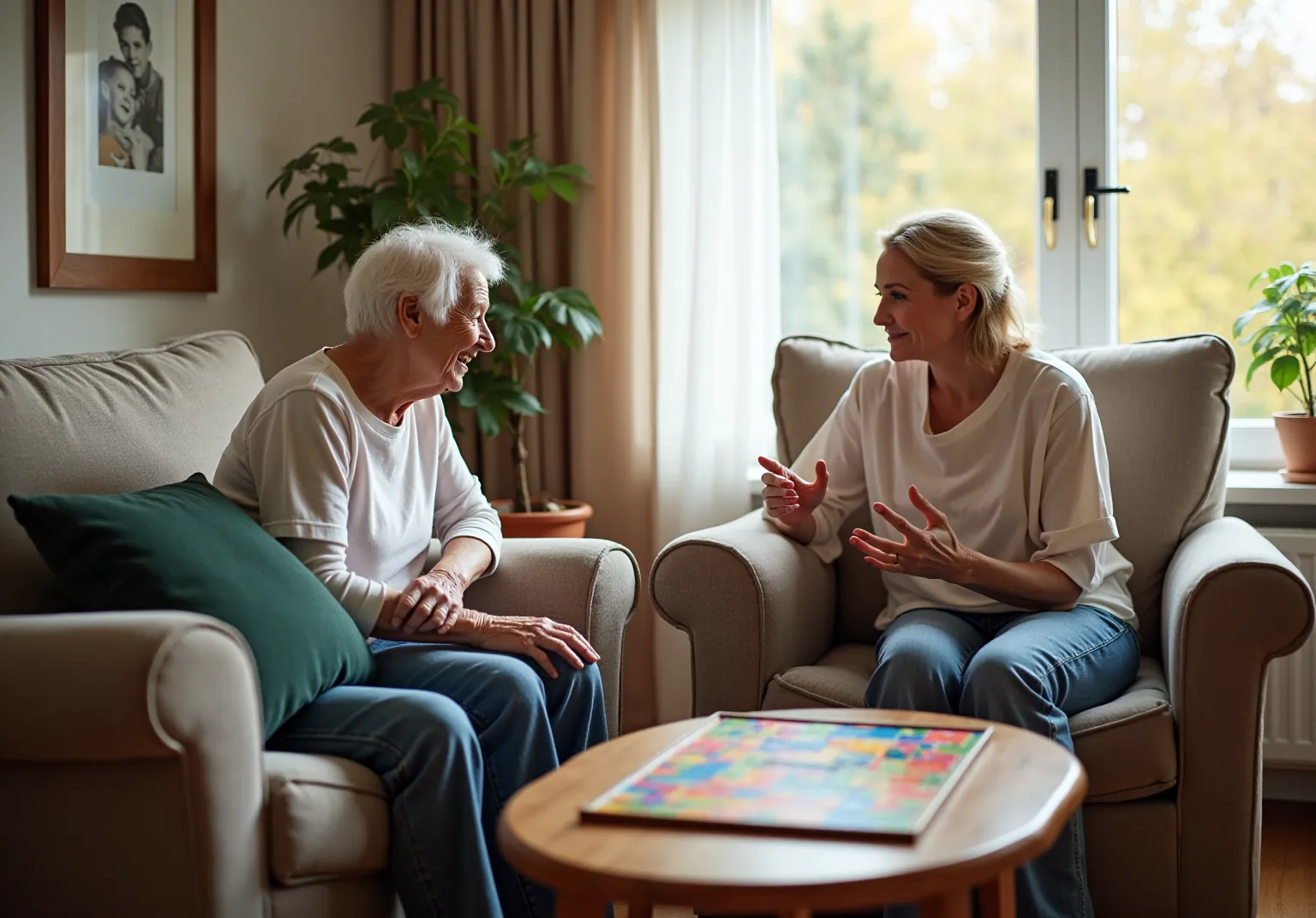
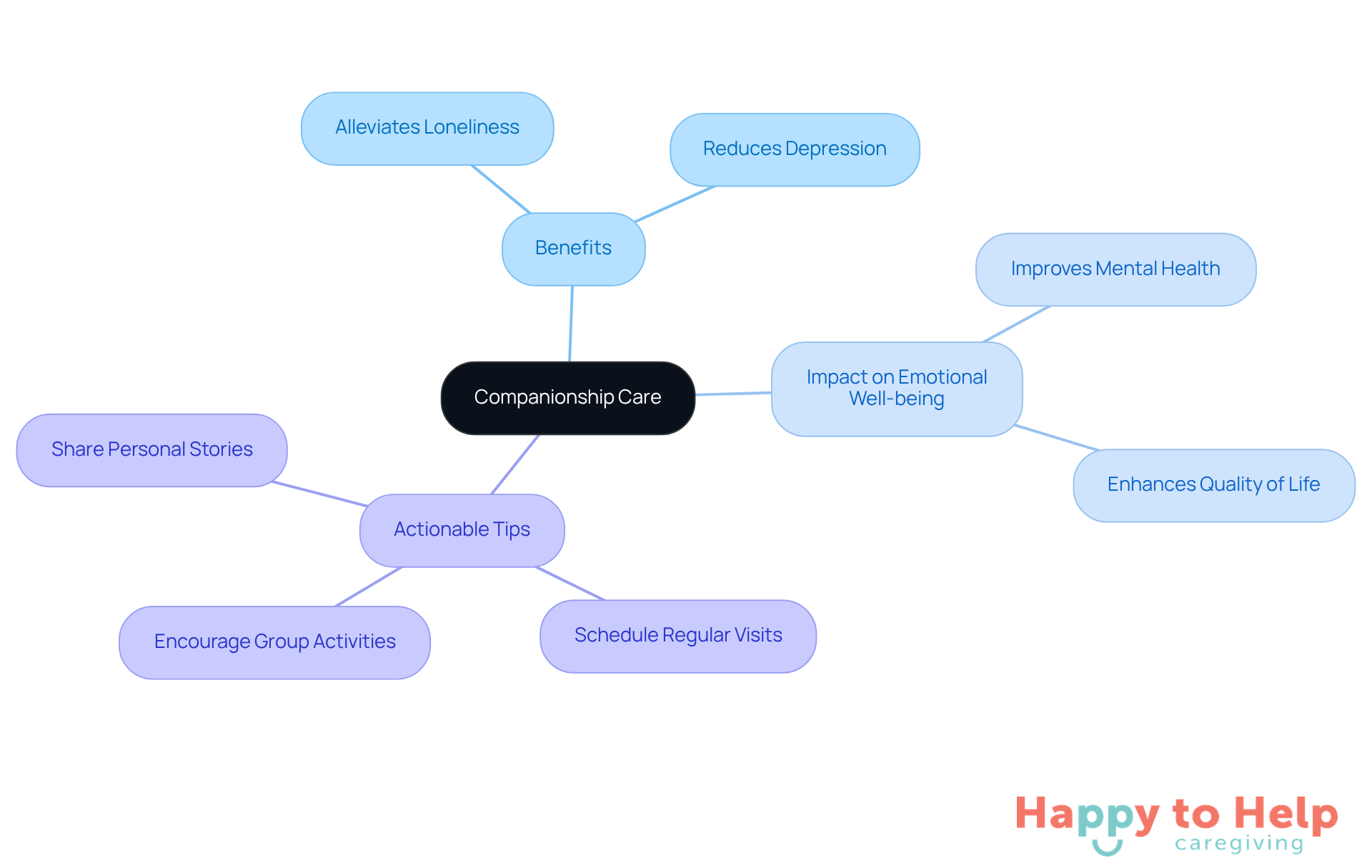
Loneliness and isolation are significant challenges faced by many seniors today. These feelings can lead to serious emotional distress, impacting their overall well-being. Without regular social interaction, older adults may experience heightened risks of depression and anxiety, which can further diminish their quality of life.
Companionship care offers a practical solution in home care support services to this pressing issue. By providing essential social interaction, it helps alleviate feelings of loneliness. Engaging in conversations, participating in activities, and sharing experiences with support providers can significantly enhance emotional well-being. Studies indicate that regular social interaction not only improves mental health outcomes but also reduces the risk of depression and anxiety among older adults.
To implement companionship care effectively, caregivers can focus on fostering meaningful connections. Here are some actionable tips:
- Schedule regular visits or calls to engage in conversation.
- Encourage participation in group activities or hobbies.
- Create opportunities for sharing personal stories and experiences.
By prioritizing companionship care in home care support services, caregivers can significantly enhance the emotional health of seniors, ultimately leading to a happier and more fulfilling life.
Flexible Scheduling Supports Independence
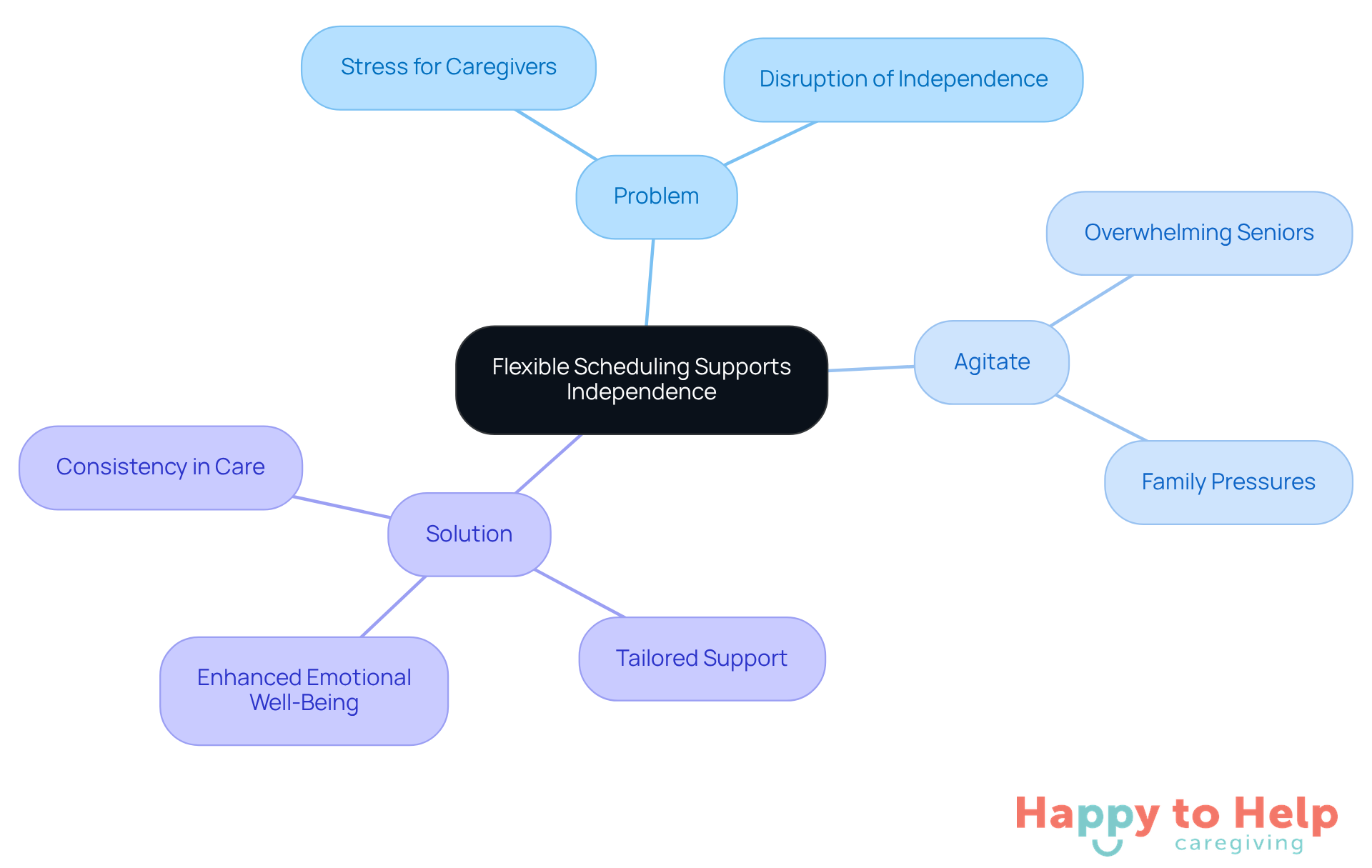
Problem: Rigid scheduling can create significant challenges for caregivers, often leading to stress for both seniors and their families. When support does not align with an individual's routine, it can disrupt their sense of independence and autonomy.
Agitate: This disruption can overwhelm seniors, making it difficult for them to maintain their daily routines. Family members, juggling their own commitments, may feel additional pressure when caregiving arrangements are inflexible. As noted by Provident Care Home Services, 'Every senior’s needs are different, which is why in home care support services must be adaptable.'
Solution: Flexible scheduling offers a practical solution. By allowing caregivers to provide assistance tailored to the individual's preferences and needs, it fosters independence and reduces stress. Support can be organized for specific hours or adjusted as requirements change, ensuring that clients receive essential help without interfering with their daily lives. Research indicates that consistent caregiver support significantly enhances the emotional well-being of seniors; a study found that 36.6% of participants noted that visits ensured treatment continuity for ongoing assistance. Families report higher satisfaction when support plans are adaptable, enabling them to focus on meaningful interactions with their loved ones rather than logistical challenges. Ultimately, flexible scheduling is crucial in home care support services for maintaining the dignity and independence of seniors, allowing them to thrive in the comfort of their own homes.
Safe Home Environment Promotes Well-Being
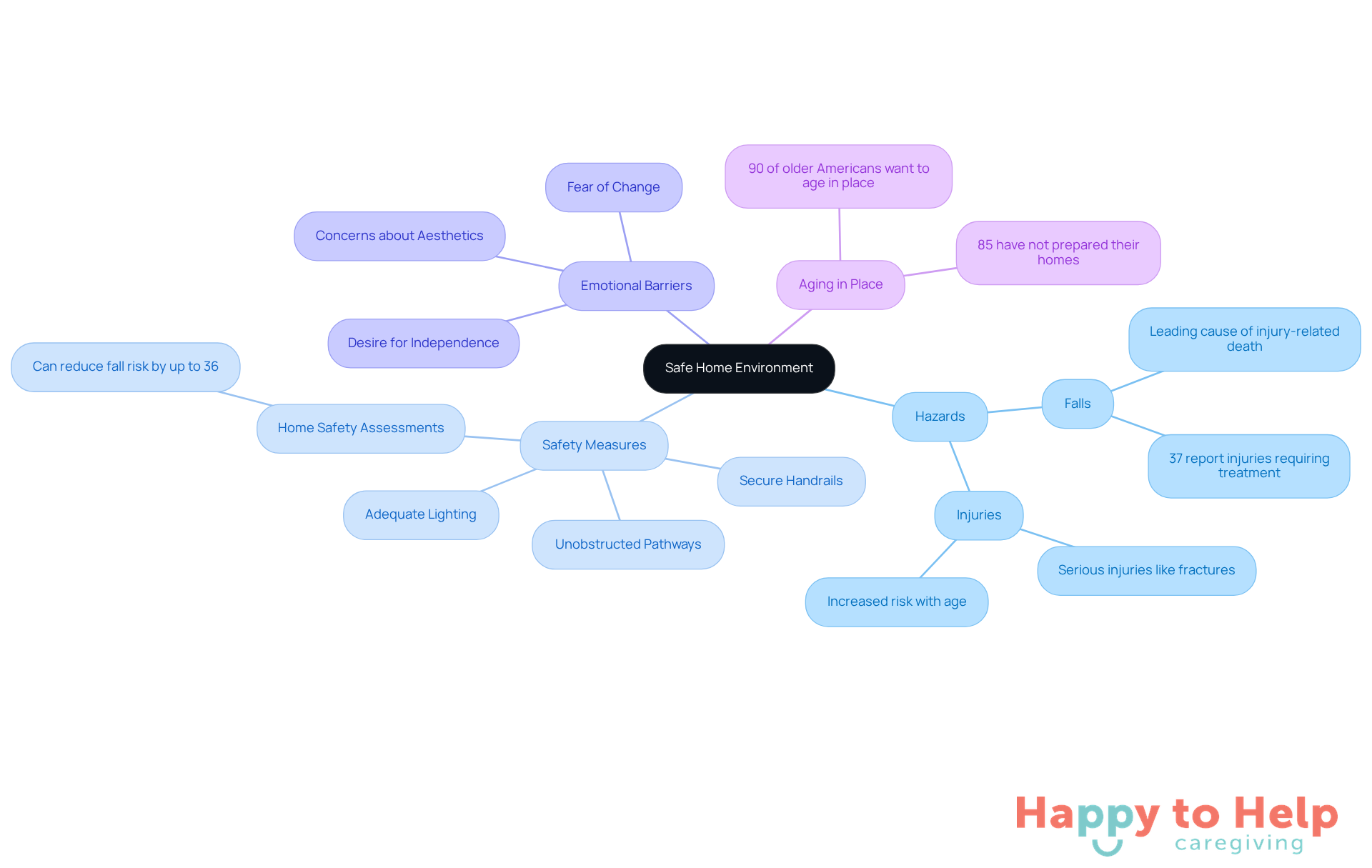
Creating a secure home setting is vital for individuals receiving in-home care. Caregivers face the challenge of identifying and addressing potential hazards that could lead to falls or injuries. Research shows that falls are the leading cause of injury-related death among adults aged 65 and older, with approximately 37% of older adults who fall reporting injuries that require medical treatment or activity restriction.
To combat this issue, implementing safety measures is essential. Adequate lighting, secure handrails, and unobstructed pathways not only enhance physical safety but also significantly contribute to the individual's overall peace of mind. Occupational therapists emphasize that creating a safe home environment is a proactive approach to fall prevention, which can reduce the risk of falls by up to 36%.
Furthermore, 90% of older Americans express a desire to age in place, underscoring the importance of safety measures in home environments. By prioritizing these measures, caregivers help cultivate a sense of security and independence, enabling individuals to thrive in their familiar surroundings.
However, it is crucial to recognize the emotional barriers that older adults may face regarding safety modifications. Concerns about aesthetics and the desire for independence can hinder their acceptance of necessary changes. As one occupational therapist noted, "Creating a safe environment is not just about physical modifications; it’s about respecting the dignity and preferences of older adults."
In summary, caregivers can enhance safety by focusing on practical solutions while being mindful of the emotional aspects involved.
Post-Hospital Recovery Assistance Aids Healing
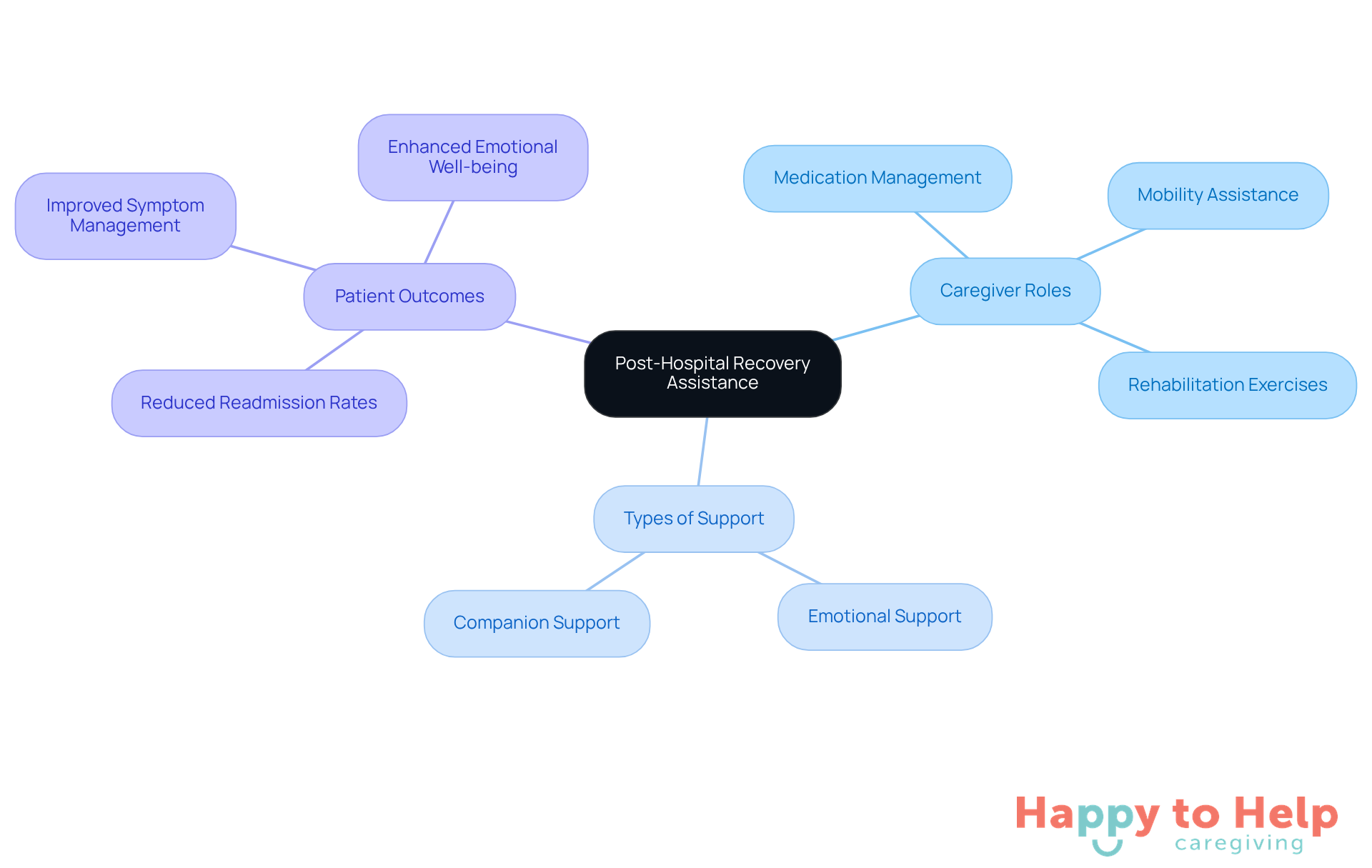
Post-hospital recovery assistance in home care support services presents a significant challenge for clients transitioning back home after a hospital stay. Without adequate support, patients may face complications and increased hospital readmission rates. In fact, those lacking in home care support services are at a higher risk of experiencing setbacks in their recovery process.
Caregivers play a vital role in this transition by providing essential services. They can help with:
- Medication management
- Mobility assistance
- Encouraging adherence to prescribed rehabilitation exercises
This comprehensive support not only fosters physical recovery but also significantly reduces the risk of complications and hospital readmissions. Patients receiving in home care support services have been shown to experience a 15% lower hospital readmission rate compared to those who do not receive such services, along with a 20% improvement in symptom management and physical functioning over six months.
Moreover, the emotional and psychological benefits of companion support cannot be overlooked. Studies indicate that patients receiving home assistance reported a 25% improvement in anxiety and depression scores. With caregivers actively engaged, patients are more likely to regain their independence and confidence, making the transition from hospital to home smoother and more effective.
Respite Care Provides Family Caregiver Relief
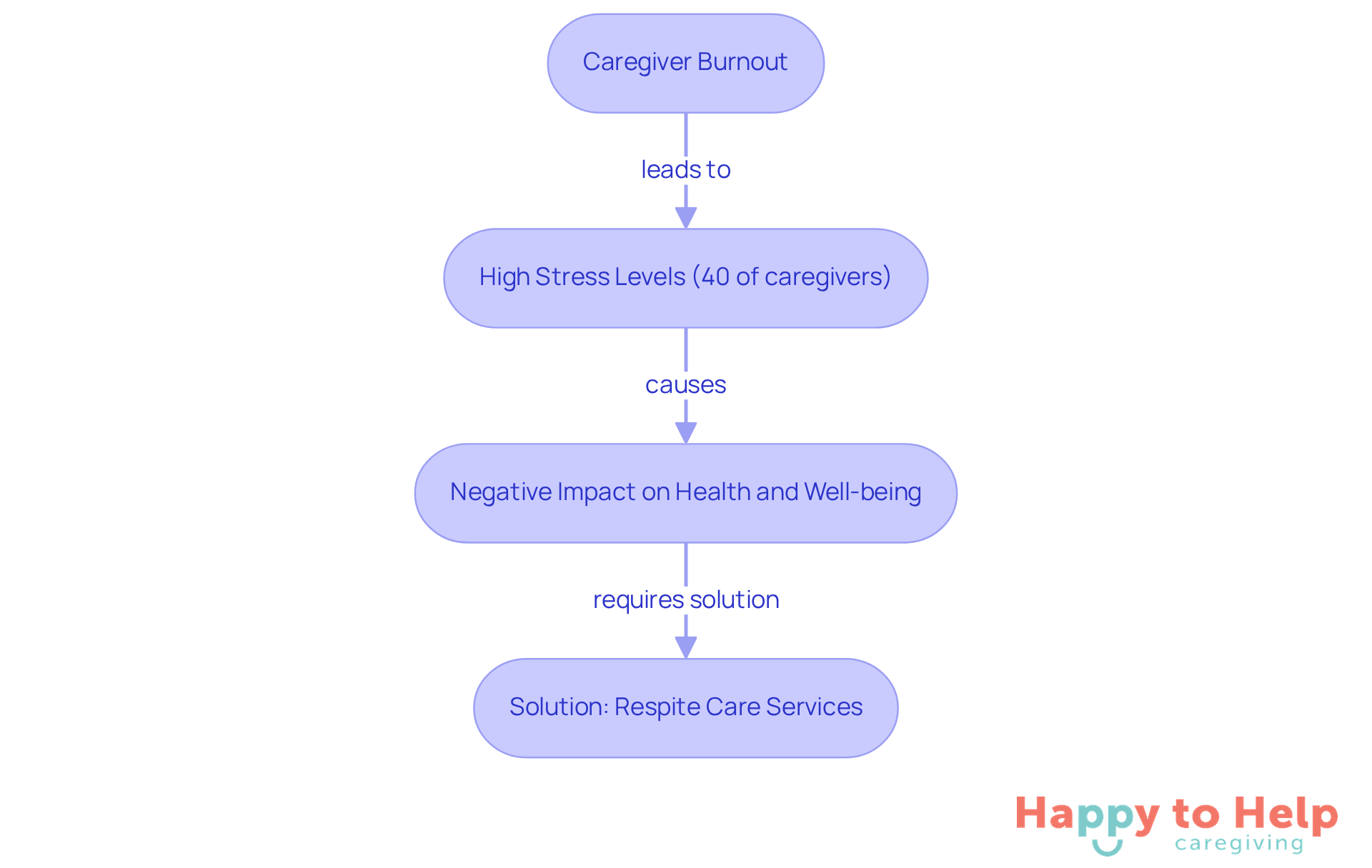
Problem: Caregivers often face significant challenges, including the risk of burnout from their demanding responsibilities. This burnout manifests as physical and emotional exhaustion, which can severely impact their health and well-being.
Agitate: Research indicates that caregivers who do not take breaks report higher stress levels and diminished mental well-being. For instance, 40% of caregivers acknowledge that their duties negatively affect their stress levels. This ongoing strain can hinder their ability to provide the high-quality support their loved ones need.
Solution: Respite services offer essential short-term relief, allowing caregivers to rejuvenate and recharge. By scheduling regular breaks, caregivers can mitigate burnout risks, ensuring they remain effective and compassionate. Mental health experts emphasize that consistent respite support is crucial for maintaining emotional strength, ultimately enhancing caregivers' capacity to provide long-term assistance in home care support services. Additionally, it's important to note that the average family caregiver spends about $7,200 annually on support expenses, underscoring the financial burden that makes respite services even more vital. With the number of support providers projected to rise significantly from 2015 to 2025, the need for respite care services has never been more urgent.
Trained Caregivers Offer Specialized Support
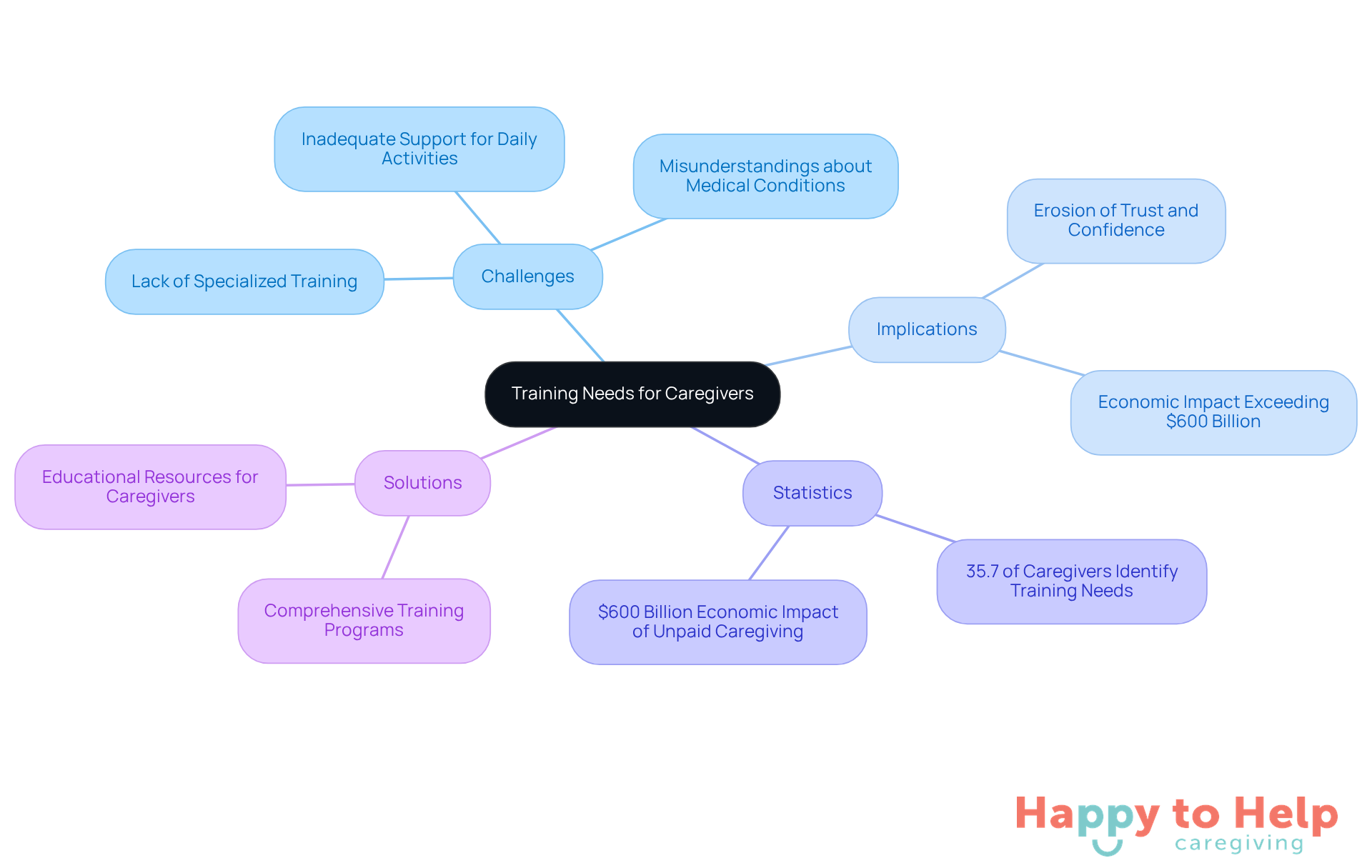
Qualified professionals face a significant challenge in home care support services: many caregivers lack the necessary training to provide specialized assistance tailored to individual needs. This gap in training can lead to misunderstandings about medical conditions, improper medication administration, and inadequate support for daily activities in home care support services. Research shows that 35.7% of relatives supporting older adults have identified a training need in home care support services during Medicare home health, highlighting the urgency for ongoing training programs.
The implications of this training gap are profound, particularly in home care support services. Without proper training in home care support services, caregivers may struggle to deliver quality care, potentially eroding trust and confidence among clients and their families. Julia G Burgdorf, PhD, emphasizes that 'enhancing access to training for these domestic supporters involved in home care support services may lead to better health results and decreased usage for high-need, community-dwelling older adults.' Furthermore, the economic impact of unpaid support roles exceeds $600 billion, underscoring the necessity of providing resources and training for caregivers.
To address these challenges, implementing comprehensive training programs in home care support services is essential. Caregivers should seek out educational resources that cover medical conditions, medication management, and daily activity support. By investing in their skills, caregivers can not only improve the quality of care they provide but also foster a supportive environment that strengthens families and enhances the overall caregiving experience.
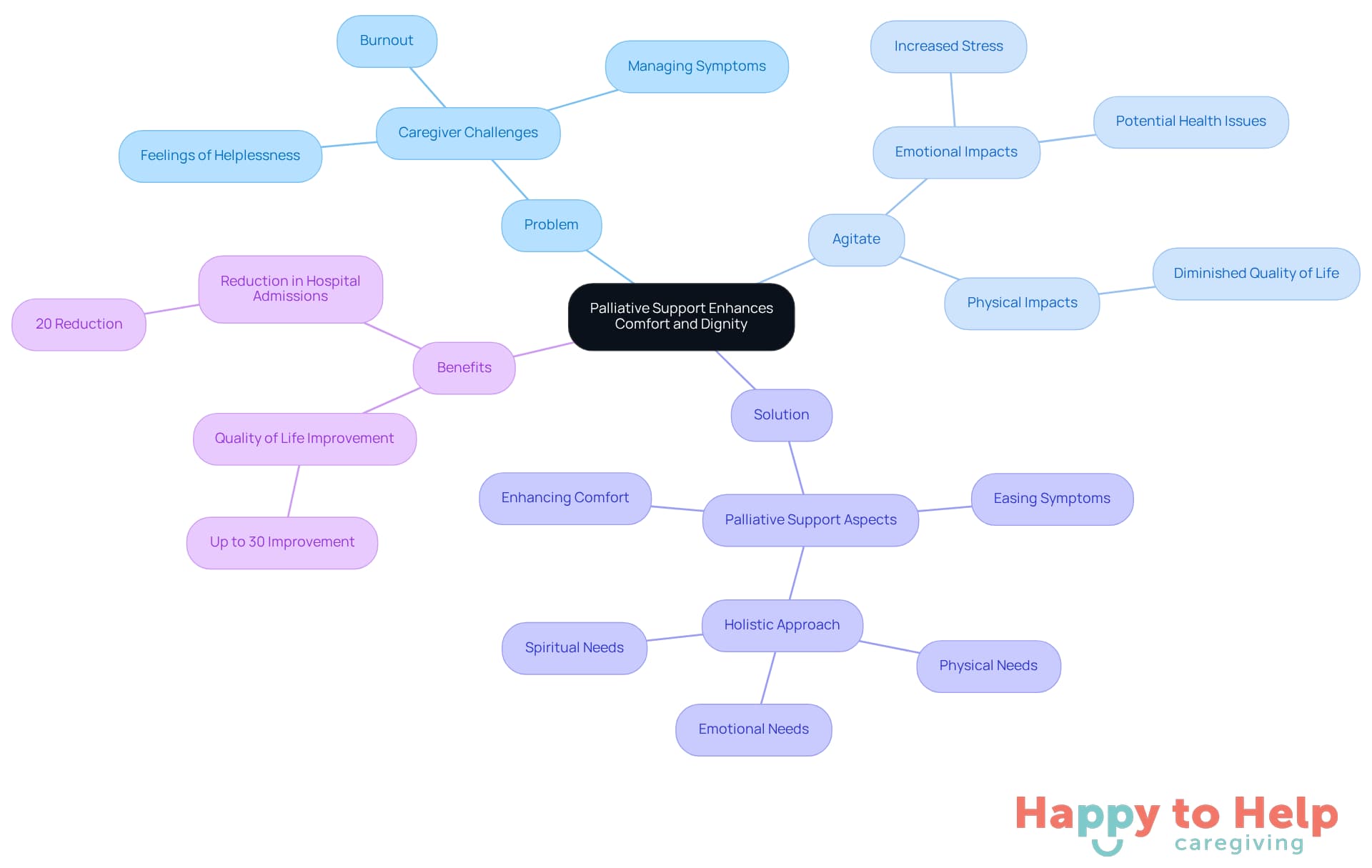
Palliative Support Enhances Comfort and Dignity
Problem: Caregivers often face immense challenges when managing the symptoms and stress associated with serious illnesses. This can lead to feelings of helplessness and burnout, impacting both their well-being and that of the individuals they care for.
Agitate: Without adequate support, caregivers may struggle to address not only the physical needs of their loved ones but also their emotional and spiritual well-being. This gap can diminish the quality of life for both caregivers and patients, leading to increased stress and potential health issues.
Solution: Palliative support offers a comprehensive approach to alleviate these challenges. By focusing on easing symptoms and enhancing comfort, trained caregivers can significantly improve the quality of life for individuals. This holistic method addresses physical, emotional, and spiritual needs, fostering an environment of compassionate support that aligns with clients' values and preferences.
Research shows that effective palliative support can enhance patient functioning and reduce depression, with studies indicating a potential quality of life improvement of up to 30%. Additionally, early incorporation of palliative care has been linked to a 20% reduction in unnecessary hospital admissions, reinforcing its vital role in promoting dignity and comfort during difficult times.
As specialists in palliative treatment emphasize, the goal is to create a supportive system that respects each individual's journey, ensuring they can lead a dignified and comfortable life, even amidst serious health challenges.
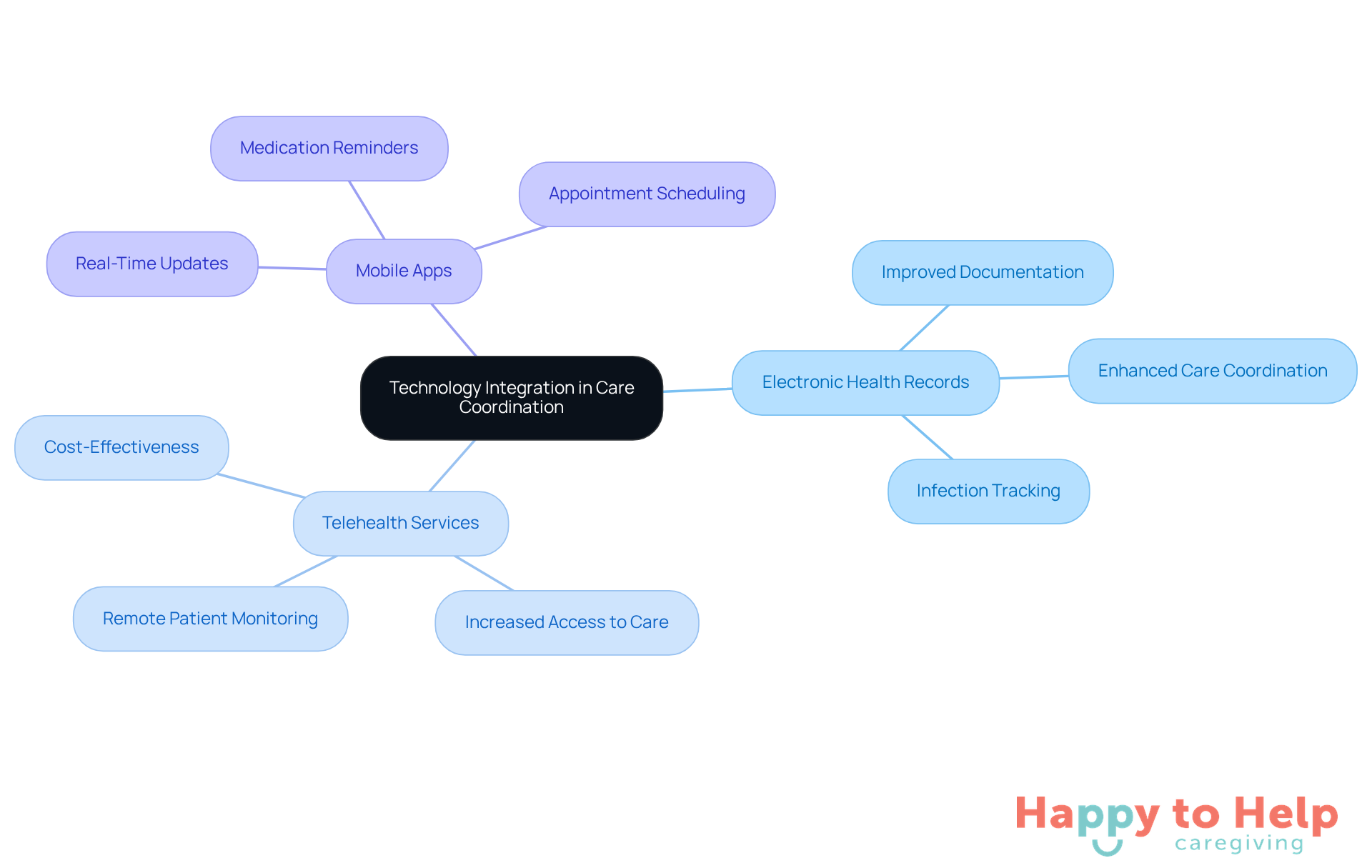
Technology Integration Improves Care Coordination
Caregivers often face significant challenges in communication and coordination, which can hinder the quality of support provided to individuals and their families. Without effective communication, updates may be missed, leading to gaps in care and increased stress for everyone involved.
To address these issues, the incorporation of technology in home care support services offers a practical solution. Tools such as:
- electronic health records
- telehealth services
- mobile apps
enable caregivers to share updates and monitor client progress in real-time. This seamless communication not only improves the overall caregiving experience but also ensures that everyone involved is informed and engaged in the support process.
By leveraging these technological tools in home care support services, caregivers can enhance their coordination efforts, ultimately leading to better outcomes for clients and their families.
Peace of Mind for Families Ensures Confidence
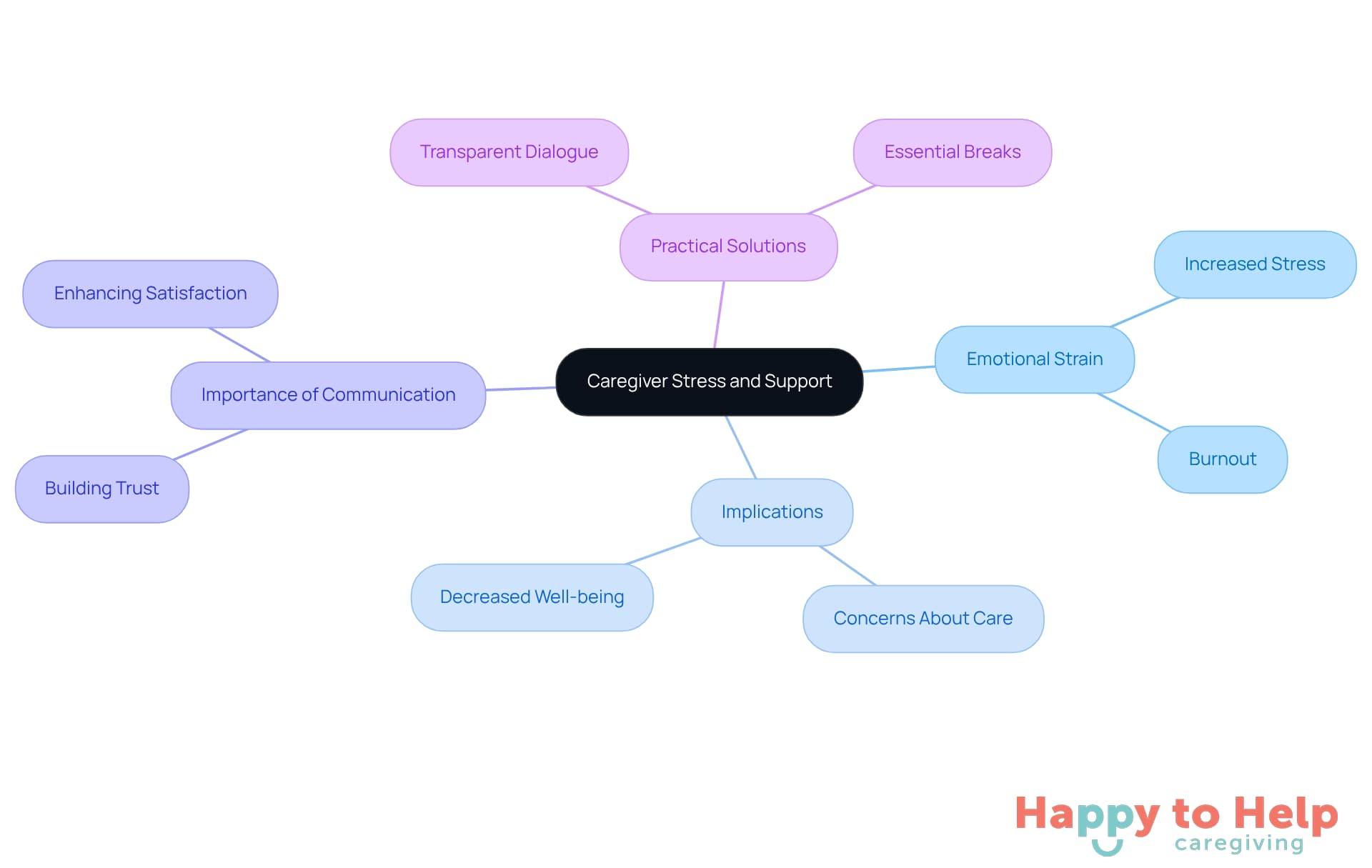
In-home assistance services address a significant problem faced by many caregivers: emotional strain. With 50% of household supporters reporting increased stress since taking on caregiving duties, the need for professional support has never been more critical. This emotional burden can lead to feelings of overwhelm, making it difficult for caregivers to manage their own responsibilities while worrying about their loved ones' well-being.
The implications of this stress are profound. Caregivers often find themselves juggling multiple roles, which can lead to burnout and decreased emotional well-being. Families frequently express concerns about their loved ones receiving adequate care, which only adds to their anxiety. Research indicates that effective communication is essential in building trust between care providers and families, significantly enhancing satisfaction levels.
So, what can caregivers do? Engaging in transparent dialogue with providers of in home care support services is a practical solution. By actively participating in the care process, family members can feel more supported and appreciated. This involvement not only fosters trust but also reinforces the sense of security that comes from knowing their loved ones are in capable hands.
Moreover, in home care support services provide essential breaks for family members, allowing them to rest and rejuvenate. This collaborative approach not only alleviates caregiver stress but also promotes emotional well-being for both supporters and their loved ones. By prioritizing communication and support, families can navigate the challenges of caregiving more effectively.
Your Path Forward
In-home care support services address a significant challenge for family caregivers: the overwhelming demands of providing quality care. This burden can lead to emotional strain and feelings of isolation, making it difficult for caregivers to maintain their own well-being while supporting their loved ones.
The implications of this problem are profound. Caregivers often struggle to balance their responsibilities, which can negatively impact both their health and the quality of care they provide. Without adequate support, caregivers may feel exhausted and unable to create a nurturing environment for those they care for.
Fortunately, in-home care support services offer practical solutions. By prioritizing personalized care plans, companionship, and flexible scheduling, these services empower caregivers to foster a safe and supportive atmosphere. This approach not only respects the dignity and independence of individuals but also enhances the overall caregiving experience.
Key insights reveal that tailored care strategies can significantly improve quality of life. For instance, meaningful social interactions can reduce feelings of isolation, while adaptable scheduling allows seniors to maintain their independence. Additionally, creating a safe home environment and providing post-hospital recovery assistance are crucial for promoting both physical and emotional health.
Respite care is another vital resource, enabling family caregivers to recharge. Trained professionals can step in, enhancing the overall care experience through specialized support. This collaborative approach alleviates the emotional strain on caregivers and cultivates confidence and peace of mind for families.
In conclusion, embracing in-home care support services not only enriches the lives of those receiving care but also strengthens the bonds between caregivers and their loved ones. By recognizing and utilizing these essential services, families can navigate the complexities of caregiving more effectively, ensuring a brighter, more dignified future for everyone involved.
https://iframe.tely.ai/cta/eyJhcnRpY2xlX2lkIjogIjY5M2Y3NTlmYmRmNjY5MTliNWZkNmI3ZiIsICJjb21wYW55X2lkIjogIjY4ZWU1ZGNhNzMxNzYyNTU3ZjNjOTVjMSIsICJpbmRleCI6IG51bGwsICJ0eXBlIjogImFydGljbGUifQ==Frequently Asked Questions
What is the importance of personalized care plans for individuals receiving care?
Personalized care plans are essential as they align with each individual's unique health conditions, lifestyle choices, and aspirations, enhancing their quality of life and reinforcing their dignity and respect.
What challenges do caregivers face when creating care plans?
Caregivers often struggle to create effective care plans that meet the unique needs of each individual, leading to a lack of personalized support that can hinder the independence and well-being of those in their care.
How can caregivers develop effective personalized care plans?
Caregivers can develop effective personalized care plans by conducting thorough assessments of each person's unique needs, regularly reviewing and adjusting care plans to reflect changes in health or preferences, and fostering open communication to ensure individuals' voices are heard.
What role does companionship play in the care of seniors?
Companionship helps alleviate feelings of loneliness and isolation among seniors by providing essential social interaction, which can significantly enhance their emotional well-being and reduce the risk of depression and anxiety.
How can caregivers implement companionship care effectively?
Caregivers can implement companionship care by scheduling regular visits or calls for conversation, encouraging participation in group activities or hobbies, and creating opportunities for sharing personal stories and experiences.
What problems arise from rigid scheduling in caregiving?
Rigid scheduling can disrupt seniors' routines, overwhelm them, and create stress for both seniors and their families, making it difficult for individuals to maintain their sense of independence and autonomy.
How does flexible scheduling benefit seniors and their families?
Flexible scheduling allows caregivers to provide assistance tailored to individuals' preferences and needs, fostering independence, reducing stress, and enabling families to focus on meaningful interactions rather than logistical challenges.
What is the impact of consistent caregiver support on seniors?
Consistent caregiver support significantly enhances the emotional well-being of seniors, with studies showing that it ensures treatment continuity and leads to higher satisfaction among families when support plans are adaptable.
List of Sources
- Personalized Care Plans Enhance Quality of Life
- New Study Reveals Mixed Results in Advance Care Planning for Older Adults | Johns Hopkins Bloomberg School of Public Health (https://publichealth.jhu.edu/2024/new-study-reveals-mixed-results-in-advance-care-planning-for-older-adults)
- Empowering aging: How AI and value-based care are making senior living more personalized and affordable (https://mcknights.com/marketplace/marketplace-experts/empowering-aging-how-ai-and-value-based-care-are-making-senior-living-more-personalized-and-affordable)
- The Importance of Personalized Care Plans (https://homecareadvisory.org/importance-personalized-care-plans)
- Novel Care Model May Improve Outcomes for Older Adults With Multiple Chronic Conditions (https://consultqd.clevelandclinic.org/novel-care-model-may-improve-outcomes-for-older-adults-with-multiple-chronic-conditions)
- AI must optimize home care, continuity, and early detection for older adults (https://news-medical.net/news/20251007/AI-must-optimize-home-care-continuity-and-early-detection-for-older-adults.aspx)
- Companionship Reduces Feelings of Isolation
- NYSOFA Brings ElliQ Proactive Care Companion Technology to Older Adults, Reducing Social Isolation, Supporting Independence, Connection and Engagement (https://aging.ny.gov/news/nysofa-brings-elliq-proactive-care-companion-technology-older-adults-reducing-social-isolation)
- Trends in Loneliness Among Older Adults from 2018-2023 (https://ihpi.umich.edu/national-poll-healthy-aging/national-findings/trends-loneliness-among-older-adults-2018-2023)
- Loneliness, social isolation ‘substantial’ among older adults: study (https://mcknightsseniorliving.com/news/loneliness-social-isolation-substantial-among-older-adults-study)
- The Unbeatable Benefits of Companion Care for Seniors (https://comforcare.com/massachusetts/canton/resources/blog/the-unbeatable-benefits-of-companion-care-for-seniors)
- Flexible Scheduling Supports Independence
- Helping Caregivers Thrive With Caregiver Leave, Flexible Work and More (https://adp.com/spark/articles/2025/03/helping-caregivers-thrive-with-caregiver-leave-flexible-work-and-more.aspx)
- How Senior Home Care Helps Older Adults Stay Independent Every Day (https://providentcare.com/how-senior-home-care-helps-older-adults-stay-independent-every-day)
- How Flexible Scheduling Improves The Home Care Experience For Families – CCN – Columbus County News (https://columbuscountynews.com/2025/12/how-flexible-scheduling-improves-the-home-care-experience-for-families)
- The Critical Role of Flexibility in Home Care Scheduling for Family Peace of Mind (https://relevar.com/the-critical-role-of-flexibility-in-home-care-scheduling-for-family-peace-of-mind)
- Safe Home Environment Promotes Well-Being
- Facts About Falls (https://cdc.gov/falls/data-research/facts-stats)
- Understanding Barriers to Home Safety Assessment Adoption in Older Adults: Qualitative Human-Centered Design Study (https://humanfactors.jmir.org/2025/1/e66854)
- Why In-Home Senior Care Is Safer and More Comfortable Than Facility Care (https://allaboutyouhha.com/news/why-in-home-senior-care-is-safer-and-more-comfortable-than-facility-care)
- Get the Facts on Falls Prevention (https://ncoa.org/article/get-the-facts-on-falls-prevention)
- Home Safety for Seniors: Statistics & Proven Safety Solutions (https://agesafeamerica.com/home-safety-hub/aging-in-place/home-safety-seniors-statistics-solutions)
- Post-Hospital Recovery Assistance Aids Healing
- Home Care Impact on Recovery of Patient (A Statistics Report) (https://lovinghomecareinc.com/home-care-recovery-statistics)
- How Skilled Home Care Helps After Hospital Discharge - Bryan Skilled Home Care (https://bryanskilledhomecare.com/2025/10/30/how-skilled-home-care-helps-after-hospital-discharge)
- Post-Hospital Discharge: Why In-Home Care Improves Recovery for Florida Seniors (https://visitingangels.com/tampafl/news-info/post-hospital-discharge-why-in-home-care-improves-recovery-for-florida-seniors/26196)
- Trends in Receipt of Help at Home After Hospital Discharge Among Older Adults in the US - PMC (https://pmc.ncbi.nlm.nih.gov/articles/PMC8634055)
- Sent Home To Heal, Patients Avoid Wait for Rehab Home Beds - KFF Health News (https://kffhealthnews.org/news/article/patients-rehab-at-home-unclog-hospital-bed-nursing-home-waiting-list)
- Respite Care Provides Family Caregiver Relief
- Respite Facts and Talking Points | ARCH National Respite Network & Resource Center (https://archrespite.org/policy/respite-facts-and-talking-points)
- Caregiver Statistics: Health, Technology, and Caregiving Resources (https://caregiver.org/resource/caregiver-statistics-health-technology-and-caregiving-resources)
- The Caregiving Landscape: Data & Insights on the Caregiver Experience in the U.S. (https://caregiveraction.org/caregiver-statistics)
- New Report Reveals Crisis Point for America’s 63 million Family Caregivers (https://press.aarp.org/2025-07-24-New-Report-Reveals-Crisis-Point-for-Americas-63-million-Family-Caregivers)
- Respite Care Services: Essential Support for Caregivers (https://esoregon.com/the-benefits-of-respite-care-services-for-caregiver-relief)
- Trained Caregivers Offer Specialized Support
- Training Needs among Family Caregivers Assisting during Home Health, As Identified by Home Health Clinicians - PMC (https://pmc.ncbi.nlm.nih.gov/articles/PMC7708398)
- Caregiver Statistics: Work and Caregiving (https://caregiver.org/resource/caregiver-statistics-work-and-caregiving)
- Family Caregiver Annual Report and Statistics | SeniorLiving.org (https://seniorliving.org/research/family-caregiver-report-statistics)
- Home caregivers receive training through local center to help fill IHSS gap (https://spectrumlocalnews.com/product-pages/nyc/health/2025/11/27/home-caregivers-receive-training-through-local-center-to-help-fill-ihss-gap)
- CaringBridge (https://caringbridge.org/resources/inspirational-quotes-on-caregiving)
- Palliative Support Enhances Comfort and Dignity
- When Approaching Death, Hospice Offers Dignity, Peace (https://deathwithdignity.org/news/2024/04/hospice-offers-dignity-and-peace)
- Why Palliative Care Should Be a Basic Human Right - Calvary Hospital (https://calvaryhospital.org/why-palliative-care-should-be-a-basic-human-right)
- Palliative care (https://who.int/news-room/fact-sheets/detail/palliative-care)
- The Pitfalls That Derail Home Health Providers’ New Palliative Care Efforts (https://homehealthcarenews.com/2025/10/the-pitfalls-that-derail-home-health-providers-new-palliative-care-efforts)
- Technology Integration Improves Care Coordination
- How New Technology Is Elevating Home Care | Baptist Health (https://baptisthealth.com/blog/home-care/how-new-technology-is-elevating-home-care)
- Technology Use Among Older Adults and Their Caregivers: Cross-Sectional Survey Study - PMC (https://pmc.ncbi.nlm.nih.gov/articles/PMC11084119)
- Health Information Technology Adoption at U.S. Home Health Care Agencies: Results from a Multi-Methods Study - PMC (https://pmc.ncbi.nlm.nih.gov/articles/PMC10752454)
- How Future Healthcare Technology is Elevating At-Home Care (https://homewatchcaregivers.com/houston-galleria/about-us/blog/how-future-healthcare-technology-is-elevating-at)
- The Tech-Enabled Evolution of Home-Based Care - THL (https://thl.com/articles/the-tech-enabled-evolution-of-home-based-care)
- Peace of Mind for Families Ensures Confidence
- Peace of Mind at Home: How In-Home Care Supports Visiting Seniors and Post-Surgery Recovery (https://alexandrialivingmagazine.com/home-and-garden/peace-of-mind-at-home-how-in-home-care-supports-visiting-sen)
- An Assessment of Patient Satisfaction With Home Care Services in an Eastern City of Turkey - PMC (https://pmc.ncbi.nlm.nih.gov/articles/PMC12056709)
- How In-Home Care Can Reduce Stress for Families (https://villagecaregiving.com/blog/reduce-stress-for-families)
- When Care Becomes Comfort: Real Stories. Real Impact. - Cornerstone Caregiving (https://cornerstonecaregiving.com/blog/when-care-becomes-comfort-real-stories-real-impact)
- The Unexpected Benefits of Home Care (Not Just for Seniors!) (https://websterhc.com/the-unexpected-benefits-of-home-care-enhancing-quality-of-life-and-not-just-for-seniors)