10 Benefits of In-Home Companion Care for Seniors You Should Know

For families in our service areas
For families in our service areas, this guide explains companion care and how non-medical in-home caregiving can support care planning in East Idaho, Treasure Valley & Magic Valley, Northern Wasatch, North Central West Virginia & Southwestern Pennsylvania, and Northeast Ohio.
What You Need to Know About In-Home Companion Care
In a time when seniors often face the emotional toll of isolation and loneliness, in-home companion care shines as a source of hope. This personalized approach not only meets the unique needs of elderly individuals but also enhances their quality of life through meaningful interactions and support.
As families navigate the complexities of caregiving, they may find themselves grappling with important questions:
- How can they ensure their loved ones receive the best possible care?
- What are the real benefits of in-home companionship?
This article explores ten compelling advantages of in-home companion care for seniors, offering insights that can truly transform the lives of both the elderly and their families. By understanding these benefits, families can feel more empowered and reassured in their caregiving journey.
Happy to Help Caregiving: Personalized Companionship for Seniors
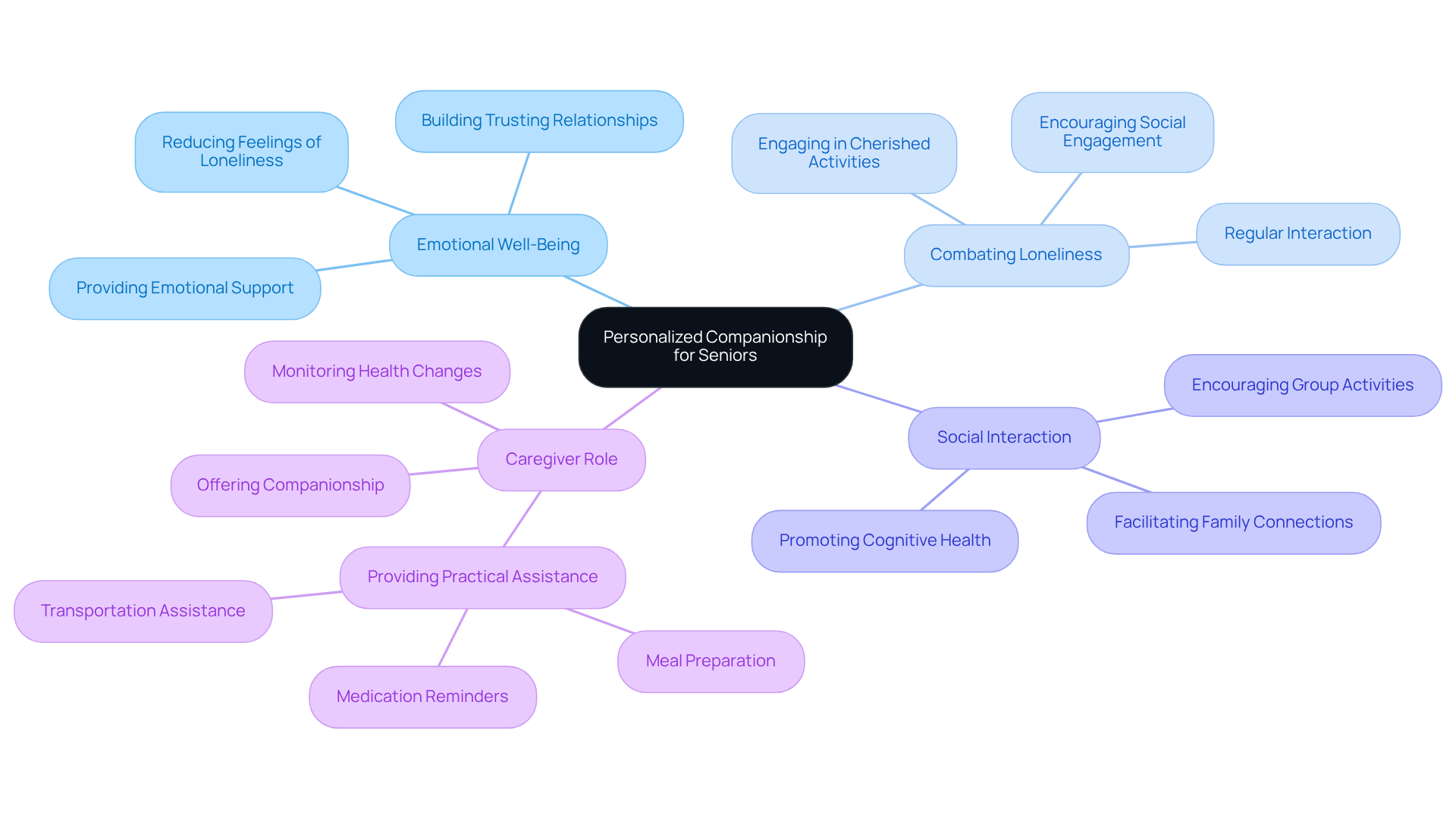
At Happy to Help Caregiving, we truly understand the emotional challenges faced by elderly individuals and their families. Our focus is on providing personalized companionship that caters to each client's unique needs. This individualized approach not only fosters a sense of security but also significantly enhances emotional well-being.
By engaging seniors in activities they cherish, our caregivers help combat loneliness and promote a brighter outlook on life. They are trained to build meaningful relationships, playing a vital role in encouraging social interaction—an essential component for maintaining mental health. Research shows that prolonged isolation can be as harmful as smoking fifteen cigarettes a day, highlighting the urgent need for companionship.
Experts remind us, "Simply put, loneliness is not just an emotion—it changes the body’s chemistry." As we look ahead to 2025, the benefits of in-home caregiving are clearer than ever. Families are increasingly recognizing the importance of personalized support provided by in-home companion care for seniors, allowing their loved ones to thrive in the comfort of familiar surroundings.
Our caregivers also keep families informed about any mood changes or shifts in appetite, ensuring that both emotional and physical needs are met effectively. With our compassionate care, we aim to alleviate the stress and burnout often felt by caregivers, providing reassurance and encouragement every step of the way.
Reduced Loneliness and Isolation: A Key Benefit of Companion Care
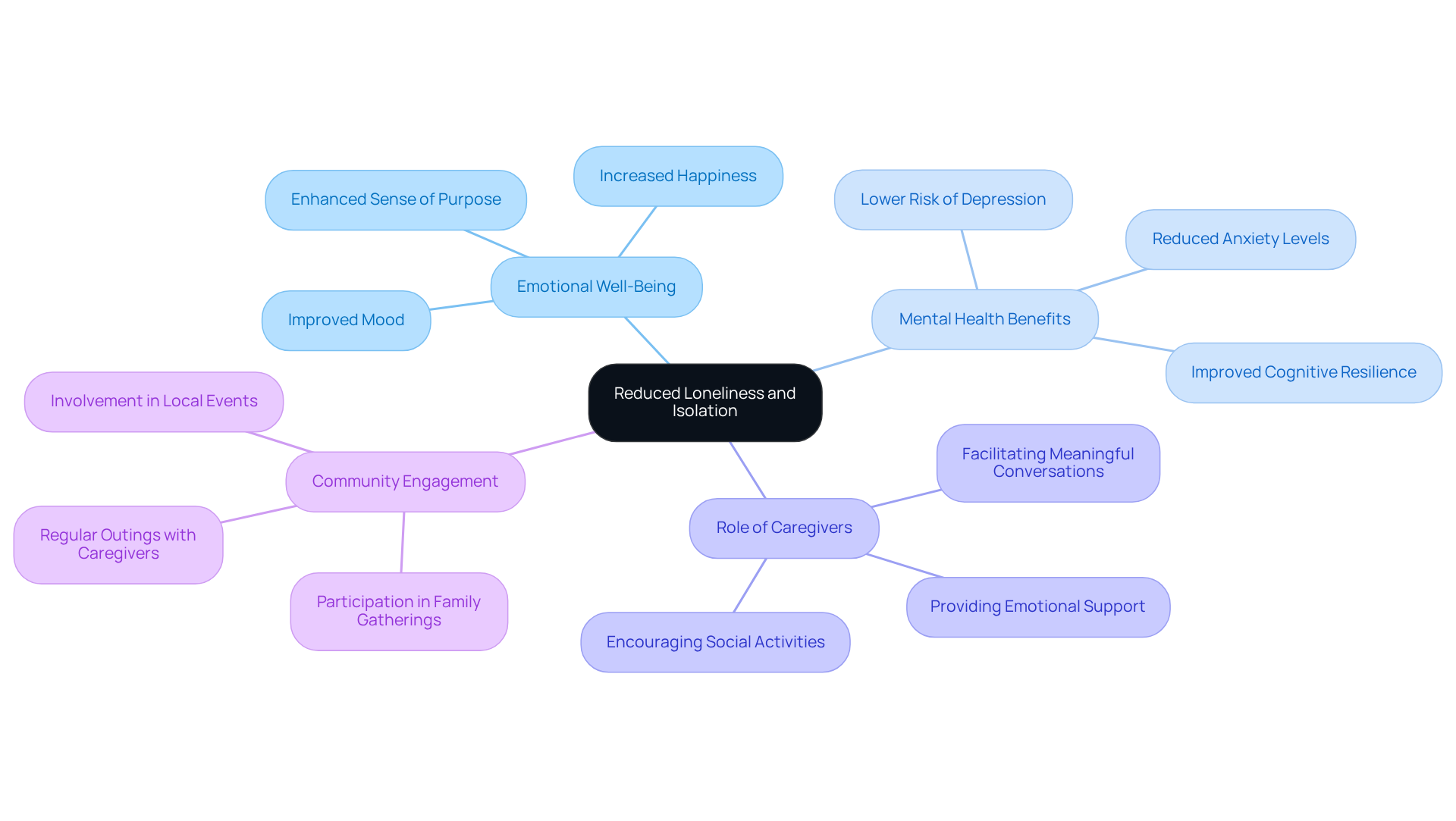
In-home companion care for seniors is essential in addressing the loneliness and isolation that many elderly individuals face. It significantly boosts their emotional well-being. When caregivers interact regularly, they not only offer companionship but also provide vital emotional support, which is crucial for mental health. Engaging in meaningful conversations and enjoyable activities helps older adults feel valued and understood.
Studies show that consistent social interaction can lead to improved mood and increased happiness, while also lowering the risk of depression and anxiety. Chronic loneliness, on the other hand, can heighten the risk of high blood pressure, cognitive decline, and even premature mortality, as noted by the National Institute on Aging.
In-home companion care for seniors provides a caring companion that encourages older adults to remain active members of their communities, fostering a sense of purpose and belonging. This holistic approach not only meets emotional needs but also promotes overall mental wellness, enriching their daily lives and strengthening their mental resilience.
Family caregivers play a crucial role in this process. By encouraging older adults to engage in social activities, facilitating meaningful conversations, and ensuring regular interactions with their companions, they can help create a supportive environment that nurtures emotional health.
Enhanced Quality of Life: The Impact of Companion Care
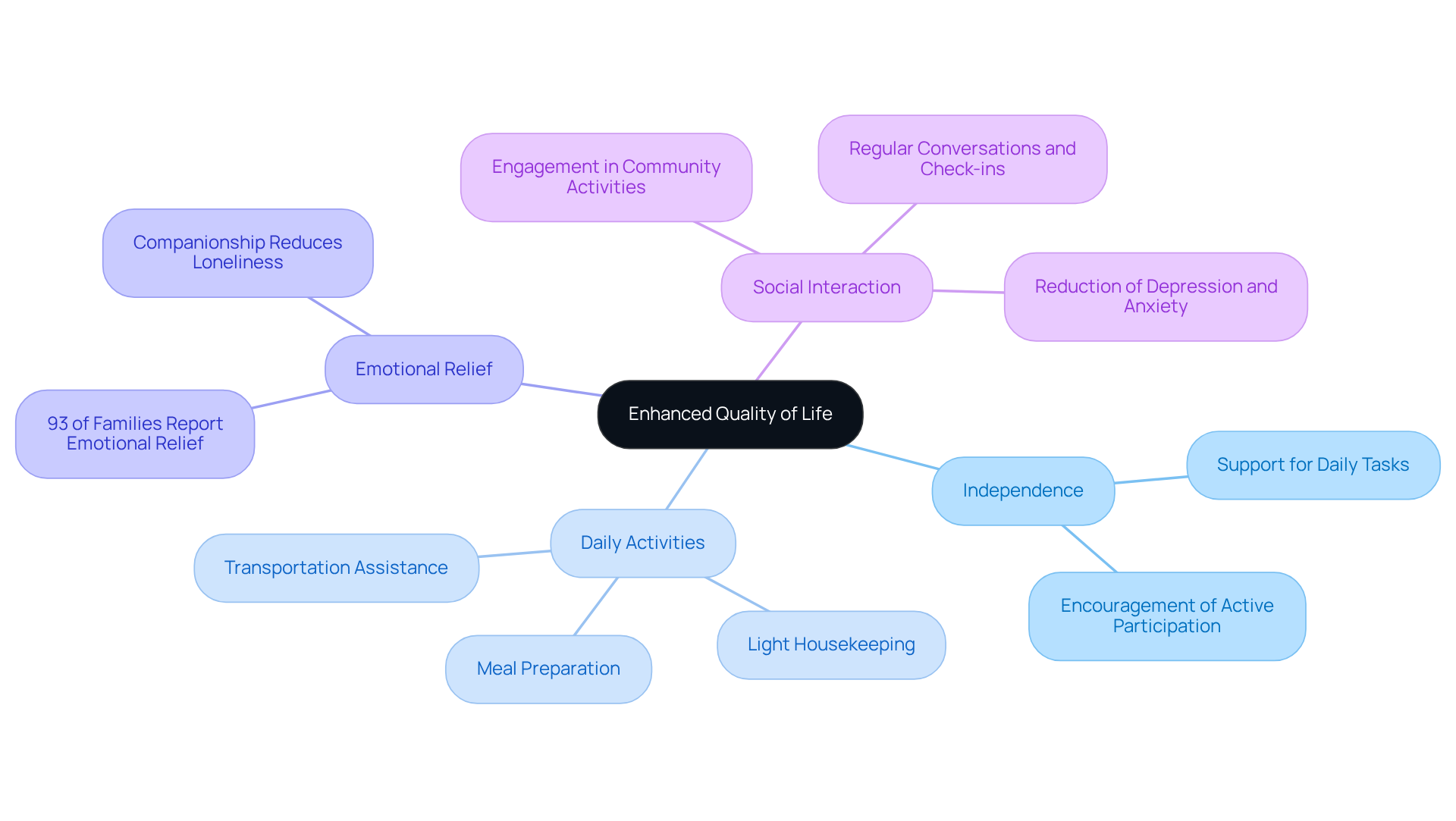
In-home companion care for seniors is essential for enhancing the quality of life for older adults. It nurtures their independence and encourages active participation in daily activities. Caregivers provide essential support with tasks like meal preparation, light housekeeping, and transportation. This assistance not only helps older adults maintain their routines but also instills a sense of purpose in their lives.
Research shows that consistent social interaction significantly reduces the risk of depression and anxiety among older adults. This highlights the importance of engaging in daily activities. By promoting independence, support providers empower elderly individuals to lead more fulfilling lives, ensuring they feel valued and connected to their surroundings.
Moreover, 93% of families report feeling emotional relief from companion care services. This statistic underscores the emotional reassurance caregivers offer. Their support through in-home companion care for seniors creates a stable and nurturing environment, allowing older adults to thrive in their own homes. As one elder beautifully expressed, "I’m not alone anymore, I have people." This sentiment illustrates the profound impact of companionship, reminding us all of the importance of connection.
Peace of Mind for Families: Trusting Companion Care Services
Families often feel anxious when it comes to organizing support for their elderly relatives. It’s a tough journey, and that’s where in-home companion care for seniors can truly make a difference. They provide peace of mind by offering in-home companion care for seniors, ensuring that they receive compassionate and dependable support.
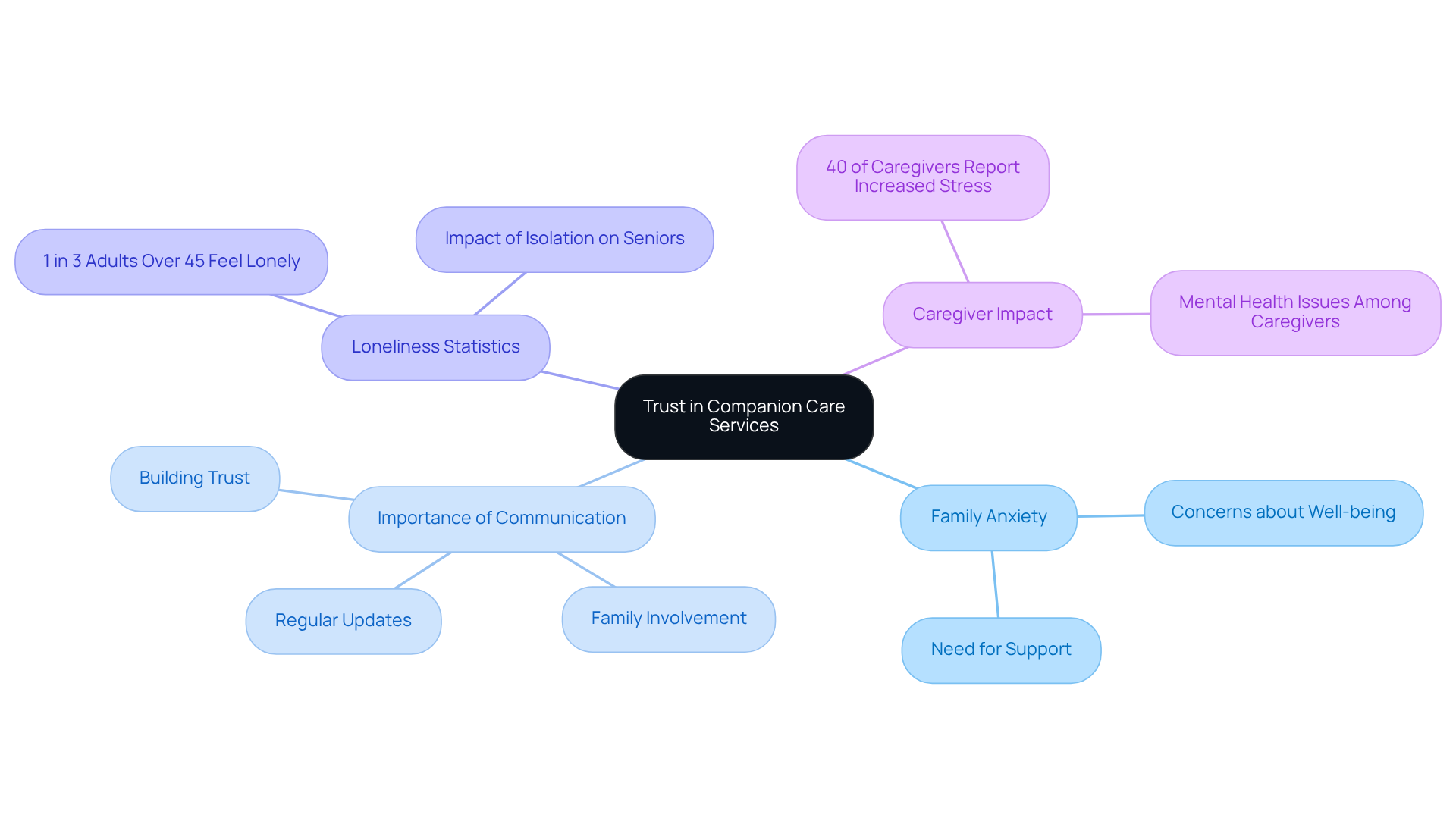
At Happy to Help Caregiving, we prioritize transparent communication with families. We provide regular updates and actively involve relatives in treatment decisions. This openness not only cultivates trust but also reassures families that their loved ones are receiving the best possible care.
Research shows that effective communication in caregiving can significantly enhance the overall experience. For instance, the CDC estimates that 1 in every 3 adults over 45 feels lonely, underscoring the importance of social interaction. Testimonials from families highlight this approach beautifully. One family shared, 'Knowing that we receive timely updates about my mother's meals and emotional well-being has made all the difference.'
Moreover, 40% of caregivers report that their responsibilities negatively impact their stress levels. This highlights just how crucial clear communication is in easing those concerns. To further enhance the caregiving experience, we encourage families to schedule consultations with potential agencies. This allows them to assess caregiver interactions and ensure a good fit.
Ultimately, our commitment to transparent communication is what sets Happy to Help Caregiving apart in the field of in-home companion care for seniors. It strengthens the bond of trust that is vital for quality companionship, making this journey a little easier for everyone involved.
Customized Care Plans: Tailoring Companion Care to Individual Needs
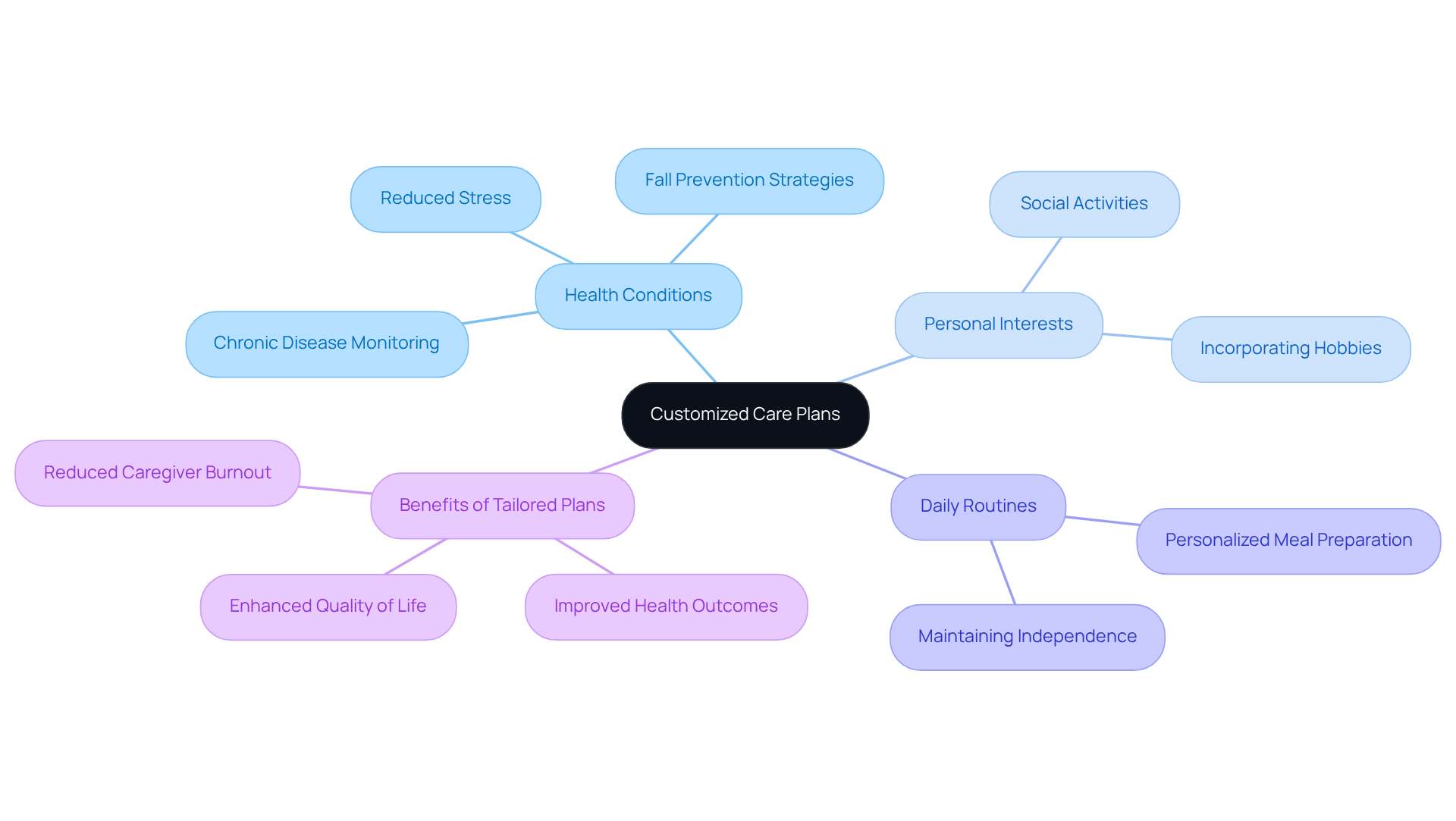
Personalized support plans are truly vital in in-home companion care for seniors, as they address the unique needs and preferences of each elderly individual. At Happy to Help Caregiving, we collaborate closely with families to develop individualized plans for in-home companion care for seniors that take into account health conditions, personal interests, and daily routines. This tailored approach to in-home companion care for seniors not only elevates the quality of care but also helps older adults maintain their independence and dignity.
Research shows that personalized support plans can significantly improve health outcomes. Seniors often experience less stress and anxiety when they have in-home companion care for seniors and remain in familiar environments. Rana Botani beautifully expresses this, saying, "Having a customized plan of assistance helps guarantee your elderly loved one receives the support they require, the personalized attention they need, and the independence they deserve."
By weaving personal routines and preferences into support plans, caregivers can provide in-home companion care for seniors that fosters a sense of independence, enhancing the overall experience of aging at home. Moreover, these tailored plans can help alleviate caregiver burnout by sharing responsibilities with professional aides, creating a more sustainable caregiving environment.
In this journey, it’s essential to remember that you’re not alone. Together, we can ensure that your loved ones receive the compassionate care they need.
Understanding Costs: How Much Does Companion Care Really Cost?
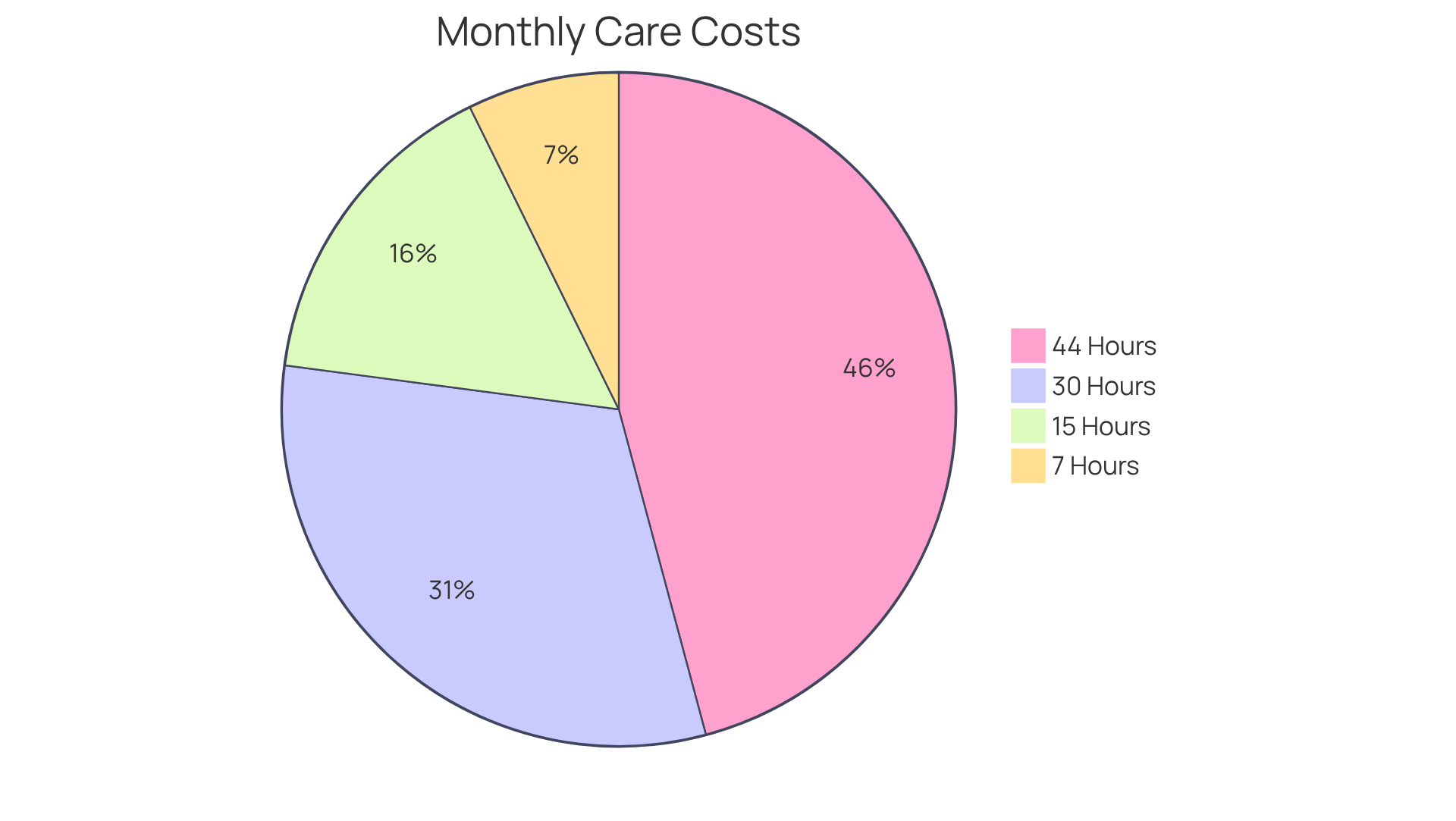
The cost of companion assistance can vary widely, and it’s important to recognize how this impacts families. Factors like location, the level of support needed, and the agency providing the service all play a role. In 2025, families might find themselves spending anywhere from $20 to $35 per hour for companionship services, with the national median hovering around $33 per hour. Monthly expenses can range significantly: about $1,000 for 7 hours of assistance each week, up to $2,145 for 15 hours, $4,290 for 30 hours, and even more than $6,292 for 44 hours weekly.
Given these variations, it’s crucial for families to engage in initial conversations with support organizations. This helps clarify pricing structures and understand what services are included. Exploring financial support options is equally important; many families rely on savings, long-term insurance, or community resources like Meals on Wheels to help manage these costs. Consulting with financial advisors can also provide valuable insights into budgeting for senior support.
As home assistance expert Vicki Demirozu notes, "There’s evidence that even small amounts of in-home support can extend their independence." This underscores the importance of planning and understanding the financial implications of companionship. Remember, you’re not alone in this journey; there are resources and support systems available to help you navigate these challenges.
Medicare Coverage: What You Need to Know About Companion Care
Medicare often doesn’t cover companion assistance services, focusing primarily on medically essential treatments. Yet, some Medicare Advantage plans might offer limited coverage for non-medical services, which can include companionship elements. It’s important for families to carefully review their specific Medicare Advantage plans and consult with their Medicare representatives to clarify the options available for companion assistance.
Understanding these details is vital. The integration of non-medical services, including in-home companion care for seniors, can greatly enhance their quality of life, allowing them to maintain their independence and comfort at home. As the Centers for Medicare and Medicaid Services (CMS) mentions, 'Medicare will continue to cover telehealth services at any location, including an individual’s home, through December 31, 2024.'
Looking ahead, with the upcoming $2,000 limit on out-of-pocket prescription medication expenses starting in 2025, households should consider how these changes might affect their overall health strategy. It’s advisable for families to take proactive steps by reaching out to their Medicare representatives, ensuring they fully understand their coverage options. This way, they can navigate these complexities with confidence and peace of mind.
https://iframe.tely.ai/cta/eyJhcnRpY2xlX2lkIjogIjY5MTUzZTMxZTQxOTZiNzE2NThlNDQwZSIsICJjb21wYW55X2lkIjogIjY4ZWU1ZGNhNzMxNzYyNTU3ZjNjOTVjMSIsICJpbmRleCI6IDYsICJ0eXBlIjogImFydGljbGUifQ==Doctor's Referral: Is It Necessary for Companion Care?
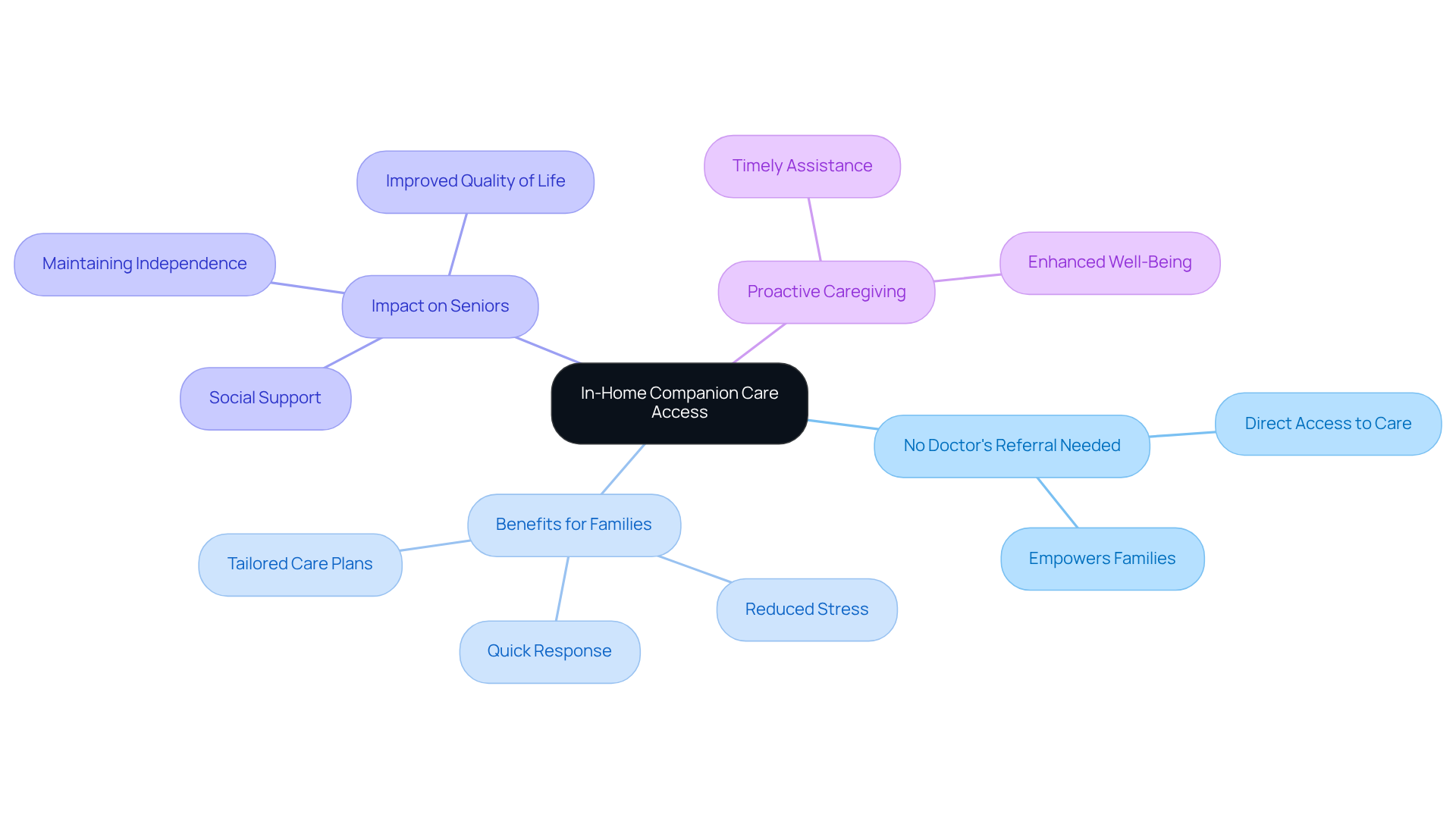
Finding in-home companion care for seniors can be a daunting task, especially when you're already feeling the weight of caregiving responsibilities. The good news? You don’t need a doctor’s referral to get started. This means that family members can reach out directly to caregiving agencies to arrange the support they need for their loved ones.
This ease of access is crucial for providing in-home companion care for seniors. It allows families to respond quickly to the needs of elderly individuals, ensuring they receive the timely assistance that can make all the difference. With over 43.5 million people in the U.S. currently providing care for their loved ones, having the ability to access in-home support without needing physician approval is vital. It empowers families to act swiftly, fostering a proactive approach to caregiving that enhances the quality of life for older adults.
As noted by the National Alliance for Caregiving, "The vast majority of caregivers live within 20 minutes of those they assist." This highlights just how important it is to have prompt access to support. When families can connect directly with in-home companion care for seniors, it alleviates stress and helps older adults maintain their independence and well-being in the comfort of their own homes.
We encourage families to reach out to local caregiving agencies, ask about available services, and discuss their specific needs. Together, you can create a tailored care plan that truly meets the unique requirements of your loved ones. Remember, you’re not alone in this journey; compassionate support is just a call away.
Finding Qualified Caregivers: Tips for Choosing Companion Care
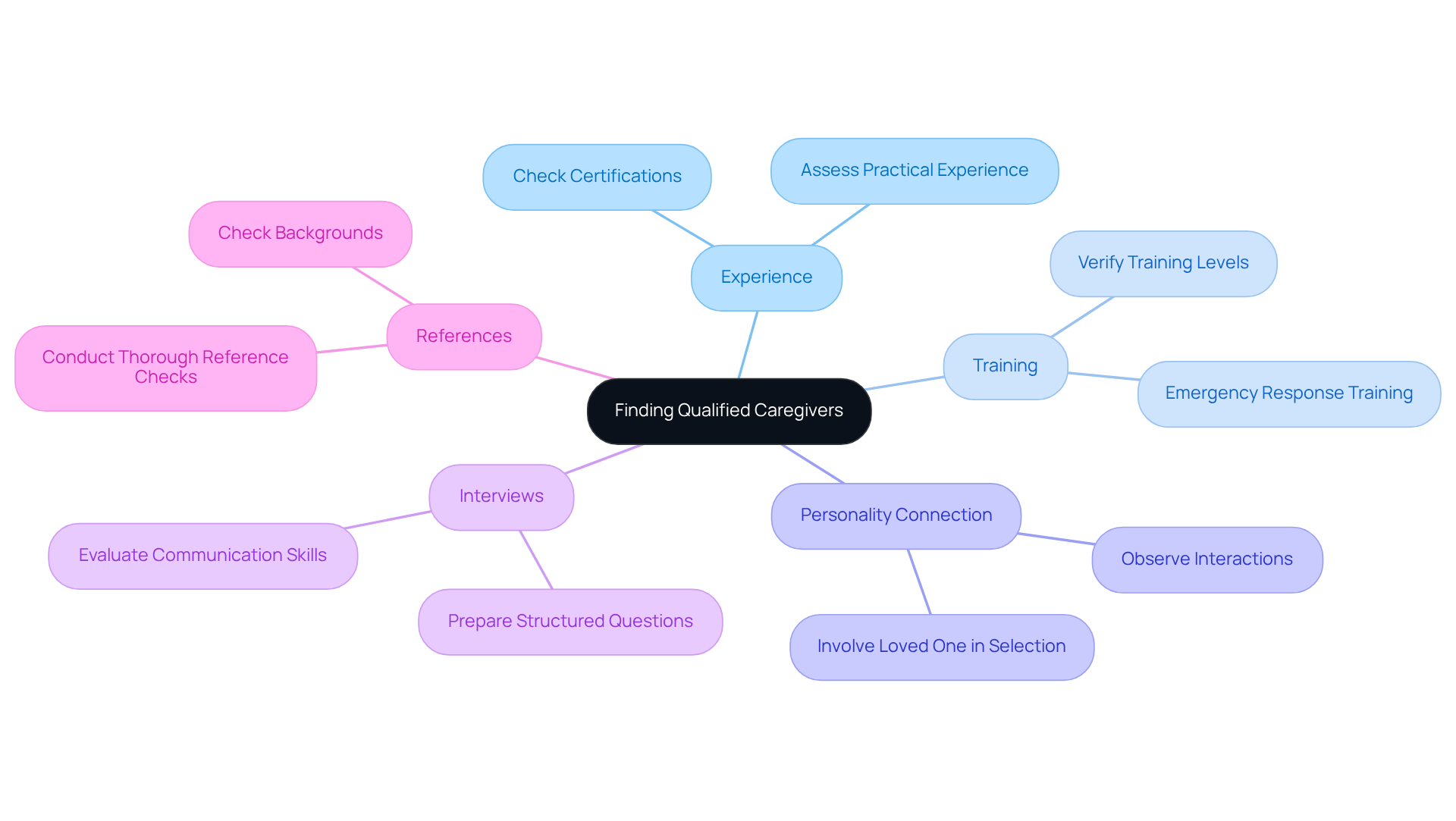
Finding the right support for your loved ones can feel overwhelming. It’s essential to consider various factors, such as experience, training, and how well the provider connects with the senior's personality. Taking the time to conduct interviews, check references, and ask about the provider's approach to companionship can make a significant difference.
Organizations like Happy to Help Caregiving often provide detailed profiles of their support staff. This transparency allows families to make informed choices based on their loved one's unique needs. Remember, you’re not alone in this journey. Many caregivers share similar feelings of stress and uncertainty, but there are compassionate solutions available to help ease your burden.
Happy to Help Caregiving: Trusted Companion Care Since 1996
Since its inception in 1996, Happy to Help Caregiving has emerged as a trusted leader in providing in-home companion care for seniors. We understand the emotional challenges families face when seeking support for their loved ones. Our unwavering commitment to empathy, consistency, and open communication has built a strong reputation in the caregiving industry.
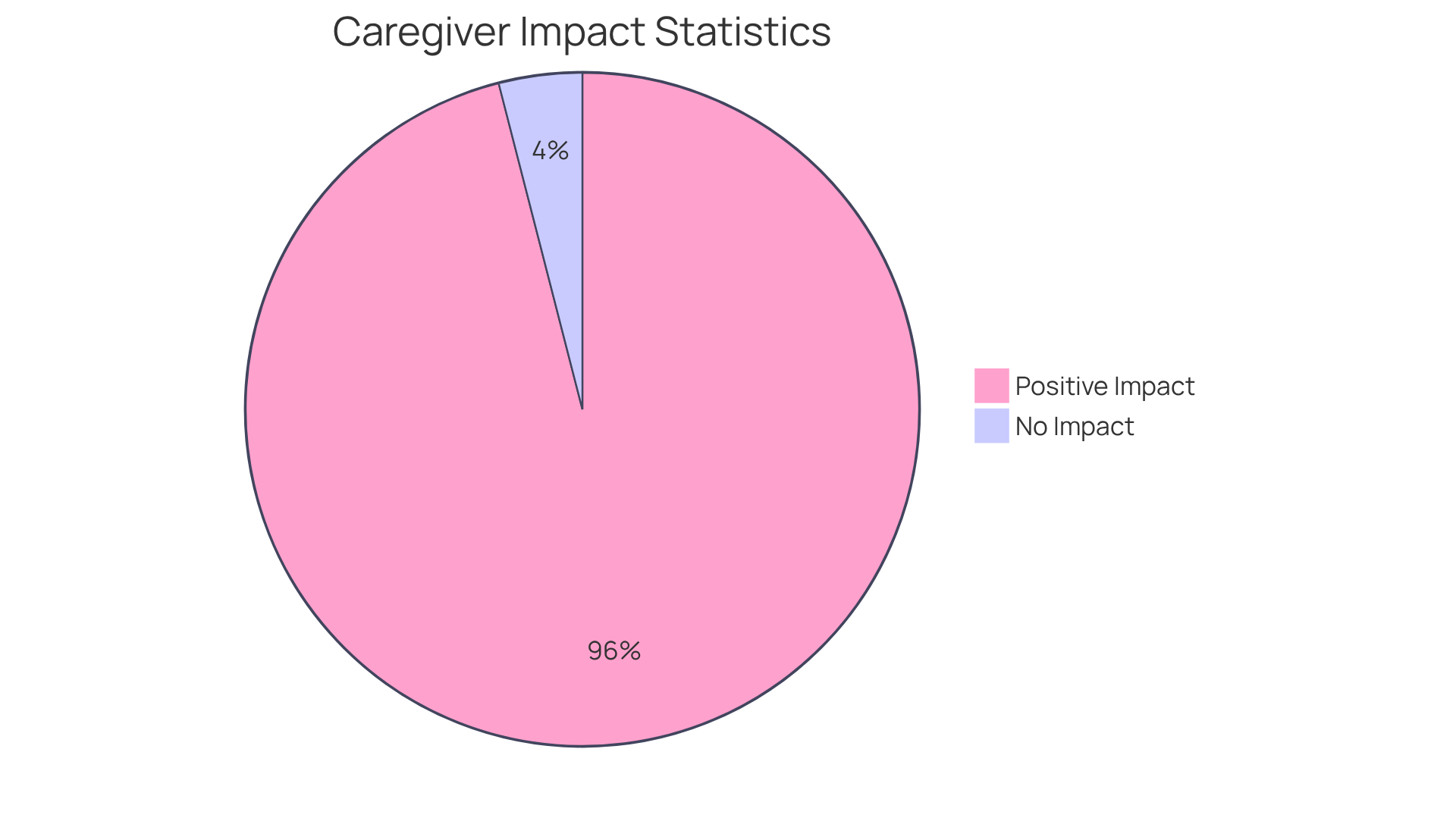
Families can rely on Happy to Help Caregiving for in-home companion care for seniors, providing compassionate support that truly enhances the well-being of their loved ones and allows them to thrive in the comfort of their own homes. Research shows that effective communication and empathetic caregiving are vital for family satisfaction. In fact, 96% of caregivers assisting with activities of daily living (ADLs) report a positive impact on their loved ones' emotional and physical health.
As Taylor Rees beautifully states, "Discover the key benefits of companionship for enhancing emotional and physical well-being." This dedication to personalized in-home companion care for seniors not only addresses their immediate needs but also fosters a sense of security and belonging—essential elements for their overall quality of life. We’re here to support you and your family every step of the way.
Your Path Forward
In-home companion care for seniors is more than just a service; it’s a lifeline that addresses the emotional and physical needs of elderly individuals, enhancing their overall quality of life. Caregivers provide personalized companionship, playing a vital role in reducing loneliness and fostering social interaction. This support allows seniors to thrive in the comfort of their own homes, promoting independence and dignity. The difference this makes in the lives of both seniors and their families is truly significant.
Throughout this article, we’ve highlighted the key benefits of in-home companion care:
- It reduces isolation.
- It enhances emotional well-being.
- It offers peace of mind for families.
Statistics show how crucial social interaction is for improving mental health outcomes. Moreover, the emphasis on customized care plans illustrates how tailored support can lead to better health and happiness for seniors. Understanding the financial aspects and Medicare coverage options also empowers families to make informed decisions about their loved ones’ care.
The importance of in-home companion care cannot be overstated. It alleviates the emotional burdens faced by seniors and their families, fostering a nurturing environment that promotes well-being and connection. As the demand for these services continues to grow, families are encouraged to explore their options, engage with caregiving agencies, and prioritize the emotional health of their loved ones. By taking proactive steps towards securing compassionate care, families can ensure that their elderly relatives enjoy a fulfilling and enriched life, surrounded by the support they truly deserve.
https://iframe.tely.ai/cta/eyJhcnRpY2xlX2lkIjogIjY5MTUzZTMxZTQxOTZiNzE2NThlNDQwZSIsICJjb21wYW55X2lkIjogIjY4ZWU1ZGNhNzMxNzYyNTU3ZjNjOTVjMSIsICJpbmRleCI6IG51bGwsICJ0eXBlIjogImFydGljbGUifQ==Frequently Asked Questions
What is the main focus of Happy to Help Caregiving?
Happy to Help Caregiving focuses on providing personalized companionship for seniors, addressing their unique emotional challenges and enhancing their well-being.
How does personalized companionship benefit seniors?
Personalized companionship helps combat loneliness, fosters a sense of security, and significantly enhances emotional well-being by engaging seniors in activities they cherish.
What role do caregivers play in the emotional health of seniors?
Caregivers build meaningful relationships with seniors, encourage social interaction, and keep families informed about any mood changes or shifts in appetite, ensuring both emotional and physical needs are met.
Why is companionship important for seniors?
Companionship is crucial as prolonged isolation can have severe health impacts, comparable to smoking fifteen cigarettes a day. It helps maintain mental health and reduces the risk of conditions like high blood pressure and cognitive decline.
What are the benefits of in-home companion care for seniors?
In-home companion care significantly boosts emotional well-being, encourages active participation in daily activities, and nurtures independence, allowing seniors to thrive in familiar surroundings.
How does companion care impact the quality of life for older adults?
Companion care enhances the quality of life by providing support with daily tasks, promoting social interaction, and instilling a sense of purpose, which leads to reduced risks of depression and anxiety.
What do families report about the impact of companion care services?
93% of families report feeling emotional relief from companion care services, highlighting the reassurance and stability caregivers provide to both seniors and their families.
What is the overall message about the importance of companionship for seniors?
Companionship is vital for seniors, as it helps them feel valued, connected, and less isolated, ultimately leading to improved emotional health and a better quality of life.