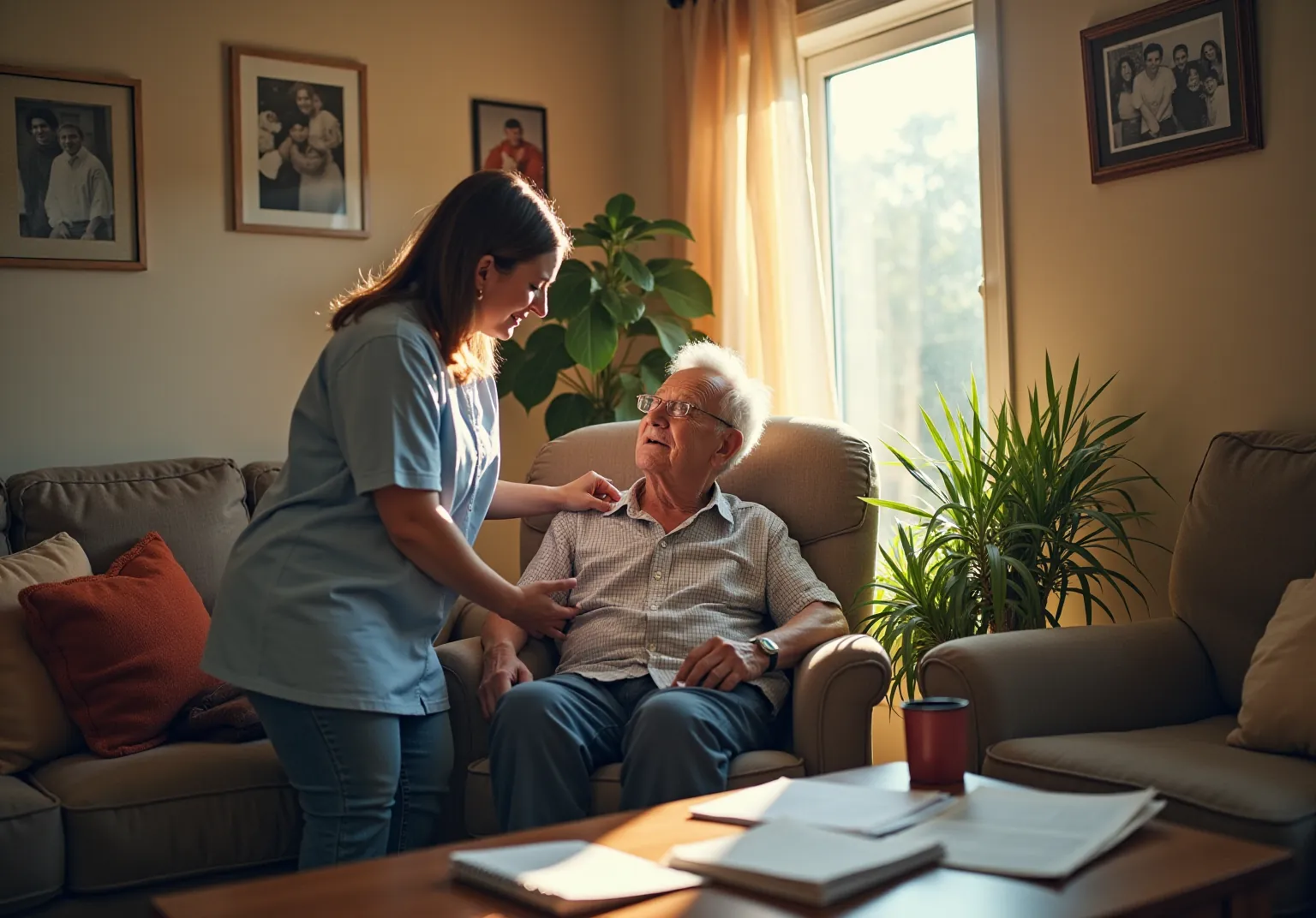
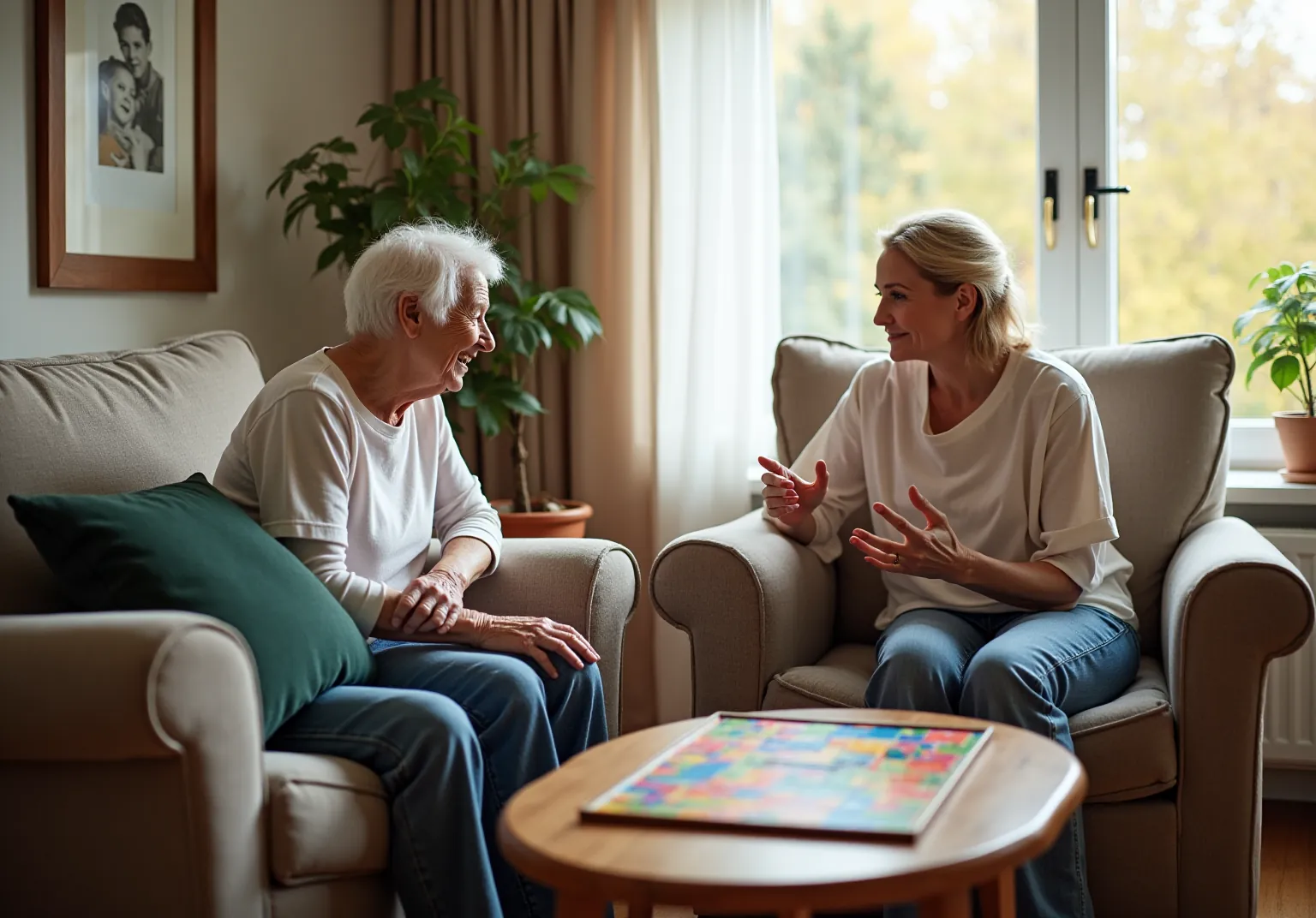
10 Benefits of In Home Companion Care Near You for Seniors
For families in our service areas
For families in our service areas, this guide explains companion care and how non-medical in-home caregiving can support care planning in East Idaho, Treasure Valley & Magic Valley, Northern Wasatch, North Central West Virginia, and Northeast Ohio.
What You Need to Know About In Home Companion Care Near Me
The aging population faces a significant challenge: nearly 70% of seniors will require long-term support. This often leads to feelings of isolation and declining mental health, which can severely impact their quality of life.
In-home companion care emerges as a vital solution. It offers personalized companionship that not only combats loneliness but also enhances emotional well-being. Families are left wondering: how can they ensure their loved ones receive the tailored support they need to thrive in their golden years while promoting independence and safety at home?
This article explores ten compelling benefits of in-home companion care, revealing how it can transform the lives of seniors and their families alike.
Happy to Help Caregiving: Personalized Companionship for Seniors
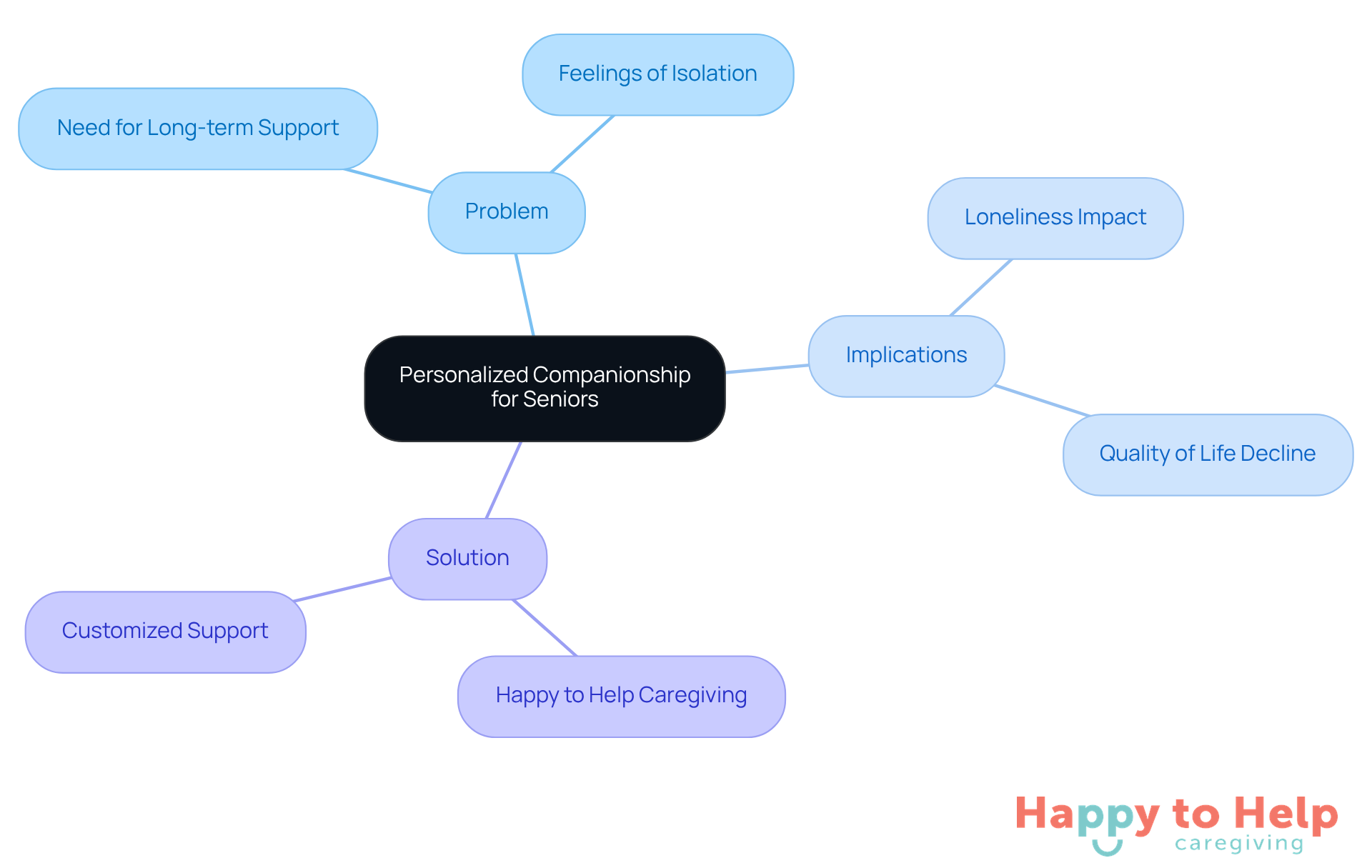
Problem: As individuals age, nearly 70% of those aged 65 and above will require some form of long-term support. This growing need highlights a significant challenge: many older adults face feelings of isolation and a decline in mental health due to a lack of personalized companionship.
Agitate: The implications of this issue are profound. Over 40% of older adults regularly experience feelings of loneliness, which can severely impact their emotional well-being. Without meaningful social interaction and emotional support, many struggle to thrive in their own homes, leading to a diminished quality of life.
Solution: Happy to Help Caregiving addresses these challenges by offering personalized companionship tailored to each client's unique needs and preferences. Caregivers engage clients in meaningful activities that foster social interaction and provide essential emotional support. This approach not only enhances cognitive abilities but also alleviates feelings of isolation, promoting a deeper sense of belonging.
Moreover, many families find that in home companion care near me is often more economical than nursing home facilities, making it a practical option for providing support to their loved ones. As gerontologists emphasize, "Customized support is crucial for improving the quality of life for older adults, as it meets their distinct emotional and social requirements." By prioritizing customized support, Happy to Help Caregiving significantly enhances the overall quality of life for older adults, creating a lasting positive impact on their emotional health.
Emotional Support: Alleviating Loneliness and Isolation
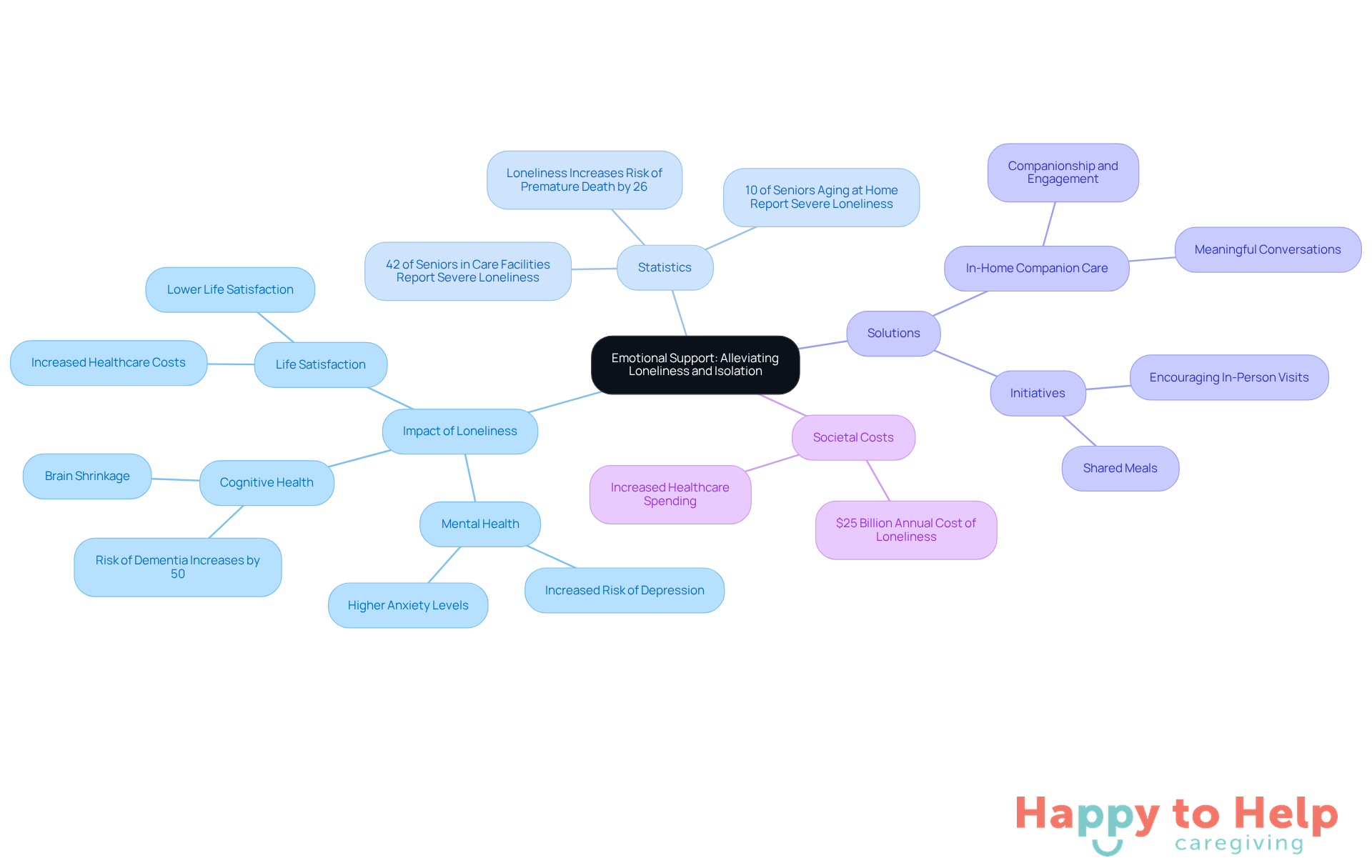
Loneliness and isolation among older adults present a significant challenge, impacting their emotional and mental well-being. Research indicates that social interaction is essential for mental health, as it can significantly reduce the risk of depression and anxiety. For instance, 42% of individuals in assisted living report intense loneliness, which is linked to poorer cognitive health and lower life satisfaction.
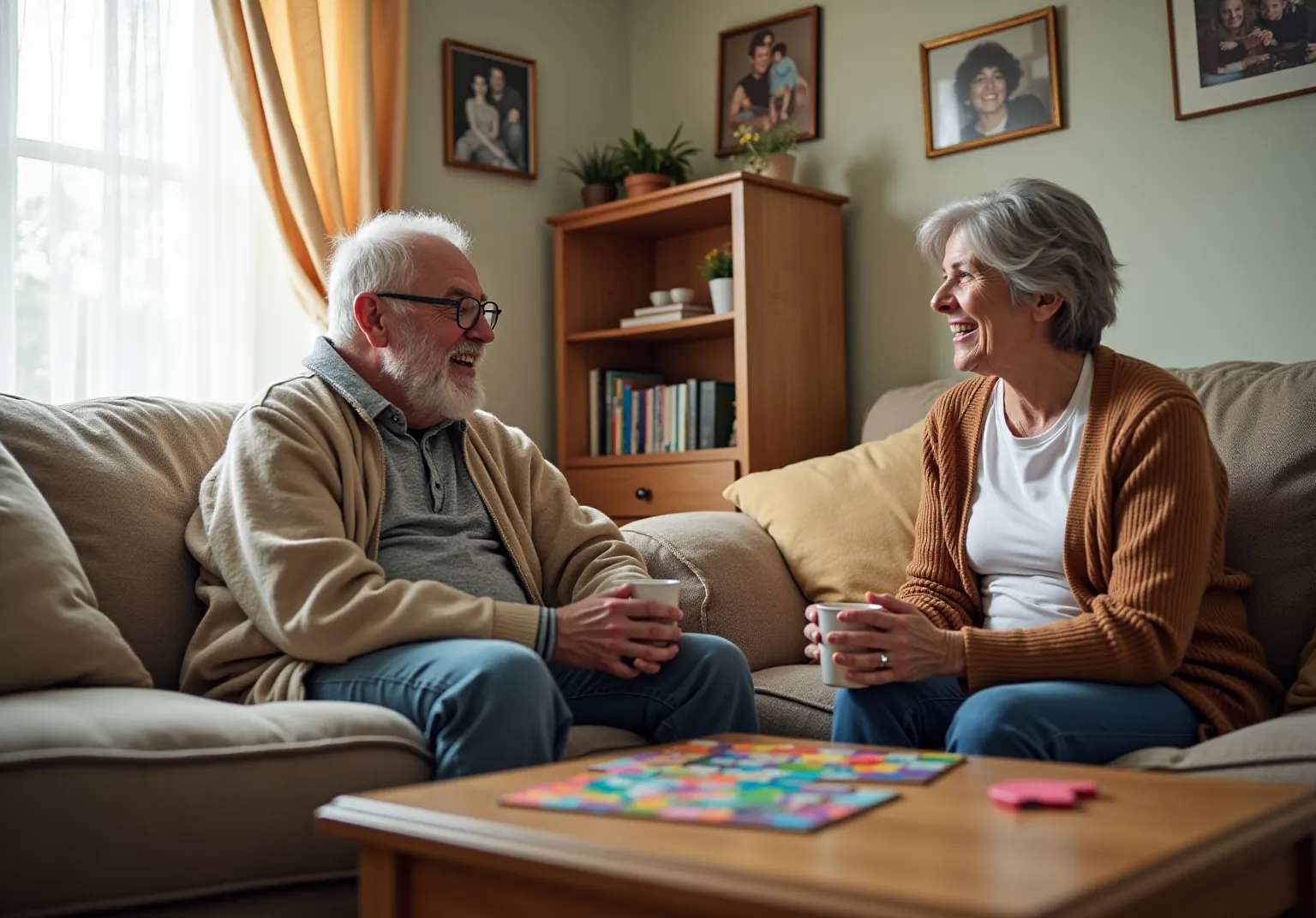
In-home companion care near me provides a practical solution to this pressing issue. Caregivers provide not just companionship but also engage in meaningful conversations and activities that foster social connections. Initiatives that encourage in-person visits and shared meals, as highlighted in the case study on 'Encouraging In-Person Visits,' have proven effective in enhancing social engagement and reducing feelings of isolation.
By emphasizing emotional involvement, in home companion care near me can significantly enhance the lives of older adults. This approach not only addresses the loneliness epidemic but also promotes a healthier, more rewarding aging experience. As Liza Berger noted, loneliness and social isolation can cost society more than $25 billion annually, underscoring the importance of tackling this issue head-on.
Flexible Scheduling: Tailoring Care to Individual Needs
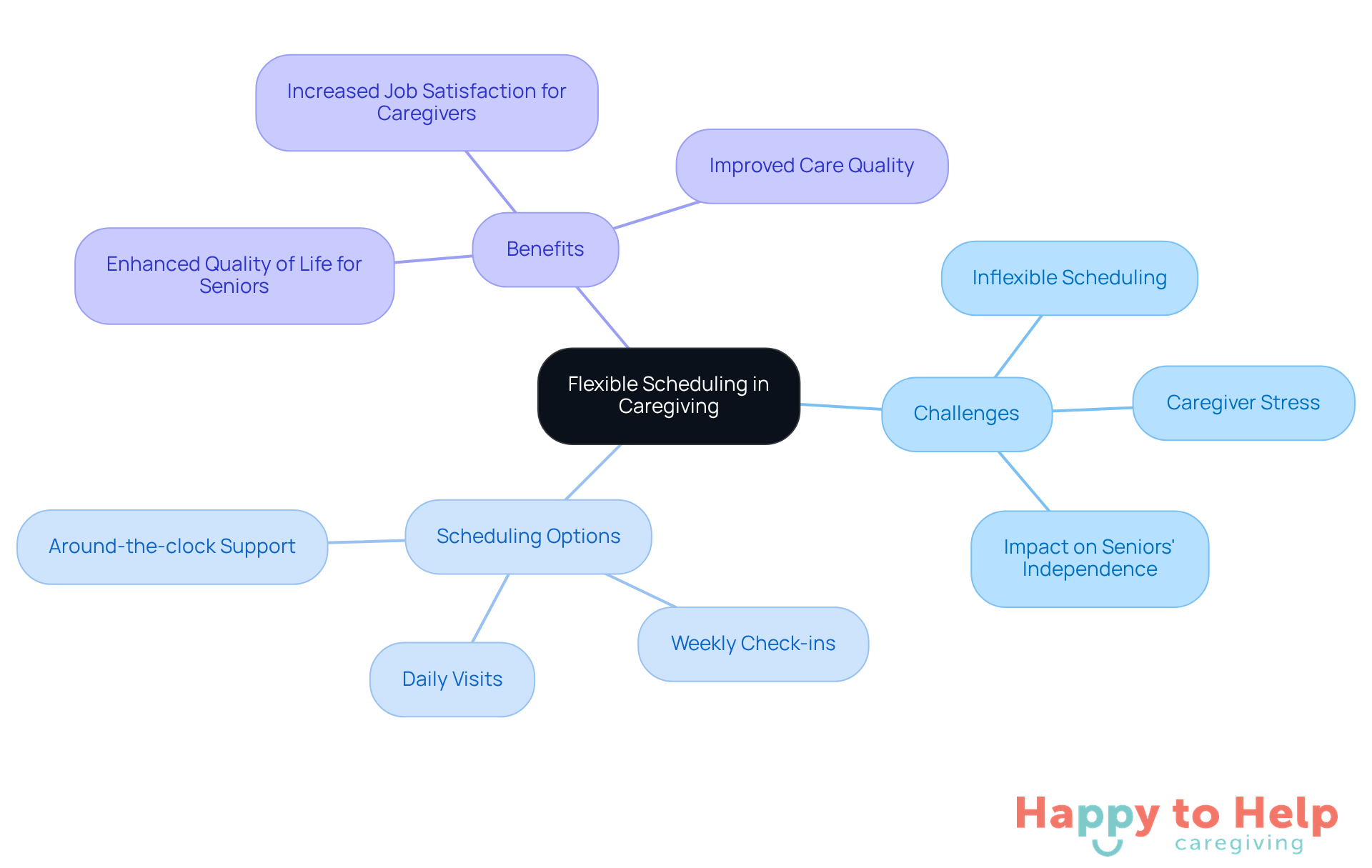
Caregivers often face the challenge of providing adequate support for their loved ones while balancing their own responsibilities. This can lead to stress and uncertainty about how to best meet the unique needs of seniors.
One significant issue is the lack of flexible scheduling options, which can hinder the ability to provide timely assistance. When families cannot tailor support to their loved ones' specific requirements, it can negatively impact the seniors' comfort and independence.
Happy to Help Caregiving addresses this problem with its flexible scheduling alternatives. Families can choose from:
- Daily visits
- Weekly check-ins
- Around-the-clock support
This adaptability ensures that older adults receive the right level of assistance exactly when they need it, promoting their autonomy and well-being.
Studies show that such tailored approaches not only enhance the quality of life for seniors but also lead to increased job satisfaction for caregivers. When caregivers feel supported in their roles, they can provide superior service to clients.
Families have expressed that personalized support schedules are crucial for maintaining their loved ones' independence, allowing them to thrive in familiar environments. As one family caregiver noted, "Having a schedule that fits my mother's needs has made all the difference in her quality of life."
This commitment to individualized care fosters a sense of security and well-being, making the transition to in-home support smoother and more manageable.
Home Safety: Ensuring a Secure Living Environment
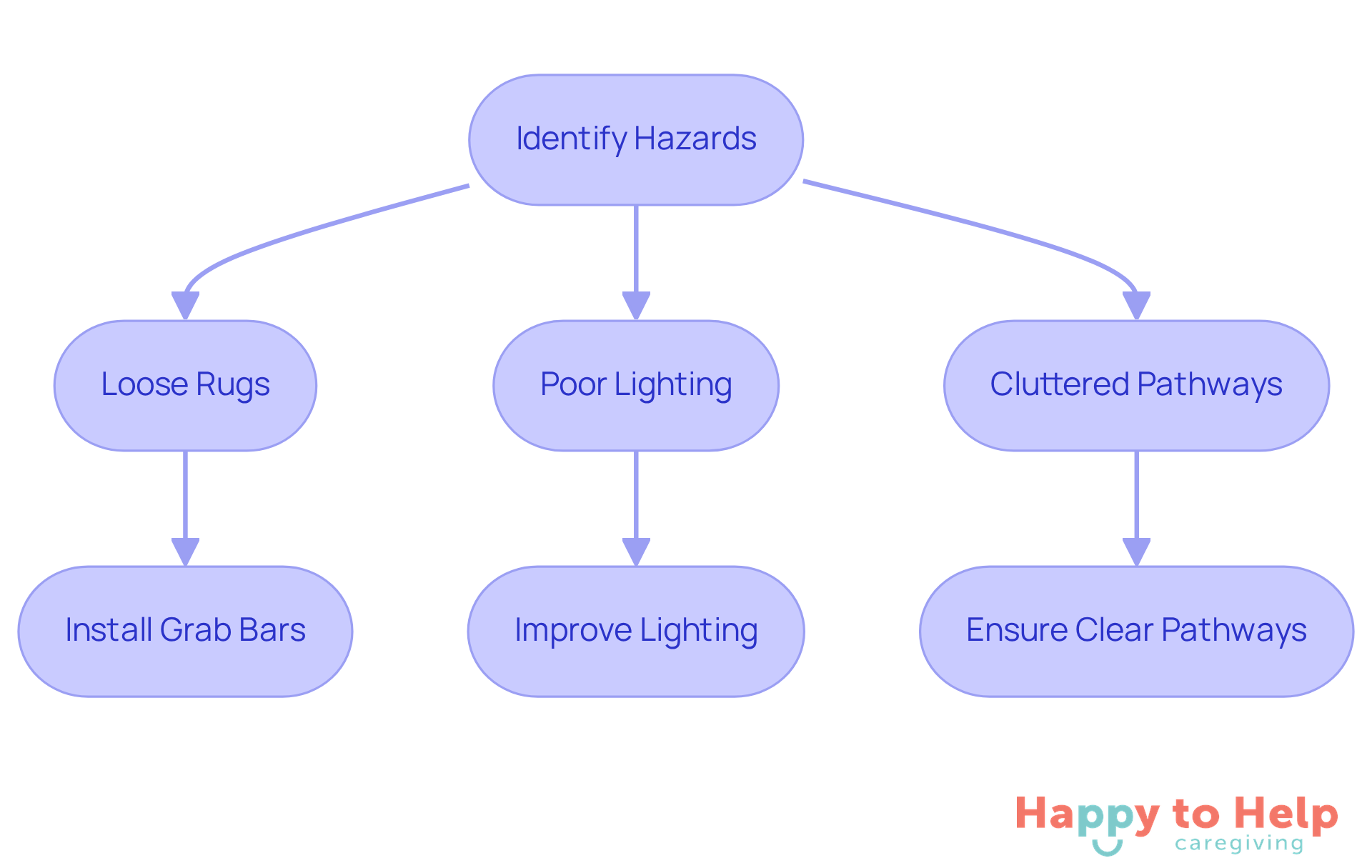
Caregivers play a vital role in enhancing home safety for elderly individuals, as they actively identify potential hazards like loose rugs, poor lighting, and cluttered pathways. These hazards pose a significant risk, with falls being the leading cause of injury-related deaths among older adults. In fact, falls resulted in 32,000 deaths in 2023, underscoring the urgency of this issue. Each year, nearly 319,000 older people are hospitalized for hip fractures, often due to falls, as noted by Nathan Paulus.
To combat this problem, caregivers can implement critical safety measures:
- Installing grab bars
- Improving lighting
- Ensuring clear pathways
By nurturing a secure living environment, in home companion care near me not only protects elderly individuals from accidents but also offers families peace of mind, enabling their loved ones to maintain independence in a safe setting.
Occupational therapists emphasize that thoughtful home modifications can significantly reduce risks. These adaptations are vital for supporting the well-being of elderly individuals. Additionally, families should be aware of financial resources available for safety modifications, which can help alleviate the burden of necessary changes.
Daily Living Assistance: Supporting Everyday Activities
Problem: Many elderly individuals struggle with daily living activities, such as meal preparation, personal hygiene, and medication reminders. This can lead to a loss of independence and increased reliance on others.
Agitate: When seniors face challenges in these areas, it can significantly impact their quality of life. They may feel frustrated or helpless, which can lead to feelings of isolation and anxiety about their ability to live independently.
In-home companion care near me offers a practical solution. Caregivers provide in home companion care near me, playing a crucial role in assisting elderly individuals with these tasks, which helps them maintain their independence and live comfortably in their own homes. By providing support with daily activities, caregivers ensure that seniors can continue to thrive in a secure environment.
Post-Hospital Recovery: Facilitating Smooth Transitions
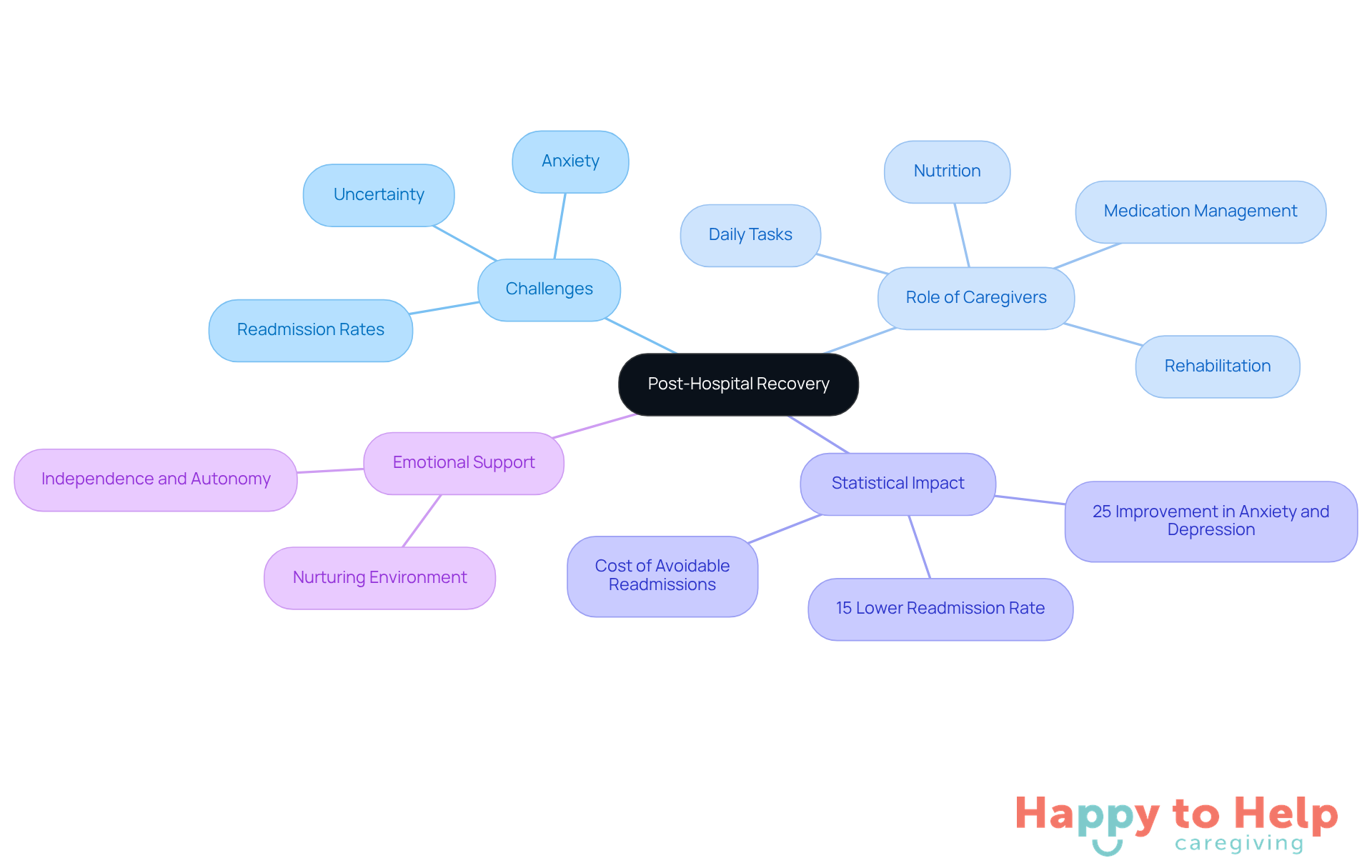
After a hospital stay, seniors often face significant challenges that can hinder their recovery. Many require extra assistance to navigate the transition back to home life, which can be fraught with anxiety and uncertainty. Research shows that nearly one in five Medicare patients is readmitted to the hospital within 30 days of discharge, underscoring the vulnerability of seniors during this critical period.
Companion caregivers play a vital role in addressing these challenges in home companion care near me. They assist with rehabilitation exercises, manage medications, and help with daily tasks, providing tailored support that not only facilitates physical recovery but also alleviates anxiety. In fact, patients receiving in home companion care near me experience a 15% lower hospital readmission rate compared to those who do not, which highlights the effectiveness of such assistance.
Moreover, a systematic review found that patients receiving home assistance reported a 25% improvement in anxiety and depression scores. This demonstrates the emotional support that caregivers provide, creating a nurturing environment that significantly enhances the rehabilitation journey. By fostering a supportive atmosphere, companion assistance enables elderly individuals to reclaim their independence while receiving the empathetic care they need.
Additionally, caregivers contribute to meal preparation and nutrition, which are essential for recovery. Ensuring that seniors have access to nutritious food choices is crucial for their healing process. By addressing these key areas, caregivers involved in in home companion care near me can make a profound difference in the lives of seniors recovering at home.
Respite Care: Supporting Family Caregivers
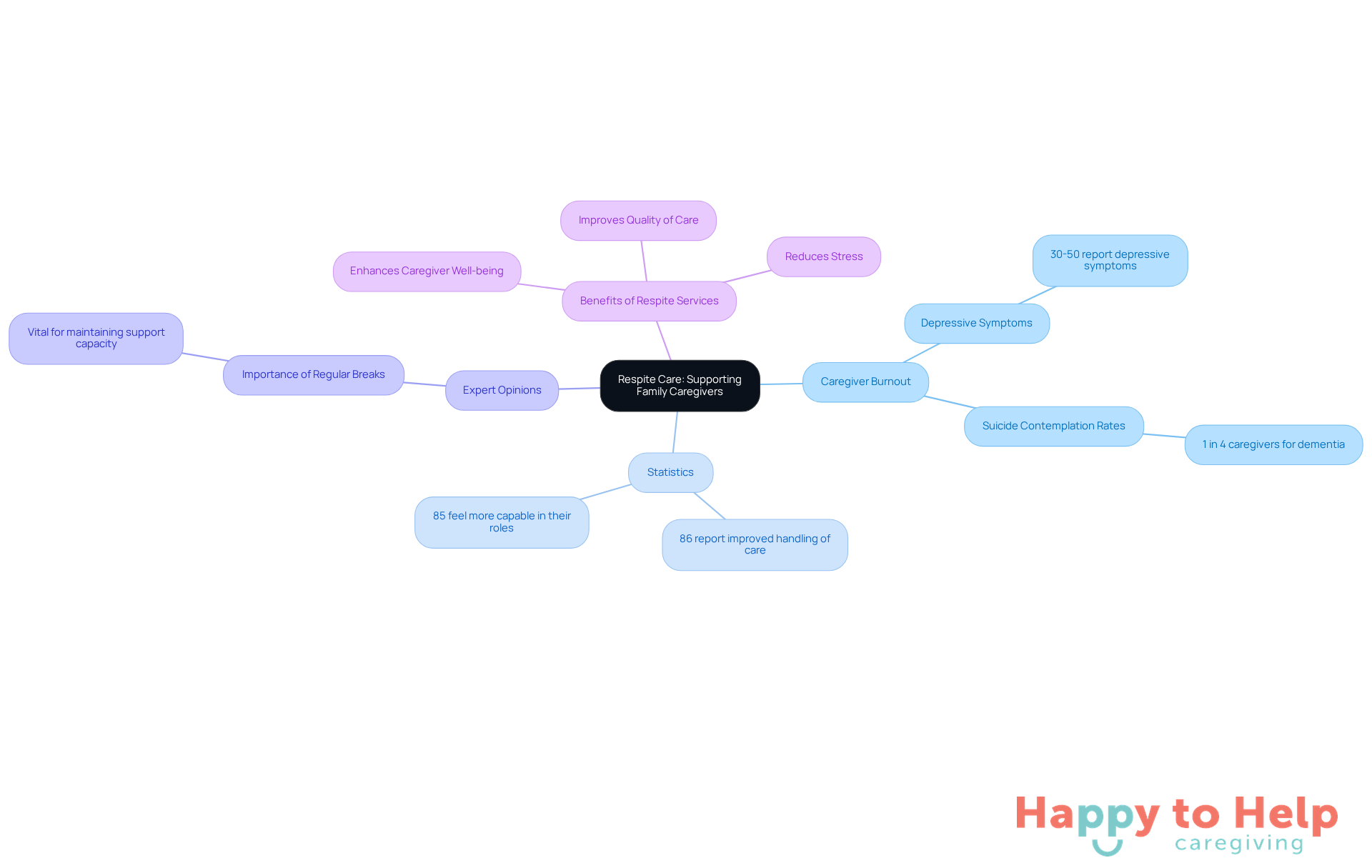
Caregiver burnout is a significant issue, affecting many family assistants who provide essential support to their loved ones. Up to 30-50% of caregivers report experiencing depressive symptoms, and alarmingly, one in four individuals caring for family members with dementia have contemplated suicide in the past year. This situation underscores the urgent need for effective solutions to support these caregivers.
Respite support offers a vital lifeline, providing temporary relief that allows caregivers to take necessary breaks while ensuring their loved ones continue to receive high-quality assistance. By rejuvenating support providers, respite services not only enhance their well-being but also positively impact the quality of care they deliver. Mental health experts emphasize that regular breaks can lead to better mental health outcomes, reducing stress and improving caregivers' ability to manage their responsibilities.
As one mental health specialist noted, "Allocating time for oneself is not merely advantageous; it is vital for maintaining the supporter’s capacity to offer assistance." The benefits of respite services are evident: research shows that 86% of family supporters report improved handling of care after utilizing these services, and 85% feel more capable in their roles.
Ultimately, respite services are not just a luxury; they are an essential component of a comprehensive strategy that enhances the health and resilience of family caregivers. By prioritizing their own well-being, caregivers can continue to provide the support their loved ones need.
Palliative Support: Enhancing Comfort and Quality of Life
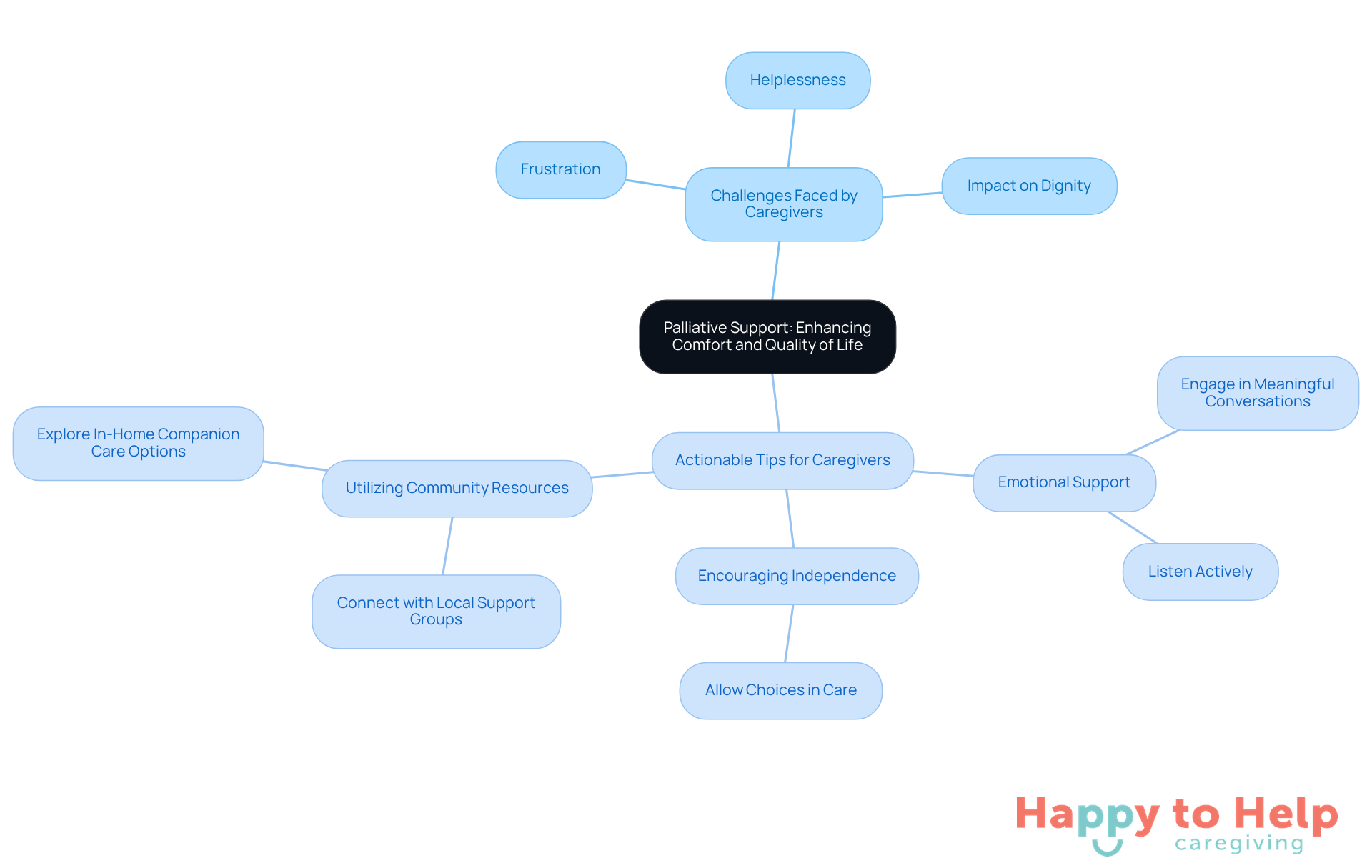
Palliative care addresses a significant problem: the need for improved comfort and quality of life for elderly individuals facing serious illnesses. Caregivers often struggle to provide adequate support, which can lead to feelings of frustration and helplessness. This situation not only affects the caregivers but also impacts the dignity and well-being of the elderly clients they serve.
To tackle these challenges, caregivers involved in in home companion care near me must adopt a holistic approach that emphasizes both physical assistance and emotional support. Caregivers providing in home companion care near me can help clients navigate their health challenges with dignity, ensuring that older adults feel valued and cared for, regardless of their medical conditions.
Here are some actionable tips for caregivers:
- Prioritize emotional support: Engage in meaningful conversations and listen actively to your clients.
- Encourage independence: Allow clients to make choices about their care to foster a sense of control.
- Utilize community resources by connecting with local support groups and services, including options for in home companion care near me, that can provide additional assistance.
By implementing these strategies, caregivers can significantly enhance the quality of life for elderly individuals, making a profound difference in their care experience.
Technology Integration: Enhancing Care Through Innovation
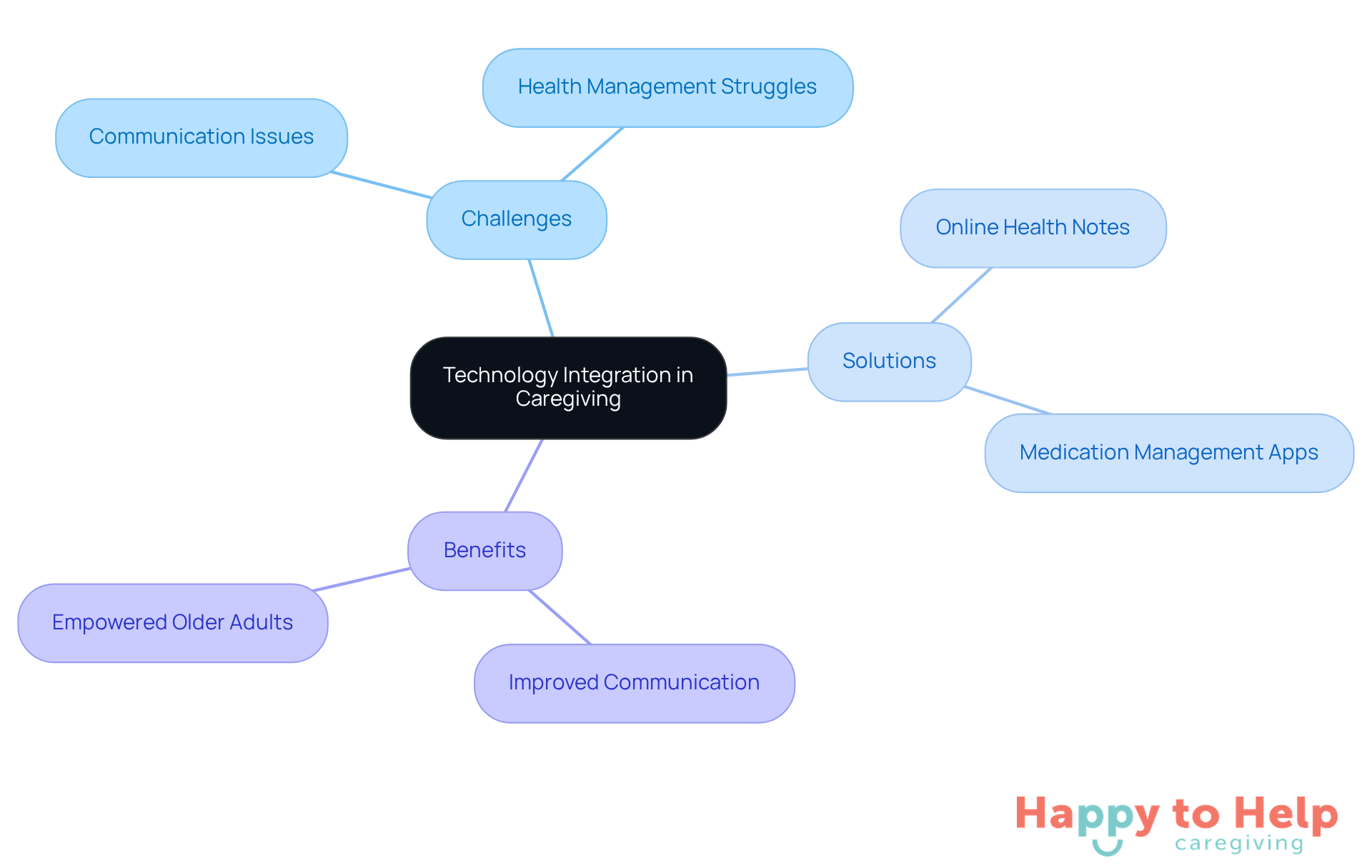
Caregiving often presents significant challenges, particularly in communication and health management. Families may struggle to stay informed about their loved ones' needs, leading to feelings of helplessness and frustration. This lack of engagement can hinder the overall caregiving experience, making it essential to find effective solutions.
Integrating technology into caregiving services can address these issues head-on. Happy to Help Caregiving offers resources like online health notes and medication management applications. These tools ensure that families remain informed and actively involved in their loved ones' support. By enhancing communication, technology empowers older adults to manage their health more effectively, fostering a collaborative caregiving environment.
Overall Well-Being: Improving Quality of Life for Seniors
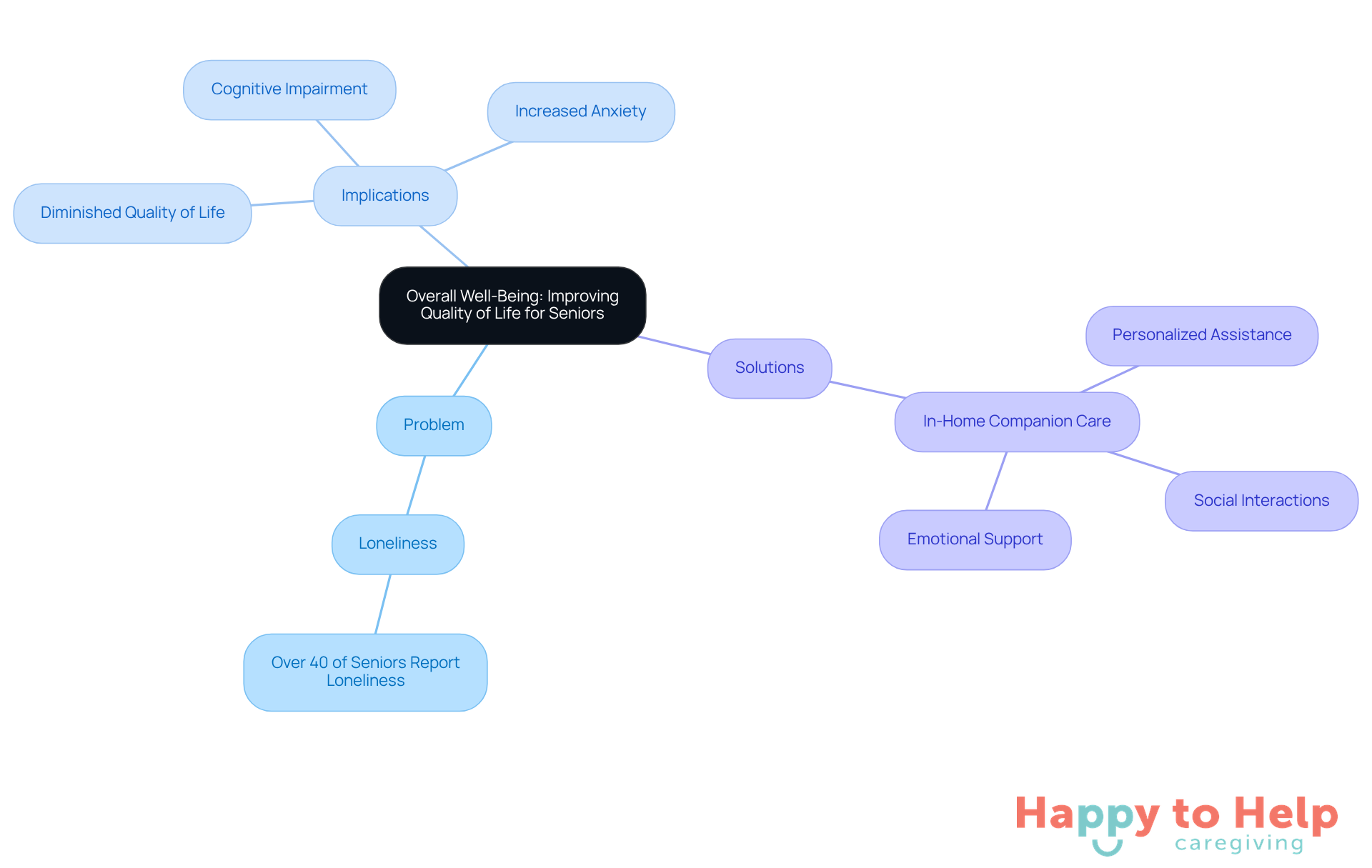
Problem: Loneliness is a significant issue for older adults, with over 40% reporting feelings of isolation regularly. This loneliness can lead to detrimental effects on their mental and emotional health.
Agitate: The implications of loneliness are profound. Research shows that it can impair cognitive abilities and negatively impact brain health. Without regular social interactions, seniors may experience increased anxiety and a diminished quality of life.
In-home companion care near me provides a practical solution to combat loneliness. Caregivers provide personalized assistance that not only helps older adults maintain their independence but also fosters a sense of belonging. By engaging seniors in meaningful activities and facilitating social interactions, caregivers can significantly enhance their emotional well-being.
Research indicates that utilizing home and community care can increase life satisfaction scores by 0.088, underscoring the positive impact of personalized attention. Furthermore, regular discussions and emotional support from caregivers can improve cognitive function and alleviate feelings of loneliness, as noted by Harvard research.
By allowing seniors to remain in familiar environments surrounded by cherished belongings, in home companion care near me reduces anxiety and enhances emotional well-being. This comprehensive approach ensures that older adults not only receive assistance but also enjoy a fulfilling and enriched life at home.
Key Takeaways for Caregivers
In-home companion care offers a vital solution for seniors grappling with the challenges of aging, particularly loneliness and the need for personalized support. This service not only enhances emotional well-being but also fosters a sense of belonging, which is crucial for maintaining a high quality of life. By empowering seniors to thrive in familiar environments, in-home care alleviates feelings of isolation and promotes a healthier, more fulfilling aging experience.
The benefits of in-home companion care are significant. These include:
- Emotional support
- Flexible scheduling
- Home safety enhancements
- Daily living assistance
- Post-hospital recovery
Each aspect plays a vital role in addressing the unique needs of elderly individuals, ensuring they receive the right care at the right time. Additionally, the integration of technology enriches the caregiving experience by improving communication and health management, ultimately enhancing seniors' overall well-being.
Recognizing the importance of personalized care for elderly individuals is essential. It’s not just about providing assistance; it’s about fostering connections, ensuring safety, and enhancing the quality of life for seniors. Families are encouraged to explore in-home companion care options, as these services can significantly impact their loved ones' emotional and physical health, allowing them to enjoy their golden years with dignity and joy.
https://iframe.tely.ai/cta/eyJhcnRpY2xlX2lkIjogIjY5MjNhMGMwZTUyZmU2NjM2Njg4Njc0NiIsICJjb21wYW55X2lkIjogIjY4ZWU1ZGNhNzMxNzYyNTU3ZjNjOTVjMSIsICJpbmRleCI6IG51bGwsICJ0eXBlIjogImFydGljbGUifQ==Frequently Asked Questions
What is the primary problem faced by older adults regarding companionship?
Nearly 70% of individuals aged 65 and above will require some form of long-term support, leading to feelings of isolation and a decline in mental health due to a lack of personalized companionship.
How does loneliness impact older adults?
Over 40% of older adults regularly experience feelings of loneliness, which can severely impact their emotional well-being and quality of life.
What solution does Happy to Help Caregiving offer?
Happy to Help Caregiving provides personalized companionship tailored to each client's unique needs, engaging them in meaningful activities that foster social interaction and emotional support.
How does personalized companionship benefit older adults?
Personalized companionship enhances cognitive abilities, alleviates feelings of isolation, and promotes a deeper sense of belonging among older adults.
Why is in-home companion care often more economical than nursing home facilities?
Families find that in-home companion care is typically more cost-effective than nursing home facilities, making it a practical option for supporting their loved ones.
What role does emotional support play in alleviating loneliness for seniors?
Emotional support through meaningful conversations and activities can significantly reduce the risk of depression and anxiety, enhancing the mental health of older adults.
What flexible scheduling options does Happy to Help Caregiving provide?
Families can choose from daily visits, weekly check-ins, or around-the-clock support to meet the specific needs of their loved ones.
How does flexible scheduling benefit older adults?
Flexible scheduling ensures that older adults receive the right level of assistance when needed, promoting their autonomy and well-being.
What impact does personalized support have on caregivers?
Tailored approaches lead to increased job satisfaction for caregivers, allowing them to provide superior service to clients.
Why is addressing loneliness and social isolation among older adults important?
Tackling loneliness and social isolation is crucial as it can cost society more than $25 billion annually and significantly impacts the emotional and mental well-being of older adults.
List of Sources
- Happy to Help Caregiving: Personalized Companionship for Seniors
- 5 Benefits of Senior In-Home Care in 2025 | Valley Home Care (https://valleyhca.com/the-top-5-benefits-of-in-home-senior-care-for-aging-loved-ones-in-2025)
- 'Sometimes it could just be companionship': Senior Helpers fills gap in elder care (https://whec.com/top-news/sometimes-it-could-just-be-companionship-senior-helpers-fills-gap-in-elder-care)
- NYSOFA’s Rollout of AI Companion Robot ElliQ Shows 95% Reduction in Loneliness (https://aging.ny.gov/news/nysofas-rollout-ai-companion-robot-elliq-shows-95-reduction-loneliness)
- Some Important Statistics and In-Home Companion Care (https://americareinfo.com/beach-cities/articles/in-home-companion-care-some-important-facts-on-aging-to-consider)
- AI companion helps Bronx senior living facility residents combat loneliness (https://cbsnews.com/newyork/news/ai-companionship-for-seniors-bronx)
- Emotional Support: Alleviating Loneliness and Isolation
- The Silent Epidemic of Senior Loneliness (https://honorcare.com/news/silent-epidemic-of-senior-loneliness)
- Senior living can help break cycle of loneliness in older adults, Argentum CEO testifies at Senate hearing (https://mcknightsseniorliving.com/news/senior-living-can-help-break-cycle-of-loneliness-in-older-adults-argentum-ceo-testifies-at-senate-hearing)
- Humana gives more than $12M in grants to prevent loneliness, support seniors’ emotional health (https://mcknightshomecare.com/news/humana-gives-more-than-12m-in-grants-to-prevent-loneliness-support-seniors-emotional-health)
- For seniors dealing with social isolation, NYC programs provide intergenerational events (https://cbsnews.com/newyork/news/cost-of-caregiving-the-life-story-club-nyc-friendly-visiting-program)
- New initiative aims to reduce loneliness among older adults in Louisville (https://news.louisville.edu/news/new-initiative-aims-reduce-loneliness-among-older-adults-louisville)
- Flexible Scheduling: Tailoring Care to Individual Needs
- Exploring the Rising Demand for Flexible Work in Healthcare (https://healthecareers.com/career-resources/nurse-career/rising-demand-for-flexible-work-in-healthcare)
- Flexible scheduling in healthcare: Top strategies from CNOs and HR leaders (https://go.beckershospitalreview.com/hr/flexible-scheduling-in-healthcare-top-strategies-from-cnos-and-hr-leaders)
- Return-to-Office Trends are Reshaping Caregiving at Home - Family & Nursing Care (https://familynursingcare.com/return-to-office-trends-are-reshaping-caregiving-at-home)
- Senior Living Operators Embrace More Flexible Scheduling Practices to Improve Staffing (https://seniorhousingnews.com/2024/08/06/senior-living-operators-embrace-more-flexible-scheduling-practices-to-improve-staffing)
- 9 Ways to Find Caregivers With Flexible Scheduling Options - MedCity News (https://medcitynews.com/2025/05/9-ways-to-find-caregivers-with-flexible-scheduling-options)
- Home Safety: Ensuring a Secure Living Environment
- Facts About Falls (https://cdc.gov/falls/data-research/facts-stats)
- Home Accident Statistics and Facts (https://moneygeek.com/resources/home-accident-and-injury-statistics)
- As falling deaths rise for older adults, how home safety can make a difference (https://denver7.com/news/local-news/as-falling-deaths-rise-for-older-adults-how-home-safety-can-make-a-difference)
- Home Safety for Seniors: Statistics & Proven Safety Solutions (https://agesafeamerica.com/home-safety-hub/articles/home-safety-seniors-statistics-solutions)
- Home Safety Month, Garbage Cans, and Aging in Place (https://lifework.arizona.edu/news/2025/home-safety-month-garbage-cans-and-aging-place)
- Daily Living Assistance: Supporting Everyday Activities
- New data detail which older adults are more likely to need help with ADLs (https://mcknightsseniorliving.com/news/new-data-detail-which-older-adults-are-more-likely-to-need-help-with-adls)
- Families caring for older adults at home say aging in place should not be taken lightly, but may be worth it (https://cbsnews.com/newyork/news/aging-in-place-home-remodeling-cost-of-caregiving)
- 28 Senior Care Statistics: In-Home & Assisted Living | Shortlister (https://myshortlister.com/insights/senior-care-statistics)
- 2025 Home Care Statistics: Trends & Insights To Know (https://premierhcinc.com/blog/home-care-statistics)
- Post-Hospital Recovery: Facilitating Smooth Transitions
- Helping Seniors Avoid Malnutrition and Rehospitalization: How Hospital to Home Transition Care Makes a Difference - A Helping Hand Home Care (https://ahelpinghandga.com/helping-seniors-avoid-malnutrition-and-rehospitalization-how-hospital-to-home-transition-care-makes-a-difference)
- Post Hospital Care at Home Prevents Readmissions (https://genuineglobalcare.com/post-hospital-care-at-home-prevents-readmissions)
- Smart Homes and Post-Hospital Care: Supporting Seniors Aging in Place (https://hcprosonline.com/smart-homes-and-post-hospital-care-supporting-seniors-aging-in-place)
- Home Care Impact on Recovery of Patient (A Statistics Report) (https://lovinghomecareinc.com/home-care-recovery-statistics)
- Post-Hospital Care for Seniors Supports Healing (https://picseniorcare.com/how-post-hospital-care-for-seniors-makes-recovery-easier)
- Respite Care: Supporting Family Caregivers
- News & Success Stories | Live Well San Diego (https://livewellsd.org/Home/Components/News/News/513/153)
- Family Caregivers Struggling In Some States More Than Others (https://disabilityscoop.com/2025/10/31/family-caregivers-struggling-in-some-states-more-than-others/31710)
- It’s Time to Care for Caregivers: Senator Markey Announces Comprehensive Family Caregiving Legislative Agenda | U.S. Senator Ed Markey of Massachusetts (https://markey.senate.gov/news/press-releases/11/20/2025/its-time-to-care-for-caregivers-senator-markey-announces-comprehensive-family-caregiving-legislative-agenda)
- A bill in Congress would return $5,000 to millions of family caregivers every year, but will it pass? (https://cbsnews.com/newyork/news/credit-for-caring-act-family-caregiver-tax-credit)
- Funding Opportunity: National Lifespan Respite Care Program State Program Enhancement Grants | ACL Administration for Community Living (https://acl.gov/news-and-events/announcements/national-lifespan-respite-care-program-state-program-enhancement)
- Palliative Support: Enhancing Comfort and Quality of Life
- Hospice and Palliative Care (https://nia.nih.gov/news/topics/hospice-and-palliative-care)
- Support for Serious Illness (https://newsinhealth.nih.gov/2025/07/support-serious-illness)
- Palliative Care: Providing Support for Members With Serious Illnesses (https://news.blueshieldca.com/2024/11/20/palliative-care-providing-support-for-members-with-serious-illnesses)
- ‘A good death’: How compassionate care helps people navigate the end of life (https://news.yale.edu/2025/10/13/good-death-how-compassionate-care-helps-people-navigate-end-life)
- Hospice, Palliative Care Services Yield High Quality, Cost Savings (https://hospicenews.com/2025/09/22/hospice-palliative-care-services-yield-high-quality-cost-savings)
- Technology Integration: Enhancing Care Through Innovation
- AI is Reshaping Retirement, Caregiving, and Health (https://ltcnews.com/articles/ai-reshaping-retirement-caregiving-health)
- Technology and interventions are changing care for older adults (https://fastcompany.com/91414509/technology-and-interventions-are-changing-care-for-older-adults)
- How Technology will Transform Senior Care in 2025 (https://thecareconcierges.com/how-technology-will-transform-senior-care-in-2025)
- ‘Smart home’ tech the answer for aging in place, older adults say (https://mcknightsseniorliving.com/news/smart-home-tech-the-answer-for-aging-in-place-older-adults-say)
- The Future of Senior Care: What to Expect in 2025 and Beyond (https://arhomecare.com/the-future-of-senior-care-what-to-expect-in-2025-and-beyond)
- Overall Well-Being: Improving Quality of Life for Seniors
- 5 Benefits of Senior In-Home Care in 2025 | Valley Home Care (https://valleyhca.com/the-top-5-benefits-of-in-home-senior-care-for-aging-loved-ones-in-2025)
- Warning From Older Adults: Care for Aging in America Needs Urgent Rethinking (https://johnahartford.org/newsroom/view/warning-from-older-adults-care-for-aging-in-america-needs-urgent-rethinking)
- In-Home Care for Seniors: Benefits and Quality Support (https://seniorhelpers.com/fl/the-villages/resources/blogs/2025-11-14)
- Effect of the Use of Home and Community Care Services on the Multidimensional Health of Older Adults - PMC (https://pmc.ncbi.nlm.nih.gov/articles/PMC9690765)