
Active service-area notice
Happy to Help does not currently list San Antonio as an active service area. This article is general educational information. For local care availability, browse our active service areas.
Browse active service areasFor families in our service areas
For families in our service areas, this guide explains caregiving and how non-medical in-home caregiving can support care planning in East Idaho, Treasure Valley & Magic Valley, Northern Wasatch, North Central West Virginia, and Northeast Ohio.
What You Need to Know About In Home Senior Care in San Antonio for
In-home senior care is becoming an essential solution for families facing the challenges of elder support. Caregivers are under increasing pressure, and understanding the benefits of personalized care can greatly improve the quality of life for both seniors and their families. The complexities of aging often involve safety concerns, emotional well-being, and financial burdens.
So, how can families ensure their loved ones receive the tailored assistance they need to thrive at home?
Happy to Help Caregiving: Personalized Care Plans for Individual Needs
Caregiving for the elderly often presents significant challenges, particularly when it comes to providing personalized support. Many caregivers struggle to meet the unique needs of each client, which can lead to feelings of neglect among elderly individuals. This lack of tailored assistance not only affects their emotional well-being but can also result in increased hospitalizations and a decline in overall health.
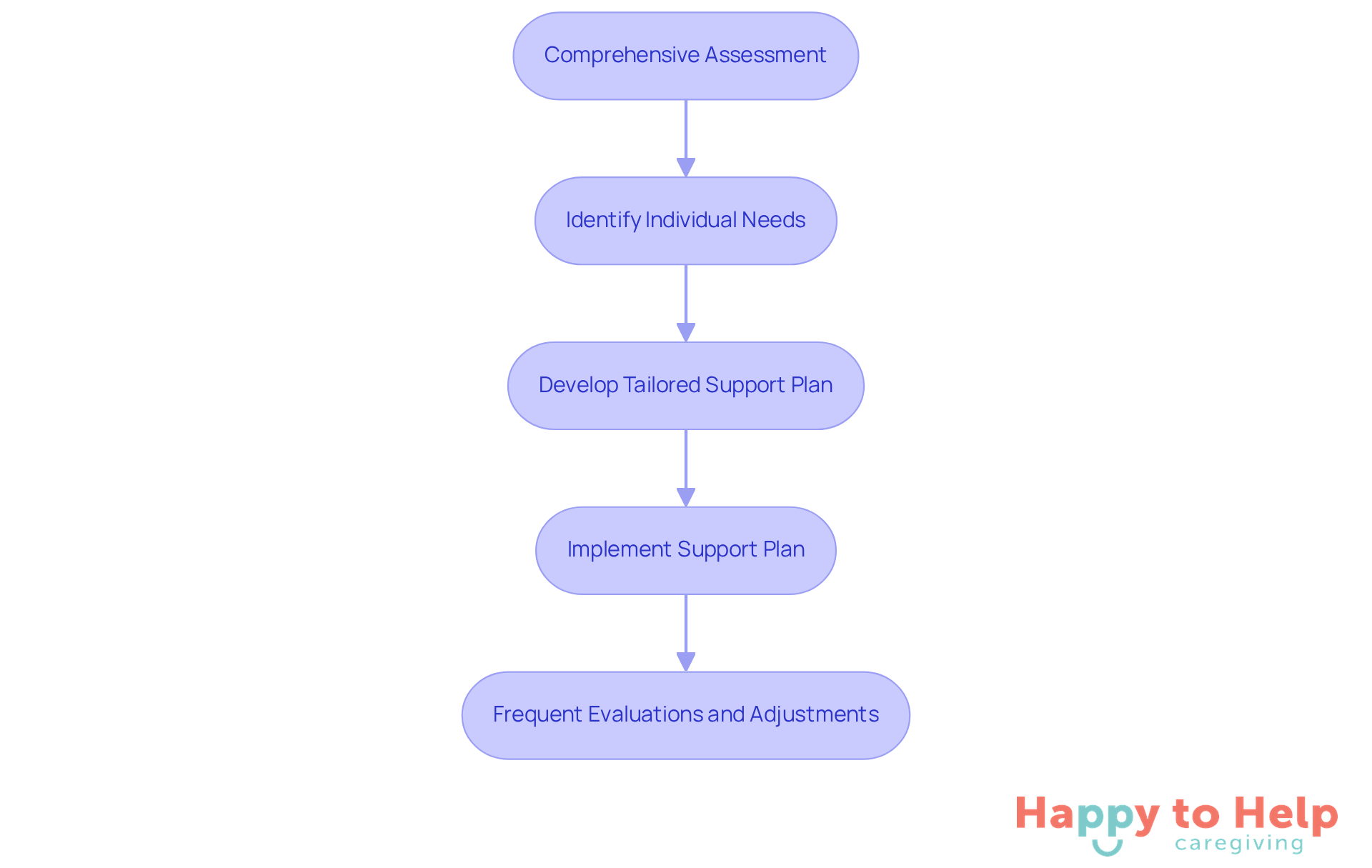
To address these issues, Happy to Help Caregiving excels in developing tailored support plans that focus on the specific requirements of each client. These plans start with comprehensive assessments that consider medical history, personal preferences, and lifestyle choices. By customizing assistance to individual needs, caregivers can offer more efficient support, ensuring that elderly individuals feel appreciated and understood.
This personalized approach not only enhances the quality of care but also fosters a sense of independence and dignity among clients. Geriatric specialists emphasize that effective individualized plans significantly improve health outcomes for older adults, reducing hospitalizations and promoting emotional well-being.
To ensure that support remains relevant and responsive, frequent evaluations and flexible strategies are essential. This allows interventions to evolve according to ongoing assessments, adapting to the changing needs of clients. By implementing these tailored support plans, caregivers can make a meaningful difference in the lives of those they serve.
Emotional and Physical Comfort: The Value of Companionship in In-Home Care
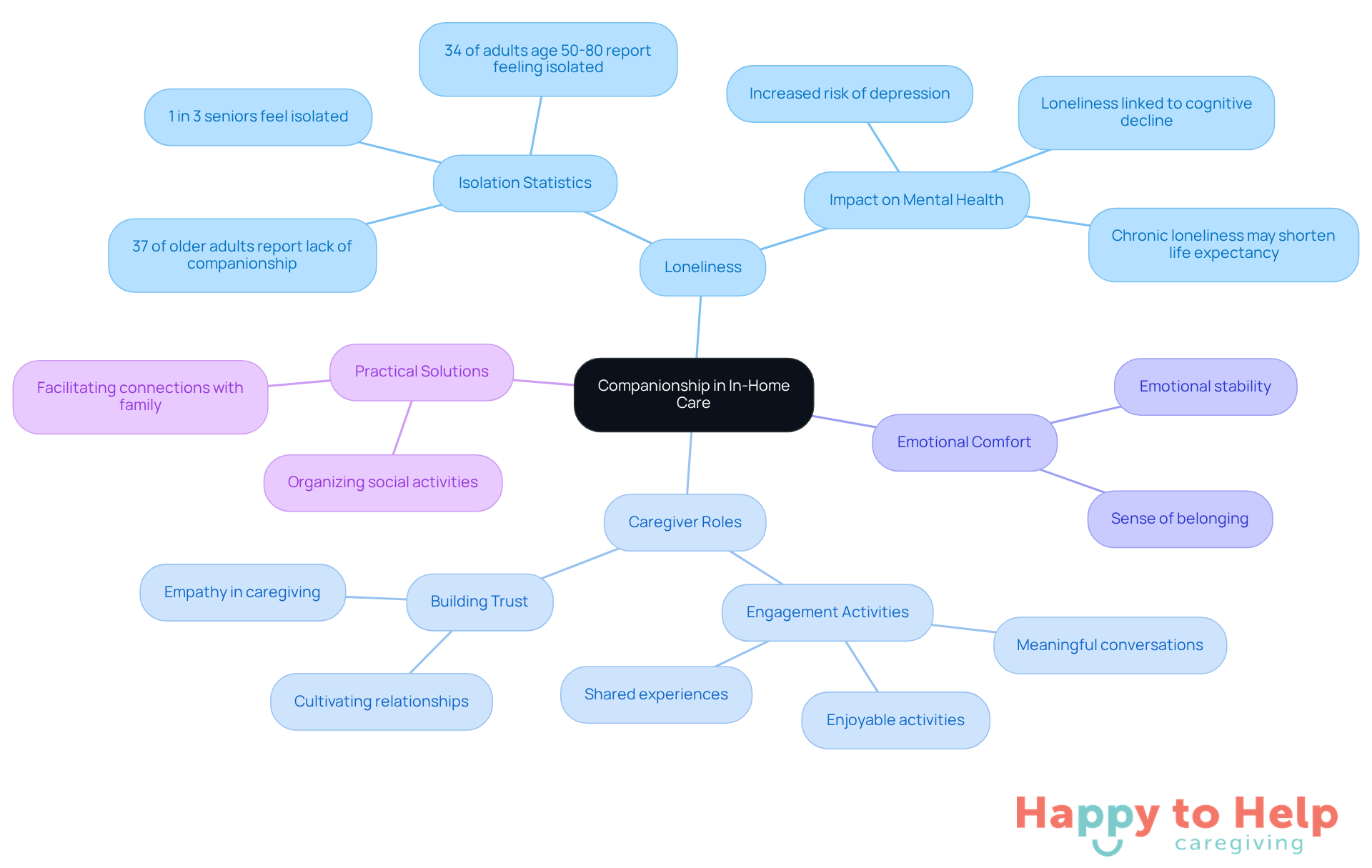
Companionship serves as a crucial component of in home senior care San Antonio, effectively addressing a significant problem: loneliness among older adults. Research shows that one in three elderly individuals experiences feelings of isolation, which can lead to depression. This highlights the urgent need for companionship in caregiving, as emotional and physical comfort are essential for their well-being.
The implications of loneliness are profound. It not only affects mental health but also diminishes the overall quality of life for older adults. Caregivers play a vital role in alleviating these feelings by engaging clients through meaningful conversations, enjoyable activities, and shared experiences. Consistent social interaction can lead to significant improvements in mental health outcomes, making companionship an indispensable aspect of support.
To combat loneliness, caregivers can cultivate relationships built on trust and empathy. This approach enables older adults to maintain a sense of belonging and emotional stability. Additionally, the WHO's campaign 'Knot Alone' reinforces the importance of social connections, further emphasizing the necessity of companionship in caregiving.
As the demand for in home senior care San Antonio grows, addressing loneliness becomes a societal necessity. Caregivers can implement practical solutions, such as organizing regular social activities or facilitating connections with family and friends, to enhance the emotional well-being of older adults.
Flexibility and Control: Tailoring Care Schedules to Fit Family Needs
A significant challenge faced by families caring for elderly loved ones is the rigidity of traditional care schedules. This inflexibility can lead to increased stress, as caregivers struggle to balance appointments, family events, and the changing health needs of their loved ones.
In home senior care San Antonio provides a solution thanks to its inherent flexibility. In home senior care San Antonio, care schedules can be tailored to meet the unique needs of each family, allowing for adjustments that accommodate various situations. This adaptability not only ensures that seniors receive timely support but also fosters a sense of control over their daily routines.
Families often express gratitude for the ability to modify support hours, which greatly enhances the caregiving experience. As one relative caregiver noted, "Having the ability to adjust assistance times according to our schedule has made a significant impact. It allows us to focus on what truly matters - spending quality time together."
Moreover, this flexible scheduling in home senior care San Antonio alleviates stress by allowing families to modify support hours or intensity as circumstances evolve. This level of personalization not only improves family dynamics but also contributes to higher satisfaction levels, as families feel more empowered and supported in overseeing their loved ones' care.
Safety and Peace of Mind: Ensuring a Secure Environment for Seniors
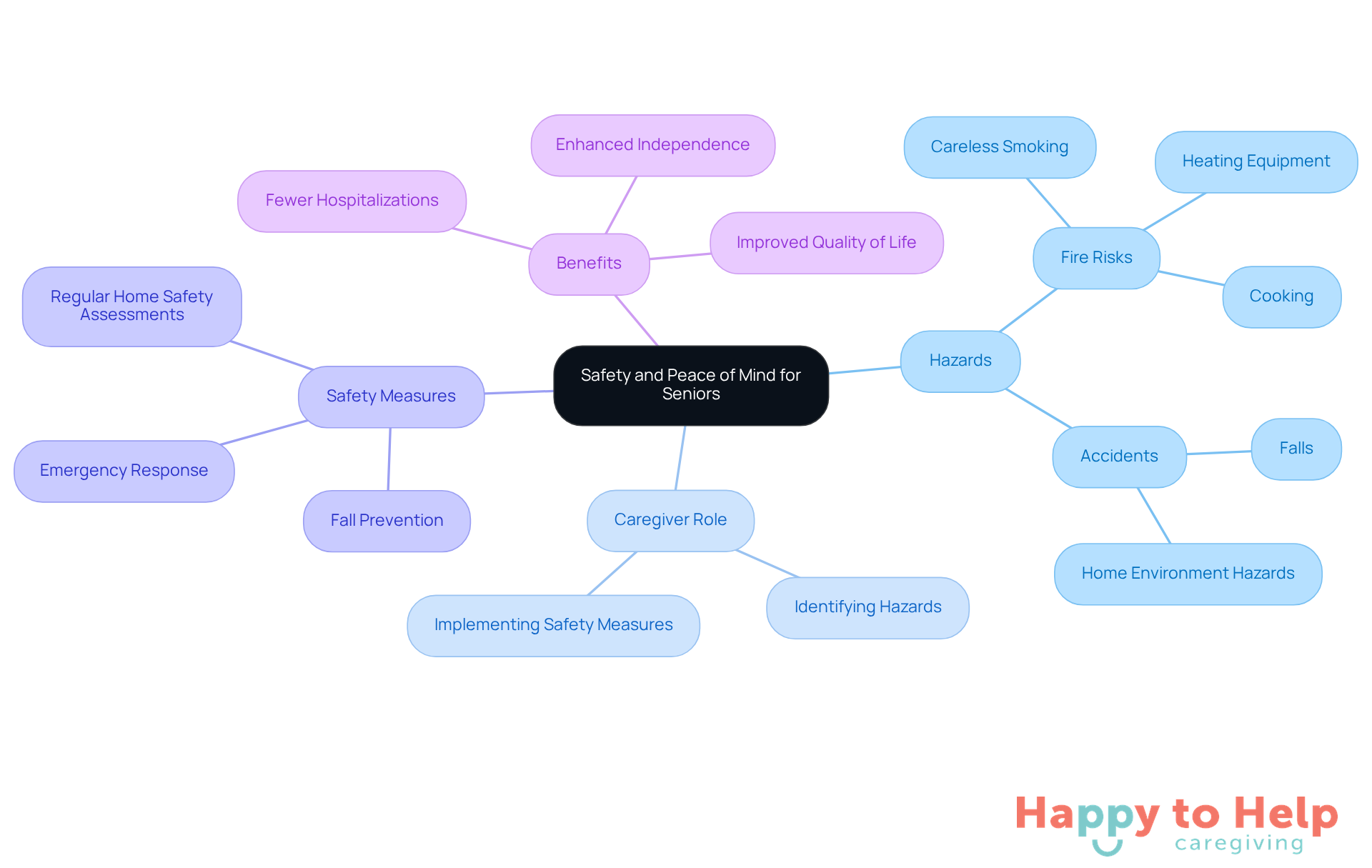
In-home senior care San Antonio presents a significant problem for elderly individuals who wish to age safely in their own homes. Without proper support, they face numerous hazards that can lead to accidents and injuries. For instance, individuals aged 85 and older are more than five times as likely to die in a fire, highlighting the urgent need for vigilant safety measures.
To address these challenges, caregivers involved in home senior care San Antonio play a crucial role. They are specifically trained to identify potential hazards and implement essential safety measures, such as:
- Fall prevention strategies
- Emergency response protocols
Regular home safety assessments are vital; they help pinpoint risks and enhance security, significantly reducing the likelihood of accidents.
Research shows that seniors receiving home assistance experience up to 46% fewer hospitalizations, thanks to improved medication management and proactive health monitoring. Families can take comfort in knowing their loved ones are supported by caregivers in home senior care San Antonio who prioritize safety and well-being, fostering a nurturing atmosphere that promotes independence and peace of mind.
To further enhance safety, households are encouraged to conduct regular home safety assessments. These assessments can identify and mitigate potential hazards, ensuring a safer living environment for elderly individuals.
Cost-Effectiveness: In-Home Care as an Affordable Alternative to Assisted Living
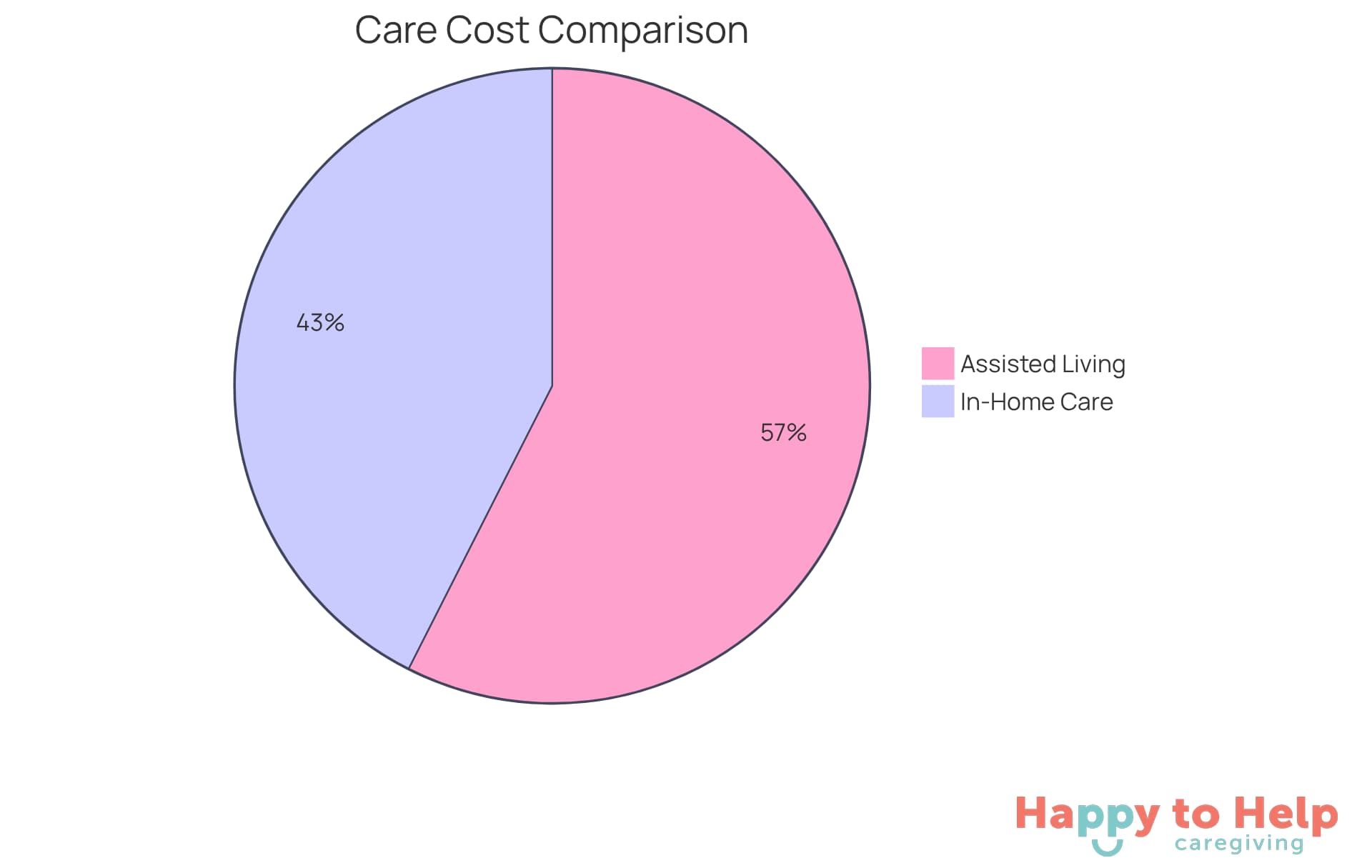
Problem: Assisted living centers can be prohibitively expensive, often leading families to face substantial facility charges and shared living expenses. This financial burden can strain household budgets, making it difficult for families to manage their resources effectively.
Agitate: The high costs associated with assisted living can lead to tough decisions for families, especially when considering the ongoing expenses that can accumulate as medical needs increase. Families may find themselves in a position where they must choose between quality care and financial stability, which can be a distressing dilemma.
Fortunately, in home senior care San Antonio provides a more affordable alternative for support. By choosing in home senior care San Antonio, families can pay only for the specific services they need, promoting better budget management. This tailored approach can lead to significant savings, particularly for those requiring part-time assistance.
Moreover, in home senior care San Antonio can help avoid costly hospital stays by providing timely assistance and supervision, thus enhancing its economic appeal. Research indicates that if families require 40 hours or fewer of paid in home senior care San Antonio weekly, this option is typically more cost-effective than assisted living. With the average monthly expense of assisted living around $5,190 in 2025, families can substantially reduce costs by opting for in home senior care San Antonio services that cater to their unique needs.
Additionally, the typical hourly rate for domestic support is approximately $24 nationwide, highlighting the cost differences between at-home assistance and assisted living. Families should also be mindful that ongoing in-home assistance expenses can add up as medical needs grow, making it crucial to develop a support plan that prioritizes safety and medical care.
Independence and Dignity: Empowering Seniors Through In-Home Support
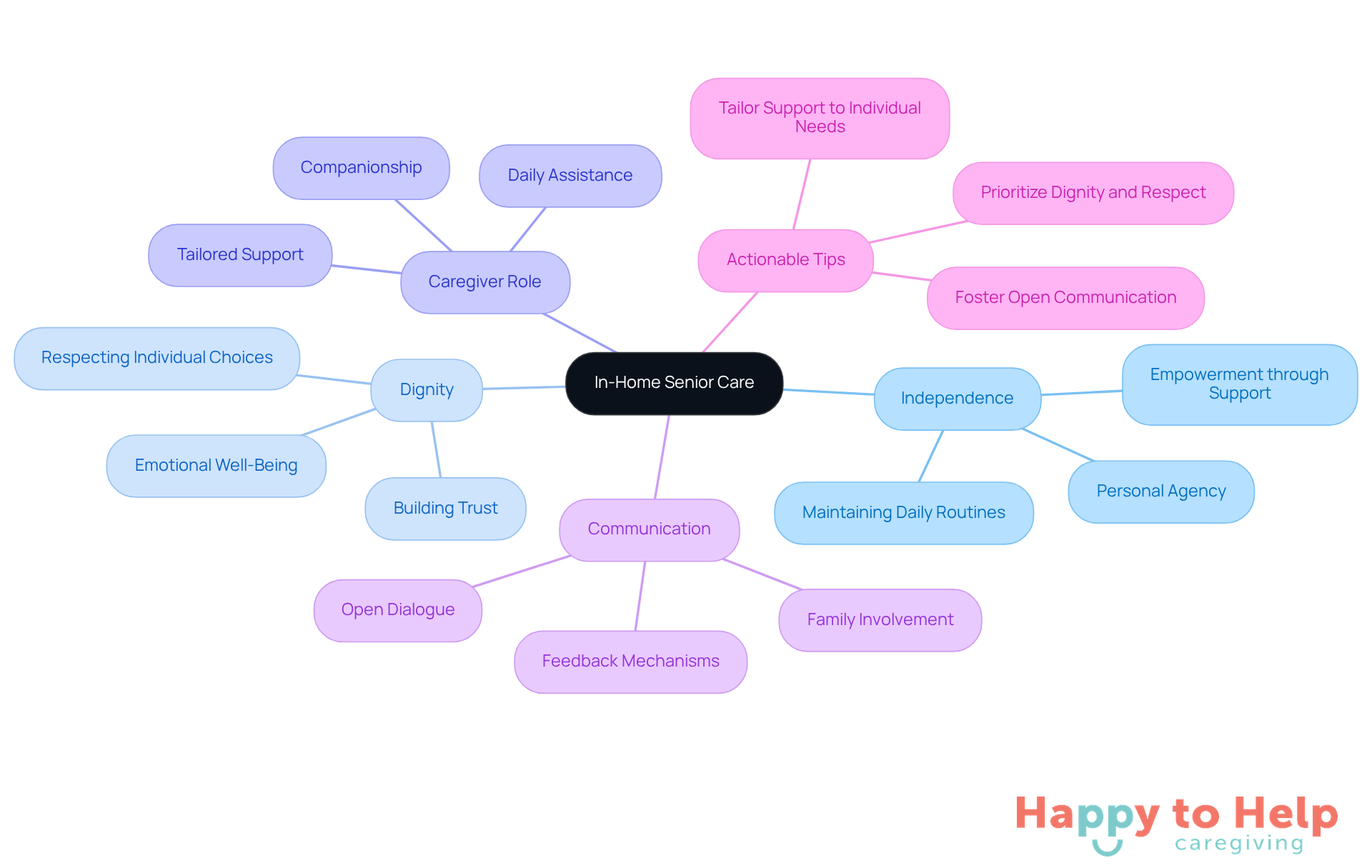
In home senior care San Antonio is crucial for older adults striving to maintain their independence and dignity. Without adequate support, many elderly individuals may feel overwhelmed by daily tasks, which can diminish their quality of life. This situation not only affects their emotional well-being but also limits their ability to make informed decisions about their health and lifestyle.
Caregivers play a vital role in addressing these challenges. By helping with daily activities, they empower older adults to engage in their routines confidently. This support fosters a sense of independence and encourages active participation in decision-making, which is essential for maintaining self-esteem and improving overall quality of life.
Open dialogue among caregivers, elderly individuals, and families is key to providing customized support. Each person's unique needs must be recognized and addressed. As gerontologists emphasize, dignity in elderly assistance goes beyond merely meeting physical needs; it involves valuing the individual’s identity and choices.
The impact of in home senior care San Antonio extends beyond daily tasks, significantly enhancing the emotional health and sense of purpose of older adults. Currently, around 12 million individuals in the U.S. receive in home senior care San Antonio, highlighting the increasing demand for these services. As noted, "When dignity and independence are prioritized, older adults tend to experience improved mood, greater engagement, and better overall health."
To ensure effective caregiving, consider these actionable tips:
- Foster open communication with elderly individuals and their families.
- Tailor support to meet the specific needs of each person.
- Prioritize dignity and respect in all interactions.
Specialized Care Options: Addressing Unique Health Needs at Home
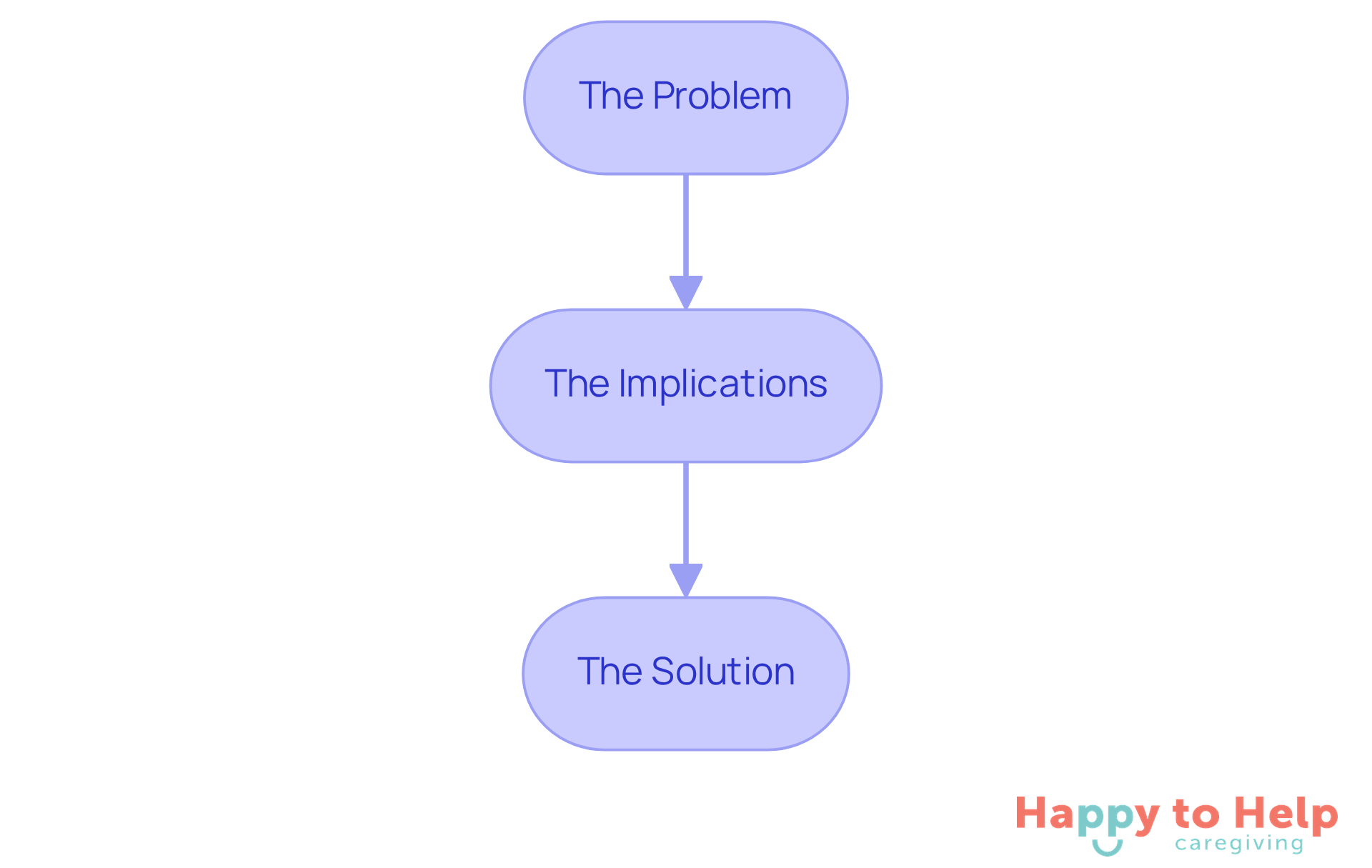
The Problem: Many older adults face unique health challenges that require specialized support. Without adequate assistance, they may struggle with chronic conditions, post-operative recovery, and cognitive challenges, leading to a decline in their overall well-being.
The Implications: This lack of support can result in increased hospital readmissions and a diminished quality of life. Caregivers often feel overwhelmed, unsure of how to provide the necessary help while ensuring their loved ones maintain their independence.
The solution is that in home senior care san antonio offers tailored services designed to meet the specific health needs of older adults. Providers are equipped to manage chronic conditions, assist with recovery after surgery, and support those with cognitive difficulties. This focused approach not only ensures that seniors receive the right level of care but also fosters a comfortable and familiar environment for their recovery and daily living.
Studies indicate that elderly individuals receiving at-home assistance experience better health outcomes, including fewer hospital readmissions and improved overall wellness. By emphasizing personalized support strategies, in home senior care san antonio empowers seniors to maintain their autonomy while receiving the essential help they need to thrive at home.
Technology Integration: Enhancing Care Through Modern Solutions
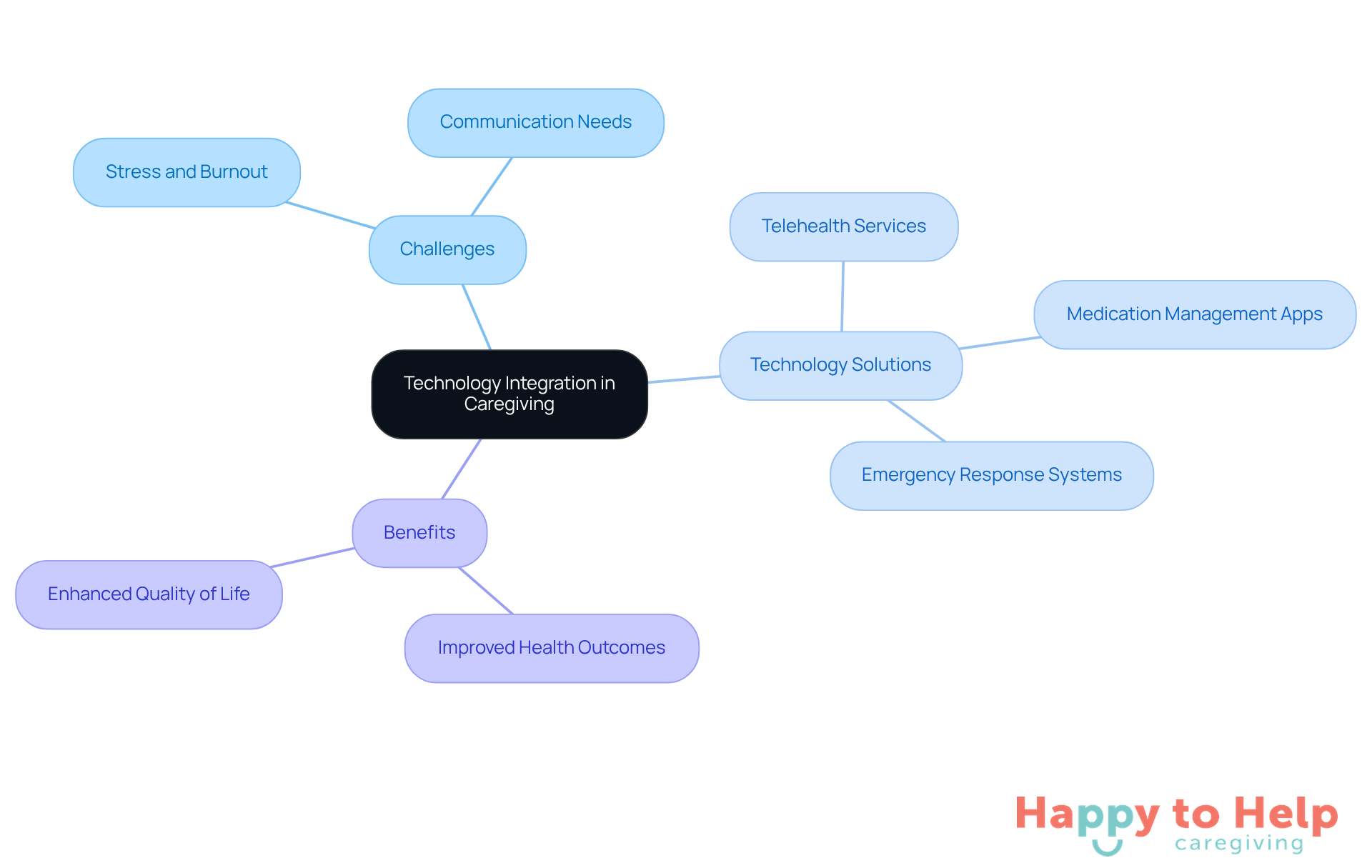
Caregivers face significant challenges in providing effective support, especially with the increasing demands of their roles. With an estimated 63 million Americans serving as caregivers, the need for enhanced communication and monitoring tools has never been more critical. This situation can lead to stress and burnout, making it essential to find effective solutions.
Fortunately, technology offers a way forward. Tools like telehealth services, medication management apps, and emergency response systems can significantly improve the caregiving experience. These innovations allow caregivers to track vital health metrics - such as heart rate and blood pressure - through wearable devices, schedule appointments, and maintain seamless communication with family members. By leveraging these resources, caregivers can simplify their responsibilities while empowering elderly individuals to take an active role in managing their health, fostering a greater sense of independence.
As telehealth continues to evolve, it transforms elder support by providing prompt access to healthcare providers and personalized assistance. HHS Secretary Robert F. Kennedy, Jr. emphasizes this shift, stating, "Telehealth means using technology to give healthcare." This highlights the transformative role technology plays in caregiving.
Ultimately, integrating technology into in home senior care san antonio leads to better health outcomes and an improved quality of life for older adults. By embracing these tools, caregivers can enhance their effectiveness and ensure that those they care for receive the best possible support.
Consistency and Familiarity: Building Trust with Dedicated Caregivers
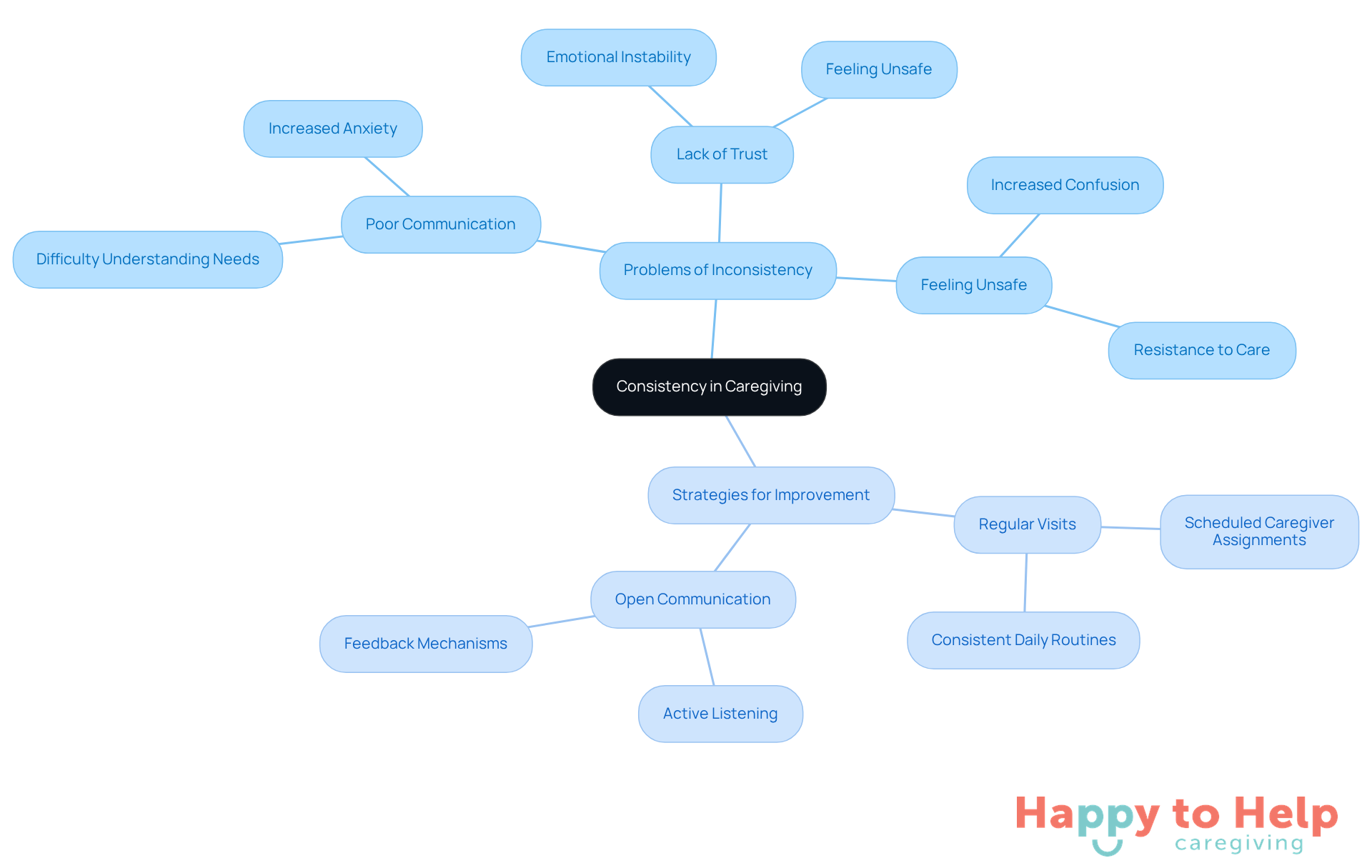
Inconsistent caregiving can undermine trust and familiarity, which are essential for effective in home senior care San Antonio for the elderly.
Agitate: When elderly individuals receive assistance from different providers, it can hinder their ability to build strong connections. This lack of continuity often leads to poor communication and understanding. Moreover, familiar caregivers are better equipped to recognize changes in behavior or health, which is crucial for timely interventions. Without this reliability, elderly individuals may feel unsafe and uncomfortable in their daily lives.
To enhance the quality of assistance in home senior care San Antonio, caregivers should strive for consistency in their service. By ensuring that elderly individuals receive help from the same providers, stronger relationships can be fostered. This continuity not only improves communication but also instills a sense of safety and comfort in their everyday lives. Caregivers can implement strategies such as:
- Scheduling regular visits
- Maintaining open lines of communication
to reinforce these connections.
Holistic Care Approach: Supporting Overall Well-Being for Seniors
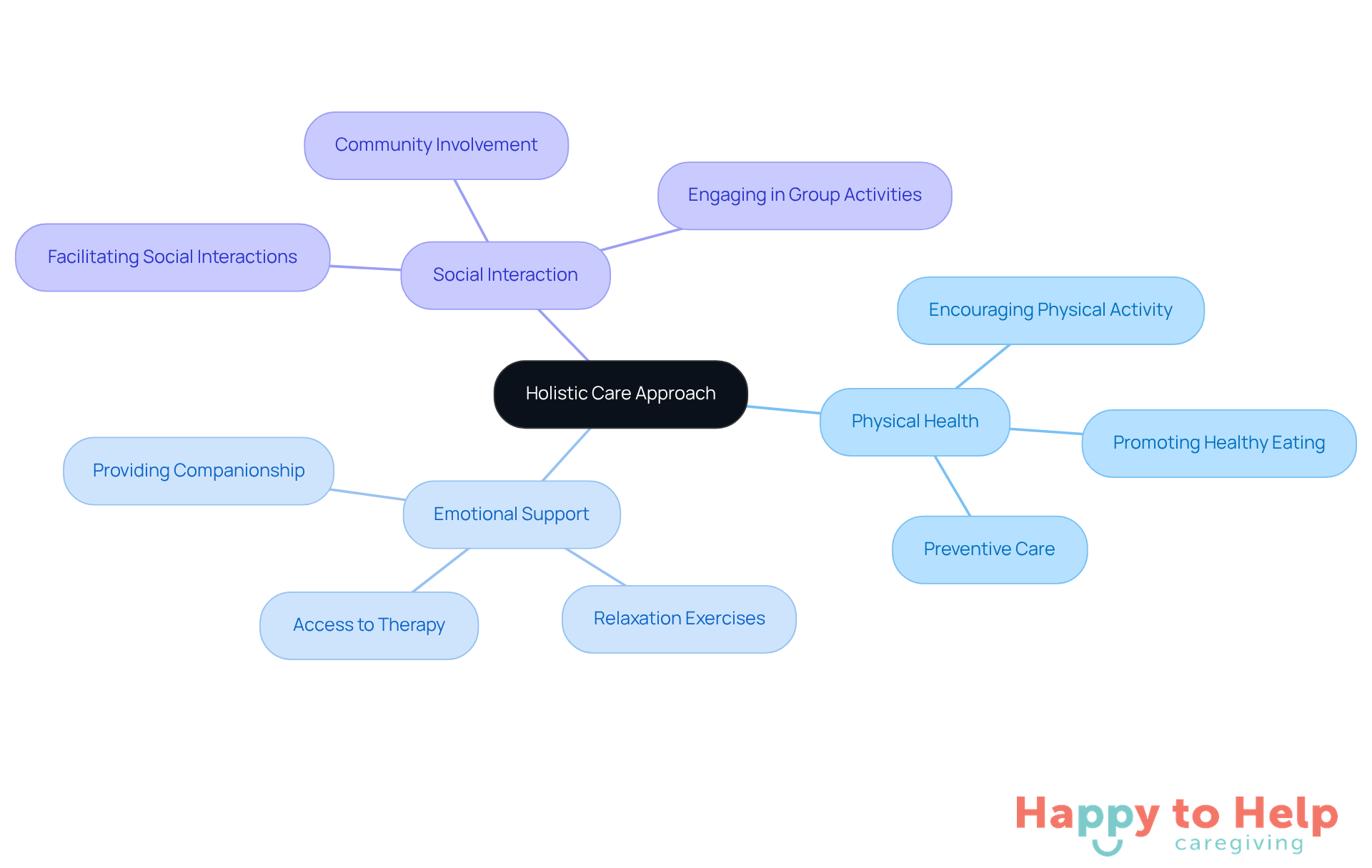
A holistic care approach in in-home caregiving highlights a significant problem: the overall well-being of elderly individuals often goes unaddressed. This neglect can lead to deteriorating physical health, emotional distress, and social isolation. Caregivers must recognize the interconnectedness of these aspects to enhance the quality of life for seniors.
To tackle this issue, caregivers can implement several practical solutions:
- Encouraging physical activity is crucial, as it not only improves health but also boosts mood.
- Facilitating social interactions helps combat loneliness.
- Providing emotional support through companionship fosters a sense of belonging.
By adopting a holistic perspective, caregivers can significantly improve seniors' experiences through in home senior care san antonio, promoting fulfillment and happiness.
Key Takeaways for Caregivers
In-home senior care in San Antonio addresses a significant problem: the loneliness and isolation many elderly individuals face. This issue not only affects their emotional well-being but also impacts their overall health and independence. Families often struggle to find the right balance between providing care and ensuring their loved ones feel supported in a familiar environment.
The implications of inadequate care can be profound. Seniors may experience increased feelings of loneliness, leading to a decline in mental health and a reduced quality of life. Moreover, families may feel overwhelmed by the challenges of caregiving, unsure of how to provide the necessary support while managing their own responsibilities.
Fortunately, in-home senior care offers a viable solution. By focusing on personalized support plans, families can ensure their loved ones receive the attention they deserve. Key benefits include:
- Companionship to combat loneliness
- Flexible scheduling that allows families to maintain control
- Cost-effectiveness compared to assisted living options
Additionally, the integration of technology and a holistic care approach enriches the caregiving experience. Seniors receive not only medical assistance but also support for their emotional and social needs, promoting a sense of dignity and independence.
Ultimately, embracing in-home senior care is a vital consideration for families. It alleviates the stress and challenges of caregiving while enhancing the quality of life for seniors. By choosing these services, families can support their loved ones in a way that fosters overall well-being and peace of mind.
https://iframe.tely.ai/cta/eyJhcnRpY2xlX2lkIjogIjY5M2Y3ZTJmMWU0MWI2MGE1NDk3OGJkNCIsICJjb21wYW55X2lkIjogIjY4ZWU1ZGNhNzMxNzYyNTU3ZjNjOTVjMSIsICJpbmRleCI6IG51bGwsICJ0eXBlIjogImFydGljbGUifQ==Frequently Asked Questions
What challenges do caregivers face when providing support for the elderly?
Caregivers often struggle to meet the unique needs of each client, which can lead to feelings of neglect among elderly individuals, affecting their emotional well-being and potentially resulting in increased hospitalizations and a decline in overall health.
How does Happy to Help Caregiving address the challenges of personalized support?
Happy to Help Caregiving develops tailored support plans that focus on the specific requirements of each client, starting with comprehensive assessments that consider medical history, personal preferences, and lifestyle choices.
What are the benefits of personalized care plans for elderly individuals?
Personalized care plans enhance the quality of care, foster a sense of independence and dignity, and significantly improve health outcomes for older adults by reducing hospitalizations and promoting emotional well-being.
How do caregivers ensure that support remains relevant to clients' needs?
Caregivers conduct frequent evaluations and implement flexible strategies, allowing interventions to evolve according to ongoing assessments and adapting to the changing needs of clients.
What role does companionship play in in-home senior care?
Companionship addresses feelings of loneliness among older adults, which is crucial for their emotional and physical well-being. Engaging clients through meaningful conversations and activities can significantly improve mental health outcomes.
What are the consequences of loneliness in elderly individuals?
Loneliness can lead to depression and diminish the overall quality of life for older adults, highlighting the urgent need for companionship in caregiving.
How can caregivers combat loneliness among elderly clients?
Caregivers can build relationships based on trust and empathy, facilitate connections with family and friends, and organize regular social activities to enhance emotional well-being.
What is the advantage of flexible care schedules in in-home senior care?
Flexible care schedules allow families to tailor support to meet their unique needs, alleviating stress and enabling caregivers to balance appointments and family events while providing timely support to seniors.
How do families benefit from the ability to modify care schedules?
Families express gratitude for the flexibility to adjust support hours, which enhances the caregiving experience and allows them to focus on spending quality time together.
What impact does personalized scheduling have on family dynamics?
Personalized scheduling improves family dynamics and contributes to higher satisfaction levels, as families feel more empowered and supported in overseeing their loved ones' care.
List of Sources
- Happy to Help Caregiving: Personalized Care Plans for Individual Needs
- Empowering aging: How AI and value-based care are making senior living more personalized and affordable (https://mcknights.com/marketplace/marketplace-experts/empowering-aging-how-ai-and-value-based-care-are-making-senior-living-more-personalized-and-affordable)
- How Personalized Support Plans Improve Quality of Life (https://heartwisesupport.org/post/how-personalized-support-plans-improve-quality-of-life)
- 2025: AI enhances personalized care; caregiver experience in the spotlight (https://healthcareitnews.com/news/2025-ai-enhances-personalized-care-caregiver-experience-spotlight)
- ‘We’re Back, Baby’: 6 Senior Living Leaders Predict Memory Care’s Future (https://seniorhousingnews.com/2025/10/17/were-back-baby-6-senior-living-leaders-predict-memory-cares-future)
- Caregiver Statistics: Demographics (https://caregiver.org/resource/caregiver-statistics-demographics)
- Emotional and Physical Comfort: The Value of Companionship in In-Home Care
- Trends in Loneliness Among Older Adults from 2018-2023 (https://ihpi.umich.edu/national-poll-healthy-aging/national-findings/trends-loneliness-among-older-adults-2018-2023)
- Social connection linked to improved health and reduced risk of early death (https://who.int/news/item/30-06-2025-social-connection-linked-to-improved-heath-and-reduced-risk-of-early-death)
- Why Home Care Providers Are Increasingly Offering Companion Care Services for Seniors | Aaniie, formerly Smartcare Software (https://aaniie.com/news/why-home-care-providers-are-increasingly-offering-companion-care-services-for-seniors)
- Social isolation, loneliness in older people pose health risks (https://nia.nih.gov/news/social-isolation-loneliness-older-people-pose-health-risks)
- New Studies Suggest Social Isolation Is a Risk Factor for Dementia in Older Adults, Point to Ways to Reduce Risk (https://hopkinsmedicine.org/news/newsroom/news-releases/2023/01/new-studies-suggest-social-isolation-is-a-risk-factor-for-dementia-in-older-adults-point-to-ways-to-reduce-risk)
- Flexibility and Control: Tailoring Care Schedules to Fit Family Needs
- The Critical Role of Flexibility in Home Care Scheduling for Family Peace of Mind (https://relevar.com/the-critical-role-of-flexibility-in-home-care-scheduling-for-family-peace-of-mind)
- Helping Caregivers Thrive With Caregiver Leave, Flexible Work and More (https://adp.com/spark/articles/2025/03/helping-caregivers-thrive-with-caregiver-leave-flexible-work-and-more.aspx)
- Caregiving Statistics US 2025: Insights for Family Caregivers (https://zencaregiving.org/caregiving-statistics-us-2025)
- How Flexible Scheduling Improves The Home Care Experience For Families – CCN – Columbus County News (https://columbuscountynews.com/2025/12/how-flexible-scheduling-improves-the-home-care-experience-for-families)
- Working while caregiving: It’s complicated | S&P Global (https://spglobal.com/en/research-insights/special-reports/working-while-caregiving)
- Safety and Peace of Mind: Ensuring a Secure Environment for Seniors
- Home Safety for Seniors: Statistics & Proven Safety Solutions (https://agesafeamerica.com/home-safety-hub/aging-in-place/home-safety-seniors-statistics-solutions)
- Tech Revolution: Enhancing Safety, Independence for Seniors and Easing Caregiver Burdens (https://ltcnews.com/articles/tech-revolution-enhancing-safety-independence-seniors-caregiver-burdens)
- How Home Care Helps Keep Seniors Safe and Comfortable at Home (https://absolutehomecare.us/how-home-care-helps-keep-seniors-safe-and-comfortable-at-home)
- Modern Tools That Improve Safety and Accountability in Elder Care Settings (https://dcreport.org/2025/11/24/modern-tech-tools-improving-safety-in-elder-care-facilities)
- Why In-Home Care Is Often the Safest Choice for Seniors (https://mockingbirdcomfortcare.com/why-in-home-care-is-often-the-safest-choice-for-seniors)
- Cost-Effectiveness: In-Home Care as an Affordable Alternative to Assisted Living
- Assisted living costs stabilize while home care costs ‘skyrocket,’ survey finds (https://mcknightsseniorliving.com/news/assisted-living-costs-stabilize-while-home-care-costs-skyrocket-survey-finds)
- The Cost of Assisted Living vs In-Home Care (https://courtyardsl.com/resources/blog/cost-assisted-living-vs-in-home-care)
- Assisted Living vs. Home Care Affordability Calculator (https://payingforseniorcare.com/home-care-vs-assisted-living)
- The Affordability of Long-Term Care and Support Services: Findings from a KFF Survey | KFF (https://kff.org/health-costs/the-affordability-of-long-term-care-and-support-services)
- The Cost of Assisted Living vs. In-Home Care: What to Consider (https://thehighpointresidence.com/blog/the-cost-of-assisted-living-vs-in-home-care-what-to-consider)
- Independence and Dignity: Empowering Seniors Through In-Home Support
- 2025 Home Care Statistics: Trends & Insights To Know (https://premierhcinc.com/blog/home-care-statistics)
- The Importance of Aging With Dignity: How Community Support Makes It Possible - Spectrum Community Services (https://spectrumcs.org/about/blog/446-the-importance-of-aging-with-dignity-how-community-support-makes-it-possible)
- How Caregivers Help Seniors Maintain Dignity with Personal Care Support - At Home Care Inc (https://at-home-care.com/how-caregivers-help-seniors-maintain-dignity-with-personal-care-support)
- How Home Health Aides Improve Seniors’ Quality of Life (https://allaboutyouhha.com/news/how-home-health-aides-enhance-quality-of-life-for-seniors)
- The Importance of Dignity and Independence in Senior Living (https://carepatrol.com/nw-san-antonio-hill-country/the-importance-of-dignity-and-independence-in-senior-living)
- Specialized Care Options: Addressing Unique Health Needs at Home
- FDA Launches TEMPO: A First-of-Its-Kind Digital Health Pilot to Expand Access to Chronic Disease Technologies (https://fda.gov/news-events/press-announcements/fda-launches-tempo-first-its-kind-digital-health-pilot-expand-access-chronic-disease-technologies)
- Home Care News | Senior Care News | Right at Home (https://rightathome.net/news)
- Home (https://homehealthcarenews.com)
- News Releases (https://hcaoa.org/news-releases.html)
- FDA announces TEMPO, a new pilot to tackle chronic disease with tech (https://healthcareitnews.com/news/fda-announces-tempo-new-pilot-tackle-chronic-disease-tech)
- Technology Integration: Enhancing Care Through Modern Solutions
- How Future Healthcare Technology is Elevating At-Home Care (https://homewatchcaregivers.com/houston-galleria/about-us/blog/how-future-healthcare-technology-is-elevating-at)
- HHS Backs AI Innovation for America’s Caregivers | HHS.gov (https://hhs.gov/press-room/hhs-backs-ai-innovation-for-americas-caregivers.html)
- HHS Launches $2M AI Initiative To ‘Transform’ Caregiving, Address Staffing Challenges (https://homehealthcarenews.com/2025/11/hhs-launches-2m-ai-initiative-to-transform-caregiving-address-staffing-challenges)
- How Technology is Reshaping Home-Based Care - THL (https://thl.com/articles/how-technology-is-reshaping-home-based-care)
- Consistency and Familiarity: Building Trust with Dedicated Caregivers
- The Importance of Caregiver-Client Relationships in Senior Well-Being (https://homeinstead.com/home-care/usa/in/goshen/588/news-and-media/the-importance-of-caregiver-client-relationships-in-senior-well-being)
- Why Consistency Matters More Than Perfection in Caregiving | Building Trust & Better Care (https://ayiconnection.com/blog/why-consistency-matters-more-than-perfection-in-caregiving)
- The Importance of Consistency in Senior Care Routines (https://thehighpointresidence.com/blog/the-importance-of-consistency-in-senior-care-routines)
- The Importance of Consistency for Caregivers in Hidden Hills (https://abetterwayinhomecare.com/why-consistent-care-important.html)
- Holistic Care Approach: Supporting Overall Well-Being for Seniors
- Empowering Aging in Place: Holistic Strategies for Senior Well-Being — HealthIMPACT Live (https://healthimpactlive.com/news/empowering-aging-in-place-holistic-healthcare-at-homeempowering-aging-in-place-holistic-healthcare-at-home)
- How Holistic Care Empowers Senior Independence - WelbeHealth (https://welbehealth.com/holistic-care-senior-independence)
- Holistic approach to senior care is a growing trend across America | Provided by The Watermark at Bellevue (https://seattletimes.com/sponsored/holistic-approach-to-senior-care-is-a-growing-trend-across-america)
- Aging in Place with Connection: How In-Home Senior Care Supports Independence and Mental Wellbeing - Arlington & Alexandria (https://aplaceathome.com/arlington-alexandria/2025/06/04/aging-in-place-with-connection-how-in-home-senior-care-supports-independence-and-mental-wellbeing)