10 Benefits of Live-In Care for the Elderly You Should Know
For families in our service areas
For families in our service areas, this guide explains caregiving and how non-medical in-home caregiving can support care planning in East Idaho, Treasure Valley & Magic Valley, Northern Wasatch, North Central West Virginia & Southwestern Pennsylvania, and Northeast Ohio.
Why Live-In Care for the Elderly Matters
Loneliness and isolation can cast a long shadow over the lives of the elderly, significantly impacting their emotional and physical well-being. Research highlights the alarming consequences of social disconnection, making the need for effective solutions increasingly urgent.
The implications of this issue are profound. Seniors who experience isolation often face deteriorating health, increased depression, and a decline in overall quality of life. Families struggle to ensure their loved ones receive the necessary care and companionship, which can lead to feelings of helplessness and frustration.
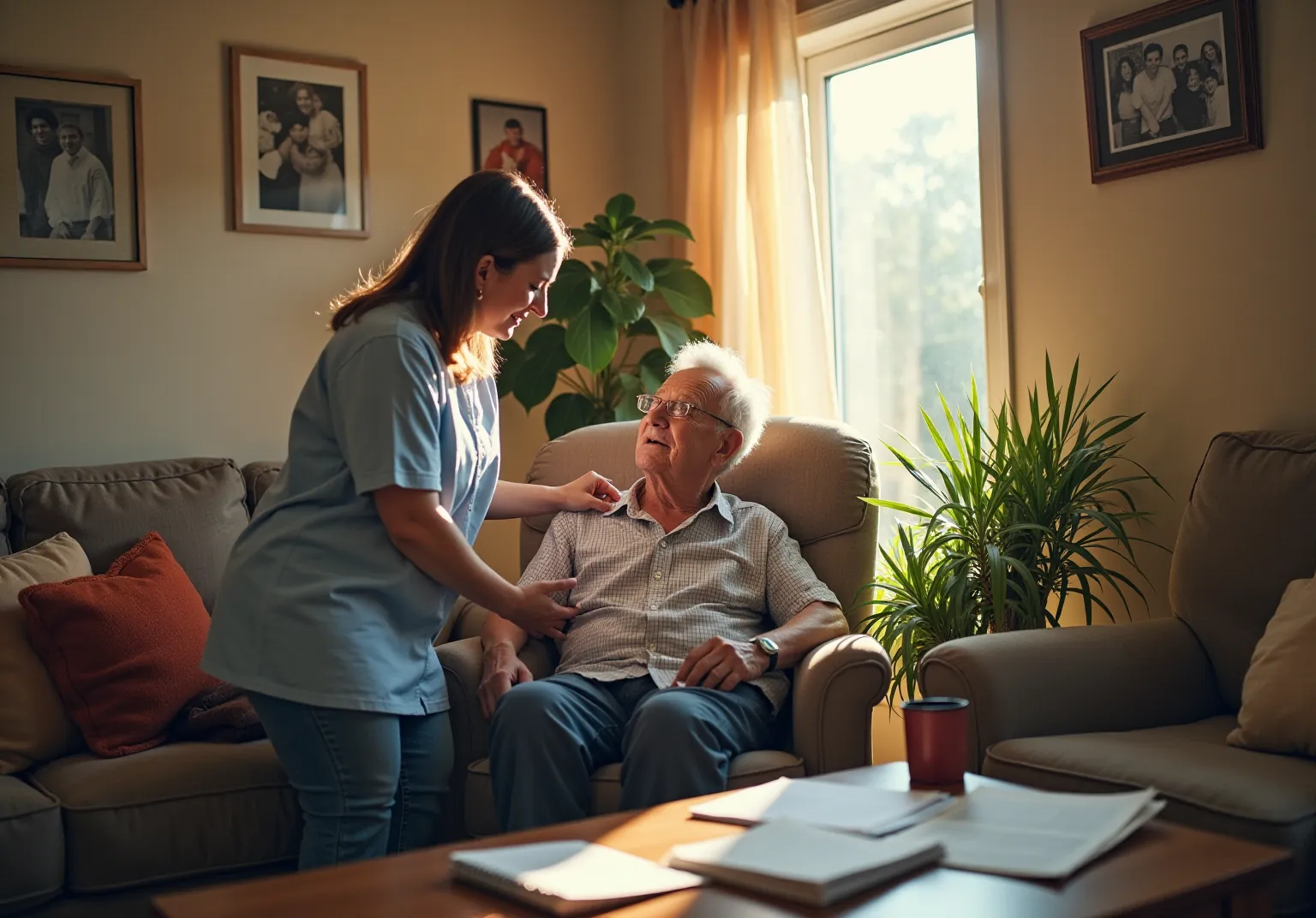
Live-in care emerges as a viable solution to bridge this gap. By providing personalized support, companionship, and constant availability, live-in caregivers can transform the lives of seniors. This approach not only addresses the immediate needs of the elderly but also fosters a sense of belonging and security.
What challenges do families face in ensuring their loved ones receive the care they need? Live-in care can alleviate these concerns by offering a dedicated caregiver who understands the unique needs of each individual. This support system not only enhances the quality of life for seniors but also provides peace of mind for their families.
Happy to Help Caregiving: Companionship Care for Enhanced Quality of Life
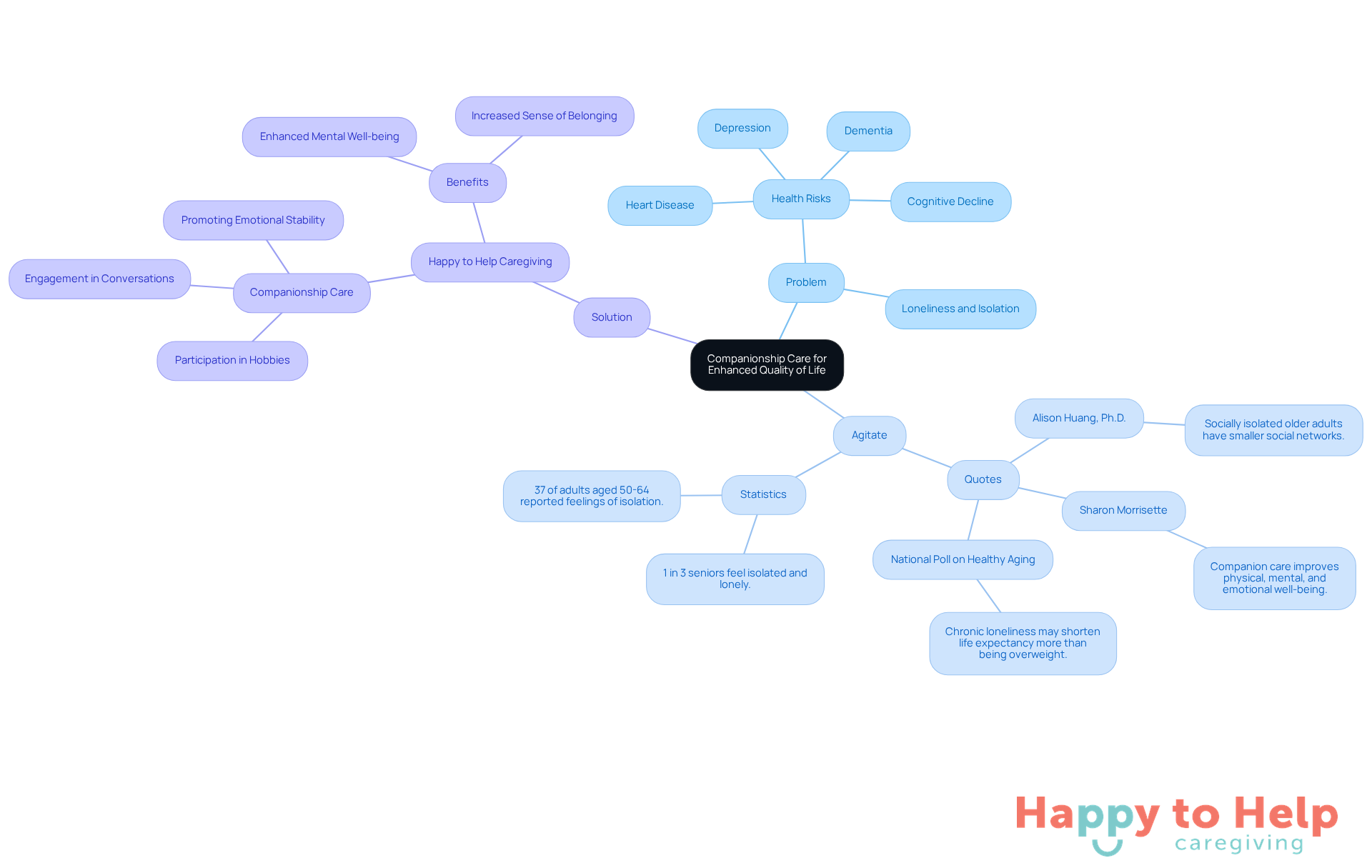
Problem: Loneliness and isolation are significant challenges faced by many older adults. These feelings can lead to serious health issues, including depression and cognitive decline. Research shows that socially isolated elderly individuals are at a higher risk for various health problems, such as heart disease and dementia.
Agitate: According to Alison Huang, Ph.D., M.P.H., "Socially isolated older adults have smaller social networks, live alone and have limited participation in social activities." This highlights the difficulties seniors encounter in maintaining connections. Furthermore, chronic loneliness can shorten life expectancy, potentially more than being overweight or sedentary, as noted by the National Poll on Healthy Aging.
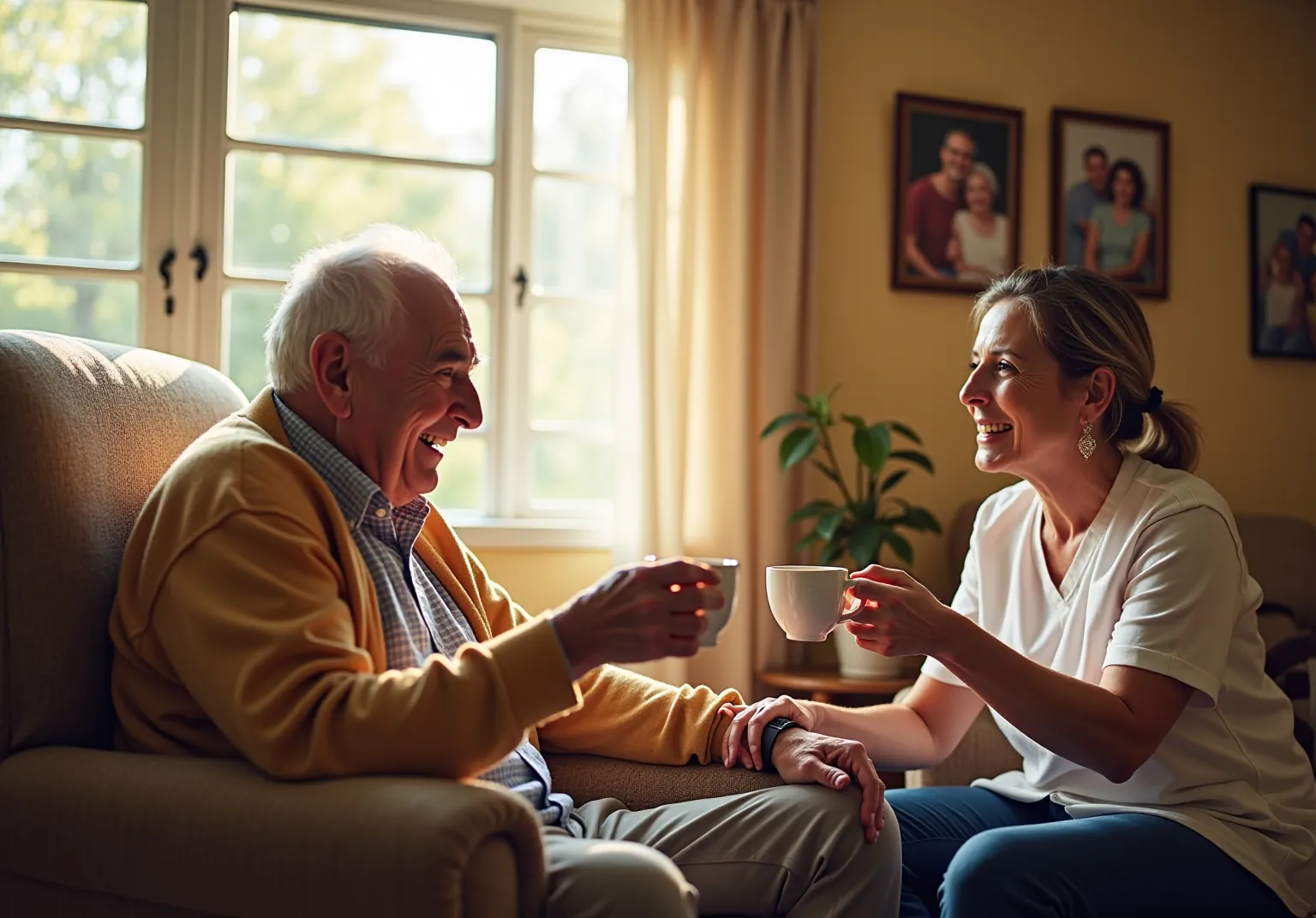
Solution: Happy to Help Caregiving addresses these issues by providing companionship care that fosters meaningful relationships between caregivers and clients. Caregivers engage clients in conversations, hobbies, and activities they enjoy, promoting a sense of belonging and emotional stability. By offering this support, Happy to Help Caregiving plays a crucial role in enhancing mental well-being, making it an essential aspect of live-in assistance services.
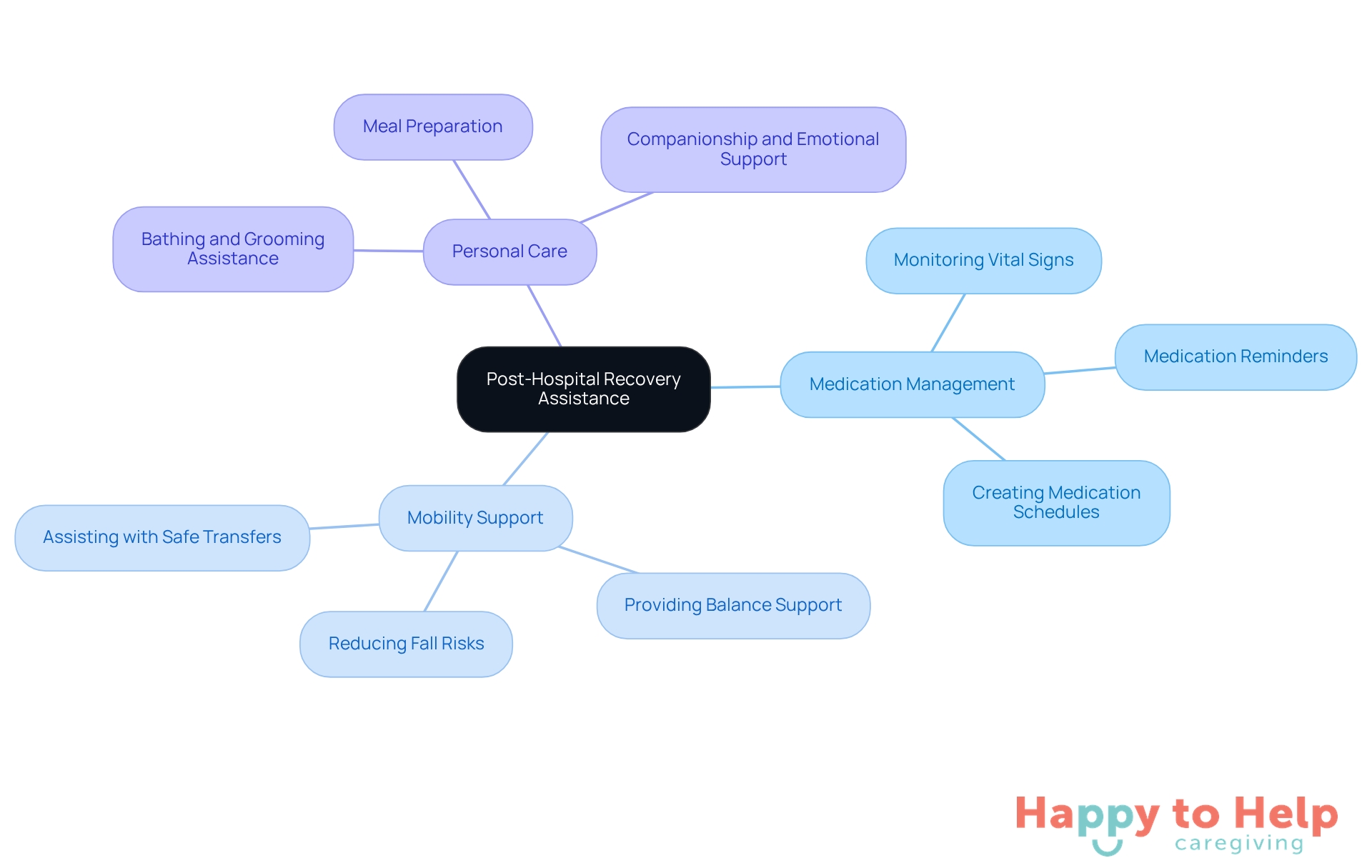
Post-Hospital Recovery Assistance: Smooth Transition to Home Care
Post-hospital recovery can be a challenging time for individuals and their families. Many face difficulties in managing medications, mobility, and personal care, which can lead to complications and increased anxiety during this transition period.
Happy to Help Caregiving addresses these challenges by offering specialized assistance that includes:
- Medication management
- Mobility support
- Personal care
Caregivers are trained to monitor vital signs and identify potential complications, ensuring that individuals receive prompt medical attention when necessary. This proactive approach not only aids in physical recovery but also provides emotional reassurance to both clients and their families.
By choosing Happy to Help Caregiving, families can alleviate the stress associated with recovery. With trained caregivers on hand, individuals can focus on healing, knowing that their well-being is in capable hands.
Respite Care: Essential Support for Family Caregivers
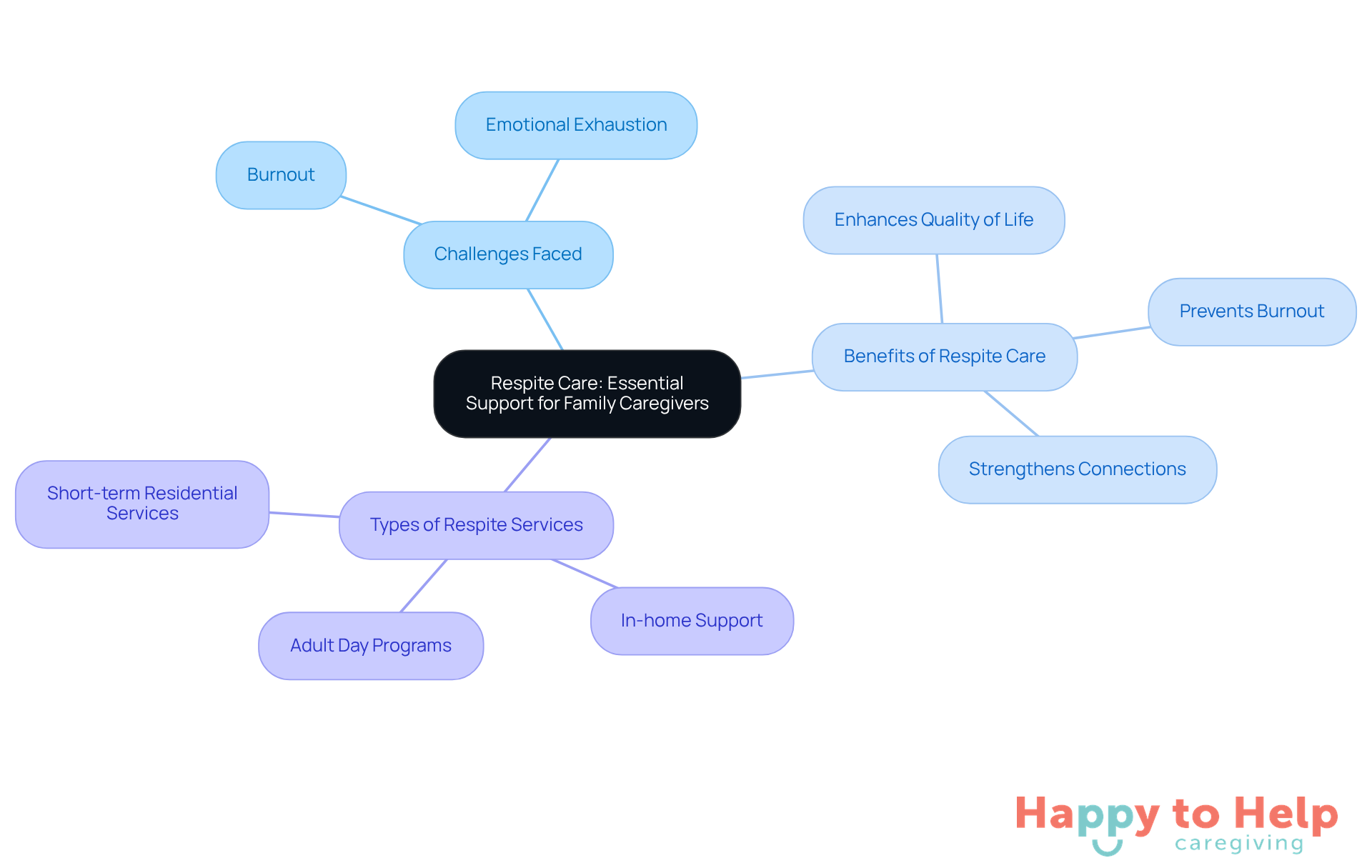
Caregivers often face significant challenges, including emotional and physical exhaustion. In fact, over 60% of them experience burnout, which can severely impact their well-being and the quality of care they provide. This situation underscores the need for effective support systems.
Respite support services from Happy to Help Caregiving offer a practical solution. These services allow family providers to take essential breaks, ensuring their loved ones receive outstanding care in their absence. Tailored to fit individual family needs, respite care can range from just a few hours to several weeks, providing the flexibility caregivers require.
By offering temporary relief, respite care plays a crucial role in preventing burnout. Experts emphasize that "self-care isn't selfish; it's vital" for maintaining the health of those who provide care. Taking a break enables caregivers to recharge, returning to their roles with renewed energy and focus.
Moreover, participating in respite support not only benefits caregivers but also enhances the quality of life for recipients. It nurtures stronger connections and boosts overall emotional resilience. Respite assistance can be provided in various settings, including:
- In-home support
- Adult day programs
- Short-term residential services
This gives caregivers multiple options to consider.
Palliative Support Care: Compassionate Management of Serious Illness
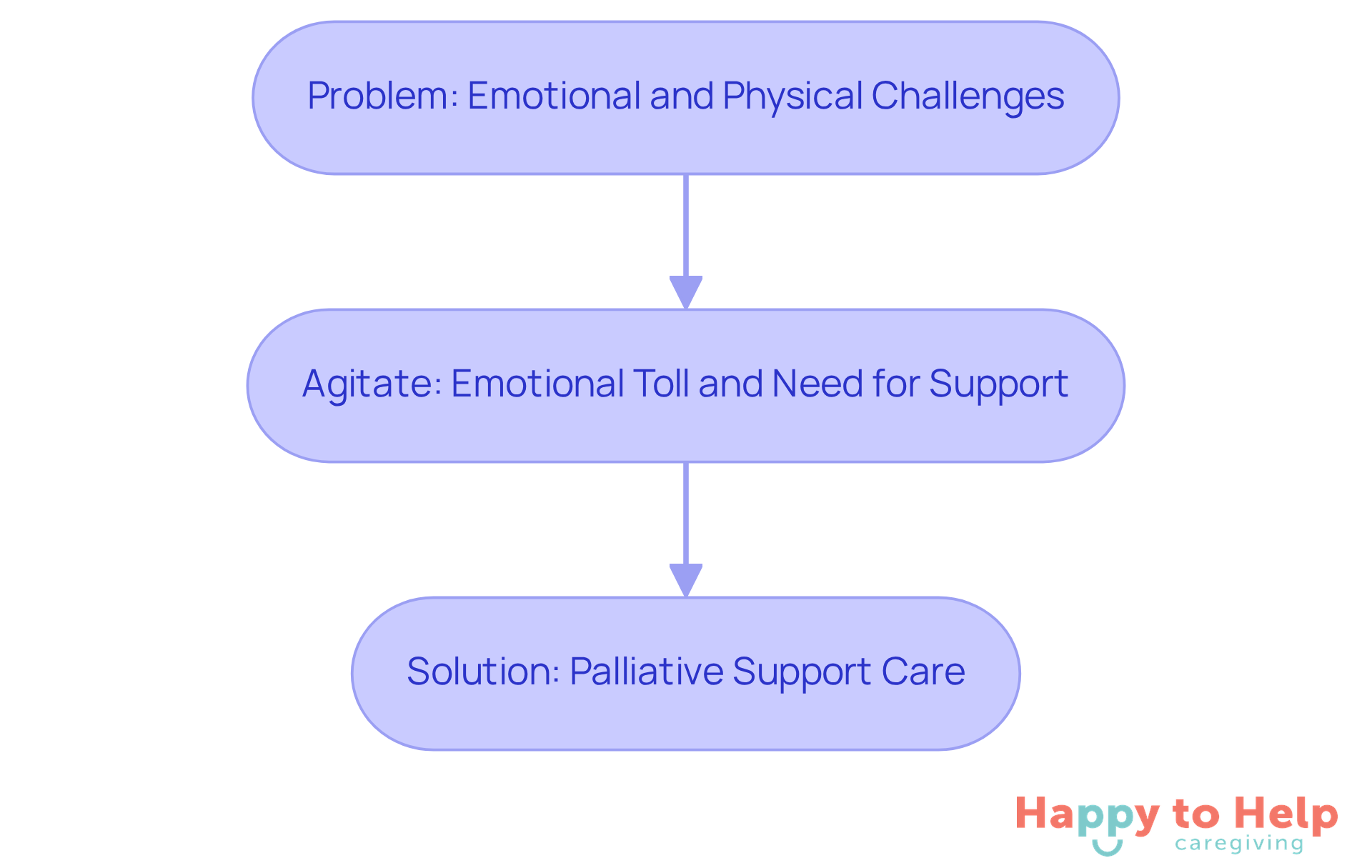
Problem: Individuals facing serious illnesses often experience significant emotional and physical challenges. These challenges can lead to feelings of anxiety and isolation, impacting their overall quality of life.
Agitate: The emotional toll of serious health conditions is profound. Research indicates that emotional support is crucial for enhancing well-being, particularly for older adults and those with chronic conditions. Without adequate support, individuals may struggle with discomfort and a lack of connection, further complicating their health journey.
Solution: Happy to Help Caregiving offers palliative support focused on improving quality of life. Caregivers are expertly trained to manage symptoms, provide emotional support, and assist with daily activities, creating a comprehensive care experience. This holistic approach not only alleviates physical discomfort but also addresses the emotional and psychological needs of clients and their families. By fostering a supportive environment, caregivers help mitigate feelings of anxiety and isolation.
Incorporating palliative support into daily practices ensures that individuals receive compassionate management tailored to their unique situations. This ultimately fosters a sense of dignity and comfort during challenging times.
Emotional Well-Being: Combatting Loneliness Through Live-In Care
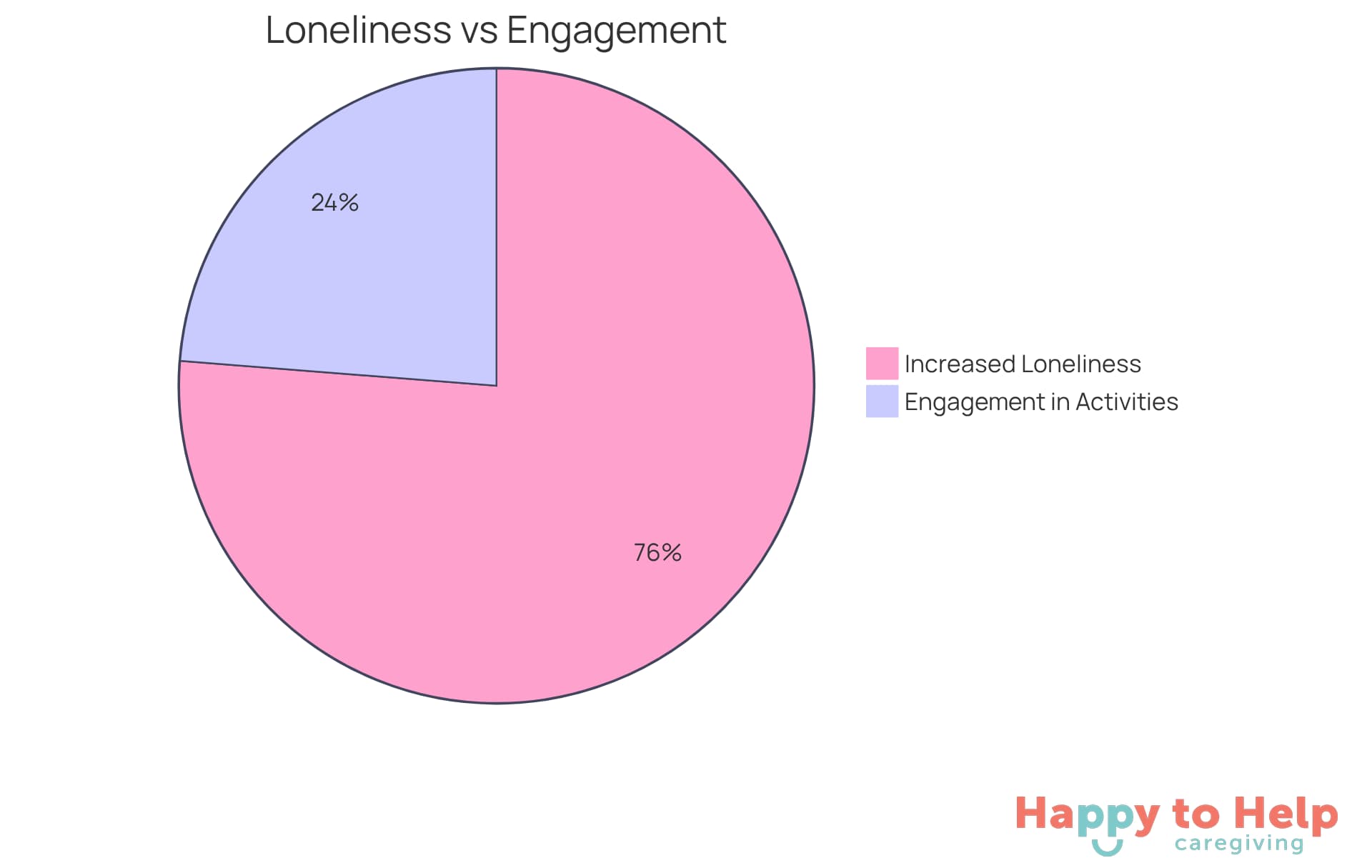
Loneliness among older adults is a significant issue that can severely impact their emotional well-being. Research shows that 61% of older adults reported increased feelings of loneliness after moving to a retirement community. This highlights the critical need for social connections, which are essential for maintaining a sense of purpose and belonging.
The implications of this loneliness are profound. Without regular companionship, older adults may feel isolated, leading to a decline in their overall quality of life. A U.S. News survey further reveals that older adults are 19% more likely to engage in activities they enjoy after relocating to a retirement community, underscoring the importance of fostering social interactions.
Happy to Help Caregiving provides live in care for the elderly, offering a practical solution to combat this loneliness. Caregivers provide consistent companionship, engage clients in meaningful conversations, and encourage participation in social activities. By prioritizing companionship, caregivers who provide live in care for the elderly can significantly enhance the emotional landscape of their clients, making a profound difference in their lives.
Daily Living Support: Promoting Independence with Live-In Care
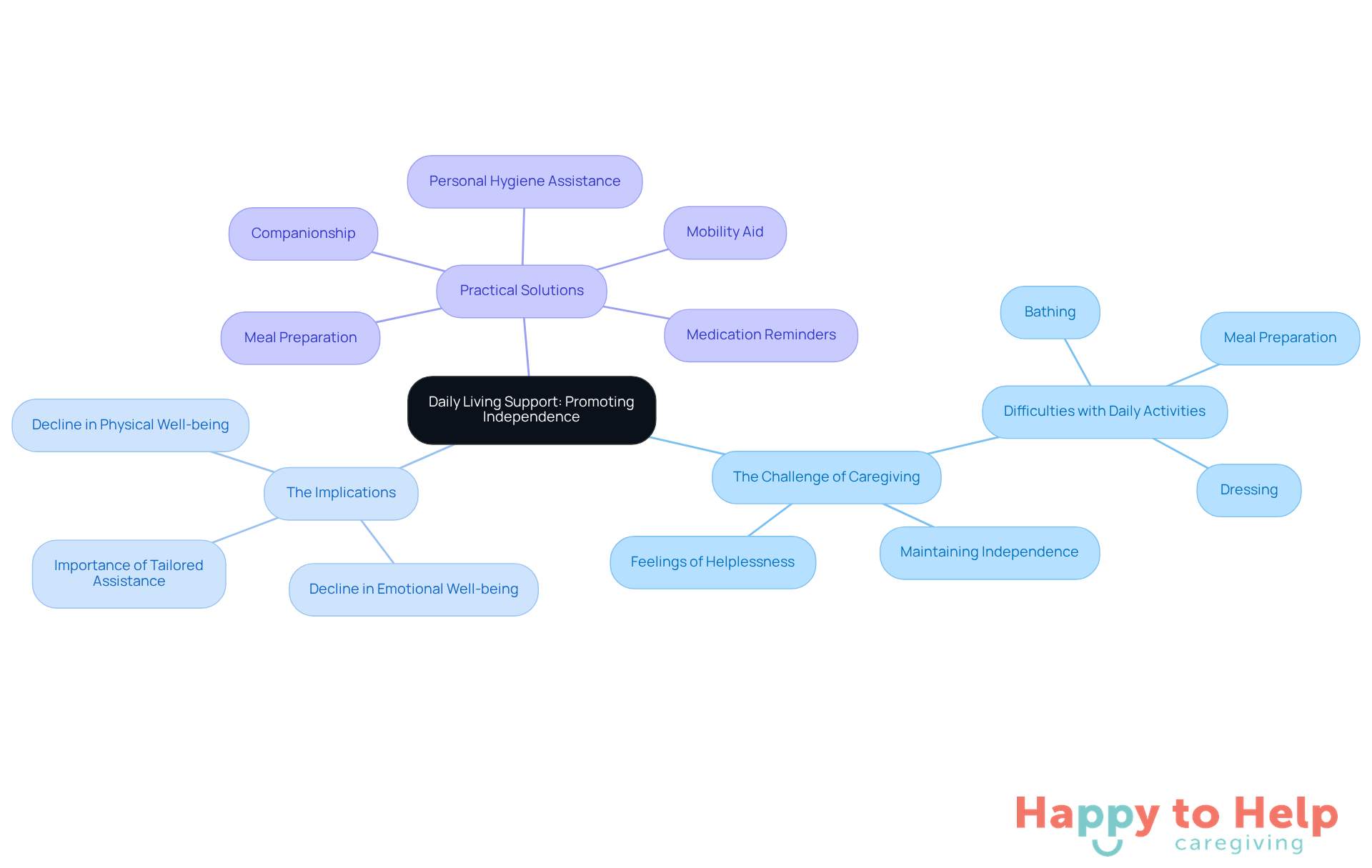
The Challenge of Caregiving
Many seniors face the challenge of maintaining their independence as they age. Daily living activities, such as bathing, dressing, and meal preparation, can become increasingly difficult. This struggle can lead to feelings of helplessness and diminished self-worth among older adults.
The Implications
Without adequate support, seniors may experience a decline in their physical and emotional well-being. Studies indicate that tailored assistance not only boosts client satisfaction but also fosters a stronger sense of dignity. Occupational therapists stress that such support is essential for enabling elderly individuals to engage in meaningful activities and retain control over their lives.
Practical Solutions
Caregivers can play a vital role in enhancing the quality of life for seniors by providing essential daily living support. Here are some actionable solutions:
- Personal Hygiene Assistance: Help with bathing and dressing to promote dignity.
- Meal Preparation: Ensure nutritious meals are available, supporting health and well-being.
- Mobility Aid: Assist with movement to prevent falls and enhance confidence.
- Medication Reminders: Help seniors manage their medications effectively.
- Companionship: Offer emotional support and foster genuine human connections.
By promoting autonomy through tailored support, caregivers can significantly enhance seniors' sense of value and connection in environments where they live in care for the elderly. Additionally, homemaking services can address critical safety concerns, such as reducing fall risks. Overall, companionship is not just about providing company; it’s about fostering emotional support and ensuring that older adults feel valued.
Personalized Care Plans: Tailored Support for Individual Needs
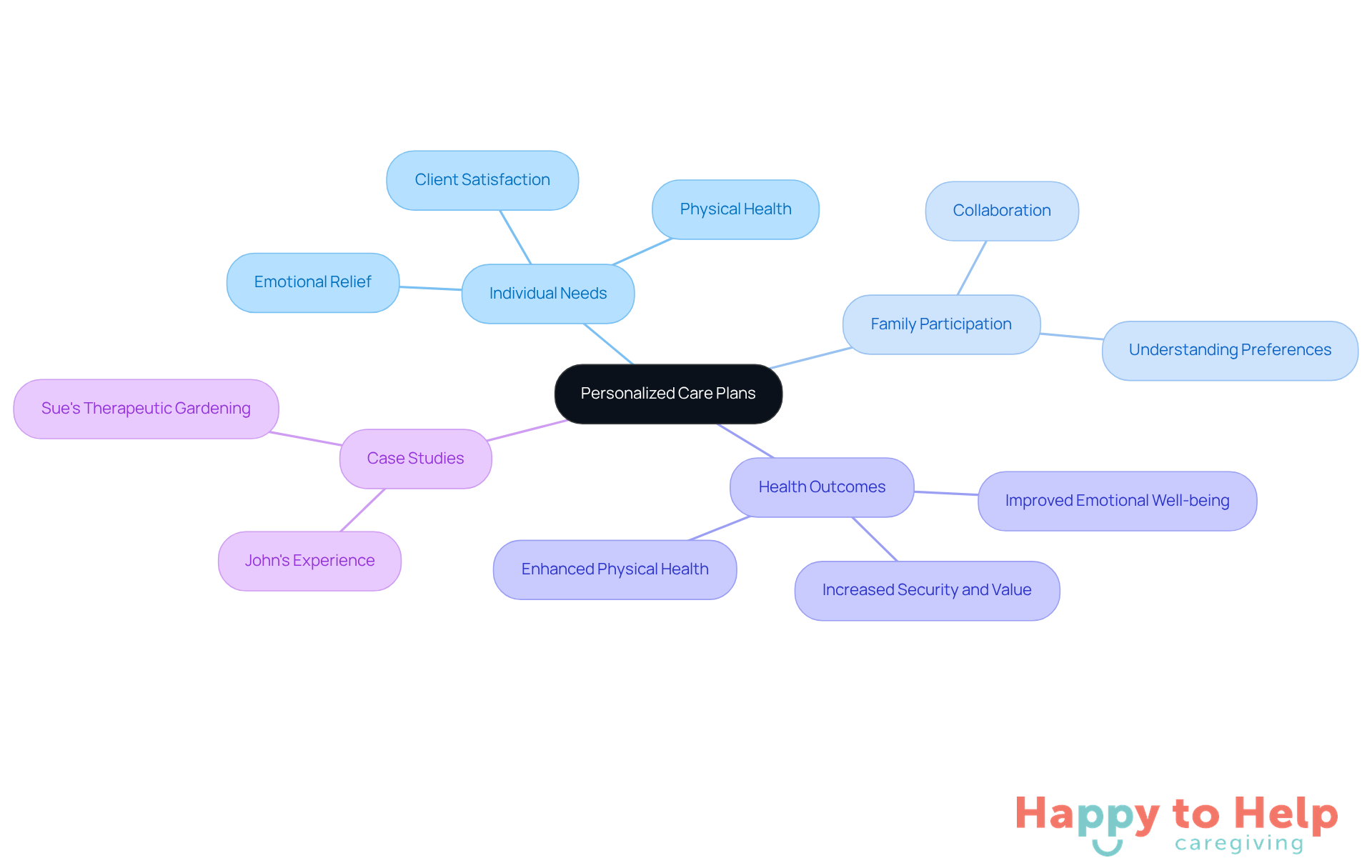
At Happy to Help Caregiving, the challenge of providing adequate support for older adults who live in care for the elderly is addressed through individualized strategies. Many caregivers struggle to meet the distinct needs and preferences of their clients, which can lead to dissatisfaction and poor health outcomes.
Studies show that older individuals who engage in personalized planning experience enhanced health results and increased satisfaction with their support. For instance, a study found that patients involved in tailored treatment strategies reported greater emotional relief and support. This highlights the importance of family participation in the planning process. Care coordinators emphasize that understanding personal preferences and objectives is crucial for developing effective plans that resonate with individuals.
The implications of these personalized support plans on the well-being of those who live in care for the elderly are significant. Clients often feel more secure and valued, which contributes to improved emotional and physical health. One caregiver noted, "When we tailor support to fit the individual needs of our clients, we see them thrive in their familiar environments, which is incredibly rewarding."
Integrating family perspectives into planning not only strengthens the caregiver-client relationship but also fosters a collaborative atmosphere where everyone feels acknowledged. This holistic approach ensures that support addresses not just medical needs but also enhances the lives of seniors who live in care for the elderly, allowing them to maintain their dignity and independence.
As the U.S. population aged 65 and older is projected to rise from 56.1 million in 2020 to 82.1 million by 2050, the demand for personalized support solutions becomes increasingly critical. Furthermore, with only 11% of older adults rating the healthcare system an 'A', it is clear that tailored approaches are essential for improving quality of life. Terry Fulmer aptly states, "Older adults are trapped in a health system that is not responsive to their goals and preferences," underscoring the necessity of personalized treatment plans.
The case of John, a 75-year-old with early-stage Parkinson's disease, exemplifies how adaptable support can lead to better outcomes, showcasing the real-world application of personalized assistance strategies.
24/7 Availability: Ensuring Constant Support for Elderly Clients
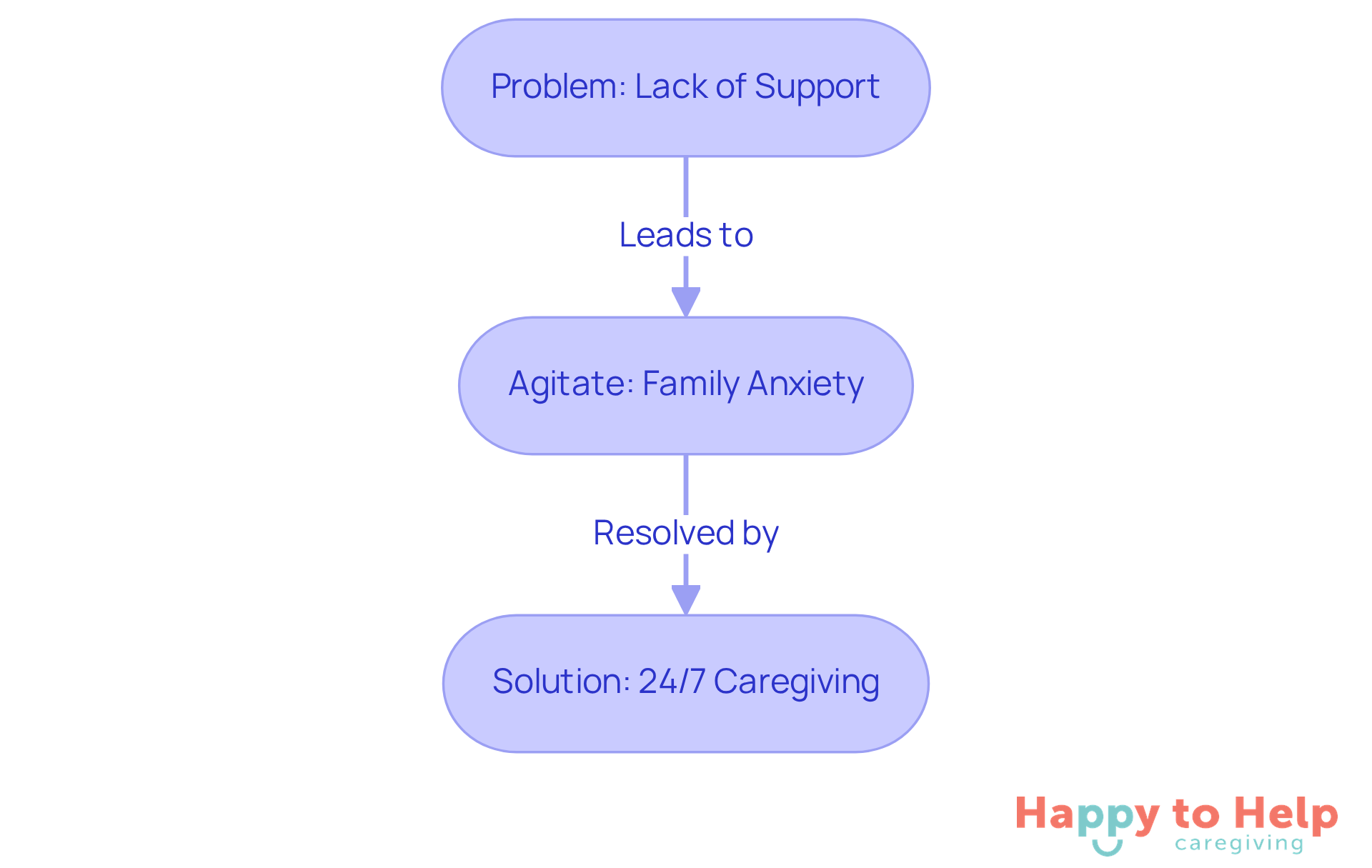
Problem: Families often face the challenge of ensuring their loved ones receive adequate support, especially in emergencies. The fear of leaving elderly individuals alone can be overwhelming, particularly for those with mobility or cognitive challenges.
Agitate: This concern can lead to anxiety for families, knowing that their loved ones might not have immediate assistance when needed. The absence of a caregiver can increase the risk of accidents and health crises, making it crucial to find a reliable solution.
Solution: Happy to Help Caregiving offers 24/7 availability, ensuring clients receive constant support whenever needed. This around-the-clock care provides families with peace of mind, knowing their loved ones are never alone and can receive immediate assistance in emergencies.
The ongoing presence of a support provider significantly enhances safety, allowing for timely interventions that can prevent accidents. For instance, elderly individuals benefit from having someone available to assist with daily activities and monitor their well-being, which reduces the risk of falls and other incidents.
Research indicates that timely caregiver response can significantly reduce emergency room visits, underscoring the importance of swift assistance in home support environments. Geriatric managers emphasize that constant availability not only improves safety but also fosters a sense of security and comfort for seniors, enhancing their overall quality of life.
This comprehensive support system is essential for families seeking to ensure their loved ones can live in care for the elderly while remaining safe and well-cared for in the familiar surroundings of home.
Flexible Scheduling: Adapting Care to Fit Individual Lifestyles
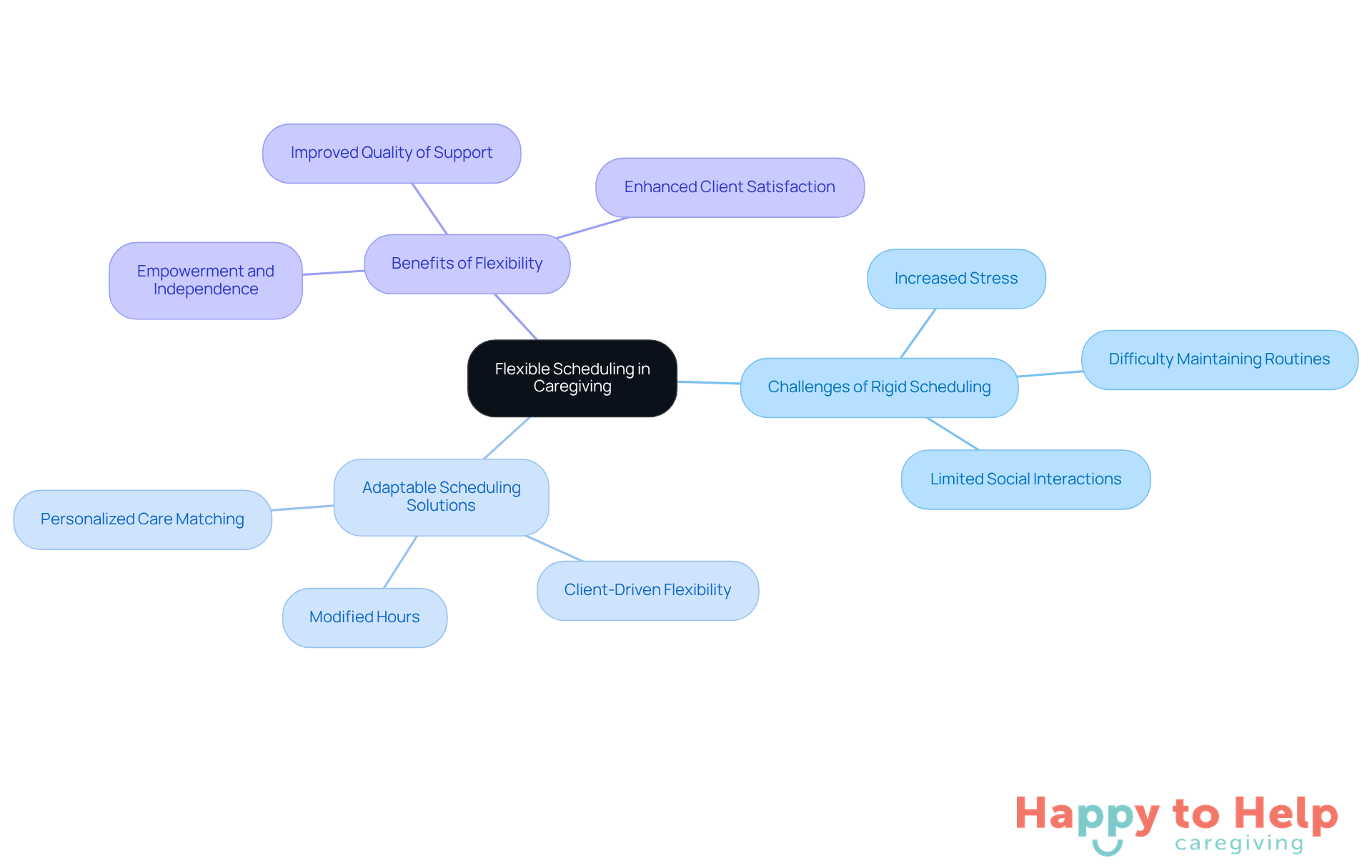
Caregivers often face the challenge of rigid scheduling, which can hinder their ability to provide effective support. This inflexibility can lead to increased stress for both caregivers and those they assist, making it difficult to maintain daily routines and social interactions.
Happy to Help Caregiving addresses this issue by recognizing that every individual has distinct needs and preferences. Adaptable scheduling is a fundamental aspect of their services, allowing providers to modify their hours to fit individuals' schedules. This ensures that assistance is available when it is most essential.
By offering this flexibility, Happy to Help Caregiving not only improves the quality of support but also empowers individuals to sustain their daily activities and social interactions. This fosters a sense of normalcy and independence, ultimately enhancing the overall caregiving experience.
Technology Integration: Enhancing Communication in Caregiving
Use english for answers
The Problem
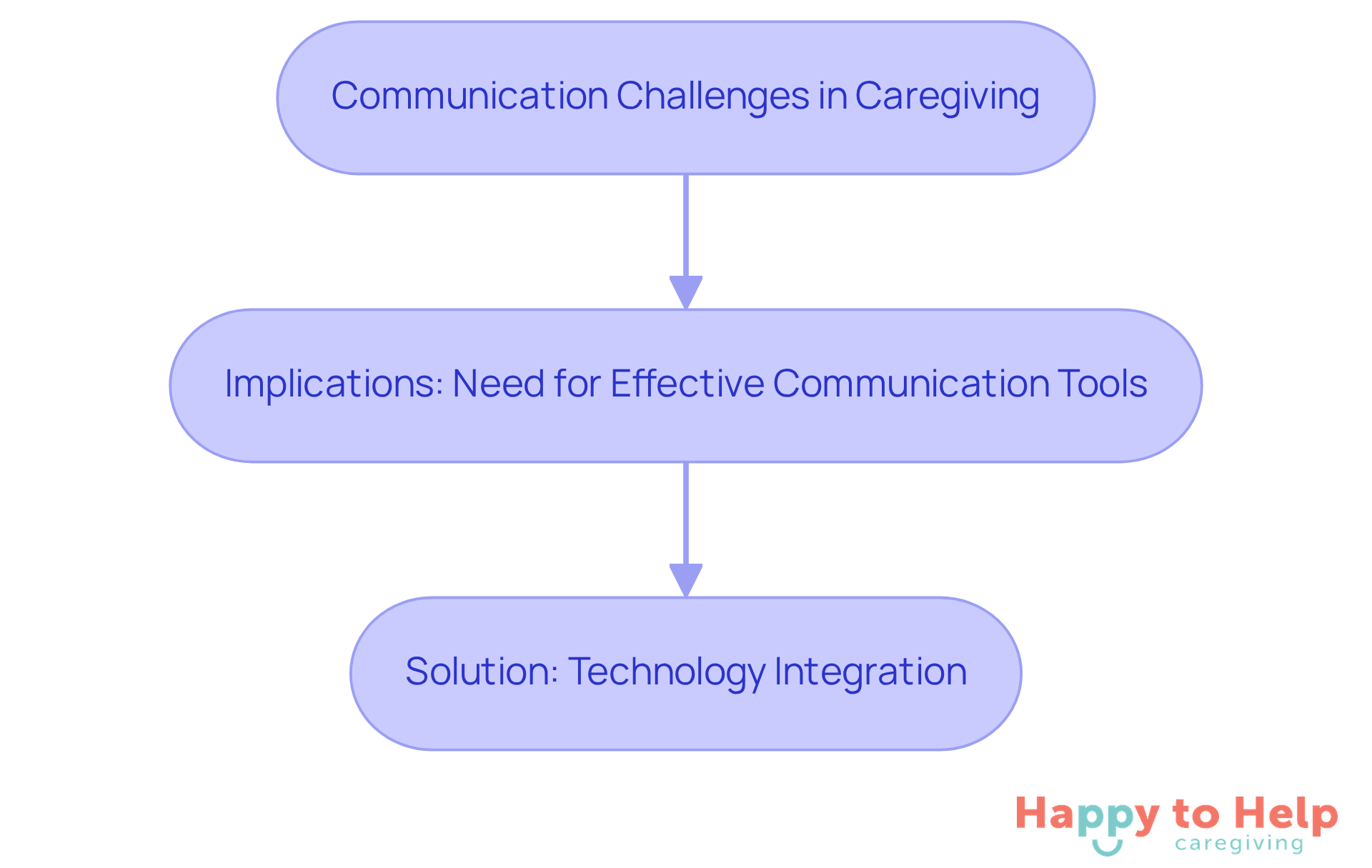
Effective communication and coordination in caregiving are significant challenges. Many caregivers struggle to keep family members informed about their loved ones' treatment and care plans. This lack of communication can lead to misunderstandings and feelings of disconnect, especially when families wish to be actively involved in the caregiving process.
The Implications
A recent statistic reveals that over 90% of older adults prefer aging in place rather than moving to assisted living facilities. This highlights the critical need for effective communication tools within home environments. Without these tools, caregivers may find it difficult to provide the level of care that families expect, which can undermine trust and transparency.
The Solution
Technology offers practical solutions to these challenges. Tools like online health notes allow family members to stay informed about their loved ones' treatment, while scheduling applications facilitate smooth collaboration between caregivers and clients. As Steven Lee, co-founder of Ianacare, states, "Nobody wants to die in a hospital, so we’ve worked hard to honor the wishes of loved ones who want to age in the home." By integrating these technologies, caregivers can enhance the overall caregiving experience, ensuring families feel engaged and informed throughout their loved ones' care journey.
Key Takeaways for Caregivers
The challenges faced by elderly individuals often stem from loneliness and a lack of personalized support. These issues can significantly impact their emotional and physical well-being, leading to a decline in quality of life. As the aging population grows, the need for effective solutions becomes increasingly urgent.
Live-in care services, such as those offered by Happy to Help Caregiving, provide a viable solution. By offering personalized support and companionship, these services help combat loneliness and promote emotional well-being. Caregivers foster meaningful relationships with clients, ensuring that seniors maintain their independence and dignity in the comfort of their own homes.
Moreover, live-in care includes:
- Specialized support during post-hospital recovery
- Respite care for family caregivers
With 24/7 availability, these services significantly enhance the safety and security of elderly individuals. Tailoring care plans to meet the unique needs of each senior leads to improved health outcomes and greater satisfaction.
Families should consider the numerous benefits of live-in care, not just for their loved ones but also for their own peace of mind. Investing in such services is a commitment to enhancing the lives of elderly individuals, ensuring they receive the compassionate, tailored support they deserve.
https://iframe.tely.ai/cta/eyJhcnRpY2xlX2lkIjogIjY5MjNhMDk5MjcyNDliYTNkMmMzZTVlZiIsICJjb21wYW55X2lkIjogIjY4ZWU1ZGNhNzMxNzYyNTU3ZjNjOTVjMSIsICJpbmRleCI6IG51bGwsICJ0eXBlIjogImFydGljbGUifQ==Frequently Asked Questions
What are the main challenges faced by older adults regarding loneliness and isolation?
Older adults often face significant challenges related to loneliness and isolation, which can lead to serious health issues, including depression and cognitive decline. Socially isolated individuals are at a higher risk for health problems such as heart disease and dementia.
How does chronic loneliness affect older adults?
Chronic loneliness can shorten life expectancy and is potentially more detrimental than being overweight or sedentary. Socially isolated older adults typically have smaller social networks, live alone, and have limited participation in social activities.
What services does Happy to Help Caregiving provide to combat loneliness?
Happy to Help Caregiving offers companionship care that fosters meaningful relationships between caregivers and clients. Caregivers engage clients in conversations, hobbies, and activities they enjoy, promoting a sense of belonging and emotional stability.
What is the focus of post-hospital recovery assistance offered by Happy to Help Caregiving?
The post-hospital recovery assistance focuses on helping individuals manage medications, mobility, and personal care during their transition home. Caregivers are trained to monitor vital signs and identify potential complications to ensure prompt medical attention.
How does Happy to Help Caregiving support family caregivers?
Happy to Help Caregiving provides respite care services that allow family caregivers to take essential breaks. This support helps prevent burnout and ensures that loved ones receive quality care in the caregiver's absence.
What options are available for respite care through Happy to Help Caregiving?
Respite care can be tailored to fit individual family needs and can range from just a few hours to several weeks. Options for respite assistance include in-home support, adult day programs, and short-term residential services.
Why is self-care important for caregivers?
Self-care is vital for maintaining the health and well-being of caregivers. Taking breaks helps caregivers recharge, allowing them to return to their roles with renewed energy and focus, which ultimately benefits both caregivers and those they care for.
List of Sources
- Happy to Help Caregiving: Companionship Care for Enhanced Quality of Life
- New Studies Suggest Social Isolation Is a Risk Factor for Dementia in Older Adults, Point to Ways to Reduce Risk (https://hopkinsmedicine.org/news/newsroom/news-releases/2023/01/new-studies-suggest-social-isolation-is-a-risk-factor-for-dementia-in-older-adults-point-to-ways-to-reduce-risk)
- Why Home Care Providers Are Increasingly Offering Companion Care Services for Seniors | Aaniie, formerly Smartcare Software (https://aaniie.com/news/why-home-care-providers-are-increasingly-offering-companion-care-services-for-seniors)
- Social connection linked to improved health and reduced risk of early death (https://who.int/news/item/30-06-2025-social-connection-linked-to-improved-heath-and-reduced-risk-of-early-death)
- Summary - Social Isolation and Loneliness in Older Adults - NCBI Bookshelf (https://ncbi.nlm.nih.gov/books/NBK557972)
- Trends in Loneliness Among Older Adults from 2018-2023 (https://ihpi.umich.edu/national-poll-healthy-aging/reports-and-resources/trends-loneliness-among-older-adults-2018-2023)
- Post-Hospital Recovery Assistance: Smooth Transition to Home Care
- Post-Hospital Discharge: Why In-Home Care Improves Recovery for Florida Seniors (https://visitingangels.com/pasco/news-info/post-hospital-discharge-why-in-home-care-improves-recovery/26199)
- Hospital-to-Home Transitions | Foundation for Senior Care (https://foundationforseniorcare.org/hospital-to-home)
- Recovering Stronger: Rehab for the Elderly After a Hospital Stay - Notre Dame Health Care (https://notredamehealthcare.org/news-blog/recovering-stronger-rehab-for-the-elderly-after-a-hospital-stay)
- How to Help Seniors Transition Back Home After Hospitalization | Eden Senior Care (https://edenseniorhc.com/how-to-help-seniors-transition-back-home-after-hospitalization)
- Respite Care: Essential Support for Family Caregivers
- Caring For the Caregiver: Preventing Burnout - AMHC (https://amhc.org/news/caregiver)
- Caregivers and the Importance of Respite Care (https://benedictineliving.org/resources/news/caregivers-and-the-importance-of-respite-care)
- Preventing Caregiver Burnout with Respite Care | The Herrick House (https://theherrickhouse.org/news-stories/all-news-stories/stories/2025/04/preventing-caregiver-burnout-with-respite-care)
- Palliative Support Care: Compassionate Management of Serious Illness
- Integrated palliative care improves the quality of life of advanced cancer patients - BMC Palliative Care (https://bmcpalliatcare.biomedcentral.com/articles/10.1186/s12904-025-01800-8)
- Palliative care (https://who.int/news-room/fact-sheets/detail/palliative-care)
- Support for Serious Illness (https://newsinhealth.nih.gov/2025/07/support-serious-illness)
- Regence BlueShield Releases Findings on the Importance of a Holistic Approach to Palliative Care (https://news.regence.com/releases/regence-blueshield-releases-findings-on-the-importance-of-a-holistic-approach-to-palliative-care)
- Emotional Well-Being: Combatting Loneliness Through Live-In Care
- U.S. News Survey Finds Senior Living Reduces Loneliness (https://sunriseseniorliving.com/resources/caregivers-and-families/senior-living-reduces-loneliness)
- Trends in Loneliness Among Older Adults from 2018-2023 (https://ihpi.umich.edu/national-poll-healthy-aging/reports-and-resources/trends-loneliness-among-older-adults-2018-2023)
- Senior living can be ‘part of the solution’ to loneliness among older adults (https://mcknightsseniorliving.com/news/senior-living-can-be-part-of-the-solution-to-loneliness-among-older-adults)
- The Silent Epidemic of Senior Loneliness (https://honorcare.com/news/silent-epidemic-of-senior-loneliness)
- How Senior Living Communities Reduce Loneliness and Improve Senior Health: 2025 U.S. News Survey Report (https://health.usnews.com/best-senior-living/articles/how-senior-living-communities-reduce-illness-and-improve-senior-health-survey)
- Daily Living Support: Promoting Independence with Live-In Care
- The Benefits of In-Home Care for Seniors - Consumer Directed Choices (https://cdchoices.org/2023/11/27/the-benefits-of-in-home-care-for-seniors)
- Elderly Care Statistics (https://rosewood-nursing.com/post/elderly-care-statistics)
- In-Home Care for Seniors - Caregiving News and Tips (https://aarp.org/caregiving/home-care)
- How companion caregivers support elderly daily living activities (https://humancareny.com/blog/how-companion-caregivers-support-elderly-daily-living-activities)
- Aging in Place: Growing Older at Home (https://nia.nih.gov/health/aging-place/aging-place-growing-older-home)
- Personalized Care Plans: Tailored Support for Individual Needs
- Meeting the Demand for Personalized Care (https://bstquarterly.com/article/meeting-the-demand-for-personalized-care)
- The Importance of Personalized Care Plans in Home Care (https://anodyne-services.com/2025/01/14/the-importance-of-personalized-care-plans-in-home-care)
- Warning From Older Adults: Care for Aging in America Needs Urgent Rethinking (https://johnahartford.org/newsroom/view/warning-from-older-adults-care-for-aging-in-america-needs-urgent-rethinking)
- New Study Reveals Mixed Results in Advance Care Planning for Older Adults | Johns Hopkins Bloomberg School of Public Health (https://publichealth.jhu.edu/2024/new-study-reveals-mixed-results-in-advance-care-planning-for-older-adults)
- How Personalized Health Care Is Changing The Role Of Home Care Providers (https://homehealthcarenews.com/2024/03/how-personalized-health-care-is-changing-the-role-of-home-care-providers)
- 24/7 Availability: Ensuring Constant Support for Elderly Clients
- The 10-Benefits of 24-Hour Home Care » LifeWorx Home Care (https://lifeworx.com/resources/articles/the-10-benefits-of-24-hour-home-care)
- 24-Hour Home Care | BrightStar Care | BrightStar Care (https://brightstarcare.com/about-brightstar-care/resources/benefits-of-24-hour-home-care)
- The Benefits of 24-Hour Home Care for Seniors Living Alone (https://lifesathomecare.com/the-benefits-of-24-hour-home-care-for-seniors-living-alone)
- Caregiver Statistics: Demographics (https://caregiver.org/resource/caregiver-statistics-demographics)
- What Does 24/7 Home Care Look Like? (https://careindeed.com/blogs/what-does-24-7-home-care-look-like)
- Flexible Scheduling: Adapting Care to Fit Individual Lifestyles
- How flexible care models boost private-pay growth in home care | Gabrielle Pumpian posted on the topic | LinkedIn (https://linkedin.com/posts/gpumpian_flexible-care-models-give-home-care-clients-activity-7392960362586890240-Dzq8)
- Flexible scheduling, enhanced communication, technology can help address workforce challenges (https://mcknightsseniorliving.com/news/flexible-scheduling-enhanced-communication-technology-can-help-address-workforce-challenges)
- Flexible Care Models Give Home Care Clients ‘What They Want When They Want It’ (https://homehealthcarenews.com/2025/10/flexible-care-models-give-home-care-clients-what-they-want-when-they-want-it)
- Flexible scheduling in healthcare: Top strategies from CNOs and HR leaders (https://go.beckershospitalreview.com/hr/flexible-scheduling-in-healthcare-top-strategies-from-cnos-and-hr-leaders)
- Technology Integration: Enhancing Communication in Caregiving
- AI is Reshaping Retirement, Caregiving, and Health (https://ltcnews.com/articles/ai-reshaping-retirement-caregiving-health)
- Innovative new technology helps seniors age in place (https://universityofcalifornia.edu/news/innovative-new-technology-helps-seniors-age-place)
- Technology to Prevent Falls for Seniors (https://health.usnews.com/senior-care/articles/technology-to-prevent-falls-for-seniors)
- Building a lifeline for family caregivers across the US (https://news.mit.edu/2025/ianacare-builds-lifeline-for-family-caregivers-across-us-0811)