What You Need to Know About Live-In Companions
The aging population faces significant challenges, particularly in maintaining emotional well-being and independence at home. Many seniors struggle with feelings of isolation and the inability to manage daily tasks, which can lead to a decline in both mental and physical health.
This situation is concerning, as it affects not only the individuals but also their families and caregivers. The emotional toll of caregiving can be overwhelming, and the need for effective solutions is urgent.
Live-in companions for seniors present a practical solution. They provide essential daily assistance while also offering personalized companionship. This dual support can significantly enhance the quality of life for elderly individuals.
By bridging the gap between care and meaningful connection, these companions foster a sense of security, joy, and community. Tailored companionship can profoundly impact seniors' lives, promoting emotional and physical well-being.
Incorporating live-in companions into caregiving strategies can lead to improved outcomes for both seniors and their caregivers.
Happy to Help Caregiving: Personalized Companionship for Seniors
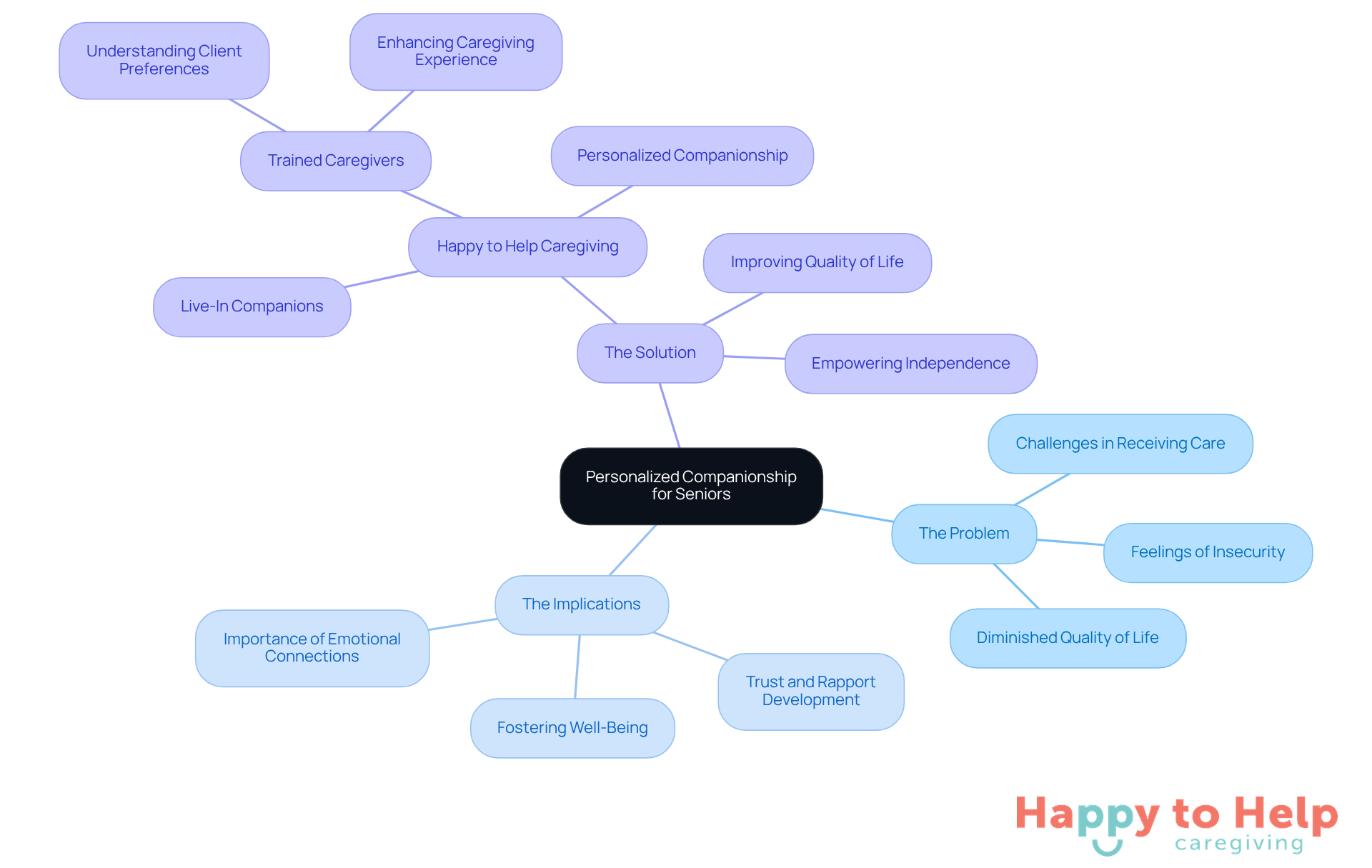
The Problem: Many older adults face challenges in receiving personalized companionship and care tailored to their unique needs. This lack of individualized attention can lead to feelings of insecurity and a diminished quality of life, making it difficult for them to thrive in their own homes.
The Implications: When caregivers do not engage with clients on a personal level, it can hinder the development of trust and rapport. This emotional connection is crucial for fostering well-being and ensuring that older adults feel valued and understood.
The Solution: Happy to Help Caregiving excels in addressing these challenges by providing live in companions for seniors who offer personalized companionship. Caregivers are meticulously trained to understand each client's preferences, routines, and interests. This deep understanding not only builds trust but also enhances the overall caregiving experience. By focusing on individualized care, Happy to Help Caregiving empowers elderly individuals to maintain their independence while receiving the necessary support from live in companions for seniors, ultimately leading to a more fulfilling life.
Emotional Support: Alleviating Loneliness and Isolation
Loneliness and isolation are significant challenges faced by many elderly individuals. These feelings can lead to serious mental health issues, including depression and anxiety. Research shows that social connections are crucial for health, with a lack of companionship increasing the risk of premature mortality. In fact, over four decades of studies indicate that insufficient social interaction can significantly heighten this risk.
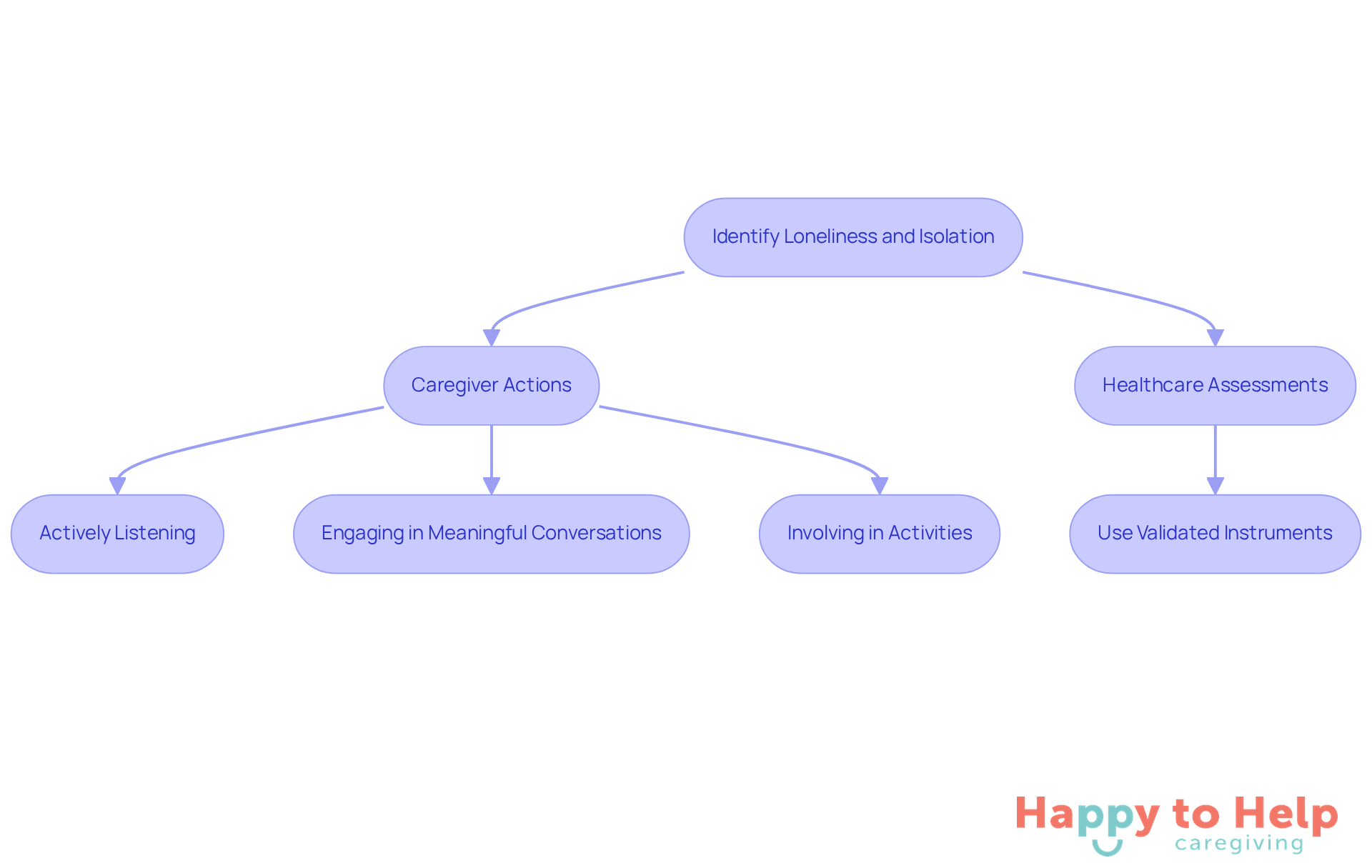
To combat these issues, live-in companions for seniors play a vital role in providing emotional support. Frequent engagement with these support providers can enhance mental well-being, fostering a sense of belonging and emotional security. Caregivers can prioritize companionship by:
- Actively listening
- Engaging older adults in meaningful conversations
- Involving them in activities
This approach not only helps alleviate feelings of loneliness but also creates an environment where elderly individuals feel valued and understood.
Moreover, healthcare professionals should assess older adults for social isolation and loneliness using validated instruments. This practice, recommended by health experts, ensures that the emotional needs of elderly individuals are adequately met. By addressing these needs, caregivers can significantly improve mental health outcomes and contribute to a more rewarding life for older adults.
Engaging Activities: Promoting Mental Stimulation and Joy
Cognitive decline is a significant concern for older adults, impacting their quality of life and overall well-being. Caregivers often face the challenge of finding effective ways to engage their loved ones in meaningful activities that stimulate the mind and promote joy.
Engaging activities can include puzzles, games, arts and crafts, or even simple outdoor walks. These not only provide mental stimulation but also foster a sense of accomplishment and happiness. By participating in enjoyable activities, older adults can preserve cognitive function and enhance their overall quality of life.
To support caregivers, consider implementing the following activities:
- Puzzles: Great for problem-solving and cognitive engagement.
- Games: Board games or card games can encourage social interaction and mental agility.
- Arts and Crafts: Creative projects can boost mood and provide a sense of achievement.
- Outdoor Walks: Fresh air and nature can uplift spirits and promote physical health.
By incorporating these activities into daily routines, caregivers can help older adults maintain their cognitive abilities while enriching their lives.
Daily Living Assistance: Supporting Independence and Comfort
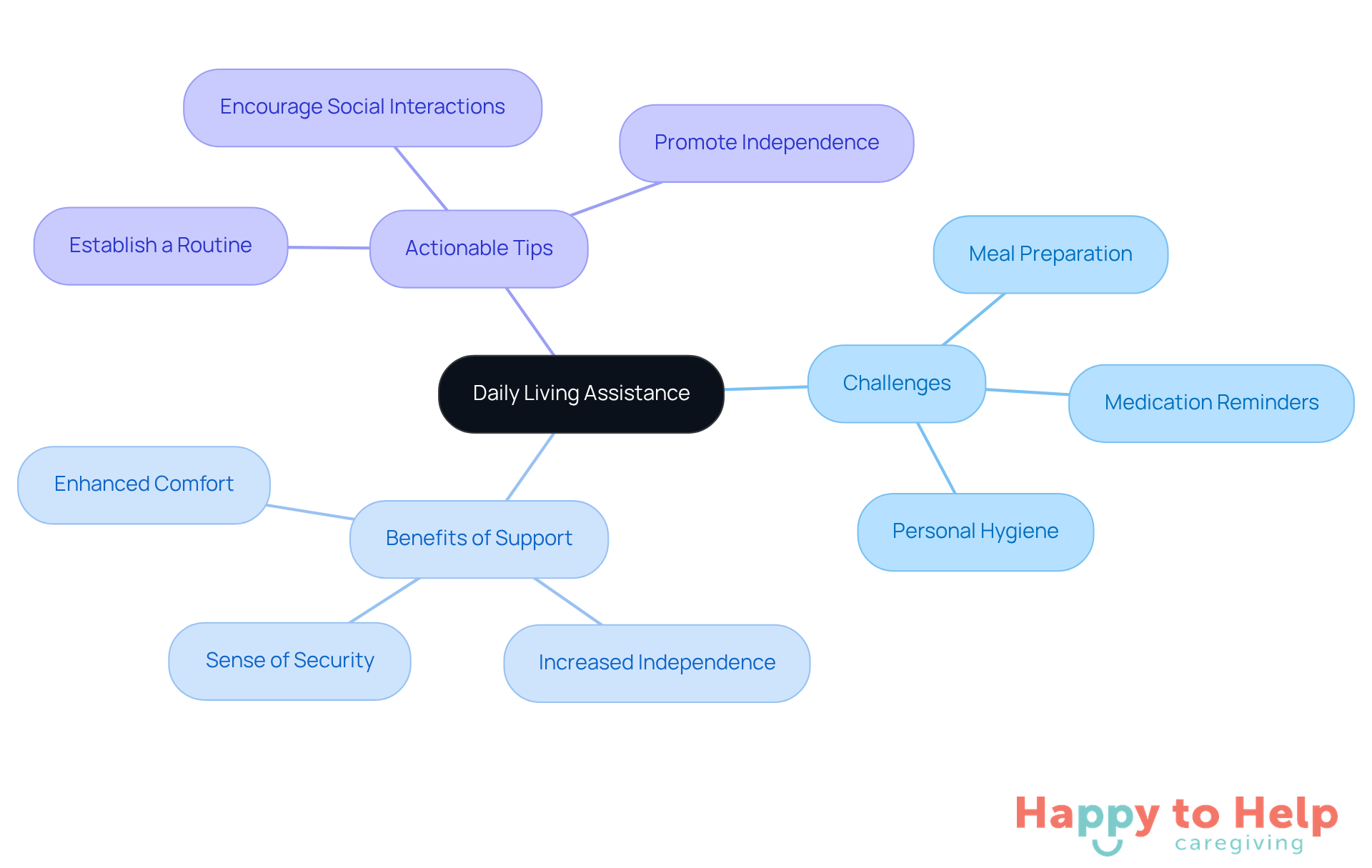
Elderly individuals often face significant challenges in daily living activities, such as meal preparation, medication reminders, and personal hygiene. These difficulties can lead to feelings of frustration and isolation, impacting their overall quality of life. In fact, studies show that 44% of home care recipients require assistance with at least one daily activity, underscoring the importance of support for seniors.
The presence of live-in companions for seniors can effectively address these challenges. By taking on essential responsibilities, these helpers allow elderly individuals to focus on enjoying their daily lives rather than struggling with tasks that can diminish their independence. This support not only enhances comfort and safety at home but also fosters a sense of security, enabling seniors to thrive with live-in companions for seniors in their familiar surroundings.
As one specialist noted, "Having a support person offers more than mere assistance with duties; it enhances the quality of life for older adults, allowing them to feel recognized and acknowledged." This holistic approach to care is crucial for promoting independence and ensuring that seniors can live fulfilling lives in the comfort of their own homes.
To maximize the benefits of live-in companionship, caregivers can consider the following actionable tips:
- Establish a routine: Consistency helps seniors feel secure and reduces anxiety.
- Encourage social interactions: Facilitate connections with family and friends to combat feelings of isolation.
- Promote independence: Allow seniors to participate in daily activities as much as possible, fostering a sense of accomplishment.
By implementing these strategies, caregivers can significantly improve the quality of life for elderly individuals, ensuring they receive the support they need while maintaining their dignity and independence.
Respite Care: Offering Relief for Family Caregivers
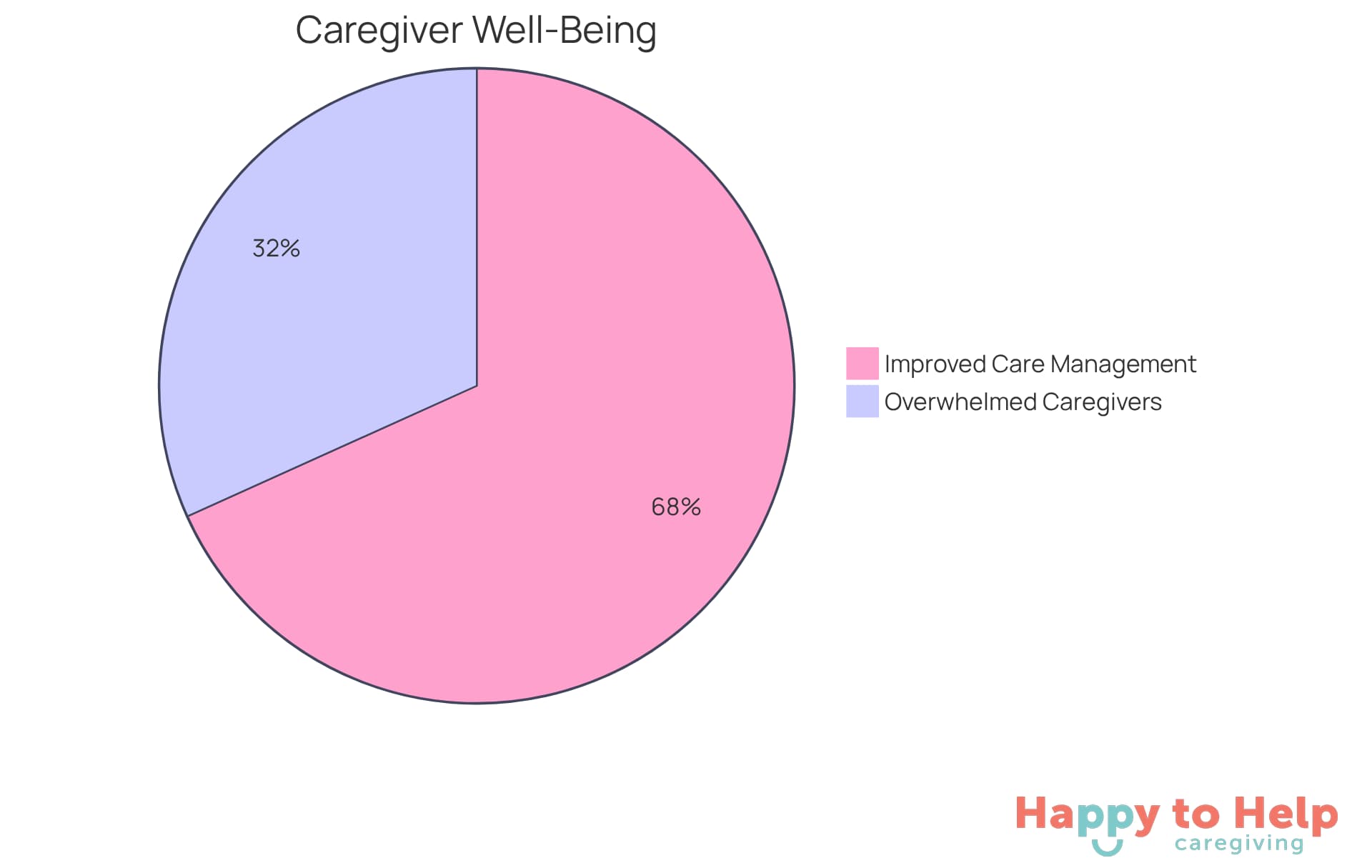
Respite services are essential for family caregivers, who often face significant challenges. Many caregivers experience burnout, impacting their ability to provide quality care. In fact, studies show that up to 30-50% of individuals caring for those with neurodegenerative disorders report feeling overwhelmed. This stress not only affects the caregivers but also the well-being of their loved ones.
Regular breaks are crucial for managing this stress and improving overall health. Engaging live-in companions for seniors allows family members to take necessary time for themselves, knowing their loved ones are in capable hands. This balance is vital for maintaining a healthy family dynamic. Statistics reveal that 86% of family caregivers report better care management after utilizing respite services, underscoring the positive impact these services have on both caregivers and care recipients.
As caregiving expert Senator Edward J. Markey states, "The Respite Care and Resources for Everyone Act aims to create a stronger framework for family caregivers." This highlights the importance of self-care for caregivers, which is essential for sustaining their ability to provide compassionate support. Furthermore, with caregiving costs exceeding $2,000 monthly, respite care is not merely a luxury; it is a necessary support system for families navigating these challenges.
Quality of Life Improvement: Companionship as a Key Factor
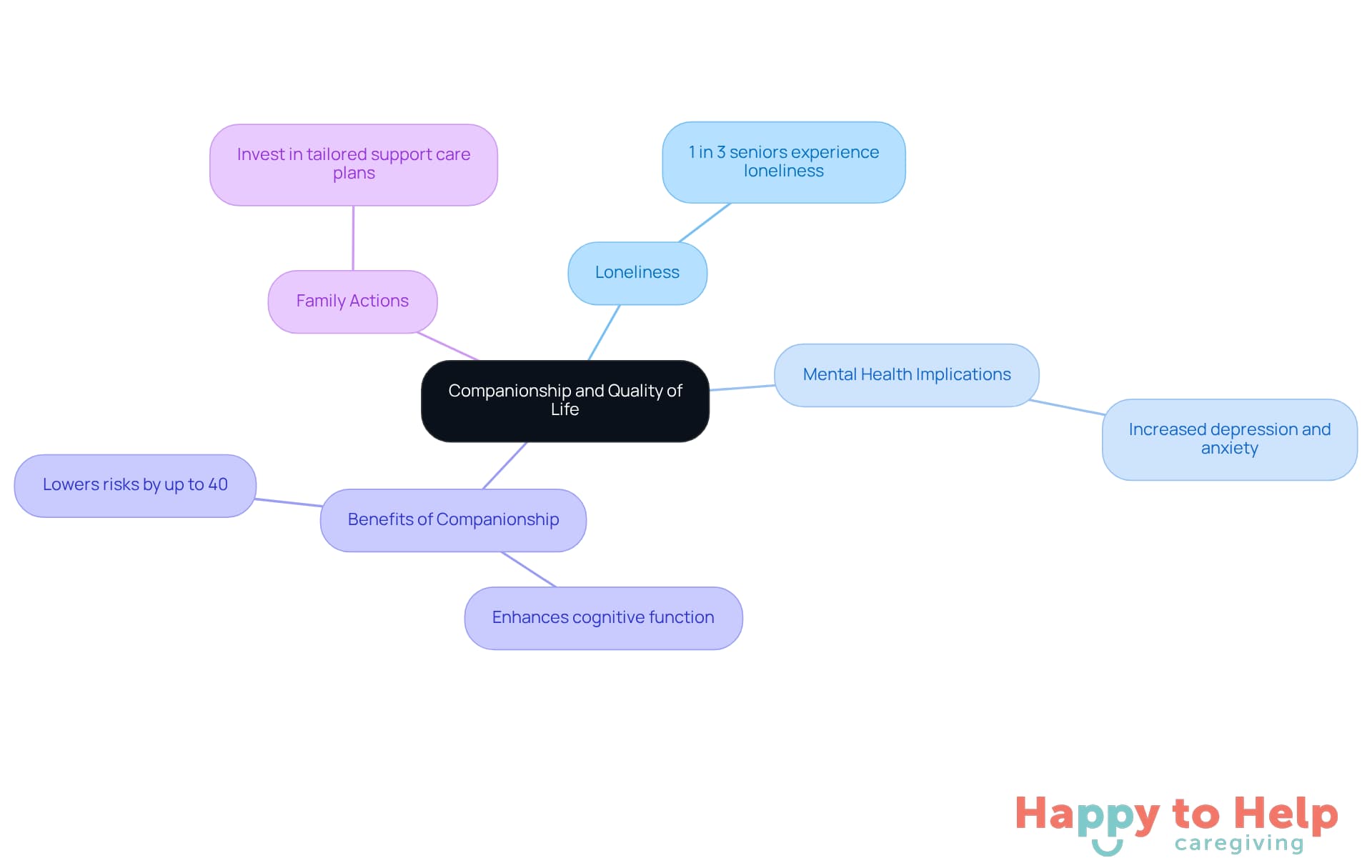
Having live-in companions for seniors can significantly improve an elderly person's quality of life. However, many elderly individuals face the problem of loneliness, with research indicating that one in three experience these feelings. This loneliness can lead to serious implications, including increased rates of depression and anxiety. In fact, studies show that seniors who engage socially can lower these risks by up to 40%.
To address this issue, having live-in companions for seniors is crucial for healthy aging. Emotional support from friends not only alleviates loneliness but also enhances cognitive function and overall mental wellness. As researcher Crystal Ng stated, "meaningful human connection isn’t a luxury for seniors - it’s essential medicine."
Families can take actionable steps by investing in tailored support care plans. This approach ensures that loved ones feel valued and understood during their golden years. Additionally, understanding the financial aspects of caregiving can help families navigate their options effectively.
Social Interaction: Fostering Connections and Community
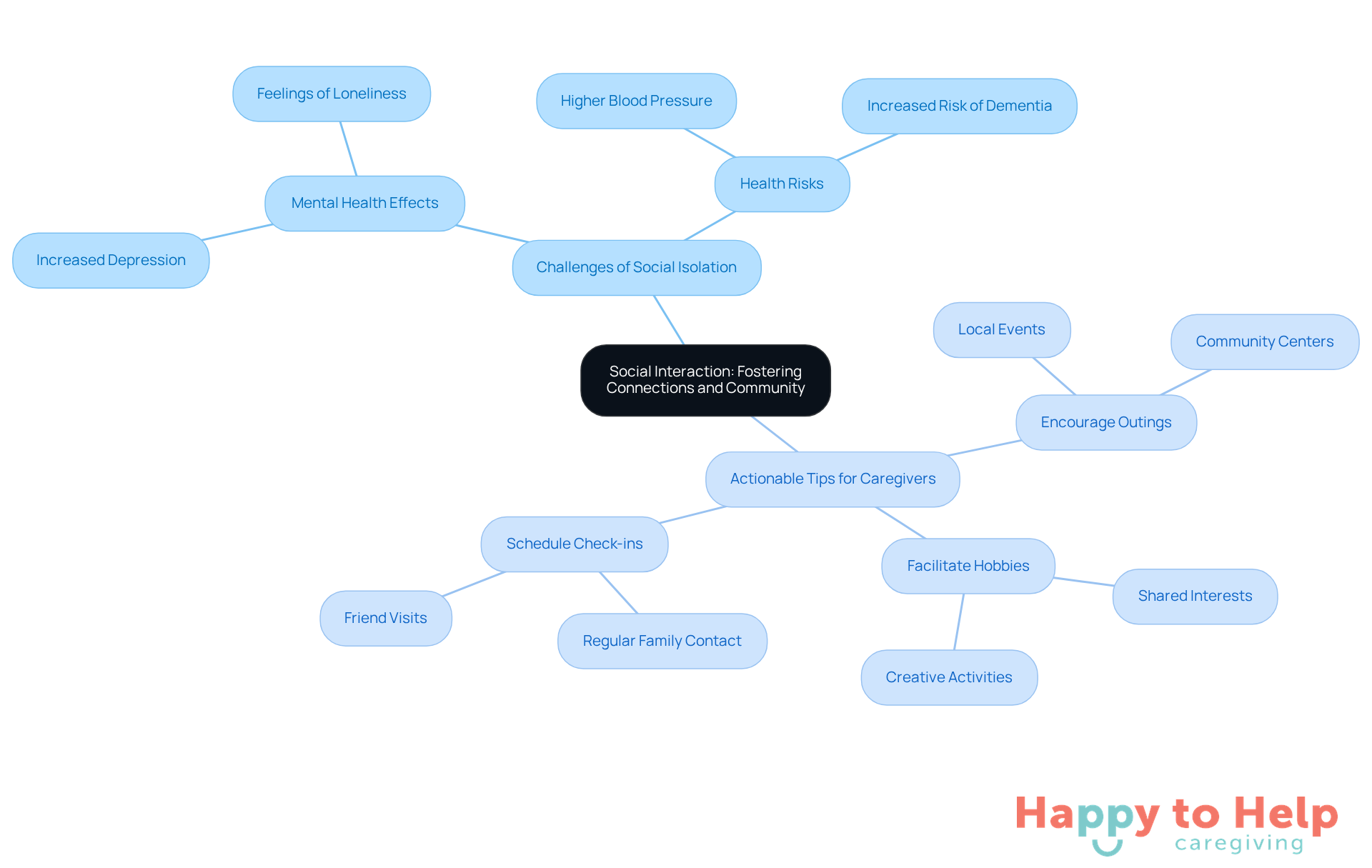
Social isolation is a significant challenge faced by older adults, often leading to detrimental effects on their mental health. Without regular social engagement, many seniors may feel disconnected from their communities and loved ones, which can exacerbate feelings of loneliness and depression.
To combat this issue, live in companions for seniors play a vital role. They promote social engagement by assisting older adults in staying linked with their communities through the use of live in companions for seniors. Whether through shared activities, outings, or simply engaging in conversation, these aides help foster connections that are essential for maintaining mental well-being and a sense of belonging.
Here are some actionable tips for caregivers:
- Encourage regular outings to local events or community centers.
- Facilitate shared hobbies or interests to spark conversations.
- Schedule regular check-ins with family and friends to maintain those important connections.
By implementing these strategies, caregivers can significantly enhance the quality of life for older adults, ensuring they remain socially active and engaged.
Post-Hospital Recovery: Smooth Transition with Companion Support
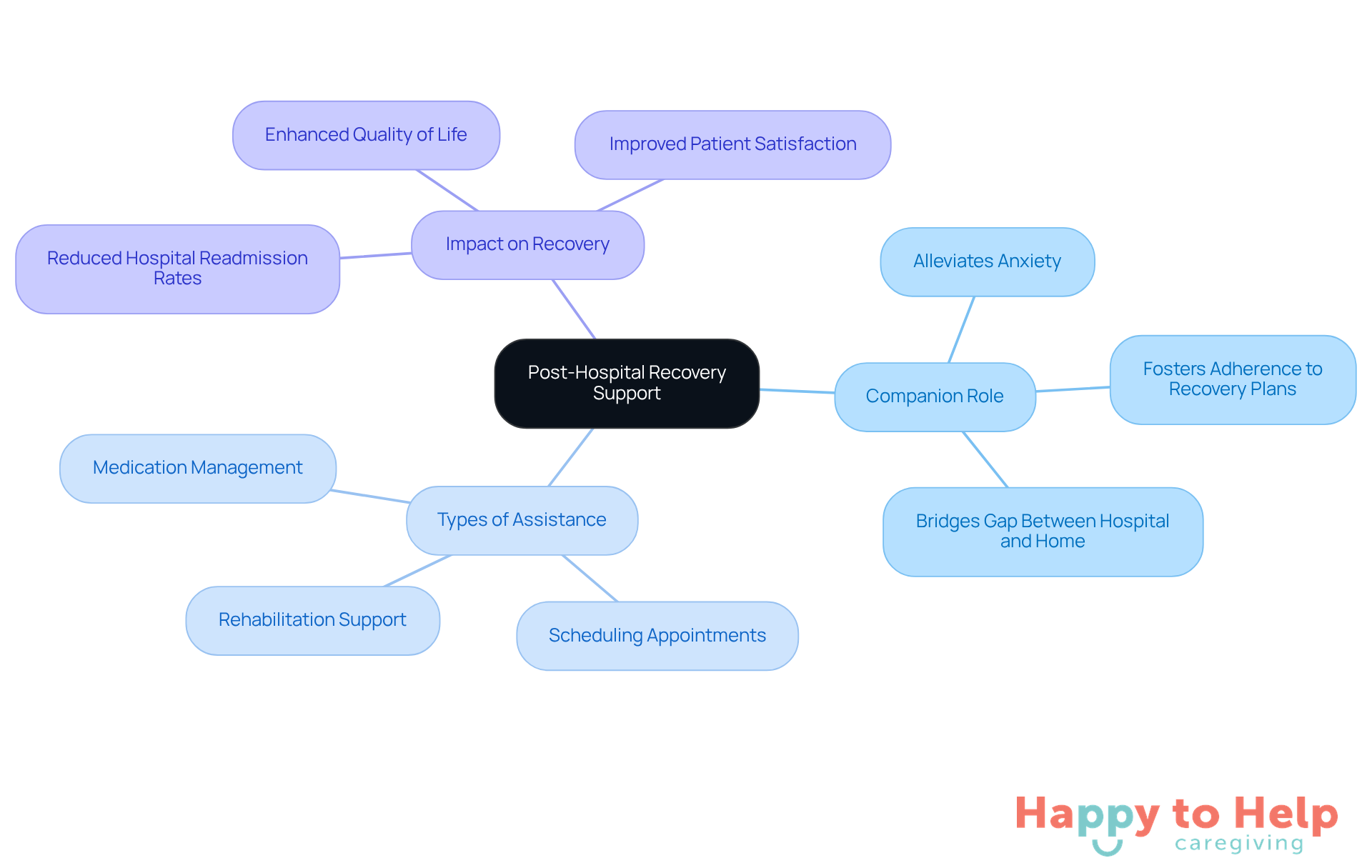
After a hospital stay, elderly individuals often face significant challenges that can hinder their recovery. These difficulties can lead to feelings of anxiety and uncertainty, making the transition back home particularly daunting.
Live-in companions for seniors play a crucial role during this transitional phase. They provide essential assistance, including:
- Medication management
- Scheduling follow-up appointments
- Supporting rehabilitation exercises
Their presence not only alleviates anxiety but also fosters adherence to recovery plans, which is vital for achieving optimal health outcomes.
Studies indicate that elderly individuals who receive help from friends experience markedly reduced hospital readmission rates. This highlights the effectiveness of having a support system in place. Live-in companions for seniors help bridge the gap between hospital care and home recovery, ensuring that older adults receive the personalized attention they need to thrive in familiar surroundings.
This comprehensive assistance framework ultimately enhances the quality of life for elderly individuals, making the recovery process smoother and more manageable. By prioritizing support from live-in partners, caregivers can significantly improve health outcomes and promote a more successful recovery.
Flexible Scheduling: Tailoring Care to Individual Needs
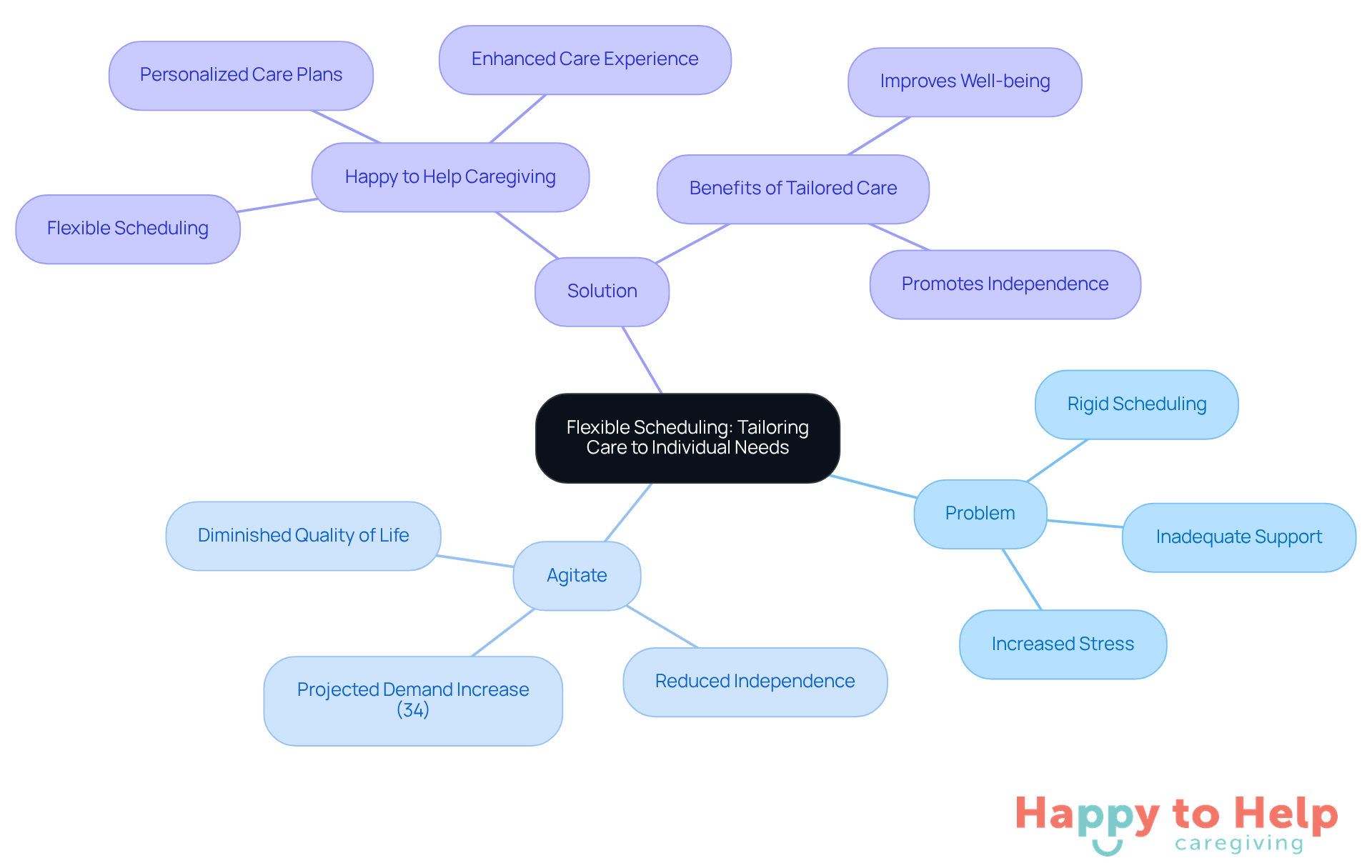
Problem: Many caregivers face challenges with rigid scheduling that doesn't accommodate the unique needs of older adults and their families. This inflexibility can lead to inadequate support and increased stress for both caregivers and clients.
Agitate: When caregivers cannot adapt their availability, older adults may not receive the necessary assistance at critical times. This can diminish their quality of life, reduce their sense of independence, and ultimately lead to dissatisfaction with care services. The implications are significant, especially as the demand for home care services is projected to rise by 34% from 2019 to 2029.
Solution: Happy to Help Caregiving prioritizes flexible scheduling, allowing caregivers to adjust their availability for both full-time and part-time care. This adaptability ensures that clients receive support precisely when they need it, enhancing their overall care experience. Research indicates that personalized care plans, which include customized schedules, lead to better outcomes for older adults, promoting their independence and well-being.
With approximately 33,200 home care agencies reported in 2022, agencies that offer tailored care solutions are better positioned to meet the expectations of families seeking quality support for their loved ones. By focusing on individual preferences and needs, Happy to Help Caregiving fosters a nurturing environment that promotes happiness and security at home.
Technology Integration: Enhancing Care Management and Communication
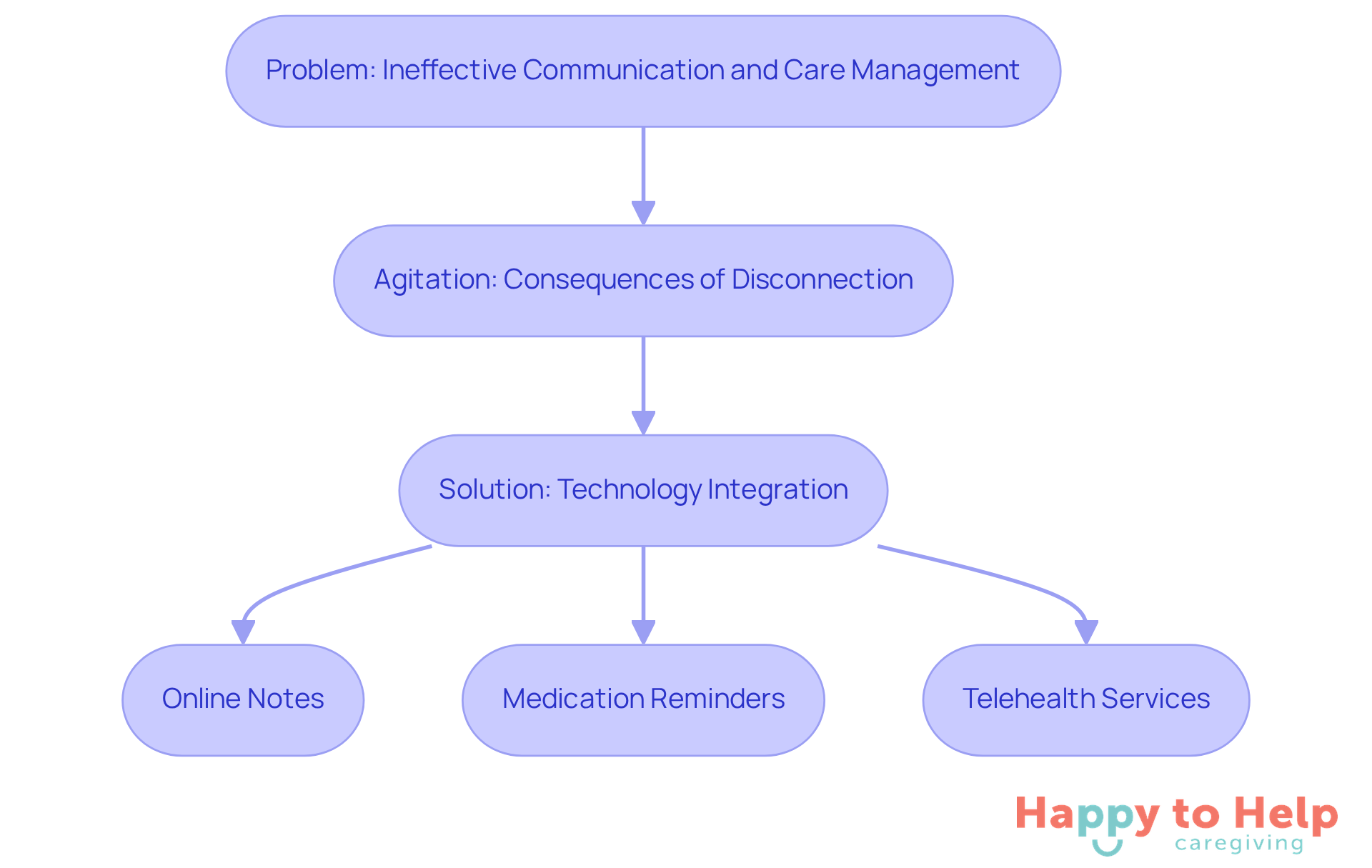
Problem: Caregiving services often struggle with effective communication and care management, which can leave families feeling disconnected from their loved ones' care.
Agitate: This disconnection can lead to misunderstandings about care needs and can increase stress for both caregivers and families. For elderly individuals, the lack of timely medical access can exacerbate health issues, making it crucial to find solutions that bridge these gaps.
Solution: The integration of technology into caregiving services significantly enhances communication and care management. Tools such as online notes for family members, medication reminders, and telehealth services streamline the caregiving process, ensuring that families remain informed and engaged in their loved ones' care.
Telehealth, in particular, has transformed how older adults access medical services, enabling prompt consultations without the need for travel. This not only boosts the efficiency of care but also fosters a sense of security for elderly individuals, knowing that assistance is just a call away.
Experts emphasize that these technological advancements are crucial in addressing the unique challenges faced by elderly individuals. As Keren Etkin, a gerontologist, notes, "AI offers powerful tools for caregivers to make daily tasks easier and more efficient," enabling caregivers to provide personalized support while maintaining open lines of communication.
As the caregiving landscape evolves, the use of technology will continue to play a pivotal role in enhancing the quality of life for seniors, ensuring they receive the care they need in a timely and effective manner.
Your Path Forward
The profound impact of live-in companions on the well-being of seniors is significant. Many elderly individuals face loneliness and a lack of daily support, which can severely affect their quality of life. Live-in companions not only provide essential assistance but also foster emotional connections that help seniors feel valued and understood in their own homes.
The benefits of having a live-in companion are numerous:
- They offer emotional support that alleviates loneliness.
- They engage seniors in activities that promote cognitive health.
- They assist with daily living tasks that uphold independence.
- They provide respite care for family caregivers.
- They integrate technology for better communication and care management.
Investing in live-in companion services is about more than just care; it’s about enriching the lives of older adults and empowering them to thrive. Families should explore tailored support options that meet the specific needs of their loved ones. Recognizing that companionship is a vital component of healthy aging can lead to better outcomes for seniors. By enhancing the lives of seniors through personalized care, we can ensure they enjoy their golden years with dignity, joy, and connection.
https://iframe.tely.ai/cta/eyJhcnRpY2xlX2lkIjogIjY5Mjc5NGY2YmE1MjYxOTlhNjlhODZhYyIsICJjb21wYW55X2lkIjogIjY4ZWU1ZGNhNzMxNzYyNTU3ZjNjOTVjMSIsICJpbmRleCI6IG51bGwsICJ0eXBlIjogImFydGljbGUifQ==Frequently Asked Questions
What challenges do older adults face regarding companionship and care?
Many older adults struggle with receiving personalized companionship and care tailored to their unique needs, which can lead to feelings of insecurity and a diminished quality of life.
Why is emotional connection important in caregiving for seniors?
Emotional connection is crucial for developing trust and rapport, which fosters well-being and ensures that older adults feel valued and understood.
How does Happy to Help Caregiving address the challenges of companionship for seniors?
Happy to Help Caregiving provides live-in companions who offer personalized companionship, focusing on understanding each client's preferences, routines, and interests to enhance the caregiving experience.
What role do live-in companions play in alleviating loneliness and isolation among seniors?
Live-in companions provide emotional support through frequent engagement, active listening, meaningful conversations, and involvement in activities, which helps alleviate feelings of loneliness and fosters a sense of belonging.
How can healthcare professionals assess social isolation and loneliness in older adults?
Healthcare professionals should use validated instruments to assess older adults for social isolation and loneliness, ensuring that their emotional needs are adequately met.
What types of engaging activities can caregivers use to promote mental stimulation for seniors?
Caregivers can use puzzles, games, arts and crafts, and outdoor walks to provide mental stimulation, foster a sense of accomplishment, and enhance overall quality of life.
Why is it important for caregivers to incorporate engaging activities into the daily routines of older adults?
Incorporating engaging activities helps preserve cognitive function, promotes joy, and enriches the lives of older adults, ultimately improving their quality of life.
List of Sources
- Happy to Help Caregiving: Personalized Companionship for Seniors
- AI personal companions offers low-tech way to combat loneliness in senior living residents (https://mcknightsseniorliving.com/news/ai-personal-companions-offers-low-tech-way-to-combat-loneliness-in-senior-living-residents)
- AI companion helps Bronx senior living facility residents combat loneliness (https://cbsnews.com/newyork/news/ai-companionship-for-seniors-bronx)
- AI Care Companions for Seniors (https://health.usnews.com/senior-care/articles/ai-care-companions-for-seniors)
- Lonely Seniors Are Turning To AI Bots For Companionship (https://forbes.com/sites/rashishrivastava/2025/10/18/lonely-seniors-are-turning-to-ai-bots-for-companionship)
- Denver researchers say robot companions can improve senior citizens' quality of life (https://npr.org/2025/06/04/nx-s1-5319315/denver-researchers-say-robot-companions-can-improve-senior-citizens-quality-of-life)
- Emotional Support: Alleviating Loneliness and Isolation
- Trends in Loneliness Among Older Adults from 2018-2023 (https://ihpi.umich.edu/national-poll-healthy-aging/reports-and-resources/trends-loneliness-among-older-adults-2018-2023)
- 1 in 3 older adults still experience loneliness and isolation (https://michiganmedicine.org/health-lab/1-3-older-adults-still-experience-loneliness-and-isolation)
- Loneliness and isolation: Back to pre-pandemic levels, but still high, for older adults (https://ihpi.umich.edu/news-events/news/loneliness-and-isolation-back-pre-pandemic-levels-still-high-older-adults)
- Summary - Social Isolation and Loneliness in Older Adults - NCBI Bookshelf (https://ncbi.nlm.nih.gov/books/NBK557972)
- Engaging Activities: Promoting Mental Stimulation and Joy
- Engaging Seniors with Today’s Headlines and Global Stories | Home Instead (https://homeinstead.co.uk/weston-clevedon-burnham/blog/engaging-seniors-with-todays-headlines-and-global-stories)
- Stats On The Benefits Of Joining A Older Adult Club (https://fortgreenecouncil.org/single-post/some-facts-about-senior-centers)
- Activity programs for older adults (https://countyhealthrankings.org/strategies-and-solutions/what-works-for-health/strategies/activity-programs-for-older-adults)
- Leisure engagement in older age is related to objective and subjective experiences of aging - PMC (https://pmc.ncbi.nlm.nih.gov/articles/PMC10876530)
- Cognitive stimulation and cognitive results in older adults: A systematic review and meta-analysis (https://sciencedirect.com/science/article/pii/S0167494322001947)
- Daily Living Assistance: Supporting Independence and Comfort
- Enhancing Senior Independence With 24/7 Support - WorldHealth.net (https://worldhealth.net/news/24-7-support-in-enhancing-senior-independence)
- 28 Senior Care Statistics: In-Home & Assisted Living | Shortlister (https://myshortlister.com/insights/senior-care-statistics)
- Opinion | America’s Caregivers Are in Crisis (https://nytimes.com/2025/11/24/opinion/caregiving-crisis.html)
- 2025 Home Care Statistics: Trends & Insights To Know (https://premierhcinc.com/blog/home-care-statistics)
- North Texas senior without food and water calls 911 for help amid growing crisis (https://cbsnews.com/texas/news/north-texas-senior-without-food-and-water-calls-911-for-help-amid-growing-crisis)
- Respite Care: Offering Relief for Family Caregivers
- Funding Opportunity: National Lifespan Respite Care Program State Program Enhancement Grants | ACL Administration for Community Living (https://acl.gov/news-and-events/announcements/national-lifespan-respite-care-program-state-program-enhancement)
- A bill in Congress would return $5,000 to millions of family caregivers every year, but will it pass? (https://cbsnews.com/newyork/news/credit-for-caring-act-family-caregiver-tax-credit)
- News & Updates | ARCH National Respite Network & Resource Center (https://archrespite.org/news)
- New Bill: Senator Edward J. Markey introduces S. 3231: Respite Care and Resources for Everyone Act | AMGN Stock News (https://quiverquant.com/news/New+Bill:+Senator+Edward+J.+Markey+introduces+S.+3231:+Respite+Care+and+Resources+for+Everyone+Act)
- News & Success Stories | Live Well San Diego (https://livewellsd.org/Home/Components/News/News/513/153)
- Quality of Life Improvement: Companionship as a Key Factor
- 10 Benefits of Elderly Companion Care for Your Loved Ones - Happy To Help (https://happytohelpcaregiving.com/10-benefits-of-elderly-companion-care-for-your-loved-ones)
- Friendship, helping people boosts happiness for older adults - UPI.com (https://upi.com/Health\_News/2025/10/19/friendship-happiness-aging/3721760894904)
- Denver researchers say robot companions can improve senior citizens' quality of life (https://npr.org/2025/06/04/nx-s1-5319315/denver-researchers-say-robot-companions-can-improve-senior-citizens-quality-of-life)
- Benefits of Companionship for Seniors (https://harmonyseniorservices.com/news-blog/benefits-of-companionship-for-seniors)
- The Emotional Benefits of Companion Care for Seniors (https://comfortkeepers.com/offices/texas/round-rock/resources/news/the-emotional-benefits-of-companion-care-for-seniors)
- Social Interaction: Fostering Connections and Community
- For seniors dealing with social isolation, NYC programs provide intergenerational events (https://cbsnews.com/newyork/news/cost-of-caregiving-the-life-story-club-nyc-friendly-visiting-program)
- Build Social Bonds to Protect Health (https://newsinhealth.nih.gov/2025/03/build-social-bonds-protect-health)
- Community Engagement is Key to Aging Well, Beating Loneliness (https://archwellhealth.com/news/community-engagement-is-key-to-aging-well-beating-loneliness)
- Community and Family Engagement as a Tool to Enhance Quality of Life among the Elderly Population (https://afmc.org/blog/aarp-community-engagement)
- Helping Older Adults Take Charge of Their Social Well-Being - News & Events | odphp.health.gov (https://odphp.health.gov/news/202509/helping-older-adults-take-charge-their-social-well-being)
- Post-Hospital Recovery: Smooth Transition with Companion Support
- Post-Hospital Discharge: Why In-Home Care Improves Recovery for Florida Seniors (https://visitingangels.com/pasco/news-info/post-hospital-discharge-why-in-home-care-improves-recovery/26199)
- Older adults find support through health care companions (https://news-medical.net/news/20250924/Older-adults-find-support-through-health-care-companions.aspx)
- After the hospital, support to help patients thrive at home | Penn Medicine (https://pennmedicine.org/news/after-the-hospital-support-to-help-patients-thrive-at-home)
- Post-Hospital Home Care: The Key to a Smoother, Safer Recovery (https://heavenathomecare.com/how-post-hospital-home-care-helps-seniors-recover)
- Awareness of and subjective needs for post-discharge healthcare services among older adult patients - PMC (https://pmc.ncbi.nlm.nih.gov/articles/PMC10111708)
- Flexible Scheduling: Tailoring Care to Individual Needs
- Workplace flexibility is the most used, wanted benefit among caregivers: AARP (https://thehill.com/homenews/4668936-aarp-workplace-flexibility-most-used-wanted-benefit-caregivers)
- Encouraging Home Care Statistics for 2023 (https://axiscare.com/blog/encouraging-home-care-statistics)
- The need for caregiving benefits may have reached a fever pitch (https://hrdive.com/news/sandwich-generation-needs-caregiving-benefits/802864)
- Caregiving While Working Calls for Workplace Flexibility (https://aarp.org/pri/topics/work-finances-retirement/employers-workforce/employer-caregiving-survey)
- Technology Integration: Enhancing Care Management and Communication
- How AI Could Change Family Caregiving (https://aarp.org/caregiving/basics/how-ai-can-help-caregivers)
- HHS Launches New Caregiving AI Initiative to 'Spark Innovative Support' (https://hospicenews.com/2025/11/18/hhs-launches-new-caregiving-ai-initiative-to-spark-innovative-support)
- Viewpoints: Caregiving Has Gotten Harder For American Families; Technology Helps Elderly Stay Home - KFF Health News (https://kffhealthnews.org/morning-breakout/viewpoints-caregiving-has-gotten-harder-for-american-families-technology-helps-elderly-stay-home)
- HHS Launches $2 Million AI Challenge to Support Family Caregivers (https://shrm.org/advocacy/hhs-launches--2-million-ai-challenge-to-support-family-caregiver)
- Tech-enabled caregiving can help dementia patients stay at home — perhaps for too long (https://statnews.com/2025/11/24/dementia-caregiving-technology-assistance)