10 Benefits of Live-In Companions for the Elderly Caregivers
For families in our service areas
For families in our service areas, this guide explains companion care and how non-medical in-home caregiving can support care planning in East Idaho, Treasure Valley & Magic Valley, Northern Wasatch, North Central West Virginia, and Northeast Ohio.
Quick Guide to Live-In Companions for the Elderly
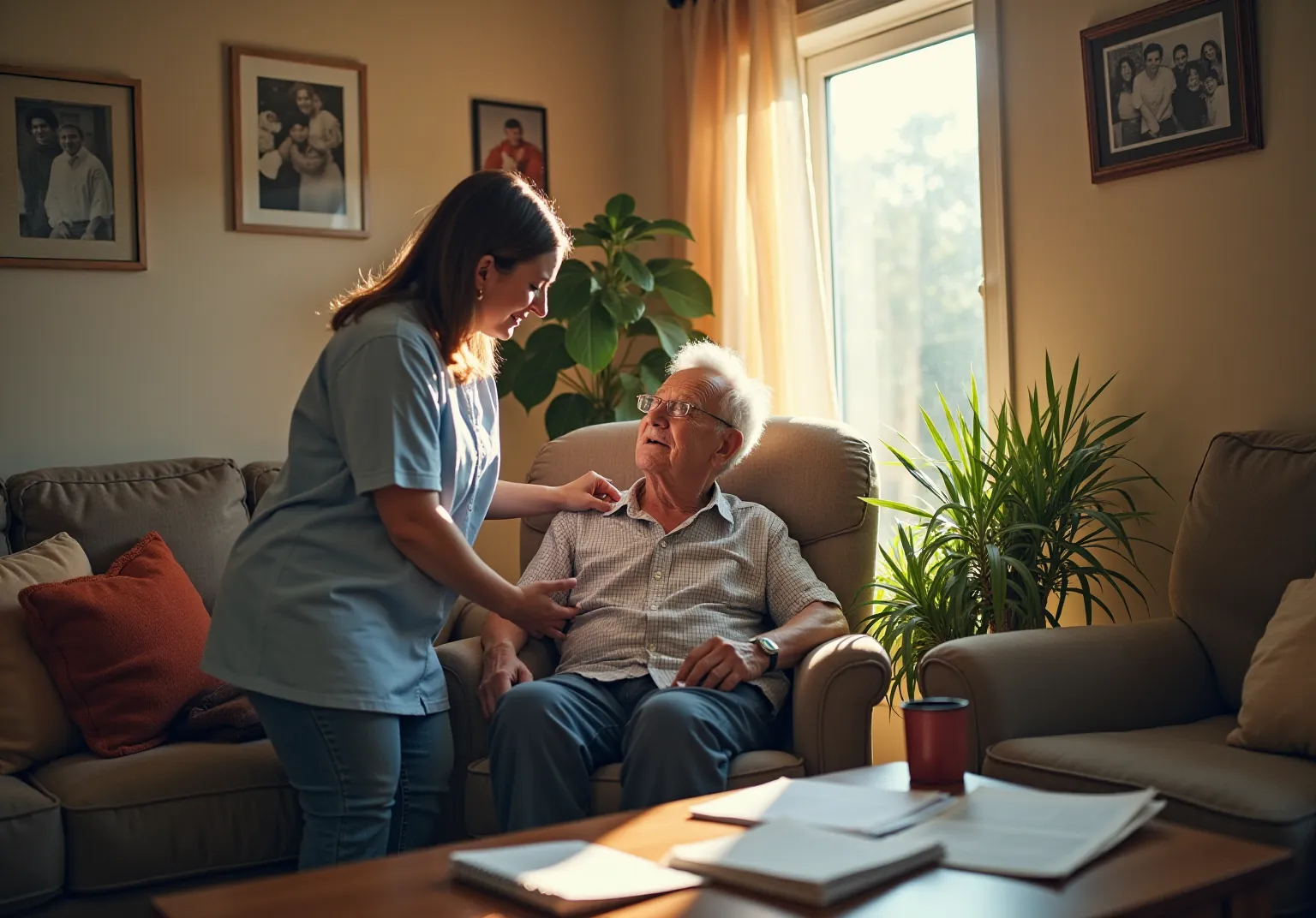
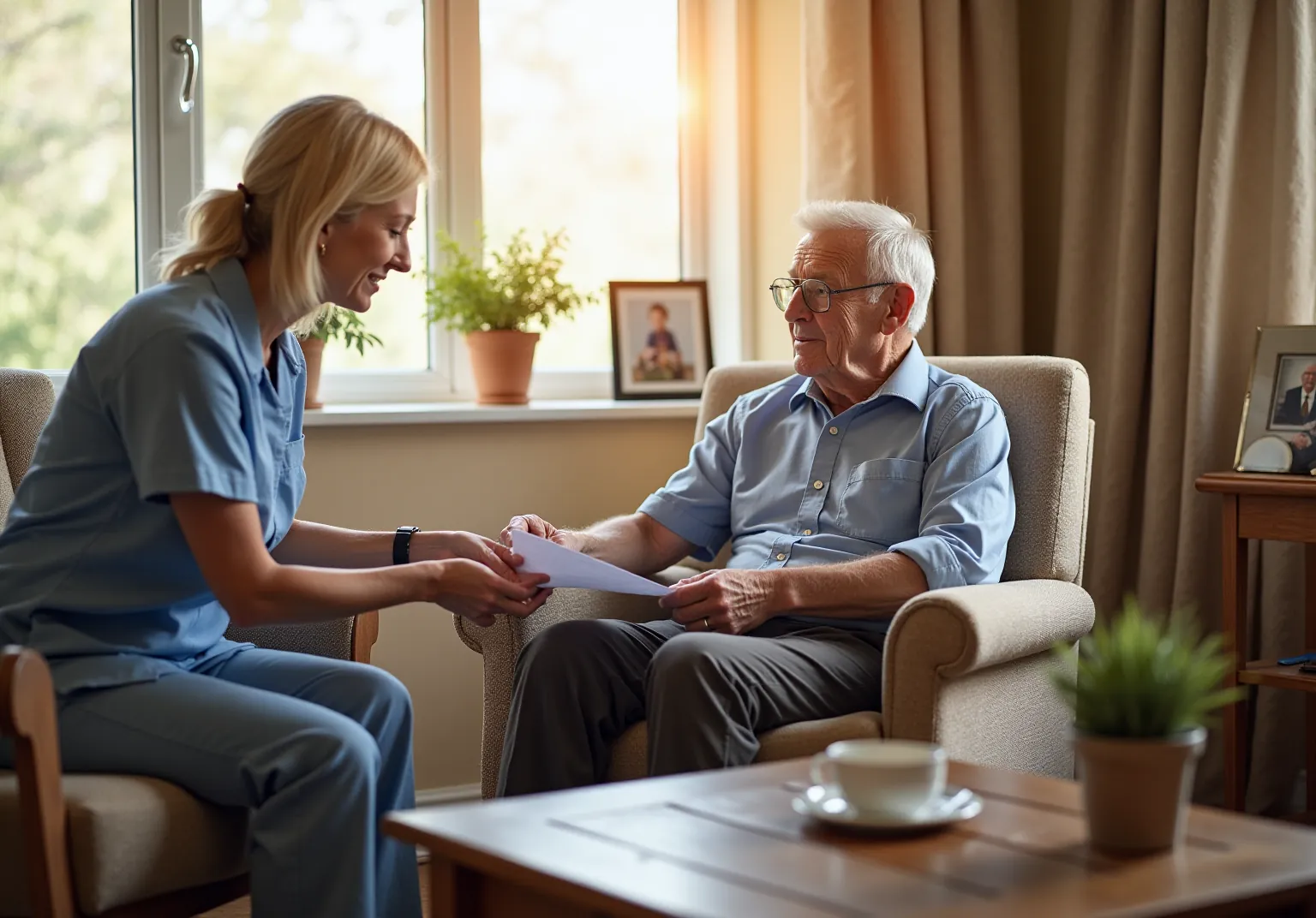
Caring for the elderly can be a challenging journey, filled with emotional ups and downs. Live-in companions for seniors offer a wealth of benefits that truly make a difference. They provide not just daily living assistance, but also emotional support and engagement in meaningful activities. This combination enhances the quality of life for our beloved seniors.
These companions play a vital role in alleviating loneliness, encouraging independence, and fostering emotional well-being. Through personalized care and social interaction, they create a nurturing environment that helps seniors feel valued and connected. Imagine the comfort of having someone by your side, sharing stories, laughter, and companionship.
The impact of live-in companions goes beyond mere assistance; they become trusted friends who understand the unique needs of each individual. Their presence can transform a senior's day, making it brighter and more fulfilling. As one caregiver shared, "Seeing the smile on my client's face when we engage in activities together is the highlight of my day. It reminds me why I do this work."
In a world where loneliness can be overwhelming, these companions offer a reassuring presence. They not only help with daily tasks but also enrich lives through shared experiences and emotional support. If you’re considering this option for a loved one, know that you’re choosing a path that prioritizes their happiness and well-being. Together, we can ensure that our seniors live their golden years with dignity, joy, and companionship.
Why Live-In Companions for the Elderly Matters
Aging can often feel like a lonely journey, with many seniors grappling with the heavy weight of isolation and a declining quality of life. Live-in companions for the elderly present a heartfelt solution, offering not just help with daily tasks but also the emotional support and companionship that can truly uplift their spirits.
By delving into the many benefits these dedicated caregivers provide, we can see how personalized companionship nurtures independence, fights off loneliness, and brings joy through engaging activities. Imagine if the secret to a happier, healthier life for seniors lies in the simple yet profound act of connection.
Happy to Help Caregiving: Personalized Companionship for Enhanced Senior Living
At Happy to Help Caregiving, we truly understand the emotional challenges that come with caring for older adults. Our personalized companionship as live-in companions for the elderly goes beyond just assistance; it significantly enhances the living experience for seniors. By tailoring our support to individual preferences and needs, we create a nurturing environment that fosters both independence and well-being.
This compassionate approach not only addresses the physical needs of the elderly but also uplifts their emotional health. It’s essential to recognize that regular social interaction can alleviate feelings of loneliness, which is so important since isolation can lead to serious mental health issues like depression and anxiety.
Moreover, when older adults engage in meaningful activities with our caregivers, they often find a renewed sense of purpose and improved cognitive function. The heartfelt connections formed through personalized companionship not only brighten their spirits but also enrich their overall quality of life.
We believe that individualized care is vital in elder living, and we’re here to provide support through live-in companions for the elderly. Our caregivers are dedicated to fostering these compassionate relationships, ensuring that every senior feels valued and connected. Together, we can make a difference in their lives, creating a brighter, more fulfilling experience.
https://iframe.tely.ai/cta/eyJhcnRpY2xlX2lkIjogIjY5MGQzNmFkYzU5NDkyNTk4NmQ2OWVkOSIsICJjb21wYW55X2lkIjogIjY4ZWU1ZGNhNzMxNzYyNTU3ZjNjOTVjMSIsICJpbmRleCI6IDAsICJ0eXBlIjogImFydGljbGUifQ==Emotional Support: Reducing Loneliness with Live-In Companions
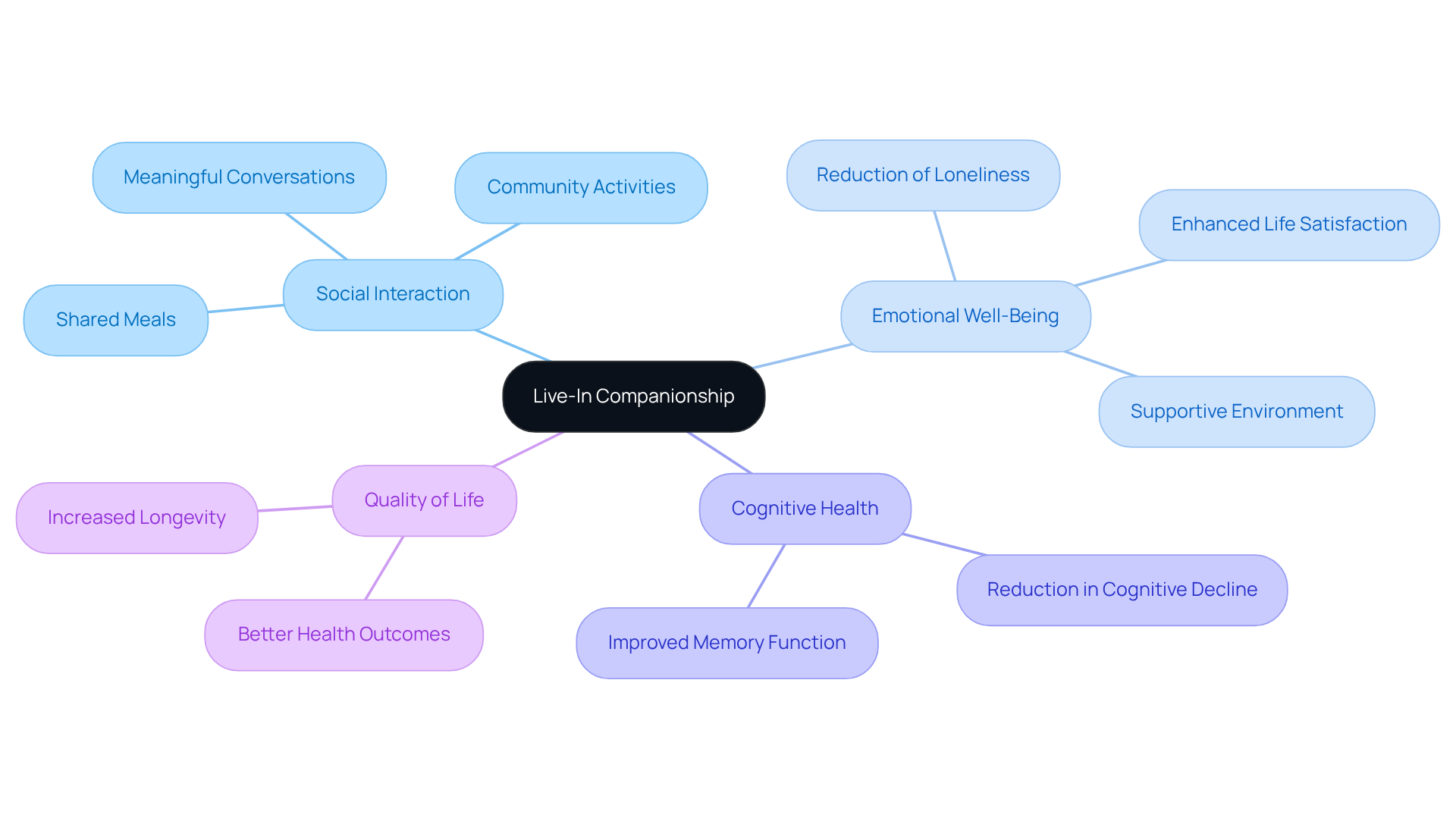
Live-in companions for the elderly provide vital emotional support, helping to alleviate the feelings of loneliness that many seniors experience. Their presence and engagement in meaningful conversations make clients feel valued and connected. This emotional bond not only boosts mental wellness but also nurtures a more positive outlook on life, which is crucial for overall well-being.
Imagine a senior, sitting quietly in their home, feeling isolated. A caregiver arrives, ready to listen and share stories. This simple act of companionship can transform a day, reminding them they are not alone. The warmth of these interactions fosters a sense of belonging and joy.
By providing this essential support, caregivers who are live-in companions for the elderly play a significant role in enhancing the quality of life for seniors. They help cultivate an environment where clients can thrive emotionally, encouraging a hopeful perspective that is so important for their overall health.
In moments of reflection, it’s clear that the connection formed between caregivers and clients is profound. It’s not just about assistance; it’s about building relationships that uplift and inspire. With every conversation, caregivers help seniors rediscover their value and place in the world.
Engaging Activities: Promoting Joy and Fulfillment with Live-In Care
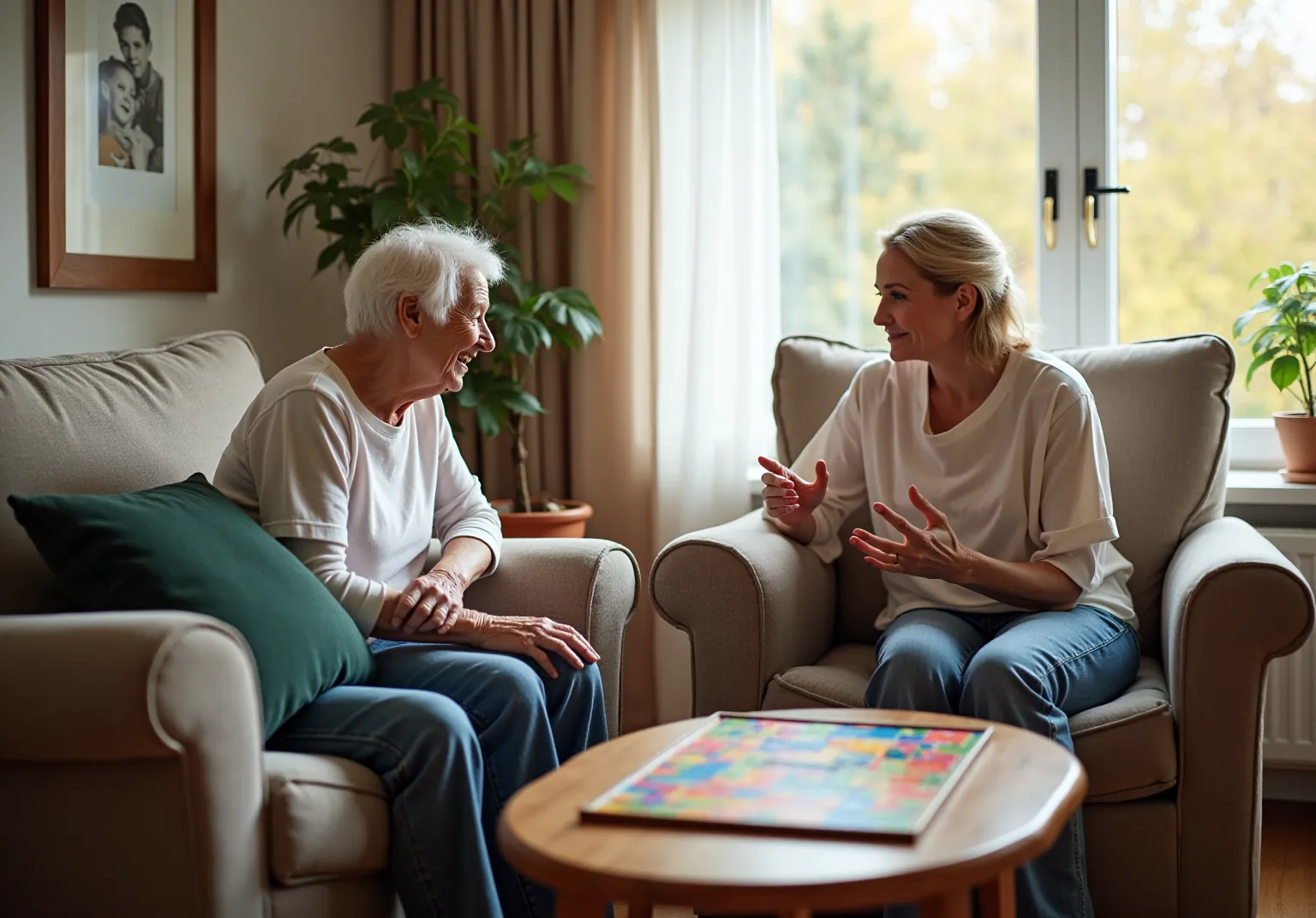
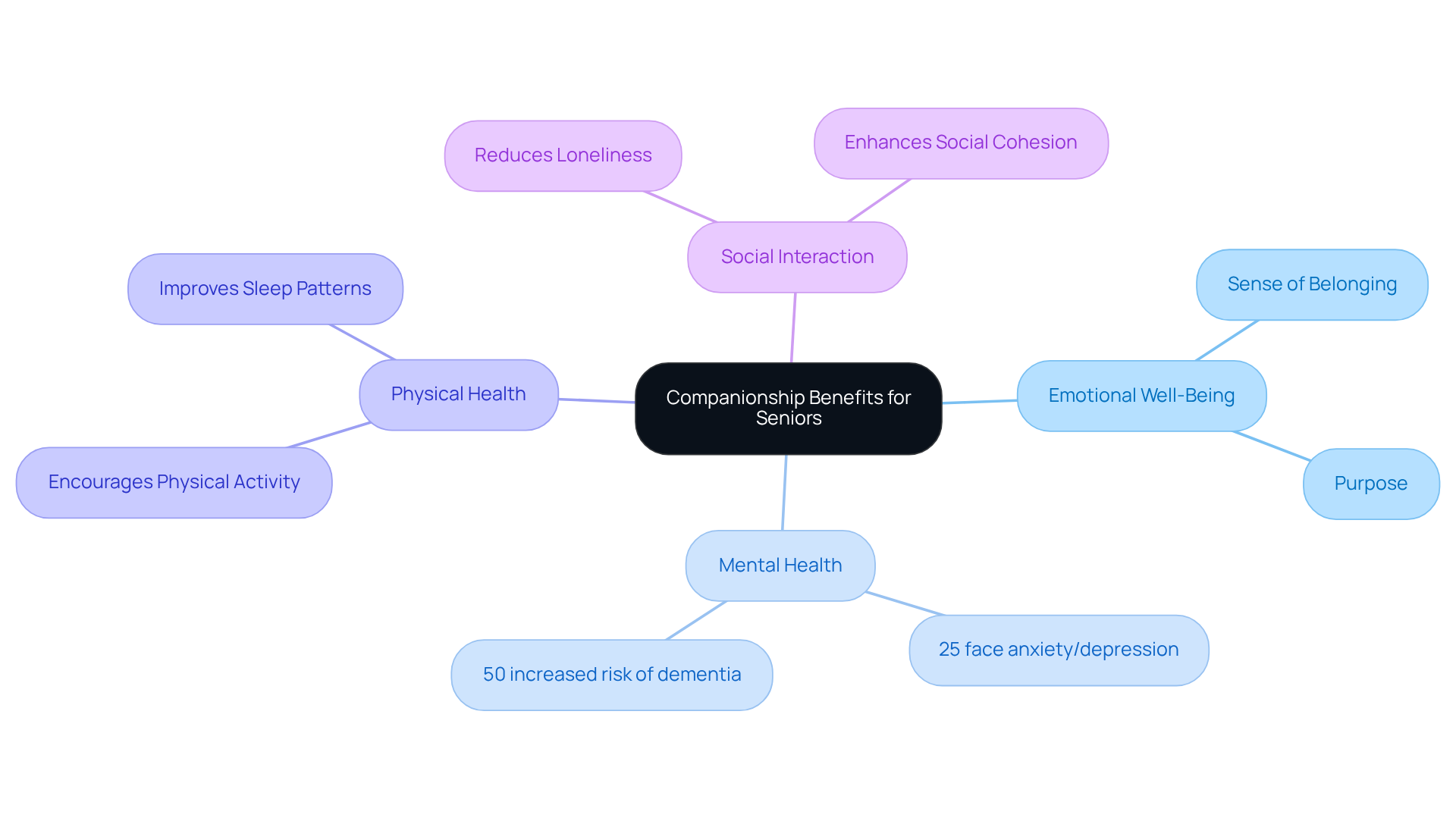
Live-in companions for the elderly have a significant impact on their lives, bringing joy and fulfillment through cherished activities. Whether it’s playing games, tending to a garden, or diving into creative hobbies, these moments are crucial for nurturing both mental and physical well-being. Research shows that older adults who engage in hobbies tend to experience fewer depressive symptoms and report greater happiness and life satisfaction.
A comprehensive study, which analyzed data from five longitudinal studies across 16 countries with over 90,000 participants, backs this up. Caregivers take the time to tailor activities to align with personal interests, ensuring that older adults remain active and engaged. This personalized approach not only boosts their overall well-being but also helps combat feelings of loneliness and isolation, which many elderly individuals face.
As occupational therapists often point out, "Research indicates that individuals aged 65 and above who engage in hobbies report greater levels of well-being, happiness, and life satisfaction than those who do not." Encouraging happiness through meaningful activities is vital for maintaining mental well-being in elderly individuals, which makes live-in companions for the elderly invaluable in home support settings.
To maximize these benefits, caregivers are encouraged to facilitate at least two hours of hobby-related activities each week. This simple act can lead to profound changes in the lives of those they care for, fostering a sense of connection and joy.
Daily Living Assistance: Supporting Independence Through Live-In Care
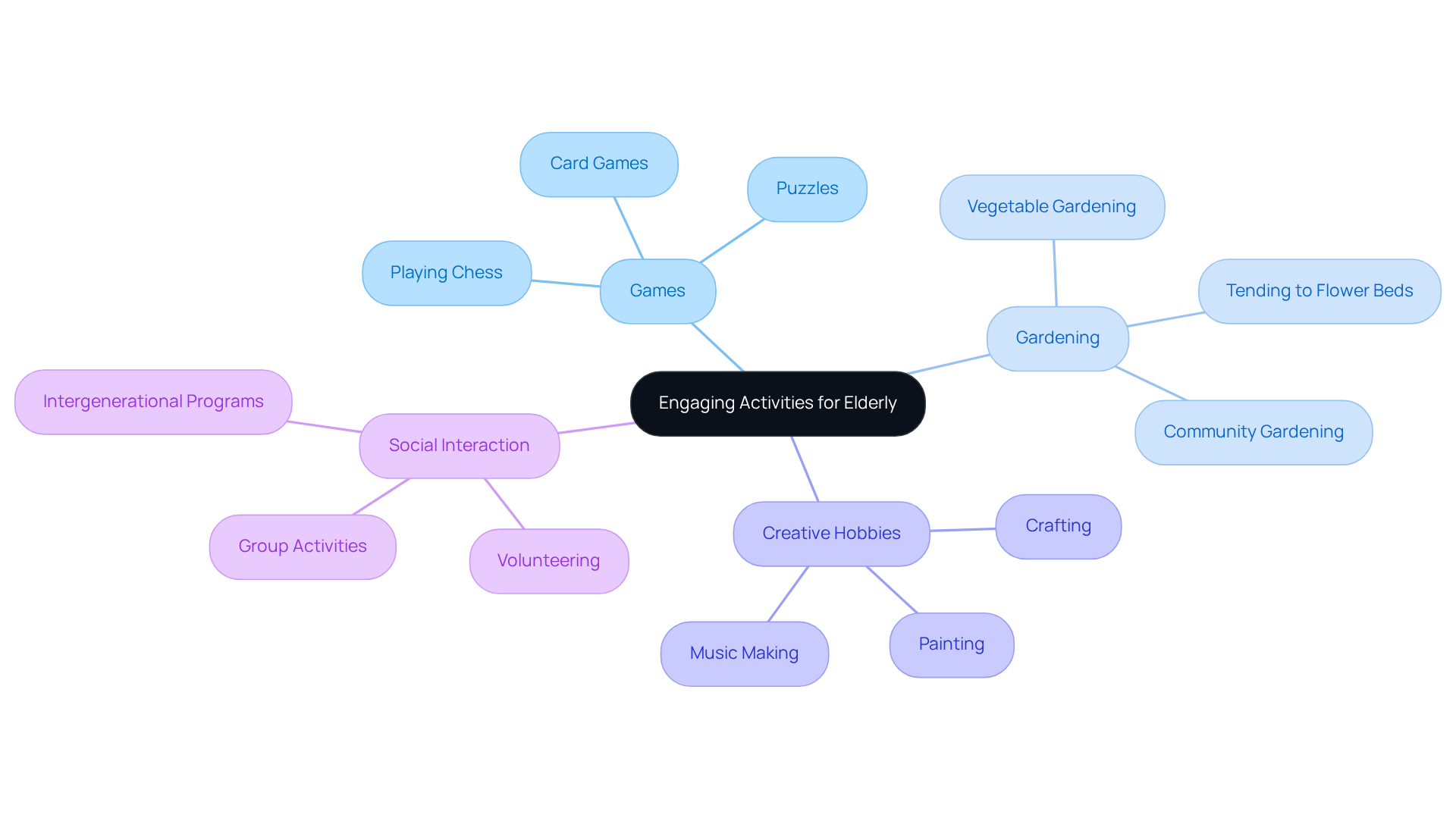
Live-in companions for the elderly play a vital role in supporting the independence of elderly individuals by providing daily living assistance tailored to their unique needs. From meal preparation to personal hygiene, caregivers facilitate essential tasks while encouraging clients to actively engage in their care routines. This collaborative approach not only fosters a sense of independence but also enhances emotional well-being, as older adults feel empowered to maintain control over their daily lives.
Research shows that staying in familiar environments greatly aids older adults, alleviating feelings of confusion and anxiety, particularly for those experiencing cognitive changes. In fact, a surprising 82% of older adults wish to remain in their current residence for as long as possible, underscoring the importance of in-home support in promoting independence. By enabling elderly individuals to live comfortably in their own homes, live-in companions for the elderly pave a sustainable path for aging, reinforcing their dignity and self-determination.
Case studies illustrate the positive impact of live-in care on senior autonomy. For instance, caregivers often assist with mobility and physical activities, which are crucial for preserving strength and balance, thereby reducing fall risks. Additionally, they encourage participation in social activities, addressing the reality that one in three adults aged 50-80 report feeling isolated at least some of the time. This highlights the necessity of companionship in combating loneliness and nurturing meaningful relationships within the community.
Elderly support experts emphasize that individualized treatment plans are essential for honoring older adults' lifelong habits and preferences. As one expert beautifully stated, "Customized care strategies ensure that elderly individuals receive the right level of assistance, allowing them to thrive in their familiar surroundings." This adaptability guarantees that older adults receive the appropriate support, enabling them to flourish in their cherished environments. Ultimately, live-in companions for the elderly provide essential assistance while also nurturing their independence and emotional health, making a profound difference in their quality of life.
Respite Care: Offering Relief for Family Caregivers with Live-In Support
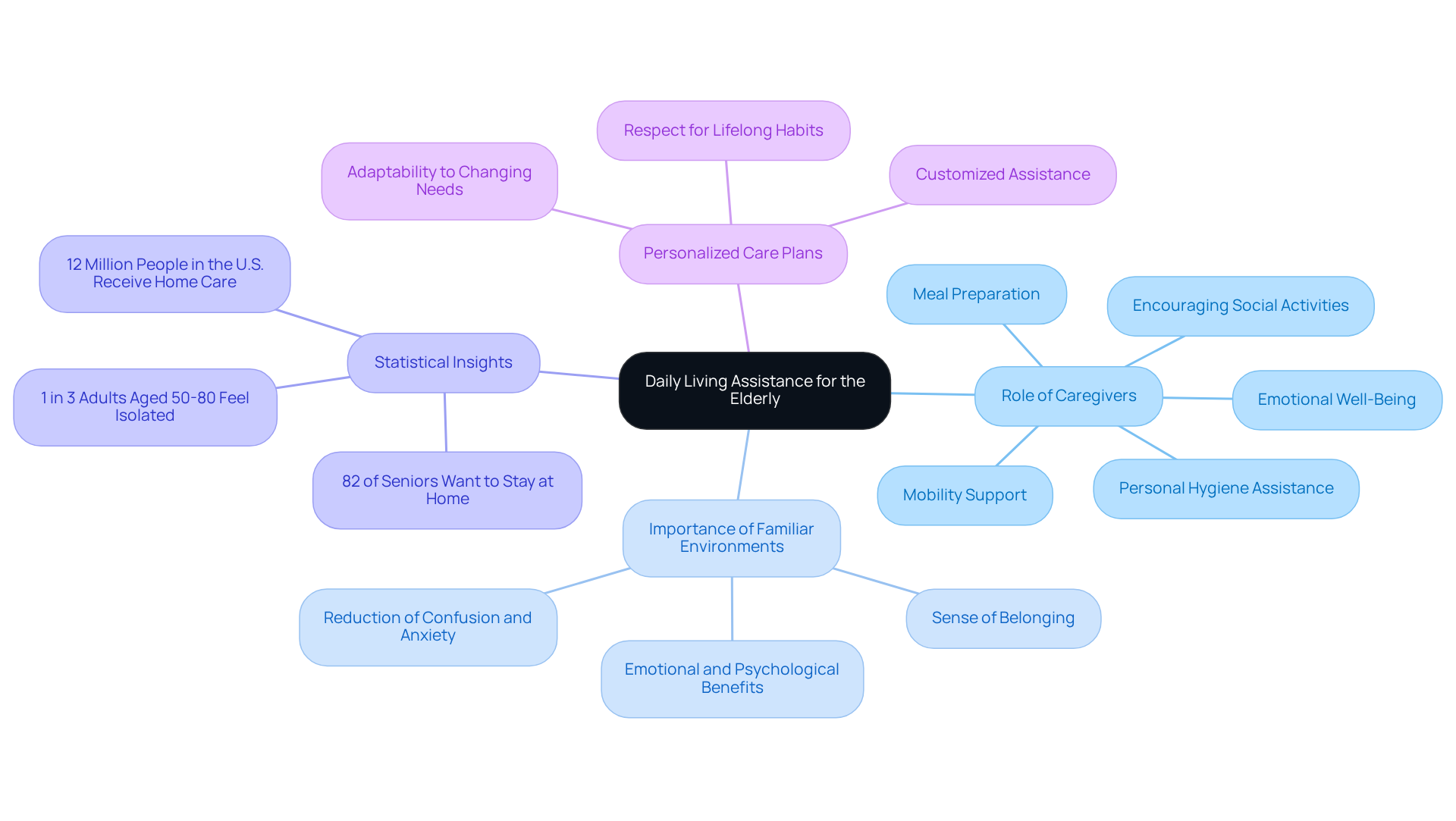
Caring for a loved one can be incredibly demanding, often leaving family members feeling overwhelmed and exhausted. Live-in companions for the elderly provide essential respite support, enabling caregivers to take much-needed breaks and rejuvenate. This support is essential in preventing burnout, as over 40% of caregivers report that their responsibilities negatively impact their stress levels. Moreover, 57% of family supporters experience high levels of stress, anxiety, and depression, underscoring the mental health challenges they face daily.
With live-in companions for the elderly, families can rest easy knowing their loved ones are in capable hands, receiving the attention and care they truly need. Organizations dedicated to supporting caregivers emphasize that regular breaks are crucial for maintaining their well-being. Caregivers often encounter heightened anxiety and depression due to their responsibilities, making these breaks even more important.
As the Family Caregiver Alliance wisely states, "Taking regular breaks is crucial for those providing care to rejuvenate and preserve their well-being." By incorporating live-in companions for the elderly, families not only enhance the quality of care for their loved ones but also safeguard their own emotional health. This approach fosters a sustainable caregiving environment, ensuring that both caregivers and their loved ones can thrive.
Companionship Benefits: Enhancing Emotional Well-Being for Seniors
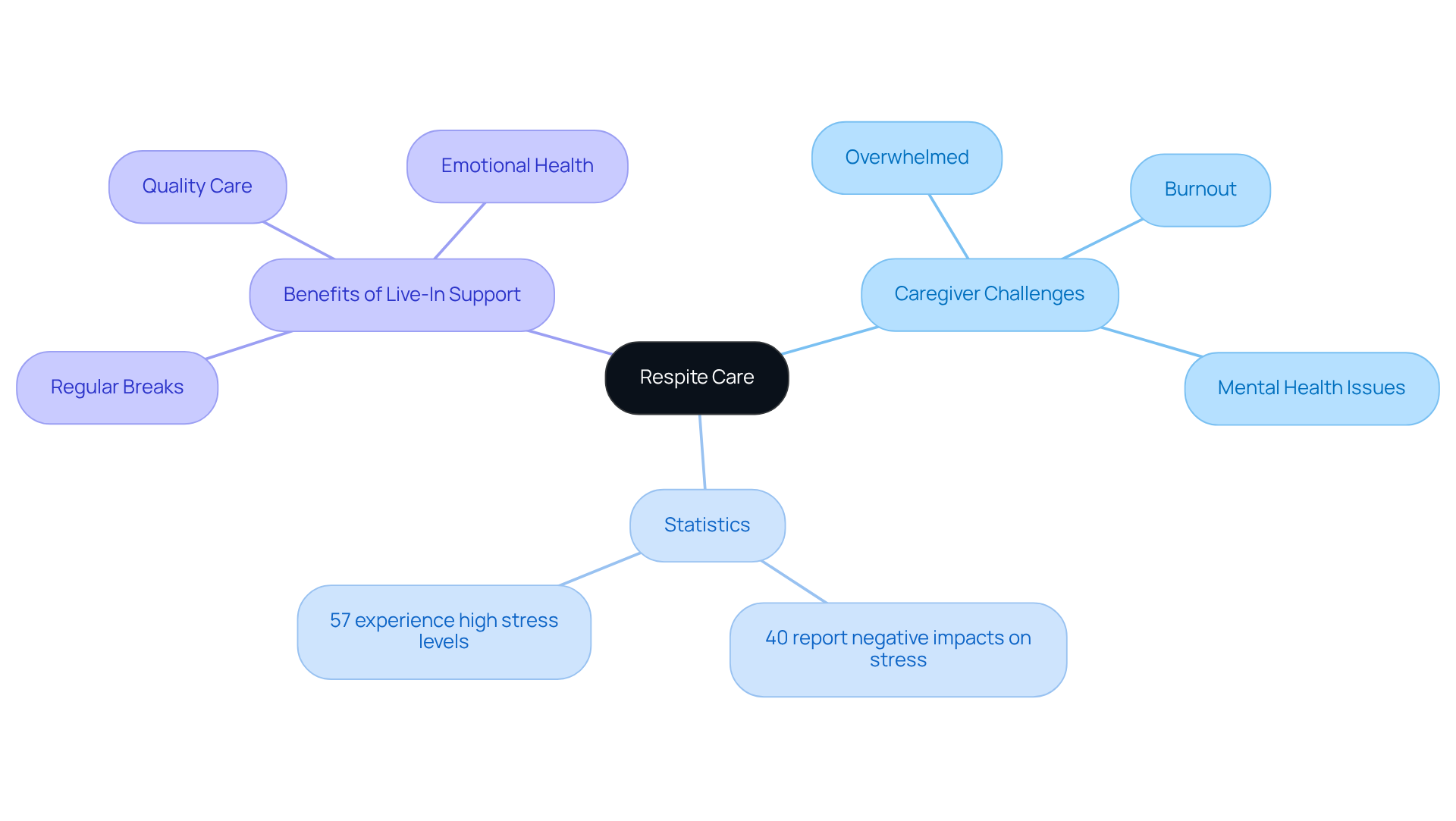
Companionship from live-in companions for the elderly is vital for enhancing the emotional well-being of older individuals. When caregivers engage consistently, they foster a sense of belonging and purpose—two key elements for mental health. It's heartbreaking to note that nearly 25% of seniors face significant anxiety or depression, but regular social interaction can help ease these feelings.
Moreover, social isolation in older adults comes with a staggering 50% increased risk of developing dementia. This underscores just how crucial companionship is in preventing serious health issues. By offering emotional support and companionship, caregivers play a significant role in alleviating loneliness and isolation, which are also linked to higher risks of heart disease.
Engaging in meaningful conversations and activities with caregivers not only stimulates the mind but also encourages physical activity. This combination has been shown to improve mental health by lowering stress hormones and boosting mood. Such emotional support is essential; it leads to a brighter outlook on life and improved mood, making live-in companions for the elderly a key benefit of live-in care.
In the words of one caregiver, "Seeing the smiles on my clients' faces when we share stories or enjoy activities together is the most rewarding part of my job." This sentiment reflects the heartwarming connections that can flourish through compassionate care, reminding us all of the profound impact companionship can have.
Social Interaction: Building Connections Through Live-In Companionship
Live in companions for the elderly play a crucial role in fostering social interaction among elderly individuals. They engage in meaningful conversations, participate in community activities, and share meals, creating a sense of belonging. This consistent interaction is vital for emotional well-being, significantly reducing feelings of isolation.
Research indicates that older adults with active social lives can experience up to a 70% reduction in cognitive decline. This underscores the importance of maintaining social connections. Strong relationships not only enhance life satisfaction but also lead to better health outcomes, such as improved immune function and fewer hospital visits.
As one specialist noted, "Social connections are essential for older adults' mental well-being because they assist in alleviating feelings of loneliness and depression." By nurturing these connections, live in companions for the elderly help to create a supportive environment that fosters emotional health and resilience in older adults. This ultimately enriches their quality of life, offering reassurance and encouragement in their daily experiences.
Post-Hospital Recovery: Supporting Seniors with Live-In Care
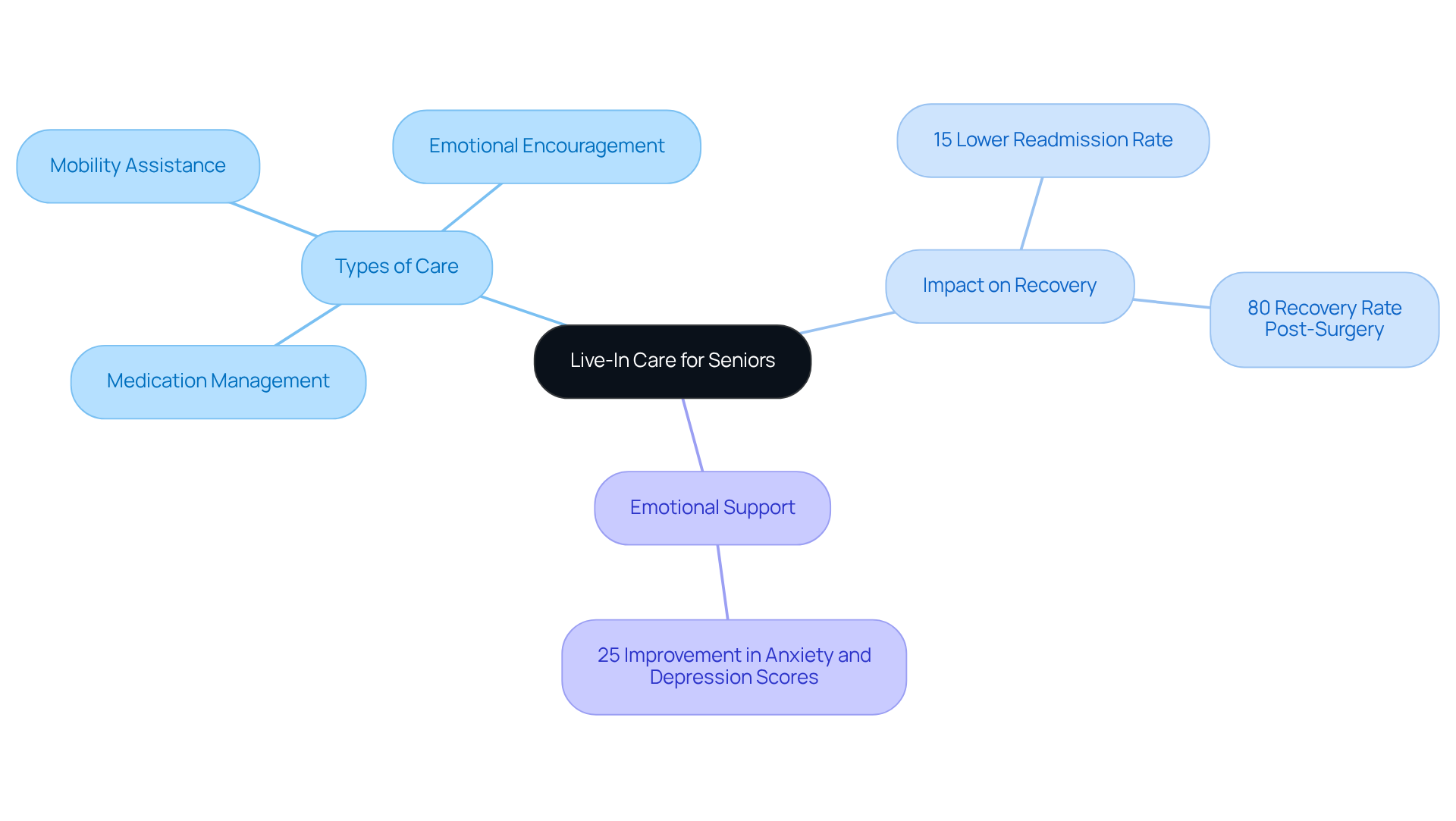
Live-in companions for the elderly play a crucial role in supporting seniors during their recovery at home after hospitalization. They ensure that older adults receive the assistance they need to heal safely and comfortably. Caregivers offer comprehensive support, including:
- Medication management
- Mobility assistance
- Emotional encouragement
All of which are crucial for a smooth recovery process.
Research published in the Health Services Research journal reveals that patients receiving home assistance have a 15% lower hospital readmission rate compared to those without such support. This statistic highlights the effectiveness of live-in caregivers in preventing complications and promoting healing.
The presence of a dedicated caregiver not only aids in physical recovery but also nurtures emotional well-being. Elders receiving assistance at home report a 25% improvement in anxiety and depression scores, as noted in the Journal of Community Health Nursing. This underscores the importance of companionship and emotional support during this sensitive time. Live-in assistance fosters a sense of security and familiarity, allowing older adults to navigate their recovery journey in a comforting environment.
Moreover, studies show that patients recovering at home enjoy an 80% recovery rate post-surgery, significantly higher than the 60% recovery rate for those in hospital settings. This improvement is attributed to the personalized attention and tailored support plans that live-in caregivers provide, which are vital for managing chronic conditions and enhancing overall health outcomes.
In summary, live-in companions for the elderly do more than assist with daily tasks; they are crucial in promoting healing and well-being for elderly individuals after hospitalization. Their compassionate support is instrumental in ensuring that elderly patients can recover effectively while maintaining their independence and dignity at home.
Customized Care Plans: Tailoring Live-In Support to Individual Needs
At the heart of live-in companions for the elderly is the creation of personalized assistance plans. These plans are crucial for ensuring that each senior who live in companions for the elderly receives support tailored to their unique needs and preferences. Caregivers collaborate closely with families to develop these plans, integrating family perspectives that reflect the individual’s preferences and medical conditions. This partnership is vital, as family members often provide insights that enhance the support offered.
The plans encompass:
- Wellness monitoring
- Daily routines
- Preferred activities
Featuring engaging options like music therapy or crafts that promote mental stimulation and emotional well-being. This customized approach not only boosts the effectiveness of support but also significantly elevates the quality of life for older adults who live in companions for the elderly. Geriatric support managers emphasize that recognizing personal preferences and health conditions allows caregivers to provide assistance that fosters autonomy and emotional wellness.
By addressing both physical and emotional needs, tailored support strategies create a nurturing environment where older adults can thrive. This ultimately leads to greater satisfaction and a sense of community. As one geriatric support manager beautifully puts it, "Tailored assistance is not solely about addressing physical needs; it’s about fostering connections that enhance the lives of seniors.
https://iframe.tely.ai/cta/eyJhcnRpY2xlX2lkIjogIjY5MGQzNmFkYzU5NDkyNTk4NmQ2OWVkOSIsICJjb21wYW55X2lkIjogIjY4ZWU1ZGNhNzMxNzYyNTU3ZjNjOTVjMSIsICJpbmRleCI6IDgsICJ0eXBlIjogImFydGljbGUifQ==Technology Integration: Enhancing Live-In Care Through Modern Solutions
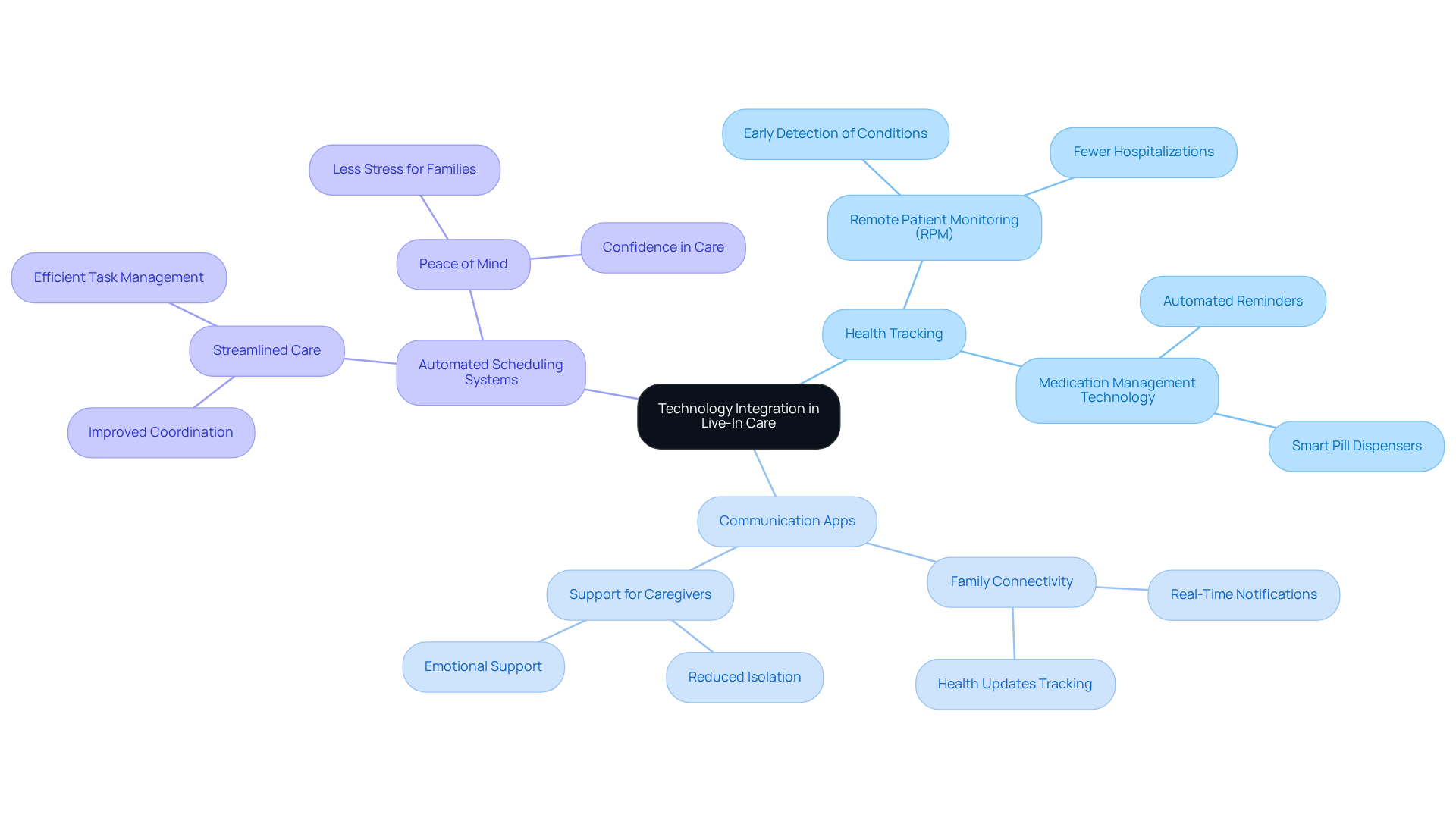
Caring for a loved one can be incredibly challenging, often leading to feelings of stress and burnout for caregivers. It’s important to recognize these emotional struggles and find ways to ease the burden. Technology integration plays a significant role in enhancing live in companions for the elderly by offering practical solutions that can make a world of difference.
Imagine being able to track your loved one’s health online, or using communication apps that keep families connected, no matter the distance. Automated scheduling systems can streamline care, making it easier for everyone involved. These modern tools not only enhance the caregiving experience but also help families to arrange live in companions for the elderly, providing them with peace of mind. Knowing you can stay connected with your loved one’s care can be a comforting thought.
As caregivers, it’s essential to embrace these advancements that support both emotional and practical needs. They can help lighten the load, allowing you to focus on what truly matters—your loved one’s well-being. Remember, you’re not alone in this journey. With the right tools and support, you can navigate the challenges of caregiving with confidence and compassion.
Moving Forward with Live-In Companions for the Elderly
Live-in companions for the elderly offer a caring approach to senior care that truly emphasizes personalized support and emotional connection. These caregivers provide companionship and tailored assistance, addressing not just the physical needs of seniors but also uplifting their emotional well-being. This nurturing environment encourages independence and joy, making a significant difference in their lives.
Throughout this discussion, we’ve highlighted the key benefits of live-in companionship. These include:
- Reducing loneliness
- Promoting engaging activities
- Providing essential daily living assistance
The presence of caregivers fosters meaningful interactions that combat isolation, while personalized care plans ensure that each senior's unique needs are met. This holistic approach enhances mental health and supports physical recovery, allowing older adults to thrive in their own homes.
The importance of live-in companions cannot be overstated. They enrich the lives of seniors, offering not just care but also companionship and a sense of belonging. As we recognize the value of emotional support in elderly care, embracing live-in companionship can lead to healthier, happier, and more fulfilling lives for our seniors. Investing in such compassionate support is a crucial step toward ensuring that elderly individuals receive the dignity and joy they deserve in their golden years.
https://iframe.tely.ai/cta/eyJhcnRpY2xlX2lkIjogIjY5MGQzNmFkYzU5NDkyNTk4NmQ2OWVkOSIsICJjb21wYW55X2lkIjogIjY4ZWU1ZGNhNzMxNzYyNTU3ZjNjOTVjMSIsICJpbmRleCI6IG51bGwsICJ0eXBlIjogImFydGljbGUifQ==Frequently Asked Questions
What is the main purpose of Happy to Help Caregiving?
Happy to Help Caregiving focuses on providing personalized companionship for older adults, enhancing their living experience by addressing both physical and emotional needs.
How does personalized companionship benefit seniors?
It fosters independence and well-being, alleviates feelings of loneliness, and enhances emotional health through regular social interaction and meaningful activities.
What role do live-in companions play in reducing loneliness for seniors?
Live-in companions provide vital emotional support, engage in meaningful conversations, and help seniors feel valued and connected, which boosts their mental wellness and overall outlook on life.
How do engaging activities contribute to a senior's quality of life?
Engaging in cherished activities with live-in companions promotes joy and fulfillment, nurtures mental and physical well-being, and can lead to greater happiness and life satisfaction.
What types of activities do caregivers facilitate for seniors?
Caregivers tailor activities to align with seniors' personal interests, which may include playing games, gardening, or pursuing creative hobbies to keep them active and engaged.
What research supports the benefits of engaging activities for older adults?
A comprehensive study found that older adults who engage in hobbies experience fewer depressive symptoms and report greater happiness and life satisfaction compared to those who do not.
How often should caregivers facilitate hobby-related activities?
Caregivers are encouraged to facilitate at least two hours of hobby-related activities each week to maximize the benefits for seniors.
What is the overall impact of live-in companions on seniors' lives?
Live-in companions help cultivate an environment where seniors can thrive emotionally, rediscover their value, and enhance their quality of life through meaningful relationships and activities.