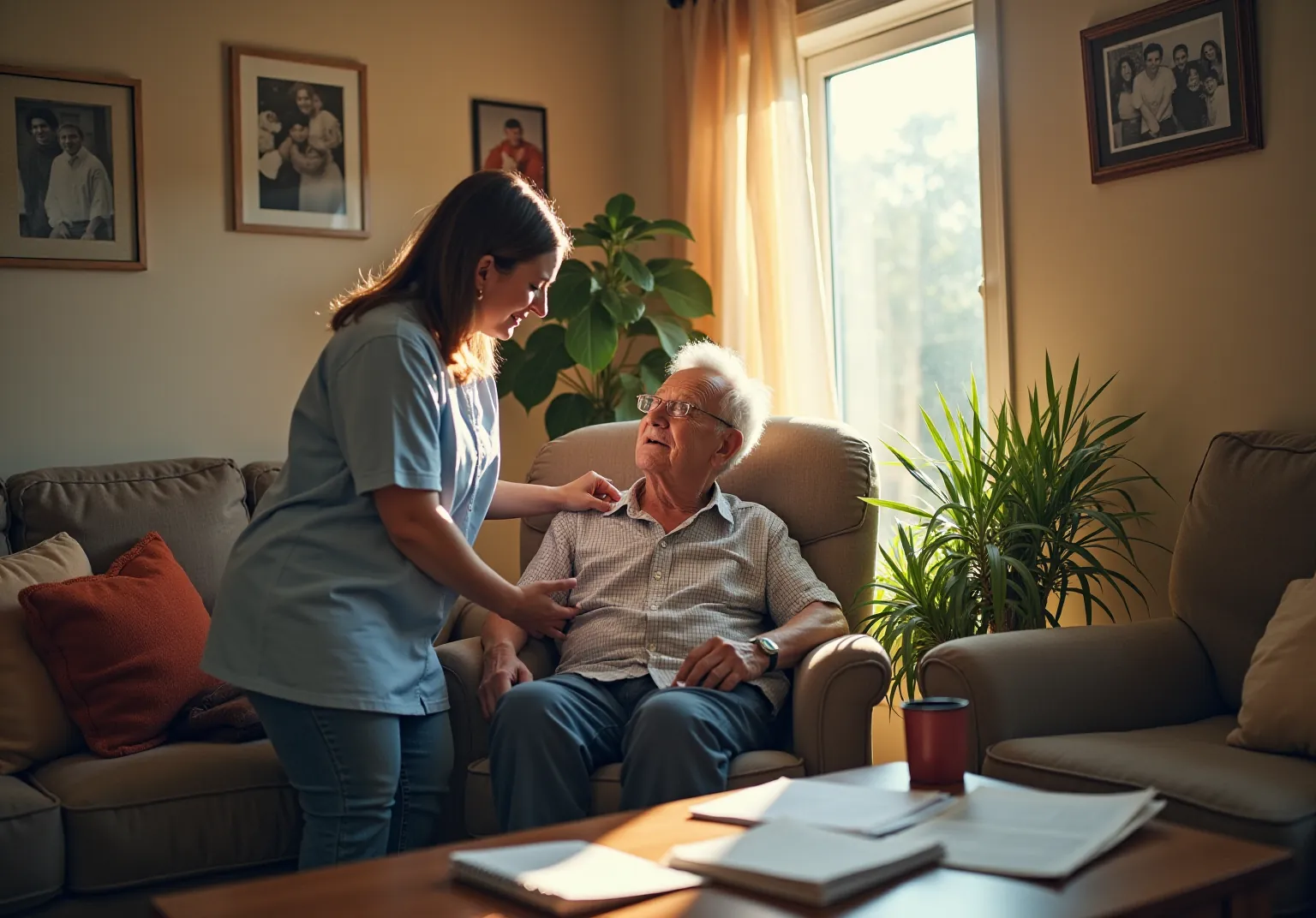
10 Benefits of Live-In Dementia Care for Family Caregivers

For families in our service areas
For families in our service areas, this guide explains dementia care and how non-medical in-home caregiving can support care planning in East Idaho, Treasure Valley & Magic Valley, Northern Wasatch, North Central West Virginia, and Northeast Ohio.
Understanding Live-In Dementia Care
Caring for a loved one with dementia presents significant challenges, often leaving family caregivers feeling overwhelmed and isolated. This emotional and physical toll can lead to burnout, impacting both the caregiver's well-being and the quality of care provided.
However, personalized live-in dementia care services offer a practical solution. These services not only enhance the quality of life for those affected but also provide essential support for caregivers. By implementing tailored care plans and leveraging professional expertise, families can alleviate stress and foster deeper connections with their loved ones.
What specific challenges do caregivers face in this complex landscape? Common issues include:
- Managing daily care tasks
- Navigating emotional strain
- Finding time for self-care
Live-in care effectively addresses these challenges by providing dedicated support, allowing caregivers to focus on their own well-being while ensuring their loved ones receive the attention they need.
Happy to Help Caregiving: Personalized Live-In Dementia Care Services
Caring for individuals experiencing cognitive decline presents significant challenges for caregivers. The emotional toll and the complexity of providing adequate support can lead to feelings of overwhelm and frustration. Without proper guidance and resources, caregivers may struggle to meet the unique needs of their loved ones, impacting both their well-being and that of the individual in their care.
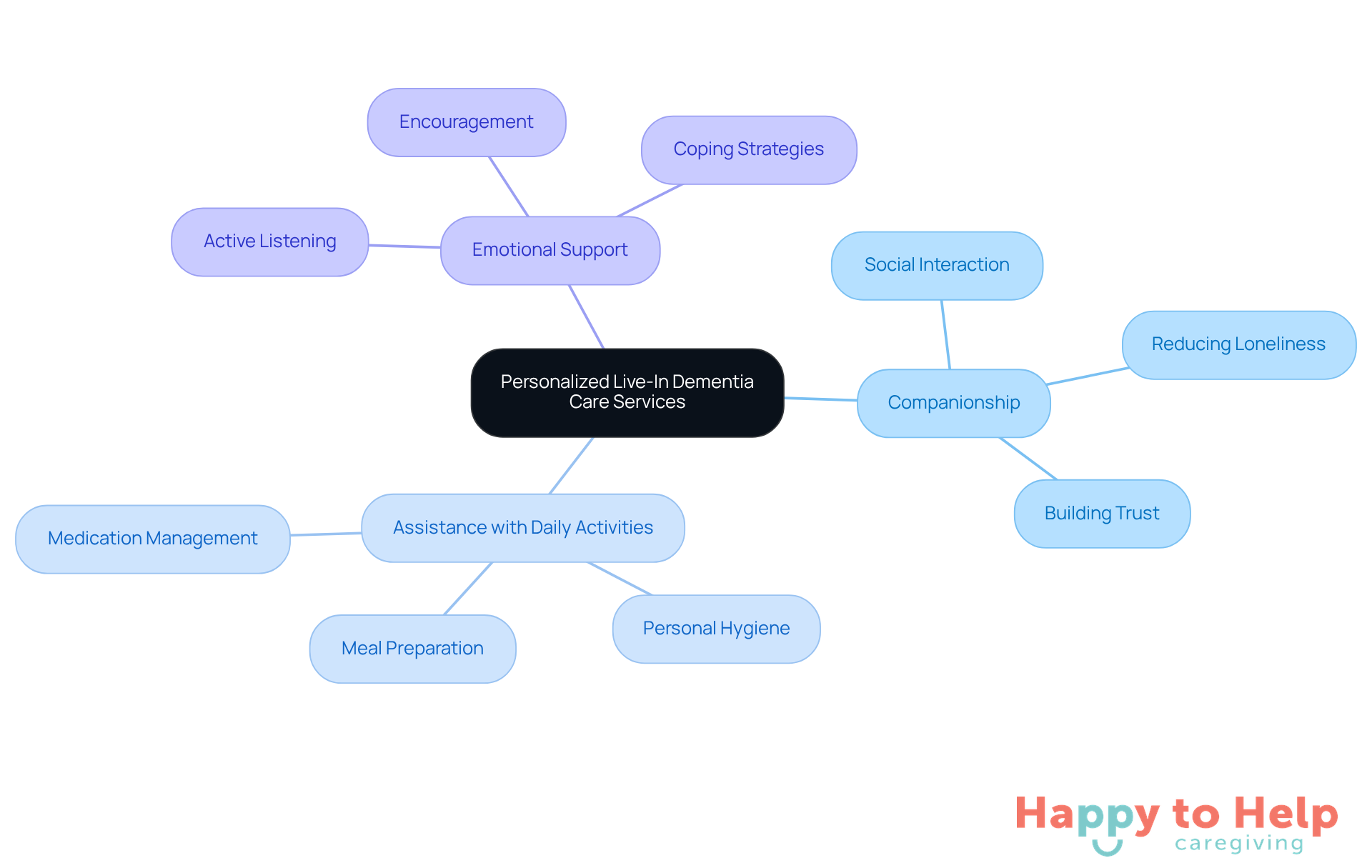
To address these challenges, live-in dementia care services that are personalized are essential. Happy to Help Caregiving excels in live-in dementia care, offering tailored support plans that focus on enhancing the quality of life for each client. These plans include:
- Companionship
- Assistance with daily activities
- Emotional support
All delivered in the comfort of the client's home. This personalized approach not only fosters a sense of security but also significantly improves the overall well-being of clients, allowing them to thrive in familiar surroundings.
As the demand for such services grows, the importance of customized treatment plans becomes increasingly clear. Each client's distinct preferences and needs must be effectively addressed to ensure optimal care. Testimonials from caregivers highlight the transformative impact of these personalized plans, showcasing how they foster deeper connections and encourage a more rewarding life for those affected by cognitive decline. By implementing these tailored strategies, caregivers can enhance their effectiveness and provide the compassionate support their loved ones deserve.
Emotional Support: Alleviating Loneliness Through Companionship
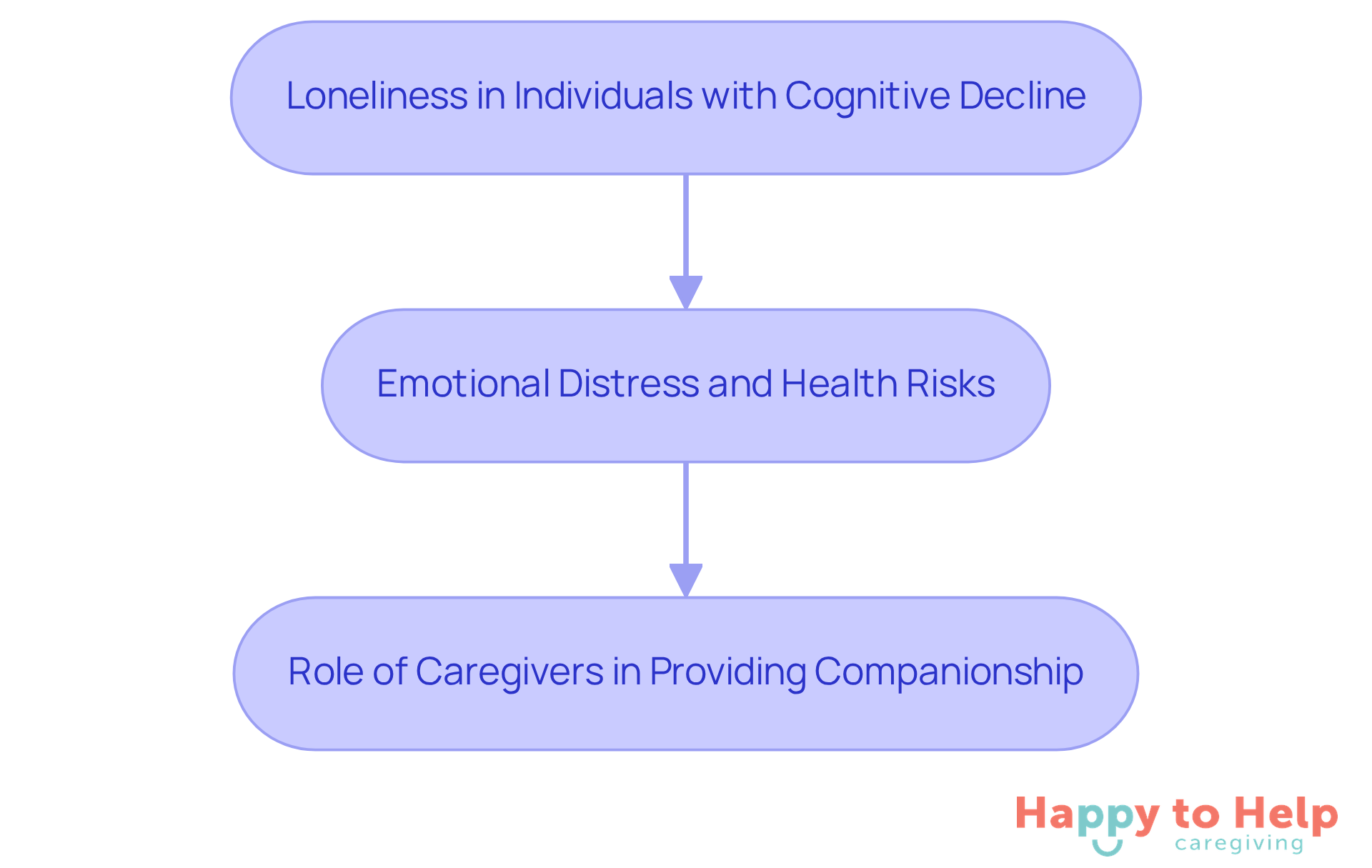
Problem: Individuals with cognitive decline often experience feelings of loneliness and isolation, which can significantly affect their emotional well-being.
Agitate: This emotional distress not only diminishes their quality of life but can also lead to serious health issues. Research indicates that companion care can reduce the likelihood of cognitive decline by 50% and lower the risk of heart disease by 29%. These statistics highlight the critical need for emotional support in this vulnerable population.
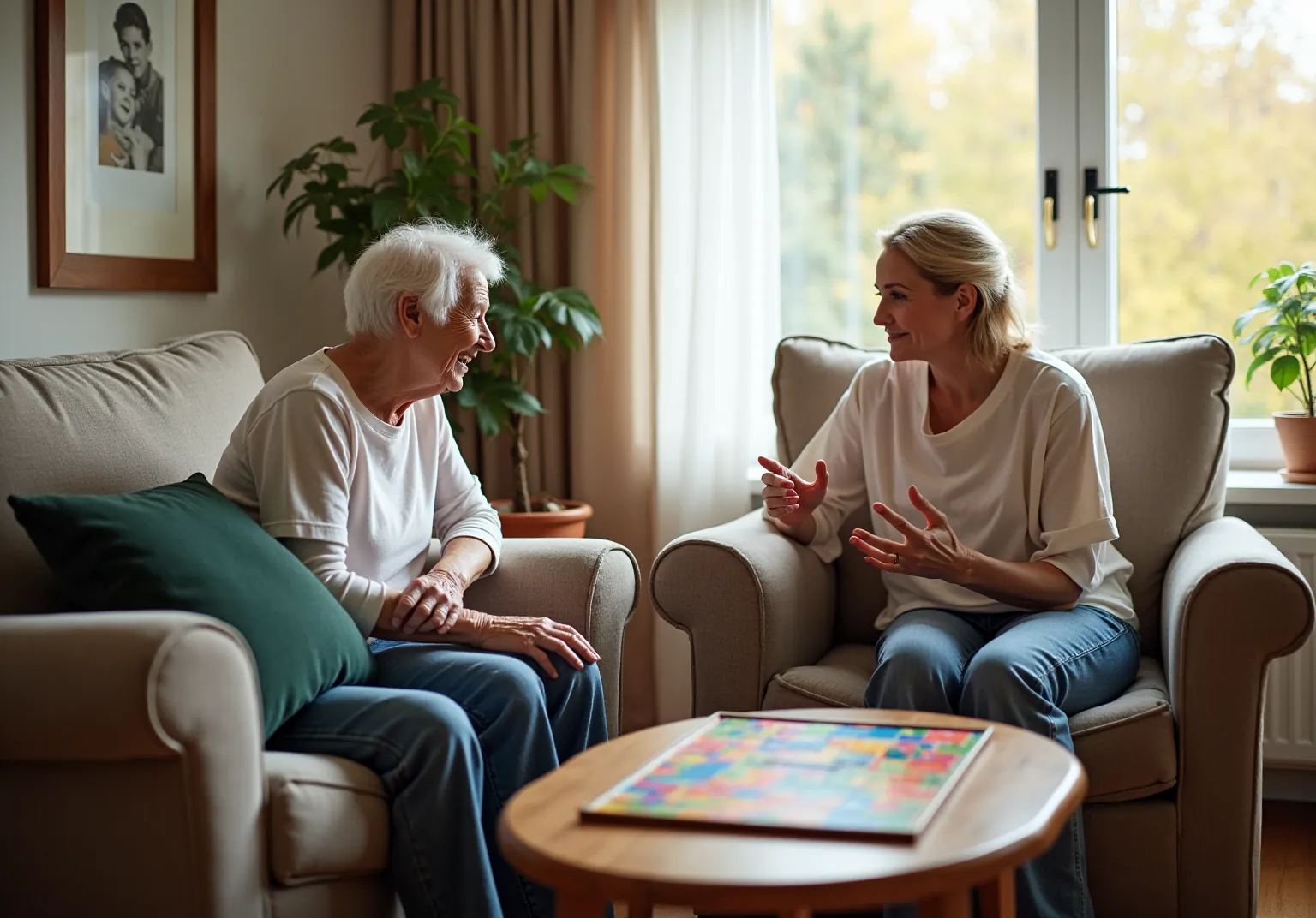
Solution: Caregivers can play a vital role in addressing these challenges by providing companionship. Engaging clients in meaningful conversations and enjoyable activities fosters a sense of connection and belonging. To enhance this support, caregivers should schedule regular social activities with their loved ones, ensuring consistent engagement. By prioritizing emotional assistance, caregivers create an environment where individuals with cognitive impairments can thrive, ultimately improving their quality of life.
Safety and Comfort: Ensuring a Secure Home Environment
Ensuring a secure and pleasant home setting is a significant challenge for caregivers supporting individuals with cognitive decline. The implications of neglecting this responsibility can lead to accidents and increased anxiety for both the individual and their families.
To address these concerns, caregivers can take several actionable steps:
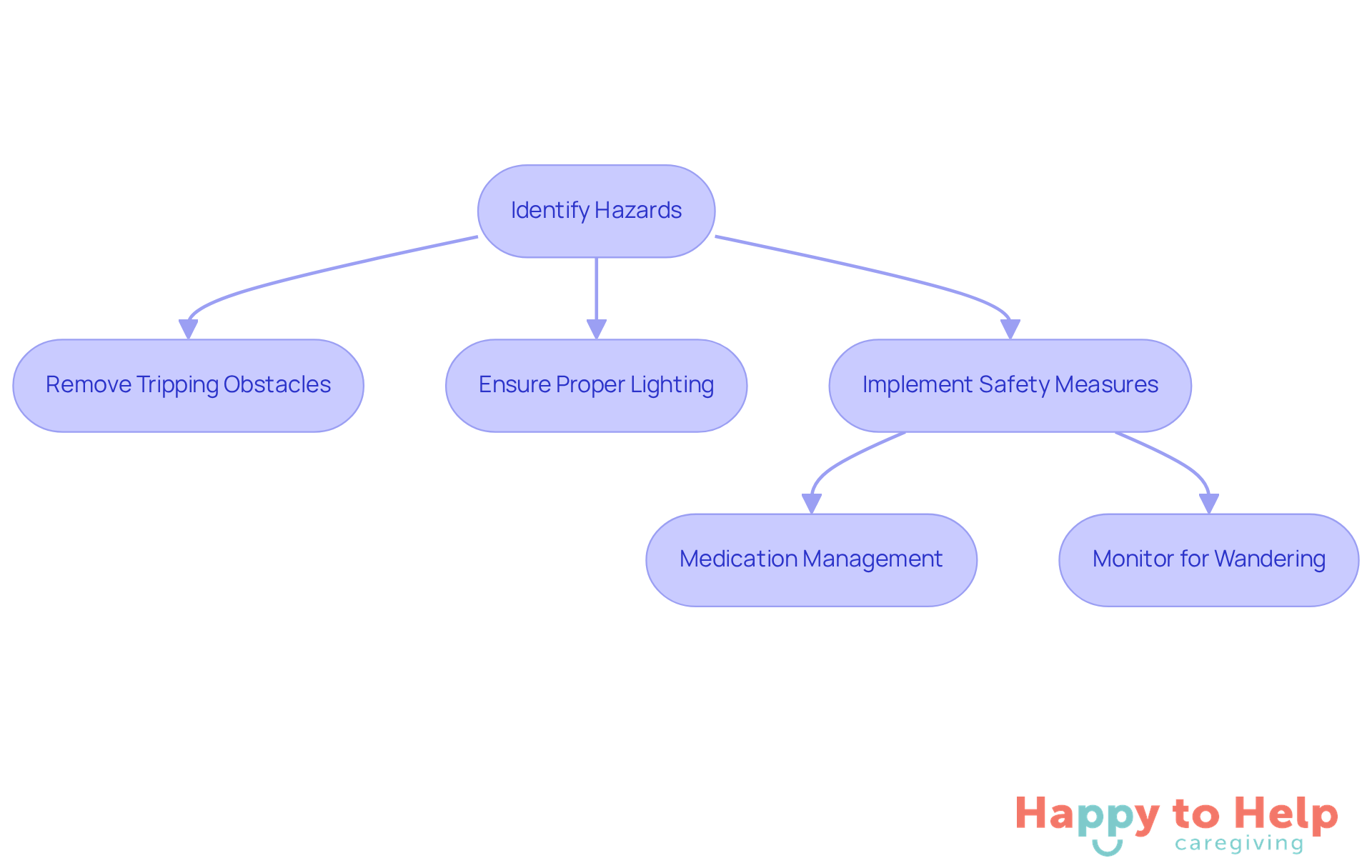
- Identify and mitigate potential hazards by removing tripping obstacles and ensuring proper lighting throughout the home.
- Implement safety measures such as medication management and monitoring for wandering.
These strategies not only help prevent accidents but also provide peace of mind for families, knowing their loved ones are safe.
Consistency of Care: Maintaining Routines and Familiarity
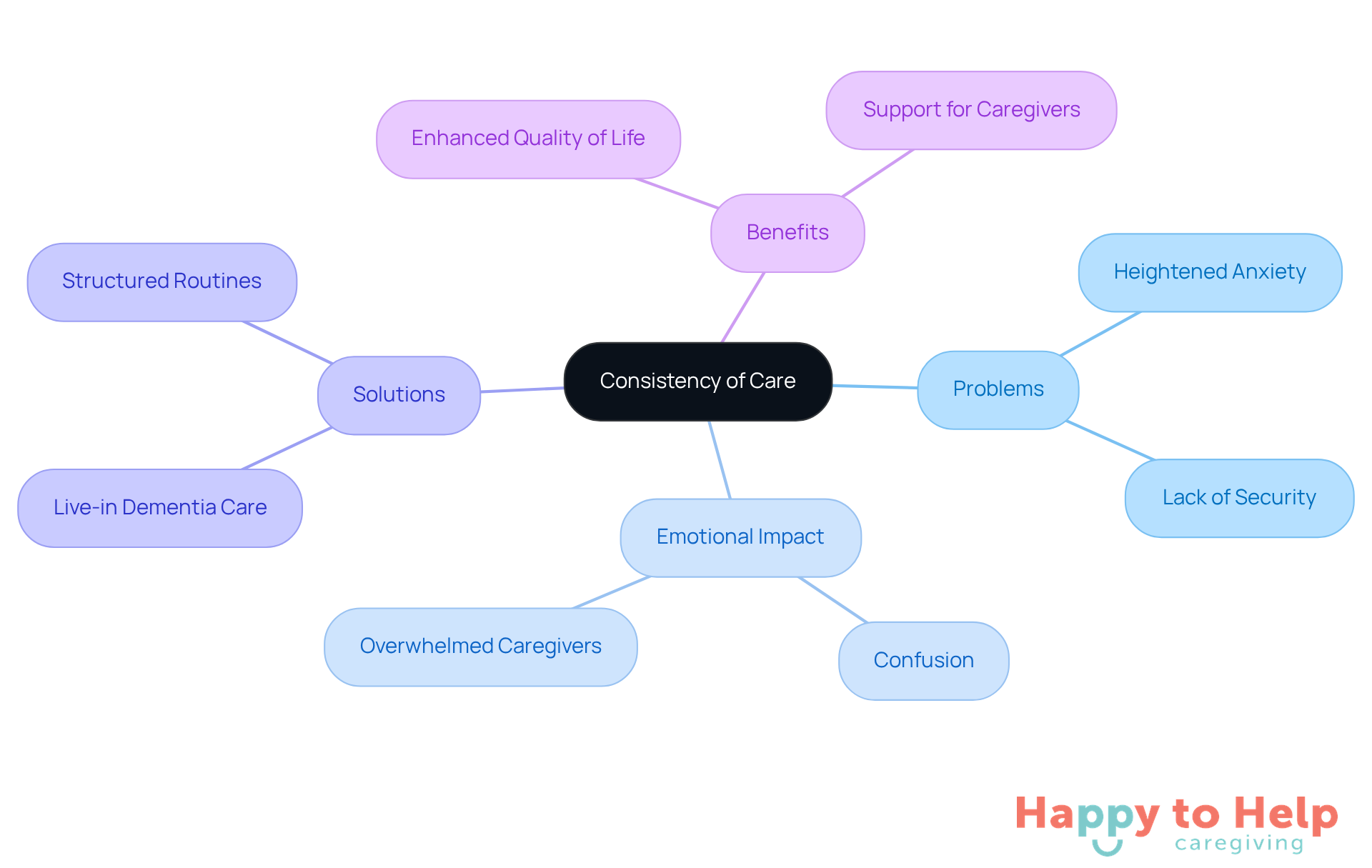
Problem: Individuals with cognitive decline often face significant challenges, including heightened anxiety and a lack of security. This can create a stressful environment for both the individual and their caregivers.
Agitate: The emotional toll of cognitive decline is profound. Without consistent support, individuals may struggle with confusion and disorientation, leading to increased anxiety. Caregivers, too, can feel overwhelmed as they navigate the complexities of providing care while ensuring their loved ones feel secure and comfortable.
Live-in dementia care can play a crucial role in alleviating these challenges by establishing and maintaining daily routines. Regular meal times, engaging activities, and personal care create a structured environment that supports cognitive function and fosters a sense of comfort. Research indicates that well-structured routines serve as a lifeline, offering the stability and predictability essential for managing cognitive decline.
Familiarity becomes increasingly precious as cognitive abilities decline, allowing individuals to engage in familiar tasks with confidence. Care specialists emphasize that live-in dementia care, which maintains routines, is vital for enhancing the quality of life for dementia patients, helping them retain dignity and independence.
By prioritizing consistency in support, caregivers can create a nurturing environment that enhances emotional well-being and minimizes confusion. This approach ultimately benefits both the provider and the individual receiving assistance. Additionally, caregivers should remember to incorporate their own needs into their routines, ensuring they also receive the support necessary to sustain their well-being.
Professional Expertise: Skilled Care for Complex Needs
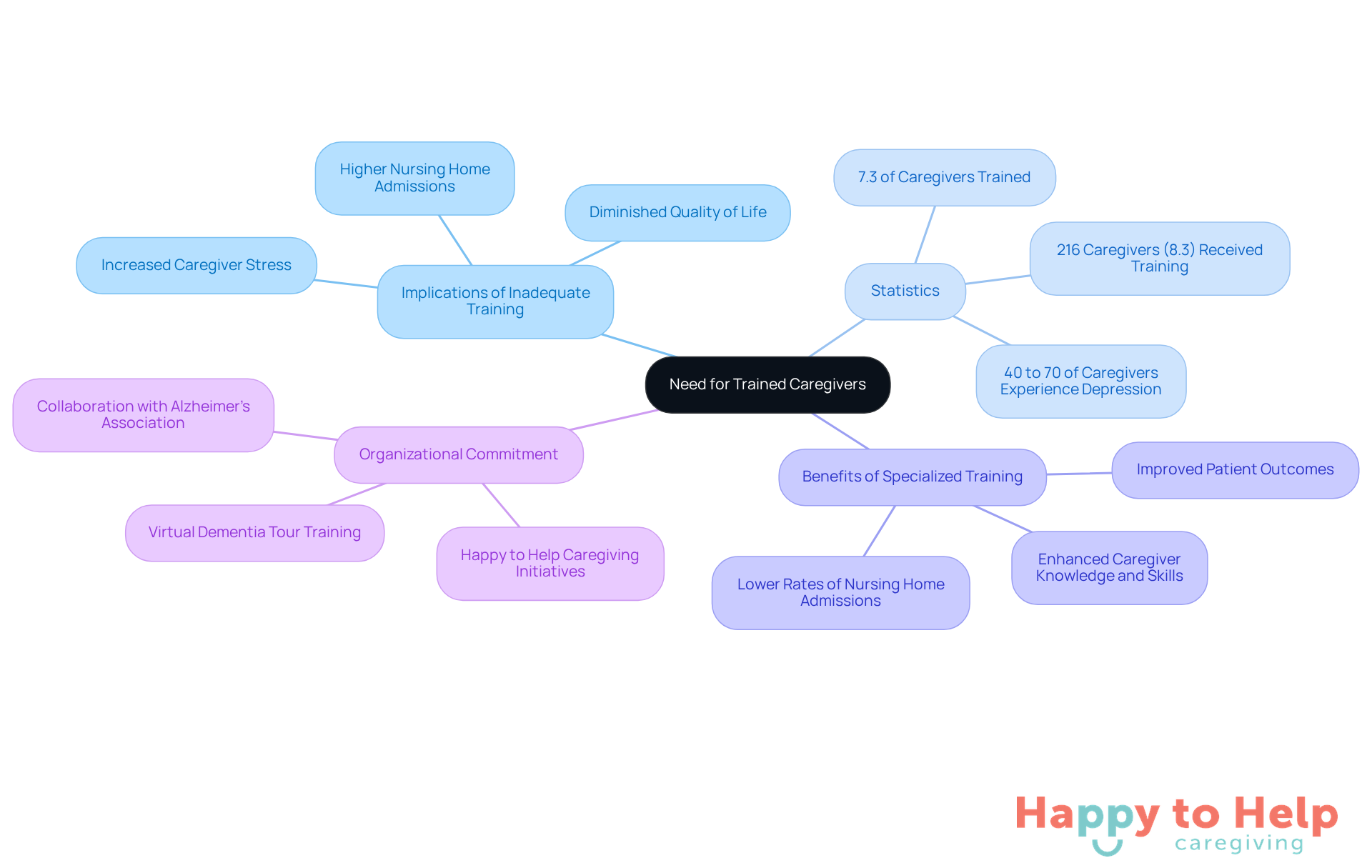
At Happy to Help Caregiving, the lack of trained support staff poses a significant problem. Many caregivers are not equipped to manage the complexities of memory-related conditions, which can lead to inadequate care for those in need. This gap in training has serious implications, as research indicates that untrained caregivers often struggle to enhance patient outcomes, resulting in higher rates of nursing home admissions and diminished quality of life for individuals with cognitive impairments.
The statistics are telling: only 7.3% of relatives and unpaid caregivers for Medicare-enrolled older adults have received any form of training. This highlights a critical need for more trained caregivers in the field. Specialized training equips support staff with essential skills to manage various health conditions, administer medications, and assist with daily living activities. By investing in training, caregivers can significantly improve outcomes for their clients, including lower rates of nursing home admissions and mortality for older individuals receiving live-in dementia care.
To address this issue, organizations like Happy to Help Caregiving are committed to providing high-quality, personalized live-in dementia care. These skilled professionals not only enhance the overall well-being of clients but also ensure that their unique needs are met with empathy and competence. By prioritizing training for support providers, we can create a more effective caregiving environment that benefits both caregivers and those they serve.
Flexible Care Options: Tailoring Support to Individual Needs
Use english for answers
The Problem
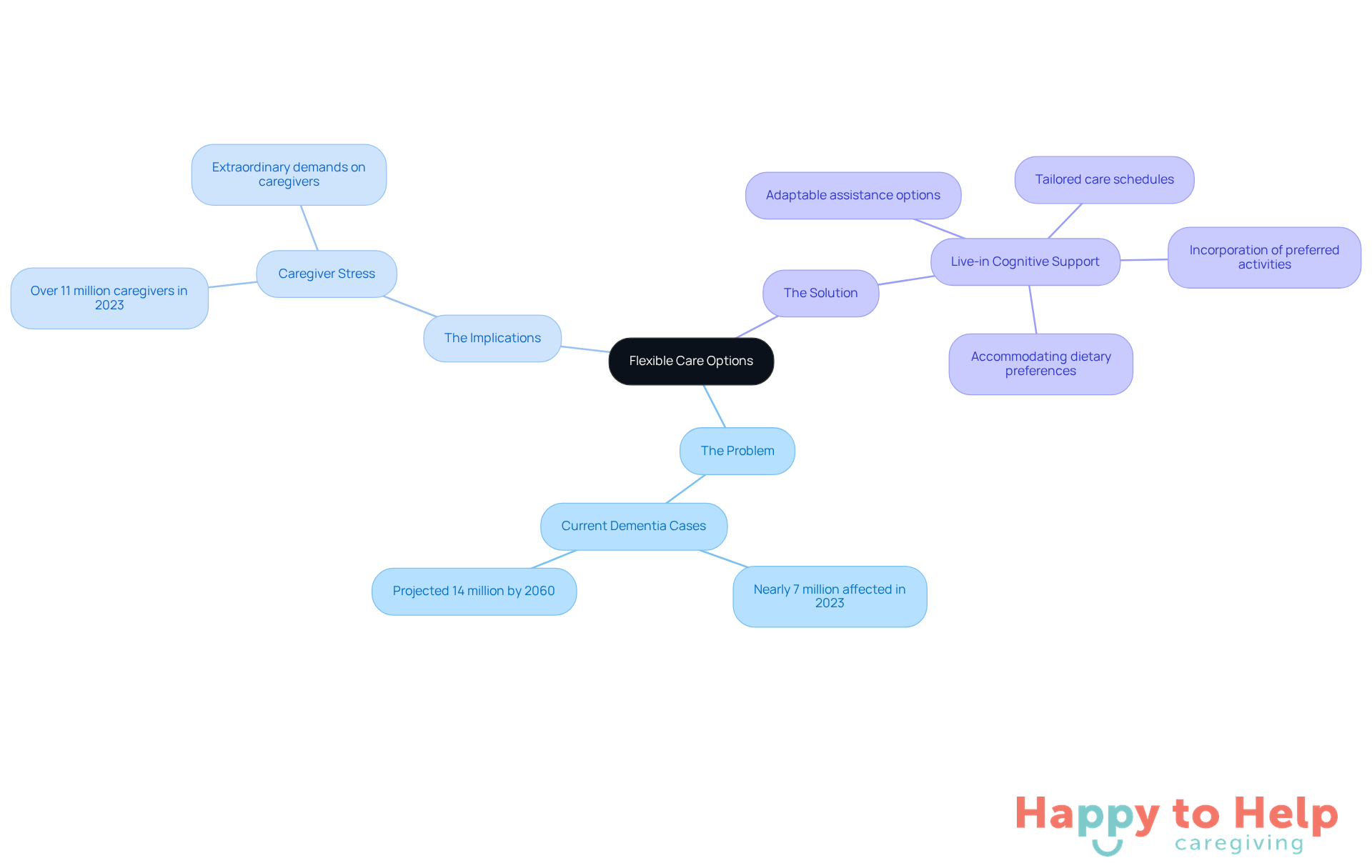
Cognitive decline presents significant challenges for both individuals and their caregivers. Currently, nearly 7 million people in the U.S. are affected by dementia, with projections indicating this number could rise to nearly 14 million by 2060. This alarming trend underscores the urgent need for effective, individualized treatment plans.
The Implications
Caregivers often face extraordinary demands, leading to considerable stress as they manage their responsibilities. In fact, more than 11 million individuals supported someone with dementia in 2023, highlighting the magnitude of this assistance challenge. Families struggle to balance their loved ones' needs with their own, which can lead to feelings of overwhelm and frustration.
The Solution
Live-in cognitive support offers adaptable assistance options tailored to meet the unique needs of clients and their families. Caregivers work closely with families to adjust care schedules, incorporate preferred activities, and accommodate dietary preferences, ensuring that care aligns with the client's lifestyle. This flexibility is crucial for maintaining the dignity and autonomy of individuals affected by cognitive decline.
By focusing on personal requirements, caregivers can develop effective modifications in assistance plans that promote a sense of safety and ease. This not only improves the quality of life for clients but also alleviates stress for relatives. As Jennifer L. Wolff observes, caregivers should be the focus of support services, ensuring they receive the help they need to navigate these challenges.
Respite Care: Supporting Family Caregivers
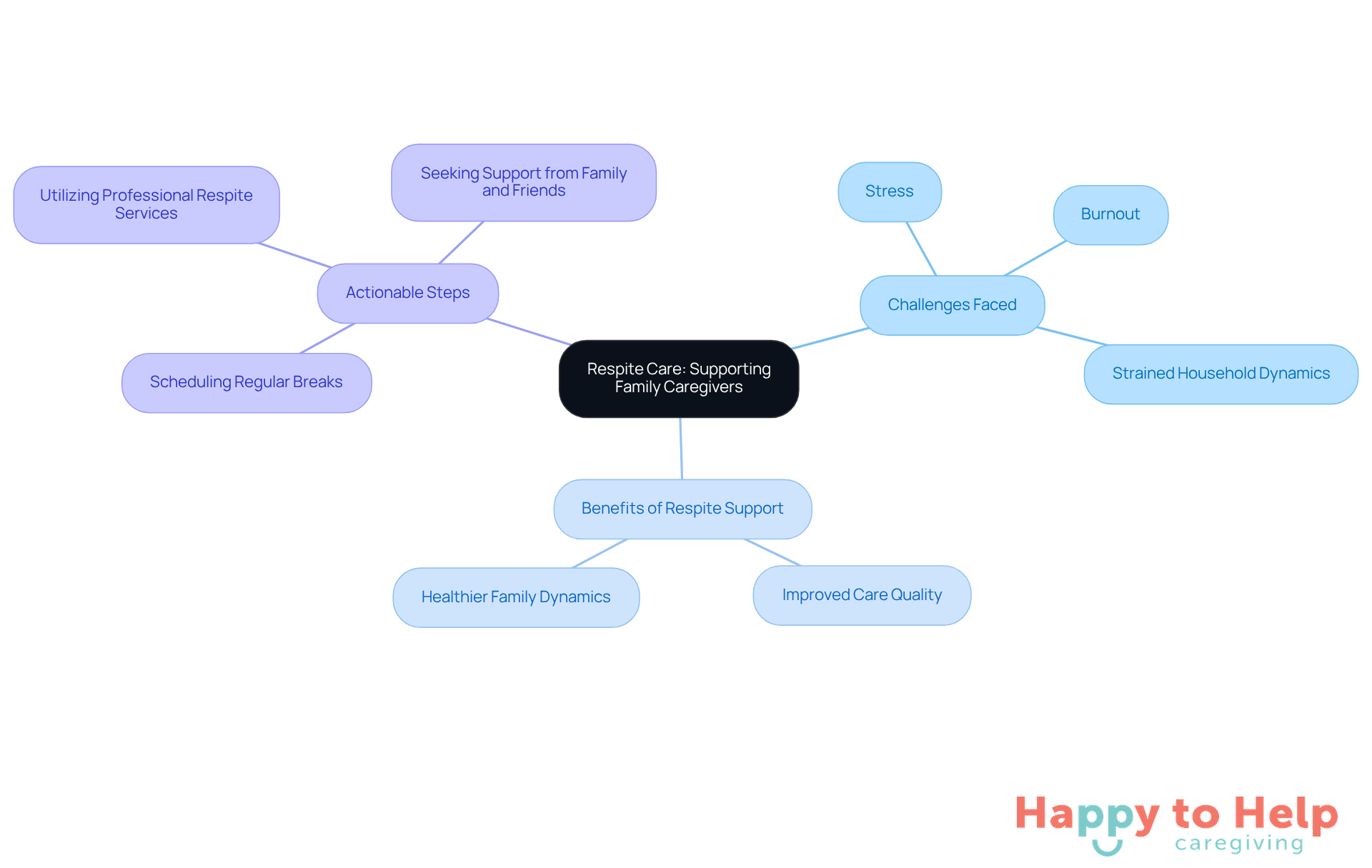
Caregivers often face significant challenges, including stress and burnout, when providing support to loved ones with dementia. This situation can lead to strained household dynamics and a decrease in the quality of care. Without adequate breaks, caregivers may struggle to maintain their well-being, which ultimately affects their ability to provide effective support.
Respite support emerges as a vital solution to this problem. It offers caregivers the opportunity to recharge, attend to personal matters, or simply take time for themselves, all while knowing their loved one is in safe hands. By reducing caregiver stress, respite support not only enhances the quality of assistance provided to individuals with dementia but also promotes healthier family dynamics.
Incorporating respite support into caregiving routines can significantly improve overall well-being. Caregivers should consider:
- Scheduling regular breaks
- Utilizing professional respite services
- Seeking support from family and friends
By prioritizing their own needs, caregivers can ensure they remain effective and compassionate in their roles.
Cost-Effectiveness: Financial Benefits of Live-In Care
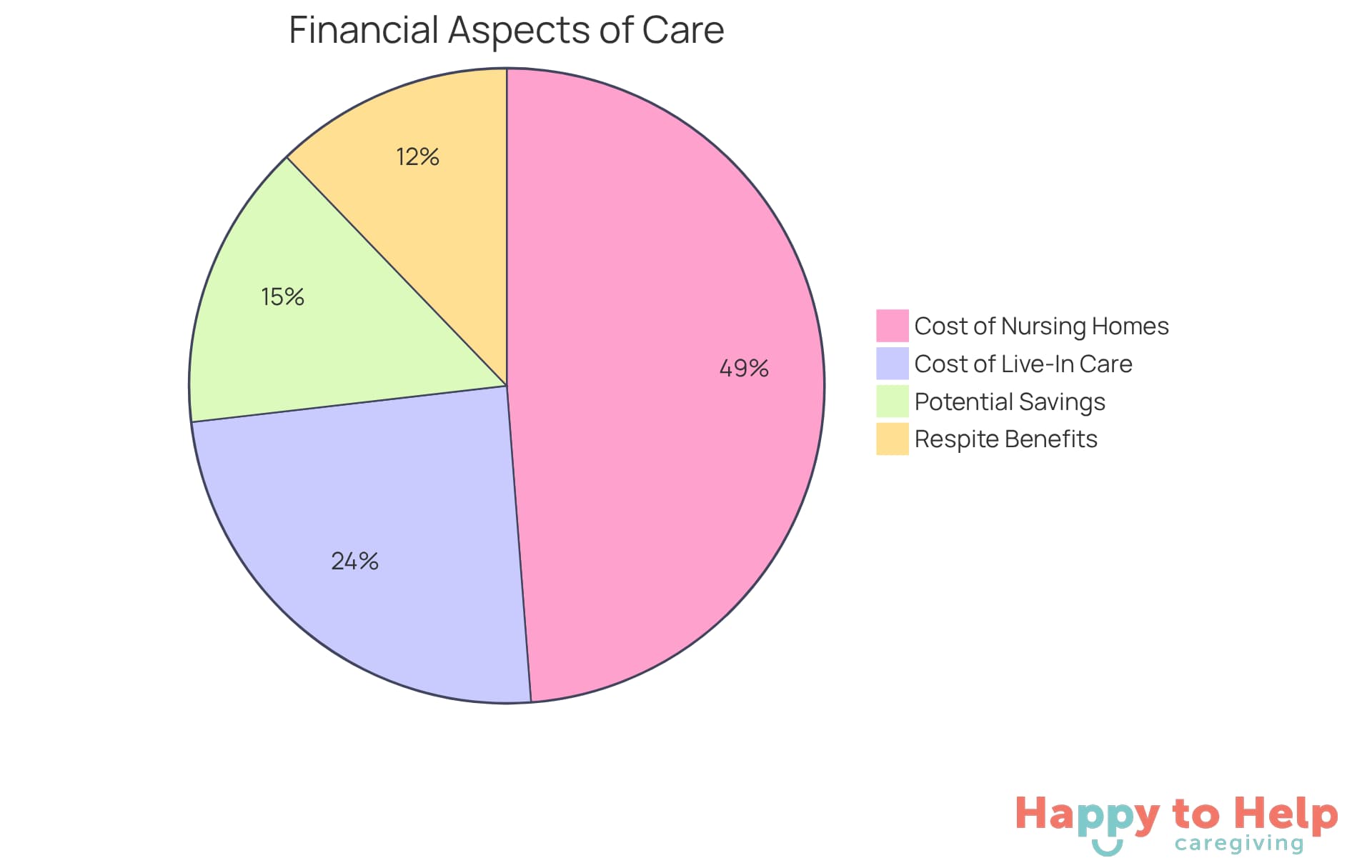
Live-in dementia care offers a cost-effective alternative for households when compared to traditional nursing homes or assisted living facilities. Families can avoid the hefty expenses often associated with residential services, which can exceed $100,000 annually, by opting for 24/7 support at home. This approach not only guarantees personalized care for loved ones but also nurtures a familiar environment that can significantly enhance their overall well-being through live-in dementia care.
The financial implications of caregiving are profound. Many unpaid family caregivers face considerable financial challenges while providing live-in dementia care for individuals living with dementia. As Cindy Hounsell, founder and president of the Women's Institute for a Secure Retirement (WISER), notes, "For unpaid caregivers, who encounter not only challenging support responsibilities and decisions, but also serious financial repercussions with few opportunities for assistance with training or short-term relief breaks, the program is a significant start."
Moreover, live-in dementia care can lead to substantial cost savings by reducing hospital readmissions and minimizing the need for emergency services. The GUIDE program, for instance, provides up to $2,500 annually for respite benefits, allowing caregivers to take necessary breaks while ensuring their loved ones receive quality support at home.
In terms of affordability, the national median pay for home health and personal care aides is $16.78 per hour, making live-in dementia care a more economical choice when considering the comprehensive support it offers. Compared to the higher costs of nursing homes, families can feel assured they are making a sound financial decision while prioritizing the health and happiness of their loved ones.
To explore the GUIDE program further, caregivers should review the eligibility criteria, which include enrollment in Medicaid or original Medicare and a diagnosis of moderate to severe cognitive impairment. This program not only provides financial relief but also essential training and support for those who care for others.
Technology Integration: Enhancing Communication and Monitoring
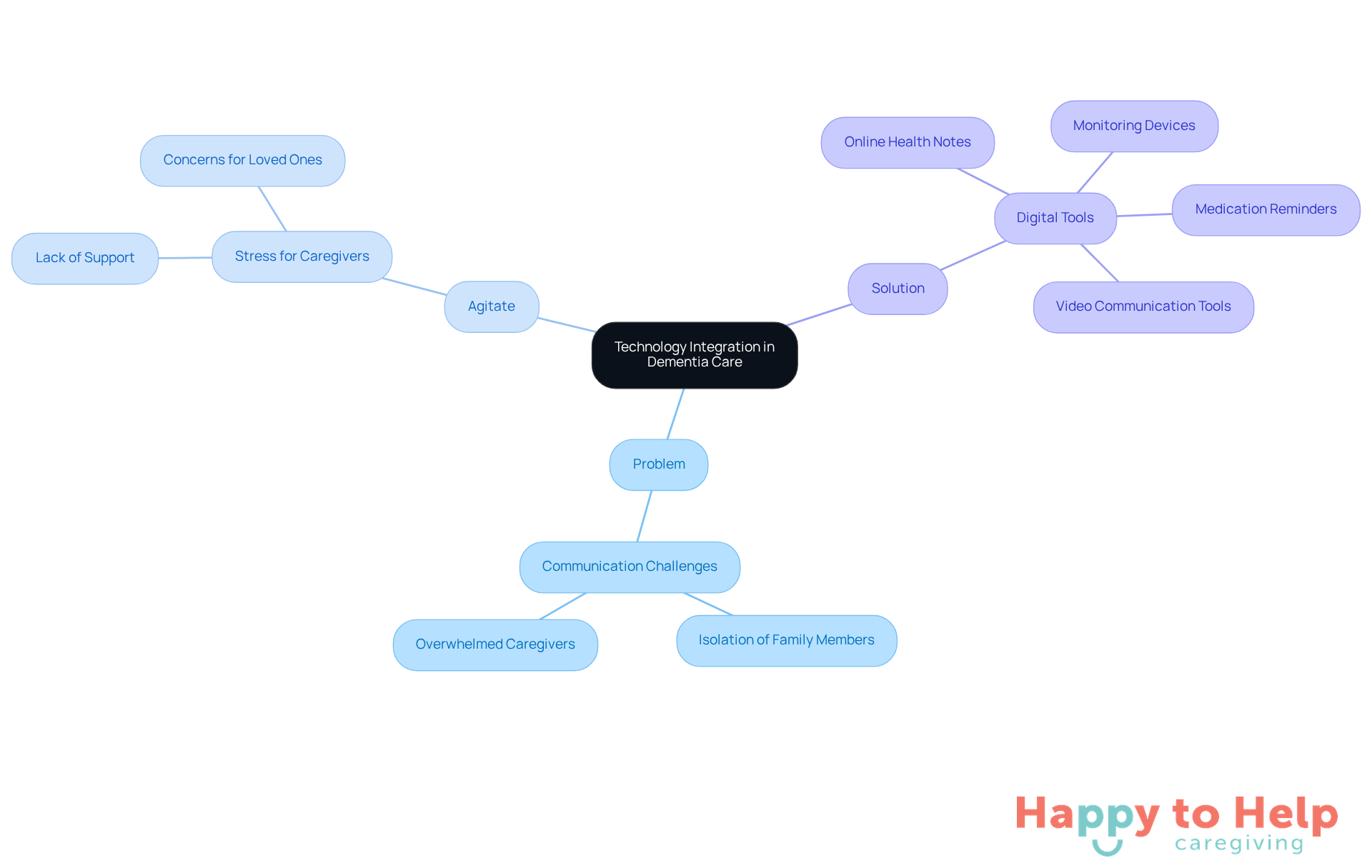
Problem: Communication between caregivers and relatives in live-in dementia care can be challenging, often leading to feelings of isolation and concern for family members.
Agitate: This lack of communication can exacerbate stress for caregivers, who may feel overwhelmed by the demands of providing care without adequate support or information. Relatives, on the other hand, may worry about their loved one's well-being, feeling disconnected from their care.
Solution: Fortunately, technology plays a crucial role in bridging this gap. Digital tools such as online health notes, medication reminders, and monitoring devices empower relatives to stay informed about their loved one's health. For example, 75% of Americans aged 65 and older now use the internet, making it easier to access vital information. This integration not only improves care coordination but also alleviates relatives' concerns by providing timely updates on their loved one's condition.
Moreover, video communication tools can significantly reduce feelings of loneliness in older adults, fostering stronger connections between supporters and their loved ones. The ability to share health data through wearable devices further enhances monitoring, enabling caregivers to respond swiftly to any changes in health status.
Overall, technology serves as a vital link, ensuring families remain involved and informed, which is essential for effective support.
Holistic Care Approach: Addressing Physical and Emotional Well-Being
Cognitive impairment presents significant challenges for caregivers, impacting both the physical and emotional well-being of clients. Without a comprehensive care strategy, live-in dementia care can help individuals with dementia avoid a decline in their quality of life, which may otherwise lead to feelings of isolation and frustration.
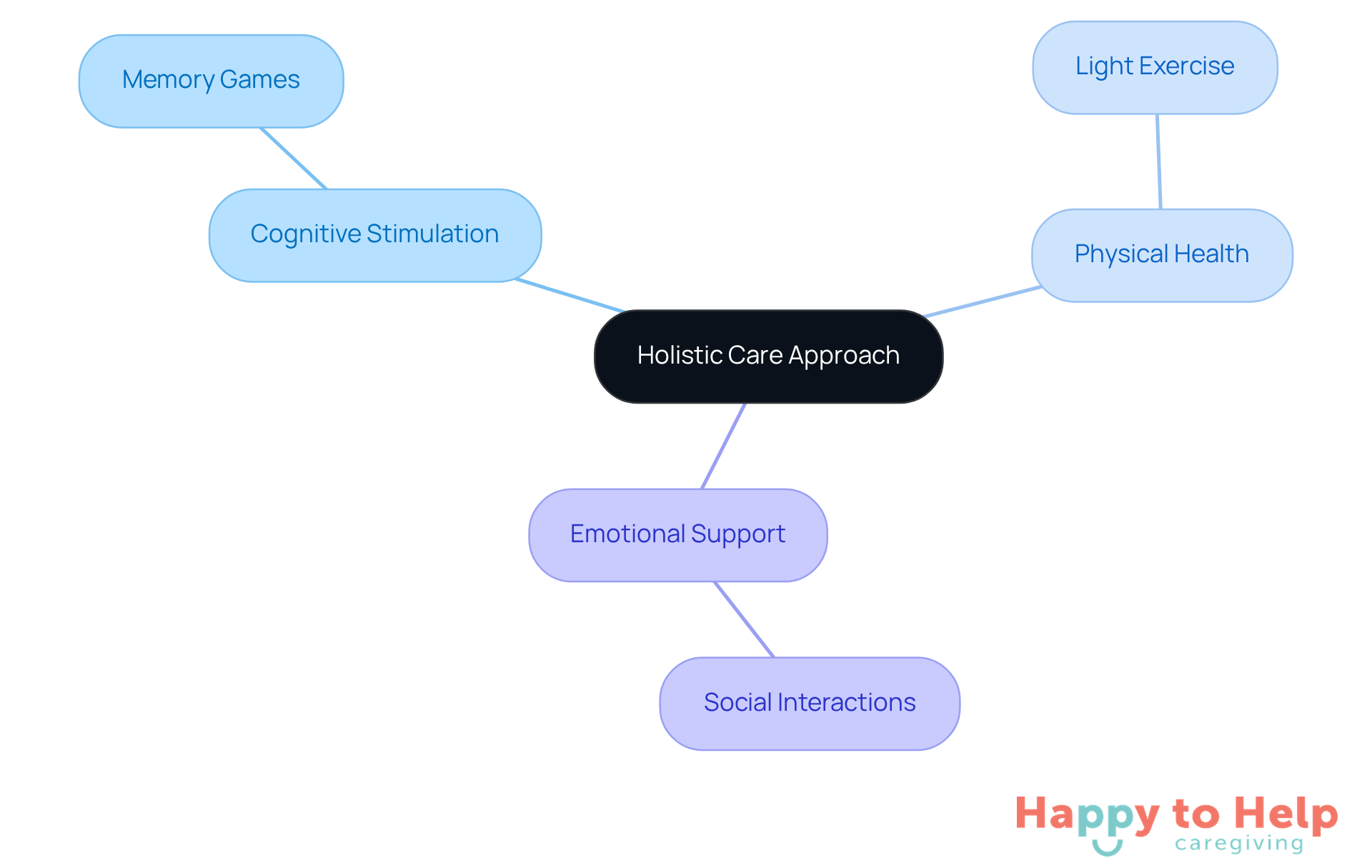
To address these issues, caregivers can implement a holistic approach that engages clients in activities promoting cognitive stimulation, physical health, and emotional support. This strategy not only enhances daily living but also fosters a sense of purpose and fulfillment, making each day meaningful.
By actively involving clients in tailored activities, caregivers can significantly improve their overall well-being. For instance, incorporating:
- Memory games
- Light exercise
- Social interactions
can stimulate cognitive function and boost emotional health. This comprehensive care strategy is essential for ensuring that individuals with cognitive impairment have access to live-in dementia care, allowing them to lead fulfilling lives.
Making the Right Choice
The challenges of caregiving for individuals with dementia can be overwhelming. Family caregivers often face emotional strain, physical exhaustion, and the complexities of managing care needs. This burden can lead to feelings of isolation and stress, impacting both the caregiver's and the loved one's quality of life.
However, live-in dementia care offers a solution that addresses these challenges head-on. By providing personalized support, ensuring safety and comfort, and maintaining consistency in routines, this model creates an environment where individuals with cognitive decline can thrive. It alleviates the emotional burden on family members while enhancing the overall quality of life for their loved ones.
Key benefits of live-in care include:
- Emotional support through companionship, which helps reduce feelings of loneliness.
- Professional expertise tailored to complex needs, ensuring that care is appropriate and effective.
- Flexible care options that adapt to the changing needs of the individual.
Moreover, the integration of technology enriches communication and monitoring, making it easier for families to stay connected and informed about their loved ones' well-being. Additionally, live-in care is often more cost-effective than traditional nursing homes, providing families with sustainable solutions.
Ultimately, embracing live-in dementia care is a proactive step toward improving the quality of life for both caregivers and their loved ones. By prioritizing individualized care, families can navigate the complexities of dementia with confidence and compassion. Recognizing the importance of these services can transform the caregiving experience, offering not just support but also dignity, respect, and a renewed sense of purpose for all involved.
https://iframe.tely.ai/cta/eyJhcnRpY2xlX2lkIjogIjY5MjEwYWEzNjZkNWIxZjhjMDE0MWQ2MiIsICJjb21wYW55X2lkIjogIjY4ZWU1ZGNhNzMxNzYyNTU3ZjNjOTVjMSIsICJpbmRleCI6IG51bGwsICJ0eXBlIjogImFydGljbGUifQ==Frequently Asked Questions
What challenges do caregivers face when caring for individuals with cognitive decline?
Caregivers often experience emotional tolls, feelings of overwhelm and frustration, and struggle to meet the unique needs of their loved ones without proper guidance and resources.
What services does Happy to Help Caregiving offer for dementia care?
Happy to Help Caregiving offers personalized live-in dementia care services that include companionship, assistance with daily activities, and emotional support, all delivered in the comfort of the client's home.
How does personalized care improve the quality of life for clients with dementia?
Personalized care fosters a sense of security and significantly enhances the overall well-being of clients, allowing them to thrive in familiar surroundings and meet their distinct preferences and needs.
What impact does companionship have on individuals with cognitive decline?
Companionship can alleviate feelings of loneliness and isolation, significantly improving emotional well-being and reducing the likelihood of cognitive decline and heart disease.
What strategies can caregivers implement to provide emotional support?
Caregivers can engage clients in meaningful conversations and enjoyable activities, as well as schedule regular social activities to ensure consistent engagement and enhance emotional assistance.
What are some safety measures caregivers can take to ensure a secure home environment?
Caregivers can identify and mitigate potential hazards by removing tripping obstacles, ensuring proper lighting, implementing medication management, and monitoring for wandering to prevent accidents and provide peace of mind for families.
List of Sources
- Happy to Help Caregiving: Personalized Live-In Dementia Care Services
- Top Assisted Living and Memory Care Trends to Watch in 2025 (https://cornerstonemgmt.com/assisted-living-trends-2025-key-insights)
- (https://belleviecare.co.uk/support-advice/dementia-quotes-to-lift-your-spirits)
- Top List of Inspirational Dementia Quotes for Caregivers (https://rochesterlawcenter.com/dementia-resources/dementia-quotes)
- ADI - Dementia statistics (https://alzint.org/about/dementia-facts-figures/dementia-statistics)
- Alzheimer's Disease Facts and Figures (https://alz.org/alzheimers-dementia/facts-figures)
- Emotional Support: Alleviating Loneliness Through Companionship
- Top List of Inspirational Dementia Quotes for Caregivers (https://rochesterlawcenter.com/dementia-resources/dementia-quotes)
- The Power of Companionship for Seniors: A Key Ingredient to Quality Aging (https://homecarepgh.com/blog-posts/companionship-in-old-age)
- Combat Loneliness: The Benefits of Companion Care for Seniors (https://allheartcare.com/more-than-just-company-the-vital-role-of-companion-care-for-seniors)
- (https://belleviecare.co.uk/support-advice/dementia-quotes-to-lift-your-spirits)
- Could Dementia Patients Benefit from an A.I. Companion? (https://nytimes.com/2025/07/31/well/mind/dementia-ai-companions.html)
- Consistency of Care: Maintaining Routines and Familiarity
- Caring for loved ones with dementia, Alzheimer's disease during the holidays (https://uclahealth.org/news/article/caring-loved-ones-with-dementia-alzheimers-disease-during)
- Dementia: Why Routines Matter! (https://heritagesenior.com/elm-grove/blog/memory-care/dementia-why-routines-matter)
- 4 Inspiring Quotes for Caring for a Loved One With Alzheimer’s | myALZteam (https://myalzteam.com/resources/inspiring-quotes-for-caring-for-a-loved-one-with-alzheimers)
- (https://belleviecare.co.uk/support-advice/dementia-quotes-to-lift-your-spirits)
- Top List of Inspirational Dementia Quotes for Caregivers (https://rochesterlawcenter.com/dementia-resources/dementia-quotes)
- Professional Expertise: Skilled Care for Complex Needs
- Virtual dementia training benefits caregivers (https://alz.org/co/news/virtual-dementia-training-benefits-caregivers)
- Factors associated with receipt of caregiver training among family and unpaid caregivers of people living with dementia (https://sciencedirect.com/science/article/pii/S2667032125000186)
- Caregiver Statistics: Health, Technology, and Caregiving Resources (https://caregiver.org/resource/caregiver-statistics-health-technology-and-caregiving-resources)
- Dementia training program significantly improves home care worker skills, study finds (https://mcknights.com/news/dementia-training-program-significantly-improves-home-care-worker-skills-study-finds)
- Flexible Care Options: Tailoring Support to Individual Needs
- Comprehensive Dementia Care Programs for Patients and Caregivers - Center for Health Care Strategies (https://chcs.org/resource/comprehensive-dementia-care-programs-for-patients-and-caregivers)
- Top List of Inspirational Dementia Quotes for Caregivers (https://rochesterlawcenter.com/dementia-resources/dementia-quotes)
- Fact Sheet: Trends in Family Care for Older Americans (https://prb.org/resources/fact-sheet-trends-in-family-care-for-older-americans)
- (https://belleviecare.co.uk/support-advice/dementia-quotes-to-lift-your-spirits)
- New Medicare program offers much-needed relief for caregivers of dementia patients (https://finance.yahoo.com/news/new-medicare-program-offers-much-needed-relief-for-caregivers-of-dementia-patients-203450020.html)
- Respite Care: Supporting Family Caregivers
- News & Updates | ARCH National Respite Network & Resource Center (https://archrespite.org/news)
- A bill in Congress would return $5,000 to millions of family caregivers every year, but will it pass? (https://cbsnews.com/newyork/news/credit-for-caring-act-family-caregiver-tax-credit)
- It’s Time to Care for Caregivers: Senator Markey Announces Comprehensive Family Caregiving Legislative Agenda | U.S. Senator Ed Markey of Massachusetts (https://markey.senate.gov/news/press-releases/11/20/2025/its-time-to-care-for-caregivers-senator-markey-announces-comprehensive-family-caregiving-legislative-agenda)
- Improving Support for Family Caregivers (https://nationalacademies.org/news/2025/07/improving-support-for-family-caregivers)
- Family Caregivers Struggling In Some States More Than Others (https://disabilityscoop.com/2025/10/31/family-caregivers-struggling-in-some-states-more-than-others/31710)
- Cost-Effectiveness: Financial Benefits of Live-In Care
- New Medicare program offers much-needed relief for caregivers of dementia patients (https://finance.yahoo.com/news/new-medicare-program-offers-much-needed-relief-for-caregivers-of-dementia-patients-203450020.html)
- Technology Integration: Enhancing Communication and Monitoring
- Technology improves caregiver experience for families dealing with dementia (https://news-medical.net/news/20250203/Technology-improves-caregiver-experience-for-families-dealing-with-dementia.aspx)
- ADI - Dementia statistics (https://alzint.org/about/dementia-facts-figures/dementia-statistics)
- How Technology Enhances Communication in Senior Care (https://business.seminolebusiness.org/news/details/how-technology-enhances-communication-in-senior-care)
- Advanced Wearable Technology Improves Support For People With Dementia And Their Caregivers (https://stories.tamu.edu/news/2025/02/18/advanced-wearable-technology-improves-support-for-people-with-dementia-and-their-caregivers)
- How Technology Improves Communication Between Families And Care Staff (https://thehighpointresidence.com/blog/how-technology-improves-communication-between-families-and-care-staff)