The Importance of Live In Home Health Care in St Simons,
Aging often presents significant challenges, especially when it comes to ensuring that seniors receive the personalized care they truly deserve. Families in St. Simons, GA, may find themselves overwhelmed by the complexities of caregiving, struggling to balance their loved ones' needs with their own responsibilities. This situation can lead to stress and anxiety, making it difficult for both seniors and their families to thrive.
Fortunately, live-in home health care services are emerging as a vital solution. These services provide tailored support that not only enhances the quality of life for older adults but also alleviates the burdens faced by their families. By offering compassionate, flexible, and comprehensive care, live-in home health care can transform the caregiving experience, ensuring that seniors can thrive in the comfort of their own homes.
In this article, we will explore ten key benefits of live-in home health care, revealing how it can make a meaningful difference for both seniors and their families.
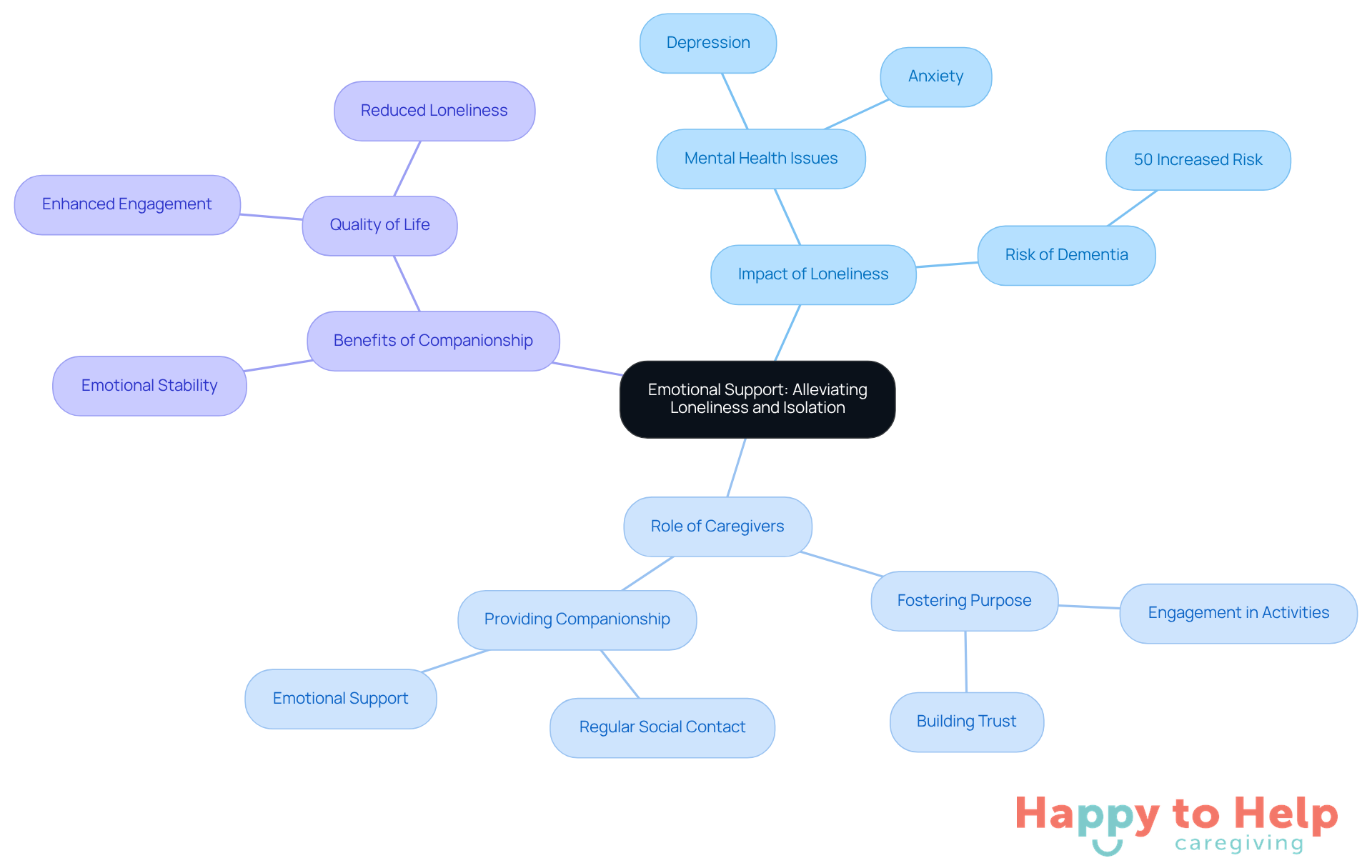
Happy to Help Caregiving: Personalized In-Home Care for Seniors
Problem: Many older adults face challenges in receiving personalized care that meets their unique needs. This lack of tailored assistance can lead to feelings of frustration and helplessness, impacting their overall well-being.
Agitate: When care does not align with an individual's lifestyle, preferences, and medical requirements, it can hinder their autonomy and wellness. This situation not only affects the elderly but also places a significant burden on caregivers who strive to provide the best support possible.
Happy to Help Caregiving addresses these challenges by offering customized live in home health care st simons ga designed specifically for older adults. This approach ensures that each client receives care that aligns with their individual needs, fostering a nurturing environment that promotes independence and well-being. By focusing on personal requirements, caregivers can help elderly individuals thrive through live in home health care st simons ga in the comfort of their own homes.
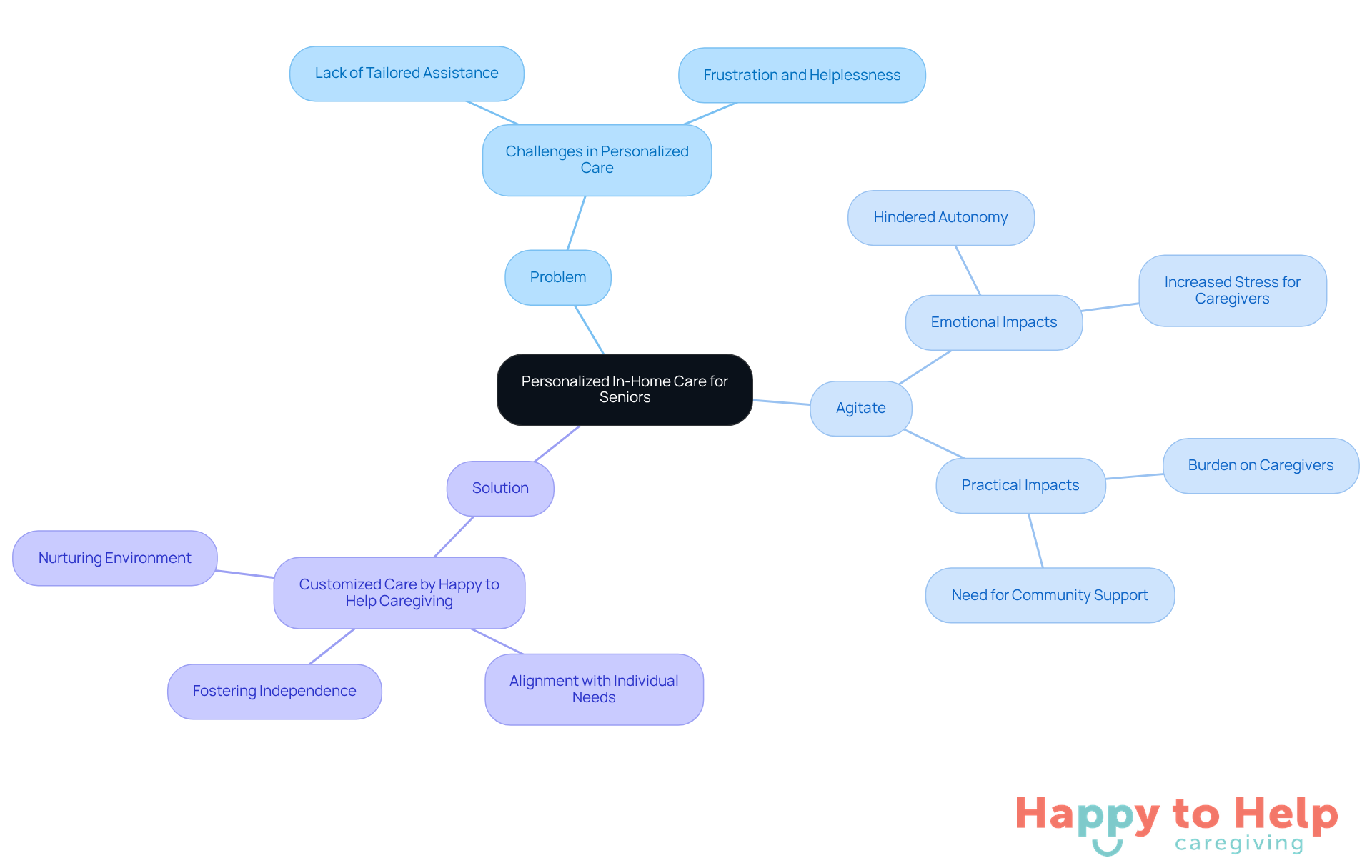
Emotional Support: Alleviating Loneliness and Isolation
Loneliness and isolation among elderly individuals pose significant emotional challenges. These feelings can lead to serious mental health issues, including depression and anxiety. According to the U.S. Department of Health and Human Services, there is an urgent need for public awareness initiatives to address these concerns, highlighting the critical role of support providers in combating social isolation.
Studies indicate that social isolation increases the risk of developing dementia by 50 percent, underscoring the necessity of regular social interaction. Caregivers play a vital role in mitigating these risks by fostering a sense of purpose and belonging, which are essential for maintaining overall mental health. Through shared activities and consistent companionship, live in home health care st simons ga ensures that seniors feel valued and connected.
Jewish Family Home Care emphasizes that personalized companionship services are designed to enhance the quality of life through meaningful interactions. By engaging clients in significant discussions and activities, caregivers nurture essential emotional bonds that improve the quality of life for elderly individuals. This support not only enhances emotional stability and resilience but also contributes to a healthier, happier life.
Flexible Scheduling: Tailored Care That Fits Family Needs
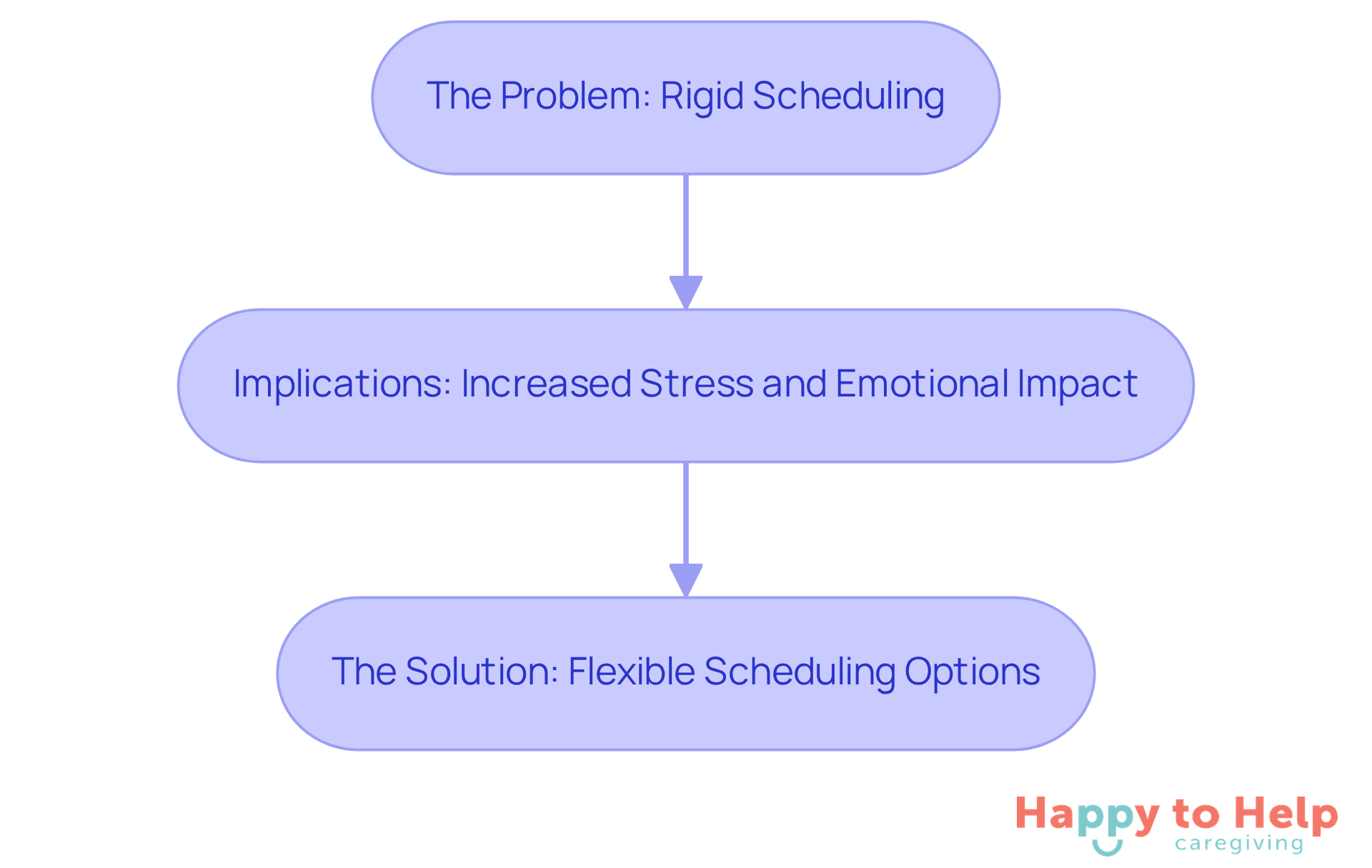
The Problem: Caregivers often face the challenge of rigid scheduling, which can lead to increased stress for both themselves and the elderly individuals they support. When assistance services do not align with medical appointments or busy hours, it can create significant pressure on families trying to provide care.
The Implications: This lack of flexibility not only affects the quality of care but also impacts the emotional well-being of older adults. As one relative supporter noted, having the option to choose support times that fit their loved one's schedule fosters a sense of safety and comfort, which is crucial for maintaining emotional health.
The Solution: Happy to Help Caregiving offers adaptable scheduling choices that allow families to customize assistance services based on their specific needs. This flexibility enables caregivers to adjust visit times, ensuring that elderly individuals receive vital support exactly when they need it. By reducing the strain on family members, this tailored approach enhances the overall caregiving experience.
In summary, the significance of flexible support cannot be overstated. It allows older adults to thrive in their familiar surroundings while ensuring that caregivers can manage their responsibilities effectively. This adaptability ultimately leads to a more positive caregiving experience, improving the quality of life for those receiving support.
Companionship Care: Building Meaningful Connections
Loneliness is a significant issue faced by many older adults, impacting their overall well-being. Without regular social interaction, they may feel isolated and disconnected from the world around them. This emotional strain can lead to a decline in mental and physical health, making it crucial to address this problem.
Companionship support is an essential service provided by Happy to Help Caregiving. Caregivers actively involve older adults in social activities and discussions that promote meaningful connections. By engaging in hobbies and interests, older adults can combat feelings of loneliness, fostering a sense of purpose and joy in their daily lives.
To effectively combat loneliness, caregivers can implement several actionable strategies:
- Encourage participation in group activities, such as book clubs or art classes.
- Facilitate regular conversations about interests and experiences to strengthen connections.
- Promote hobbies that can be enjoyed both individually and in groups, enhancing social interaction.
By focusing on these solutions, caregivers can significantly improve the quality of life for older adults, helping them feel more connected and engaged.
Post-Hospital Recovery: Support for a Smooth Transition
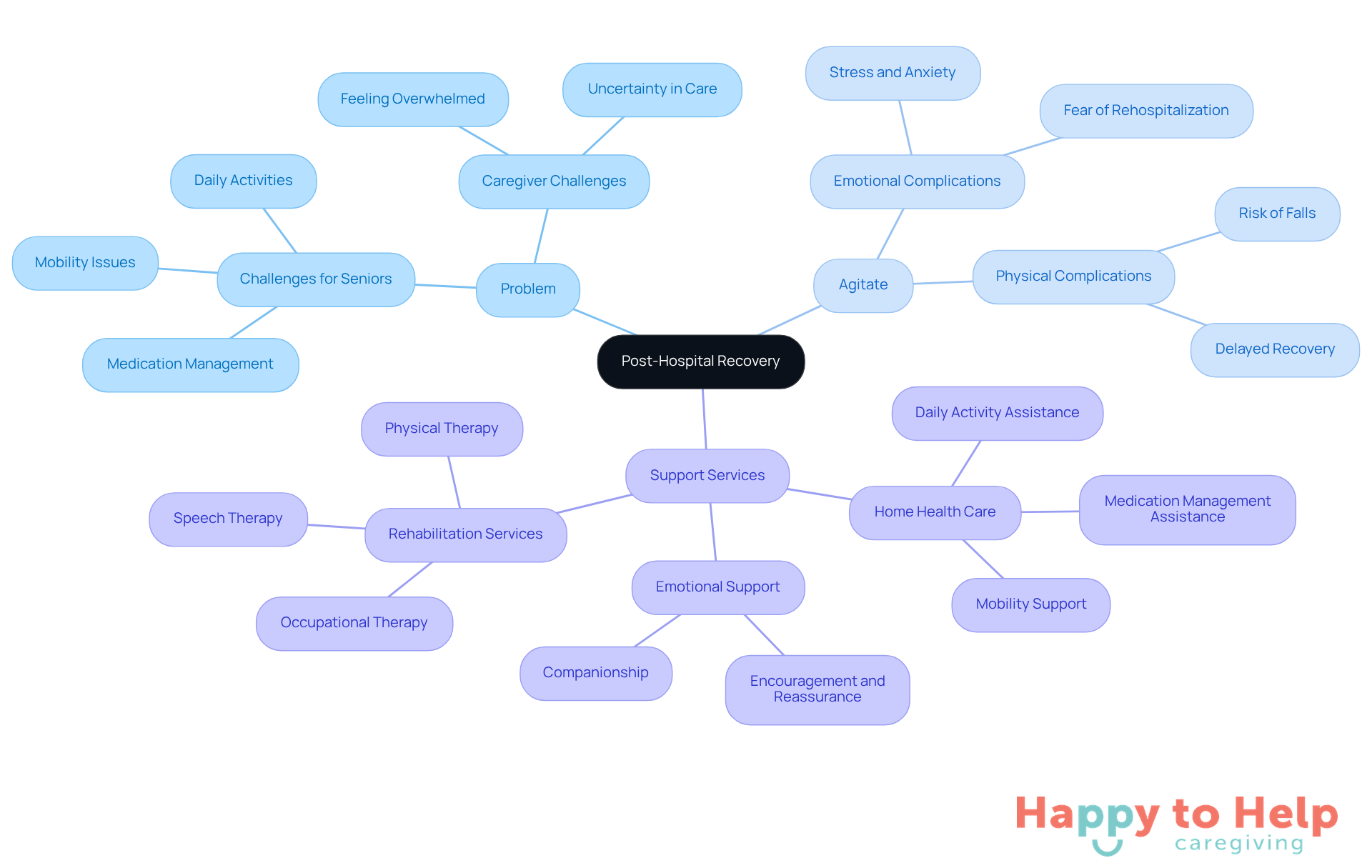
Problem: Seniors often face significant challenges when transitioning back home after a hospital stay. This period can be stressful, not just for the seniors but also for their caregivers and loved ones.
Agitate: The lack of support during this critical time can lead to complications in recovery, both physically and emotionally. Caregivers may feel overwhelmed, unsure of how to manage medication, mobility, and daily activities effectively.
Happy to Help Caregiving offers specialized support tailored for seniors who choose to live in home health care St Simons GA during their recovery. Our caregivers assist those who live in home health care St Simons GA with medication management, mobility support, and daily activities, ensuring a smooth transition back home. This comprehensive approach not only aids in physical recuperation but also provides emotional support to both the client and their loved ones during this potentially stressful period.
Respite Care: Essential Relief for Family Caregivers
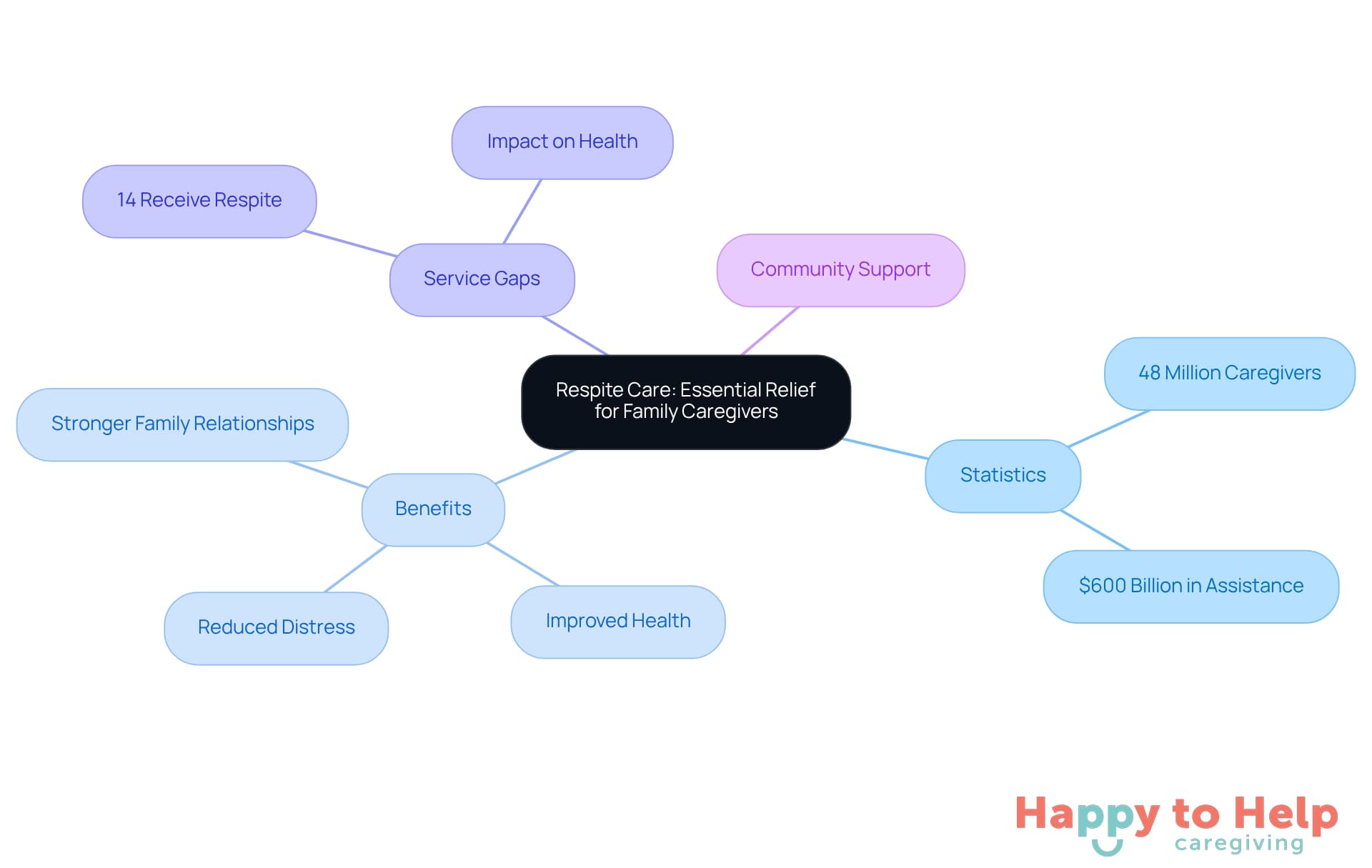
Caregivers face a significant challenge: the lack of respite support services. This gap can lead to increased stress and diminished well-being for those who dedicate their time to assisting others. In fact, studies show that individuals who utilize respite services experience reduced levels of distress and improved health. With over 48 million people in the U.S. providing support to relatives and friends, contributing around $600 billion in assistance in 2021, the need for effective respite services is more critical than ever.
Despite this pressing need, only 14% of individuals seeking respite actually receive it. This highlights a significant gap in service availability that can take a toll on caregivers' physical and mental health. By alleviating the stresses of ongoing support, respite services not only enhance caregivers' well-being but also foster healthier family relationships. Supporters often report that taking time off leads to revitalized energy and patience, ultimately strengthening their bond with the individuals they assist.
As Lori aptly states, "Respite assistance for those who provide support isn’t a luxury - it’s a necessity." She emphasizes that caregivers don’t have to shoulder their responsibilities alone, reinforcing the importance of community support. This underscores the vital role of respite services in maintaining the overall well-being of both caregivers and those receiving care.
Respite assistance can vary in duration, lasting from a few hours to a week or more, depending on individual needs. This flexibility allows caregivers to recharge and focus on their wellness, making it an essential resource in the caregiving journey.
Palliative Support Care: Ensuring Comfort and Dignity
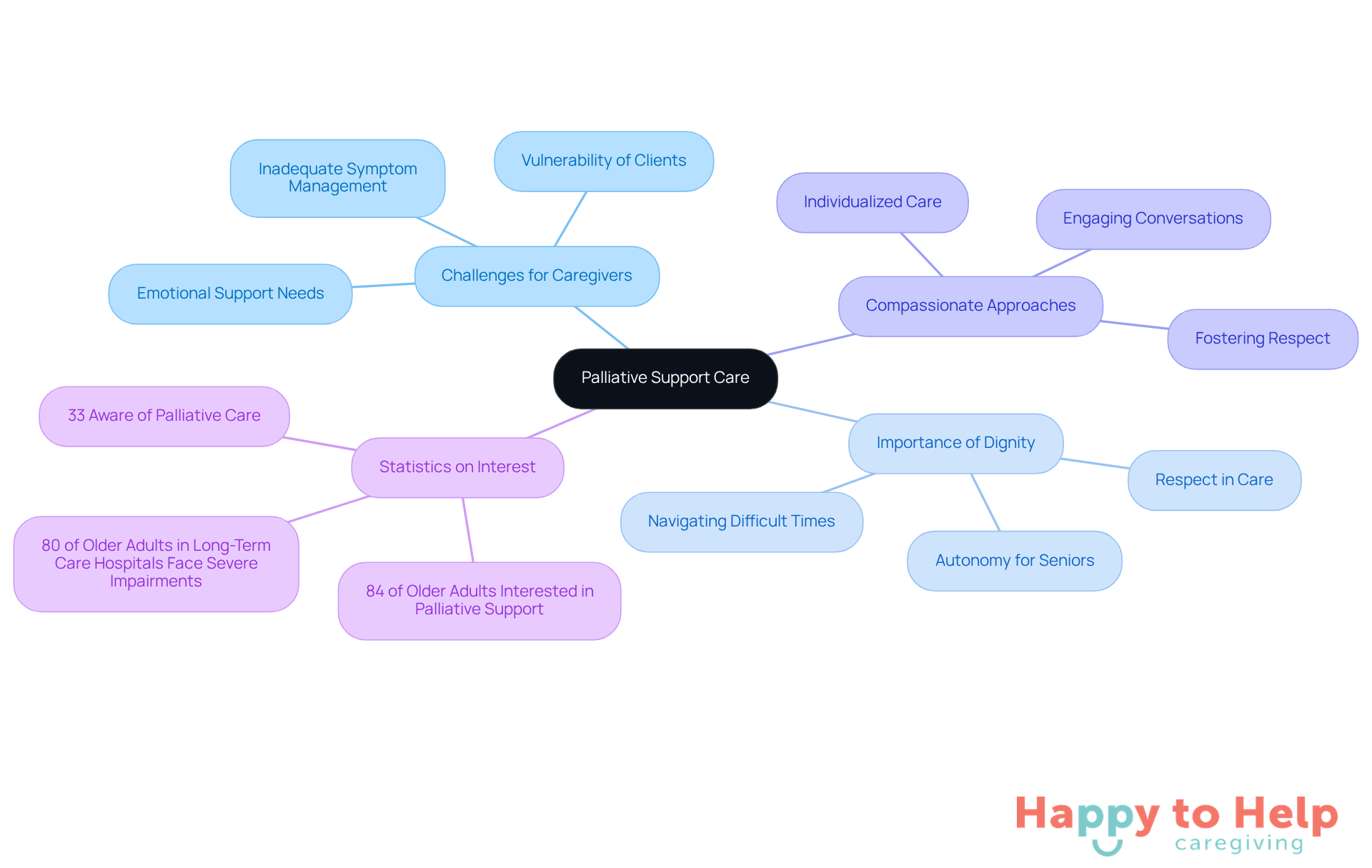
Palliative support for seniors facing significant health challenges is often lacking, which can lead to diminished quality of life. Many caregivers struggle with providing adequate symptom management and emotional support, leaving clients feeling vulnerable and disrespected during their care journey. This gap in care not only exacerbates physical discomfort but also undermines the dignity that every individual deserves.
To address this pressing issue, caregivers must prioritize a compassionate approach that fosters respect and autonomy. By focusing on the individual needs of each client, caregivers can create an environment where dignity is paramount. This approach allows families to navigate difficult times with confidence, ensuring that older adults receive the compassionate support they deserve.
Statistics reveal that 84% of older adults expressed interest in palliative support after learning about it, highlighting its acceptance among the elderly population. As Adam Marks, M.D., M.P.H., points out, "if their support team mentions this type of assistance, it’s not a sign that they’re ‘giving up’ on treatment." This underscores the importance of dignity and respect in palliative care.
Moreover, addressing the concealed crisis in elderly populations is vital. Caregivers should engage in conversations about palliative assistance, ensuring that older adults are aware of their options. By doing so, they can guarantee that seniors receive the compassionate support they need during their most vulnerable moments.
24/7 Availability: Always There When You Need Us
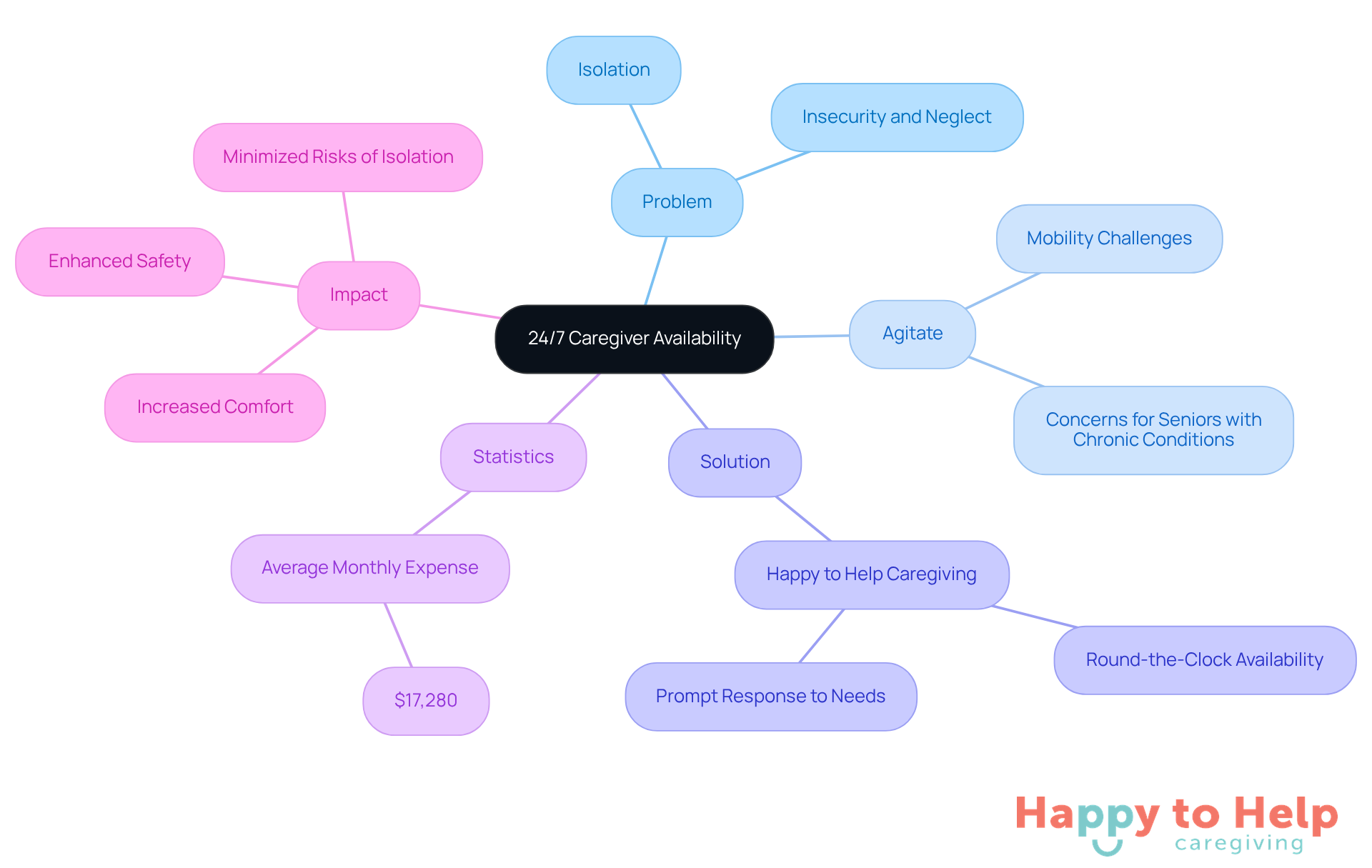
Problem: Many seniors face the challenge of isolation and lack of immediate support, which can lead to feelings of insecurity and neglect.
Agitate: This situation is particularly concerning for older adults with chronic conditions or mobility challenges. Without constant assistance, they may struggle to manage daily tasks or respond to emergencies, putting their safety at risk. Families often worry about their loved ones being alone, especially during critical moments when help is needed most.
Happy to Help Caregiving addresses these issues by providing round-the-clock availability for families who live in home health care St Simons GA. This constant support not only offers families peace of mind but also ensures that older adults who live in home health care St Simons GA are never alone. Caregivers can respond promptly to any needs that arise, significantly enhancing the safety and comfort of seniors in their homes.
Experts in elder assistance emphasize that having continuous support is crucial for maintaining a secure living environment for those who live in home health care St Simons GA. According to recent statistics, the average monthly expense for 24/7 in-home assistance is approximately $17,280, highlighting the financial commitment families may need to consider.
The impact of consistent caregiver availability cannot be overstated; it fosters a sense of security and well-being, allowing seniors to thrive in familiar surroundings while minimizing risks associated with isolation or neglect.
Technology Integration: Enhancing Care Through Communication
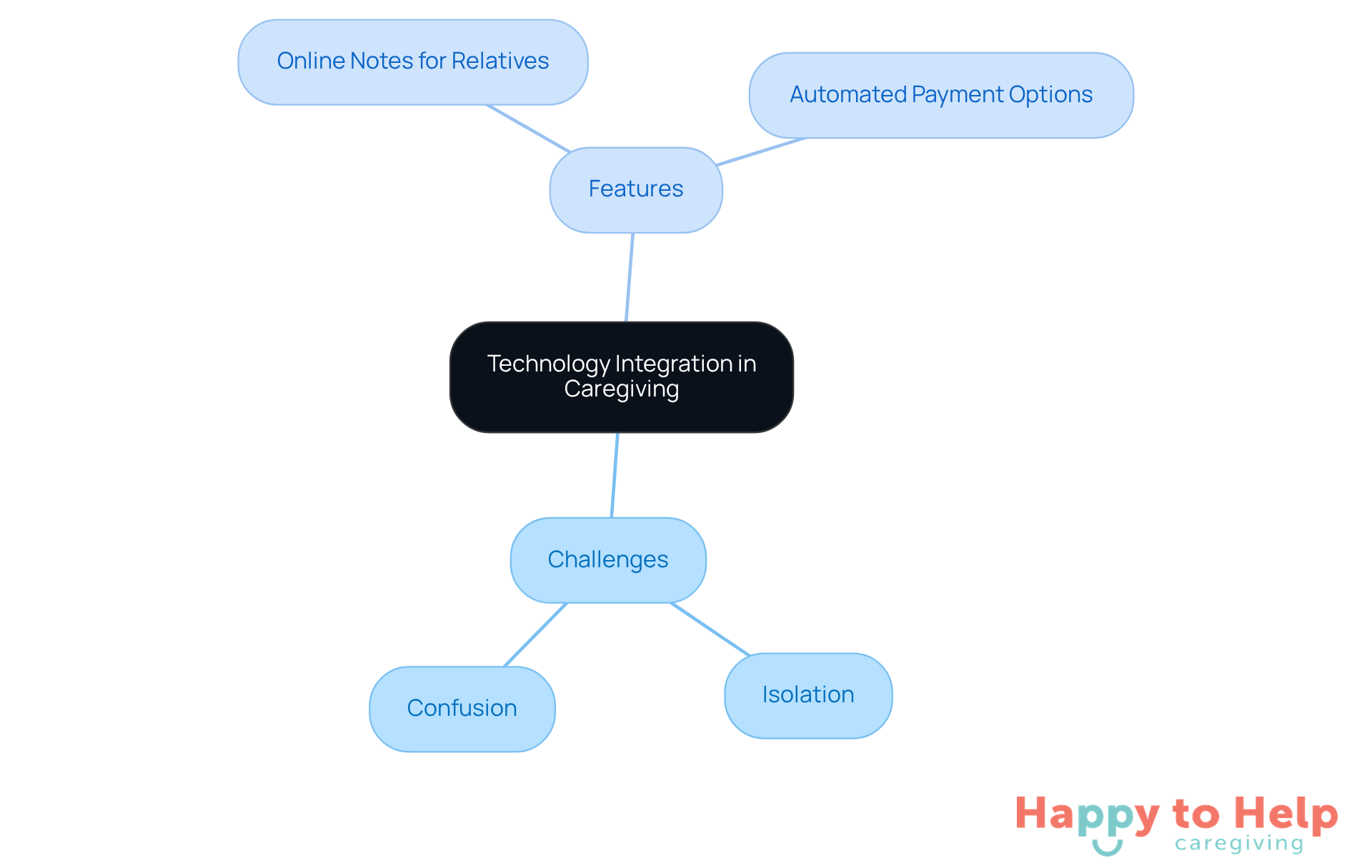
Caregivers often face significant challenges in communication and support coordination, which can lead to feelings of isolation and confusion for families. When families are not kept informed about their loved ones' well-being, it can create unnecessary stress and hinder effective caregiving.
To address these issues, Happy to Help Caregiving employs technology that enhances communication and support coordination. Features include:
- Online notes for relatives
- Automated payment options
These ensure that families remain engaged and informed about their loved ones' care. This technological integration not only improves efficiency but also fosters a collaborative approach to caregiving, making it easier for families to stay connected and involved.
Family Testimonials: Real Stories of Care and Support
Families often face the challenge of finding compassionate care for their loved ones, which can lead to feelings of uncertainty and stress. This problem is compounded by the emotional toll it takes on both caregivers and clients, highlighting the need for reliable support systems.
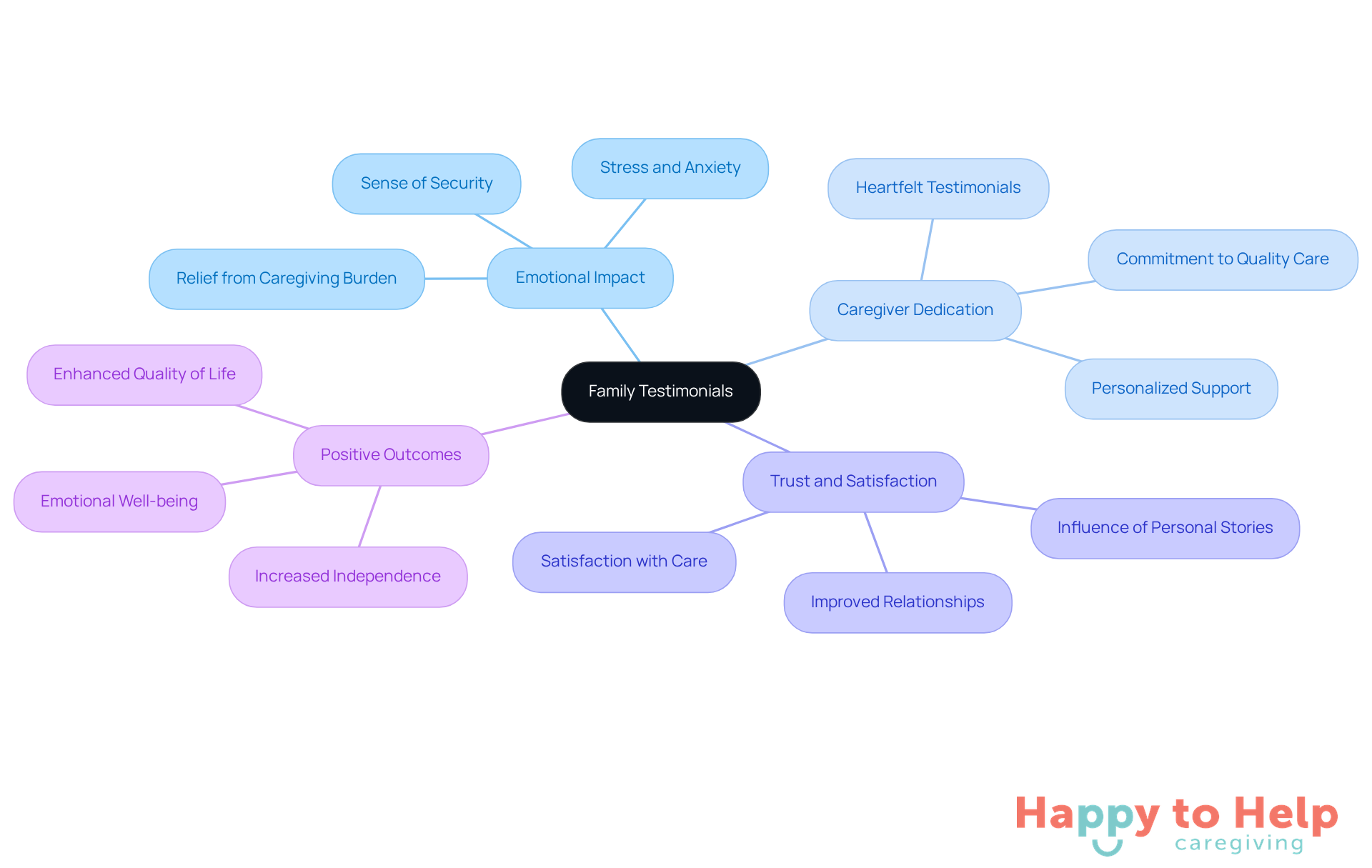
Happy to Help Caregiving addresses these concerns by sharing heartfelt testimonials from families who have experienced the profound impact of compassionate care. These stories not only showcase the dedication of caregivers but also serve as powerful affirmations of the agency's mission to enhance the quality of life for older adults. Research shows that personal stories significantly influence trust and satisfaction within households, providing relatable insights into the caregiving experience.
Expert opinions further emphasize the importance of these testimonials, noting that they reflect real-world benefits such as improved emotional well-being and increased independence for clients. By sharing authentic experiences, families contribute to a broader understanding of the positive outcomes associated with in-home care. This reinforces the essential role that personalized support plays in fostering a sense of security and comfort for seniors and their families.
Making the Right Choice
The challenges faced by caregivers in St. Simons, GA, are significant and often overwhelming. Many families struggle to provide the emotional and physical support that their loved ones need, leading to feelings of isolation and stress. This is where live-in home health care can make a profound difference.
By offering personalized care, live-in services not only foster independence but also create a nurturing environment that enhances emotional and physical well-being. Families can rest assured that their loved ones receive the attention and assistance they truly deserve, alleviating the burden on caregivers.
Key benefits of live-in home health care include:
- Emotional support that combats loneliness.
- Flexible scheduling to accommodate family needs.
- Companionship that enriches daily life.
- 24/7 availability for peace of mind.
These elements collectively facilitate smooth post-hospital transitions and provide essential respite for family caregivers. Moreover, the integration of technology enhances communication and coordination, ensuring families remain informed and engaged in their loved ones' care.
Ultimately, live-in home health care represents a compassionate solution that addresses both the physical and emotional needs of seniors. Families are encouraged to explore these services and consider how they can significantly improve the quality of life for their loved ones, ensuring that aging is accompanied by dignity, support, and love.
https://iframe.tely.ai/cta/eyJhcnRpY2xlX2lkIjogIjY5MmY5MTg2NWE2YzBkMzU2MDcwMDJmNiIsICJjb21wYW55X2lkIjogIjY4ZWU1ZGNhNzMxNzYyNTU3ZjNjOTVjMSIsICJpbmRleCI6IG51bGwsICJ0eXBlIjogImFydGljbGUifQ==Frequently Asked Questions
What challenges do older adults face in receiving personalized care?
Many older adults struggle with receiving care that meets their unique needs, leading to feelings of frustration and helplessness, which can negatively impact their overall well-being.
How does misaligned care affect elderly individuals and caregivers?
When care does not align with an individual's lifestyle, preferences, and medical requirements, it can hinder their autonomy and wellness, placing a significant burden on caregivers who aim to provide the best support.
What services does Happy to Help Caregiving offer?
Happy to Help Caregiving provides customized live-in home health care designed specifically for older adults, ensuring that each client receives care tailored to their individual needs.
What emotional challenges do elderly individuals face?
Loneliness and isolation among elderly individuals can lead to serious mental health issues, including depression and anxiety, highlighting the need for support to combat social isolation.
How does social isolation affect seniors' health?
Studies indicate that social isolation can increase the risk of developing dementia by 50 percent, underscoring the importance of regular social interaction for maintaining mental health.
What role do caregivers play in alleviating loneliness?
Caregivers help mitigate loneliness and isolation by fostering a sense of purpose and belonging through shared activities and consistent companionship, which are essential for overall mental health.
How does Happy to Help Caregiving enhance emotional support for seniors?
Happy to Help Caregiving offers personalized companionship services that enhance the quality of life through meaningful interactions, improving emotional stability and resilience for elderly individuals.
What is the problem with rigid scheduling in caregiving?
Rigid scheduling can create stress for both caregivers and elderly individuals, especially when assistance services do not align with medical appointments or busy hours.
How does flexible scheduling benefit families and elderly individuals?
Flexible scheduling allows families to customize assistance services based on their needs, ensuring that elderly individuals receive support when they need it, which enhances emotional health and reduces strain on family members.
What is the overall significance of flexible support in caregiving?
Flexible support enables older adults to thrive in their familiar surroundings while allowing caregivers to manage their responsibilities effectively, leading to a more positive caregiving experience and improved quality of life for those receiving support.
List of Sources
- Happy to Help Caregiving: Personalized In-Home Care for Seniors
- The Future of Aging: Is In-Home Care the New Standard? - WorldHealth.net (https://worldhealth.net/news/future-of-aging-is-in-home-care-new-standard)
- The Benefits of In-Home Care for Seniors - Consumer Directed Choices (https://cdchoices.org/2023/11/27/the-benefits-of-in-home-care-for-seniors)
- Caring Senior Service Banks Growth Goals On New House-Made Technology (https://homehealthcarenews.com/2025/10/caring-senior-service-banks-growth-goals-on-new-house-made-technology)
- Why Senior Home Care is More Important Than Ever (https://homeinstead.com/home-care/usa/la/carencro/347/news-and-media/senior-home-care-is-more-important-than-ever)
- Emotional Support: Alleviating Loneliness and Isolation
- The Exceptional Social Benefits of Home Care (https://jfcares.org/blog/emotional-and-social-benefits-of-home-care)
- Summary - Social Isolation and Loneliness in Older Adults - NCBI Bookshelf (https://ncbi.nlm.nih.gov/books/NBK557972)
- 1 in 3 older adults still experience loneliness and isolation (https://michiganmedicine.org/health-lab/1-3-older-adults-still-experience-loneliness-and-isolation)
- The Emotional Benefits of In-Home Care: How Personalized Support Enhances Well-Being - Emory Mills (https://emorymills.com/blogs/the-emotional-benefits-of-in-home-care)
- Flexible Scheduling: Tailored Care That Fits Family Needs
- How Flexible Scheduling Improves The Home Care Experience For Families – CCN – Columbus County News (https://columbuscountynews.com/2025/12/how-flexible-scheduling-improves-the-home-care-experience-for-families)
- Flexible Care Models Give Home Care Clients ‘What They Want When They Want It’ (https://homehealthcarenews.com/2025/10/flexible-care-models-give-home-care-clients-what-they-want-when-they-want-it)
- Caregiver Statistics: Work and Caregiving (https://caregiver.org/resource/caregiver-statistics-work-and-caregiving)
- Flexible scheduling in healthcare: Top strategies from CNOs and HR leaders (https://go.beckershospitalreview.com/hr/flexible-scheduling-in-healthcare-top-strategies-from-cnos-and-hr-leaders)
- Industry leaders: Offering work flexibility is the secret to attracting, retaining home care talent (https://mcknightshomecare.com/news/industry-leaders-offering-work-flexibility-is-the-secret-to-attracting-retaining-home-care-talent)
- Companionship Care: Building Meaningful Connections
- Benefits of Companionship for Seniors (https://harmonyseniorservices.com/news-blog/benefits-of-companionship-for-seniors)
- 1 in 3 older adults still experience loneliness and isolation (https://michiganmedicine.org/health-lab/1-3-older-adults-still-experience-loneliness-and-isolation)
- Why Home Care Providers Are Increasingly Offering Companion Care Services for Seniors | Aaniie, formerly Smartcare Software (https://aaniie.com/news/why-home-care-providers-are-increasingly-offering-companion-care-services-for-seniors)
- The Unbeatable Benefits of Companion Care for Seniors (https://comforcare.com/massachusetts/canton/resources/blog/the-unbeatable-benefits-of-companion-care-for-seniors)
- The Hidden Benefits of Companionship Care for Seniors (https://safehomecare.com/post/the-hidden-benefits-of-companionship-care-for-seniors)
- Post-Hospital Recovery: Support for a Smooth Transition
- Amid a hospital discharge logjam, home-based care offers a path forward • New Hampshire Bulletin (https://newhampshirebulletin.com/2024/09/17/amid-a-hospital-discharge-logjam-home-based-care-offers-a-path-forward)
- Recovering Stronger: Rehab for the Elderly After a Hospital Stay - Notre Dame Health Care (https://notredamehealthcare.org/news-blog/recovering-stronger-rehab-for-the-elderly-after-a-hospital-stay)
- Post-Hospital Home Care: Supporting Recovery with Medicare-Covered Services (https://harmonyhomehealth.com/post-hospital-home-care-easing-the-transition-from-hospital-to-home)
- Post-Hospital Home Care: The Key to a Smoother, Safer Recovery (https://heavenathomecare.com/how-post-hospital-home-care-helps-seniors-recover)
- Post-Hospital Care for Seniors Supports Healing (https://picseniorcare.com/how-post-hospital-care-for-seniors-makes-recovery-easier)
- Respite Care: Essential Relief for Family Caregivers
- Caregivers and the Importance of Respite Care (https://benedictineliving.org/resources/news/caregivers-and-the-importance-of-respite-care)
- Respite Services: A Critical Support for Family Caregivers (https://ltsschoices.aarp.org/resources-and-practices/respite-services-critical-support-for-family-caregivers)
- Palliative Support Care: Ensuring Comfort and Dignity
- End-Of-Life Care Statistics (https://rosewood-nursing.com/post/end-of-life-care-statistics)
- Hospice and Palliative Care (https://nia.nih.gov/news/topics/hospice-and-palliative-care)
- When Approaching Death, Hospice Offers Dignity, Peace (https://deathwithdignity.org/news/2024/04/hospice-offers-dignity-and-peace)
- Palliative care and hospice poll reveals major gaps (https://ihpi.umich.edu/news-events/news/palliative-care-and-hospice-poll-reveals-major-gaps)
- 24/7 Availability: Always There When You Need Us
- How to Know When 24/7 In-Home Care is Right For You (https://corewoodcare.com/news/when-to-consider-247-care)
- Americans see urgent need for aging support services, survey finds (https://mcknights.com/news/americans-see-urgent-need-for-aging-support-services-survey-finds)
- 52 Eye-Opening Home Health Statistics: Insights for 2025 (https://boosthomehealth.com/home-health-statistics)
- How Much Does 24/7 In-Home Care Cost? | The Senior List (https://theseniorlist.com/caregiving/24-7-in-home-care)
- Technology Integration: Enhancing Care Through Communication
- CAN Tech (https://caregiveraction.org/can-tech)
- Technology improves caregiver experience for families dealing with dementia (https://news-medical.net/news/20250203/Technology-improves-caregiver-experience-for-families-dealing-with-dementia.aspx)
- Technology Use Among Older Adults and Their Caregivers: Cross-Sectional Survey Study - PMC (https://pmc.ncbi.nlm.nih.gov/articles/PMC11084119)
- How Technology Improves Communication Between Families And Care Staff (https://thehighpointresidence.com/blog/how-technology-improves-communication-between-families-and-care-staff)
- How Technology Enhances Communication in Senior Care (https://business.seminolebusiness.org/news/details/how-technology-enhances-communication-in-senior-care)
- Family Testimonials: Real Stories of Care and Support
- Caregiver Statistics: Demographics (https://caregiver.org/resource/caregiver-statistics-demographics)
- The Caregiving Landscape: Data & Insights on the Caregiver Experience in the U.S. (https://caregiveraction.org/caregiver-statistics)
- When Care Becomes Comfort: Real Stories. Real Impact. - Cornerstone Caregiving (https://cornerstonecaregiving.com/blog/when-care-becomes-comfort-real-stories-real-impact)
- Family caregivers prefer in-home care over senior living, new industry report finds (https://mcknightshomecare.com/news/family-caregivers-prefer-in-home-care-over-senior-living-new-industry-report-finds)
- Family caregiver satisfaction with inpatient rehabilitation care (https://journals.plos.org/plosone/article?id=10.1371/journal.pone.0213767)