For families in our service areas
For families in our service areas, this guide explains caregiver support and how non-medical in-home caregiving can support care planning in East Idaho, Treasure Valley & Magic Valley, Northern Wasatch, North Central West Virginia, and Northeast Ohio.
Quick Guide to Live In Homecare
Caring for a loved one can be incredibly rewarding, but it often comes with its own set of emotional challenges. Family caregivers frequently experience stress and burnout, feeling overwhelmed by the demands placed upon them. It’s essential to acknowledge these feelings and understand that you’re not alone in this journey.
Live-in homecare offers a compassionate solution that can significantly enhance the quality of life for both caregivers and those receiving care. Imagine having personalized support that not only fosters independence but also provides companionship to combat loneliness. This kind of care can be a game-changer, especially during recovery periods when extra assistance is crucial.
By choosing live-in homecare, you’re not just easing your burden; you’re also improving the emotional well-being of your loved one. The support provided can reduce caregiver stress, allowing you to focus on what truly matters—your relationship with your family member.
Many caregivers have shared their experiences, highlighting how this service has transformed their lives. One caregiver mentioned, "Having someone there to help with daily tasks has made all the difference. I can finally breathe and enjoy my time with my mom again."
This kind of compassionate care not only alleviates the pressures of caregiving but also fosters a nurturing environment where both parties can thrive. Remember, it’s okay to seek help. Embracing live-in homecare can be a step toward reclaiming your peace of mind while ensuring your loved one receives the best possible support.
Why Live In Homecare Matters
The landscape of caregiving is changing, and live-in homecare shines as a beacon of hope for families facing the challenges of supporting their loved ones. This personalized approach not only improves the quality of life for seniors but also eases the emotional burdens that family caregivers often carry.
Many caregivers experience feelings of stress and burnout, struggling to balance their own lives with the demands of caregiving. It’s a heavy load to bear, and it’s okay to feel overwhelmed. As the need for these services grows, we must ask ourselves: how can live-in homecare truly transform the caregiving experience?
By fostering independence and emotional well-being, live-in homecare addresses the unique challenges each family faces. It offers a nurturing environment where seniors can thrive, while also providing much-needed support to their families. This compassionate care can make all the difference, allowing families to focus on what truly matters—spending quality time together.
Happy to Help Caregiving: Personalized In-Home Support for Enhanced Quality of Life
At Happy to Help Caregiving, we truly understand the emotional challenges faced by caregivers. The stress and burnout can be overwhelming, but we’re here to help. Our personalized support for those who live in homecare is designed to significantly enhance the quality of life for seniors and individuals with special needs.
By tailoring our support to each person’s unique preferences and needs, our caregivers create a nurturing atmosphere. This not only encourages independence but also emphasizes emotional well-being. We believe that everyone deserves to feel valued and understood, particularly when they live in homecare within the comfort of their own homes.
Personalized assistance at home allows individuals to live in homecare, boosting their independence, comfort, and social engagement. It enables our clients to flourish while receiving the support they need to uphold their dignity and quality of life. As one of our caregiving specialists beautifully puts it, "Tailored support plans enhance health results by guaranteeing individuals obtain suitable treatments and medication oversight." This highlights the comprehensive nature of the assistance we offer.
We’re committed to fostering meaningful connections that ensure individuals feel cared for. With our compassionate approach, we aim to alleviate the burdens of caregiving, allowing both clients and their families to experience peace of mind. You’re not alone in this journey; we’re here to walk alongside you every step of the way.
https://iframe.tely.ai/cta/eyJhcnRpY2xlX2lkIjogIjY5MGQzZWE3NDA2Zjc2MDY5NGFiZmUwMCIsICJjb21wYW55X2lkIjogIjY4ZWU1ZGNhNzMxNzYyNTU3ZjNjOTVjMSIsICJpbmRleCI6IDAsICJ0eXBlIjogImFydGljbGUifQ==Companionship Care: Combat Loneliness with Dedicated Support
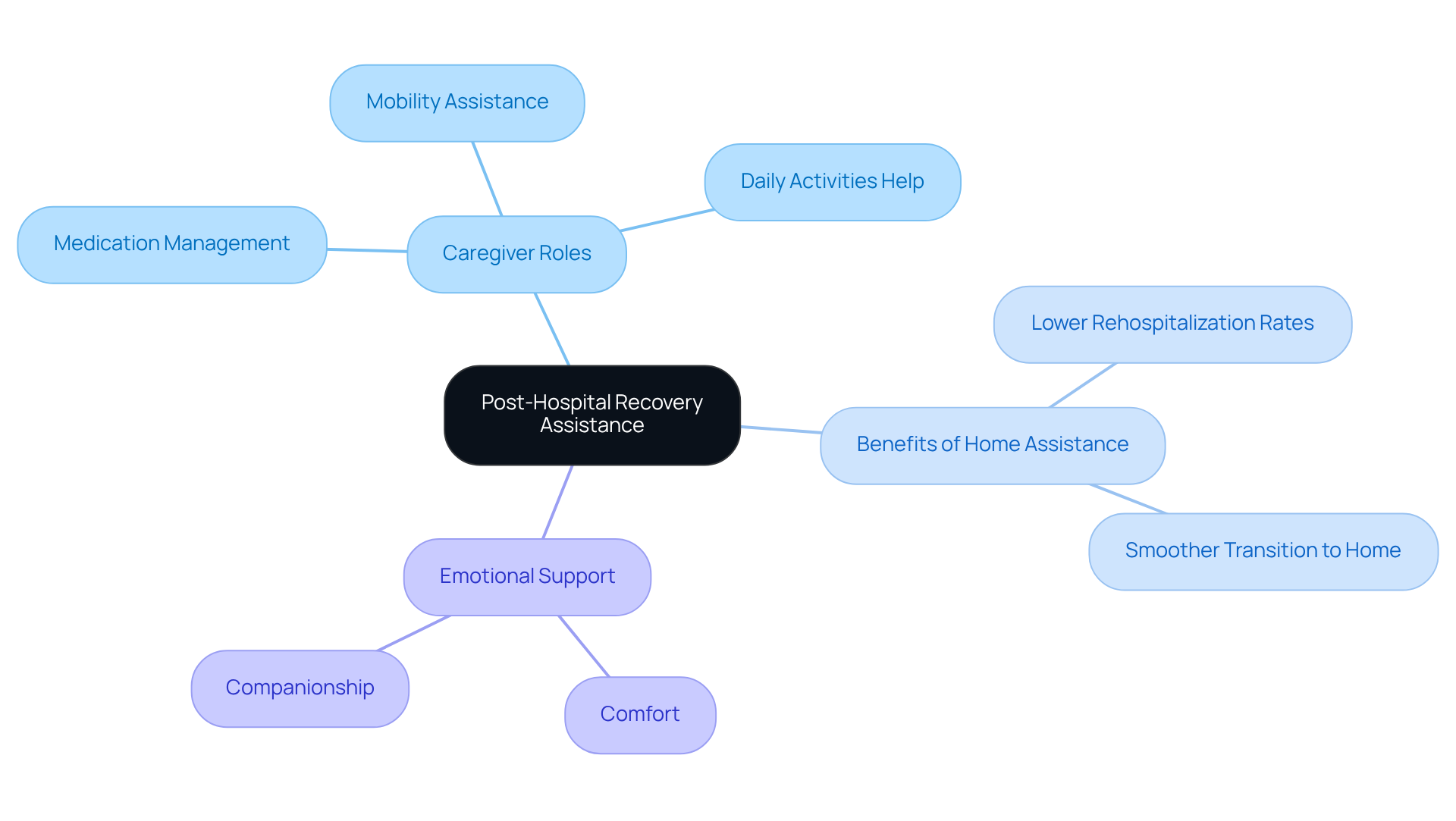
Companionship care is essential in the fight against loneliness among seniors. Research shows that one in three seniors feels isolated and lonely, which can be heartbreaking. Caregivers step in to engage individuals in meaningful conversations, activities, and hobbies. This not only provides emotional support but also boosts cognitive function. With this dedicated care, clients can hold onto a sense of purpose and connection, significantly improving their overall quality of life.
By nurturing relationships, caregivers help reduce feelings of isolation, creating a happier and healthier living environment. Loneliness isn’t just an emotional struggle; it’s linked to serious health risks like high blood pressure, heart disease, and heart attacks. That’s why companionship support is crucial for maintaining both emotional and physical well-being.
Experts emphasize that loneliness among seniors is a growing public health concern that affects both mental and physical health. Companionship care allows seniors to live in homecare while maintaining their independence and receiving help with daily tasks. This approach addresses both social and practical needs, ultimately enriching their lives.
Imagine a caregiver sharing a warm smile or a comforting word, making a world of difference in someone’s day. These small moments of connection can transform feelings of loneliness into a sense of belonging. With the right support, seniors can thrive, surrounded by care and compassion.
Post-Hospital Recovery Assistance: Smooth Transition Back to Home
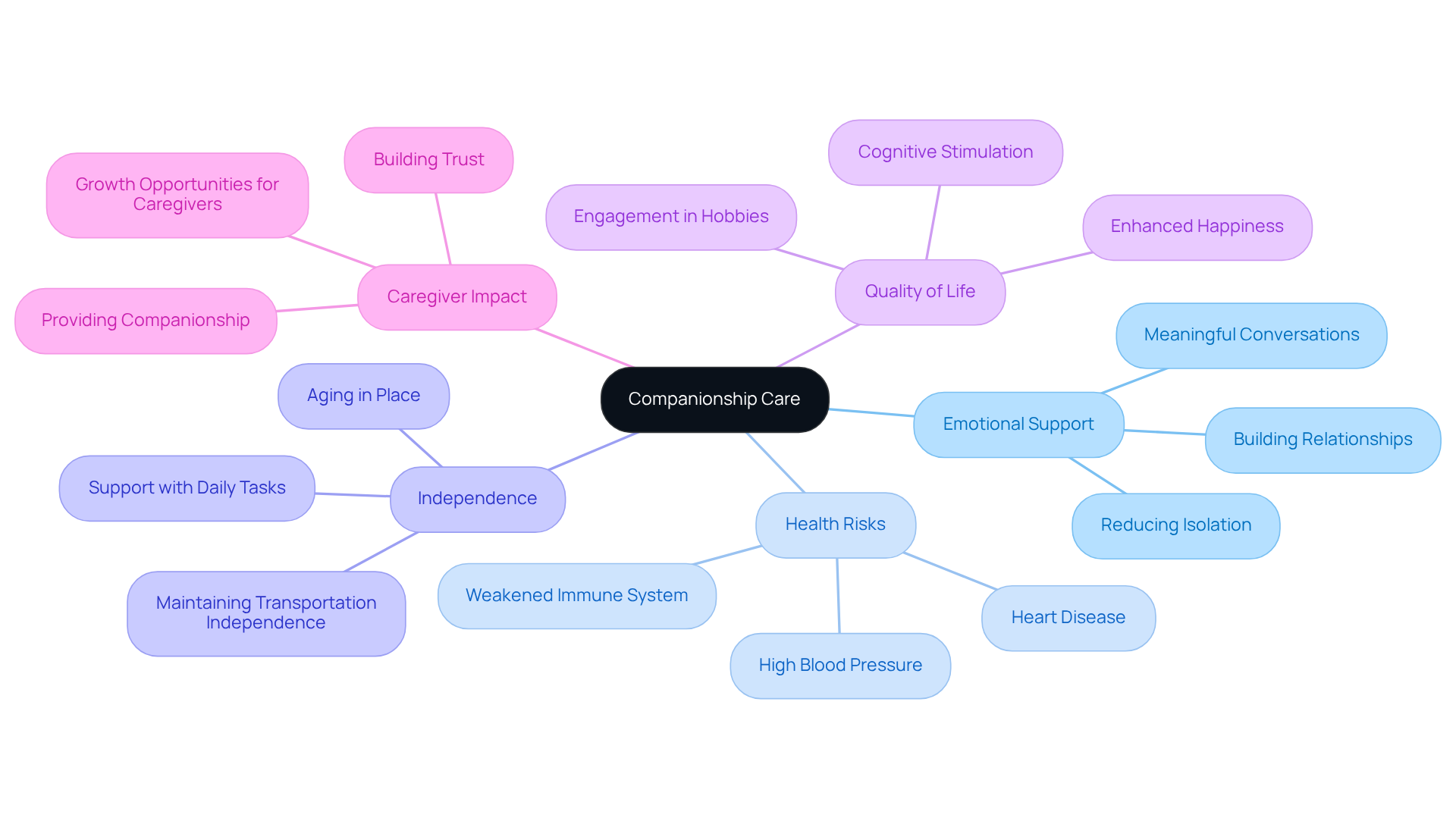
For those who live in homecare, recovering after a hospital stay can be a daunting experience. It’s crucial to have support during this time, and caregivers are there to help. They provide essential aid like managing medications, assisting with mobility, and helping with daily activities. This kind of support not only enhances safety but also creates a comforting environment, allowing individuals to live in homecare while focusing on healing.
Research shows that patients who receive home assistance have significantly lower rates of rehospitalization. In fact, nearly 1 in 5 surgical readmissions are preventable with effective post-discharge support. A study by the National Institutes of Health revealed that seniors with home care services experience much lower hospital readmission rates. By facilitating a smooth transition from hospital to home, caregivers help individuals who live in homecare reduce the chances of complications and readmissions, ensuring that they can recover effectively and regain their independence.
Moreover, the emotional support provided by caregivers is invaluable. They offer comfort and companionship, helping individuals feel secure and reassured after returning home. It’s not just about physical care; it’s about nurturing the spirit and fostering a sense of belonging. With the right support, individuals can navigate their recovery journey with confidence and peace of mind.
Respite Care: Essential Breaks for Family Caregivers
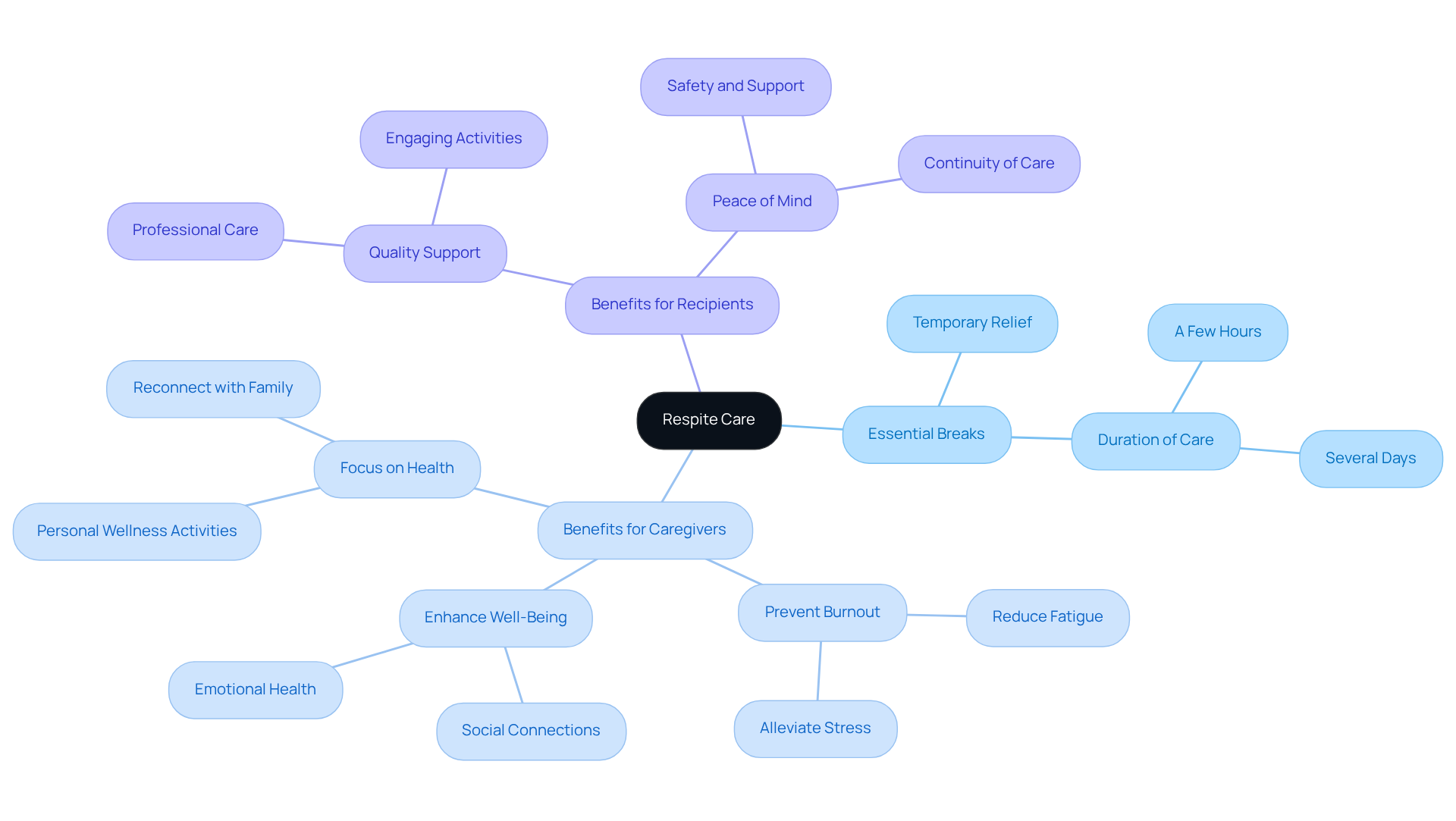
Respite services offer essential breaks for family caregivers, allowing them to relax and recharge while ensuring their loved ones continue to receive quality support. Whether it's just a few hours or several days, these services are tailored to meet the unique needs of each family.
Caring for someone can be overwhelming, and the stress can lead to burnout. By providing short-term relief, respite support not only helps prevent caregiver exhaustion but also enhances emotional well-being. This ultimately leads to better care for those receiving services.
Families can rest easy knowing their loved ones are in capable hands. This peace of mind allows caregivers to focus on their own health and well-being, fostering a healthier environment for everyone involved. It's a nurturing cycle of care that benefits both the caregiver and the recipient.
Palliative Support Care: Ensuring Comfort and Dignity for Serious Illnesses
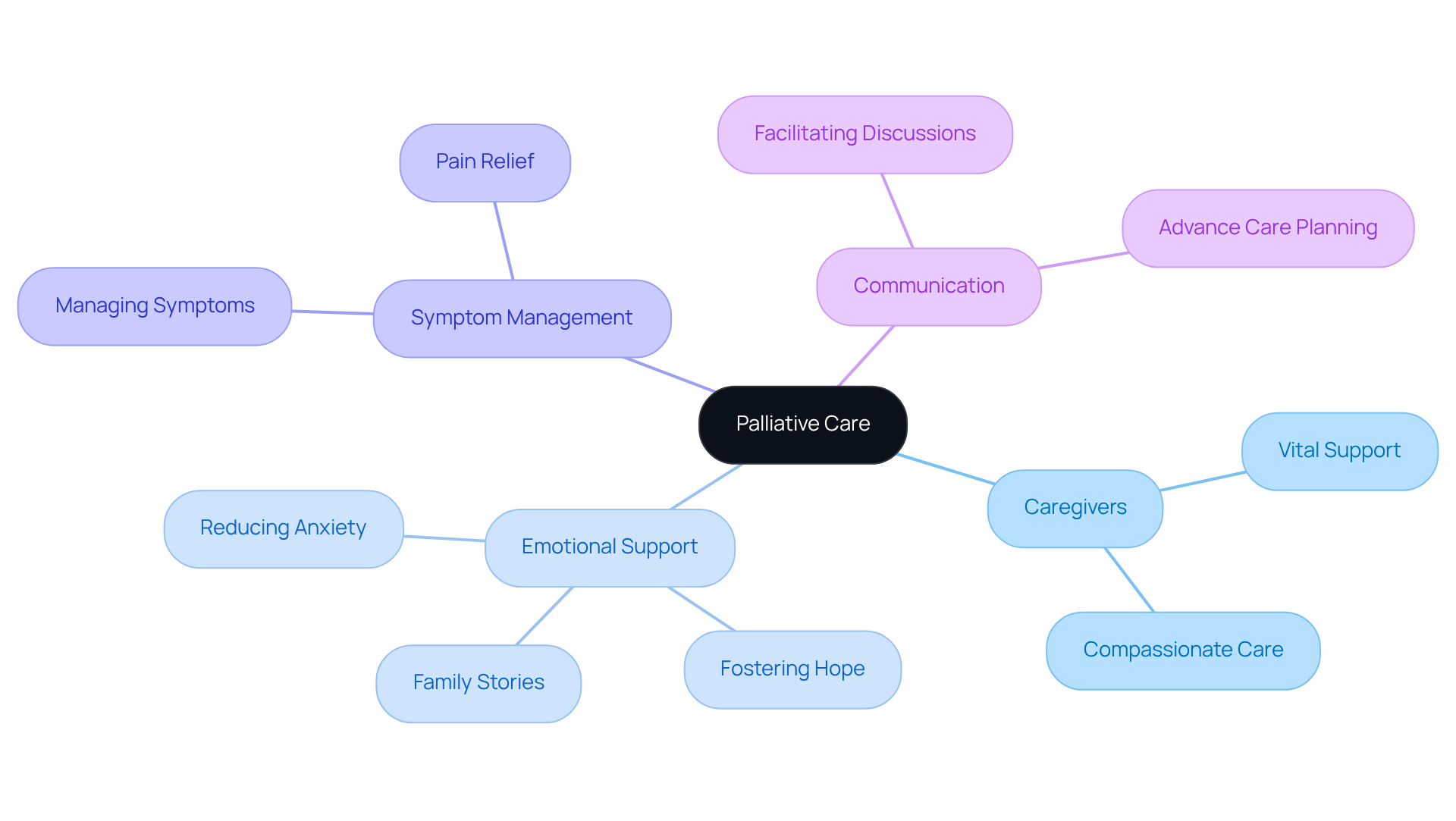
Palliative care is essential for ensuring comfort and dignity for those facing serious illnesses. Caregivers are at the heart of this journey, providing vital support in managing symptoms, offering emotional reassurance, and facilitating communication with healthcare providers. This holistic approach not only addresses physical needs but also nurtures emotional and spiritual well-being, creating a supportive environment for both patients and their families.
By prioritizing comfort and dignity, palliative support significantly enhances quality of life during challenging times. It allows clients to spend their days enveloped in peace and comfort. Specialists in the field emphasize that incorporating emotional support into palliative care is crucial. It helps reduce feelings of isolation and anxiety, ultimately leading to a more dignified end-of-life experience.
Families often share heartwarming stories of appreciation for the compassionate support that enables their loved ones to maintain a sense of self and comfort in their final days. This dedication to dignity shines through in the positive outcomes reported by families, highlighting the profound impact of empathetic care.
Flexible Scheduling: Tailored Care That Fits Your Lifestyle
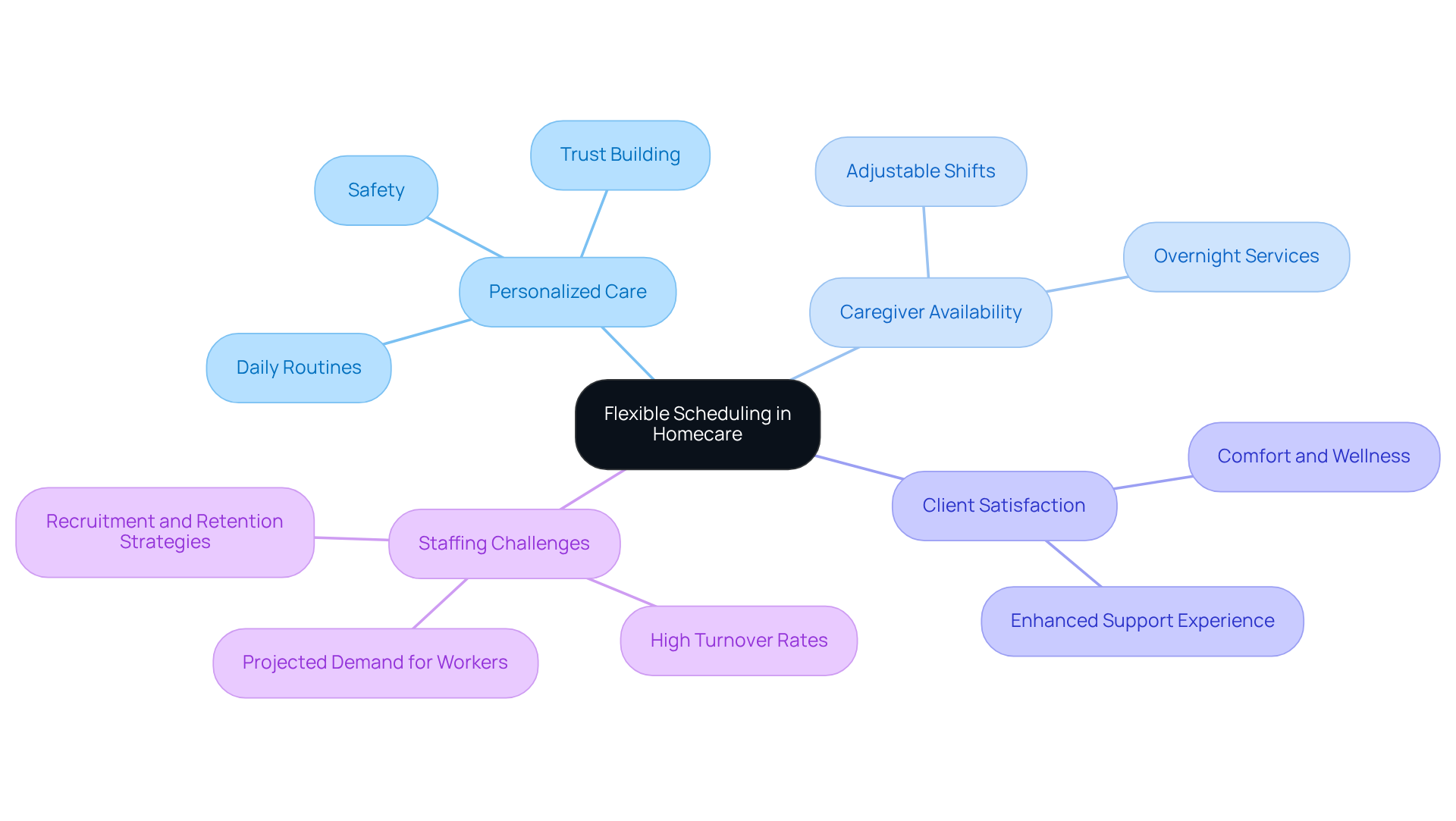
Flexible scheduling stands as a vital pillar of live in homecare services, allowing families to tailor assistance to their unique needs and daily routines. Caregivers can adjust their availability to provide help during the day, evenings, or even overnight, ensuring that individuals receive the support they need precisely when they need it. This adaptability not only fosters continuity of care but also enables families to carry on with their daily activities and commitments without interruption.
By prioritizing personal preferences, providers significantly enhance the overall support experience, leading to greater satisfaction for those receiving care. As one caregiver shared, "Being able to adjust my schedule to fit the individual's needs makes all the difference; it allows us to build a trusting relationship and ensures they feel comfortable and supported." This personalized approach not only meets urgent needs but also nurtures a sense of safety and wellness for clients and their families.
Given the ongoing staffing shortages in the home support sector, with a projected demand for over 800,000 additional home assistance workers by 2031, the ability to offer flexible scheduling for individuals who live in homecare is more crucial than ever. Families often face significant challenges when accessible assistance is unavailable, making live in homecare models essential for maintaining quality care.
Promoting Independence: Empowering Clients to Live on Their Terms
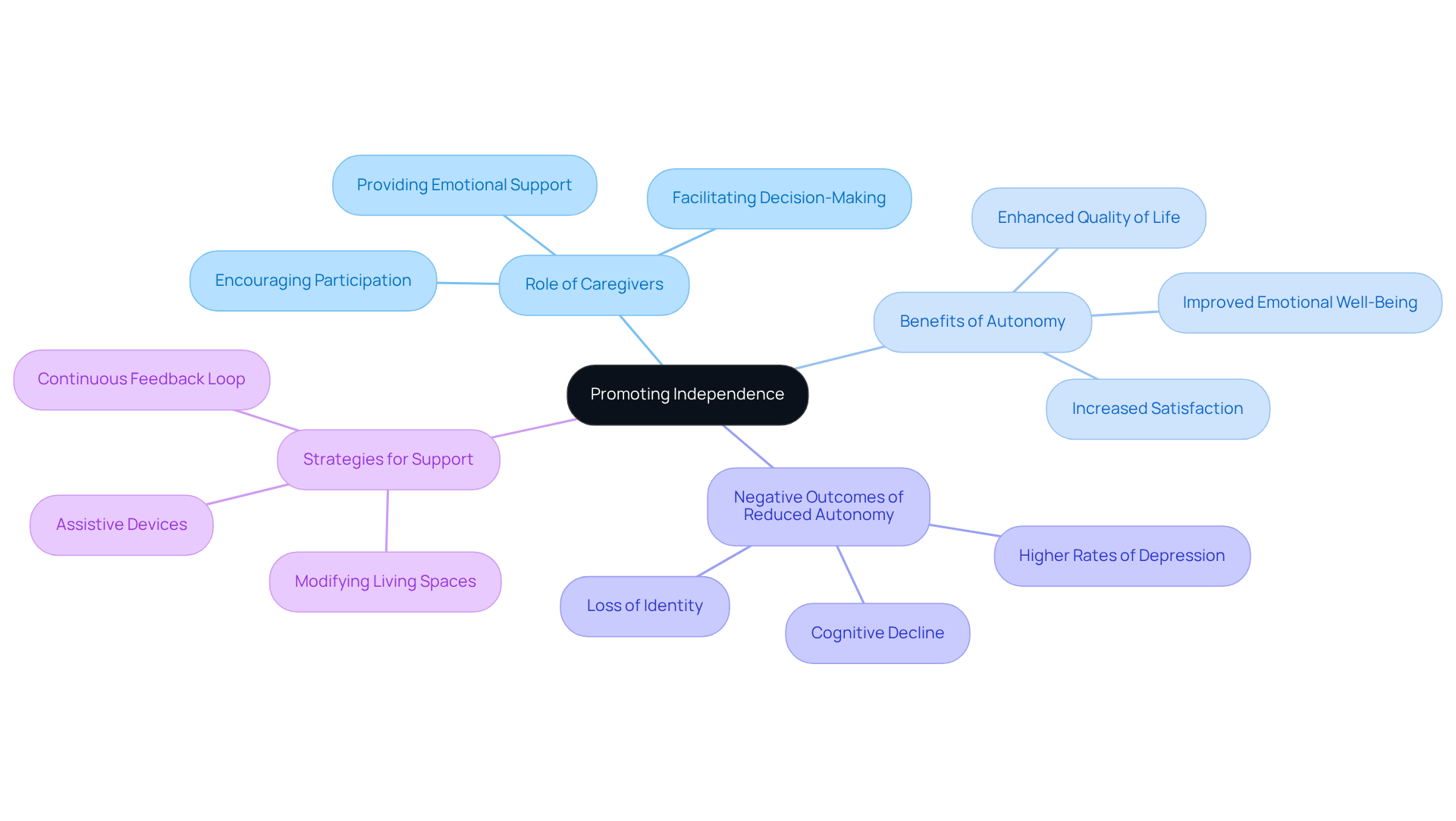
Encouraging autonomy is vital in domestic support. It allows individuals to live according to their preferences and values. Caregivers play a crucial role in motivating individuals to participate in daily activities, make informed decisions about their care, and maintain their established routines. This empowerment fosters a profound sense of autonomy, essential for preserving dignity and self-worth—key components of emotional well-being.
By prioritizing individual autonomy, support providers enhance the quality of life. They encourage individuals to engage in their communities and pursue personal interests, contributing to a more fulfilling and involved lifestyle. However, it’s important to recognize that reduced autonomy can lead to negative outcomes, such as higher rates of depressive symptoms and cognitive decline.
To address these challenges, providers can implement strategies like:
- Offering assistive devices
- Modifying living spaces for safety
This ensures that individuals retain their independence while receiving essential support. As noted by The Good Care Group, 'Our live in homecare carers play a crucial role in promoting independence and autonomy for those we serve.' This highlights the importance of a compassionate approach in caregiving, reassuring both caregivers and those they support that autonomy is not just a goal, but a pathway to a richer, more connected life.
Technology Integration: Enhancing Communication and Care Management
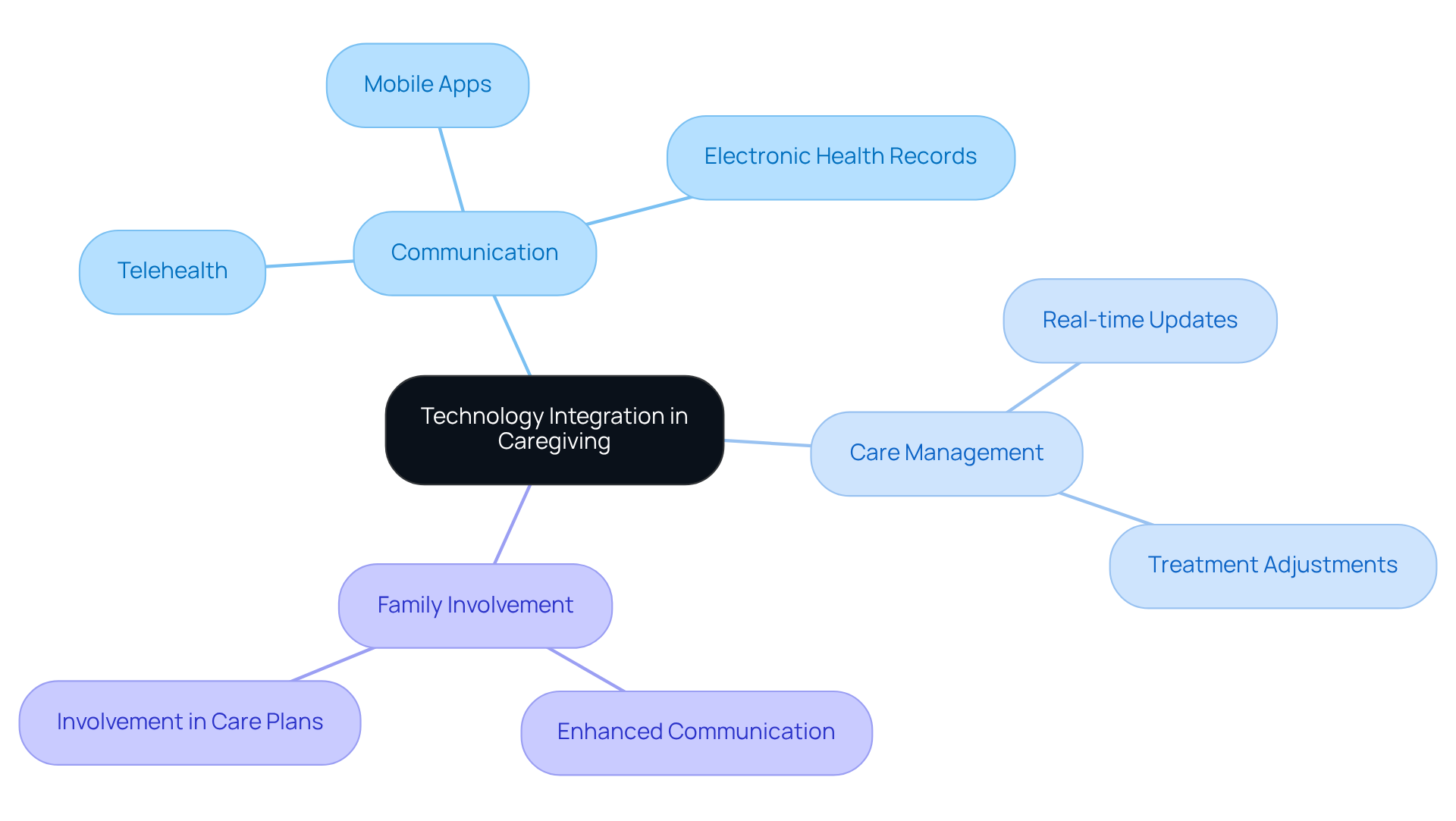
Caring for a loved one can be incredibly challenging, often leaving caregivers feeling overwhelmed and stressed. The incorporation of technology in home support offers a compassionate solution, significantly improving communication and management. It enables smooth coordination among providers, recipients, and families, easing some of that burden.
Instruments like electronic health records, telehealth services, and mobile applications empower caregivers to track clients' health efficiently. They can share real-time updates with family members and adjust treatment plans as needed, fostering a sense of connection and involvement. This technological support not only enhances the quality of assistance but also promotes transparency and trust, ensuring families stay informed and actively engaged in their loved ones' wellbeing.
With over 70 million Americans expected to utilize remote patient monitoring by 2025, the impact of telehealth on caregiving is profound. It streamlines processes and improves health outcomes through timely interventions. As healthcare technology specialists highlight, "These advancements are vital for improving management of services and ensuring that patient needs are addressed swiftly and effectively."
Family supporters can leverage these technologies to reduce their burden and enhance communication with healthcare providers. Moreover, with the suggested Medicare expansion possibly enhancing access to live in homecare services, those providing aid can anticipate greater resources and support to assist them in their essential roles.
Remember, you’re not alone in this journey. Embracing these advancements can make a world of difference, allowing you to focus on what truly matters—caring for your loved ones.
Family Testimonials: Real Stories of Life-Changing Care Experiences
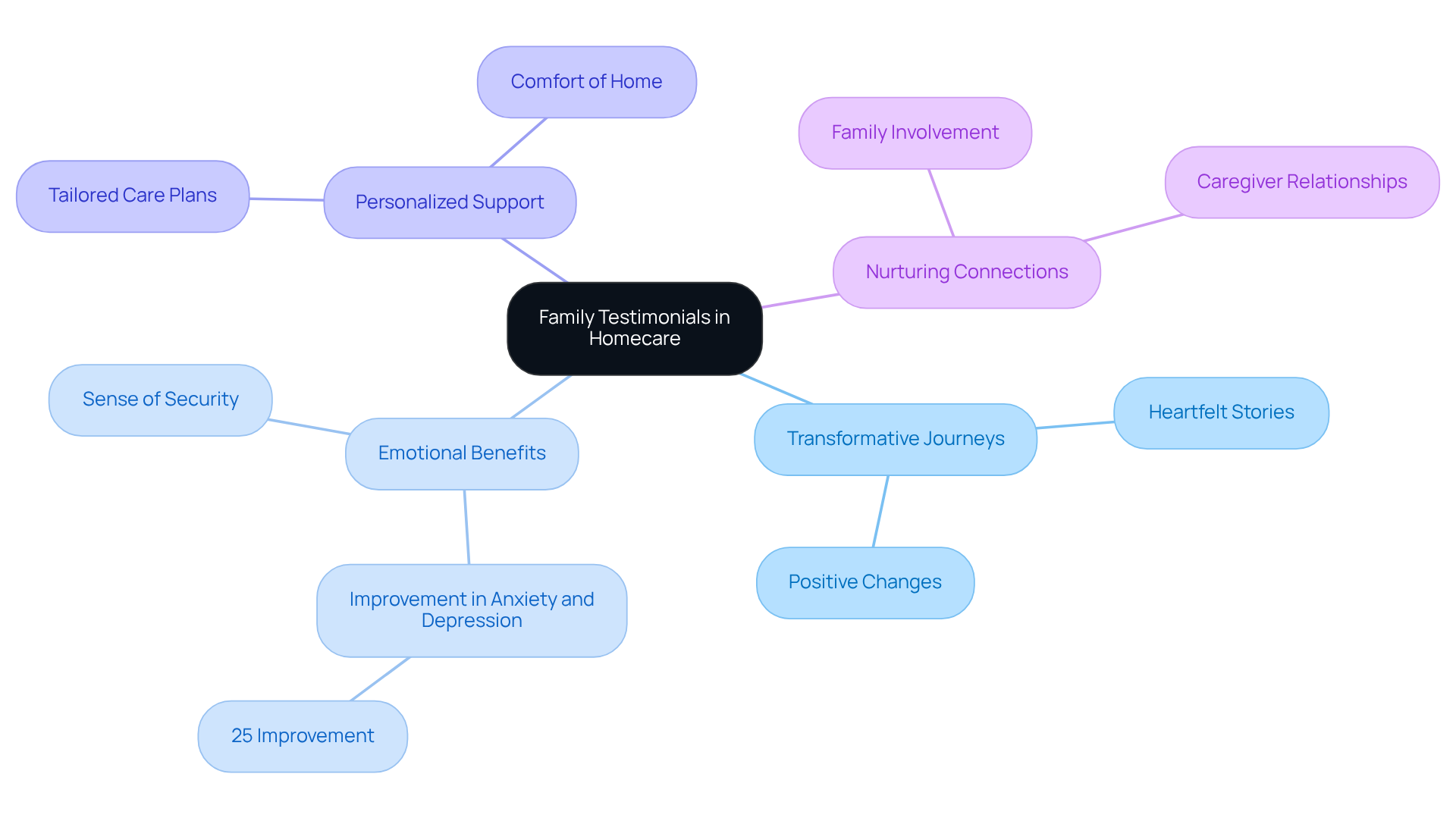
Family testimonials provide heartfelt insights into the transformative journeys of individuals who live in homecare assistance. These stories often reveal the compassionate care that providers offer to individuals who live in homecare, significantly enhancing their well-being. Families feel immense relief knowing their loved ones can live in homecare, providing care in a familiar setting that fosters a sense of security and peace of mind.
Research shows that patients who live in homecare experience a 25% improvement in anxiety and depression scores, highlighting the emotional benefits of personalized support. One referral source shared, "I cannot thank your agency enough. It is no falsehood when I inform my customers who are having difficulty with support providers and organizations that yours will not let them down."
By sharing these genuine experiences, families can truly appreciate the importance of personalized support for those who live in homecare and its profound impact on both clients and caregivers. Testimonials not only underscore the commitment of in-home support services but also serve as a powerful reminder of the positive changes that personalized assistance can bring to the lives of those who live in homecare.
To explore these benefits further, families are encouraged to seek out testimonials and case studies that resonate with their loved ones' needs. This journey of care emphasizes that to live in homecare is not just about assistance; it’s about nurturing connections and fostering a sense of belonging.
Conclusion: The Transformative Power of In-Home Care
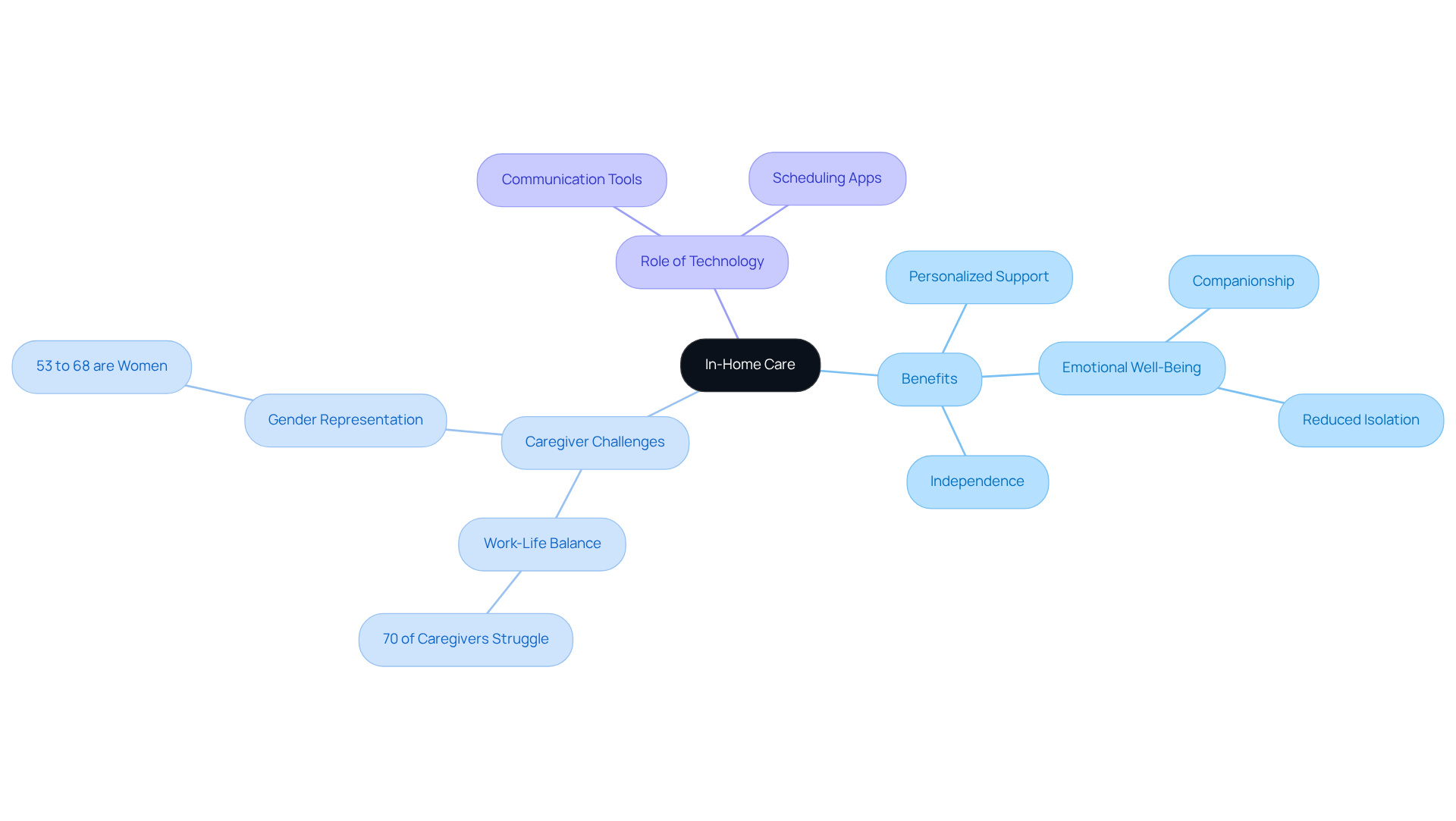
Live in homecare serves as a compassionate solution for families, providing personalized support that truly enhances quality of life. It encourages independence and nurtures emotional well-being. With customized services, each individual receives help tailored to their unique needs, allowing families to feel secure knowing their loved ones can live in homecare, cared for in the comfort of their own homes.
Many caregivers face overwhelming challenges; nearly 70% struggle to balance work and caregiving duties. It's particularly poignant that between 53% and 68% of primary caregivers in the U.S. are women. This is where the flexibility of in-home assistance becomes essential, providing relief and support when it’s needed most.
Moreover, technology plays a vital role in this caregiving journey. Tools like online communication platforms and scheduling apps help families stay connected and informed, enhancing the overall experience. Compassionate caregivers do more than assist with daily tasks; they offer companionship, helping to alleviate the feelings of isolation that many seniors face.
In fact, 44% of individuals receiving home support require help with at least one daily activity, underscoring the critical role of in-home aides. This personalized approach not only boosts the emotional well-being of clients who live in homecare but also fosters their sense of security and comfort. Live in homecare truly becomes an invaluable resource for families navigating the complexities of caregiving, as it provides both practical assistance and heartfelt support.
Moving Forward with Live In Homecare
Live-in homecare is a vital resource for families, offering tailored support that truly enhances the quality of life for those in need. It fosters independence and addresses emotional well-being, allowing loved ones to remain in the comfort of their own homes while receiving the assistance they require. Families can find peace of mind knowing that their unique needs are being met through personalized services.
This article highlights several key benefits of live-in homecare:
- Companionship care combats loneliness.
- Post-hospital recovery assistance facilitates smooth transitions.
- Respite care provides essential breaks for family caregivers, allowing them to recharge.
- The integration of technology enhances communication and care management, ensuring families stay connected and informed throughout the caregiving journey.
These elements illustrate how personalized support not only improves the emotional and physical well-being of clients but also strengthens the overall caregiving experience.
Ultimately, embracing live-in homecare is an empowering choice for families navigating the complexities of caregiving. It alleviates the burdens faced by caregivers and enriches the lives of those receiving care. By recognizing the importance of personalized support, families can create a nurturing environment that promotes dignity, independence, and emotional fulfillment for their loved ones. The transformative power of in-home care underscores its significance as a compassionate solution that benefits both clients and caregivers alike.
https://iframe.tely.ai/cta/eyJhcnRpY2xlX2lkIjogIjY5MGQzZWE3NDA2Zjc2MDY5NGFiZmUwMCIsICJjb21wYW55X2lkIjogIjY4ZWU1ZGNhNzMxNzYyNTU3ZjNjOTVjMSIsICJpbmRleCI6IG51bGwsICJ0eXBlIjogImFydGljbGUifQ==Frequently Asked Questions
What is Happy to Help Caregiving?
Happy to Help Caregiving provides personalized in-home support designed to enhance the quality of life for seniors and individuals with special needs, addressing the emotional challenges faced by caregivers.
How does Happy to Help Caregiving personalize its support?
The organization tailors its support to each individual's unique preferences and needs, creating a nurturing atmosphere that encourages independence and emphasizes emotional well-being.
What are the benefits of personalized assistance at home?
Personalized assistance boosts independence, comfort, and social engagement, allowing clients to flourish while maintaining dignity and quality of life.
What is companionship care and why is it important?
Companionship care involves engaging seniors in meaningful conversations and activities to combat loneliness, which can significantly improve their emotional and cognitive well-being.
How does loneliness affect seniors?
Loneliness is linked to serious health risks such as high blood pressure, heart disease, and heart attacks, making companionship care crucial for maintaining both emotional and physical health.
What role do caregivers play in post-hospital recovery?
Caregivers provide essential support by managing medications, assisting with mobility, and helping with daily activities, which enhances safety and creates a comforting environment for recovery.
What impact does home assistance have on hospital readmission rates?
Research indicates that patients receiving home assistance have significantly lower rates of rehospitalization, with nearly 1 in 5 surgical readmissions being preventable through effective post-discharge support.
In addition to physical care, what other support do caregivers provide?
Caregivers offer emotional support, companionship, and reassurance, helping individuals feel secure and fostering a sense of belonging during their recovery process.